Washington National Parks Road Trip: How to Visit Olympic, Mount Rainier & North Cascades

Affiliate Disclosure: This post may contain affiliate links. If you make a purchase or booking through these links, I may earn a commission at no additional cost to you.
Planning a Washington national parks road trip? Learn how to visit Olympic, Mount Rainier, and North Cascades National Parks in one unforgettable 7-, 10-, or 14-day itinerary.
Estimated reading time: 46 minutes
When people start planning a national parks vacation, Washington usually isn’t the first state that comes to mind.
Most travelers immediately think about Yellowstone, Glacier, the Utah Mighty 5, or maybe the Grand Canyon.
Honestly, I was guilty of the same thing.
Before visiting Washington, I knew Olympic National Park had beaches and rainforests. I knew Mount Rainier was supposed to be spectacular. I knew almost nothing about North Cascades National Park.
What I didn’t realize was how much variety you could pack into one trip.
Over the course of our Washington road trip, we walked through old-growth forests dripping with moss, climbed over driftwood on rugged Pacific beaches, stood beside turquoise mountain lakes, and stared up at glaciers clinging to some of the most dramatic peaks I’ve seen anywhere in the United States.
And the funny thing is that each park felt completely different.
Olympic National Park didn’t feel anything like Mount Rainier.
Mount Rainier didn’t feel anything like North Cascades.

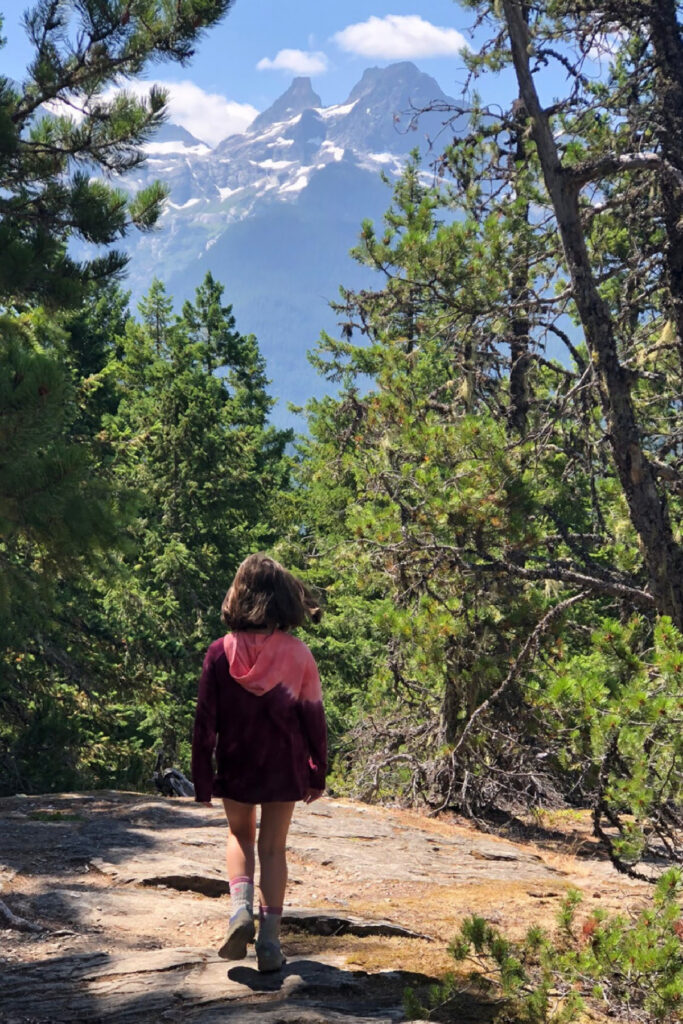
Even after visiting more than a dozen national parks over the years, I kept finding myself surprised.
By the end of the trip, I kept thinking the same thing:
Why don’t more people talk about this road trip?
If you’re looking for a national parks vacation that combines mountains, beaches, waterfalls, rainforests, scenic drives, and incredible viewpoints, this might be one of the best trips in America.
And despite what Instagram might lead you to believe, you don’t need to be a backpacker or a hardcore hiker to enjoy it.
Many of the best experiences involve short walks, scenic overlooks, and easy trails that most visitors can enjoy.
This guide covers everything I wish I had known before planning a Washington national parks road trip, including how much time you need, where to stay, how much driving is involved, and what I would prioritize if I were doing the trip again.
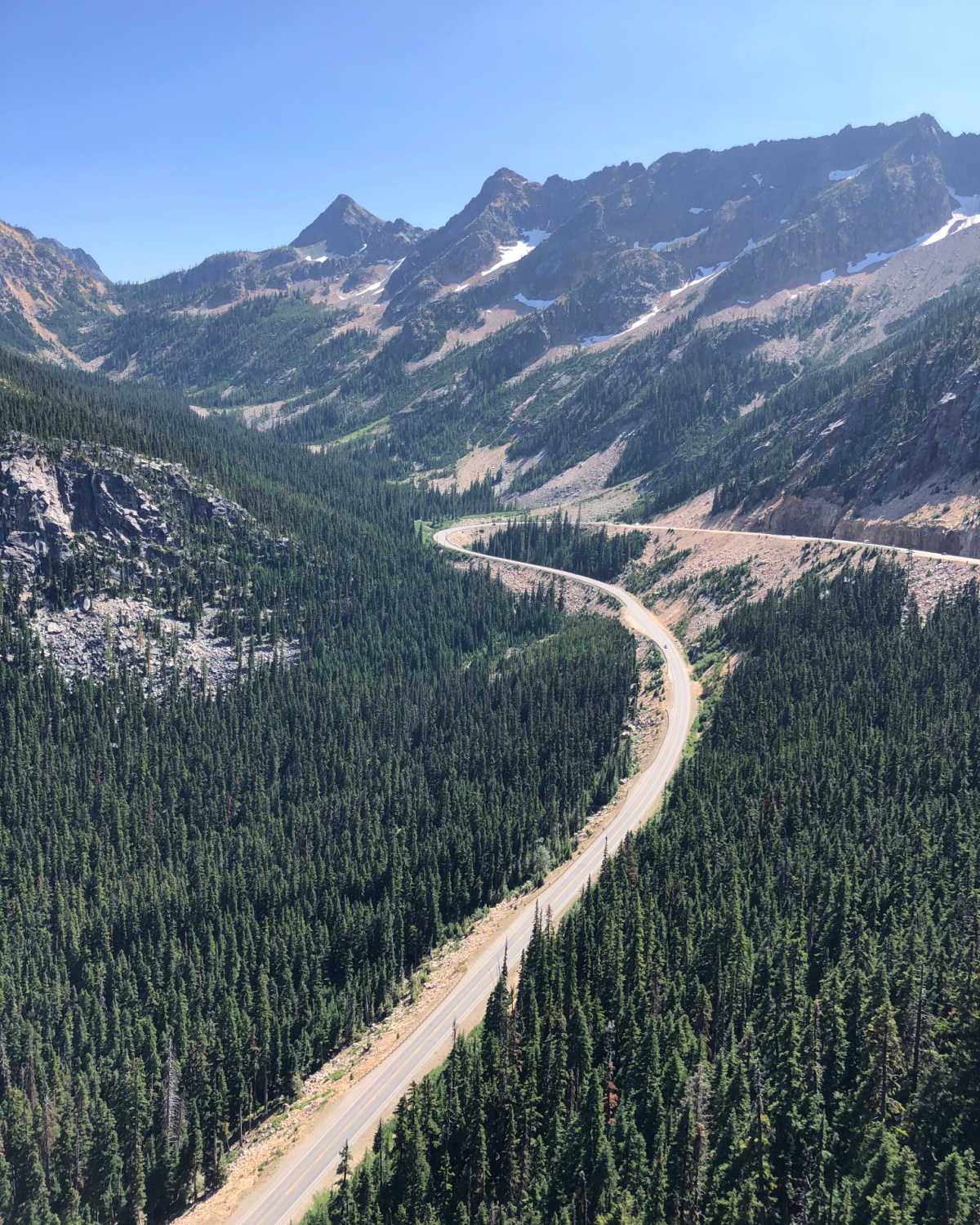
What to Expect on This Washington National Parks Road Trip
Unlike many national park vacations that focus on a single type of scenery, this road trip delivers an incredible variety of landscapes.
You’ll explore rugged Pacific beaches, walk through temperate rainforests, stand beneath a glacier-covered volcano, and drive through some of the most dramatic mountain scenery in the Pacific Northwest.
This itinerary is designed for families, casual travelers, retirees, photographers, and anyone who wants to experience the highlights of Washington’s national parks without needing to be a backpacker or hardcore hiker.
Below is a quick overview before we dive into the details.
Quick Snapshot
| Detail | Information |
|---|---|
| Parks Included | Olympic National Park, Mount Rainier National Park, North Cascades National Park |
| Bonus Destination | Mount Baker |
| Ideal Trip Length | 10–14 Days |
| Minimum Trip Length | 7 Days |
| Starting Airport | Seattle-Tacoma International Airport |
| Best Time to Visit | July through September |
| Hiking Difficulty | Mostly Easy to Moderate |
| Best For | Families, retirees, photographers, and casual travelers |
| Lodging Style | Hotels, lodges, cabins |
| Total Driving Distance | Approximately 700–900 miles |
Why Washington Is One of the Best National Park Road Trips in America
I’ve done road trips through Yellowstone and Grand Teton. Our family has explored Glacier National Park. I’ve spent time in Utah’s national parks.
Washington feels different.
Most national park trips revolve around one dominant landscape.
Utah is red rock country.
Yellowstone is famous for geysers and wildlife.
Glacier is all about alpine scenery.
Washington somehow combines multiple completely different experiences into one vacation.
One day you can be standing on a beach watching waves crash against sea stacks.
The next day you’re looking at a glacier-covered volcano.
A few days later you’re staring down at bright turquoise water surrounded by jagged mountain peaks.
The scenery changes so dramatically from park to park that the trip never feels repetitive.
That’s something I genuinely appreciated.
There are road trips where, by day five or six, every viewpoint starts to feel a little similar.
Washington never felt that way.
Another thing that surprised me was how accessible many of the highlights were.
When people talk about Washington national parks online, the conversation often revolves around backpacking, strenuous hikes, and mountaineering.
There’s certainly plenty of that available.
But some of our favorite experiences required very little hiking.
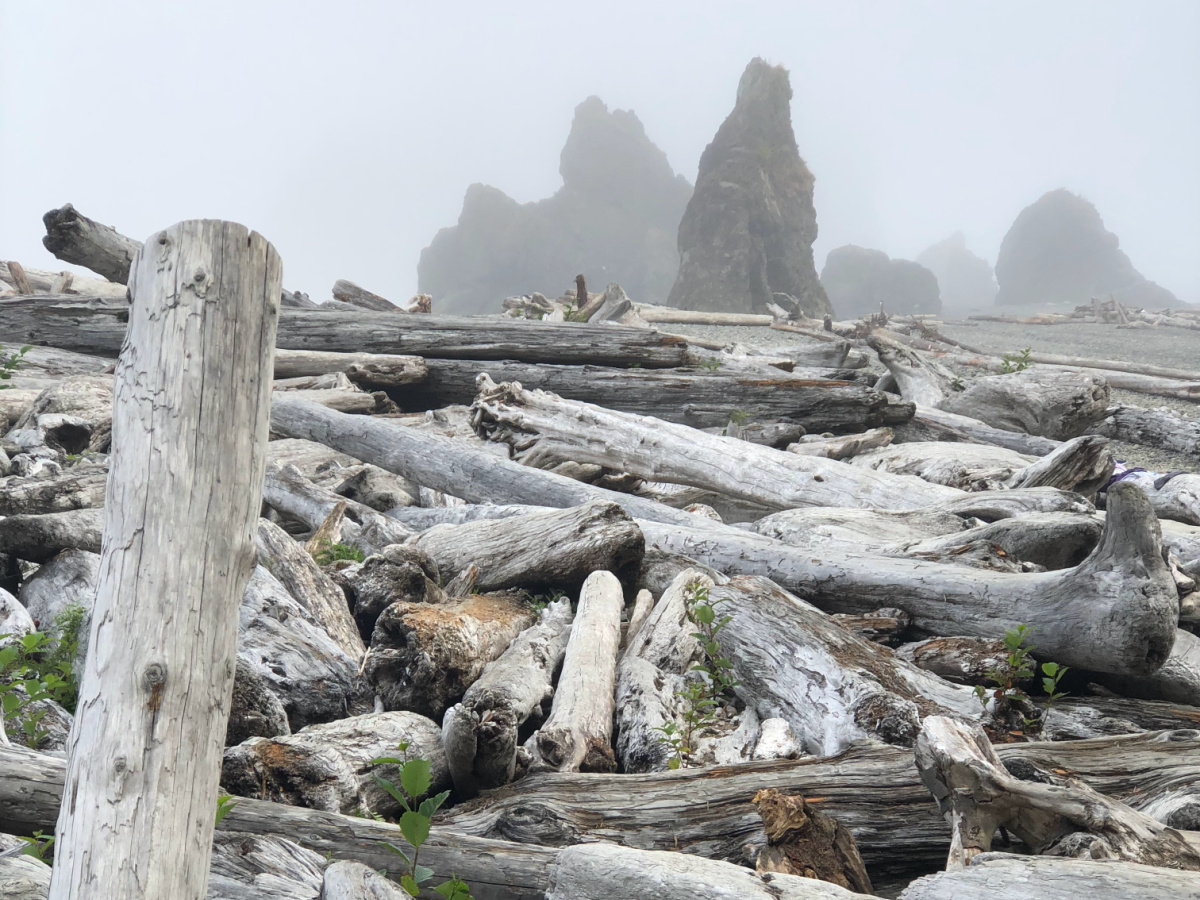
Some of My Favorite Easy-to-Reach Highlights
- Hurricane Ridge
- Ruby Beach
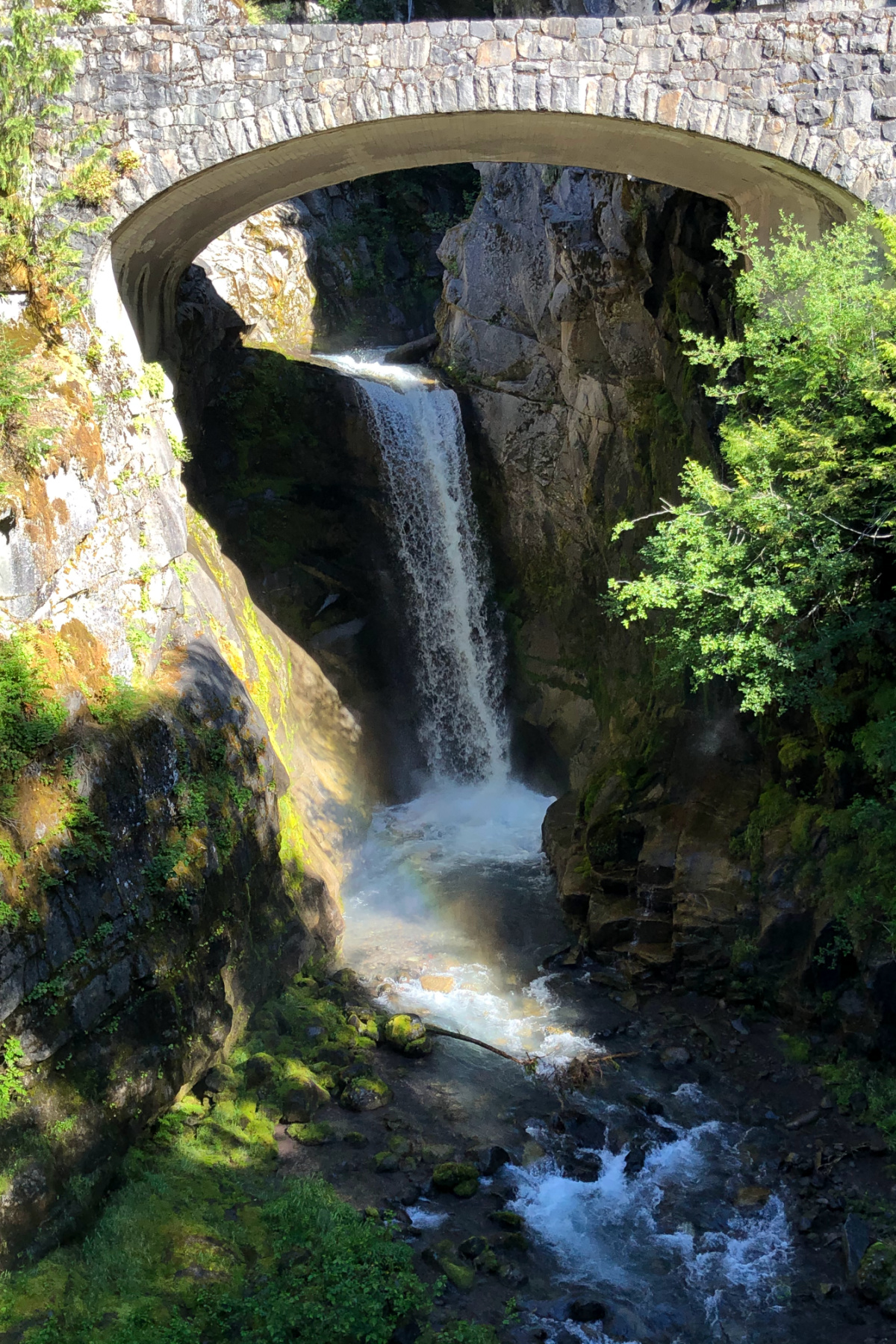
- Myrtle Falls
- Reflection Lakes
- Diablo Lake Overlook
- Washington Pass
- Picture Lake
These are all places that deliver incredible scenery without requiring an all-day hike.
For travelers like my family—people who enjoy national parks but aren’t looking to spend every day climbing mountains—that’s a huge advantage.
Why This Road Trip Is So Special
One of the reasons I think this road trip works so well is that each park brings something completely different to the table.
You aren’t just visiting three versions of the same thing.
You’re experiencing three completely different landscapes.
Olympic National Park: Rainforests, Beaches, and Waterfalls
Olympic was the park that surprised me the most.
Before visiting, I understood that it contained beaches and rainforests.
What I didn’t appreciate was how different each part of the park would feel.
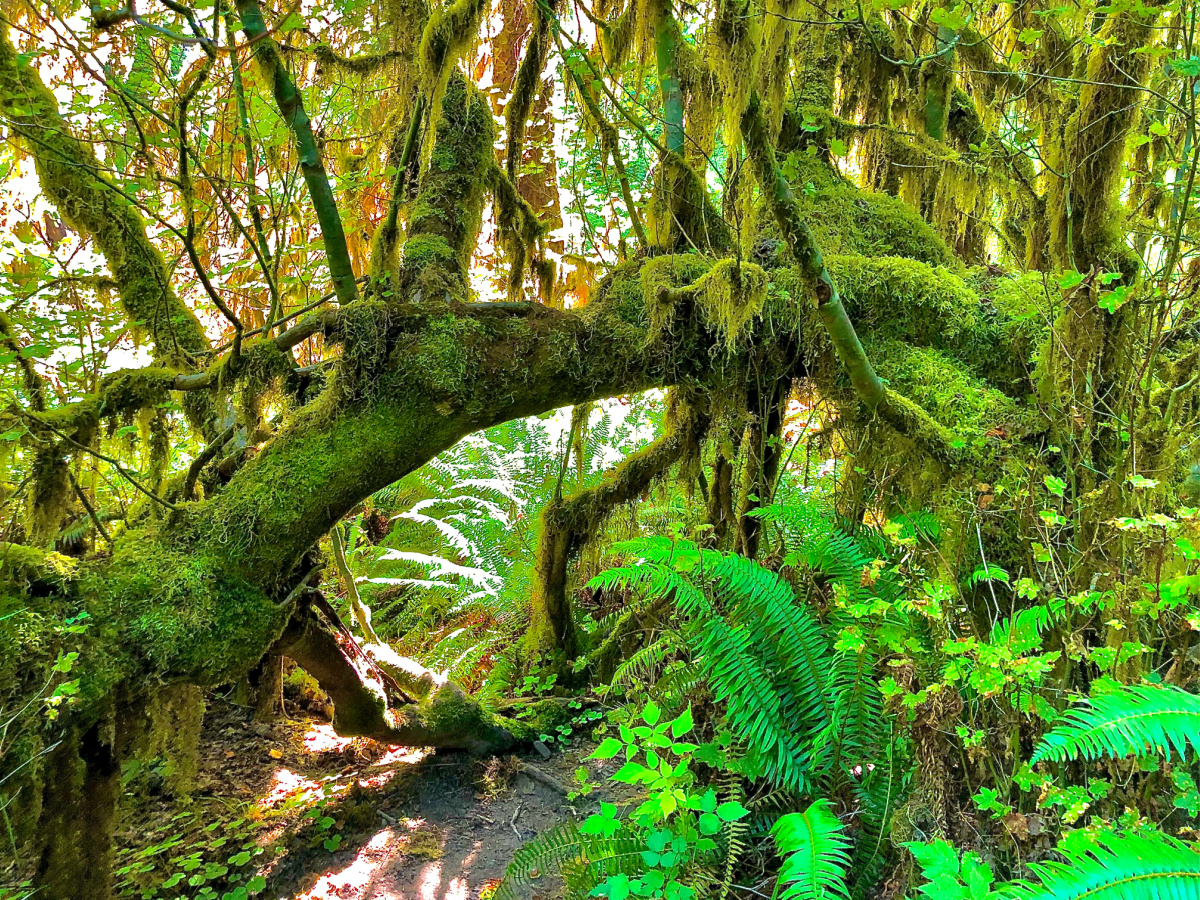
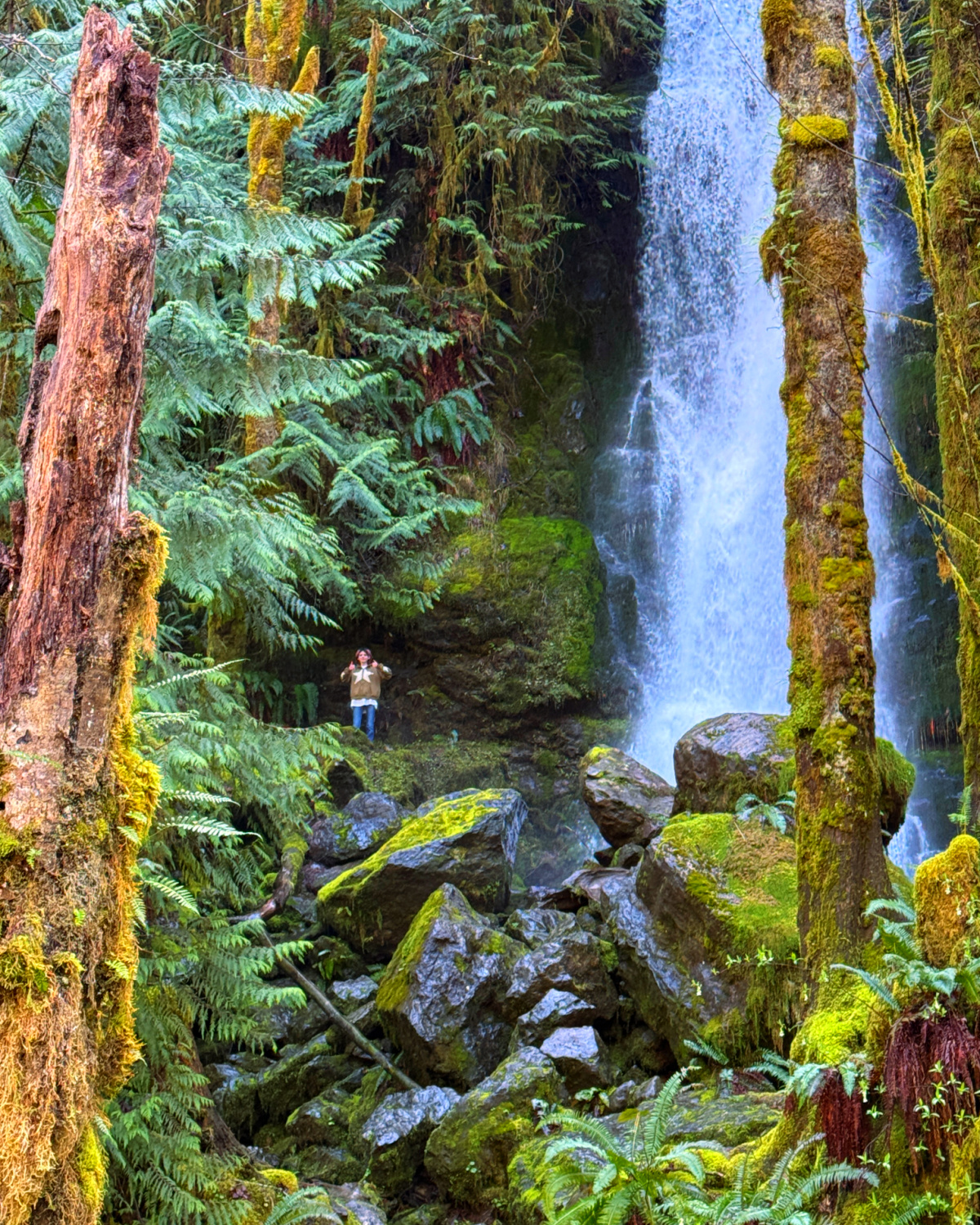
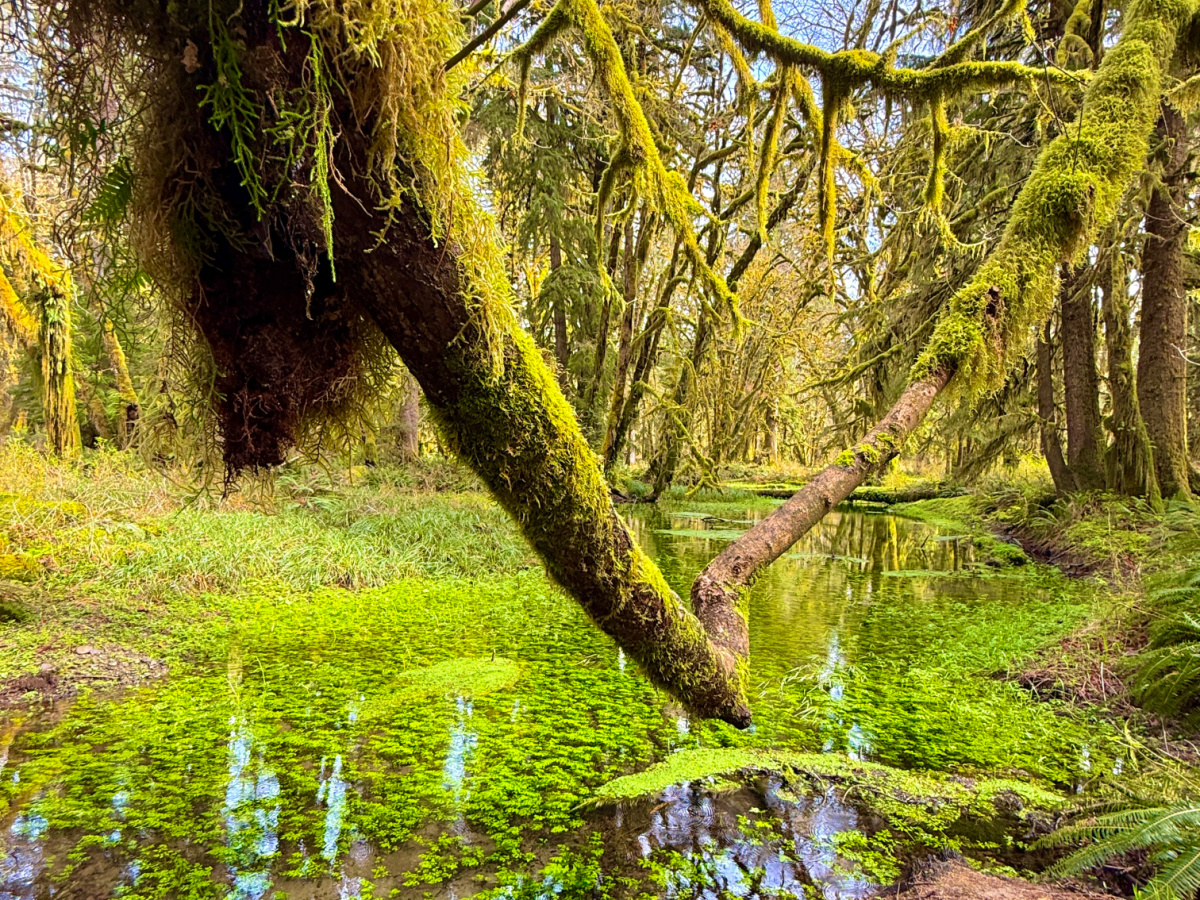
One morning we were standing beneath giant moss-covered trees in the Hoh Rain Forest.
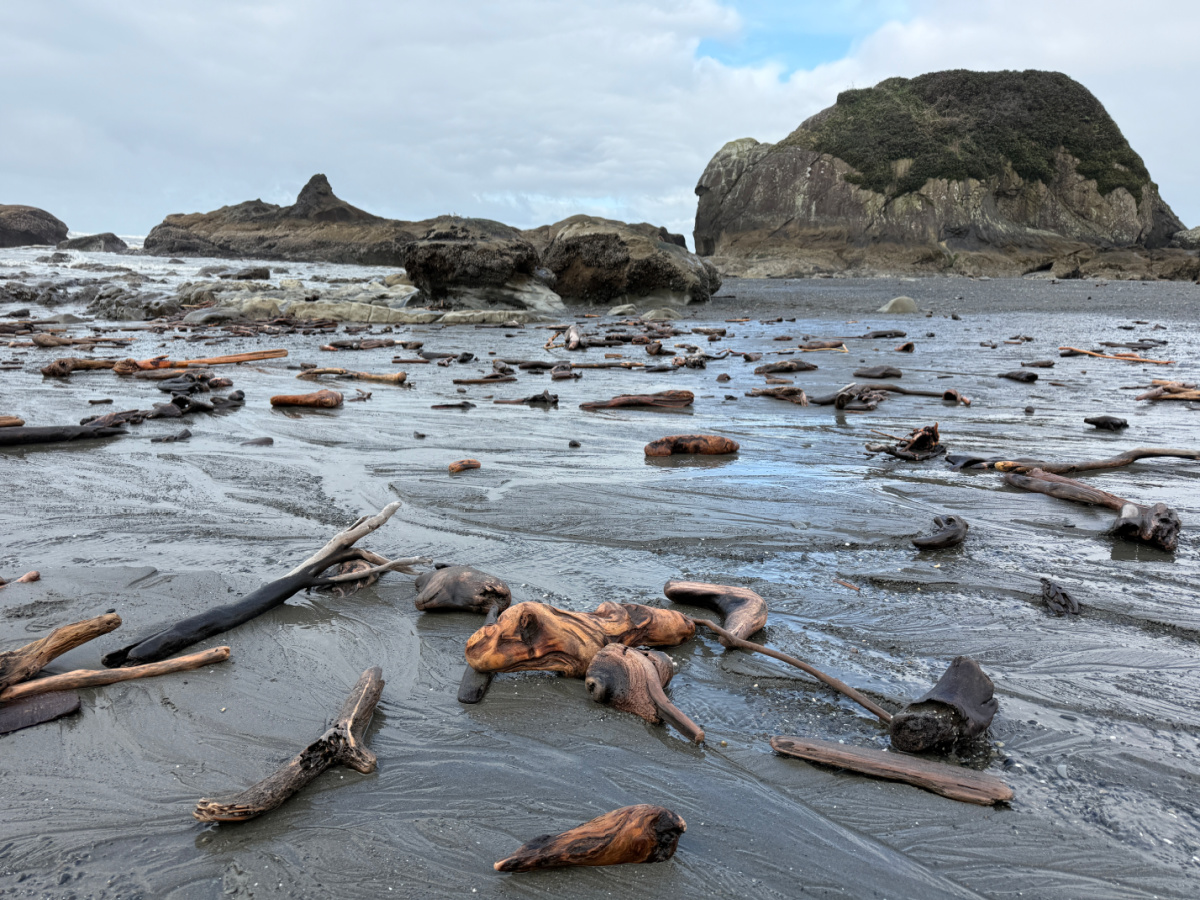
Later we were walking across Ruby Beach surrounded by driftwood and sea stacks.
Then we drove up to Hurricane Ridge and found ourselves looking out over snow-covered mountains.
If someone showed me photos from those three locations and told me they were in different states, I probably would have believed them.
That’s how varied Olympic feels.
Highlights Include:
- Hurricane Ridge
- Hall of Mosses
- Ruby Beach
- Beach 4
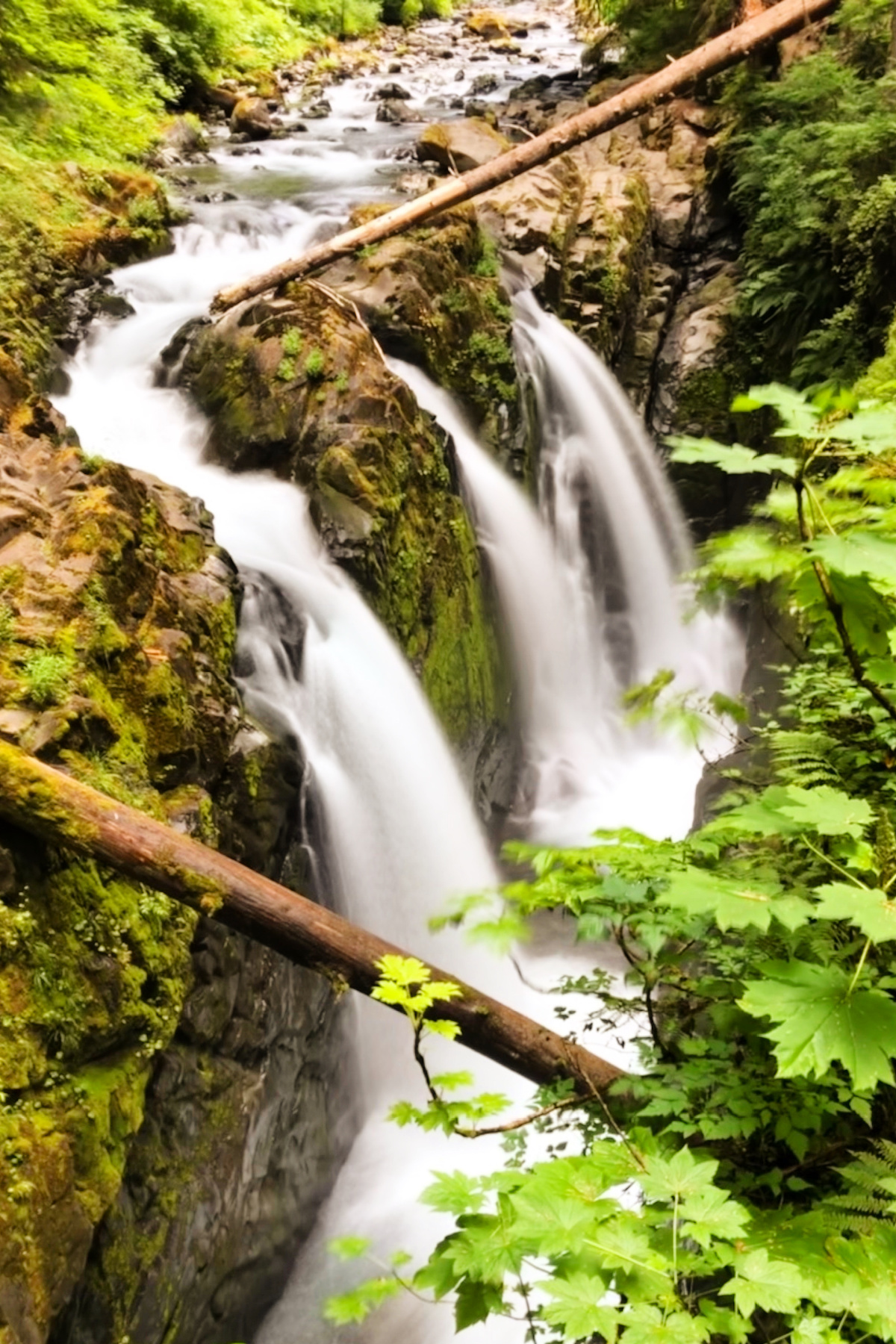
- Sol Duc Falls
- Lake Crescent
- Rialto Beach
Not sure where to start? Check out my guide to the Best Things to Do in Olympic National Park for a complete overview of the park’s highlights.
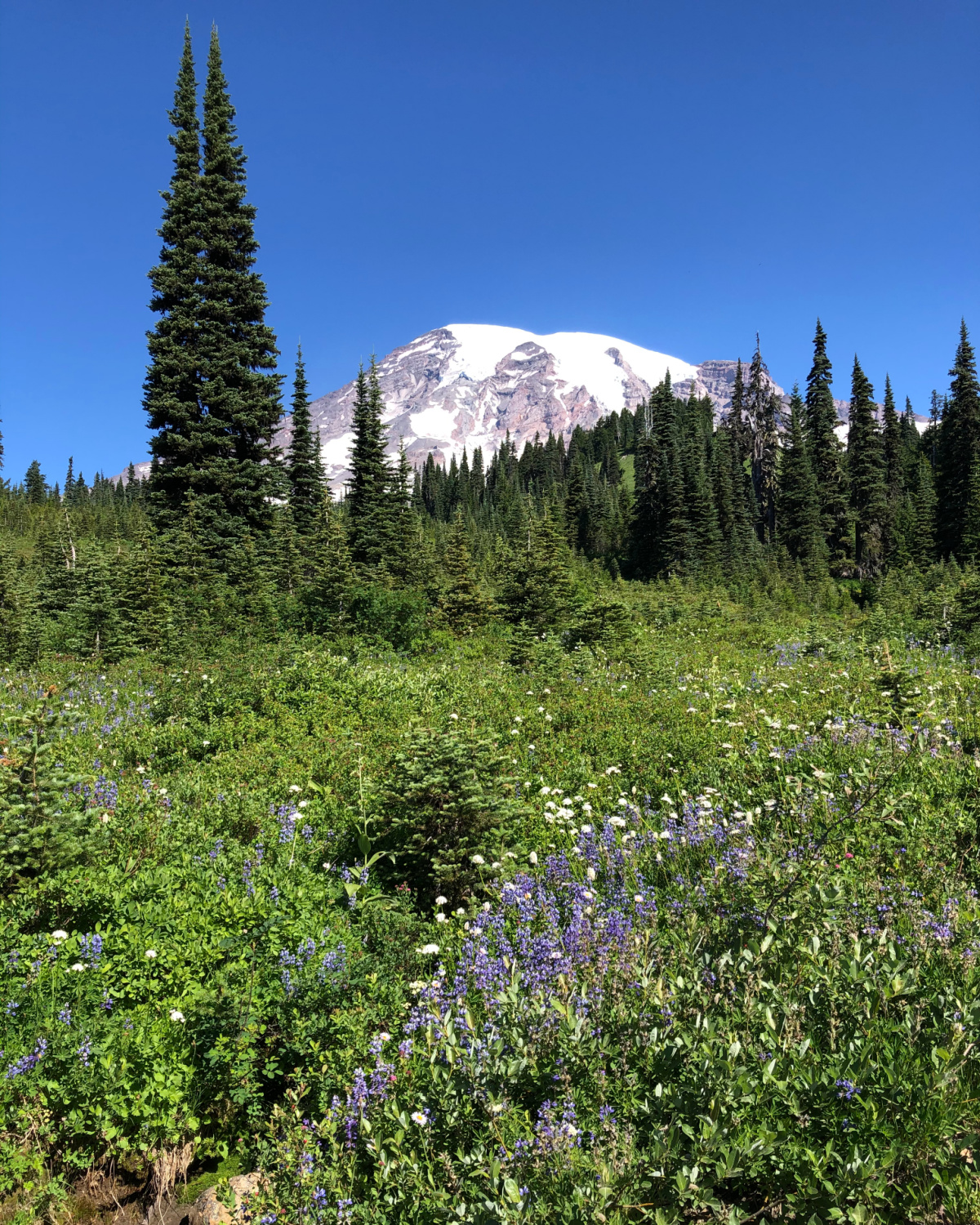
Mount Rainier National Park: Washington’s Icon
Mount Rainier is almost the opposite experience.
Instead of variety, everything revolves around one massive mountain.
And honestly, photos don’t really prepare you for it.
I’ve seen Mount Rainier in pictures for years.
I knew it was tall.
I knew it was impressive.
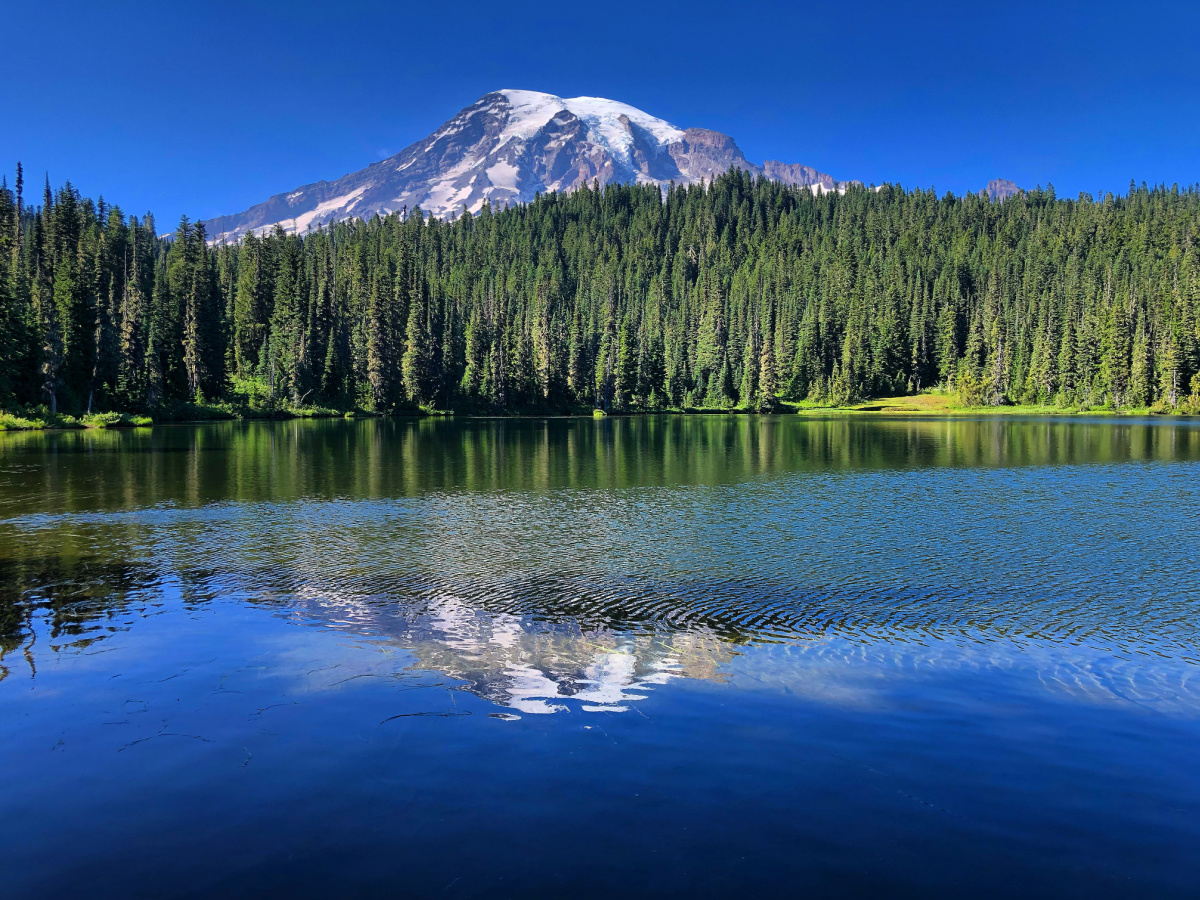
But standing in Paradise and looking up at the mountain is something entirely different.
It dominates the landscape in a way that’s difficult to explain until you’re there.
Highlights Include:
- Paradise
- Myrtle Falls
- Reflection Lakes
- Sunrise
- Tipsoo Lake
North Cascades National Park: Washington’s Hidden Gem
North Cascades was probably the biggest surprise.
Not because I’d heard bad things about it.
I’d barely heard anything about it at all.
In many ways, it feels like the forgotten sibling of Washington’s national parks.
Which is kind of crazy once you see it.
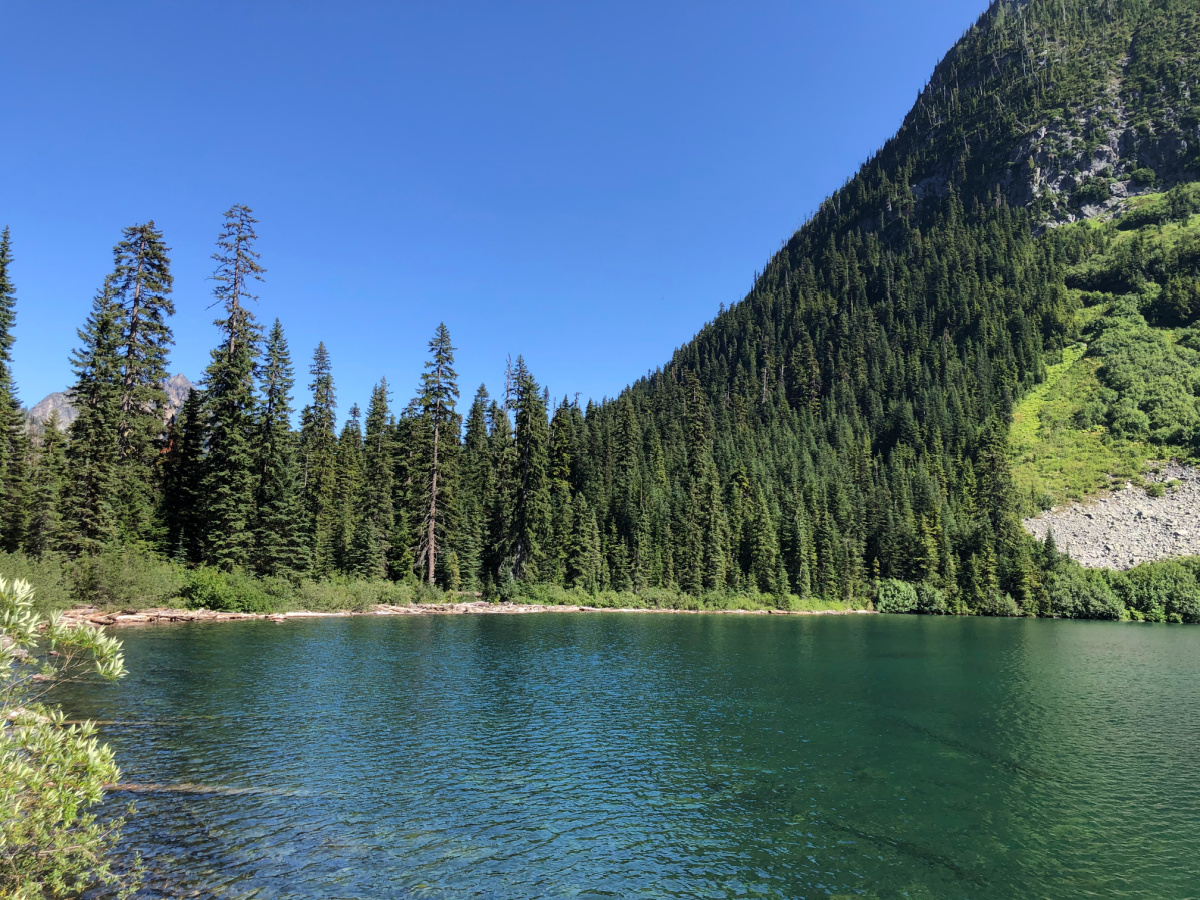
The mountains are spectacular.
The lakes are stunning.
The crowds are surprisingly manageable.
Highlights Include:

Mount Baker: The Perfect Bonus Addition
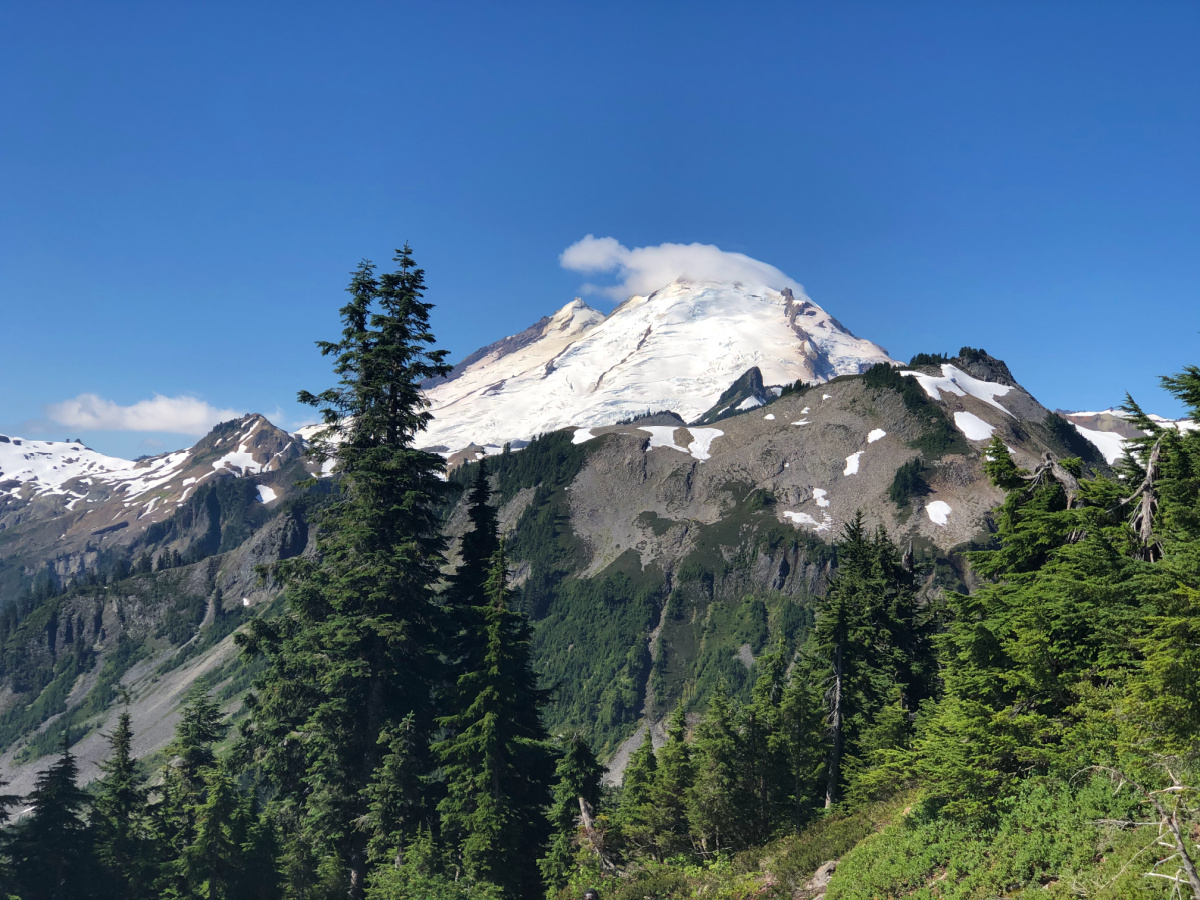
Although Mount Baker isn’t a national park, I strongly recommend adding it if you have enough time.
The Mount Baker Scenic Byway is one of the most beautiful drives in Washington.
Artist Point alone is worth the detour.
On our visit, the views from Artist Point were every bit as impressive as many viewpoints inside the national parks.
Don’t Miss:
- Artist Point
- Picture Lake
- Heather Meadows
- Nooksack Falls
Which Washington National Park Is Best?
This is probably the question I get asked most often.
The honest answer?
It depends on what you enjoy most.
Quick Comparison
| If You Love… | Best Park |
|---|---|
| Beaches | Olympic |
| Waterfalls | Olympic |
| Rainforests | Olympic |
| Variety | Olympic |
| Wildflowers | Mount Rainier |
| Mountain Views | Mount Rainier |
| Iconic Photography | Mount Rainier |
| Scenic Drives | North Cascades |
| Turquoise Lakes | North Cascades |
| Smaller Crowds | North Cascades |
If I could only visit one park for the first time, I’d probably choose Olympic.
Not because it’s necessarily the most spectacular.
But because it offers so many completely different experiences in one destination.
Fortunately, the whole point of this road trip is that you don’t have to choose.
How Much Driving Is This Really?
This was one of the biggest surprises of our trip.
When you’re planning from home, Washington doesn’t look that large on a map.
Then you start driving.
And driving.
And driving.
The parks are farther apart than many people expect.
Olympic in particular takes longer to navigate than it appears.
You can’t simply cut through the middle of the park.
Most routes circle around the perimeter, which adds significantly more driving time than first-time visitors often anticipate.
Approximate Drive Times
| Route | Drive Time |
|---|---|
| Seattle to Port Angeles | 2.5–3 hours |
| Port Angeles to Forks | About 75 minutes |
| Port Angeles to Hoh Rain Forest | Around 2 hours |
| Olympic to Mount Rainier | 4–5 hours |
| Mount Rainier to North Cascades | 4–5 hours |
| North Cascades to Seattle | 2.5–3 hours |
Overall, expect roughly 700–900 miles of driving during a typical trip.
The good news is that much of that driving is beautiful.
The bad news is that trying to cram all three parks into a rushed week can leave you feeling like you’re spending more time in the car than outside of it.
The Biggest Planning Mistake People Make
Looking back, Olympic was the park I underestimated the most.
Not because the scenery wasn’t impressive—it absolutely was.
The problem was that I didn’t fully appreciate how much time it would take to move around the park.
When you look at a map, the attractions don’t seem that far apart.
Then you actually start driving.
Hurricane Ridge is here.
Ruby Beach is over there.
The Hoh Rain Forest is somewhere else entirely.
By the time you factor in the driving, parking, short hikes, viewpoints, and inevitable photo stops, a day fills up quickly.
That’s why I think one of the biggest mistakes people make is treating Olympic like a park they can “check off” in a day or two.
Could you do it?
Sure.
Would you enjoy it?
Probably not.
My Recommendation
- 3 days = minimum
- 4 days = ideal
- 5 days = fantastic
Olympic rewards travelers who slow down.
Recommended Route
After doing the trip myself, I think the best route is:
Seattle → Olympic National Park → Mount Rainier National Park → North Cascades National Park → Mount Baker → Seattle
There are a few reasons I like this order.
First, it minimizes backtracking.
Second, the scenery naturally builds throughout the trip.
You start with beaches, waterfalls, and rainforests.
Then you move into the iconic mountain scenery around Mount Rainier.
Finally, you finish with the rugged alpine landscapes of North Cascades and Mount Baker.
It’s a road trip that somehow gets better every few days.
And that’s not something I say very often.
My Recommended Time Allocation
- 4 days in Olympic National Park
- 2–3 days in Mount Rainier National Park
- 2–3 days in North Cascades National Park
- 1–2 days in Mount Baker
That combination gives you enough time to actually experience each destination instead of simply driving through it.
And in my opinion, that’s what makes the difference between a memorable vacation and a checklist trip.
Washington National Parks Road Trip Itineraries
One of the things I like most about this road trip is that it works for several different vacation lengths.
If you’re limited to a week, you can still experience all three national parks.
If you have ten days, the trip starts to feel comfortable instead of rushed.
And if you have two full weeks, you can slow down enough to appreciate what makes each park unique rather than simply checking attractions off a list.
The biggest piece of advice I can give is this:
Don’t try to see everything.
Washington is one of those places where you’ll enjoy yourself far more by seeing a little less and experiencing it more fully.
If I Only Had 7 Days in Washington
I’m not going to pretend this is ideal.
A week is enough to see the highlights, but you’ll be moving frequently and covering a lot of ground.
The key is focusing on the experiences that provide the biggest scenic payoff.
Days 1–3: Olympic National Park
Even with only seven days, I’d still dedicate nearly half the trip to Olympic.
That may seem like a lot, but Olympic is easily the most time-consuming park of the three.
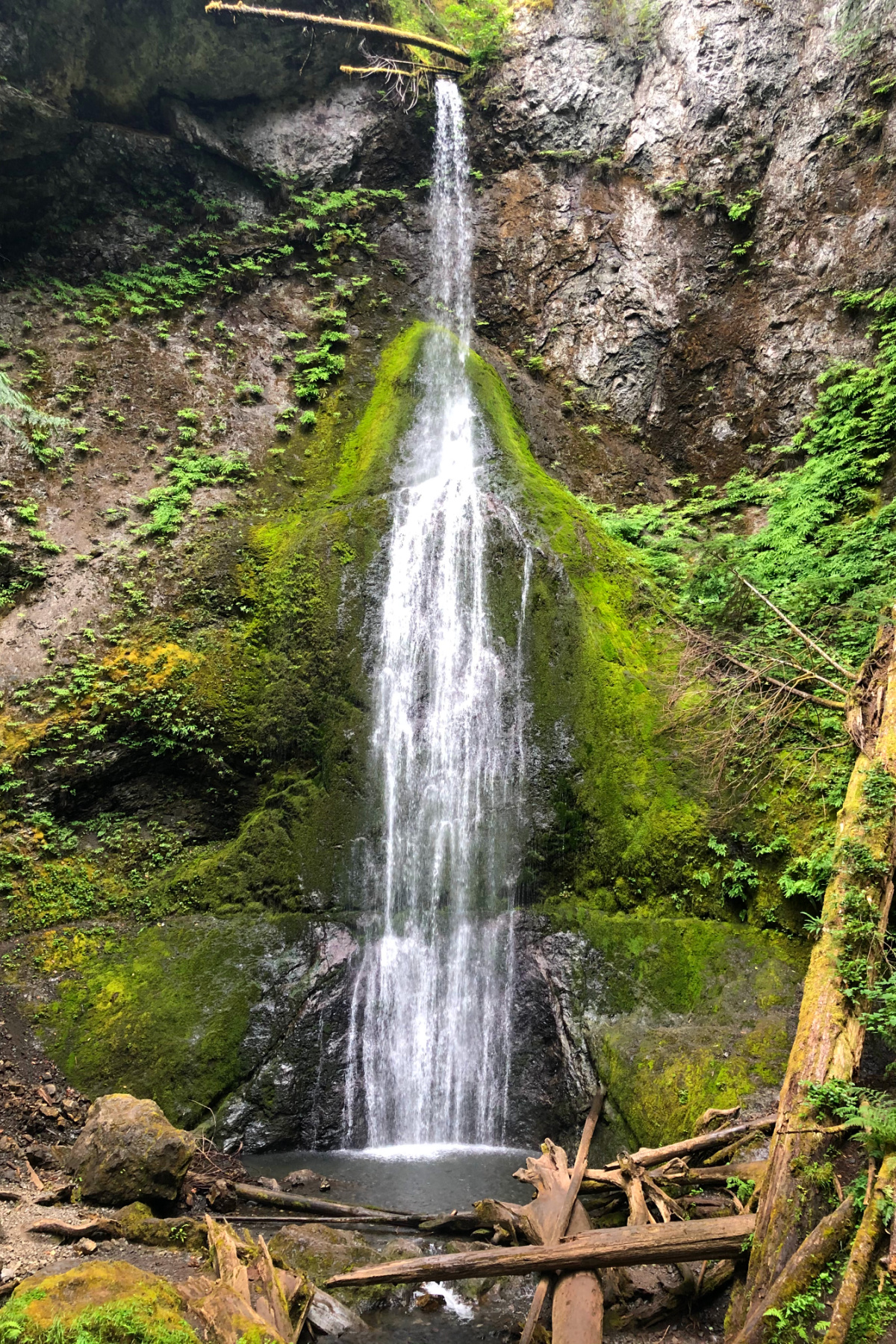
My first full day would focus on Hurricane Ridge, Lake Crescent, and Marymere Falls.
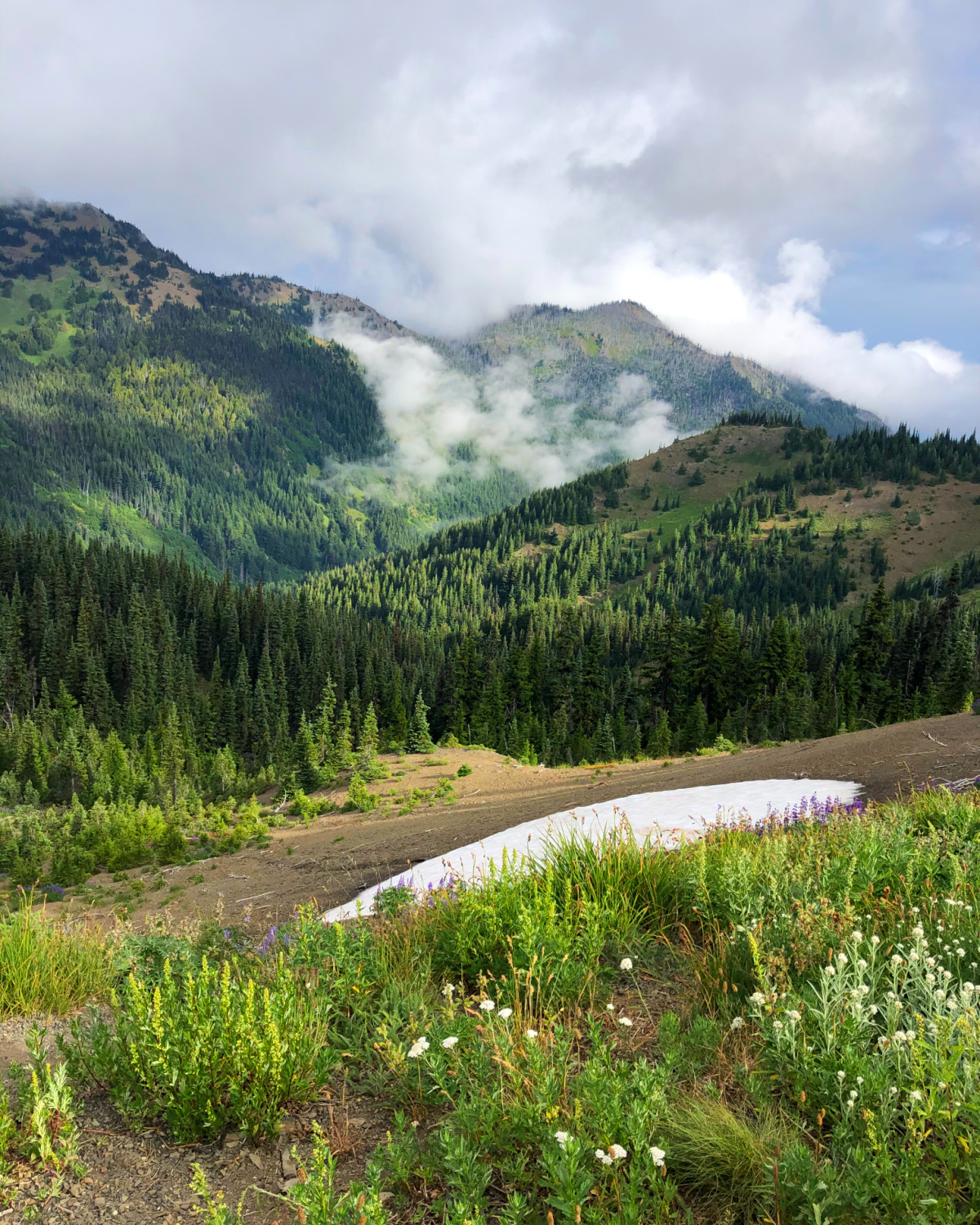
When we visited Hurricane Ridge, it completely changed my expectations for Olympic National Park. Up until that point, I’d mostly thought of Olympic as a rainforest and beach destination. Standing there looking across snow-covered mountains reminded me that this park somehow manages to do everything.
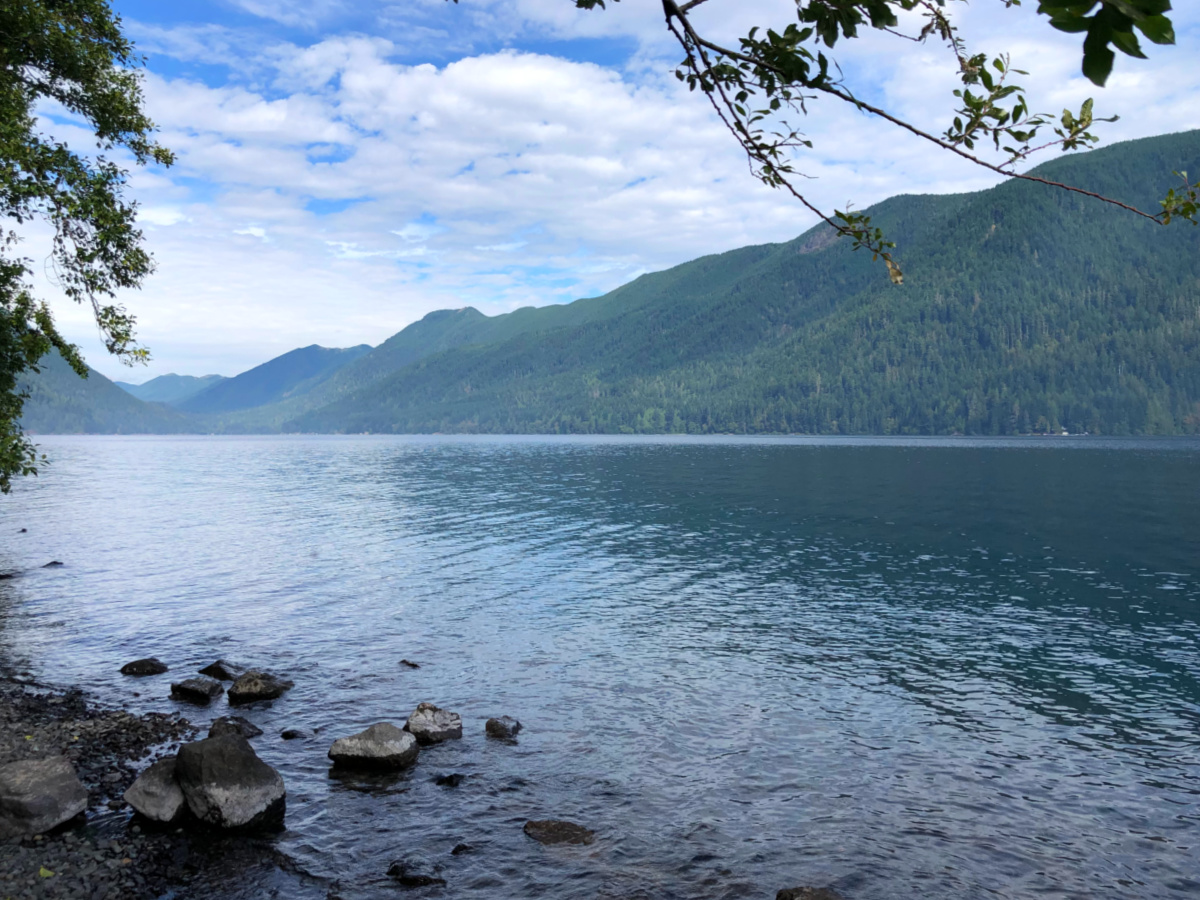
Later in the day, I’d spend time around Lake Crescent.
Looking back, this was one of the stops where I wish we had lingered longer. The lake has a peaceful, almost calming quality that makes you want to sit down and stay awhile rather than immediately rushing off to the next attraction.
The following day would focus on the western side of the park.
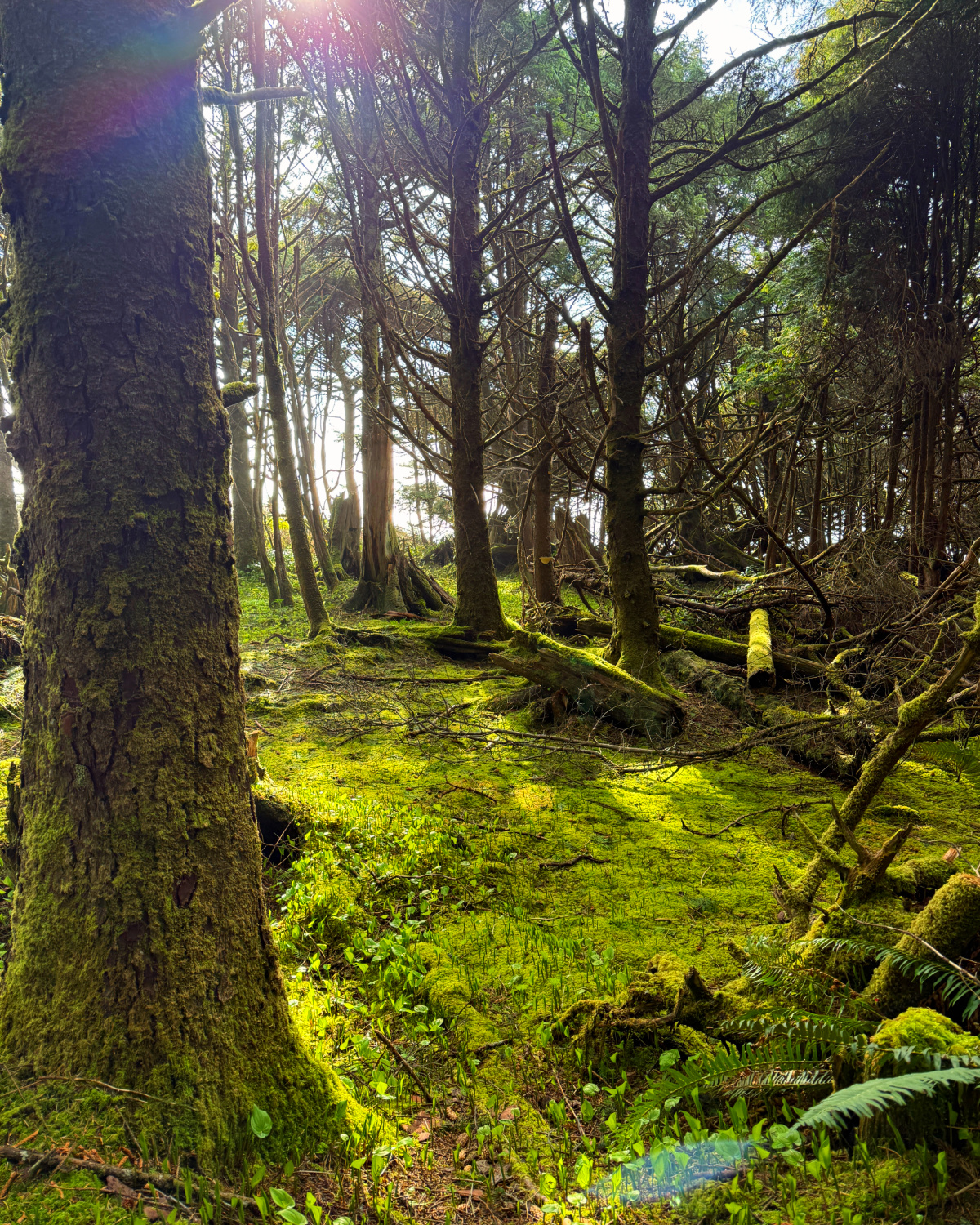
I’d head to the Hoh Rain Forest early in the morning and walk the Hall of Mosses Trail before the crowds build. The photos are beautiful, but they don’t fully capture how quiet and almost otherworldly the forest feels in person.
From there, I’d make my way to Ruby Beach.
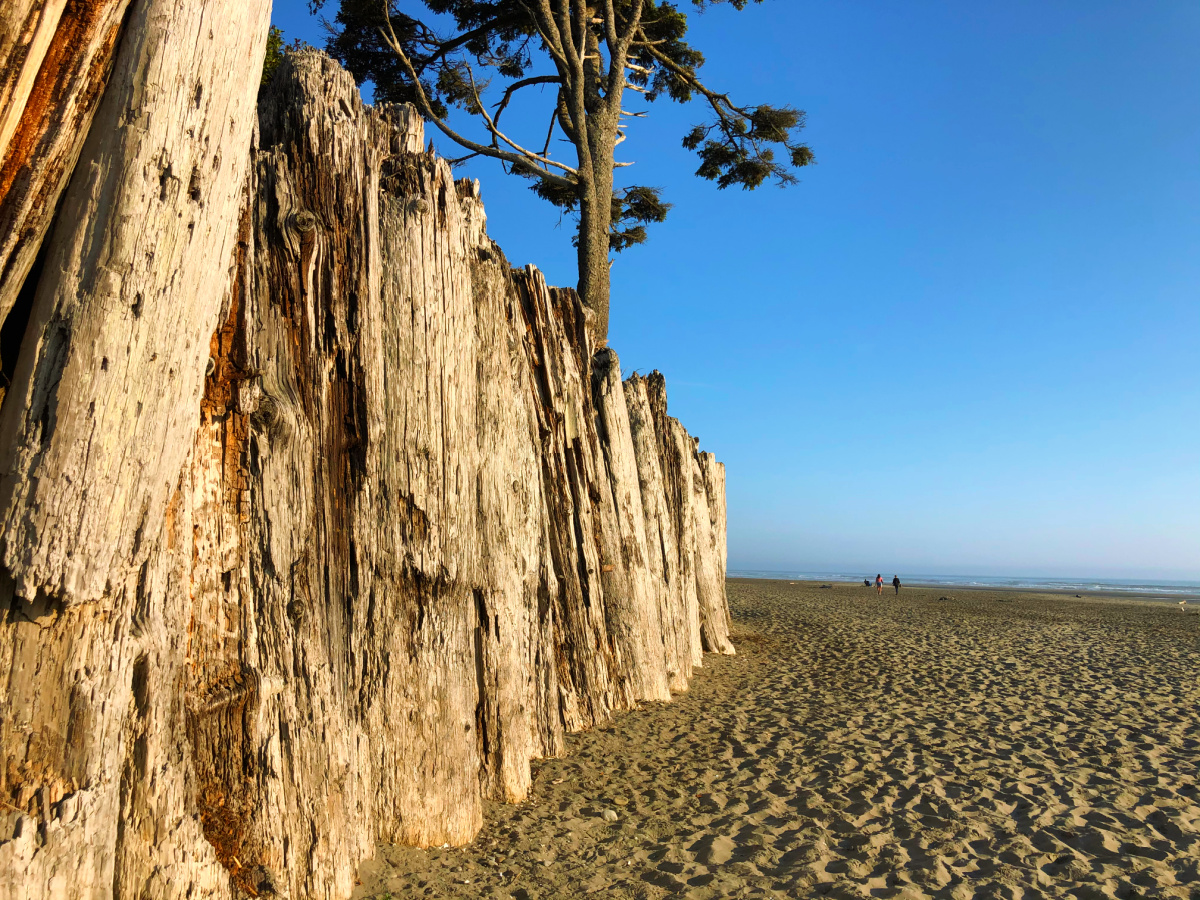
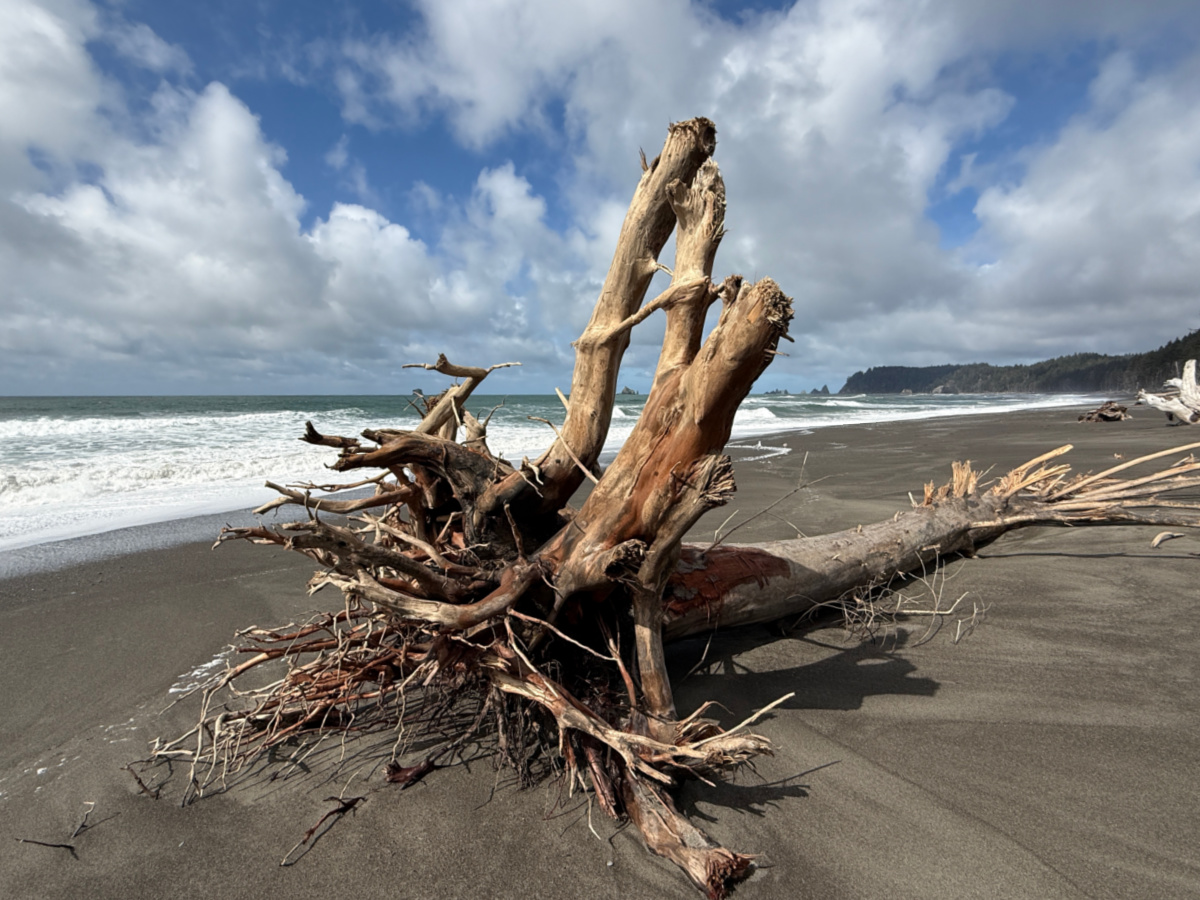
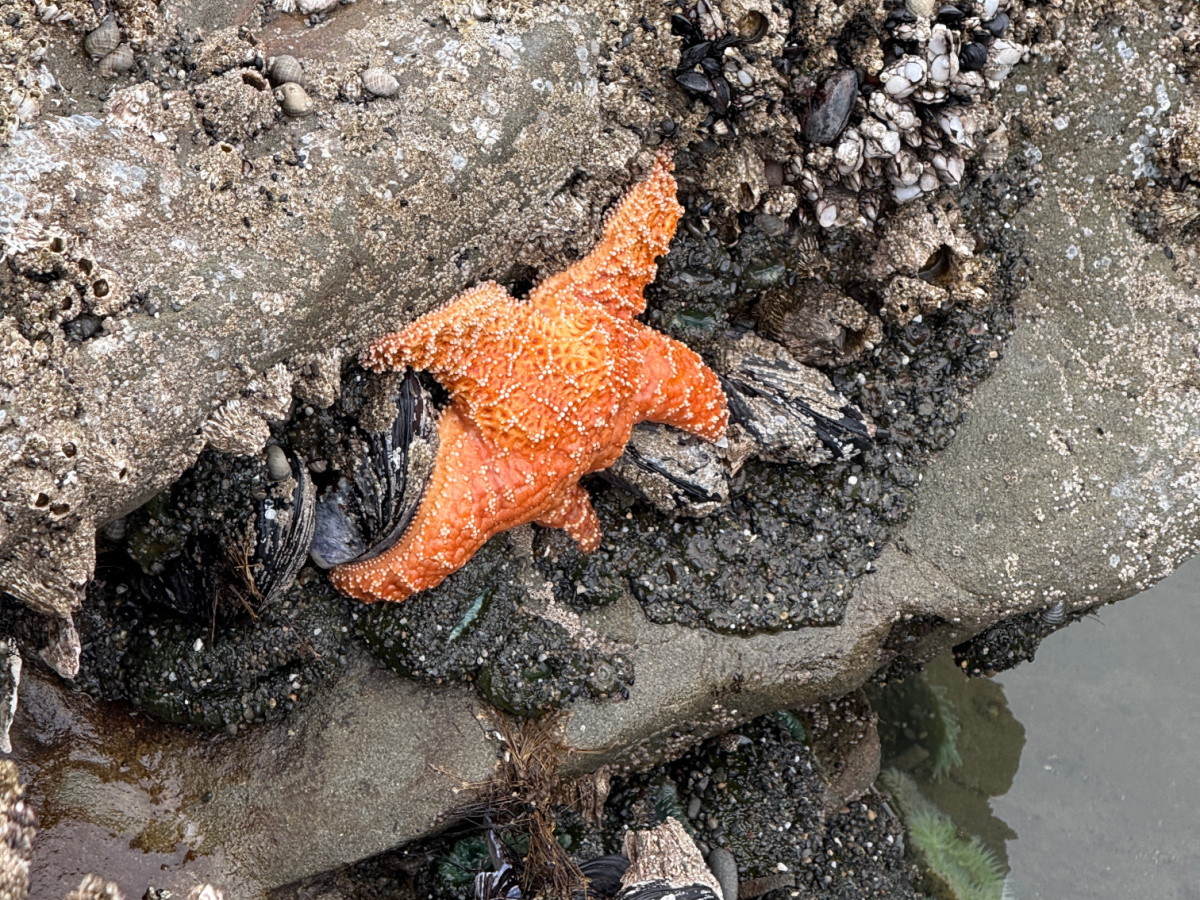
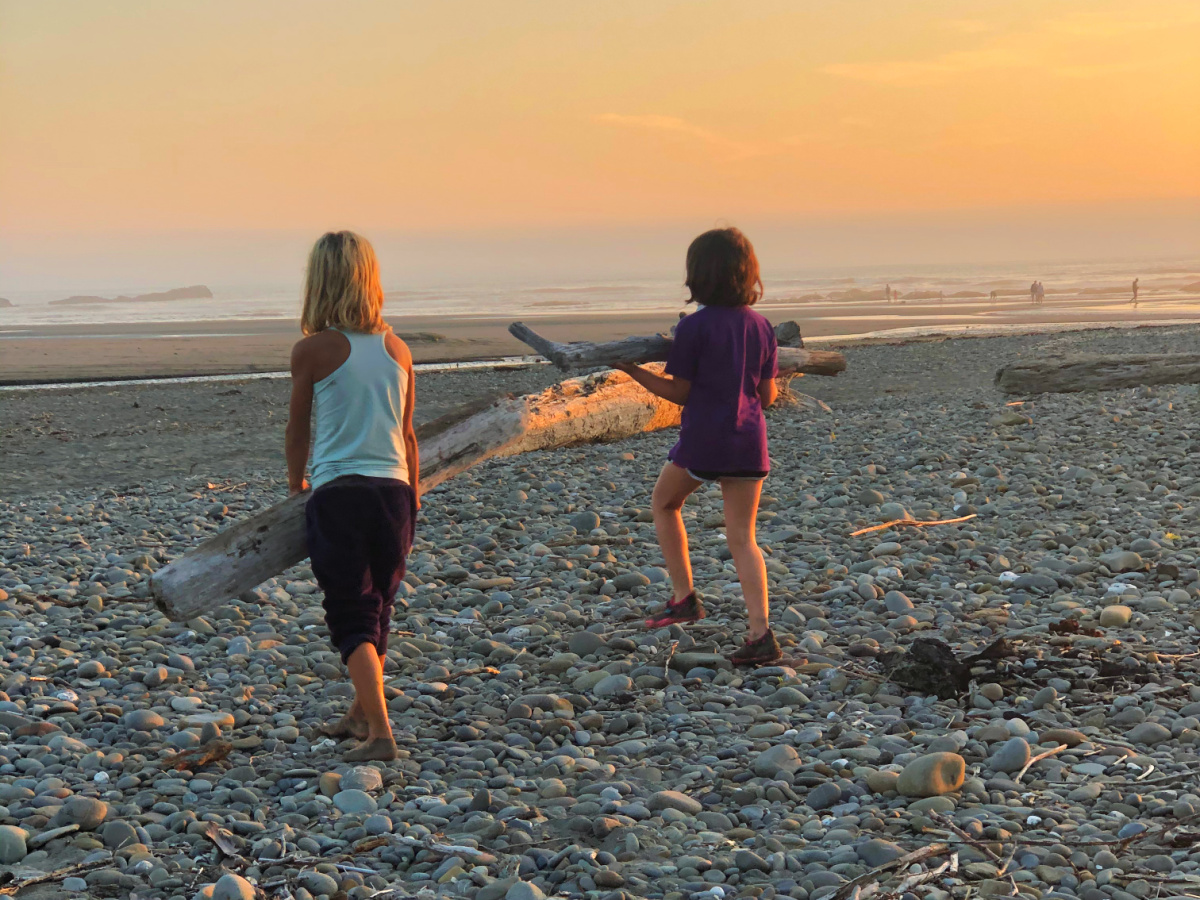
Of all the beaches we visited, Ruby Beach felt the most iconic. The giant driftwood logs, sea stacks rising from the ocean, and crashing waves felt exactly like the Pacific Northwest I’d imagined before the trip.
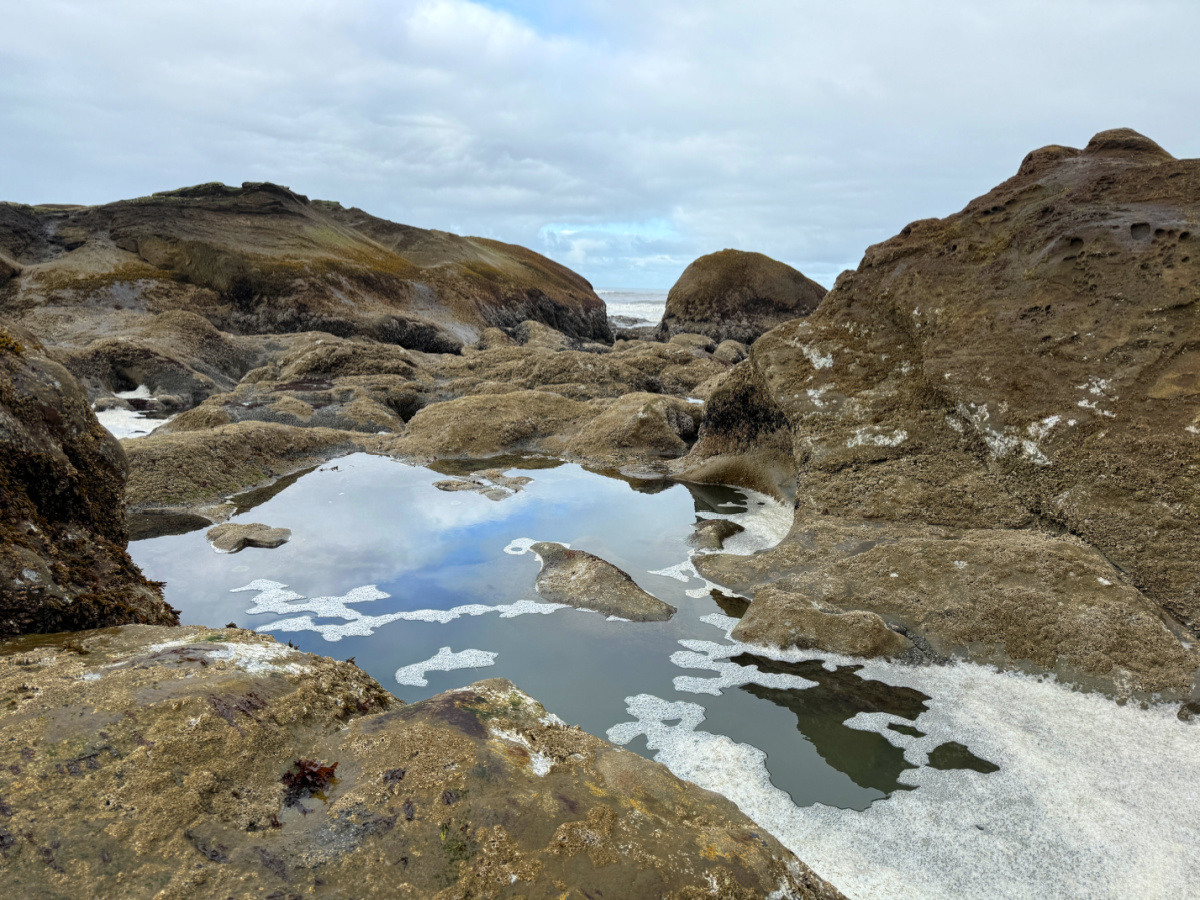
If you’re visiting at low tide, be sure to read my complete Olympic National Park Tidepooling Guide before your trip.
Days 4–5: Mount Rainier National Park
The next stop would be Mount Rainier.
Even after seeing photos of Rainier for years, I wasn’t prepared for the scale of the mountain once we arrived.
One day would be devoted entirely to Paradise.
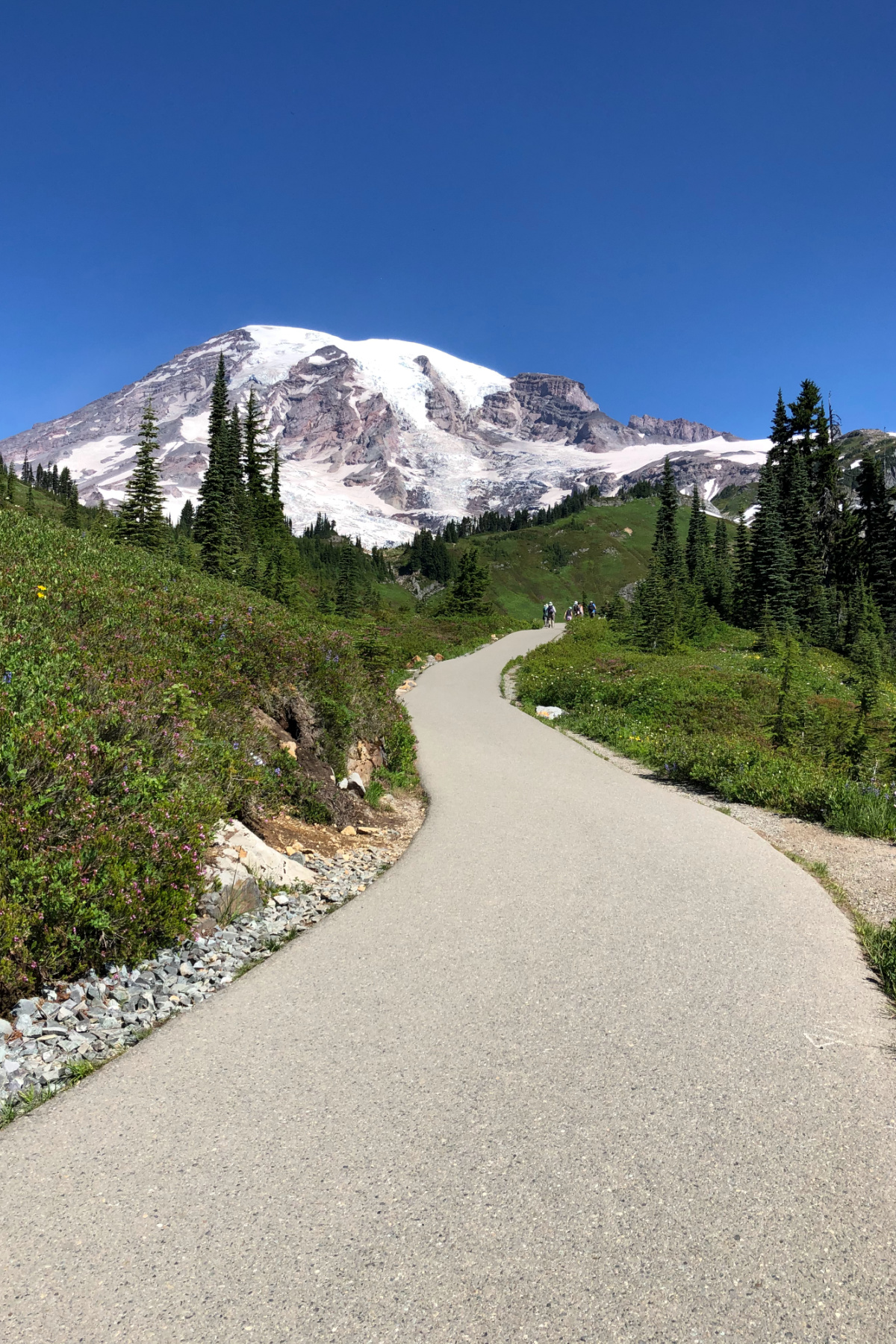
Paradise is one of those rare places that actually exceeds expectations. Between the glacier-covered mountain, wildflower meadows, waterfalls, and panoramic views, it’s easy to understand why it’s the most famous area of the park.
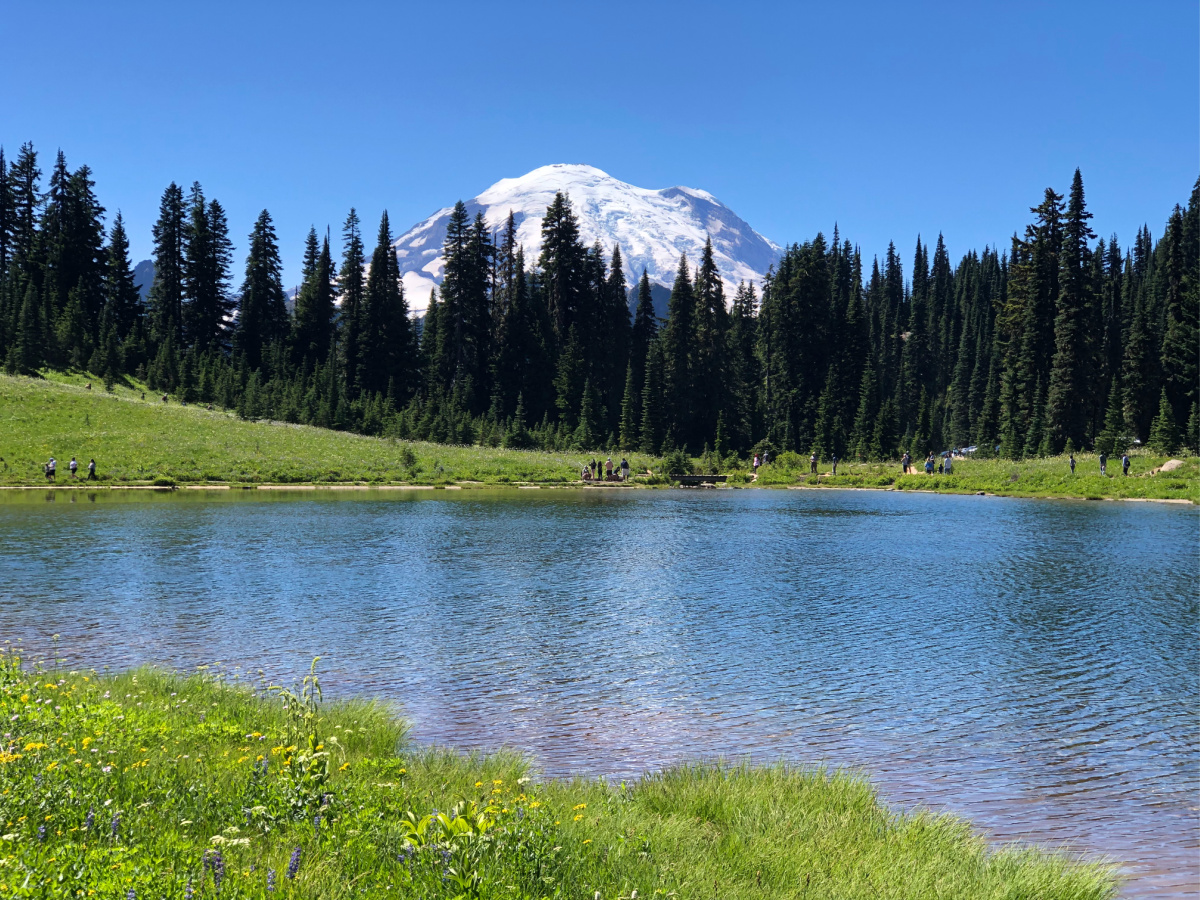
The second day would focus on Sunrise and Tipsoo Lake.
If you forced me to choose between Paradise and Sunrise, I’d choose Paradise.
But if you have time for both, they complement each other surprisingly well and offer very different perspectives on the mountain.
Days 6–7: North Cascades National Park
The final portion of the trip would focus on North Cascades.
This was the park I knew the least about before visiting.
It also ended up being one of my biggest surprises.
I’d spend my time visiting:
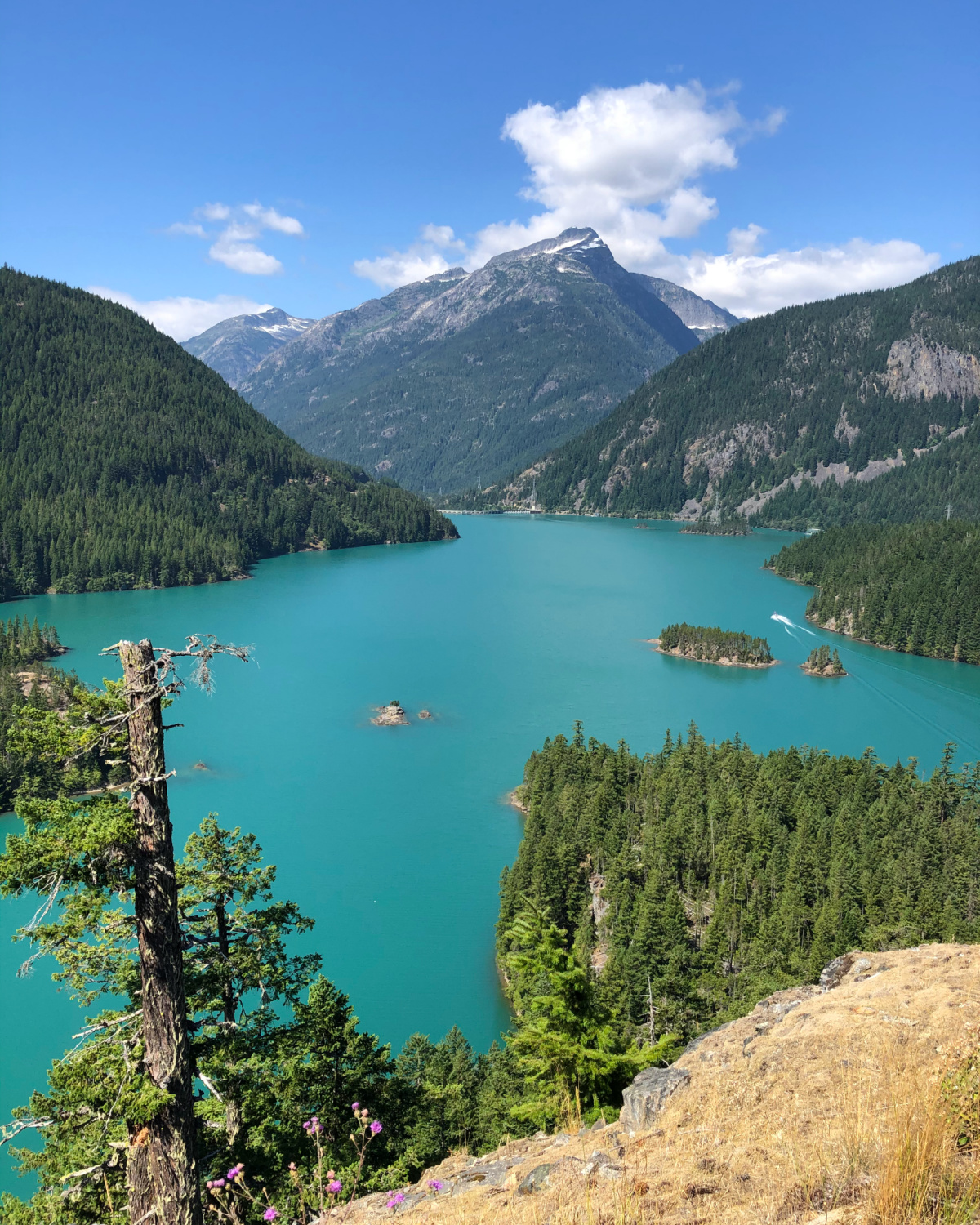
- Diablo Lake
- Ross Dam
- Rainy Lake
- Washington Pass Overlook
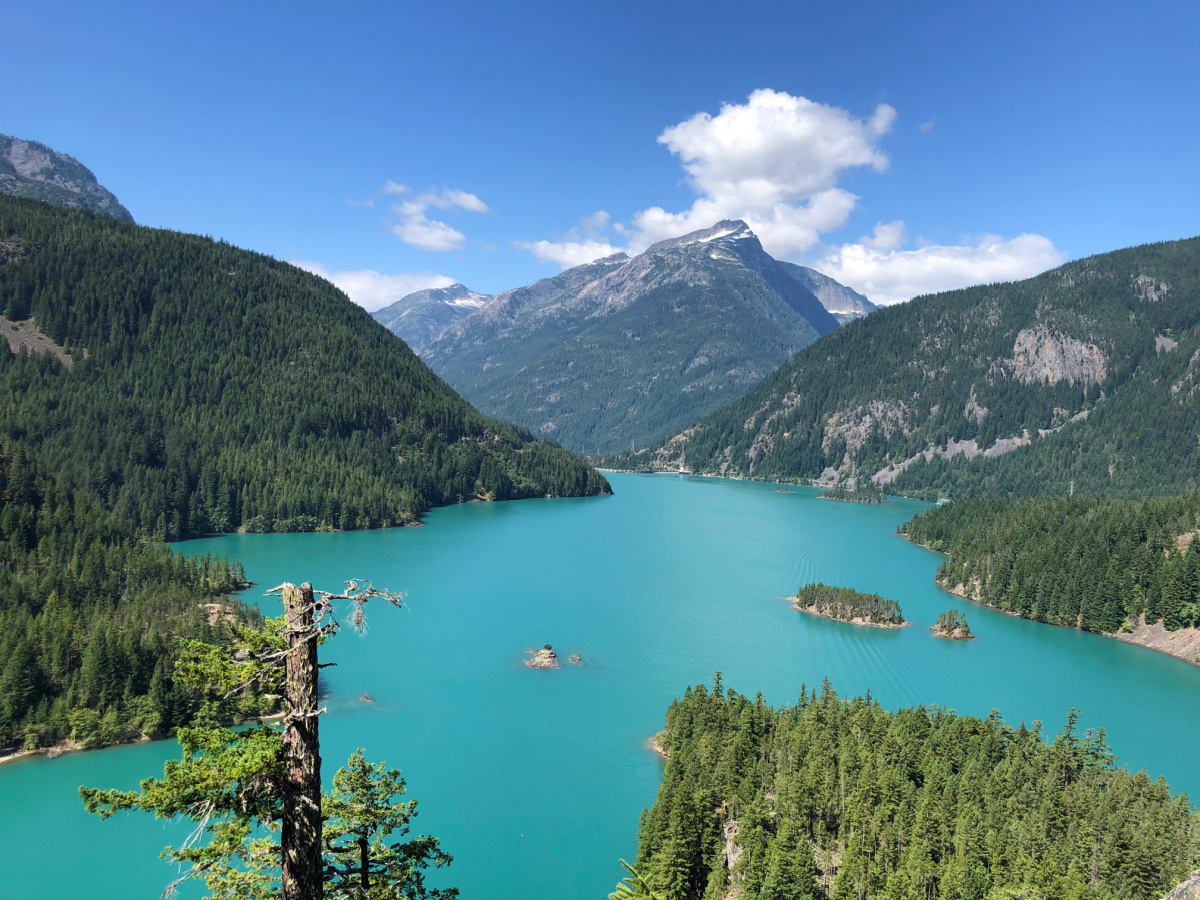
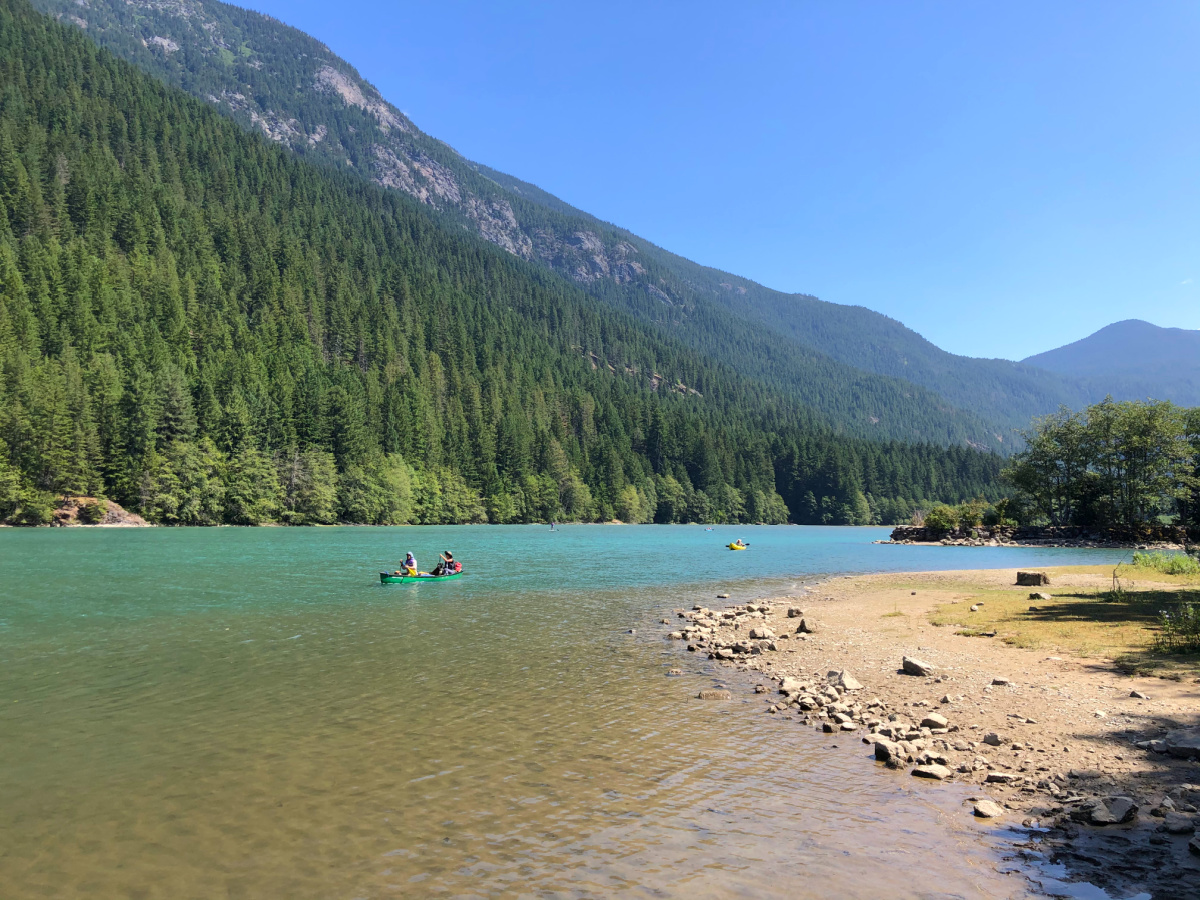
The first time I saw Diablo Lake, I remember thinking that the water looked almost artificial. It really is that turquoise.
I’d spend the final afternoon driving the North Cascades Highway before returning to Seattle.
Would this itinerary allow you to fully explore Washington’s national parks?
No.
But it would absolutely give you a taste of what makes them so special.
My Ideal 10-Day Washington National Parks Road Trip
If someone asked me how much time they should spend on this trip, I’d probably say ten days.
This is where the itinerary starts to feel balanced.
You’re still moving around, but you’re no longer spending every day racing to the next destination.
Days 1–4: Olympic National Park
Four days finally gives Olympic the breathing room it deserves.
One thing that surprised me while planning this trip was how easy it is to underestimate Olympic.
Looking at a map, everything appears relatively close together.
Then you actually start driving.
A stop that looks thirty minutes away becomes ninety minutes.
A beach visit becomes half a day.
A waterfall stop turns into a longer adventure than expected.
That’s why I think four days is the sweet spot.
With four days, you can comfortably experience:
- Hurricane Ridge
- Lake Crescent
- Marymere Falls
- Sol Duc Falls
- Hoh Rain Forest
- Hall of Mosses
- Ruby Beach
- Beach 4
- Rialto Beach
More importantly, you have time to actually enjoy these places.
You aren’t simply taking a photo and moving on.
If you’re planning to spend several days exploring Olympic’s beaches, rainforests, and mountain viewpoints, my complete Olympic National Park Road Trip Guide goes into much more detail on how to organize your time.
Days 5–6: Mount Rainier National Park
Two days is enough for most visitors to experience the highlights of Mount Rainier.
One day should focus on Paradise.
The other should focus on Sunrise and Tipsoo Lake.
What surprised me about Rainier was how often the mountain itself stole the show.
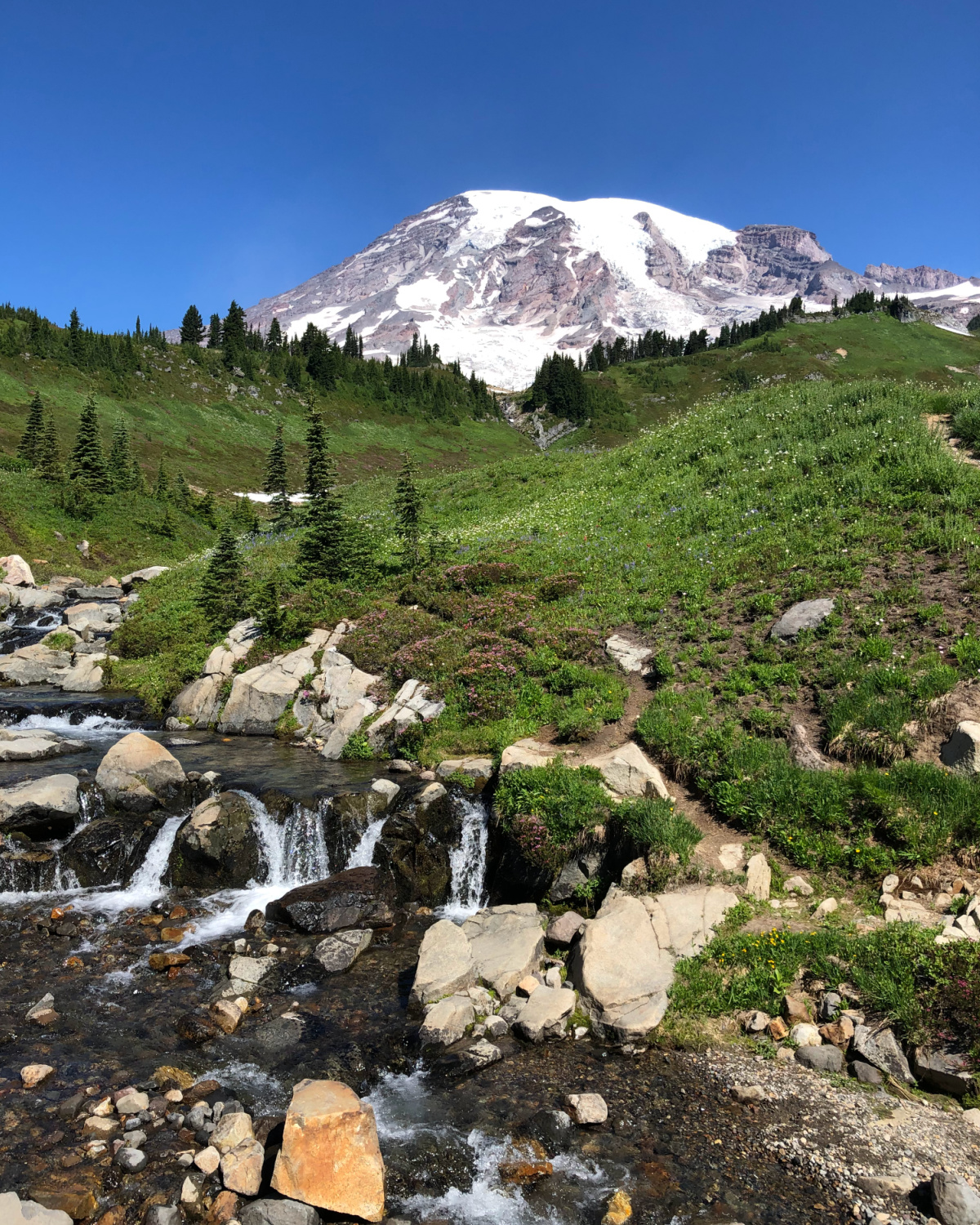
Normally when I visit a national park, I find myself focusing on individual attractions.
At Rainier, everything revolves around the mountain.
Every viewpoint… and trail… and meadow.
Mount Rainier is always there.
And somehow it never gets old.
Days 7–9: North Cascades National Park
Three days allows North Cascades to really shine.
This isn’t a park where you’re checking off dozens of major attractions.
Instead, it’s a place where you slow down and appreciate the scenery.
Some of my favorite moments weren’t even specific destinations.
They were roadside pullouts where we’d stop, look around, and wonder why more people weren’t talking about this place.
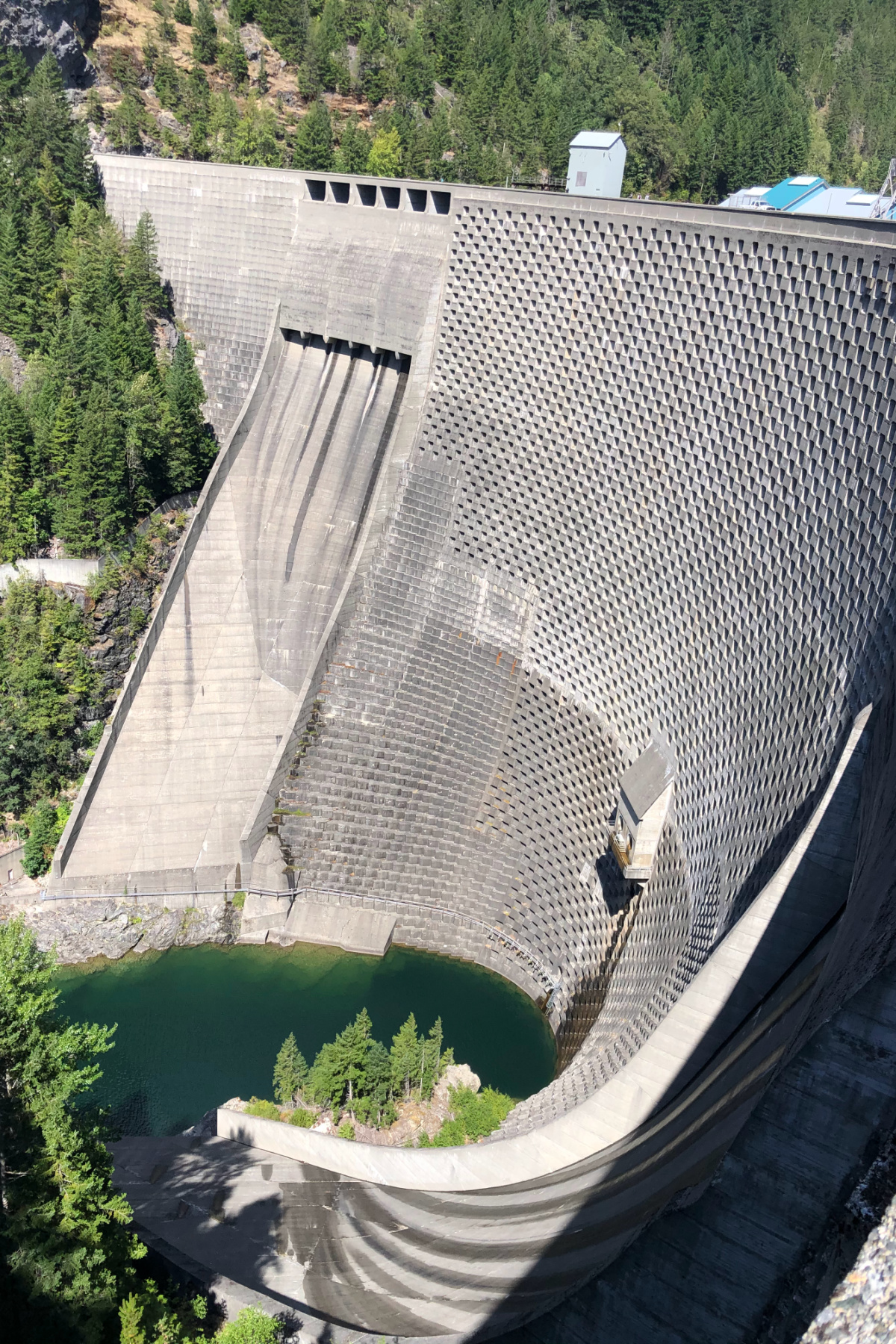
I’d use these three days to explore:
- Diablo Lake
- Ross Dam
- Rainy Lake
- Washington Pass
- North Cascades Highway
- Mount Baker Area
- Winthrop
If you’re anything like me, you’ll probably leave wanting to come back.
Day 10: Return to Seattle
Enjoy one final scenic drive through the Cascades before heading back to Seattle.
And don’t be surprised if you start planning a return trip before you’ve even boarded your flight home.
If I Had 14 Days, This Is Exactly What I’d Do
Two weeks is where this road trip becomes something really special.
Instead of checking attractions off a list, you start experiencing places.
That’s a very different feeling.
Five Days in Olympic National Park
Five days might sound like a lot.
I don’t think it is.
Olympic is enormous.
It’s also incredibly diverse.
With five days, you can comfortably experience:
- Hurricane Ridge
- Lake Crescent
- Marymere Falls
- Sol Duc Falls
- Hoh Rain Forest
- Hall of Mosses
- Ruby Beach
- Rialto Beach
- Beach 4
- Kalaloch
- Quinault Rainforest and Lake area
More importantly, you gain flexibility.
If the weather is terrible one day, it’s not a disaster.
You simply adjust your plans.
In Washington, that’s a luxury worth having.
Three Days in Mount Rainier National Park
Three days allows you to experience both Paradise and Sunrise without constantly watching the clock.
It also gives you time to revisit favorite viewpoints if the weather improves.
Anyone who has spent time around Mount Rainier knows that clouds can completely transform the experience.
Having an extra day dramatically increases your chances of seeing the mountain at its best.
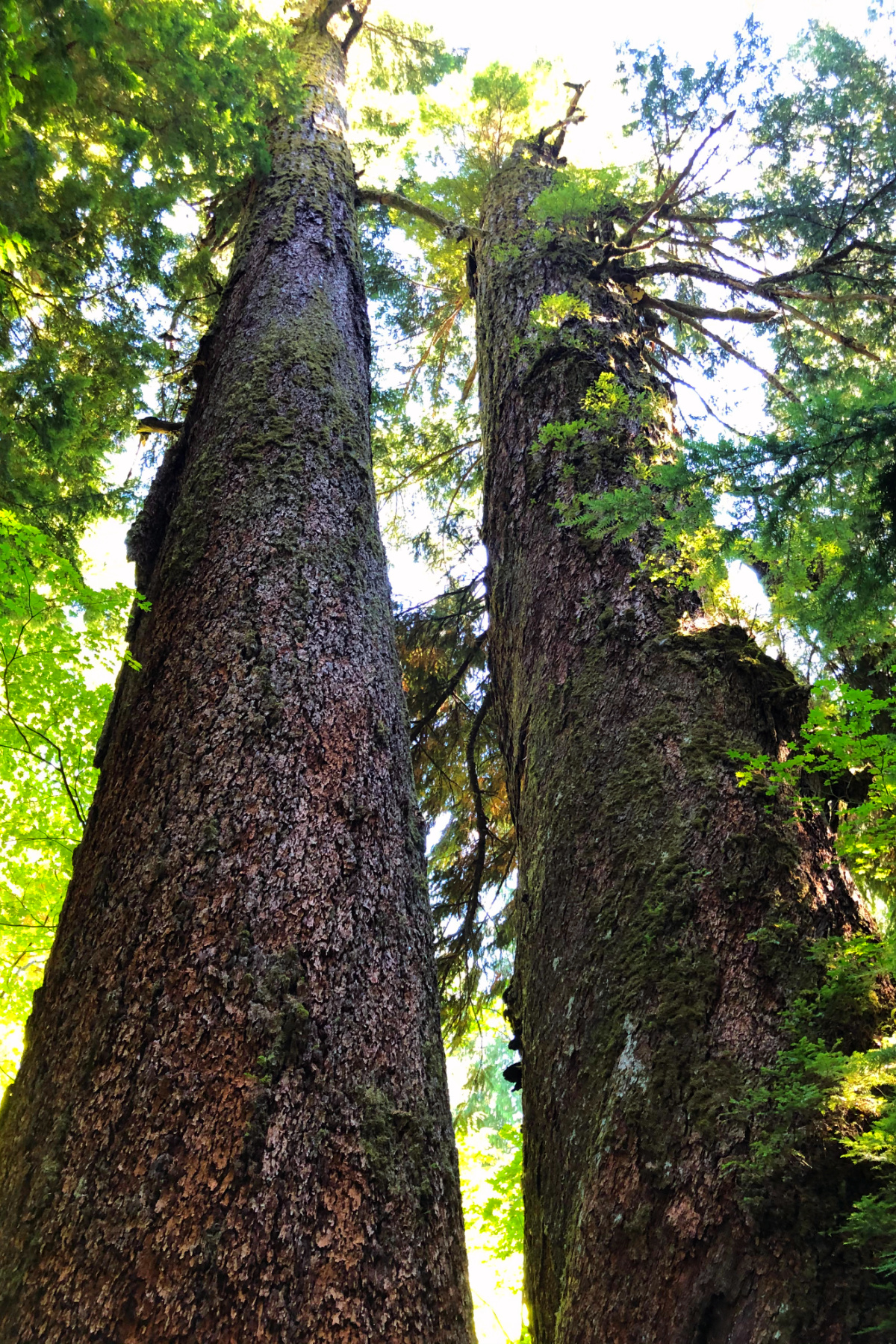
And when it reopens, Grove of the Patriarchs should absolutely be high on your must-do Mount Rainier list!
Three Days in North Cascades National Park
This is where I’d finally slow down.
North Cascades rewards travelers who aren’t in a hurry.
I’d spend extra time around Diablo Lake, enjoy the scenic drive itself, and explore some of the quieter corners of the park that don’t always make the top-ten lists.
Two Days in Mount Baker
If I were planning this trip again, Mount Baker would absolutely be included.
In fact, one of my biggest takeaways from visiting the region is that Mount Baker deserves far more attention than it receives.
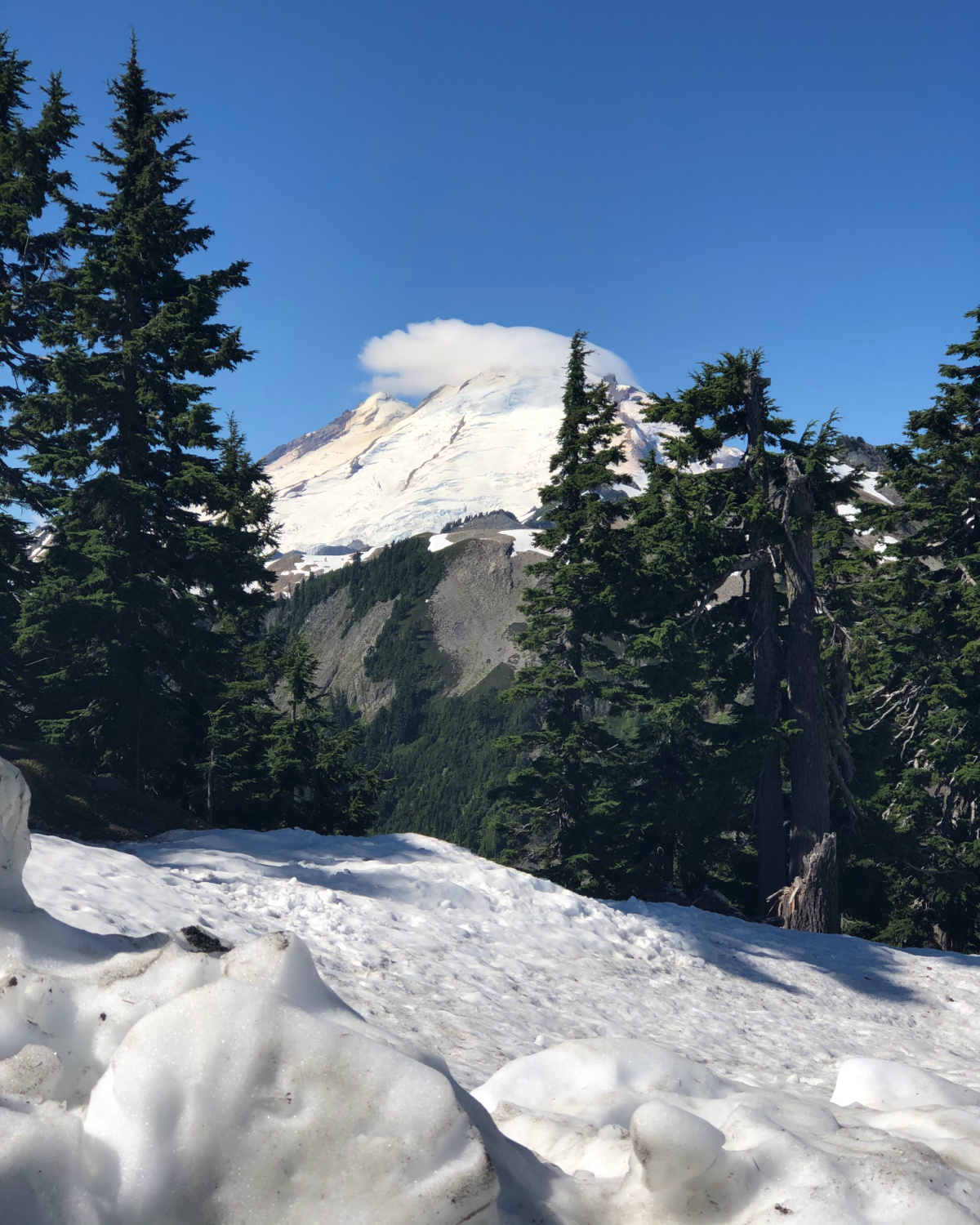
The scenery around Artist Point is extraordinary.
Not just pretty.
Extraordinary.
There are very few places where you can put in so little effort and receive such a massive scenic payoff.
Day 14: Return to Seattle
Take your time heading back.
Stop at a few viewpoints.
Enjoy the drive.
The Places I’d Never Skip on a Washington National Parks Road Trip
Every national park trip has a handful of places that stick with you long after you get home.
Not necessarily because they’re the most famous.
Not necessarily because they’re the most photographed.
But because they somehow capture what makes a destination special.
Looking back on our Washington road trip, these are the places I would prioritize if I were planning the trip all over again.
If you find yourself short on time, start here.
Olympic National Park
Olympic is the most diverse park on this road trip, which also makes it the hardest one to narrow down.
You could easily spend a week here and still leave with a list of places you didn’t get to see.
But if I had to choose just a handful of experiences, these would be my priorities.
Hurricane Ridge
Before visiting Olympic, I mostly thought of the park as beaches and rainforests.
Hurricane Ridge completely changed that perception.
Standing there looking across snow-covered peaks, it was hard to believe this was the same park where we’d spent the previous day walking among driftwood-covered beaches.
If someone only had time for one mountain experience in Olympic National Park, this would be my recommendation.
The views are incredible, the access is easy, and you don’t need to be a serious hiker to enjoy it.
Ruby Beach
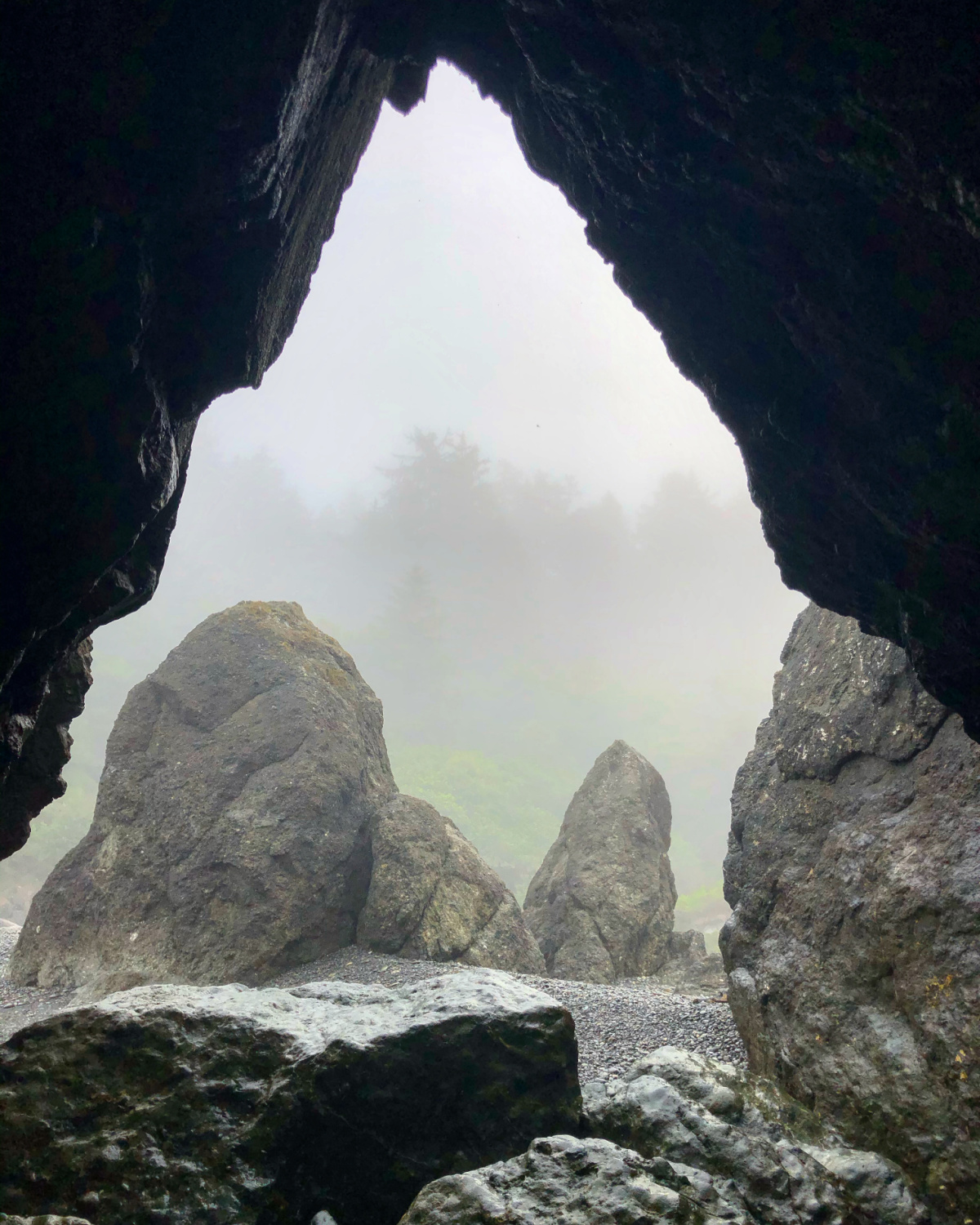
Of all the beaches we visited in Olympic, Ruby Beach was my favorite.
This is the beach that felt most like the Pacific Northwest I had imagined before the trip.
Massive driftwood logs cover the shoreline.
Sea stacks rise dramatically from the ocean.
The waves crash against the rocks while bald eagles occasionally circle overhead.
It’s one of those places where you find yourself taking far more photos than you intended because every direction looks beautiful.
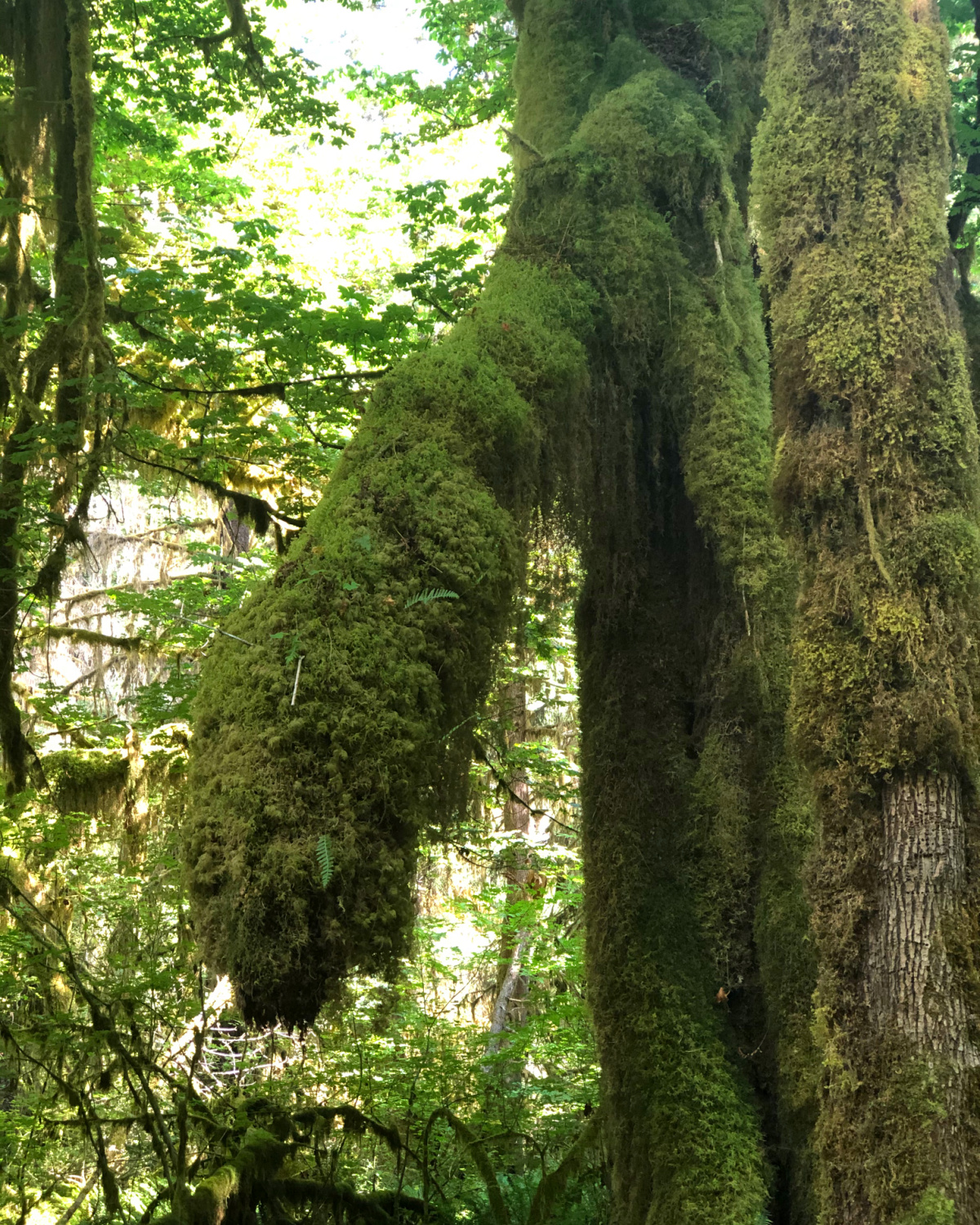
Hall of Mosses
If you’ve never visited a temperate rainforest before, Hall of Mosses is one of the most memorable experiences in Olympic National Park.
The trail itself is short and easy.
The scenery is what makes it special.
Walking beneath giant trees draped in layers of moss feels very different from anything you’ll experience in most other national parks.
Photos capture what it looks like.
They don’t fully capture how quiet and peaceful it feels.
Lake Crescent
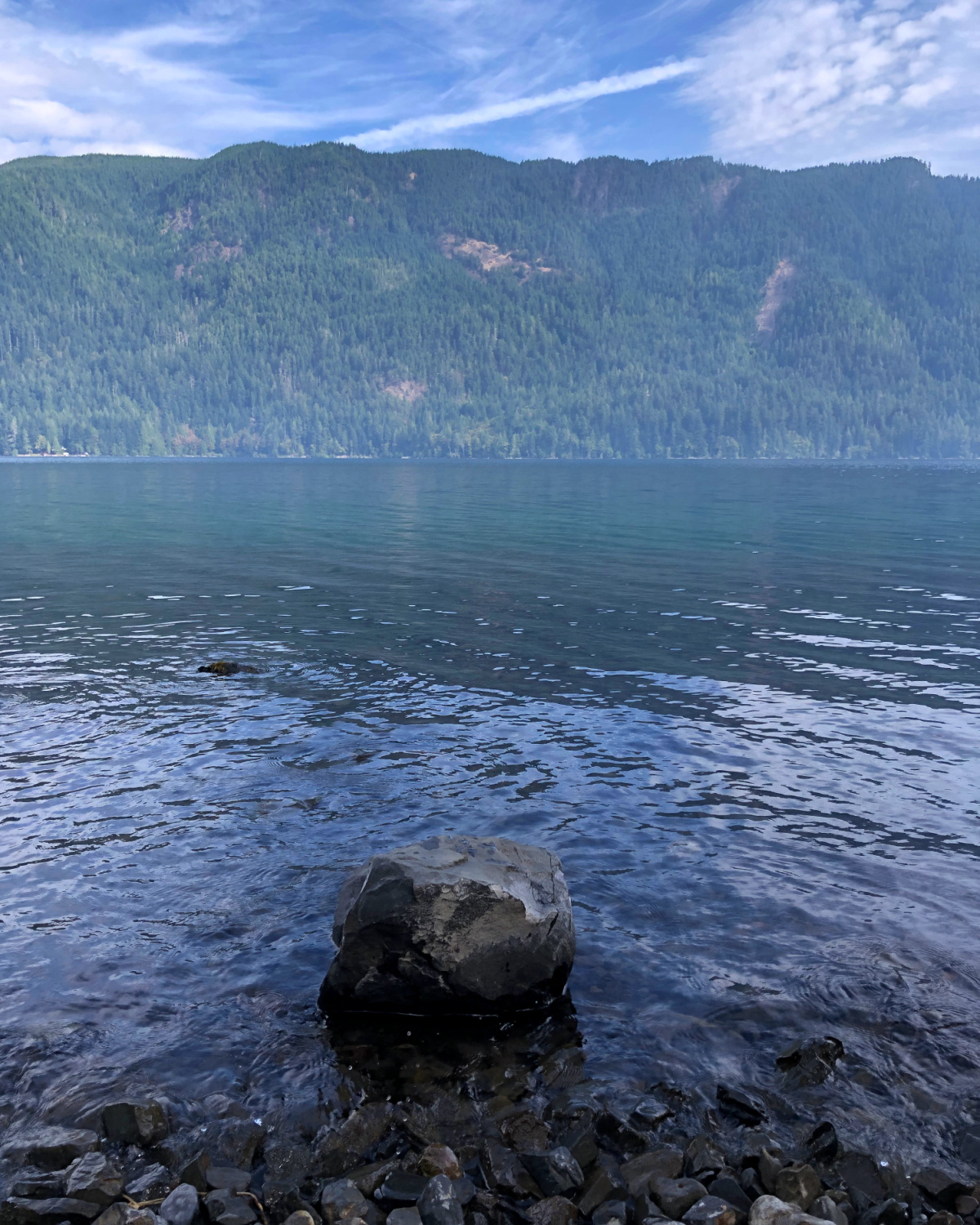
Looking back, Lake Crescent is probably the place where I wish we’d spent more time.
It’s easy to treat it as a quick photo stop.
But the lake deserves more than that.
The blue-green water, surrounding mountains, and peaceful atmosphere make it one of the most relaxing locations in the park.
If your itinerary allows, slow down here.
Have lunch.
Walk along the shoreline.
Enjoy the view.
Sol Duc Falls
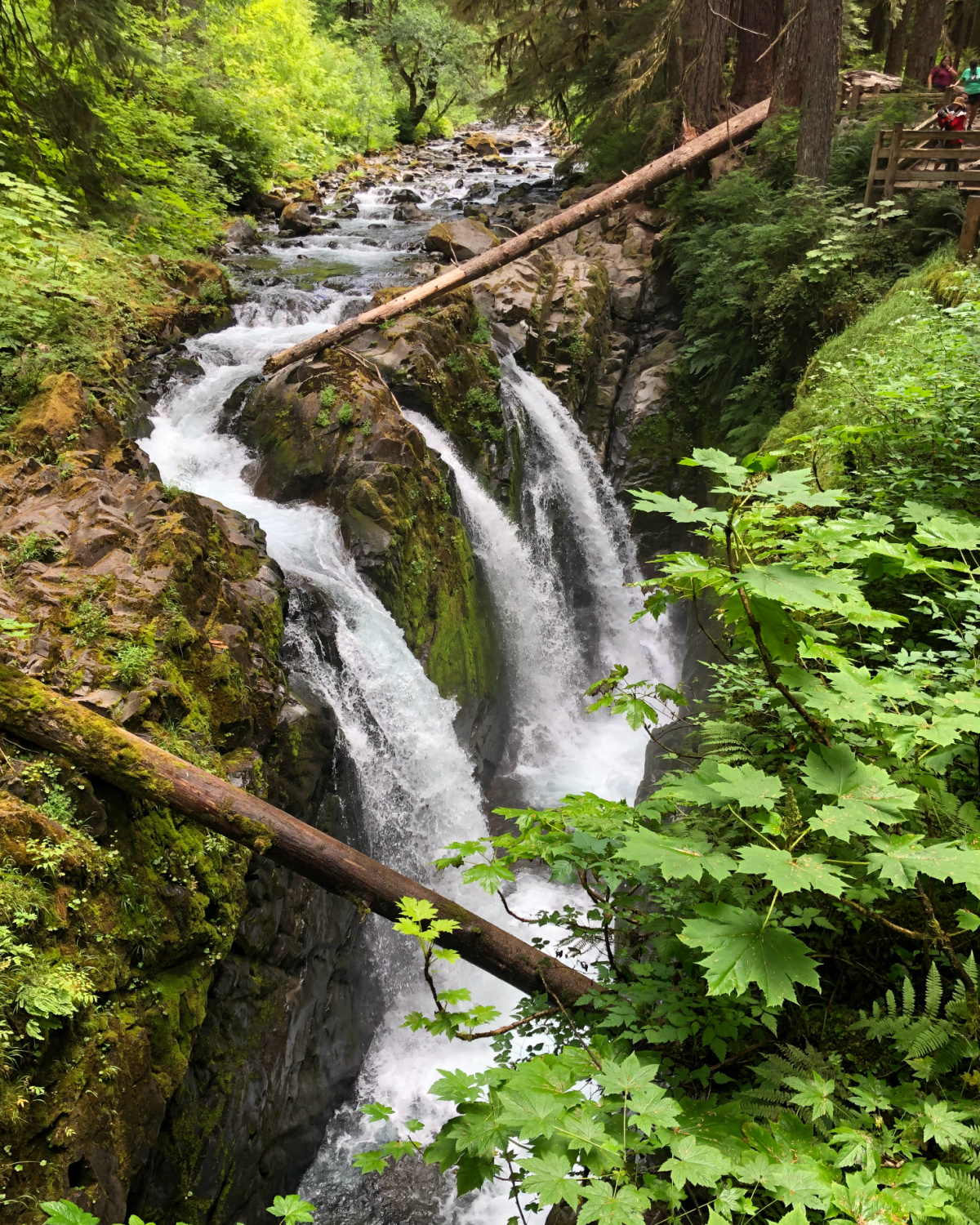
There are plenty of waterfalls in Washington, but Sol Duc Falls was the one that impressed me most in Olympic National Park.
The trail is manageable for most visitors, and the waterfall itself is spectacular.
If you’re trying to decide between multiple waterfall hikes during a short visit, this would be my pick.
Mount Rainier National Park
Unlike Olympic, Mount Rainier feels much more focused.
The mountain dominates nearly every experience in the park.
And honestly, that’s exactly why people come here.
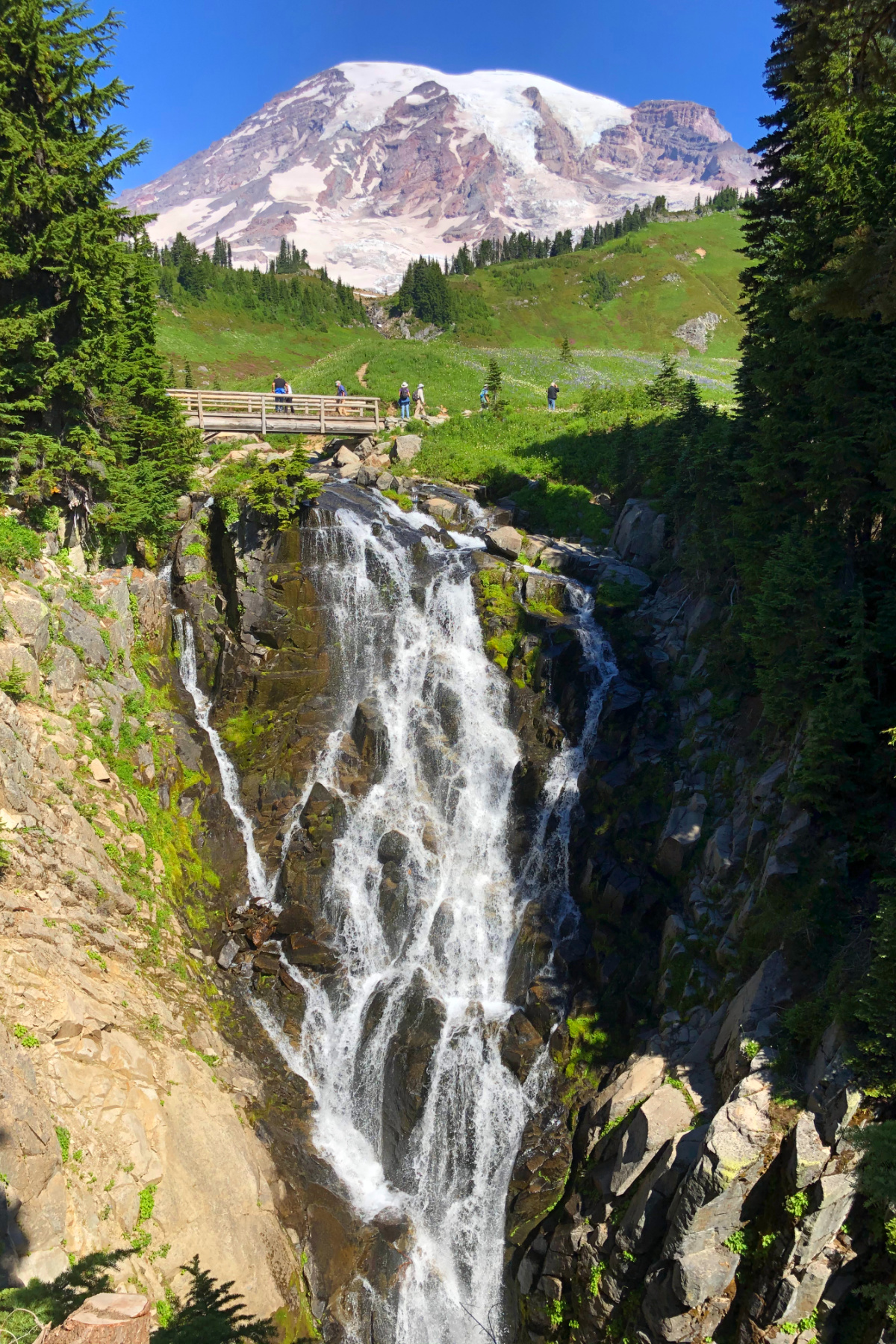
Paradise
Sometimes famous places fail to live up to expectations.
Paradise wasn’t one of them.
This was the area of Mount Rainier that exceeded my expectations the most.
The combination of glacier views, wildflower meadows, waterfalls, and the mountain itself creates one of the most spectacular landscapes in Washington.
If someone only gave me a single day in Mount Rainier National Park, I’d spend most of it in Paradise.
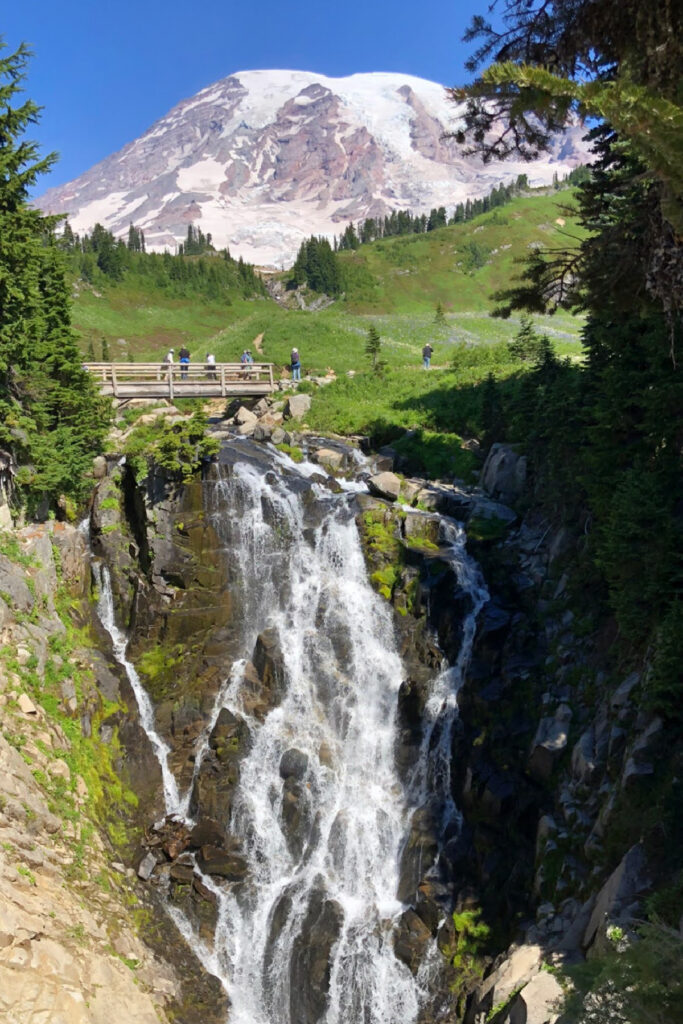
Myrtle Falls
One of the things I appreciate most about Myrtle Falls is how accessible it is.
You don’t need a long hike or special equipment.
You simply walk a short distance and enjoy one of the classic Mount Rainier views.
For effort versus reward, it’s hard to beat.
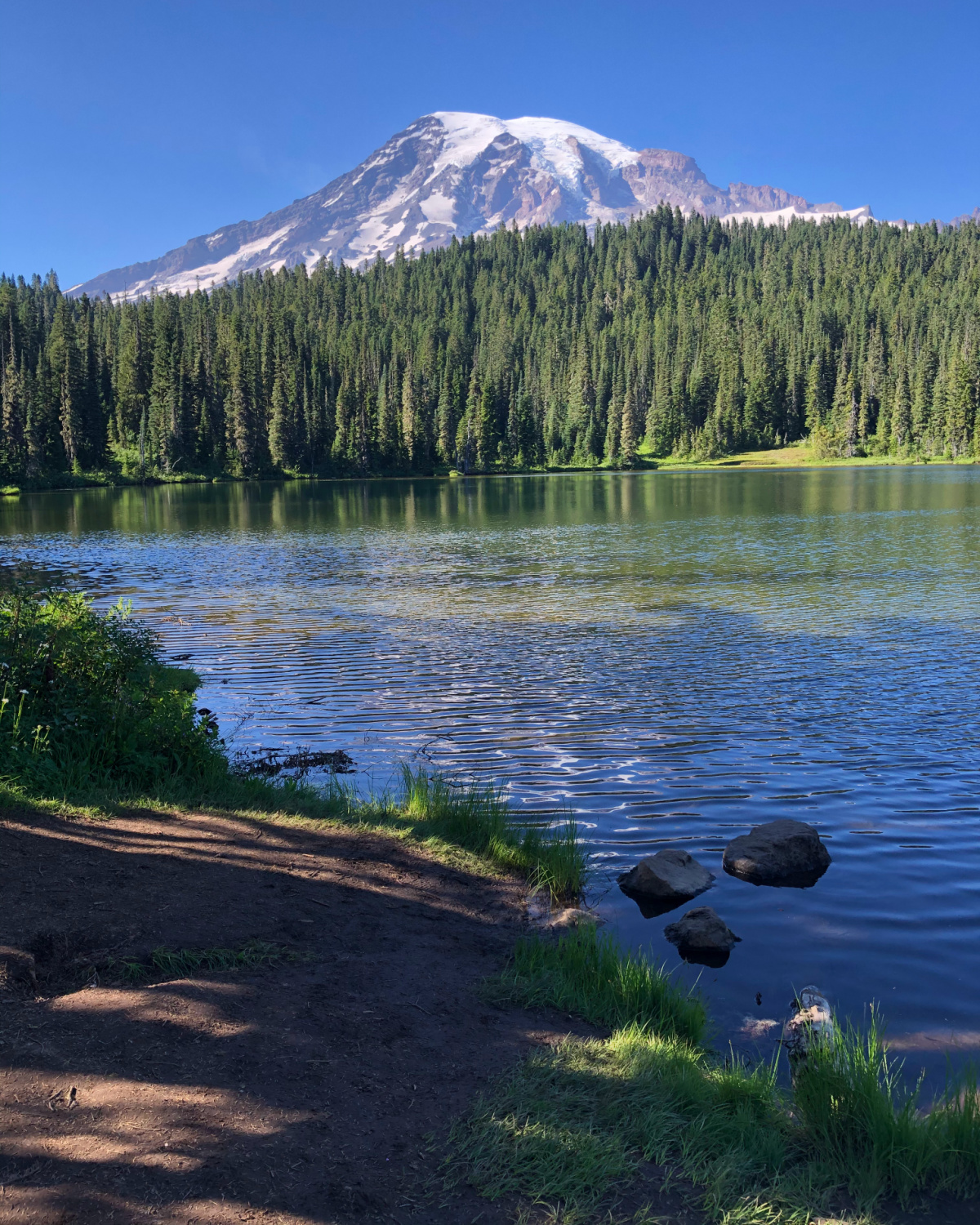
Reflection Lakes
I’ll admit that before visiting, I assumed Reflection Lakes would be a quick photo stop.
Instead, it became one of my favorite viewpoints in the park.
When the water is calm and the mountain reflection appears, it’s one of the most beautiful scenes in Washington.
Even when conditions aren’t perfect, the setting is worth the stop.
Tipsoo Lake
Tipsoo Lake is exactly the kind of place I love recommending to casual travelers.
The scenery is outstanding.
The walking is minimal.
And the experience feels much bigger than the effort required.
If you’re traveling with kids, older relatives, or simply don’t want an all-day hike, Tipsoo Lake deserves a place on your itinerary.
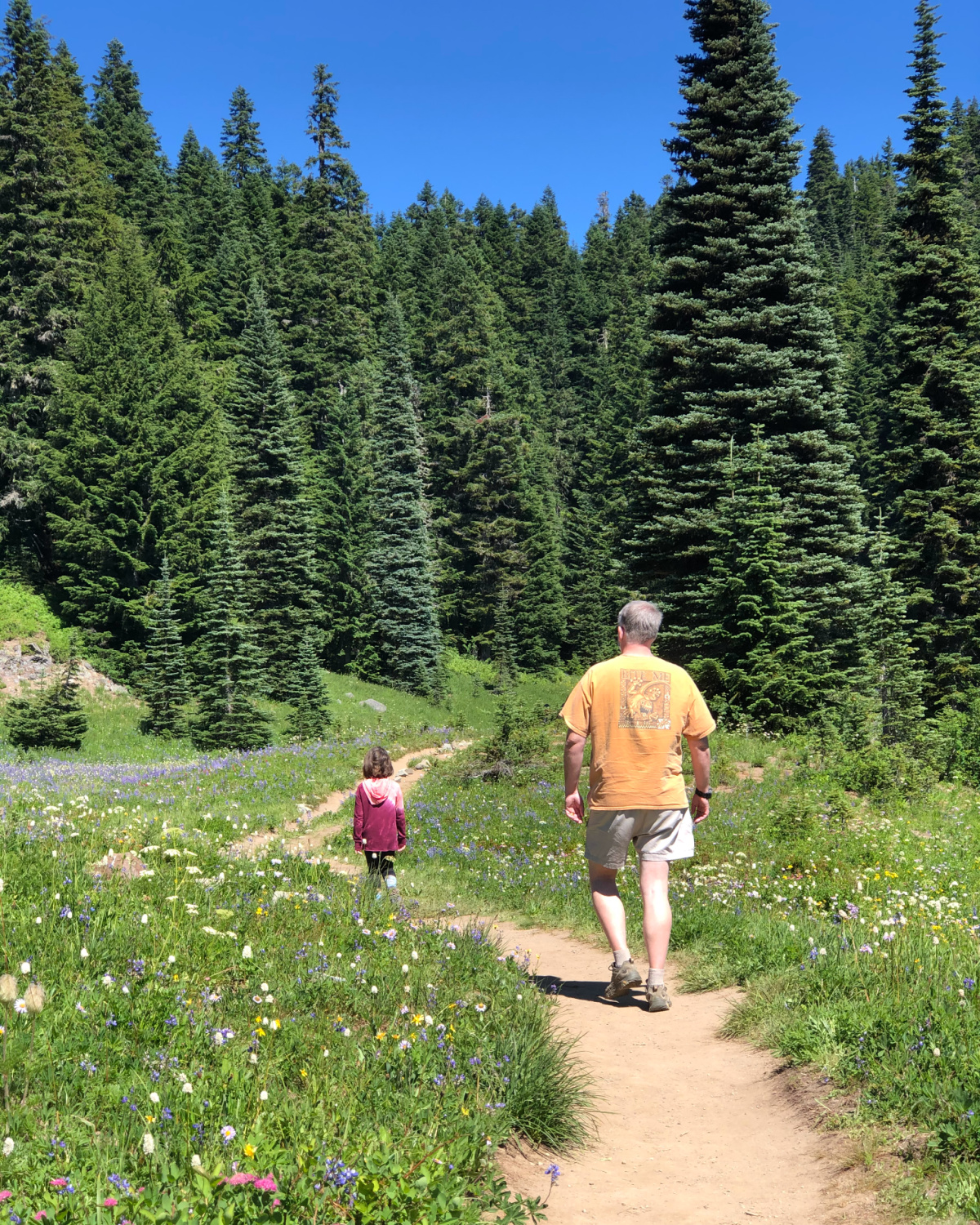
Sunrise
Many visitors choose either Paradise or Sunrise.
If possible, I’d recommend both.
The views feel completely different.
Sunrise sits higher, feels more rugged, and offers some of the most expansive mountain vistas in the park.
North Cascades National Park
North Cascades was the biggest surprise of the trip for me.
Not because I expected it to be disappointing.
I simply didn’t know much about it.
By the time we left, it had become one of my favorite national parks in the country.
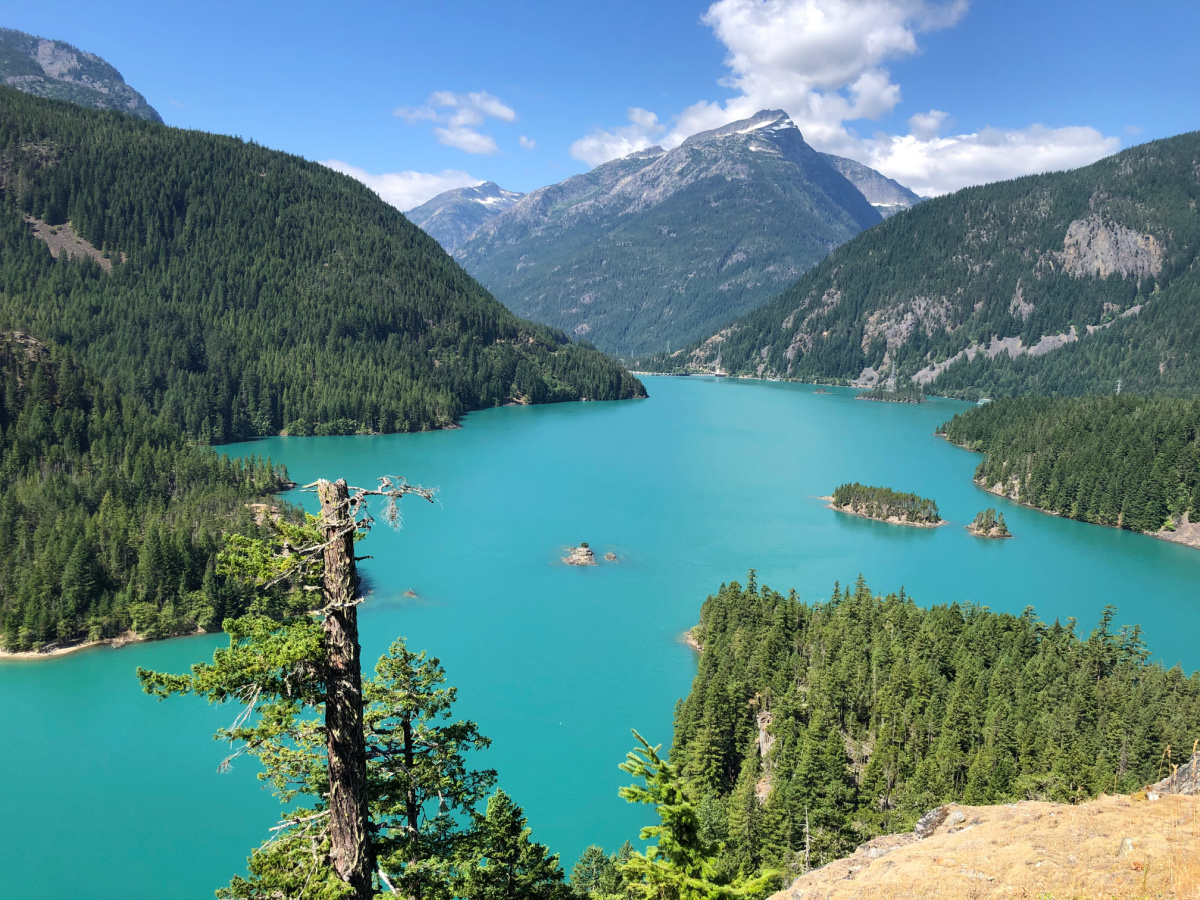
Diablo Lake
The first time I saw Diablo Lake, I laughed.
Not because it wasn’t beautiful.
Because the water looked exactly like the heavily edited photos I’d seen online.
The color really is that vibrant.
If you only stop at one place in North Cascades National Park, make it Diablo Lake.
It’s the signature view of the park for good reason.
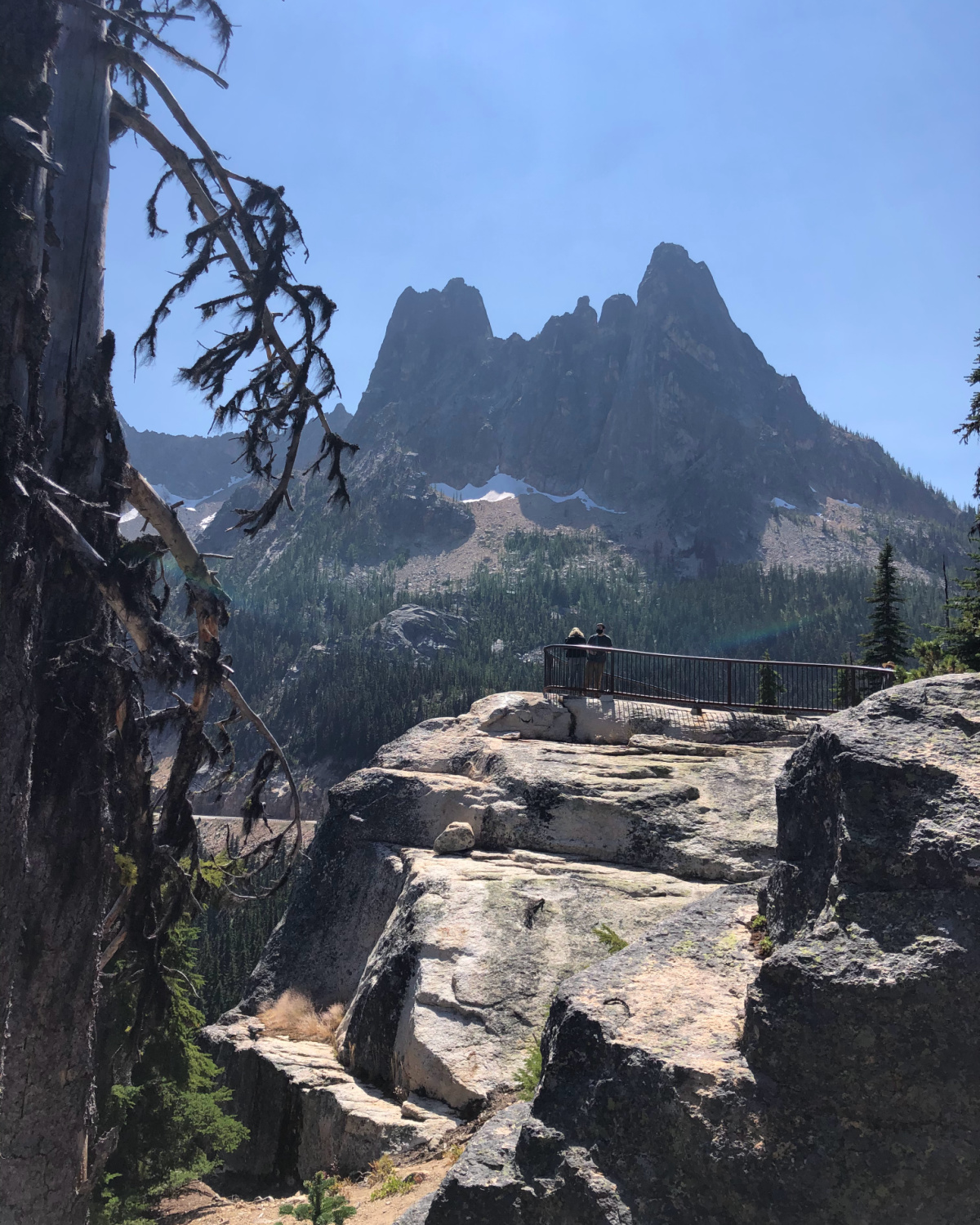
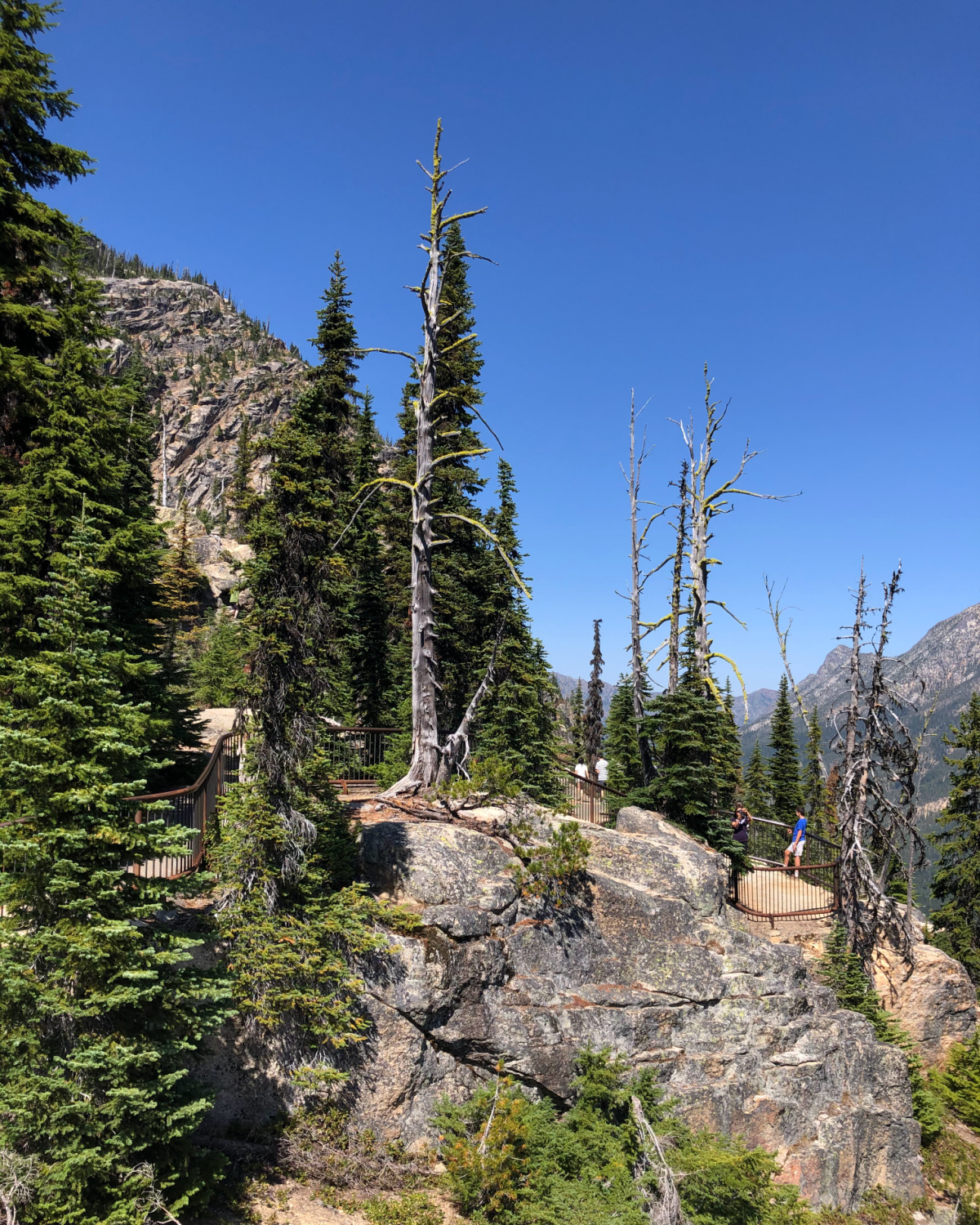
Washington Pass Overlook
This was the viewpoint I photographed more than any other during the trip.
Every time I thought I was done taking pictures, I’d notice another angle worth capturing.
The rugged peaks, dramatic cliffs, and expansive mountain scenery create one of the most impressive viewpoints in Washington.
And unlike many iconic mountain vistas, you barely have to walk to reach it.
Rainy Lake
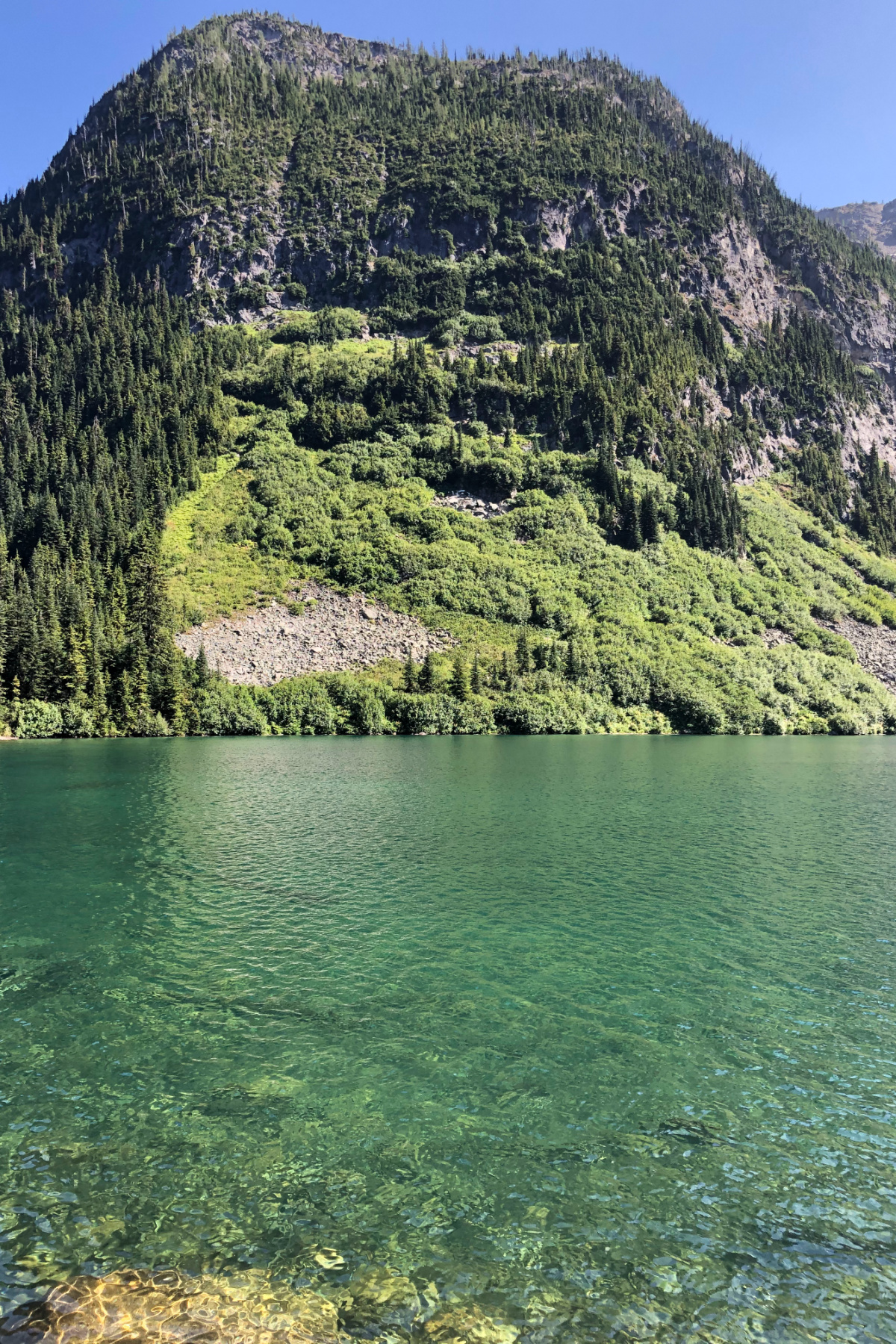
Rainy Lake perfectly represents why I think North Cascades works so well for casual travelers.
The trail is relatively easy.
The scenery is beautiful.
And the payoff feels much larger than the effort required.
Not every memorable national park experience has to involve an exhausting hike.
Ross Dam
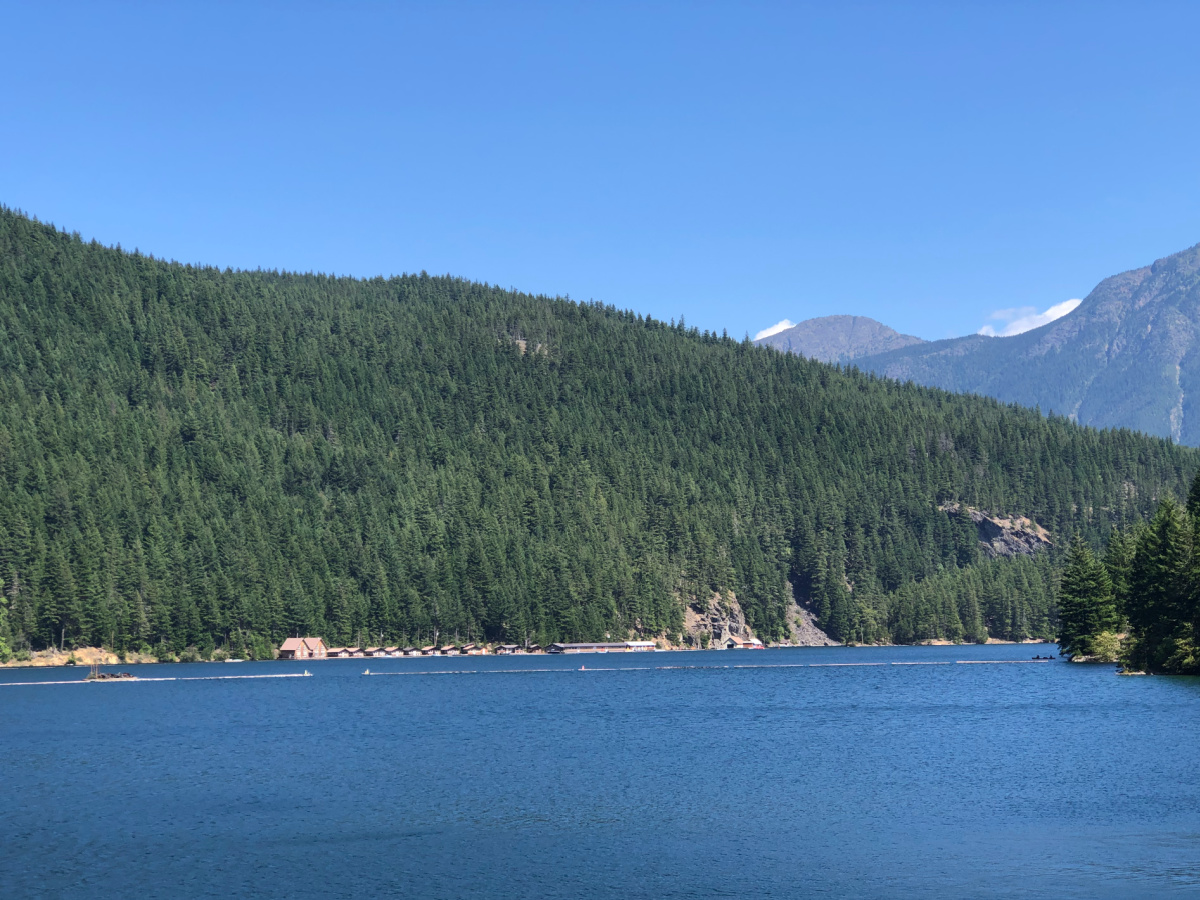
This was another pleasant surprise.
The trail is short enough for most visitors but still feels like you’ve earned the view when you arrive.
If you enjoy lakes, mountain scenery, and a little bit of adventure without committing to a major hike, Ross Dam is well worth your time.
North Cascades Highway
I know this isn’t technically a single attraction.
But I couldn’t leave it off the list.
The drive itself is one of the highlights of the entire trip.
Some of my favorite moments in North Cascades happened between destinations rather than at them.
Pullouts, overlooks, mountain vistas, and unexpected viewpoints appear around nearly every corner.
Don’t treat this road as simply transportation.
It’s an attraction in its own right.
Mount Baker
Technically, Mount Baker isn’t part of the national park system.
But if you’re already visiting North Cascades and have the extra time, I think it’s one of the best additions you can make.
Artist Point
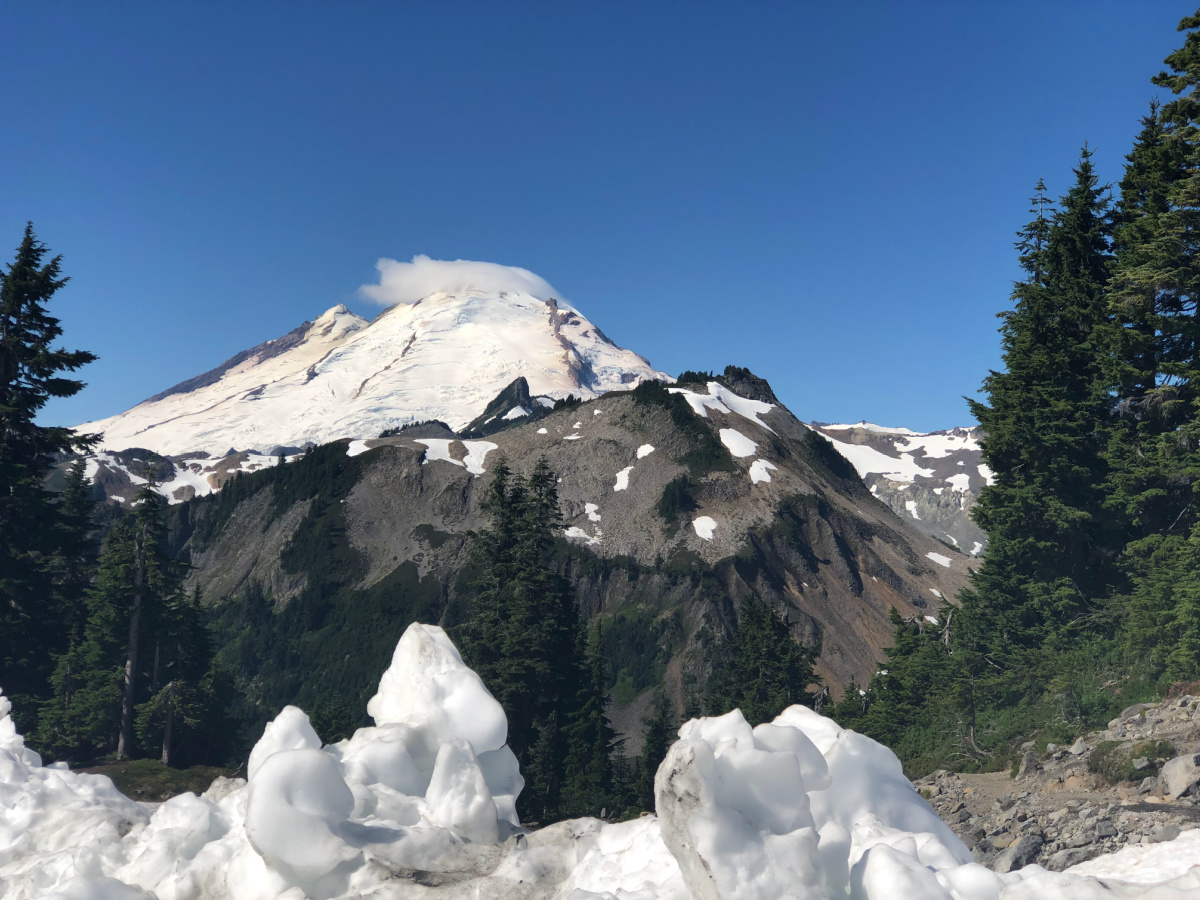
If someone asked me to choose a single viewpoint from the entire trip, Artist Point would be in the conversation.
The views are simply extraordinary.
Mount Baker dominates one side.
Mount Shuksan dominates the other.
And alpine scenery stretches in every direction.
There are very few places where you can put in so little effort and receive such an enormous scenic reward.
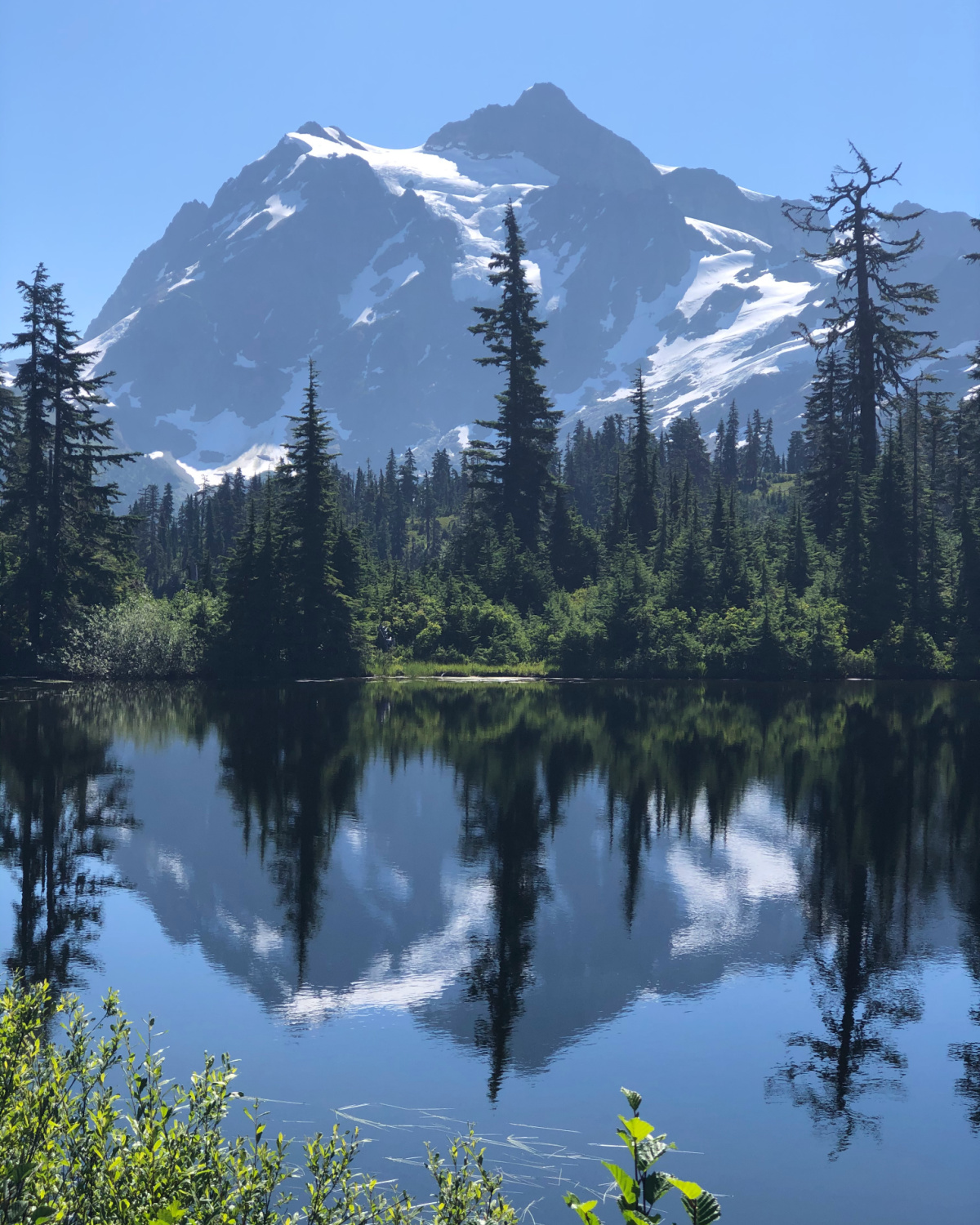
Picture Lake
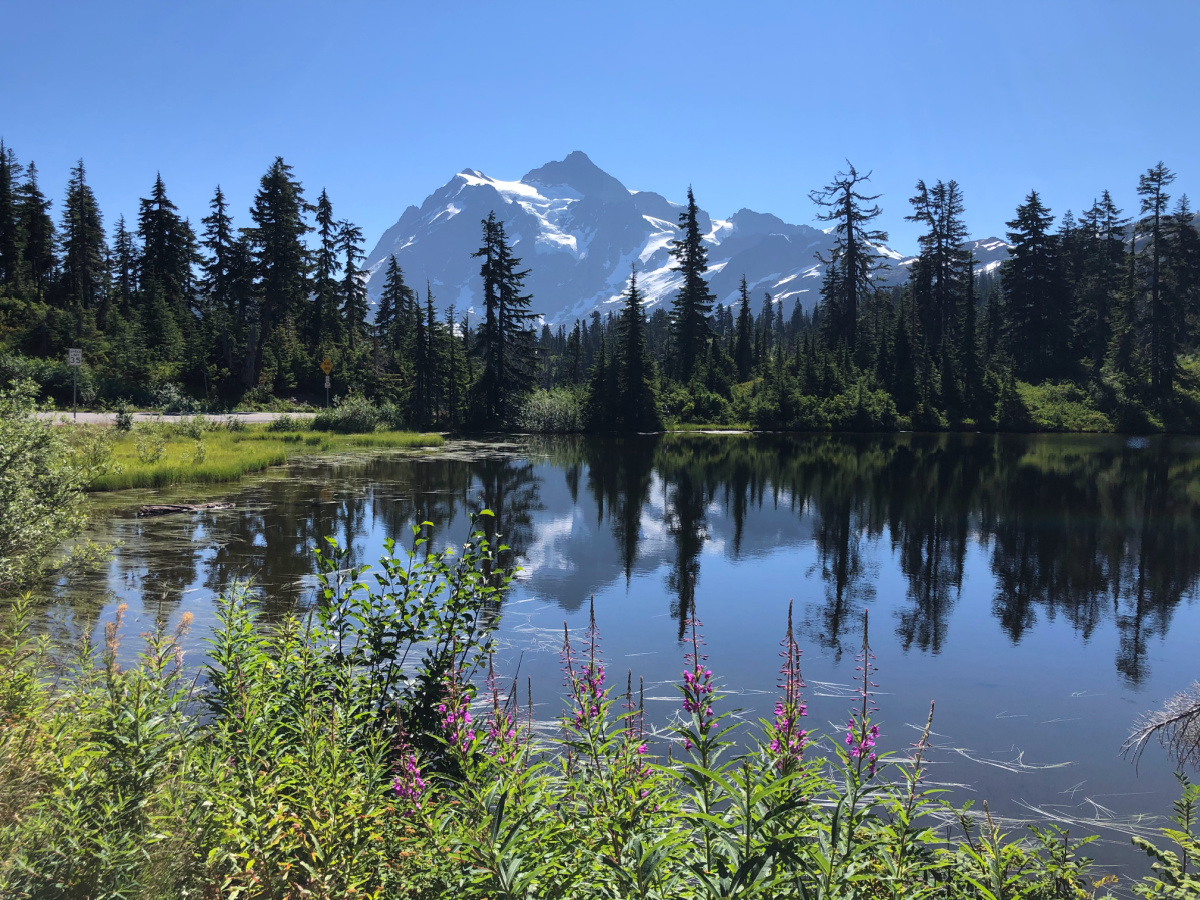
Picture Lake is one of those rare places where a five-minute stop is completely worth it.
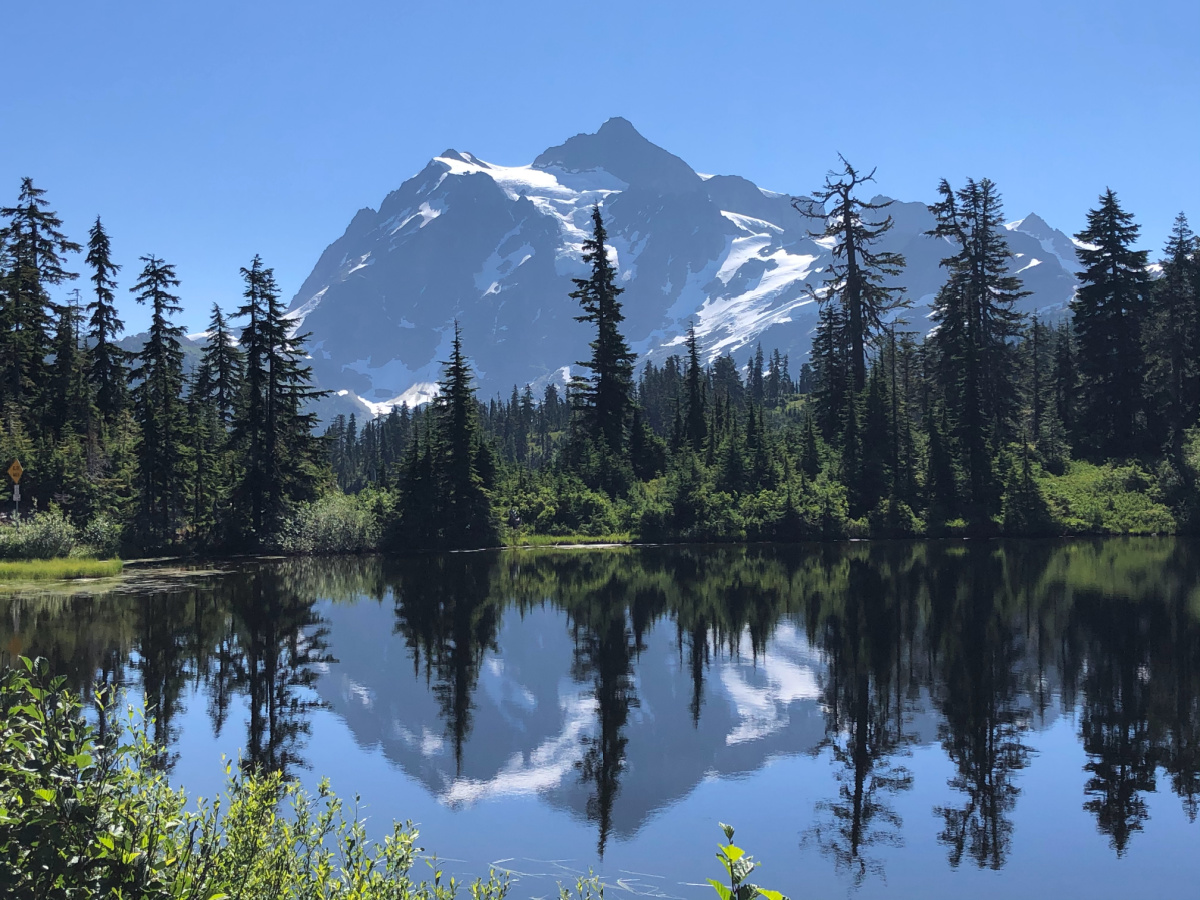
On a calm day, the reflection of Mount Shuksan in the water creates one of the most photographed scenes in Washington.
And once you see it in person, you’ll understand why.
Nooksack Falls
There are bigger waterfalls.
There are more famous waterfalls.
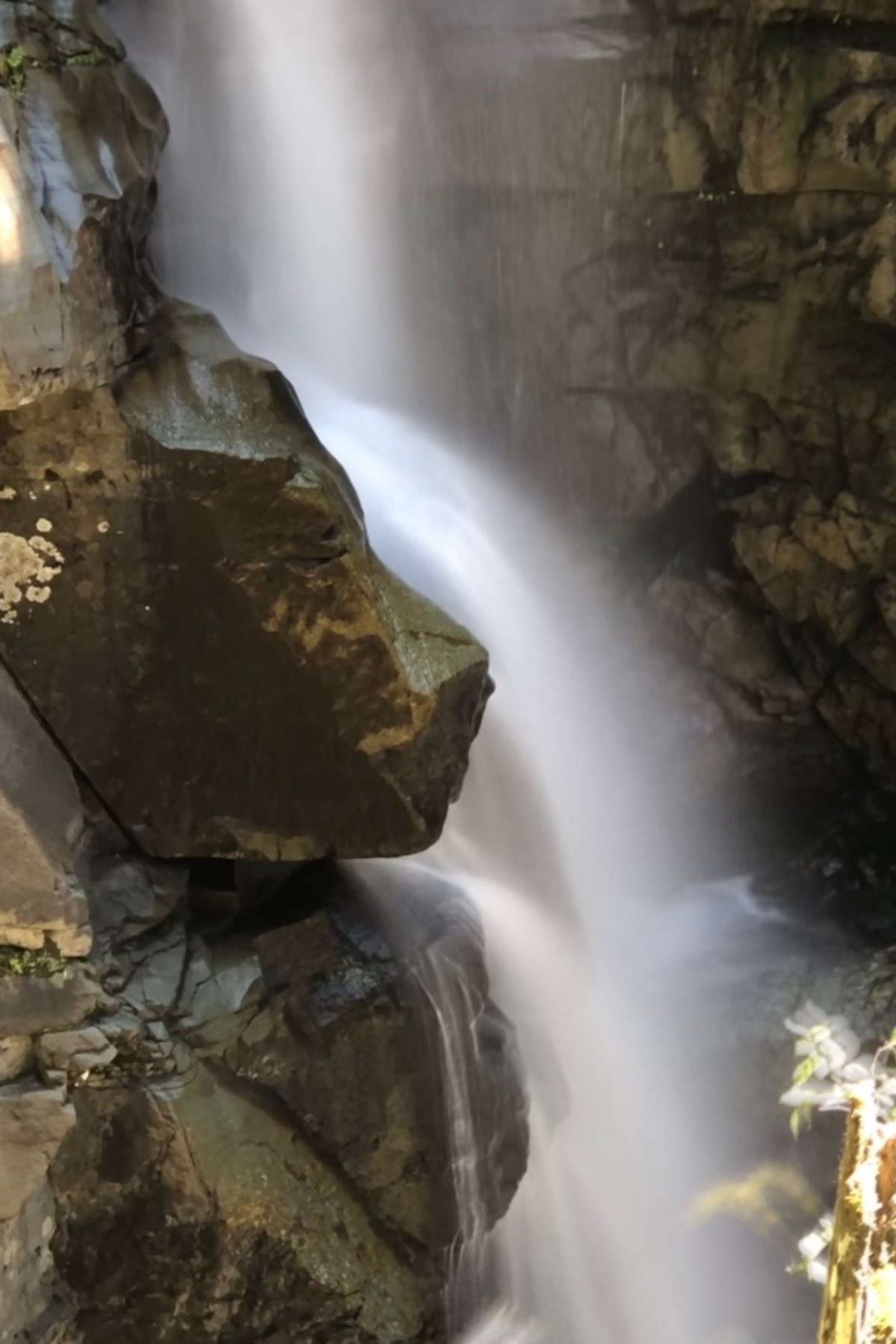
But Nooksack Falls is one of the easiest and most rewarding waterfall stops on the entire trip.
A short walk delivers dramatic views of the powerful falls crashing through a narrow canyon.
Heather Meadows
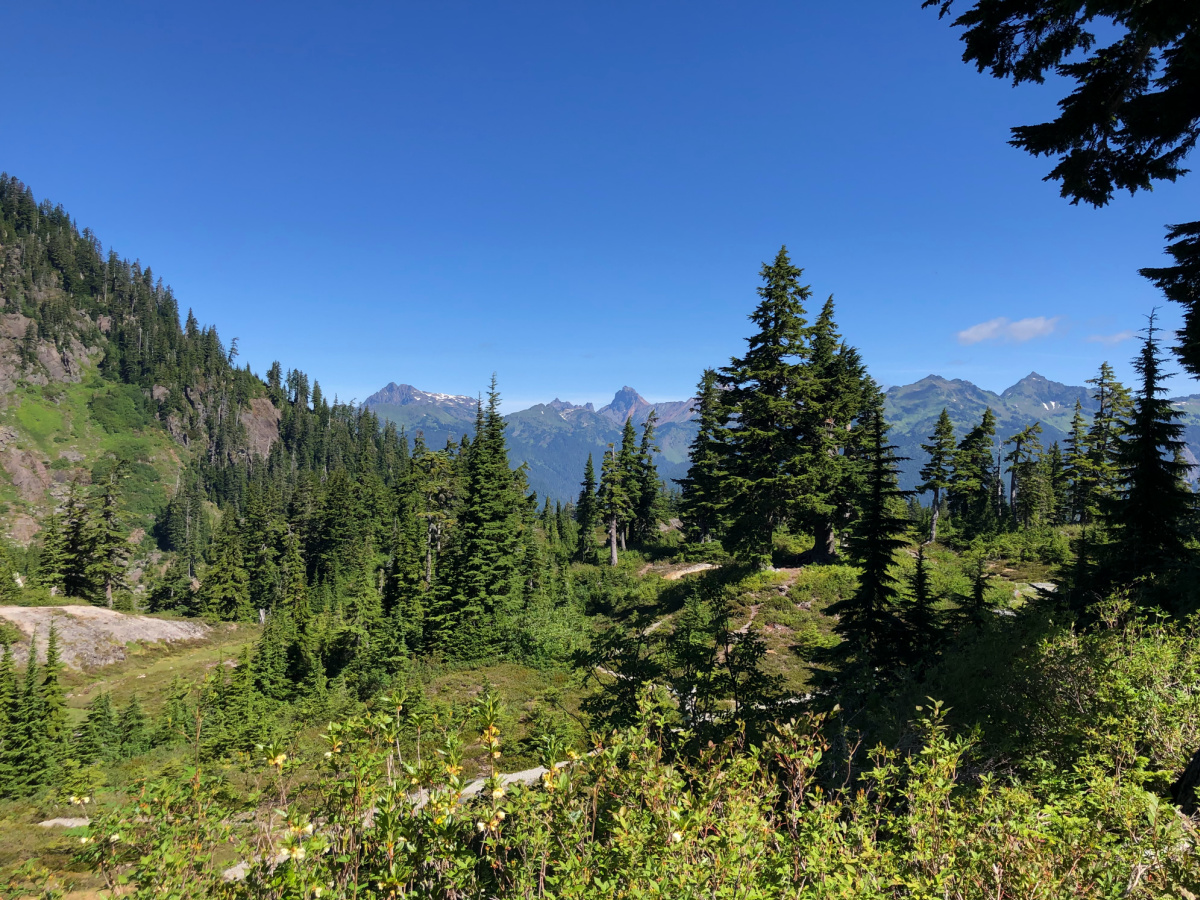
Heather Meadows often gets overshadowed by Artist Point, but it’s beautiful in its own right.
If you’re already driving the Mount Baker Scenic Byway, it’s absolutely worth stopping.
The alpine scenery here feels like a preview of what’s waiting farther up the road.
If You Only Remember Ten Places From This Trip
If I had to narrow the entire road trip down to just ten experiences, my list would probably look like this:
- Hurricane Ridge
- Ruby Beach
- Hall of Mosses
- Sol Duc Falls
- Myrtle Falls and Paradise
- Reflection Lakes
- Diablo Lake
- Washington Pass Overlook
- Artist Point
- Picture Lake
Would everyone make the exact same list?
Probably not.
But if you visited only those ten places, you’d still experience many of the very best landscapes Washington has to offer.
Can You Enjoy Washington’s National Parks Without Hardcore Hiking?
Absolutely.
In fact, this is probably the biggest misconception people have about Washington.
Spend a few minutes scrolling social media and you’ll quickly start seeing stories about backcountry adventures, summit attempts, and all-day hikes.
Those experiences certainly exist.
But they aren’t required.
Our family enjoys national parks.
We do not enjoy suffering.
We’re not backpackers and we aren’t climbing mountains.
Honestly, we are not looking for fourteen-mile hikes with 3,000 feet of elevation gain.
And yet we still experienced some of the most beautiful scenery in the state.
That’s one of the reasons I think Washington works so well for families, retirees, and casual travelers.
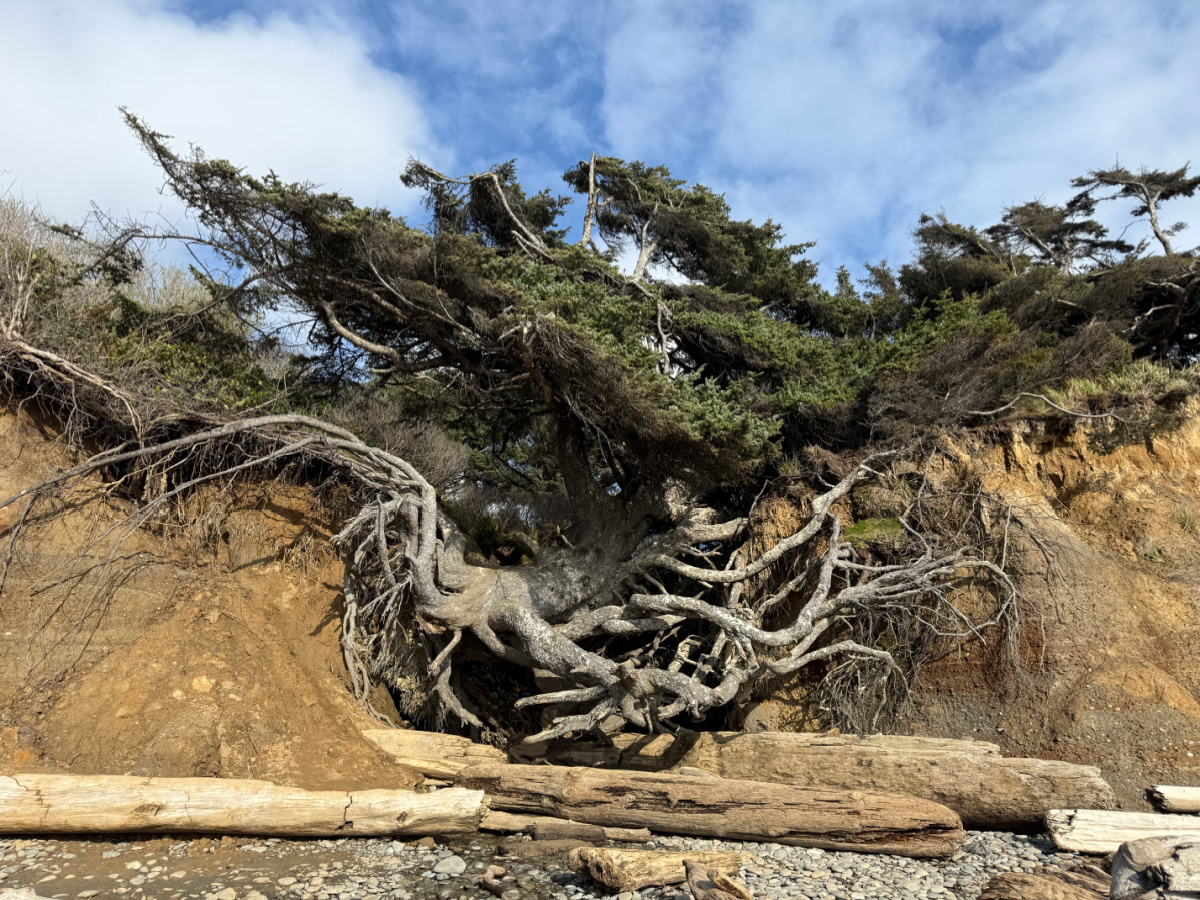
Olympic National Park Without Hardcore Hiking
Some of my favorite Olympic experiences required very little hiking.
Hurricane Ridge
This is one of the easiest ways to experience mountain scenery in the entire state.
You can enjoy incredible views almost immediately after stepping out of your vehicle.
Hall of Mosses
One of the most famous walks in the park is also one of the easiest.
The trail is short, flat, and accessible for most visitors.
Ruby Beach
Reaching the beach requires a short walk, but it’s manageable for most travelers.
The payoff is enormous.
Lake Crescent
Beautiful scenery with very little effort.
This is one of those stops where simply standing beside the water is enough.
Sol Duc Falls
The walk isn’t completely flat, but it’s short enough that most visitors can comfortably enjoy one of Washington’s most beautiful waterfalls.
Families may also want to read my complete guide to Olympic National Park With Kids, which covers family-friendly activities, beaches, easy hikes, and planning tips.
Easy Olympic Experiences
- Hurricane Ridge
- Hall of Mosses
- Quinault Rainforest
- Ruby Beach
- Lake Crescent
- Marymere Falls
- Sol Duc Falls
- Beach 4
- Kalaloch Beach
Mount Rainier Without Hardcore Hiking
Mount Rainier has a reputation for attracting serious hikers.
And it does.
But many visitors never venture far from the main scenic areas.
You can enjoy some of the park’s most iconic experiences without attempting anything difficult.
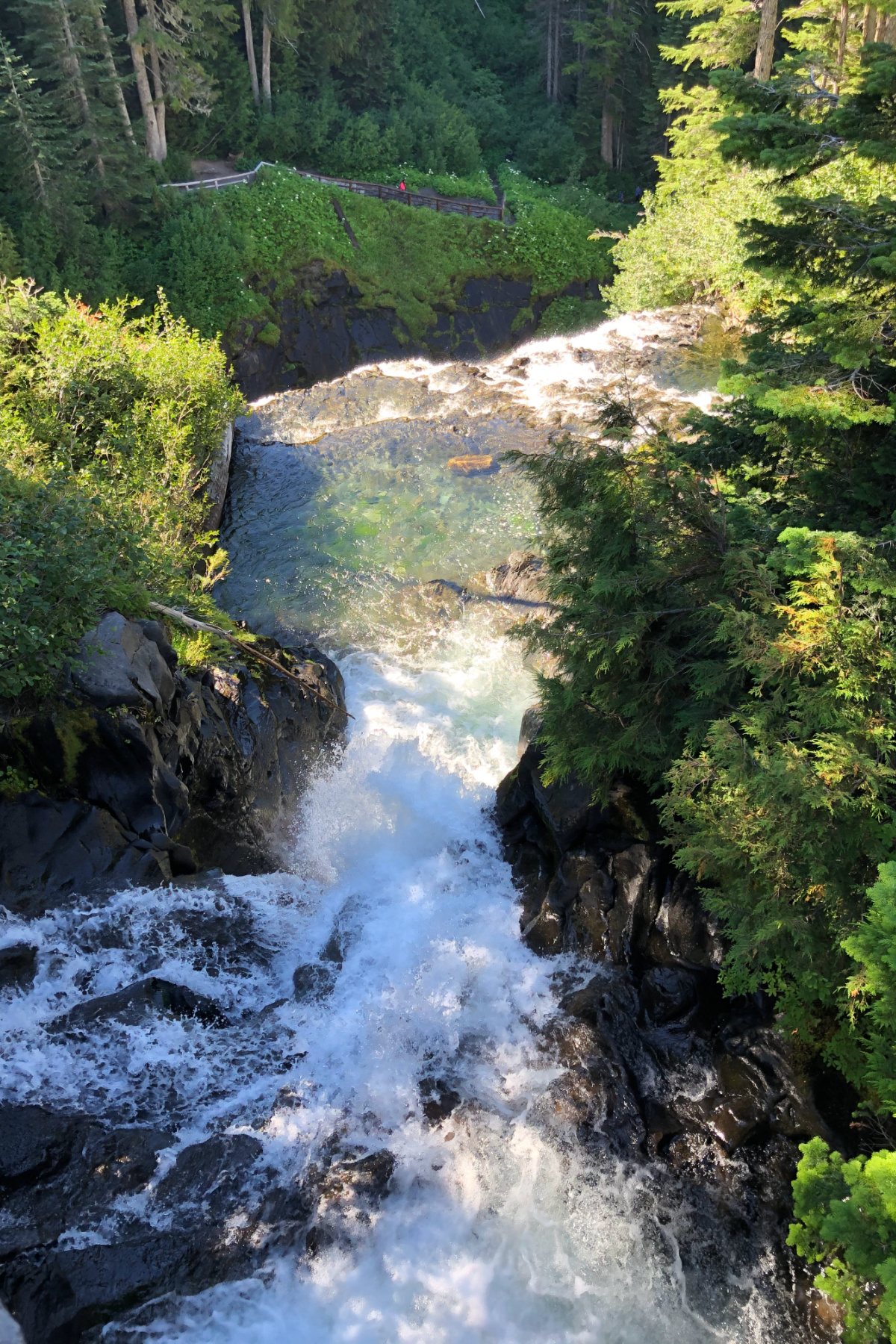
Paradise
The scenery around Paradise is spectacular even if you never hike beyond the main viewpoints.
Myrtle Falls
One of the highest reward-to-effort experiences in the park.
Reflection Lakes
Park, walk a short distance, and enjoy one of the best views of Mount Rainier.
Tipsoo Lake
An easy stop that feels far more remote than it actually is.
Sunrise
You don’t have to hike for hours to appreciate the views here.
Much of the scenery is visible immediately from the visitor area.
Easy Mount Rainier Experiences
- Paradise
- Myrtle Falls
- Reflection Lakes
- Tipsoo Lake
- Sunrise
- Sunrise Point
- Nisqually Vista Trail
Traveling with children? My guide to Mount Rainier National Park With Kids covers easy trails, viewpoints, and family-friendly stops throughout the park.
North Cascades Without Hardcore Hiking
This was the biggest surprise of the trip for me.
I expected many of the park’s famous views to require long hikes.
Instead, some of the best scenery is remarkably accessible.
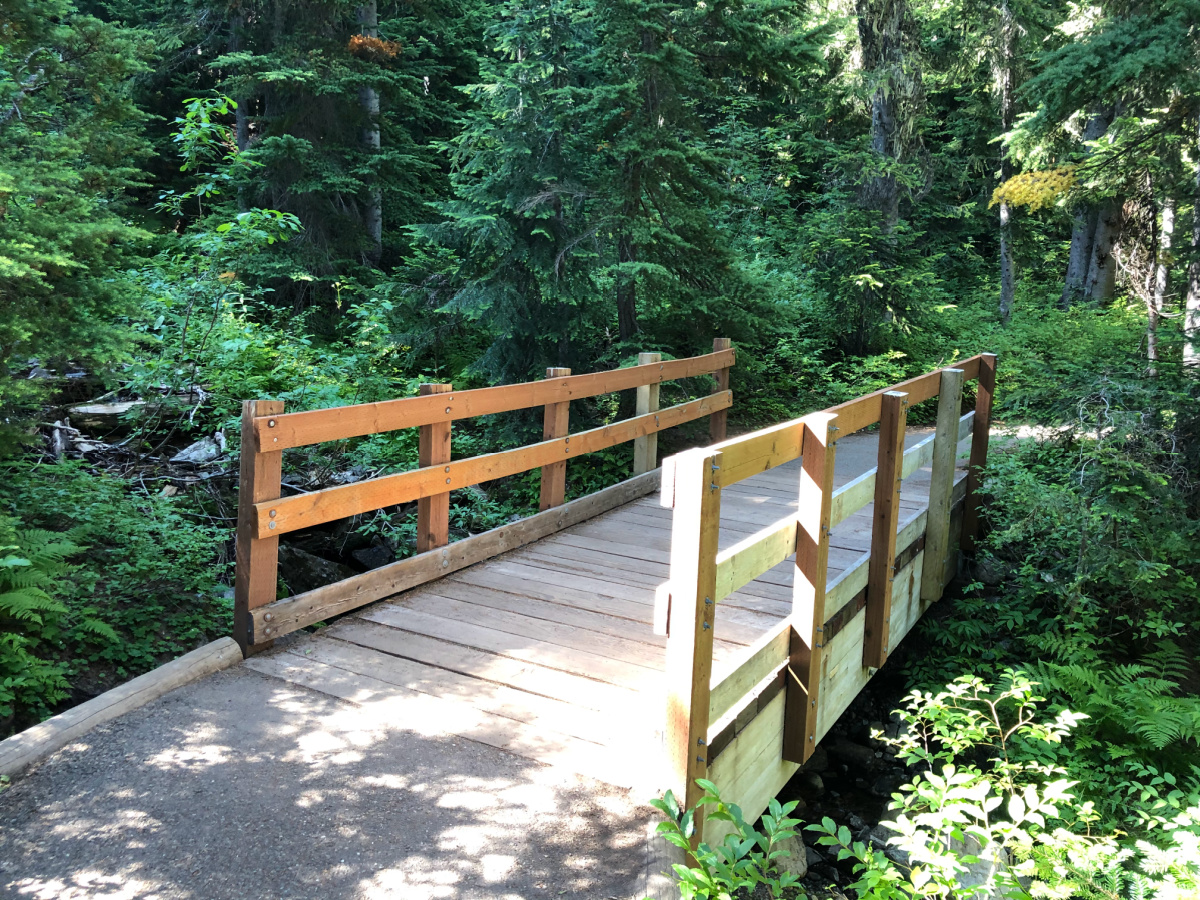
Diablo Lake Overlook
One of the easiest scenic stops on the entire road trip.
Washington Pass Overlook
A short walk delivers one of the best mountain views in Washington.
Rainy Lake
One of the easiest and most family-friendly trails in the park.
North Cascades Highway Pullouts
Some of the best scenery doesn’t require a trail at all.
Easy North Cascades Experiences
- Diablo Lake Overlook
- Washington Pass Overlook
- Rainy Lake
- North Cascades Highway
- Ross Dam
- Trail of the Cedars
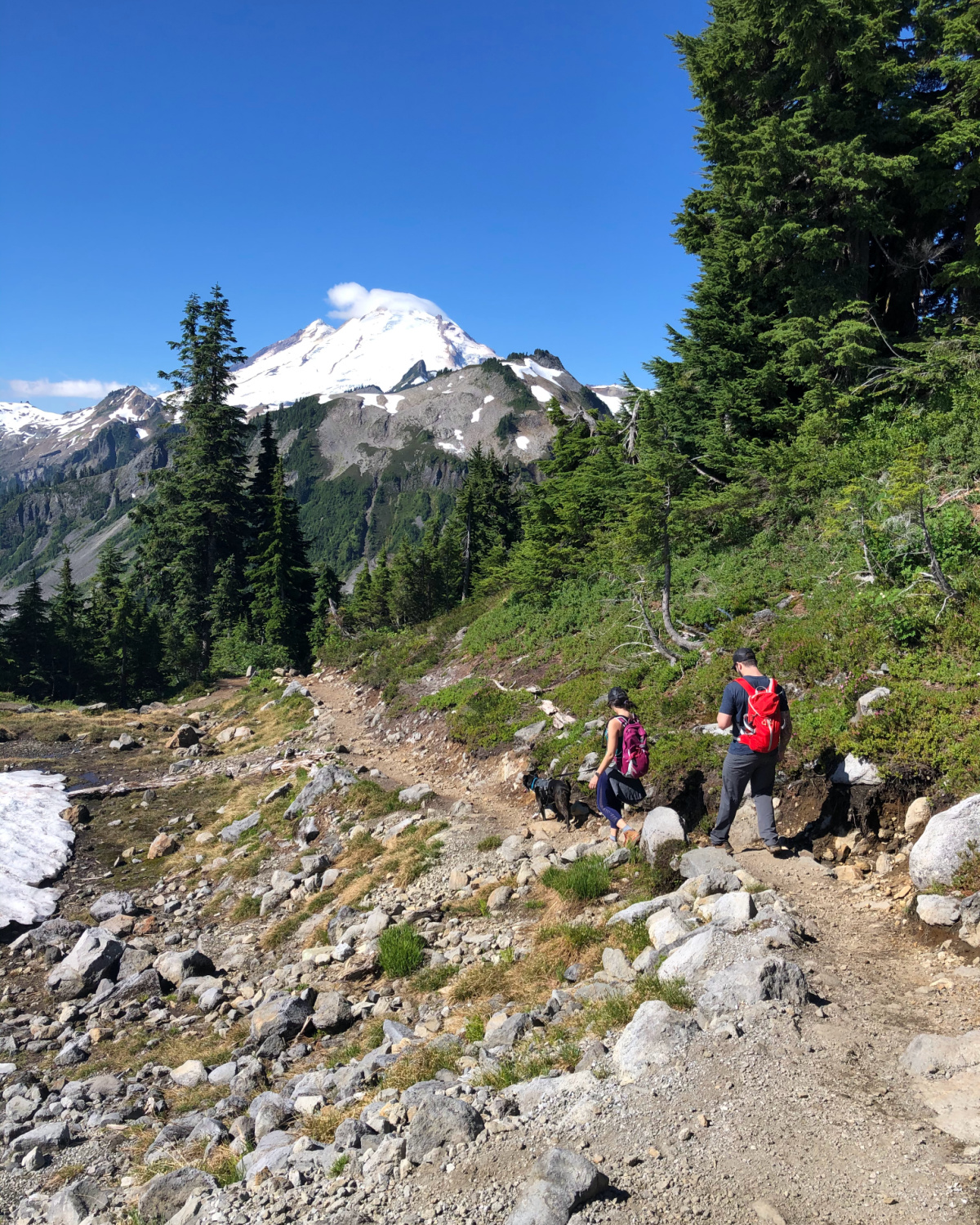
Mount Baker Without Hardcore Hiking
Mount Baker might actually offer some of the biggest scenic rewards for the least effort.
Artist Point
One of the best examples of “park and be amazed” scenery you’ll find anywhere.
Picture Lake
One of the easiest photo stops in Washington.
Heather Meadows
Beautiful alpine scenery with minimal effort.
Nooksack Falls
A short walk to a powerful waterfall.
My General Rule
If you’re physically capable of walking one to three miles on relatively easy trails, you can experience the overwhelming majority of the highlights included in this itinerary.
No backpacking or technical skills required.
And you don’t need mountaineering experience either.
Just comfortable shoes and a willingness to explore.
Looking for More Easy Hikes?
One of the things I love about Washington’s national parks is that many of the best views don’t require all-day hikes. If you’re looking for more family-friendly trails and scenic walks, these guides are a great place to start:
- Best Easy Hikes in Olympic National Park
- Best Easy Hikes in Mount Rainier National Park
- Best Easy Hikes in North Cascades National Park
Where to Stay During a Washington National Parks Road Trip
One thing I’ve learned after visiting a lot of national parks is that where you stay can have a huge impact on your overall experience.
Could you stay farther away and save some money?
Absolutely.
But if your budget allows, I almost always recommend staying inside the park or as close to it as possible.
One of my favorite parts of visiting national parks is being able to enjoy the scenery before and after the day-trippers arrive. There’s something special about watching the sun rise over the mountains, having breakfast at a historic lodge, or taking an evening walk after most visitors have already headed home.
Washington’s national parks offer several excellent lodge options, and I think they’re worth considering if you want the full national park experience.
Olympic National Park
Olympic has several historic lodges that make wonderful bases for exploring the park.
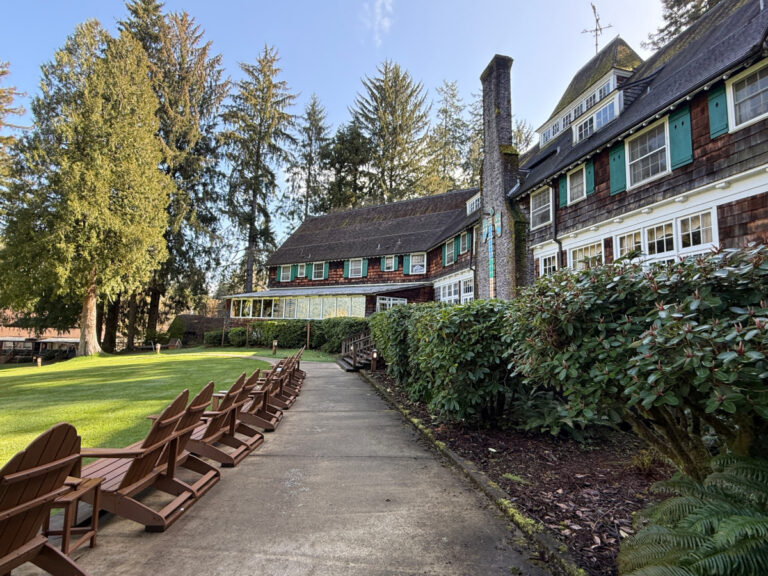
Lake Crescent Lodge
If I could only choose one lodge in Olympic National Park, this would probably be it.
The setting on Lake Crescent is beautiful, and it’s centrally located for exploring many of the park’s most popular attractions.
Even if you don’t stay here, it’s worth stopping by to walk along the shoreline and enjoy the views.
Absolutely. To match the tone and length of the others, I’d do:
Sol Duc Hot Springs Resort
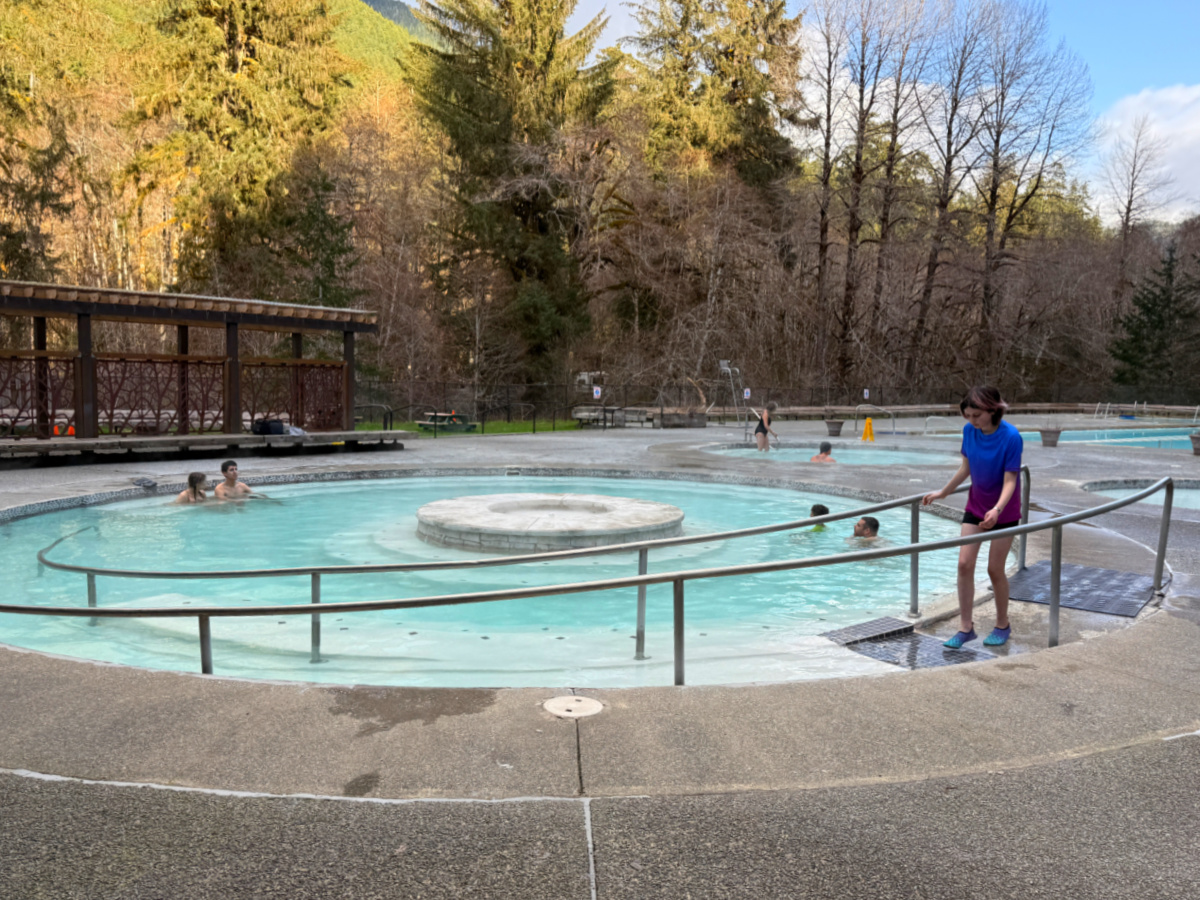
If relaxing in natural hot springs sounds like your idea of a great vacation, Sol Duc Hot Springs Resort is worth considering.
Located in a beautiful forested setting, the resort combines comfortable cabins with access to the famous hot springs pools. It’s also conveniently located near Sol Duc Falls, making it a good base for exploring this part of Olympic National Park.
For many visitors, ending the day with a soak in the hot springs is reason enough to stay here.
Kalaloch Lodge
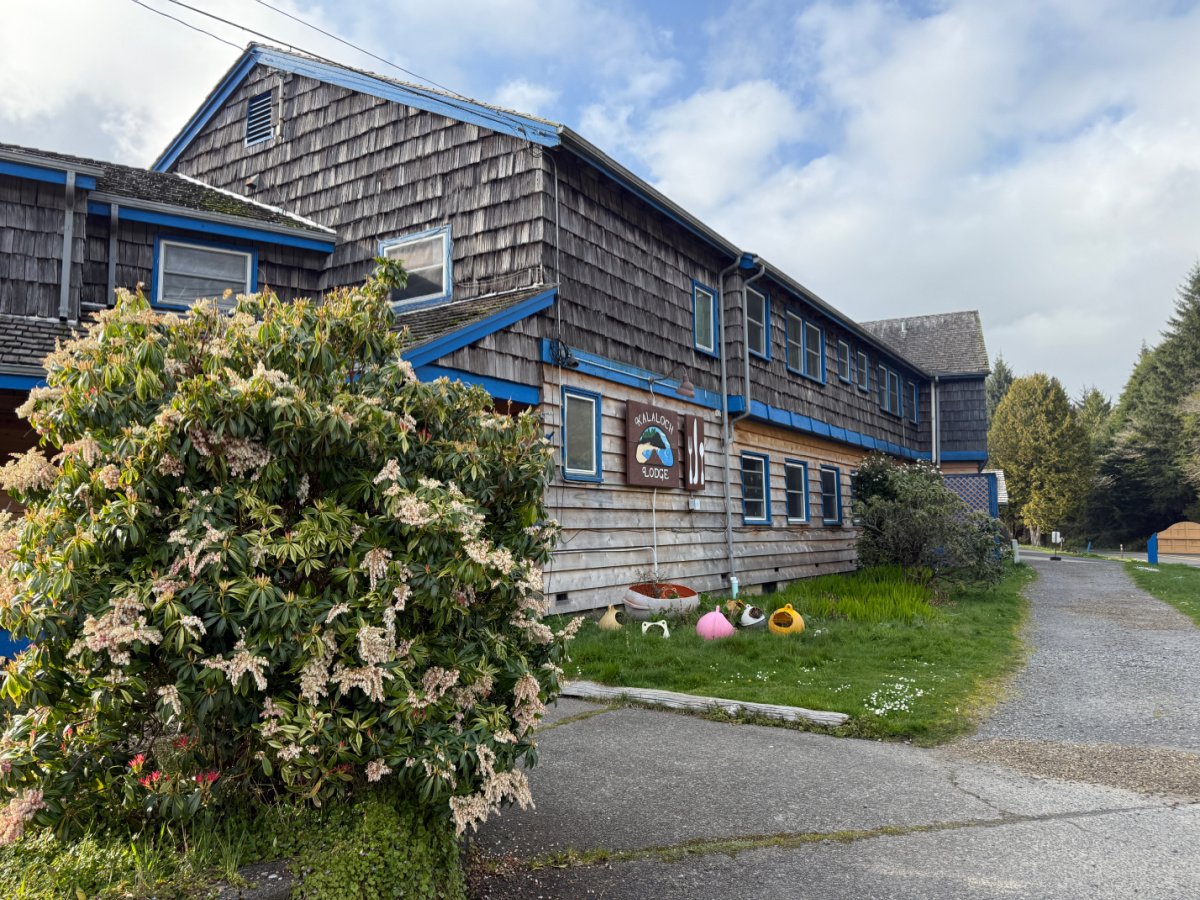
If your priority is the Pacific Coast, Kalaloch Lodge is hard to beat.
Watching sunset from the beach just steps from your room is one of the most memorable experiences in Olympic National Park.
Lake Quinault Lodge
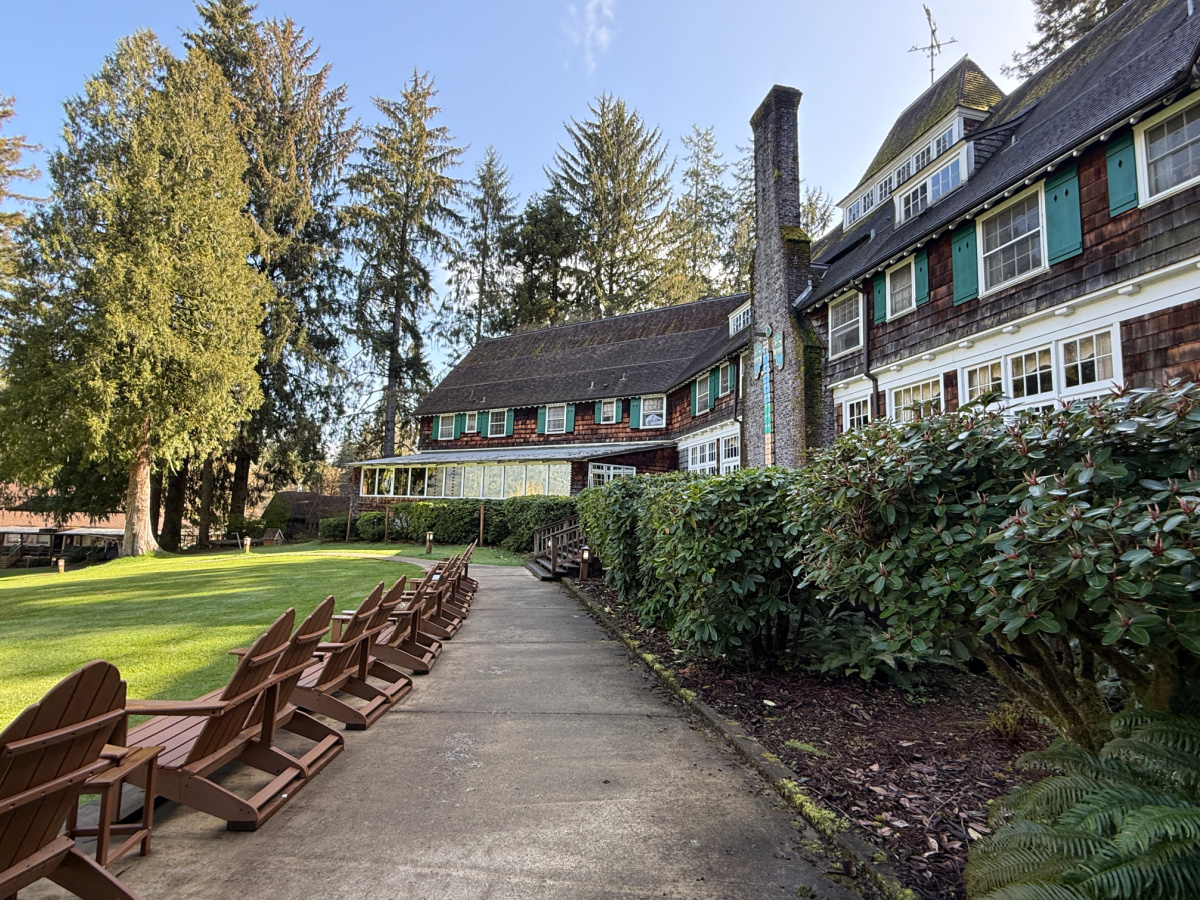
This historic lodge offers a completely different atmosphere from the other two.
The setting feels peaceful and secluded, making it a great choice for travelers looking to slow down and enjoy the rainforest side of the park.
Alternative Bases
If lodge rooms aren’t available or don’t fit your budget, I recommend:
- Port Angeles
- Forks
Both provide convenient access to major attractions.
If you’re spending several days in the park, don’t miss my guide to the Best Places to Eat in Olympic National Park.
Port Angeles
Best for:
- Hurricane Ridge
- Lake Crescent
- Marymere Falls
- Sol Duc Falls
Forks
Best for:
- Hoh Rain Forest
- Ruby Beach
- Rialto Beach
- Beach 4
If you’re spending four or more days in Olympic, changing hotels once can save several hours of driving.
Mount Rainier National Park
Stay as close to the park as your budget allows.
Best Options
- Paradise Inn
- National Park Inn
- Ashford
- Packwood
Being able to enter the park early in the morning is a huge advantage.
North Cascades National Park
I strongly recommend Winthrop.
Not only is it convenient, but it’s also one of the most interesting towns on the entire road trip.
After several days in national parks, it’s nice to have restaurant choices and a walkable downtown area.
Mount Baker
The community of Glacier makes a convenient base for exploring the Mount Baker Scenic Byway and Artist Point.
Budgeting for a Washington National Parks Road Trip
Washington isn’t the cheapest national park destination.
But it also isn’t nearly as expensive as places like Jackson Hole or parts of the Canadian Rockies.
For most travelers, lodging will be the biggest expense.
Estimated Daily Costs
| Category | Budget | Mid-Range |
|---|---|---|
| Lodging | $150–200 | $250–450 |
| Food | $50–100 | $100–200 |
| Rental Car | $60–100 | $100–150 |
| Fuel | $15–30 | $20–40 |
America the Beautiful Pass
If you’re visiting all three parks, the annual pass is an easy decision.
It covers:
- Olympic National Park
- Mount Rainier National Park
- North Cascades National Park
and often pays for itself quickly.
Easy Ways to Save Money
- Travel in September
- Pack picnic lunches
- Stay outside the parks
- Book lodging early
- Share larger vacation rentals with family or friends
The Best Time to Visit Washington’s National Parks
If I could only choose one month, I’d probably pick September.
But each season has advantages and drawbacks.
June
Pros
- Waterfalls are roaring
- Snow remains on mountain peaks
- Fewer crowds than peak summer
Cons
- Some roads may still be closed
- Snow can limit hiking access
July
Pros
- Most roads are open
- Wildflowers begin appearing
- Excellent weather
Cons
- Crowds increase significantly
August
Pros
- Warm temperatures
- Reliable access to attractions
- Long daylight hours
Cons
- Potential wildfire smoke
September
Why It’s My Favorite
September offers the best overall balance.
Crowds begin thinning.
Weather is still pleasant.
Most roads remain open.
The entire trip feels more relaxed.
October
Pros
- Beautiful fall colors
- Smaller crowds
Cons
- Unpredictable weather
- Seasonal closures begin
If Olympic is your primary destination, be sure to read my detailed guide on the Best Time to Visit Olympic National Park for a season-by-season breakdown.
What I’d Skip If I Only Had 7 Days
This is probably the advice people secretly want.
Not what to do.
What to skip.
If I only had seven days, I’d focus on the biggest scenic payoffs.
My Priorities
- Hurricane Ridge
- Hall of Mosses
- Ruby Beach
- Sol Duc Falls
- Myrtle Falls
- Diablo Lake
- Washington Pass
What I’d Skip
- Quinault
- Additional Olympic beaches beyond Ruby Beach
- Lesser-known waterfalls
- Longer North Cascades hikes
- Secondary viewpoints
Not because these places aren’t worthwhile.
Simply because there are only so many hours in a week.
Pro Tips for Planning This Road Trip
- Start Olympic earlier than you think you need to.
- Build flexibility into your schedule.
- Always carry layers.
- Fill your gas tank before driving the North Cascades Highway.
- Download offline maps.
- Don’t underestimate Olympic driving times.
- Book lodging as early as possible.
- Visit popular viewpoints early or late in the day.
- Add Mount Baker if your schedule allows.
Frequently Asked Questions
How many days do you need for Washington’s national parks?
Ten days is ideal.
Seven days works if you’re willing to move quickly.
Fourteen days is fantastic.
Which park is best for first-time visitors?
Olympic National Park offers the greatest variety of experiences.
Is North Cascades worth visiting?
Absolutely.
It ended up being one of the biggest surprises of our trip.
Do you need reservations?
Not generally for park entry, but lodging should be reserved well in advance.
Is this road trip good for families?
Very much so.
Many of the highlights involve short walks, scenic drives, lakes, waterfalls, and overlooks.
Which park has the best scenery?
That’s impossible to answer objectively.
My personal favorites were Paradise, Hurricane Ridge, Diablo Lake, Washington Pass, and Artist Point.
Should I add Mount Baker?
If you have the extra time, absolutely.
Artist Point alone is worth the detour.
Continue Exploring
If this Washington national parks road trip has you dreaming about your next adventure, here are a few more guides that can help you plan your trip—or inspire the next one.
More Washington National Park Trip Planning
If you’re still deciding how to divide your time, these guides take a deeper dive into each park:
- Olympic National Park for First-Time Visitors – Everything you need to know before visiting Washington’s most diverse national park.
- Mount Rainier National Park for First-Time Visitors – Planning tips, must-see attractions, and practical advice for visiting Washington’s iconic mountain.
- North Cascades National Park for First-Time Visitors – A beginner-friendly guide to one of America’s most underrated national parks.
- Best Things to Do in Olympic National Park – The top experiences, viewpoints, beaches, waterfalls, and rainforests.
- Best Things to Do in Mount Rainier National Park – The highlights every first-time visitor should consider.
- Best Things to Do in North Cascades National Park – The most scenic stops, overlooks, lakes, and easy hikes.
More Washington Scenic Drives and Road Trips
One of the best things about Washington is that the drives are often just as memorable as the destinations.
- Olympic National Park Road Trip Guide – How to explore beaches, rainforests, lakes, and mountain viewpoints in one unforgettable trip.
- North Cascades Highway Scenic Drive Guide – The best stops, viewpoints, and overlooks along one of the most beautiful drives in the Pacific Northwest.
- Mount Baker Scenic Drive Guide – A spectacular drive featuring waterfalls, alpine scenery, mountain lakes, and Artist Point.
- Washington National Parks Without Hardcore Hiking – How to enjoy Washington’s best scenery without tackling strenuous trails.
More Epic National Park Road Trips
If you’re already thinking about where to go next, these are some of my favorite national park road trips in the United States.
- Yellowstone, Grand Teton & Glacier National Parks Road Trip – Wildlife, geysers, mountain lakes, scenic drives, and three iconic national parks in one incredible vacation.
- Utah Mighty 5 Road Trip Itinerary – Arches, Canyonlands, Capitol Reef, Bryce Canyon, and Zion combined into one unforgettable adventure.
- 10-Day Alaska Itinerary for First-Time Visitors – Glaciers, wildlife, mountain scenery, and unforgettable road trip experiences across one of America’s most spectacular states.
Whether you’re planning your first national parks vacation or your fifteenth, Washington is a destination that tends to leave people wanting more. Fortunately, there are plenty of incredible road trips waiting when you’re ready for the next adventure.
Final Thoughts
When I first started planning this trip, I expected Mount Rainier to be the highlight.
And don’t get me wrong—Rainier is incredible.
What surprised me was how much I enjoyed the entire combination.
Olympic delivered far more variety than I expected.
North Cascades delivered far more scenery than I expected.
Mount Baker ended up being one of the biggest surprises of the trip.
Together, these destinations create one of the most diverse national park road trips in the country.
You can spend one day exploring a rainforest, the next standing beneath a glacier-covered volcano, and a few days later staring at turquoise lakes surrounded by jagged mountain peaks.
There aren’t many places in the United States where you can say that.
If you’re looking for a national parks vacation that combines incredible scenery, reasonable accessibility, and enough variety to keep every day feeling different, I think this Washington road trip is hard to beat.