North Cascades National Park for First-Time Visitors

Affiliate Disclosure: This post may contain affiliate links. If you make a purchase or booking through these links, I may earn a commission at no additional cost to you.
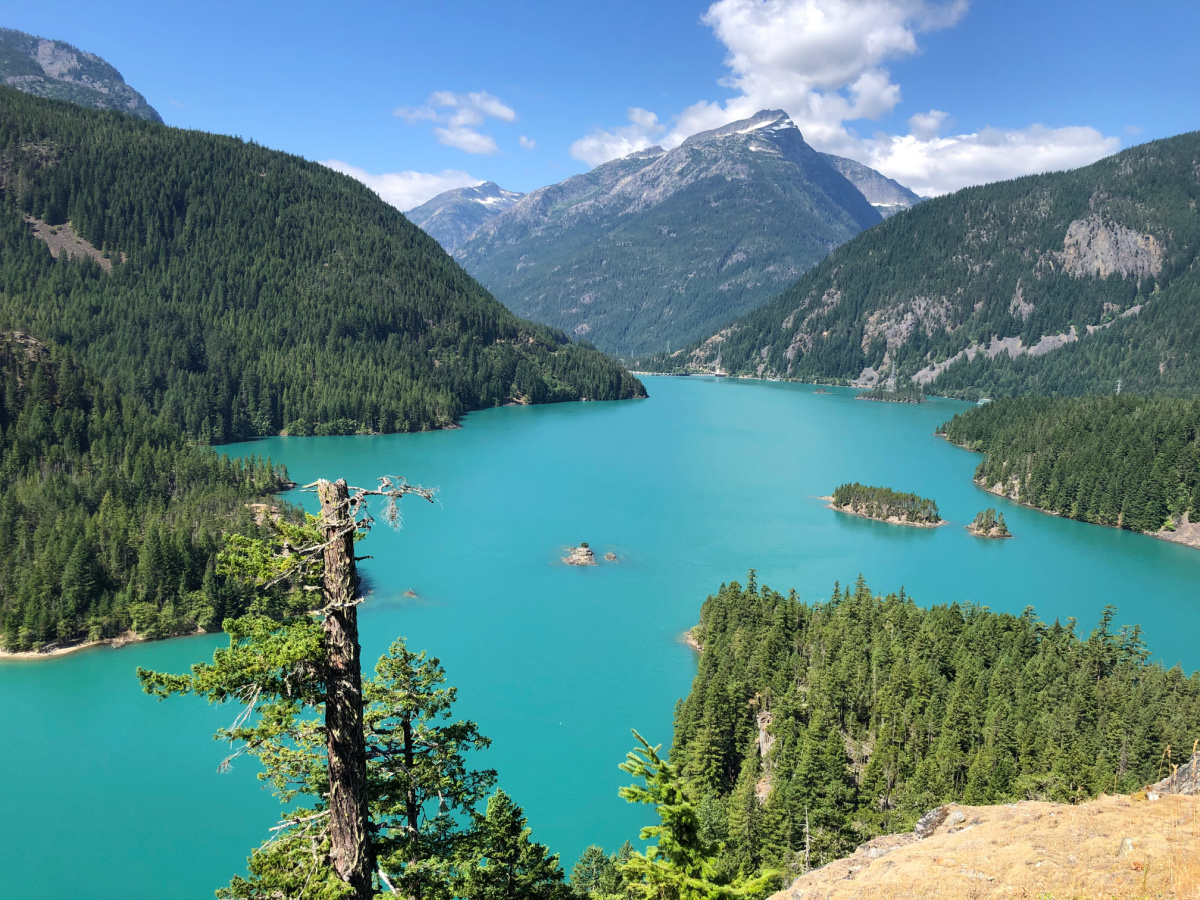
Planning your first trip to North Cascades National Park? This first-time visitor guide covers scenic drives, best overlooks, where to stay, Highway 20, easy hikes, smoke season, and realistic travel tips for casual travelers and families.
Estimated reading time: 18 minutes
There are national parks that immediately feel approachable to first-time visitors. Yellowstone has giant signs and crowded boardwalks. Yosemite has iconic viewpoints every few miles. Zion practically hands you a bucket list the second you arrive.
Then there’s North Cascades National Park.
North Cascades is different.
It’s quieter. Wilder. More remote. Less polished. And honestly? That’s exactly why people who finally make it there tend to become obsessed with it.
This is one of the least-visited national parks in the United States, which surprises a lot of people once they actually see it. The mountains are jaw-dropping. The turquoise lakes look like something from the Canadian Rockies. The alpine scenery feels enormous and dramatic. In some spots, it honestly feels more rugged and untamed than many of the country’s more famous parks.
But there’s also a reason visitation stays relatively low.
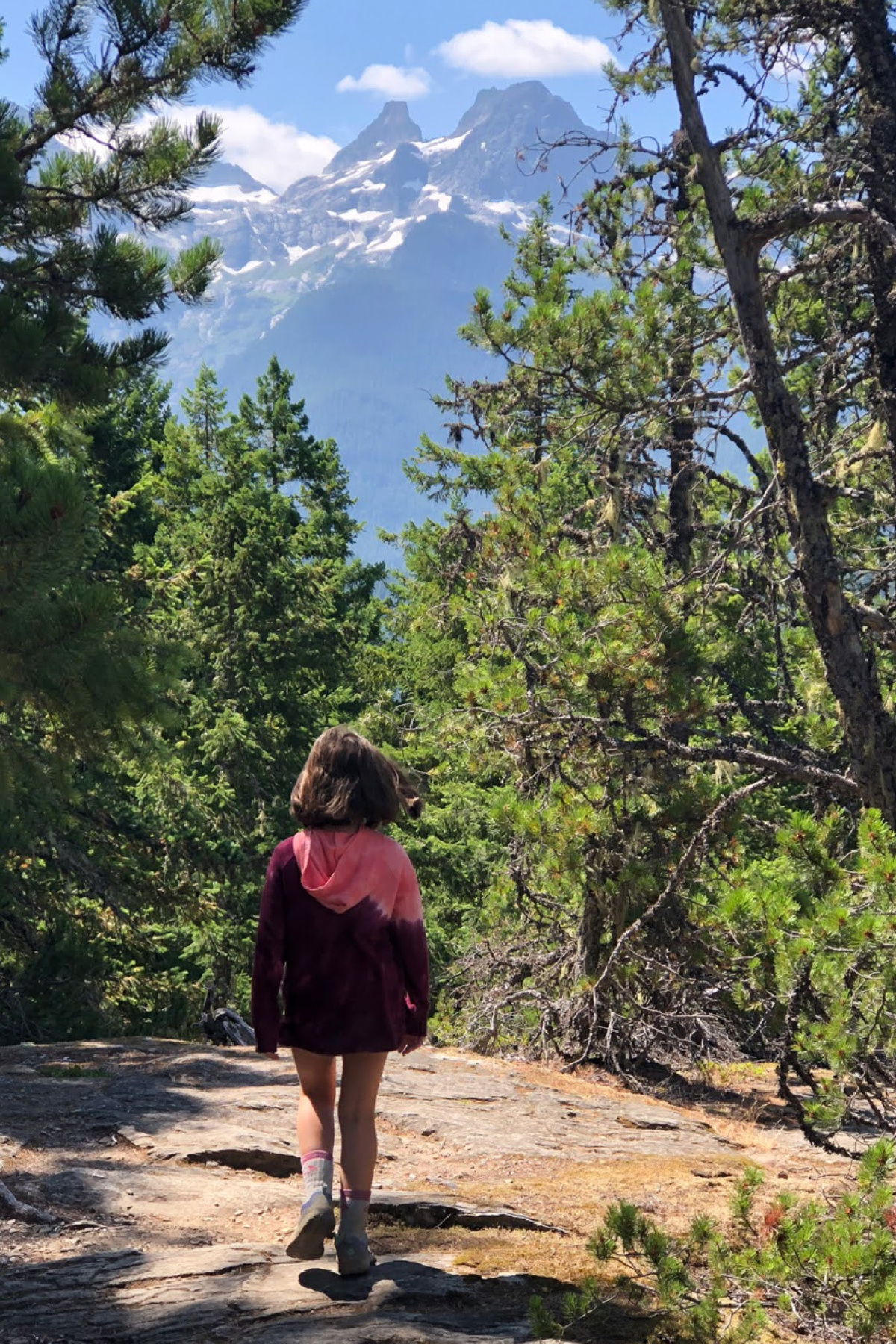
North Cascades National Park is pretty remote
The park is remote. Services are limited. Weather can shut things down unexpectedly. Wildfire smoke has become a very real late-summer issue. Large portions of the park are inaccessible unless you’re willing to backpack or take a boat. And unlike parks designed around a single central “village” area, North Cascades can feel confusing to understand at first.
That’s why this guide exists.
Because if you approach North Cascades with realistic expectations — especially as a casual traveler, family, photographer, road tripper, or someone who loves national parks but does not want hardcore hiking — this place can absolutely blow you away.
And honestly, that’s the sweet spot for this park.
You do not need to be summiting peaks or backpacking for five days to enjoy North Cascades National Park. Some of the most spectacular scenery in the entire park system is visible right from the road, short walks, overlooks, lakeshores, and scenic pullouts along Highway 20.
You just need to know how the park actually works.
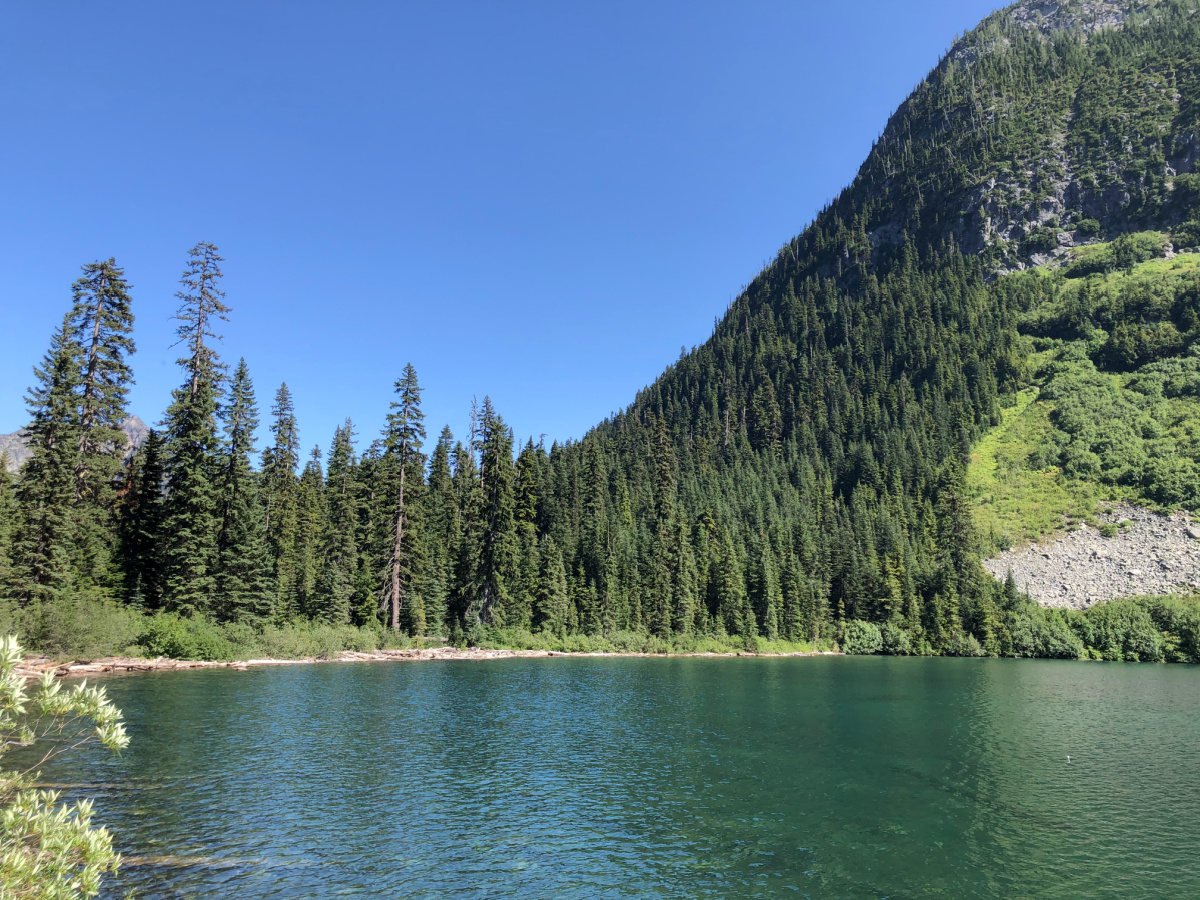
Quick Snapshot: What to Expect at North Cascades National Park
Best For
- Scenic drives
- Mountain views
- Alpine lakes
- Photography
- Waterfalls
- Casual travelers who love dramatic scenery
- Families with older kids
- Retired travelers
- Road trips through Washington State
- Travelers who prefer overlooks and short hikes over intense trekking
Not Ideal For
- Travelers wanting lots of restaurants and tourist infrastructure
- People expecting a “Yosemite village” setup
- Travelers uncomfortable driving mountain roads
- Visitors uncomfortable with remote areas
- Travelers needing reliable cell service
Biggest Surprise for First-Time Visitors
How little development there is.
This park feels genuinely wild. You can drive for long stretches without seeing gas stations, restaurants, or grocery stores. Some trailheads have pit toilets and nothing else. Many viewpoints feel wonderfully uncrowded compared to parks like Glacier or Yosemite.
That remoteness is part of the magic — but it catches some first-time visitors off guard.
Minimum Time Needed
- One day: enough for the scenic drive and main overlooks
- Two days: ideal for casual travelers
- Three days: excellent if you want slow mornings, photography, short hikes, and nearby towns
Best Time to Visit
Mid-July through late September.
Earlier than that, snow closures are possible. Later into fall, weather becomes unpredictable quickly.
Main Gateway Towns
- Winthrop (east side)
- Marblemount (west side)
Most Important Thing to Know
Most of the iconic scenery is along the Highway 20 corridor — not deep inside the official national park boundaries.
That sounds strange, but understanding this will help the entire park make more sense.
Understanding How North Cascades National Park Is Laid Out
This is probably the single most confusing thing for first-time visitors.
When people picture a national park, they often imagine one central developed area surrounded by scenic attractions.
North Cascades does not work like that.
Instead, the experience revolves around Highway 20, also called the North Cascades Highway.
This highway cuts east-west through the mountains and is where most visitors spend almost all of their time.
Along this corridor, you’ll find:
- Scenic overlooks
- Visitor centers
- Short hikes
- Trailheads
- Lakes
- Campgrounds
- Pullouts
- Major viewpoints
But here’s the part that surprises people:
Huge portions of the actual national park are inaccessible by road.
Much of the park is true wilderness that requires backpacking, boating, or long hiking routes to reach.
So for casual travelers, your trip is really about exploring:
- The Highway 20 corridor
- Ross Lake National Recreation Area
- Lake Chelan National Recreation Area
- Scenic viewpoints and easy-access hikes
And honestly? That’s more than enough for an incredible trip.
Why North Cascades Is One of the Least Visited National Parks
People hear “least visited national park” and sometimes assume that means boring.
That is definitely not the case here.
North Cascades is stunning.
But visitation stays relatively low because several factors work against mainstream tourism.
It’s Remote
Getting here takes effort.
From Seattle, it’s roughly:
- 2.5–3 hours to the west side
- 4–5 hours to Winthrop on the east side
There are no major airports nearby. No giant resort town. No major commercial tourism hub.
You have to intentionally choose this park.
The Weather Is Complicated
The North Cascades get massive amounts of snow.
Not just “a snowy winter.”
We’re talking serious mountain snowpack that can keep portions of Highway 20 closed well into spring and sometimes early summer.
Many first-time visitors are shocked to learn:
- Highway 20 typically closes every winter
- Opening dates vary year to year
- Snow can linger at higher elevations into July
- Wildfire closures occasionally happen in late summer
Unlike parks with year-round accessibility, North Cascades has a relatively short and unpredictable main season.
There Isn’t Much Tourist Infrastructure
This park does not cater heavily to convenience tourism.
Restaurants are limited. Lodging is limited. Gas stations are sparse. Grocery options are basic.
That sounds negative, but honestly, it’s part of what makes the area feel special.
You aren’t dealing with giant tourist crowds every five minutes.
Many People Assume It’s Only for Hardcore Hikers
This is a huge misconception.
Yes, North Cascades is legendary among backpackers and mountaineers.
But casual visitors can still experience:
- Incredible mountain scenery
- Glacial lakes
- Waterfalls
- Easy nature walks
- Scenic overlooks
- Gorgeous drives
Without doing intense hikes.
The Highway 20 Scenic Drive Is the Main Event
If you only remember one thing from this guide, let it be this:
Driving Highway 20 through the North Cascades is the experience.
And it is spectacular.
Honestly, this drive deserves to be mentioned alongside:
- Going-to-the-Sun Road in Glacier
- Tioga Road in Yosemite
- Trail Ridge Road in Rocky Mountain National Park
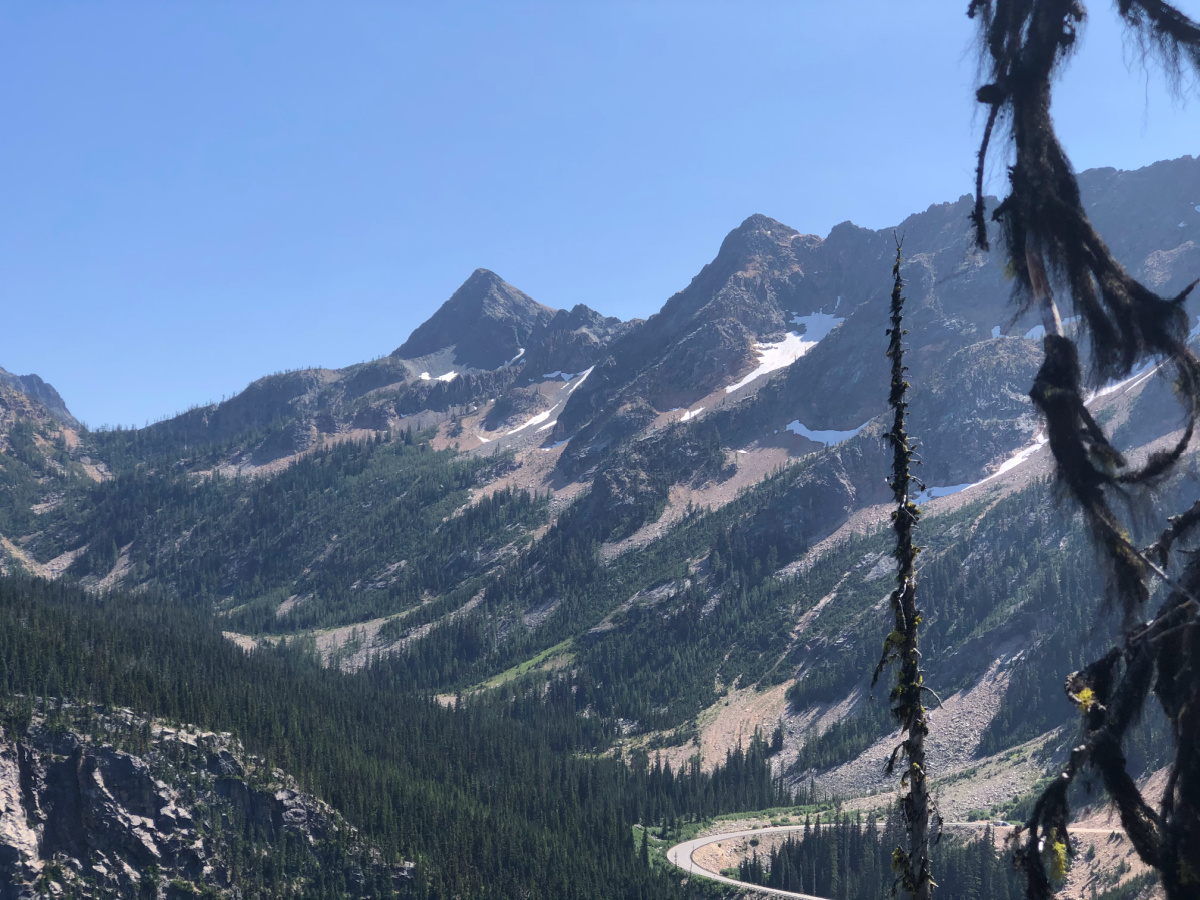
The scenery is that good.
You’ll pass:
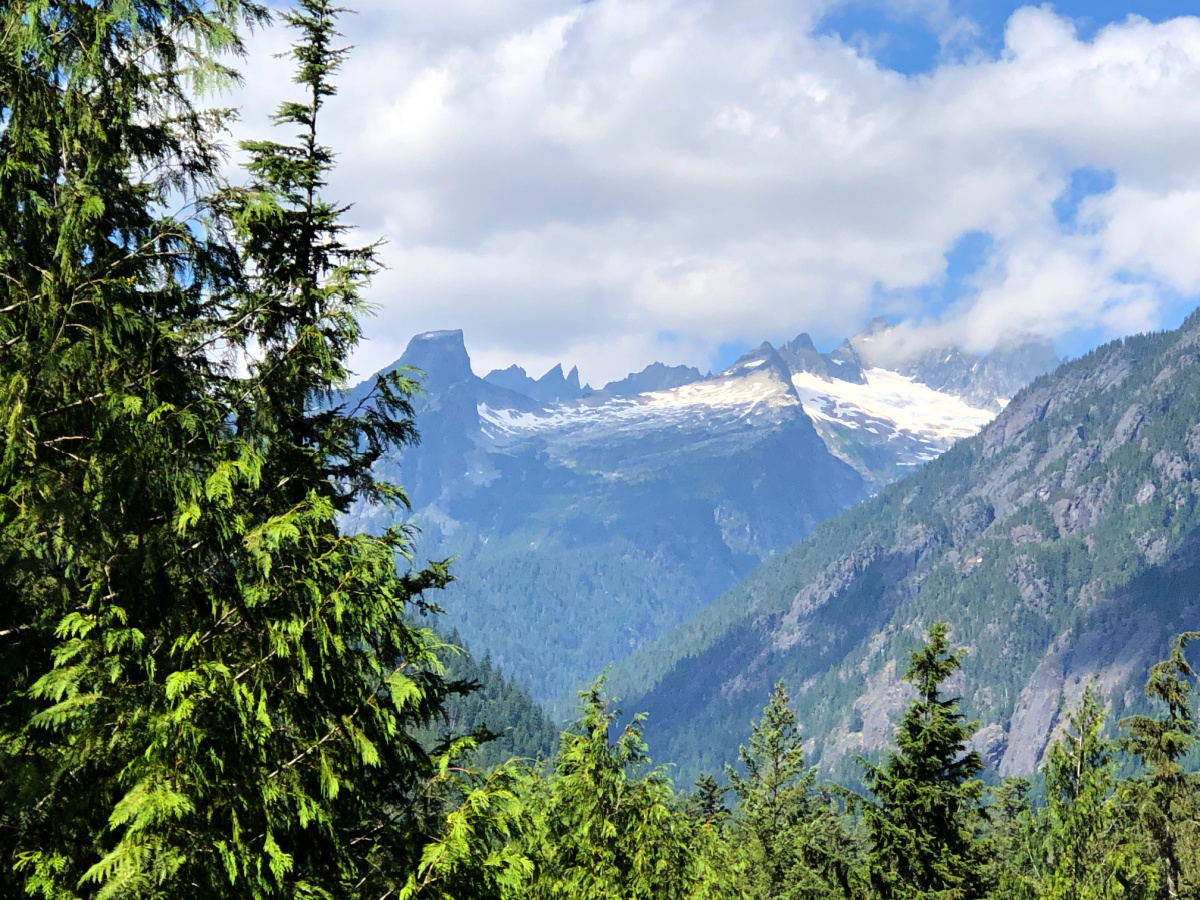
- Jagged mountain peaks
- Massive evergreen forests
- Bright blue reservoirs
- Alpine viewpoints
- Waterfalls
- Snowfields
- Deep valleys
And unlike many famous scenic drives, you often won’t be fighting constant traffic.
There are long stretches where it feels peaceful and uncrowded in a way that’s becoming increasingly rare in national parks.
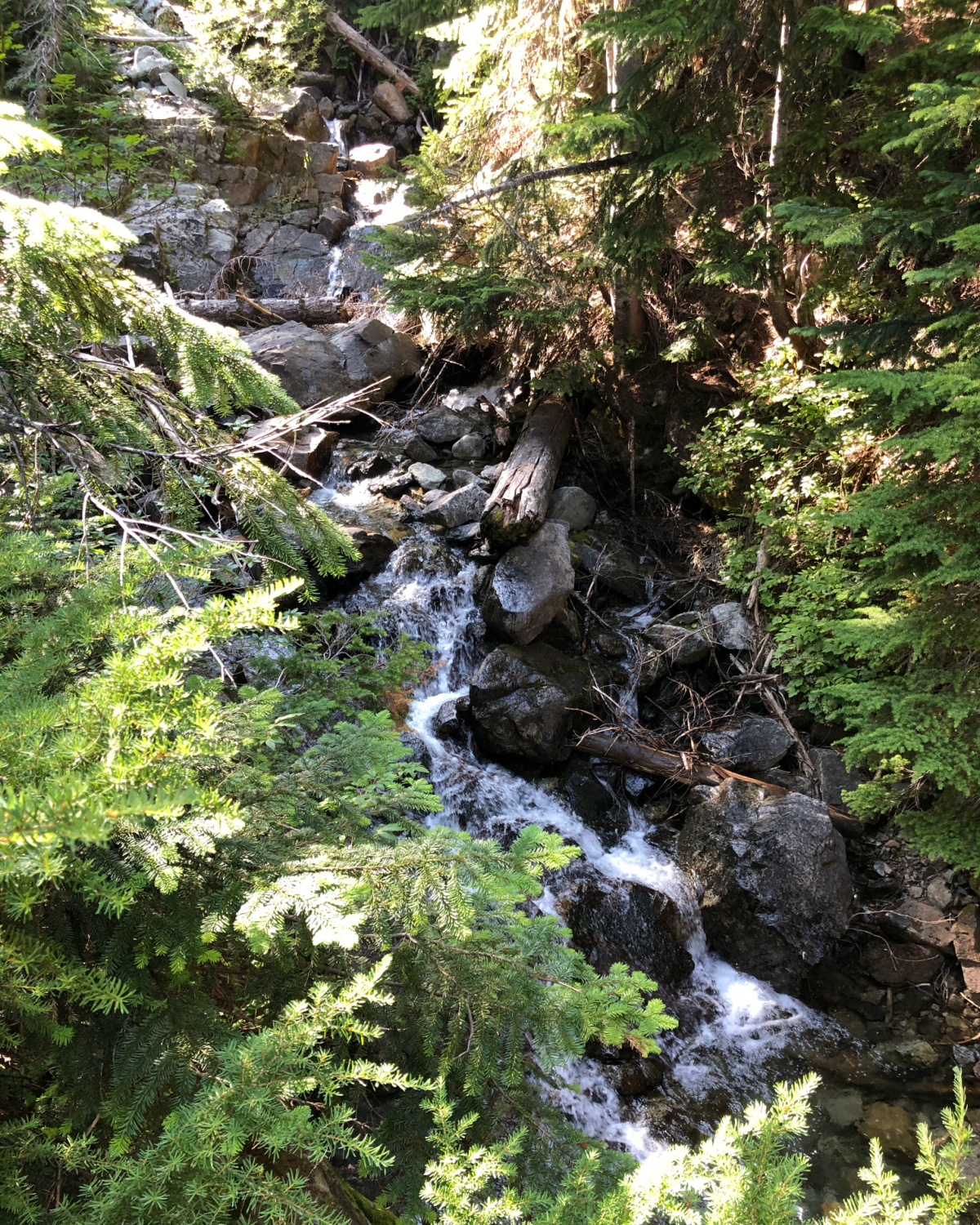
West Side vs East Side: They Feel Completely Different
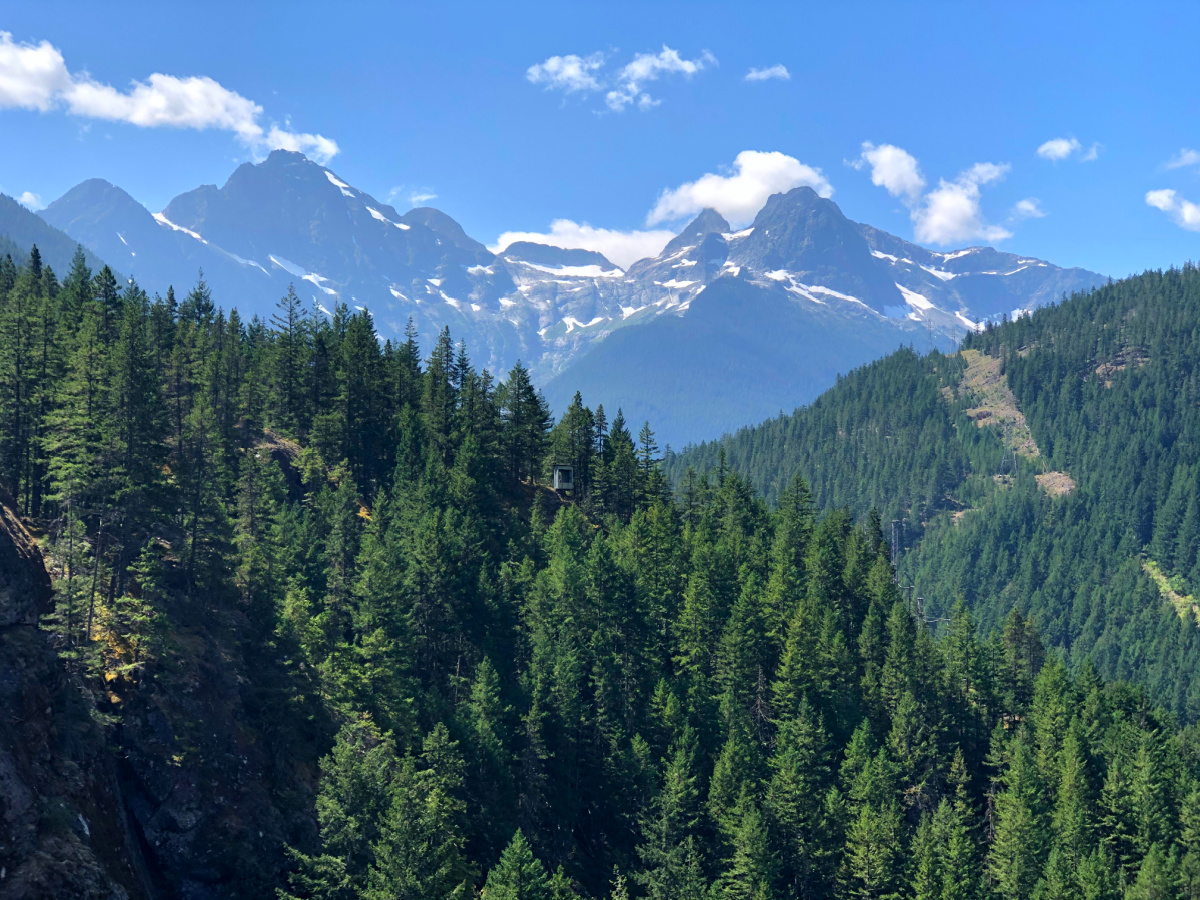
One of the most interesting things about North Cascades is how dramatically the scenery changes from west to east.
The West Side: Lush, Moody, Forested
The western side near Marblemount feels classic Pacific Northwest.
Think:
- Dense evergreen forests
- Moss-covered trees
- Cloudy skies
- Rainy weather
- Waterfalls
- Moody mountain views
It almost blends into the feeling of Olympic National Park in some areas.
This side tends to be wetter and greener.
The East Side: Sunny, Dry, More Open
Cross over the mountains toward Winthrop and the environment changes dramatically.
Suddenly you get:
- Drier air
- More sunshine
- Open hillsides
- Western-style scenery
- Pine forests instead of dense rainforest vibes
The transition is honestly kind of wild if you’ve never driven the route before.
And many travelers — especially families and retirees — actually prefer staying on the east side because:
- Weather is often sunnier
- Winthrop has more charm and restaurants
- Smoke sometimes clears faster
- It feels less isolated
Winthrop vs Marblemount: Where Should You Stay?
Stay in Winthrop If You Want:
- More restaurants
- More lodging options
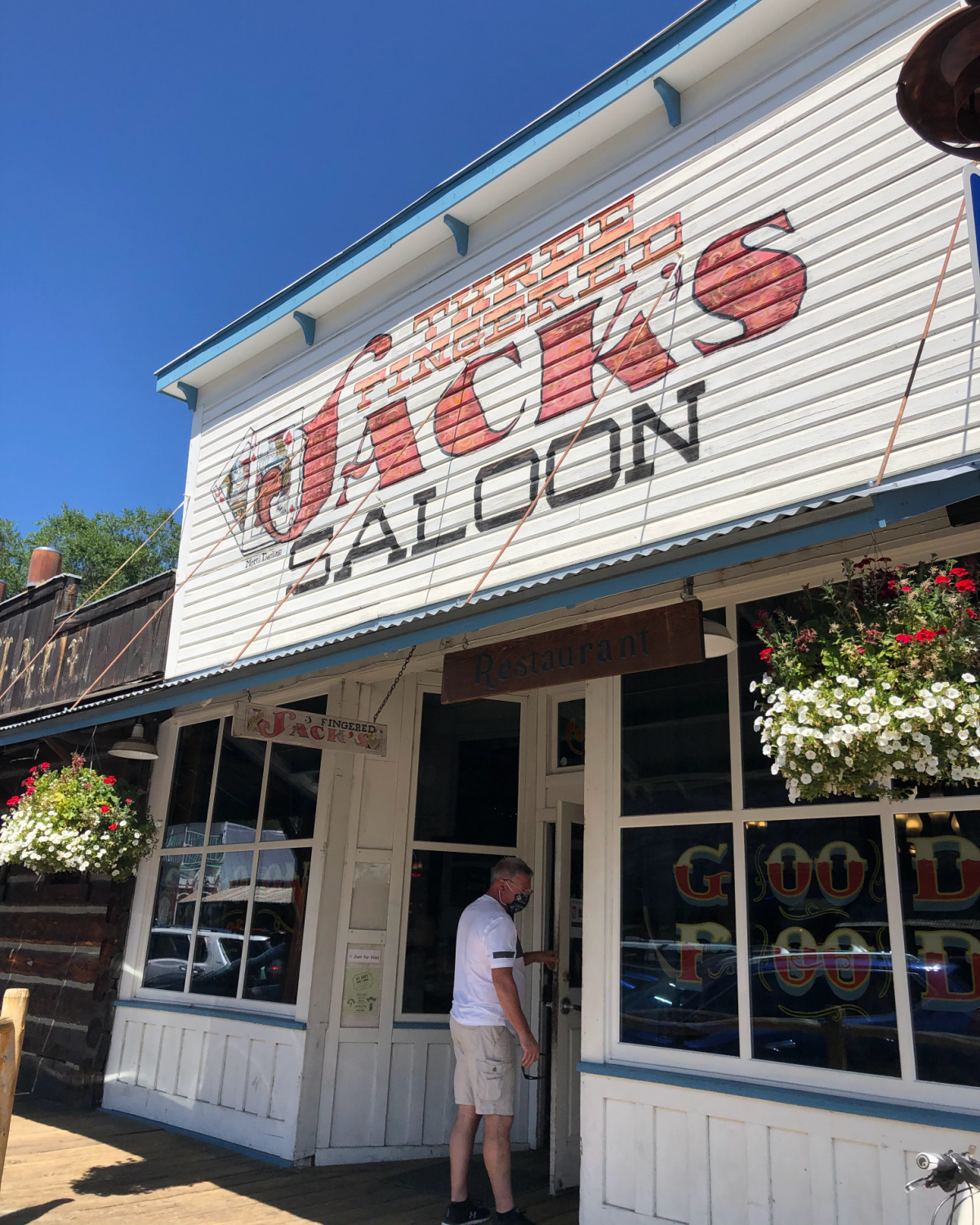
- Cute western-town atmosphere
- Better vacation-town energy
- Easier access to eastern viewpoints
- More sunshine
Winthrop is honestly one of the best mountain towns in Washington.
It’s touristy, yes, but in a fun way. Wooden boardwalks. Ice cream shops. Breweries. Coffee shops. Small hotels. River views.
For casual travelers, Winthrop often feels much more relaxing and vacation-friendly than staying on the west side.
Stay Near Marblemount If You Want:
- Earlier access to west-side viewpoints
- Shorter drive from Seattle
- More forested scenery
- Campgrounds and cabins
- A quieter, more remote experience
Marblemount is tiny.
Very tiny.
This is important to understand before booking.
You are not staying in a bustling national park town with tons of restaurants and entertainment.
You are staying in a remote mountain gateway community.
That works beautifully for some travelers and feels too isolated for others.

Realistic Expectations About Restaurants and Food
This is one of those practical realities that people don’t always mention online.
Food options are limited compared to major national park destinations.
You absolutely should:
- Keep snacks in the car
- Fill up your gas tank early
- Carry water
- Avoid assuming you’ll “grab something later”
Especially on the west side.
Some restaurants also operate seasonally or with limited hours.
If you’re traveling with kids, this matters even more because there may not be a quick nearby backup option.
Winthrop has significantly more dining choices and overall convenience.

How Much Time Do You Actually Need?
One Day
Enough for:
- Highway 20 scenic drive
- Diablo Lake overlook
- Visitor center stops
- A short easy hike
- Scenic pullouts
This works well if North Cascades is part of a larger Washington road trip.
Two Days
Ideal for most casual travelers.
This gives you time to:
- Explore both sides of the park
- Enjoy overlooks without rushing
- Do 1–2 easy hikes
- Spend time in Winthrop
- Adjust for weather changes
Honestly, two days is the sweet spot for many visitors who are not hardcore hikers.
Three Days
Excellent if you:
- Love photography
- Want slower mornings
- Enjoy scenic drives
- Like relaxing mountain towns
- Want flexibility around weather and smoke
North Cascades rewards slow travel.
The Most Beautiful Spots for Casual Visitors
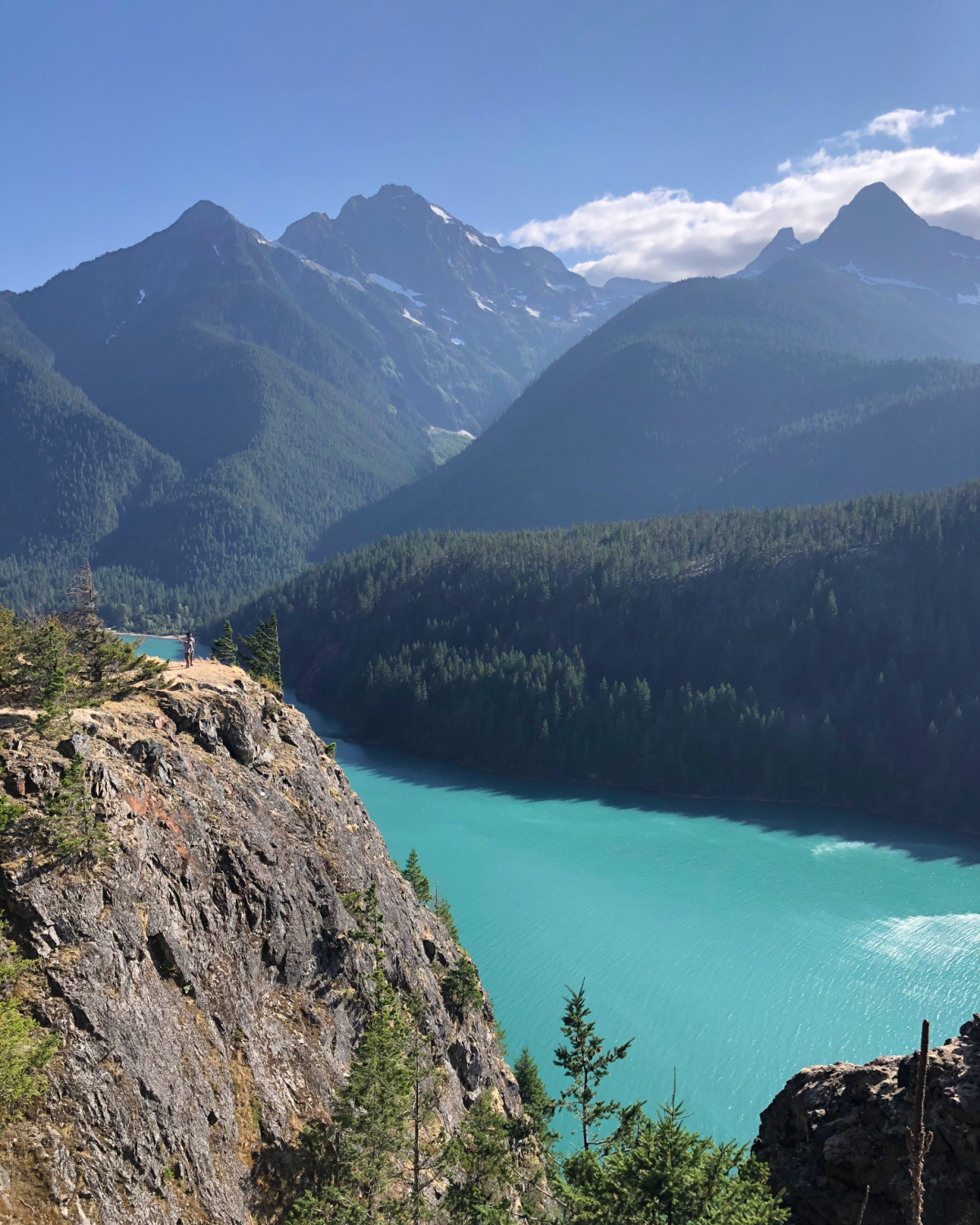
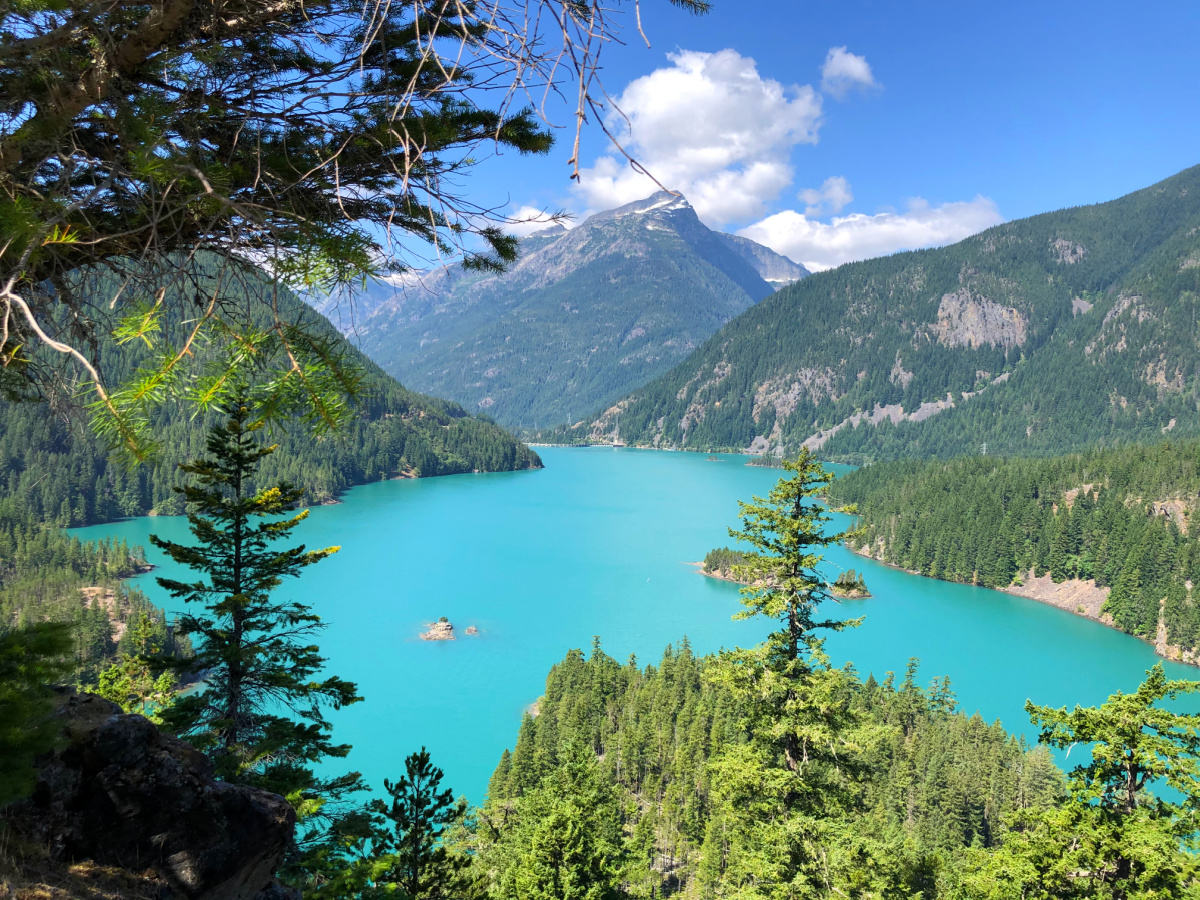
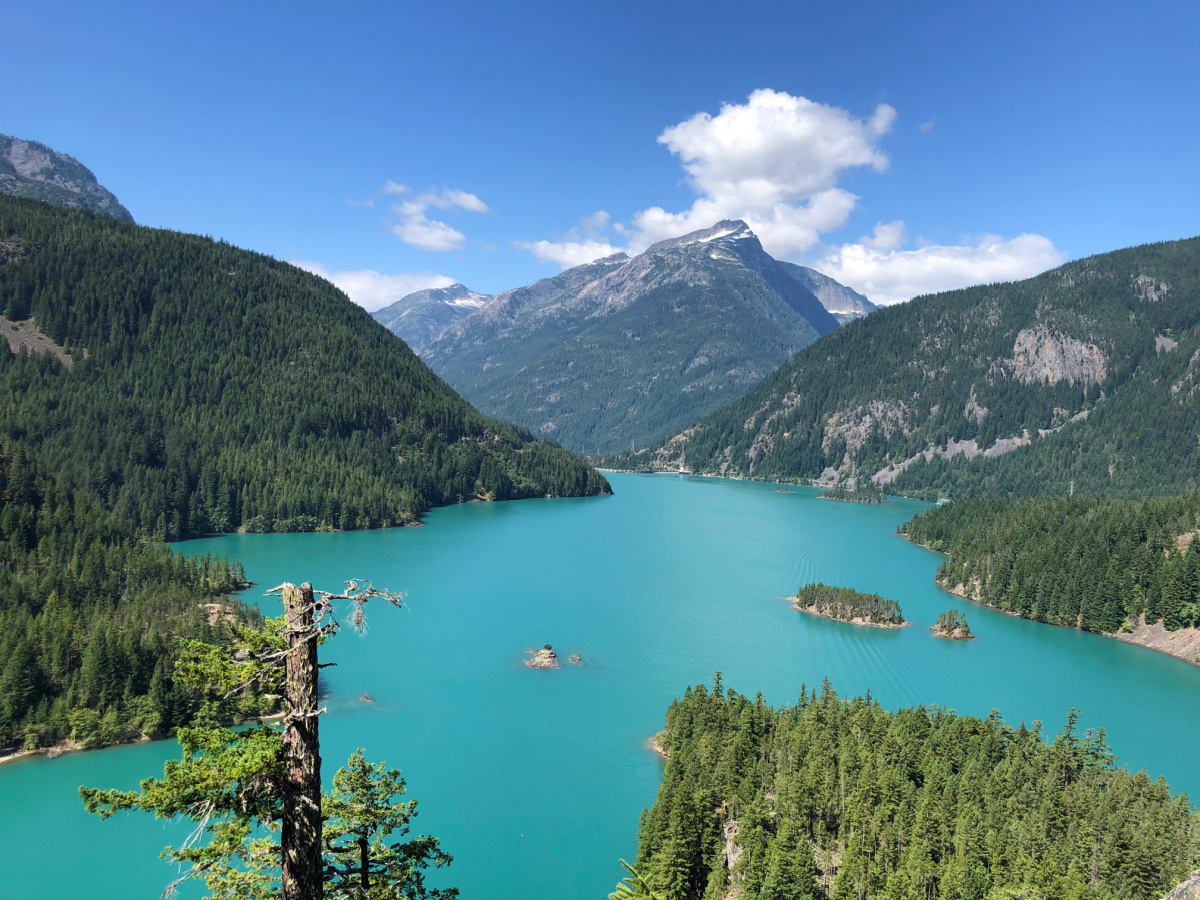
Diablo Lake Overlook
This is the iconic North Cascades view.
And yes — it really is that turquoise in person.
Diablo Lake Overlook is one of the most stunning viewpoints in Washington State.
The color comes from glacial silt suspended in the water, similar to lakes in Glacier and the Canadian Rockies.
And the best part?
You barely have to hike.
This is exactly the kind of stop casual travelers love.
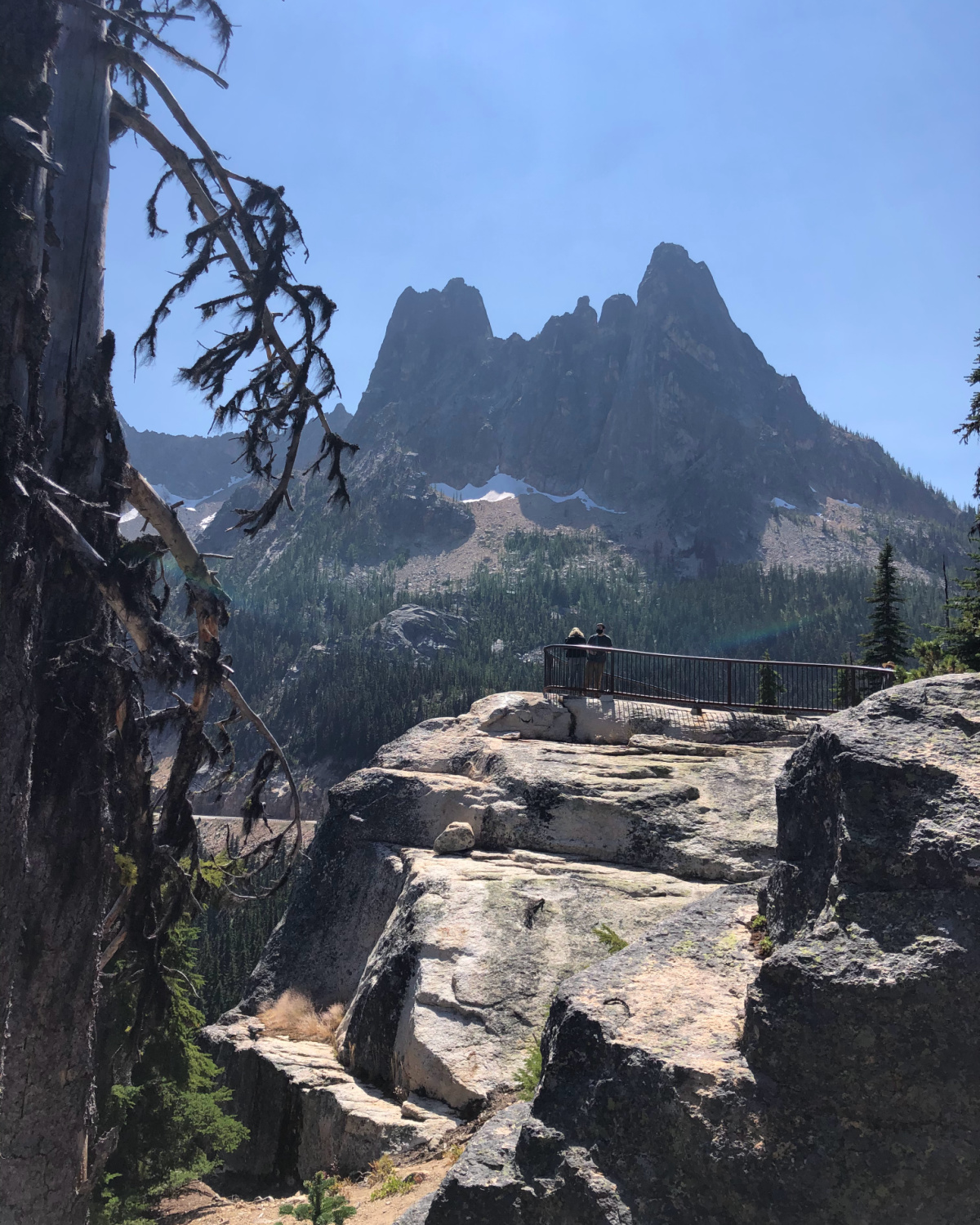
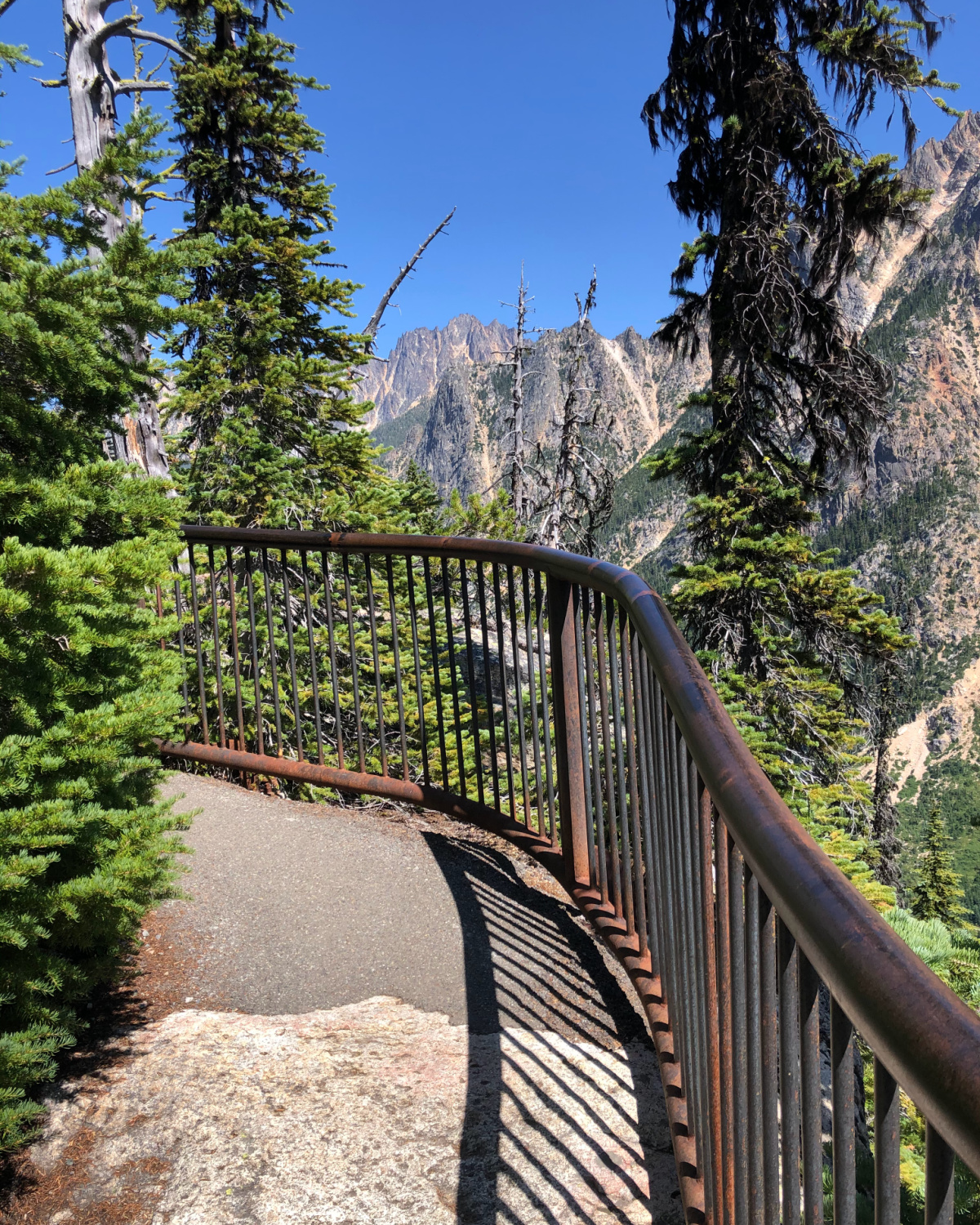
Washington Pass Overlook
This viewpoint feels dramatic in a completely different way.
Instead of lakes, you get towering granite peaks and rugged mountain scenery.
The short paved trail to the overlook is manageable for many visitors and gives huge payoff for very little effort.
Honestly, this is one of the best “effort versus reward” stops in the park.
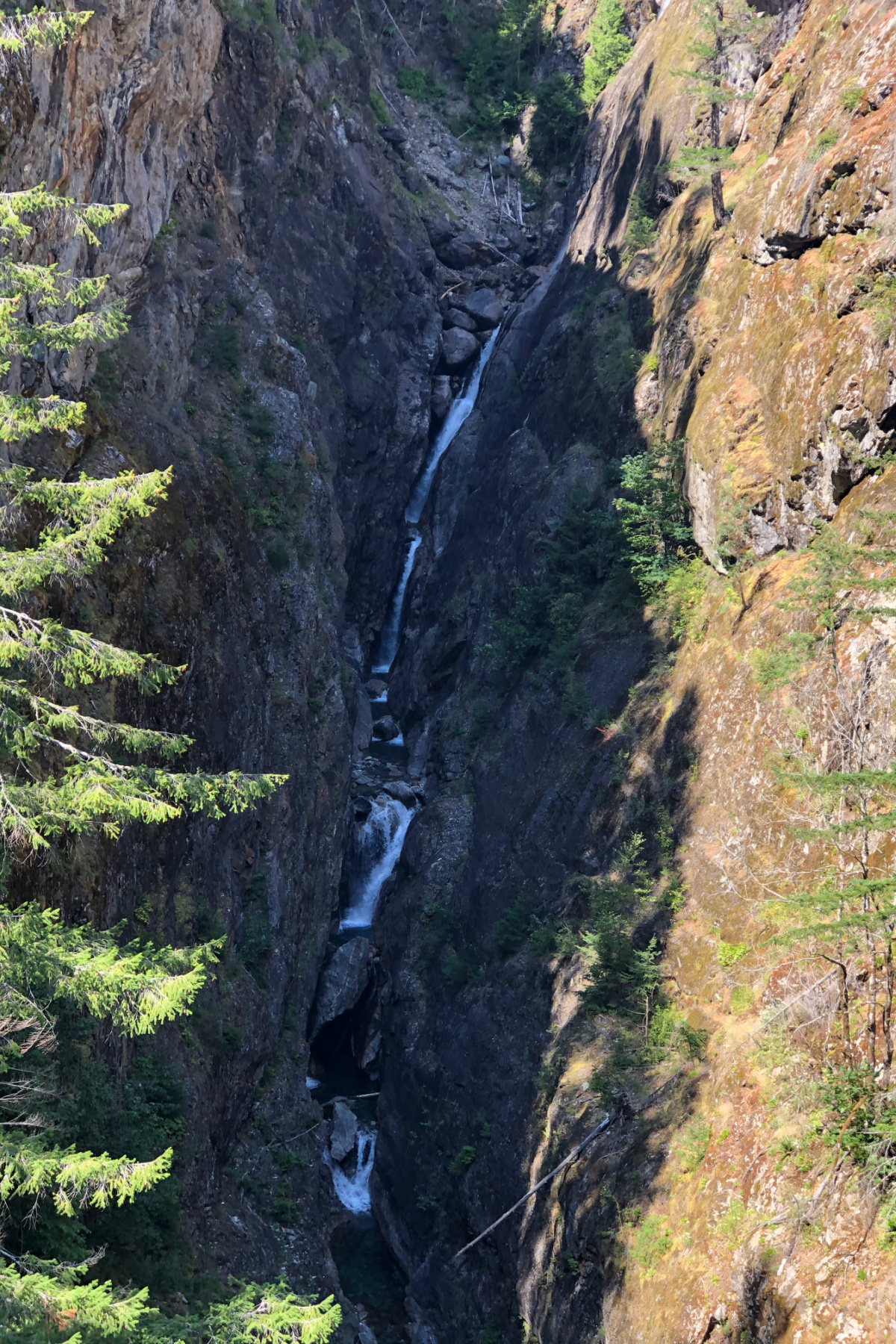
Gorge Creek Falls
Easy stop. Quick payoff.
This waterfall overlook is directly accessible from a bridge near the visitor area and works well for families or travelers who don’t want a long hike.
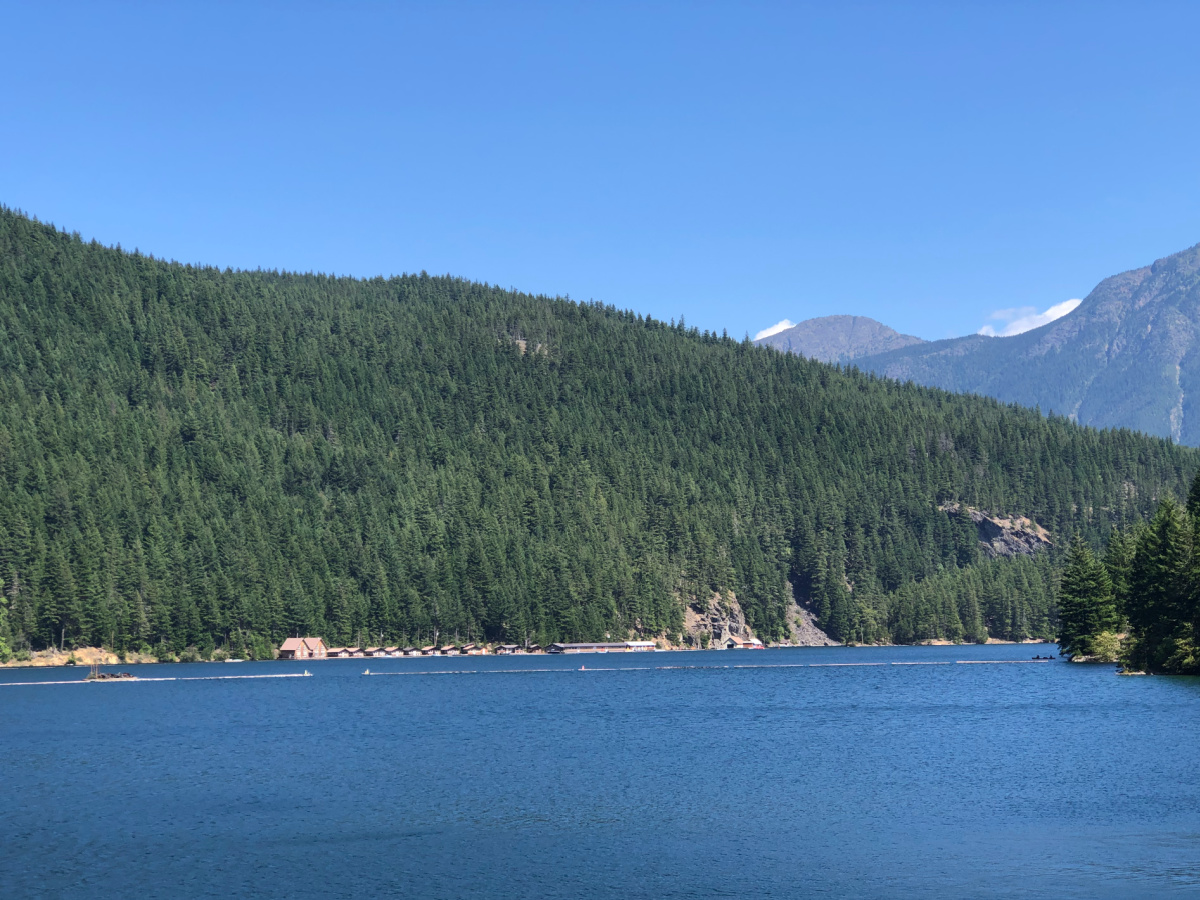
Ross Lake Overlooks
There are several pullouts and scenic spots overlooking Ross Lake.
The scale of the mountains here feels enormous.
If you love scenic mountain viewpoints without needing a strenuous hike, don’t miss my guide to the best easy hikes in Mount Rainier National Park, including family-friendly trails, waterfalls, and some of the most accessible scenery in Washington State.
Easy and Moderate Hikes Worth Doing
You absolutely do not need to do hardcore hikes to enjoy this park.
That said, a few short or moderate trails dramatically enhance the experience.
Blue Lake
This one gets labeled “moderate,” and that’s fair.
It’s not an easy flat stroll.
But for reasonably active travelers, the payoff is incredible.
The lake is gorgeous, and the scenery changes constantly along the trail.
Still, if 1,000 feet of elevation gain sounds miserable to you, skip it without guilt. There are plenty of amazing viewpoints accessible from the road.
Rainy Lake
Much easier.
This paved trail is one of the best family-friendly walks in the park and gives beautiful scenery without intense effort.
Travelers who love dramatic scenery without intense hiking should also check out my guide to Olympic National Park without hardcore hiking, which focuses on beaches, rainforests, waterfalls, and scenic stops accessible to casual visitors.
Washington Pass Short Trail
Very short. Very worth it.
Perfect for casual travelers wanting maximum scenery for minimum hiking.
Wildfire and Smoke Reality
This is probably the hardest conversation about North Cascades right now, but it’s important.
Wildfire smoke can absolutely affect visibility and trip quality in late summer.
Some years are perfectly clear.
Other years can be smoky for days or even weeks.
Unfortunately, this has become increasingly common across the western United States.
If possible:
- Build flexibility into your trip
- Check smoke maps before traveling
- Avoid locking yourself into only one scenic day
- Consider July if smoke anxiety is a major concern
September can be stunning — fewer crowds, beautiful light, cooler temperatures — but smoke risk can also be higher.
Seasonal Closures and Weather Realities
North Cascades has one of the shortest prime seasons of any major national park.
Highway 20 Closure
This is a huge deal.
Highway 20 typically closes every winter due to snow.
Opening dates vary depending on snowfall and avalanche conditions.
Sometimes the road opens in April.
Sometimes May.
Occasionally later.
Always check road conditions before your trip.
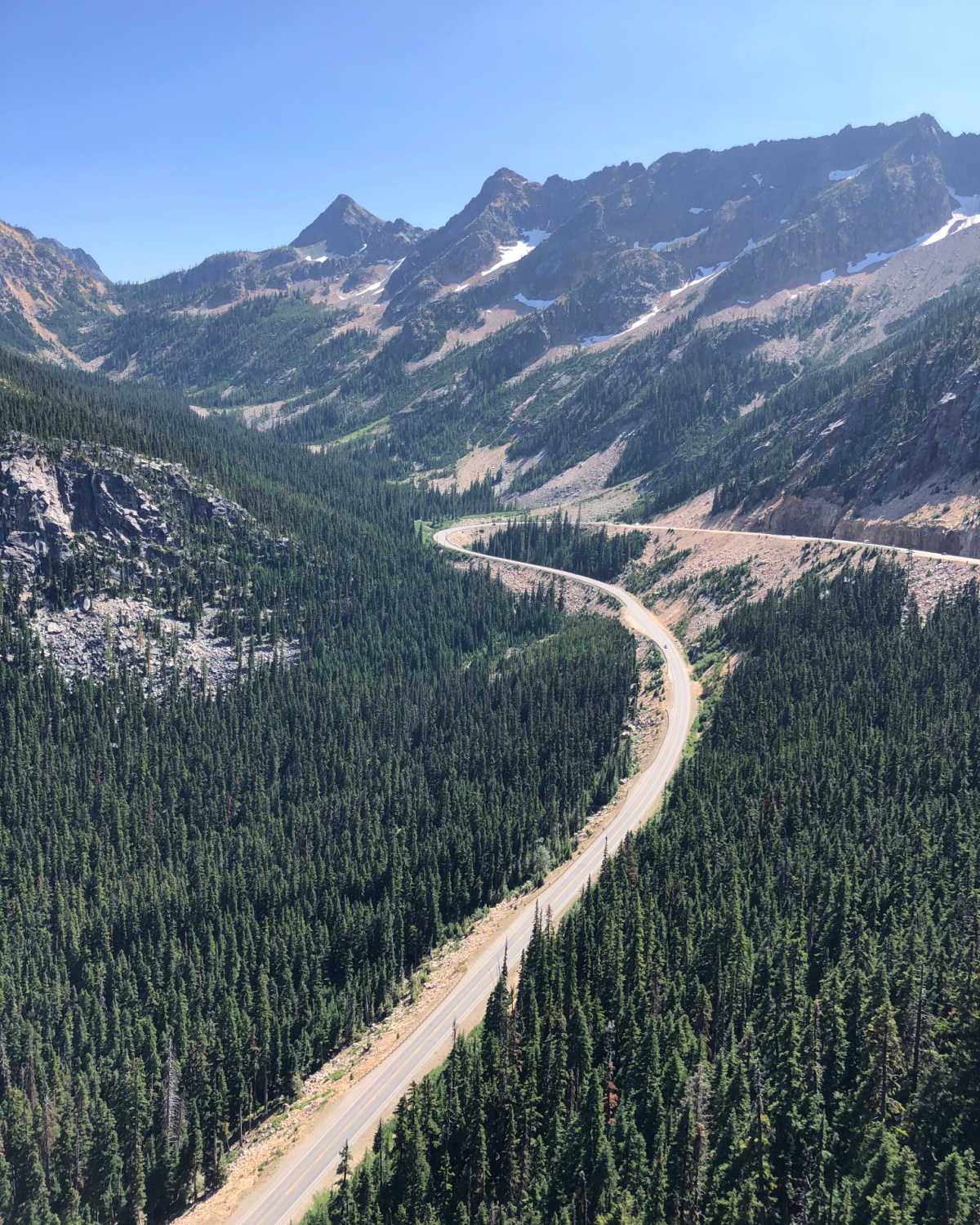
The scenic drive through North Cascades honestly reminds me a little of Going-to-the-Sun Road in Glacier National Park, especially with the turquoise lakes, mountain overlooks, and constantly changing scenery.
Snowpack Matters More Than You Think
Even after the highway opens:
- Trails may still be snow-covered
- Alpine areas can remain inaccessible
- Parking lots may have snowbanks
- Lakes may still partially freeze
People often assume “summer” conditions start in May or June.
Not here.
July through September is really the safest window for casual travelers.
Cell Service, Gas, and Logistics
This is not a park where you should rely heavily on your phone.
Cell service is spotty or nonexistent in many areas.
Download:
- Offline maps
- Reservation confirmations
- Directions
Before entering the mountains.
Also:
- Fill up gas early
- Bring snacks
- Carry layers
- Keep a paper map if possible
This sounds dramatic until you’re driving through remote mountain roads with zero bars and realizing the next gas station is farther away than expected.
Is North Cascades Good for Families?
Yes — especially families who enjoy scenic travel rather than nonstop attractions.
This is not a “rides and entertainment” destination.
It’s a nature-and-scenery destination.
Kids who tend to enjoy:
- Water
- Mountains
- Wildlife
- Throwing rocks in lakes
- Short trails
- Scenic overlooks
Will probably love it.
Families with very young kids should simply keep expectations realistic around:
- Driving distances
- Limited food options
- Fewer developed attractions
- Weather variability
But honestly, many families find North Cascades refreshing precisely because it feels calmer and less commercialized.
Pro Tips for First-Time Visitors
Don’t Underestimate Driving Times
Mountain roads take longer than GPS estimates sometimes suggest.
Stay Flexible
Weather changes fast here.
Layers Matter
You may experience:
- Warm sunshine
- Cold wind
- Rain
- Fog
All in one day.
Start Early
Parking lots are smaller than in some major parks.
Don’t Try to “Conquer” the Park
North Cascades works better when you slow down and enjoy the scenery instead of trying to check every box.
If you enjoy scenic national park experiences more than strenuous hiking, my Grand Teton scenic viewpoints guide is another great resource packed with easy-access mountain views and photography stops.
FAQ
Is North Cascades worth visiting for non-hikers?
Absolutely.
This is one of the best national parks for scenic driving and overlooks.
You can see incredible scenery without intense hiking.
What is the best month to visit North Cascades?
Late July through September is usually ideal.
Is North Cascades crowded?
Compared to parks like Yellowstone, Yosemite, or Glacier, it feels dramatically less crowded.
Can you drive through North Cascades in one day?
Yes — but two days is much more enjoyable.
Is Winthrop worth visiting?
Definitely.
It adds a lot of charm and convenience to a North Cascades trip.
Is the drive scary?
Most travelers will be fine, but some sections are winding mountain roads with steep drop-offs.
Drivers uncomfortable with mountain driving should take it slow.

North Cascades is one of the best national parks for casual travelers who love scenery, which is exactly why it fits so well alongside my Utah Mighty 5 without hardcore hiking guide for travelers who want incredible landscapes without difficult trails.
Final Thoughts
North Cascades National Park feels different from almost every other major national park in the country.
It’s quieter.
Wilder.
More remote.
Less polished.
And honestly, that’s exactly why so many people fall in love with it.
This is not the park for checking off famous landmarks every fifteen minutes or rushing through crowded tourist stops.
It’s a park for slowing down.
For rolling down the windows on a mountain highway.
Pulling over at viewpoints simply because the scenery suddenly becomes ridiculous.
For standing beside glacial lakes wondering why more people don’t talk about this place.
And maybe that’s part of the magic too.
North Cascades still feels a little undiscovered.
Not because it isn’t spectacular — but because getting here takes intention.
And for travelers willing to make the effort, it can easily become one of the most memorable national park experiences in the country.
More National Park Guides for First-Time Visitors
If you’re planning more national park trips, these beginner-friendly guides can help you set realistic expectations, choose the best scenic stops, and avoid common planning mistakes: