Mount Rainier National Park for First-Time Visitors

Affiliate Disclosure: This post may contain affiliate links. If you make a purchase or booking through these links, I may earn a commission at no additional cost to you.
Planning your first trip to Mount Rainier National Park? This detailed first-timer guide covers Paradise, Sunrise, easy hikes, waterfalls, where to stay, best time to visit, and practical tips for families and casual travelers.
Estimated reading time: 18 minutes
The first time we visited Mount Rainier National Park, I made the same mistake I think a lot of people make.
I assumed it would feel similar to a lot of other mountain national parks — scenic viewpoints, a few waterfalls, maybe some pretty hiking trails, and a couple busy visitor areas.
Instead, Mount Rainier felt enormous.
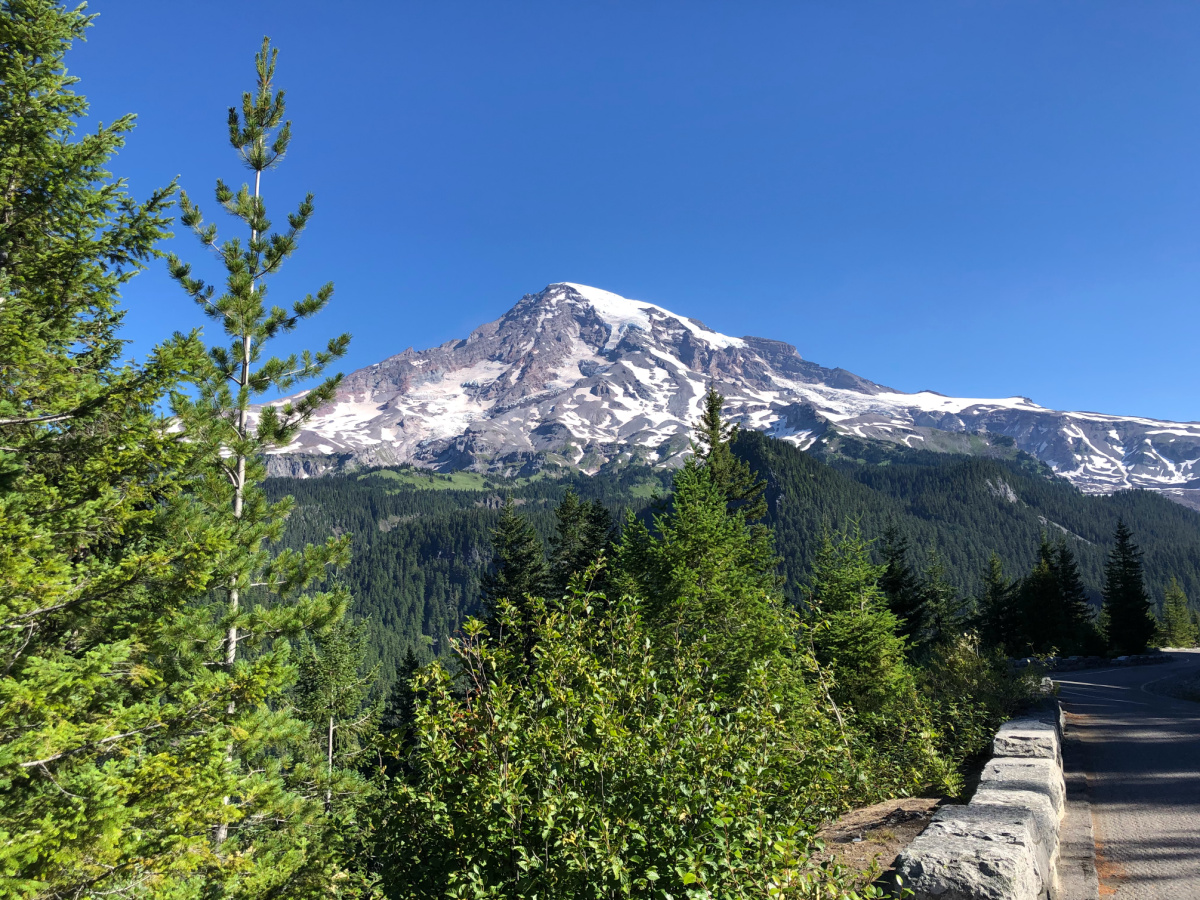
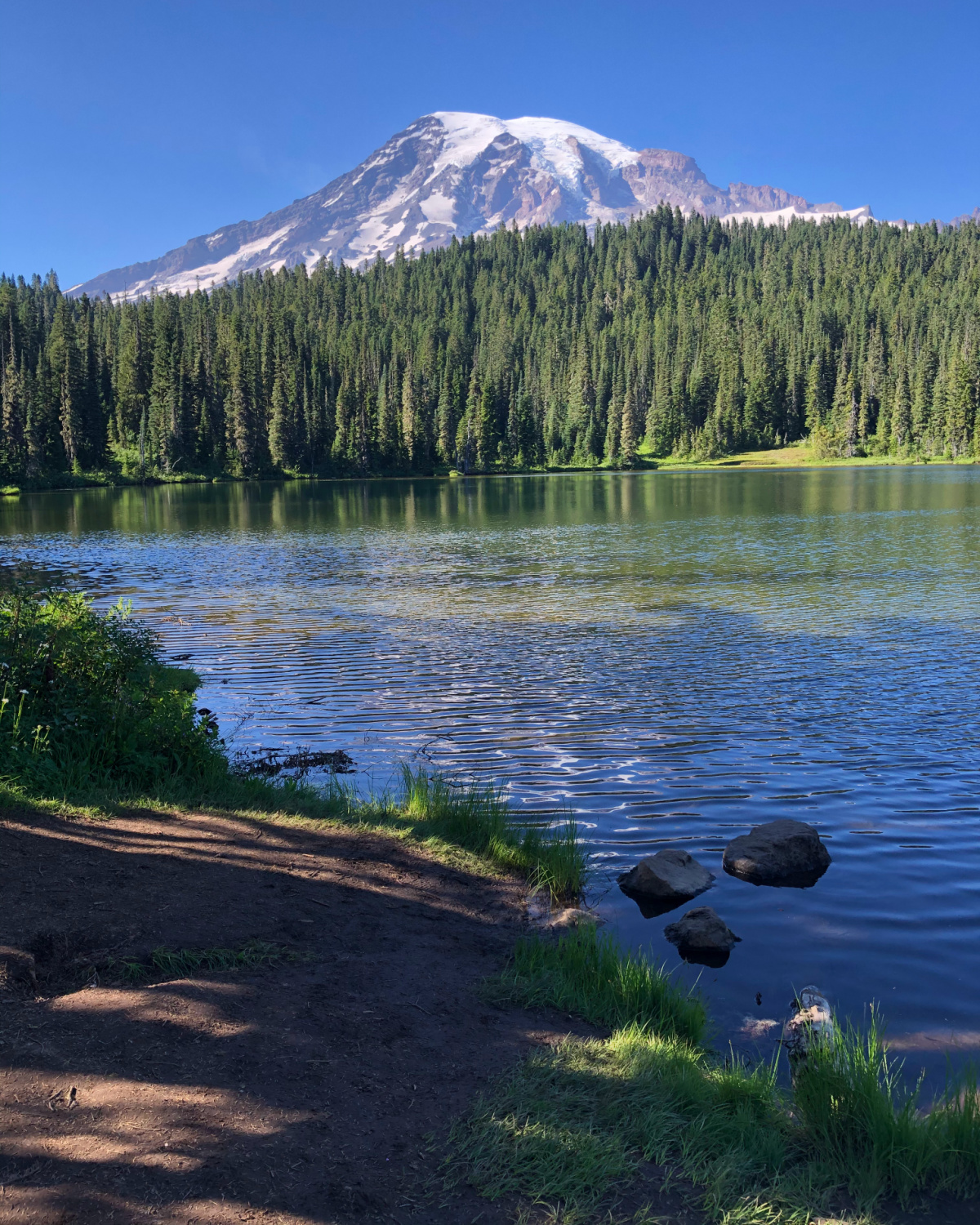
Not necessarily in driving distance or square mileage. Yellowstone still feels bigger in that sense. But emotionally? Visually? Mount Rainier has a kind of presence that’s hard to explain until you see it in person.
The mountain dominates everything.
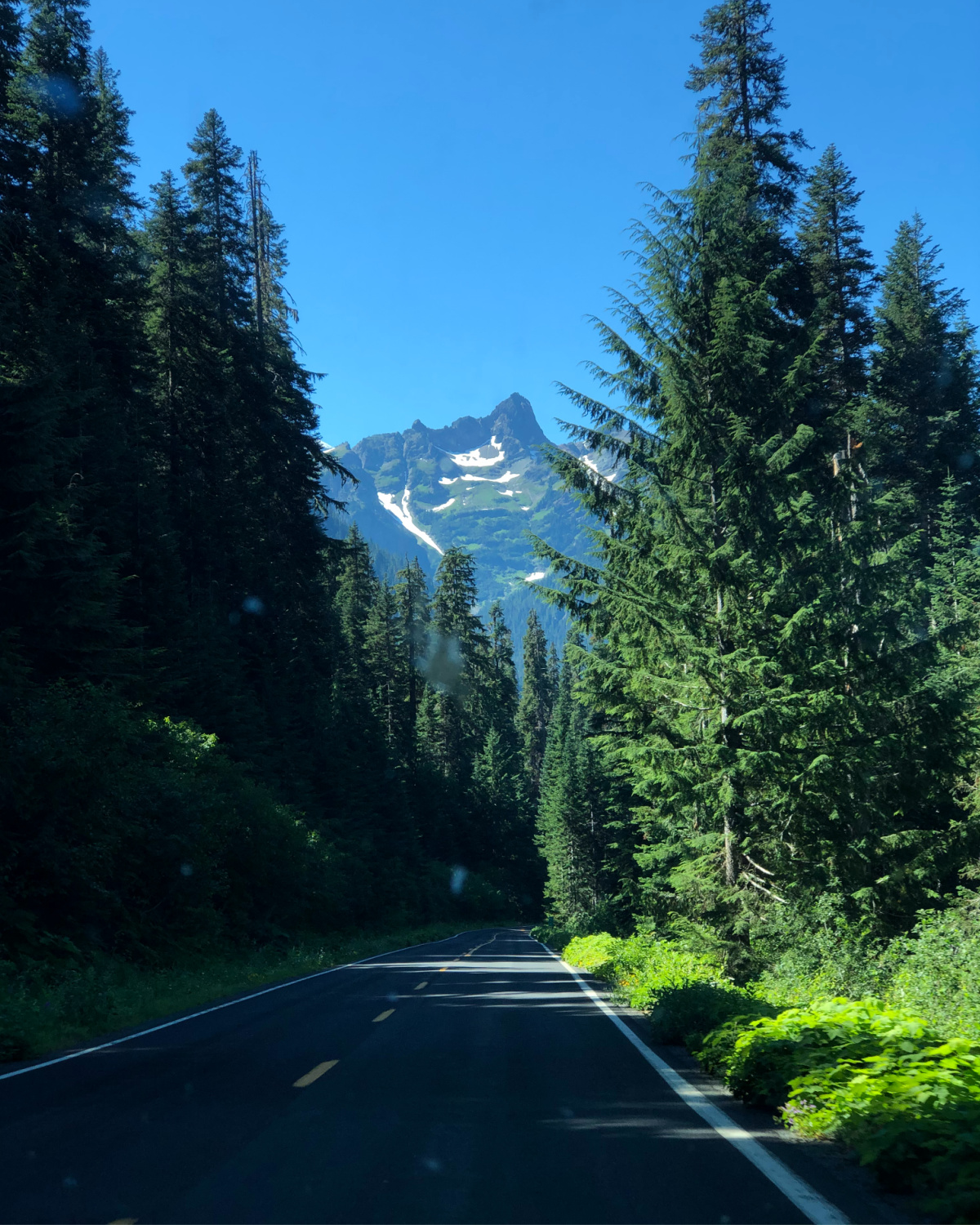
You catch glimpses of it from highways. Through trees. Over lakes. Around corners. Sometimes it looks impossibly close. Other times it disappears entirely into clouds and fog, almost like it was never there at all.
And honestly, I think that unpredictability is part of what makes visiting Mount Rainier feel so memorable.
Why Mount Rainier Feels So Intimidating to Plan
It’s also part of what makes planning a first trip here slightly intimidating.
Questions start piling up quickly:
- What area of the park should you prioritize?
- Is Paradise actually worth the crowds?
- How early do roads open?
- How much hiking do you really need to do?
- Is two days enough?
- What if the mountain is hidden by clouds the entire time?
After visiting the park ourselves, I can confidently say this:
Mount Rainier is one of the best national parks in the country for casual travelers, families, photographers, and people who love scenery but don’t necessarily want to spend their vacation doing brutal hikes.
Yes, there are serious hiking opportunities here.
But there are also dozens of beautiful experiences accessible by scenic drives, short trails, roadside stops, and easy walks.
So if you’re planning your first visit to Mount Rainier National Park, this guide will walk you through everything I wish we had known beforehand — including where to go, how long to stay, what to prioritize, realistic expectations about crowds and weather, and the simple mistakes first-time visitors commonly make.
Quick Snapshot: Mount Rainier for First-Time Visitors
| Category | What to Know |
|---|---|
| Best Time to Visit | Mid-July through September |
| Ideal Trip Length | 2–3 days |
| Closest Major Airport | Seattle-Tacoma International Airport (SEA) |
| Best Area for First Visit | Paradise |
| Best for Families? | Yes |
| Hardcore Hiking Required? | Not at all |
| Best Photography Season | Late July–September |
| Biggest Planning Challenge | Snow and road openings |
| Most Important Tip | Prioritize clear-weather days immediately |
Why Mount Rainier Feels Different Than Other National Parks
One thing that surprised me about Mount Rainier is how different it feels compared to parks like Yellowstone, Glacier, or even Olympic National Park.
Those parks feel spread out across multiple ecosystems and experiences.
Mount Rainier revolves around one thing:
the mountain itself.
Everything in the park exists in relation to Rainier:
- the roads
- the meadows
- the waterfalls
- the weather
- the wildflowers
- and even your visibility
On clear days, the mountain becomes almost overwhelming visually. It feels too large to fully process.
But unlike some national parks where weather barely affects the experience, weather changes everything at Mount Rainier.
You can arrive excited for alpine views and see absolutely nothing but gray clouds.
Or you can round a corner and suddenly see one of the most spectacular mountain views in the United States.
That’s part of the adventure here.
Best Time to Visit Mount Rainier National Park
If this is your first visit, I strongly recommend planning your trip between mid-July and mid-September.
That window gives you the best chance for:
- road access
- snow-free trails
- wildflowers
- good visibility
- and fully operational visitor services
And honestly, timing matters at Mount Rainier more than many first-time visitors realize.
This is not a park where “summer” automatically means full access.
Snow lingers here incredibly late because of elevation.
Some years:
- Paradise still has giant snowbanks in July
- Sunrise opens late
- and trails remain buried well into summer
That surprises a lot of people.
Visiting Mount Rainier in June
June can be beautiful, but it’s also unpredictable.
You may encounter:
- snowy trails
- closed roads
- muddy conditions
- lingering winter weather
- and limited access to higher elevations
On the flip side:
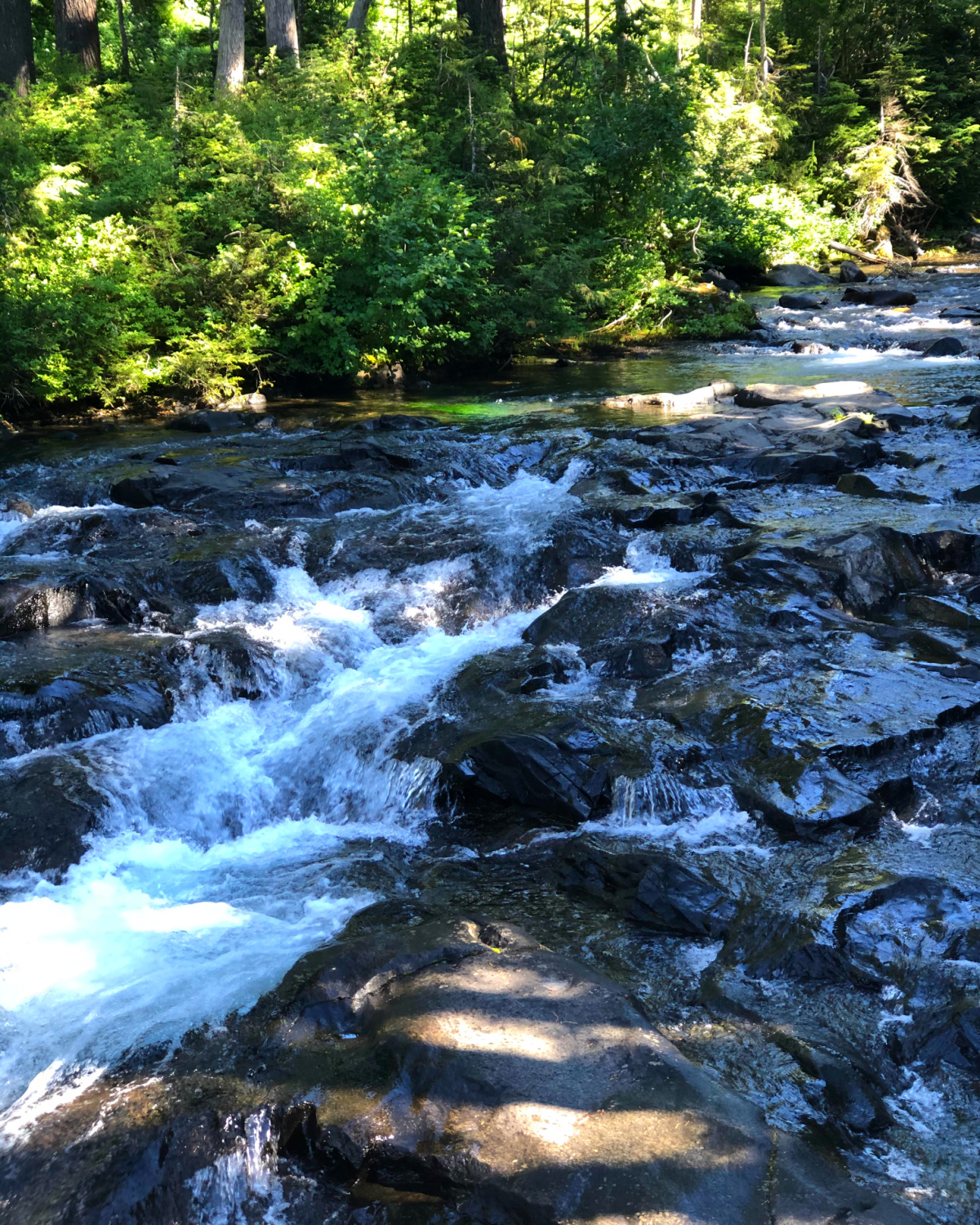
- waterfalls are roaring
- crowds are smaller
- and lower elevations look incredibly lush
If you visit in June, flexibility is important.
Visiting Mount Rainier in July
July is when the park really starts waking up.
Roads typically open more fully, snow begins melting from major visitor areas, and wildflowers start appearing.
This is one of the best times to visit if:
- you want scenery without extreme hiking
- you love waterfalls
- or you’re traveling with kids
Late July is especially beautiful.
Visiting Mount Rainier in August
August is usually the most reliable weather month.
You’ll typically find:
- accessible trails
- clear roads
- warm daytime temperatures
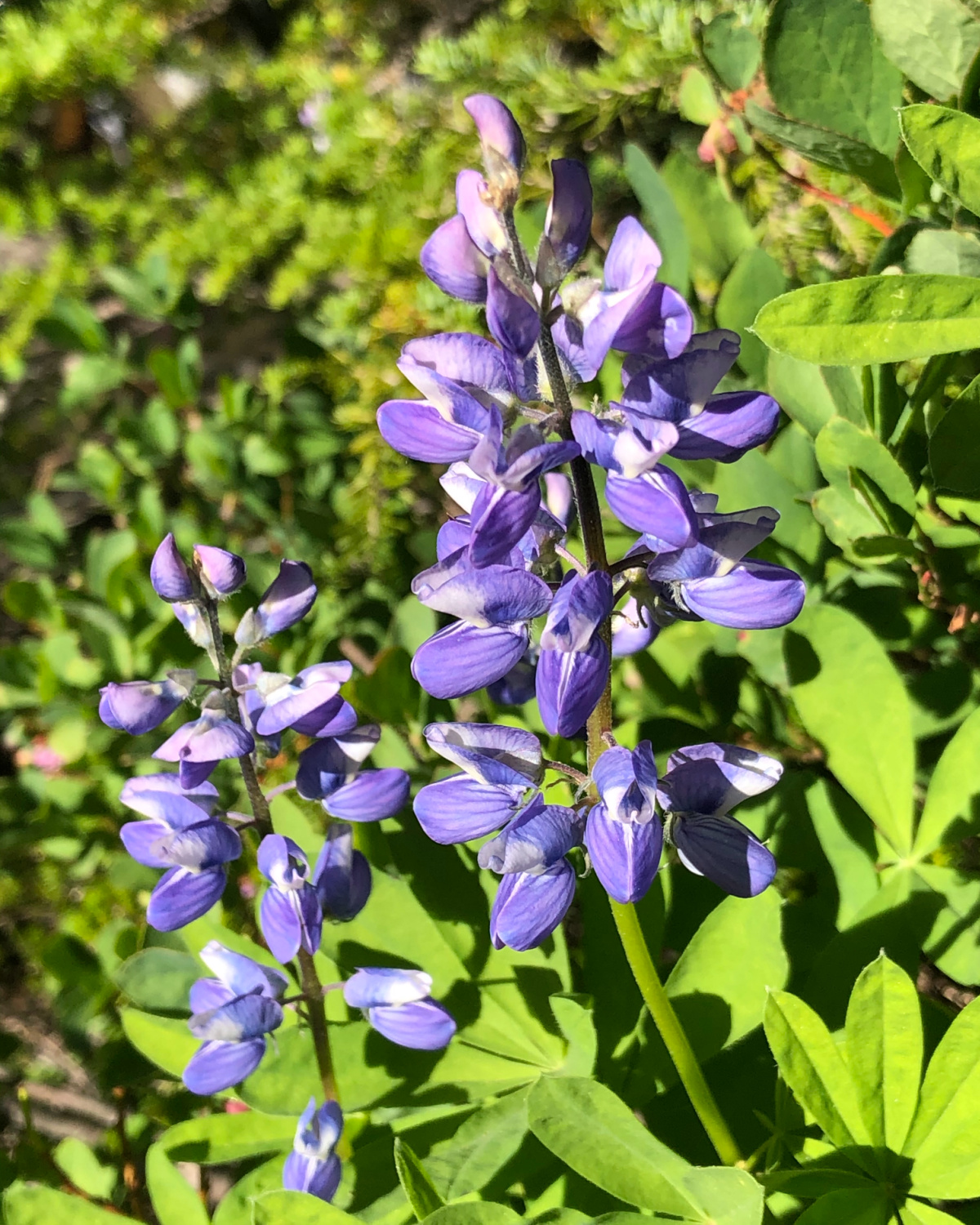
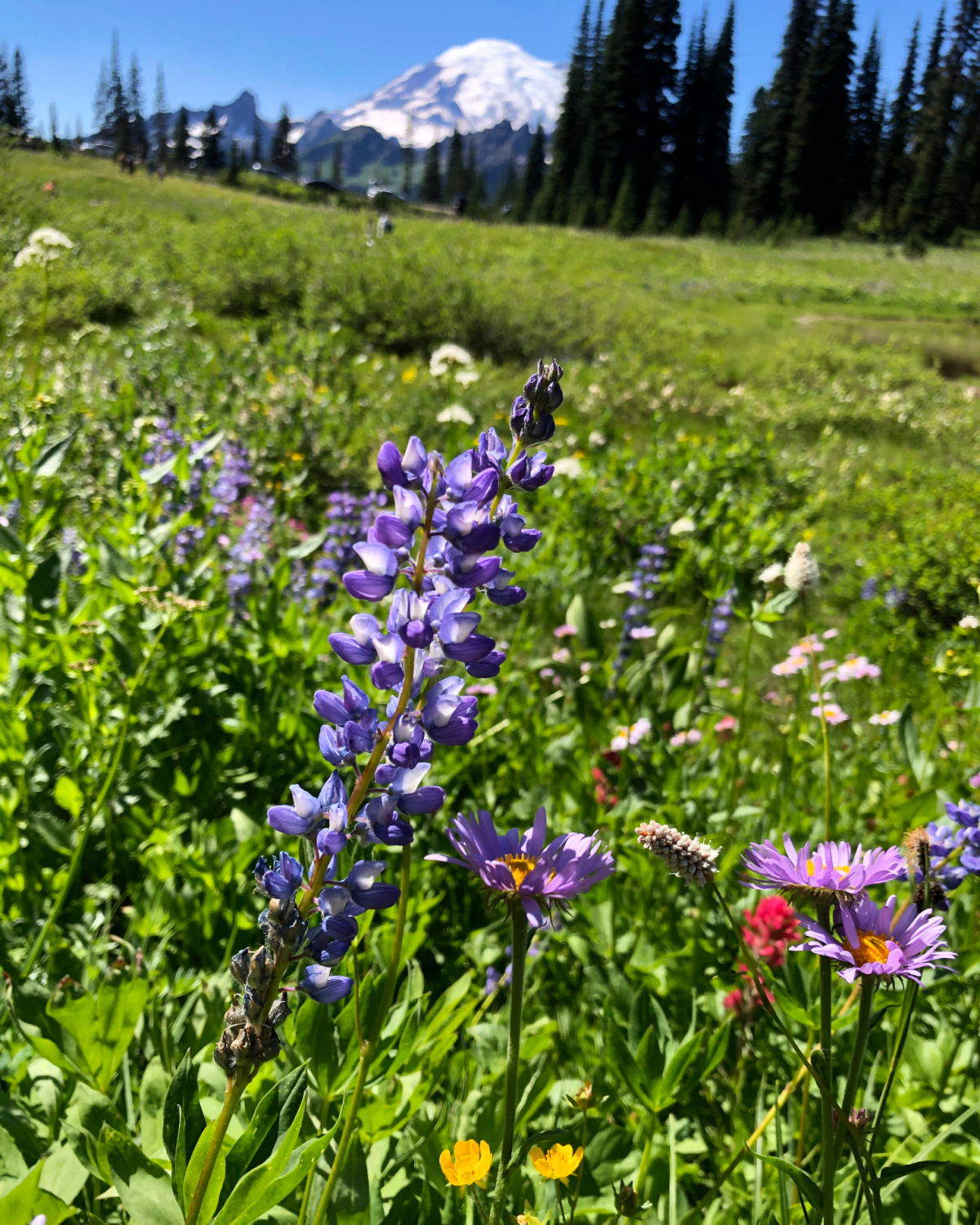
- alpine wildflowers
- and excellent visibility
This is peak season for a reason.
The downside?
Crowds and parking.
Visiting Mount Rainier in September
September might honestly be my favorite overall month for Mount Rainier.
You often get:
- crisp mornings
- golden evening light
- fewer crowds
- and surprisingly clear mountain views
The weather becomes less predictable later in the month, but early September can be fantastic.
How Many Days Do You Need at Mount Rainier?
One Day at Mount Rainier
You can absolutely visit Mount Rainier in one day.
A lot of people do it as a day trip from Seattle.
But personally? I think one day feels rushed unless you’re comfortable focusing on just one section of the park.
If you only have one day:
- prioritize Paradise
- stop at Reflection Lake
- see a waterfall or two
- and do one short scenic trail
Trying to cram both Paradise and Sunrise into a single day often becomes exhausting.
Two Days at Mount Rainier
Two days is the sweet spot for most first-time visitors.
This gives you enough time to:
- explore Paradise properly
- drive to Sunrise
- enjoy multiple easy hikes
- photograph the mountain
- and slow down enough to actually enjoy the scenery
For casual travelers and families, this is probably ideal.
Three Days at Mount Rainier
Three days becomes especially valuable if:
- weather looks questionable
- you enjoy photography
- you like relaxed travel
- or you want flexibility
One thing I quickly learned at Mount Rainier is that visibility changes constantly.
You may wake up to total cloud cover and then have stunning mountain views two hours later.
Extra time helps tremendously.
Understanding the Main Areas of Mount Rainier National Park
One of the easiest ways to accidentally ruin a Mount Rainier itinerary is underestimating driving times.
The park looks manageable on a map, but roads are winding, speeds are slower, and areas are farther apart than people expect.
Here are the main sections first-time visitors should understand.
Paradise
Paradise is the iconic heart of Mount Rainier National Park.
This is the classic image most people picture:
- alpine meadows
- huge mountain views
- waterfalls
- wildflowers
- and dramatic hiking scenery
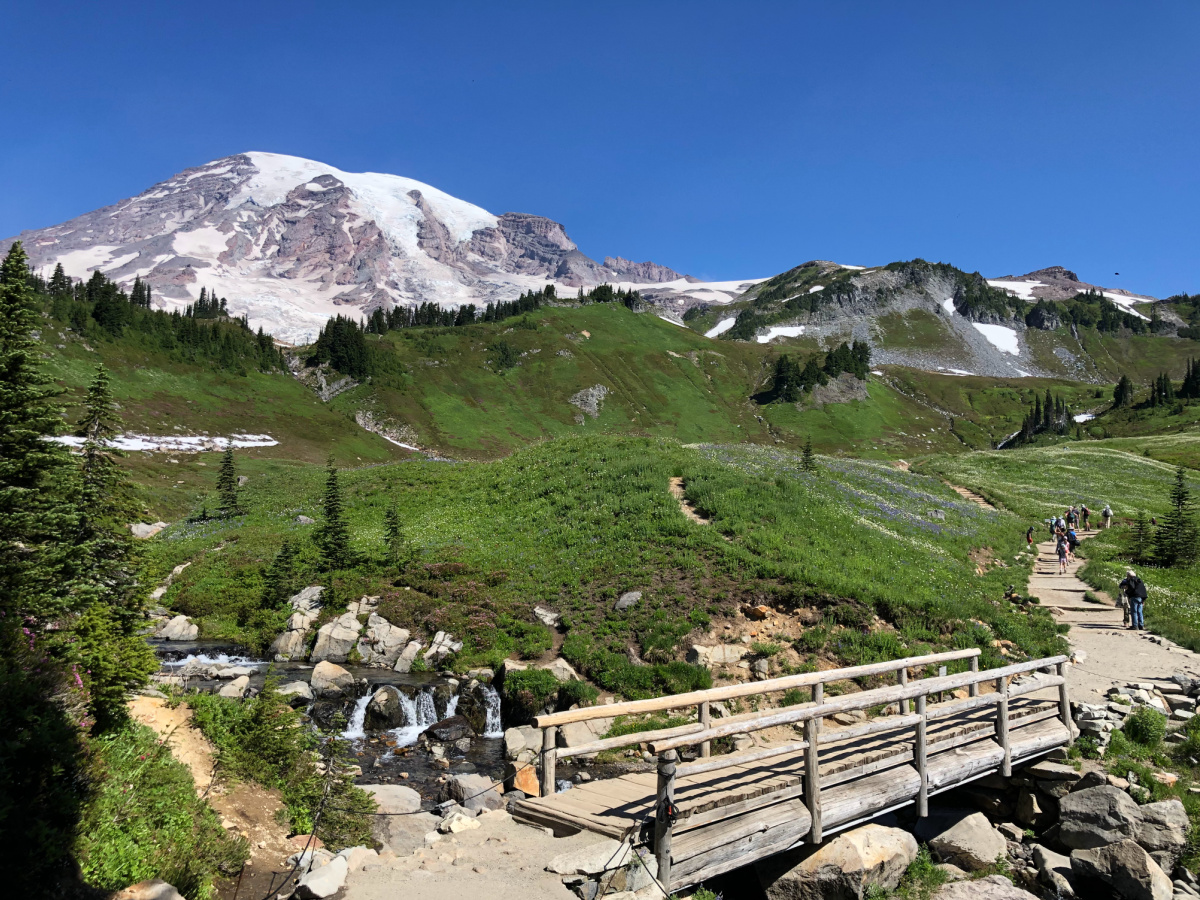
If this is your first visit, Paradise should absolutely be a priority.
This is also where many of the park’s easiest scenic experiences are located.
You’ll find:
- the Henry M. Jackson Visitor Center
- Myrtle Falls
- Nisqually Vista Trail
- Skyline Trail access
- and some of the best meadow scenery in the park
The downside is obvious:
everyone else wants to be here too.
Parking can become a genuine problem during peak summer weekends.
Arriving early matters.
And by early, I mean really early.
Sunrise
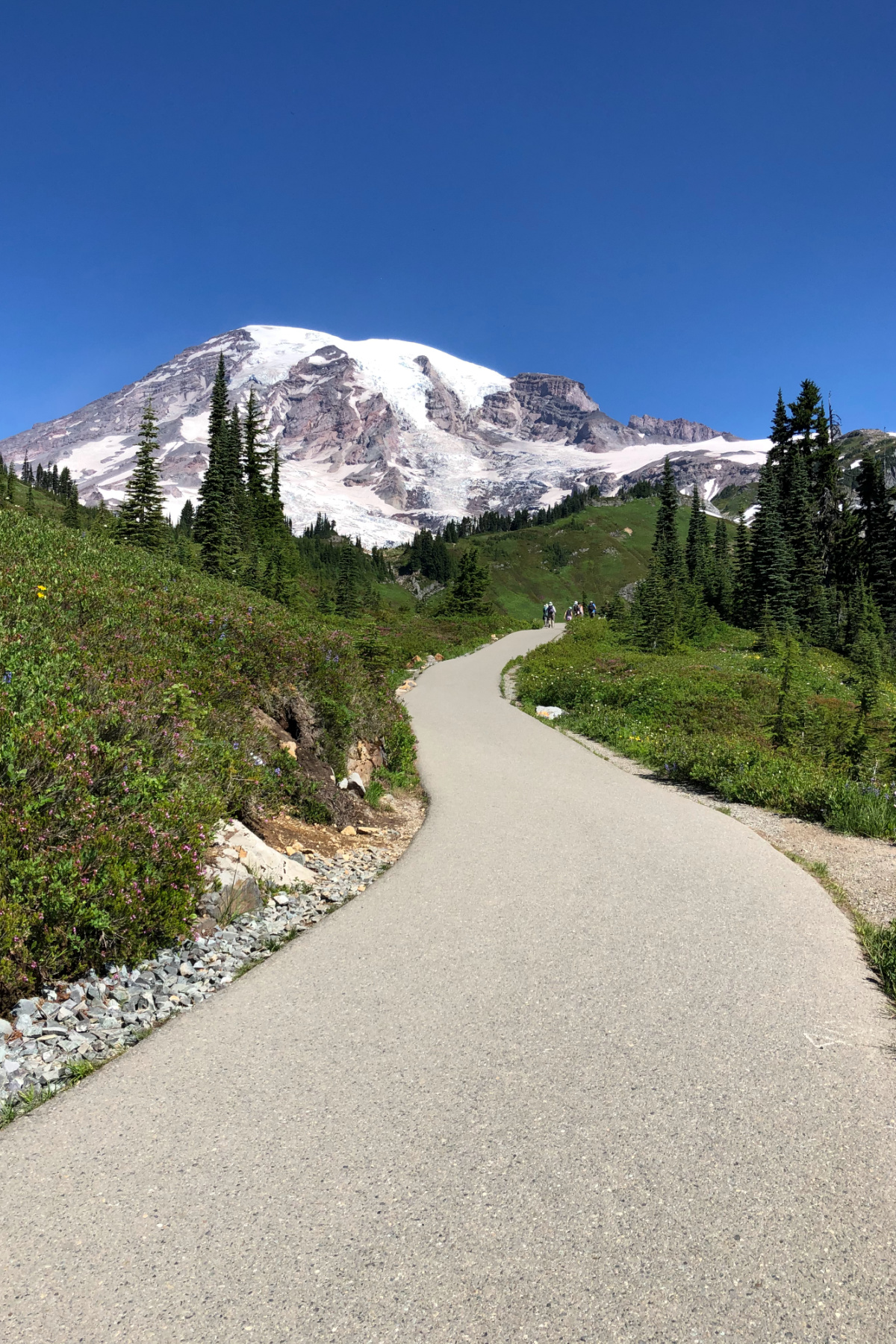
Sunrise feels completely different than Paradise.
The landscape is more alpine and rugged, with wide-open panoramic views in nearly every direction.
This area sits at a higher elevation and often feels:
- drier
- windier
- and more expansive
Sunrise is especially great for:
- photography
- sunrise and sunset
- ridge-style hiking
- and sweeping mountain vistas
I also found Sunrise slightly less overwhelming crowd-wise, although it’s still very popular during peak season.
One important thing to know:
Sunrise opens later because of snow.
Always check current conditions before your trip.
Longmire
Longmire tends to get overlooked by first-time visitors, but I actually think it’s worth at least a short stop.
This historic area has:
- rustic buildings
- forest scenery
- easier walking trails
- and a quieter atmosphere
Because it sits at lower elevation, it’s also often more accessible earlier in the year.
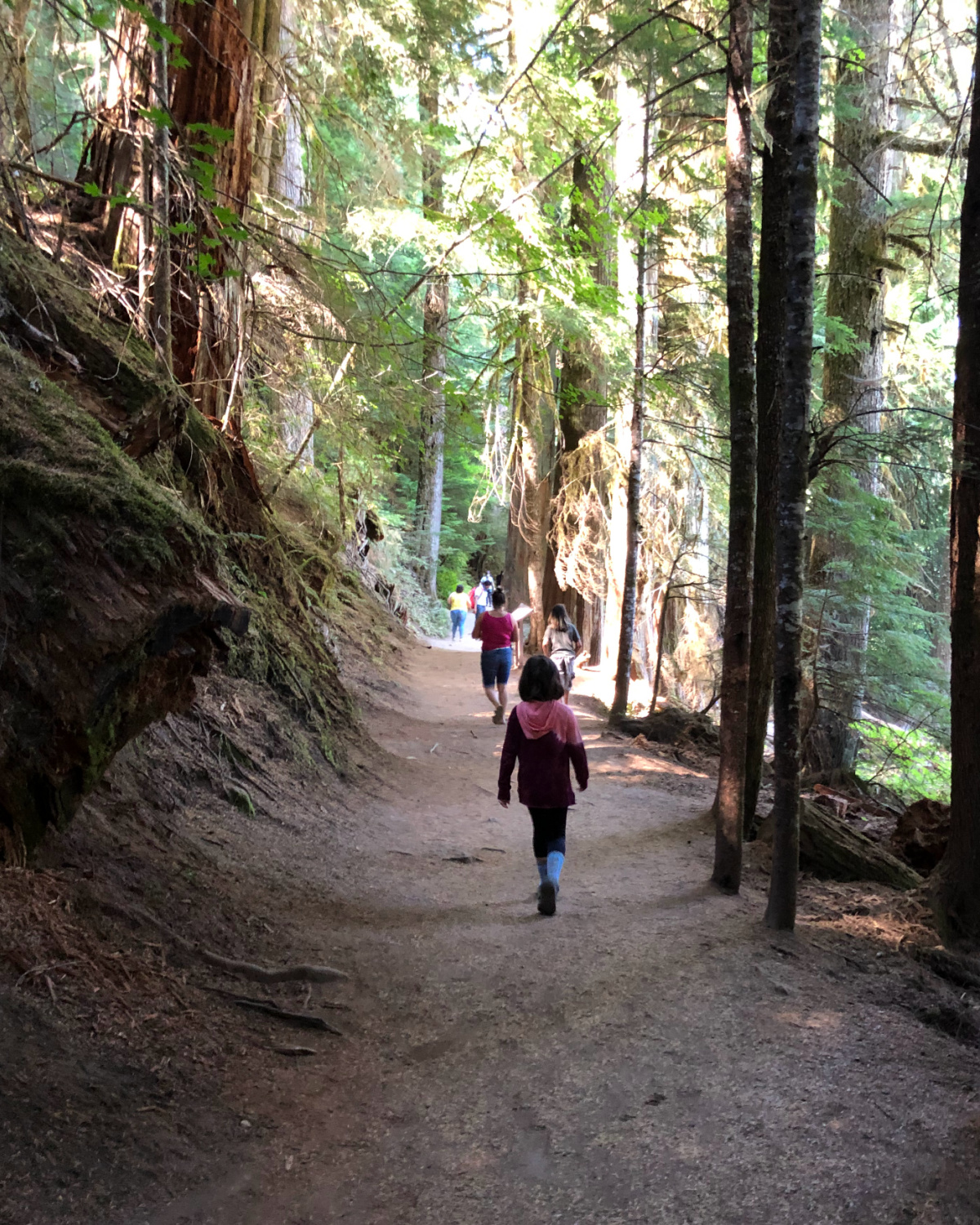
The Trail of the Shadows loop here is especially nice for families and casual walkers.
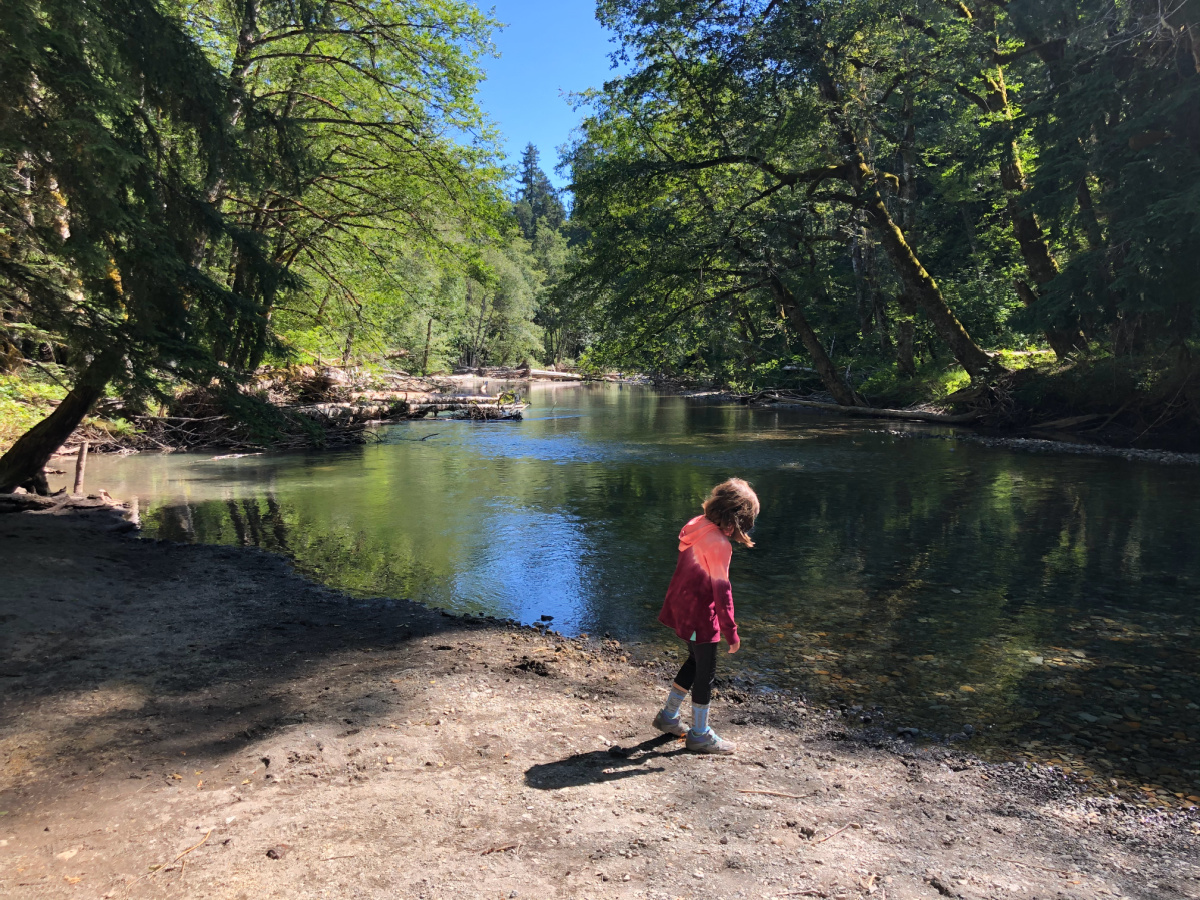
Ohanapecosh
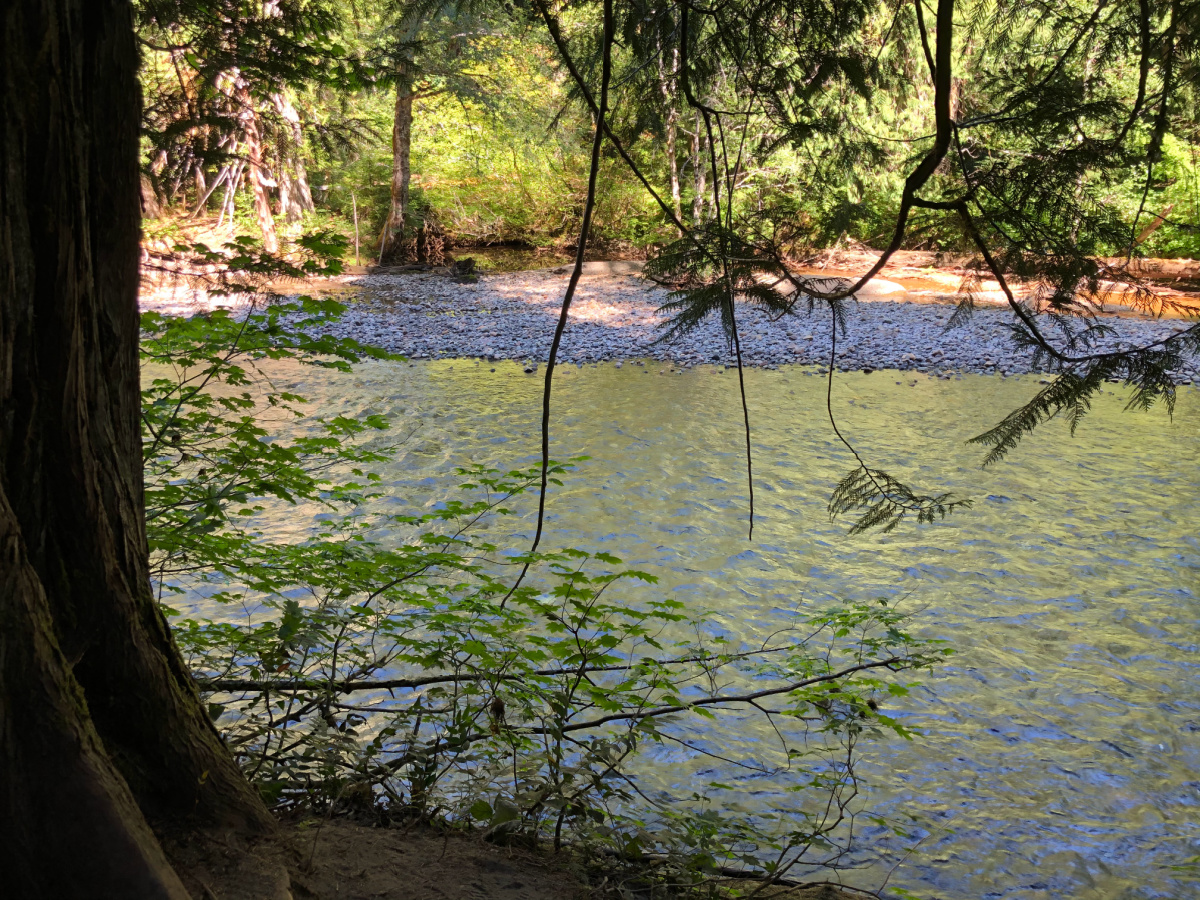
Ohanapecosh feels almost like a completely different park.
Instead of alpine scenery, this section features:
- lush forests
- rivers
- suspension bridges
- waterfalls
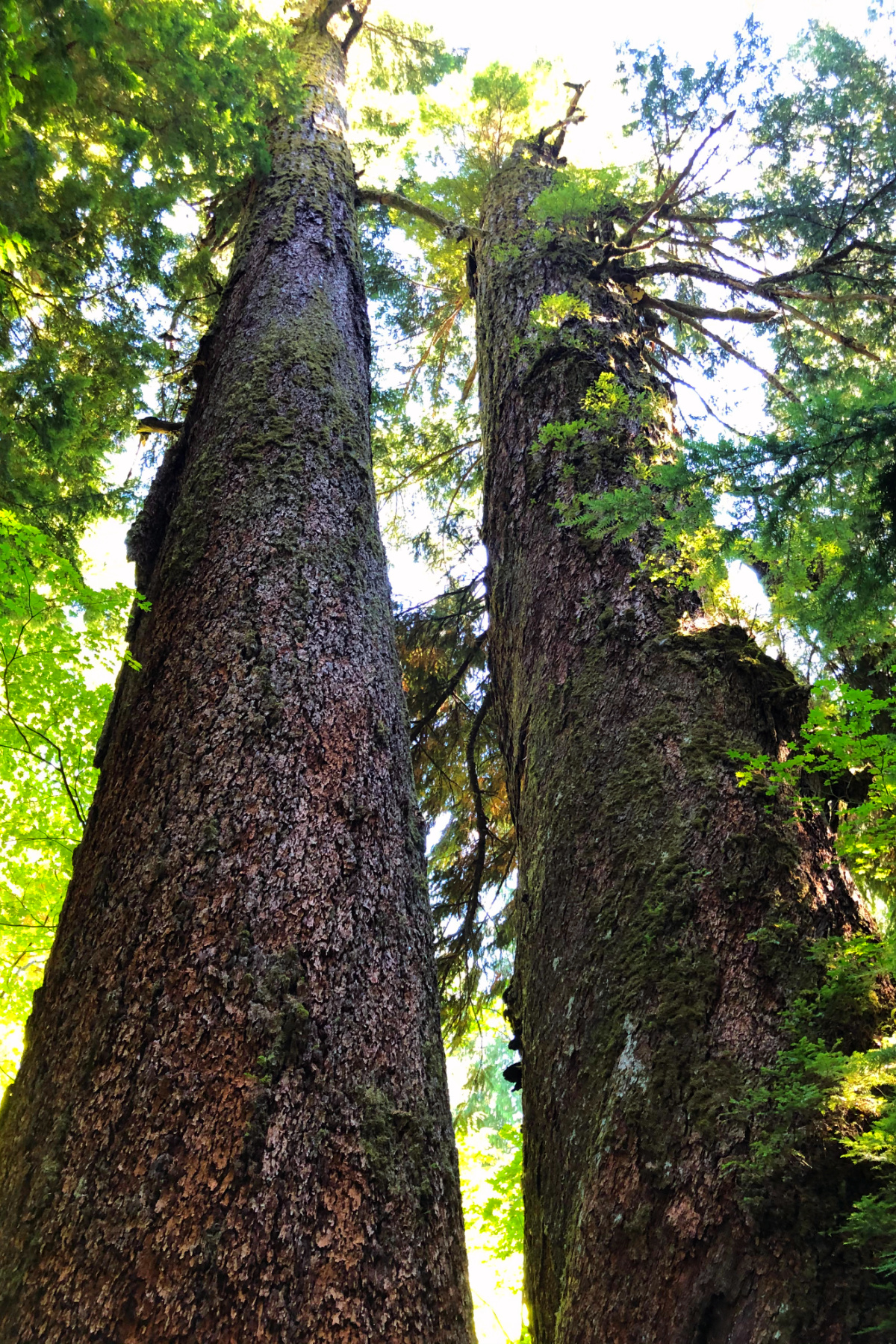
- and giant trees
It’s calmer, greener, and far less crowded than Paradise.
Silver Falls is one of the highlights here and is absolutely worth seeing.
Carbon River and Mowich Lake
These northwestern sections are much quieter and more rugged.
They’re beautiful, but honestly, I wouldn’t prioritize them for a first visit unless:
- you have extra time
- enjoy remote areas
- or are returning visitors
For most people, Paradise and Sunrise deliver the classic Mount Rainier experience.
Paradise vs Sunrise: Which Is Better?
This is probably the most common Mount Rainier planning question.
And honestly?
There’s no wrong answer.
They’re just different.
Paradise feels:
- greener
- more iconic
- more flower-filled
- and more beginner-friendly
Sunrise feels:
- bigger
- more alpine
- more rugged
- and more panoramic
If possible, I highly recommend doing both.
But if you only have time for one, I’d probably recommend Paradise for true first-time visitors.
It simply has more of those classic “wow” moments.
Best Things to Do at Mount Rainier National Park
Visit Paradise
Yes, it’s crowded.
Yes, parking can be frustrating.
It’s still absolutely worth it.
The combination of:
- mountain views
- meadows
- waterfalls
- and accessible scenery
…makes Paradise one of the most rewarding areas in the entire park.
And honestly, even standing in the parking lot on a clear day feels impressive.
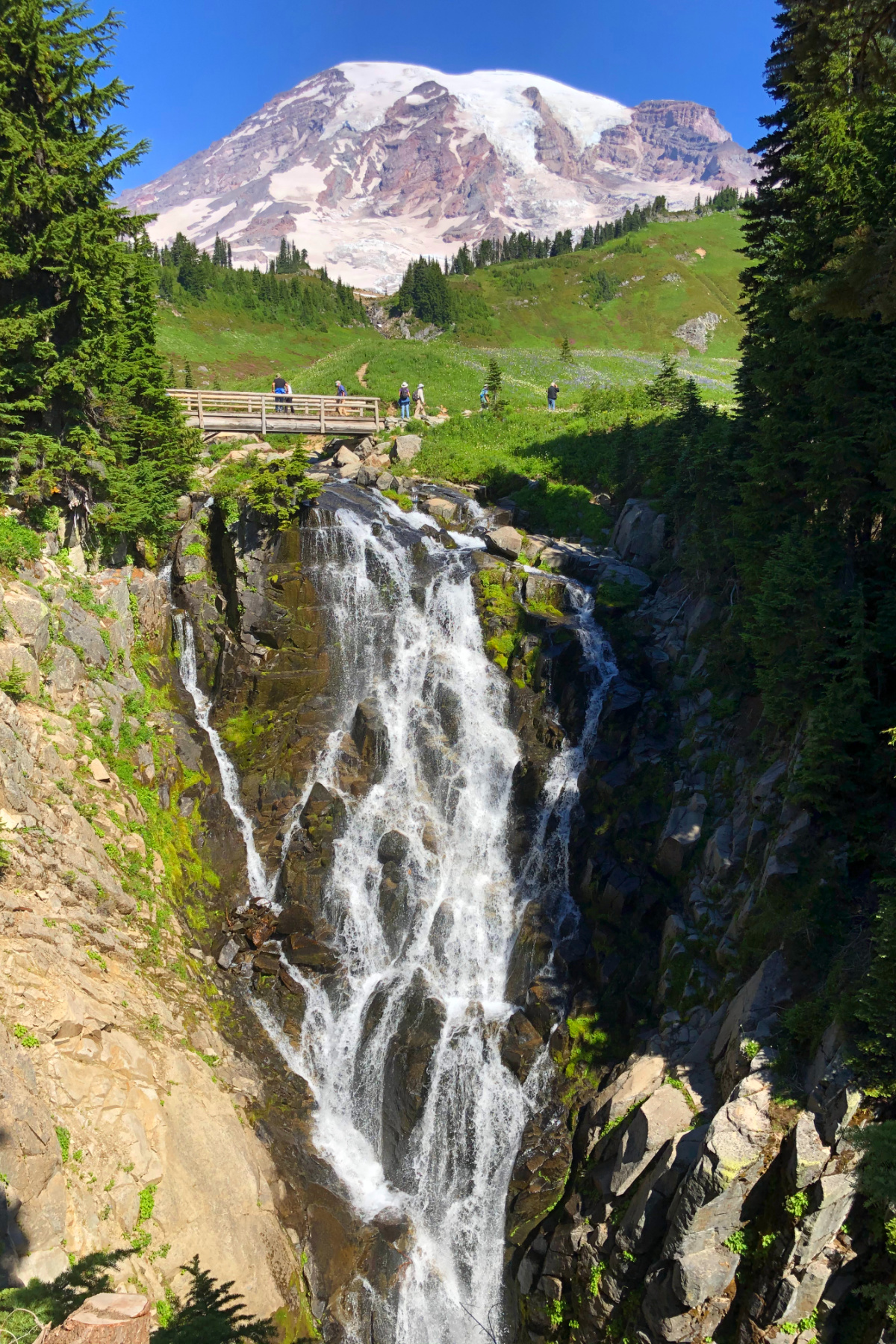
Walk to Myrtle Falls
This is one of the highest reward-to-effort experiences in the park.
The walk is short and accessible, but the scenery feels spectacular.
You get:
- wildflowers
- waterfalls
- mountain views
- and classic Rainier scenery
This is one of the easiest recommendations in the park.
Drive to Sunrise
Even the drive itself is beautiful.
And once you arrive, the panoramic views feel endless.
If Paradise feels soft and meadow-like, Sunrise feels dramatic and elevated.
The contrast between the two areas is one reason I think both are worth seeing.
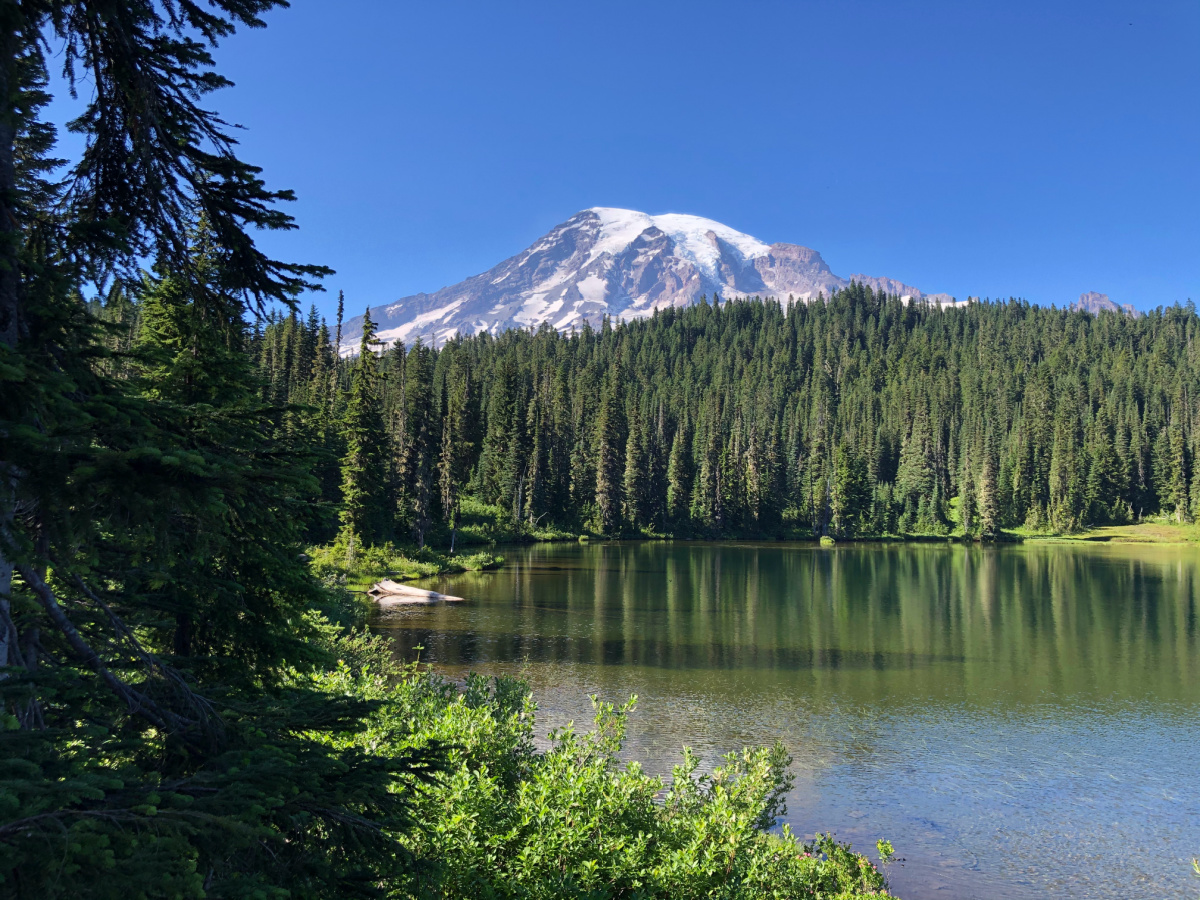
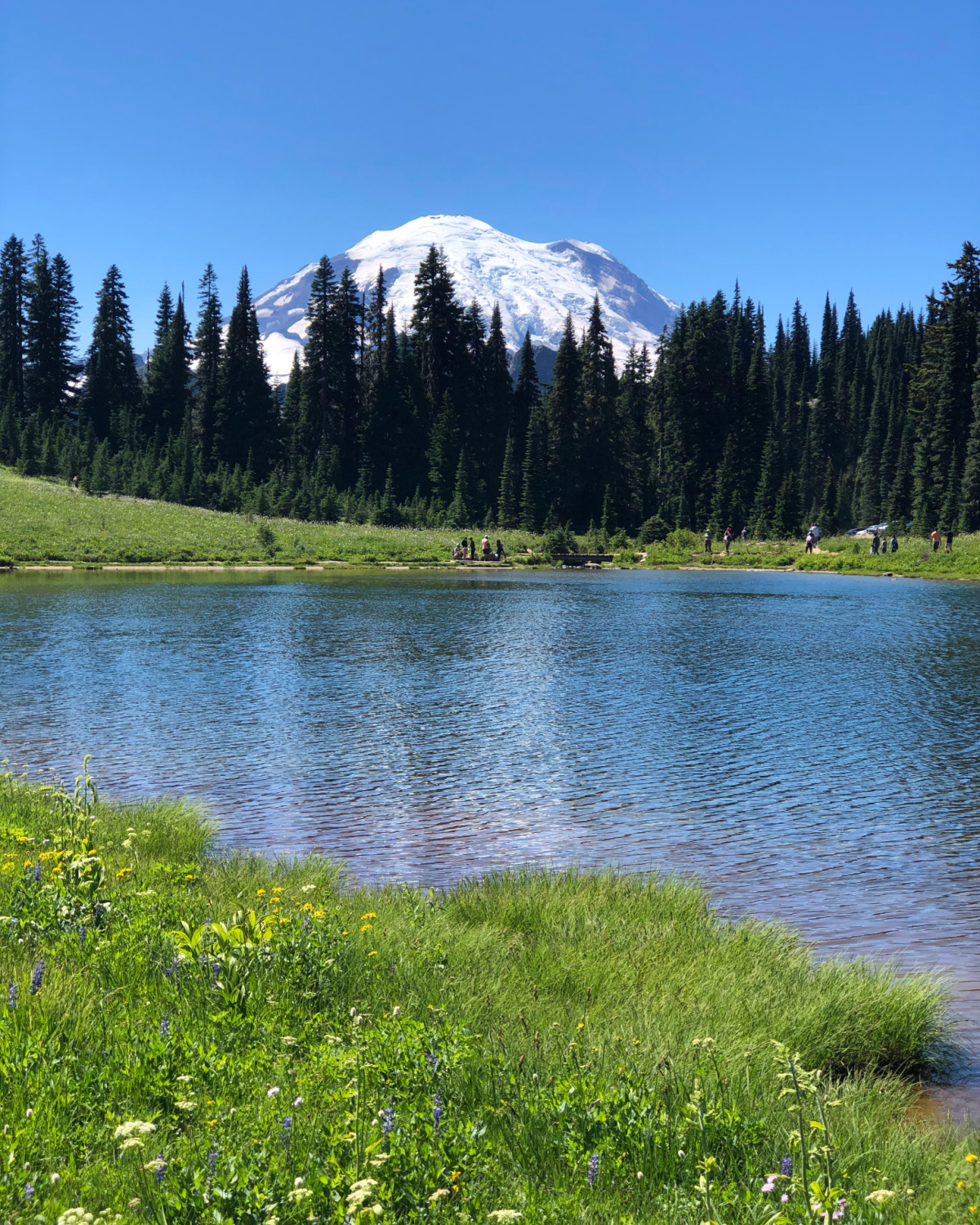
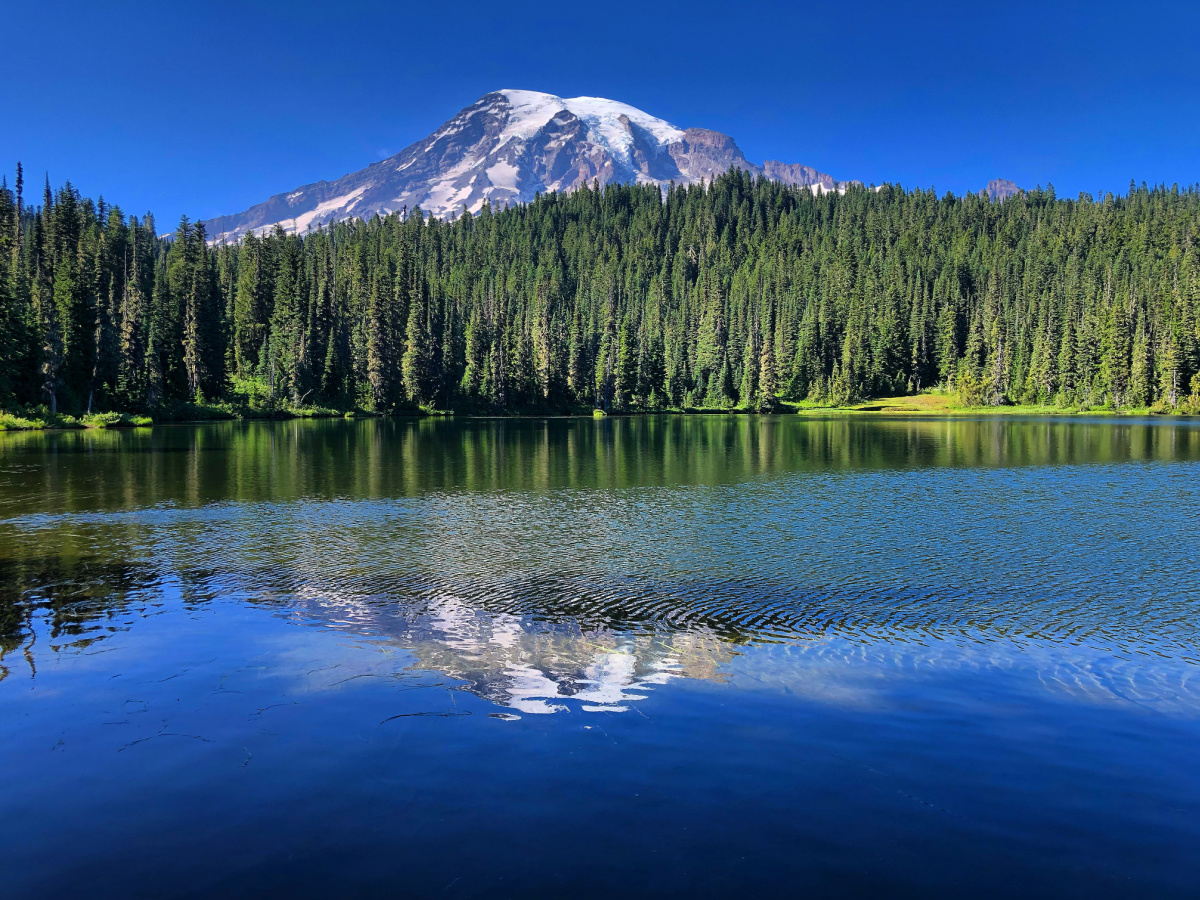
Stop at Reflection Lake
Reflection Lake is one of those places where conditions matter enormously.
On calm days with clear skies, it’s stunning.
On cloudy or windy days?
It can feel surprisingly ordinary.
But when the mountain reflection appears, you’ll understand why photographers love this spot.
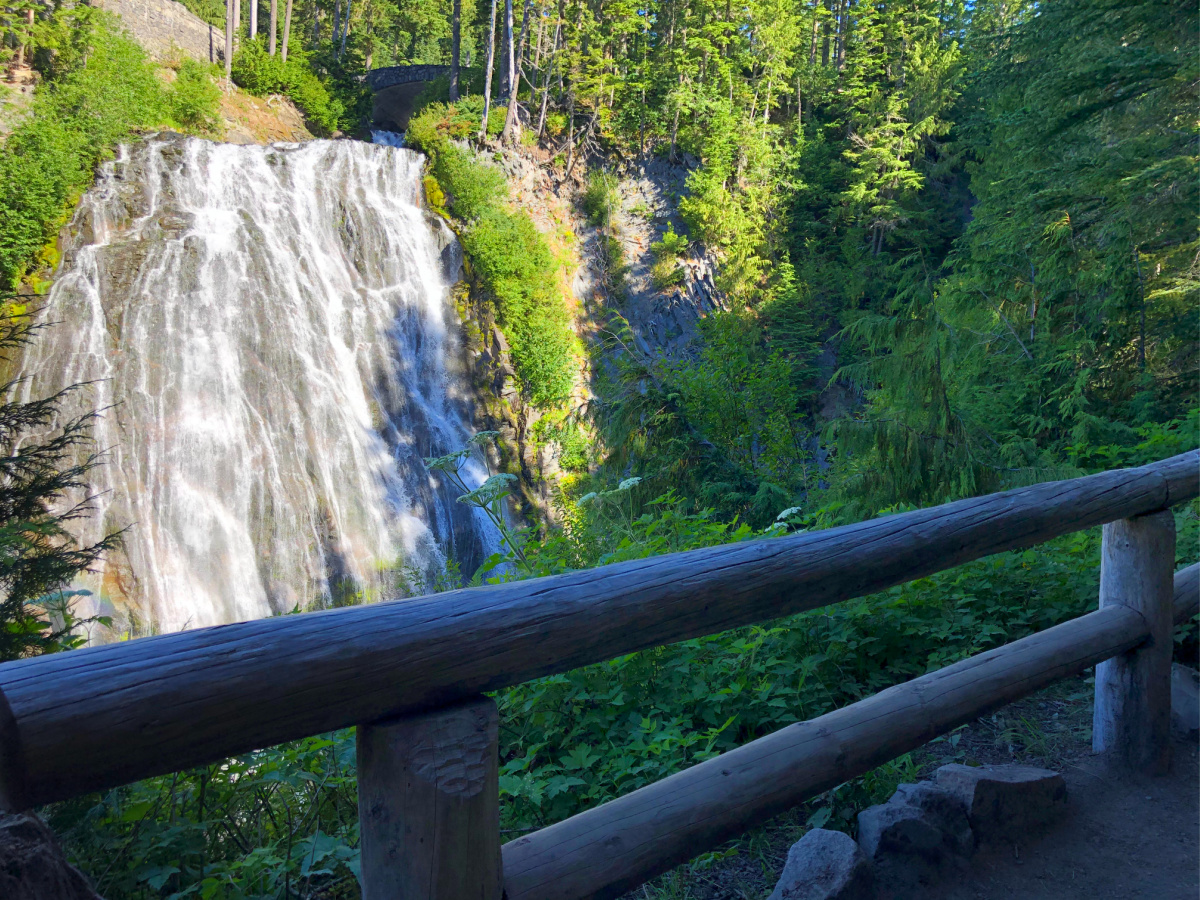
Visit the Waterfalls
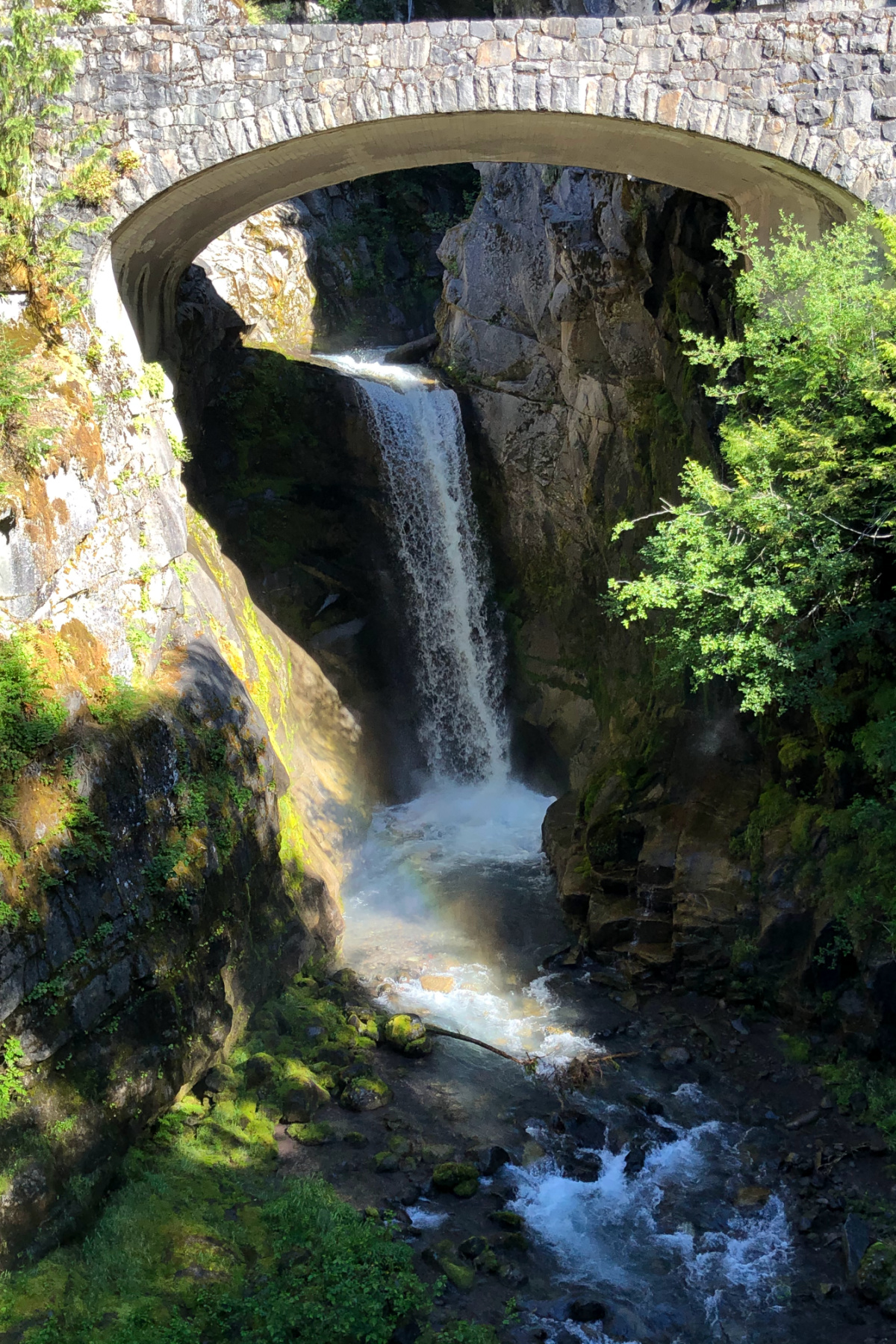
Mount Rainier has some fantastic easy-access waterfalls.
A few favorites include:
- Narada Falls
- Christine Falls
- Myrtle Falls
- Silver Falls
What I appreciate is that many of them don’t require intense hiking.
That makes the park feel much more approachable for regular travelers.
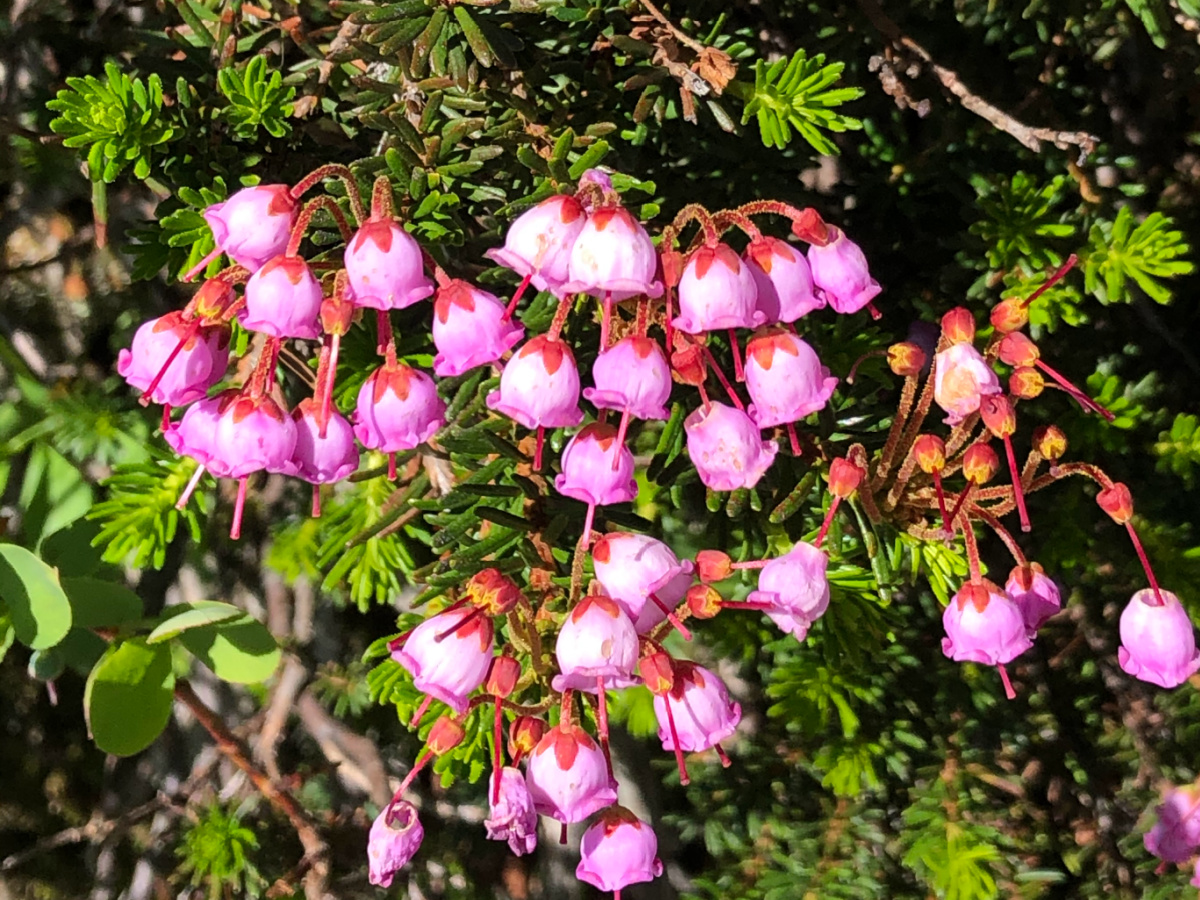
Explore the Wildflower Meadows
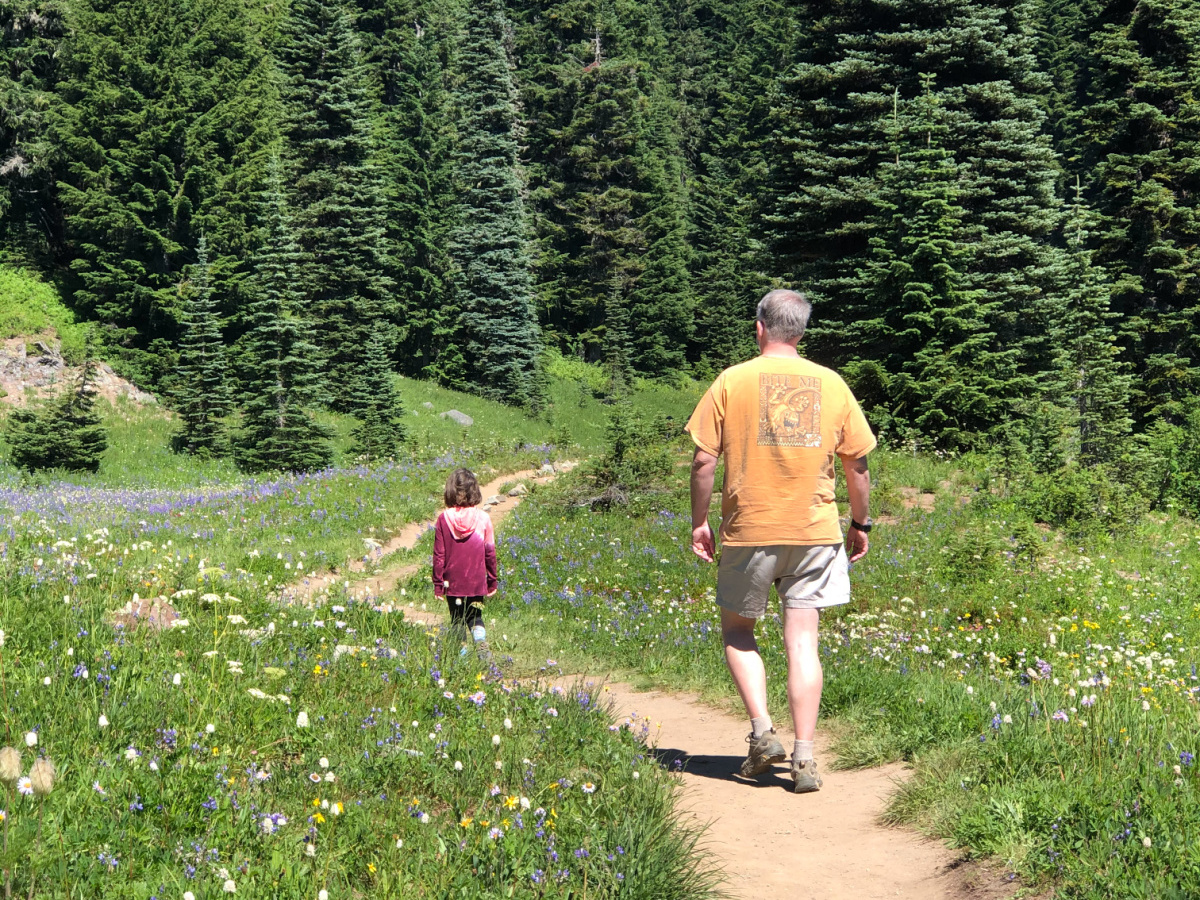
If you visit during peak bloom, the meadows can feel almost unreal.
Wildflower timing changes every year depending on snowpack, but late July and early August are often prime.
This is one of the reasons Paradise becomes so famous during summer.
Best Easy Hikes at Mount Rainier
One thing I genuinely appreciate about Mount Rainier is how many memorable experiences are accessible without difficult hiking.
Not every national park does this well.
Some of the best easy hikes and walks include:
| Trail | Difficulty | Why It’s Great |
|---|---|---|
| Myrtle Falls | Easy | Huge scenery payoff |
| Nisqually Vista Trail | Easy | Great intro trail |
| Grove of the Patriarchs | Easy | Massive old-growth trees |
| Trail of the Shadows | Easy | Family-friendly history trail |
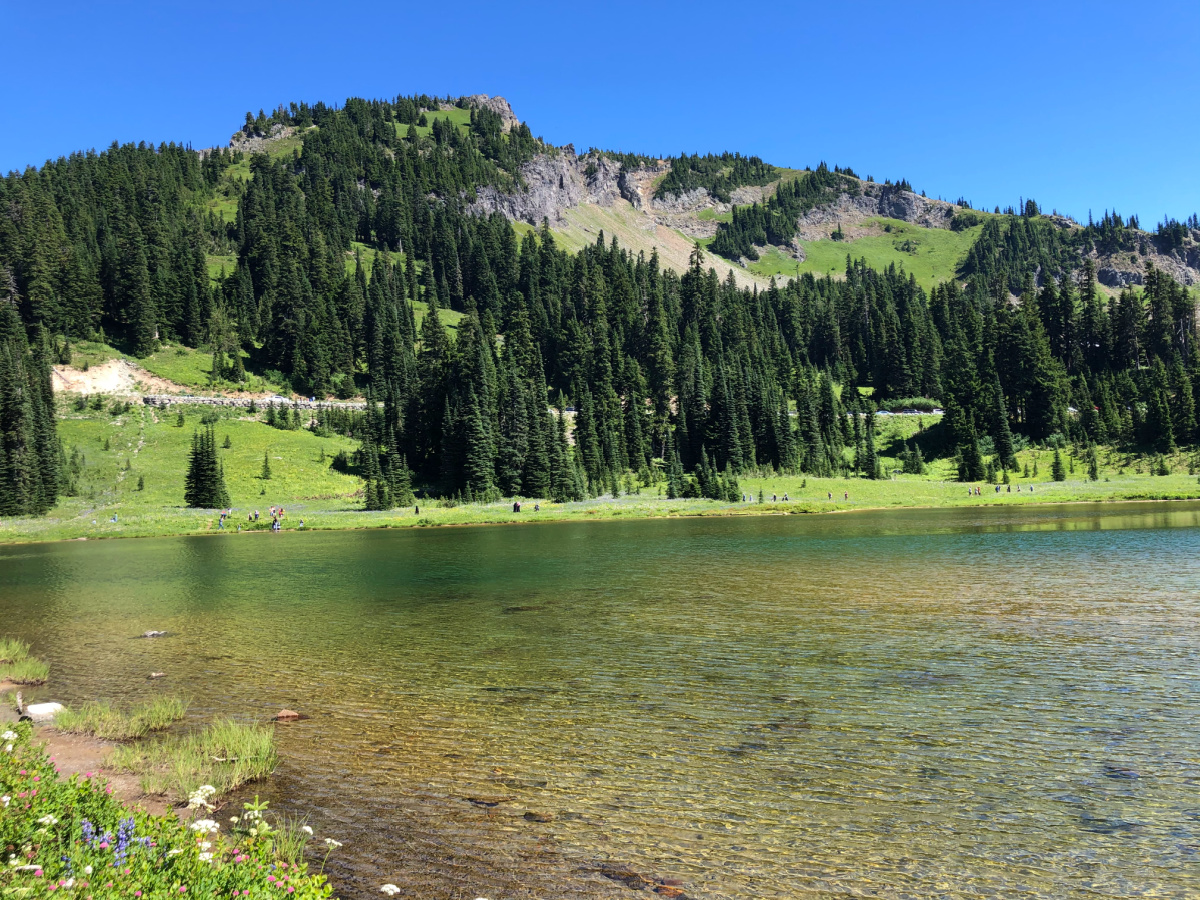
| Tipsoo Lake Nature Trail | Easy | Wildflowers and reflections |
| Silver Falls Trail | Moderate Easy | Beautiful waterfall scenery |
And honestly, sometimes the scenic pullouts and roadside stops are just as memorable as the trails.
Can You Visit Mount Rainier Without Hardcore Hiking?
Absolutely.
In fact, I think Mount Rainier is one of the better national parks for people who don’t want an aggressively active vacation.
You can experience:
- alpine scenery
- waterfalls
- mountain views
- meadows
- forests
- and wildlife
…without doing strenuous hikes.
That’s part of what makes this park such a good fit for:
- families
- retirees
- casual travelers
- photographers
- and first-time national park visitors
What First-Time Visitors Often Underestimate
The Snow
This is the biggest one.
People hear “summer national park” and imagine fully melted trails.
That’s not always reality here.
Snow can linger surprisingly late into the season.
Even in July, you may still see:
- towering snowbanks
- snowy trail sections
- and winter-like conditions
Visibility
Sometimes the mountain simply disappears.
Clouds move fast around Rainier.
And unlike parks where scenery remains beautiful regardless of weather, Mount Rainier changes dramatically depending on visibility.
My advice?
If the mountain is visible, prioritize outdoor viewpoints immediately.
Don’t assume it’ll stay that way all day.
Driving Fatigue
The park isn’t enormous, but mountain driving gets tiring.
Everything takes slightly longer than expected.
And because there are fewer huge “destination hubs” compared to Yellowstone or Yosemite, visitors sometimes underestimate how much driving they’ll still do.
Parking Problems
Summer weekends can get crowded fast.
Especially at:
- Paradise
- Sunrise
- Reflection Lake
- and popular trailheads
Early mornings help tremendously.
Wildlife at Mount Rainier
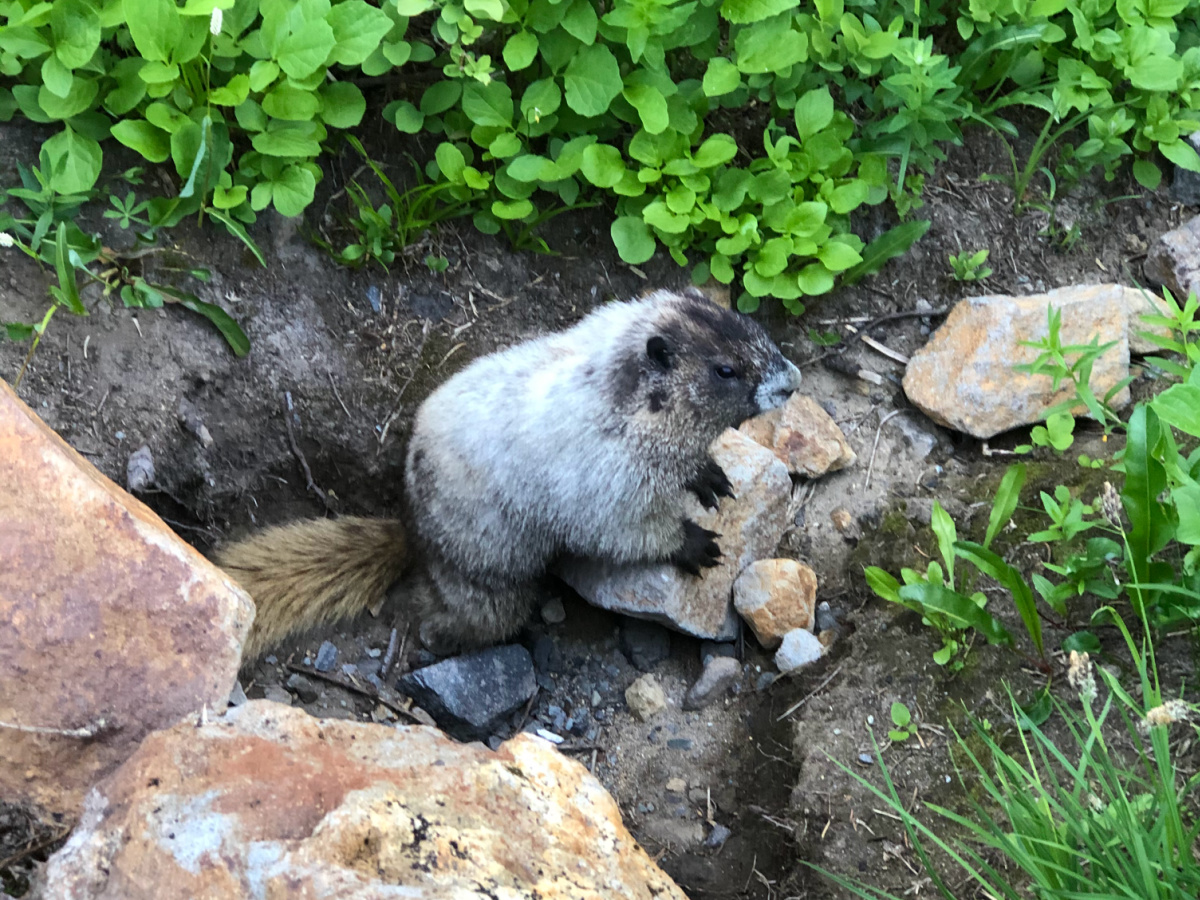
Mount Rainier isn’t usually thought of as a major wildlife park like Yellowstone, but you can still see:
- marmots
- deer
- black bears
- mountain goats
- and plenty of birds
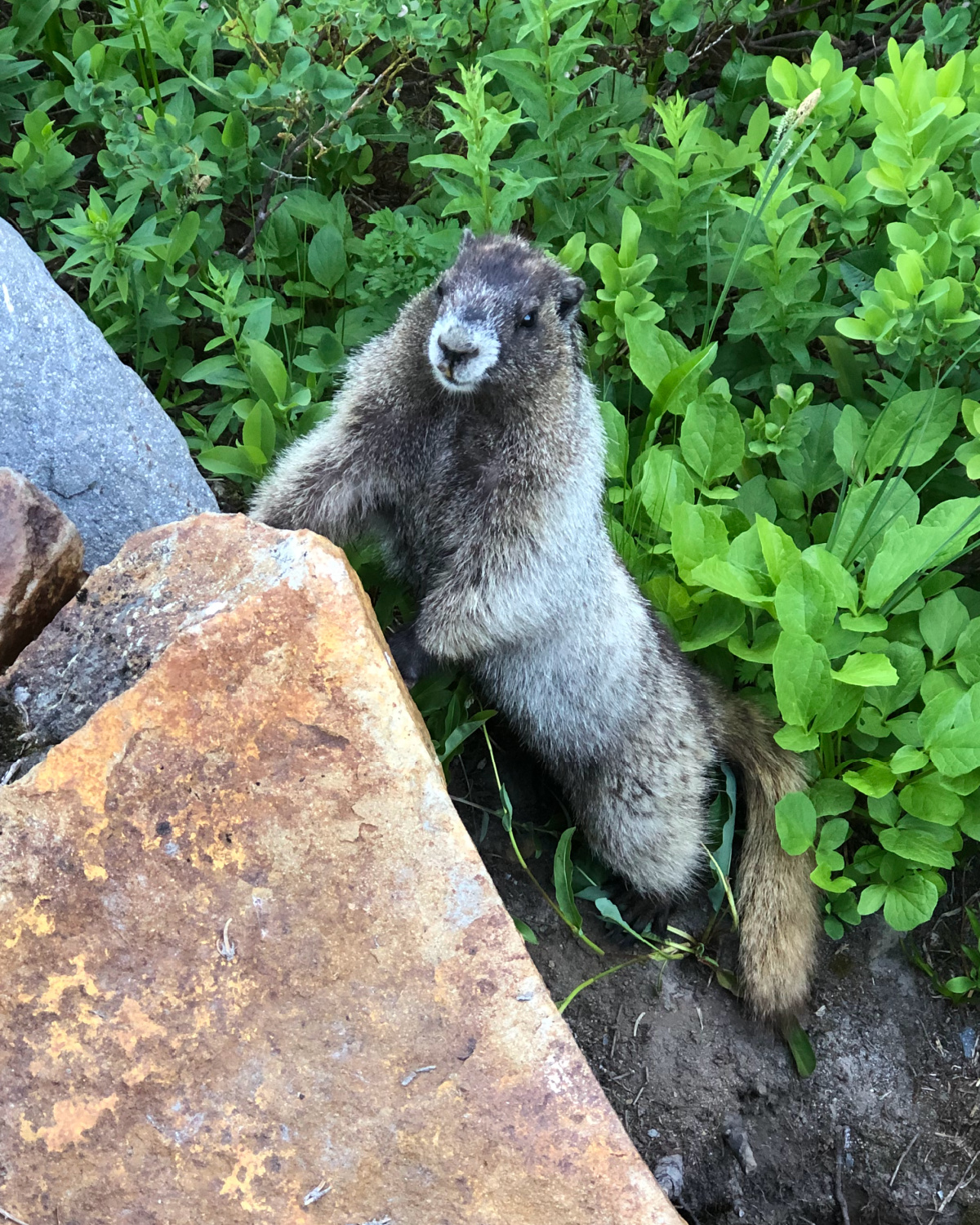
Marmots are especially fun to spot around alpine areas.
And honestly, hearing them whistle across the meadows feels very “Mount Rainier.”
Where to Stay Near Mount Rainier
Ashford
Ashford is the most common base for first-time visitors.
It’s especially convenient for Paradise access and offers:
- cabins
- lodges
- vacation rentals
- and smaller inns
This is usually the easiest choice for shorter visits.
Packwood
Packwood gives you slightly more flexibility and dining options.
It works especially well if:
- you want access to Paradise and Ohanapecosh
- prefer more restaurant choices
- or want a slightly larger town feel
Enumclaw
Enumclaw is a solid option for Sunrise access or Seattle combinations.
You’ll also find more chain-style lodging options here.
Should You Stay Inside the Park?
If you can secure lodging inside the park, it’s an amazing experience.
But reservations book early and availability is limited.
Honestly though, staying outside the park still works perfectly well for most visitors.
What to Pack for Mount Rainier
Even during summer, mountain weather changes fast.
I’d recommend bringing:
- layers
- rain jackets
- sturdy shoes
- sunscreen
- sunglasses
- snacks
- and plenty of water
Mornings can feel cold even in August, especially around Sunrise.
And if snow is lingering, the glare can be surprisingly intense.
Tips for Visiting Mount Rainier National Park
Start Earlier Than You Think
This helps with:
- parking
- crowds
- wildlife viewing
- and photography
It also makes the park feel calmer overall.
Don’t Overplan
One of the biggest mistakes at Mount Rainier is trying to cram too much into one day.
This park rewards slower travel.
Download Offline Maps
Cell service can be extremely limited.
Do not rely entirely on GPS.
Prioritize Good Weather Immediately
If Rainier is visible, take advantage of it.
Seriously.
Clouds can move in quickly and completely change the experience.
Bring Realistic Expectations
Mount Rainier is stunning, but it’s still a mountain environment.
Weather changes.
Roads close.
Parking fills.
Visibility disappears.
Flexibility helps tremendously.
Is Mount Rainier Worth Visiting?
Without question.
In fact, I think Mount Rainier is one of the most visually dramatic national parks in the United States relative to how accessible it is.
You don’t need to be an elite hiker.
You don’t need backpacking gear.
And you don’t need a week-long expedition.
You just need:
- decent weather
- realistic expectations
- and enough time to slow down and appreciate the scenery
For first-time visitors especially, Mount Rainier has a way of feeling bigger, wilder, and more emotional in person than people expect.
And honestly, that’s probably why so many people leave already planning a return trip.
More National Park First-Timer Guides
If you’re planning additional national park trips, these detailed first-time visitor guides can help you prepare for some of the most beautiful parks in the United States — especially if you enjoy scenic drives, easy hikes, waterfalls, wildlife, and family-friendly outdoor adventures.
- If Yellowstone is on your bucket list too, don’t miss my detailed Yellowstone National Park first-timer guide covering wildlife, geysers, scenic drives, where to stay, and practical planning tips for families and casual travelers.
- Planning a Glacier trip next? My Glacier National Park first-timer guide covers Going-to-the-Sun Road, easy hikes, lodging, scenic viewpoints, and what first-time visitors should realistically expect before visiting the park.
- Grand Teton National Park pairs beautifully with Yellowstone, and my Grand Teton first-timer guide includes scenic drives, easy hikes, photography spots, wildlife viewing, and practical itinerary advice for first-time visitors.
- If you love the lush forests, waterfalls, and mountain scenery of the Pacific Northwest, check out my Olympic National Park first-time visitor guide for tips on beaches, rainforests, scenic drives, tidepooling, and easy outdoor adventures.
- Want another national park trip without intense hiking? My Utah Mighty 5 without hardcore hiking guide covers the best scenic viewpoints, easy trails, and unforgettable experiences across all five Utah national parks.