
Olympic National Park for First-Time Visitors: What to Know Before You Go

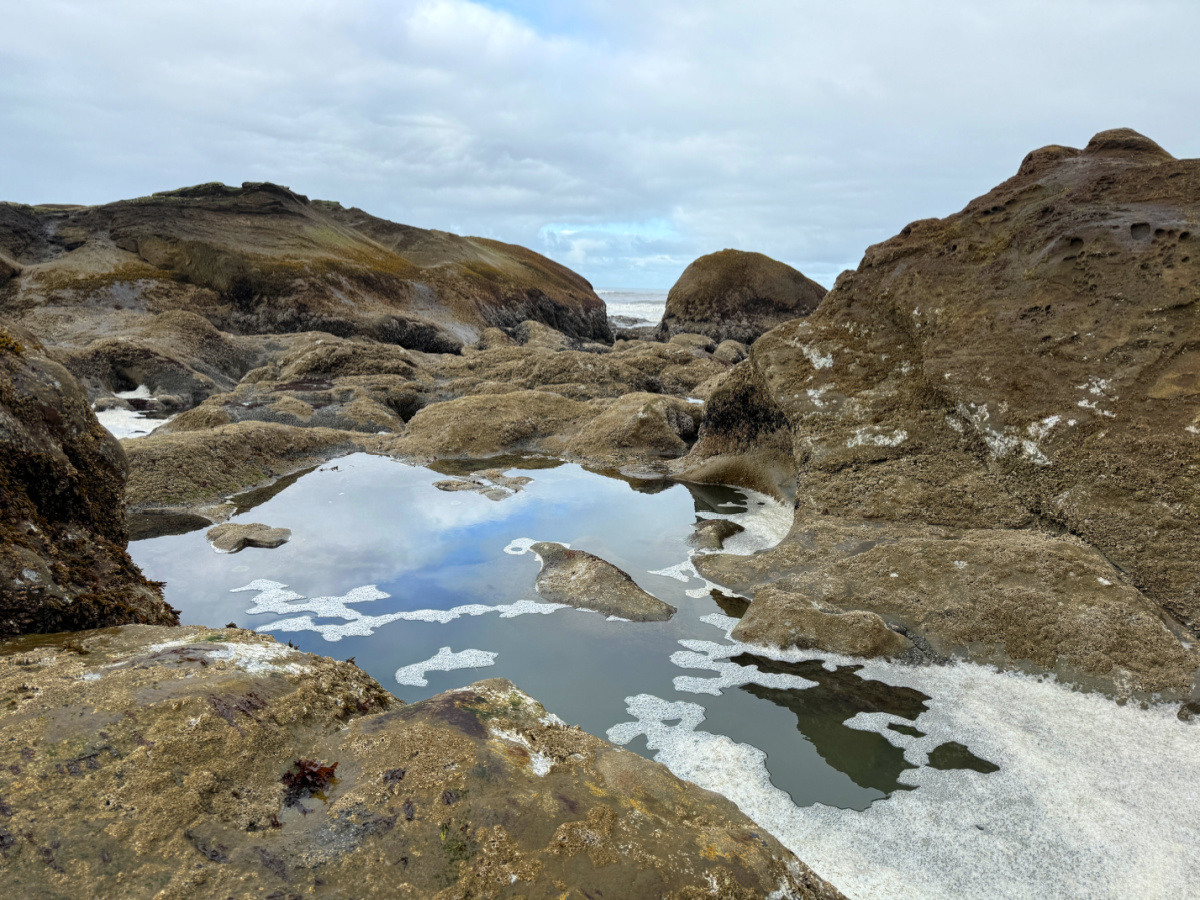
Planning your first trip to Olympic National Park? This beginner-friendly guide covers the best areas, where to stay, how many days you need, beaches, rainforests, driving tips, and practical advice for first-time visitors.
Estimated reading time: 20 minutes
Olympic National Park is one of the most unique national parks in the United States — and honestly, one of the hardest for first-time visitors to understand while planning.
Most people picture a single mountain park with one main scenic road and attractions clustered together.
Olympic is not like that at all.
This park is massive, spread out, and incredibly diverse. In a single trip, you can experience rugged Pacific beaches, lush temperate rainforests, alpine mountain views, glacier-capped peaks, waterfalls, lakes, and scenic coastal drives. But those places are often separated by long stretches of winding road and significant drive times.
That catches a LOT of first-time visitors off guard.
The good news? Once you understand how Olympic National Park works, it becomes one of the most rewarding national park trips in the country.
This guide is designed to help first-time visitors avoid the biggest mistakes, understand the park’s layout, create realistic expectations, and plan a trip that actually feels enjoyable instead of rushed and exhausting.
Quick Snapshot: Olympic National Park at a Glance
| Category | What to Know |
|---|---|
| Location | Olympic Peninsula in Washington State |
| Closest Airport | Seattle-Tacoma International Airport |
| Best For | Families, road trips, photography, scenic drives, waterfalls, beaches, casual hiking |
| Minimum Time Needed | 3 days |
| Ideal Trip Length | 4–5 days |
| Most Famous Areas | Hurricane Ridge, Hoh Rainforest, Rialto Beach, Ruby Beach, Lake Crescent |
| Biggest Mistake | Underestimating drive times |
| Best Time to Visit | July through September |
| Good for Kids? | Absolutely |
| Hardcore Hiking Required? | Not at all |
What Makes Olympic National Park So Unique?
Olympic National Park is one of the only national parks in the United States where you can experience multiple completely different ecosystems in the same trip.
Within a few days, you can go from:
- alpine mountain scenery
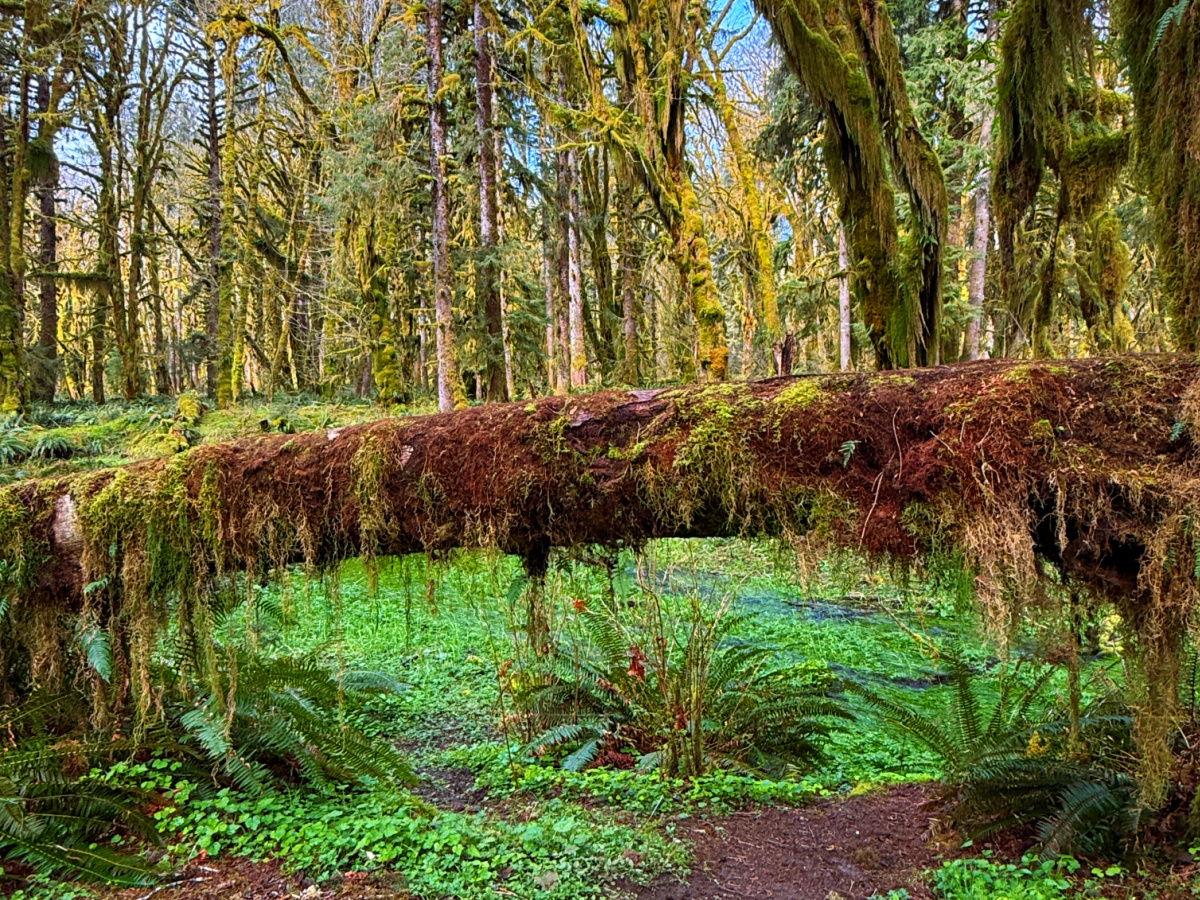
- to moss-covered rainforests
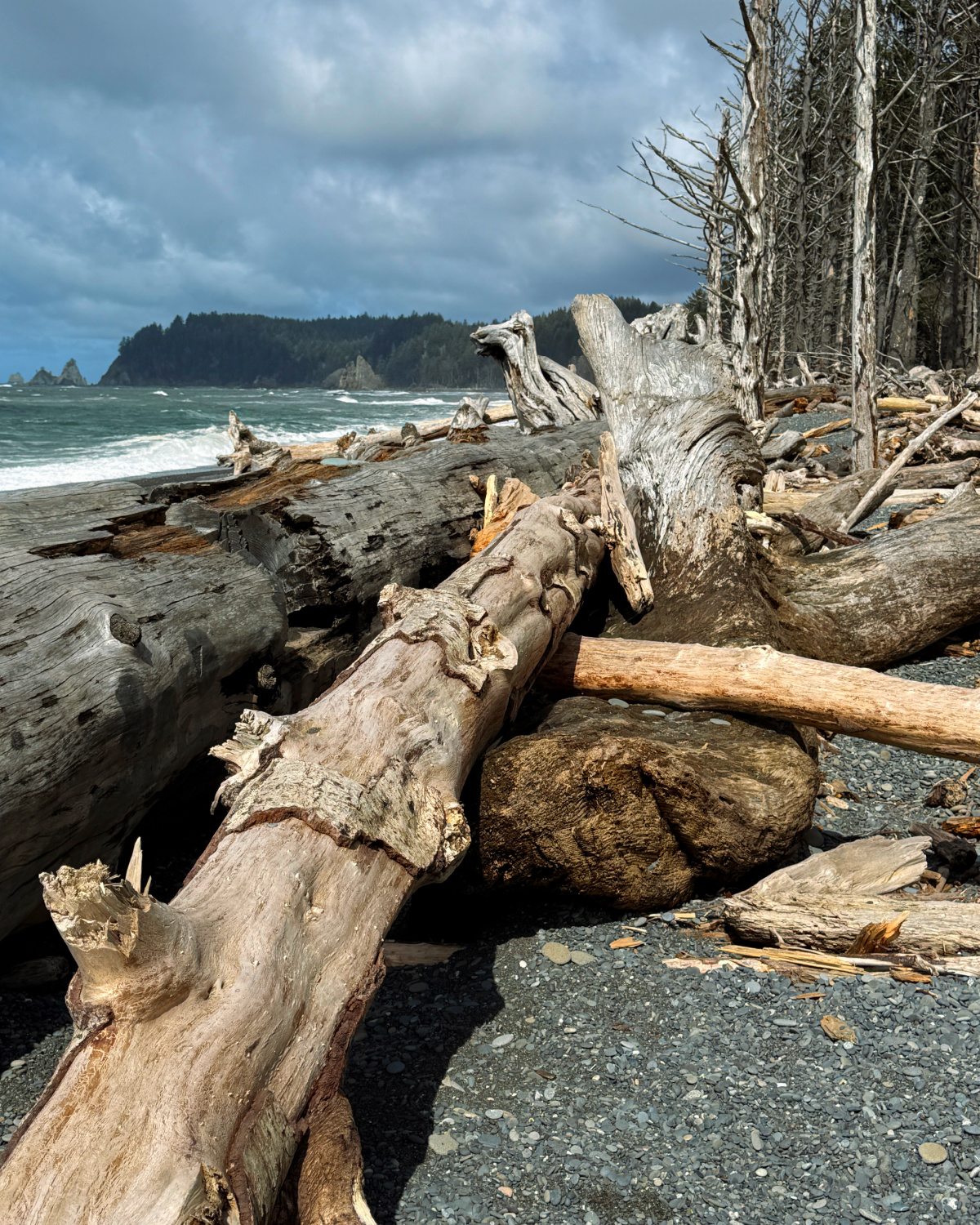
- to driftwood-covered Pacific beaches
- to turquoise lakes
- to waterfall hikes
And each area feels dramatically different from the others.
That variety is honestly one of the reasons Olympic feels so memorable compared to some other national parks.
The park also feels far wilder and less developed than many first-time visitors expect. Large sections of the Olympic Peninsula feel remote, quiet, and heavily forested. Even during summer, you can still find moments where the park feels peaceful and uncrowded.
Olympic is less about iconic “bucket list” viewpoints every five minutes and more about atmosphere, scenery, and experience.
The fog rolling through the rainforest.
The sound of waves crashing against sea stacks.
The smell of wet cedar and pine forests.
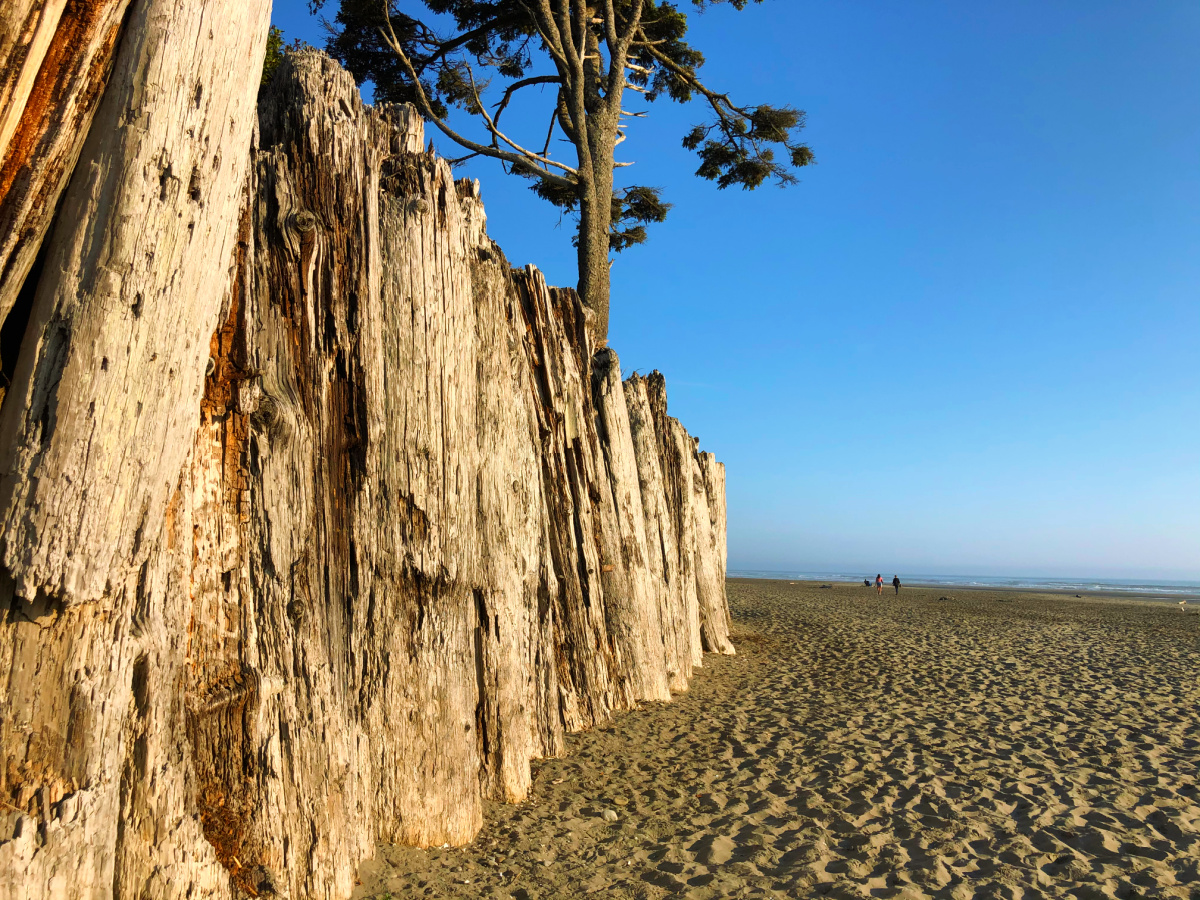
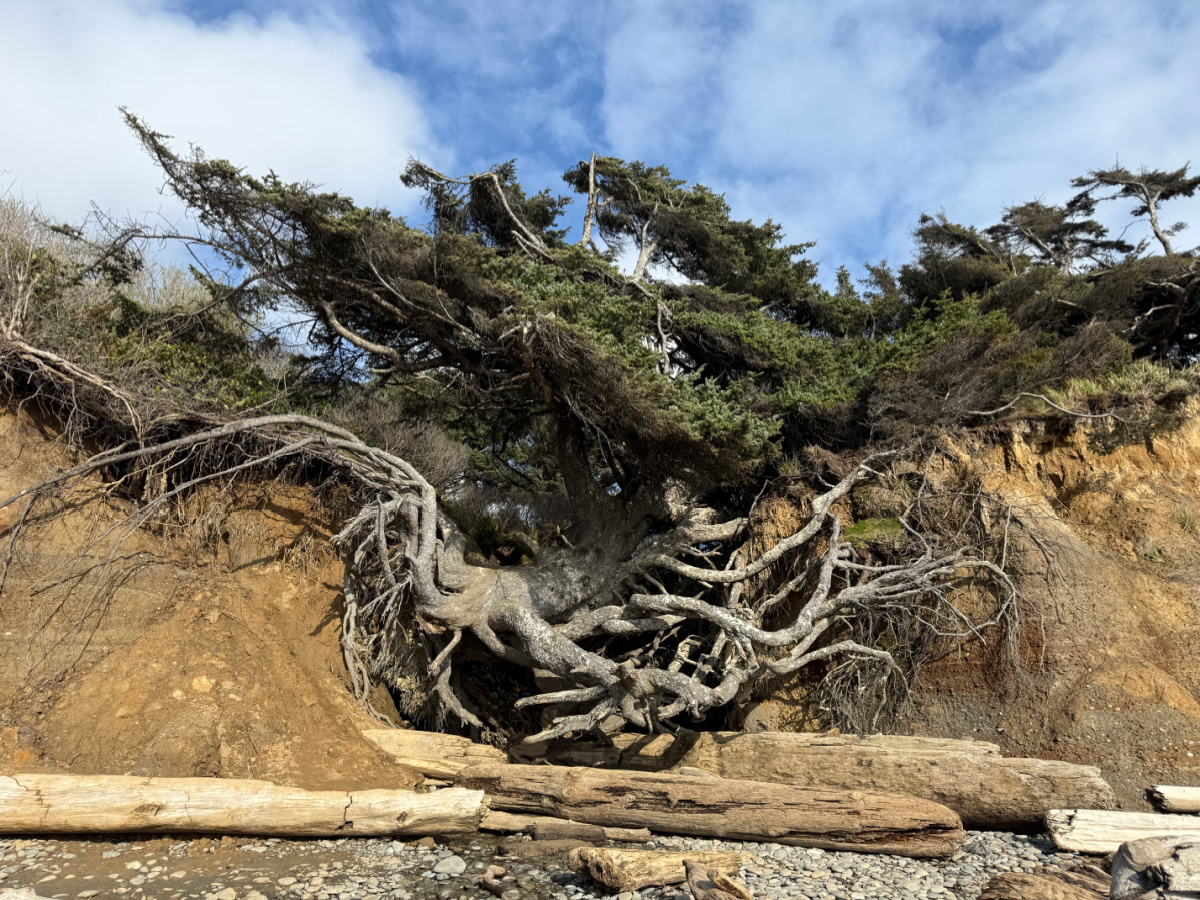
The quiet stretches of beach covered in massive driftwood.
Olympic feels immersive in a way that’s hard to explain until you experience it yourself.
How Olympic National Park Is Different From Other National Parks
This is probably the MOST important thing first-time visitors need to understand.
Olympic does not function like Yellowstone, Yosemite, or Grand Teton.
There is:
- no central scenic loop road
- no single “main valley”
- no quick route between attractions
- and no easy way to “see it all” quickly
Instead, Olympic National Park is spread around the Olympic Peninsula.
Most visitors drive around the outer edge of the park rather than through the middle.
That means:
- attractions are farther apart than they appear on maps
- drive times are longer than expected
- lodging location matters a LOT
- and careful trip pacing becomes really important
For example:
- Hurricane Ridge and Hoh Rain Forest are NOT close together
- Rialto Beach and Lake Quinault involve substantial driving
- The western side of the peninsula feels much more remote than the Port Angeles area
This is why Olympic rewards slower travel more than rushed sightseeing.
If you try to cram too much into every day, the trip quickly becomes exhausting.
Olympic National Park Is MUCH Bigger Than Most People Expect
One of the biggest surprises for first-time visitors is how much time you spend driving.
You might look at a map and think:
“Oh, these places don’t seem far apart.”
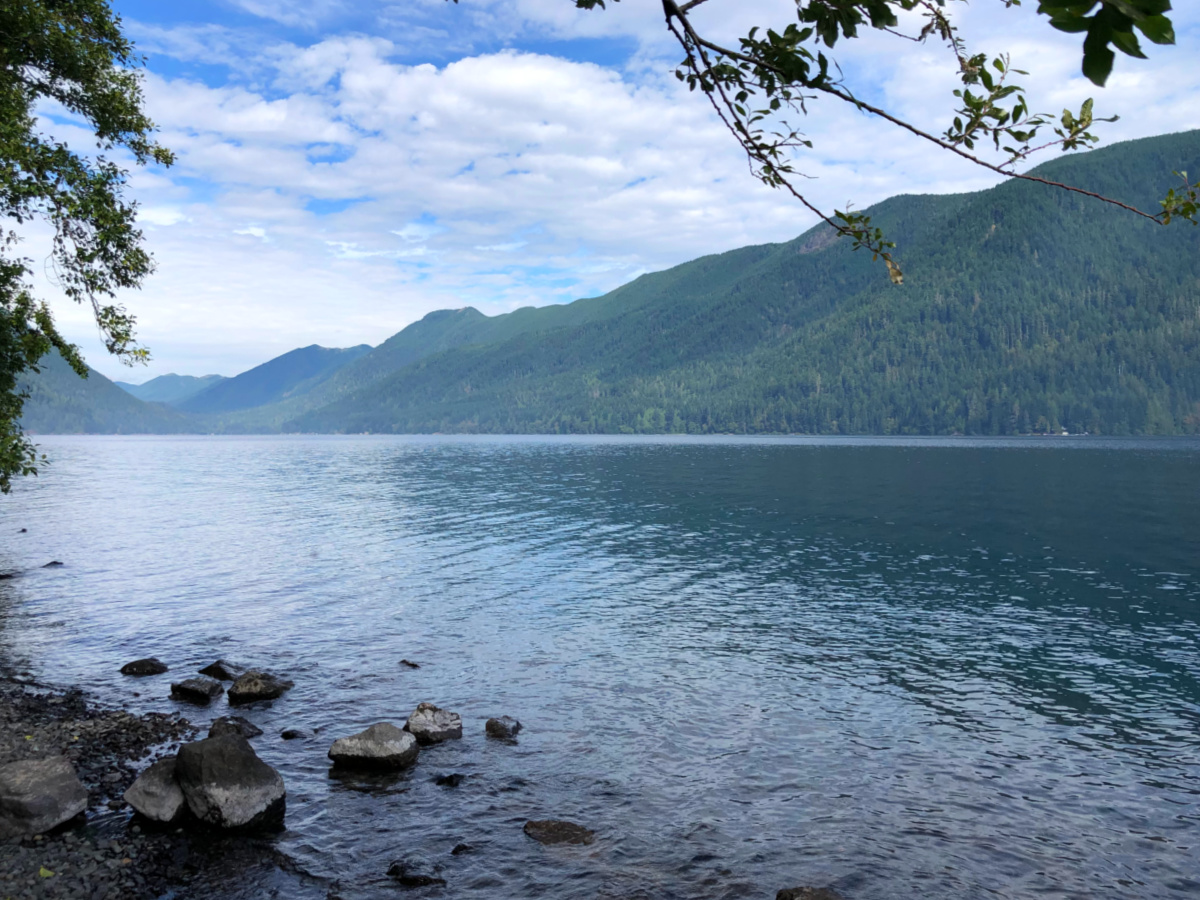
But Olympic roads are:
- winding
- heavily forested
- often two-lane highways
- and much slower than interstate driving
Add in:
- traffic during summer
- construction delays
- scenic pullouts
- and constant photo stops
…and drive times add up quickly.
This is why I strongly recommend grouping activities by region instead of trying to zigzag across the peninsula every day.
Best Olympic National Park Regions for First-Time Visitors
Understanding the main regions of Olympic National Park makes trip planning MUCH easier.
Hurricane Ridge / Port Angeles Area
This is usually the easiest starting point for first-time visitors.
Best for:
- mountain scenery
- easy access
- families
- short trips
- beginner visitors
Highlights include:
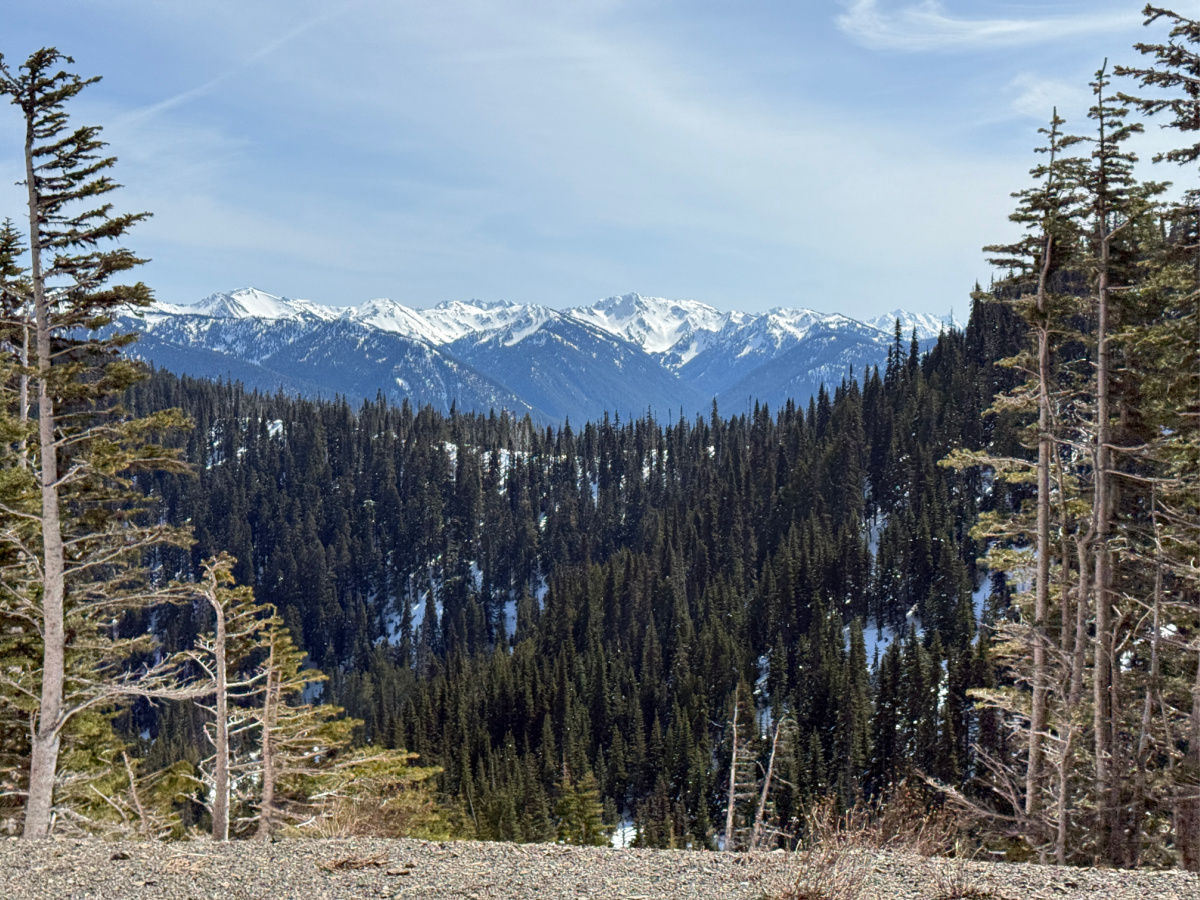
- Hurricane Ridge
- Madison Falls
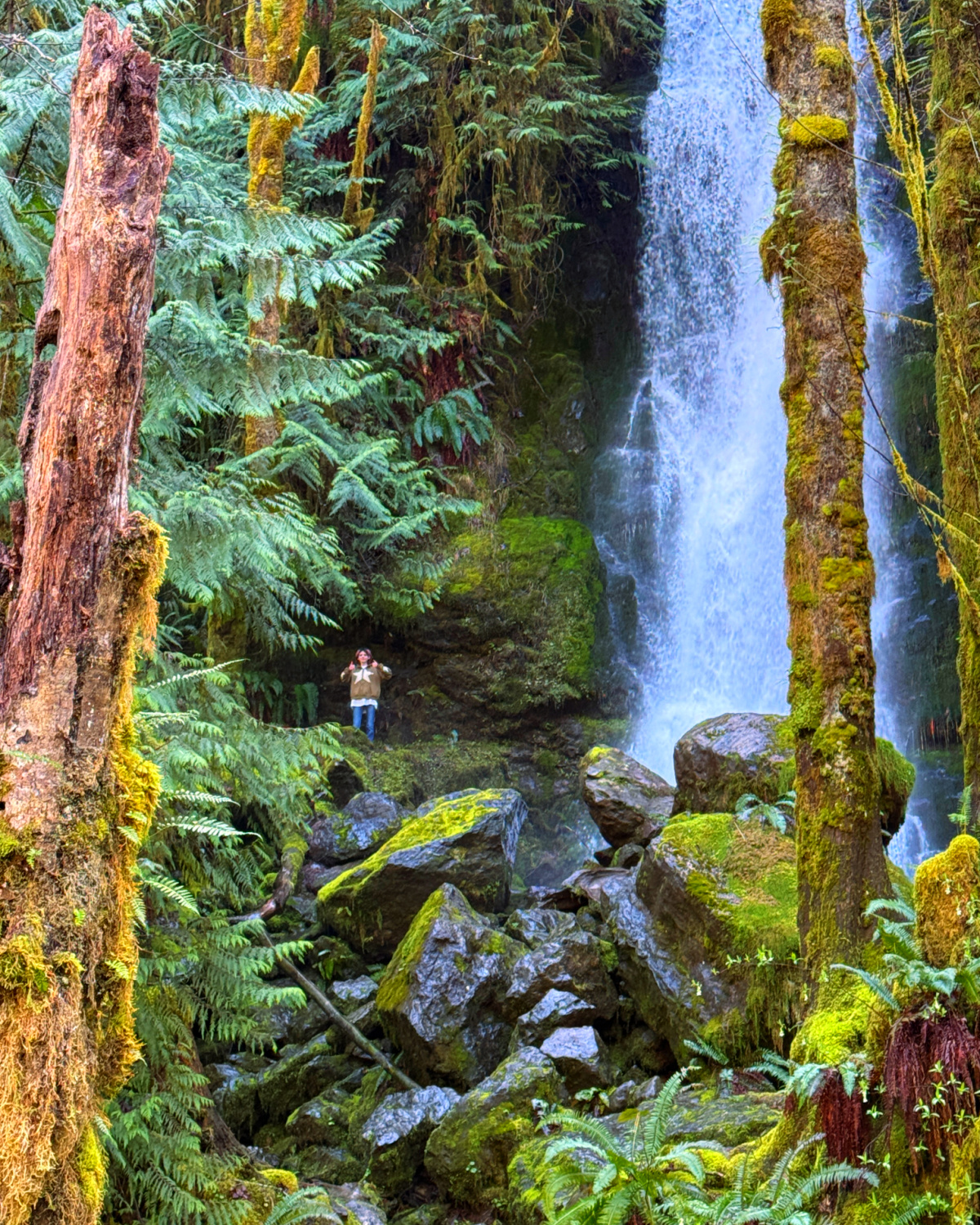
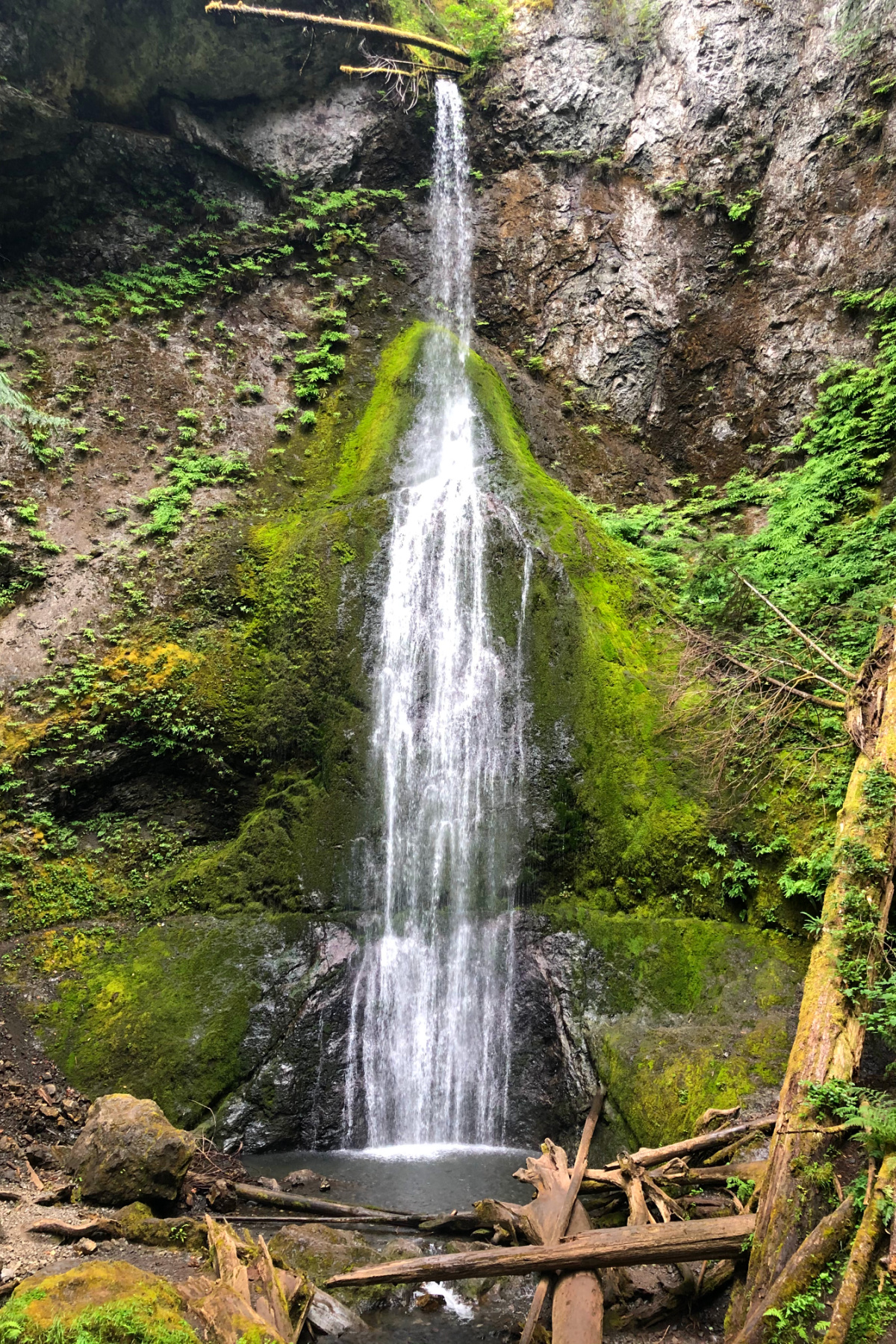
- Lake Crescent nearby (including Marymere Falls)
- easy scenic overlooks
- wildlife viewing
Port Angeles also has:
- the best restaurant selection
- grocery stores
- coffee shops
- gas stations
- and practical hotel options
For many first-time visitors, this is the most convenient home base.
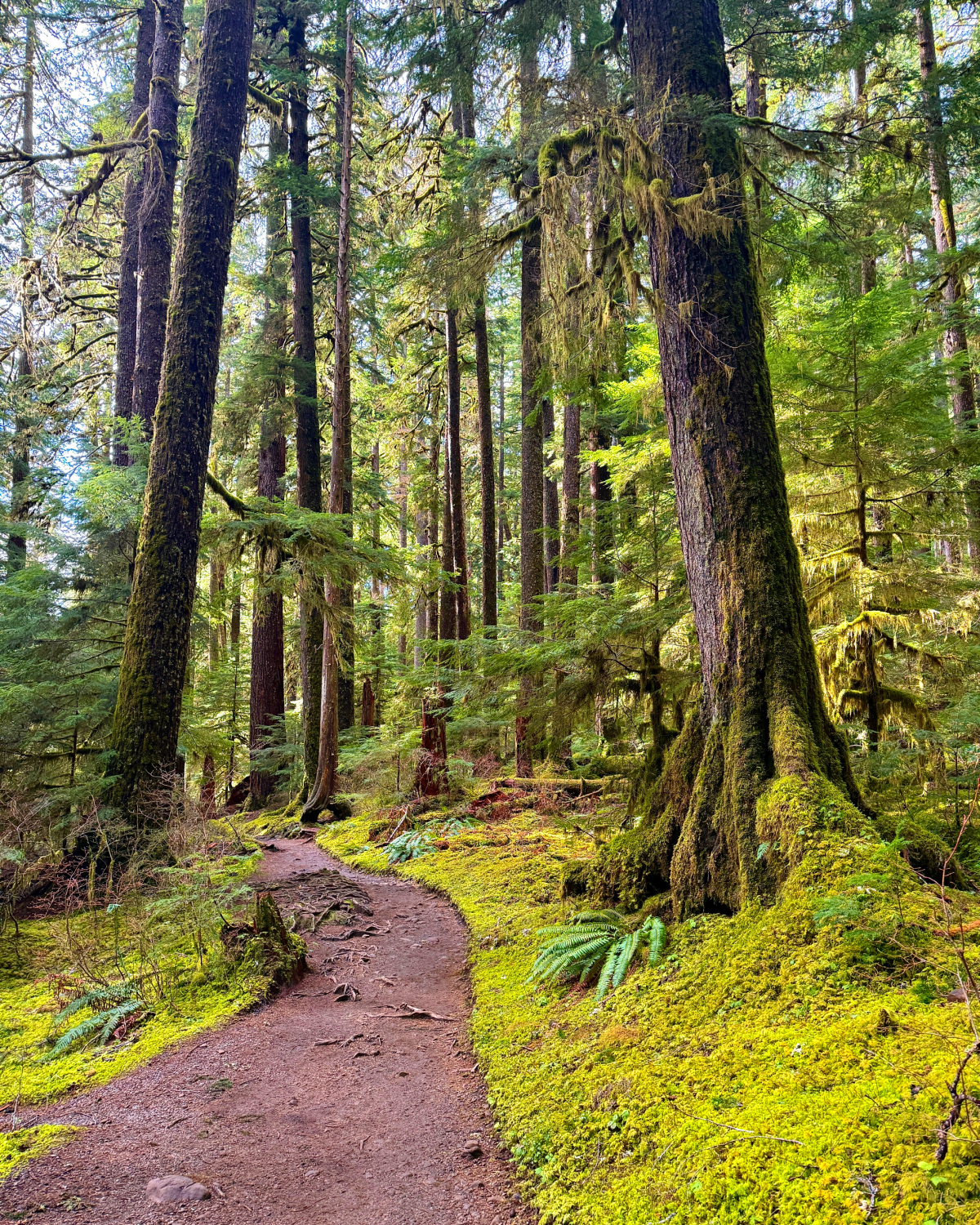
Lake Crescent Area
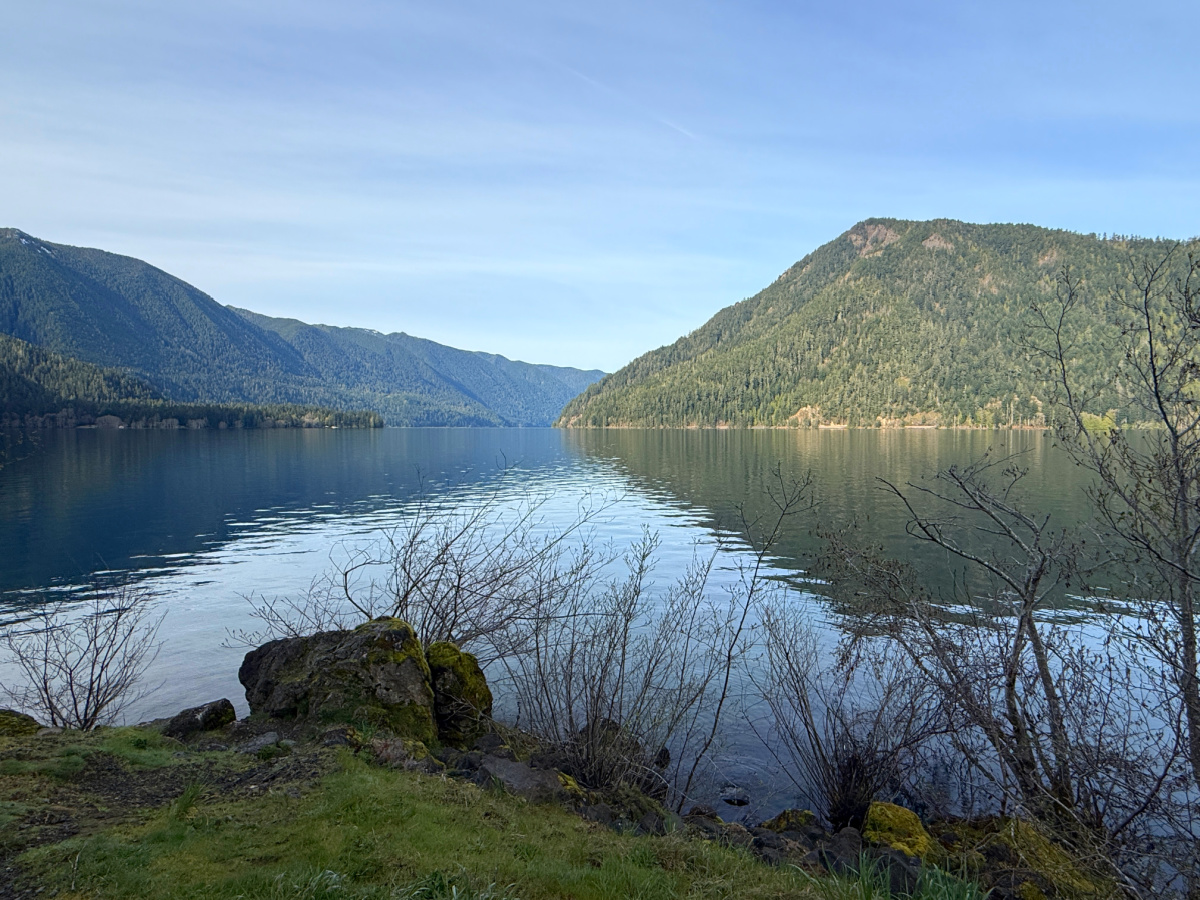
Lake Crescent is one of the prettiest areas in the entire park.
Best for:
- scenic lake views
- relaxing afternoons
- easy hikes
- kayaking
- families
- photography
Highlights include:
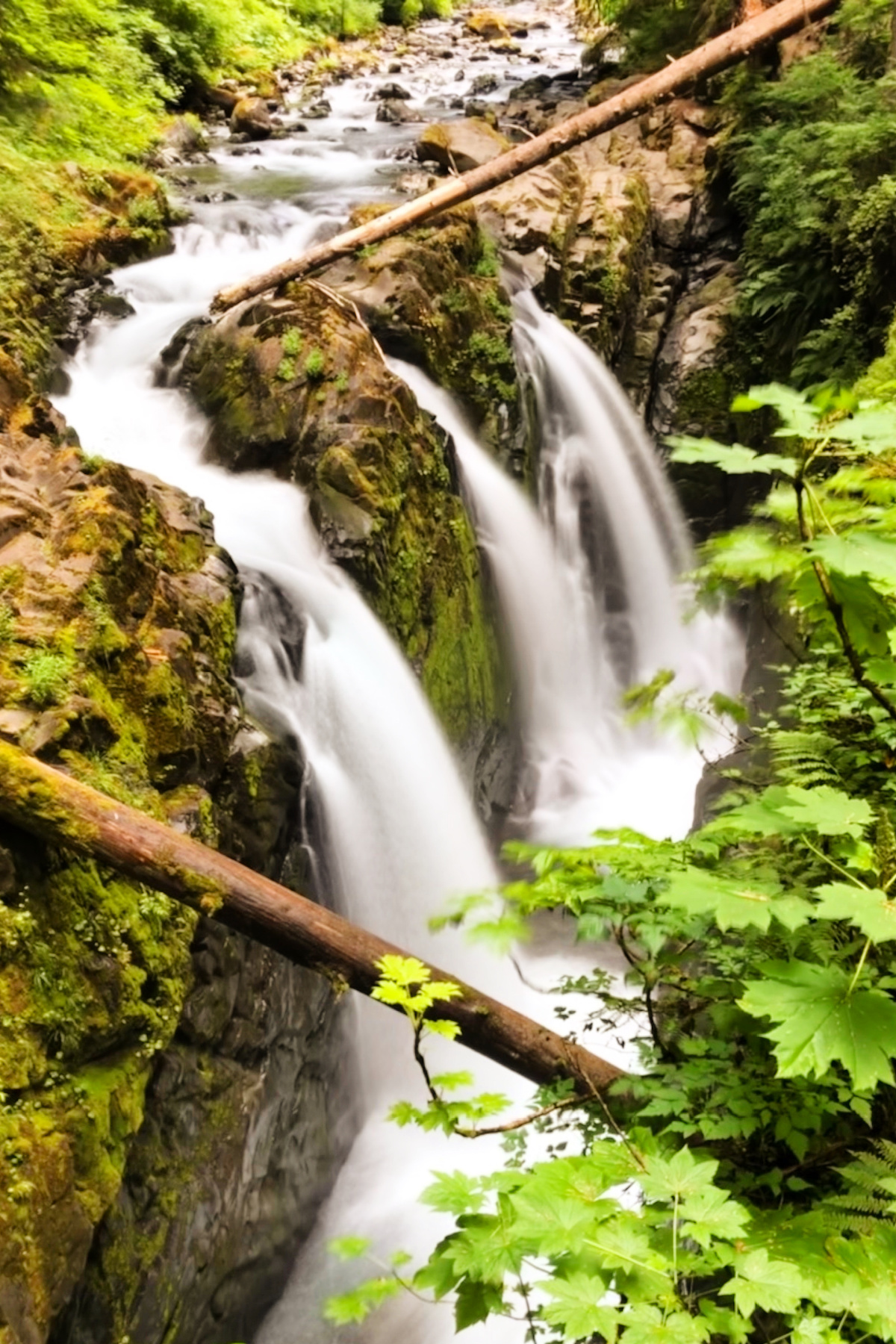
- Marymere Falls
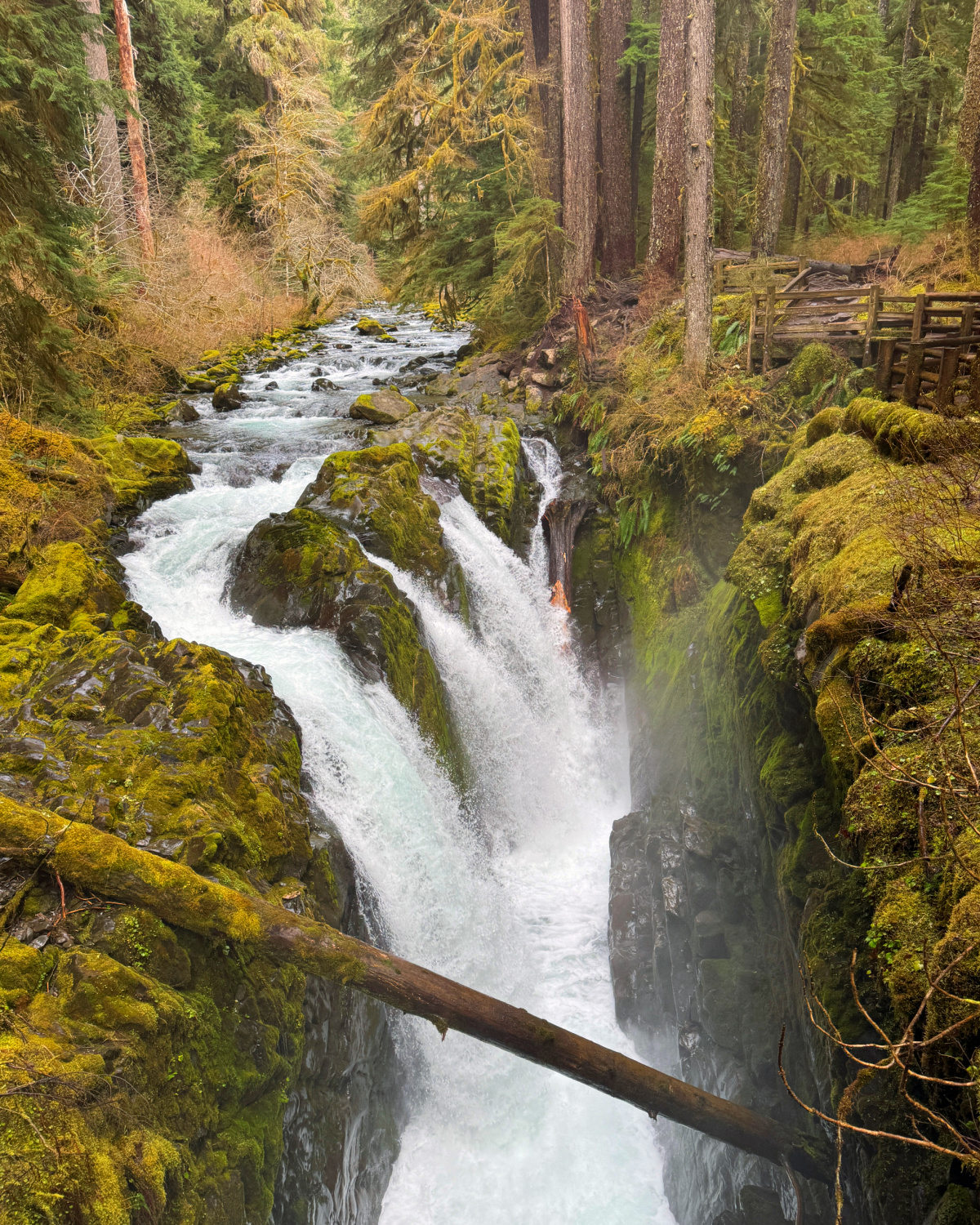
- Sol Duc Falls (my favorite hike in Olympic National Park)
- Lake Crescent Lodge
- lakeshore viewpoints
- paddle sports
- nearby forest trails
This area feels peaceful and incredibly scenic without requiring much hiking effort.
Pacific Beach Region
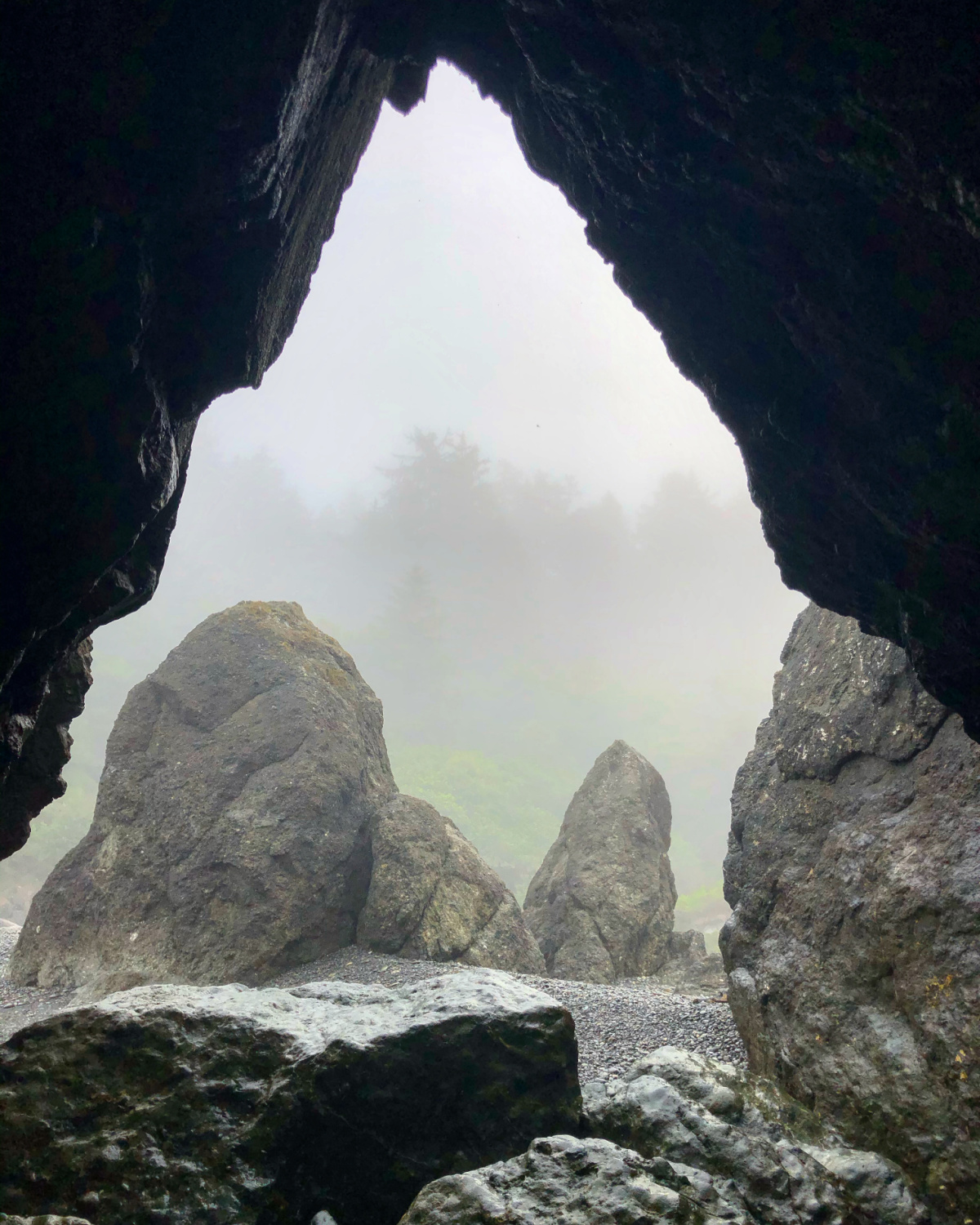
This is the part of Olympic that surprises many visitors the most.
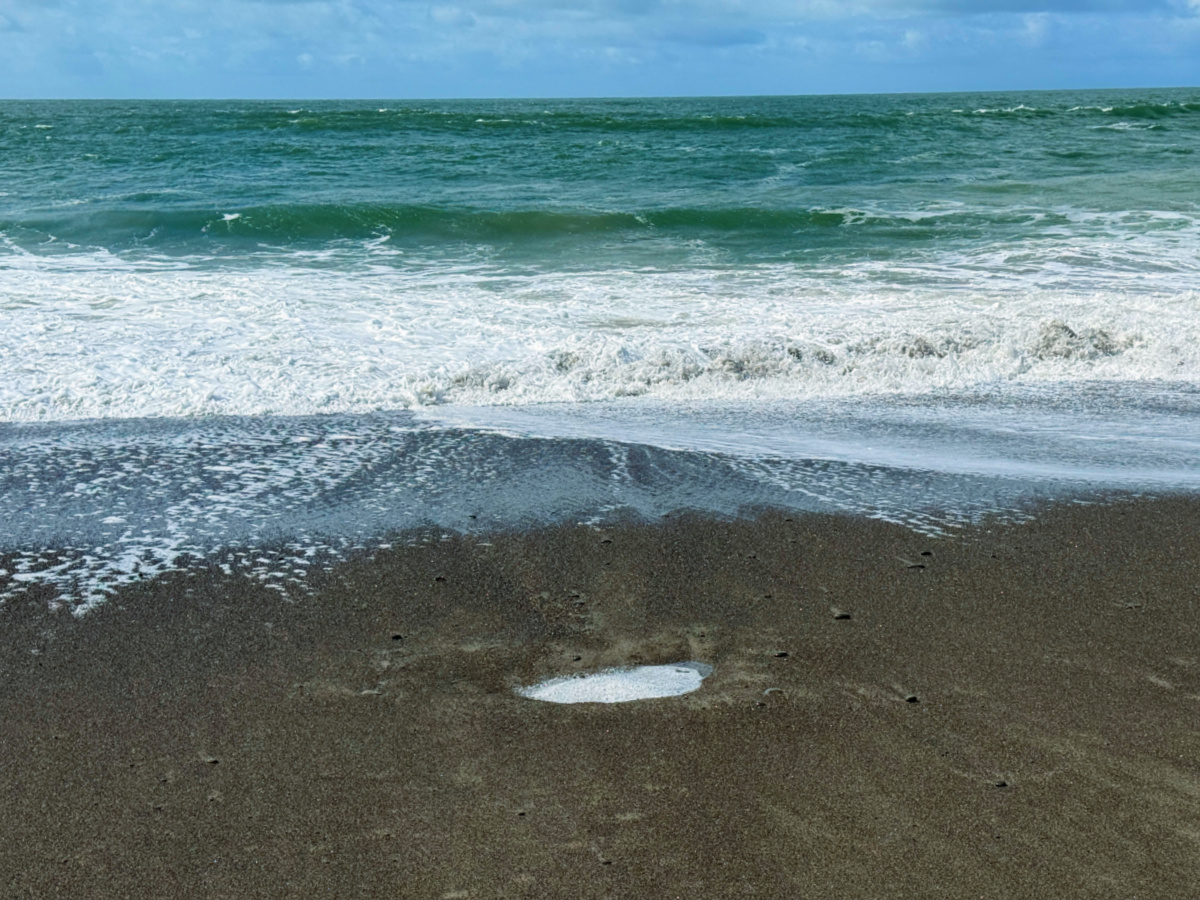
The beaches here are rugged, dramatic, and completely different from typical sandy vacation beaches.
Best for:
- tidepooling
- photography
- sunsets
- driftwood scenery
- sea stacks
- coastal atmosphere
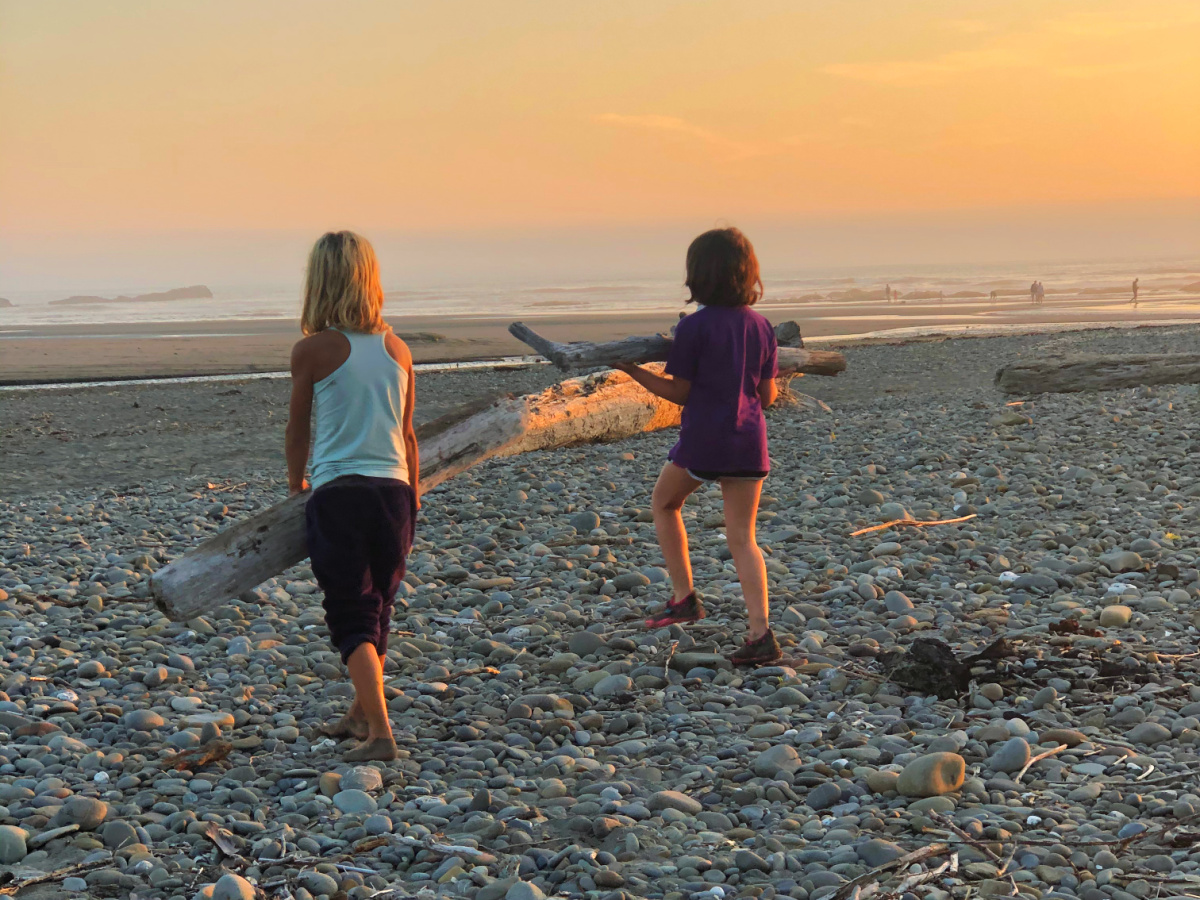
Top beaches include:
The Pacific coast is honestly one of the most unforgettable parts of Olympic National Park.
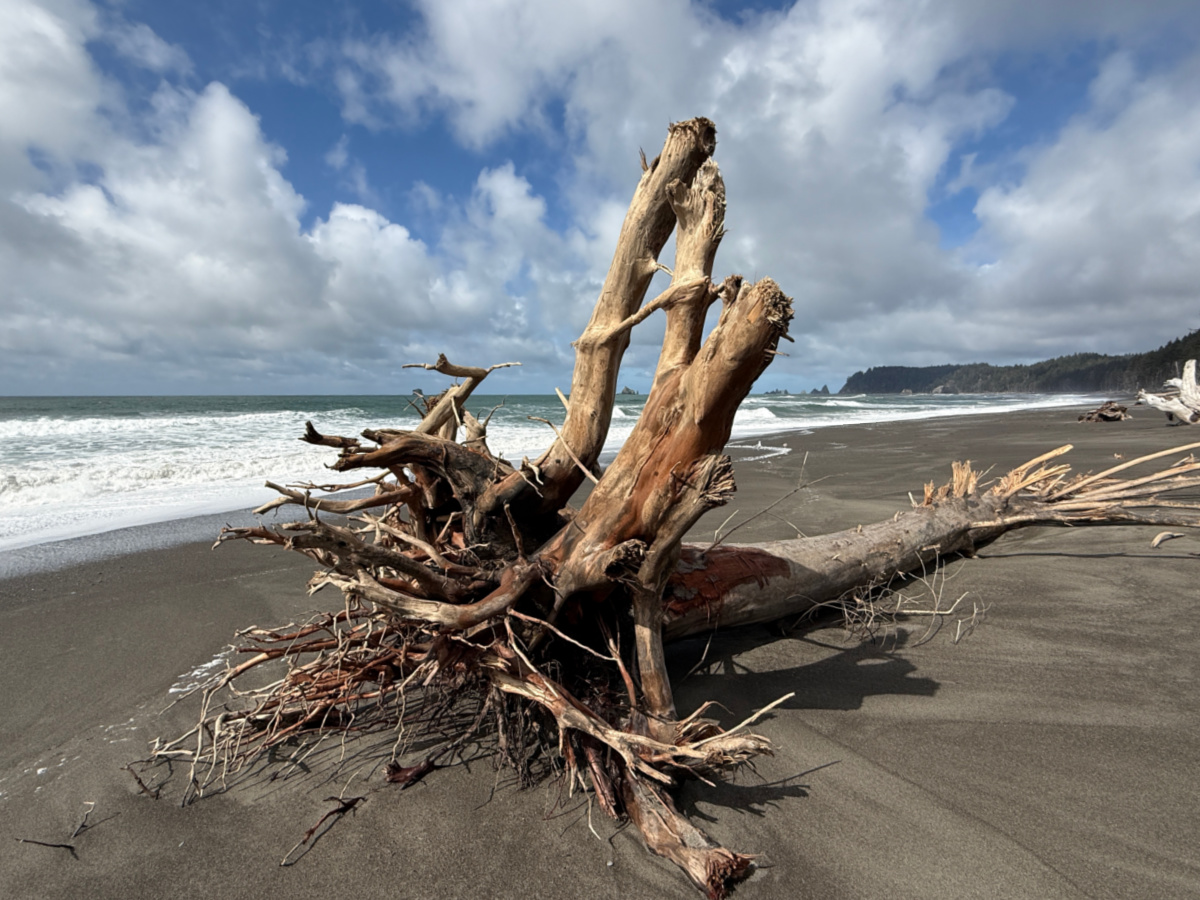
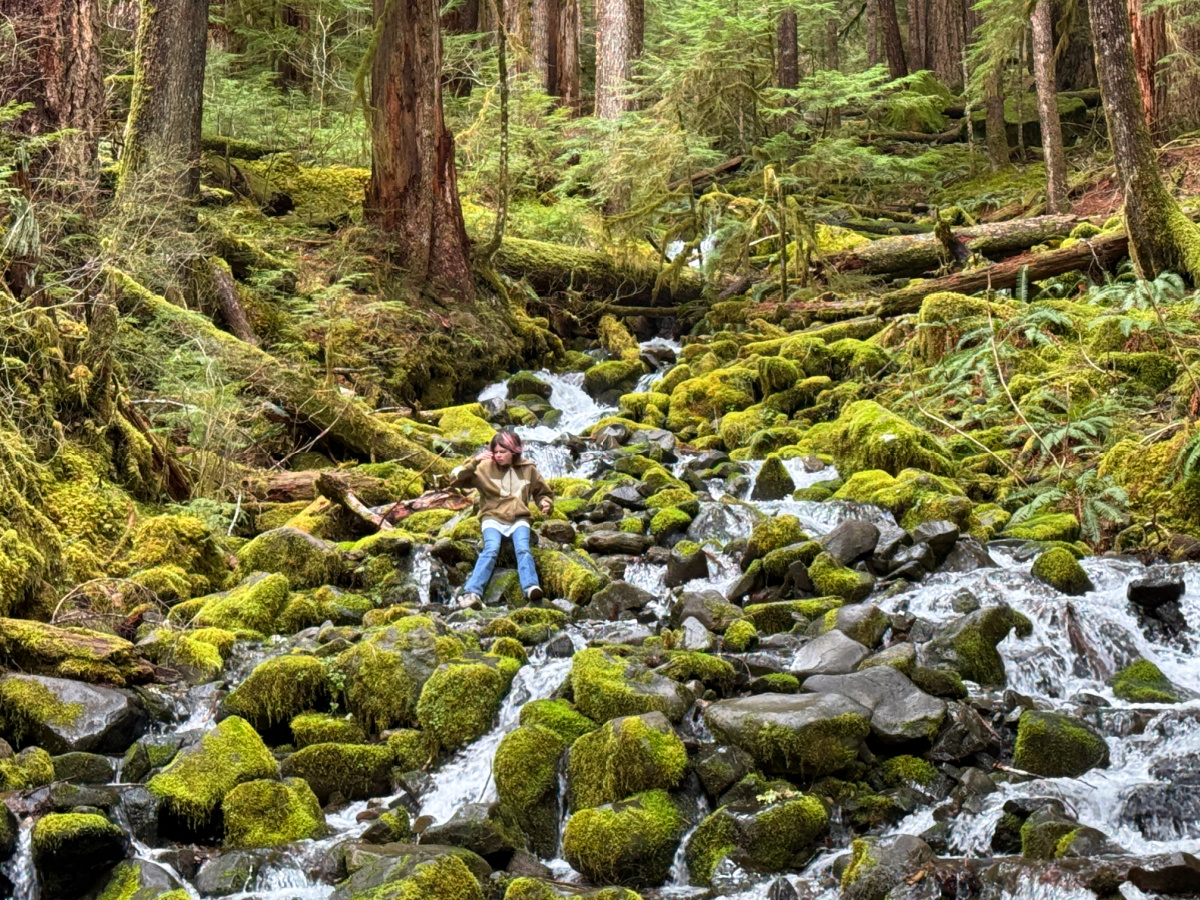
Rainforest Region
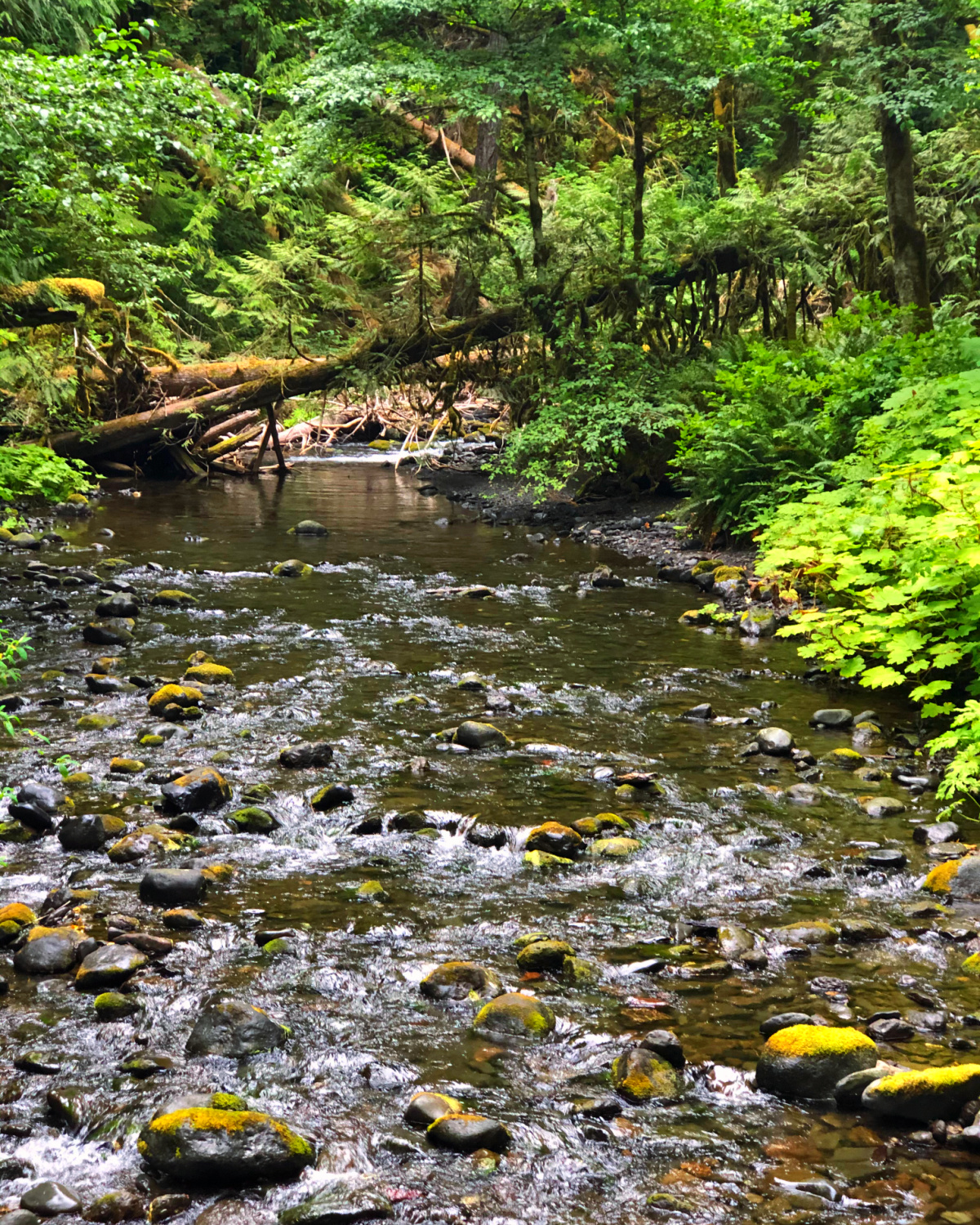
The rainforest sections feel almost otherworldly.
Best for:
- short nature walks
- families
- photography
- first-time visitors
- easy hiking
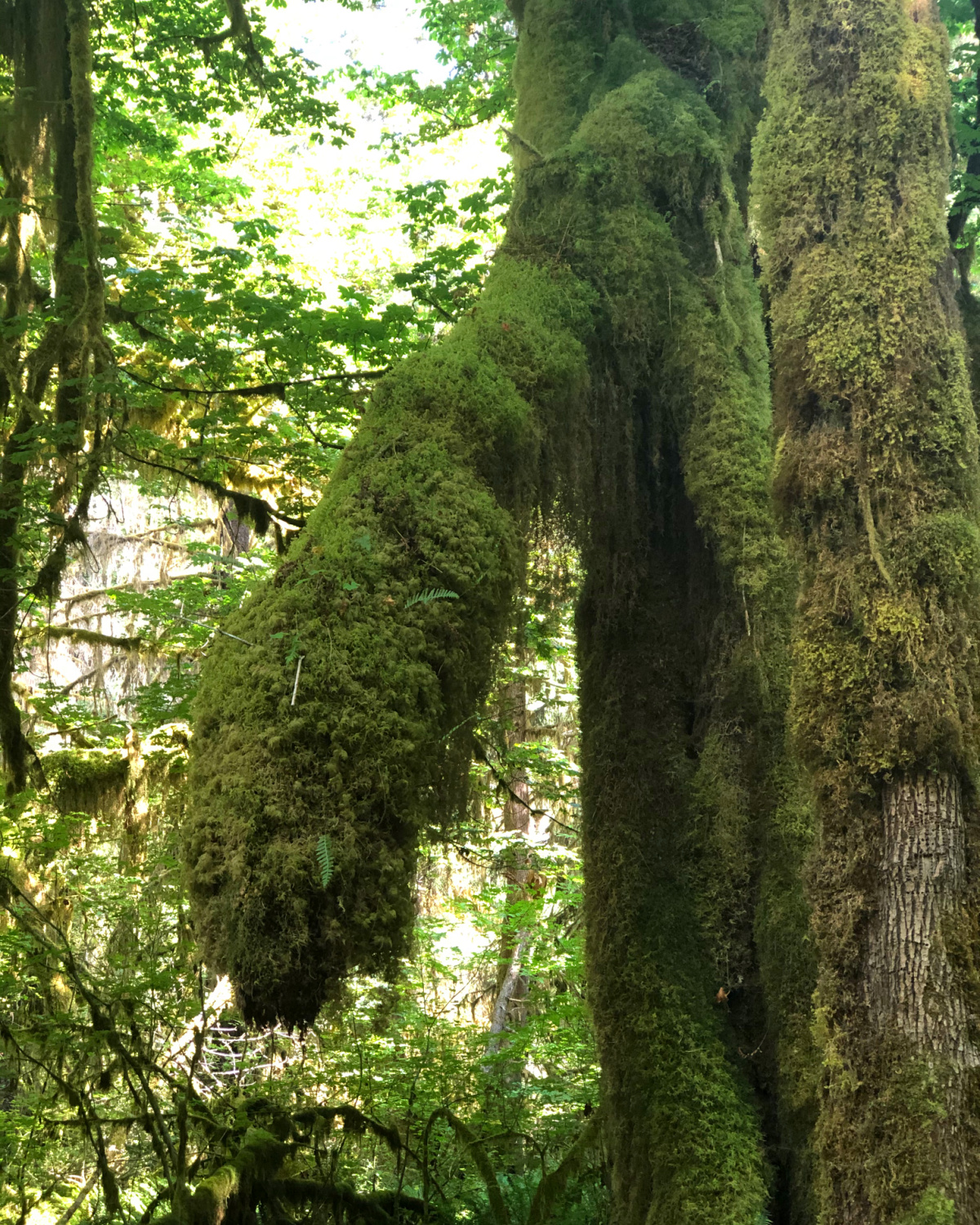
Most famous:
Other great rainforest areas:
- Quinault Rainforest
- Bogachiel area
- Sol Duc forests
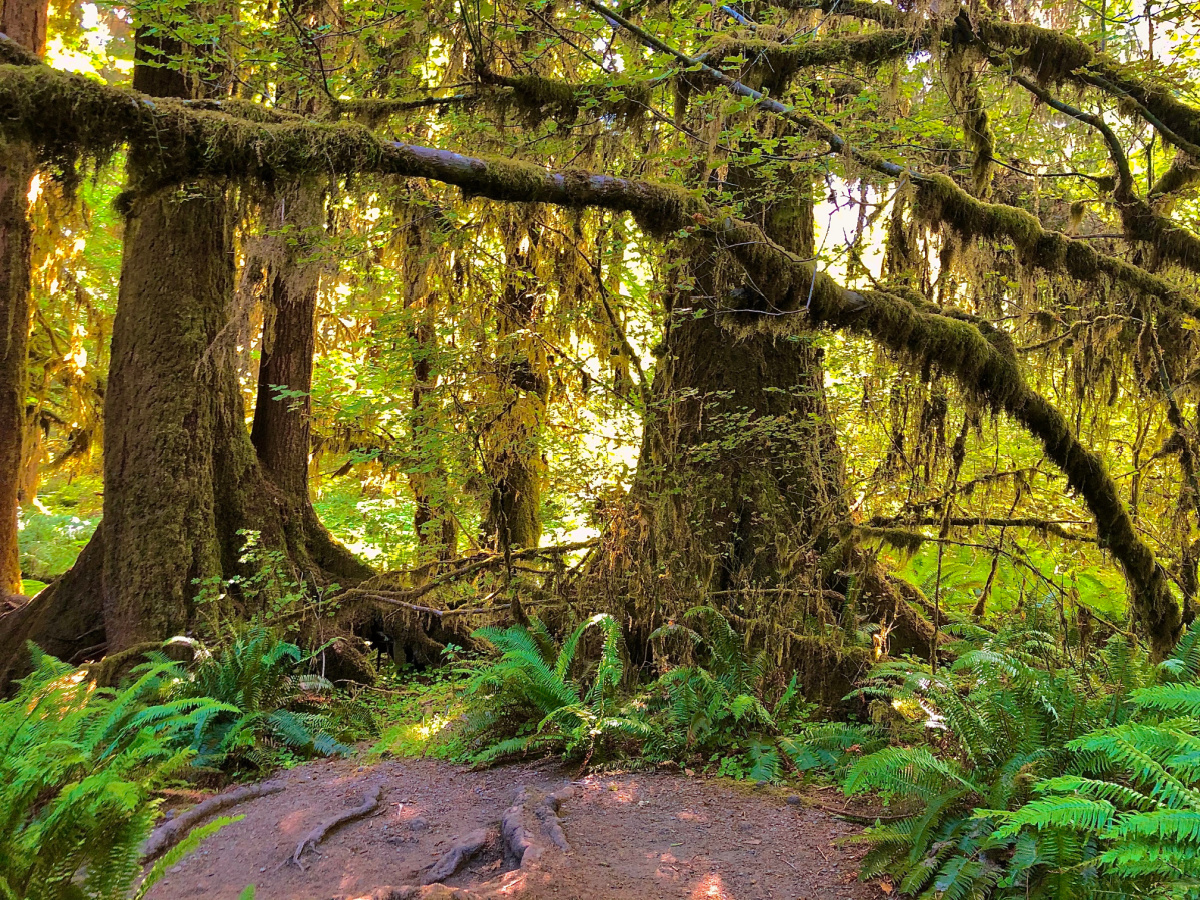
The Hall of Mosses Trail is one of the easiest iconic walks in the entire park.
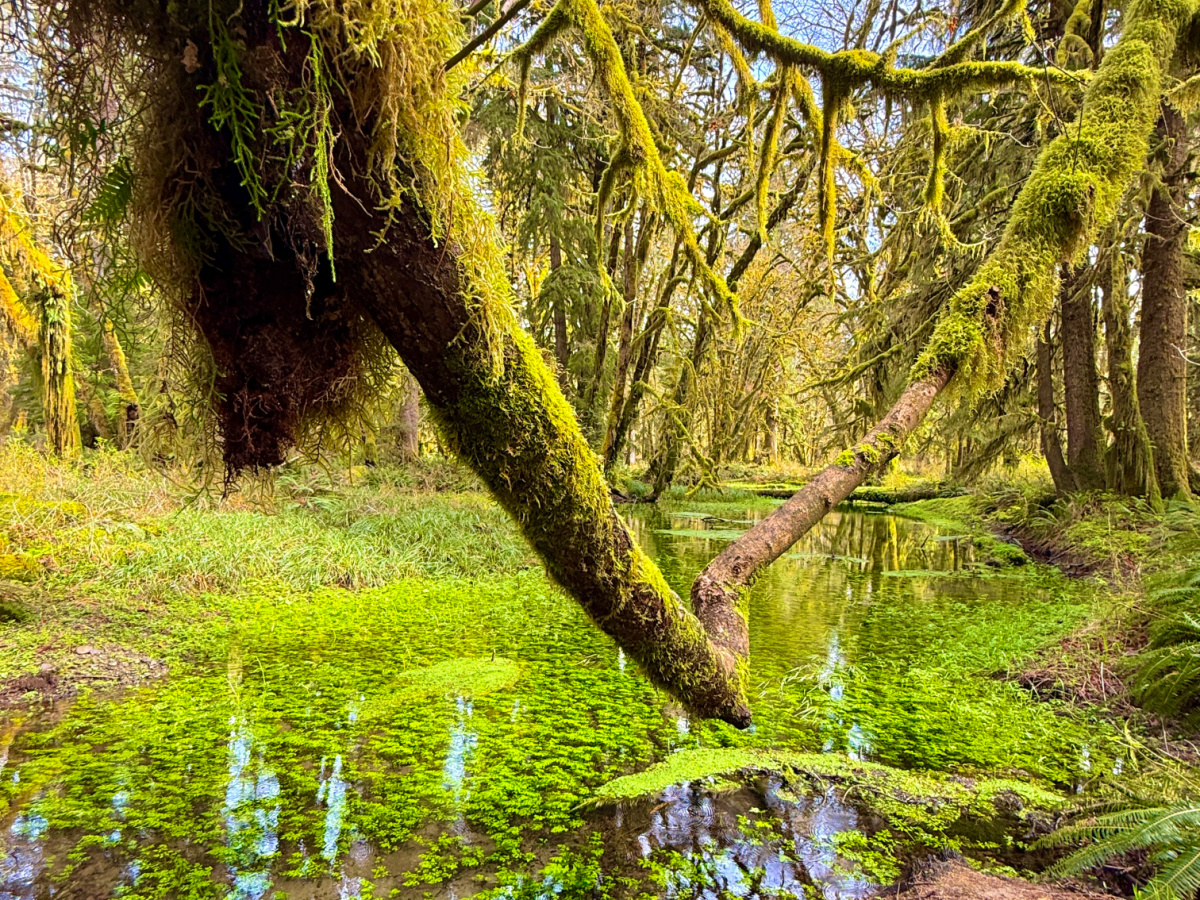
Lake Quinault Area
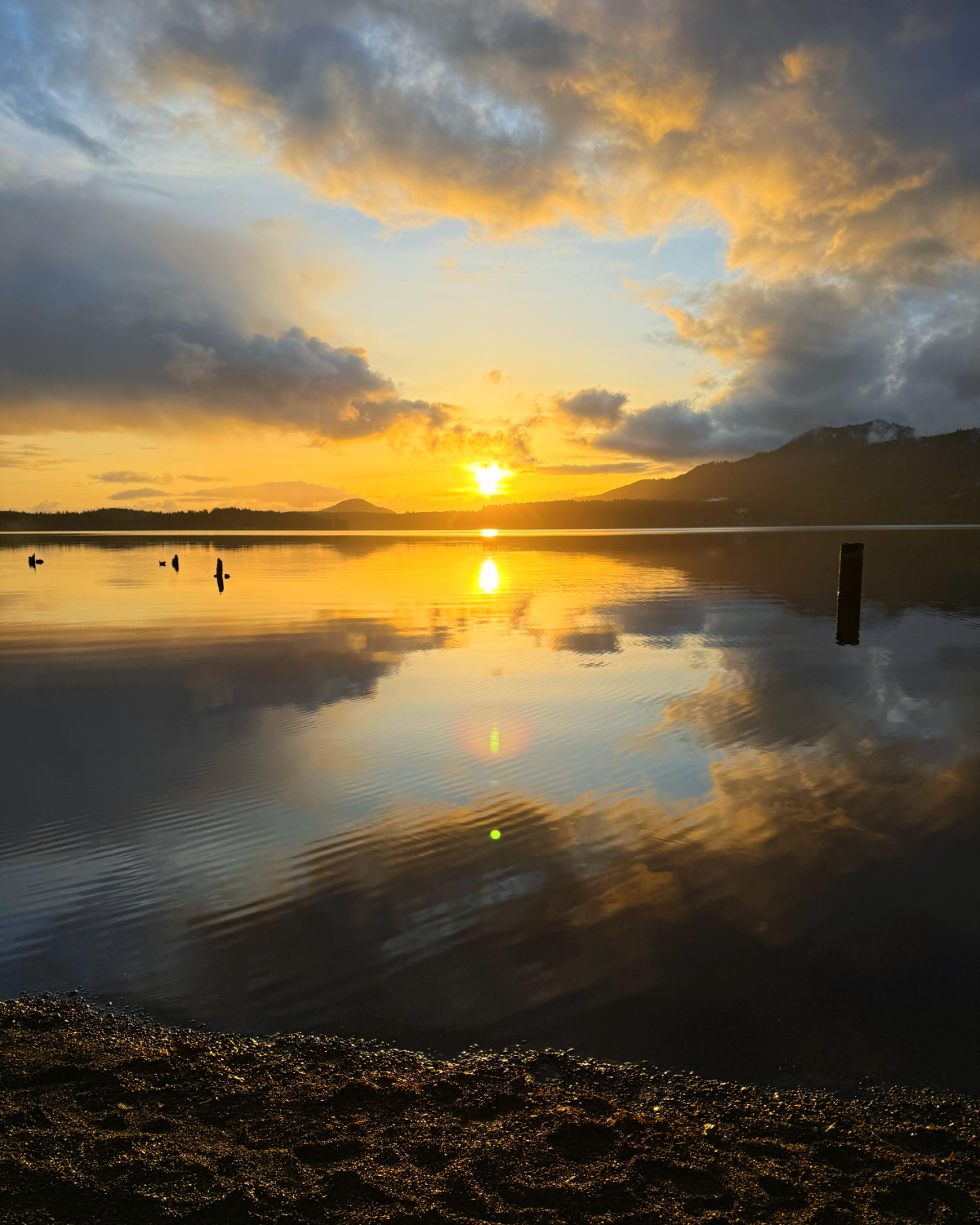
Lake Quinault feels quieter and more relaxed than some other sections of Olympic.
Best for:
- slower-paced trips
- scenic lodging
- historic lodge atmosphere
- families
- rainforest access
Highlights include:
- Lake Quinault Lodge
- rainforest drives
- waterfalls
- peaceful scenery
This is a fantastic area for visitors who want a calmer national park experience.
How Many Days Do You Need in Olympic National Park?
Ideal Trip Length: 4–5 Days
This allows enough time to experience:
- mountains
- beaches
- rainforests
- waterfalls
- scenic lodges
- and several easy hikes
Without feeling rushed.
Minimum Recommended: 3 Days
Three days is enough for a very good first trip if you pace yourself carefully.
You can comfortably include:
- Hurricane Ridge
- Lake Crescent
- Hoh Rain Forest
- one or two beaches
- a couple waterfall hikes
Can You Visit Olympic in One Day?
Technically yes.
But honestly, I wouldn’t recommend trying to “see Olympic” in a single day.
You’ll enjoy the park much more if you focus on:
- ONE region
OR - ONE side of the peninsula
Trying to cram everything into one day usually turns into nonstop driving.
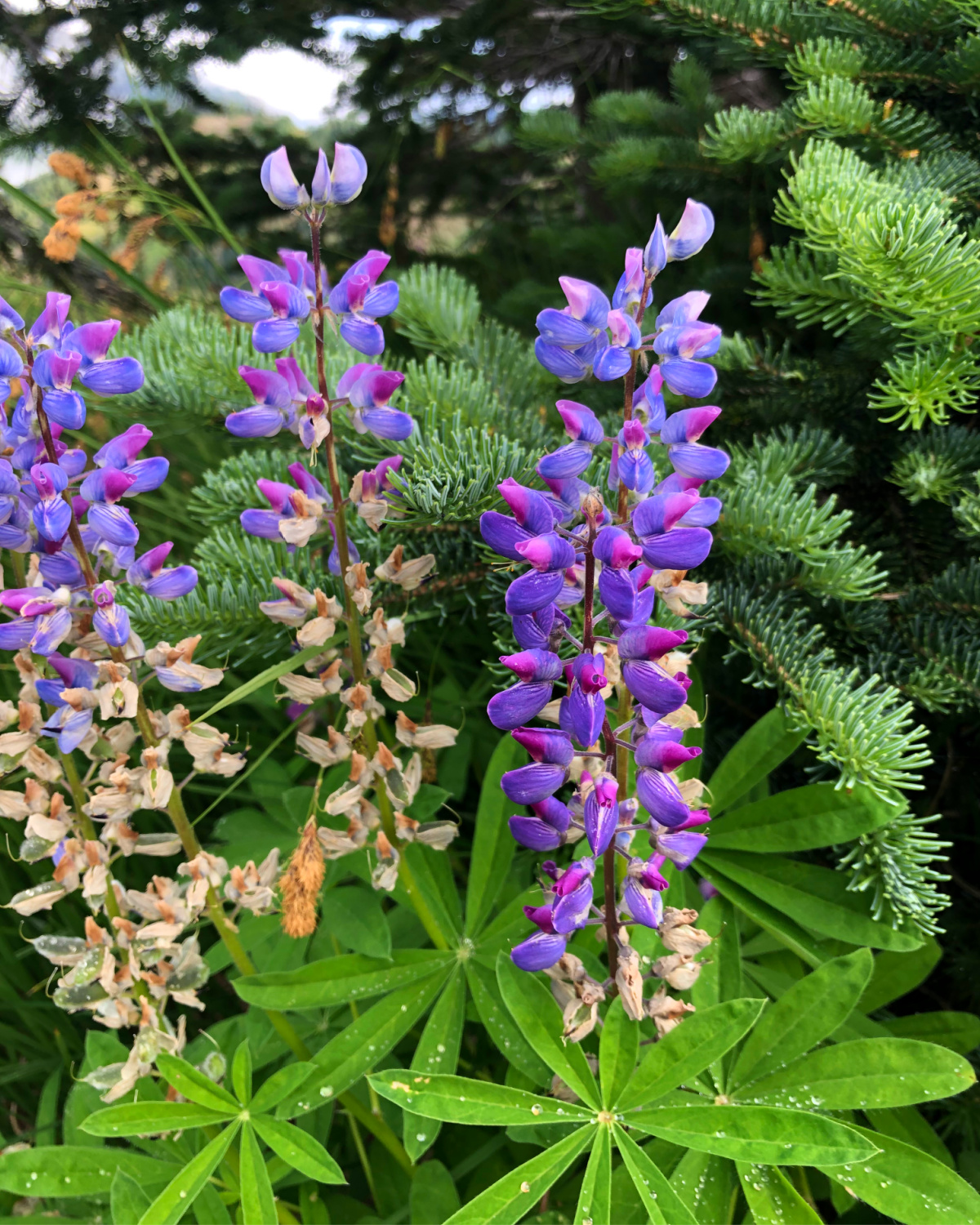
Sample Olympic National Park Trip Flow for First-Time Visitors
Sample 3-Day Flow
First Day
- Port Angeles
- Hurricane Ridge
- Lake Crescent
- Marymere Falls or Sol Duc Falls
Second Day
- Hoh Rain Forest
- Rialto Beach
- Sunset on the coast
Third Day
- Ruby Beach
- Kalaloch
- Lake Quinault
This gives first-time visitors a great overview of Olympic’s major ecosystems.
Sample 4-Day Flow
Day 1
Port Angeles + Hurricane Ridge
Day 2
Lake Crescent + Sol Duc
Day 3
Hoh Rain Forest + Rialto Beach
Day 4
Ruby Beach + Kalaloch + Lake Quinault
This pacing feels MUCH more relaxed and enjoyable.
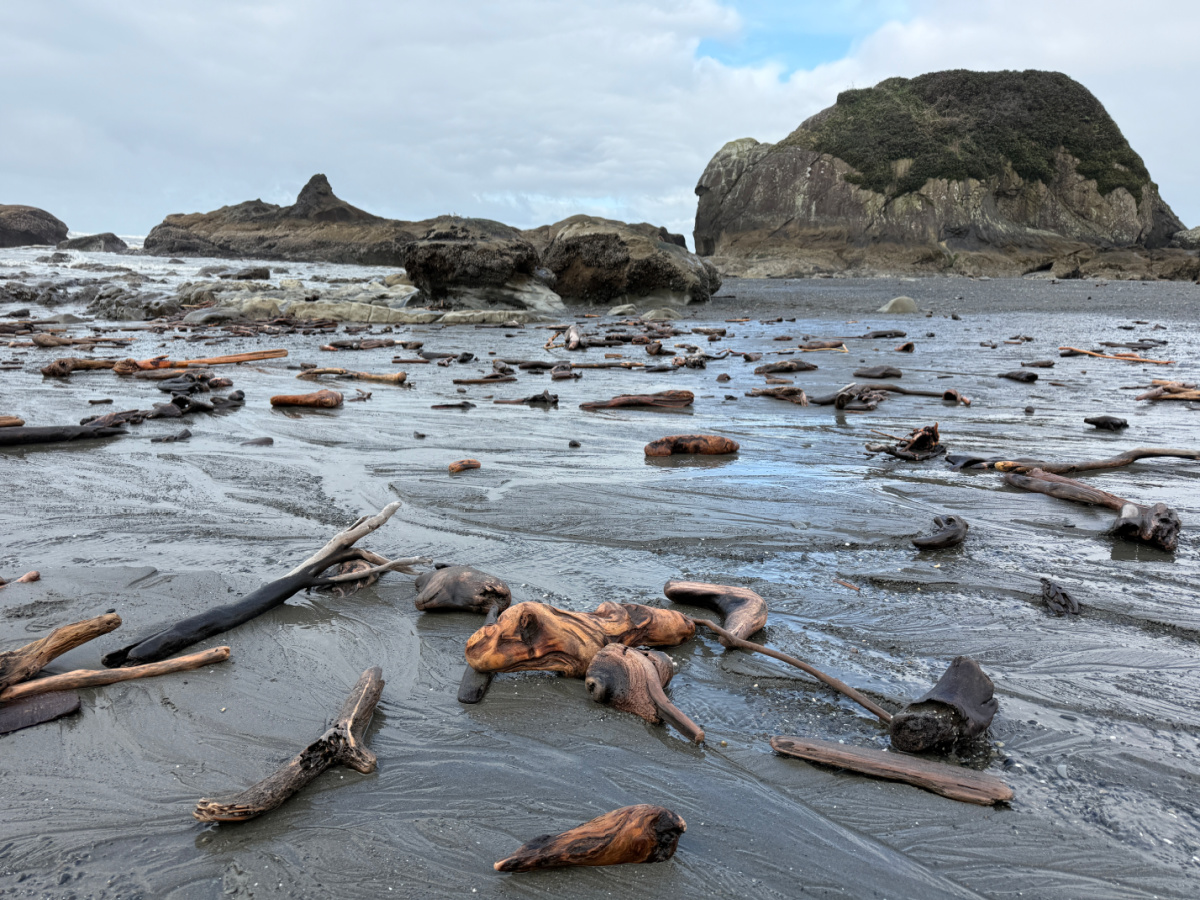
Best Time to Visit Olympic National Park
Summer (July–September): Best Overall
For first-time visitors, summer is usually the easiest and safest choice.
Pros:
- best weather
- clearest mountain views
- easier driving
- lower rainfall
- better beach conditions
- more reliable access
Cons:
- crowds
- expensive lodging
- need for advance reservations
Still, this is the best overall season for most visitors.
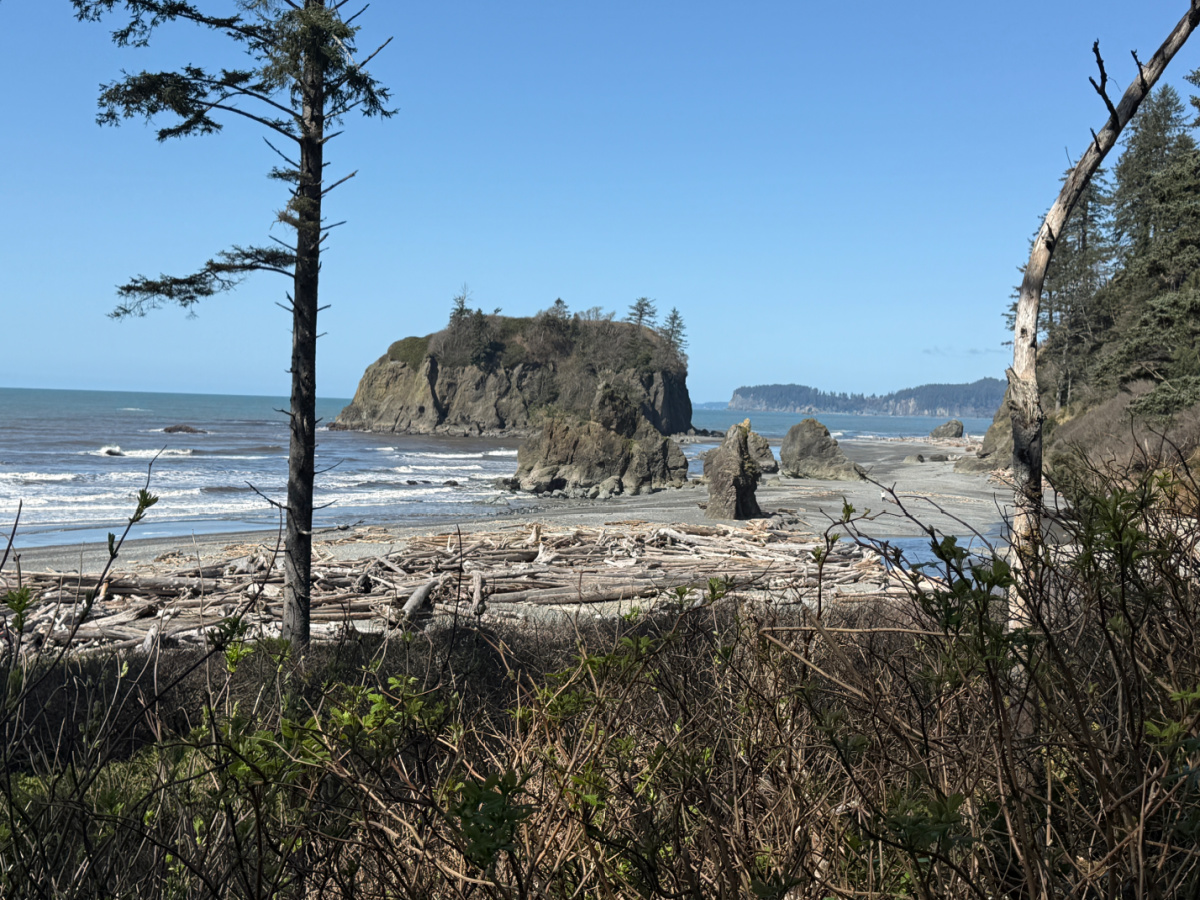
Spring: Beautiful but Moody
Spring can be fantastic if you’re prepared for unpredictable weather.
Pros:
- lush rainforest scenery
- strong waterfalls
- fewer crowds
- dramatic coastal atmosphere
Cons:
- rain
- fog
- occasional mountain closures
This season feels especially “Pacific Northwest.”
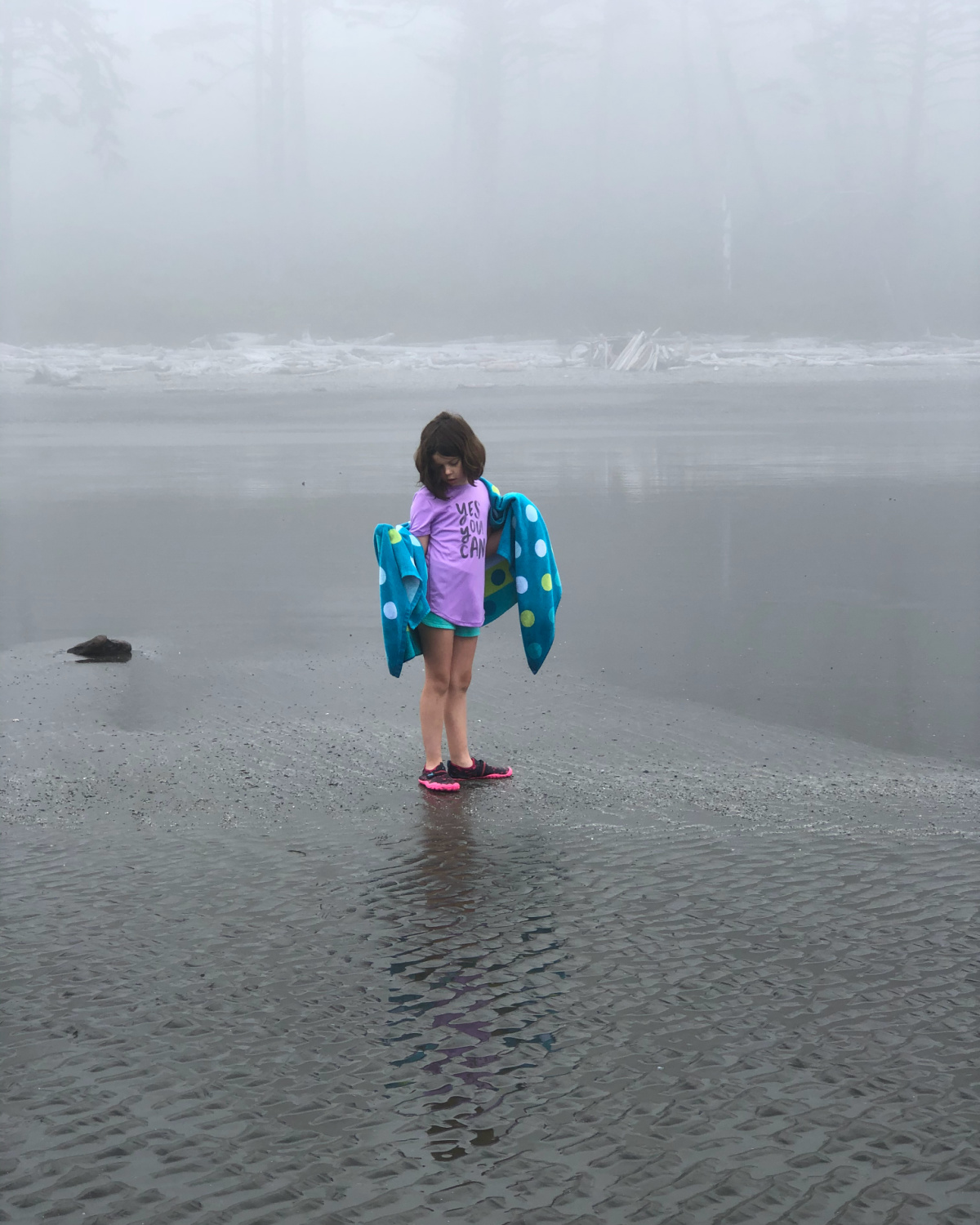
Fall: One of Olympic’s Best Hidden Gems
September and early October can be amazing.
You often get:
- fewer crowds
- decent weather
- beautiful scenery
- easier lodging availability
This is honestly one of my favorite times to visit.
Where Should First-Time Visitors Stay?
Where you stay can dramatically affect your Olympic trip experience.
Because drive times are long, your lodging location matters more here than in many other parks.
Best Overall Home Base: Port Angeles
For first-time visitors, Port Angeles is usually the easiest option.
Advantages:
- central northern location
- restaurants
- grocery stores
- good hotel selection
- easy access to Hurricane Ridge
- convenient access to Lake Crescent
This is especially helpful for families.
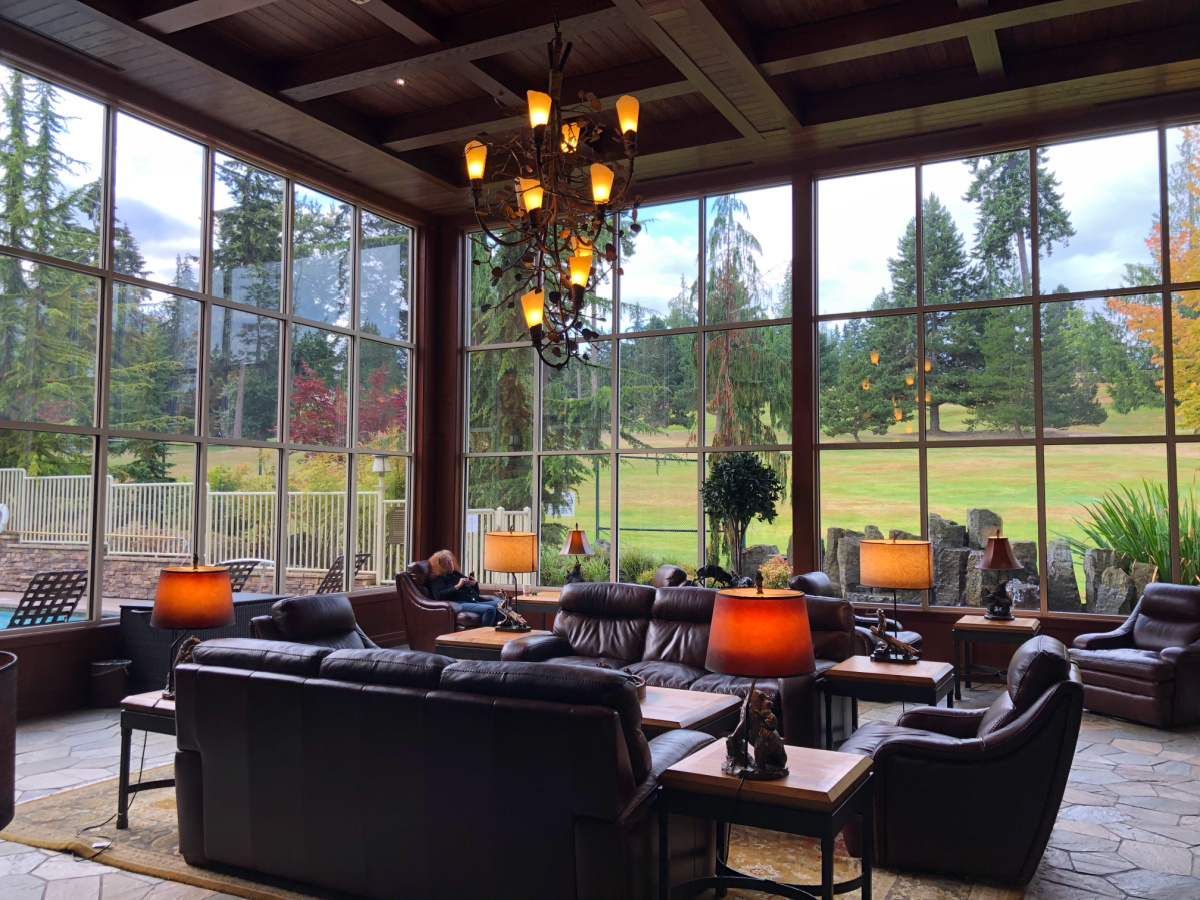
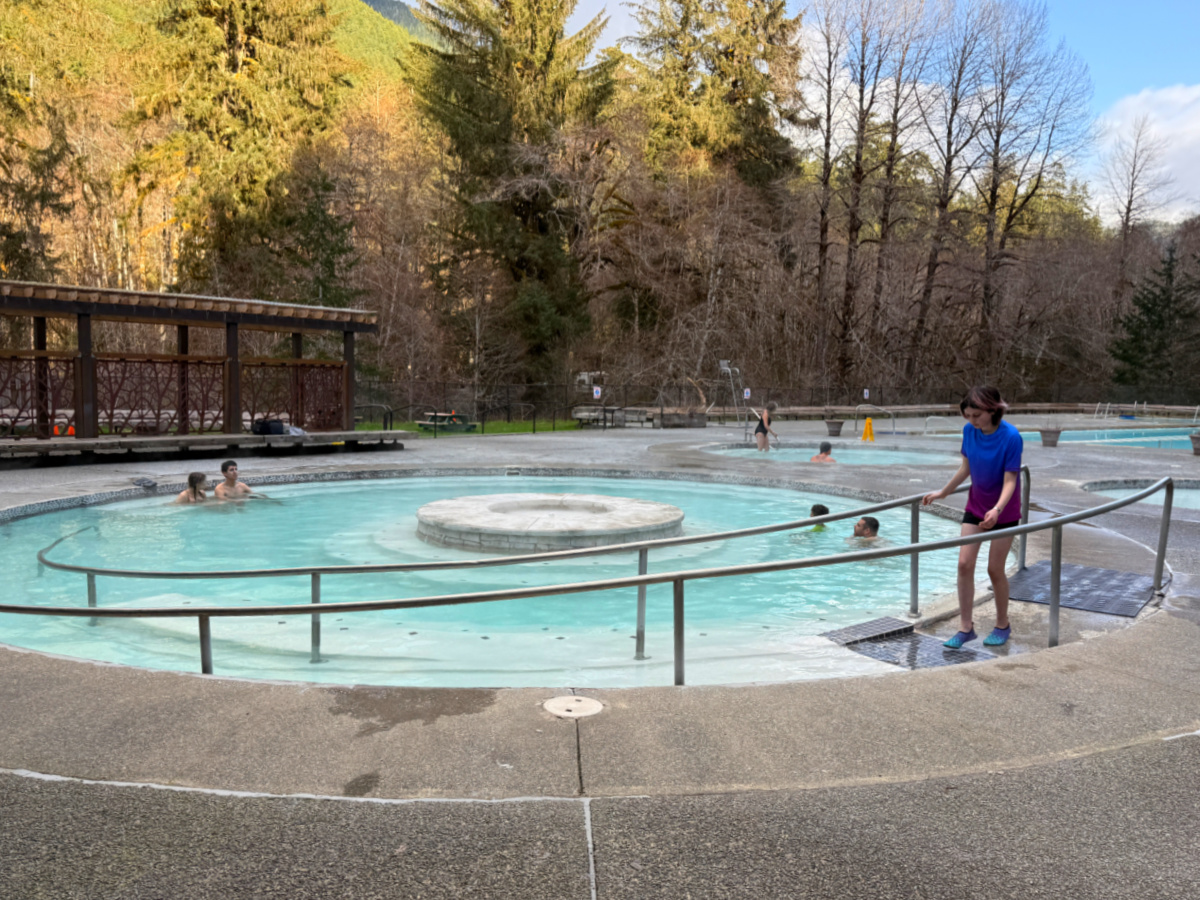
Best Rustic National Park Stay: Sol Duc Hot Springs Resort
This is one of the most memorable lodging experiences in Olympic.
You get:
- forest cabins
- hot springs
- easy waterfall access
- peaceful atmosphere
Families especially tend to love this area.
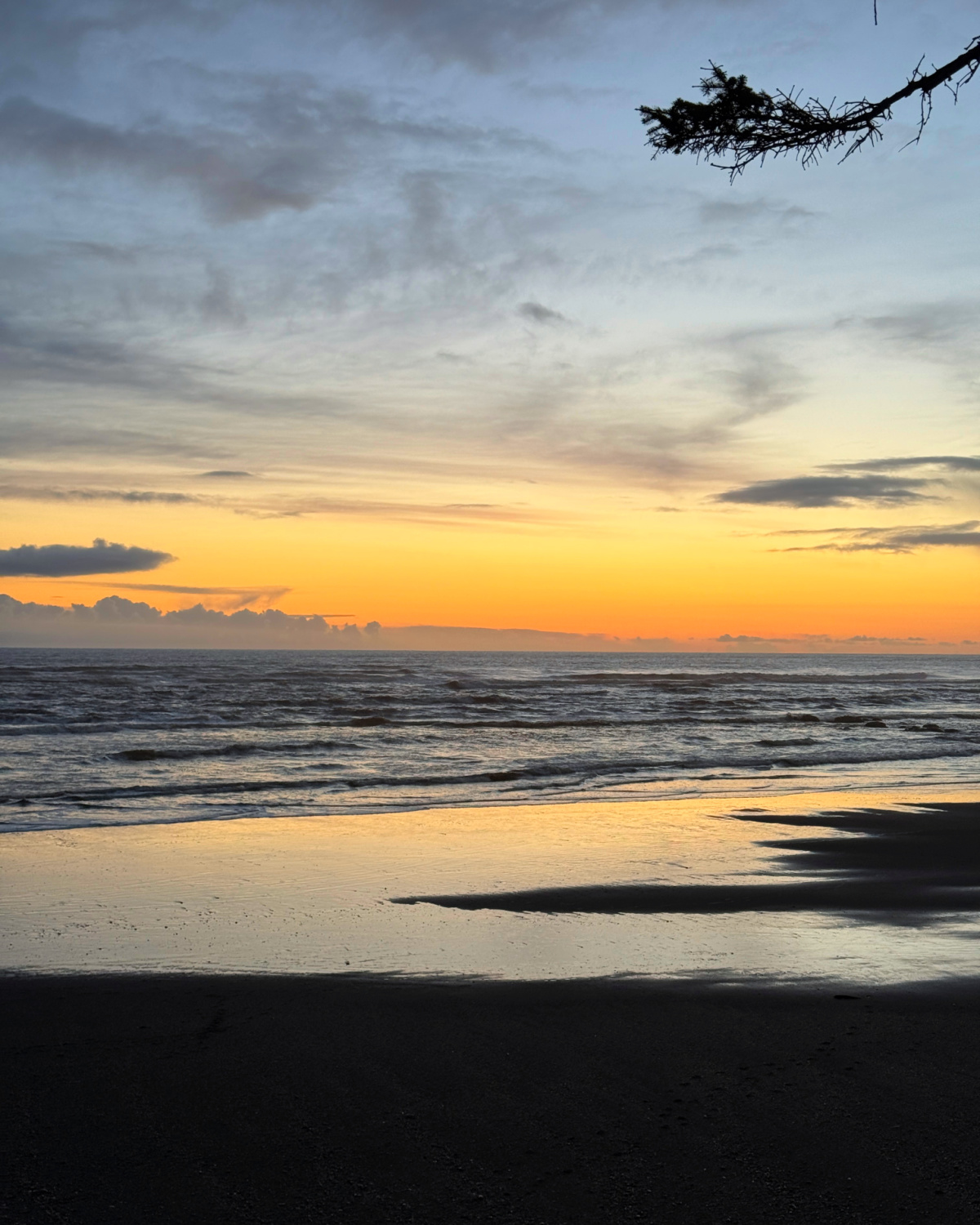
Best Coastal Stay: Kalaloch Lodge
If you want the classic Olympic coast experience, Kalaloch is hard to beat.
The scenery here is incredible.
Staying directly on the Pacific coast feels very different from staying inland.
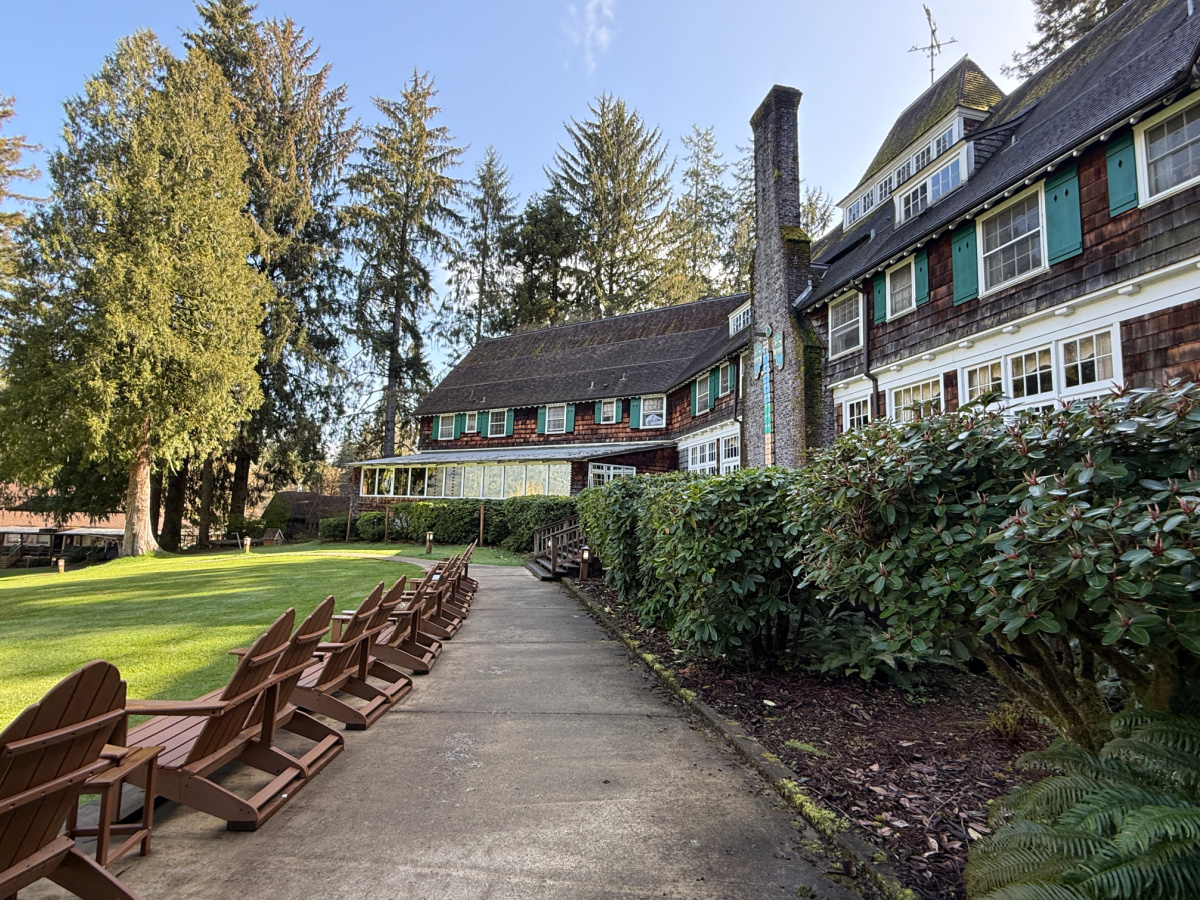
Best Historic Lodge Experience: Lake Quinault Lodge
Lake Quinault Lodge has:
- classic national park lodge charm
- beautiful lake views
- relaxing atmosphere
- convenient rainforest access
This area feels slower, quieter, and incredibly peaceful.
Should You Stay Inside the Park or Outside?
Honestly? Both approaches can work well.
Staying Inside the Park
Pros:
- beautiful scenery
- memorable atmosphere
- easier sunrise/sunset access
- unique national park experience
Cons:
- fewer food options
- limited amenities
- expensive
- books early
Staying Outside the Park
Pros:
- easier logistics
- cheaper lodging
- more restaurants
- grocery stores
- larger hotel selection
Cons:
- more driving
- less immersive
For first-time visitors, a combination often works best.
What Surprises First-Time Visitors Most?
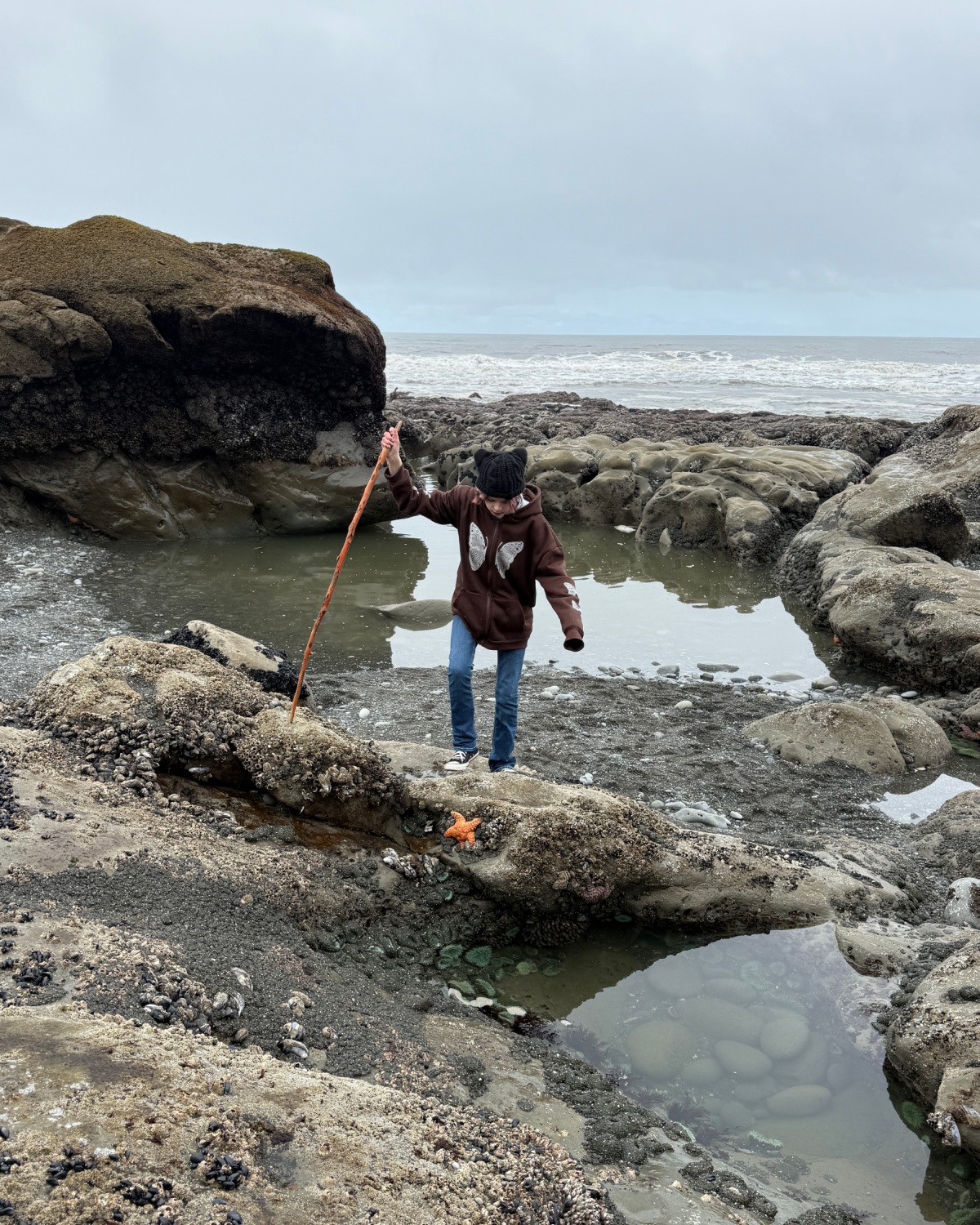
The Beaches Are Better Than Expected
Many people arrive expecting the mountains to be the highlight.
Then they completely fall in love with the coast.
The Park Feels Wild
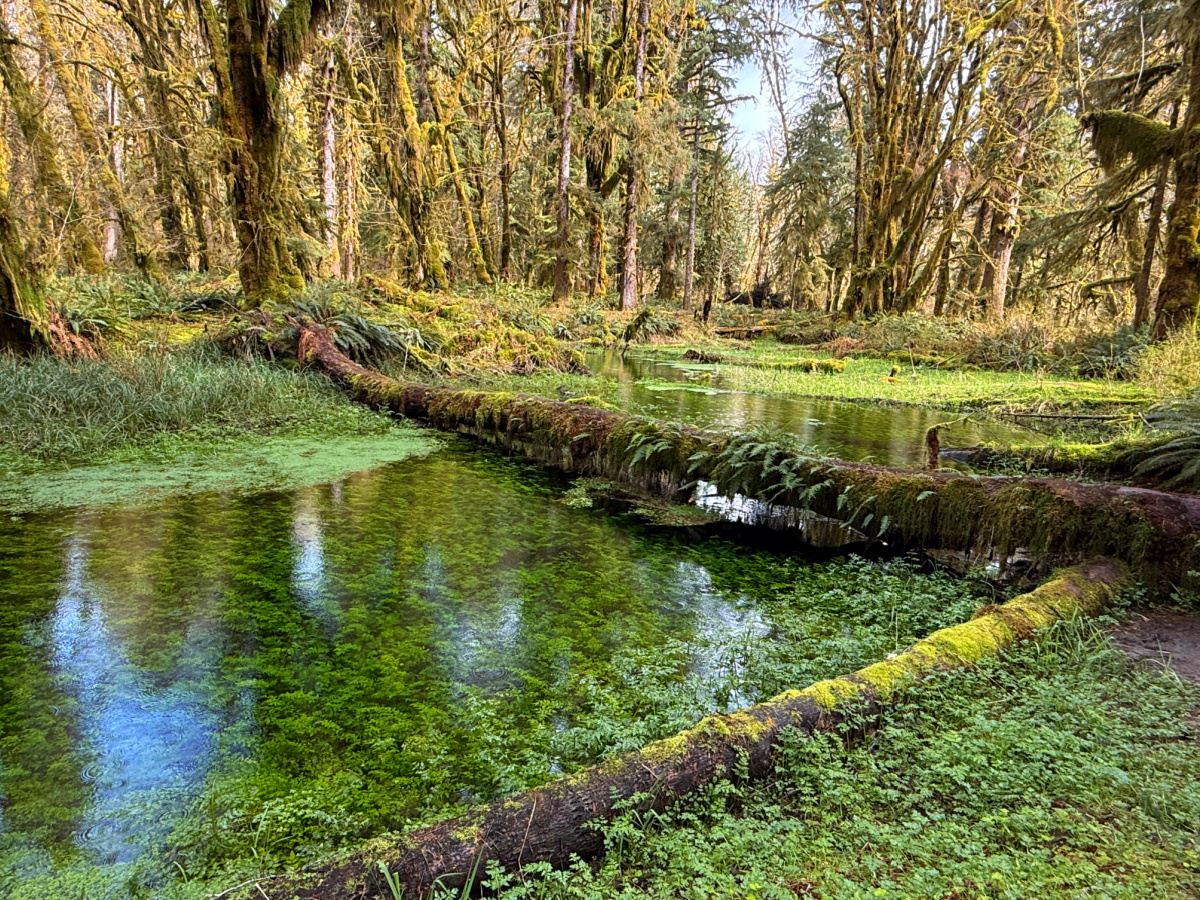
Olympic feels more remote and untamed than many national parks.
Especially on the western side of the peninsula.
Weather Changes Constantly
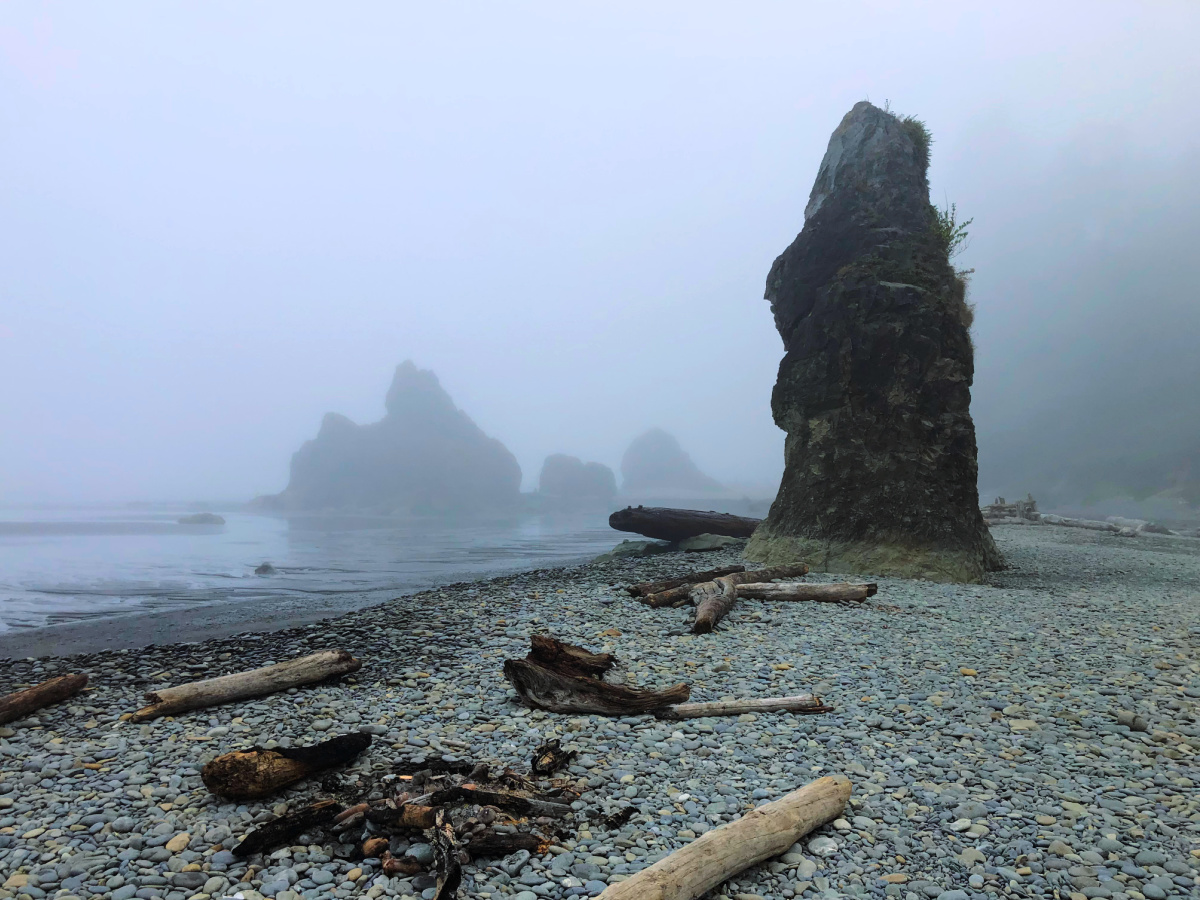
You may experience:
- sunshine
- fog
- rain
- wind
- chilly mountain temperatures
All in one day.
The Driving Is Real
This is not a park where you casually bounce between attractions.
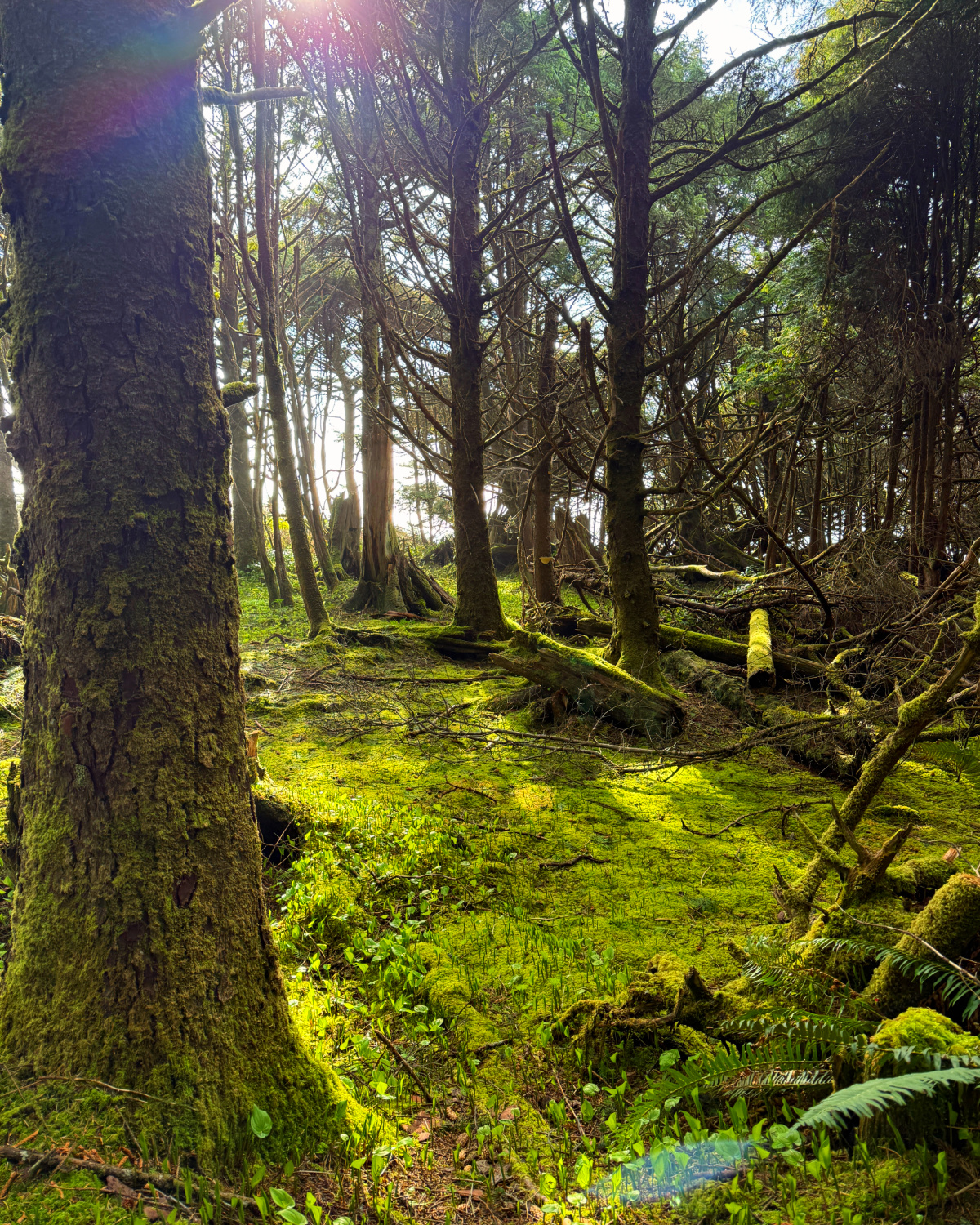
The Rainforest Actually Feels Magical
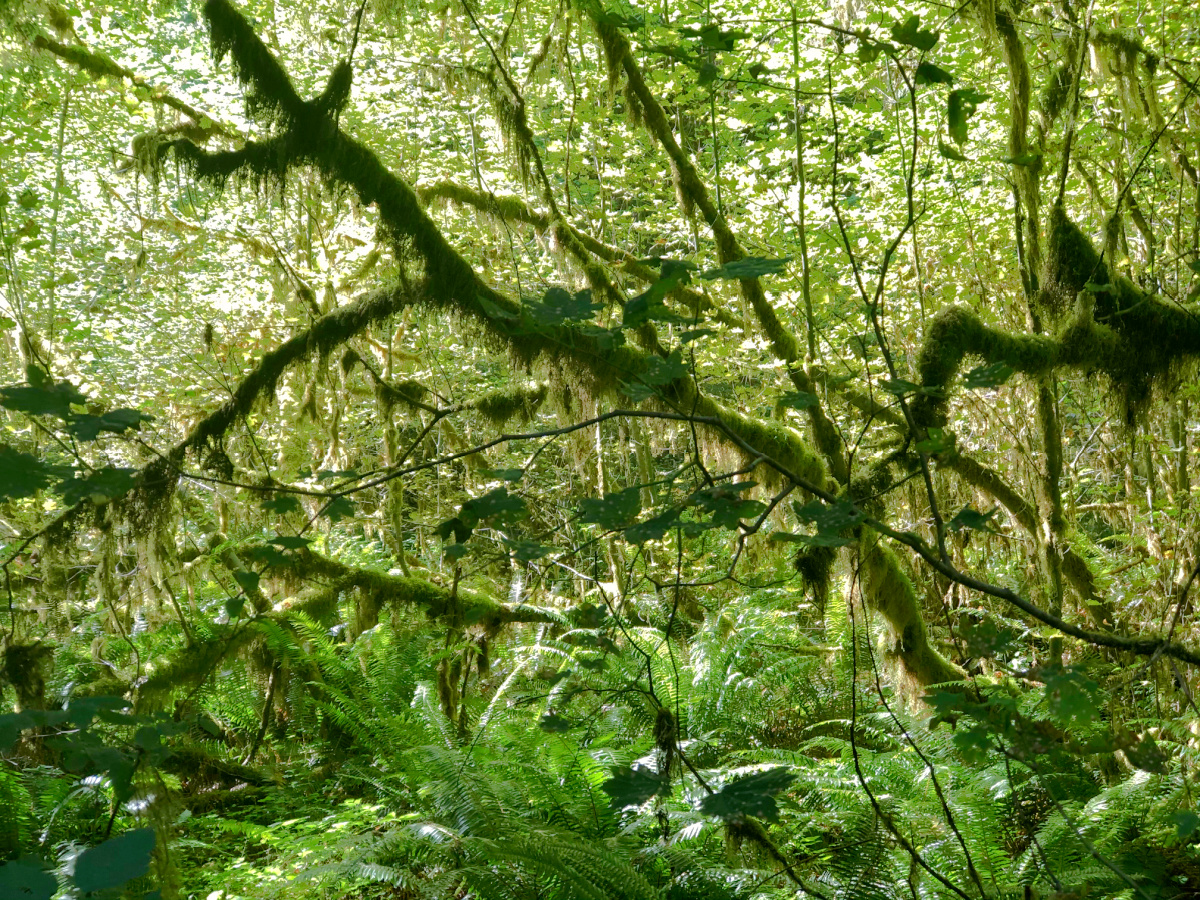
People joke about the Hall of Mosses being overrated.
Honestly? I completely disagree.
The rainforest atmosphere is incredible in person.
Olympic National Park for Different Types of Travelers
Families With Kids
Olympic is fantastic for families.
Kids tend to love:
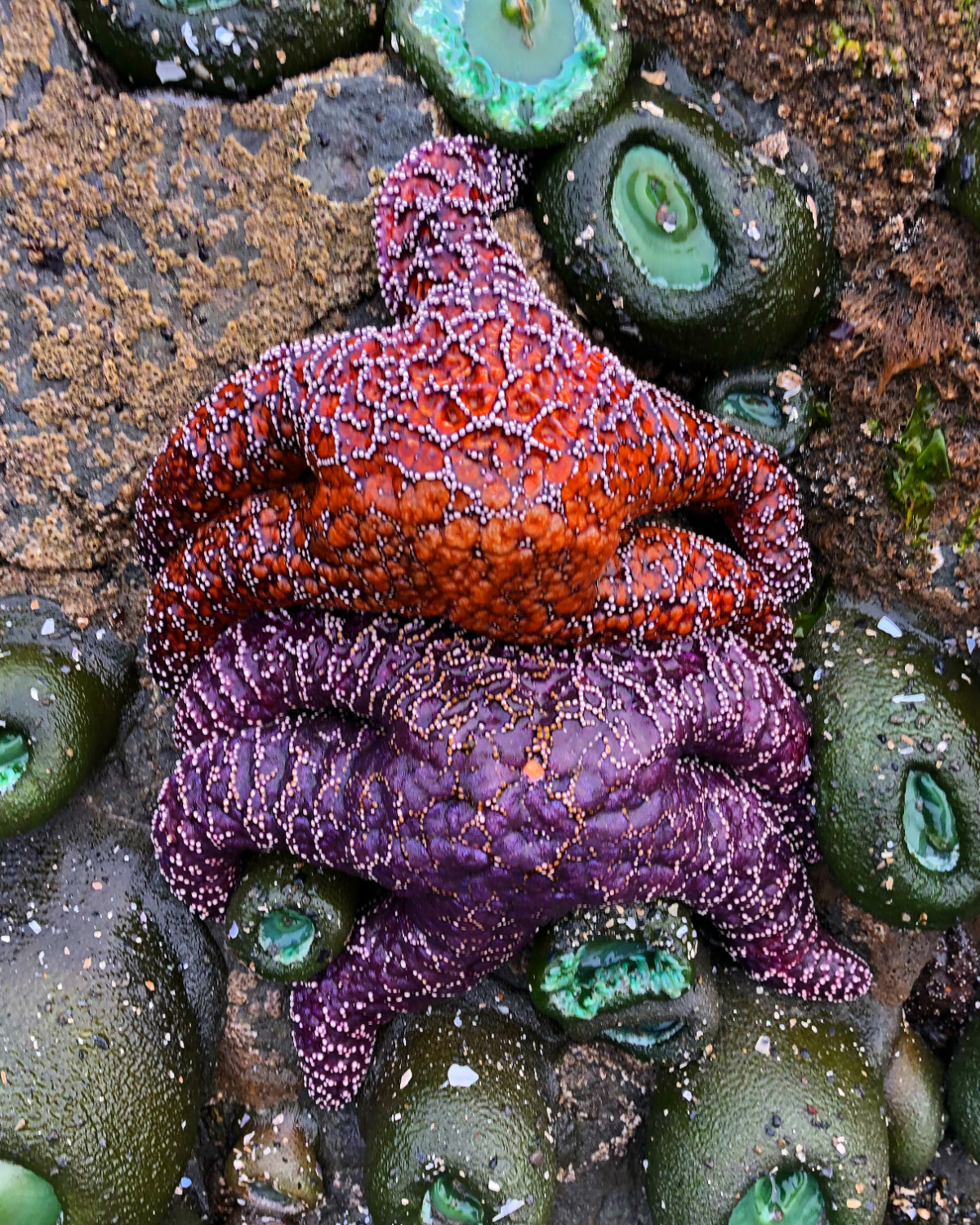
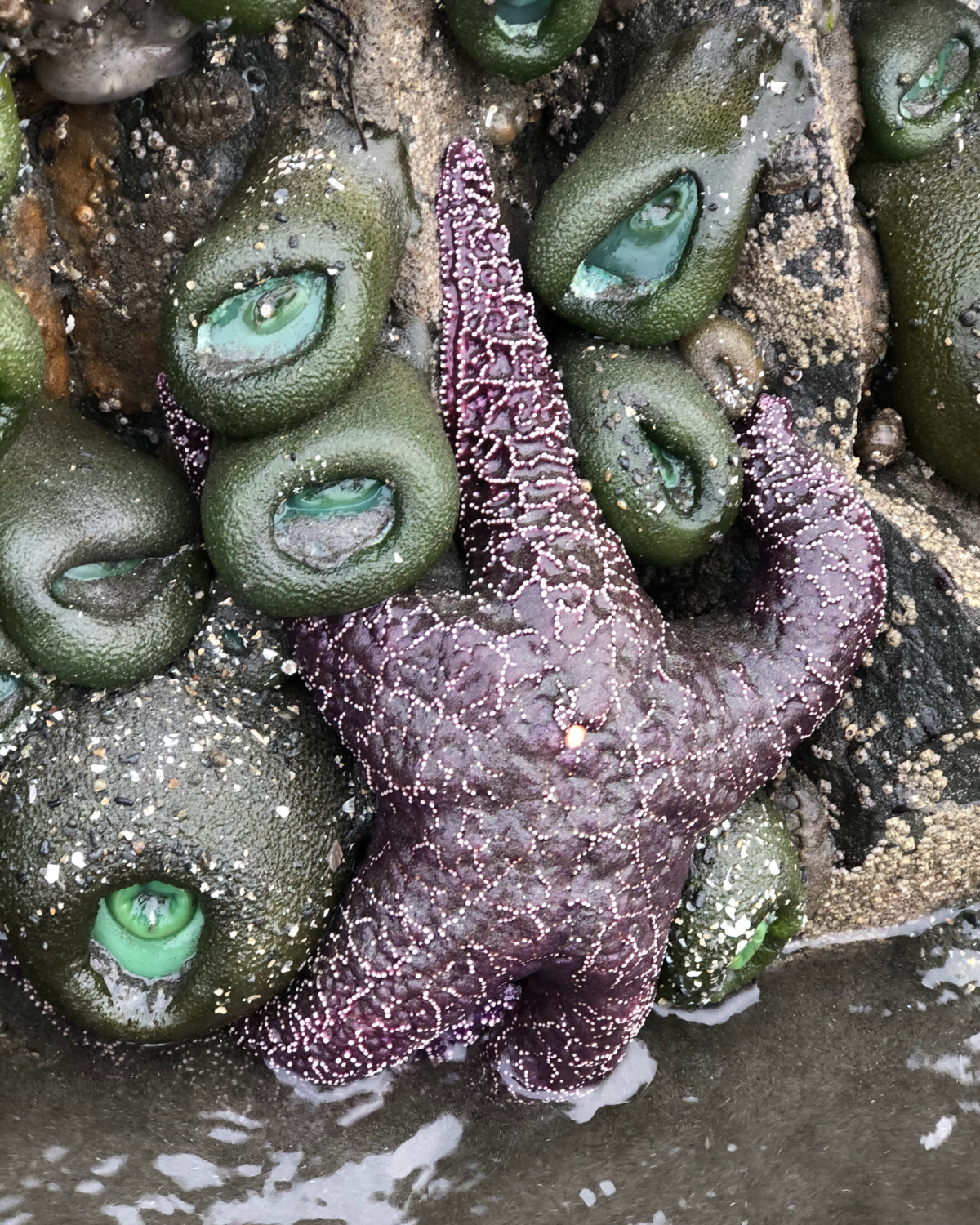
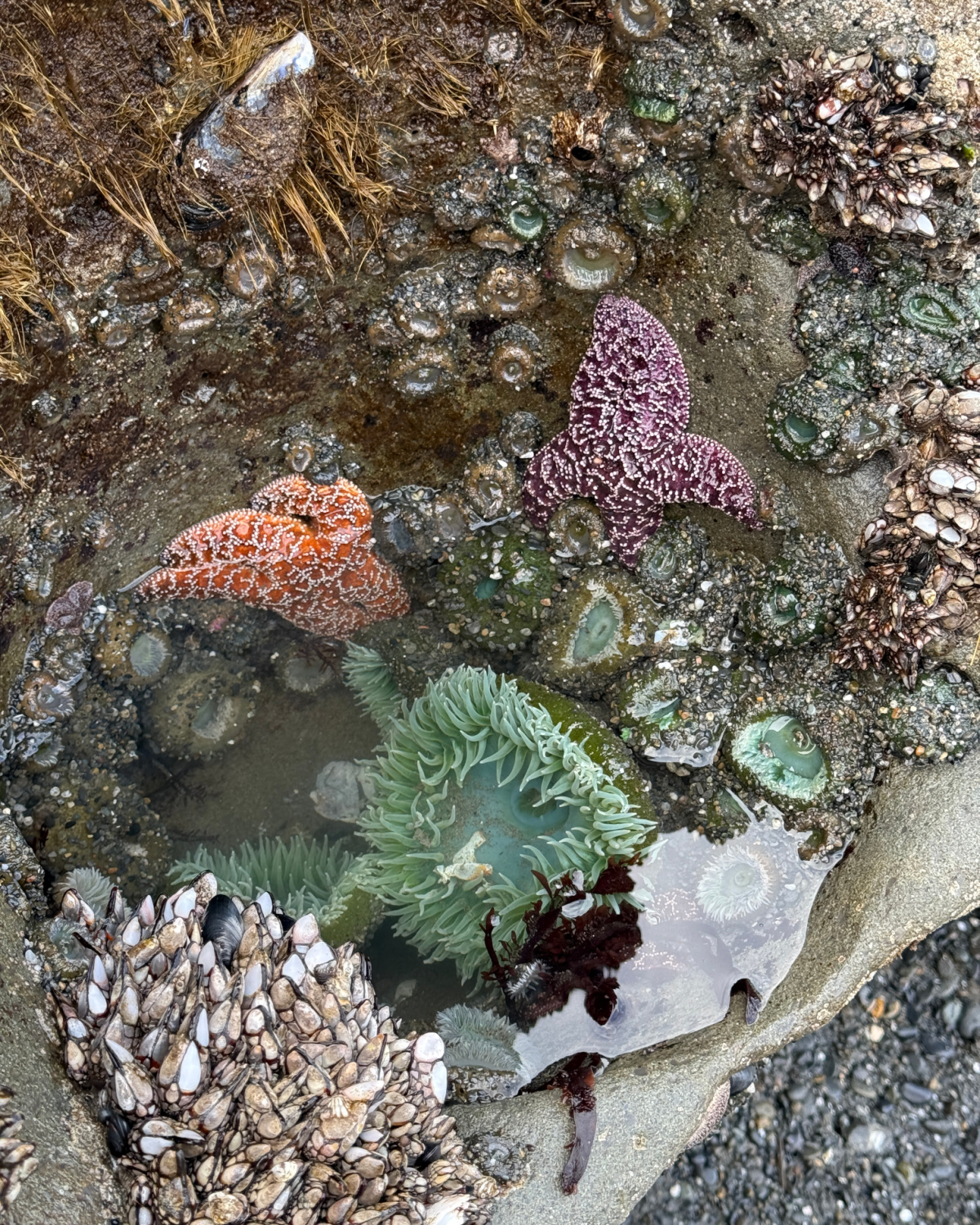
- tidepooling
- driftwood beaches
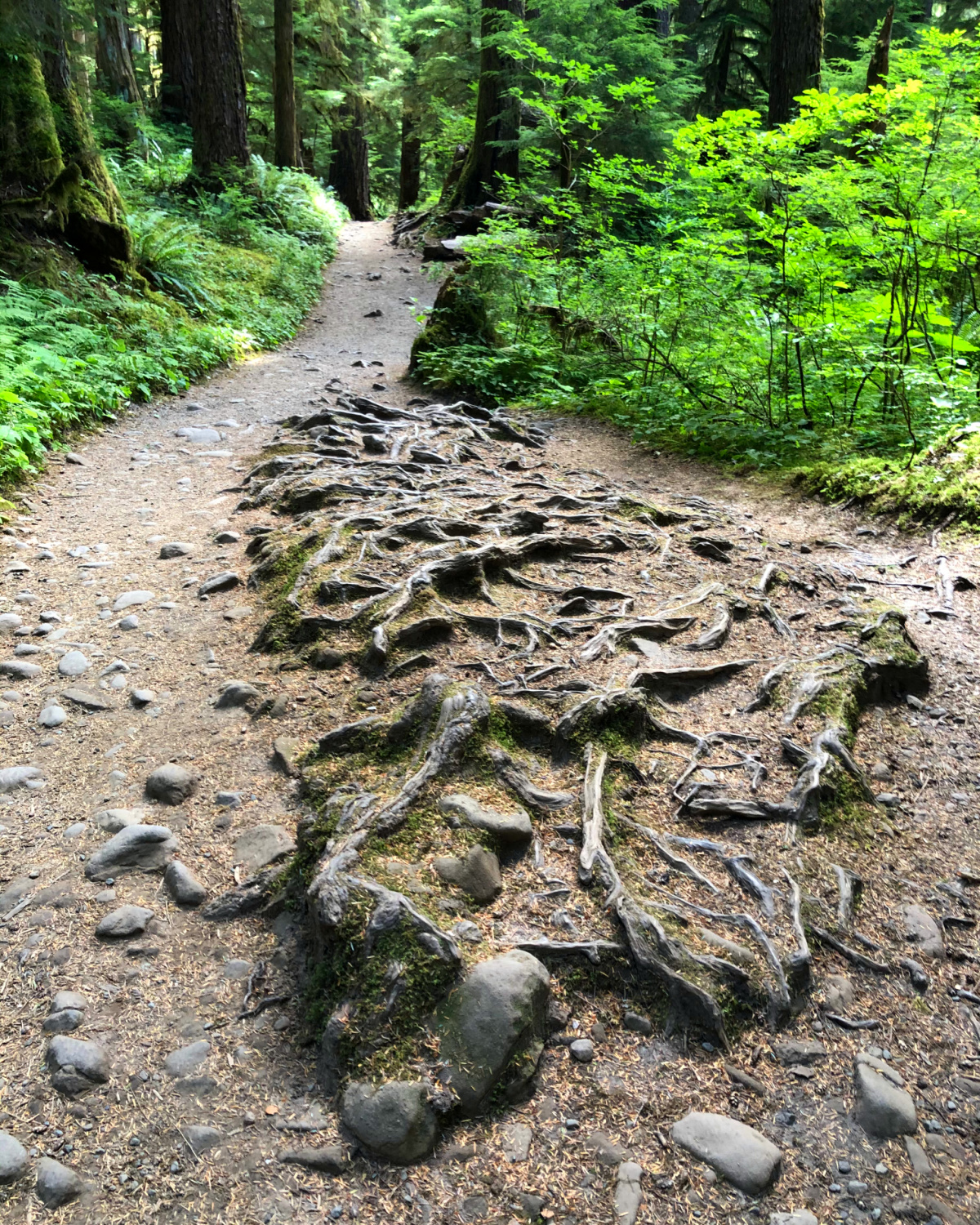
- rainforest trails
- wildlife spotting
- waterfalls
- hot springs
Casual Travelers
This is one of the best national parks for people who do NOT want strenuous hiking.
You can experience so much scenery with:
- scenic drives
- short walks
- overlooks
- beach wandering
Photographers
Olympic is a dream for photography.
Especially:
- foggy beaches
- rainforest textures
- sunsets
- sea stacks
- mountain overlooks
Retirees and Slower Travelers
Olympic works beautifully for slower-paced travel.
Many highlights require only short walks.
Best Easy Experiences for First-Time Visitors
If you only do a handful of things, I’d prioritize:
- Hurricane Ridge viewpoints
- Hall of Mosses Trail
- Ruby Beach
- Rialto Beach
- Lake Crescent shoreline
- Sol Duc Falls
- Marymere Falls
- Sunset at Kalaloch
These experiences give you a fantastic introduction to Olympic without requiring difficult hikes.
Important Driving Tips
Start Earlier Than You Think
Parking fills early during summer.
Especially at:
- Hurricane Ridge
- Hoh Rain Forest
- Rialto Beach
- Ruby Beach
Download Offline Maps
Cell service can be extremely limited.
Keep Your Gas Tank Filled
Gas stations are sparse in some areas. If you are driving to the rainforest and beach area, absolutely fill up your tank in Forks. And then consider topping off in the Lake Quinault area.
Build Buffer Time Into Your Day
You WILL stop constantly for photos.
What NOT to Do in Olympic National Park
Don’t Try to See Everything in 1-2 days
Olympic rewards slower travel.
Don’t Switch Hotels Every Night
Constant packing/unpacking becomes exhausting quickly. I would home base in Port Angeles for 2 nights and then home base in Kalaloch for 2 nights. And then spend 1-2 nights at Lake Quinault Lodge. Or, I would see Hurrican Ridge and Sol Duc on Day 1, spend 2-3 nights at Kalaloch for the beaches, and then 2 nights at Lake Quinault Lodge.
Don’t Skip the Beaches
The beaches are one of the best parts of the entire park.
Don’t Ignore Tide Charts
Low tide dramatically improves:
- tidepooling
- photography
- beach access
Don’t Expect Fast Food Everywhere
Especially on the western side of the peninsula. Correction.. don’t expect fast food anywhere. It doesn’t exist once you leave Port Angeles.
What to Pack for Olympic National Park
Even in summer:
- rain jacket
- layers
- waterproof shoes (water shoes are the best for tidepooling)
- extra socks
- snacks
- water bottle
Olympic weather changes quickly.
Frequently Asked Questions
Is Olympic National Park good for beginners?
Absolutely. You can experience many highlights with easy walks and scenic drives. This national park is absolutely in my top 3 all time list of best national parks!
Is Olympic National Park worth visiting if you don’t hike?
Yes. Olympic is one of the best national parks for casual visitors.
How many days do you really need?
I’d recommend at least 3 days, but 4–5 days is ideal.
What is the best month to visit Olympic National Park?
July through September offers the most reliable weather and easiest access. That being said, we had a fabulous visit in late March-early April.
Is Olympic National Park good for kids?
Very much so. Tidepooling, beaches, rainforests, and waterfalls make it especially family-friendly.
What are the best beaches in Olympic National Park?
For first-time visitors:
- Ruby Beach
- Rialto Beach
- Kalaloch Beach
- Beach 4
Are all excellent choices.
Can you drive through Olympic National Park?
Not directly through the middle. Most visitors drive around the Olympic Peninsula.
Is the Hoh Rain Forest worth visiting?
Absolutely. It’s one of the most unique environments in the United States.
Final Thoughts on Visiting Olympic National Park for the First Time
Olympic National Park can feel overwhelming during the planning process.
But once you understand:
- the geography,
- the driving realities,
- and how to group destinations,
everything starts making much more sense.
For first-time visitors, I’d focus on:
- one mountain area
- one rainforest area
- one or two beaches
- several easy hikes
- and a slower pace overall
That combination gives you the best introduction to what makes Olympic National Park feel so special.
And honestly? Olympic is one of those places that tends to stay with people long after the trip is over.
More National Park Travel Guides
If you’re planning a larger western national parks road trip, here are some of my other detailed national park planning guides and itineraries:


