Washington DC Monuments and Memorials Guide (What to See + How to Plan Your Visit)


Planning to visit the Washington DC monuments? This guide breaks down the best way to see the Lincoln Memorial, Washington Monument, Vietnam Veterans Memorial, and more—plus walking routes, parking tips, and why a night tour might be the best experience.
Estimated reading time: 22 minutes
If it’s your first time in Washington DC, the monuments are probably the reason you’re coming.
They’re iconic. They’re emotional. And honestly… they’re way more spread out than most people expect.
What looks like a short walk on a map can easily turn into 5–7 miles of walking if you’re trying to see the major monuments in one day. And depending on when you visit — middle of the day, golden hour, or at night — the entire experience can feel completely different.
This guide is going to walk you through the best way to visit the Washington DC monuments, how they’re laid out around the National Mall and Tidal Basin, and how to plan your time so you don’t end up exhausted halfway through.
Quick Snapshot (Who This Is For)
This guide is for you if:
- It’s your first visit to Washington DC
- You want to see the most famous monuments without overplanning
- You’re traveling with kids or teens
- You’re deciding between a walking tour vs. guided tour vs. night tour
- You want to understand what’s actually worth your time
Good to know:
- Most monuments are free (no admission fee)
- Managed by the National Park Service
- Expect a LOT of walking
- Best experienced across multiple times of day
What to Expect (Real Talk)
Here’s the honest version most guides don’t tell you:
- The National Mall is huge — this is not a quick stroll
- Midday crowds + heat (especially summer) can make this feel overwhelming
- Parking is… frustrating during the day
- Some monuments feel “quick stop,” others you’ll want to linger
But also…
- This is one of the most powerful outdoor memorial experiences in the United States
- The combination of history + symbolism + setting is unmatched
- Seeing the monuments lit up at night? Completely different experience — and honestly, better

Right across from the Washington Monument, the National Museum of American History is one of the easiest museum stops to pair with a monument-focused day.
A Quick History of DC Monuments
Washington DC didn’t always look like this.
The earliest monument, the Washington Monument, began construction in the 1800s to honor George Washington.
Then, over time:
- The Lincoln Memorial (early 1900s) honored Abraham Lincoln and became a symbol of unity after the Civil War
- Memorials expanded to include major conflicts like World War II, the Vietnam War, and the Korean War
- Modern memorials (like Martin Luther King Jr. Memorial) reflect broader American history beyond war
What you see today is a layered timeline of American history told through outdoor space.
How the Monuments Are Laid Out (This Matters More Than You Think)
Understanding the layout will save you a TON of energy.
Core National Mall Area (Central Spine)
- U.S. Capitol Building
- Washington Monument
- Lincoln Memorial
- Reflecting Pool
This is your classic “postcard DC.”

Western End of the National Mall
- Lincoln Memorial
- Vietnam Veterans Memorial
- Korean War Veterans Memorial

Tidal Basin Loop
- Thomas Jefferson Memorial
- Franklin Delano Roosevelt Memorial
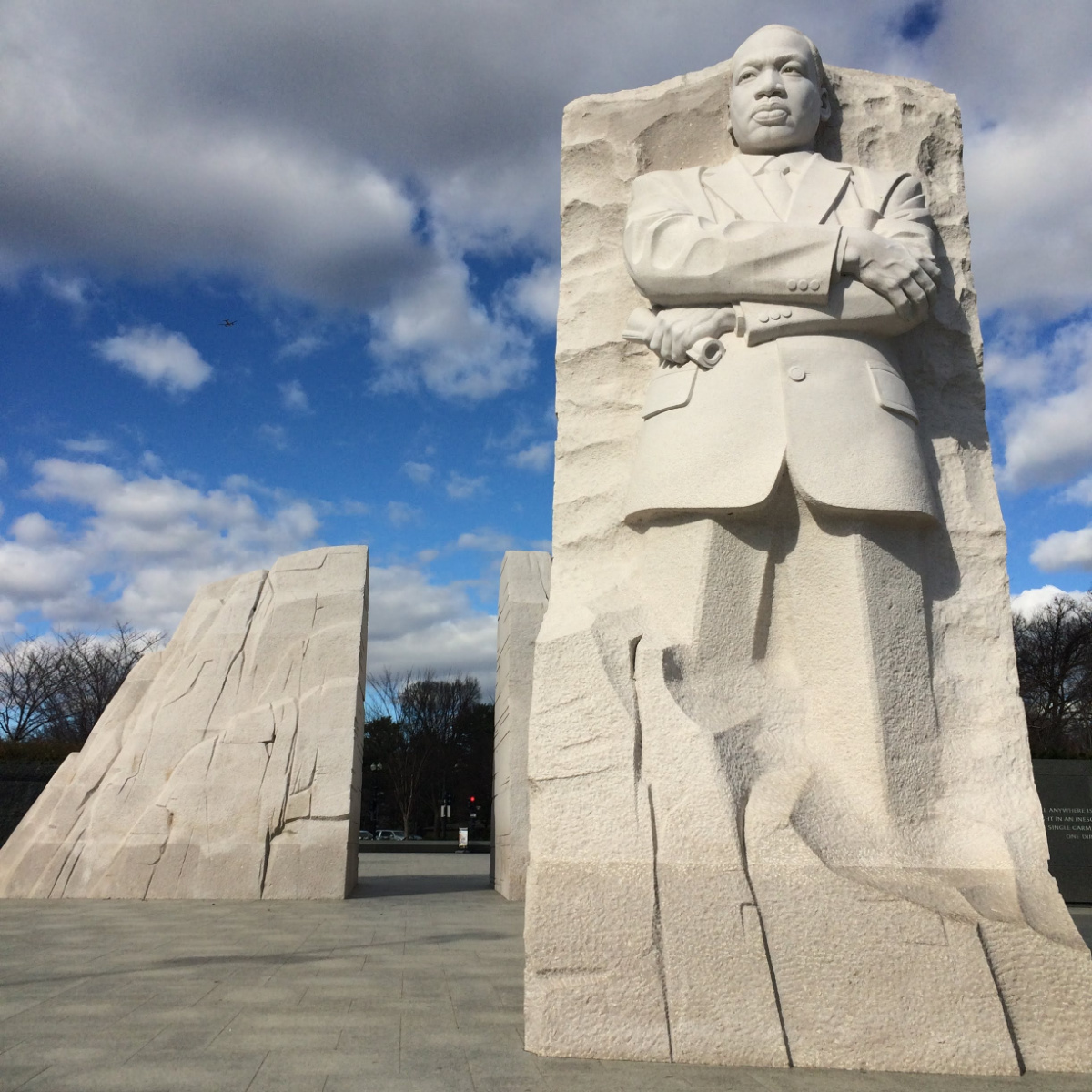
- Martin Luther King Jr. Memorial
Across the River (Not Walkable from Main Loop Easily)
- Marine Corps War Memorial
- Arlington National Cemetery
👉 Translation:
Trying to “do it all” in one continuous walk is ambitious. Plan strategically.
Parking and Transportation (This Will Make or Break Your Day)
🚗 The Reality of Parking
- Daytime parking near the National Mall = difficult
- Street parking fills early
- Expect lots of circling if you insist on driving
💡 “Secret” Parking Tip
Behind the Jefferson Memorial, along the Tidal Basin, there are less obvious parking areas that can sometimes be easier to access — especially early morning or later in the day.
🚶 Walking Expectations
If you walk:
- Core monuments loop: 3–5 miles
- Full experience including Tidal Basin: 5–7+ miles
With kids? That’s a lot.

If you’re visiting with kids or teens, the National Air and Space Museum is another great option nearby and a perfect break from all the walking.
🚌 Tours (Honestly a Great Option)
The hop-on/hop-off options like Old Town Trolley Tours are actually a really practical choice, especially in summer.
They:
- Cut down on walking
- Give context via guided narration
- Let you see more in less time
Also consider:
- Segway tours
- Guided walking tours
- Night tours (highly recommend)
When to Visit the Monuments (This Changes Everything)
🌞 Daytime
- Best for photos with clear light
- Easier for kids
- BUT: crowds + heat
🌅 Golden Hour (Morning or Evening)
- Best lighting for photography
- Softer crowds
- The monuments feel calmer and more reflective

🌙 Nighttime (My Favorite)
- Dramatic lighting
- Way fewer crowds
- Feels more emotional and powerful
👉 If you can, do BOTH day + night.

For something a little quieter (and air-conditioned), the National Gallery of Art sits right along the National Mall and is an easy add-on.
The Major DC Monuments (What You’ll Actually See)
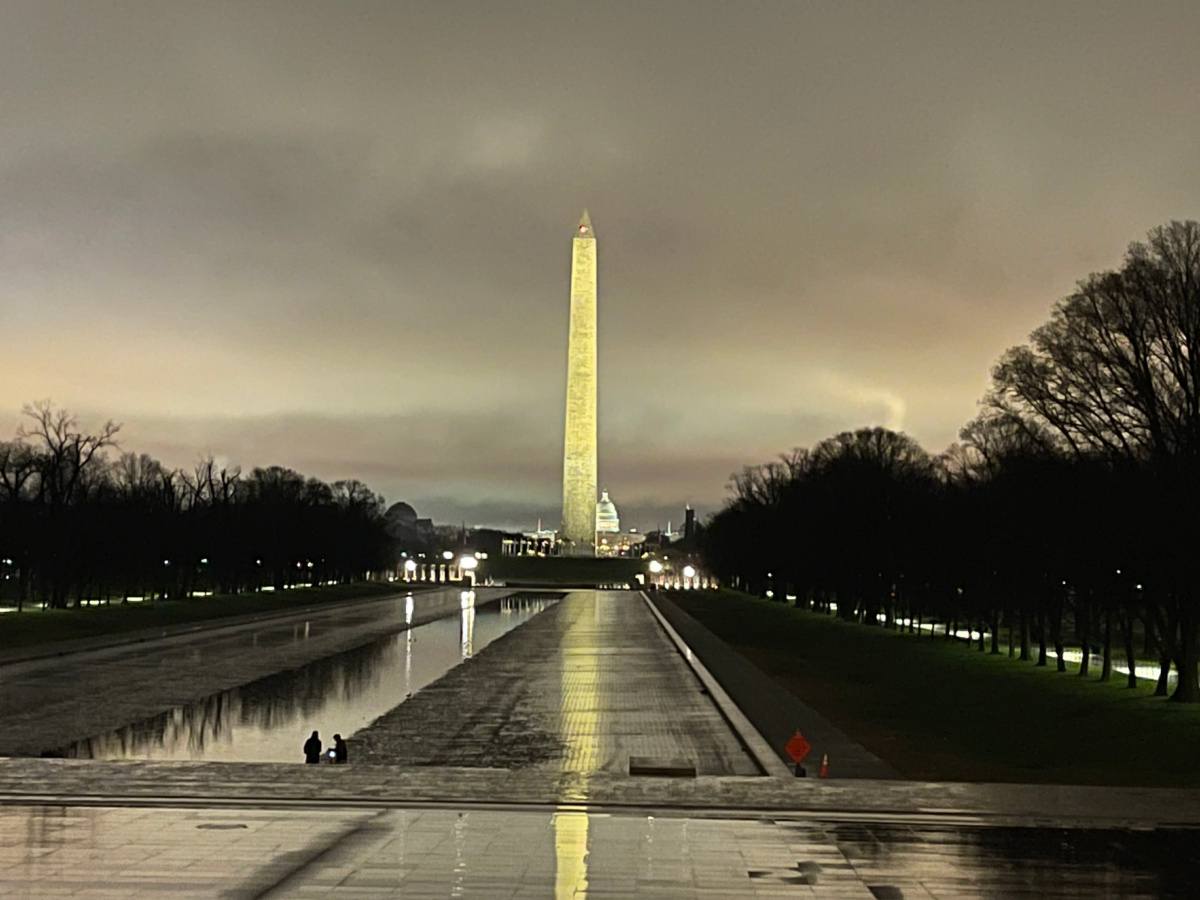
Washington Monument
The centerpiece of the National Mall.
- Honors George Washington
- 555-foot obelisk (yes, taller than the Eiffel Tower when it was built)
- You can go to the top of the Washington Monument with online advance tickets
👉 Worth it?
Yes — but only if you plan ahead.

If you’re visiting with kids, don’t miss my guide to free things to do in Washington DC—it includes several stops right along the monument routes.
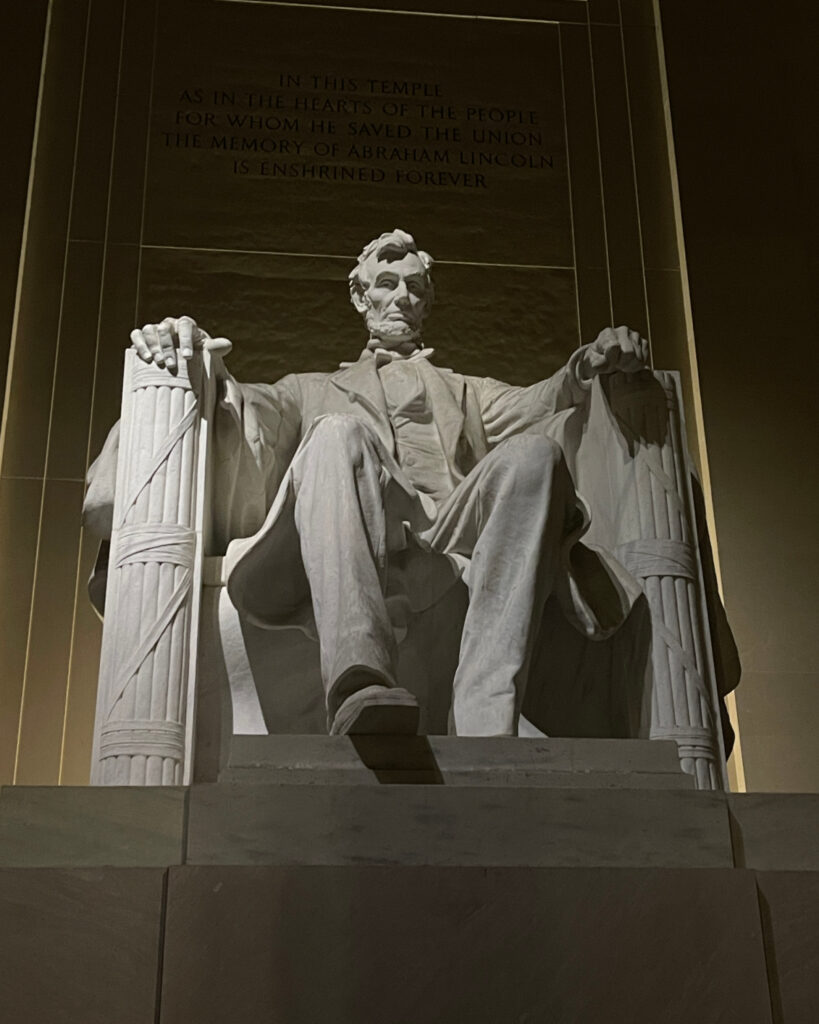
Lincoln Memorial
This is the one everyone pictures.
- Designed like a Greek temple (architect Henry Bacon)
- Features the seated statue of Abraham Lincoln
- Includes the Gettysburg Address carved into the walls
👉 Don’t skip:
- Walking up the steps
- Turning around for the view of the Reflecting Pool + Washington Monument
Also: there’s a small museum under the Lincoln Memorial most people miss.
Vietnam Veterans Memorial
One of the most striking memorials in DC.
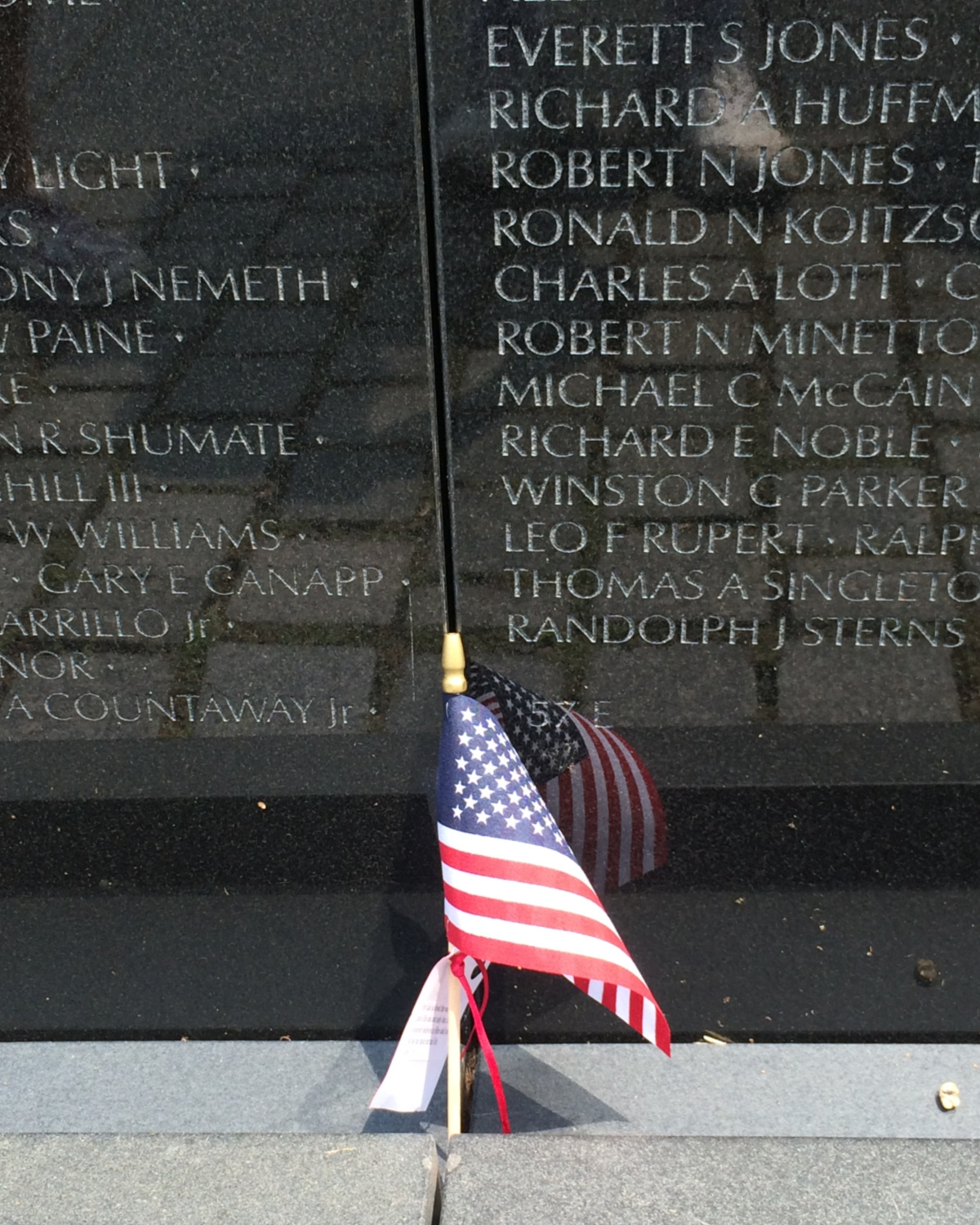
- Black granite wall with over 58,000 names
- Known as the Vietnam Veterans Memorial Wall
- Reflective surface lets you see yourself alongside the names
Nearby:
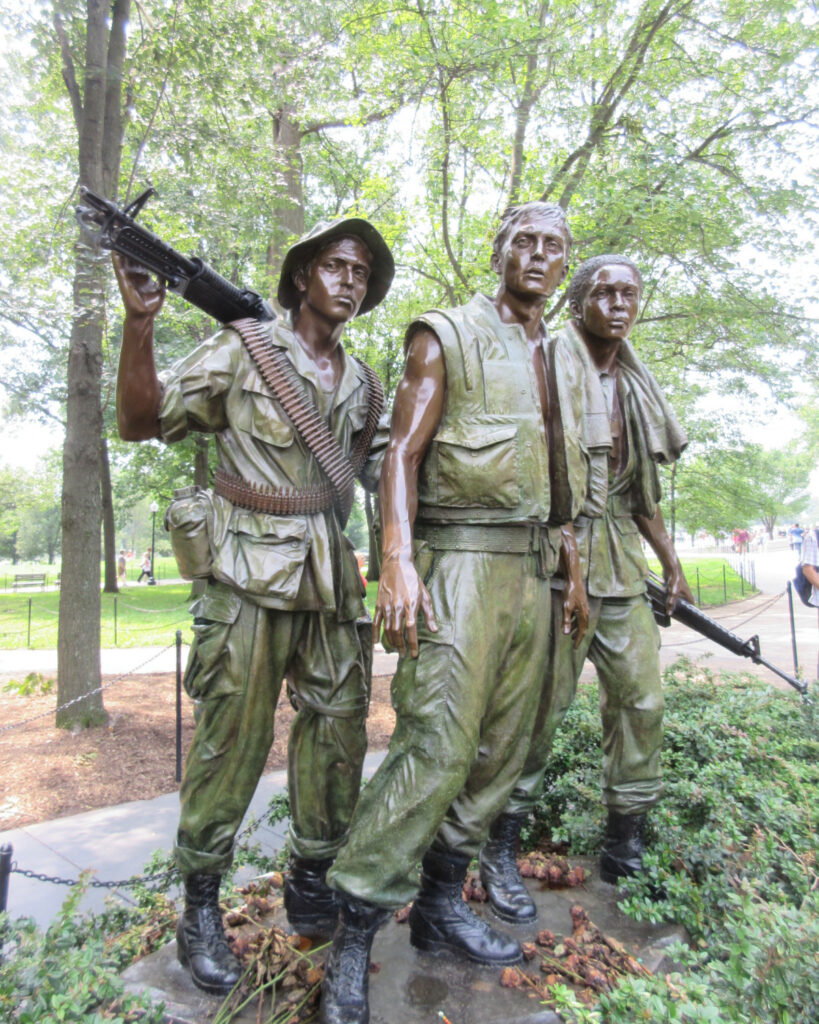
- Three Soldiers Statue
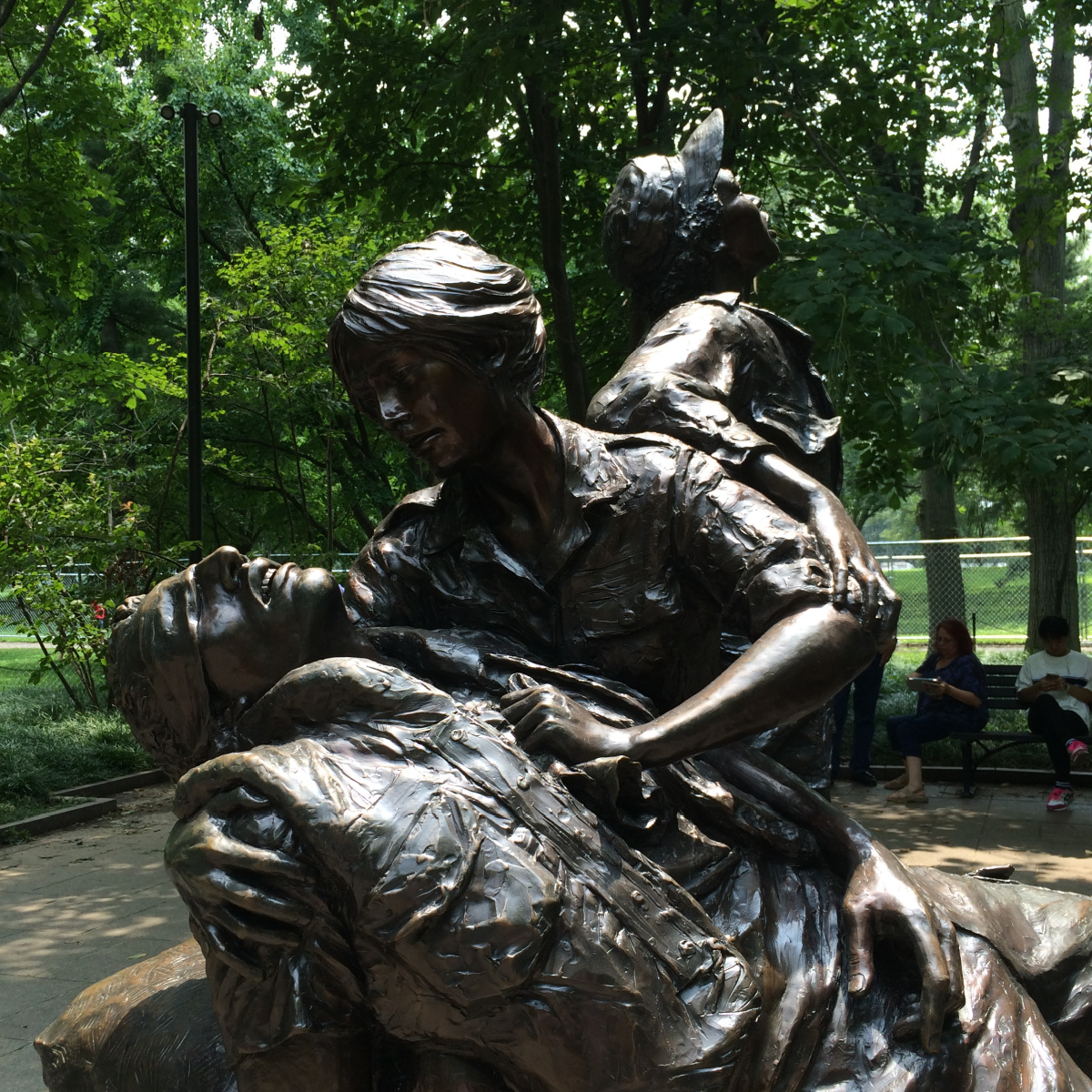
- Vietnam Women’s Memorial
👉 This one hits differently. It’s quiet, personal, and emotional.

If you’re planning a summer trip, especially around the 4th of July, my complete guide to celebrating Independence Day in Washington DC walks you through exactly what to expect.
Korean War Veterans Memorial
This one surprises people.
- 19 stainless steel soldier statues
- Represent troops from different backgrounds
- Set in a triangular field
It honors the Korean War and includes references to South Korea.
👉 At night? It’s incredibly powerful.

Traveling with younger kids? The National Building Museum is one of the best indoor stops in DC for hands-on exhibits.
World War II Memorial
Even without your photo — it absolutely belongs here.
- Located between the Lincoln Memorial and Washington Monument
- Features 56 pillars representing states and territories
- Includes the Pool of Remembrance
👉 This is one of the most visited memorials on the National Mall.
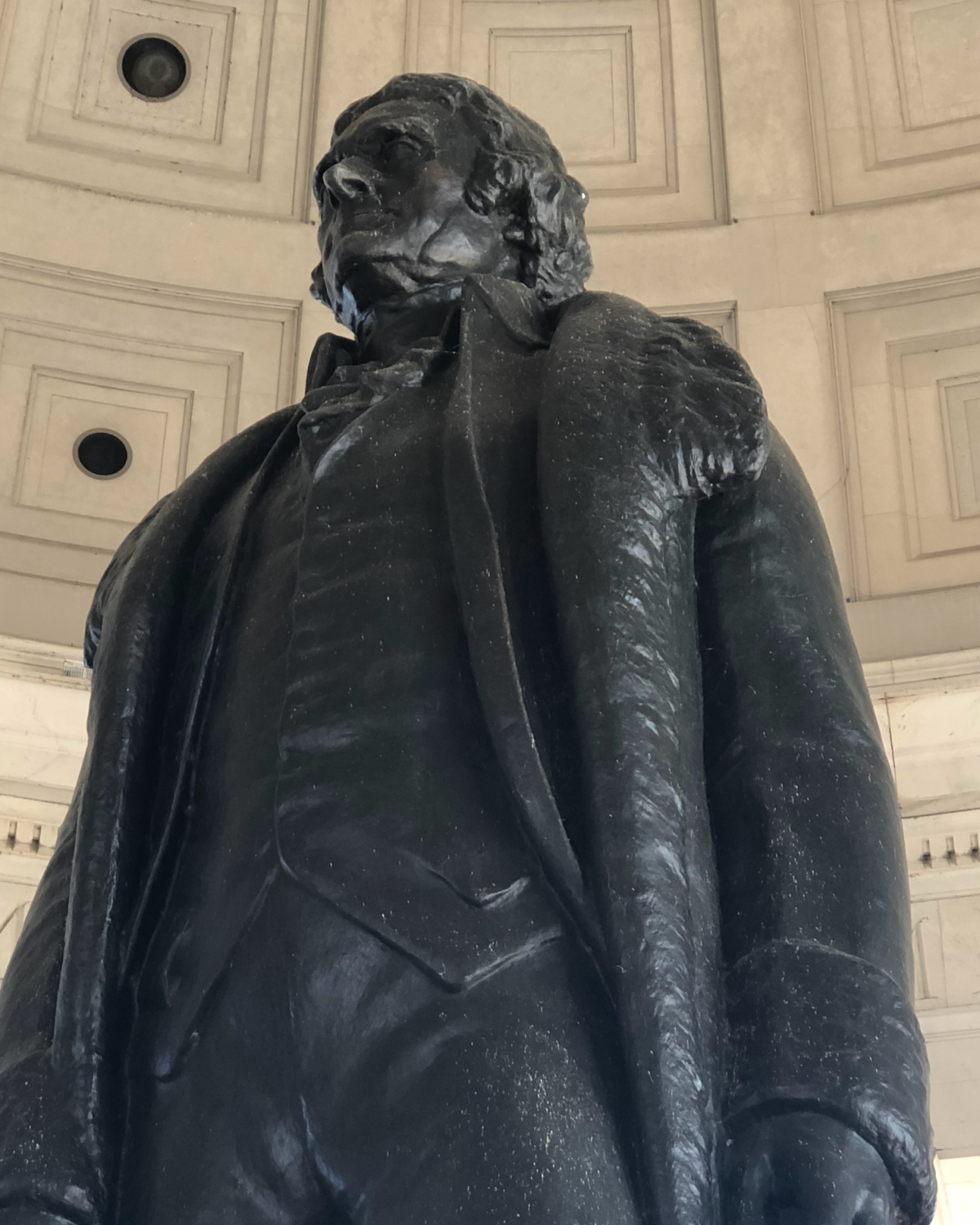
Jefferson Memorial
Set along the Tidal Basin.
- Honors Thomas Jefferson
- Inspired by Roman architecture
- Famous during cherry blossom season
👉 Insider tip: Morning light here is incredible.

Franklin Delano Roosevelt Memorial
Often overlooked — but shouldn’t be.
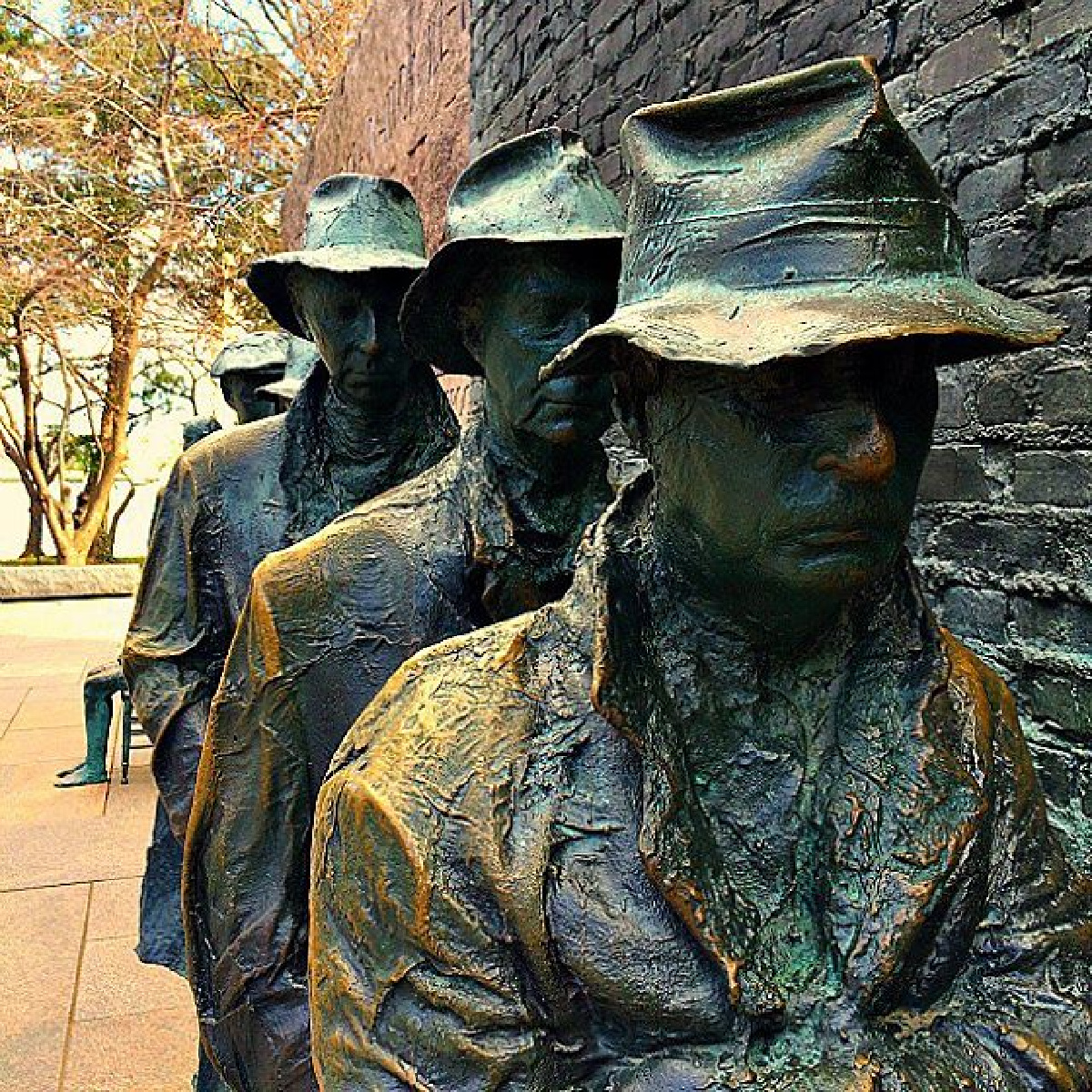
- Spread across multiple outdoor “rooms”
- Covers the Great Depression and World War II
- Includes waterfalls and water features
👉 This one takes time. Don’t rush it.
Martin Luther King Jr. Memorial
One of the newer monuments.
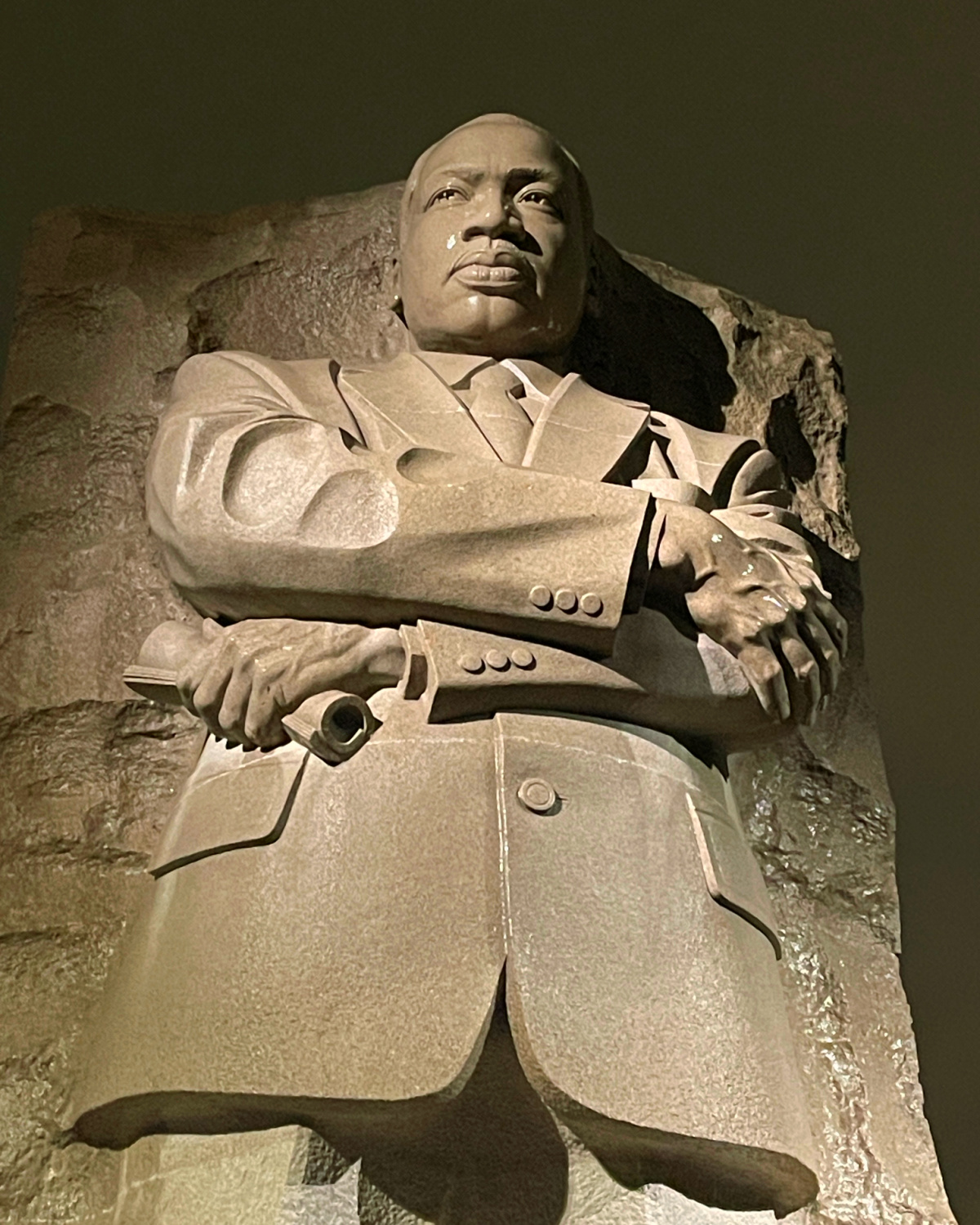
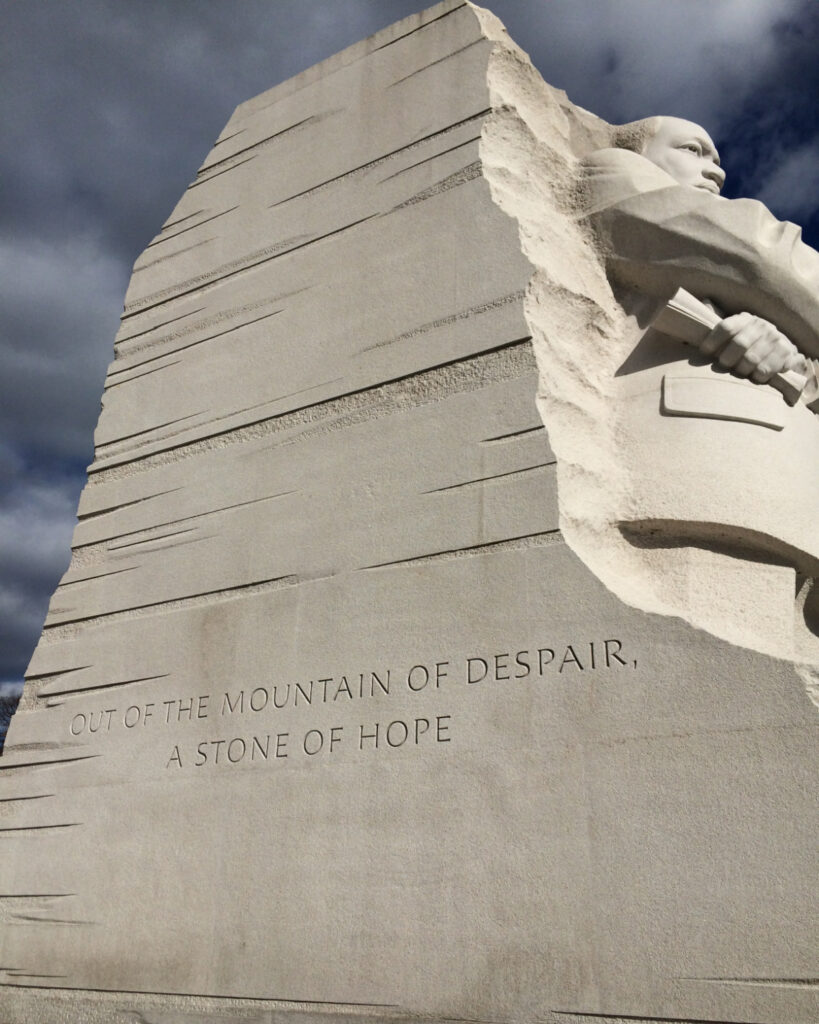
- Features the Stone of Hope emerging from the Mountain of Despair
- Honors MLK’s role in American history
👉 At night (especially in rain)? Incredibly powerful.
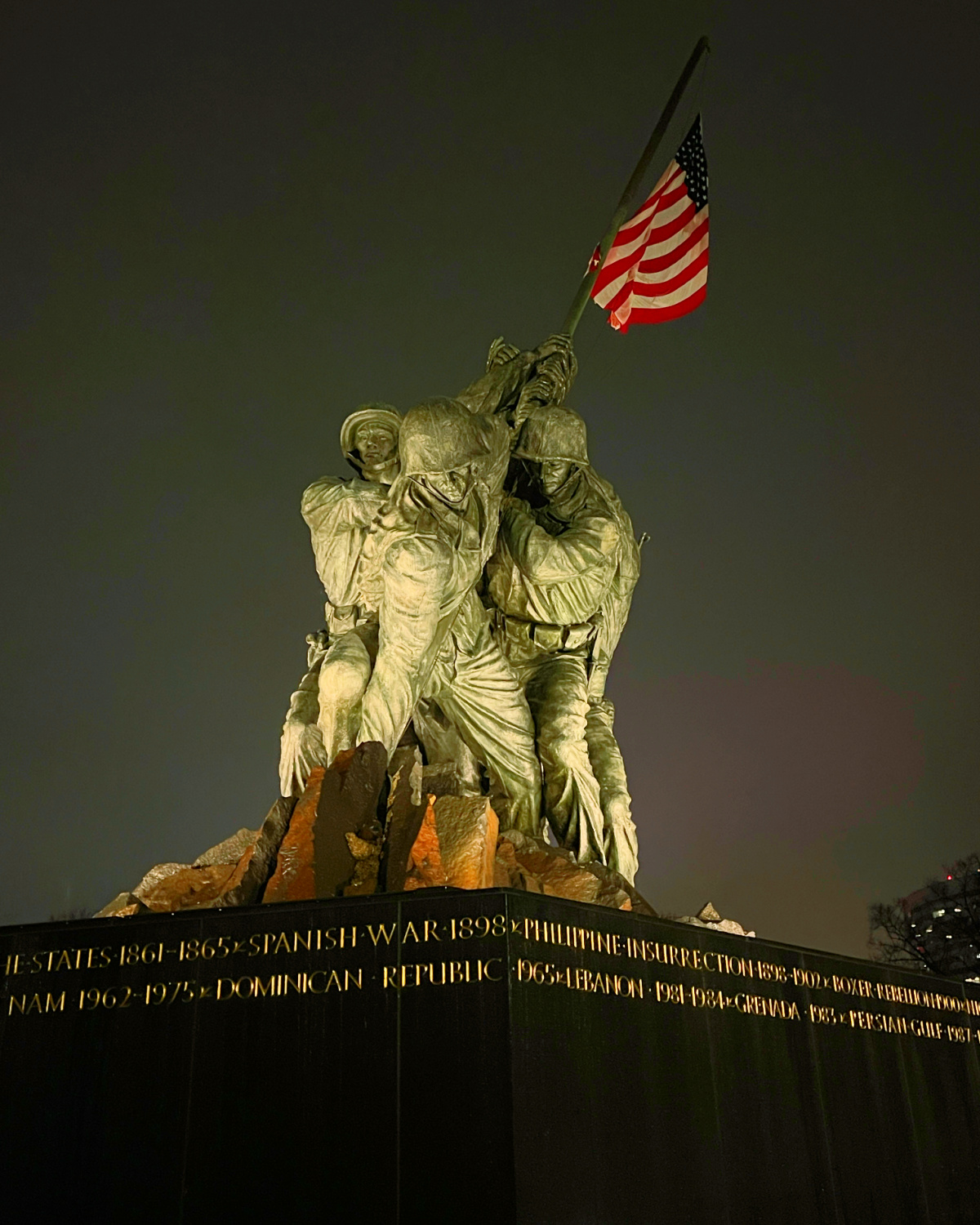
Marine Corps War Memorial (Iwo Jima)
Located outside the main Mall area.
- Based on the famous WWII flag-raising photo
- Honors the U.S. Marine Corps
👉 Not a short walk from the others — plan separately.
Korean War + Vietnam + Lincoln Cluster (Best Combo)
If you only have limited time — or you want the highest-impact monument experience in the shortest distance — this is the route I recommend almost every time.
This cluster at the western end of the National Mall packs in some of the most emotional, recognizable, and powerful memorials in Washington DC, all within a relatively compact area.
You’ll see:
- Lincoln Memorial
- Vietnam Veterans Memorial (including the Wall, Three Soldiers Statue, and Vietnam Women’s Memorial)
- Korean War Veterans Memorial
👉 This is the core emotional heart of the DC monuments.
📍 Parking Strategy (Real Talk)
There is parking near the Lincoln Memorial… but let’s be honest — it can be a pain.
- Limited street parking
- Fills quickly during the day
- Can involve a lot of circling and waiting
Honestly, for this route, a better strategy is:
👉 Park in a garage a bit farther out and walk in
I lived near DC for almost 20 years, and every time we visited the National Mall, we used SpotHero to find nearby garages and reserve a spot ahead of time.
If you’re planning a monument-focused day — or combining monuments with a museum — here’s the strategy I’d use every time:
👉 Find parking closest to the museum you plan to visit later in the day.
Start with the monuments in the morning, then head to the museum in the afternoon.
That way, you’re ending your day with:
- Air conditioning (huge in summer)
- Food options
- Real restrooms
- A natural break after all the walking
It’s a simple shift, but it makes the entire day feel so much easier — especially with kids.
This saves you time, stress, and the “driving in circles while everyone in the car gets cranky” situation.
💡 Pro Tip (This Matters More Than You Think)
Wherever you park, make sure there’s:
- A quick snack option nearby
- A bathroom stop
Because by the time you finish this loop, especially with kids, you’ll want both before heading back to the car.

🚇 Metro Access (Important for Families)
The Lincoln Memorial is not directly next to a Metro stop, which surprises a lot of first-time visitors.
Here are your closest options:
Foggy Bottom–GWU Station (Blue / Orange / Silver Lines)
- About a 15–20 minute walk
- ~0.8 miles
Smithsonian Station (Blue / Orange / Silver Lines)
- About a 20–25 minute walk
- ~1 mile
👉 Translation:
You’re still walking a decent distance either way.
👟 What That Walk Feels Like
From either Metro stop, you’ll be:
- Walking mostly flat terrain
- Passing parts of the National Mall
- Likely dealing with crowds (especially midday)
For adults, it’s manageable.
For kids, strollers, or in summer heat? It feels longer.
👉 If you’re traveling with younger kids or anyone with mobility concerns, plan extra time and consider breaks along the way.
🚗 Rideshare Option (Underrated but Very Useful)
Another option that a lot of people overlook is using a rideshare like
Uber or Lyft — even if you already have a car parked.
This is especially helpful if:
- You parked farther away to save money
- You don’t want to walk back at the end of a long day
- It’s hot, crowded, or you’re traveling with kids
👉 A really practical strategy is:
Park once, explore the monuments, and then Uber back to your car when you’re done.
It’s usually a short ride within the National Mall area, and honestly, it can feel very worth it after several miles of walking.
💡 When This Makes the Most Sense
- Midday heat (DC summers are no joke)
- End of day when everyone is tired
- If your group has mixed walking abilities
- If you ended your route far from where you started
Real Talk
This isn’t the “budget” option… but it’s often the sanity-saving option.
And for a lot of families, that tradeoff is absolutely worth it.
♿ Stroller & Wheelchair Access (Huge Win Here)
This is something a lot of people don’t realize:
👉 You do NOT have to climb all the stairs at the Lincoln Memorial
There are accessible ramps and side entrances that make it much easier for:
- Strollers
- Wheelchairs
- Anyone who just doesn’t feel like tackling those steps
So yes — you can absolutely still get up to see the statue of Abraham Lincoln and the Gettysburg Address without doing the full stair climb.
📏 Distance & Time Estimate (Cluster Loop)
This is one of the more compact monument areas:
Total Distance
- ~1.0 to 1.5 miles depending on how much you explore
Walking Time (Just Moving)
- 20–30 minutes
Realistic Visit Time (Including Stops)
- 1.5 to 2.5 hours
🕒 Suggested Flow
- Start at Lincoln Memorial (plan time to go up + take in the view)
- Walk to Vietnam Veterans Memorial
- Continue to Three Soldiers + Vietnam Women’s Memorial
- End at Korean War Veterans Memorial
What Makes This Cluster So Powerful
- Lincoln Memorial sets the stage — iconic, grand, and symbolic
- Vietnam Veterans Memorial brings a deeply personal, emotional experience
- Korean War Memorial adds movement and realism with the soldier statues
👉 It’s not just sightseeing — it tells a story.
👟 Real-Life Expectation Check
Even though this is a shorter route:
- You’ll spend more time standing than walking
- The emotional weight of these memorials slows people down (in a good way)
- It can feel more intense than longer routes
🌙 Bonus: This Area Is Incredible at Night
If you can swing it, come back after dark.
- The Lincoln Memorial is beautifully lit
- The Vietnam Veterans Memorial feels even more reflective
- The Korean War statues take on a completely different presence
👉 This is one of the best night tour areas in Washington DC
Why This Route Works So Well
Works well as either a standalone visit or combined with other routes
High impact with minimal walking
Easy to fit into a short itinerary
Deep emotional and historical significance
Tidal Basin to Lincoln Loop (Alternate Route That Works Really Well)
If you’re driving and manage to snag parking near the Jefferson Memorial (especially along that quieter Tidal Basin area), this is one of the most natural and enjoyable ways to see a huge chunk of the DC monuments without feeling overwhelmed.
It’s also a great way to ease into the experience — less crowded at the start, more scenic, and it builds toward the bigger, more iconic stops.
📍 Suggested Parking for This Route
If you’re planning to start this route, this is the exact spot I would aim for:
Ohio Drive SW Parking Area (near Jefferson Memorial)
971 Ohio Dr SW, Washington, DC 20024
This puts you right next to the Tidal Basin and Jefferson Memorial, which is ideal for this route.
What to Know About Parking Here
- It’s one of the most convenient starting points for the Tidal Basin loop
- Typically easier than parking near the Washington Monument or Lincoln Memorial
- Still fills up during peak times (especially cherry blossom season and weekends)
Best strategy:
- Arrive early (before 9am)
- Or come later in the afternoon/evening
If you can grab a spot here, it saves you a ton of walking on the front end.
📏 Distance & Time Estimate (Tidal Basin to Lincoln Loop)
Here’s what this route actually looks like in real life:
Total Distance
- ~2.0 to 2.5 miles depending on how much you explore each memorial
Walking Time (Just Moving)
- 45–60 minutes of walking
Realistic Visit Time (Including Stops)
- 2 to 3 hours total
🕒 Breakdown by Stop
- Jefferson Memorial → FDR Memorial
~10–15 minute walk - FDR Memorial (exploring)
20–30 minutes - FDR → MLK Memorial
~5–10 minutes - MLK Memorial (exploring + photos)
10–20 minutes - MLK → Lincoln Memorial area
~15–20 minutes - Lincoln + Vietnam + Korean War Memorials
45–60+ minutes depending on pace
💡 What This Means in Practical Terms
- This is a perfect half-day (4-hour) experience
- You’ll see a huge percentage of the major monuments without feeling rushed
- It naturally builds from quiet → powerful → iconic
👟 Real-Life Expectation Check
Even though 2–2.5 miles doesn’t sound like much…
- You’ll be stopping a lot
- You’ll be standing more than walking
- Summer heat can make this feel longer
So plan it like a 2–3 hour experience, not a quick walk.
Step 1: Start at the Jefferson Memorial
Begin at the Thomas Jefferson Memorial, right along the Tidal Basin.
This is one of the calmer spots early in the day, and it’s especially beautiful in the morning light. If you’re visiting during cherry blossom season, this area is absolutely packed — but outside of that, it’s a peaceful place to start.
Take a few minutes inside, then step back outside and soak in the views across the water.

Step 2: Walk the Tidal Basin (One of the Best Stretches in DC)
From here, follow the path along the Tidal Basin.
This is one of the most underrated parts of visiting the monuments. You’ll get:
- Gorgeous water views
- Reflections of the Washington Monument
- A much quieter, more relaxed atmosphere than the National Mall
It doesn’t feel rushed here — which is exactly what you want at the beginning of your visit.
Step 3: Franklin Delano Roosevelt Memorial
Next up is the Franklin Delano Roosevelt Memorial — and don’t rush this one.
This memorial is spread out across multiple outdoor “rooms,” with waterfalls, sculptures, and quotes from FDR’s presidency during the Great Depression and World War II.
It’s one of the few memorials where:
- You actually walk through the story
- It feels immersive rather than just visual
Plan to spend at least 20–30 minutes here if you can.
Step 4: Martin Luther King Jr. Memorial
Just a short walk away is the Martin Luther King Jr. Memorial.
This is where the tone shifts a bit — it’s powerful, reflective, and often quieter than the Lincoln area.
The “Stone of Hope” emerging from the “Mountain of Despair” is one of the most striking designs in Washington DC.
If you happen to be here early morning or at night, this stop can feel incredibly personal.
Step 5: Continue Toward the Washington Monument Views
As you keep walking along the Tidal Basin, you’ll start to get some of the best views of the Washington Monument — especially with the water in the foreground.
This is where you’ll naturally pause for photos.
It’s also a good mental reset point before heading into the busier part of your route.
Step 6: Cross Toward the Lincoln Memorial Area
From here, you’ll cross over toward the western end of the National Mall.
This is where things get more crowded — but also where some of the most famous monuments are clustered together.
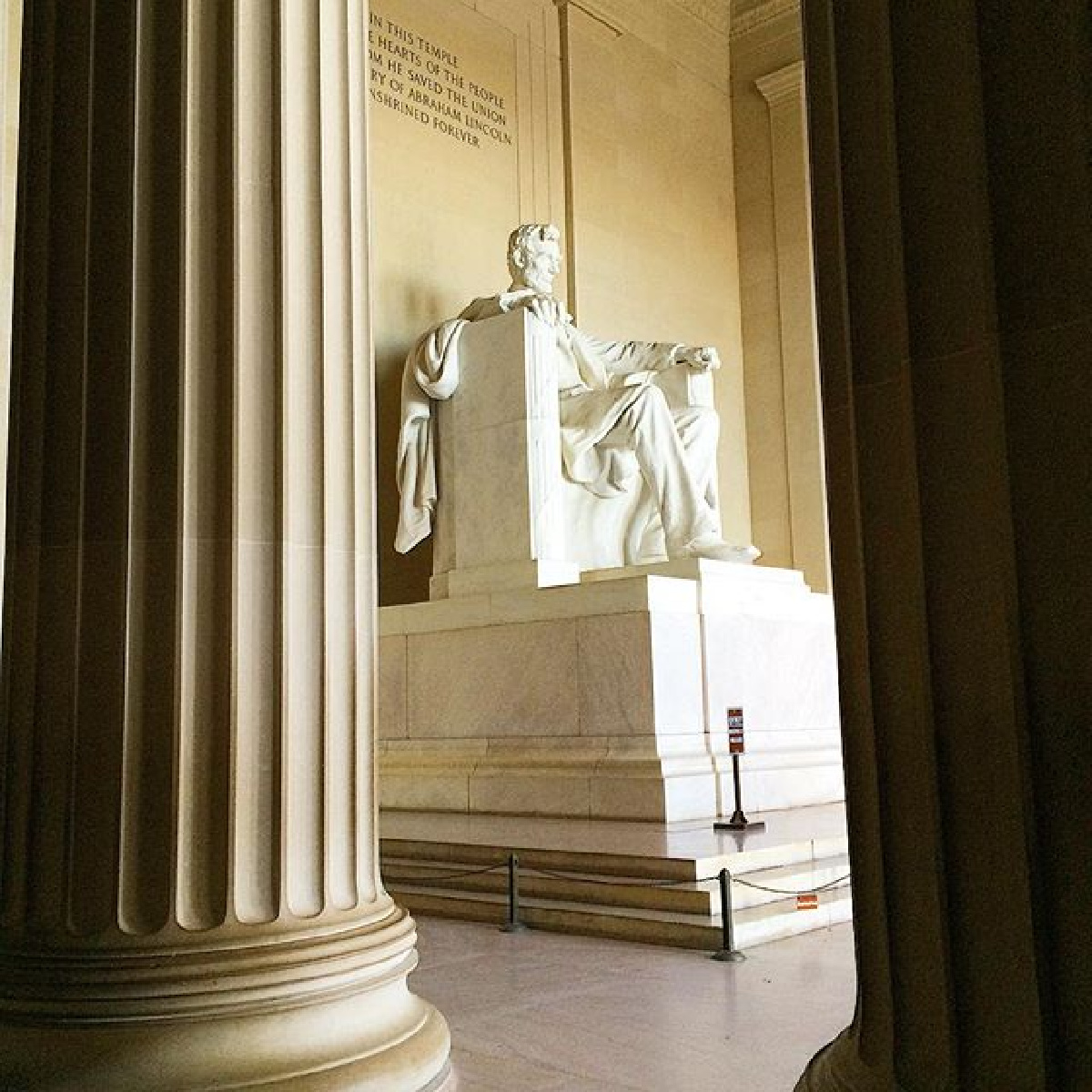
Step 7: Lincoln + Vietnam + Korean War Memorials
Now you’re in the high-impact zone:
- Lincoln Memorial
- Vietnam Veterans Memorial (the Wall + Three Soldiers + Vietnam Women’s Memorial)
- Korean War Veterans Memorial
This is the same powerful cluster mentioned earlier — and it makes for a really strong “final act” to your walk.
Why This Route Works So Well
- Starts in a calmer, more scenic area
- Gradually builds into the most iconic monuments
- Breaks up the experience so it doesn’t feel overwhelming
- Gives you a mix of nature, history, and emotional impact
It’s also one of the best ways to avoid the worst daytime crowds if you start early.
Real Talk Tip
If you’re doing this in the summer:
- Start early (before 9am if possible)
- Or flip it and do this route in the evening leading into sunset/night
Because walking the Tidal Basin in the heat of the day can get brutal fast.
🧭 Optional Extension
If you still have energy after finishing at the Lincoln Memorial:
- Walk toward the Reflecting Pool
- Continue to the World War II Memorial
- Or head toward the Washington Monument
This adds another ~0.5–1 mile.
🤔 Not Sure Which Route to Choose?
If you’re trying to decide between this Tidal Basin route and the Lincoln/Vietnam/Korean War cluster, here’s the simplest way to think about it:
Choose the Tidal Basin Route if you want:
- A more scenic and relaxed experience
- Beautiful water views and space to spread out
- A route that builds gradually toward the most iconic monuments
- A slightly less crowded starting point
👉 This one feels more like a walk with purpose than a checklist.
Choose the Lincoln + Vietnam + Korean War Cluster if you want:
- The highest-impact monuments in the shortest time
- A more compact walking route
- The most iconic and recognizable memorials all together
- A strong emotional, history-heavy experience
👉 This one feels more like a powerful highlight reel.
💡 The Best Option (If You Have Time)
If your schedule allows, don’t choose — do both.
Start with the Tidal Basin route, then continue into the Lincoln/Vietnam/Korean War cluster (or break them into two separate visits — one in the morning and one at night).
That gives you:
- The scenic side of Washington DC
- The emotional and historical core
- And a much more balanced experience overall
If You Only Have 2 Hours
Do this:
- Lincoln Memorial
- Reflecting Pool
- Vietnam Veterans Memorial
- Korean War Memorial
👉 This gives you the emotional core of DC monuments.
If You Have 4 Hours (Half Day)
Add:
- Washington Monument (walk around or go up)
- World War II Memorial
- Tidal Basin loop (Jefferson + MLK)
Pro Tips (From Someone Who’s Done This Multiple Ways)
- Start early OR go late — avoid midday if possible
- Bring water — especially in summer
- Wear real walking shoes (this is not a casual stroll)
- Night tours are underrated and absolutely worth it
- Don’t try to do everything in one go — split it up
- Combine monuments with nearby museums for breaks
FAQ
Are DC monuments free?
Yes — all major monuments and memorials have no admission fee.
What is the best way to see the monuments?
A mix of walking + a guided tour (especially a night tour) is the best way.
Can you walk to everything?
Technically yes… but it’s a LOT of walking.
Is the Washington Monument worth going up?
Yes, but only if you get tickets in advance.
How long do you need?
- Quick visit: 2–3 hours
- Ideal: split across multiple sessions (day + night)
More Helpful Washington DC Trip Planning Guides
- How to Spend 3 Days in Washington DC Without Feeling Rushed
- 5 Days in Washington DC: The Ultimate Longer Itinerary
- Smithsonian Museums Guide for First-Time Visitors
- National Mall Guide: What to Know Before You Visit
- The Best Museums in Washington DC (and Which Ones to Skip)
- Washington DC First-Time Visitor Tips, Mistakes, and Planning Advice
- Washington DC for Teens: Museums, Food, and Attractions Teens Actually Enjoy
- Where to Eat on the National Mall: Best Museum Cafes, Food Courts, and Quick Meals
Final Thoughts
The Washington DC monuments aren’t just “things to check off a list.”
They’re one of the most meaningful ways to experience American history — from the founding fathers to modern civil rights.
But the key is how you visit them.
Don’t rush it.
Don’t try to do everything in one marathon day.
And if you can — come back at night.
Because that’s when these monuments really come alive.