National Mall Visitor Guide: How to Plan a Realistic Visit to America’s Front Yard

Affiliate Disclosure: This post may contain affiliate links. If you make a purchase or booking through these links, I may earn a commission at no additional cost to you.

Planning a trip to the National Mall in Washington, DC? This realistic visitor guide covers museums, monuments, walking distances, parking, Metro tips, food, bathrooms, and the best way to plan your day without getting overwhelmed.
Estimated reading time: 27 minutes
If you’re planning your first trip to Washington, DC, chances are the National Mall is already at the top of your list.
It’s that long stretch of open space you’ve seen a hundred times in photos—the one with the U.S. Capitol on one end, the Lincoln Memorial on the other, and the Washington Monument rising right in the middle. This is the iconic view of the nation’s capital.
And yes… it really does look like that in real life.
But here’s what most people don’t realize until they’re actually there:
The National Mall is not easy to “just figure out as you go.”
It’s bigger than you think.
The museums are more time-consuming than expected.
And the walking? It adds up fast.
I lived near DC for years, and even after dozens of visits, I still had to be intentional about how we planned our days here. Otherwise, it was way too easy to end up tired, cranky, and wondering why we tried to do five major things before dinner.
So this guide is the real version… not the “see everything in one day” version, but the one that actually works.

Quick Snapshot: National Mall Basics
The National Mall is a large public park and open space in the heart of Washington, DC. It stretches roughly from the U.S. Capitol to the Lincoln Memorial and includes many of the most important historic sites in the United States.
You’ll find:
- Smithsonian museums
- Major memorial parks
- Iconic landmarks like the Washington Monument
- And easy access to places like the White House and National Archives
Most things here are free, which is honestly one of the best parts of visiting DC.
The outdoor areas are open 24 hours a day. Museums have set hours (usually around 10 AM–5:30 PM), so those will shape your day more than anything else.
Food is a mix of museum cafés and food trucks. Bathrooms are mostly inside museums, with a few near the bigger memorials.
And walking? Just assume you’ll walk more than you planned. You probably will.

What the National Mall Is Actually Like
On a map, everything looks close together.
In real life, it’s a lot more spread out than that.
You’ll walk across wide lawns, along long gravel paths, and between clusters of museums and monuments that feel close… until you’re halfway there.
And it’s not just distance—it’s the combination of:
- Walking
- Heat (depending on the time of year)
- Crowds
- And constantly deciding “what next?”
That’s what wears people down.
That said, this is also one of those places that really sticks with you.
Standing at the Lincoln Memorial and looking out over the Reflecting Pool… or walking quietly along the Vietnam Veterans Memorial… those are the moments you remember later.
So the goal isn’t to rush through everything.
It’s to give yourself enough space to actually take it in.

A Little History (Just Enough to Be Useful)
The National Mall wasn’t thrown together randomly.
It was planned from the beginning to be a central gathering space for the country.
Back in the late 1700s, Pierre Charles L’Enfant designed the layout of Washington, DC, including a wide “grand avenue” for public use. Later, Andrew Ellicott refined the plan, and in the early 1900s, the Senate Park Commission helped shape what we see today.
That’s why the National Mall feels so intentional.
It’s not just green space—it’s a place built for events, reflection, and community.
Understanding the Layout (This Helps More Than You Think)
If you only remember one planning tip, make it this:
Break the National Mall into sections.
Trying to think of it as one big area is what leads to overplanning.
Here’s the easier way to picture it:

East end: U.S. Capitol + nearby museums
Middle: Washington Monument + major Smithsonian museums
West end: Lincoln Memorial + Reflecting Pool + major memorials
Then you’ve got the Tidal Basin looping off to the side with the Thomas Jefferson Memorial and Martin Luther King Jr. Memorial.

Once you see it this way, planning gets a lot simpler.
If you are visiting with younger kids, my Washington, DC Kids Activity Pack is a great way to keep them engaged during museum visits, monument walks, Metro rides, and downtime at the hotel. It includes scavenger hunts, coloring pages, travel activities, and DC-themed printables designed specifically for families exploring the nation’s capital.

Section 1: U.S. Capitol End (Easier, More Compact)
This is one of the more manageable parts of the National Mall.
You’ve got:
- National Gallery of Art
- U.S. Botanic Garden
- National Museum of the American Indian
- Library of Congress
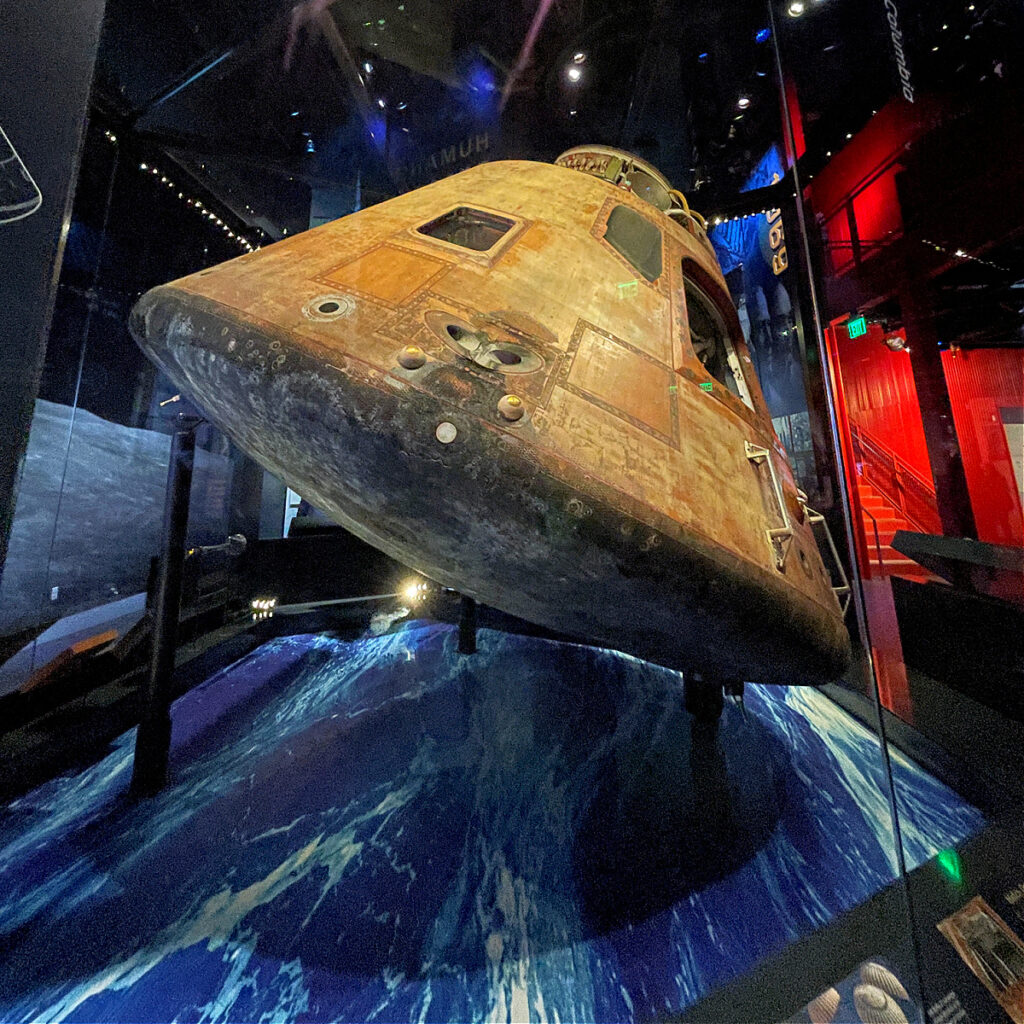
- And easy access to the Air and Space Museum


It’s a good place to start if:
- You want a museum-focused day
- You’re traveling with kids
- Or you just don’t want to deal with as much walking right away
The U.S. Capitol itself is worth seeing even if you don’t tour inside. If you do want a tour, treat that as one of your main activities for the day.


Section 2: The Middle (Where Everything Converges)
This is the busiest part of the National Mall—and where a lot of decisions happen.
You’ve got:
- Washington Monument
- National Museum of American History
- National Museum of Natural History
- National Museum of African American History and Culture
- Smithsonian Castle


Plus easy access to:
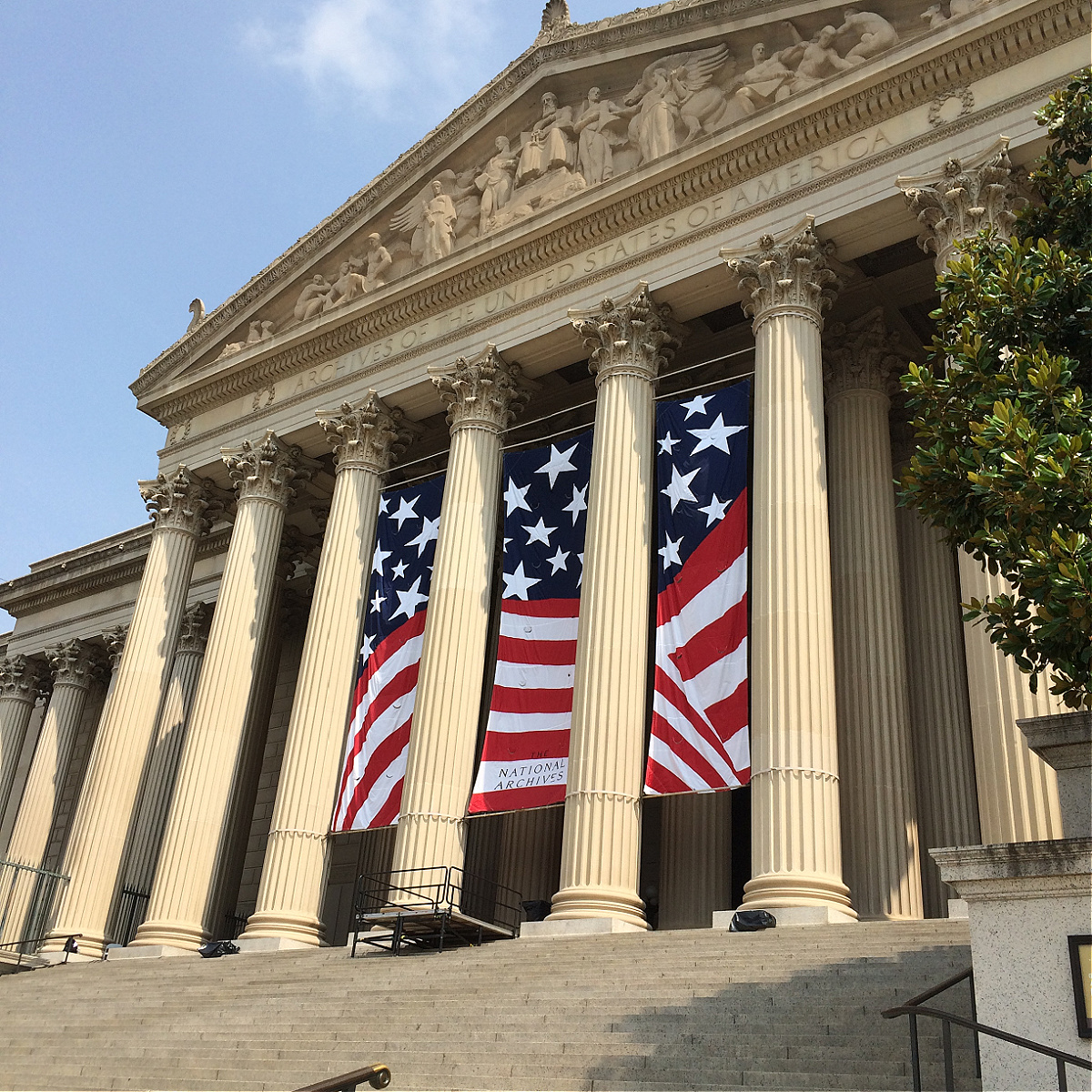
This is where you’ll likely:
- Grab food
- Take a break
- Reassess your plan
And honestly… sometimes just sit for a minute.

Section 3: Lincoln Memorial + Tidal Basin (The Iconic Part)
This is the part most people imagine when they think of DC.
You’ve got:
- Lincoln Memorial
- Reflecting Pool
- World War II Memorial
- Korean War Veterans Memorial
- Vietnam Veterans Memorial


And nearby:
- Martin Luther King Jr. Memorial
- Thomas Jefferson Memorial


This area is powerful—but it’s also where the walking really hits you.
If you plan to include the Tidal Basin, just know it’s not a quick loop. It’s worth it… but it takes time and energy.
If you want a deeper breakdown of the major memorials and historic sites near the Lincoln Memorial and Tidal Basin, don’t miss my complete guide to the best monuments and memorials in Washington, DC.
Top 10 Must-See Attractions on the National Mall
If you’re trying to narrow things down (which you should), these are the most popular attractions and historic sites on the National Mall—the ones most first-time visitors prioritize:
- Lincoln Memorial: The most iconic view in DC—especially looking out over the Reflecting Pool toward the Washington Monument
- U.S. Capitol: The eastern anchor of the National Mall and one of the most recognizable buildings in the nation’s capital.
- Washington Monument and World War II Memorial: These two iconic landmarks sit literally next to each other in the center of the National Mall, making them easy to visit together while exploring the Reflecting Pool and Lincoln Memorial area.
- Vietnam Veterans Memorial: One of the most moving and personal memorials on the Mall
- Korean War Veterans Memorial: Known for its powerful soldier statues and emotional atmosphere
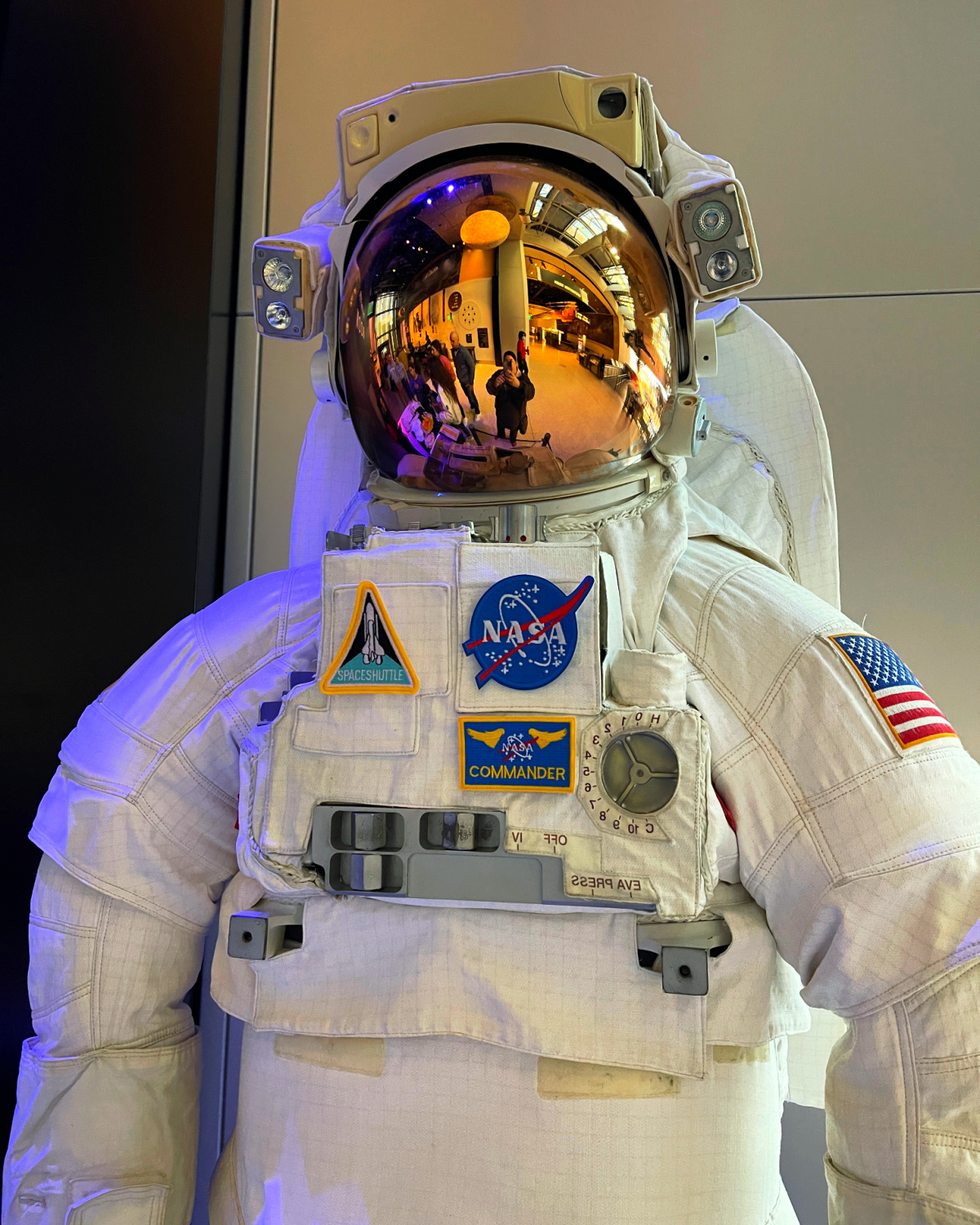
- National Museum of Natural History: A favorite for families, with dinosaurs, the Hope Diamond, and wide-ranging exhibits
- National Air and Space Museum: One of the most popular Smithsonian museums, especially for kids and teens
- National Museum of American History: A broad look at American culture, innovation, and history (including the Star-Spangled Banner)
- National Museum of African American History and Culture: One of the most impactful museums in DC—plan real time for this one
- The Tidal Basin Memorials: Thomas Jefferson Memorial + Martin Luther King Jr. Memorial. This area is especially beautiful during cherry blossom season and one of the most scenic parts of the National Mall.


Quick Tip
You do not need to see all 10 of these in one trip (or even one visit to DC).
Pick 2–3 that matter most to you, build your day around those, and you’ll have a much better experience.
The Planning Rule That Changes Everything
Let’s make this simple.
👉 Plan for two major things per day.
That’s it.
That could be:
- Two museums
- Or one museum + monuments
Anything beyond that usually turns into rushing.
And rushed is not how you want to experience a place like this.

Why This Works
Museums here are not small.
Places like the Natural History Museum or the Air and Space Museum can easily take 3–4 hours if you’re actually enjoying them.
And then there’s the walking… and the heat.
And the fact that memorials aren’t just quick photo stops—they take a little emotional bandwidth too.
It adds up.
What a Good National Mall Day Looks Like
Here’s a plan that works really well:
Morning:
Do monuments while it’s cooler
Afternoon:
Pick one museum
That’s it.
You’ll enjoy both parts more—and you won’t feel completely wiped out by dinner.
Another option would be:
Morning: Museum #1 and lunch
Afternoon: Museum #2
Evening: Eat Dinner and go on a monuments by night tour

Getting Around (Realistically)
Walking is the default.
Metro is helpful, but not perfect—you’ll still walk.
Uber or Lyft? Honestly one of the best strategies, especially if you’re trying to connect different sections without burning out.
Best Metro Stations for the National Mall
Washington Metro: Smithsonian Station (Best Overall)
Lines: Blue, Orange, Silver
Best for:
- Washington Monument
- Smithsonian museums
- National Museum of American History
- National Museum of Natural History
- African American History Museum
- Smithsonian Castle
👉 If you’re only picking one Metro station for a National Mall day, this is usually the safest choice.
Federal Triangle Station
Lines: Blue, Orange, Silver
Best for:
- American History Museum
- National Museum of African American History and Culture
- Washington Monument
- White House area
👉 Often slightly less chaotic than Smithsonian Station.
Archives–Navy Memorial–Penn Quarter Station
Lines: Green, Yellow
Best for:
- National Archives
- National Gallery of Art
- Sculpture Garden
- Capitol end of the Mall
👉 Great choice if your day focuses more on museums and government/history sites.
L’Enfant Plaza Station
Lines: Blue, Orange, Silver, Green, Yellow
Best for:
- Air and Space Museum
- Museum of the Bible
- Hirshhorn Museum
- South side of the Mall
👉 Very useful if you’re pairing Air and Space with nearby attractions.
Union Station
Lines: Red
Best for:
- U.S. Capitol
- Library of Congress
- Capitol Visitor Center
- U.S. Botanic Garden
👉 Best starting point for the Capitol Hill side of your trip.
Foggy Bottom–GWU Station
Lines: Blue, Orange, Silver
Best for:
- Lincoln Memorial
- Vietnam Veterans Memorial
- Korean War Veterans Memorial
👉 Still requires walking, but often the best Metro option for the western monument area.
Real-Life Tip
Even the “closest” Metro station may still involve more walking than you expect.
For example:
- Smithsonian Station is central… but not right next to Lincoln Memorial.
- Union Station works great for the Capitol… but terrible for the Tidal Basin.
That’s why I usually recommend:
👉 Pick one section of the National Mall per day
👉 Use Metro to get close
👉 And use Uber/Lyft strategically if your group is getting tired
Trying to zigzag across the entire Mall in one day is where people start melting down a little 😅
Parking (Quick Reality Check)
Parking near the National Mall is honestly one of the most stressful parts of visiting DC… unless you go in with a real plan.
Street parking exists, but I would not build your day around trying to magically find an open spot near the museums or monuments—especially during cherry blossom season, summer vacation, weekends, or major special events.
My biggest recommendation?
👉 Reserve a parking garage ahead of time.
We almost always used SpotHero when visiting DC because it made the day so much less stressful. You can compare garage prices, reserve a spot before leaving home, and avoid circling blocks while everyone in the car slowly loses patience.
My Favorite “Sneaky Good” Parking Garage
If you are planning a museum-heavy National Mall day, this is honestly one of the most convenient garages we found:
📍 Holiday Inn Washington Capitol Garage
550 C St SW, Washington, DC
Why I love this one:
- Literally about a block from the back entrance of the National Air and Space Museum
- Easy walk to:
- Museum of the Bible
- Hirshhorn Museum
- Smithsonian Castle
- National Museum of the American Indian
- There’s a Starbucks inside the hotel
- McDonald’s is less than a block away
- Bathrooms, drinks, coffee, snacks, and AC nearby before or after your day
- Reserve your parking ahead of time with SpotHero
Honestly, those practical details matter more than people think after 6+ hours of walking around the National Mall.
This garage is especially good if:
- you’re visiting with kids
- you need an easy lunch strategy
- or you want a smoother end-of-day walk back to the car
Best Parking for the Tidal Basin + Jefferson Memorial Area
If your day focuses more on the monuments, cherry blossoms, or Tidal Basin loop, one of the best parking areas is:
📍 Ohio Drive SW Parking Area
971 Ohio Dr SW, Washington, DC 20024
This is a really convenient starting point for:
- Thomas Jefferson Memorial
- Martin Luther King Jr. Memorial
- Franklin Delano Roosevelt Memorial
- Tidal Basin walking loop
- Cherry blossom season
- Monument-focused mornings
The catch?
👉 It fills up FAST.
Especially during:
- peak cherry blossom season
- spring weekends
- holidays
- nice weather days
If you want this lot:
- arrive before 9 AM
- or come later in the afternoon/evening
This area is especially beautiful near sunset and after dark when the crowds thin out a bit.
Other “Good Practical” Parking Zones
L’Enfant Plaza Area
Good for:
- Air and Space Museum
- Museum of the Bible
- Hirshhorn
- south side of the National Mall
Usually easier driving access than some tighter downtown streets.
Federal Triangle Area
Good for:
- Washington Monument
- American History Museum
- African American History Museum
- White House area
Very central overall.
Capitol Hill / Union Station Area
Good for:
- U.S. Capitol
- Library of Congress
- National Gallery of Art
- Botanic Garden
Can sometimes be slightly cheaper than garages closer to the monument core.
My Best Real-Life Parking Strategy
Park Near Where You Want to END Your Day
This is the trick that changed how we visited DC.
Most people park near where they want to start their day. I actually think it’s smarter to park near where you want to finish.
For example:
- If you plan monuments in the morning and museums in the afternoon, park near the museums.
- If you’re ending at Air and Space or American History, find parking closer to that side of the Mall.
- If your evening plans include nighttime monuments, consider parking farther west.
Because by the end of the day:
- everyone is tired
- feet hurt
- kids are melting down
- and that “short walk back to the car” suddenly feels very long
Street Parking: Read the Signs Carefully
If you do try street parking:
- read every sign
- check time limits carefully
- watch rush hour restrictions
- and do not assume “everyone else parked there so it must be legal”
DC parking enforcement is aggressive.
Also, many metered spots have short time limits, which usually does not work well for a full National Mall day.

Cherry Blossom + 4th of July Warning
During:
- National Cherry Blossom Festival
- Independence Day
…parking becomes dramatically harder.
On those days, I would seriously consider:
- Metro
- rideshare
- or parking farther away and training in
Trying to drive directly into the busiest Tidal Basin areas during peak bloom can become a genuinely miserable experience.


My Honest Recommendation
If you are:
- traveling with kids
- planning a full National Mall day
- visiting in summer
- carrying snacks/water/strollers
- or just trying to minimize stress
…a reserved garage is worth it.
Removing parking anxiety from the day makes everything else feel easier.
Food on the National Mall (Quick Reality Check)
You definitely will not go hungry on the National Mall… but you should have at least a loose food plan before the day starts.
Food Trucks Are Everywhere
If grabbing something quick is your vibe, you’re in luck.
Food trucks are scattered all over the National Mall, especially near the Washington Monument and the busiest Smithsonian museum areas.
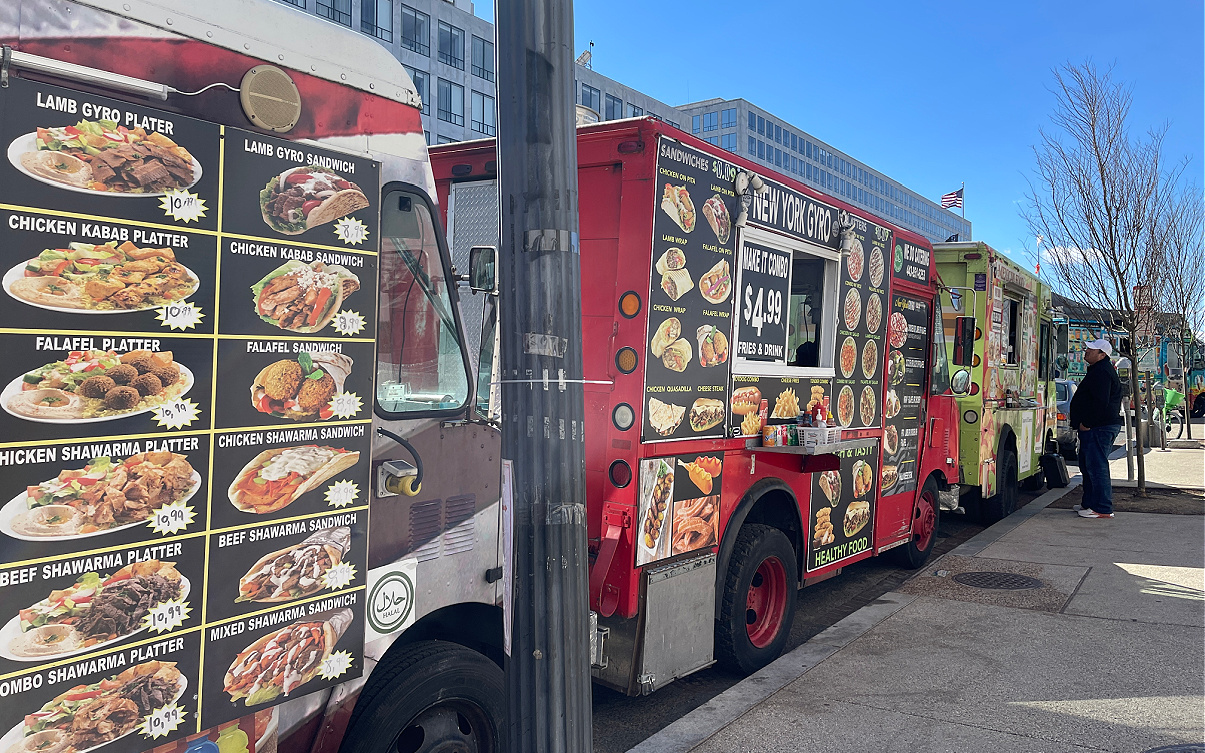
You’ll usually find:
- hot dogs
- pretzels
- burgers
- tacos
- ice cream
- snacks
- cold bottled water
- sodas and sports drinks
Honestly, sometimes the move is just:
👉 quick lunch + ice cold water + keep going
Especially in summer.
That said, food truck lines can get long during busy seasons, and seating can be hit or miss.
Best Museum Food Options (My Personal Picks)
Not all Smithsonian museum food is equal.
If you want the best combination of:
- convenience
- menu variety
- seating
- and decent family-friendly options
…these are probably my top picks on the National Mall:
National Museum of Natural History
Probably the safest overall “something for everyone” option.
Good variety, lots of seating, and easy to pair with a long museum day.

National Museum of American History
Another solid choice with a larger menu and plenty of practical lunch options for families.
This is also a really convenient midday reset stop if you’re combining museums with monuments.
National Gallery of Art
This one feels slightly more elevated than typical museum food… and yes, they have gelato.
Honestly, that alone deserves mentioning on a hot DC day.

Nearby Food Courts and Easier Meal Options
If you want more variety or slightly easier seating than the food trucks, there are a few very practical nearby food hall/food court options:
- L’Enfant Plaza food court
- Reagan Building food court
- Union Station food court
These are especially useful if:
- your group all wants different things
- you need air conditioning
- or everyone is reaching the “we need a real break” stage of the day
Public Restrooms on the National Mall (Very Useful to Know)
This is one of those practical details that honestly matters a lot once you’re actually walking around the National Mall for hours.
Your easiest and most reliable restroom options are usually inside the Smithsonian museums. If you’re already inside a museum, I highly recommend using the restroom before heading back outside—even if nobody thinks they need to go yet. Trust me.
But there are public restroom facilities near several of the major monuments and memorials too.
Major Public Restroom Locations on the National Mall
Lincoln Memorial Area
There are public restrooms near the Lincoln Memorial, which is especially helpful since this end of the Mall involves a lot of walking between memorials.
World War II Memorial
You’ll also find public restrooms near the World War II Memorial area, making this one of the better “reset points” while walking between the Washington Monument and Lincoln Memorial.
Washington Monument Area
There are public restrooms near the Washington Monument grounds, and this tends to be one of the busiest parts of the National Mall because of:
- food trucks
- tour groups
- central walking routes
- and timed-entry visitors
Jefferson Memorial / Tidal Basin Area
There are restroom facilities near the Thomas Jefferson Memorial, which is good because the Tidal Basin loop is longer than many first-time visitors expect.
Especially during cherry blossom season, these restrooms become very important.
Martin Luther King Jr. + FDR Memorial Area
There are also public restrooms near the Martin Luther King Jr. Memorial and Franklin Delano Roosevelt Memorial area along the Tidal Basin.
This is another spot where people often appreciate having a place to:
- cool off
- refill water
- regroup for a few minutes
Near Smithsonian Museums
Even when you’re outside, remember that the museums themselves are often your best restroom strategy.
The easiest “bathroom anchor” museums tend to be:
- National Museum of American History
- National Museum of Natural History
- National Air and Space Museum
- National Museum of African American History and Culture
My Real-Life Advice
Don’t assume you’ll “just find one later.”
The National Mall is huge, and once kids (or honestly adults) suddenly need a restroom, the next option can feel much farther away than expected.
My personal strategy has always been:
👉 use museum restrooms proactively
👉 and treat the public memorial-area restrooms as backup options during longer outdoor stretches
It makes the day go much more smoothly.
Special Events (Worth Knowing About)
The National Mall hosts major events throughout the year.
The National Cherry Blossom Festival is beautiful—but crowded.
The 4th of July is incredible—but requires serious planning.
The Smithsonian Folklife Festival is a really interesting cultural event if it lines up with your visit.
Just know that events = more people + more logistics.

Don’t Overlook the Smithsonian Carousel
One small-but-fun addition to the National Mall that recently reopened is the Smithsonian National Carousel near the Arts and Industries Building.
After a major restoration project, the historic carousel returned to the National Mall in 2026 and is once again operating near the Smithsonian Castle area. It’s a fun little break for families with younger kids—and honestly kind of a nostalgic DC classic for longtime visitors too.
What many people do not realize is that the carousel actually has an important civil rights history connected to the desegregation of Gwynn Oak Amusement Park near Baltimore in the 1960s.
Even if you do not ride it, it adds a little extra life and energy to the middle section of the National Mall.
FAQ About Visiting the National Mall
Is the National Mall free?
Yes. The National Mall itself is completely free to visit, along with all Smithsonian museums and most of the major monuments and memorials.
How much walking should I expect on the National Mall?
Honestly? Probably more than you think.
A full National Mall day can easily turn into 5–10 miles of walking once you factor in museums, memorials, food stops, Metro stations, and general wandering around.
Comfortable shoes are absolutely worth it.
Can you see the National Mall in one day?
You can see the highlights in one day, but trying to “do everything” usually becomes exhausting.
My biggest recommendation is to plan for:
- one museum + monuments
or - two museums max
That pace tends to feel much more enjoyable and realistic.
What is the best Metro station for the National Mall?
Smithsonian Station is usually the most convenient overall, especially for first-time visitors.
That said, the best Metro stop really depends on which section of the National Mall you plan to explore:
- Union Station for the Capitol area
- L’Enfant Plaza for Air and Space
- Foggy Bottom for Lincoln Memorial
- Archives for National Gallery and Archives
Is parking difficult near the National Mall?
Yes… especially during busy travel seasons and special events.
I strongly recommend reserving a parking garage ahead of time using something like SpotHero instead of relying on street parking.
Are there public restrooms on the National Mall?
Yes.
The easiest restrooms are usually inside Smithsonian museums, but there are also public restroom facilities near:
- Lincoln Memorial
- World War II Memorial
- Washington Monument
- Jefferson Memorial
- MLK Memorial / FDR Memorial area
What is the best Smithsonian museum for first-time visitors?
The most popular first-time visitor choices are:
- National Museum of Natural History
- National Air and Space Museum
- National Museum of American History
- National Museum of African American History and Culture
Which one is “best” really depends on your interests and how much time you have.
Is the National Mall good for kids?
Yes—but planning realistically makes a huge difference.
Kids usually do much better with:
- fewer major attractions
- snack breaks
- manageable walking distances
- and time to explore instead of rushing
Natural History and Air and Space are usually the easiest wins for families.
Is the National Mall safe at night?
Generally yes, especially around the major monuments and memorials.
In fact, some of the monuments are absolutely beautiful after dark, especially:
- Lincoln Memorial
- World War II Memorial
- Washington Monument
- Korean War Veterans Memorial
Just use normal city awareness and have a plan for transportation afterward.
What is the best time of year to visit the National Mall?
Spring and fall usually offer the best weather.
Cherry blossom season is incredibly beautiful, but also one of the busiest times to visit Washington, DC.
Summer brings long daylight hours and lots of events, but it can also be extremely hot and humid.
Are food trucks available on the National Mall?
Yes. Food trucks are everywhere, especially near the Washington Monument and major museum areas.
They’re great for:
- quick lunches
- cold drinks
- snacks
- and ice cream breaks on hot days
There are also museum cafés and nearby food courts if you want indoor seating and air conditioning.
Can you visit the monuments at night?
Absolutely—and honestly, I highly recommend it if you have the energy.
The monuments feel completely different after dark, especially when they’re lit up at night and the daytime crowds start thinning out.
More Helpful Washington DC Trip Planning Guides
- How to Spend 3 Days in Washington DC Without Feeling Rushed
- 5 Days in Washington DC: The Ultimate Longer Itinerary
- Smithsonian Museums Guide for First-Time Visitors
- The Best Museums in Washington DC (and Which Ones to Skip)
- Washington DC First-Time Visitor Tips, Mistakes, and Planning Advice
- Washington DC for Teens: Museums, Food, and Attractions Teens Actually Enjoy
- Where to Eat on the National Mall: Best Museum Cafes, Food Courts, and Quick Meals
Final Thoughts
The National Mall is one of those places that really lives up to the hype.
But only if you approach it the right way.
If you try to cram everything in, it’s overwhelming.
If you slow down, choose a few meaningful experiences, and give yourself room to enjoy them…
It becomes one of the most memorable parts of your trip.
Standing at the Lincoln Memorial, looking across the Reflecting Pool, and seeing the Washington Monument in the distance—it’s one of those moments that just sticks with you.
And you don’t need to do everything to get that.
You just need to do it well.