National Gallery of Art Guide (DC): What to See, Skip & How to Plan Your Visit

Affiliate Disclosure: This post may contain affiliate links. If you make a purchase or booking through these links, I may earn a commission at no additional cost to you.

Planning a visit to the National Gallery of Art in Washington DC? This guide covers the East Building, West Building, sculpture garden, dining, and tips to make the most of your time.
Estimated reading time: 15 minutes
If you’re visiting Washington, DC and wondering whether the National Gallery of Art is worth your time… let me make this simple:
This is not just another museum on the National Mall.
This is a world-class art museum—the kind you would expect to find in Paris, London, or New York—but it’s completely free, incredibly accessible, and surprisingly enjoyable even if you don’t consider yourself “an art person.”
And here’s the part most people don’t realize before they go:
This place isn’t just about quiet galleries and famous paintings.
There are bold modern sculptures, immersive installations, a sculpture garden you can actually relax in, and—no joke—one of the best museum dining experiences in DC.

For a completely different type of museum experience, the National Museum of American History is much more interactive and especially great if you’re visiting with kids.
Quick Snapshot (Who This Is For)
- ✔️ First-time DC visitors who want a “wow” museum without overwhelm
- ✔️ Families with teens (younger kids can work, but this isn’t super hands-on)
- ✔️ Anyone who is even a little “art curious”
- ✔️ Travelers who want a slower-paced break from heavy history museums
- ✔️ Date-night or rainy day activity on the National Mall
Skip if: you only have a few hours in DC and art museums aren’t your thing at all.

If you’re traveling with kids or teens who love planes and space, the National Air and Space Museum is another must-see stop just a short walk away. (It’s also located directly across the National Mall from the Museum of Art)
What to Expect (Real Talk)
The National Gallery of Art is actually two major museums + an outdoor sculpture garden:
- West Building → Classic, traditional art (think Leonardo da Vinci, Vermeer, portraits, landscapes)
- East Building → Modern and contemporary art (Picasso, Rothko, Lichtenstein, installations)
- Sculpture Garden → Outdoor art + seasonal ice rink in winter
And here’s the reality:
This museum is big. Like… really big.
You could spend an entire day here and still not see everything. The permanent collection alone is massive, and there are always rotating temporary exhibits and special exhibitions layered in.
But the good news?
It’s incredibly easy to customize your visit depending on your time and interest.

If you want something more hands-on and less traditional than an art museum, Planet Word is one of the most interactive (and surprisingly fun) museums in DC.
What’s Actually Worth Your Time
If you’re trying to prioritize, here’s where the National Gallery of Art really shines:
1. The West Building (Classic Masterpieces)
This is where you get that “classic art museum” experience.
Think:
- Works connected to Leonardo da Vinci
- Stunning pieces by Johannes Vermeer
- Portraits of early American figures
- Decorative arts and historical works
The rooms themselves are just as beautiful as the art—soft lighting, elegant architecture, and that quiet, almost reverent atmosphere.
Even if you don’t recognize specific artists, this is where you feel the weight of history in art.

If you’re interested in deeper cultural storytelling alongside art, the National Museum of African American History and Culture is one of the most powerful and impactful museums in DC.
2. The East Building (Modern + Contemporary)
This is where things get interesting—and honestly, more approachable for a lot of people.
You’ll see:
- Pablo Picasso
- Roy Lichtenstein
- Bold abstract works
- Large-scale installations
The building itself is part of the experience. It’s angular, modern, and full of open space that makes everything feel less intimidating.
And then there’s…
👉 The underground light tunnel
That moving walkway with the LED light installation is one of the most memorable transitions in any museum in DC. It connects the East and West Buildings—and it’s surprisingly fun.

If you need a break from museums, there are several great outdoor spots nearby—this guide to free things to do in Washington DC includes easy ways to mix in fresh air during your trip.
3. The Sculpture Garden
This is one of the most underrated spots on the National Mall.
You’ll find:
- Large-scale sculptures (including that iconic red structure you photographed)
- Open green space
- Fountain in the center
- Seasonal ice rink in winter
It’s a great place to:
- Take a break
- Let kids move around a bit
- Reset between museum buildings
And if you’re visiting in warmer months? It’s just a really nice place to sit and breathe for a minute.

If you’re visiting DC with kids and want to keep them engaged during museum visits, this Washington DC activity pack is an easy way to turn sightseeing into something more interactive.
4. The Food (Seriously, Don’t Skip This)
Most museum food is… fine.
The National Gallery’s restaurants? Actually very good.
You’ll find:
- Fresh, seasonal options
- Solid sandwiches and soups (your tomato soup + sandwich combo is spot on)
- A more elevated café experience than most DC museums
- Gelato!
This is one of the few places on the National Mall where I’d actually recommend planning to eat inside the museum instead of leaving.

What to Skip (Light but Honest)
- Trying to “see everything” → You will burn out fast
- Spending too long in sections that don’t interest you
- Overloading younger kids here without breaks
This is a quality over quantity museum.
Pick a few areas. Enjoy them. Move on.
How to Plan Your Visit (Timing + Flow)
Best entry strategy:
Start with one building, not both at once.
👉 Recommended flow:
- Start in West Building (classic art)
- Take the underground tunnel to East Building
- End in the Sculpture Garden
This gives your visit a natural progression:
traditional → modern → outdoors
Timing Tips
- Go early if you want quieter galleries
- Midday = busiest (especially during peak tourist season)
- Rainy days = more crowded than usual

Pro Tips
- Don’t feel like you need to “understand” every piece of art
- Let your kids or teens pick a few things that look interesting
- Use the museum map—but don’t over-plan it
- Take breaks (seriously, this matters here more than most museums)
- If something doesn’t click for you… just move on
If You Only Have 2 Hours
- Walk through the West Building highlights
- Take the light tunnel to the East Building
- Do a quick loop of modern art
- Stop briefly in the Sculpture Garden
If You Have 4 Hours (Half Day)
- Spend real time in both buildings
- Add a meal at one of the National Gallery’s restaurants
- Explore more of the ever-changing collections and temporary exhibits
- Relax in the Sculpture Garden
Main Art Museum Wing (West Building)
This is the heart of the national collection.
You’ll find:
- European masters
- American portraits
- Decorative arts
- Religious and historical works
It’s structured in a way that lets you take a closer look at the evolution of art over time, which is actually really helpful if you’re not super familiar with art history.


Impressionism (One of the Most Popular Sections)
Even if you don’t consider yourself an “art person,” this is one section you’ll probably recognize—and actually enjoy.
The National Gallery of Art has a really strong Impressionist collection, with works from artists like Monet, Renoir, and Degas mixed throughout the galleries. These are the kinds of paintings that feel softer, more colorful, and a little easier to connect with than some of the heavier classical pieces.
If you’ve ever seen famous Impressionist paintings in books or online, this is where you’ll start having those “oh wait… I’ve seen that before” moments.
This area also tends to draw bigger crowds than some of the other galleries, so if it’s high on your list, try to hit it earlier in your visit before things get busy.


Don’t Miss: The Seasonal Fountain in the West Building
One of the quieter “wow” moments in the National Gallery of Art isn’t a painting—it’s the fountain courtyard tucked inside the West Building.
What makes it special is that it changes throughout the year.
Depending on when you visit, you might find:
- Spring blooms (like the vibrant pink and red flowers you photographed)
- Summer greenery
- Holiday or winter displays
It’s one of those spots that feels unexpectedly peaceful, especially after walking through multiple galleries. People tend to pause here, sit for a few minutes, and just take it all in.
If you need a natural break point during your visit, this is a great place to reset before heading into another section of the museum.

Contemporary Art Wing (East Building)
If the West Building feels classic and traditional, the East Building is where the National Gallery of Art completely shifts gears.
This is the side of the museum where things feel bigger, bolder, and honestly… a lot more approachable for most people.
The architecture alone sets the tone. The East Building is full of sharp angles, open spaces, and natural light pouring in through the glass ceiling. It doesn’t feel like a traditional museum—it feels like part gallery, part design experience. Even before you look at the art, the building itself is making a statement.

What You’ll See Here
This is where you’ll find:
- Modern and contemporary works from artists like Pablo Picasso and Roy Lichtenstein
- Large-scale abstract paintings (like the one you photographed—these are impossible to ignore in person)
- Sculptures and installations that take up entire rooms
- Rotating temporary exhibits and special exhibitions, which means this area is always changing
Some pieces will immediately grab your attention. Others might leave you standing there thinking, “Wait… what am I looking at?” And honestly, that’s kind of the point.

Why This Section Works So Well (Even If You’re Not an Art Person)
The East Building is where a lot of visitors unexpectedly connect with art.
Instead of trying to interpret historical meaning or symbolism, this section invites you to:
- React to color, scale, and emotion
- Notice how a piece makes you feel
- Spend as much (or as little) time as you want with each work
It’s a much more flexible, low-pressure way to experience art—and that’s why it tends to be more engaging for teens and casual visitors.

Sculpture Garden
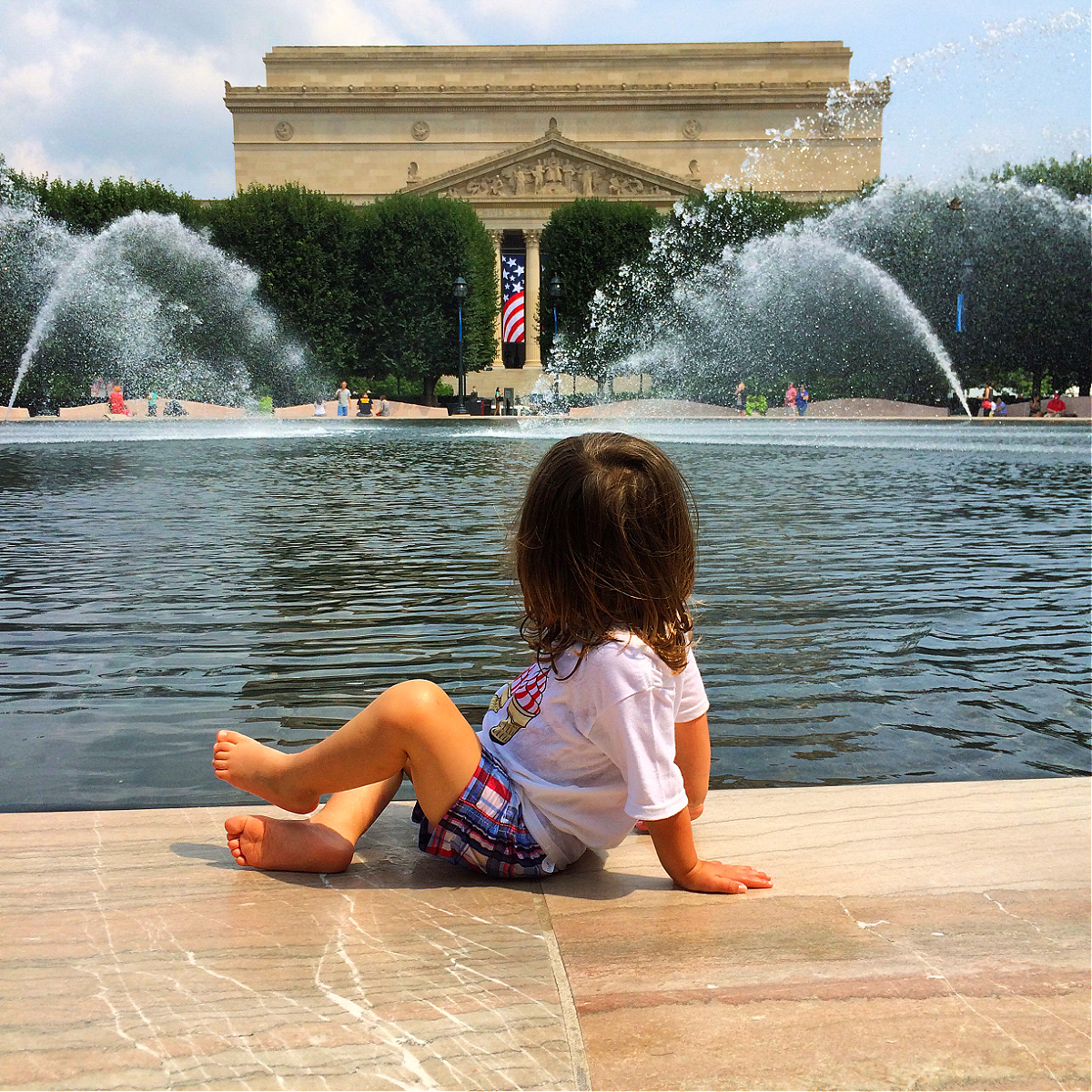
Located right along Constitution Avenue, this outdoor space is part museum, part park.
Highlights:
- Works by artists like Robert Indiana
- Large-scale sculptures you can walk around
- Seasonal programming
- Winter ice rink
Restaurants + Museum Store
The National Gallery’s restaurants are genuinely worth planning around.
You’ll find:
- Fresh, well-prepared meals
- Seating that doesn’t feel chaotic
- A break from typical “grab and go” museum food


The museum store is also one of the better ones in DC:
- Art-inspired gifts
- Books and prints
- Unique souvenirs you won’t find everywhere else


FAQ
Is the National Gallery of Art free?
Yes. Completely free, like most museums on the National Mall.
Which building should I visit first?
Start with the West Building, then move to the East Building.
Is this good for kids?
Best for older kids and teens. Younger kids may get bored without breaks.
How long should I plan for?
2–4 hours is ideal for most visitors.
Where is it located?
Right on the National Mall, between Constitution Avenue and the main Smithsonian museums.

More Helpful Washington DC Trip Planning Guides
- How to Spend 3 Days in Washington DC Without Feeling Rushed
- 5 Days in Washington DC: The Ultimate Longer Itinerary
- Smithsonian Museums Guide for First-Time Visitors
- National Mall Guide: What to Know Before You Visit
- The Best Museums in Washington DC (and Which Ones to Skip)
- Washington DC First-Time Visitor Tips, Mistakes, and Planning Advice
- Washington DC Monuments Guide: Memorials, Walking Routes, and Night Touring Tips
- Washington DC for Teens: Museums, Food, and Attractions Teens Actually Enjoy
- Where to Eat on the National Mall: Best Museum Cafes, Food Courts, and Quick Meals
Final Thoughts
The National Gallery of Art is one of those places that can either feel overwhelming… or absolutely incredible.
The difference comes down to how you approach it.
Don’t try to conquer it.
Instead, treat it like an experience:
- Wander a little
- Pause when something catches your eye
- Skip what doesn’t
- Take a break when you need it
And if you do that?
You’ll walk away realizing that this isn’t just a museum—it’s a full “world of art” experience that’s approachable, memorable, and surprisingly enjoyable… even if you didn’t think you were an “art person” before you walked in.