
National Museum of African American History and Culture Guide (Washington, DC)


If you are visiting Washington, DC and trying to narrow down which museums on the National Mall are truly worth a big chunk of your day, let me make this one easy: the National Museum of African American History and Culture deserves a real place on your itinerary.
Not a “maybe if we have time” place.
Not a “let’s pop in for 45 minutes” place.
A real destination.
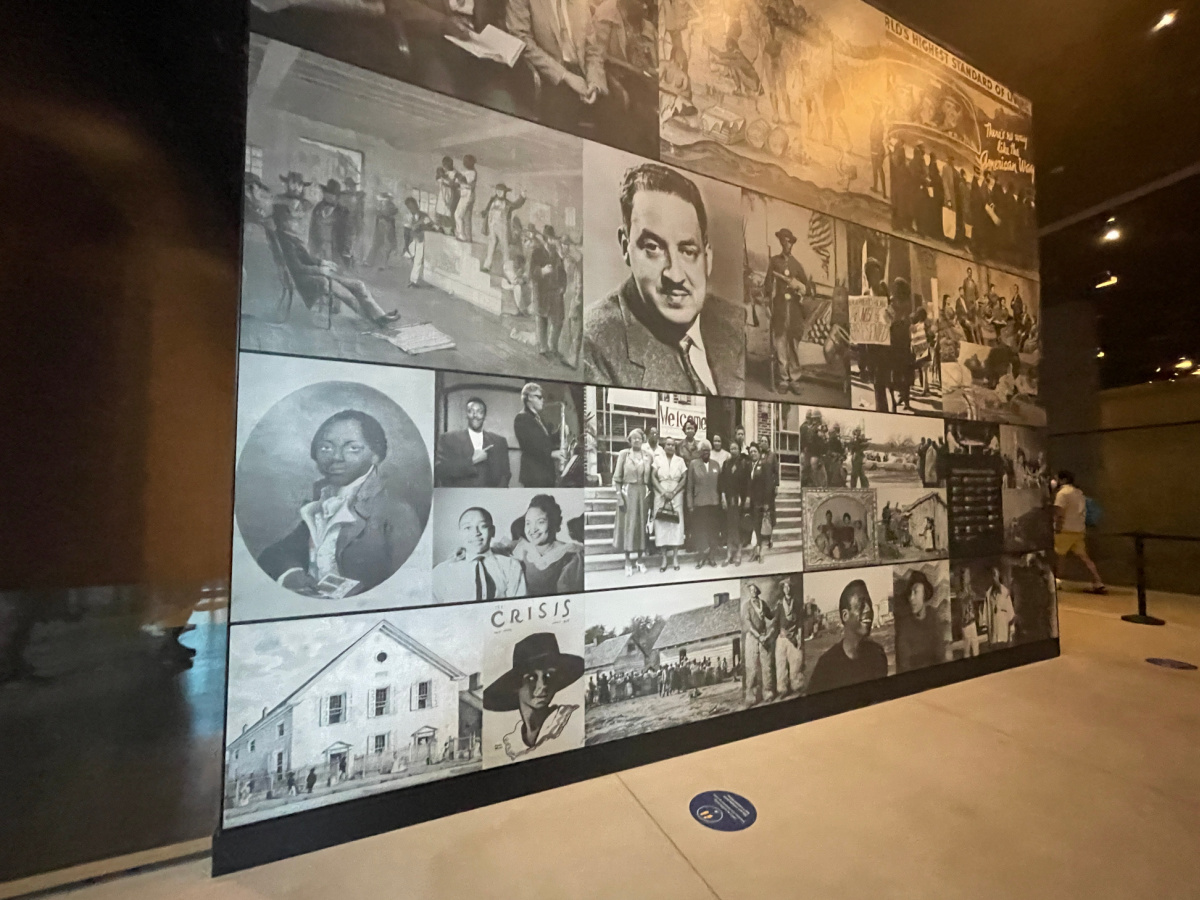
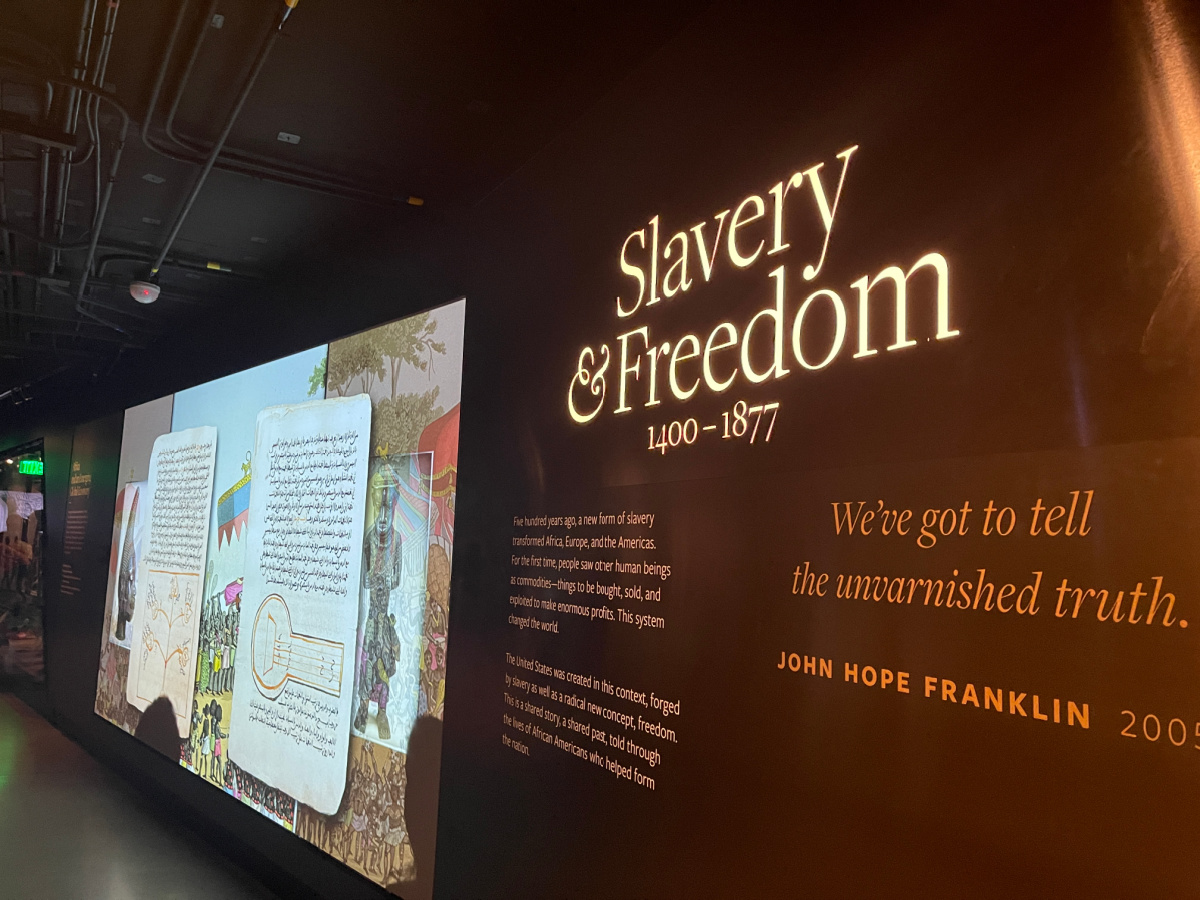
This museum is one of the most powerful experiences in DC, and I do not say that lightly. It is beautifully designed, emotionally intelligent, and huge in both scope and impact. It tells the American story through the documentation of African American life, struggle, resilience, creativity, leadership, and culture in a way that is both deeply sobering and deeply uplifting. The museum describes its mission as sharing the “unvarnished truth” of African American history and culture, and that feels exactly right when you walk through it.
It is also one of those museums where the building itself is part of the storytelling.
You do not just walk room to room looking at objects. Instead, you move through a carefully built cultural narrative. The story begins in the darkest parts of American history, literally below ground, and then the museum rises upward through time, through resistance, through the civil rights movement, through art and innovation and music and cultural expression, into brighter and more open spaces. That design choice is intentional, and it works. By the time you reach the upper floors, you do not just know more facts. You feel like you have traveled through something.
And that is why this museum stays with people.
If you’re visiting around Independence Day, this 4th of July in Washington, DC guide will help you plan your museum time around the crowds, road closures, and fireworks events on the National Mall.
Quick Snapshot
This museum is best for first-time DC visitors, adults, teens, and families with older kids who are ready for thoughtful conversations and some difficult history.
I think it is especially good for:
- families with tweens and teens
- adults who want more than a surface-level museum visit
- visitors who only have time for a few Smithsonian museums and want one of the most meaningful choices
- anyone interested in African American culture, civil rights, American history, music, sports, and cultural contributions
This is a trickier fit for:
- very young kids
- children who are highly sensitive to heavy content
- people trying to cram six museums into one day
- anyone who only has an hour or two and wants something light
Admission is free, but timed-entry passes are currently required for all visitors, regardless of age, and the museum says advance passes are released on a rolling basis 30 days ahead, with same-day passes released online each morning.
I would strongly recommend planning at least a half day here. You can technically do less, but this is not a museum that shines when rushed.
If you’re trying to choose between Smithsonian museums, it helps to compare this one with other popular options like the National Museum of American History.
What to Expect (Real Talk)
This museum is large. It is layered. And it can be emotionally draining in a way that other DC museums usually are not.
That does not mean it is depressing from start to finish. It is not. In fact, one of the things I admire most about it is that it does not flatten African American history into one note. It does not tell only stories of suffering, and it does not jump too quickly to celebration either. The way this museum tells the story, it lets both things exist. It makes room for brutality, injustice, resistance, creativity, joy, brilliance, and influence.
But you do need to be ready for the lower levels.
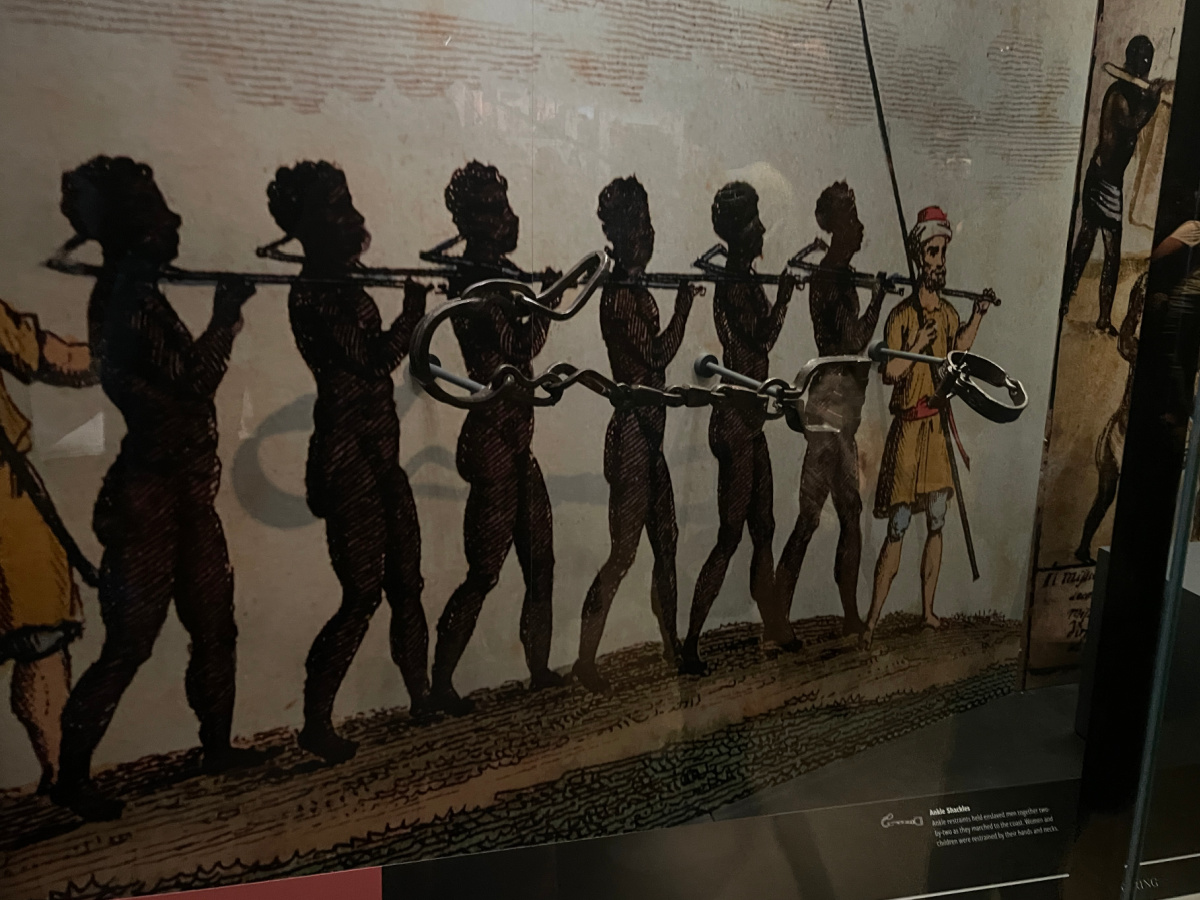
Those early history galleries are not casual. They deal with slavery, abuse, racial violence, segregation, and dehumanization in a direct and honest way. There were moments when the museum felt almost hushed, not because anyone told people to be quiet, but because the material itself changed the way people were moving through the space. You could feel visitors slowing down. Reading more carefully. Looking longer. Talking less.
And then, eventually, the museum begins to open up.
The upper levels feel different. There is more light. More movement, more color. And more of a sense of cultural abundance. You start seeing the contributions of African Americans to art, music, sports, politics, military service, literature, entertainment, and the broader American experience in a way that feels expansive instead of compressed.
That shift is one of the smartest things about the entire museum.
If you’re traveling with kids who want something more hands-on and high-energy, you may want to balance this visit with a stop at the Air and Space Museum.
The Building Itself Is Part of the Story
Before you even get to the exhibits, pause outside for a minute and really look at the museum.
It stands out on the National Mall, and it is supposed to.
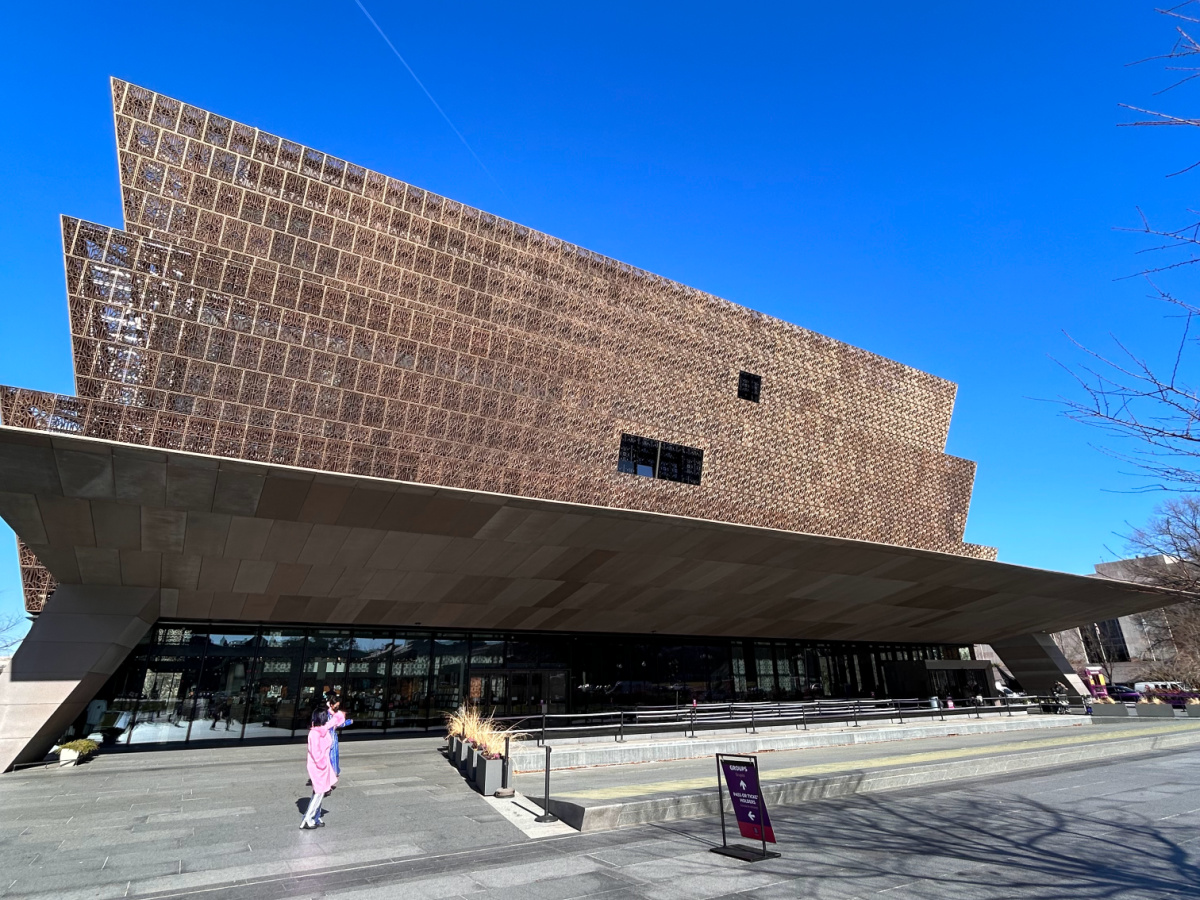
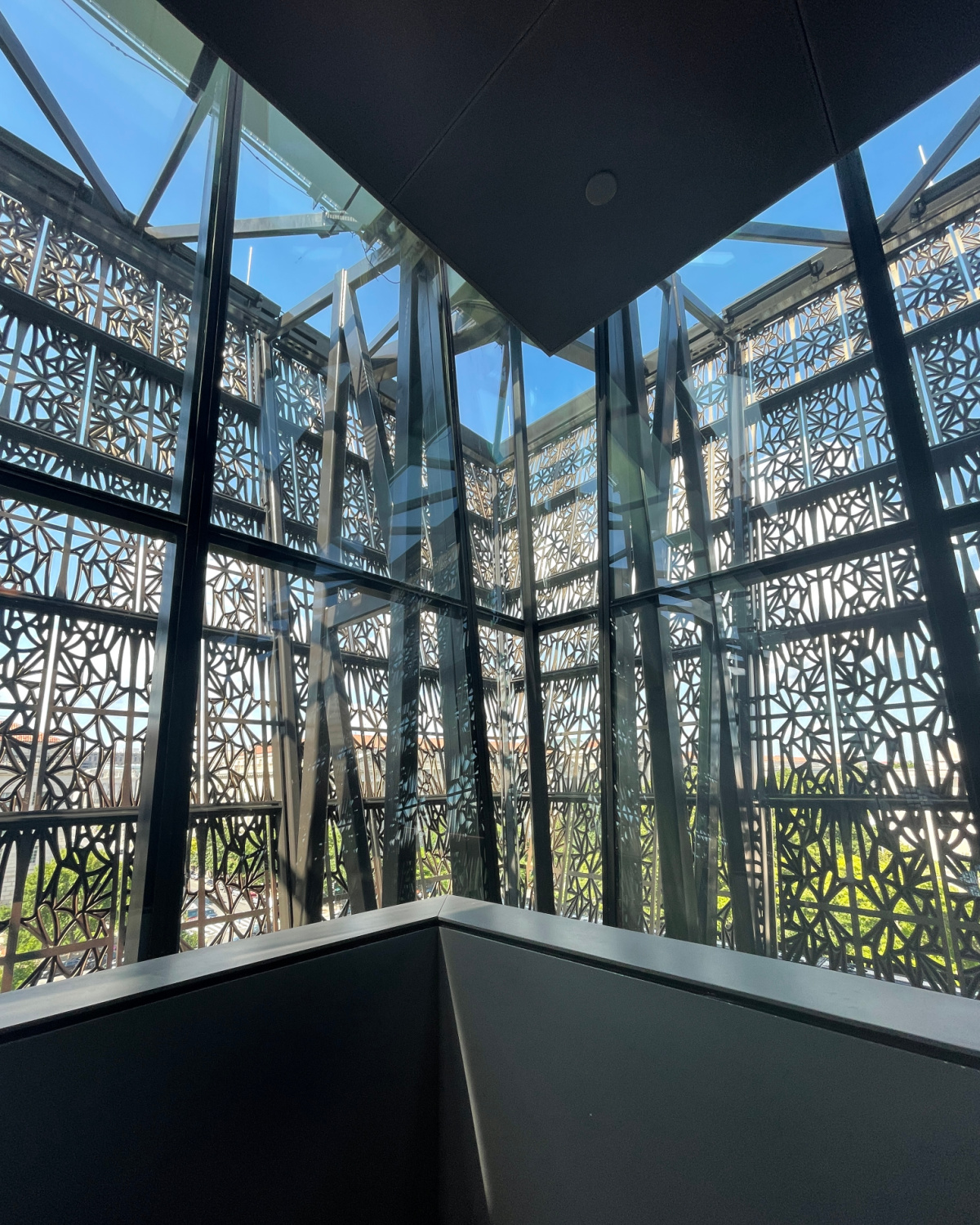
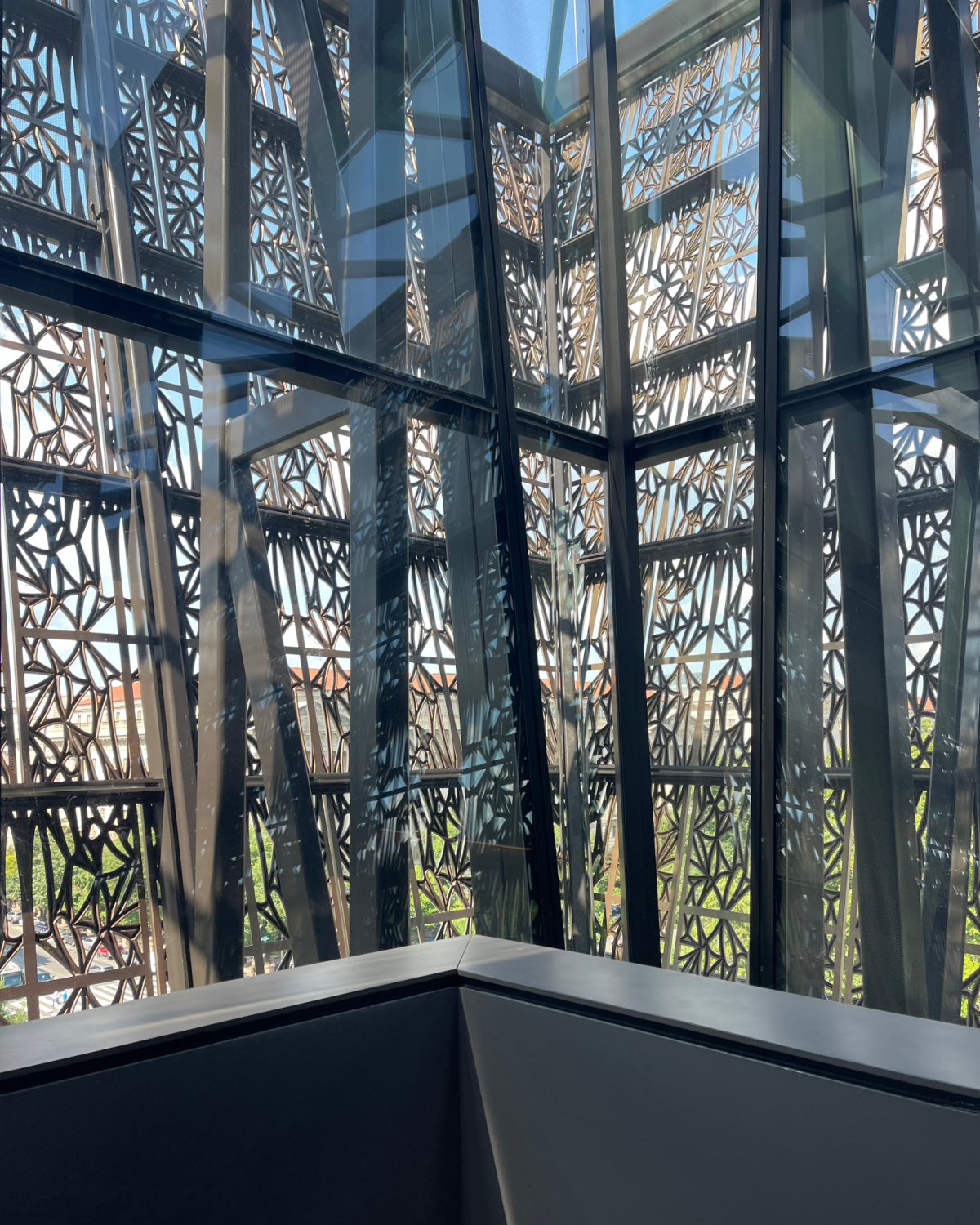
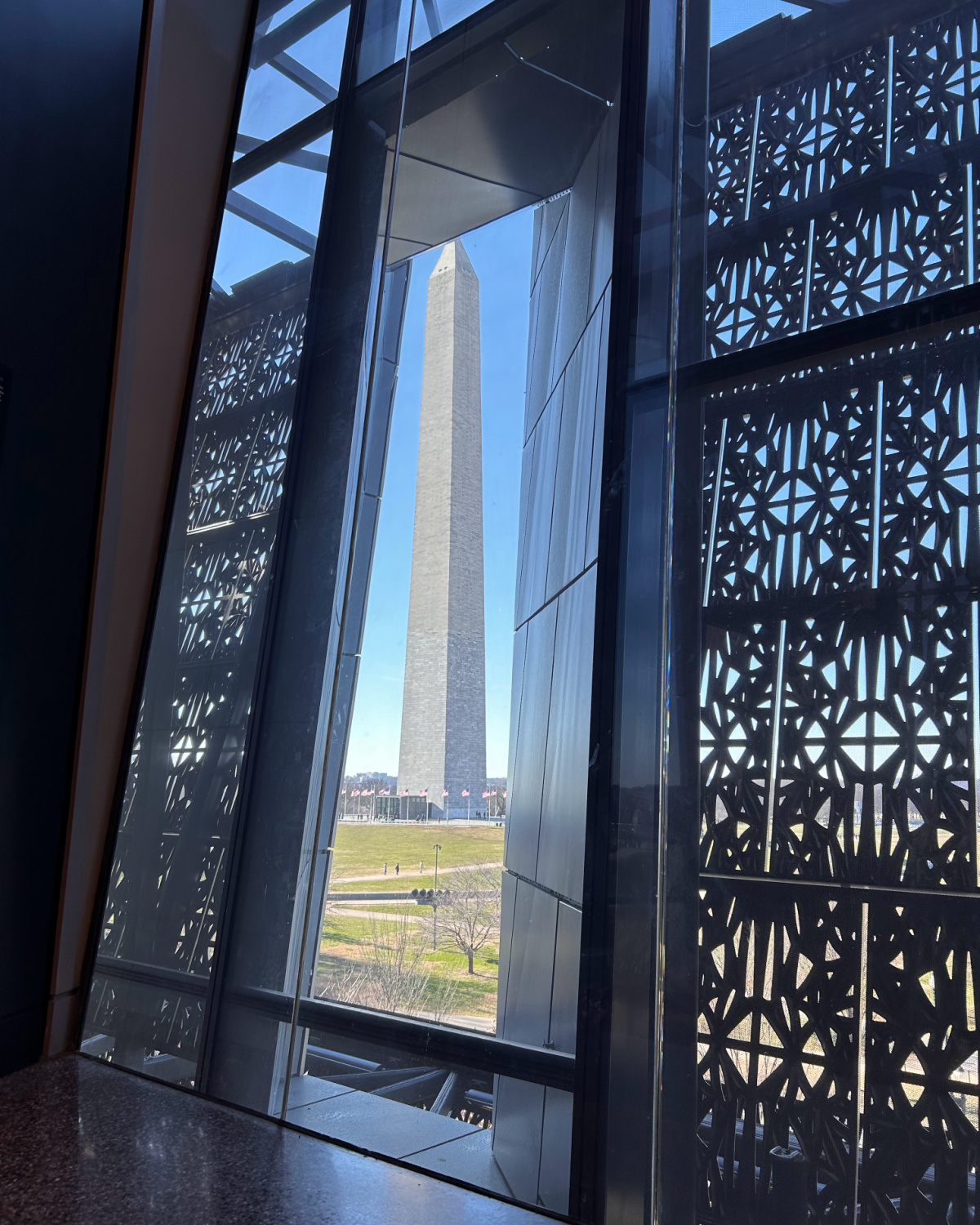
The bronze-colored corona was designed to draw from African American visual traditions and ironwork craftsmanship, including work associated with enslaved artisans in the South. The museum was designed by David Adjaye with the Freelon Adjaye Bond team, and the exterior does not feel generic or accidental. It feels symbolic, rooted, and modern all at once. The design is inspired by ironwork created by enslaved black people in the American South, which adds a deeper layer of meaning once you understand the history behind it.
That matters because this museum was not inevitable. It took a long time, broad advocacy, and an Act of Congress for this museum to become reality as the 19th museum of the Smithsonian Institution.
So even before you step inside, the place is already telling you something: this history belongs here. This story belongs on the National Mall. This is central American history, not side history.
And honestly, that is part of why the museum hits as hard as it does.
What’s Actually Worth Your Time
Start at the Bottom
Even though the lower floors are the heaviest part of the museum, I really do think it is important to start there and move upward.

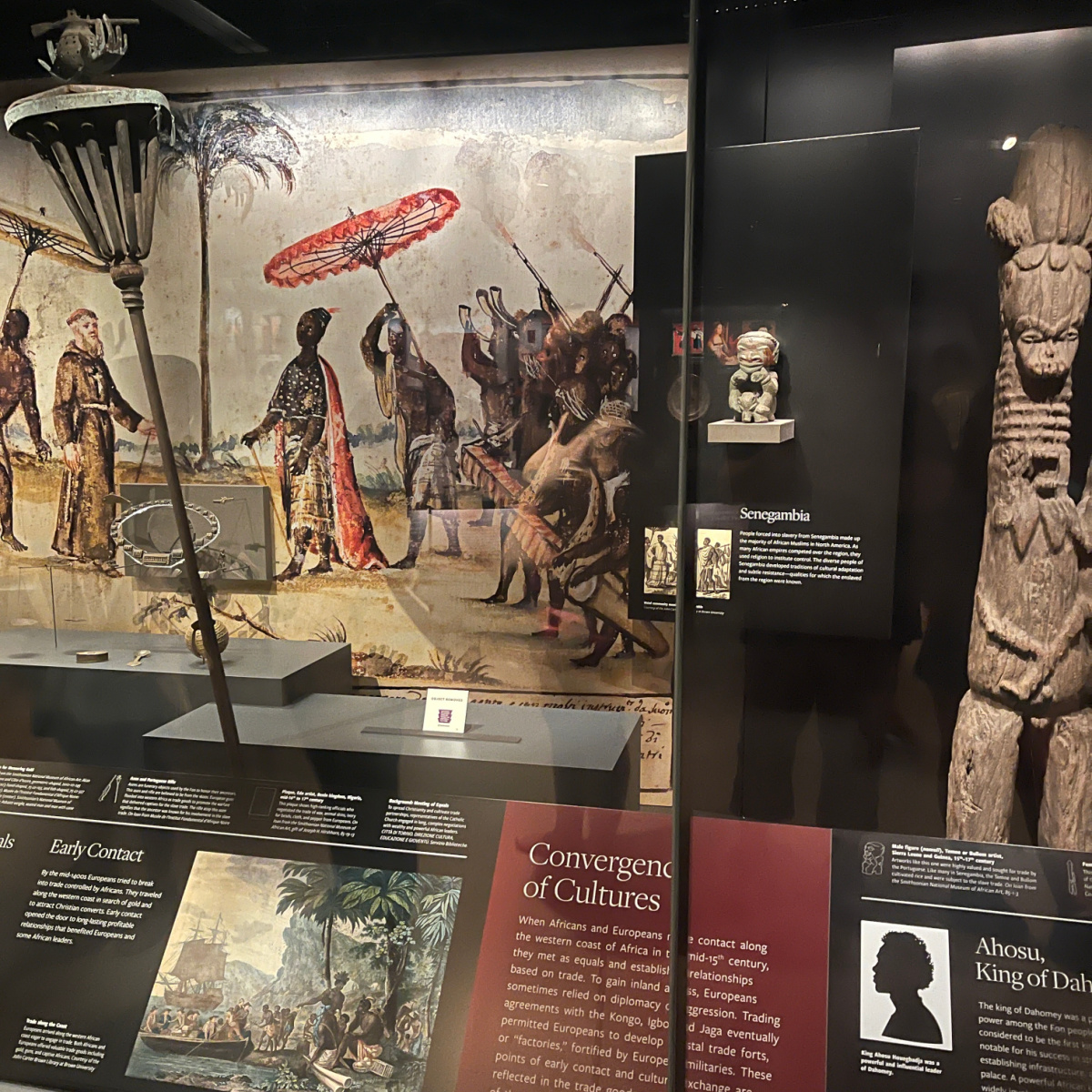
You are taken down into the history galleries, where the story begins with the transatlantic slave trade and the foundations of slavery in what became the United States. This is where you encounter the realities that shaped so much of the rest of the museum: the auction block, forced family separation, violence, labor exploitation, and the legal and cultural systems built around all of it.
This is not easy material. It is not supposed to be.
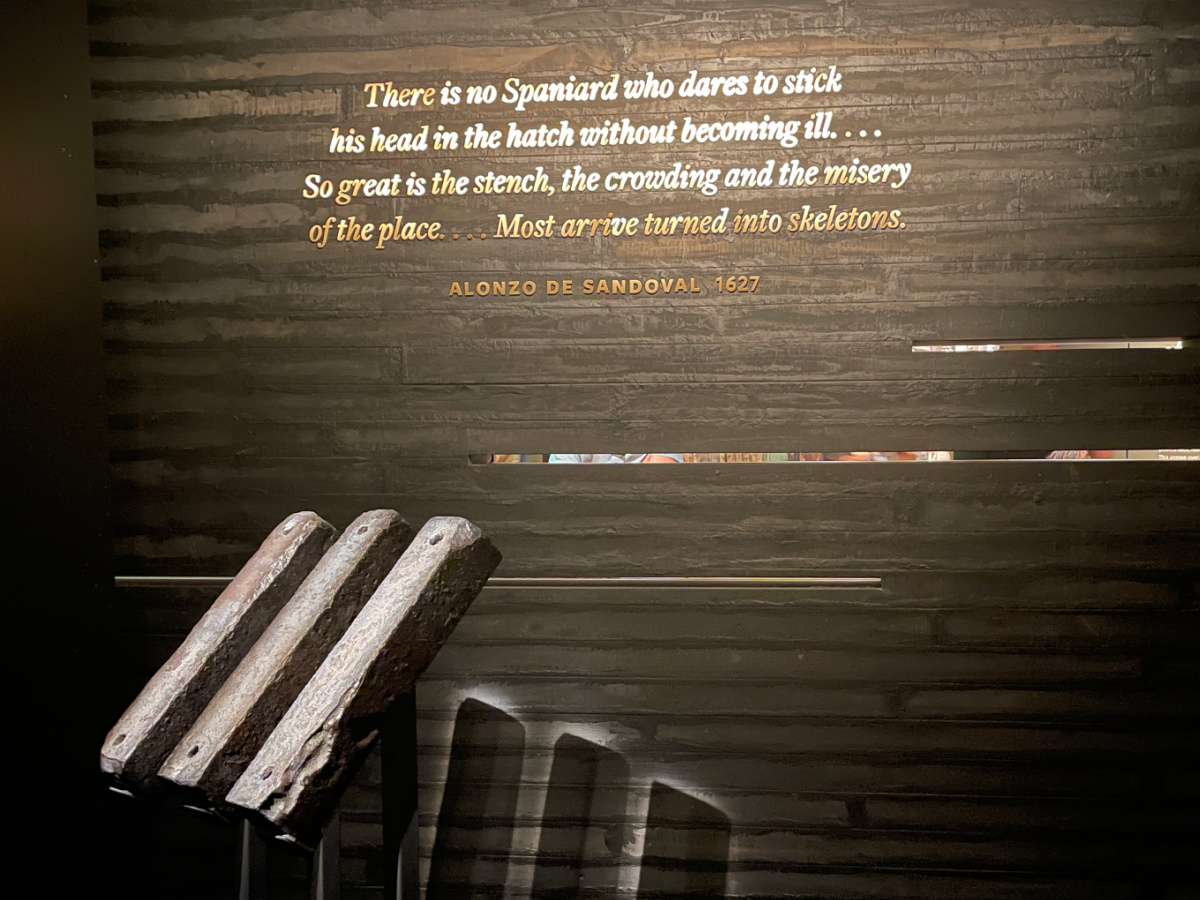
But starting there gives the rest of the museum its weight and coherence. If you skip those levels and only do the popular culture and music floors, you will still see amazing things, but you will miss the architecture of the experience.
Slavery and Freedom Galleries
These galleries are the emotional core of the museum for a lot of people.
There are artifacts and visual installations here that stay with you because they make the history feel immediate rather than abstract. A line in a textbook is one thing. Seeing objects tied to actual systems of oppression is another. It closes the distance between “then” and “real people.”
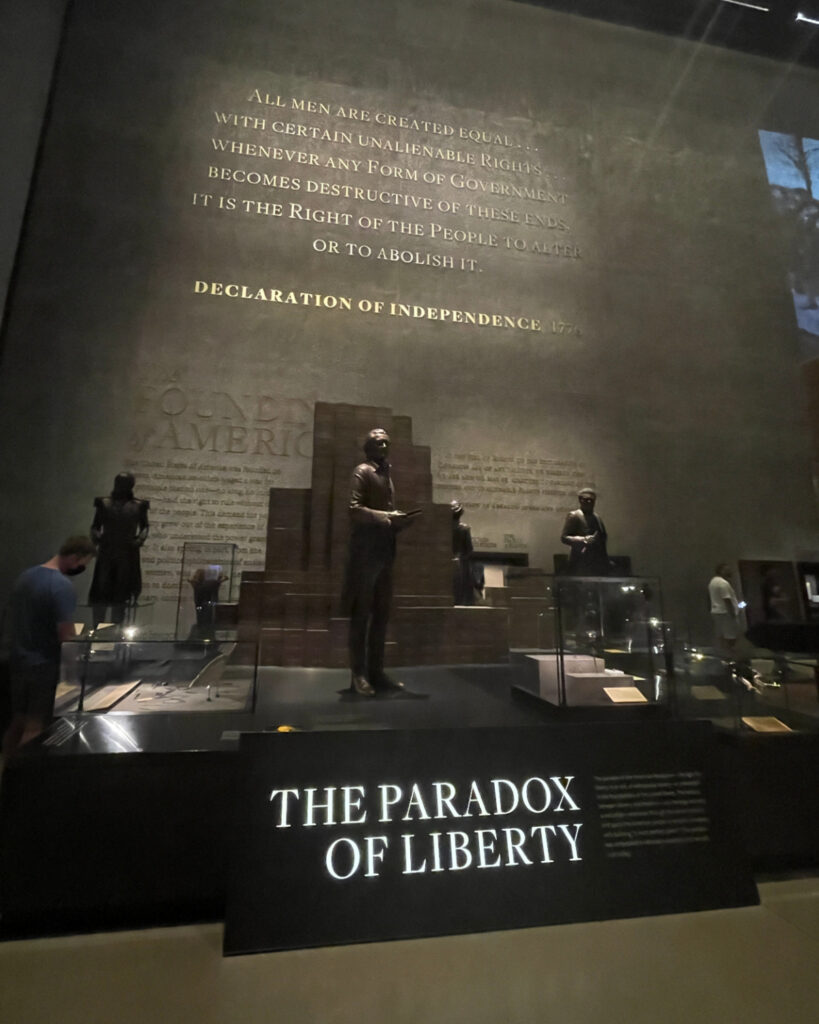
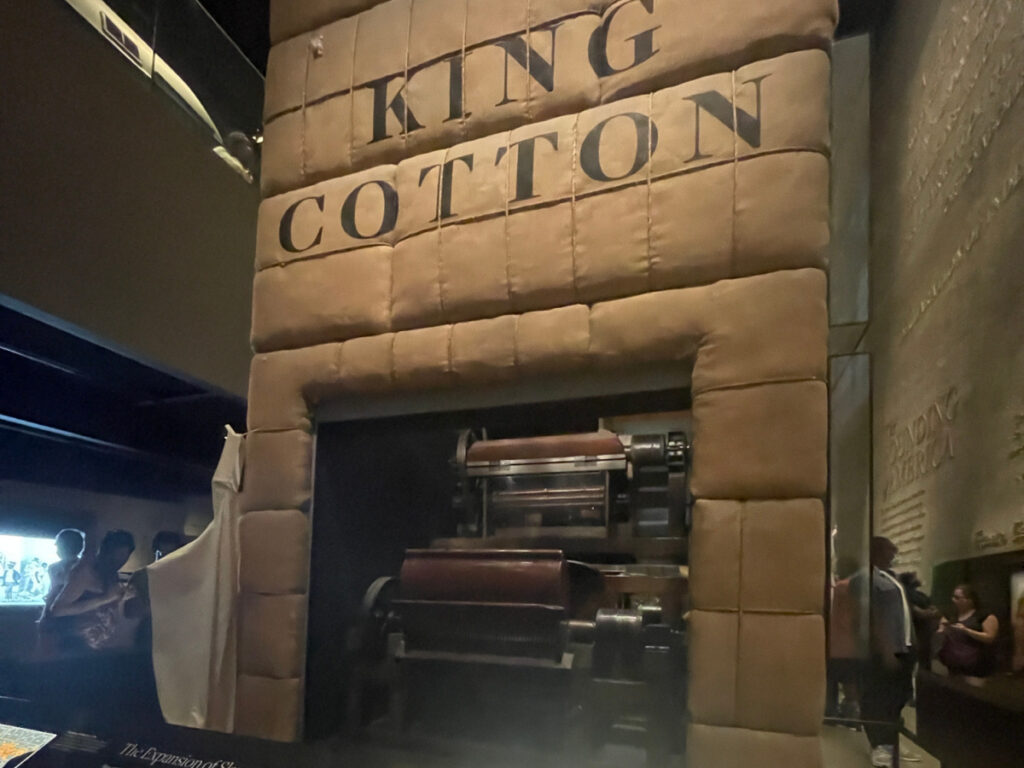
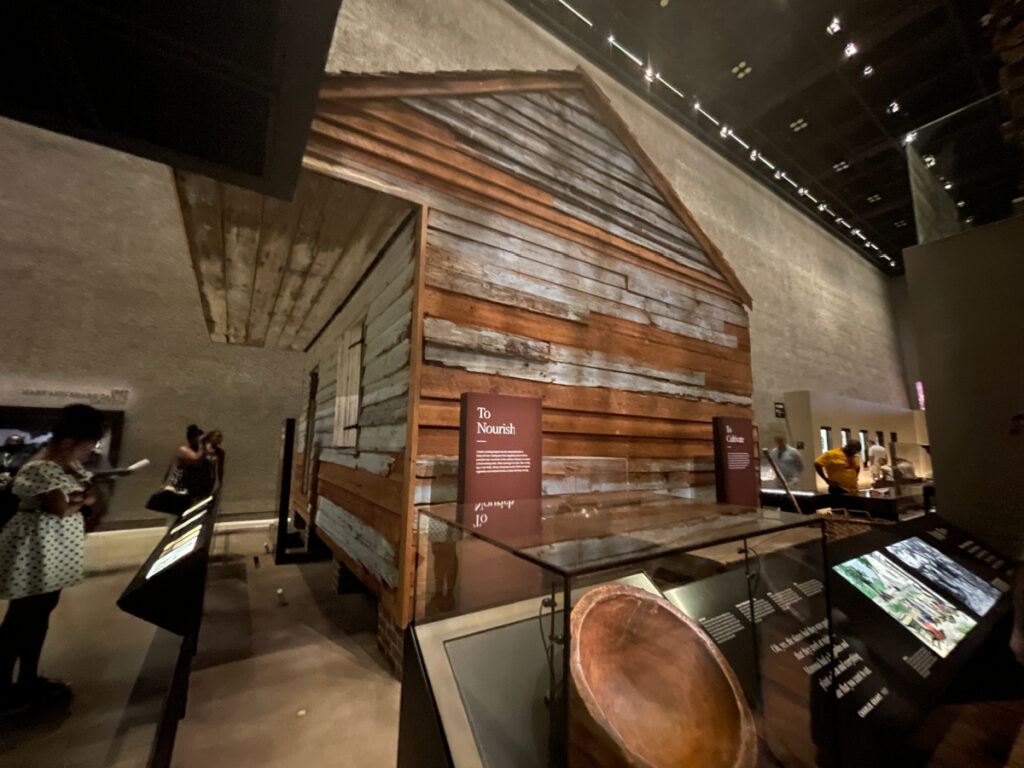
This is also where parents need to pay attention to their kids, not just physically but emotionally. Some children will want to ask questions right away. But some will go quiet. And some may need to move more quickly. That is okay. This is not a museum where every person in a family will process the same way.
You’ll also see powerful stories of resistance and leadership, including figures like Harriet Tubman, whose courage helped reshape the trajectory of the African American experience.
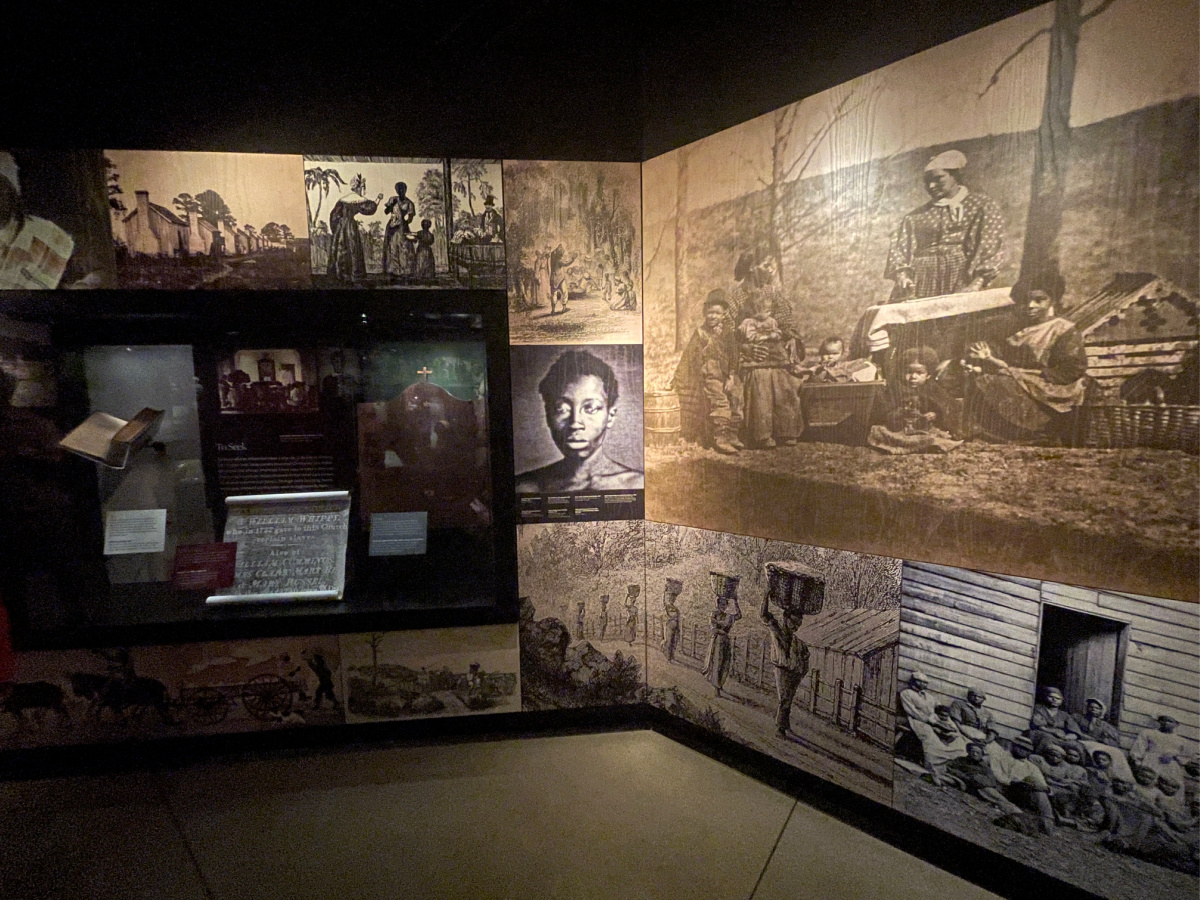
If your family connects with this part of the story, the Harriet Tubman Underground Railroad Visitor Center in Maryland is an incredible follow-up experience that brings it all to life in a very tangible way.
Reconstruction, Segregation, and the Long Fight After Slavery
One thing this museum does very well is refuse to let the story end with emancipation.
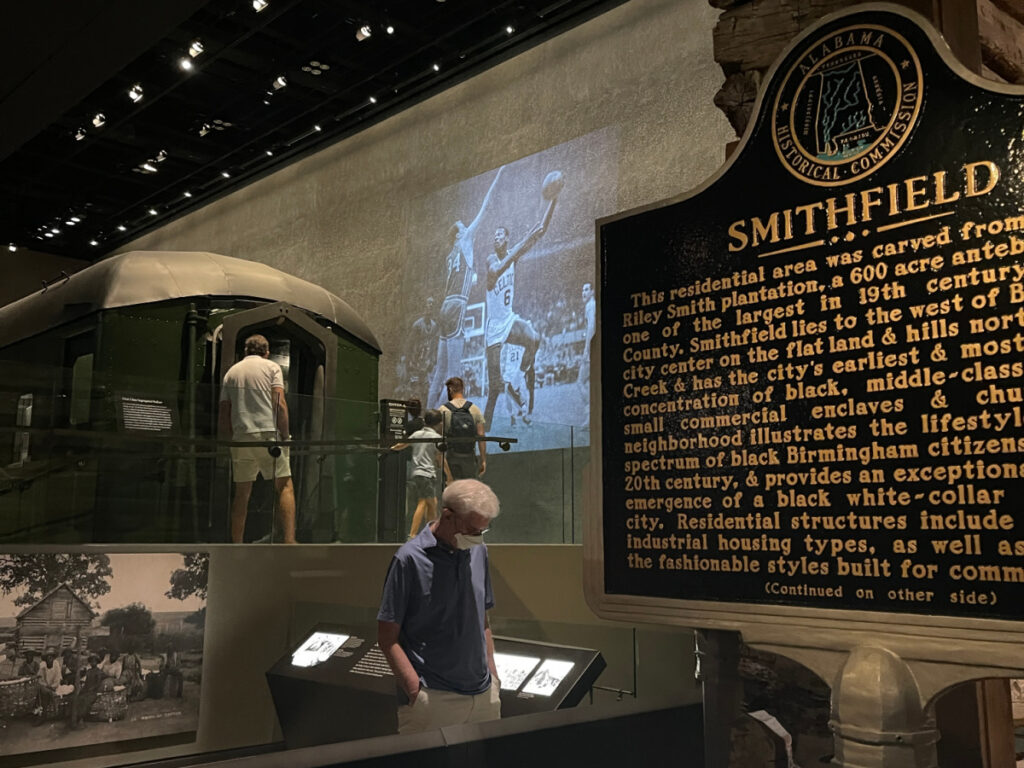
It walks you into the years after slavery and shows how the structures of inequality simply changed form. Reconstruction, segregation, racial terror, Black institution-building, educational progress, and organized resistance all become part of the larger narrative. That matters because many visitors know the broad outline of slavery and the broad outline of the civil rights movement, but the period in between is often fuzzy.
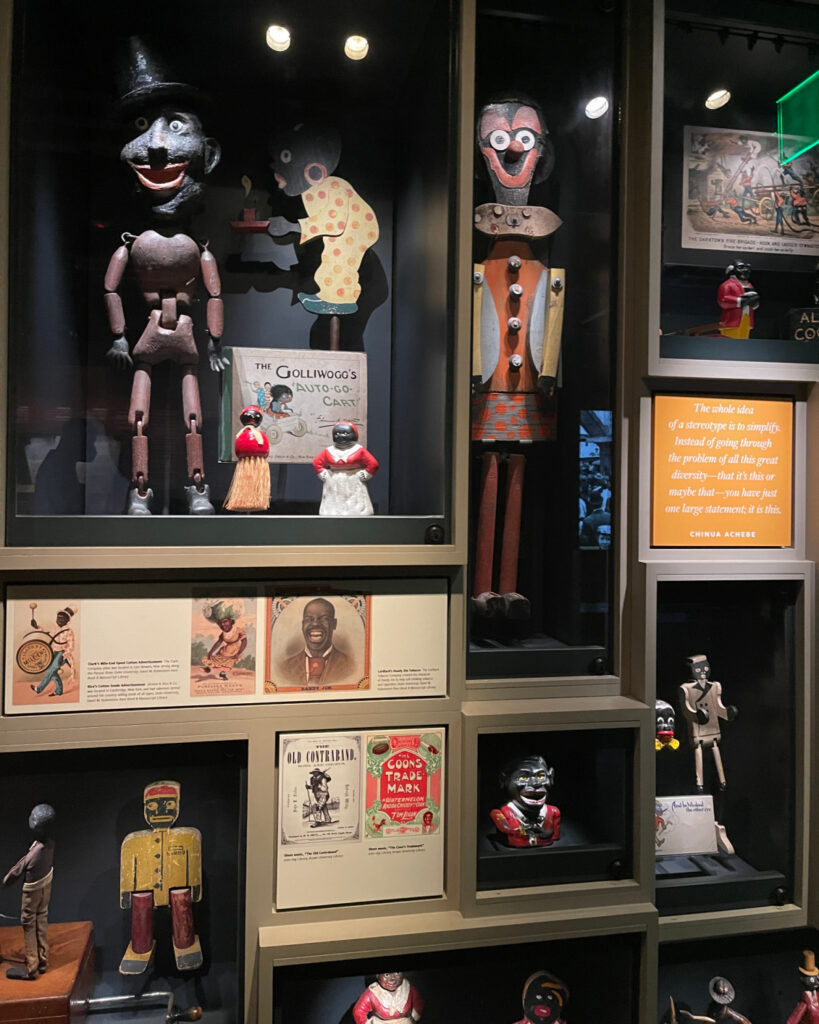
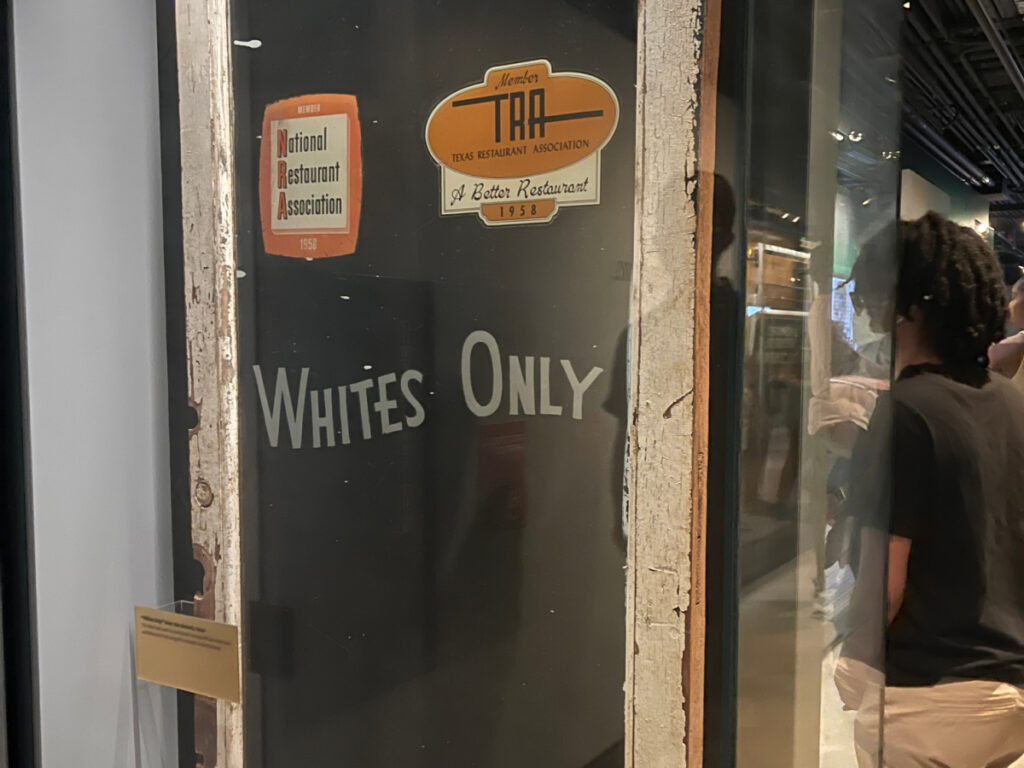
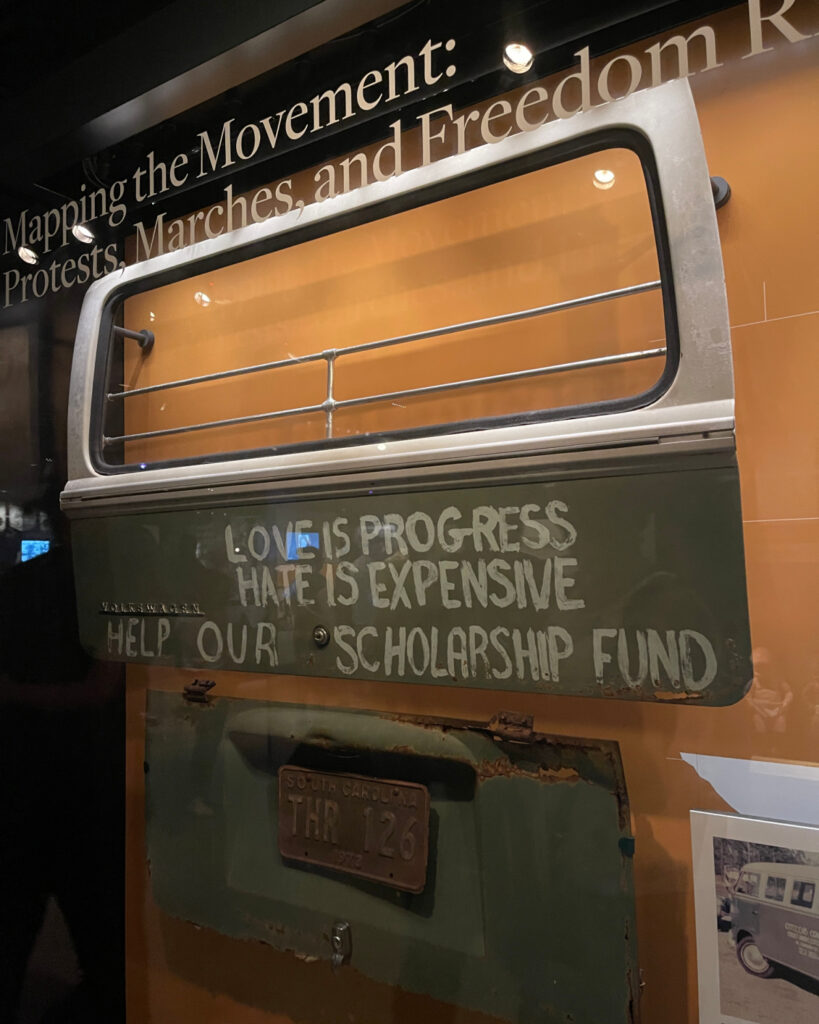
Here, it is not fuzzy.
You begin to see the role of educational institutions, churches, civic institutions, historically Black colleges and universities, community leadership, and Black entrepreneurship in building a life and a future under deeply unequal conditions. The result is a much fuller view of the African American experience.
This is also where you start to see the growing role in civic institutions—churches, schools, and community organizations—that became essential to progress and advocacy.
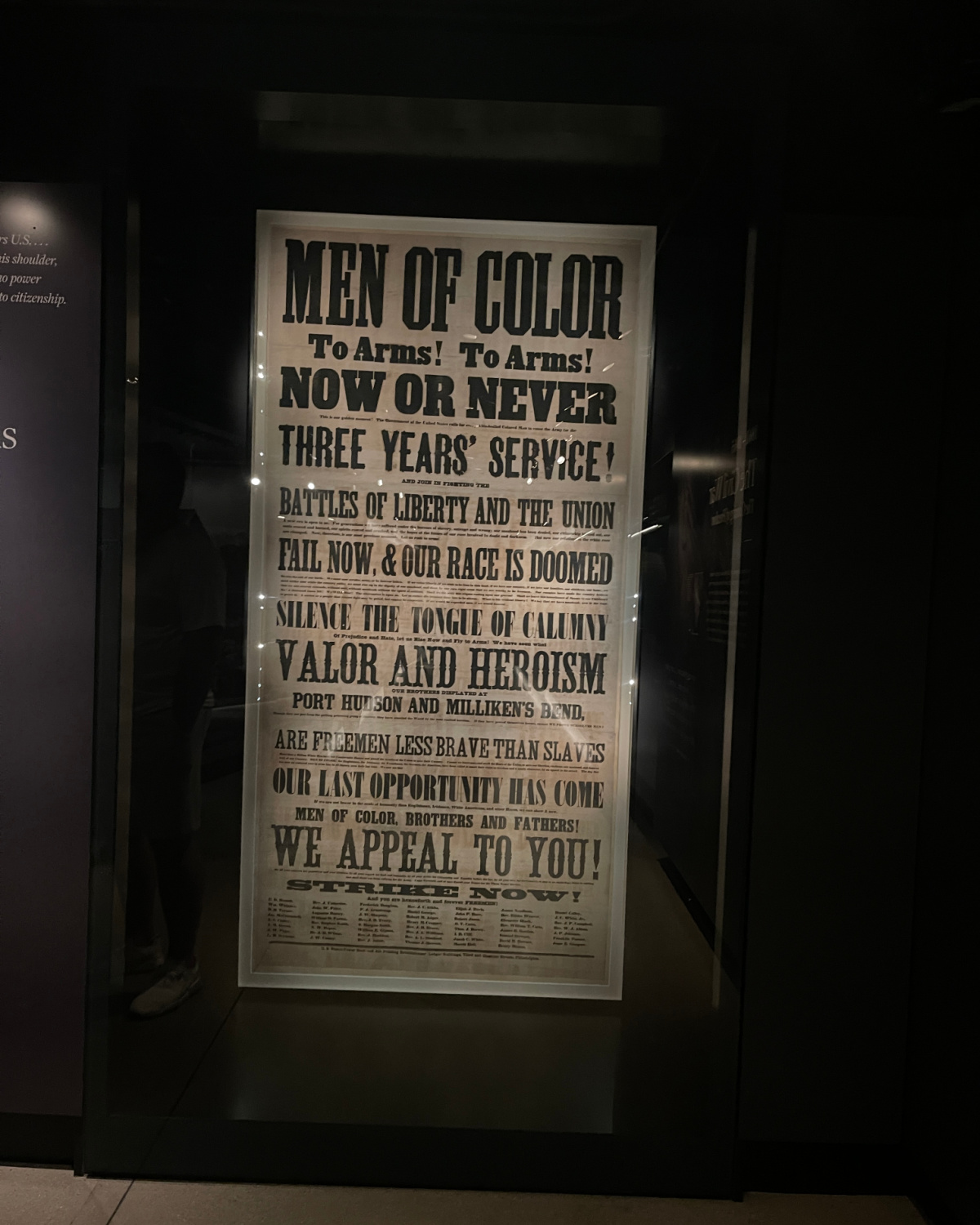
For a deeper understanding of what daily life looked like during this time, places like Historic Sotterley in Maryland offer an important and very real look at plantation history and enslaved communities.
The Civil Rights Movement
This section is one that many visitors will be especially drawn to, and for good reason.
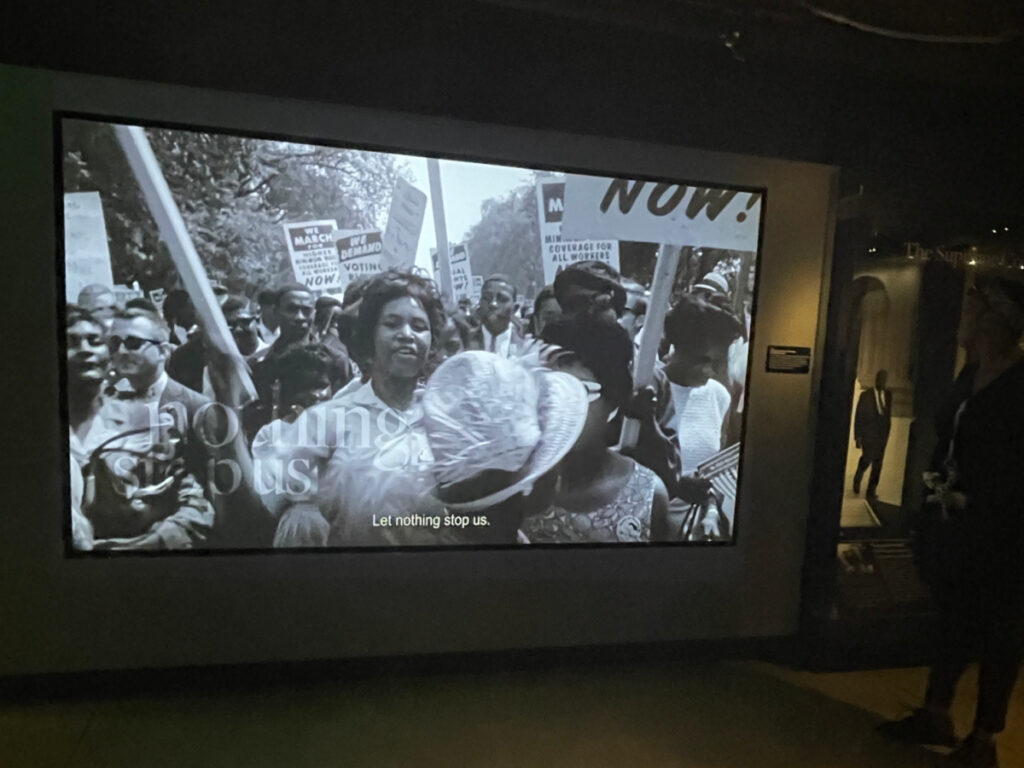
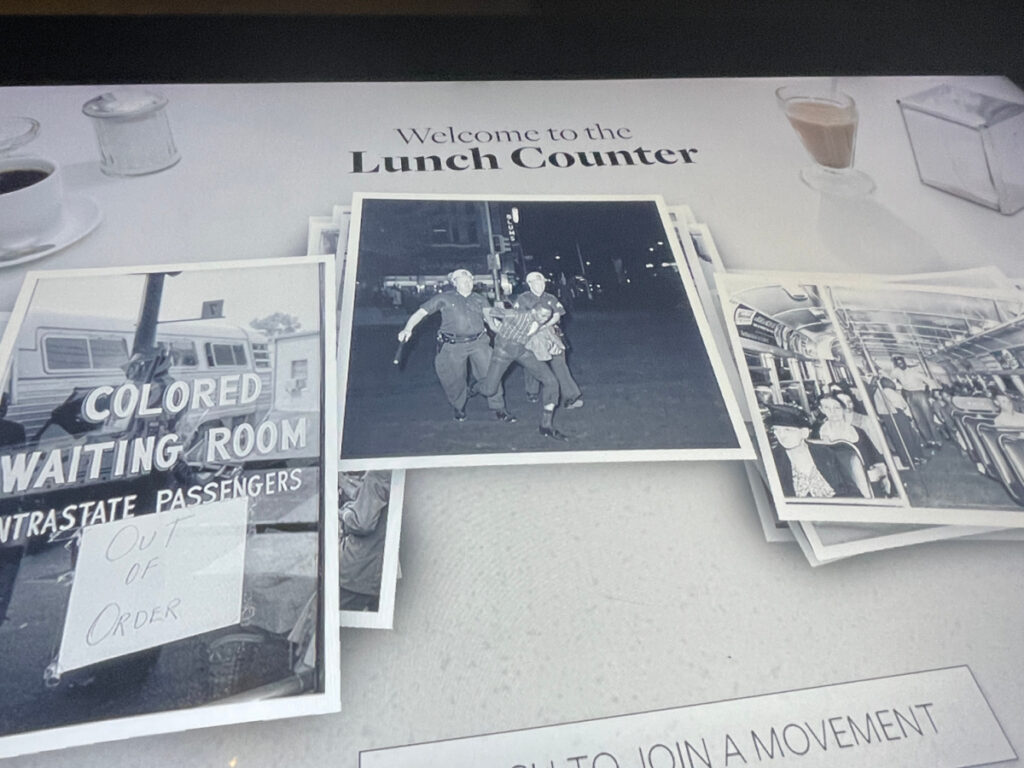
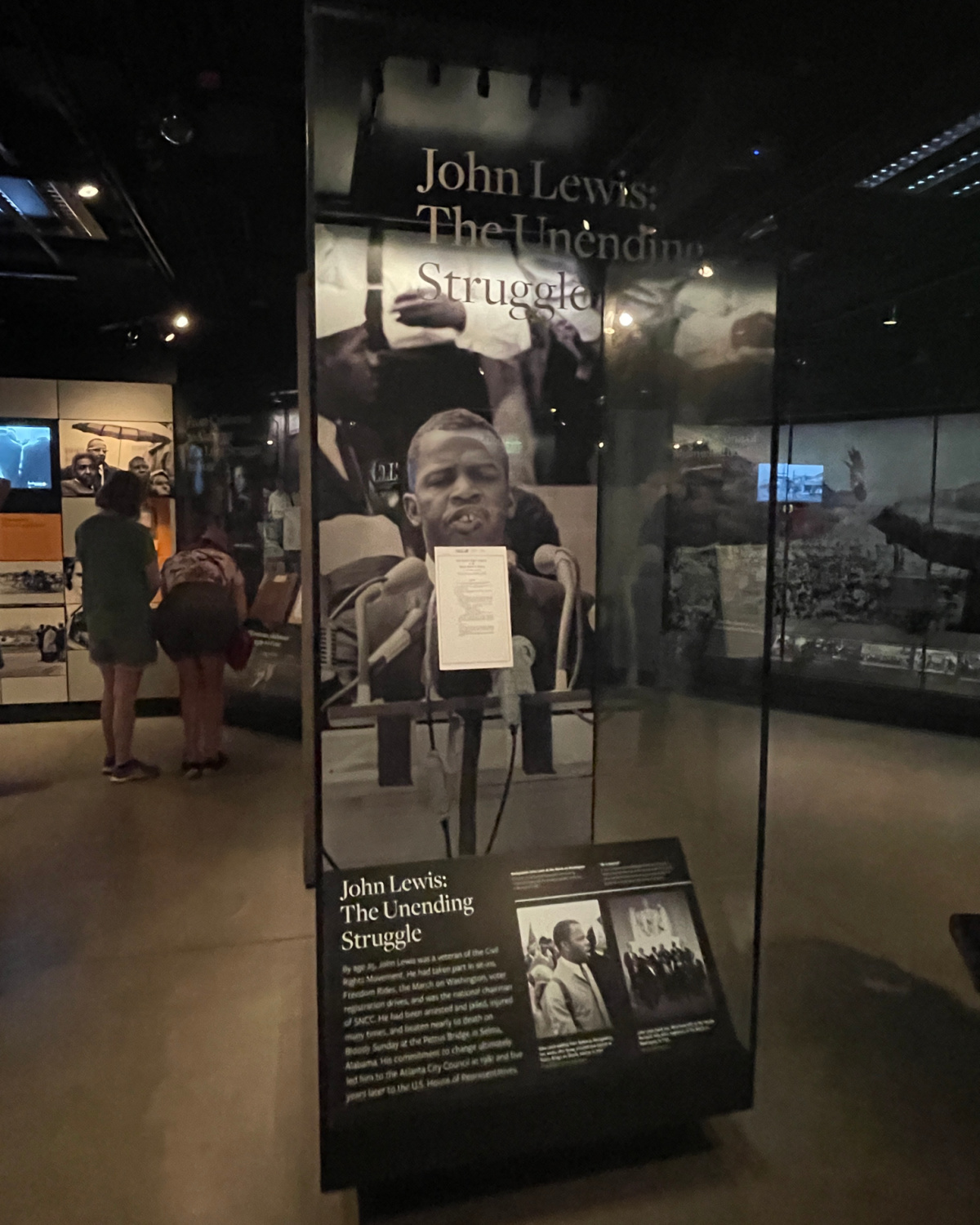
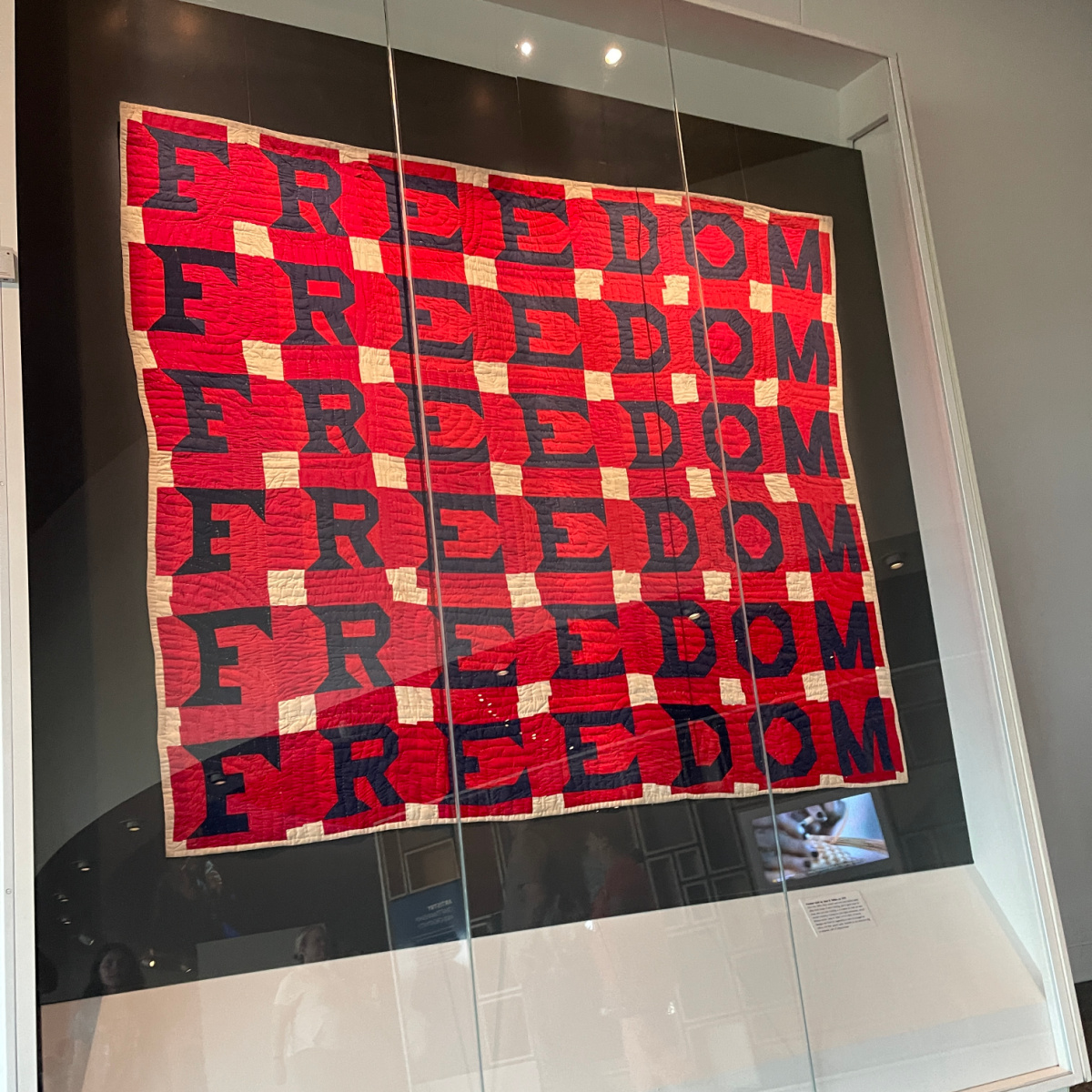
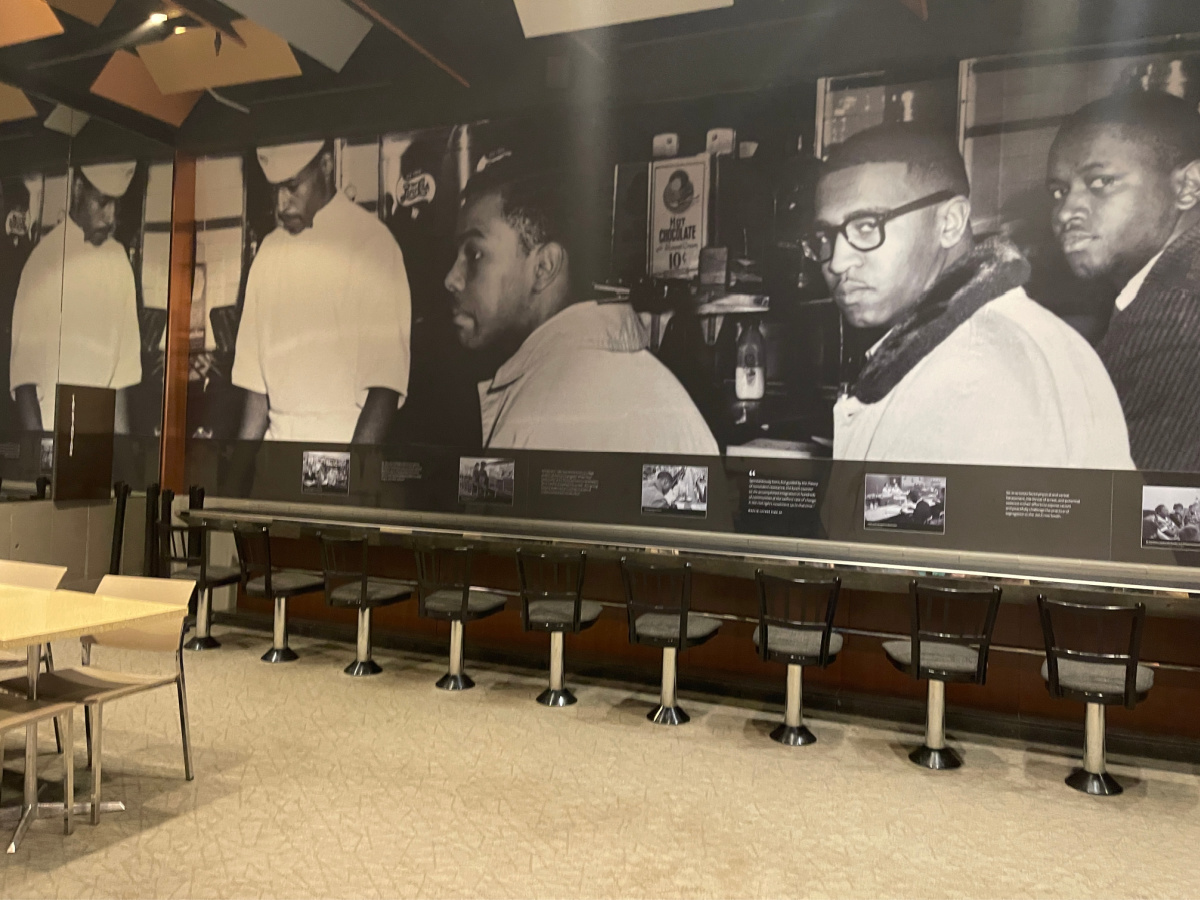
The civil rights movement galleries bring together protest, law, grassroots organizing, youth activism, media, violence, courage, and moral clarity. The story gets more familiar here in some ways, but it also gets more personal. You are reminded that this was not just a movement of a few famous figures. It was built by ordinary people making costly decisions over and over again.
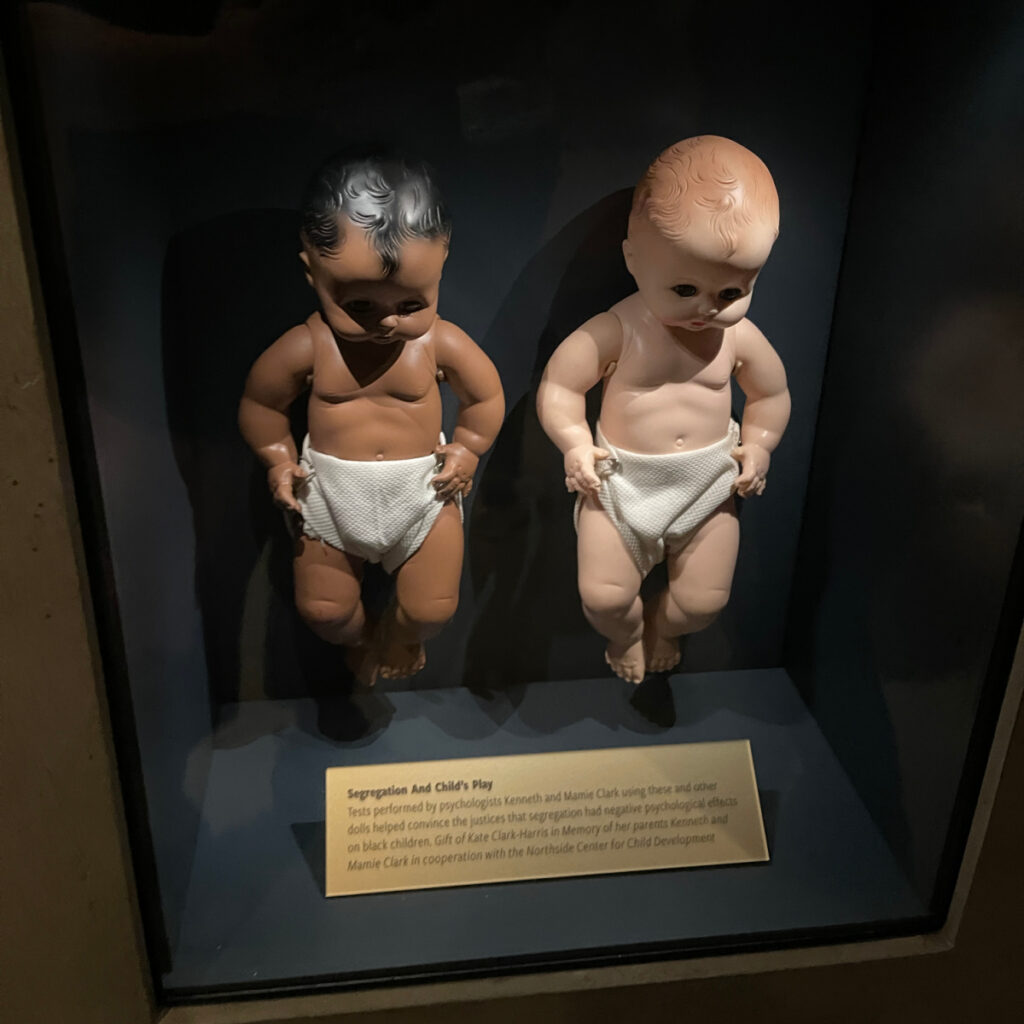
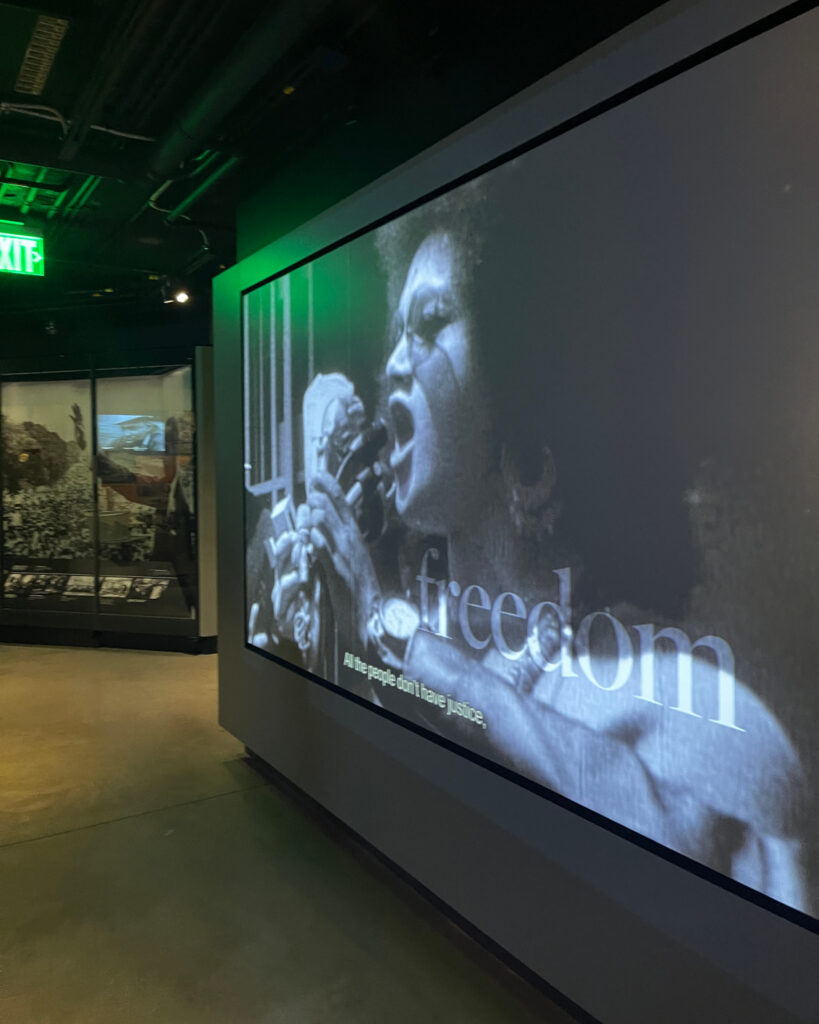
This is also one of the places where the museum connects the story of African American history directly to American values and civic life. It does not present freedom as a smooth national achievement. It shows the struggle to force the nation to live up to its own ideals.

Do Not Skip the Upper Floors
By the time you reach the upper levels, you may be tired. You may feel like you have already “done the important part.”
Please do not make that mistake.
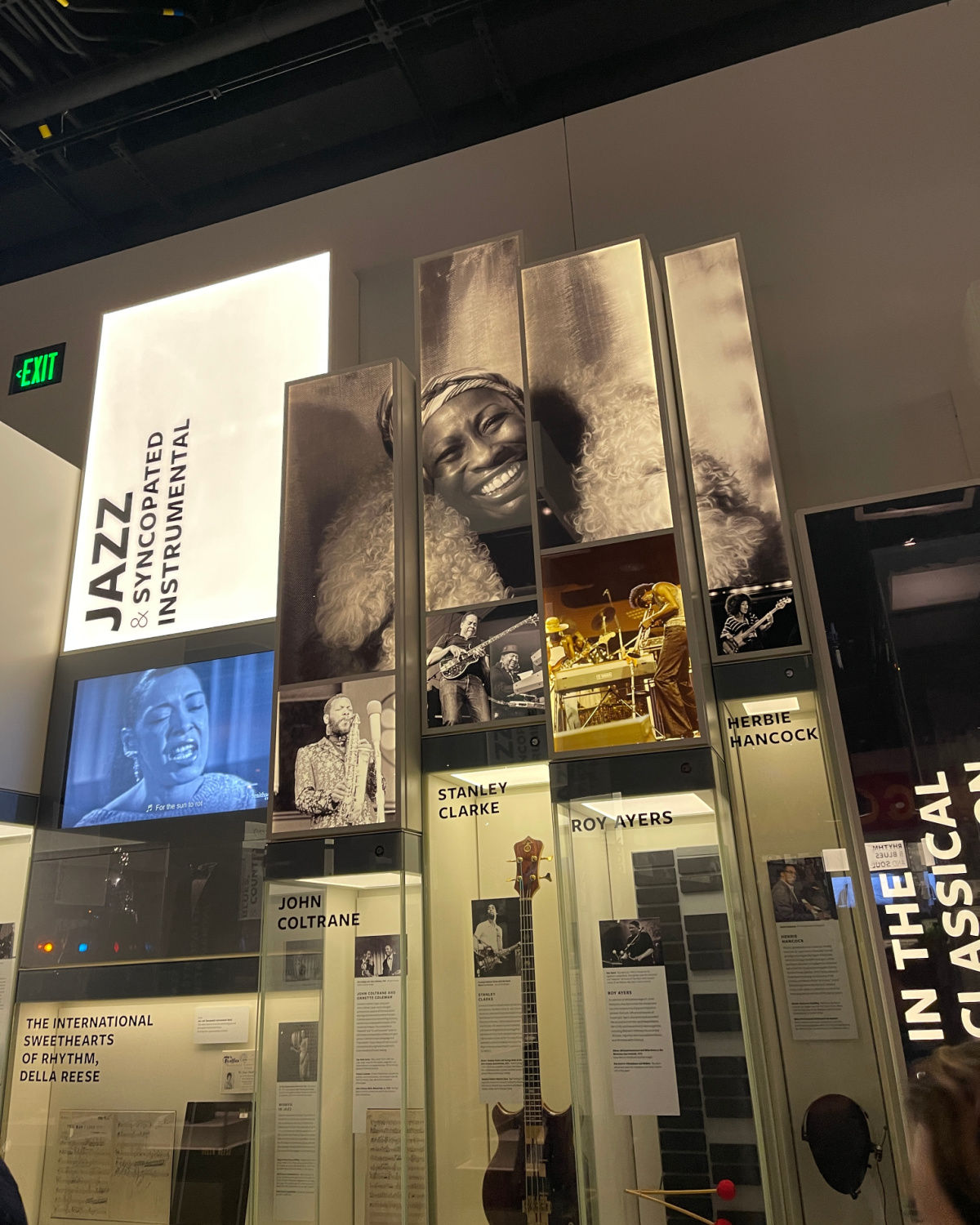
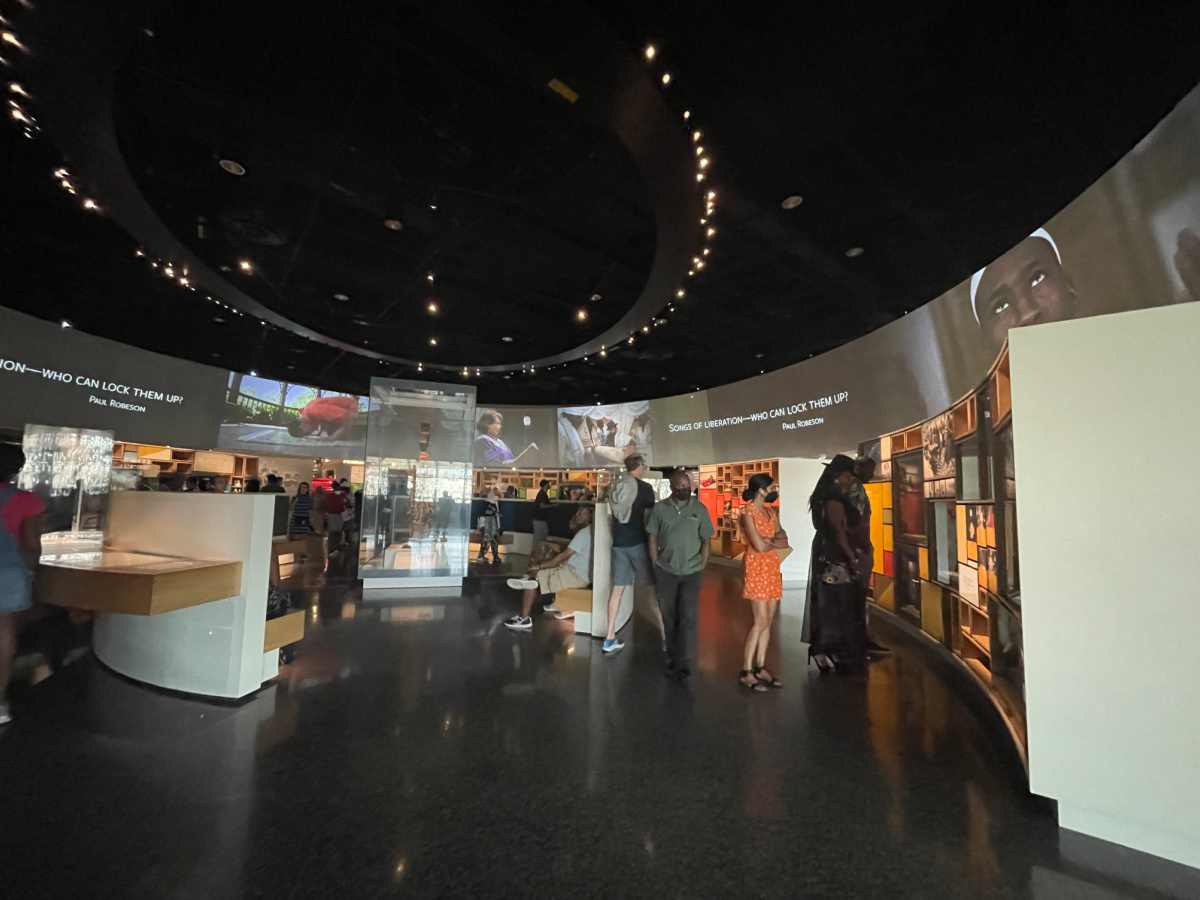
The upper floors are essential because they show the breadth of African American culture and contribution beyond oppression and resistance alone. This is where the museum starts to feel more open, more energetic, and in some ways more surprising.
The upper floors also lean heavily into interactive exhibits, which makes this part of the museum especially engaging for teens and first-time visitors.
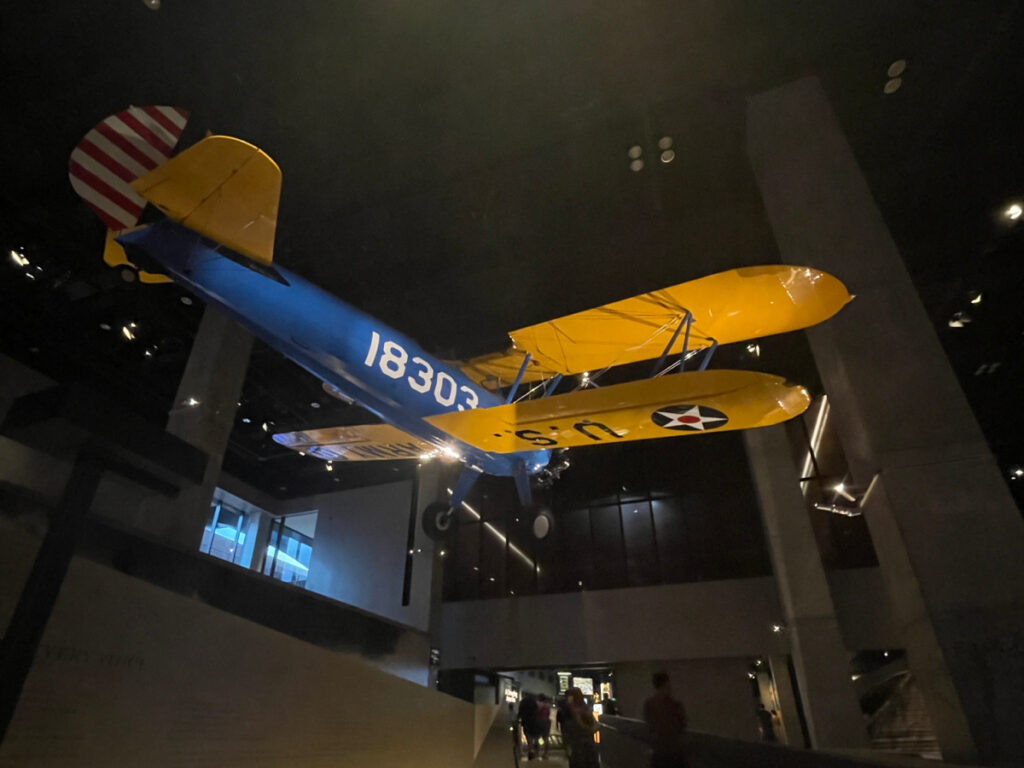

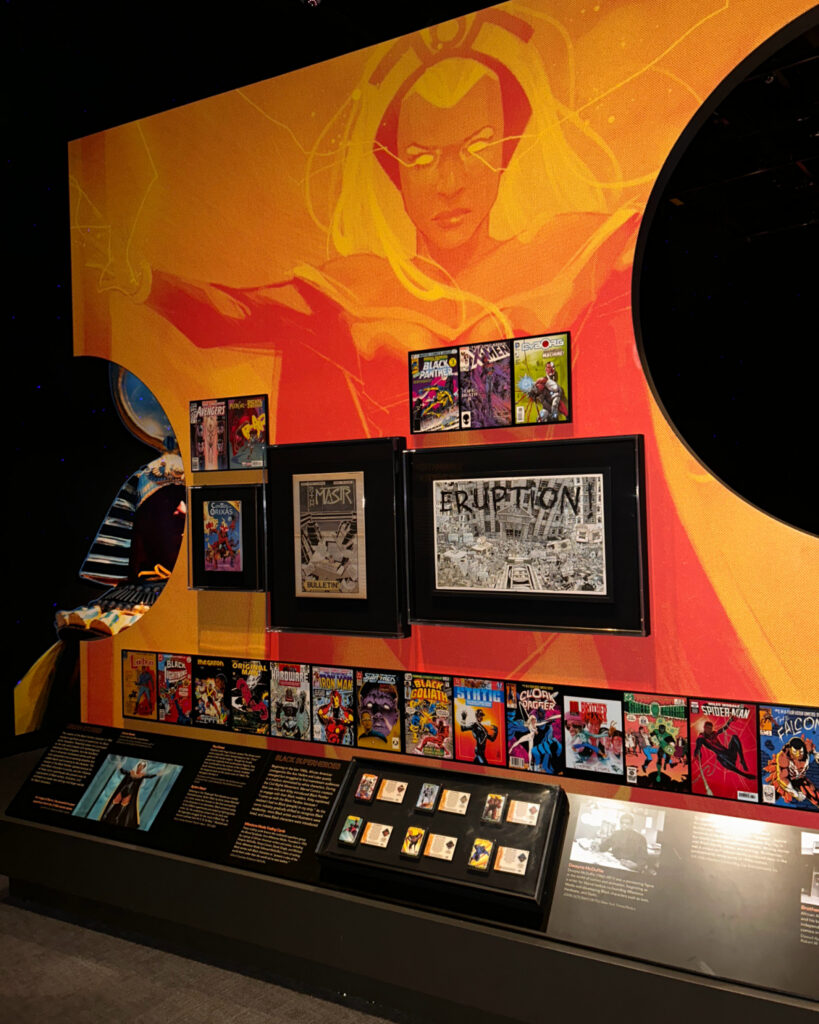
You get music. Dance. Film. fashion. television. sports. military service. visual art. innovation. influence.
And this is where the museum becomes especially good for teens and older kids, because the connection points widen. A child who may not linger over every earlier historical panel might suddenly light up around jazz, hip-hop, sports icons, performers, or major cultural artifacts. The museum’s exhibitions page also emphasizes interactive and multifaceted educational spaces, and that shows up in the visitor experience.
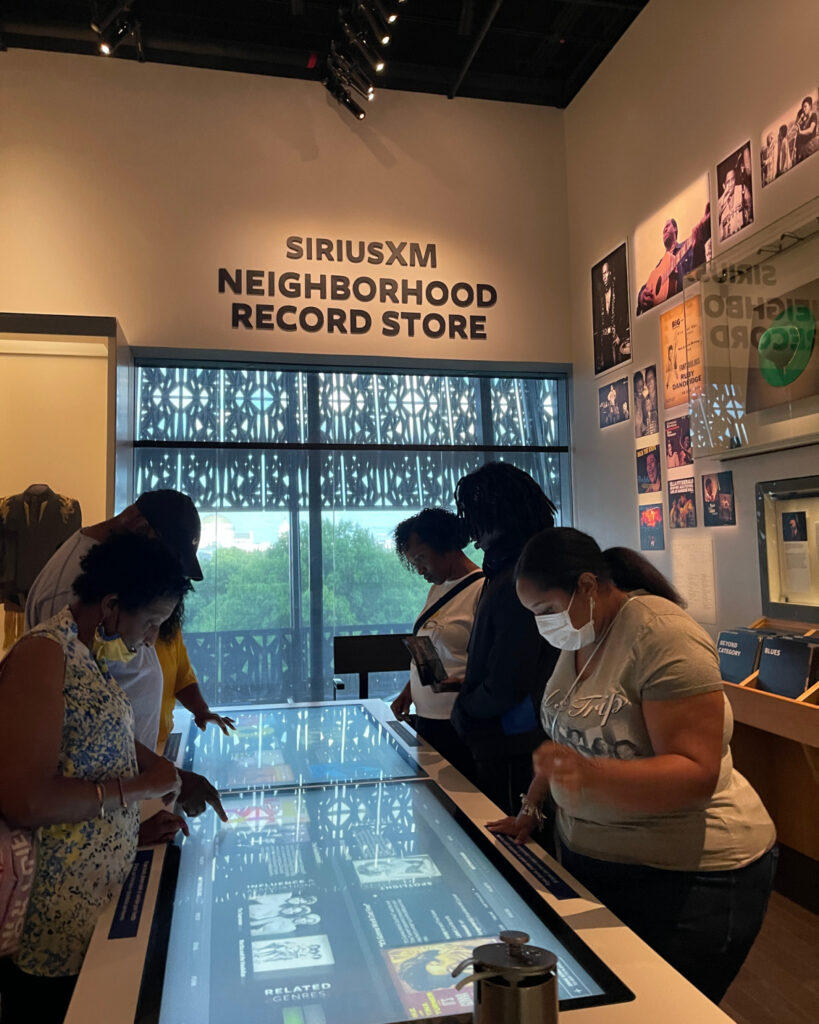
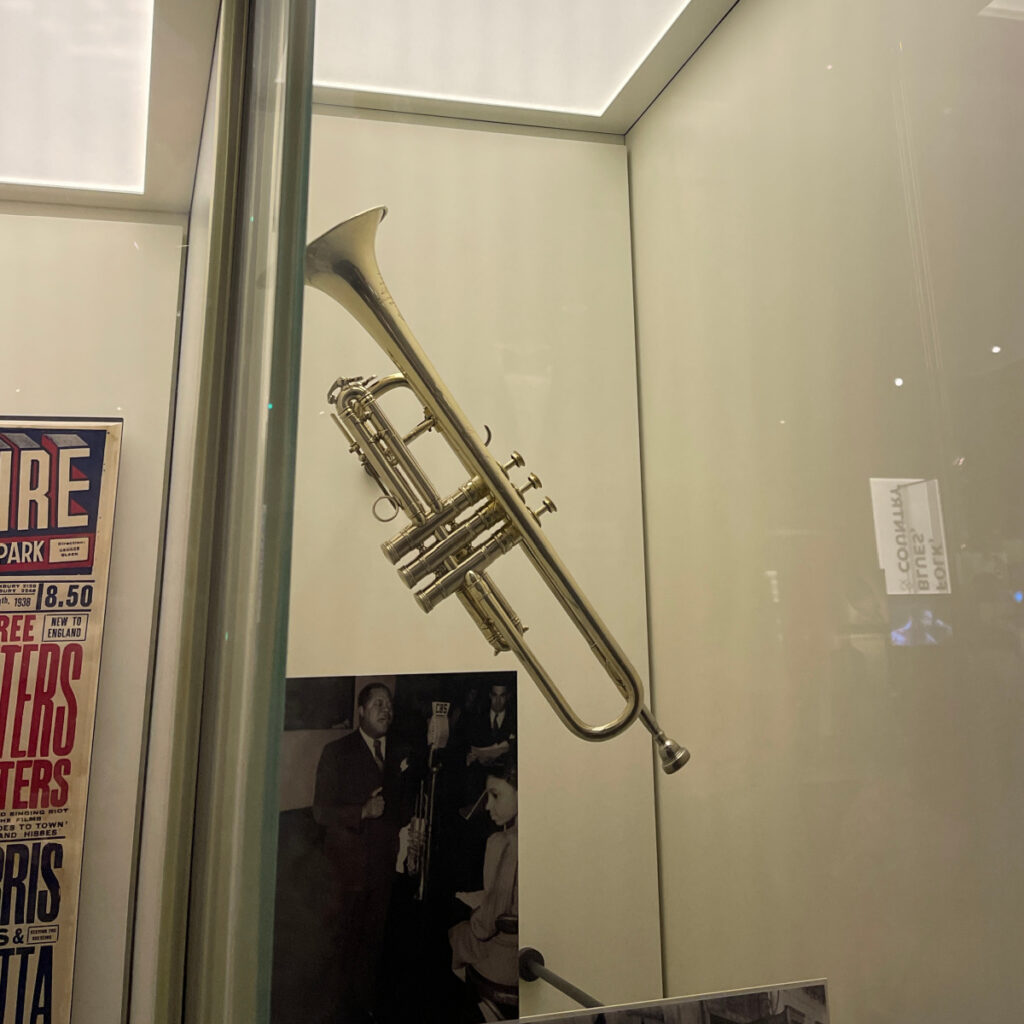
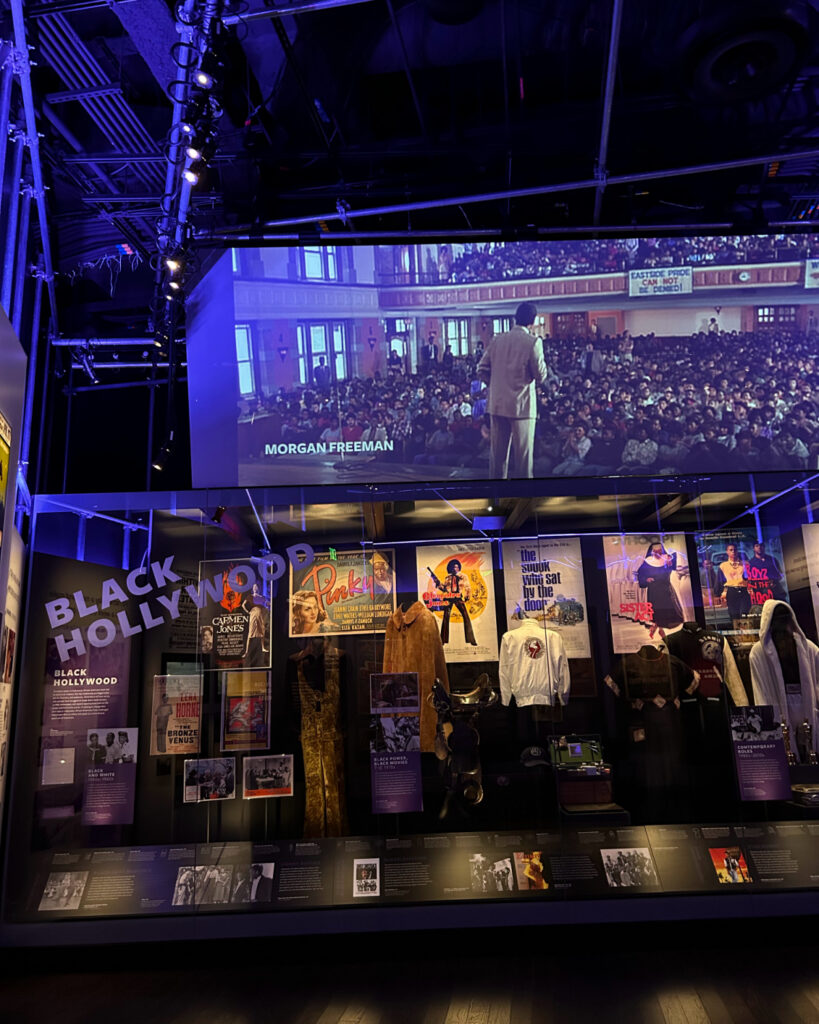
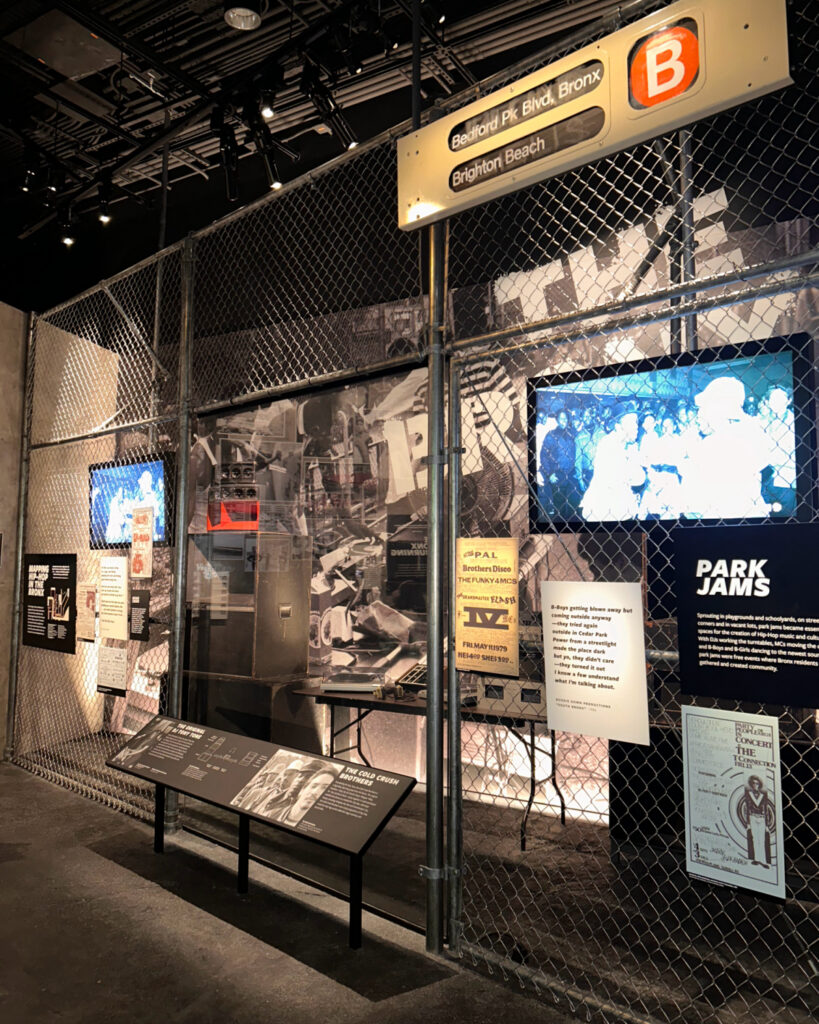
The jazz galleries in particular can be a real turning point in the visit. There is something about seeing the instruments, the photographs, the names, the visual design, and the cultural context all at once that makes the contributions of African Americans feel not just important but enormous. Not supplemental. Foundational.
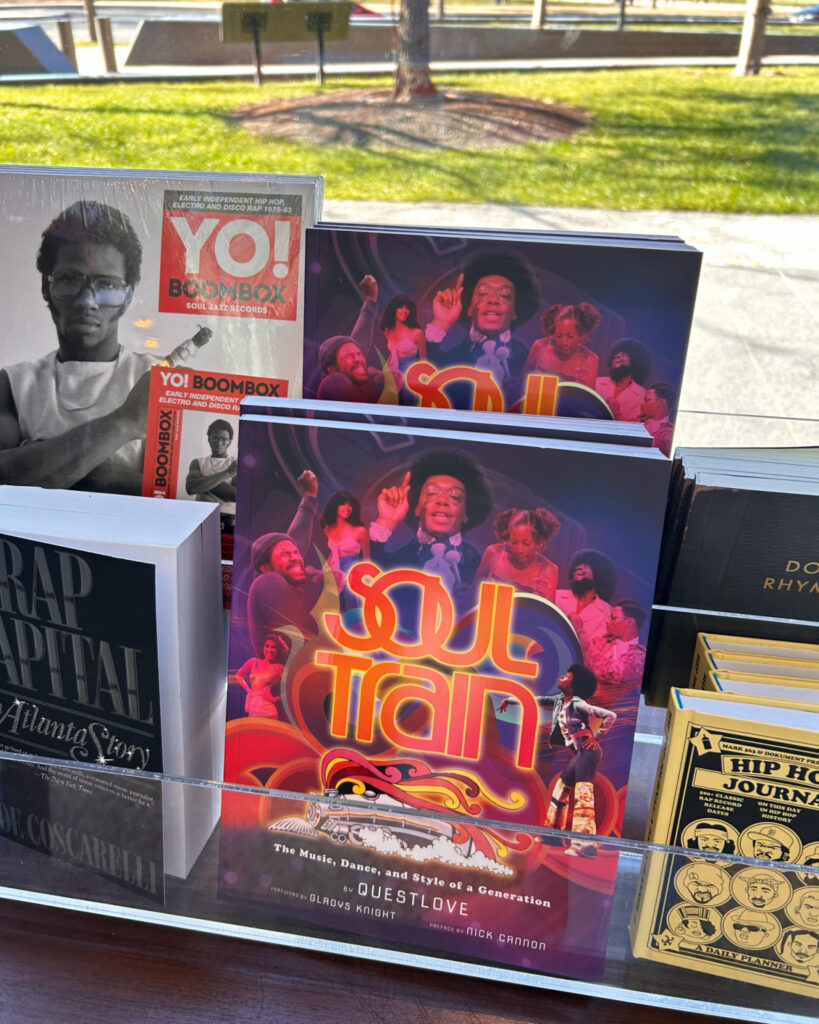
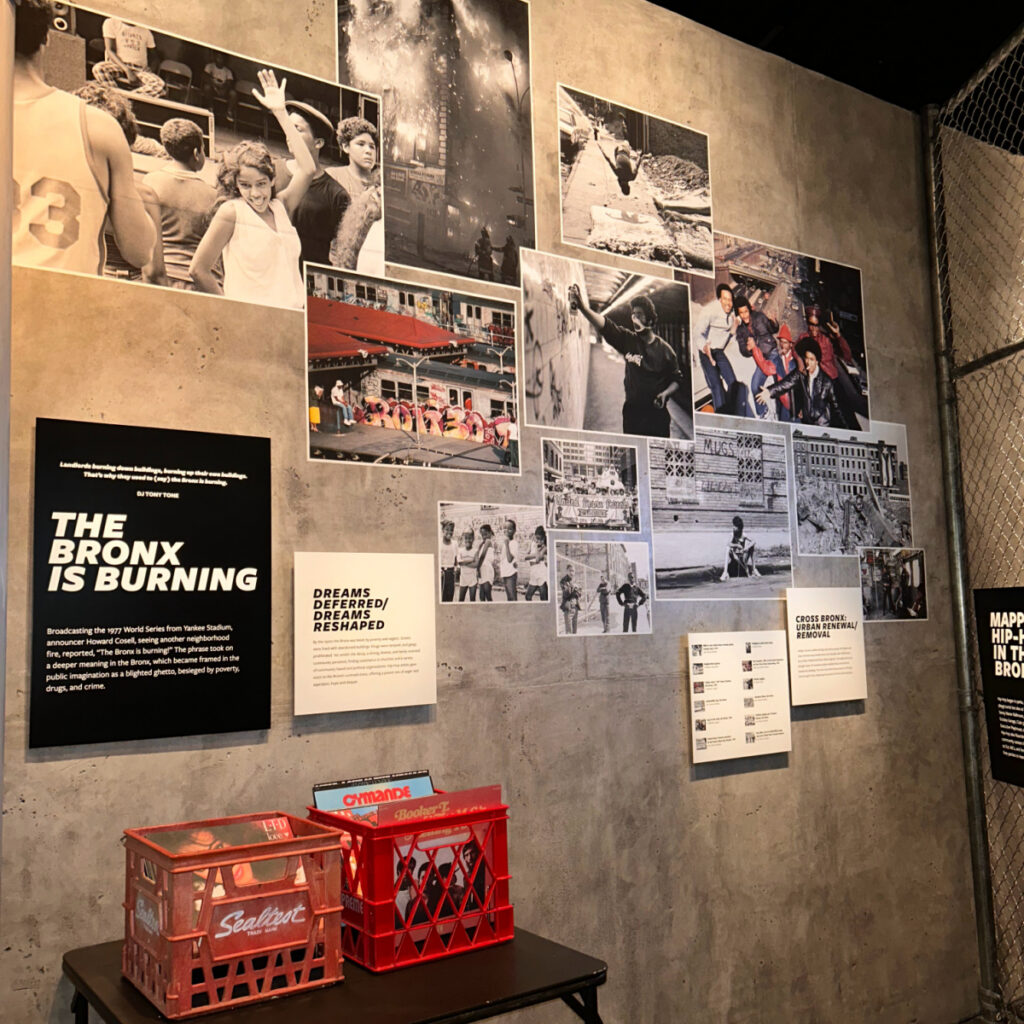
The same is true in the sports and pop culture areas. These spaces help round out the museum so the experience does not stay emotionally compressed. They remind you that African American culture has shaped the sound, style, language, movement, and imagination of the country in countless ways.
What to Skip (Light but Honest)
I would skip the idea that you need to read every single word in the museum.
You do not.
If you try to consume every object label, every wall panel, every video, and every text block, you are going to hit a wall. This museum is simply too big and too dense for that approach unless you are making it a full-day visit and even then, it is a lot.
I would also skip the temptation to treat the lower levels as something to get through quickly so you can reach the “fun floors.” The lower levels are the backbone of the museum.
And if you are visiting with kids, skip the idea of forcing a perfectly complete visit. A meaningful visit is better than an exhaustive one.
The good news is that this museum is completely free, making it one of the best free things to do in Washington, DC—especially for families.
How to Plan Your Visit
Book timed-entry passes ahead of time if you can. This is not the museum I would gamble on for walk-up flexibility. The official guidance is clear that timed-entry passes are required and walk-up availability cannot always be accommodated.
Go early if possible. I think this museum is better earlier in the day, when everybody still has more emotional bandwidth and physical energy.
Follow the intended flow. Start in the history galleries and rise up through the museum rather than jumping around randomly.
Plan for a break. This is one of the few DC museums where I would intentionally schedule downtime as part of the visit.
And yes, build in time for Sweet Home Café. The café is part of what makes this museum such a strong half-day destination. It is not just a snack counter. The museum positions it as an extension of the cultural experience, and it is currently open daily for lunch during regular museum hours.
If you want everything mapped out for you, including kid-friendly stops and easy-to-follow plans, check out my Washington, DC Activities for Kids guide.
Visiting with Kids: How to Prepare Them
This is an important museum for kids, but I would be thoughtful about age and temperament.
For most families, I think this museum works best with older elementary kids, tweens, and teens. A very mature younger child may do fine, but I would not treat this like the easiest Smithsonian stop for little kids.
Before you go, talk to them.
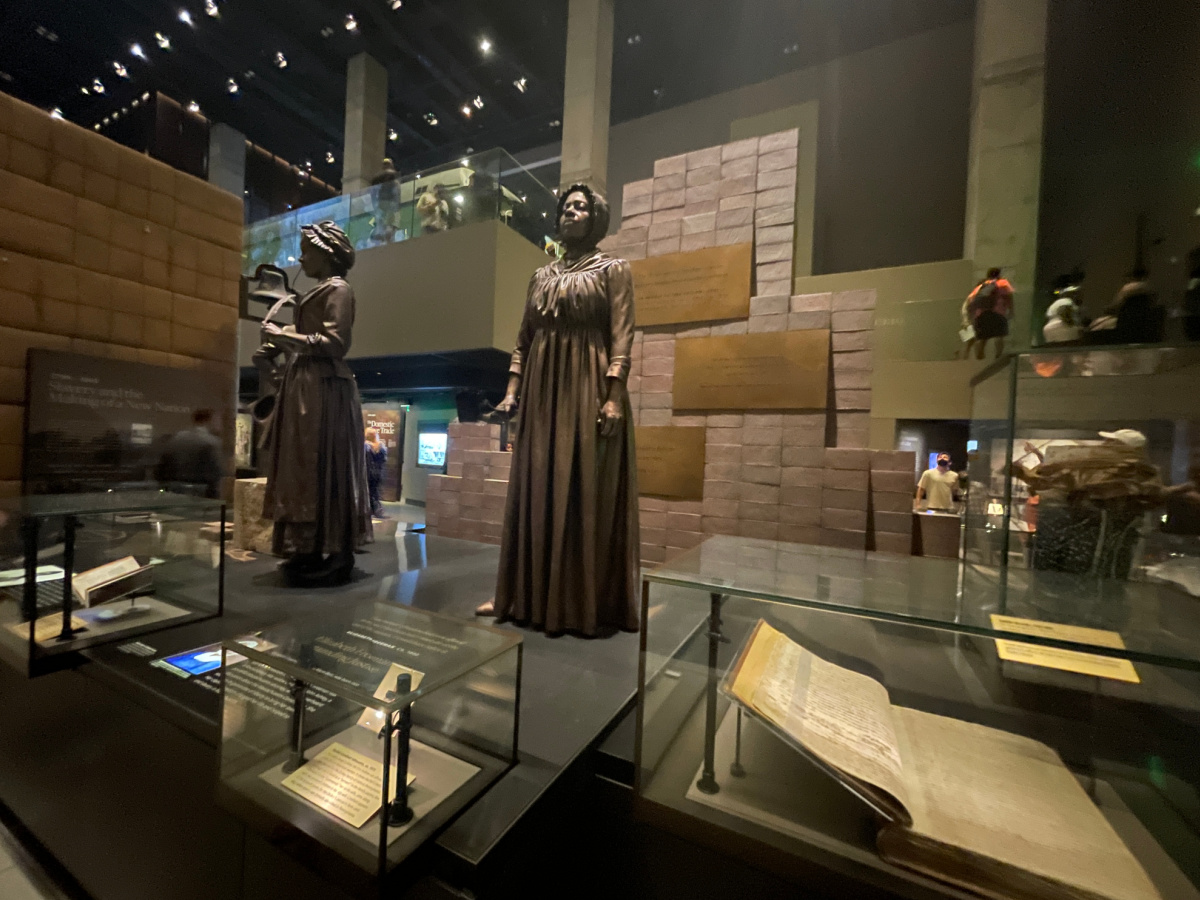
You do not need to give a long lecture in the hotel room. Just set expectations. Tell them that this museum includes very hard parts of American history. They may see images or objects tied to slavery, racism, segregation, and unfair treatment. Some rooms might feel sad or intense. Tell them that asking questions is welcome.
That kind of prep goes a long way.
I also think it helps to frame the visit honestly: this museum includes suffering, yes, but it also includes courage, talent, leadership, community, music, creativity, and joy. It is not only about what was done to African Americans. It is also about what African Americans built, changed, created, defended, and contributed.
That is a much better entry point for kids than making them think this museum is all sadness from beginning to end.
Traveling with kids who might need something more hands-on and lighter in tone? Then the Natural History Museum is a great complement to this experience.
If You Only Have 2 Hours
If you only have two hours, you need to be selective.
I would still start at the bottom and do the history galleries first. Move steadily, not frantically. Then make sure you leave at least a little time for one or two upper-level culture floors. That gives you both the historical grounding and at least a taste of the museum’s broader scope.
What I would not do is spend two hours only on the upper floors. You would miss too much of what makes this museum distinct.
If You Have 4 Hours
Four hours is much better.
That gives you time to:
- experience the museum in the intended order
- pause when something deserves more attention
- take a real lunch break at Sweet Home Café
- spend meaningful time in the culture galleries instead of racing through them
For most out-of-town visitors, this is probably the sweet spot.
Pro Tips
Wear comfortable shoes. This is not groundbreaking advice, but it is true.
Take emotional pacing seriously. If you need to sit for ten minutes, sit for ten minutes.
Do not leave the top floors for “if there is time.” Make time.
If you are with kids, let them talk. Some museums naturally produce questions afterward. This one often produces them in the middle.
And if this museum is on your DC list, do not overschedule the rest of that day. It pairs well with a lighter afternoon or evening, not with three more museums and a packed monument crawl.
FAQ
Do you need tickets for the African American Museum in DC?
Yes. Admission is free, but timed-entry passes are currently required for all visitors.
How long should you spend at the National Museum of African American History and Culture?
I would plan at least 3 to 4 hours, and ideally a half day if this is a priority museum for your trip.
Is the museum good for kids?
Yes, but it is best for older kids, tweens, and teens, or younger kids who are well prepared and emotionally ready for heavy history.
Is Sweet Home Café worth it?
Yes. Absolutely. It is one of the better museum food options in DC and worth building into your visit.
Where is it located?
The museum is on the National Mall at 1400 Constitution Avenue NW, near the Washington Monument.
More Helpful Washington DC Trip Planning Guides
- How to Spend 3 Days in Washington DC Without Feeling Rushed
- 5 Days in Washington DC: The Ultimate Longer Itinerary
- Smithsonian Museums Guide for First-Time Visitors
- National Mall Guide: What to Know Before You Visit
- The Best Museums in Washington DC (and Which Ones to Skip)
- Washington DC First-Time Visitor Tips, Mistakes, and Planning Advice
- Washington DC Monuments Guide: Memorials, Walking Routes, and Night Touring Tips
- Washington DC for Teens: Museums, Food, and Attractions Teens Actually Enjoy
- Where to Eat on the National Mall: Best Museum Cafes, Food Courts, and Quick Meals
Final Thoughts
There are plenty of excellent museums in Washington, DC.
This one is different.
The National Museum of African American History and Culture is not just another Smithsonian stop. It is one of the clearest, strongest, and most affecting examples of what a museum can do when architecture, scholarship, storytelling, and public memory all work together.
This museum tells the unvarnished truth. It makes space for pain without stopping there. And it highlights the contributions of African Americans without softening the realities that made those contributions harder won. And it gives visitors a fuller version of the American story than many of us were originally taught.
So yes, it is heavy.
Yes, it takes time.
Yes, you should prepare your kids.
And yes, it is absolutely worth it.


