Washington DC First-Time Visitor Guide


Planning your first trip to DC? This Washington DC first time visitor guide covers where to stay, Smithsonian museums, monuments, Metro tips, timed-entry tickets, walking expectations, food strategy, and practical family travel tips.
Estimated reading time: 22 minutes
The Practical, Real-Life Guide to Planning Your First Trip to DC
There are very few cities in the United States that feel as instantly recognizable as Washington, D.C..
You walk past places you’ve seen in movies, textbooks, documentaries, political coverage, and history classes your entire life. Then suddenly you are standing in front of the Lincoln Memorial at sunset, watching the lights reflect across the Reflecting Pool, and it hits you that this place is actually real.
But here’s the thing most first-time visitors don’t realize until they arrive:
Washington DC is not a “quick weekend city.”
The museums are enormous. The walking distances are bigger than they look on a map. Timed-entry logistics matter. Summer heat can absolutely wipe you out. And there are way more incredible neighborhoods and experiences beyond just the National Mall.
And honestly? This is especially true with kids.
After living near DC for almost 20 years and visiting countless times with my daughter at different ages, I can tell you this: the families who love DC the most are usually the ones who planned smarter, not harder.
This guide is here to help you do exactly that.

Quick Snapshot: Washington DC for First-Time Visitors
| Topic | Quick Answer |
| Ideal trip length | 4–5 days |
| Absolute minimum | 3 days |
| Need a car? | Usually no |
| Best transportation | Metro + walking |
| Best first museum | Natural History |
| Biggest mistake | Trying to do too much |
| Best family strategy | One major museum + monuments |
| Most important reservations | Timed-entry museums |
| Best season | Spring or fall |
| Summer reality | Very hot and humid |
| Best monument experience | At night |
| Best airport | Reagan National (DCA) |
Why Washington DC Feels Different Than Other Cities
Most major cities are built around entertainment.
DC is built around experiences.
You are not just “seeing attractions.” You are standing inside places where major moments in American history actually happened.
One hour you’re looking at the Declaration of Independence at the National Archives Museum. The next hour your kids are staring at dinosaur fossils at the Smithsonian National Museum of Natural History. Then later that night you’re walking the monuments under the lights while the city quiets down around you.
There really is nowhere else in the country quite like it.
And one of the best parts?
A huge percentage of the best things to do in DC are completely free.

Is Washington DC Good for Kids?
Honestly? DC is one of the best family destinations in the United States.
But I think many parents picture:
“serious museums and long history lectures.”
That is not what most kids experience here.
What kids actually remember:
- the giant elephant in Natural History
- rockets at Air & Space
- the undercover missions at the International Spy Museum
- interactive exhibits at Planet Word
- paddle boats on the Tidal Basin
- food trucks on the National Mall
- riding the Metro
- monuments glowing at night
- the pandas at the Smithsonian’s National Zoo
- the changing of the guard at Arlington National Cemetery
The biggest key is pacing.
DC becomes miserable when families try to cram too much into one day.
How Many Days Do You Need in Washington DC?
If You Only Have 2 Days
Focus on:
- National Mall monuments
- 2–3 Smithsonian museums max
- one evening activity
Do NOT attempt to “see all the museums.”
You physically can’t.

If You Have 3 Days
This is the minimum amount of time I usually recommend for first-time visitors.
You can comfortably do:
- monuments
- 3–5 museums
- Capitol Hill
- one neighborhood outside the Mall
- one special experience
But you still need to prioritize carefully.

If You Have 4–5 Days
This is the sweet spot for first-time families.
Now you can add:
- Mount Vernon
- Arlington National Cemetery
- Georgetown
- The Wharf
- more relaxed museum pacing
- evening experiences
- better restaurant experiences
This is usually where people stop feeling rushed and start really enjoying the city.

If You Have One Week
Now you can truly experience the broader DC area.
This is when you can add:
- Hillwood Estate, Museum & Gardens
- Dumbarton Oaks
- Wolf Trap National Park for the Performing Arts
- Washington National Cathedral
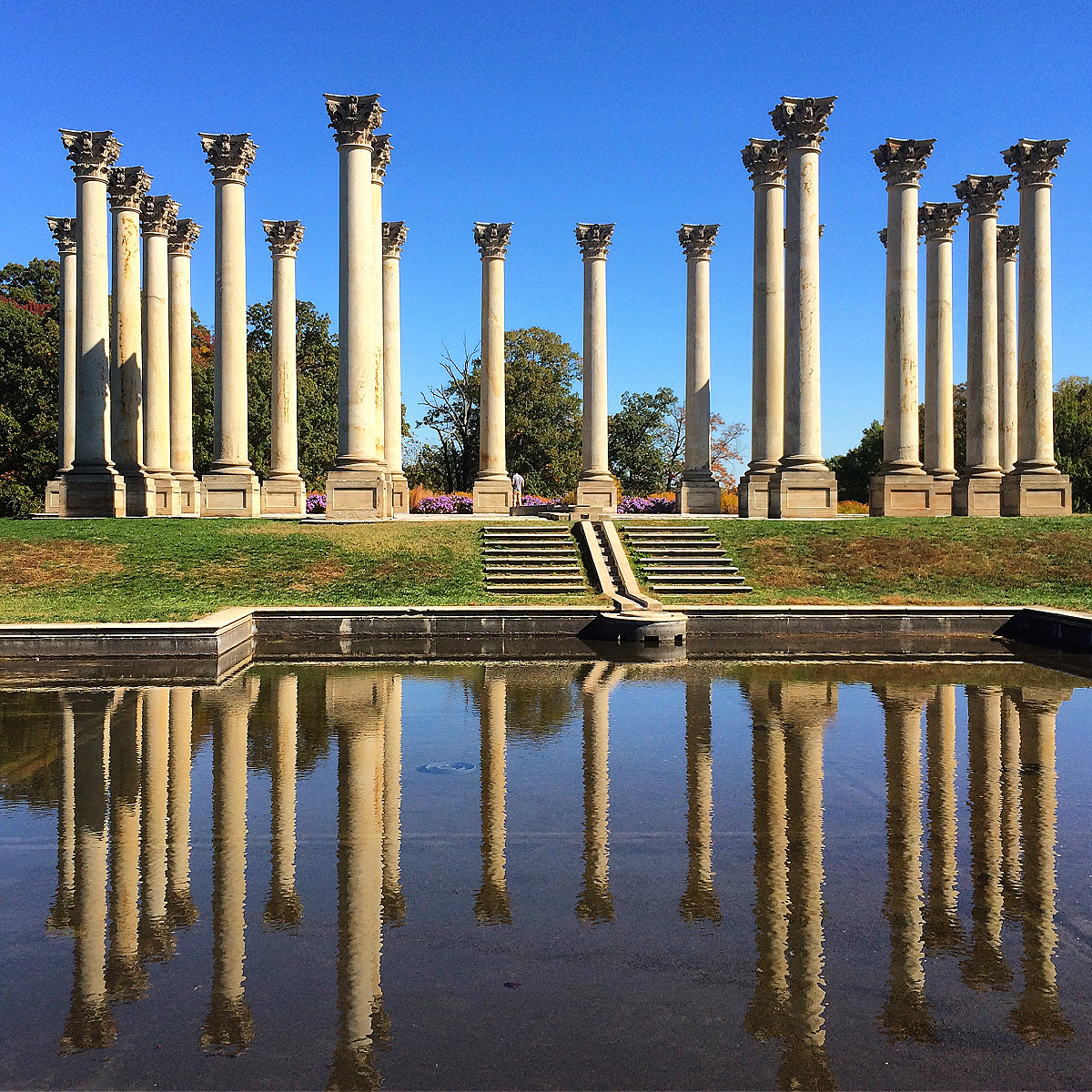
- United States National Arboretum
- sports games
- theater performances
- slower neighborhood exploration
Where Should First-Time Visitors Stay in DC?
This is one of the most important decisions of the trip.
And honestly? Staying farther away to save money can backfire quickly in DC.
Long Metro rides + exhausted kids + summer heat + late nights at monuments can become rough fast.
If possible, prioritize convenience over the absolute cheapest hotel.
Best Areas to Stay for Different Types of Visitors
| Travel Style | Best Area |
| Families | Capitol Hill / Penn Quarter |
| First-time visitors | National Mall area |
| Food + nightlife | The Wharf |
| Trendy + modern | Navy Yard / The Yards |
| Historic charm | Georgetown |
| Easier parking | National Harbor |
| Luxury travelers | Georgetown / Wharf |
| Sports fans | Navy Yard |
Best Area for Families: Capitol Hill
Capitol Hill is often my favorite recommendation for families.
Why?
- quieter at night
- feels residential
- easier pace
- close to major attractions
- excellent Metro access
It also tends to feel a little less overwhelming than staying directly downtown.
Best Area for First-Time Visitors: Penn Quarter / National Mall
This is the easiest area for classic DC sightseeing.
You’re close to:
- museums
- monuments
- Metro lines
- restaurants
- Chinatown
- Capitol area attractions
For many first-time visitors, this is the simplest option.
Best Area for Food + Nightlife: The Wharf
The Wharf has become one of the most fun areas in DC.
This is a great option if you want:
- waterfront restaurants
- live music
- evening atmosphere
- rooftop dining
- modern hotels
It feels more vacation-oriented than some of downtown DC.
Best Area for Historic Charm: Georgetown
Georgetown is beautiful and extremely walkable.
Think:
- cobblestone streets
- boutiques
- historic homes
- waterfront dining
But it is not as Metro convenient.
That’s the tradeoff.

Which Airport Is Best for Washington DC?
Best Overall: Reagan National (DCA)
Ronald Reagan Washington National Airport is by far the easiest airport for most visitors.
Why?
- closest to downtown
- directly connected to Metro
- easiest logistics
- shortest commute
If prices are reasonable, this is usually the best choice.
Best for International Flights: Dulles
Washington Dulles International Airport is larger and often cheaper for international flights.
The Metro extension has made this airport MUCH easier than it used to be.
Still farther than Reagan though.
Usually Cheapest: BWI
Baltimore/Washington International Thurgood Marshall Airport can have excellent fares.
But many first-time visitors underestimate how far it is from DC.
Do You Need a Car in Washington DC?
Usually no.
For most first-time visitors:
- Metro
- walking
- occasional Uber/Lyft
…is the best strategy.
Parking can become expensive and stressful quickly.
The exception is if you are planning:
- Mount Vernon
- Wolf Trap
- suburban museums
- Great Falls
- major Maryland/Virginia side trips
Traffic Citations and Violations Warning
One thing that surprises many first-time visitors is just how aggressive Washington DC can be with traffic enforcement cameras and driving citations. Speed cameras, red light cameras, bus lane enforcement, confusing turn restrictions, and parking violations are extremely common — and the fines can be surprisingly expensive.
Honestly, if you are coming from a smaller city or suburban area, driving in DC can feel stressful very quickly. It is incredibly easy to accidentally turn the wrong way onto a one-way street, drift slightly over the speed limit near a camera, or miss a parking rule sign.
This is one of the biggest reasons many visitors find Metro + walking + occasional Uber rides far less stressful than trying to drive everywhere in the city.
Is Washington DC Expensive?
Washington DC is one of those cities that can feel both affordable and expensive at the same time.
Many of the biggest attractions are completely free:
- Smithsonian museums
- National Mall monuments
- National Zoo
- government museums and memorials
But hotels, parking, and food can add up quickly, especially for families.
A few things that surprised us the first few times we visited:
- museum cafes can get pricey
- food trucks are convenient, but not always cheap
- parking garages can easily run $25–$45+ per day
- hotels near the National Mall cost more for a reason: convenience matters in DC
One of the easiest ways to save money in Washington DC is actually by staying organized:
- reserve parking ahead of time
- use grocery delivery for snacks and breakfasts
- prioritize free attractions
- use Metro strategically
- avoid relying too heavily on Uber during peak times
The good news is that because so many major attractions are free, DC can still be an excellent value destination compared to many other major cities.

Is Washington DC Walkable?
Yes.
But this is where people get fooled.
DC is MUCH bigger than it looks on a map.
You can easily walk:
- 8–12 miles in one day
- without realizing it
The National Mall alone is enormous.
And in summer?
The humidity makes it feel even harder.
I learned this the hard way years ago when my daughter completely hit a wall around 2pm after we tried to stack monuments, Air & Space, and Natural History all into one day. We still laugh about that meltdown now, but it completely changed how I plan DC days.
Now I build trips around:
- one major museum
- one secondary attraction
- lots of breaks
- evening monuments
And honestly? Those trips go WAY better.

Realistic Walking + Heat Expectations in DC
This deserves its own section because it catches people off guard constantly.
DC summer heat is intense.
Not just “warm.”
Heavy humidity, reflective pavement heat, long stretches without shade, and surprisingly long walking distances.
A few things people underestimate:
- how large the National Mall really is
- how little shade exists around some monuments
- how tiring museums become after several hours
- how draining the humidity can feel for little kids
My biggest advice?
Do indoor museums during the hottest part of the afternoon.
And do monuments:
- early morning
- sunset
- nighttime
Your experience will honestly be SO much better.
Pro Tip: One thing first-time visitors don’t always realize is that museums often become your best restroom and air-conditioning strategy during the day. Around the National Mall, restroom access can be surprisingly inconsistent once you move away from the museum areas, especially near some monuments. We learned pretty quickly to use museum restroom stops strategically before heading back outside.

How to Structure a DC Day (This Is the Secret)
This is probably the single most useful thing I can tell first-time families.
Do NOT try to sightsee nonstop from 8am–10pm.
DC works best in rhythms.
The Best Daily Rhythm for DC Families
Morning
Do:
- outdoor monuments
- Capitol Hill
- timed-entry museum
This is when energy levels are highest and temperatures are lowest.
Lunch
This is a great time for:
- museum cafes
- food trucks
- sit-down AC break
Afternoon
Do:
- indoor museums
- interactive attractions
- slower sightseeing
This is also when many younger kids start fading.

Late Afternoon
If possible:
- hotel break
- pool break
- rest time
This reset makes evenings dramatically better.
Evening
This is when DC becomes magical.
Perfect evening options:
- monuments after dark
- Georgetown dinner
- The Wharf
- Kennedy Center terrace
- baseball game
- night monument tour

DC Transportation Tips for Families
Metro Is Usually the Best Option
Washington Metro is one of the easiest transit systems in the country for tourists.
The biggest advantage?
It saves energy.
And in DC, conserving walking energy matters more than people realize.
Metro With Strollers
Most major stations have elevators, but not all elevators are reliable all the time.
If you are traveling with little kids:
- lightweight strollers help
- avoid giant wagons
- expect crowds during rush hour
Uber vs Metro
My honest recommendation for families?
Use both.
Metro is usually best for:
- National Mall
- museums
- Capitol area
Uber is often easier for:
- exhausted evenings
- Georgetown
- returning after monuments at night
- little kids nearing meltdown mode
Parking Tips
If you drive into the city, I highly recommend reserving parking ahead of time using garage apps like SpotHero.
I used this strategy constantly when we lived near DC.

The Smithsonian Problem: Museum Overwhelm
This is one of the biggest mistakes first-time visitors make.
They assume:
“Smithsonian museums are small museums.”
They are not.
Many are massive.
You could easily spend:
- 4+ hours in Natural History
- an entire day in Air & Space
- half a day in American History
- most of a day in African American History & Culture
My recommendation?
Do NOT attempt more than:
- one major museum
- plus maybe one smaller museum
…in a single day.
Especially with kids.

Best Smithsonian Museums for First-Time Visitors
Best Overall First Museum
Smithsonian National Museum of Natural History
This is the safest “everyone likes it” museum in DC.

Best for Younger Kids
National Air and Space Museum
The rockets and planes are incredibly engaging.
Best Interactive Museum
Planet Word
Kids weirdly LOVE this place.
Honestly, I expected “cute little museum” the first time we went. Instead, we stayed much longer than expected because everything is interactive.

Most Emotionally Powerful Museum
National Museum of African American History and Culture
One of the most impactful museums in the country.

Best Art Museum
National Gallery of Art
And yes, it is separate from the Smithsonian system.

Most Surprisingly Good Museum
Museum of the Bible
Even non-religious visitors are often impressed by the immersive technology and storytelling.

Museums and Attractions That Require Timed Entry Tickets
This is EXTREMELY important for first-time visitors.
Some attractions require advance reservations weeks ahead.
Most important:
- National Air and Space Museum
- National Museum of African American History and Culture
- White House tours
- Capitol tours
- some special exhibits
Do not assume you can walk into everything.
Especially during:
- spring break
- cherry blossom season
- summer
- holiday weekends
What to Reserve First for a Washington DC Trip
If you are visiting Washington DC during spring break, cherry blossom season, summer vacation, or a holiday weekend, getting a few key reservations locked in early can make the trip dramatically less stressful.
These are the things I would prioritize booking first:
- Your hotel
- Air & Space timed-entry tickets
- African American History Museum timed-entry tickets
- Capitol tour reservations
- White House tour requests (if attempting)
- Special dinner reservations
- Seasonal tours or events
Honestly, one of the biggest stress reducers for a DC trip is simply knowing your “must-do” experiences are already secured before you arrive.

Food Strategy for Families in Washington DC
This is another area that catches first-time visitors off guard.
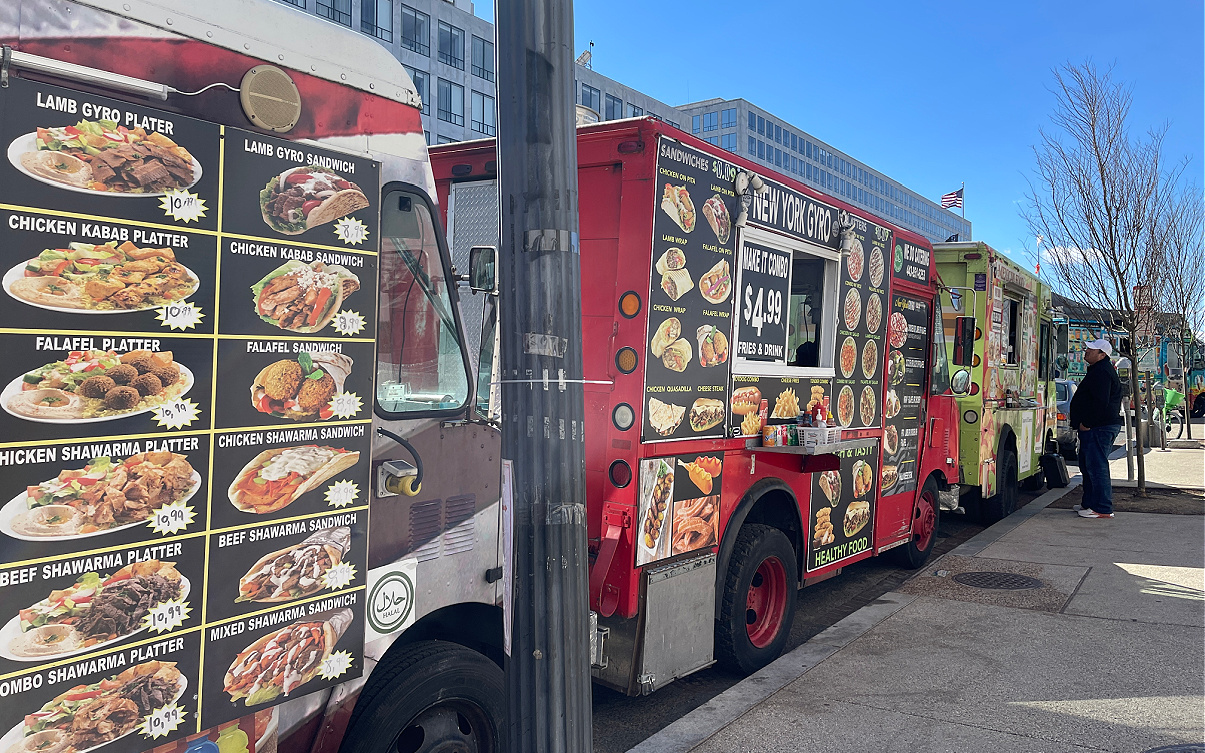
The National Mall is not lined with endless convenient restaurants the way many tourists expect.
Food exists.
But you need a plan.
My Biggest Food Tips for DC Families
Use Museum Cafes Strategically
Some museum cafes are surprisingly decent.
And honestly? The air conditioning + seating + bathrooms matter just as much as the food sometimes.

Food Trucks Are Part of the Experience
Especially near the National Mall.
Are they expensive?
Usually yes.
But kids tend to love the novelty.
Carry Snacks
Always.
This sounds simple, but it matters SO much in DC.
There can be surprisingly long stretches between food options when you are walking monuments.
Grocery Delivery Helps a LOT
For longer trips, grocery delivery to your hotel can save an incredible amount of money.
Especially for:
- breakfasts
- drinks
- snacks
- picky eaters
Don’t Overschedule Fancy Reservations
This is a huge family trip mistake.
After 10 miles of walking and summer humidity, many kids are DONE by dinner.
Balance:
- one or two memorable meals
- with easier casual meals
What Kids Actually Like in DC
Parents sometimes worry:
“Will my kids be bored?”
Honestly?
Most kids love DC more than expected.
Especially if you balance:
- museums
- outdoor time
- food
- downtime
- evening activities
What Younger Kids Usually Love Most
- Natural History Museum
- Air & Space Museum
- carousel on the National Mall
- Zoo
- paddle boats
- monuments at night
- food trucks
- Metro rides

What Tweens and Teens Usually Love Most
- Spy Museum
- Planet Word
- sports games
- Georgetown
- Air & Space
- shopping
- nighttime monuments
- immersive museums
DC Beyond the National Mall
This is where many visitors miss out.
The National Mall is the core DC experience.
But the surrounding neighborhoods and attractions are what make the city feel layered and memorable.
Places First-Time Visitors Often Love
Kennedy Center
Even if you don’t attend a performance, the terrace views over the Potomac are beautiful.
Washington National Cathedral
Massive, peaceful, and surprisingly under-visited.
Dumbarton Oaks
One of the prettiest hidden gems in DC.
Especially the gardens.

Hillwood Estate, Museum & Gardens
Feels almost completely disconnected from the city.
Wolf Trap National Park for the Performing Arts
A fantastic summer concert experience if timing lines up with your trip.
Iconic DC Experiences First-Time Visitors Should Consider
Eat at Ben’s Chili Bowl
Touristy?
Yes.
Still iconic?
Also yes.
See a Sports Game
DC is a surprisingly fun sports city.
Seeing:
- the Washington Capitals
- Washington Nationals
- or Washington Commanders
…can become a really memorable family experience.
Watch Sunset at the Lincoln Memorial
Still one of the best free experiences in America.
Take a Night Monument Tour
Absolutely worth it for first-time visitors.
Biggest First-Time DC Mistakes
Trying to Do Too Much
This is BY FAR the biggest mistake.
Attempting Every Smithsonian Museum
You will burn out quickly.
Ignoring Timed Entry Reservations
Especially Air & Space and African American History.
Underestimating Walking Distances
The Mall is huge.
Staying Too Far Outside the City
Cheap hotels can become exhausting when commute times pile up.
Skipping Monuments at Night
Huge mistake.
What Surprised Us Most About DC
Honestly?
How much the evenings became our favorite part of the trip.
The monuments feel completely different after dark.
The crowds thin out.
The lighting is beautiful.
The temperature drops.
The city suddenly feels calmer.
That’s also when many kids suddenly perk back up after an afternoon rest.
Some of our favorite DC memories happened between 8pm and 10pm.
Not at noon.

Suggested 3-Day Family DC Itinerary Flow
Arrival and National Mall Day
- National Mall overview
- Natural History Museum
- food trucks
- evening monuments
Capitol Hill + Museums Day
- Capitol tour
- Library of Congress
- National Archives
- Wharf dinner

Georgetown + Air & Space Day
- Air & Space Museum
- Georgetown
- Planet Word or Spy Museum
- monuments at night (or see a game/movie/concert)
FAQ About Visiting Washington DC
Is Washington DC good for kids?
Absolutely. It’s one of the best educational family destinations in the country.
Is Washington DC walkable?
Yes, but distances are much larger than people expect.
Do you need a car in Washington DC?
Usually no.
Which Smithsonian museum should I visit first?
Natural History is usually the best first choice.
Is Washington DC expensive?
Although hotels can be expensive, many of the city’s biggest attractions are completely free.
Is summer too hot for DC?
It can be extremely hot and humid. Plan indoor breaks.
Is 3 days enough for Washington DC?
While 3 days is enough to see the highlights, 4–5 days feels much more comfortable and relaxed.
More Washington DC Guides to Help You Plan Your Trip
So if you are planning your first trip to Washington DC, these guides will help you dive deeper into specific museums, attractions, neighborhoods, and itineraries around the city:
Washington DC Planning Guides
- National Mall Guide
- Smithsonian Museums Guide
- Washington DC Monuments Guide
- Free Things to Do in Washington DC
Museum Guides
- National Museum of Natural History Guide
- National Air and Space Museum Guide
- National Museum of African American History and Culture Guide
- National Gallery of Art Guide
- National Museum of the American Indian Guide
- National Archives Guide
- Museum of the Bible Guide
- Planet Word Guide
- International Spy Museum Guide
- US Capitol Visitor Center Guide
- Library of Congress Guide
- US Botanic Garden Guide
Beyond the National Mall
- Mount Vernon Guide
- National Arboretum Guide
- Kenilworth Aquatic Garden
- National Zoo Guide
- Steven F. Udvar-Hazy Center Guide
- Museum of the Army Guide
- Marine Corps Museum Guide
- How to Visit Great Falls
Seasonal + Special Event Guides
- Cherry Blossom Festival Guide
- 4th of July in Washington DC
- Best Places to See Tulips in DC and the region
Honestly, Washington DC is one of those destinations where the more you plan ahead, the more enjoyable the trip becomes. Hopefully these guides help make the entire experience feel much less overwhelming — and much more exciting.

More Helpful Washington DC Trip Planning Guides
- How to Spend 3 Days in Washington DC Without Feeling Rushed
- 5 Days in Washington DC: The Ultimate Longer Itinerary
- Washington DC for Teens: Museums, Food, and Attractions Teens Actually Enjoy
- Where to Eat on the National Mall: Best Museum Cafes, Food Courts, and Quick Meals
Final Thoughts
Washington DC can absolutely overwhelm first-time visitors.
There is just so much:
- history
- museums
- monuments
- neighborhoods
- restaurants
- cultural experiences
But once you stop trying to “do everything,” the city becomes much more enjoyable.
My biggest advice?
Choose fewer things.
Go deeper.
Leave room for downtime.
And absolutely make time for the monuments after dark.
After all, those are usually the moments families remember most years later.