Ultimate Guide to Smithsonian Museums in Washington DC (Best Museums + Tips for First-Time Visitors)


Planning a trip to Washington DC? This complete guide to Smithsonian museums helps first-time visitors decide which museums are actually worth their time, including Natural History, Air and Space, African American History, the National Zoo, and more.
Estimated reading time: 25 minutes
If you are planning a trip to Washington, DC and trying to figure out which museums are actually worth your time, welcome to one of the hardest parts of planning a DC vacation.
Because honestly? The Smithsonian museums are amazing… but they are also overwhelming.
There are currently 17 Smithsonian museums and galleries in the DC area, plus the National Zoo and the massive Steven F. Udvar-Hazy Center near Dulles Airport. Add in the fact that almost all of them are completely free, clustered around the National Mall, and packed with world-famous artifacts, and suddenly first-time visitors are staring at a map wondering how on earth they are supposed to choose.
Do you prioritize dinosaurs or airplanes? Art or history? Space travel or the original Star-Spangled Banner? Should you spend half a day at one museum or bounce between several? And why does everyone mentally lump the National Gallery of Art into the Smithsonian museums even though technically… it is not part of the Smithsonian Institution at all?
No first trip to Washington DC is complete without seeing the iconic memorials and monuments on the National Mall. Read my guide to the best DC monuments to help plan your walking route and prioritize what is actually worth your time.
This Guide Will Help
Instead of going super deep into logistics for every museum, this post is more about helping you decide which Smithsonian museums fit your travel style, interests, energy level, and available time. Think of this as the companion piece to a broader National Mall guide and DC itinerary planning post. If you are building your first Washington DC trip, this is the “what should we actually prioritize?” article.
And after years of visiting DC as both a local and a tourist, I can tell you this: there is no universe where you can see all the Smithsonian museums in one trip unless you are staying for a very long time. The key is choosing the right ones for your family, interests, and travel pace.
If seeing the Declaration of Independence and Constitution is on your DC bucket list, don’t miss my complete guide to visiting the National Archives Museum.
Quick Snapshot: Smithsonian Museums at a Glance
Best Smithsonian Museums for First-Time Visitors
If you only have time for a few museums, these are usually the best starting points:
- National Museum of Natural History
- National Air and Space Museum
- National Museum of American History
- National Museum of African American History and Culture
- National Gallery of Art (not technically Smithsonian, but almost everyone groups it mentally with the Smithsonian museums)
The Smithsonian museums pair perfectly with a Capitol tour day. Here’s my full guide to the U.S. Capitol Visitor Center, including how to reserve tours and what exhibits are worth seeing.
Best Smithsonian Museums for Kids
These tend to be the easiest wins for families:
- Natural History Museum
- Air and Space Museum
- American History Museum
- Smithsonian National Zoological Park
- National Postal Museum
- Hirshhorn Museum and Sculpture Garden
Planning a Washington DC trip with kids? My printable DC Kids Activity Pack includes scavenger hunts, activities, and travel worksheets designed specifically for exploring the Smithsonian museums and National Mall.
Museums for History Buffs
- American History
- African American History and Culture
- American Indian Museum
- Postal Museum
- National Portrait Gallery

One of the best things about Washington DC is how many incredible attractions are completely free. Here are even more free things to do in DC beyond the Smithsonian museums.
Museums for Art Lovers
- National Gallery of Art
- Hirshhorn Museum
- Smithsonian American Art Museum
- National Portrait Gallery
- National Museum of Asian Art

Looking for another world-class museum near the National Mall? Here’s my complete guide to the Museum of the Bible, including the most impressive exhibits and practical visitor tips.
Best “Wow” Museums
The museums that consistently leave visitors saying “that was incredible”:
- Natural History
- Air and Space
- African American History and Culture
- Udvar-Hazy Center
- National Gallery of Art

If you have extra time beyond downtown DC, George Washington’s Mount Vernon makes an excellent half-day or full-day historical side trip from the city.
A Very Brief History of the Smithsonian Institution
The Smithsonian Institution exists because of a surprisingly unusual gift.
A British scientist named James Smithson never actually visited the United States, but when he died in 1829, he left his fortune to the U.S. government to create an institution dedicated to “the increase and diffusion of knowledge.”
Congress accepted the gift, and eventually the Smithsonian Institution was created in 1846.
Today, the Smithsonian is the world’s largest museum complex, with museums, research centers, libraries, and collections spread across the United States. The Smithsonian collection contains millions of historical artifacts, scientific specimens, artworks, cultural treasures, and research materials.
And one of the best things about it? Nearly every Smithsonian museum in DC is completely free.
That still feels kind of unbelievable when you stand inches away from things like:
- The Hope Diamond
- Dinosaur fossils
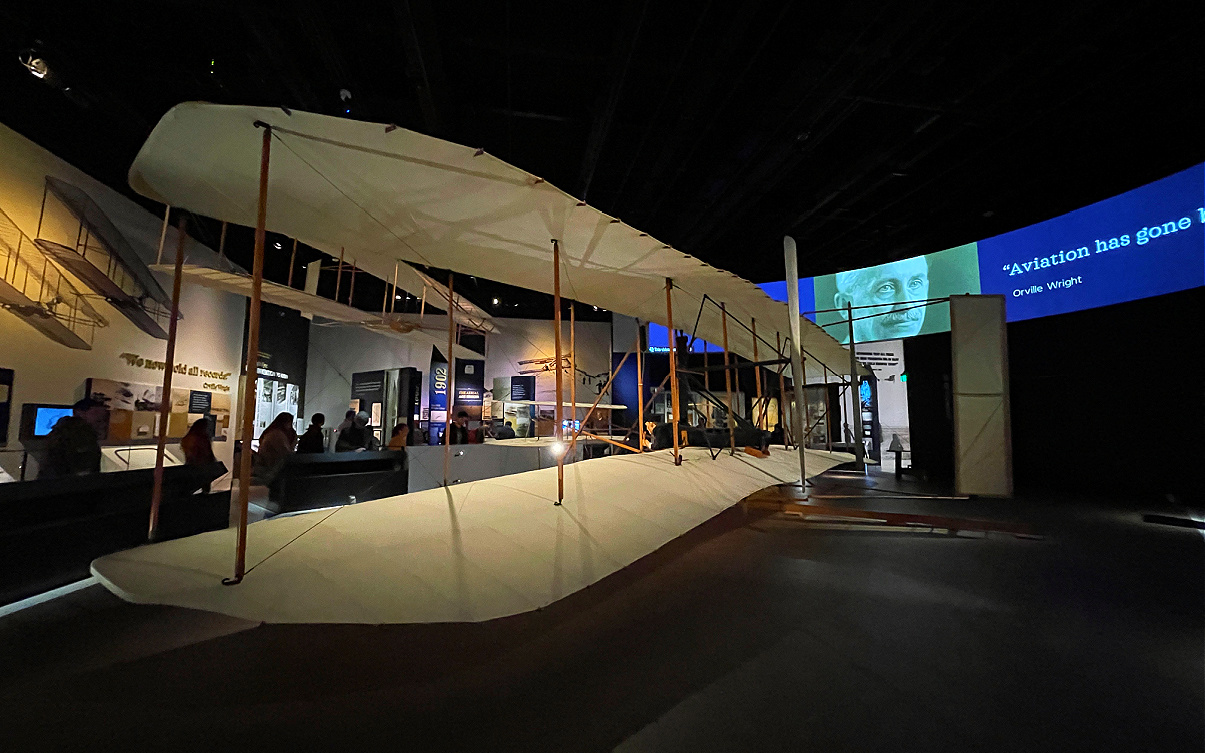
- The Wright Flyer
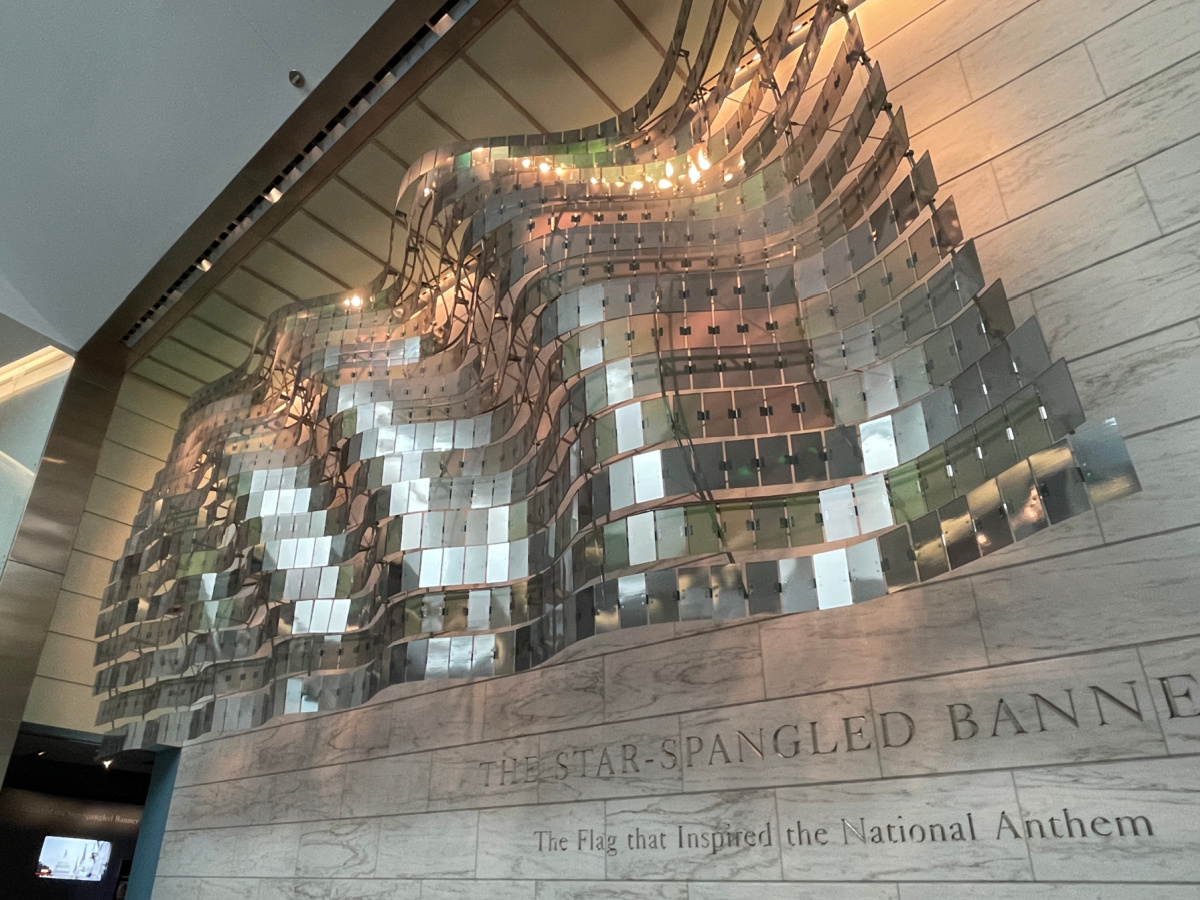
- The original Star-Spangled Banner
- The Spirit of St. Louis
- Presidential portraits
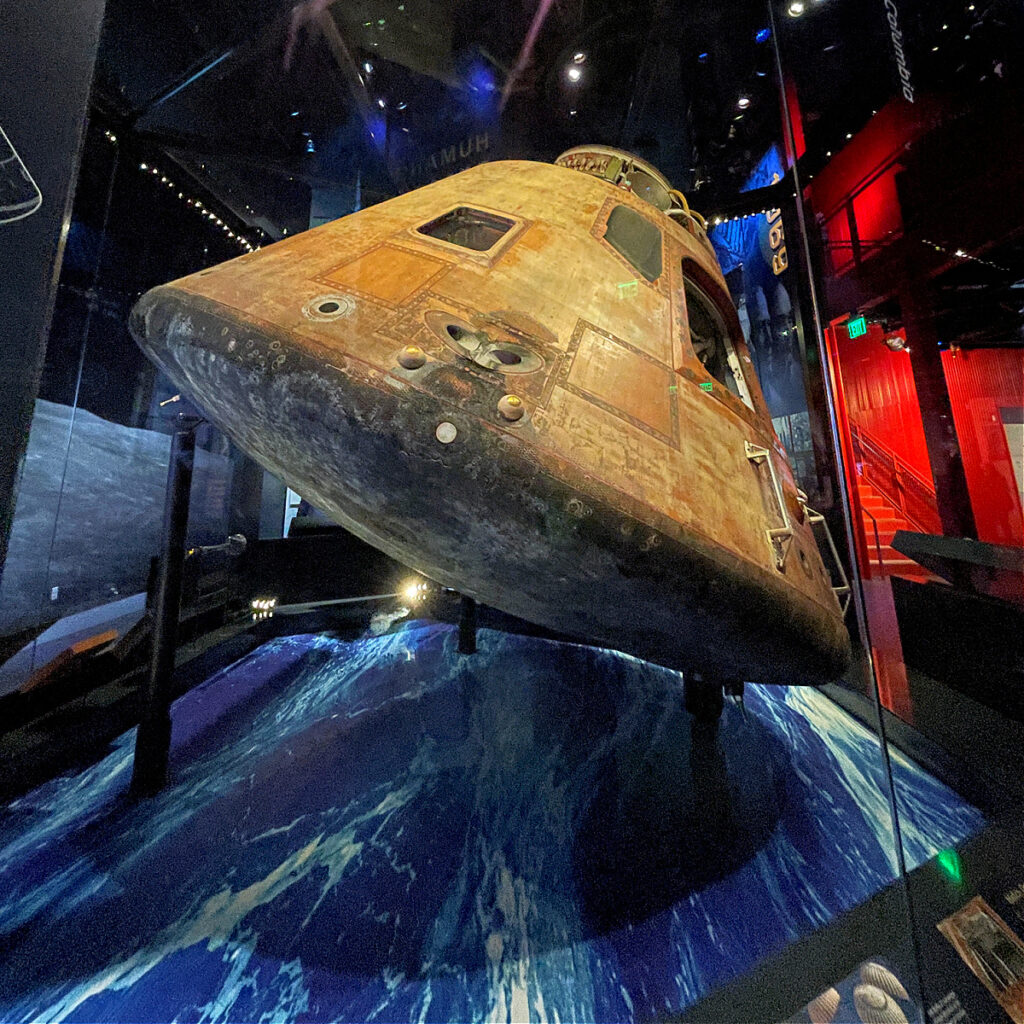
- Space capsules
- Ancient Egypt artifacts
- Contemporary art installations
There really is nothing quite like it anywhere else in the world.


Understanding the Layout of the Smithsonian Museums
This is important because the Smithsonian museums are not all clustered in one building.
Most visitors spend their time along or near the National Mall, which stretches from the U.S. Capitol to the Lincoln Memorial. Many of the biggest Smithsonian museums line both sides of this area.
Smithsonian Museums ON or Near the National Mall
These are the museums most tourists prioritize:
- Natural History Museum
- Air and Space Museum
- American History Museum
- African American History and Culture
- American Indian Museum
- Hirshhorn Museum
- National Museum of Asian Art
- Smithsonian Castle
- Arts and Industries Building
- S. Dillon Ripley Center
- National Museum of African Art
The good news is that these museums are all walkable from one another, although distances can feel larger than they appear on a map. DC summer heat is real.

If your family enjoys interactive museums and hands-on exhibits, the International Spy Museum is one of the most fun museum experiences in Washington DC for older kids, teens, and adults.
Smithsonian Museums Elsewhere in DC
These are still excellent, but many tourists accidentally skip them because they are not directly on the National Mall:
- Smithsonian American Art Museum
- National Portrait Gallery
- Renwick Gallery
- National Postal Museum
- Anacostia Community Museum
- National Zoo
Honestly, some of these are hidden gems.


Smithsonian Museums Outside Washington DC
The biggest one is the absolutely incredible:

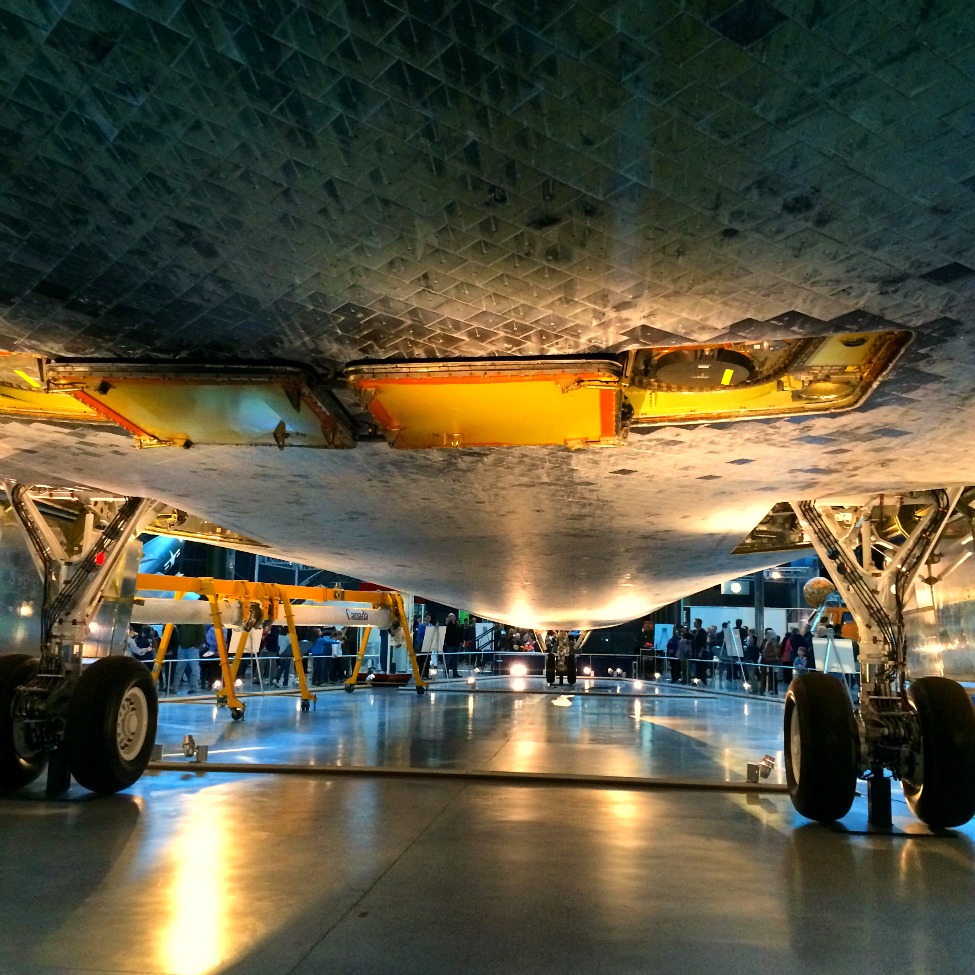
This museum is part of the National Air and Space Museum and is located near Dulles Airport in Virginia.
And in my opinion? If you love aviation or space travel even a little bit, this museum is one of the coolest things in the entire DC area.
Which Smithsonian Museums Require Timed Entry Tickets?
This is one of the biggest planning mistakes first-time DC visitors make because most Smithsonian museums are free and allow walk-up entry… but a few major attractions use timed-entry passes during busy seasons.
The rules also change occasionally depending on renovations, crowd levels, and special events, so always double check the official Smithsonian websites before your trip.
If you want a museum experience that is interactive, quirky, and genuinely fun for both kids and adults, don’t miss my guide to Planet Word — one of the most unique museums in Washington DC.
Museums That Commonly Require Timed Entry Passes
National Air and Space Museum
This is the big one most visitors need to plan ahead for.
Because the museum has been undergoing a massive renovation, timed-entry passes have frequently been required to control crowd flow. During summer, holidays, and school breaks, tickets can disappear quickly.
The good news is that the passes are usually free.
If this museum is a priority for your trip, reserve your entry time as early as possible.
National Museum of African American History and Culture
This museum has had some form of timed-entry system on and off ever since it opened because demand remains incredibly high.
During slower seasons you may be able to walk in, but during spring break, summer, holidays, and major DC tourism periods, timed passes are often strongly recommended or required.
This is not a museum I would gamble on if it is high on your must-do list.

Smithsonian National Zoological Park
The National Zoo required timed-entry passes for a long stretch after reopening procedures and crowd-management changes.
Currently, policies can fluctuate depending on season and attendance expectations. Sometimes entry is fully open, and other times reservations are encouraged or temporarily reinstated during peak demand periods.
If you are visiting during summer vacation or a holiday week, it is smart to check ahead.

Museums That Usually Do NOT Require Timed Entry
Most Smithsonian museums still operate with regular free walk-in entry, including:
- National Museum of Natural History
- National Museum of American History
- National Museum of the American Indian
- Hirshhorn Museum and Sculpture Garden
- National Portrait Gallery
- Smithsonian American Art Museum
- National Postal Museum
One More Important Thing
Even museums without timed-entry systems still have security screening lines.
During busy summer afternoons, those lines can get surprisingly long at the most popular museums on the National Mall. Earlier morning entry almost always feels calmer and easier.
The Most Popular Smithsonian Museums (And Why People Love Them)
National Museum of Natural History
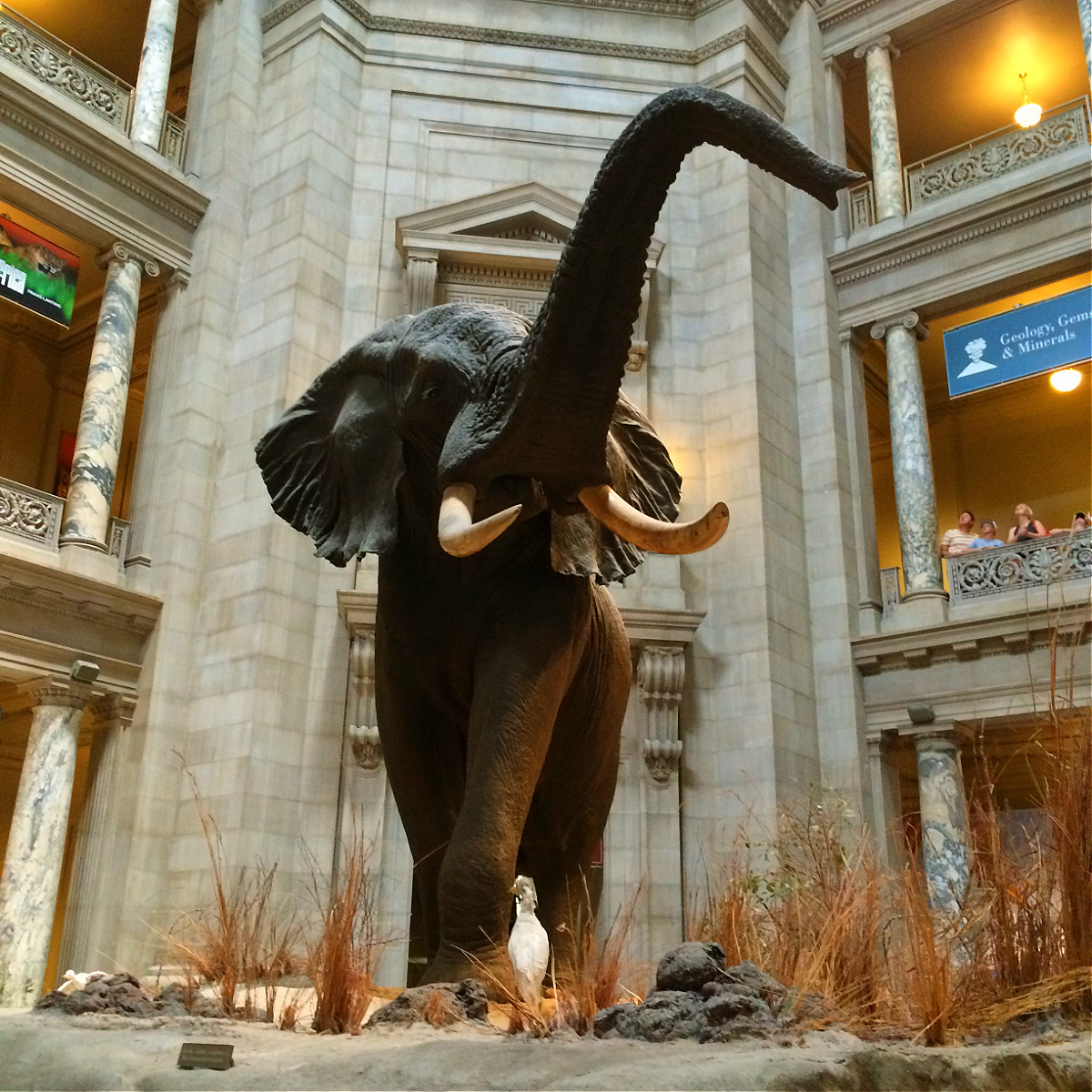
National Museum of Natural History is probably the easiest “yes” recommendation for first-time visitors.
This museum simply has broad appeal.
Kids love it. Adults love it. Grandparents love it. Science nerds love it. Casual tourists love it.
And honestly, even people who think they are “not museum people” usually end up loving it.
Biggest Highlights
- Dinosaur fossils
- Hall of Fossils
- Hope Diamond
- Ancient Egypt exhibits
- Ocean Hall
- Butterfly Pavilion
- Interactive exhibits
- Environmental change exhibits
The dinosaur section alone can eat up a huge chunk of your day.


And unlike some museums that feel heavily academic, this one balances research and presentation incredibly well. It feels exciting rather than intimidating.
If you only have one museum day in DC with kids, this is probably my top recommendation.
National Air and Space Museum
National Air and Space Museum has always been one of the most popular museums in Washington DC.
Even after renovations and timed-entry systems, it remains one of the major anchors of the National Mall.
Highlights Include
- Wright Brothers exhibits
- Wright Flyer
- Space race galleries
- Space travel exhibits
- Moon landing history
- Historic aircraft
- Interactive exhibits
This museum is especially good for tweens, teens, and adults who like engineering, innovation, or military history.
That said, if you are a serious aviation fan, you absolutely need to prioritize Udvar-Hazy too.


Steven F. Udvar-Hazy Center (Dulles Area)
Steven F. Udvar-Hazy Center is one of the best museum experiences in the entire United States.
Period.
This is where you will find:
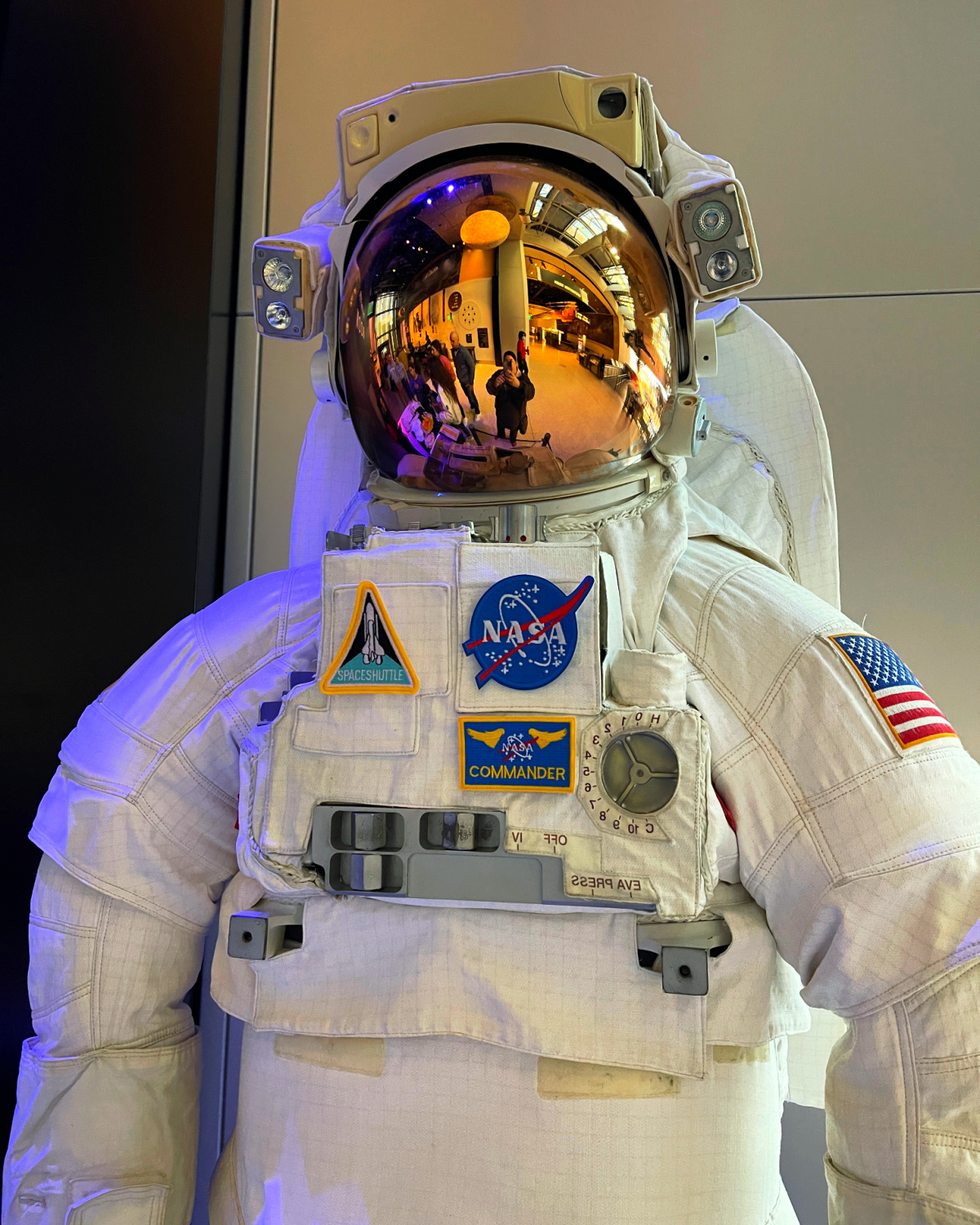
- Space Shuttle Discovery
- SR-71 Blackbird
- Enola Gay
- Concorde
- Massive aviation hangars
- Thousands of aerospace artifacts


The scale here is hard to explain until you walk inside.
The museum feels like multiple football fields filled with airplanes suspended overhead.
And unlike the downtown Air and Space Museum, this location usually feels less crowded and less stressful.
If your family likes aviation at all, I honestly think this museum is worth dedicating almost a full day.

National Museum of American History
National Museum of American History is one of the easiest museums to underestimate.
People often assume it sounds “school field trip boring.”
It is not.
This museum is packed with recognizable American stories and historical artifacts.
Highlights
- Original Star-Spangled Banner
- First Ladies exhibits
- American pop culture
- Presidential artifacts
- Transportation exhibits
- Military history
- Food history
- Wizard of Oz items
- American innovation exhibits
This museum feels especially approachable because visitors constantly recognize things from present day culture and history.
And honestly, the original Star-Spangled Banner exhibit is genuinely emotional in person.


National Museum of African American History and Culture
National Museum of African American History and Culture is one of the most powerful museums in Washington DC.
It is also one of the heaviest emotionally.
This museum walks visitors through slavery, segregation, the civil rights movement, music, sports, politics, culture, and the African American experience in the United States.
Things to Know
- This is not usually a “quick stop” museum
- Expect a deeper emotional experience
- Crowds can still be intense
- Timed entry may be required during busy periods


The lower history floors are incredibly impactful and can feel emotionally draining in the best possible way.
Meanwhile, the upper cultural floors are vibrant, celebratory, and visually stunning.
I would not recommend trying to combine this museum with multiple others in the same day. It deserves space and time.
National Museum of the American Indian
National Museum of the American Indian is often overlooked by first-time visitors, which is unfortunate.
The building itself is beautiful and feels very different architecturally from many surrounding museums.
Highlights
- Indigenous cultures exhibits
- Native communities stories
- Contemporary Native voices
- Cultural artifacts
- Mitsitam Cafe

And yes — Mitsitam Cafe genuinely deserves its reputation.
For years it was considered one of the best museum food options on the National Mall because the menu drew inspiration from Indigenous cuisines across different regions.
This museum tends to feel quieter and less chaotic than Natural History or Air and Space, which can honestly be a relief.

Hirshhorn Museum and Sculpture Garden
Hirshhorn Museum and Sculpture Garden is the cylindrical building on the National Mall that people either love immediately… or walk into confused.
This is DC’s major contemporary art museum.

What Makes It Different
- Contemporary works
- Immersive installations
- Sculpture garden
- Rotating exhibitions
- Interactive art spaces
Some exhibits are incredible, some are weird. And some are both.
But this museum is also one of the best movement breaks on the National Mall.
The outdoor sculpture garden gives kids room to move around, and the shorter galleries make this museum easier to digest than giant history museums.
National Museum of Asian Art
National Museum of Asian Art includes both:
- Freer Gallery of Art
- Arthur M. Sackler Gallery
This museum complex tends to fly under the radar, but it is genuinely beautiful.
Highlights
- Peacock Room
- Islamic world galleries
- Decorative arts
- Asian sculpture
- Buddhist art
- Ceramics
- Ancient artifacts
The Peacock Room alone is worth seeing.
Created by James McNeill Whistler, it feels dramatically different from almost anything else on the National Mall.
The museum atmosphere here is quieter, calmer, and slower-paced than the blockbuster museums nearby.
Smithsonian American Art Museum + National Portrait Gallery
Smithsonian American Art Museum and National Portrait Gallery share a building in Chinatown/Penn Quarter.
And honestly? This may be one of the most underrated museum combinations in DC.

Why People Love It
- Presidential portraits
- Contemporary art
- American stories
- Beautiful courtyard
- Less overwhelming layout
- Easier crowds
The Portrait Gallery especially surprises people.
Yes, you can see famous presidential portraits. But you also see athletes, activists, performers, scientists, and major cultural figures from throughout American history.
It feels more personal and approachable than some of the larger museums.
National Postal Museum
National Postal Museum sounds like the kind of museum many people would skip.
And then they visit and realize it is actually pretty fun.
This museum is especially good for:
- Families with younger kids
- Transportation fans
- Interactive exhibits
- Quieter museum days
The exhibits are surprisingly engaging and the museum is usually far less crowded than the big National Mall museums.

Smithsonian Castle, Arts and Industries, and the Ripley Center
Smithsonian Castle
The Smithsonian Castle is the iconic red sandstone building many people associate with the Smithsonian Institution itself.
It is more of an orientation and historic building than a major museum destination today, but it is still worth seeing briefly.
Arts and Industries Building
Arts and Industries Building is one of DC’s oldest public buildings and occasionally hosts temporary exhibitions and events.
S. Dillon Ripley Center
S. Dillon Ripley Center confuses almost everyone the first time.
Honestly, it is less of a traditional museum and more of an underground research complex, exhibition space, classrooms, and event area connecting several Smithsonian buildings.
If you walk through it, you are not missing some giant hidden museum experience. Think of it more as supporting infrastructure for the Smithsonian Institution.
National Zoo
Smithsonian National Zoological Park is one of the best free attractions in Washington DC.
Why Families Love It
- Giant pandas (when present)
- Great place for kids
- Outdoor movement break
- Excellent conservation messaging
- Large habitats
The zoo is not on the National Mall, so it usually works better as its own half-day outing.
Also worth noting: this zoo is hillier than many people expect.



Why the National Gallery of Art Is NOT Smithsonian
This confuses almost everyone.
National Gallery of Art is federally funded and located directly on the National Mall, but technically it is not part of the Smithsonian Institution.
Instead, it operates independently.
That said, most visitors naturally group it mentally with the Smithsonian museums because:
- It is free
- It sits on the National Mall
- It functions similarly
- It is world-renowned
- It is part of the overall DC museum ecosystem
And honestly, if you love art even a little bit, this museum deserves a place high on your list.
How to Decide Which Smithsonian Museums to Visit
Here is my real-world advice after many visits:
If You Have One Museum Day
Choose:
- Natural History
- Air and Space
OR - African American History and Culture
Trying to do too many museums usually backfires.
If You Have Kids Under 10
Prioritize:
- Natural History
- Air and Space
- Zoo
- Postal Museum
If You Love Art
Prioritize:
- National Gallery of Art
- Hirshhorn
- Portrait Gallery
- National Museum of Asian Art
If You Love American History
Prioritize:
- American History
- African American History
- American Indian Museum
- Portrait Gallery
If You Want the “Biggest Wow Factor”
Go to:
- Either Air and Space Museum
- Natural History
- African American History and Culture
Pro Tips for Visiting Smithsonian Museums
Wear Better Shoes Than You Think You Need
The National Mall distances add up quickly.
Don’t Overschedule
Most people hit museum burnout faster than expected.
The Best Time Is Earlier in the Morning
Especially for:
- Natural History
- Air and Space
- African American History
Bring a Small Bag
Security guards and screening are part of every museum experience.
Plan Around Food and Air Conditioning
This sounds silly until you are walking the National Mall in July.
If You Only Have 2 Hours
Choose ONE:
- Natural History
- Air and Space
- American History
And focus on highlights instead of trying to conquer the entire museum.
If You Have Half a Day
You can realistically combine:
- American History + Natural History
OR - Hirshhorn + Air and Space
OR - Portrait Gallery/American Art Museum + National Gallery of Art
More Helpful Washington DC Trip Planning Guides
- How to Spend 3 Days in Washington DC Without Feeling Rushed
- 5 Days in Washington DC: The Ultimate Longer Itinerary
- The Best Museums in Washington DC (and Which Ones to Skip)
- Washington DC First-Time Visitor Tips, Mistakes, and Planning Advice
- Washington DC for Teens: Museums, Food, and Attractions Teens Actually Enjoy
- Where to Eat on the National Mall: Best Museum Cafes, Food Courts, and Quick Meals
Final Thoughts
One of the reasons the Smithsonian museums are so special is that they make world-class museums accessible to everyone.
You do not need expensive tickets. And you do not need to be an art historian or science expert. You can wander into a free Smithsonian museum on a random afternoon and stand face-to-face with objects that shaped human history.
And honestly, that still feels kind of magical.
The trick is not trying to see everything.
The trick is choosing the museums that fit your interests, travel style, and energy level — and giving yourself permission to actually enjoy them instead of racing through all 17 museums in exhaustion.
Because the Smithsonian museums are not just boxes to check off a DC itinerary.
Done well, they become the memories people talk about years later.