Best Olympic National Park Beaches: Rialto, Ruby, Kalaloch & More

Affiliate Disclosure: This post may contain affiliate links. If you make a purchase or booking through these links, I may earn a commission at no additional cost to you.
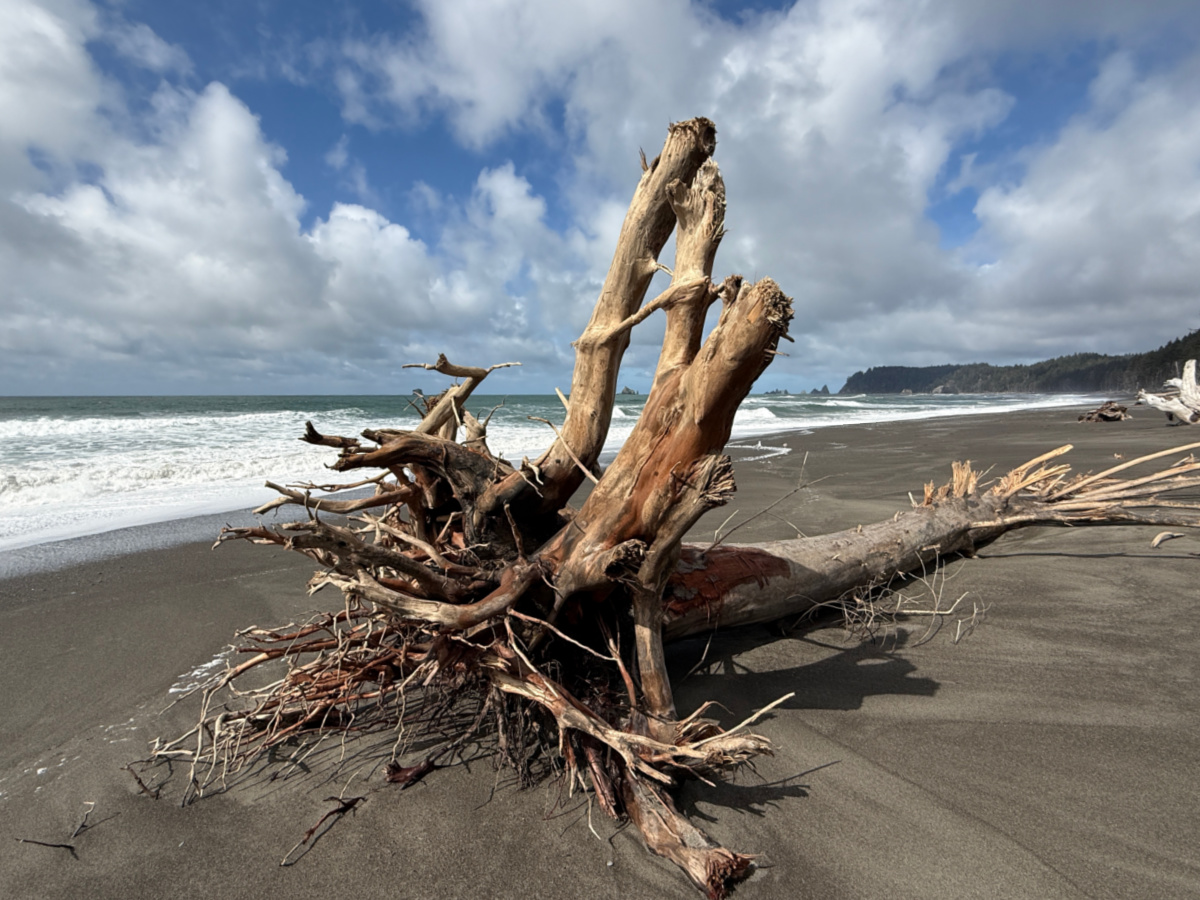
Discover the best Olympic National Park beaches, including Rialto Beach, Ruby Beach, Kalaloch Beach, Second Beach, and Shi Shi Beach. Find tide pool spots, hiking tips, and the best beach stops on the Olympic Coast.
Estimated reading time: 12 minutes
There are a lot of spectacular places in Olympic National Park. The mountains are incredible. The rain forests feel prehistoric. And the waterfalls honestly look like they belong in a fantasy movie.
But for many visitors, the beaches are what make this park unforgettable.
And the wild thing is… these are not typical “beach vacation” beaches.
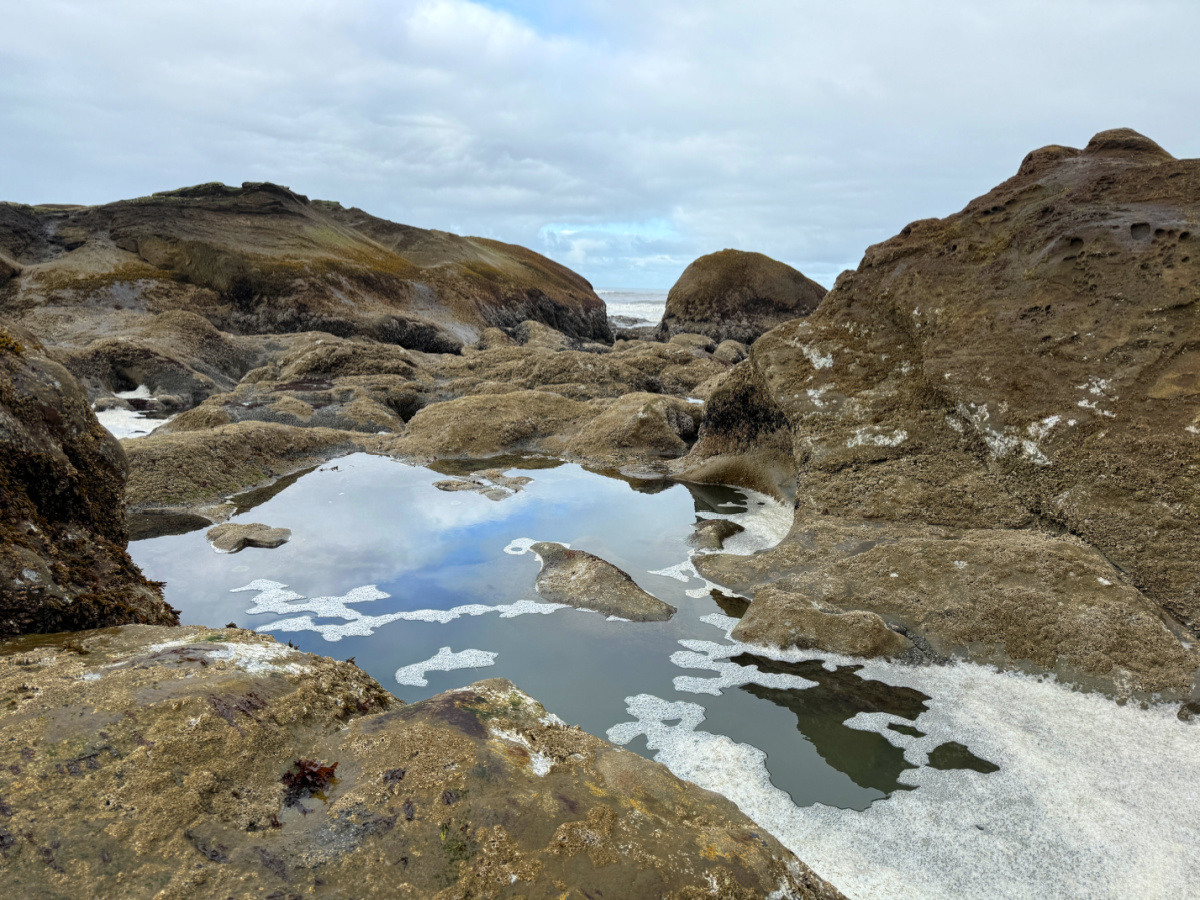
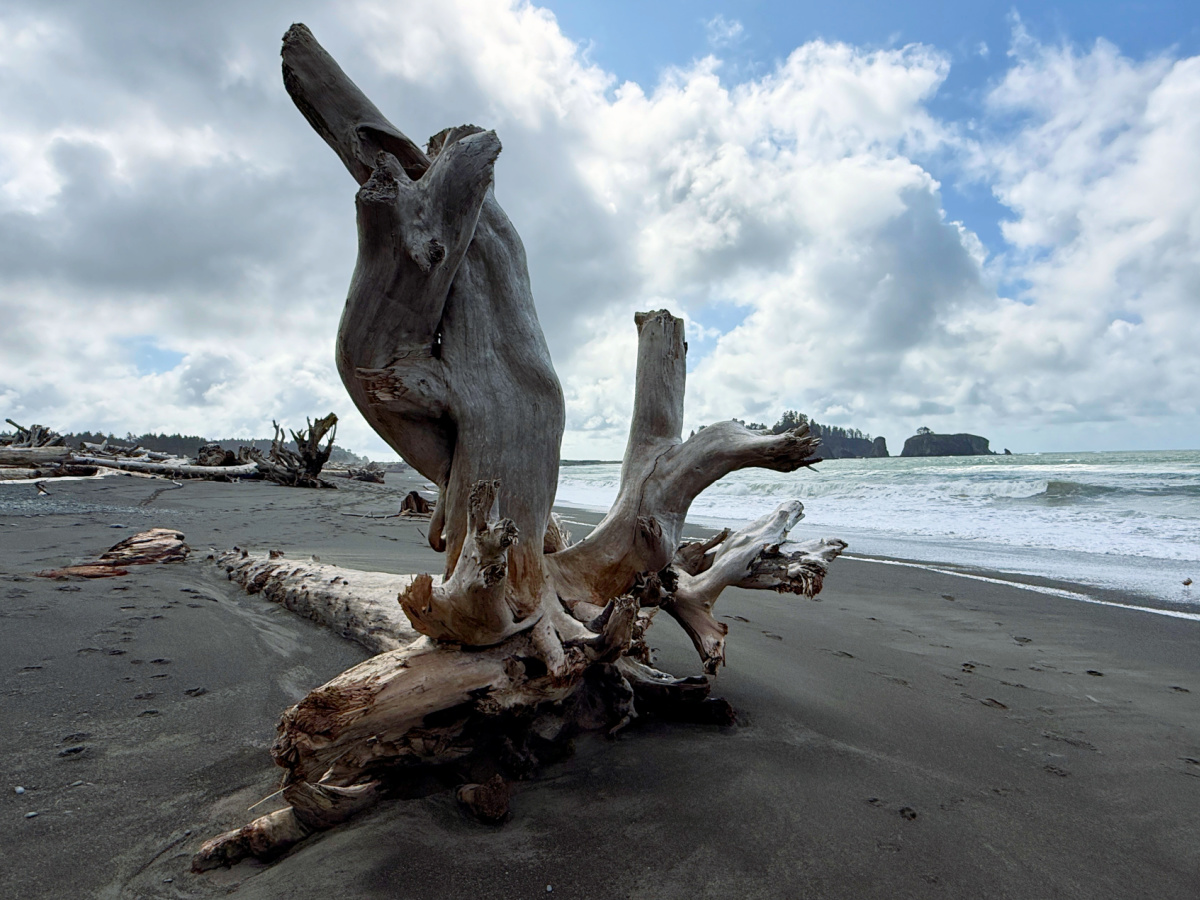
You are not coming here for boardwalks, umbrella rentals, or warm turquoise water. The beaches along the Olympic Coast are rugged, moody, dramatic, and absolutely packed with personality. Think massive sea stacks rising out of the Pacific Ocean, driftwood the size of houses, tide pools full of sea stars, and misty coastal forest trails leading to hidden sandy beaches.
Some beaches are incredibly easy to visit. Others require short hikes through old-growth forest. A few are located on tribal lands connected to the Quileute and Makah people and deserve extra respect and awareness from visitors.
And honestly? That variety is what makes this stretch of the Pacific Northwest so special.
This guide covers the best Olympic National Park beaches and nearby coastal areas around the Olympic Peninsula, including:
- Rialto Beach
- Ruby Beach
- Kalaloch Beach
- Beach Four
- First Beach
- Second Beach
- Third Beach
- Shi Shi Beach
- Cape Alava
- South Beach and other Kalaloch beaches
I’ve now visited several of these beaches personally, and they ended up being one of my favorite parts of our Olympic National Park road trip.
Quick Snapshot: Which Olympic National Park Beach Is Best?
If you only have time for one or two beaches, here’s the quick version:
- Best overall dramatic scenery: Rialto Beach
- Best easy-access beach: Ruby Beach
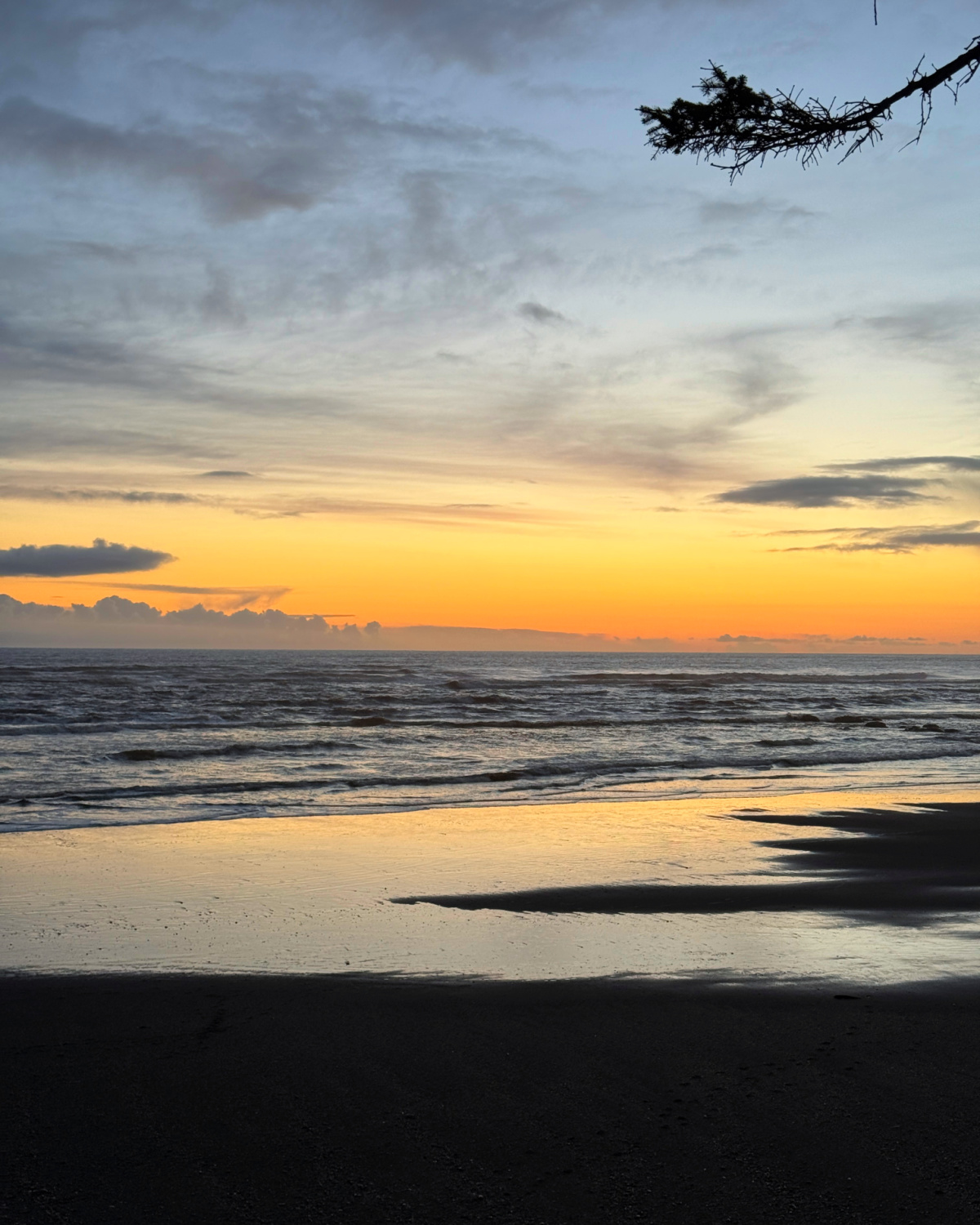
- Best sunset beach: Kalaloch Beach
- Best tide pools: Beach Four
- Best hidden beach hike: Second Beach
- Best remote wilderness beach: Shi Shi Beach
- Best family-friendly quick stop: First Beach
- Best overnight backpacking experience: Third Beach or Cape Alava
Honestly though, there is no bad choice here.
Each beach feels completely different.
What Makes Olympic National Park Beaches So Unique?
The beaches along the Olympic Coast are part of one of the most unique ecosystems in the United States.
This area is protected not only by the National Park Service, but also by the Olympic Coast National Marine Sanctuary, which protects marine life and offshore islands along the coastline.
The entire region is also part of a UNESCO World Heritage Site because of the incredible diversity packed into one area:
- temperate rainforest
- mountain ranges
- rugged Pacific coastline
- marine ecosystems
- old-growth forest
And unlike many national parks where the scenic overlooks are the main attraction, Olympic’s beaches feel immersive. You are walking directly through the landscape.
One minute you are in thick coastal forest.
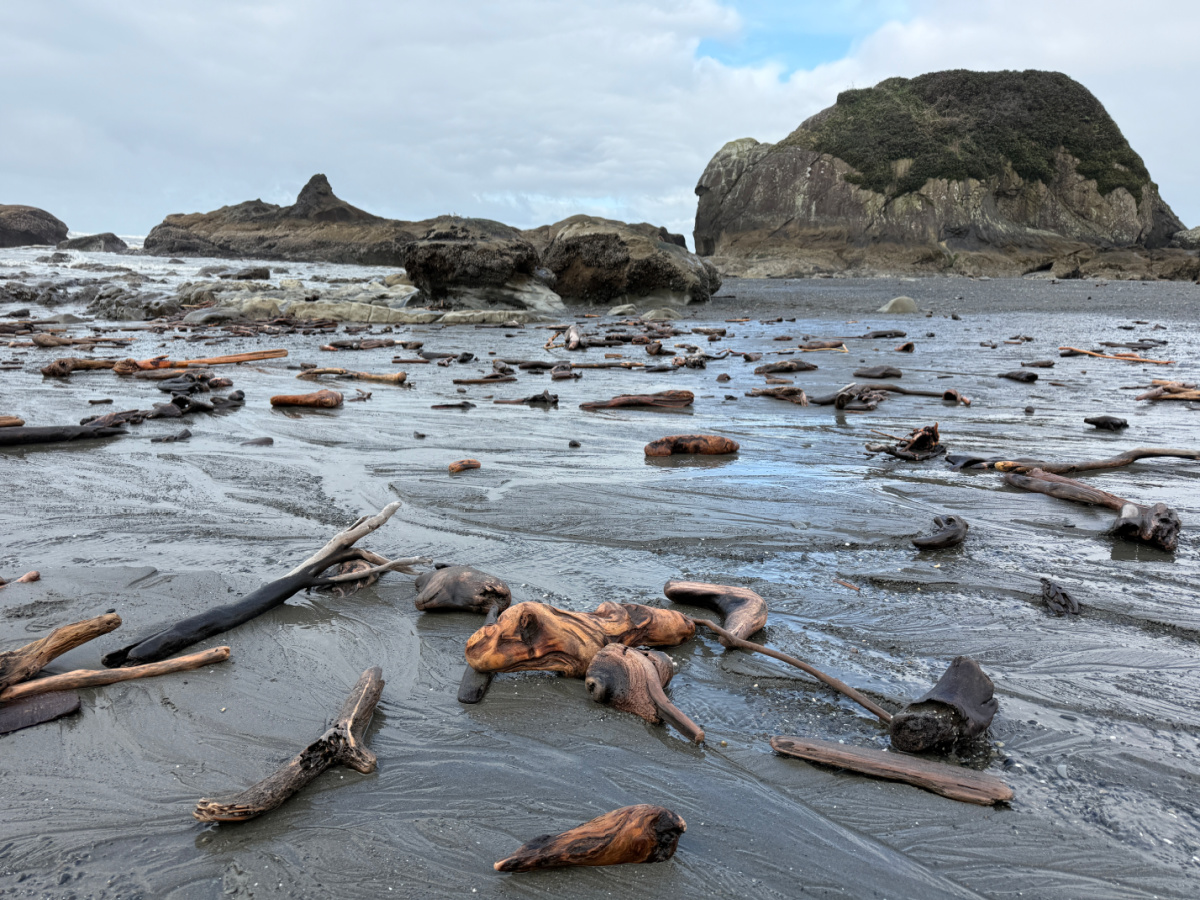
Ten minutes later you are standing beside massive sea stacks while waves crash around giant driftwood piles.
It honestly feels wild in the best possible way.
Important Note About Tribal Lands and Indigenous Areas
Some of the beaches around La Push are part of the Quileute Tribe and are located on tribal lands connected to the Quileute Indian Reservation.
Others farther northwest near Shi Shi Beach are associated with the Makah Tribe and the Makah Indian Reservation.
Visitors should absolutely respect posted rules, private areas, parking regulations, and photography restrictions where applicable.
For example:
- Shi Shi Beach requires a Makah Recreation Pass
- Some parking areas are managed by tribal authorities
- Certain beaches have areas that are culturally significant
These are not just tourist destinations. They are living communities and ancestral lands.
Rialto Beach: The Most Famous Olympic National Park Beach
Rialto Beach is probably the most iconic beach in Olympic National Park.
And honestly? It deserves the hype.
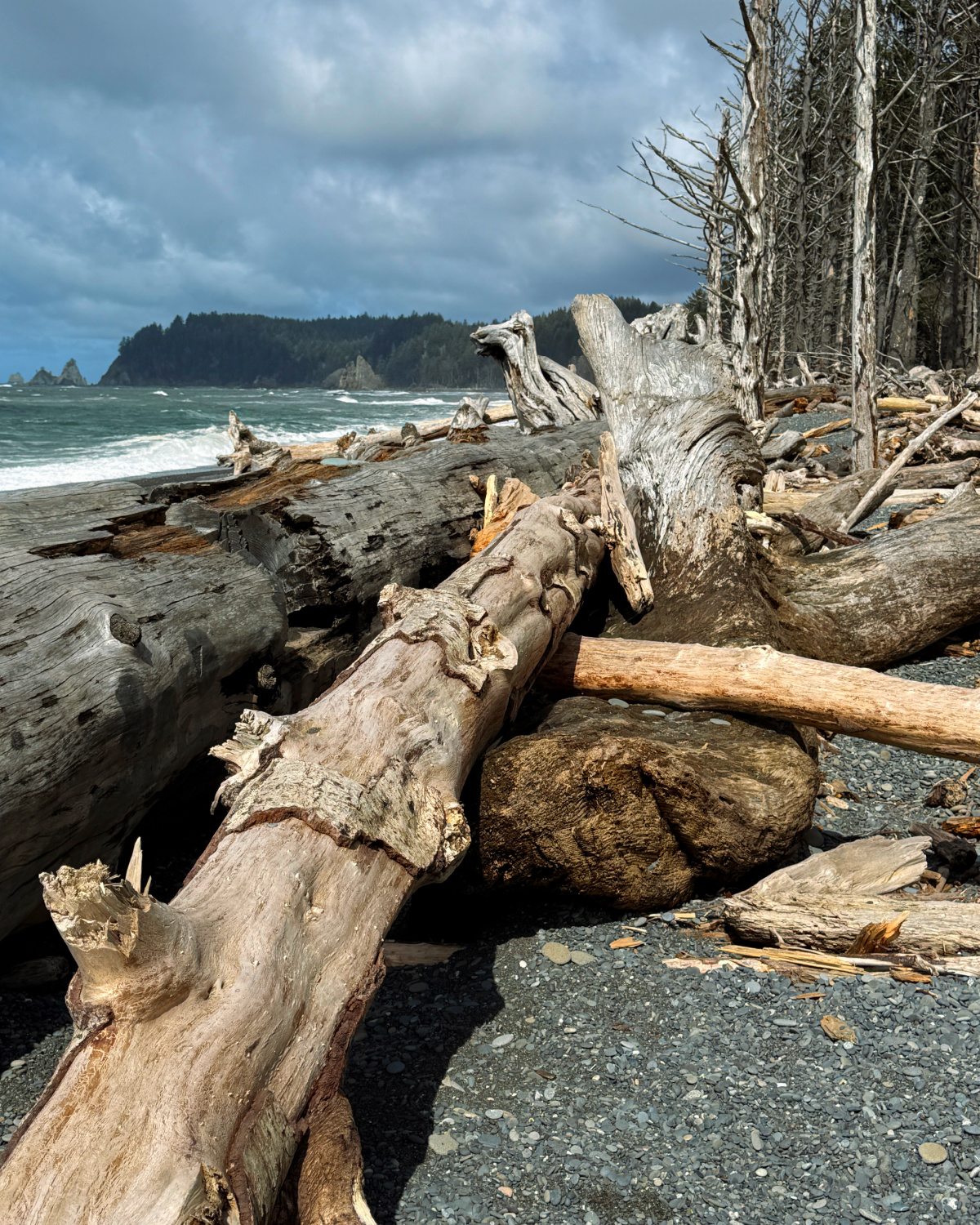
The beach feels dramatic immediately. Huge rock formations rise out of the Pacific Ocean, giant driftwood logs line the shore, and the waves here feel louder and more powerful than at many of the other Olympic beaches.
This is also the beach that leads to the famous Hole-in-the-Wall hike.
At low tide, you can walk north along the beach to see:
- tide pools
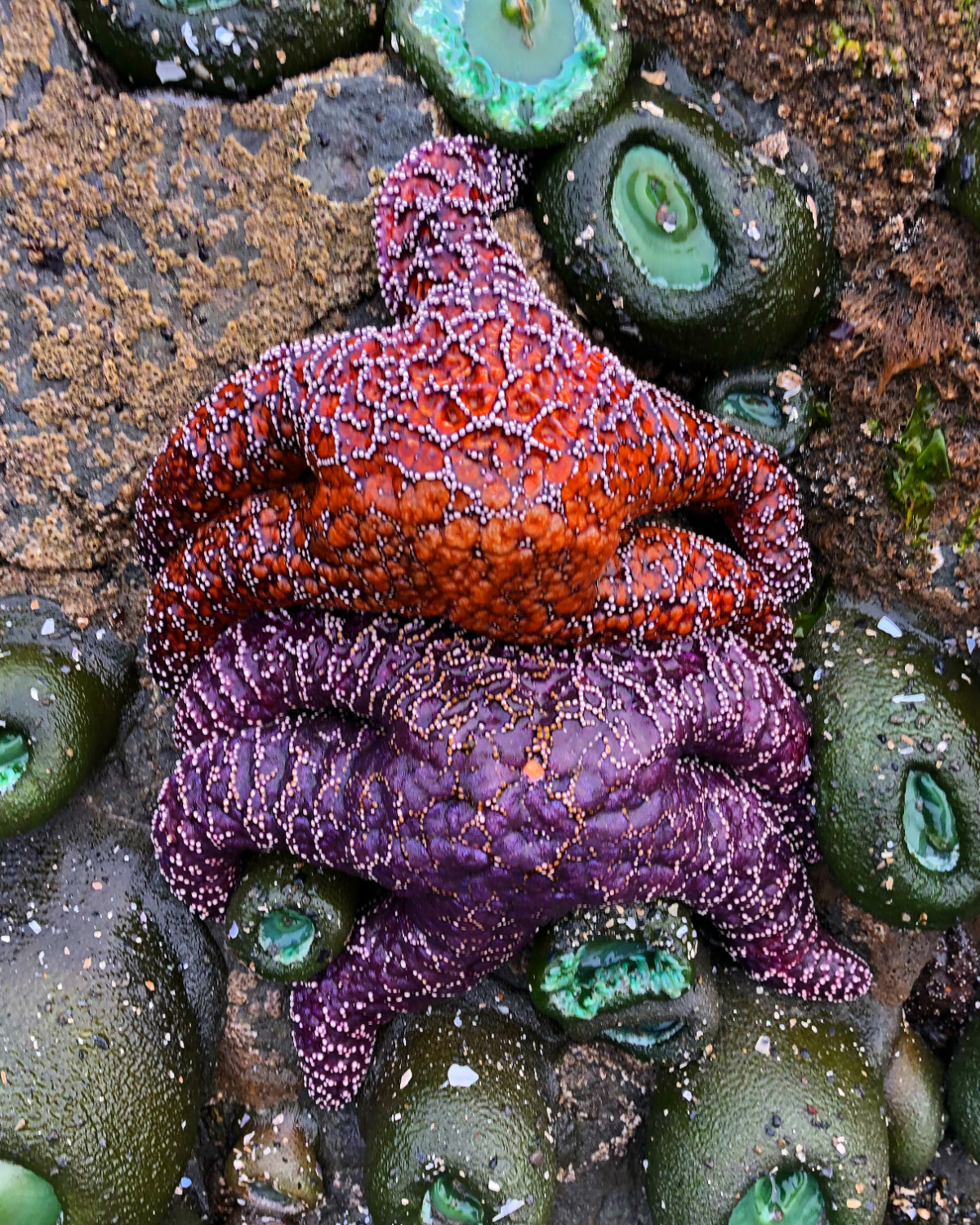
- sea stars
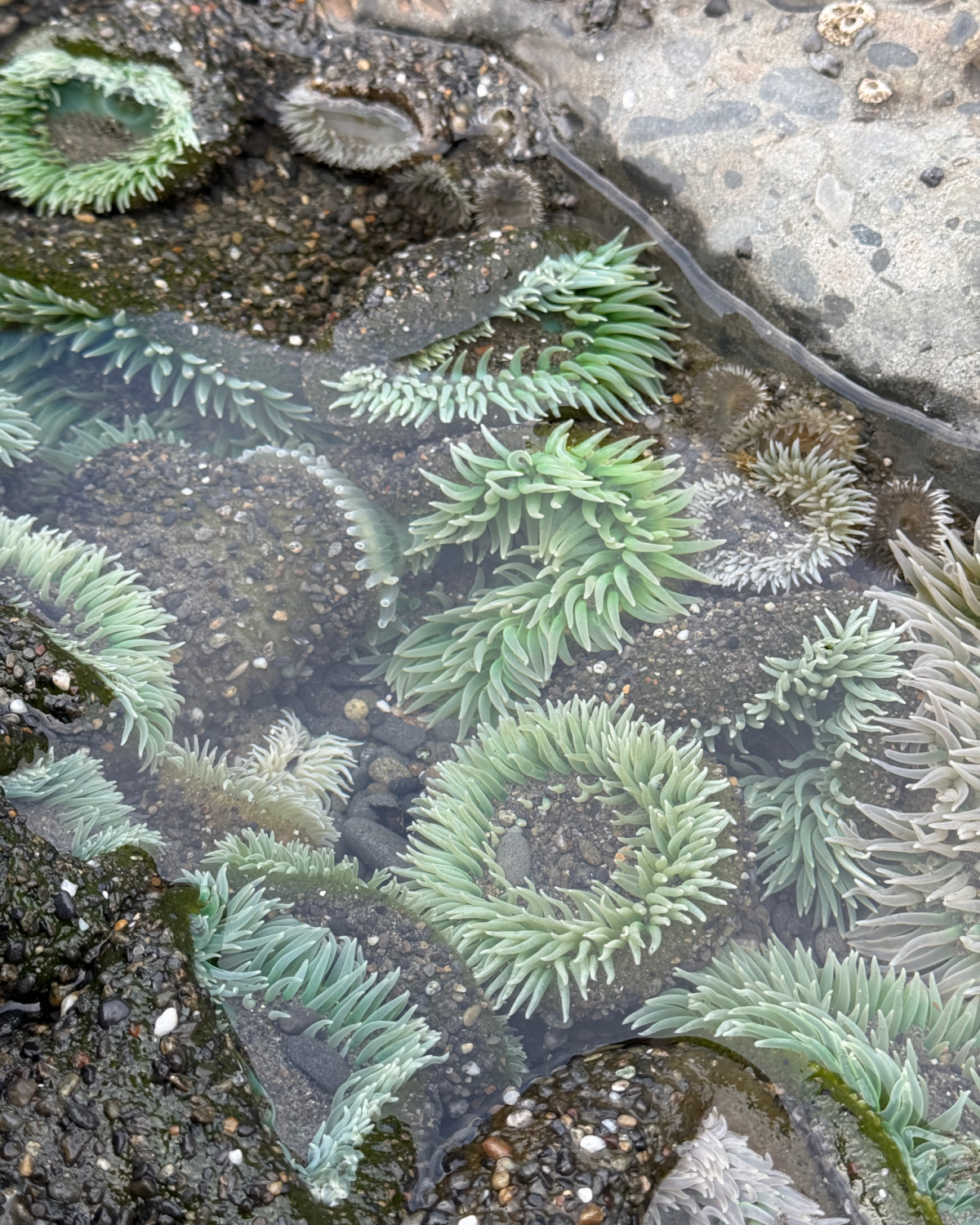
- anemones
- offshore islands
- incredible rock formations
But timing matters here.
You absolutely need to pay attention to tide charts because sections of the beach become inaccessible during high tide.
Rialto Beach Quick Tips
- Large parking lot near the beach
- Vault toilets available
- Very easy beach access
- Best visited at low tide
- Excellent sunset location
- Great place for photography
- Can feel windy and cold even in summer
This beach ended up being one of my personal favorites in the entire park.
If you want a deeper look at the most dramatic beach on the Olympic Coast, check out my complete guide to Rialto Beach, including Hole-in-the-Wall tips, tide advice, and what to expect.
Ruby Beach: The Best Easy Scenic Beach
Ruby Beach is probably the best combination of:
- easy access
- dramatic scenery
- short walking distance
- family friendliness
If you only have one day exploring the Olympic Coast, this is one of the best places to stop.
The hike from the parking area is short but moderately steep in sections. Still, compared to many national park beaches, this is a very accessible experience.
Once you reach the beach, the scenery is incredible:
- large sea stacks
- tide pools
- driftwood
- sandy beach areas
- coastal cliffs
And unlike Rialto Beach, Ruby Beach tends to feel a little more spread out and relaxed.
This is also one of the easiest beaches to combine with:
- Kalaloch
- Lake Quinault
- Hoh Rainforest
- a broader Olympic National Park itinerary
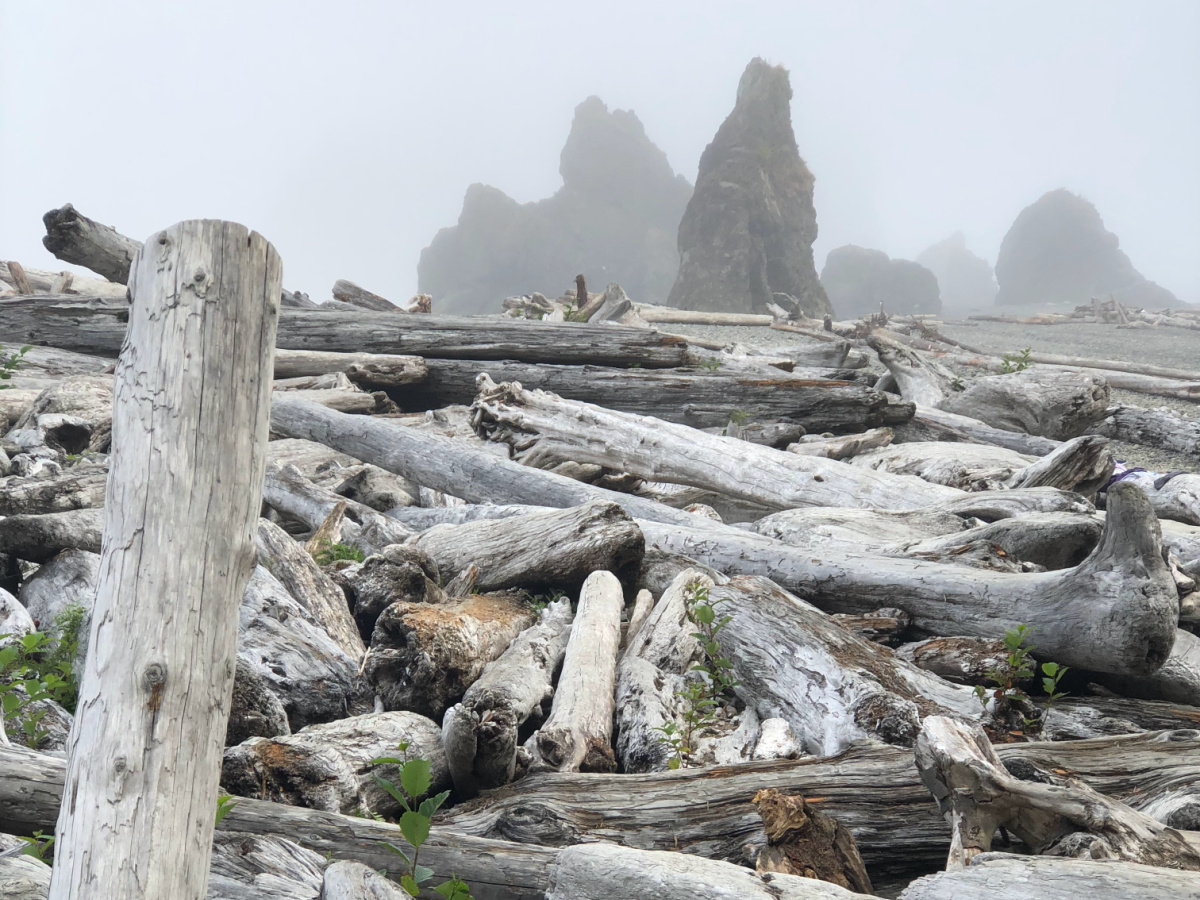
For more photos, tide pool tips, and practical advice, read my full guide to visiting Ruby Beach in Olympic National Park.
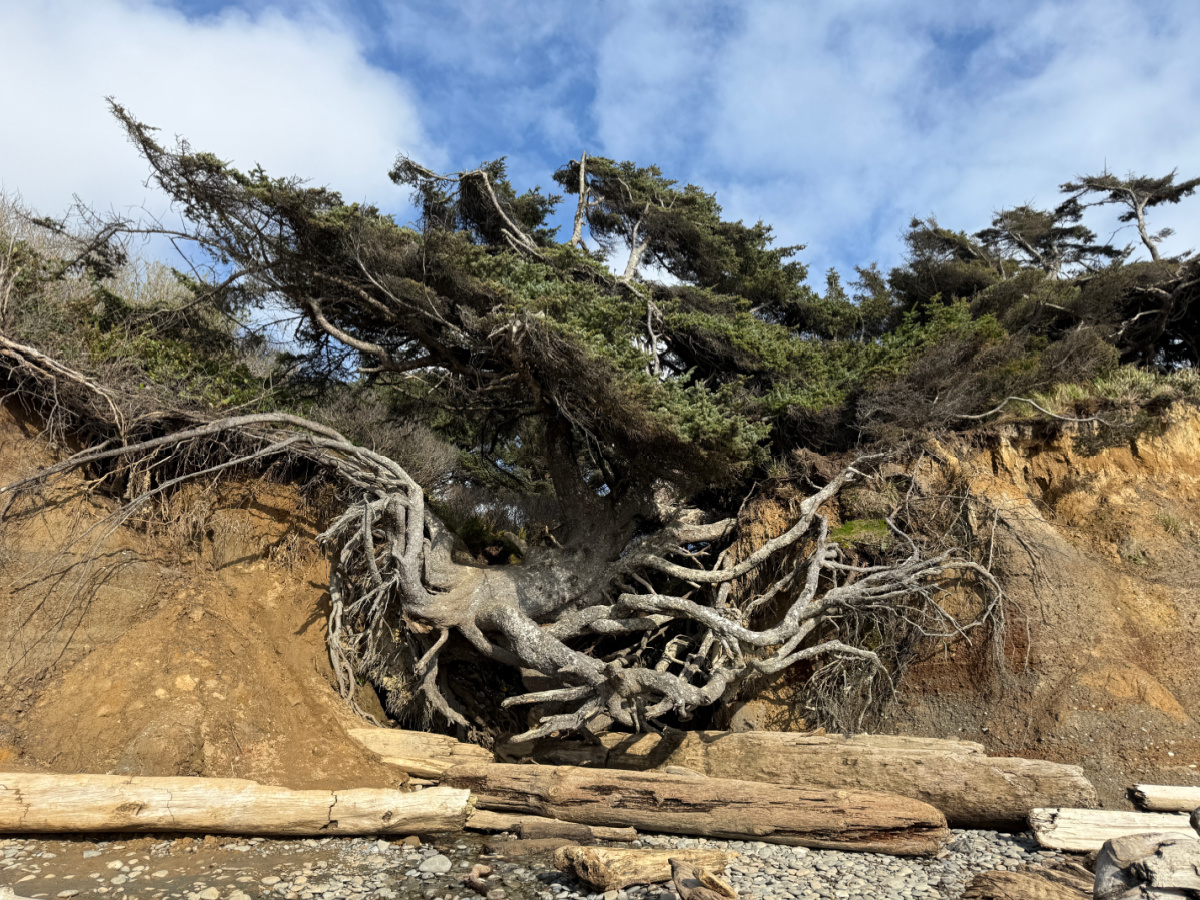
Kalaloch Beach and the Kalaloch Beaches Area
Kalaloch Beach feels different from the La Push beaches.
The scenery is still beautiful, but this section of coastline feels calmer and more accessible overall.
This area includes multiple beach access points often referred to collectively as the Kalaloch Beaches.
Highlights include:
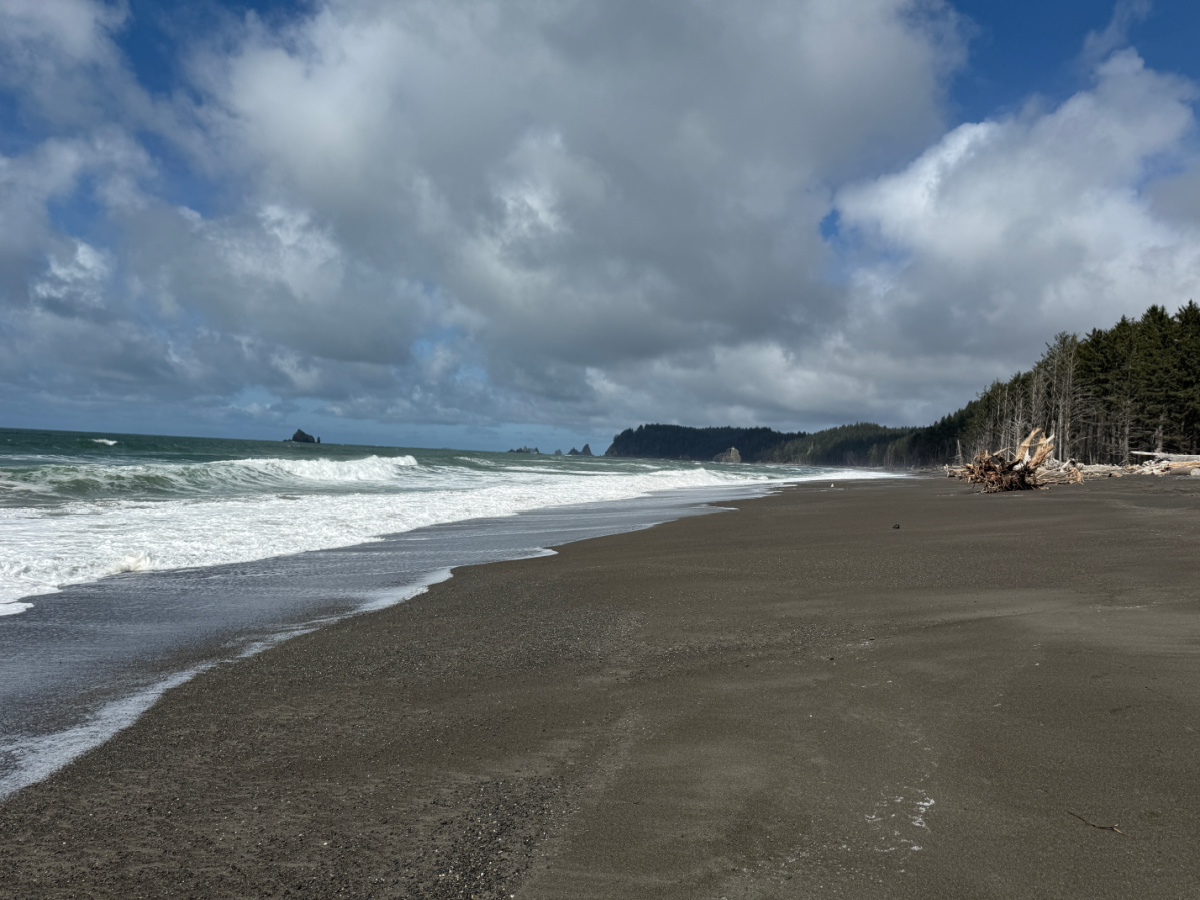
- wide sandy beaches
- tide pools
- beach walking
- picnic tables
- easy parking areas
- sunset views
The nearby Kalaloch Lodge is one of the best overnight stay locations on the Olympic Coast if you want easy beach access without constantly driving.
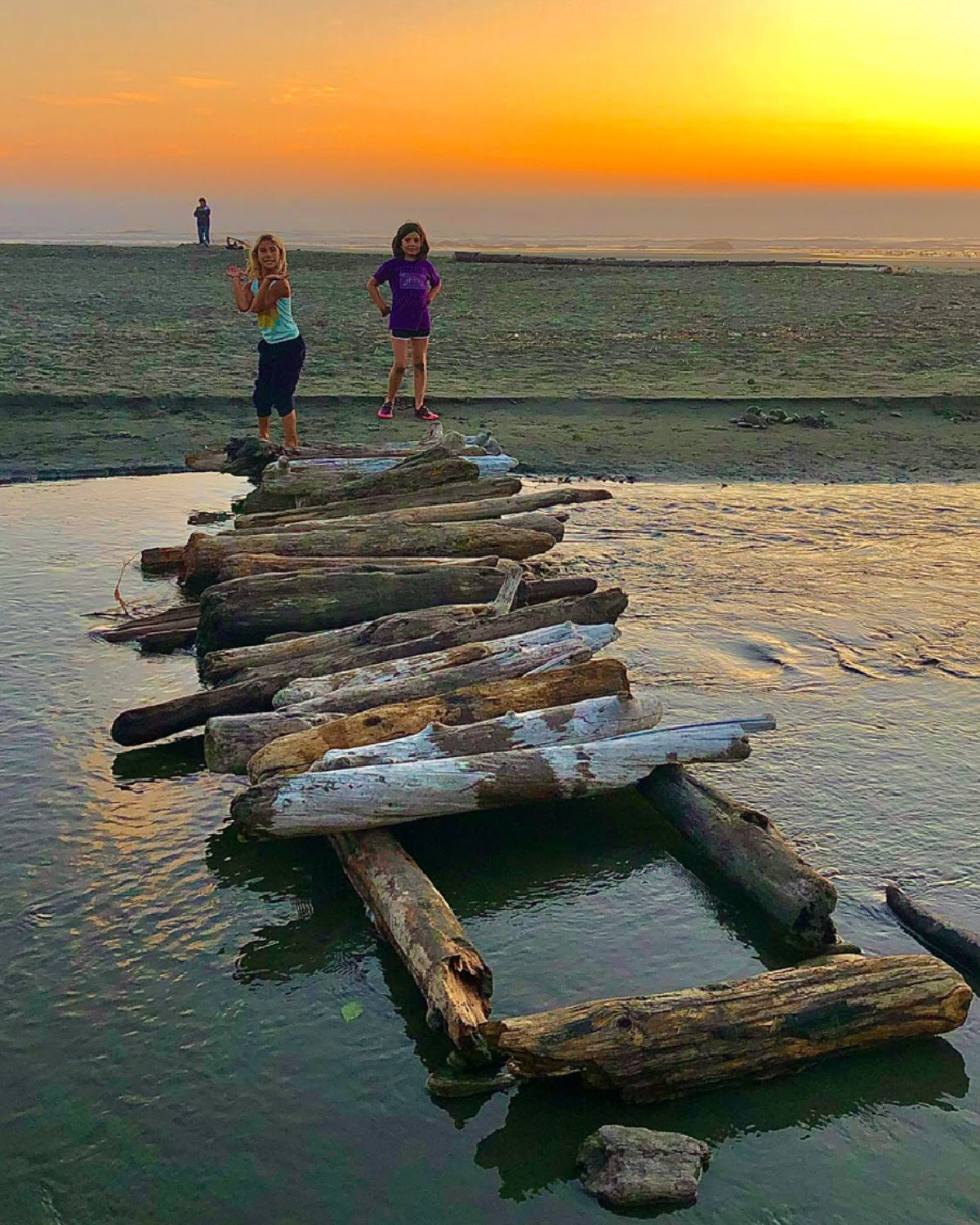
The lodge area also makes a great first stop when entering the southern coastal section of Olympic National Park.
Nearby you’ll also find:
- Kalaloch Campground
- ranger station services
- beach access trails
- short walks to scenic overlooks
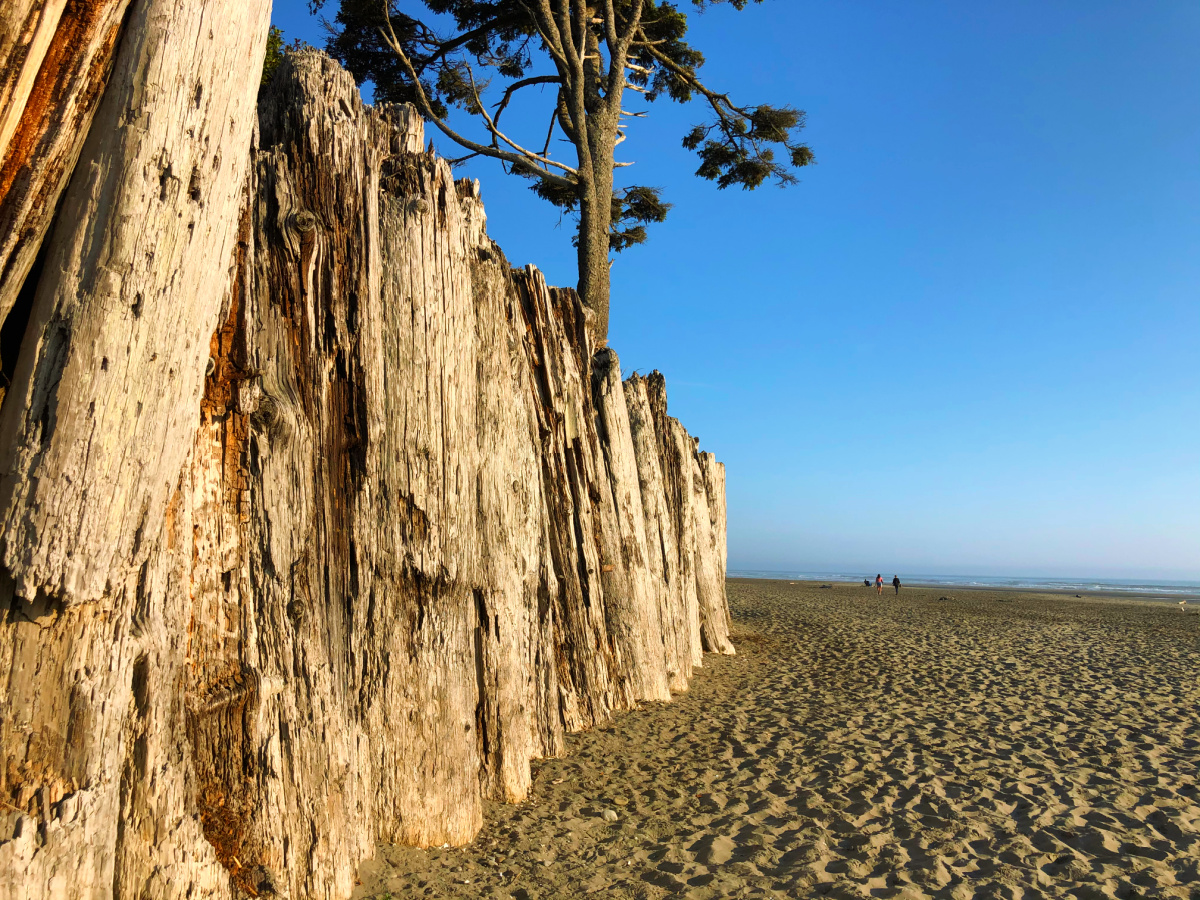
Planning to stay near the coast? My complete guide to Kalaloch Beach covers beach access, sunsets, tide pools, and nearby lodging options.
Beach 4: The Best Tide Pools
Beach 4 was one of the biggest surprises of our trip.
And yes… this is the beach that confuses everyone.
There are beaches called First Beach, Second Beach, and Third Beach near La Push. But Fourth Beach is actually farther south near Kalaloch.
So no, you are not missing a giant sequence of numbered beaches in one location.
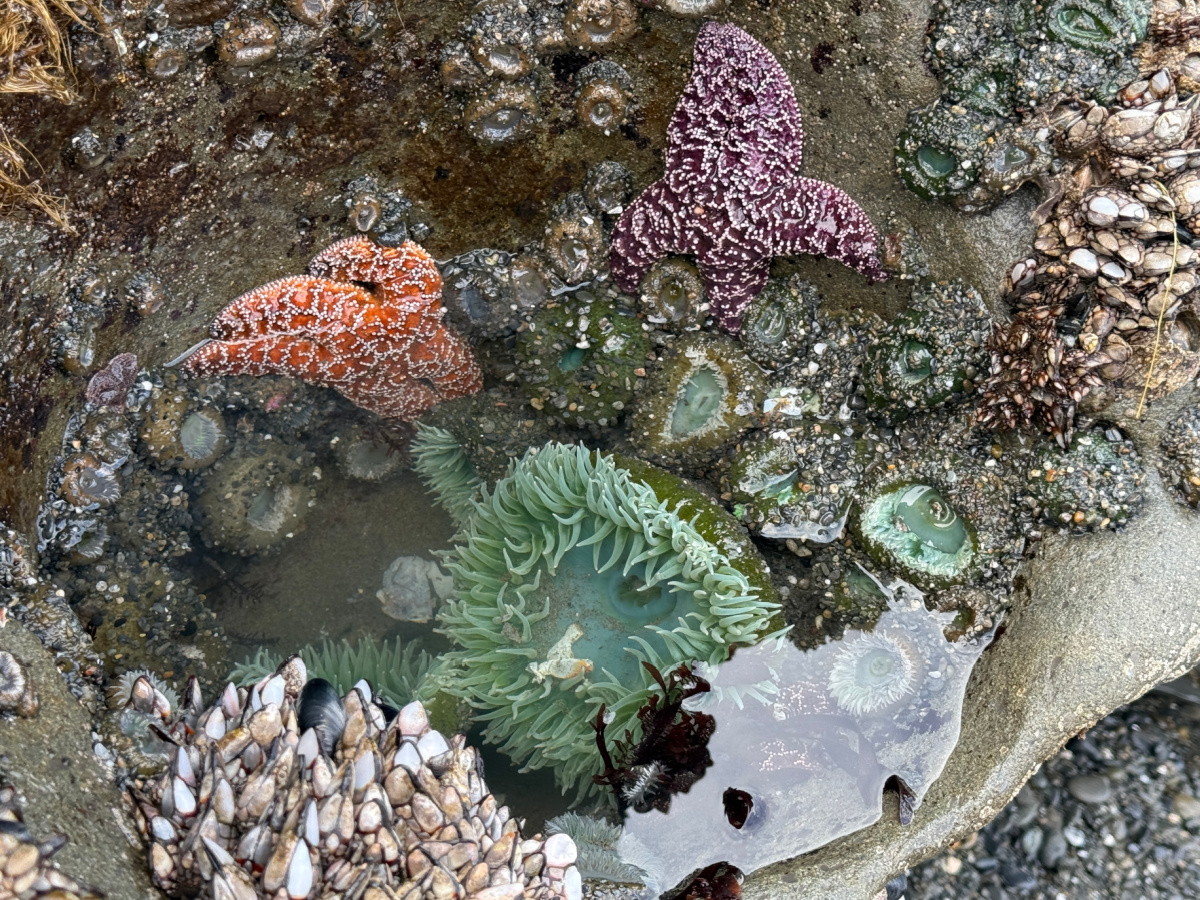
Fourth Beach is famous for:
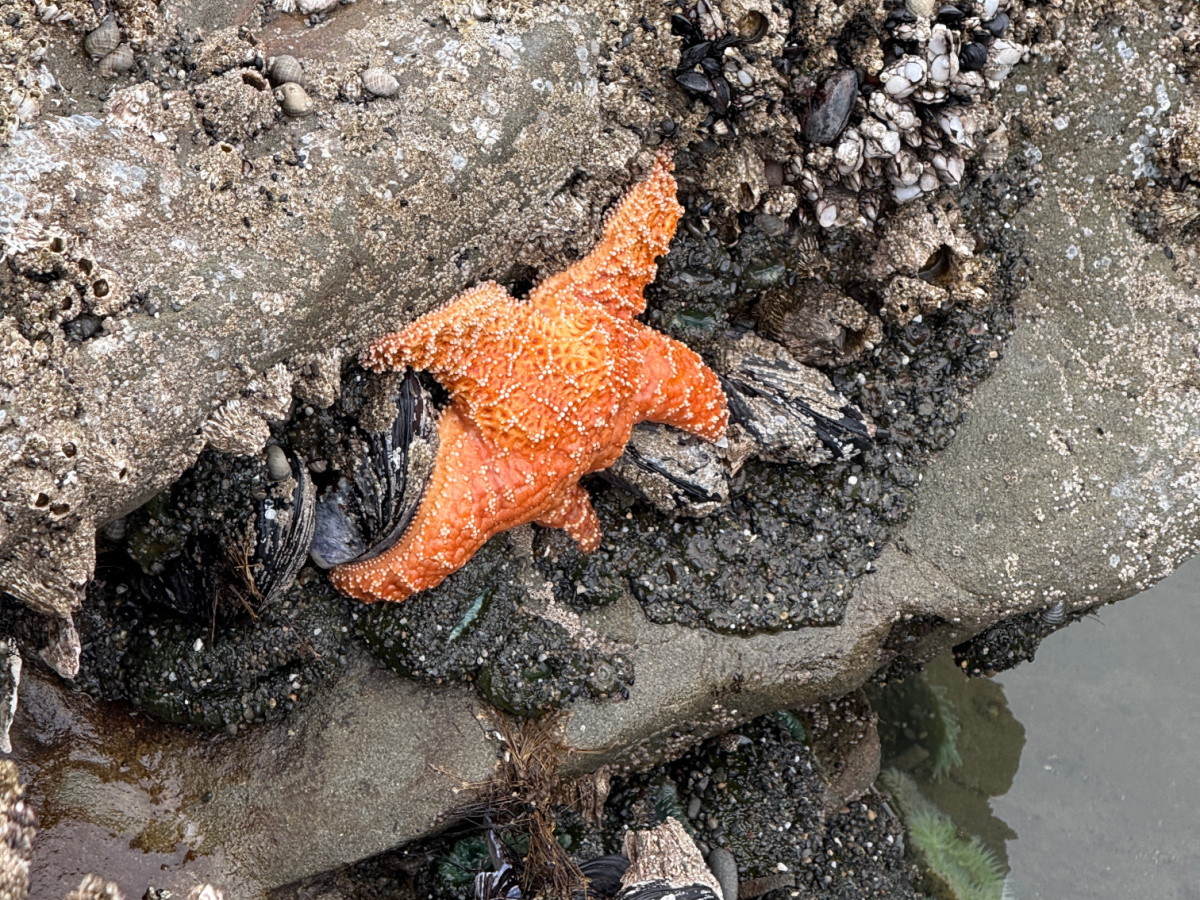
- tide pools
- sea stars
- marine life
- dramatic sea stacks
- relatively short hike access
The short trail down to the beach is steeper than Ruby Beach but still manageable for most visitors.
At low tide, this beach becomes absolutely incredible.
You can explore rock formations, tide pools, and huge coastal features that disappear or become inaccessible during high tide.
If tide pooling is one of your goals, this may honestly be the best beach in Olympic National Park.
Don’t miss my detailed guide to visiting Fourth Beach.
The La Push Beaches
The beaches near the town of La Push feel wilder and more remote overall.
These beaches are part of the Quileute area and have a very different vibe from Kalaloch.
First Beach
First Beach is the easiest beach to access in La Push.
It is located directly near town and requires almost no hiking.
This is a good place for:
- quick beach walks
- sunset photography
- driftwood viewing
- easier family access
But compared to Rialto or Ruby Beach, it feels less dramatic.
Second Beach
Second Beach is one of the most beloved beaches on the Olympic Peninsula.
To reach it, you take a short hike through lush coastal forest before emerging onto a gorgeous sandy beach with sea stacks offshore.
The trail itself is part of the experience.
This is one of those places that feels extremely “Pacific Northwest.”
Expect:
- mud on the trail
- roots
- forest scenery
- driftwood
- incredible sunset potential
Third Beach
Third Beach is quieter and more wilderness-focused.
The hiking trail is longer than Second Beach, and many visitors use this area for overnight backpacking trips along the coast.
This is a better fit for:
- experienced hikers
- wilderness camping
- people wanting fewer crowds
- coastal backpacking routes
Wilderness camping permits are required for overnight stays.
Shi Shi Beach: The Most Remote and Wild
Shi Shi Beach is often considered one of the most beautiful beaches in Washington State.
But getting there is more of an adventure.
The Shi Shi Beach Trailhead is located near the Makah Indian Reservation, and visitors need a Makah Recreation Pass in addition to Olympic National Park access.
The hike to the beach is several miles round trip and can be muddy depending on conditions.
But the payoff is spectacular.
Many visitors come specifically to see:
- Point of the Arches
- massive sea stacks
- remote coastline scenery
- tide pools
- marine life
This is not the best choice for a quick stop.
But for adventurous visitors, it may be the most memorable beach experience on the Olympic Coast.
Other Olympic Coast Beaches Worth Knowing About
South Beach
South Beach Campground is less famous but still beautiful.
This area is known for:
- dramatic surf
- wide-open coastal scenery
- camping
- beach walking
Cape Alava
Cape Alava is the westernmost point in the continental United States.
Reaching it requires a boardwalk hike through coastal forest.
This is more of a day hike destination than a casual beach stop, but it is an amazing experience if you have extra time.
Best Time to Visit Olympic National Park Beaches
Summer is the easiest season for beach exploration.
July through September generally offers:
- lower rainfall
- calmer weather
- better tide conditions
- more daylight
- easier hiking conditions
But honestly, Olympic beaches can be beautiful year-round.
Even cloudy days feel atmospheric and dramatic here.
The biggest thing to monitor is not sunshine.
It is tides.
Low tide can completely transform your experience by opening access to:
- tide pools
- sea stacks
- beach hiking routes
- marine life viewing
Safety Tips for Olympic Coast Beaches
These beaches are gorgeous, but they are also wild.
A few important things to know:
- Sneaker waves are real
- Driftwood logs can shift dangerously
- High tide can cut off access routes
- Weather changes quickly
- Beaches are colder than many visitors expect
Always check tide charts before exploring farther down the coast.
And honestly? Waterproof shoes are one of the best things you can bring.
How to Include the Beaches in an Olympic National Park Itinerary
Most visitors combine the beaches with:
- Hoh Rain Forest
- Hurricane Ridge
- Lake Crescent
- Sol Duc Falls
- Lake Quinault
- Marymere Falls
- Port Angeles
A very common route is:
- Port Angeles
- Lake Crescent
- Sol Duc
- Rialto Beach / La Push
- Hoh Rainforest
- Kalaloch
- Lake Quinault
This makes an excellent Olympic National Park road trip loop.
Final Thoughts on Olympic National Park Beaches
If you are expecting tropical beaches, this probably is not your place.
But if you love dramatic scenery, rugged coastlines, tide pools, sea stacks, coastal forest trails, and places that still feel genuinely wild… the Olympic Coast is honestly hard to beat.
And what surprised me most was how different every beach felt.
Rialto feels cinematic.
Ruby feels approachable and scenic.
Fourth Beach feels like a tide pool adventure.
Second Beach feels hidden and magical.
Shi Shi feels remote and untamed.
You could spend several days exploring Olympic National Park beaches and still feel like you barely scratched the surface.