Guide to Tidepooling in Olympic National Park (Best Beaches + Tips)

Planning to go tidepooling in Olympic National Park? Learn the best beaches, how to check tide tables, what to wear, safety tips, and where to find sea stars and marine life.
Estimated reading time: 9 minutes
The first time we went tidepooling on the Olympic coast, I honestly didn’t expect much.
I thought it would basically be “walk around on some rocks and maybe see a crab.”
Instead, within about ten minutes, we were completely hooked.
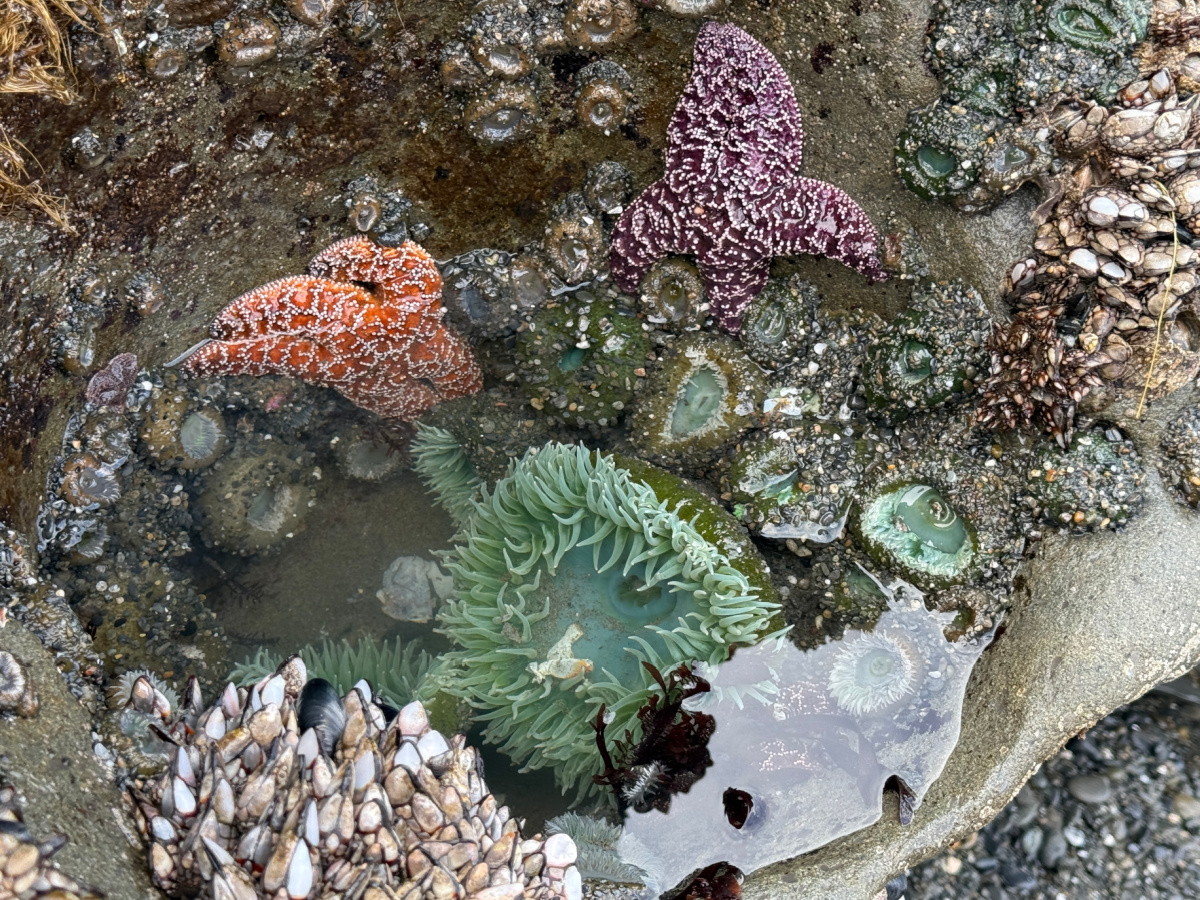
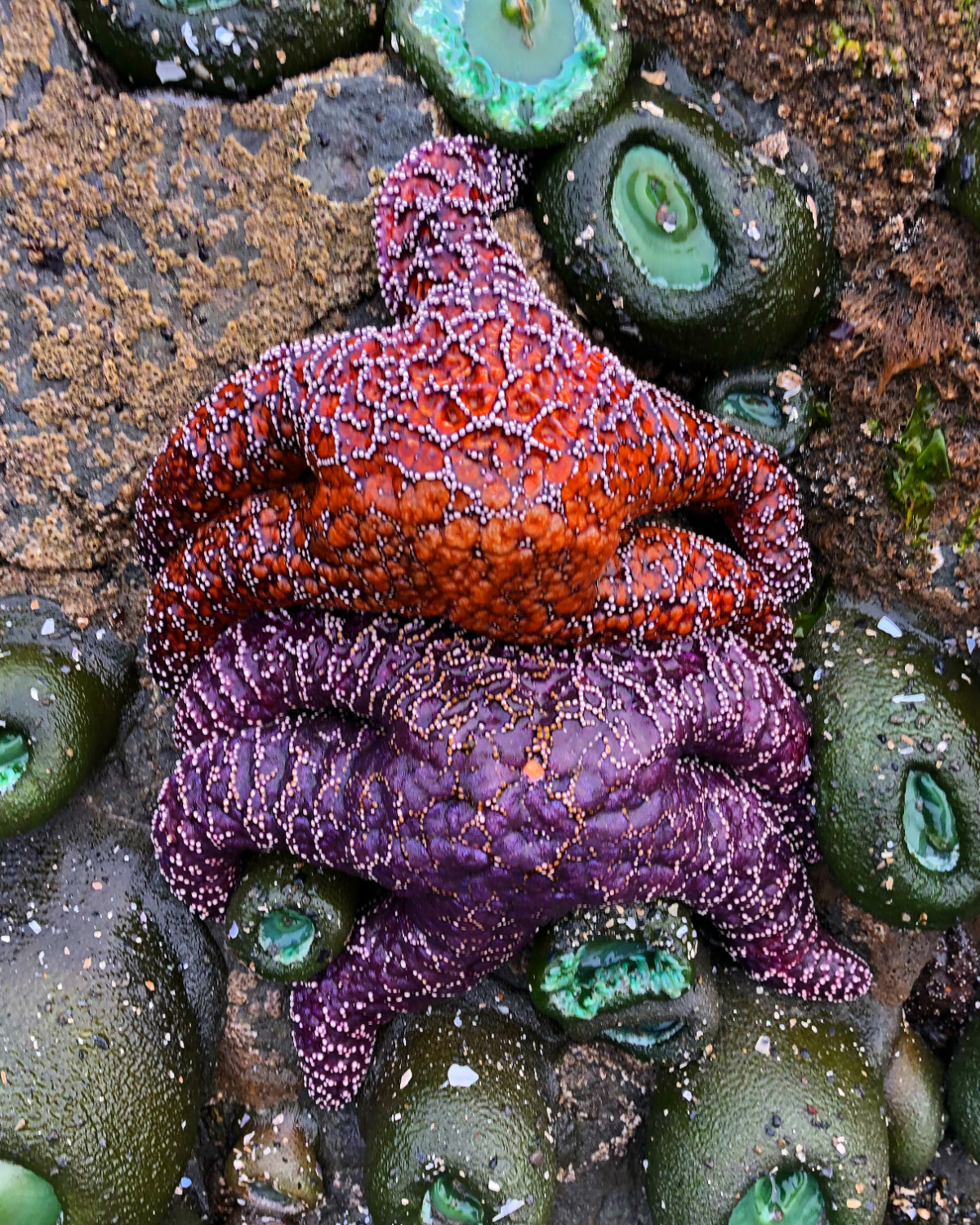
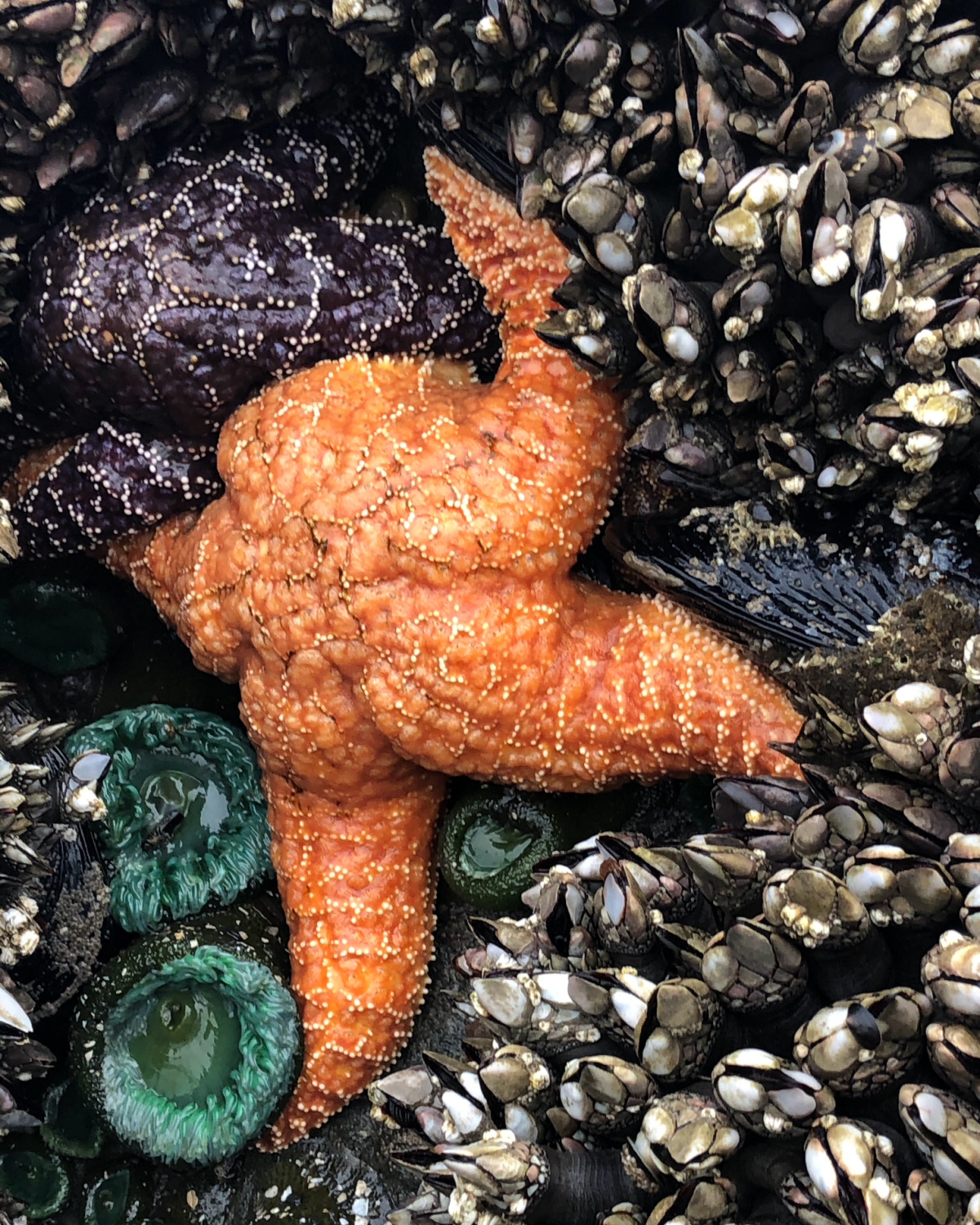
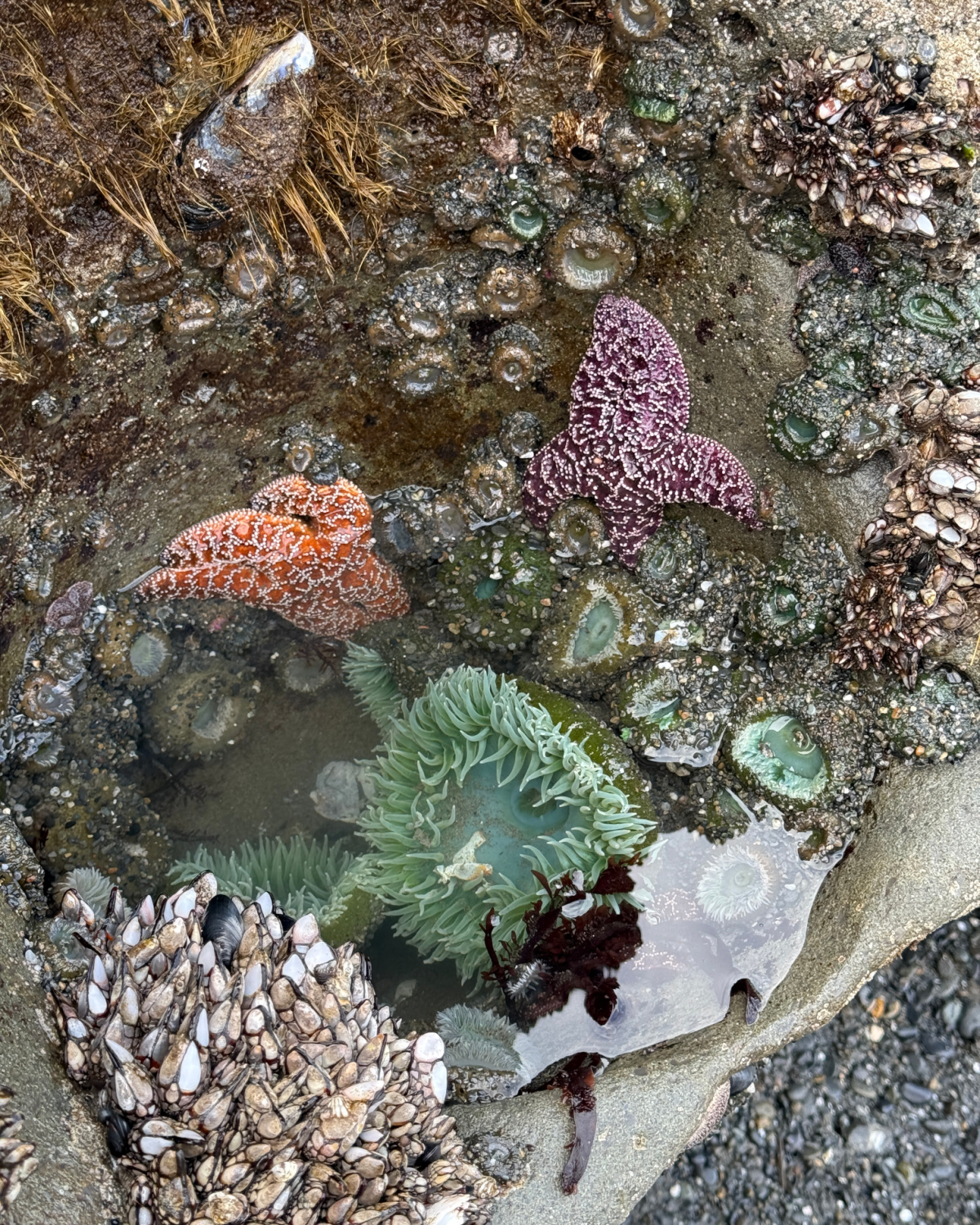
Tiny bright-purple sea stars tucked into crevices. Sea anemones that looked like underwater flowers. Little fish trapped in pools no bigger than a bathtub. Hermit crabs scurrying around like they had somewhere important to be. My daughter immediately turned it into a scavenger hunt.
It ended up being one of those experiences that slows everybody down in the best possible way.
And the crazy thing is… from the parking lot, a lot of Olympic National Park beaches just look gray and rocky. You don’t realize how much life is hiding there until the tide goes out.
If you’re planning to go tidepooling in Olympic National Park, here are the things I genuinely wish I had understood before our first visit.
First: Timing Matters More Than Anything Else
This is probably the biggest mistake people make.
You cannot just randomly show up at the beach and expect amazing tidepools.
Well… technically you can. But you probably won’t see much.
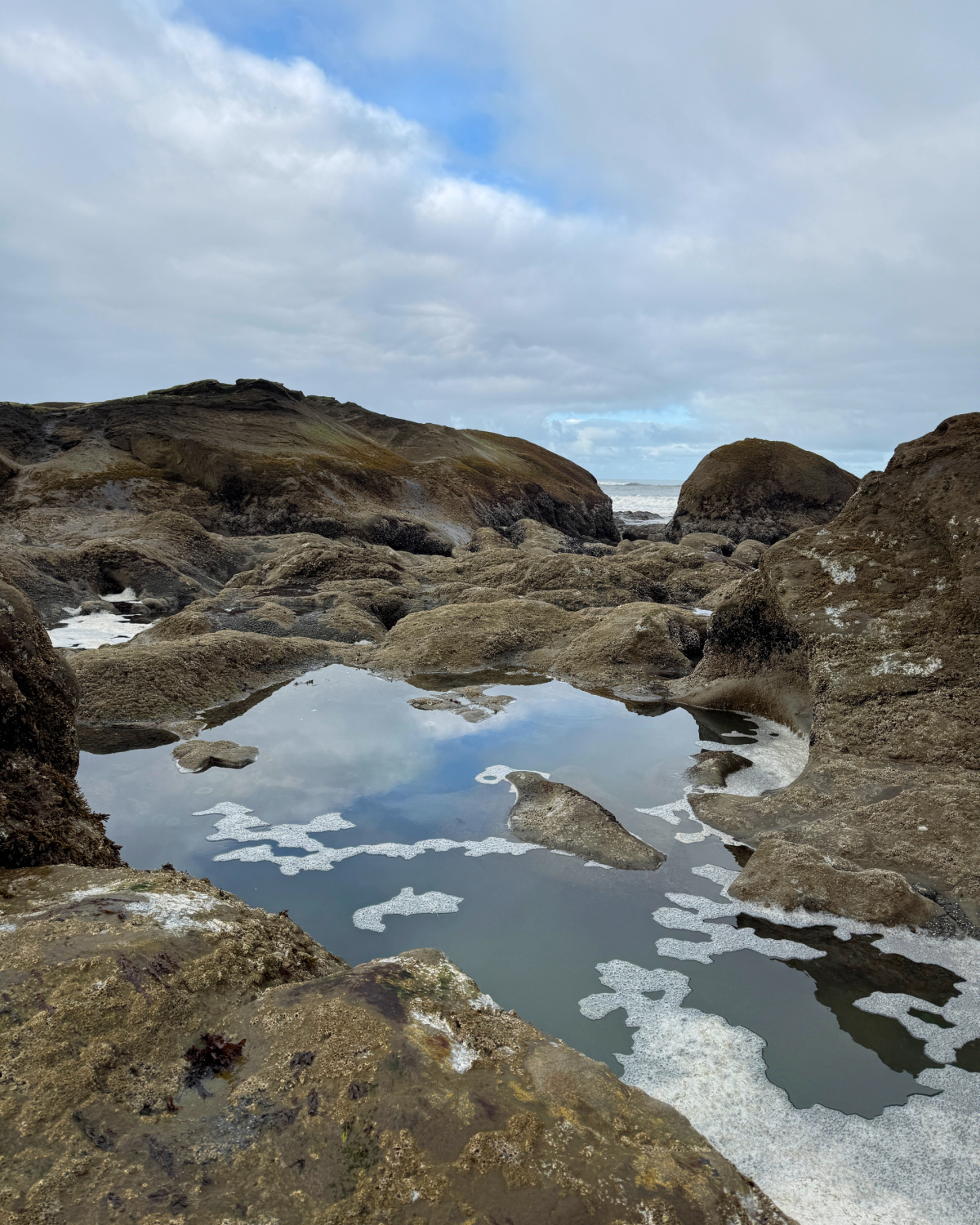
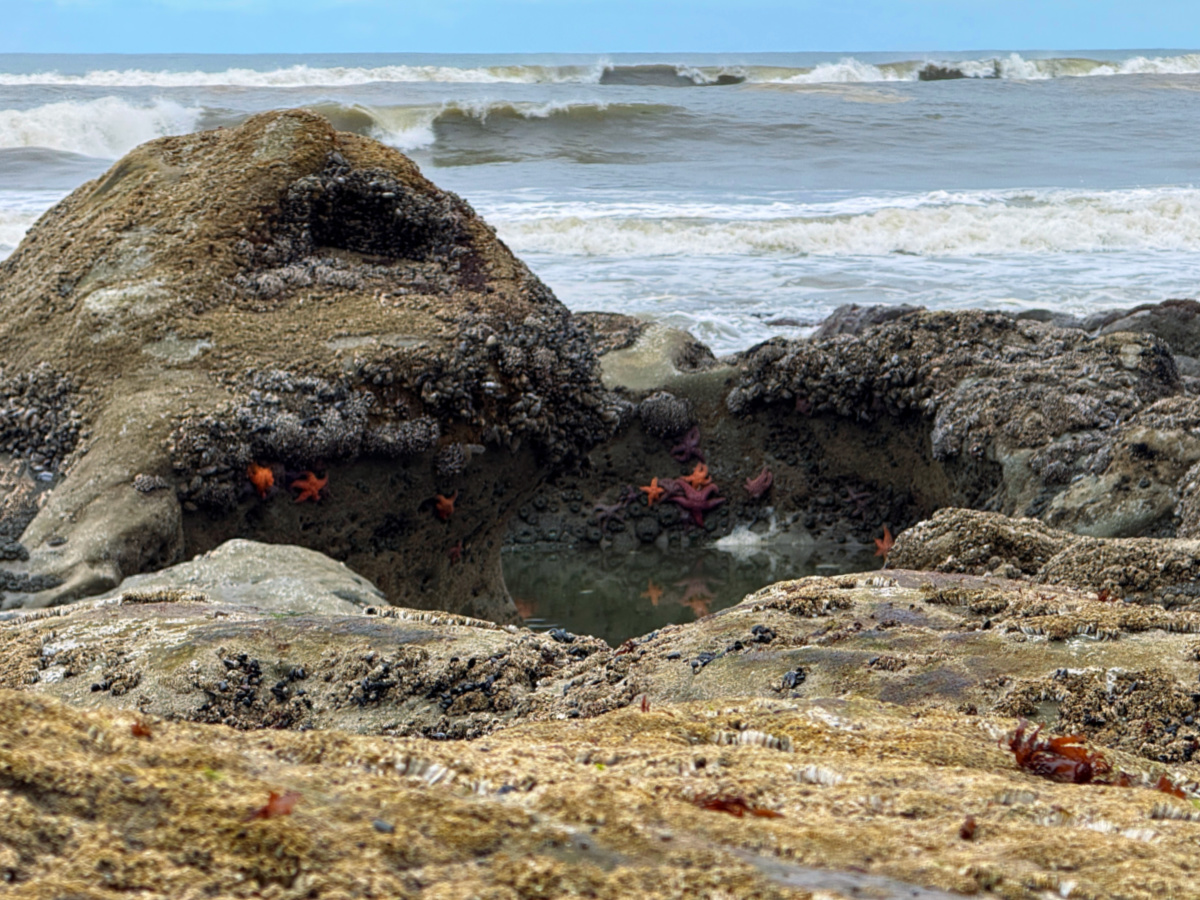
The ocean has to pull far enough back to expose the rocky reef areas. Otherwise everything is underwater.
And honestly? The difference between an average tide and a really good low tide is massive.
There were places at Rialto Beach that looked completely ordinary one part of the day… and then a few hours later suddenly turned into this whole hidden world of marine life.
What Tide Level Should You Look For?
If you’re checking tide charts, here’s the simple version:
- Around 0.0 feet = decent
- Negative tides = really good
- -1.0 or lower = amazing
The lower the tide, the more rocks and tidepools become accessible.
Some of the very best tidepooling days happen ridiculously early in the morning because that’s when the lowest tides occur.
And yes… this may mean setting an alarm for something painful like 5:30 AM on vacation.
But honestly? Walking along a misty Olympic beach early in the morning with almost nobody else around feels incredibly peaceful.
How to Check Tide Tables
Before your trip, look up tide charts for:
- La Push
- Rialto Beach
- Kalaloch
- Mora
You can use:
- NOAA tide charts
- Tide apps
- Weather apps with tide data
One thing I learned quickly: screenshot the tide chart before leaving your hotel.
Cell service around Olympic National Park can be spotty, especially near the beaches.
Ask me how I know.
Best Beaches for Tidepooling in Olympic National Park
Trying to decide which beaches to visit? Don’t miss my complete guide to the best beaches in Olympic National Park.
Beach 4
If you’re new to tidepooling, this is probably the easiest place to start.
Beach 4 is actually known for tidepooling specifically, and the walk down is fairly manageable for most visitors.
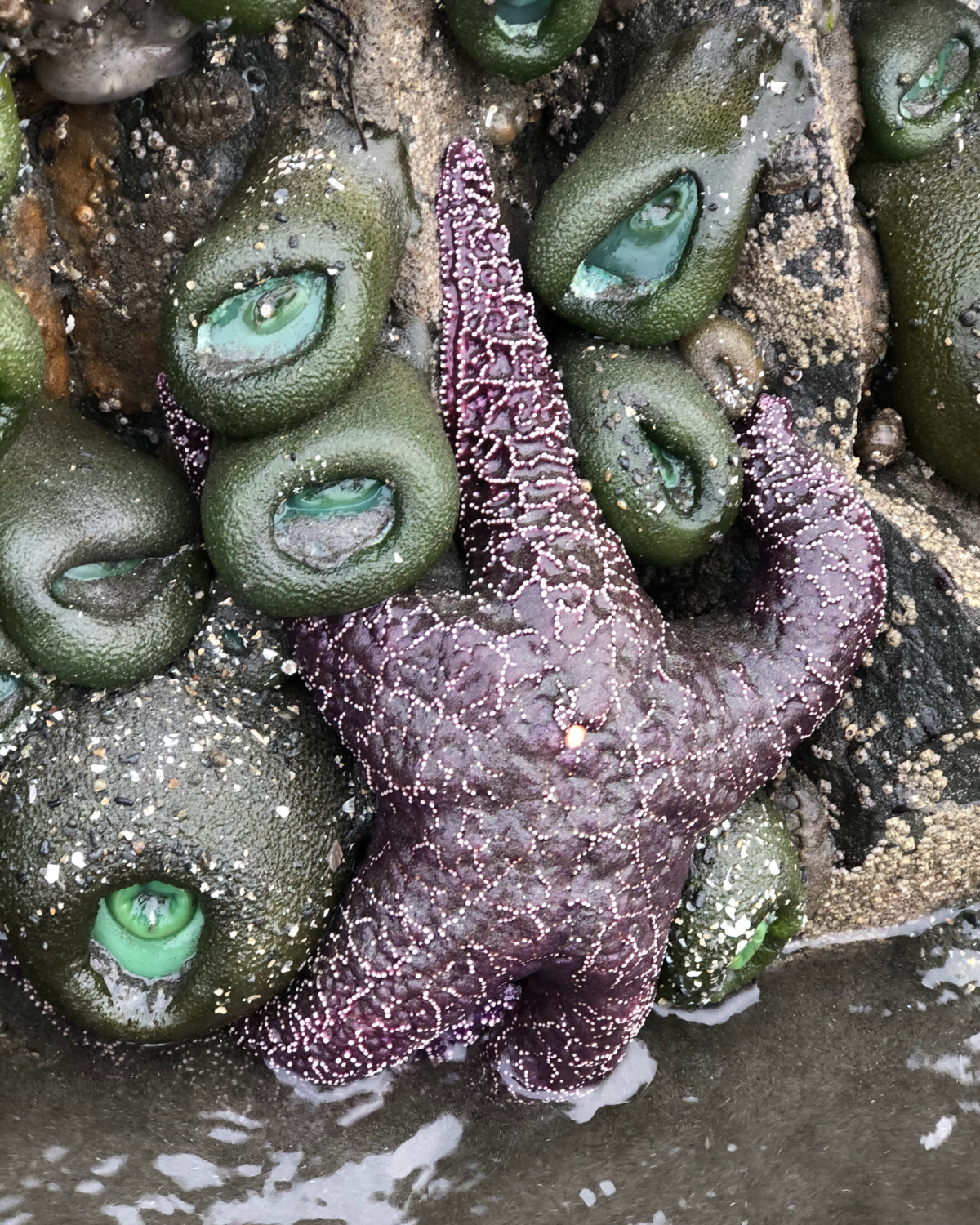
This is the beach where you’re most likely to quickly spot things like:
- Sea stars
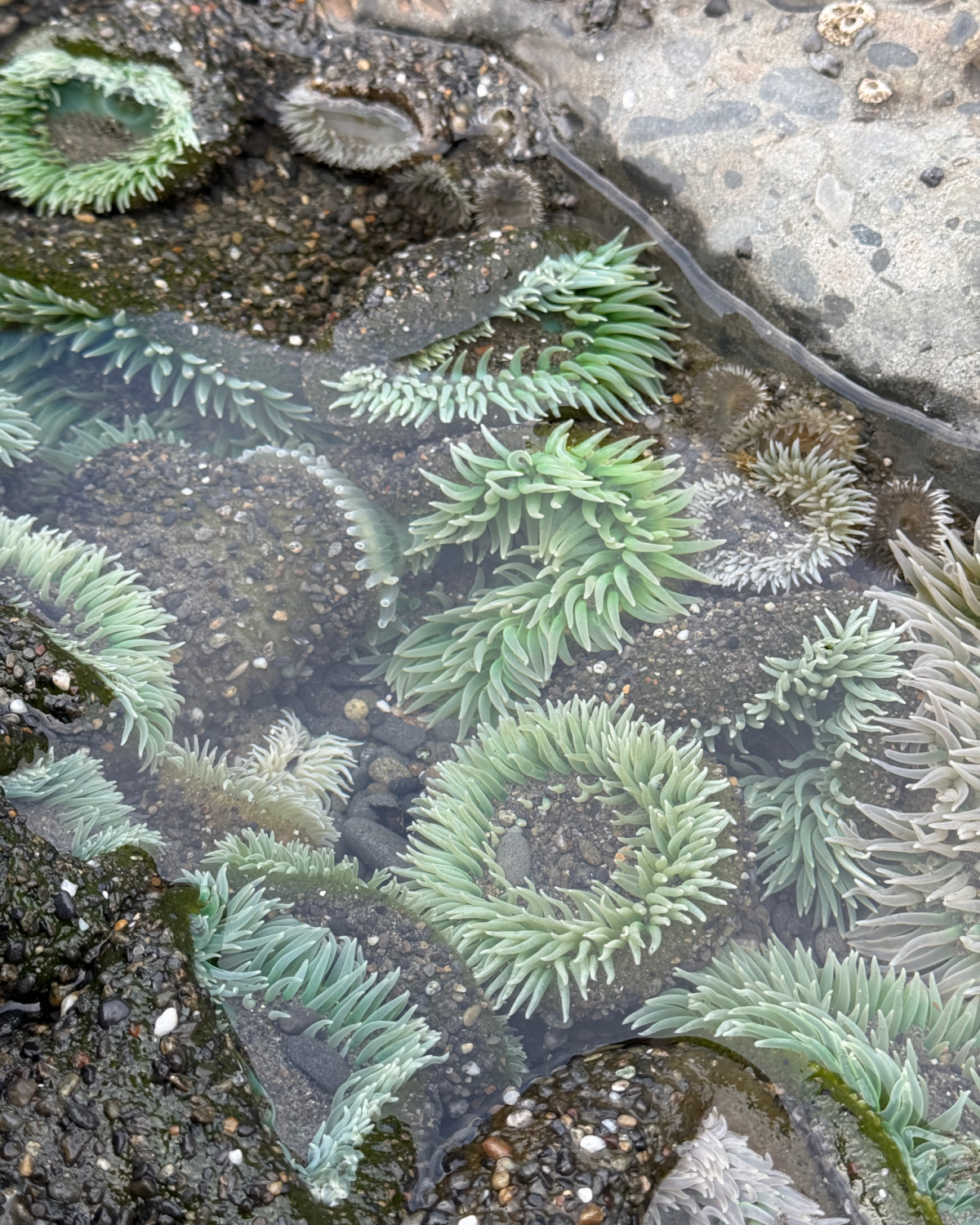
- Anemones
- Mussels
- Tiny crabs
- Barnacles everywhere
It’s a great option for families because you don’t have to work super hard to find marine life.
Rialto Beach
Rialto Beach is probably the most famous tidepooling beach in Olympic National Park.
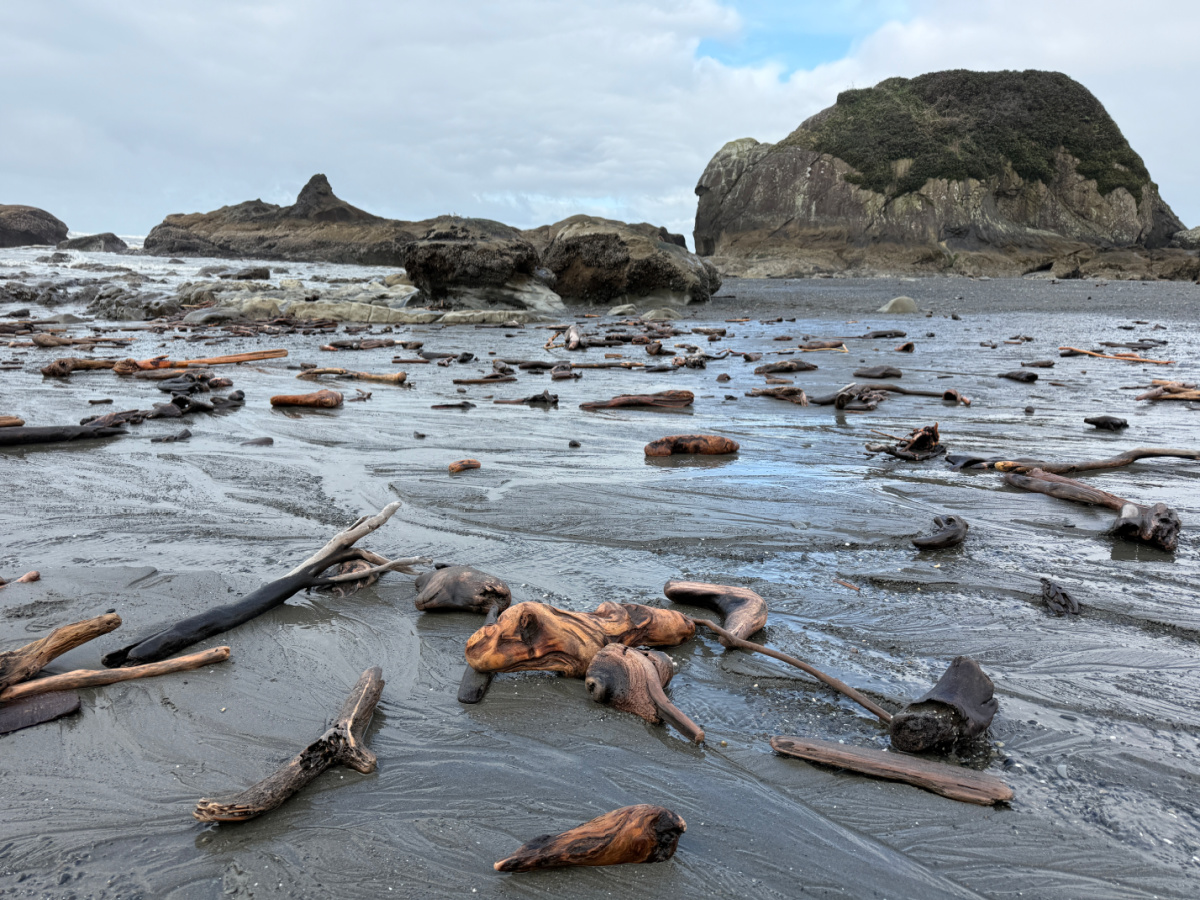
The best tidepooling is usually near Hole-in-the-Wall during very low tide conditions.
And honestly, even aside from the tidepools, this beach just feels dramatic in the best possible way. Massive driftwood. Giant sea stacks. Crashing waves. It looks exactly how people imagine the Pacific Northwest coastline.
Ruby Beach
Ruby Beach is a little less “classic tidepool central” compared to Beach 4, but we still found plenty to look at around the rocky sections.
Plus, this beach is gorgeous even if the tidepooling conditions aren’t perfect.
If somebody told me they only had time for one Olympic beach, Ruby would still be near the top of my list.
Make sure you also read my complete guide to visiting Ruby Beach in Olympic National Park.
Kalaloch Beaches
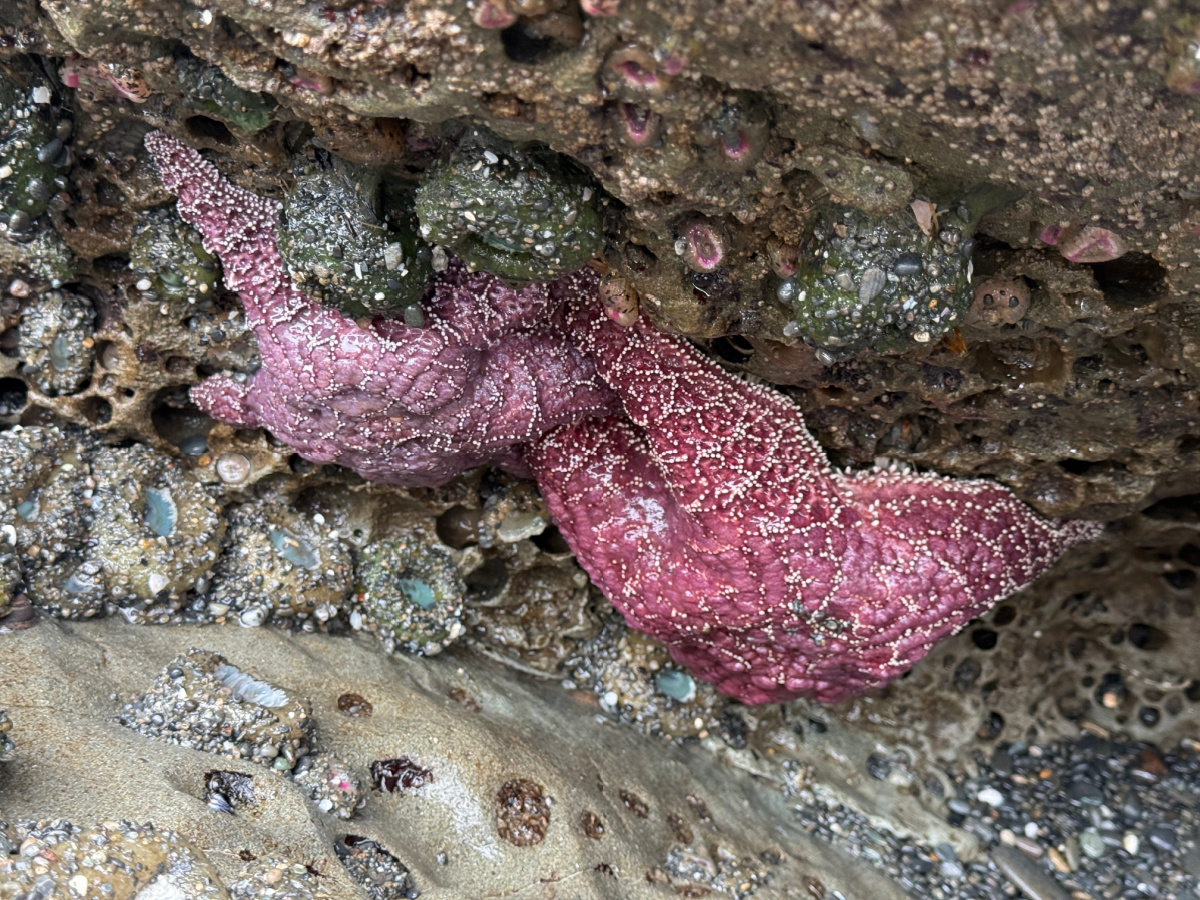
Some areas near the rock formations can have surprisingly good tidepooling during low tide windows.
Kalaloch Beach is another fantastic Olympic coast stop with beautiful scenery, tidepool opportunities, and one of the most relaxing beach areas in the park.
What to Wear Tidepooling
This is one of those things people underestimate.
Olympic beaches are not the kind of beaches where you casually wander around in flip flops.
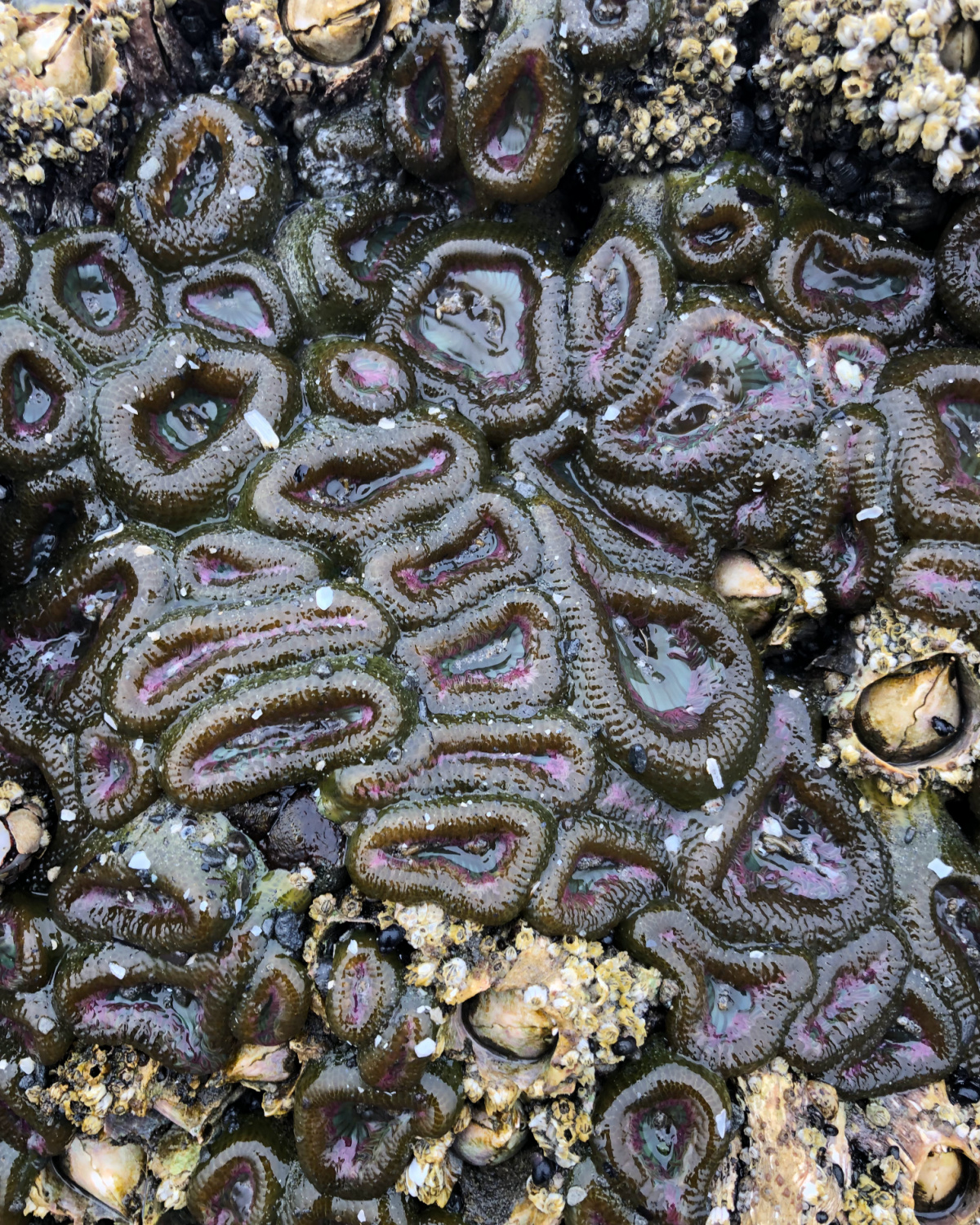
The rocks are slippery. The driftwood is uneven. Everything is wet. And the water is freezing cold.
Best Shoes for Tidepooling
The best options are:
- Closed-toe water shoes
- Hiking sandals with grip
- Trail shoes you don’t mind getting wet
- Old sneakers with traction
I would absolutely avoid:
- Flip flops
- Smooth-bottom sandals
- Bare feet
Some of those rocks are basically coated in natural slime. Pretty? Yes. Stable? Absolutely not.
What to Bring
Layers
Even in summer, the Olympic coast can feel cold and windy.
We had days where inland temperatures felt pleasant and then suddenly the beach was foggy and freezing.
A lightweight rain jacket is almost always a good idea.
A Small Backpack
Helpful for:
- Snacks
- Extra layers
- Water bottles
- Camera gear
- Tide chart screenshots
A Camera or Your Phone
Tidepools are wildly photogenic.
The funny part is most of your photos will probably end up being weird close-ups of sea creatures.
And somehow those become some of your favorite pictures from the trip.
How to Actually Spot Marine Life
At first, everything just looks like wet rocks.
Seriously.
Then your eyes adjust and suddenly you start noticing movement everywhere.
A few things that help:
- Look carefully into still pools of water
- Check cracks and crevices
- Watch for movement rather than color
- Move slowly
Kids are often weirdly good at this.
My daughter spotted things I walked right past multiple times.
Tidepooling Safety Tips
The Olympic coastline is beautiful, but it’s also wild.
And honestly, the waves here deserve respect.
Never Turn Your Back on the Ocean
Sneaker waves are real on Pacific Northwest beaches.
Most waves may look calm… until suddenly one much larger wave rushes farther up the beach than expected.
People absolutely underestimate this.
Watch the Tide Coming Back In
It’s easy to get distracted while exploring rocks and suddenly realize the ocean is creeping closer.
Especially around sea stacks and rocky outcroppings, you want to stay aware of your route back.
Walk Slowly
The rocks can be unbelievably slippery.
Like… “cartoon banana peel” slippery.
Especially the bright green algae-covered areas.
Please Don’t Mess With the Tidepools
This probably sounds obvious, but some people still do it.
The tidepools are fragile ecosystems.
A few good rules:
- Don’t pull sea stars off rocks
- Don’t collect living creatures
- Try not to step directly into pools
- Look more than touch
Honestly, just observing everything is half the fun anyway.
Best Time of Year for Tidepooling
Summer is definitely the easiest season for most visitors because the weather is more pleasant and conditions are calmer.
But spring can actually have some incredible low tides.
Early fall is also underrated because crowds drop while conditions are often still pretty good.
Winter works too… but personally, I think Olympic beaches in winter feel more like “dramatic storm watching” than relaxed tidepooling.
Still beautiful though.
Final Thoughts
Tidepooling ended up becoming one of my favorite parts of visiting Olympic National Park because it forces you to slow down and notice things you’d normally walk right past.
It’s not a flashy activity.
You’re basically crouched over staring at puddles for an hour.
And somehow… it’s fascinating.
Especially on the Olympic coast, where the beaches already feel wild and otherworldly to begin with.
Just make sure you check the tide tables first.
Seriously. That part matters more than anything else.