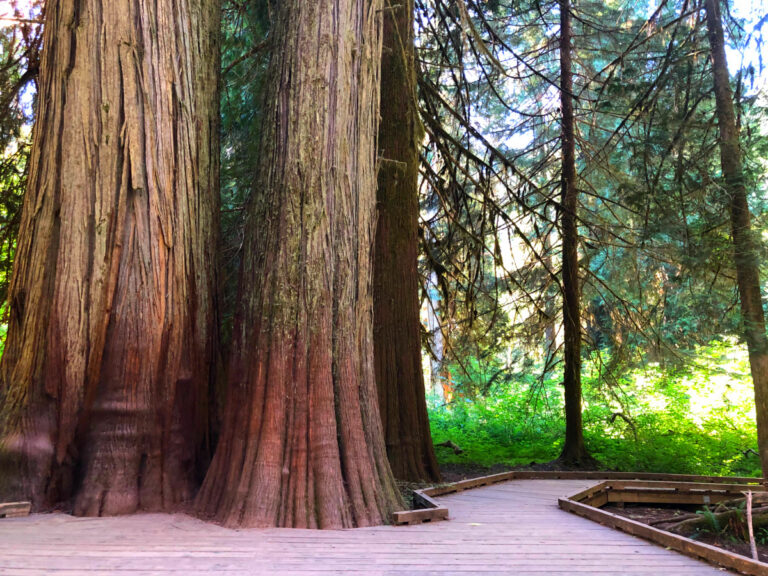
Best Easy Hikes in Olympic National Park With Amazing Views

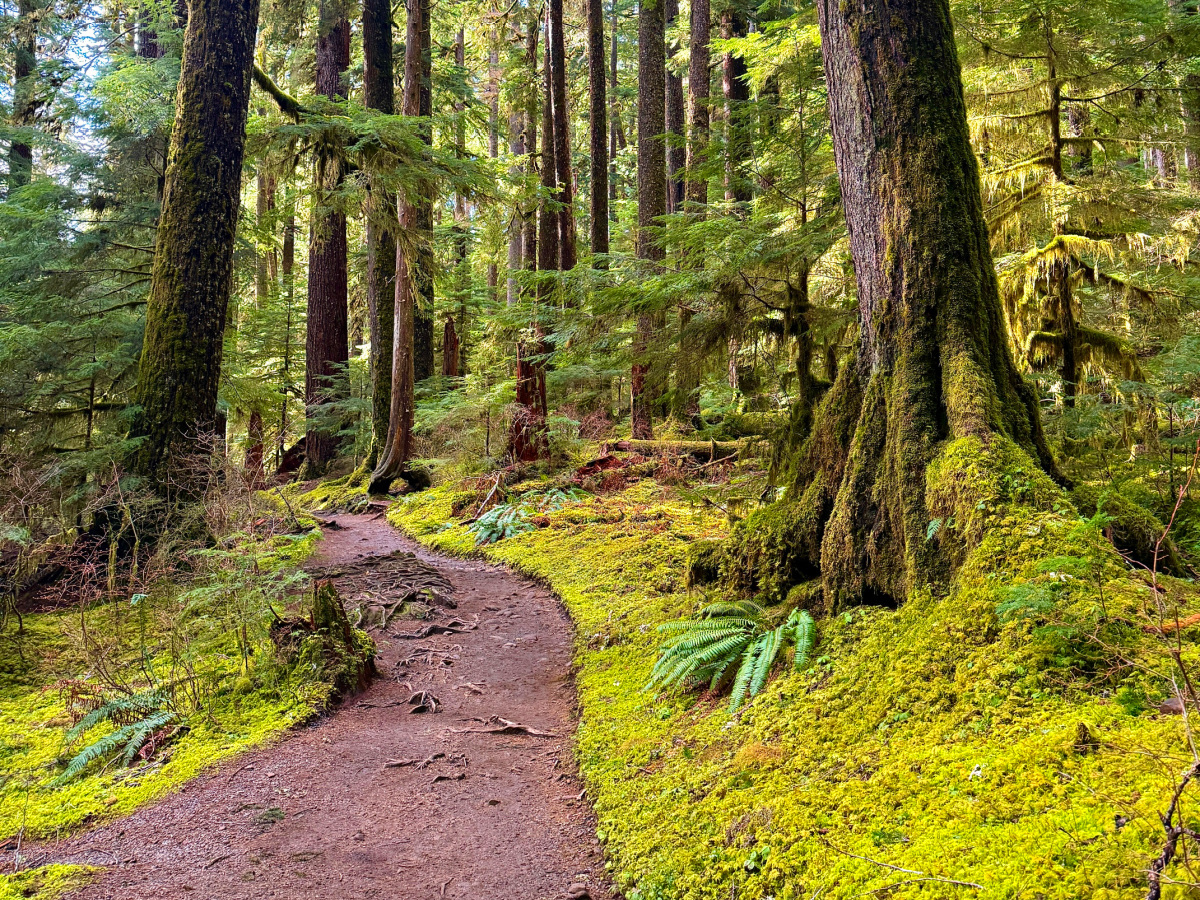
Discover the best easy hikes in Olympic National Park, including waterfalls, rainforest trails, beach hikes, tide pools, and scenic walks perfect for families and first-time visitors.
Estimated reading time: 24 minutes
The first time I visited Olympic National Park, I expected it to feel rugged in that intimidating “serious hikers only” kind of way.
And parts of it absolutely are rugged.
There are deep wilderness areas here. Multi-day backpacking routes. Remote beaches. Rain-soaked forest trails that go on for miles and miles. You could spend weeks exploring this park and still not see everything.
But what surprised me most was how much of Olympic’s beauty is available to regular people.
Not ultra-marathon people.
Not “we climbed a mountain before breakfast” people.
Just… normal travelers who love beautiful places.
That’s honestly why Olympic has become one of my favorite national parks in the United States.
You can walk through ancient rainforests without doing a major hike. Or you can stand on beaches covered in giant driftwood with sea stacks rising out of the Pacific Ocean after only a short walk from the parking lot. You can reach waterfalls, alpine views, tide pools, and old-growth forests without needing weeks of training or expensive hiking gear.
And for families, middle-aged travelers, retirees, casual adventurers, or people who simply don’t enjoy hardcore hiking? Olympic is kind of perfect.
I’ve now visited Olympic in both summer and spring, and honestly, some of my favorite moments weren’t even tied to specific hikes. They were the little in-between moments. Fog rolling across Ruby Beach. Seeing my daughter look tiny beside a gigantic tree in the rainforest. Standing near Sol Duc Falls listening to the water thunder through the canyon. Walking near Lake Crescent and thinking, “This place doesn’t even look real.”
So if you’re planning an Olympic Peninsula trip and want the experience of Olympic National Park without needing to conquer Mount Everest emotionally beforehand, these are the easy hikes and scenic walks I’d recommend first.
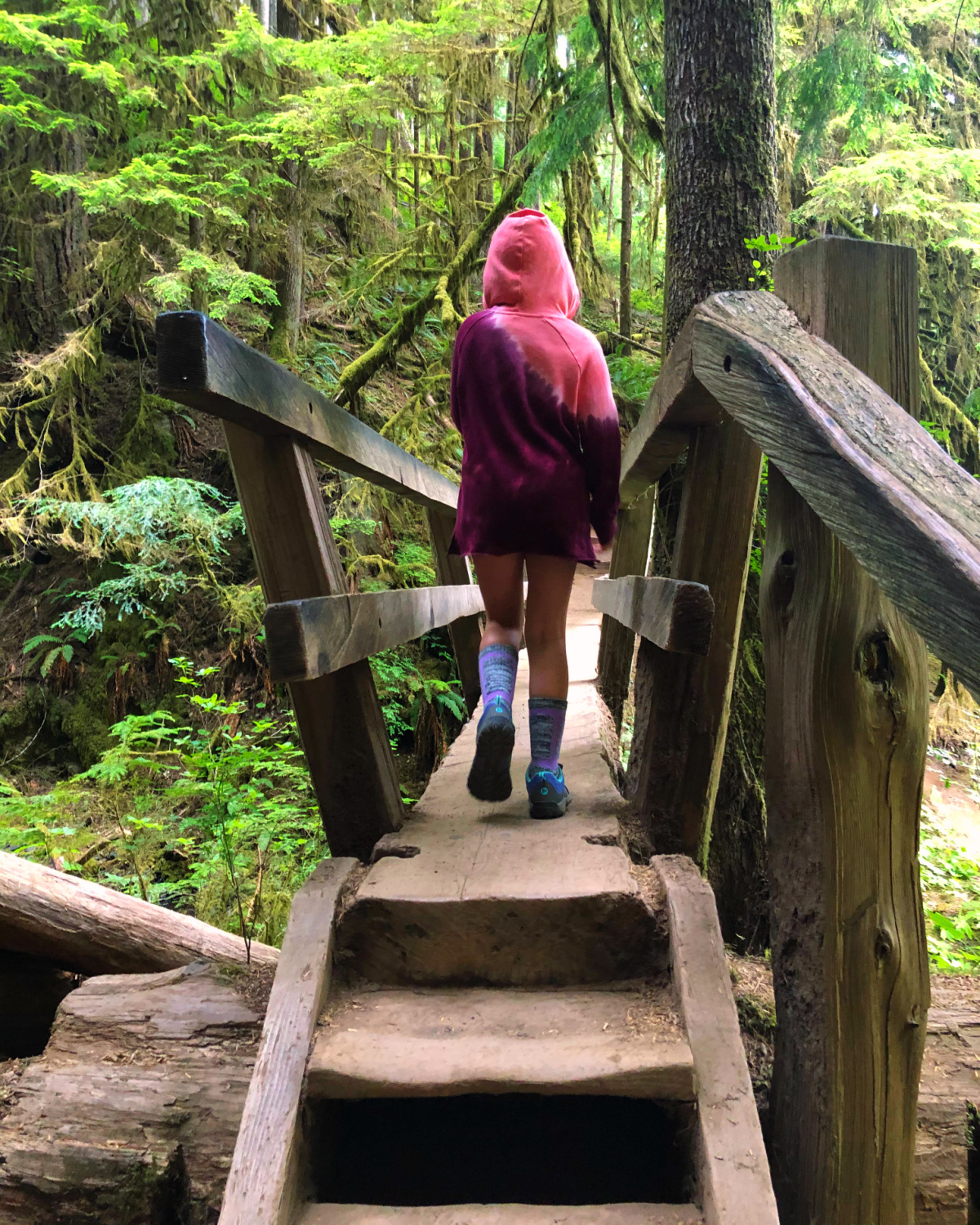
Quick Snapshot: The Best Easy Hikes in Olympic National Park
| Trail | Distance | Difficulty | Best For |
|---|---|---|---|
| Sol Duc Falls Trail | 1.6 miles round trip | Easy | Waterfall lovers |
| Marymere Falls Trail | 1.8 miles round trip | Easy/moderate | Forest + waterfall combo |
| Hall of Mosses Trail | 0.8 mile loop | Easy | First-time rainforest visitors |
| Hurricane Hill Trail | 3.2 miles round trip | Moderate easy | Mountain views |
| Ruby Beach | Flexible | Easy | Coastal scenery |
| Rialto Beach | Flexible | Easy/moderate | Rugged beach hiking |
| Beach 4 Nature Trail | Short | Easy | Tide pooling |
| Quinault Big Spruce Trail | 0.3 miles | Very easy | Massive trees |
| Second Beach | 4 miles round trip | Moderate easy | Stunning beach scenery |
| Quinault Rainforest Nature Trail | 0.5 miles | Easy | Quiet rainforest walk |
| Maple Glade Trail | 0.5 miles | Easy | Mossy forest |
| Tree of Life | Very short | Very easy | Quick stop |
| Spruce Railroad Trail | Flexible | Easy | Lake Crescent scenery |
Olympic National Park Is Surprisingly Friendly to Casual Hikers
One thing that makes Olympic different from parks like Grand Canyon National Park or Glacier National Park is that the scenery often comes quickly.
You don’t always have to “earn” it with a punishing hike.
Some of the best places in the park are accessible through short trails, scenic drives, or easy beach walks. That’s a huge reason Olympic works so well for travelers who:
- have younger kids
- are older
- have mobility limitations
- dislike steep trails
- want variety without exhaustion
- prefer nature walks over intense hikes
And honestly, I think there’s something refreshing about that.
Not every national park experience needs to involve blisters and protein bars.
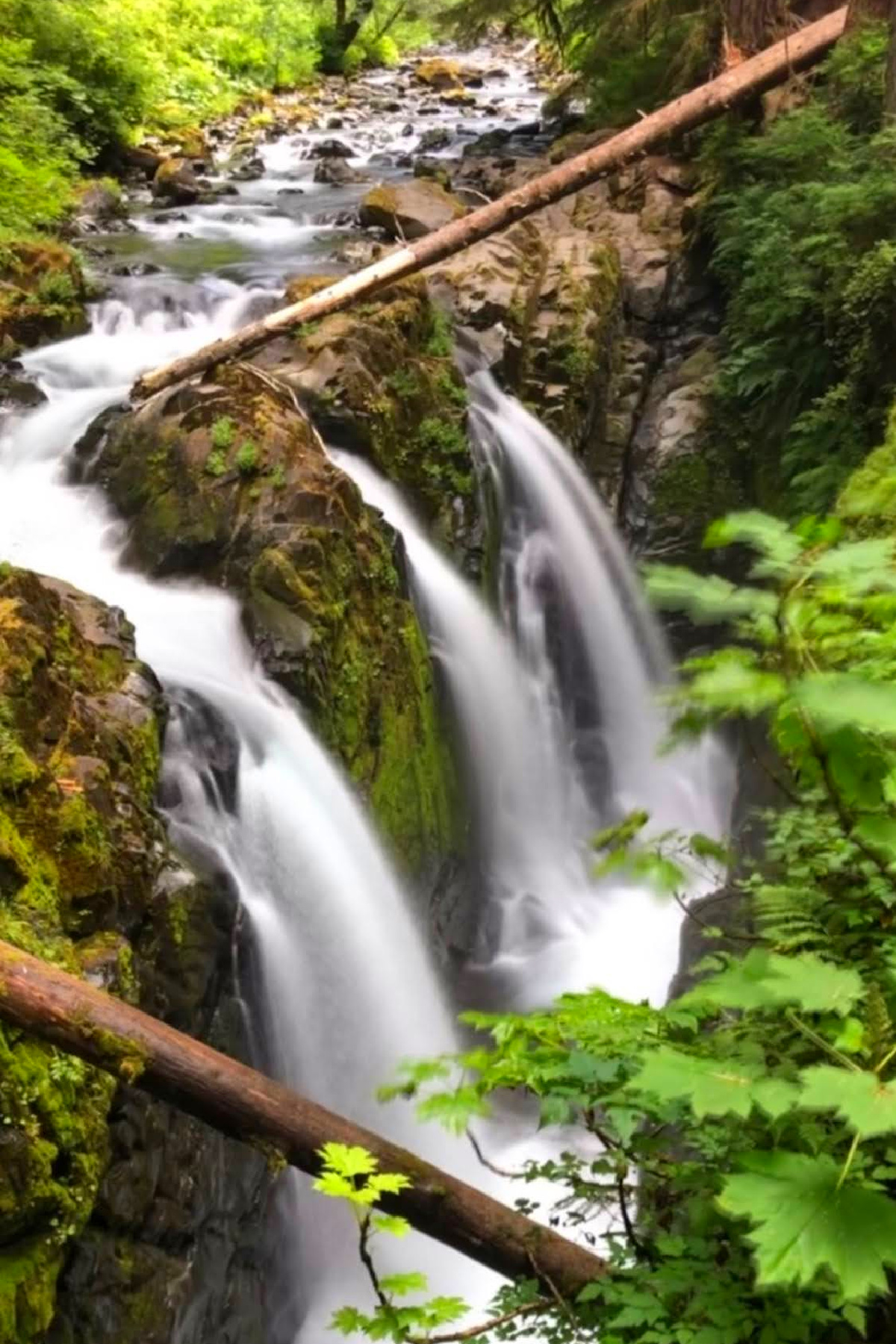
Sol Duc Falls Trail
The Sol Duc Falls trail is probably the hike I recommend most often in Olympic National Park.
Not because it’s the hardest.
Because it’s the one that feels consistently magical from beginning to end.
The trail itself is easy enough that most visitors can enjoy it without much stress. There’s minimal elevation gain, and the distance is pretty manageable even for families.
But what makes this trail memorable is the atmosphere.
The forest here feels incredibly lush. Ferns spill over the edges of the trail. Moss hangs from trees. The air smells damp and earthy in a way that instantly feels Pacific Northwest.
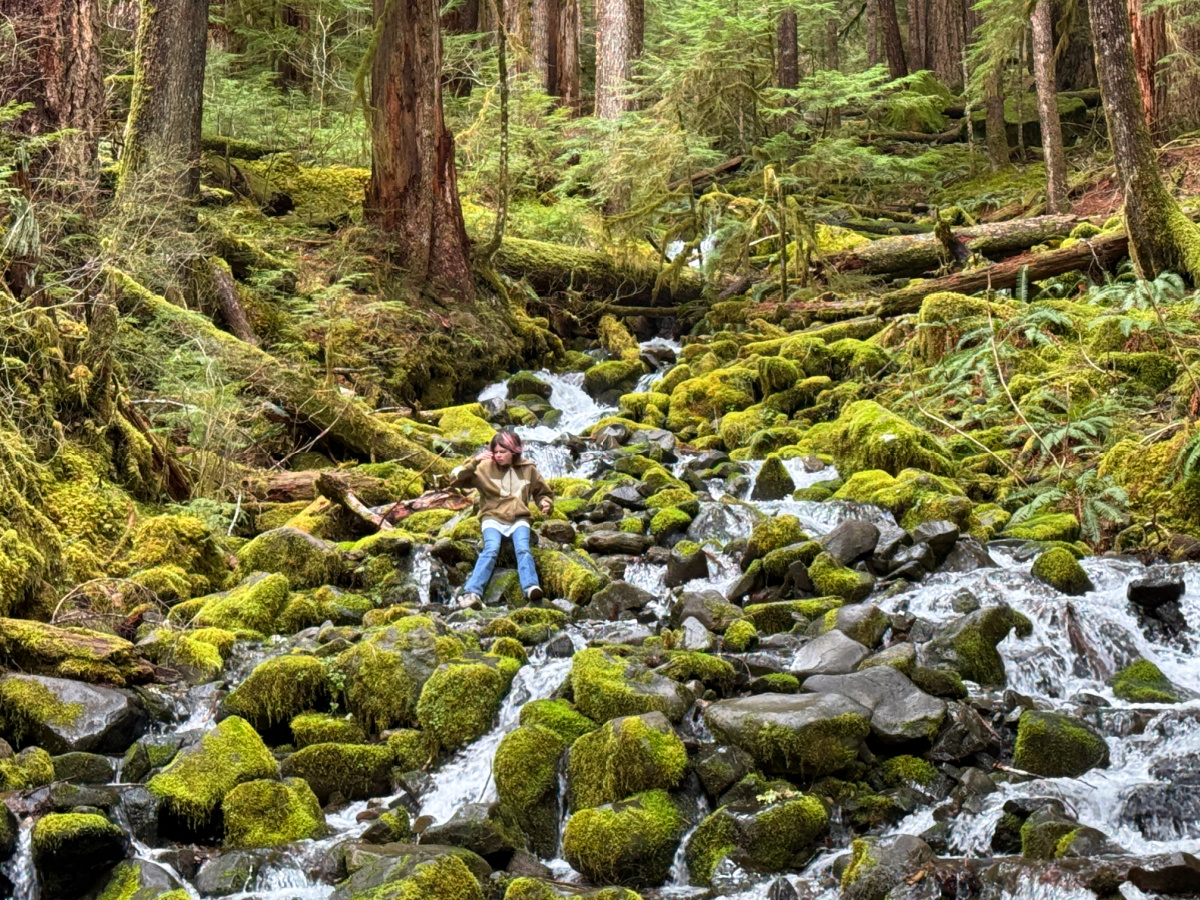
It’s one of those hikes where you keep slowing down without meaning to because everything around you keeps catching your attention.
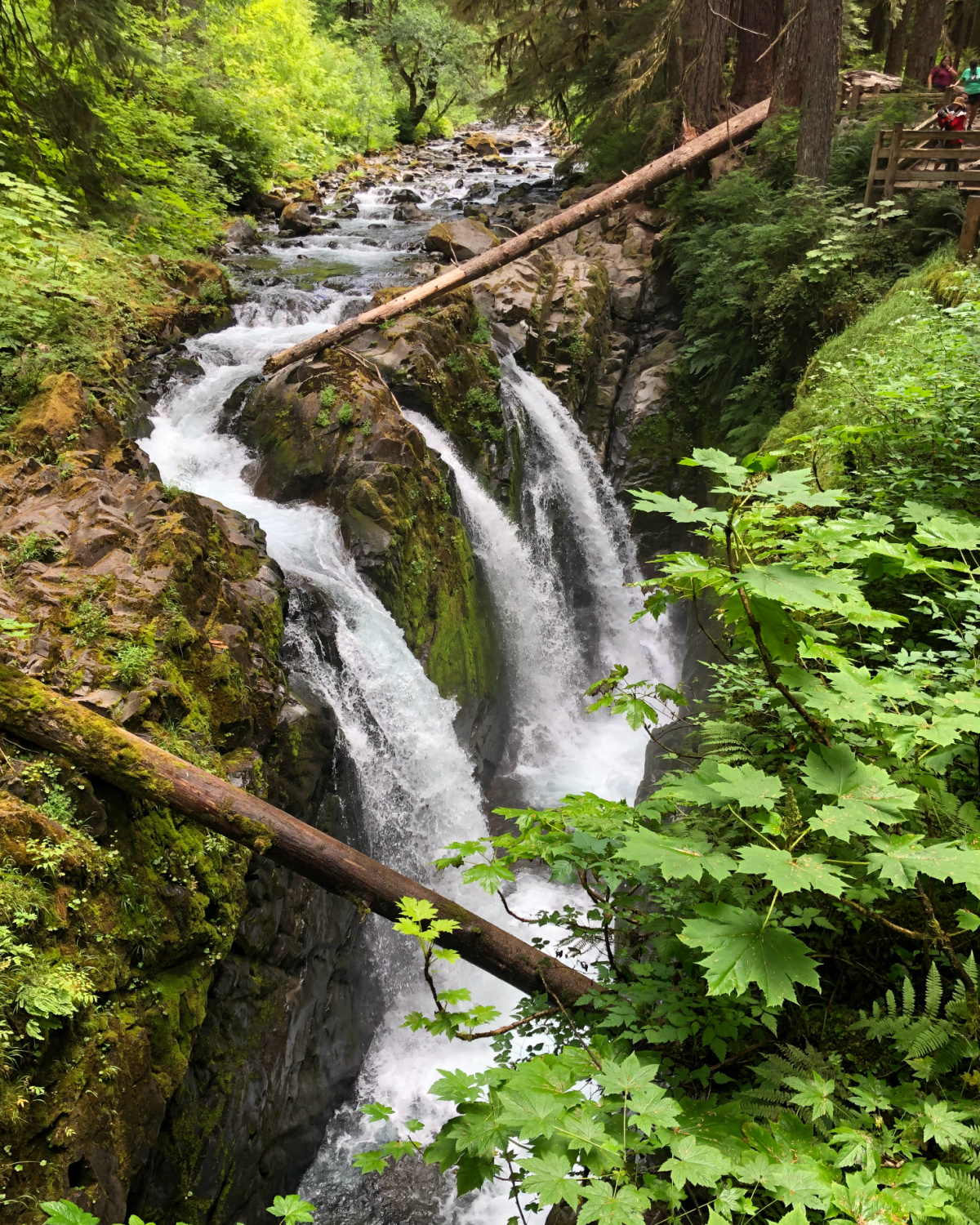
And then there’s the waterfall itself.
The viewing bridge crosses above this narrow gorge where the water crashes dramatically downward through several rock openings at once. It’s loud enough that conversations kind of disappear beneath the roar of the falls.
Honestly, the first time I saw it, I just stood there for a minute staring.
Trail Details
- 1.6 miles round trip
- Mostly easy terrain
- Minimal elevation gain
- Around 45–90 minutes
The nearby Sol Duc Hot Springs Resort also makes this area a great stop for casual travelers.
One Thing I’d Do Differently
I’d arrive earlier.
Parking gets crowded fast here in summer, and Olympic parking lots are not joking around when they fill up.
Marymere Falls Trail
The Marymere Falls trail feels quieter and softer than Sol Duc somehow.
Maybe it’s because the whole Lake Crescent area has this calm, peaceful atmosphere to begin with.
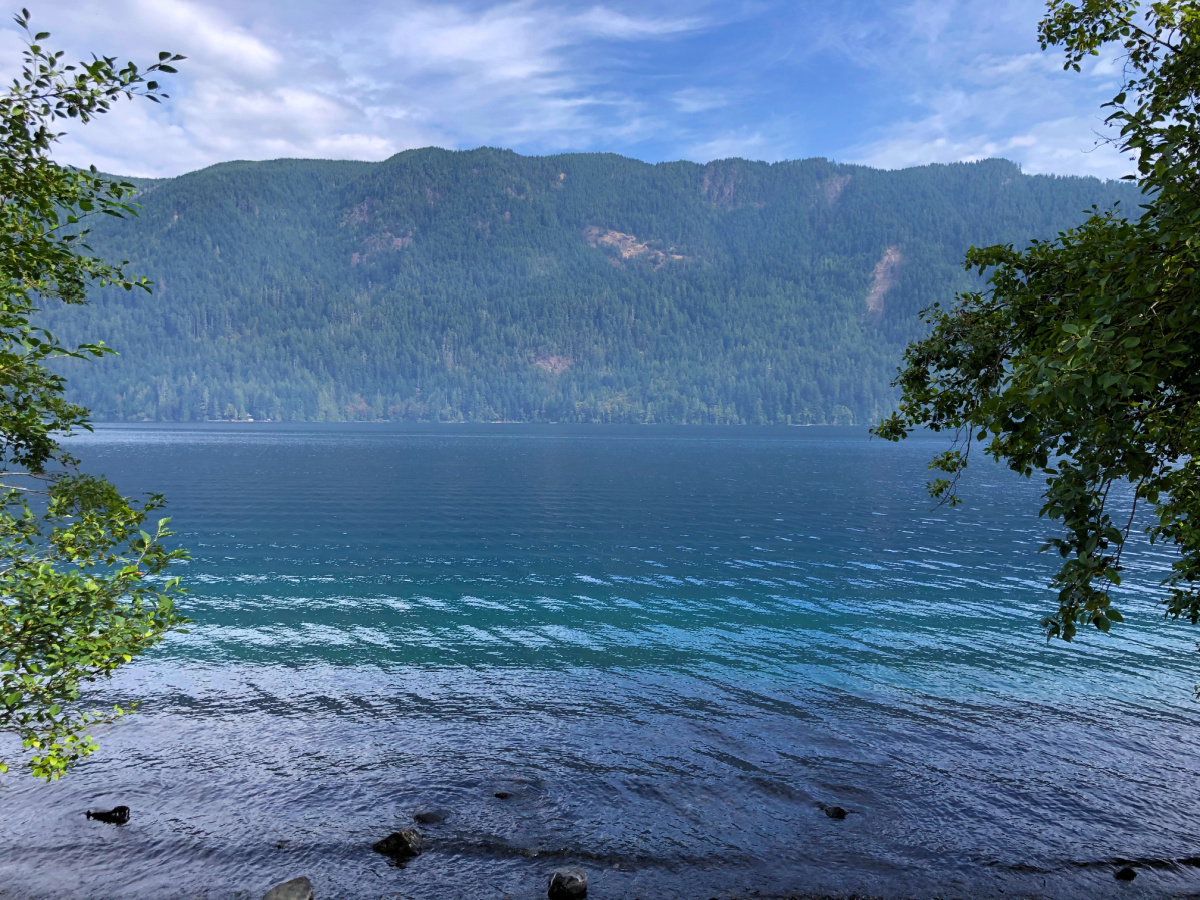
Lake Crescent honestly surprised me the first time I saw it. The water was this deep blue color that almost looked tropical, except surrounded by dense evergreen forest and mountains.
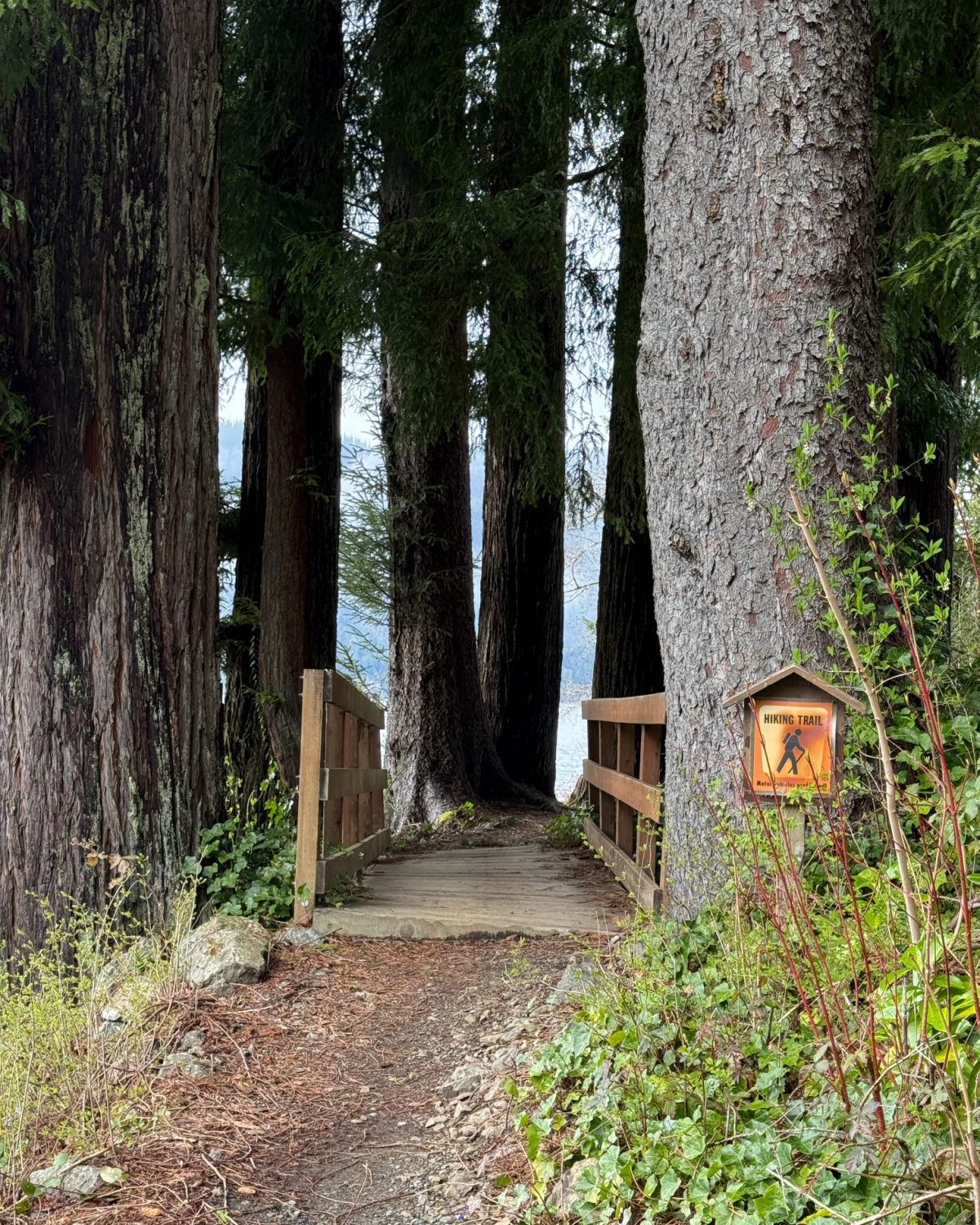
The hike begins near Lake Crescent Lodge and starts out pretty easy. Forest trail, small bridges, gentle walking.
Then come the stairs.
And listen, they’re not horrifying. But they’re also not nothing.
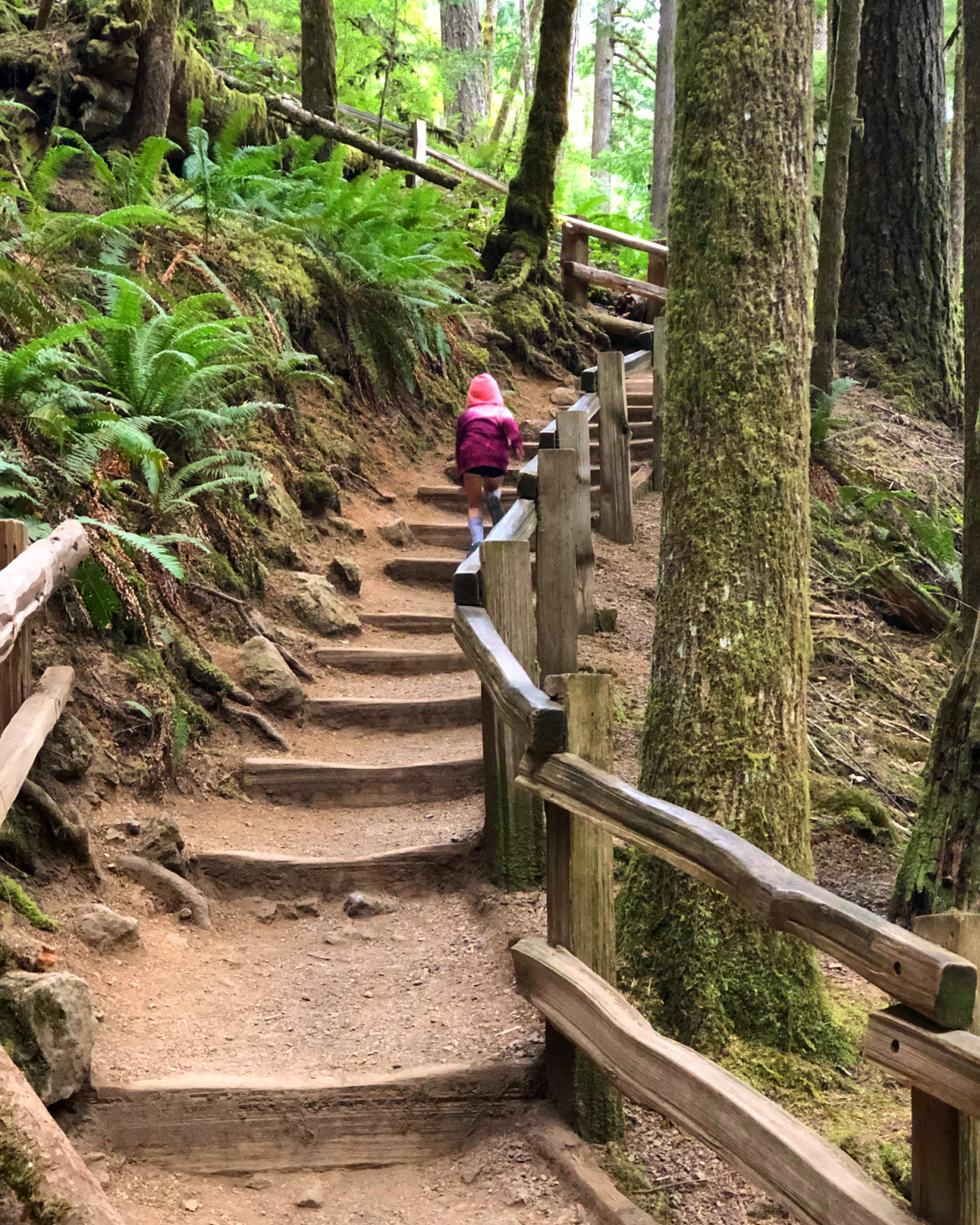
If you have knee issues or struggle with stairs, you’ll probably notice them. My memory of this trail is basically:
“Oh this is lovely… wow there are more stairs than I expected.”
Still completely worth doing though.
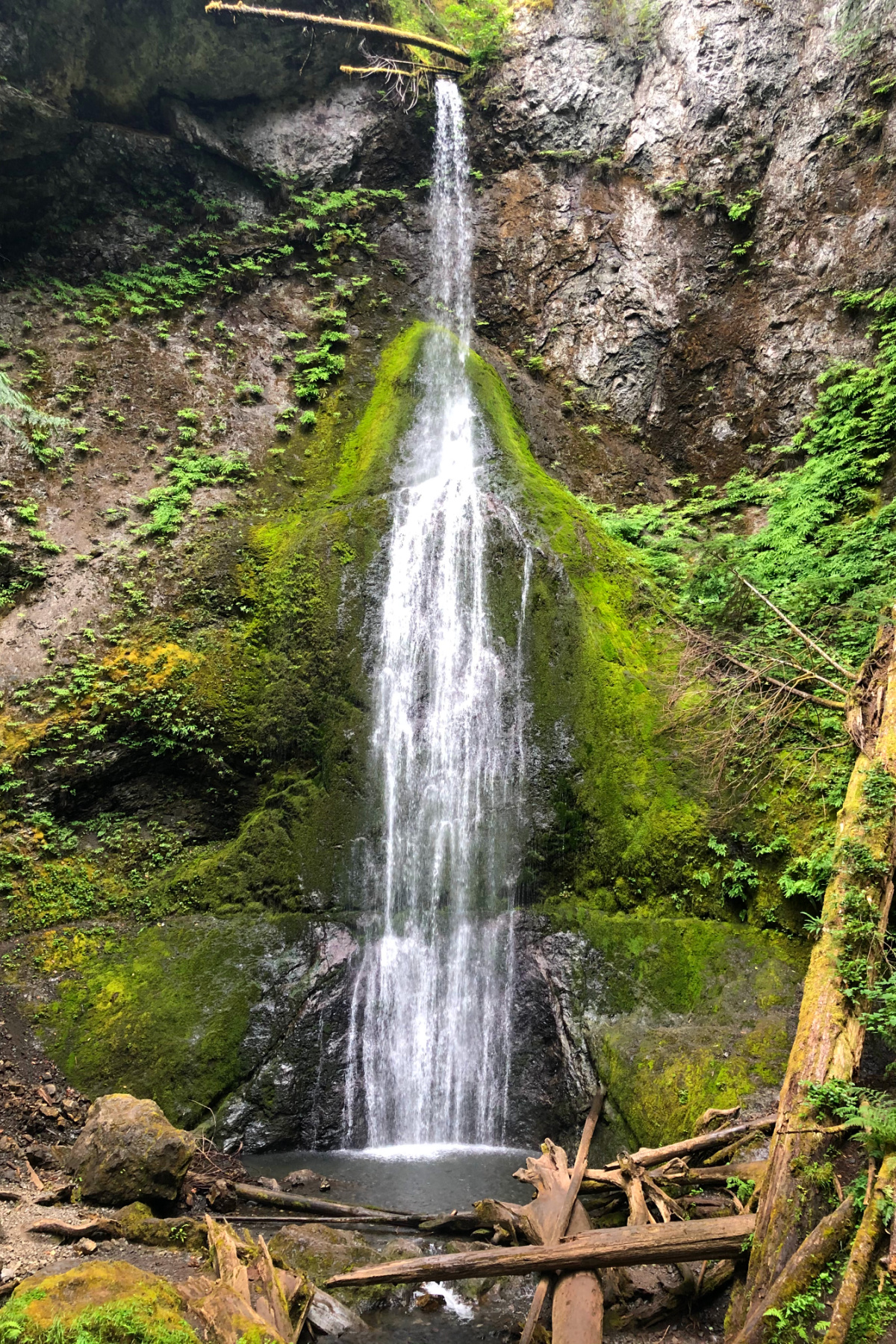
The waterfall itself feels tucked into the forest in a really pretty way. Not massive or thunderous like Sol Duc. Just elegant and peaceful.
And honestly, even if you only do the hike and spend time along the lake afterward, that’s already a really good Olympic National Park day.
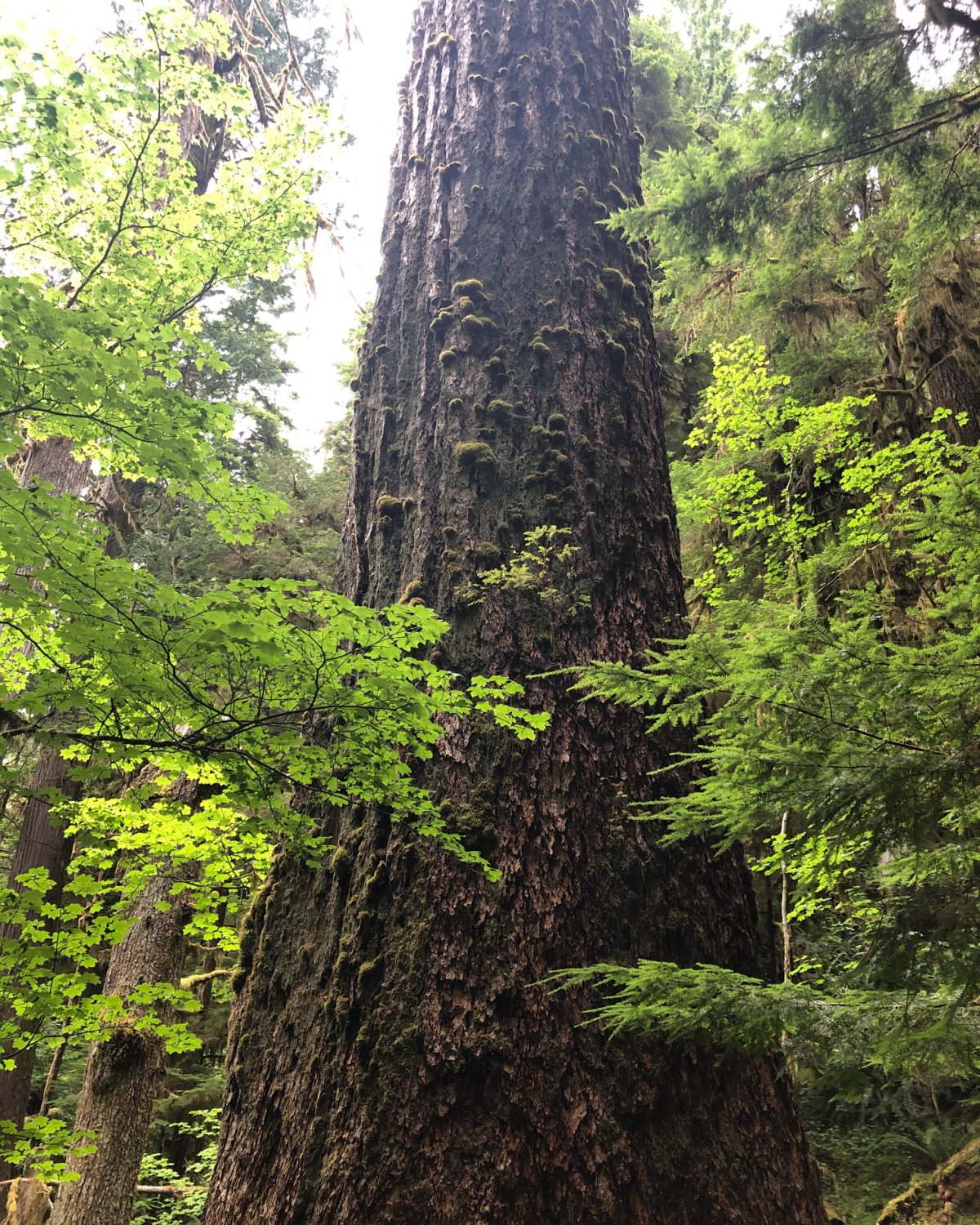
Want to see even more waterfalls beyond Sol Duc Falls and Marymere Falls? My guide to the best Olympic National Park waterfalls covers scenic stops, easy hikes, and some of the most beautiful waterfall views on the Olympic Peninsula.
Hall of Mosses Trail
The Hall of Mosses is one of the most famous trails in Olympic National Park, which usually makes me nervous.
Sometimes famous places end up feeling overcrowded or overhyped.
But this trail really is special.
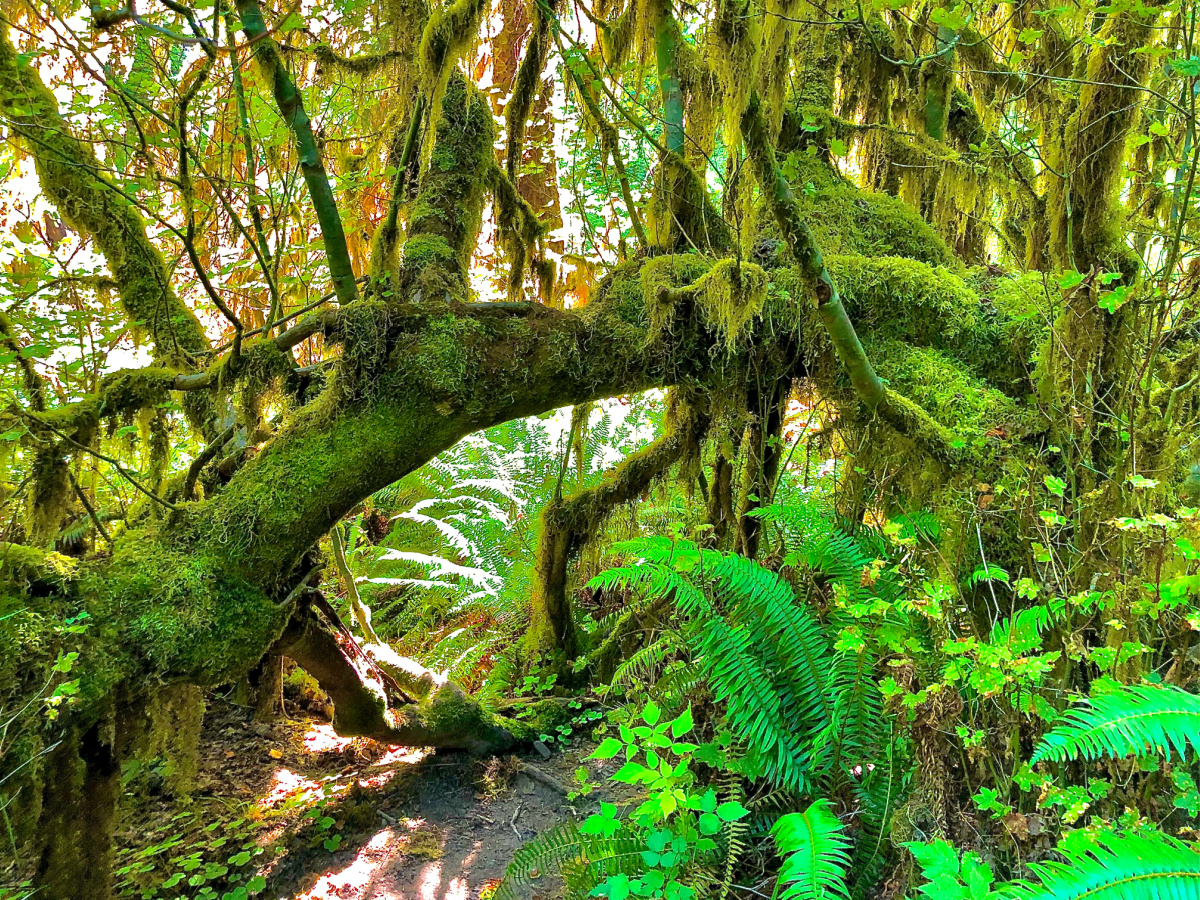
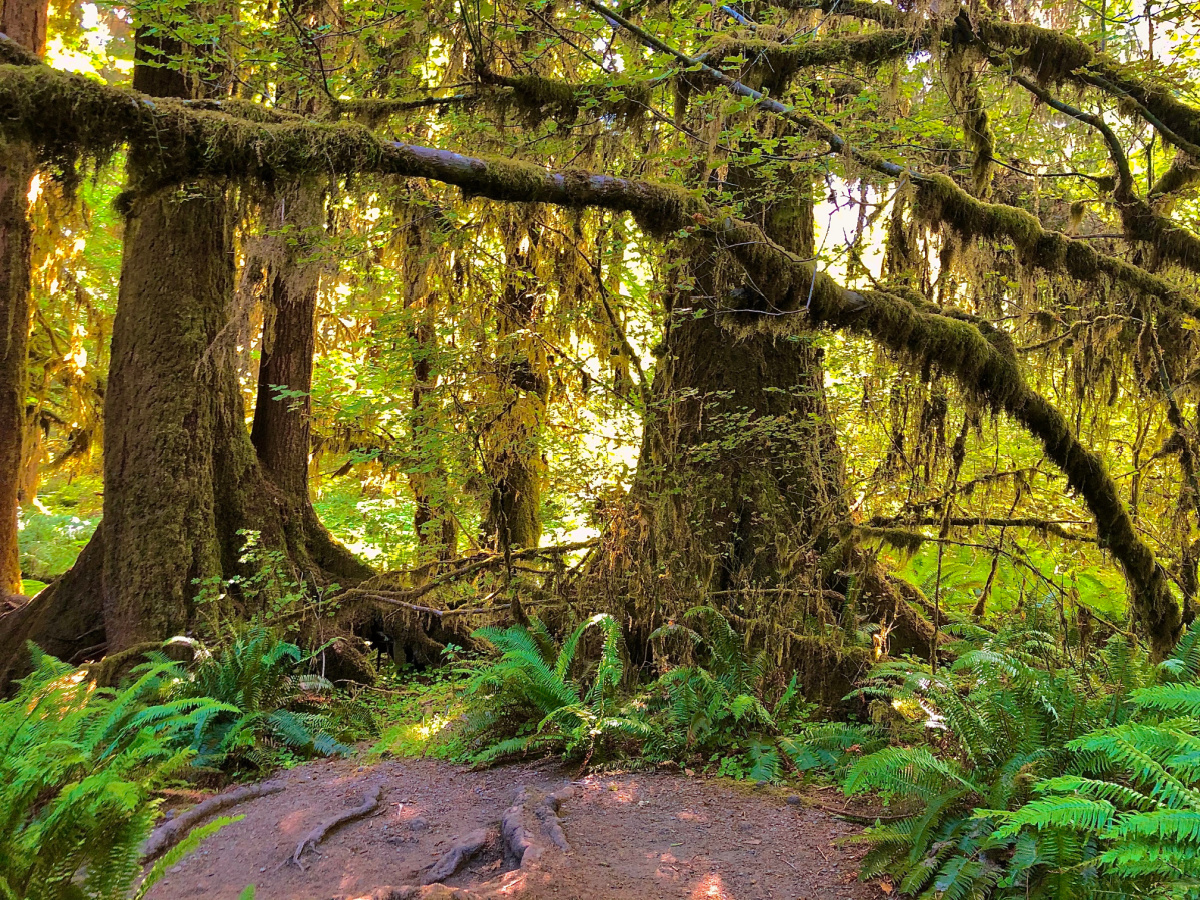
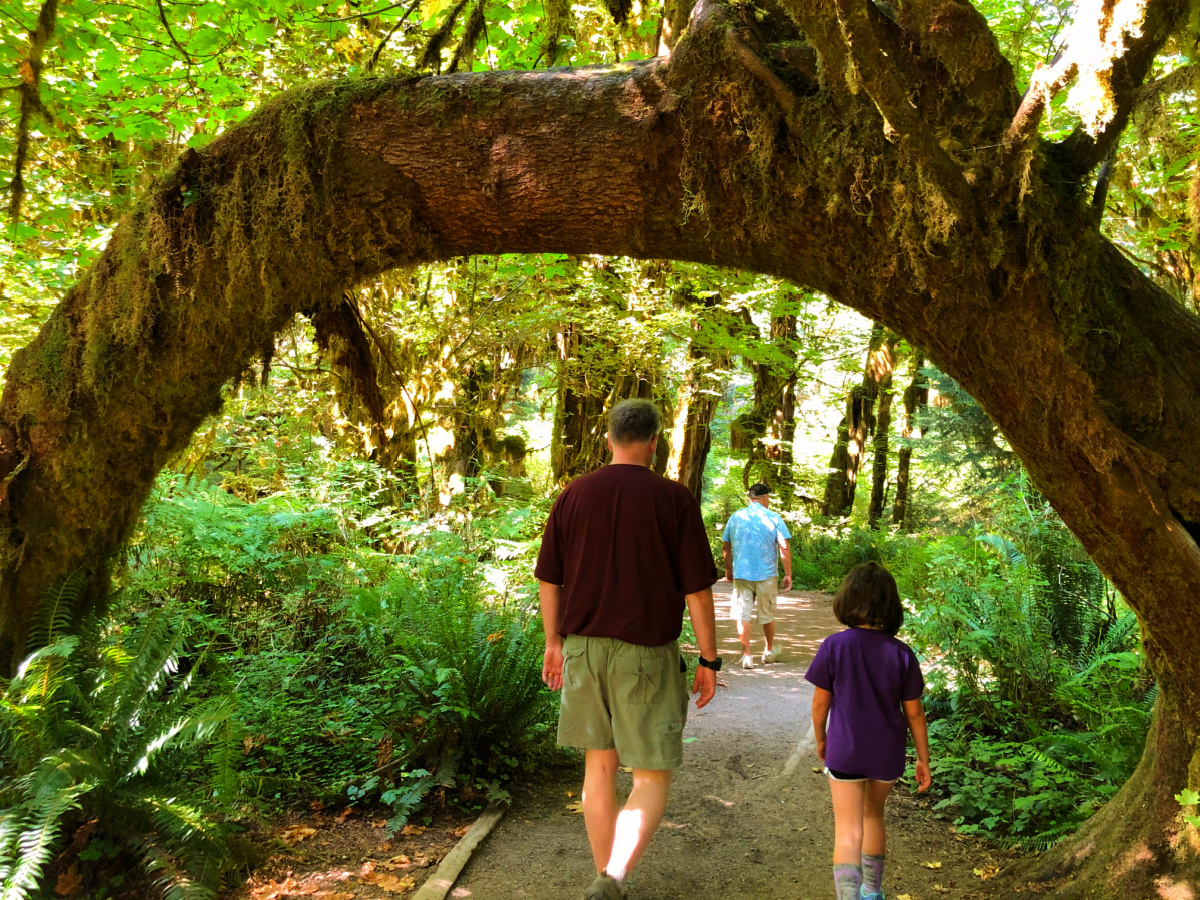
The first thing that hit me was the color. Everything looked impossibly green. Moss draped over branches in thick layers. Ferns covered the ground. Giant trees rose overhead in every direction.
It didn’t even feel entirely real at first.
And the forest has this strange quietness to it. Not silent exactly. More like the sound gets softened somehow.
This trail is short and easy, which is probably another reason it’s so popular.
Trail Details
- About 0.8 miles
- Easy loop
- Minimal elevation gain
If you’re visiting in summer, I cannot stress this enough:
Go early.
The line of cars waiting to enter the Hoh Rainforest later in the morning can get genuinely ridiculous.
Like… “why are we sitting in rainforest traffic?” ridiculous.
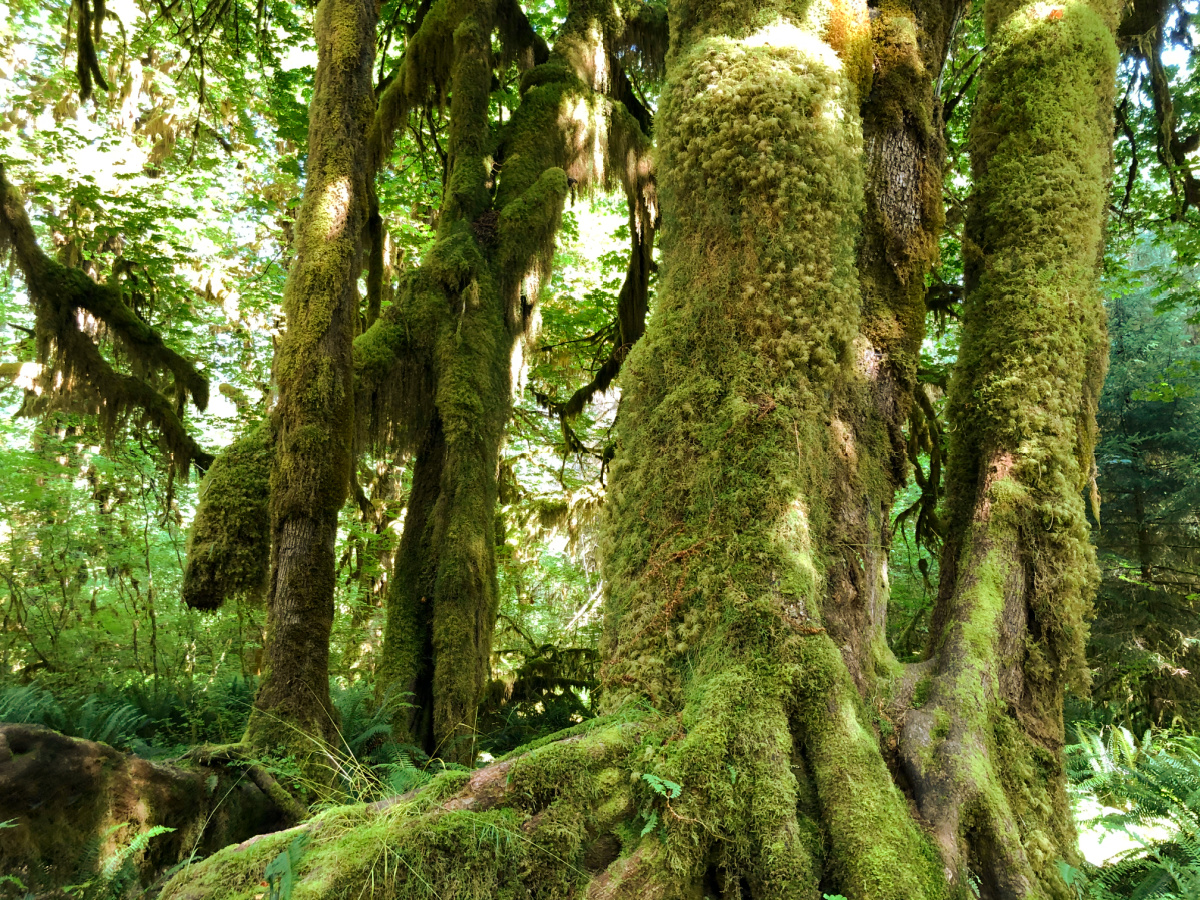
If you loved the moss-covered scenery on trails like Hall of Mosses and Maple Glade, don’t miss my full guide to the Hoh Rainforest, including what to expect, when to go, parking tips, and the best easy trails for first-time visitors.
Hurricane Hill Trail
I went back and forth on whether the Hurricane Hill trail belongs on an easy hikes list.
Because I think “easy” depends a lot on your fitness level here.
For experienced hikers? Easy.
For casual travelers? Probably more like moderately challenging but manageable.
The trail is paved, which helps a lot mentally. You’re not scrambling over rocks or navigating technical terrain.
But you are climbing steadily uphill.
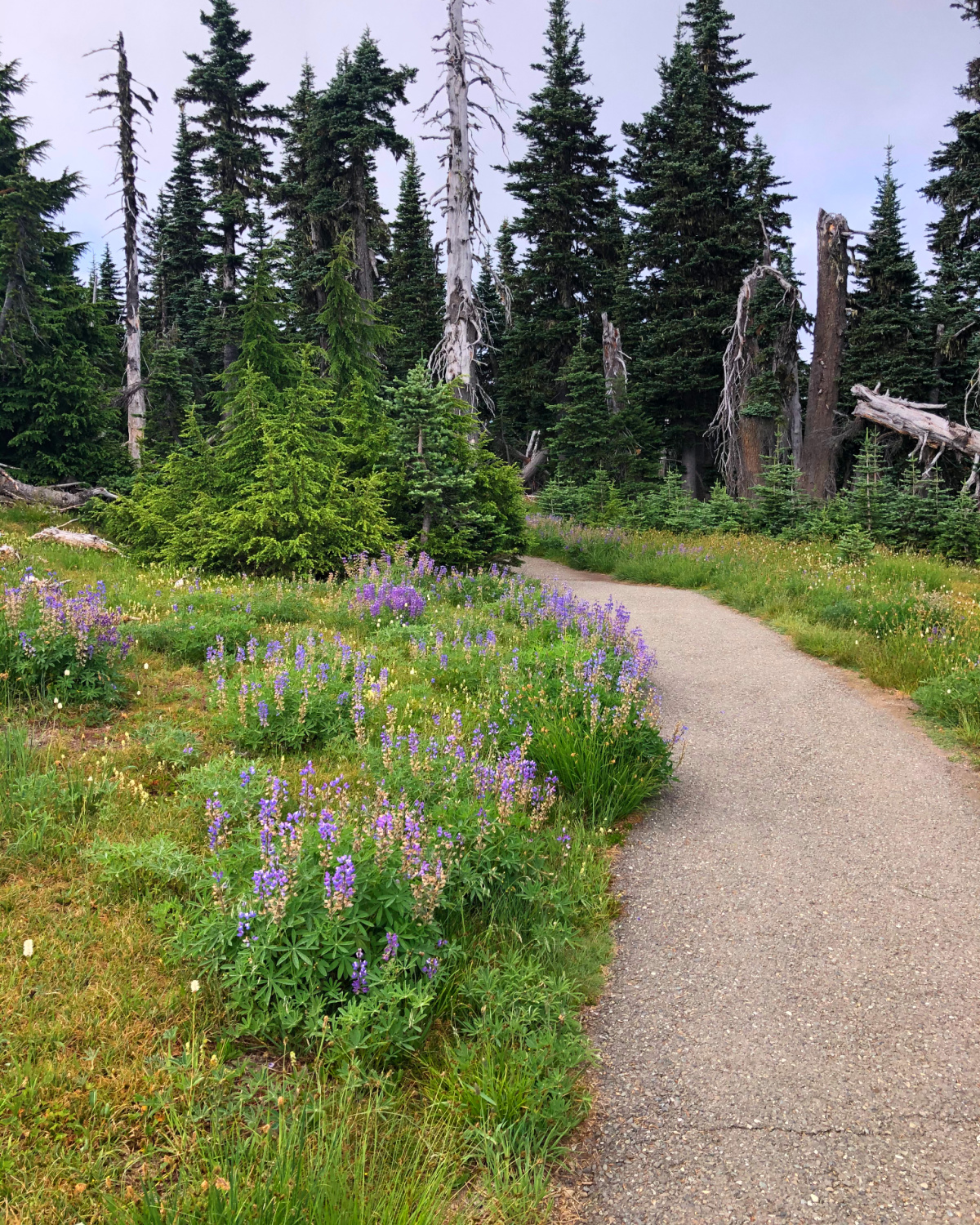
That said, the views are spectacular enough that I still think this trail deserves a spot here.
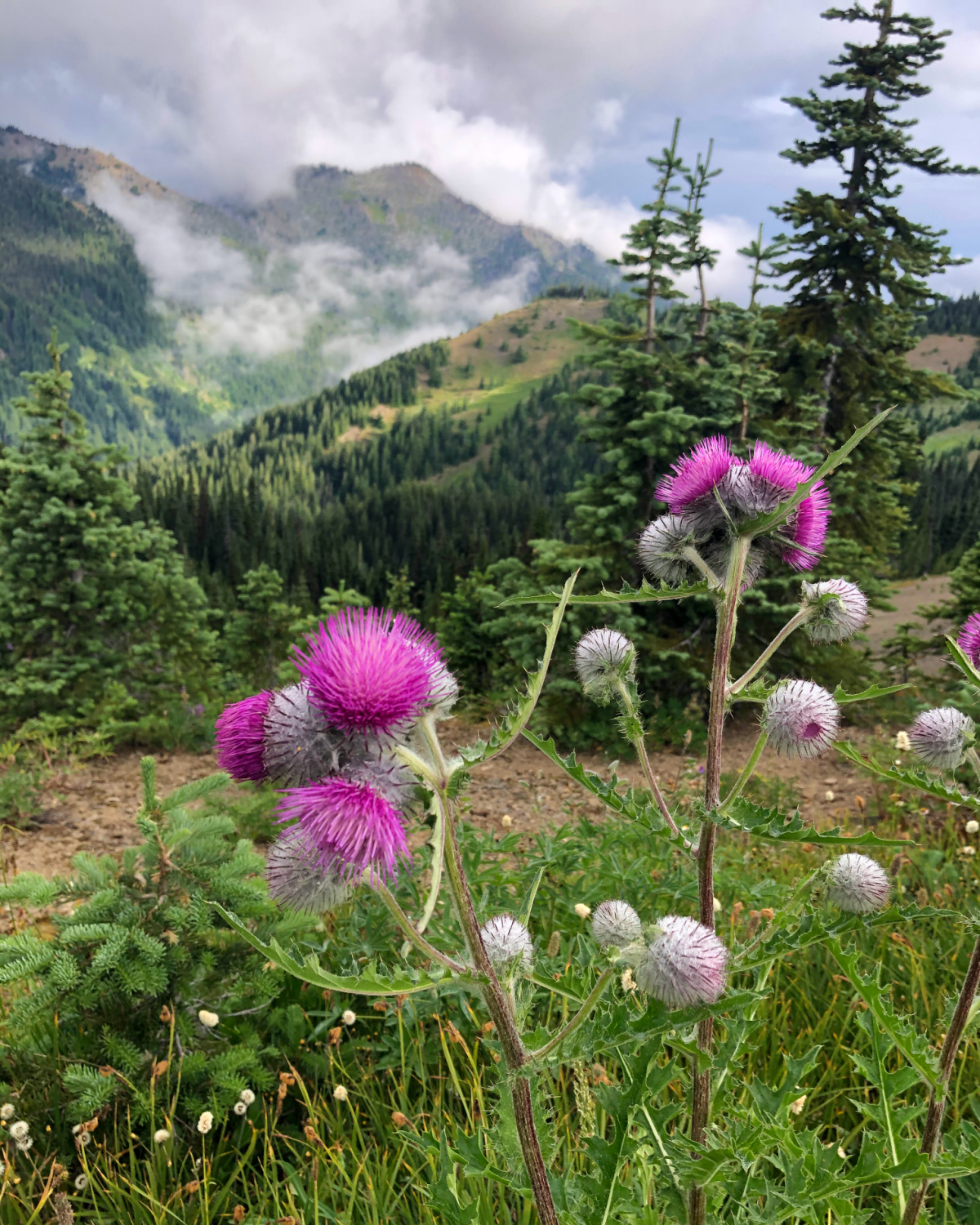
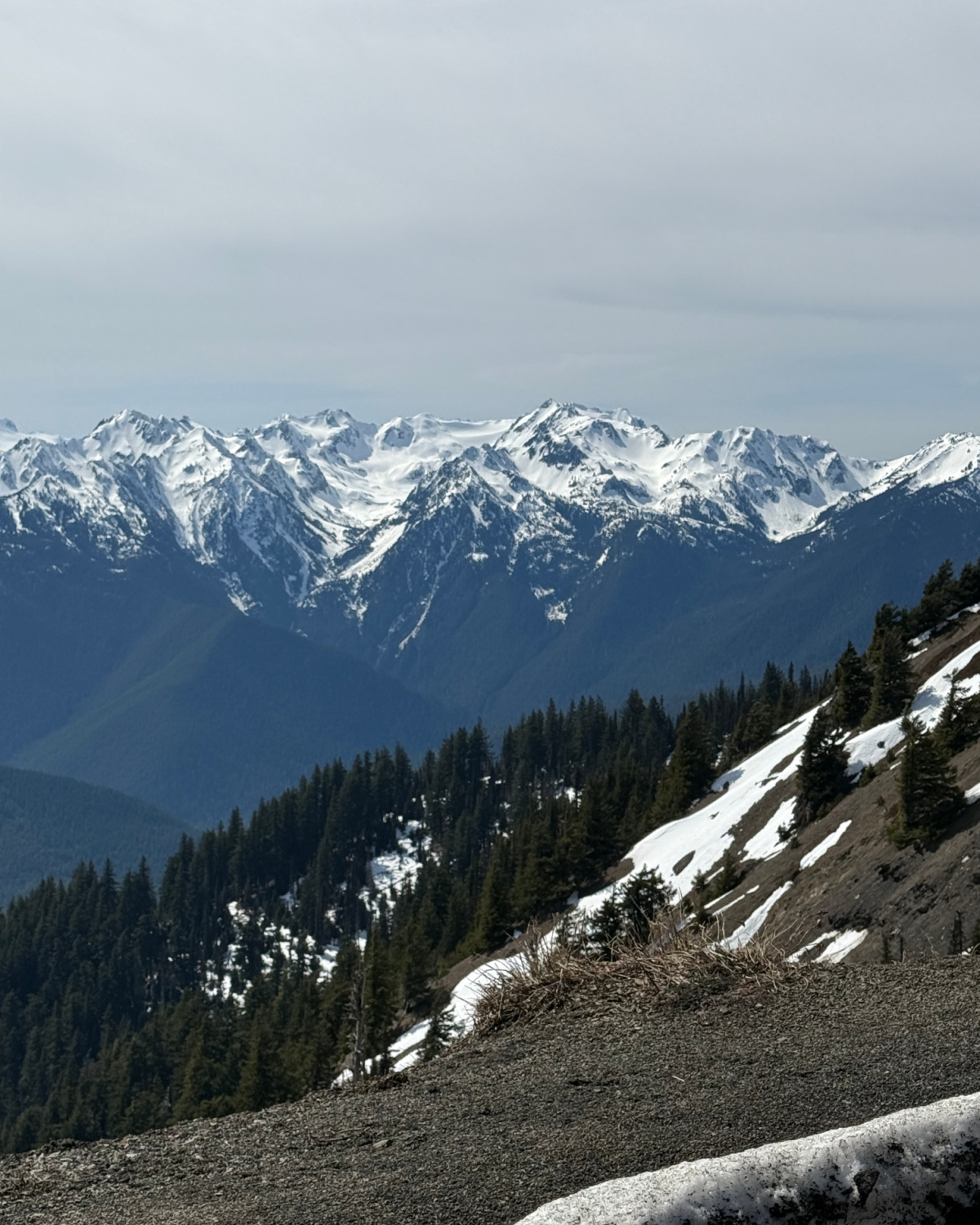
On clear days, the Olympic Mountains seem to stretch forever. You can sometimes spot mountain goats nearby, and the alpine scenery feels completely different from the rainforest and beach areas of the park.
It’s honestly hard to believe all of this exists within the same national park sometimes.
Trail Details
- 3.2 miles round trip
- Paved trail
- Moderate elevation gain
One thing about Olympic weather:
it changes fast.
Bring layers even if the forecast looks good.
Ruby Beach
Ruby Beach is one of the places that made me fully understand the Pacific Northwest obsession.
This beach is moody in the best possible way.
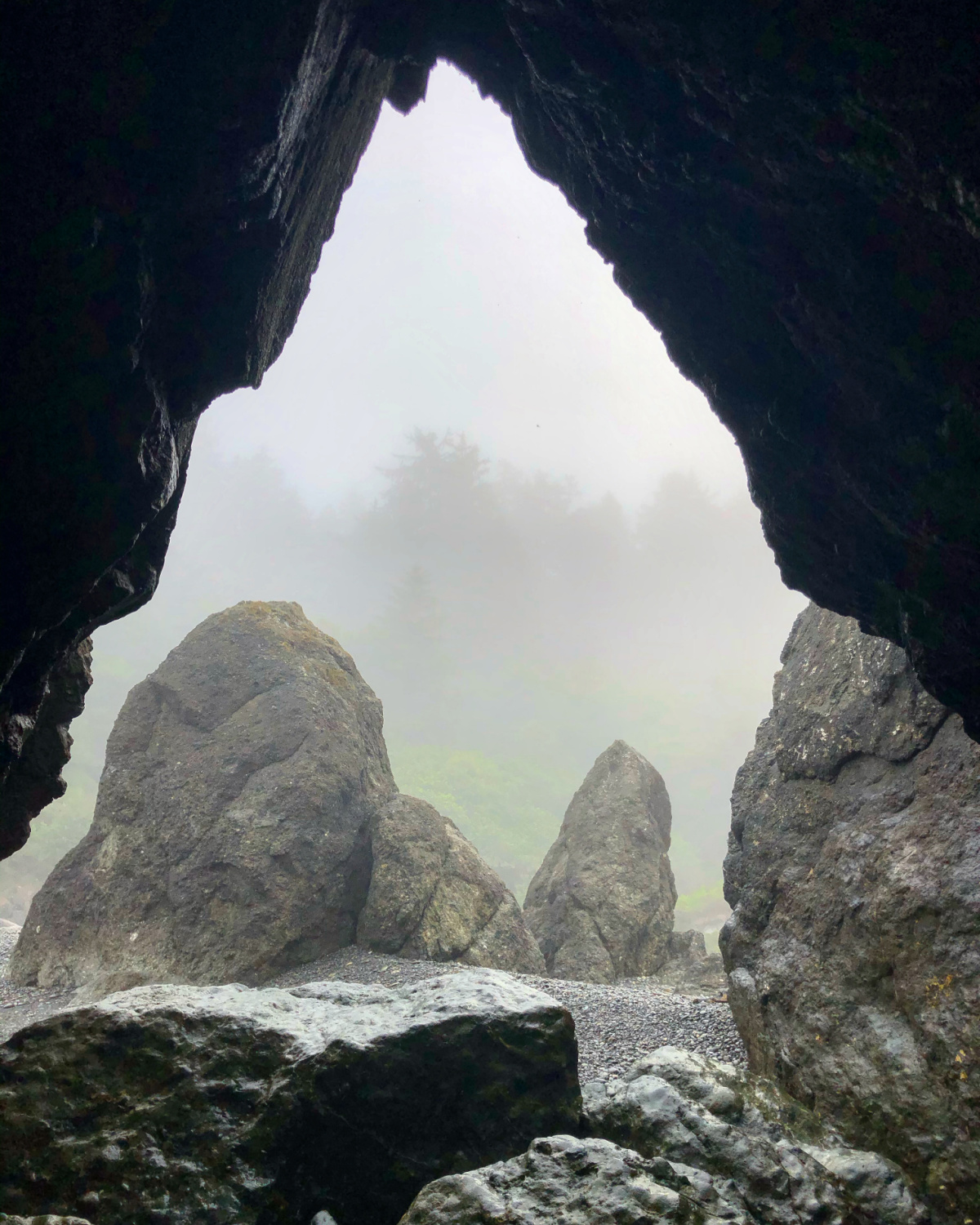
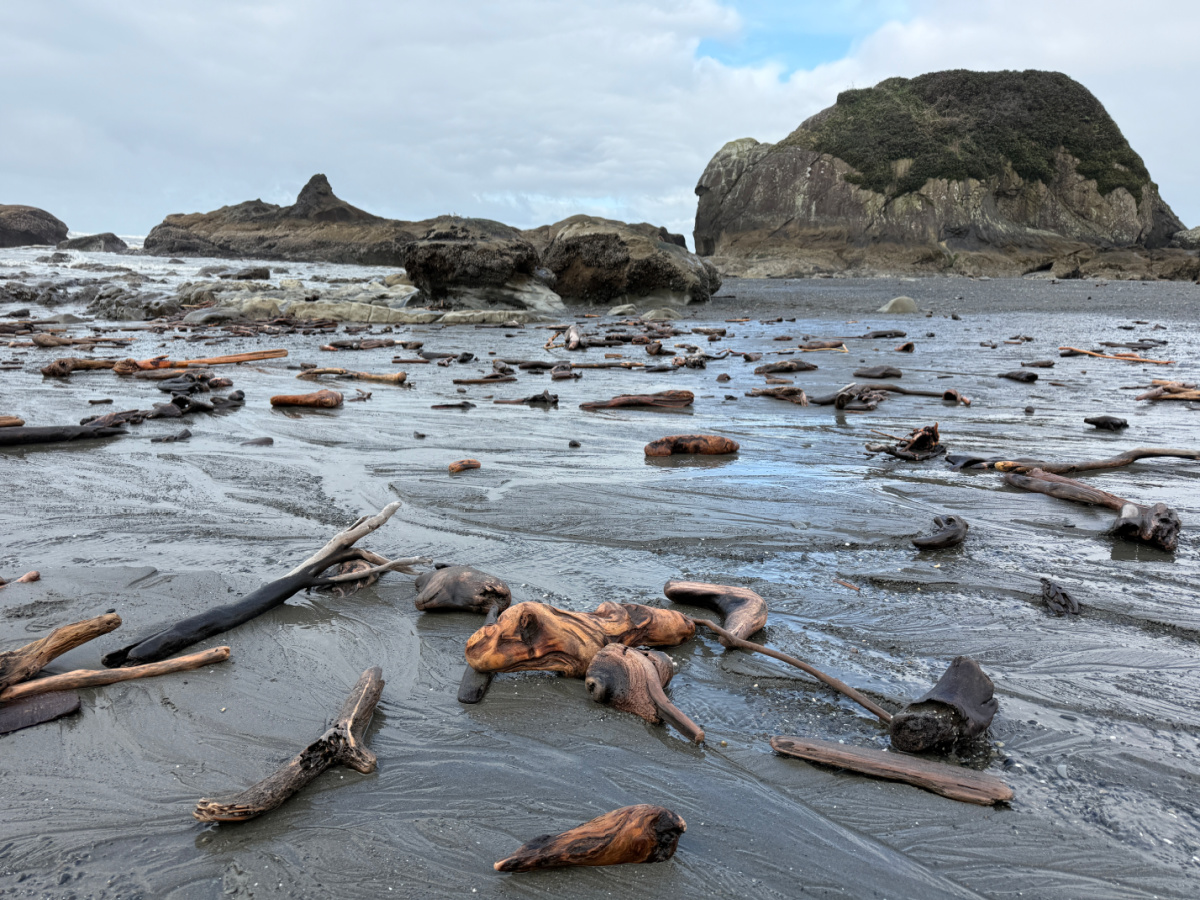
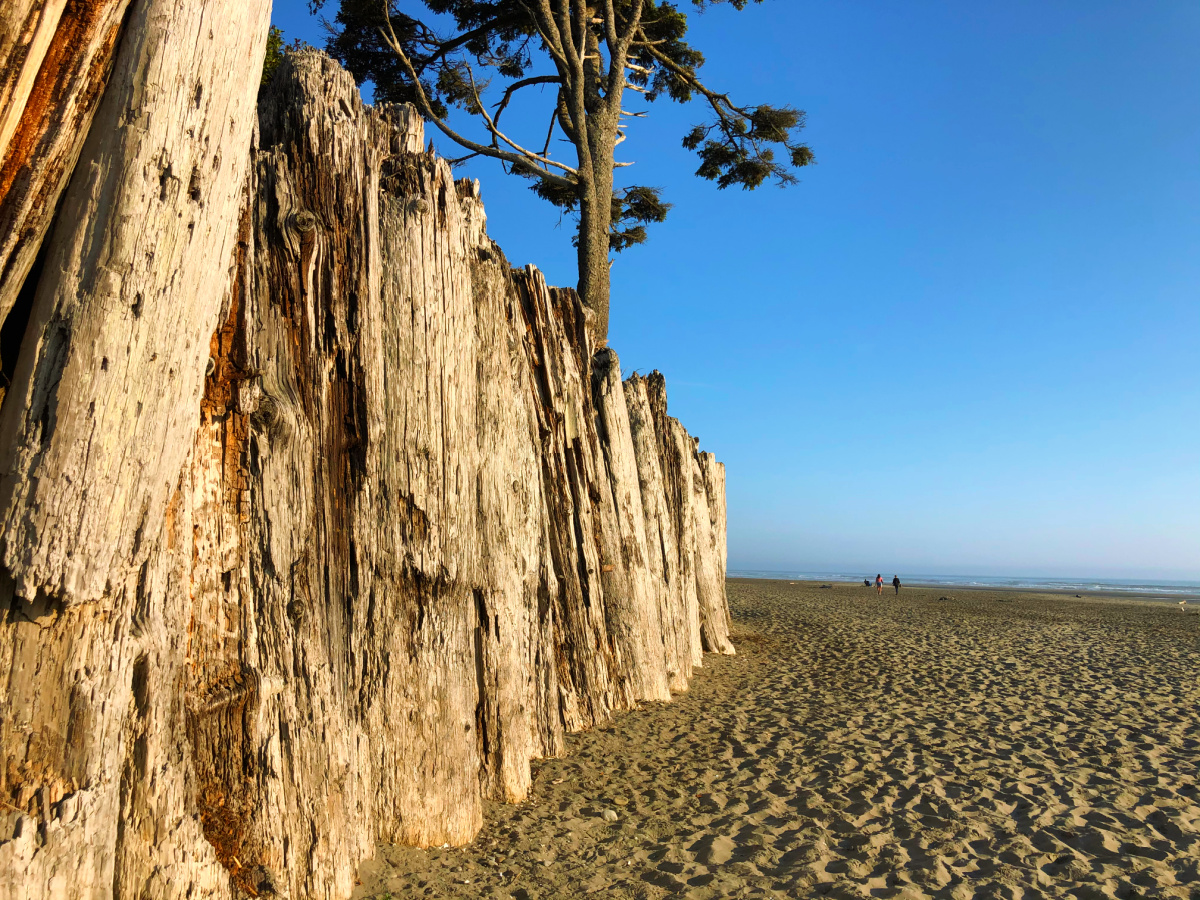
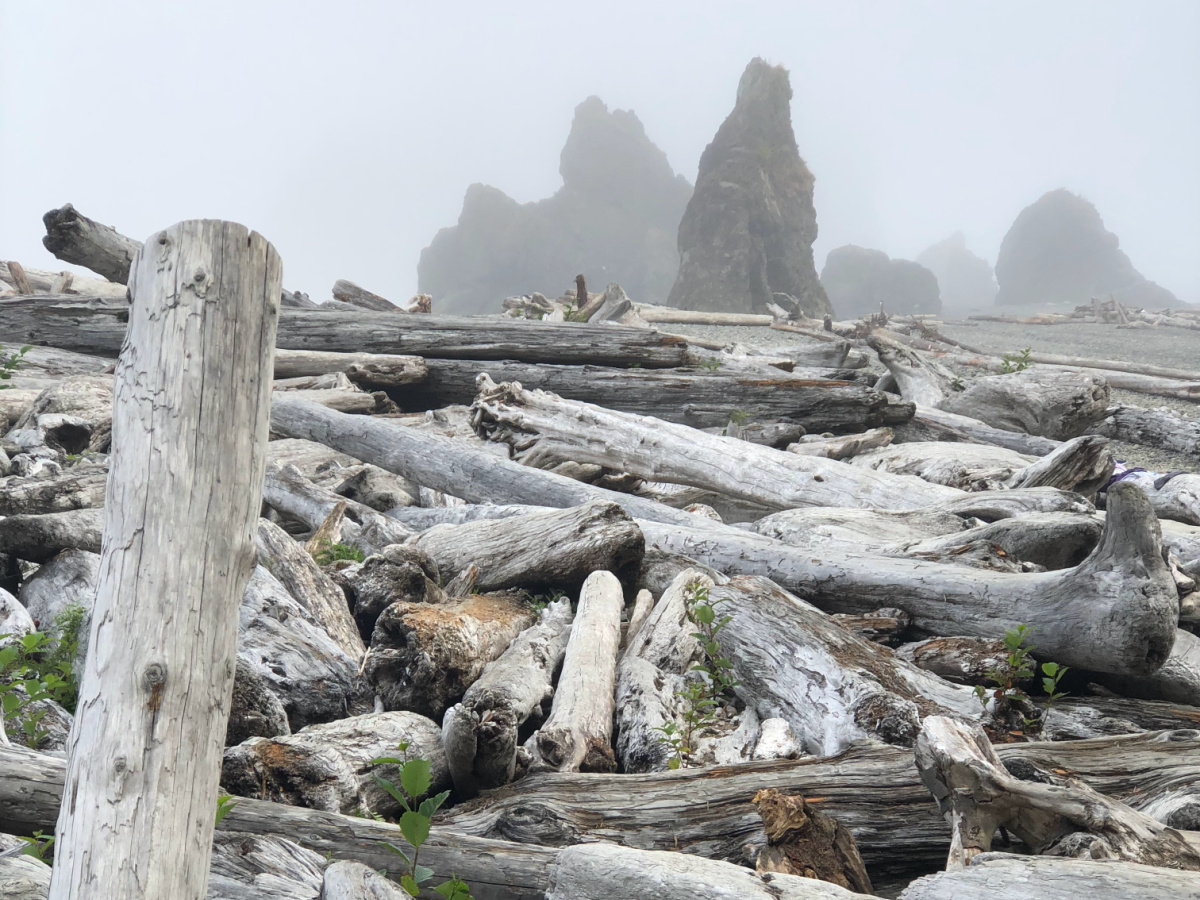
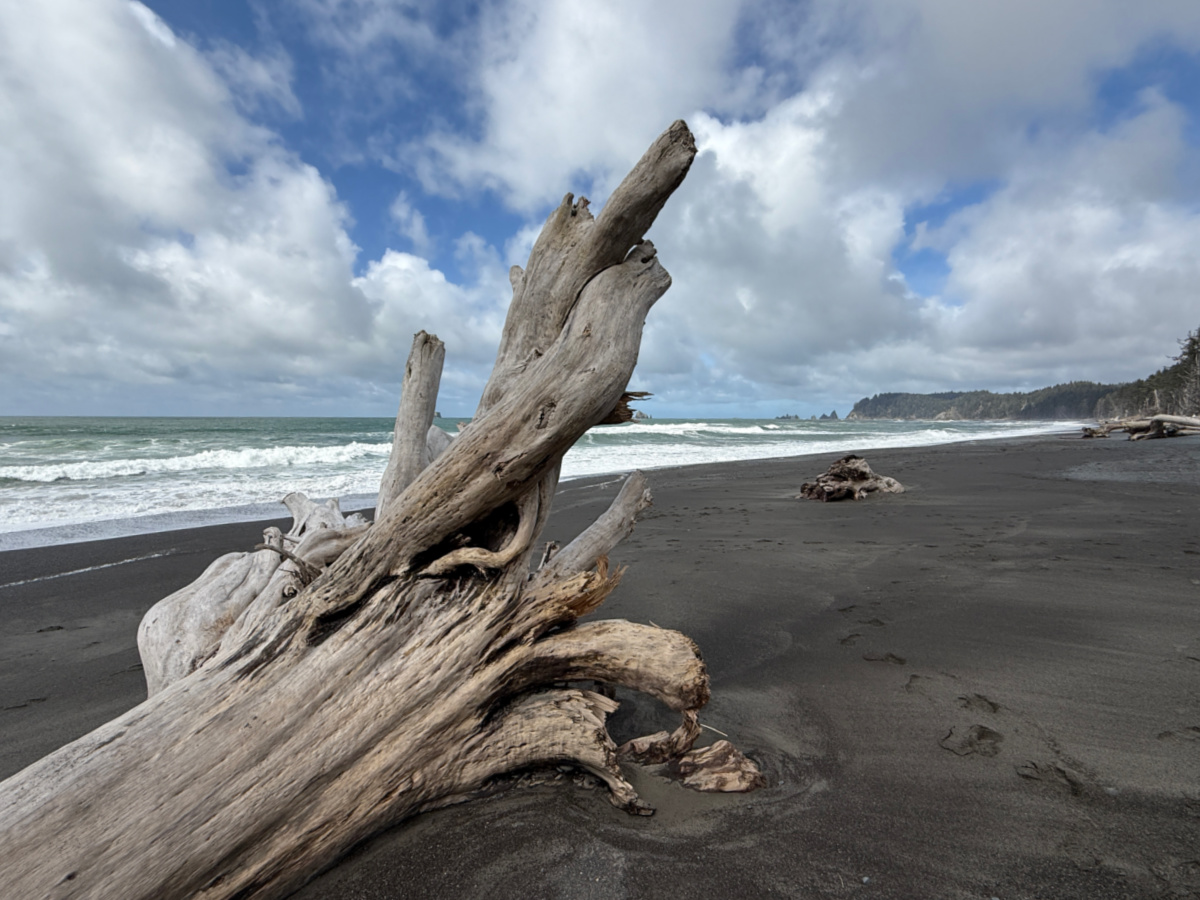
Huge sea stacks rise offshore. Massive driftwood logs cover the beach like giant pickup sticks. The waves feel louder and rougher than many beaches I’ve visited elsewhere.
And when fog rolls in?
It honestly looks prehistoric.
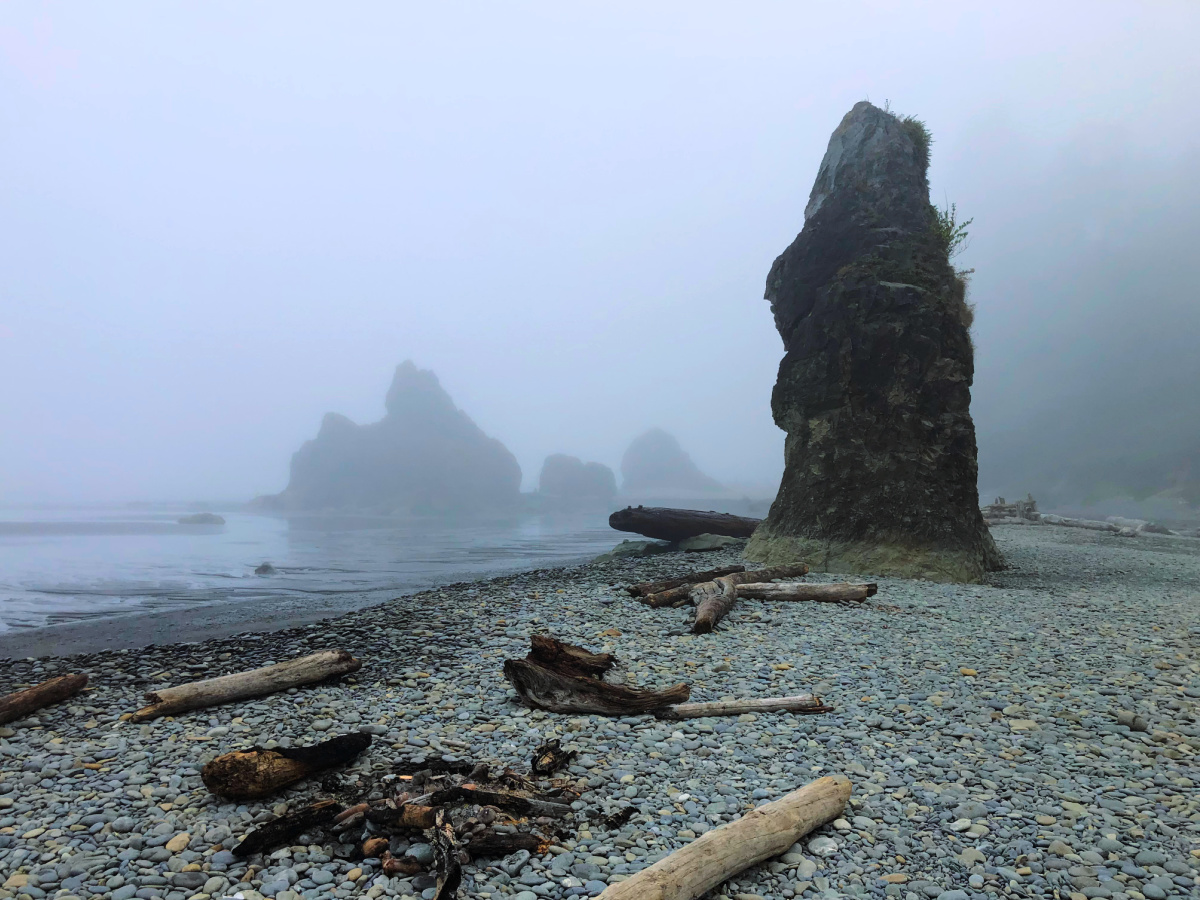
The walk from the parking lot is short, though you do have to go downhill and back up again afterward.
But the nice thing about Ruby Beach is that you can make the experience whatever you want it to be.
Some people stay near the entrance area. Others wander much farther down the beach looking for tide pools and different views of the sea stacks.
I took an absurd number of photos here and still don’t think they fully captured how dramatic it looked in person.
Best Time to Visit
Low tide makes a huge difference.
At low tide, the beach opens up more and becomes much easier and more interesting to explore.
Rialto Beach and Hole in the Wall
Rialto Beach feels rougher than Ruby Beach.
More rugged. More windswept.
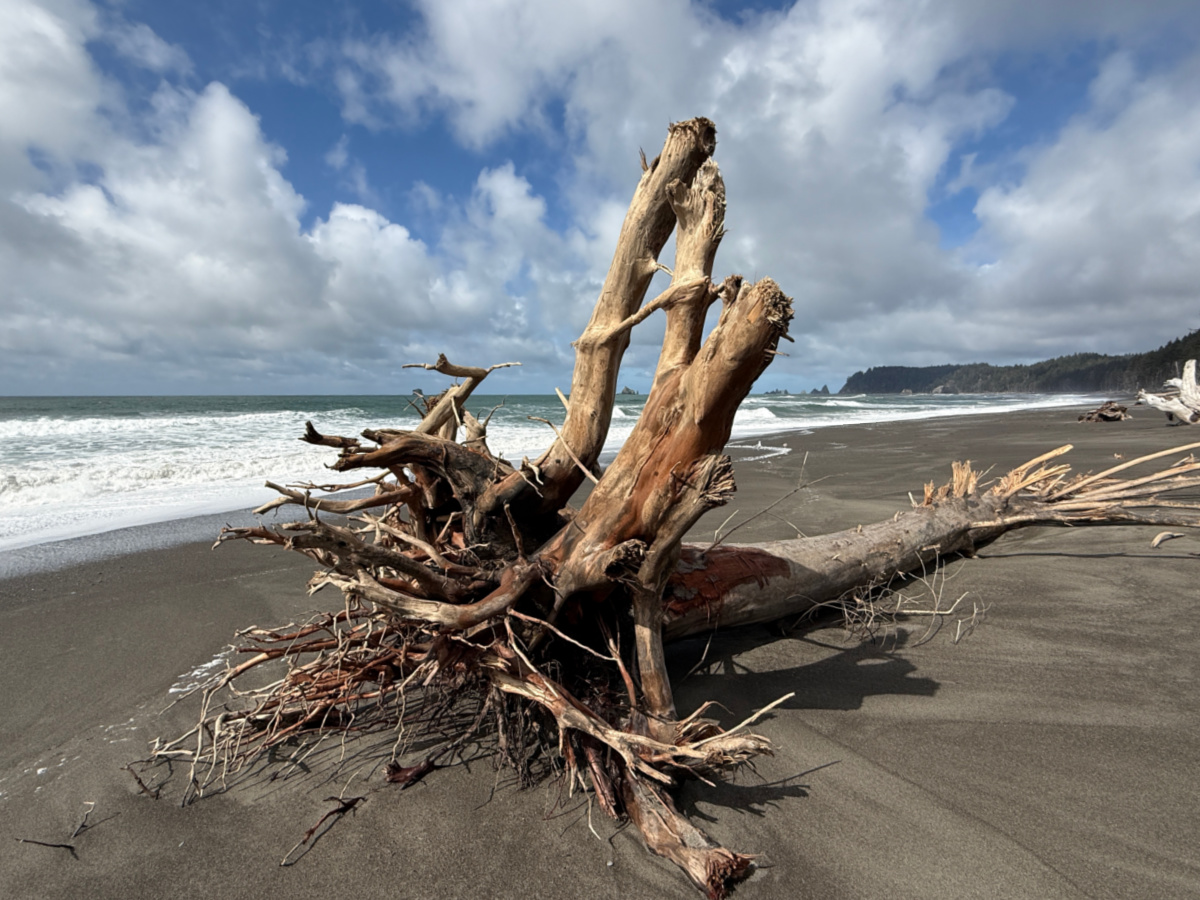
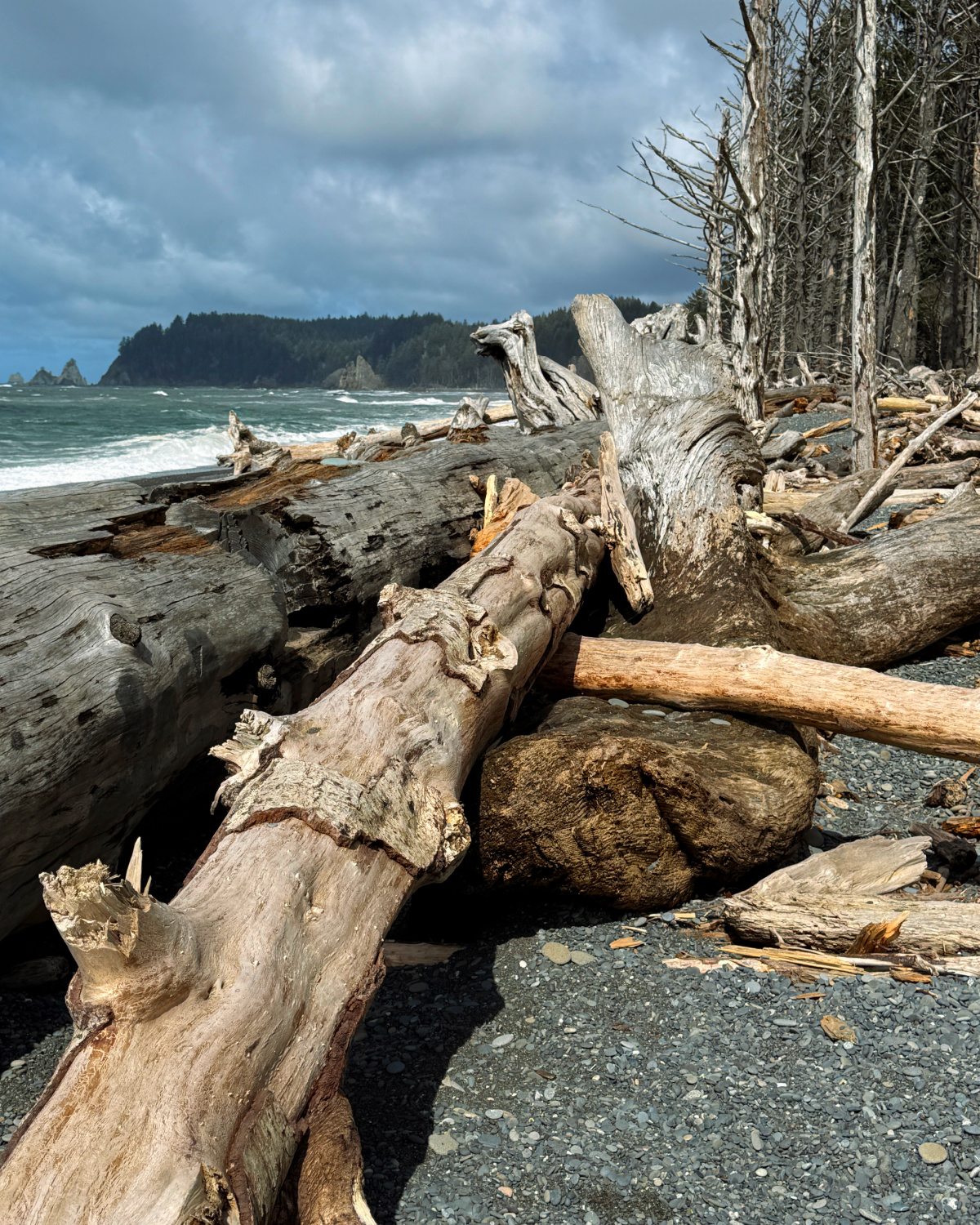
The driftwood piles here are gigantic. Some logs are so enormous they almost look staged, like a movie set designer placed them there for dramatic effect.
The beach itself is beautiful even if you only walk a short distance.
But many visitors continue toward Hole in the Wall during low tide.
The important phrase there is “during low tide.”
Seriously. Check tide charts.
This is not one of those “eh, close enough” situations.
At the right tide conditions, though, this becomes one of the coolest beach walks in Olympic National Park.
Sea stacks. Tide pools. Bald eagles. Rocky coastline. Massive stretches of wild Pacific beach.
It feels adventurous without requiring advanced hiking skills.
One Thing That Surprised Me
Beach walking is more tiring than people expect.
Driftwood, rocks, uneven sand — all of it slows you down.
Beach 4 Nature Trail
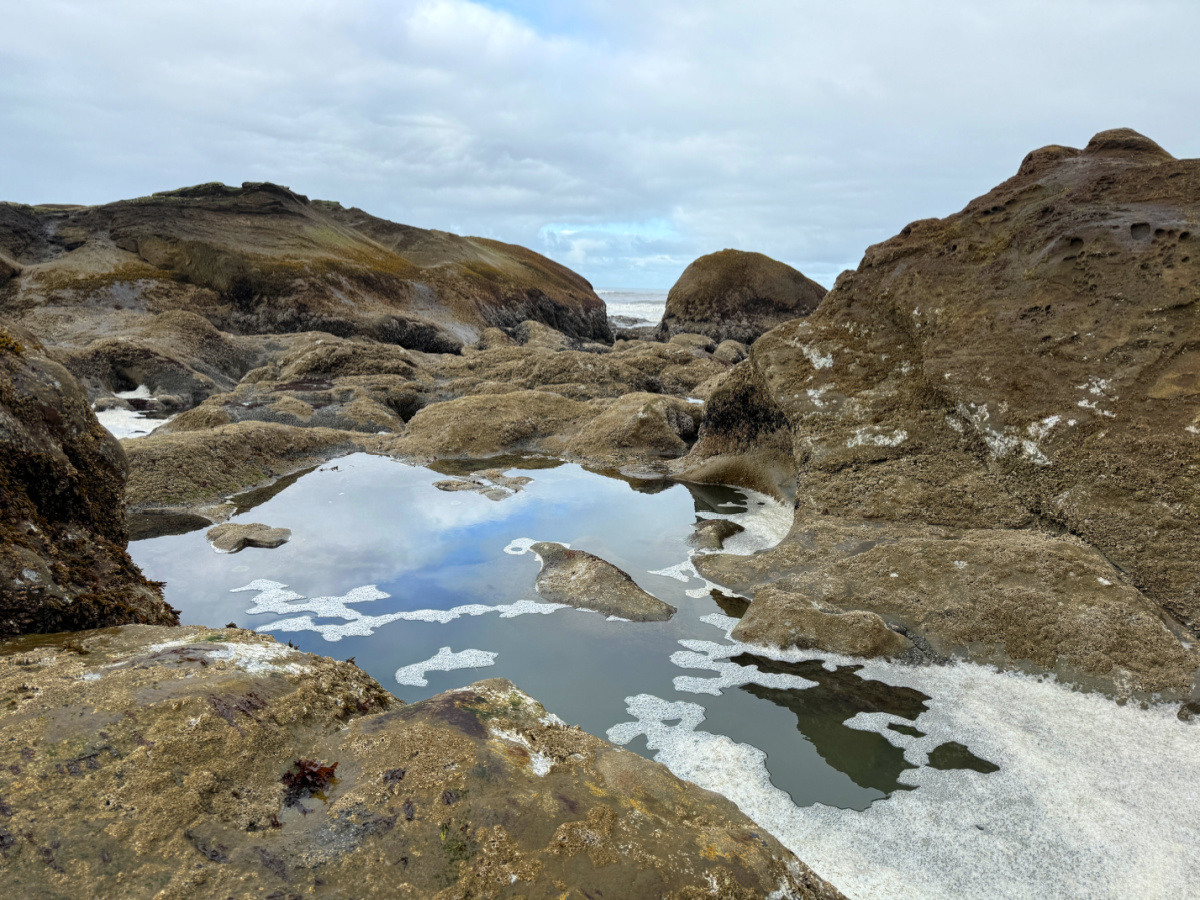
Beach 4 ended up being one of my favorite tide pooling areas in Olympic.
And honestly, part of the reason is because it feels so approachable.
You don’t have to do a long hike to get there. The walk down from the parking area is fairly short, although somewhat steep in sections.
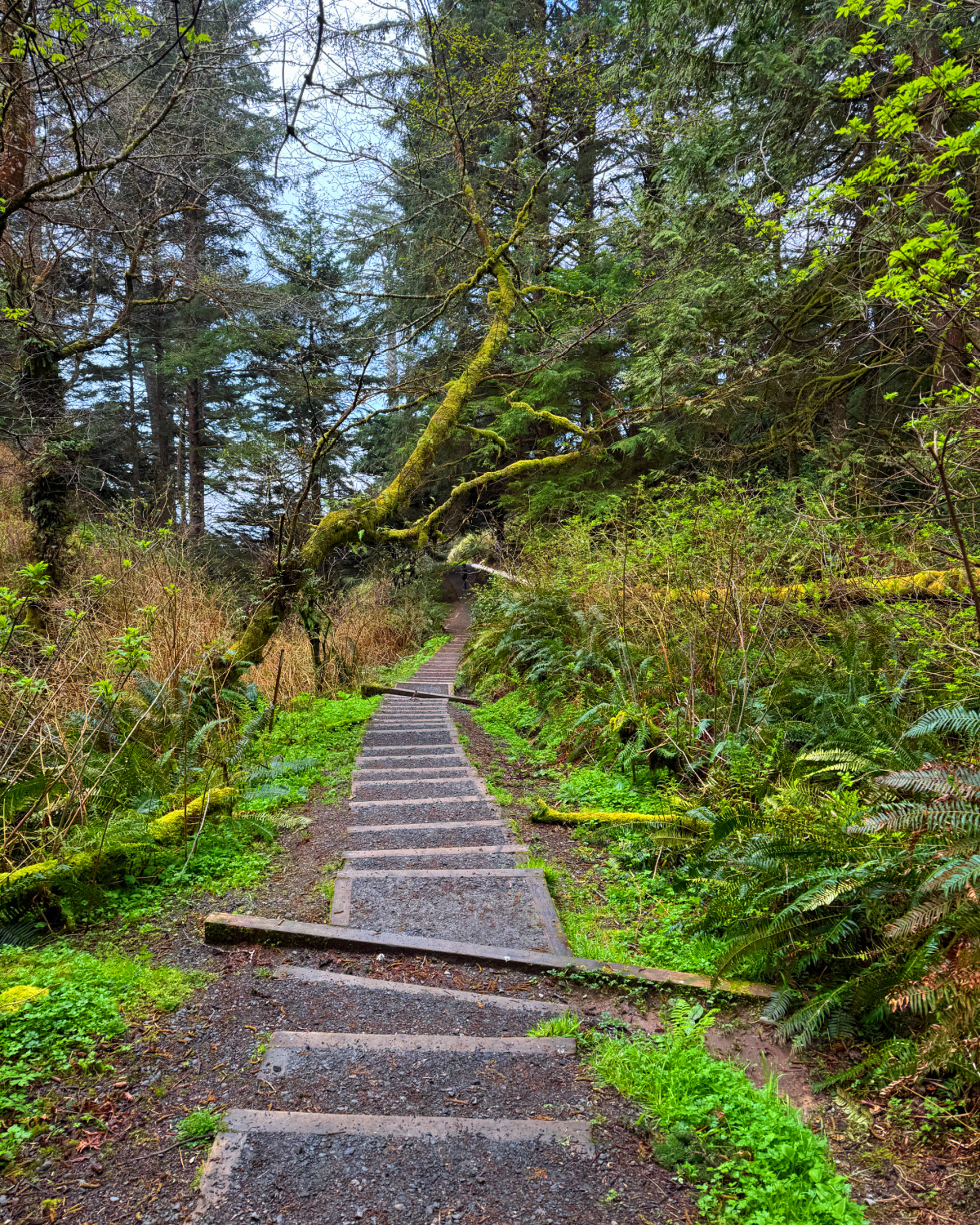
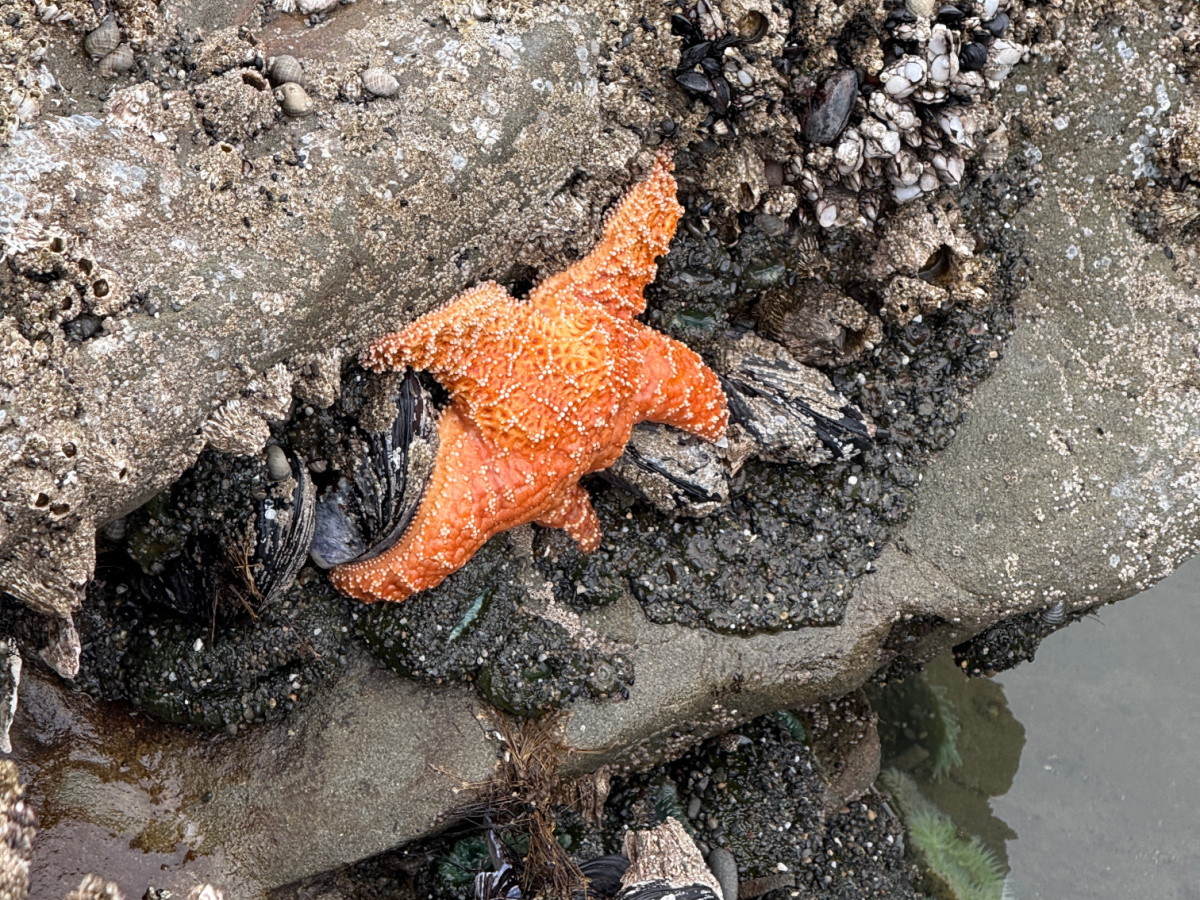
But once you reach the beach at low tide, there’s a lot to explore.
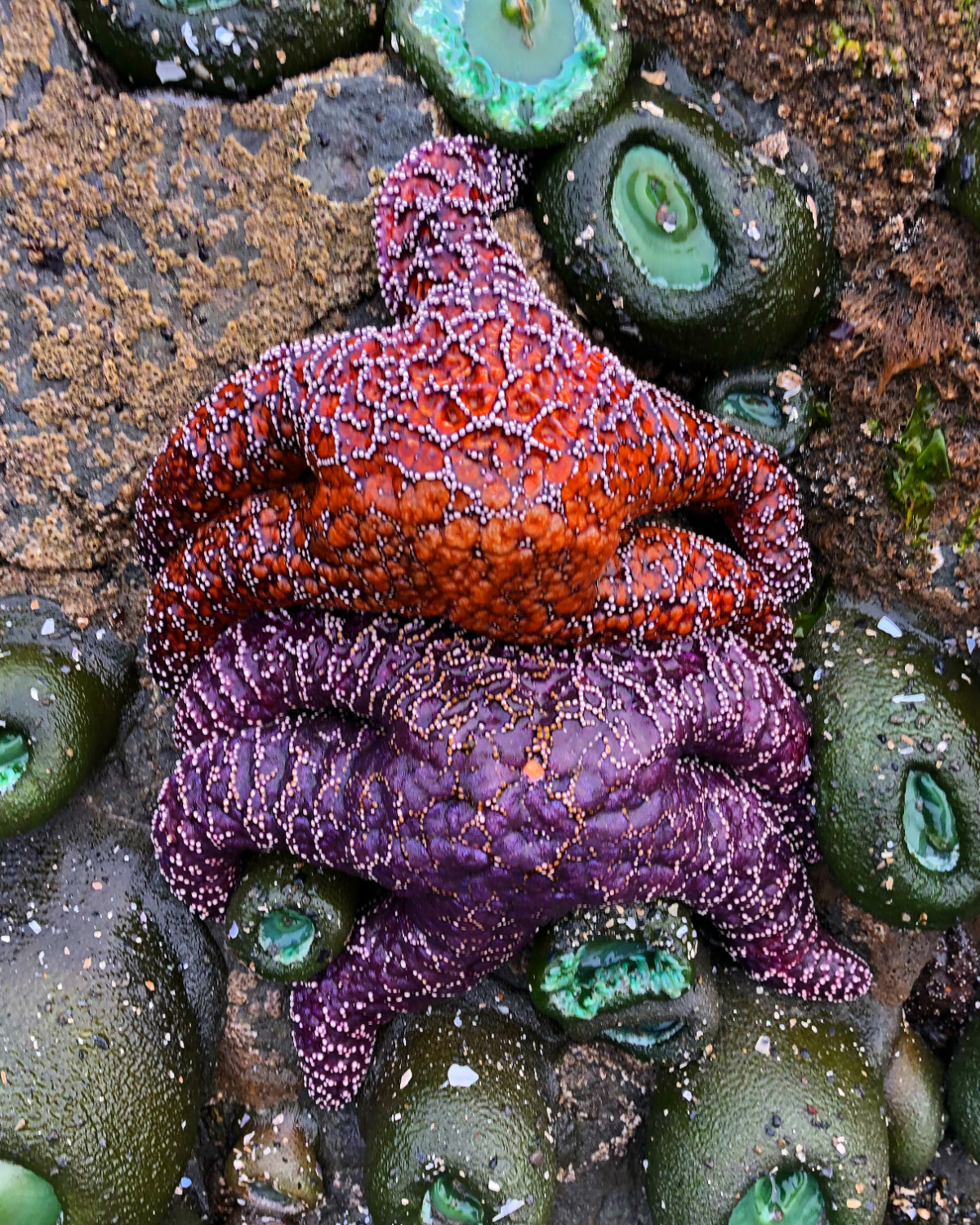
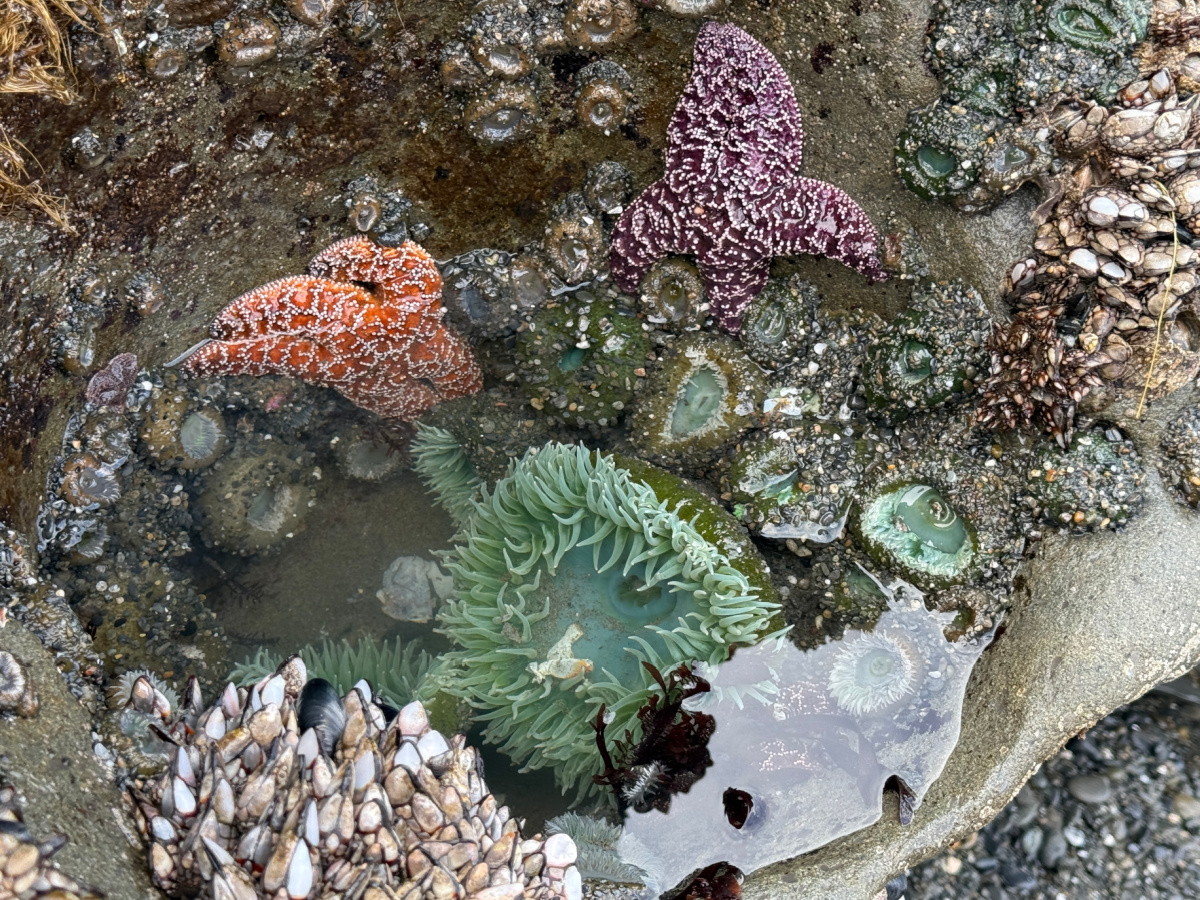
The longer I looked around, the more little creatures I noticed. Tiny crabs. Sea stars. Sea anemones. Small fish trapped in shallow pools.
It turns into this weird combination of beach walk and scavenger hunt.
Kids especially seem to love this area.
Though honestly, adults usually get just as into it.
Quinault Big Spruce Trail
The Quinault Big Spruce Tree trail might be the biggest scenery payoff for the least amount of effort in the entire park.
The walk is extremely short.
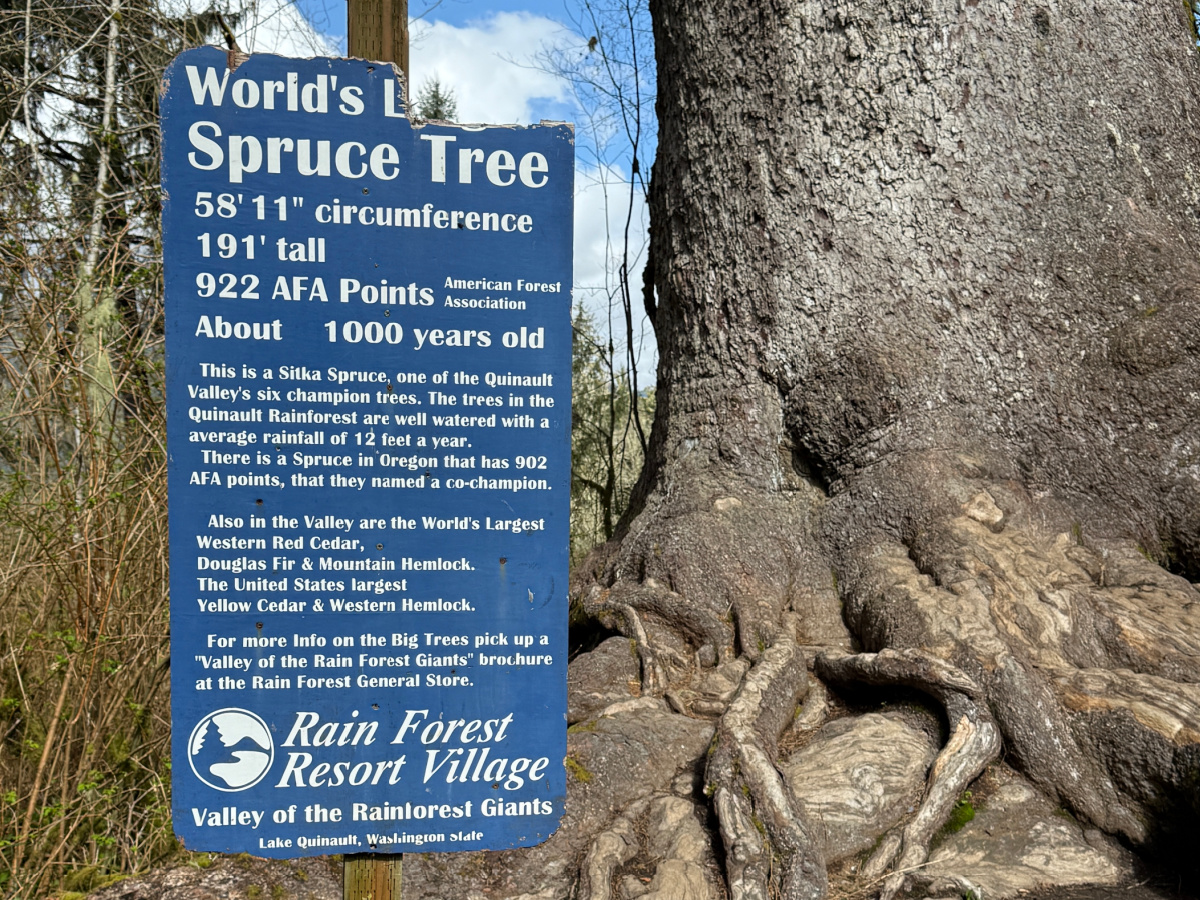
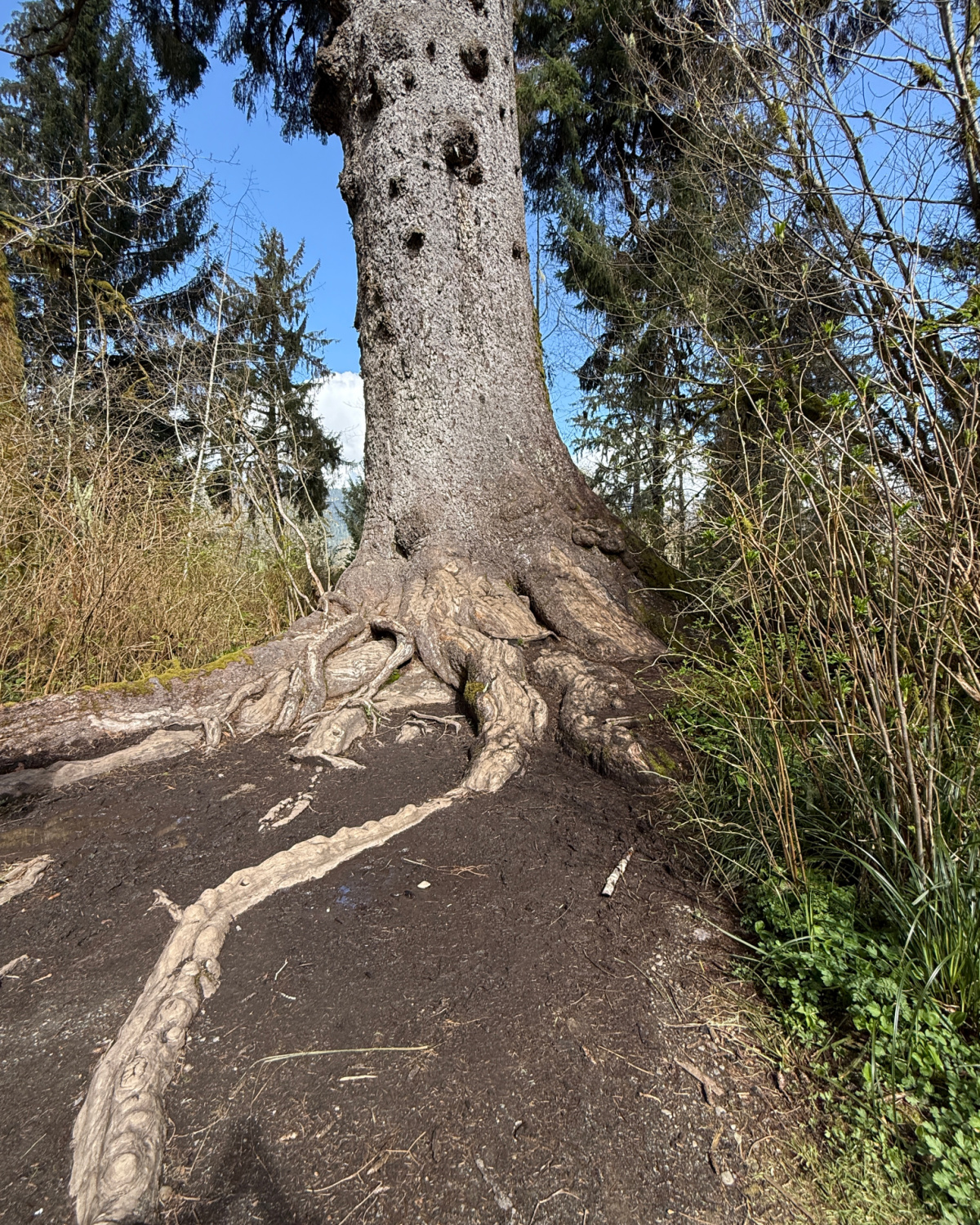
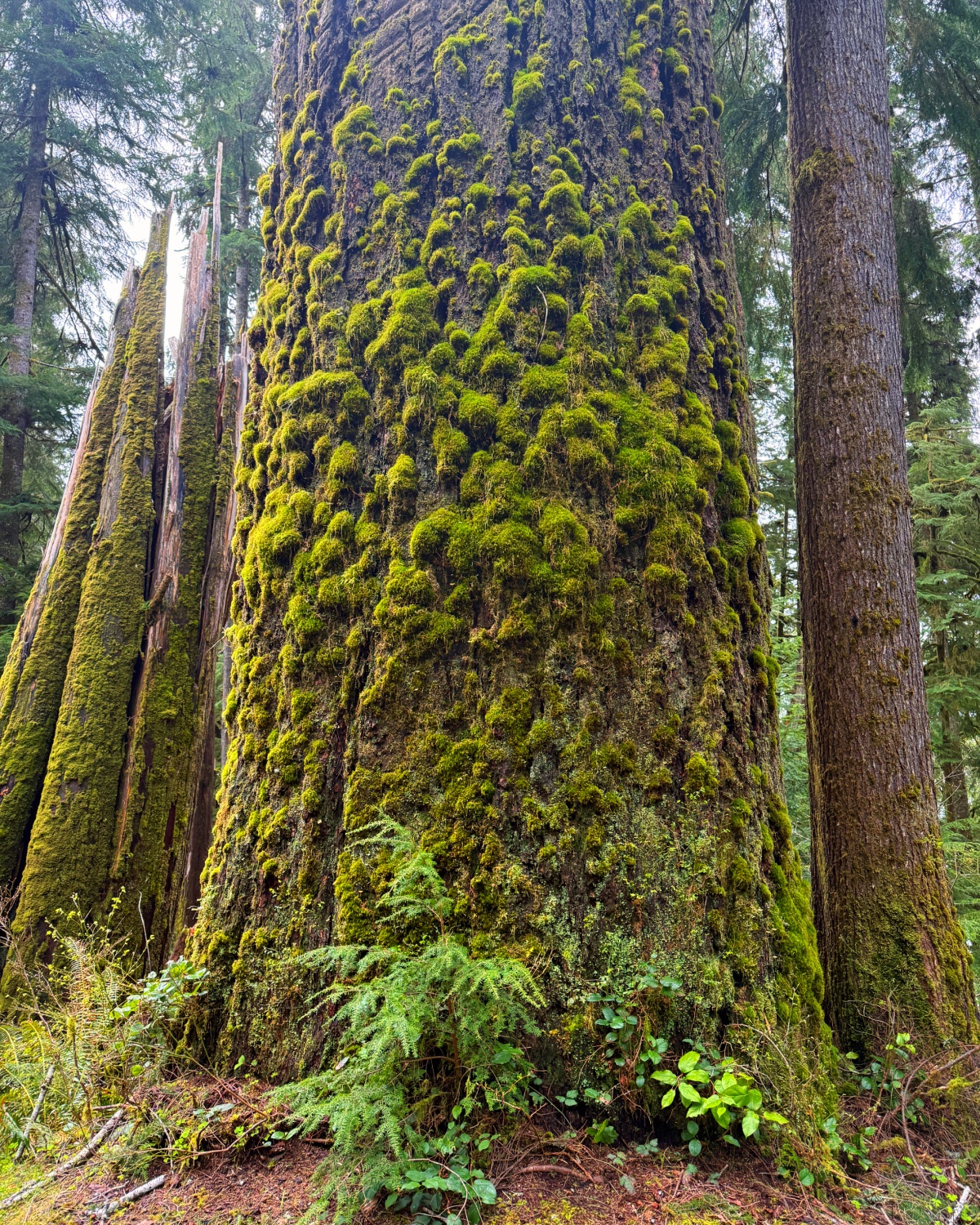
And then suddenly there’s this gigantic ancient Sitka spruce towering over everything.
Photos really don’t capture the scale properly.
I remember looking at my daughter standing near one of these massive trees and thinking she looked tiny by comparison.
It’s one thing to hear the phrase “old-growth forest.”
It’s another thing entirely to stand beside it.
Second Beach
I haven’t personally done Second Beach yet, so I don’t want to pretend otherwise.
But enough people rave about it that I think it deserves inclusion here.
From what I’ve seen and researched, this beach combines forest hiking with dramatic coastal scenery. Sea stacks, driftwood, sunsets — basically the classic Olympic coastline experience.
The trail can apparently get muddy, though, which feels very on-brand for the Pacific Northwest.
Quinault Rainforest Nature Trail
The Quinault area feels noticeably calmer than the Hoh Rainforest.
Less famous. Less crowded.
I really liked that.
The Quinault Rain Forest Nature Trail still has the lush rainforest scenery people come to Olympic for — giant trees, moss, ferns, rich green everywhere — but it feels a little quieter and slower paced.
Honestly, if someone told me they hated crowds but still wanted a rainforest experience, I’d probably point them here first.
Maple Glade and Kestner Homestead Trails
These smaller Quinault trails ended up being some of my favorite unexpected stops in Olympic National Park.
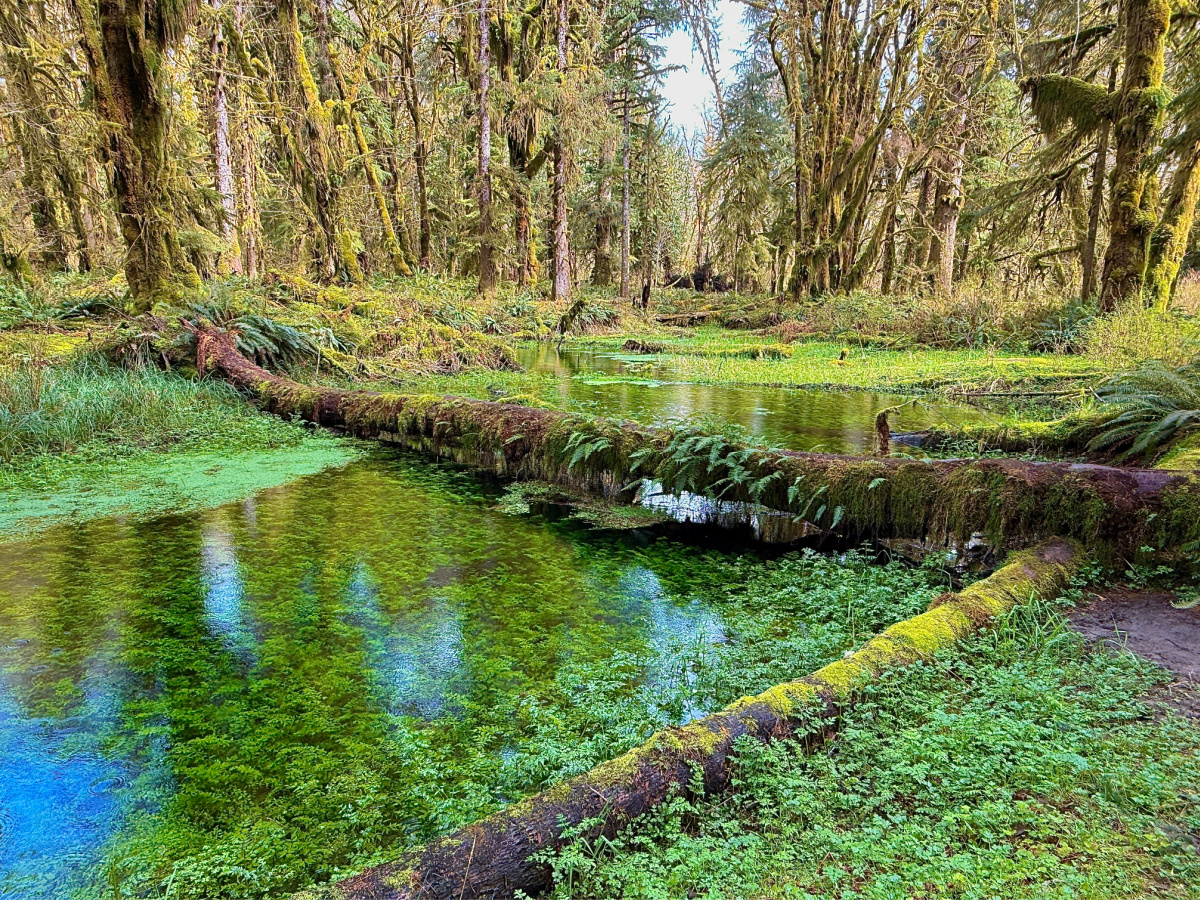
The Maple Glade Rain Forest Trail especially feels almost unreal in spots.
The moss hanging from the trees, the filtered light, the dense greenery — parts of it genuinely look like a fantasy movie set.
And because these are shorter trails, they work really well for casual travelers who don’t want to commit half a day to one hike.
Tree of Life at Kalaloch
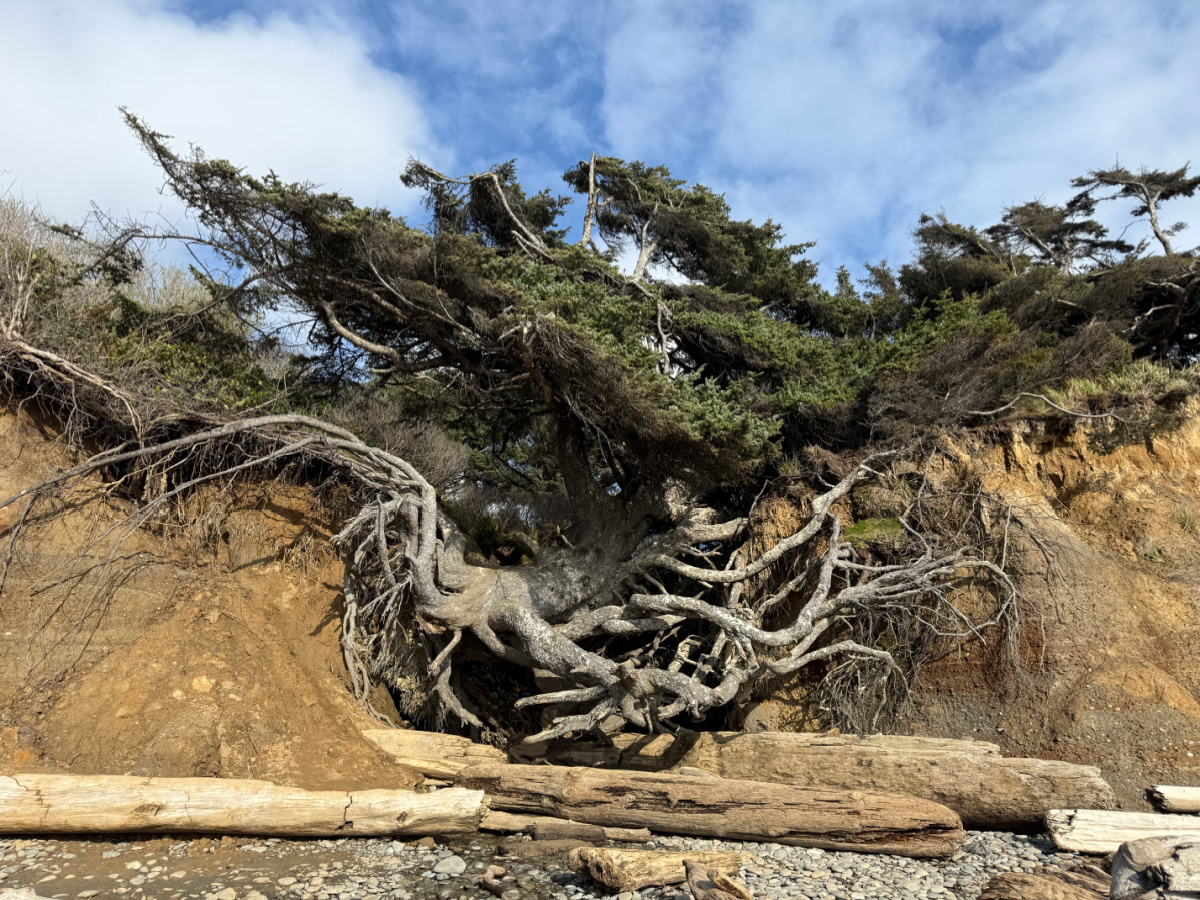
The famous Tree of Life isn’t really a hike so much as a quick stop.
But it’s one of those weird, memorable Olympic sights that sticks with people.
The tree appears suspended over an eroded gap in the earth, with exposed roots somehow still supporting it.
Honestly, it looks slightly impossible.
The walk itself is very short, which makes this an easy addition to a coastal driving day.
For more rugged coastal scenery, tide pools, driftwood beaches, and details about the famous Tree of Life, check out my complete guide to Kalaloch Beach in Olympic National Park.
Spruce Railroad Trail and Devil’s Punchbowl
The Spruce Railroad Trail near Lake Crescent is perfect for travelers who prefer scenic walks over difficult hikes.
The trail follows the shoreline in sections, and Lake Crescent itself is stunning.
Deep blue water. Evergreen forest. Mountain scenery reflected in the lake.
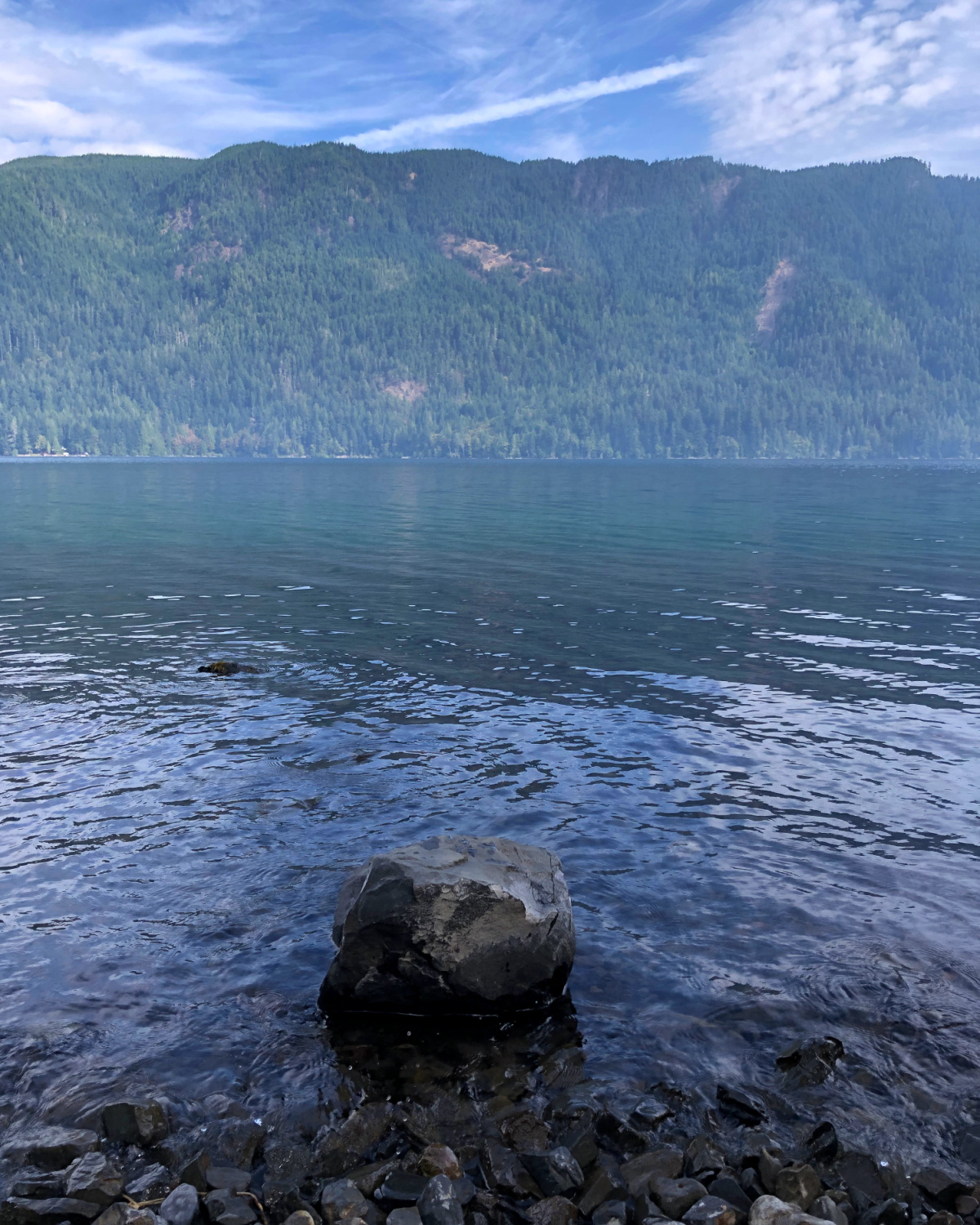
Honestly, even standing near the shore for a while is worthwhile.
Devil’s Punchbowl has become especially popular in summer because of its vivid blue water and swimming area.
And while I haven’t personally done the full trail yet, even my shorter walks near Lake Crescent made me want to spend more time there.
Planning Your Olympic National Park Hiking Days
One thing I underestimated before my first trip to Olympic National Park was just how spread out everything is.
When you look at a map, it almost seems like you should be able to bounce quickly between locations.
Reality is… not exactly.
Driving around the Olympic Peninsula takes time, roads are winding in places, and you can easily spend far longer in each stop than expected. Especially once you start pulling over every five minutes because the scenery keeps distracting you.
For most visitors, I think it helps to mentally break Olympic into sections instead of trying to conquer the entire park at once.
The Port Angeles side works really well for:
- Hurricane Hill
- Marymere Falls
- Lake Crescent
- Spruce Railroad Trail
- Sol Duc Falls
Meanwhile, the western side of the park is where you’ll find:
- Hoh Rainforest
- Hall of Mosses
- Ruby Beach
- Rialto Beach
- Beach 4
- Kalaloch
And honestly, trying to combine too many of these into one day can start feeling rushed pretty quickly.
One thing I genuinely appreciated about Olympic compared to some other national parks is that many of the best hikes are relatively short hikes. That makes it easier to combine several experiences into one day without feeling exhausted afterward.
For example, you can do:
- Hall of Mosses in the morning
- Ruby Beach in the afternoon
- sunset at Rialto Beach
And still have enough energy left to enjoy dinner instead of collapsing into bed at 6 PM.
That’s part of what makes Olympic such a good fit for casual travelers.
The Rainforest Trails Feel Completely Different From the Mountain Trails
One of the coolest things about Olympic National Park is how dramatically the scenery changes from one section of the park to another.
The rainforest trails honestly feel like an entirely different ecosystem from Hurricane Ridge.
The temperate rainforests here are some of the most fascinating landscapes in the Pacific Northwest. Everything feels oversized and intensely green. Moss hangs from tree branches in thick layers. Ferns crowd the forest floor. Fallen logs become ecosystems all by themselves.
And unlike some national parks where the forests are just something you drive through on the way to the “main attraction,” the forests are the attraction here.
That’s especially true on trails like:
- Hall of Mosses
- Maple Glade
- Quinault Rainforest Nature Trail
- Spruce Nature Trail
The Spruce Nature Trail in particular is another nice option for visitors wanting an easy rainforest experience. It’s relatively flat, peaceful, and a good alternative if the Hall of Mosses area feels overcrowded.
I also think these rainforest areas are some of the best family hikes in Olympic National Park because they’re interesting for almost everyone. Kids like the giant trees and mossy “fairy forest” feeling. Adults appreciate how peaceful and unique the scenery feels.
And honestly, even people who normally don’t care much about hiking often end up loving these trails.
Wildlife Is Part of the Experience Too
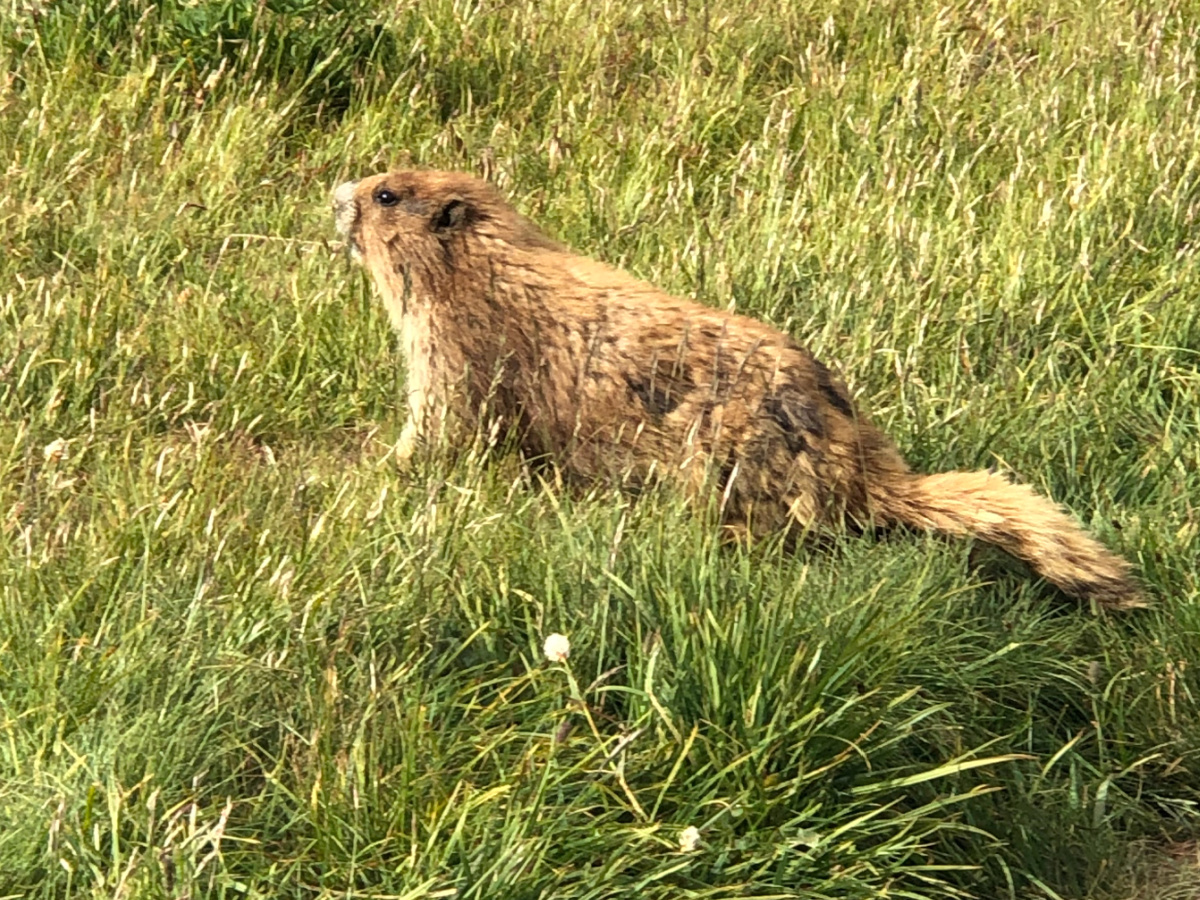
Another thing that surprised me about Olympic was how often wildlife sightings become part of your day without much effort.
You’re obviously not guaranteed to see animals.
But Olympic definitely has that feeling where something interesting could appear around the next corner.
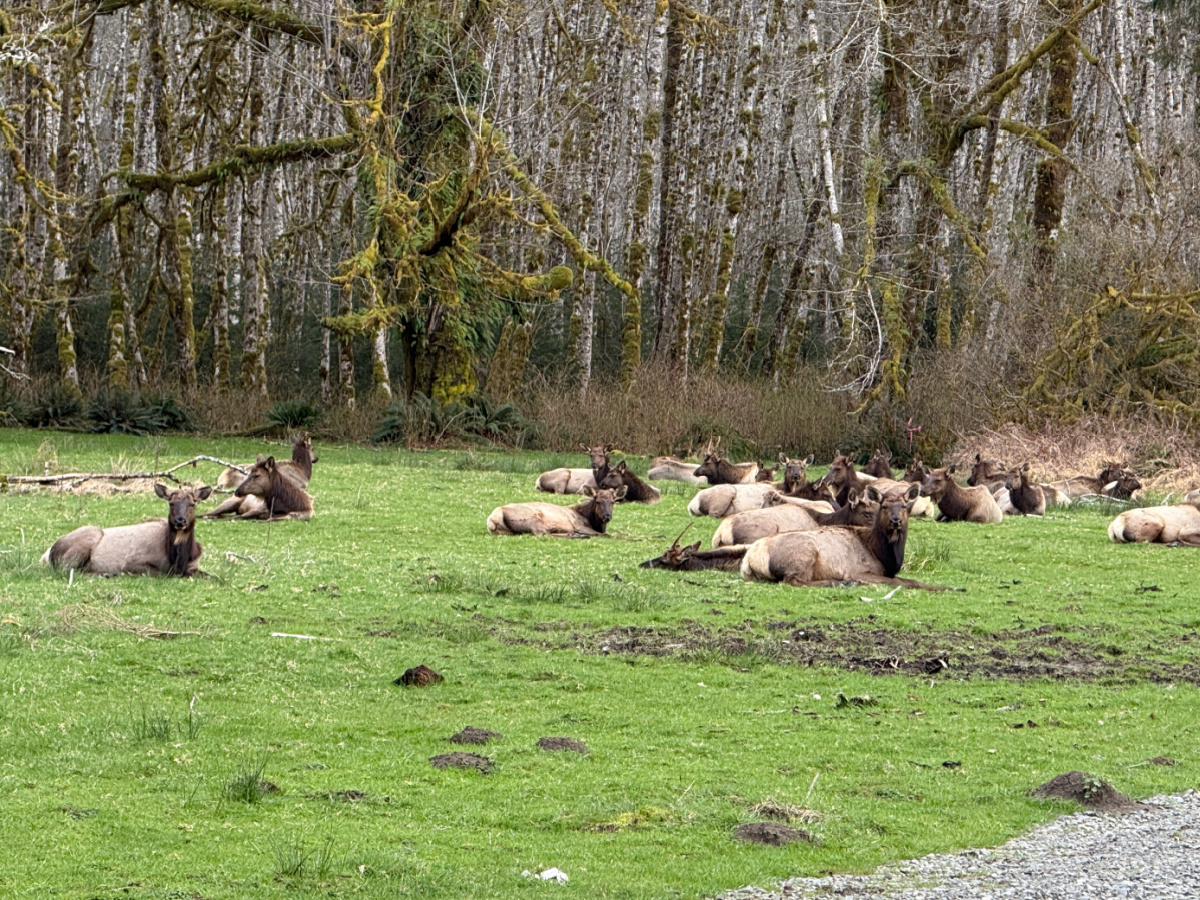
We saw several Roosevelt elk during our visits, and they are honestly enormous in person. Photos really don’t capture their size well.
The rainforest and meadow areas are especially good places to watch for them.
You might also spot:
- bald eagles along the beaches
- deer near forest trails
- tide pool creatures at Beach 4
- mountain goats near Hurricane Ridge
- black bears occasionally in more remote sections
One thing I appreciated is that many of these wildlife experiences happen near easy trails and scenic areas rather than only deep in the wilderness.
That’s another reason Olympic works so well for casual visitors.
Why Olympic Has Some of the Best Day Hikes for Casual Travelers
When people talk about the best hikes in the national parks system, the conversation often turns into a competition about distance and difficulty.
Olympic reminded me that some of the best day hikes aren’t necessarily the hardest ones.
Sometimes the best experience is simply:
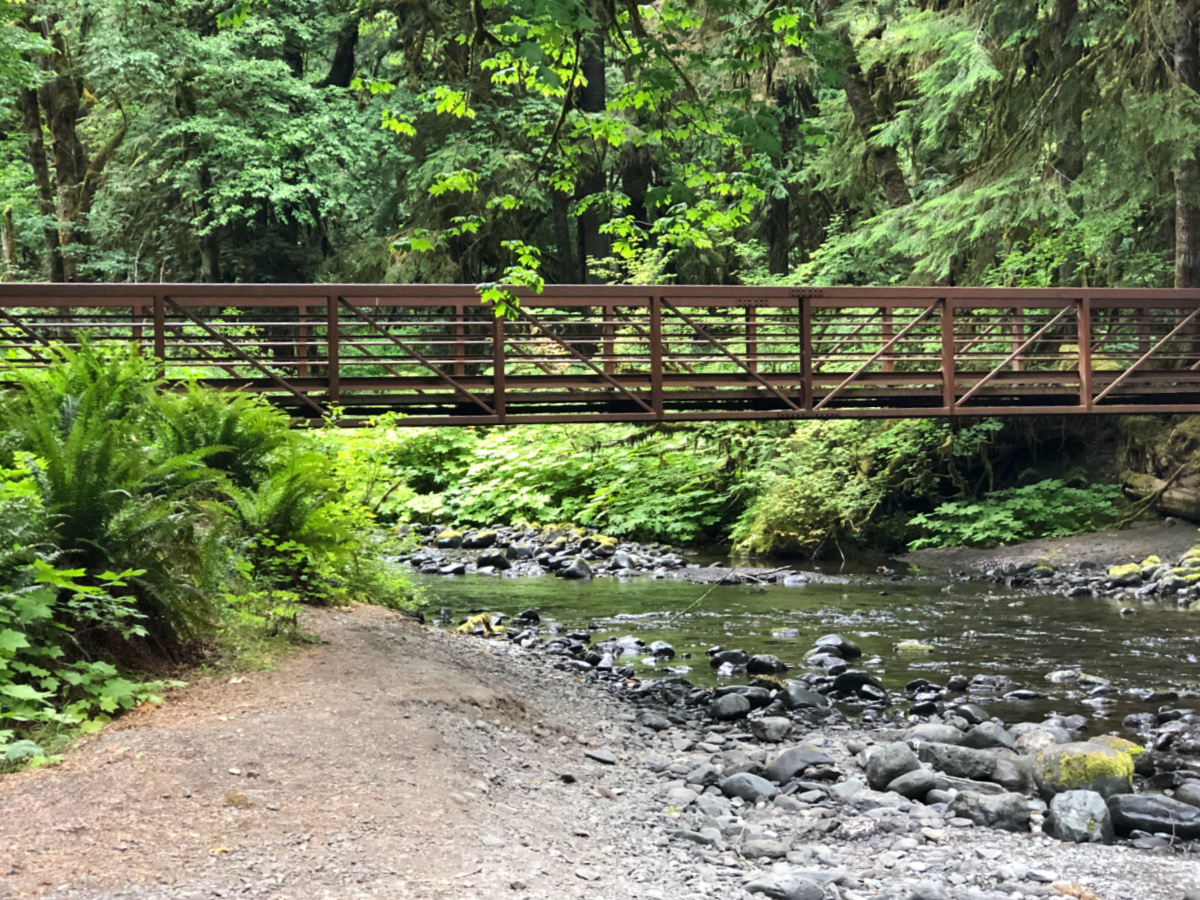
- walking through an old-growth forest
- hearing waves crash against sea stacks
- standing beside a waterfall
- watching fog drift through giant trees
- sitting quietly beside Lake Crescent
And honestly, that’s what makes Olympic one of my favorite national parks for easy hiking.
The park has enough variety that you can mix together waterfalls, beach hikes, rainforest trails, lakes, and mountain scenery without needing elite fitness levels.
That combination is surprisingly rare.
A lot of national parks are amazing at one thing.
Olympic somehow manages to do almost everything well.
Pro Tips for Easy Hiking in Olympic National Park
Start Early
Olympic parking lots fill up faster than many first-time visitors expect.
Especially at:
- Hoh Rainforest
- Hurricane Ridge
- Sol Duc
- Ruby Beach
- Rialto Beach
Check Tide Charts
This matters a lot for:
- Rialto Beach
- Beach 4
- Ruby Beach
- Hole in the Wall
- tide pooling
Bring Layers
Olympic weather changes constantly.
Sunshine, fog, drizzle, wind, cool mountain air — sometimes all in the same day.
Don’t Overpack Your Itinerary
Olympic National Park is huge.
Driving times around the Olympic Peninsula are longer than they look on a map.
FAQ
What is the easiest hike in Olympic National Park?
Hall of Mosses, the Quinault Big Spruce Trail, and the Tree of Life are among the easiest options.
What is the best waterfall hike?
Sol Duc Falls is probably the best combination of scenery and easy effort.
Are Olympic hikes family friendly?
Many of them absolutely are, especially the rainforest and beach trails.
Do I need hiking boots?
Usually no. Sturdy walking shoes are enough for many easy Olympic trails. However, if you are doing a beach hike, you might want to bring water shoes.
What is the best beach hike?
Rialto Beach to Hole in the Wall is probably the most iconic.
Final Thoughts
One of the things I appreciate most about Olympic National Park is that it doesn’t feel like the park is withholding its beauty from casual travelers.
Yes, there are hardcore wilderness adventures here.
But there are also incredible experiences available to people who simply want to walk through a rainforest, stand beside a waterfall, wander a rugged beach, or spend a peaceful afternoon near a lake.
And honestly, that balance is part of what makes Olympic so special.