Best Time to Visit Olympic National Park (And When to Avoid It)

Planning a trip to Olympic National Park? Learn the best time to visit for hiking, beaches, waterfalls, rainforests, fewer crowds, and the best weather.
Estimated reading time: 12 minutes
Olympic National Park is one of the most unique national parks in the United States because it combines rugged Pacific beaches, lush temperate rainforests, alpine mountain scenery, waterfalls, lakes, and wildlife all in one trip. But that also means the “best” time to visit depends a lot on what kind of experience you want.
Unlike parks like Yellowstone or Glacier that have a more straightforward summer season, Olympic National Park changes dramatically throughout the year. You can experience sunny beaches, snow-covered mountains, roaring waterfalls, thick fog, heavy rain, or perfect hiking weather depending on the month you visit.
The good news? There really is not a bad time to visit Olympic National Park.
The trick is simply understanding the tradeoffs.
If you are planning your first trip, this guide will help you figure out the best season and best month for your travel style, budget, and priorities.
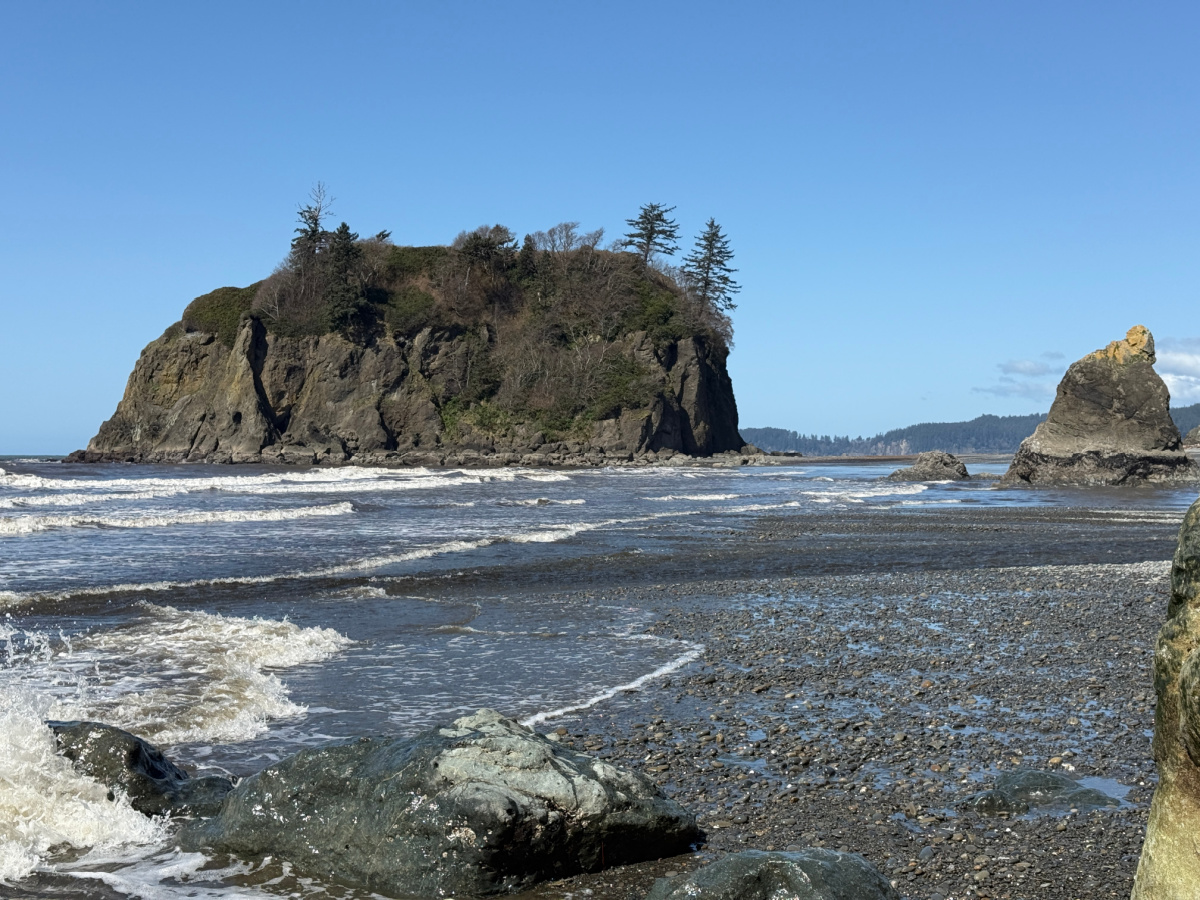
Quick Answer: Best Time to Visit Olympic National Park
If this is your first visit to Olympic National Park, I strongly recommend visiting between July and September.
That time period gives you:
- The best overall weather
- The highest chance of clear mountain views
- Easier access to Hurricane Ridge
- Safer and more enjoyable hiking conditions
- Better beach weather
- Longer daylight hours
- Fully open lodges, campgrounds, and visitor services
That said, each season has advantages.
| Season | Best For | Biggest Drawback |
|---|---|---|
| Summer (July–August) | First-time visitors, families, hiking, beaches | Crowds and higher prices |
| Early Fall (September–October) | Photography, fewer crowds, mild weather | Increasing rain later in fall |
| Spring (March–May) | Waterfalls, rainforest scenery, lower crowds | Unpredictable weather and lingering snow |
| Winter (November–February) | Storm watching and moody coastal scenery | Limited mountain access |
If I were planning a once-in-a-lifetime Olympic National Park trip for friends or family, I would personally choose:
- Late July or August for the best all-around experience
- September for fewer crowds and beautiful scenery
- Late spring for waterfalls and rainforest photography
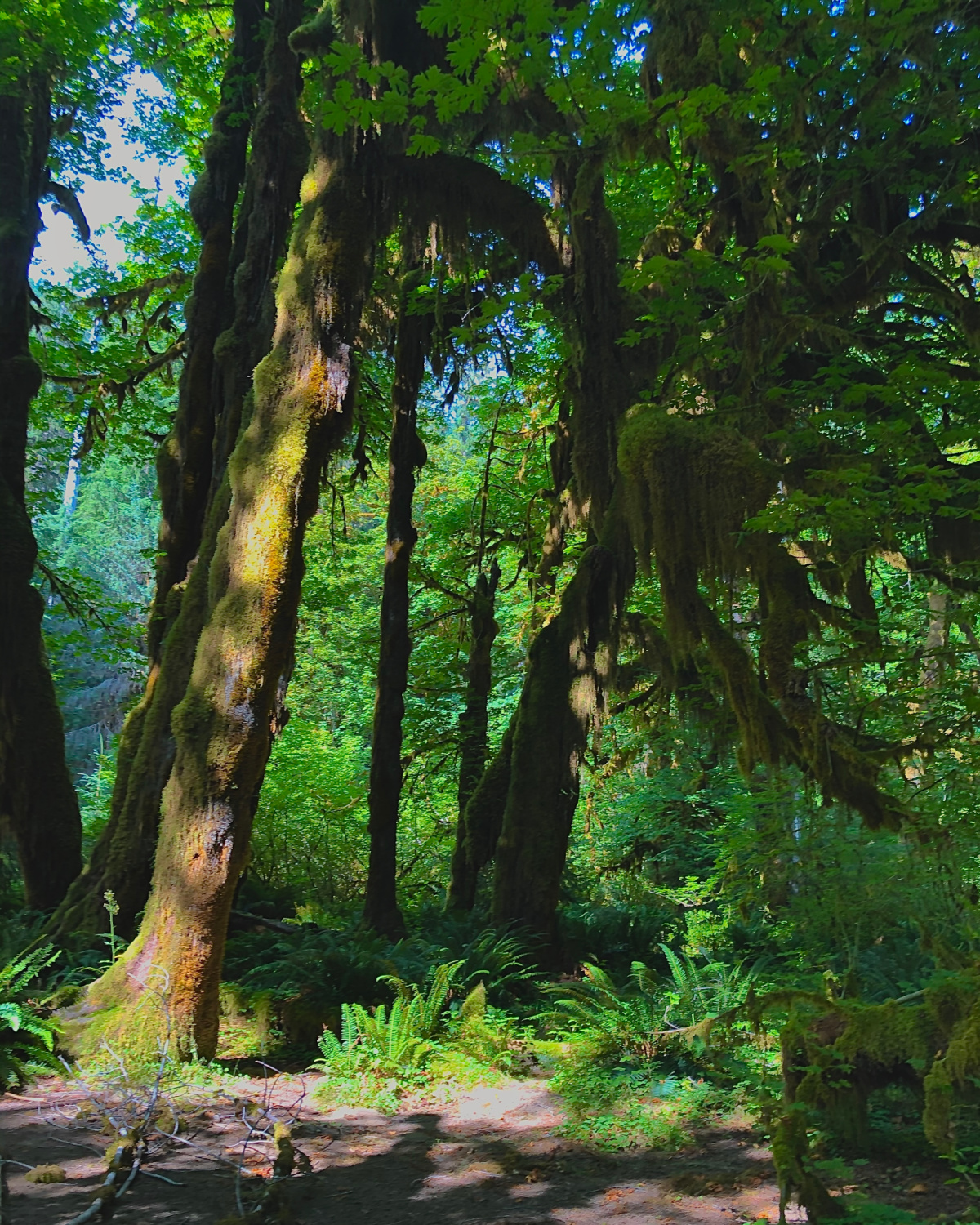
My Olympic National Park 3–4 day itinerary shows exactly how I would structure a first-time trip through the park.
Olympic National Park Weather Is Complicated
One of the most important things to understand about Olympic National Park is that the weather can vary dramatically across the park.
This is not a single destination with one predictable forecast.
On the same day, you might experience:
- Sunshine at Ruby Beach
- Heavy rain in the Hoh Rainforest
- Cold wind and fog at Hurricane Ridge
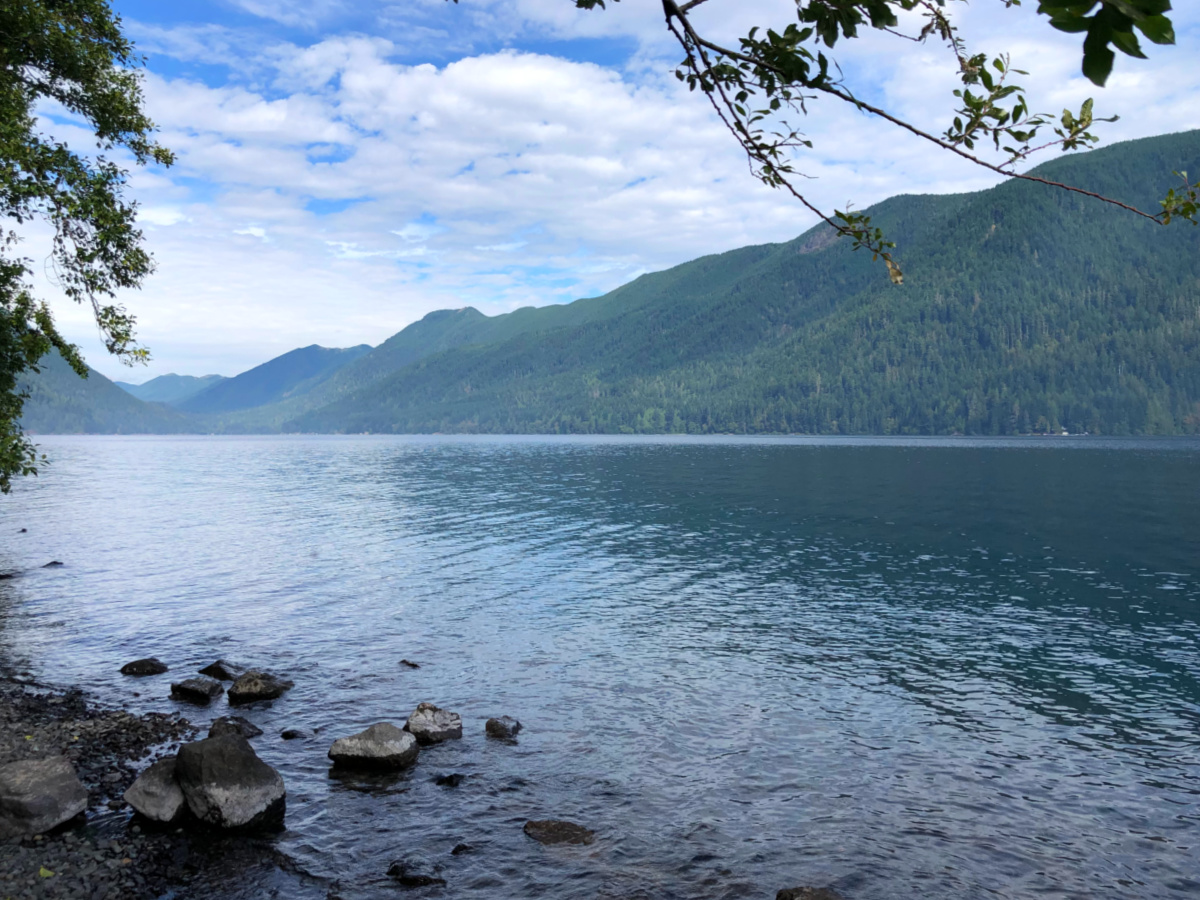
- Warm temperatures near Lake Crescent
That is because Olympic National Park contains several completely different ecosystems packed into one massive area.
This is also why flexibility matters so much when planning your trip.
Personally, I think this variety is part of what makes Olympic National Park feel so magical and memorable compared to many other national parks.
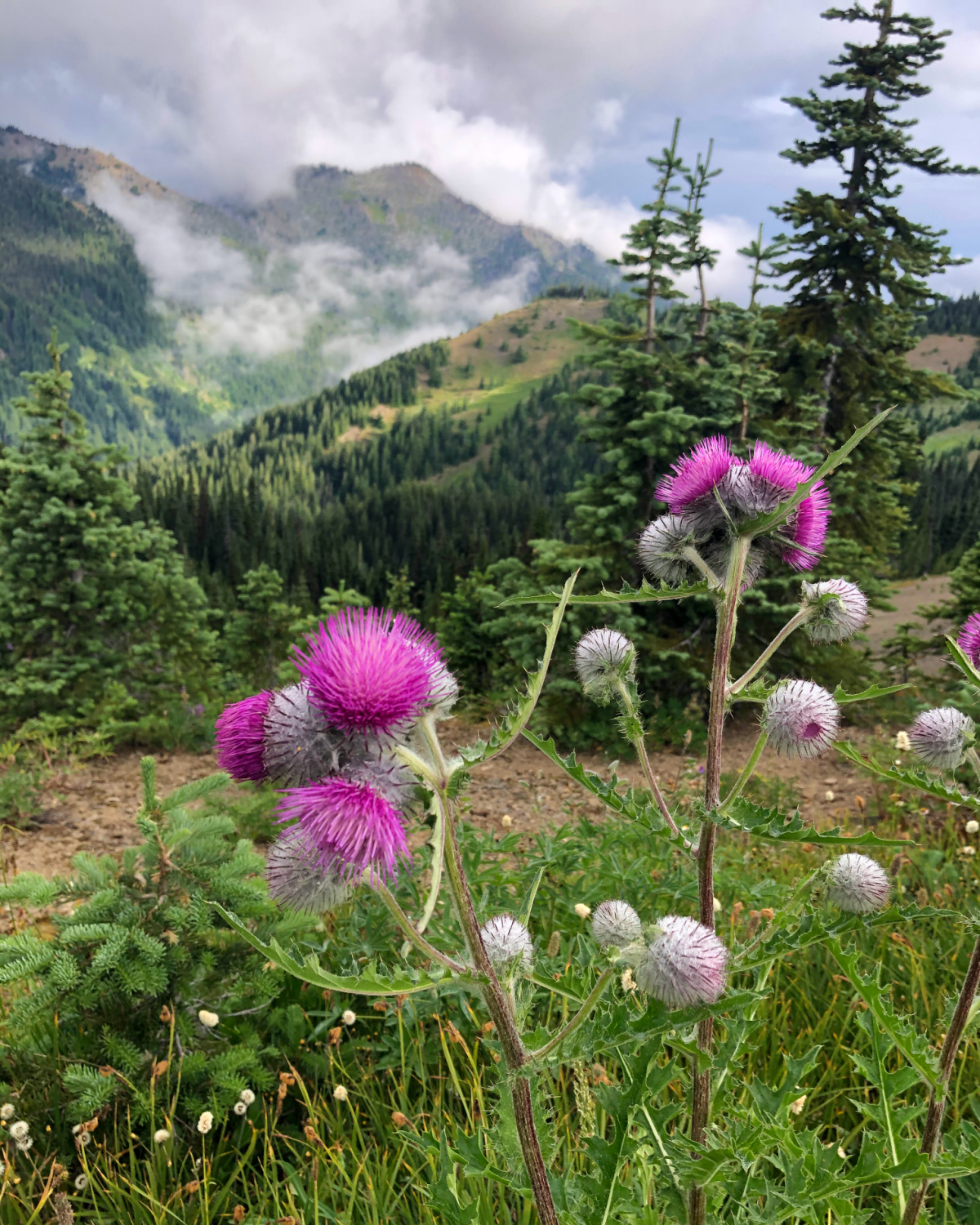
Summer (July–August): Best Overall Time to Visit Olympic National Park
For most travelers, summer is hands-down the best time to visit Olympic National Park.
Yes, it is the busiest season. Yes, lodging prices are higher. But there is a reason so many people visit during July and August.
The weather is simply the most reliable.
During summer you get:
- The best hiking conditions
- Maximum access to Hurricane Ridge
- Warmer beach weather
- Longer daylight hours
- Easier driving conditions
- Better chances for clear mountain views
- Fully operational lodges and visitor facilities
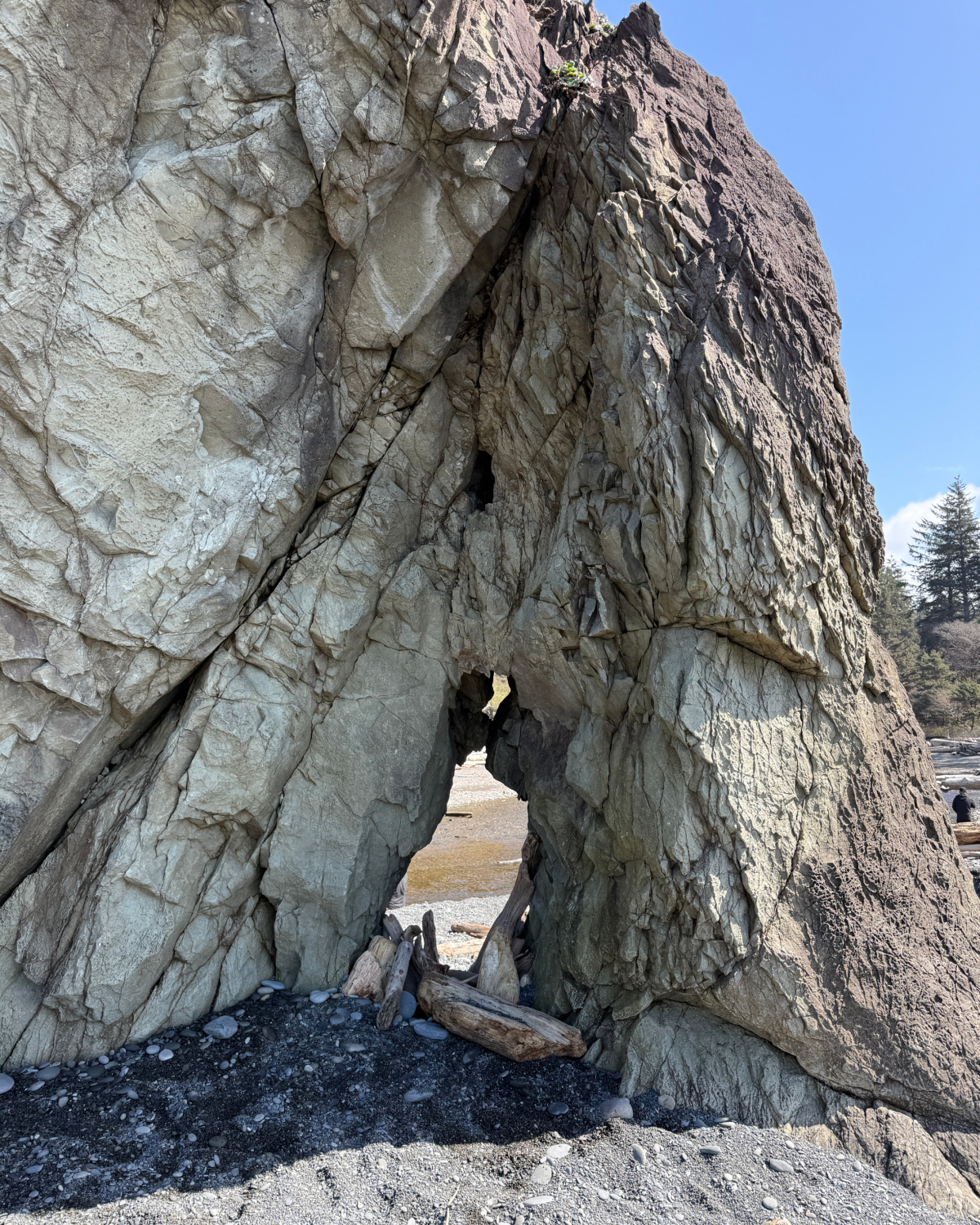
This is also the best season for families traveling with kids because the logistics are easier and you have more flexibility if plans change.
Summer is ideal for:
- First-time visitors
- Families
- Road trips
- Hiking
- Beach exploring
- Tidepooling
- Wildlife viewing
- Photography
The main downside is crowds, especially:
- Hurricane Ridge
- Hoh Rainforest
- Rialto Beach
- Ruby Beach
Parking lots can fill early, particularly on weekends.
But honestly? Olympic National Park still feels less overwhelming than parks like Yellowstone or Yosemite in peak summer.
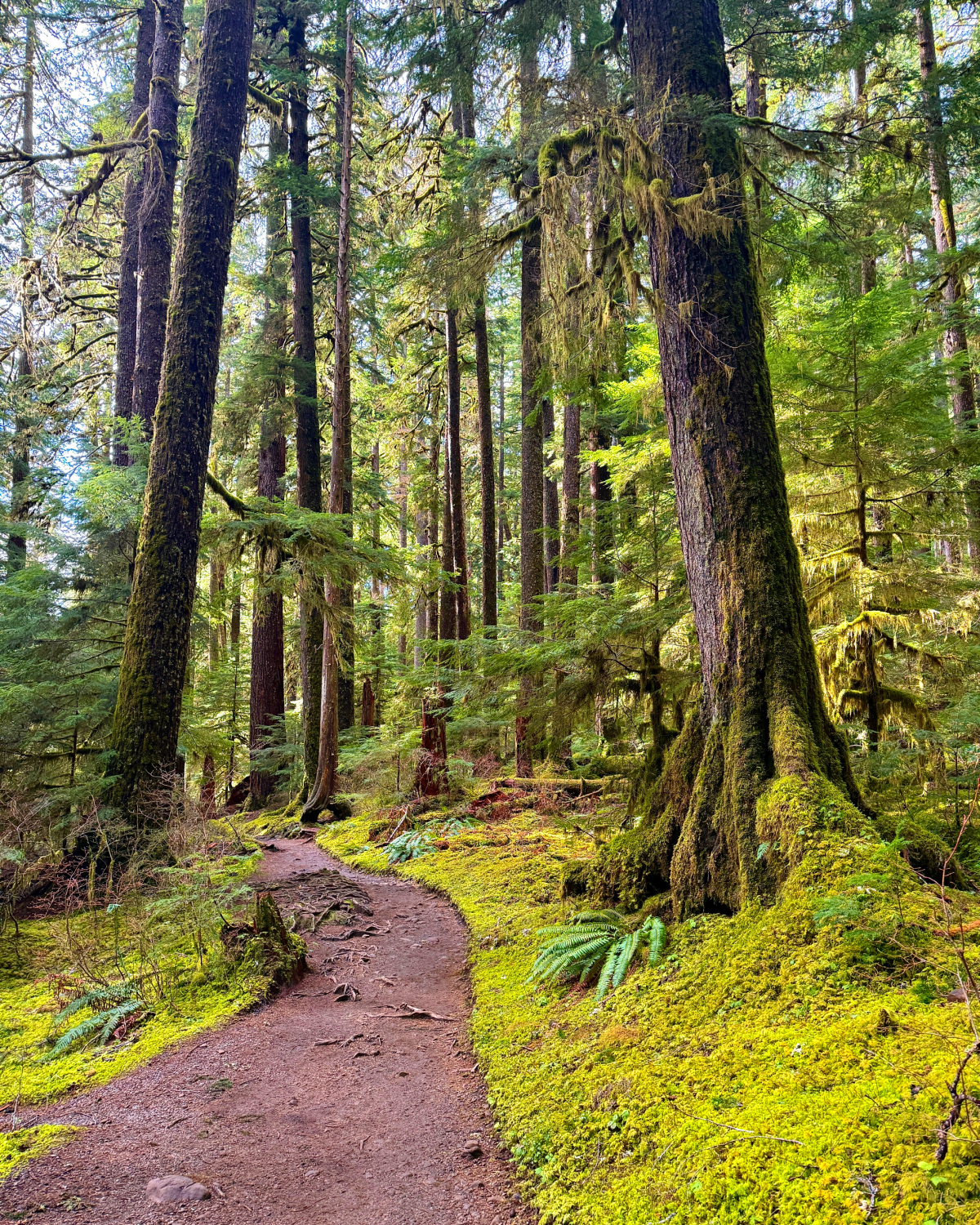
Choosing the right base can make a huge difference in Olympic National Park since the park is so spread out, so read my full guide on the best places to stay in Olympic National Park before booking your trip.
Fall (September–October): The Sweet Spot for Many Travelers
September may actually be my favorite overall time to visit Olympic National Park.
The crowds begin dropping after Labor Day, but many of the best summer conditions still remain.
This is especially true in early and mid-September.
Fall brings:
- Fewer crowds
- Cooler temperatures
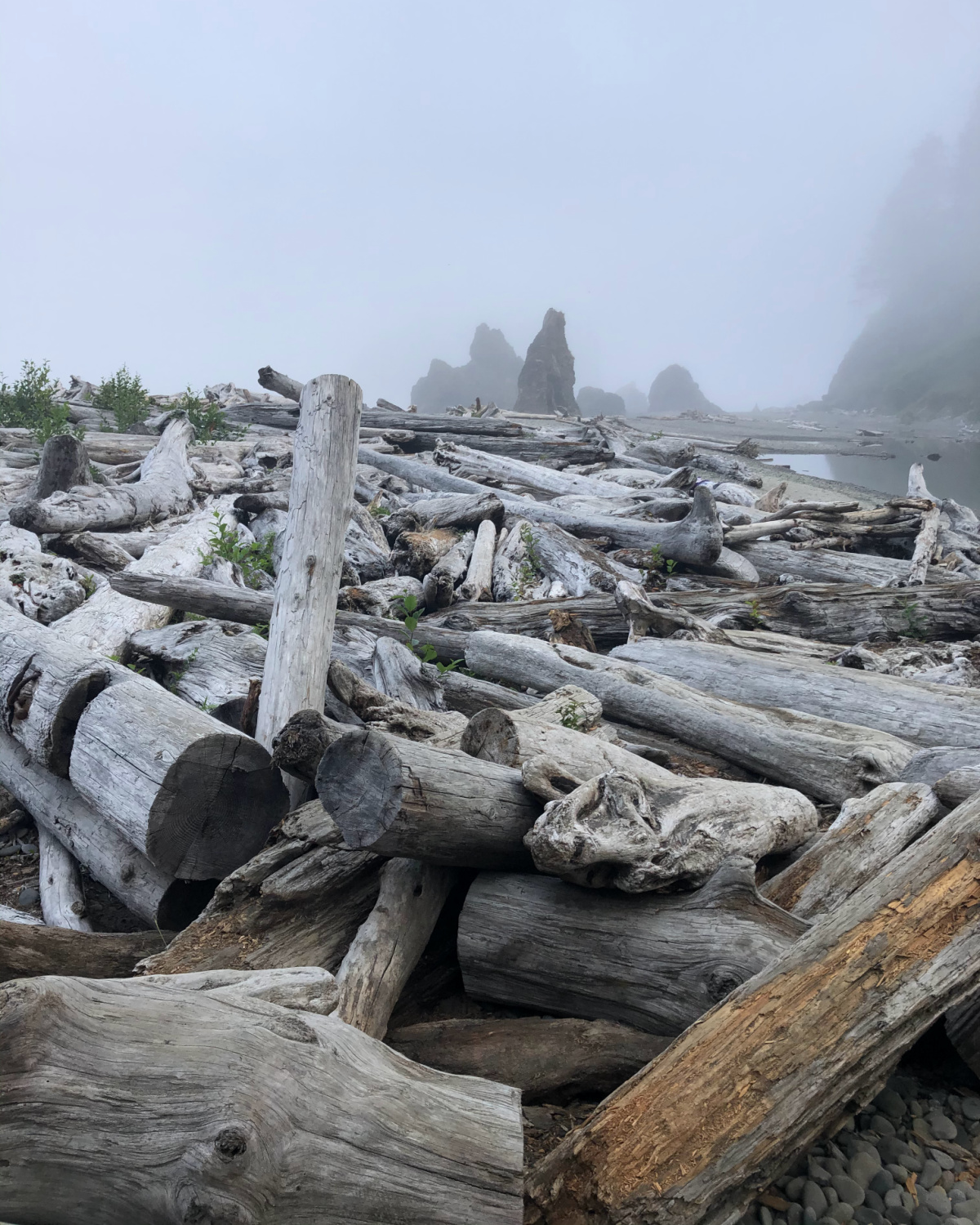
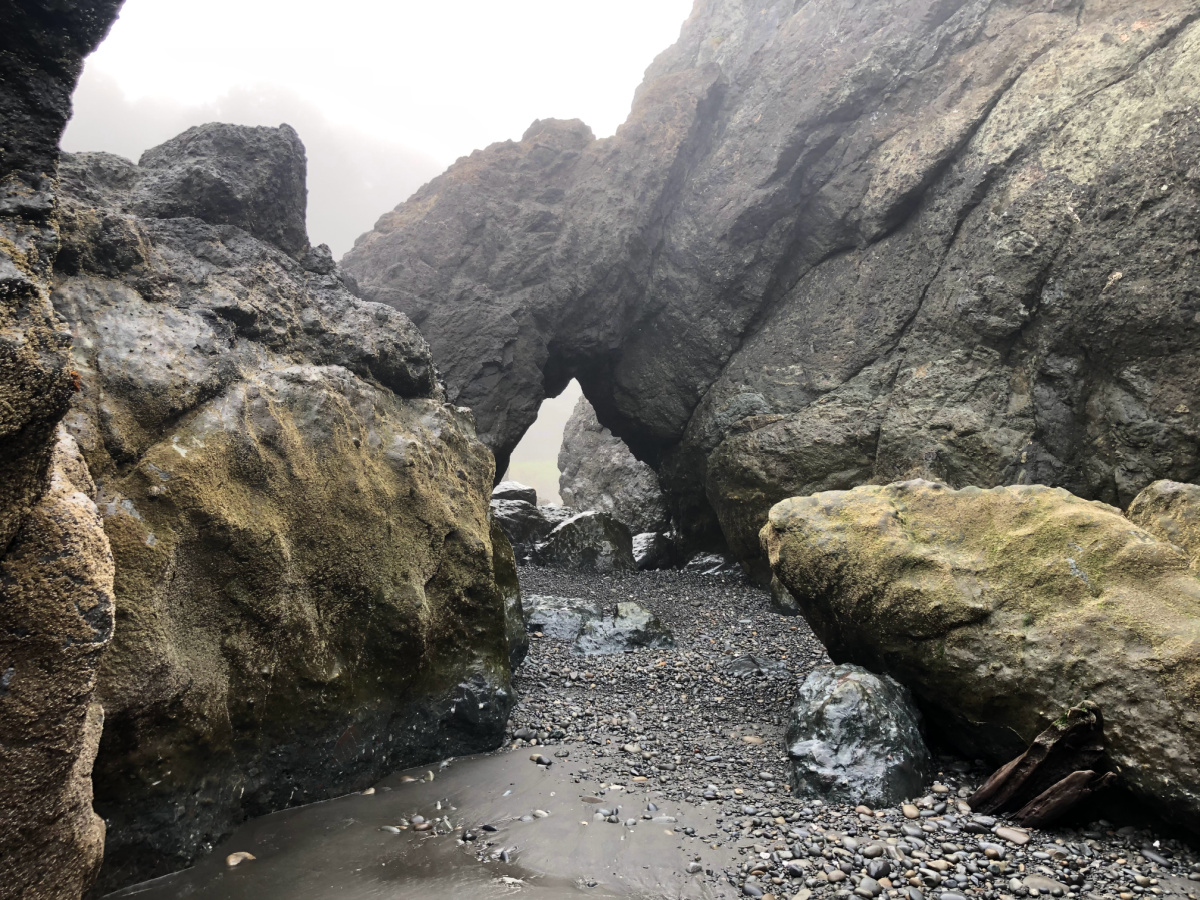
- Beautiful foggy coastal scenery
- Excellent photography conditions
- More peaceful hiking experiences
- Better lodging availability
Olympic National Park feels especially atmospheric in the fall. The beaches become moodier, the forests feel richer, and the entire park starts leaning into that classic Pacific Northwest vibe people imagine.
If you love:
- photography
- cozy cabins
- misty mornings
- dramatic beaches
- peaceful hiking
…fall is an incredible choice.
The downside is that weather becomes more unpredictable later in October, and rainfall starts increasing significantly.
Still, for adults, retirees, couples, and repeat visitors, September is an absolutely fantastic time to visit.
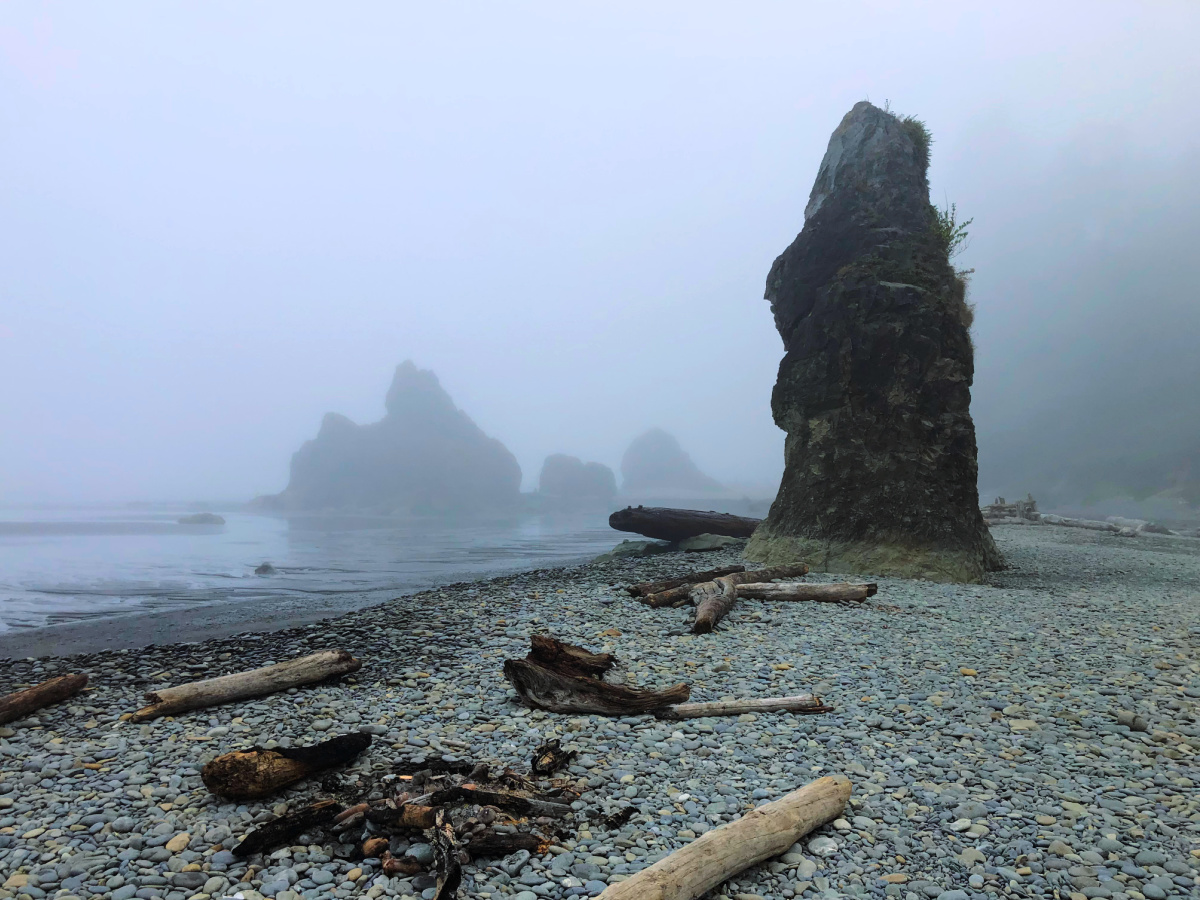
Spring (March–May): Best for Waterfalls and Rainforest Scenery
Spring in Olympic National Park is beautiful, but it requires flexibility.
This is not guaranteed “sunny spring vacation” weather.
Instead, spring offers:
- Roaring waterfalls
- Bright green rainforest scenery
- Fewer crowds
- Cooler temperatures
- Snow still lingering in higher elevations
- Dramatic coastal views
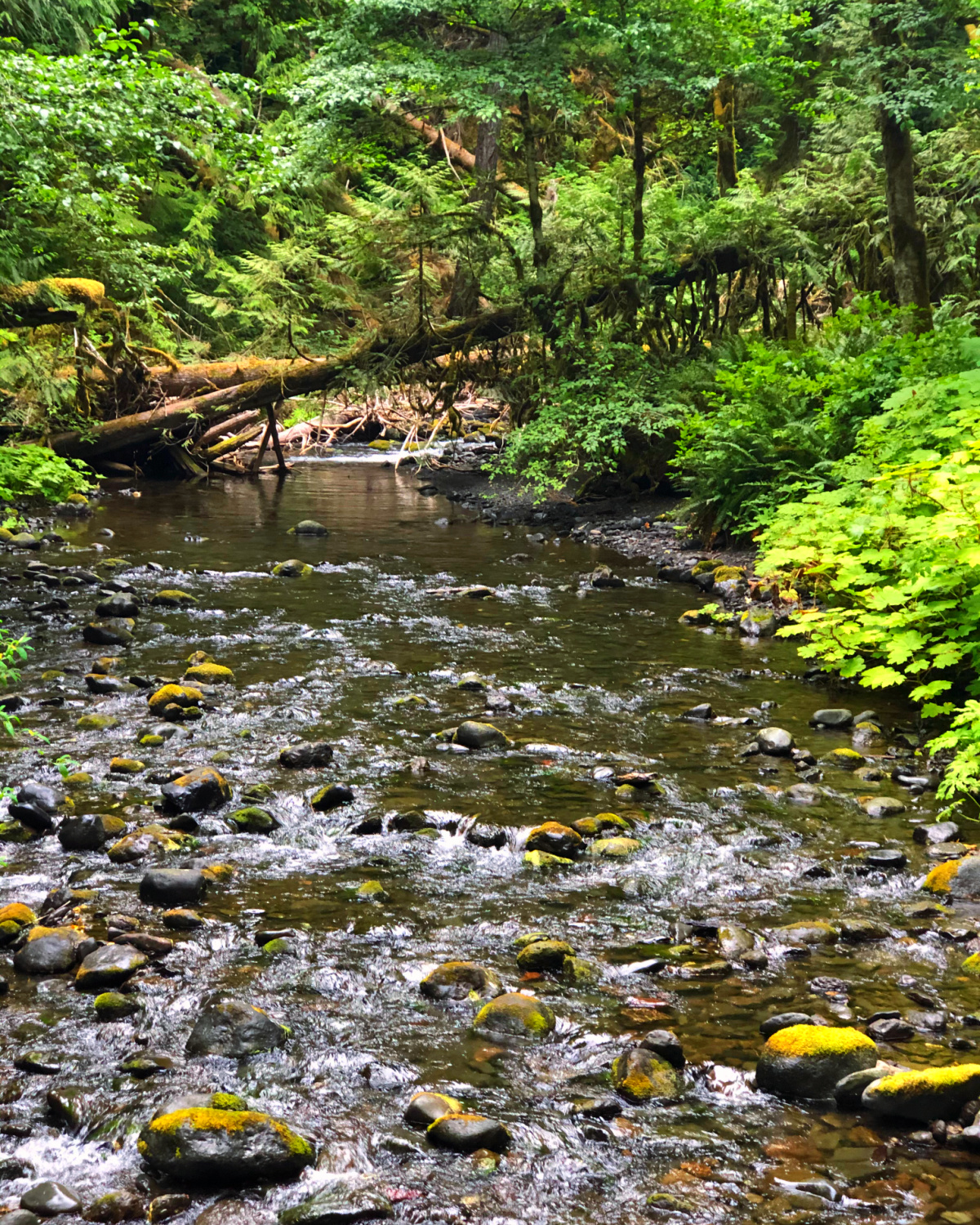
The Hoh Rainforest is especially gorgeous during spring because everything feels intensely green and alive.
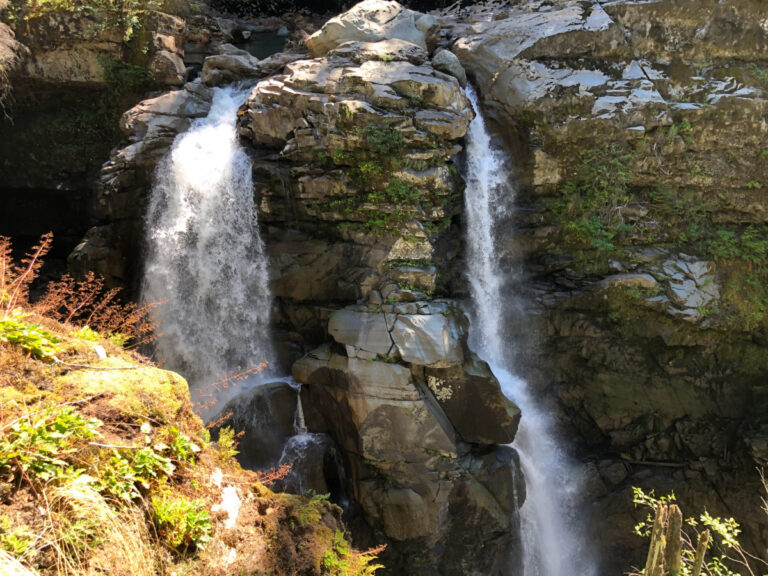
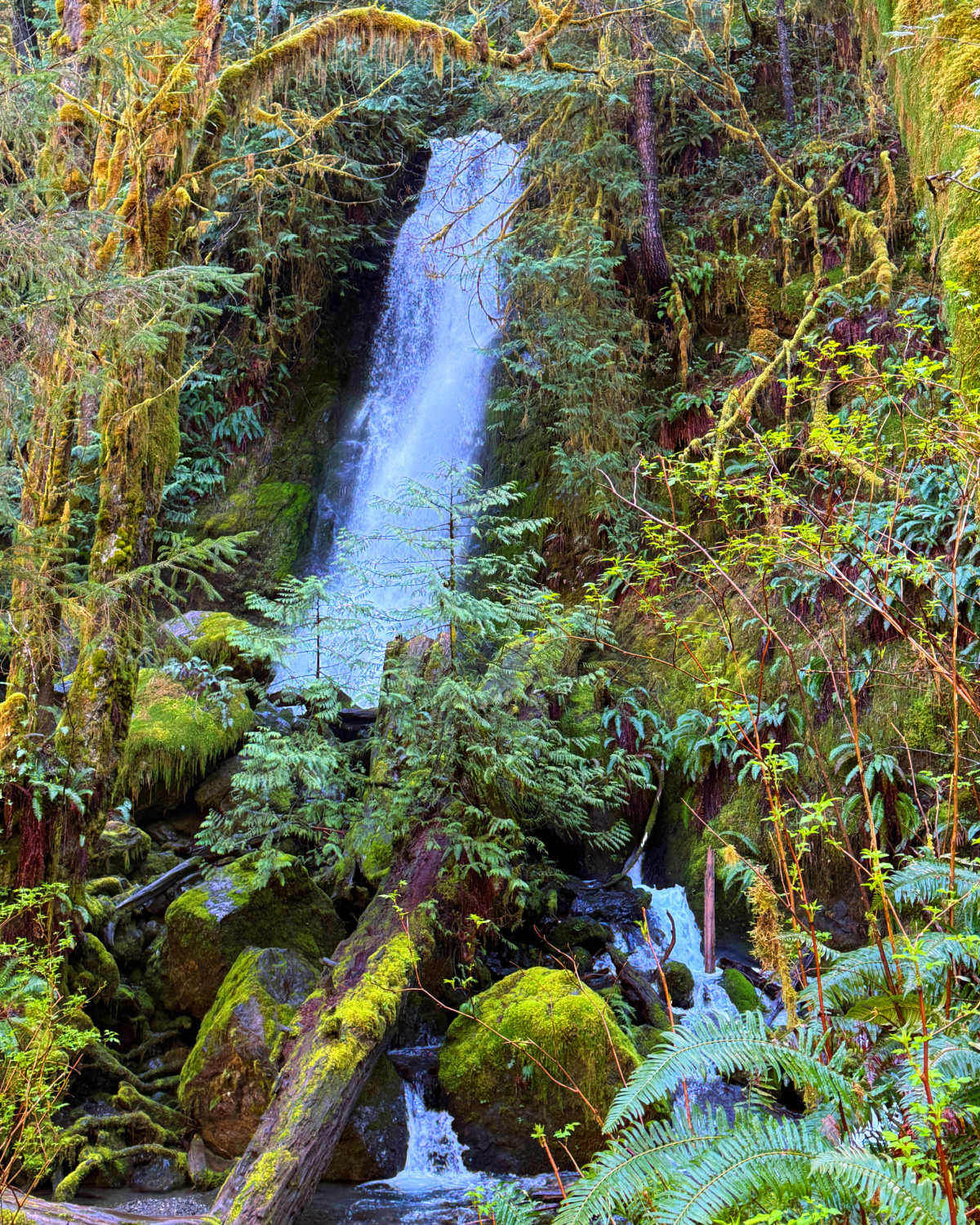
This is also one of the best times for waterfall photography because snowmelt and rainfall keep rivers flowing heavily.
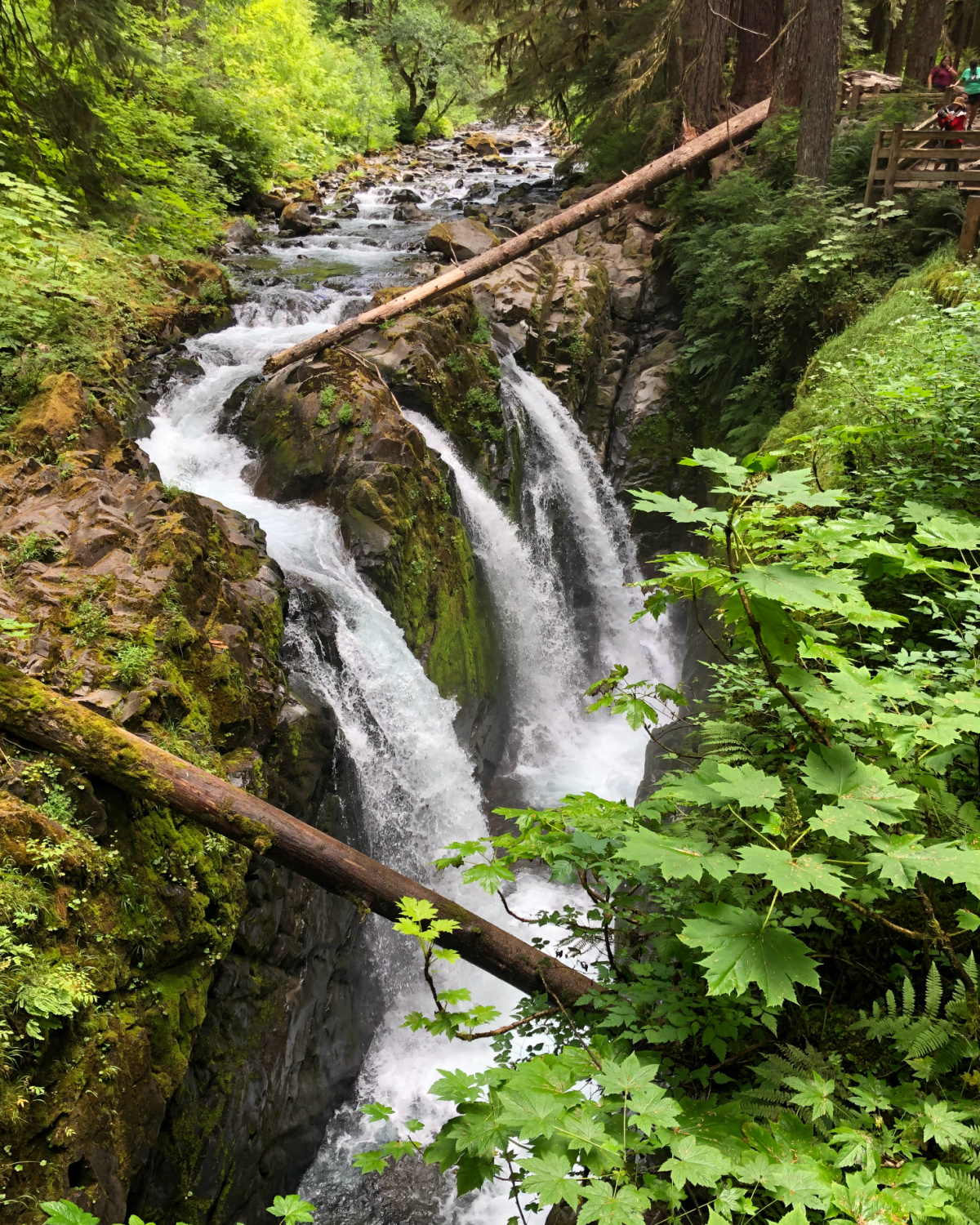
The biggest downside is unpredictable weather.
You might get:
- sunshine,
- fog,
- rain,
- cold temperatures,
- or all four in the same day.
Higher elevation areas like Hurricane Ridge can still have snow well into spring.
That means spring is probably better for:
- flexible travelers,
- photographers,
- repeat visitors,
- and people prioritizing rainforests and waterfalls over mountain hiking.
For families visiting during spring break, Olympic can still be amazing — you just need realistic expectations and backup plans.
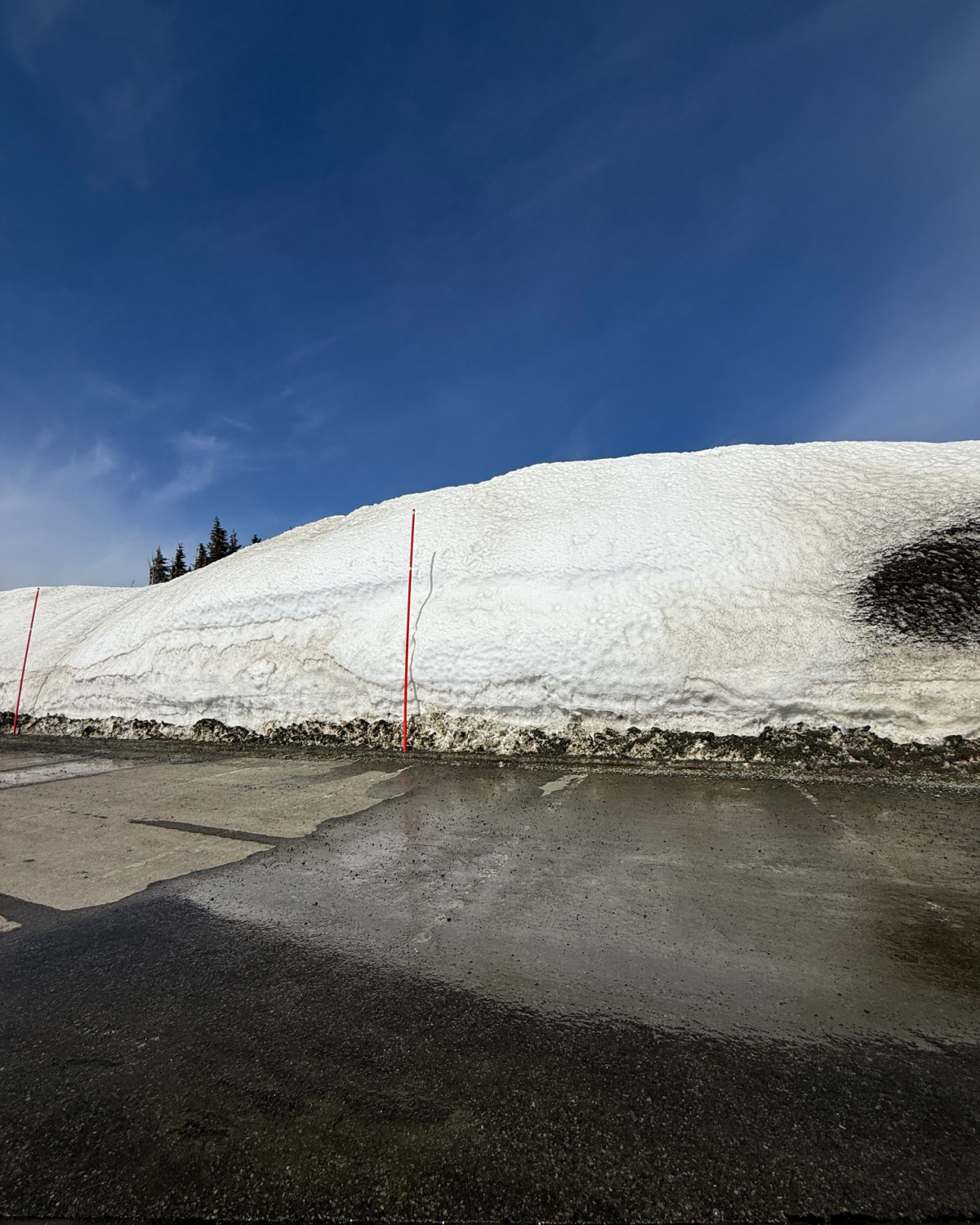
Winter (November–February): Moody, Beautiful, and Wild
Winter is probably the least popular time to visit Olympic National Park, but it can also be incredibly beautiful.
This is the season for:
- storm watching
- dramatic Pacific Ocean waves
- cozy lodge stays
- empty beaches
- foggy forests
- peaceful drives
The coastline becomes especially wild during winter storms.
Places like Kalaloch and Ruby Beach can feel almost otherworldly during bad weather.
But winter also comes with major limitations:
- frequent rain
- shorter daylight hours
- mountain snow
- possible road closures
- limited hiking access
Hurricane Ridge may have snow access restrictions or temporary closures depending on conditions.
For that reason, winter is usually better for:
- repeat visitors,
- photographers,
- couples,
- or people specifically wanting storm season experiences.
If this is your first Olympic National Park trip, I would probably not recommend winter unless you specifically love stormy Pacific Northwest weather.
Best Month to Visit Olympic National Park
Best Overall Month: August
August usually provides the most reliable weather and full access throughout the park.
Best Month for Fewer Crowds: September
September combines good weather with lighter crowds and beautiful scenery.
Best Month for Waterfalls: April
Spring runoff and rainfall make waterfalls especially impressive.
Best Month for Beaches: July or August
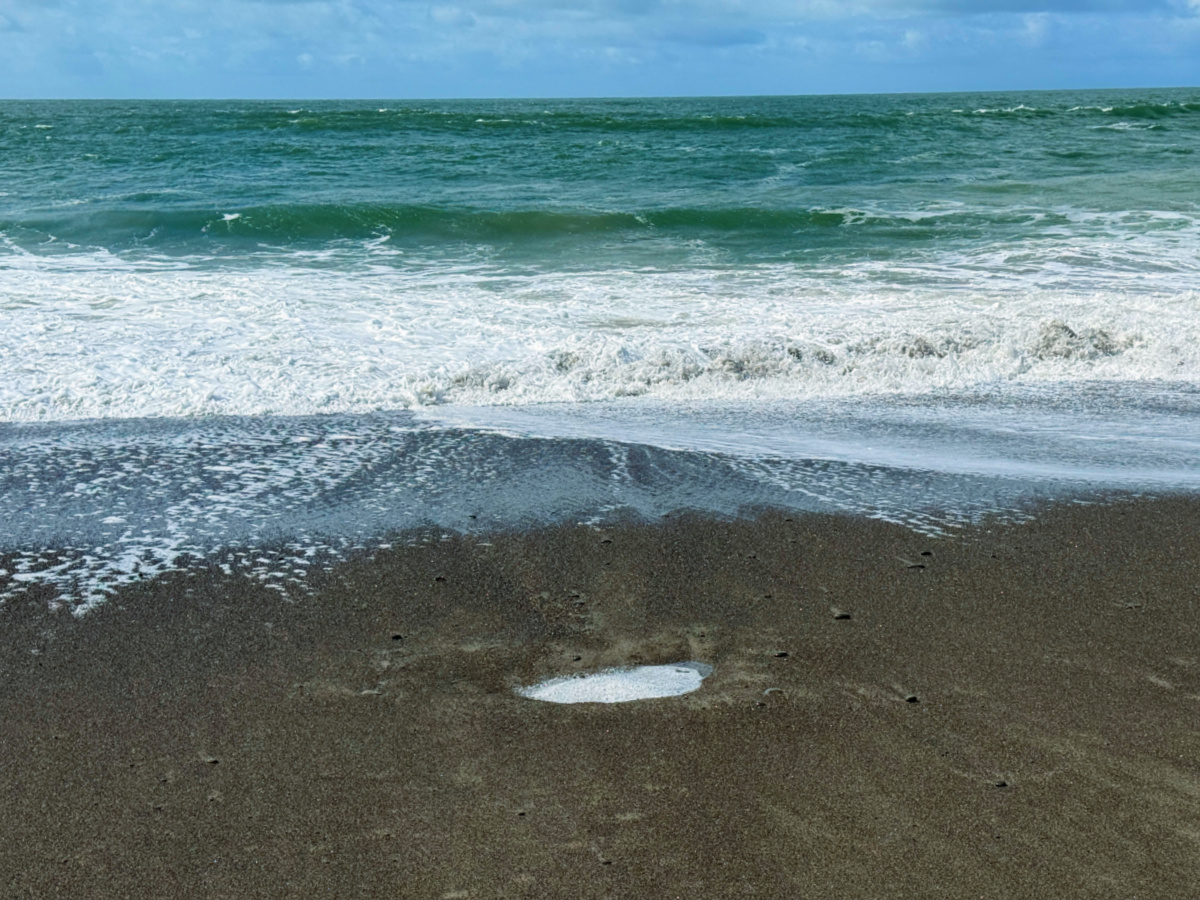
Warmer temperatures and longer daylight make beach days more enjoyable.
Best Month for Photography: September
Fog, sunsets, softer light, and fewer crowds create amazing conditions.
Best Month for Budget Travelers: March or November
You may find lower lodging prices outside peak season.
Best Time to Visit Olympic National Park for Specific Activities
Best Time for Hiking
July through September offers the safest and most reliable hiking conditions.
Best Time for Beaches
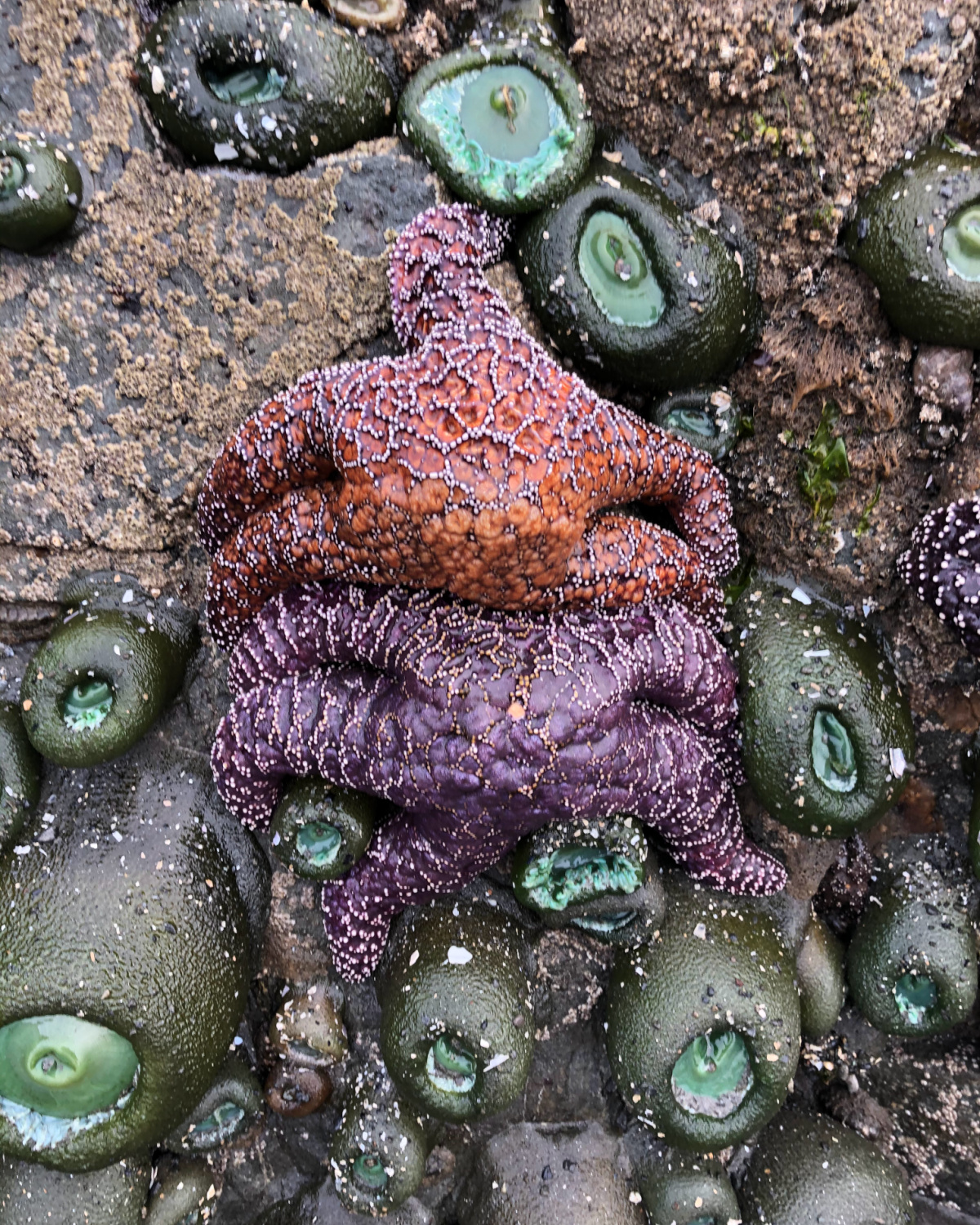
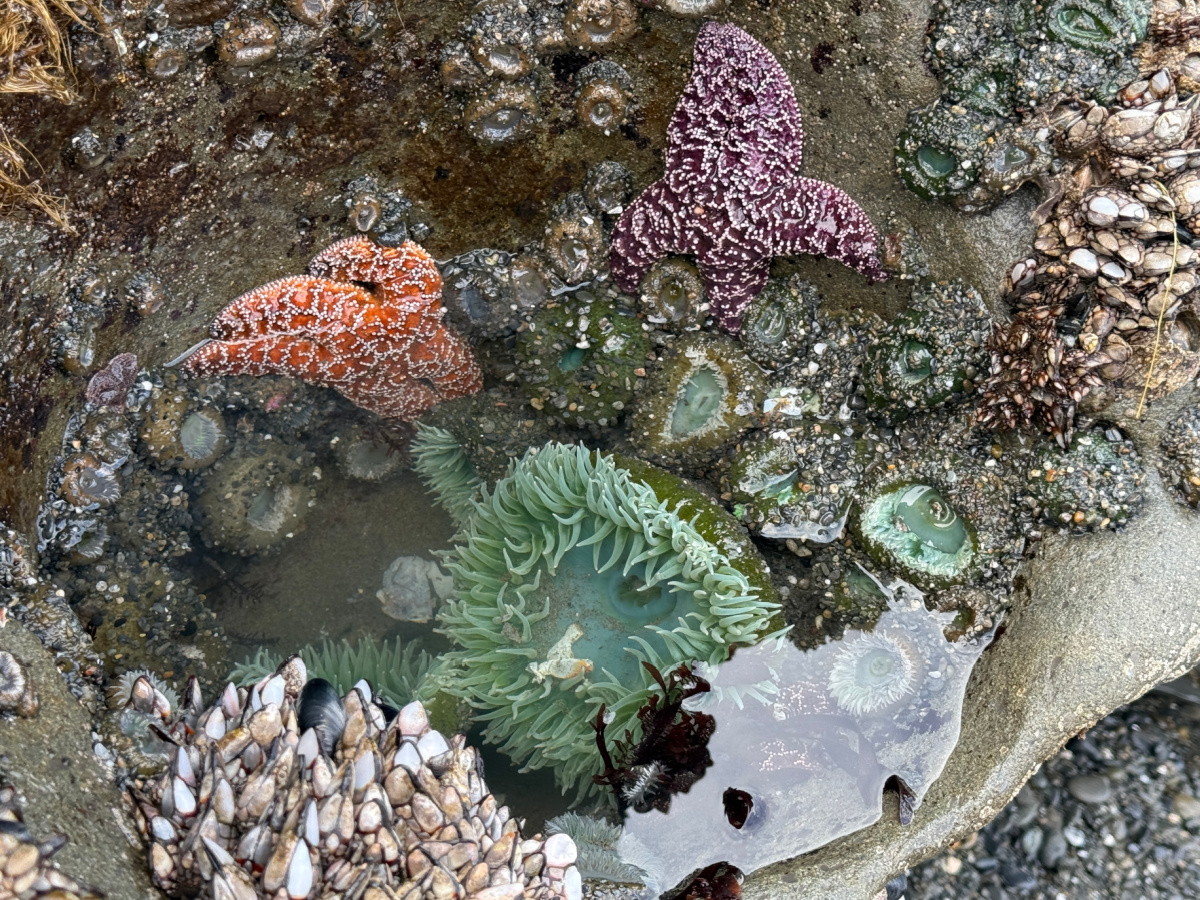
Summer provides warmer weather and better tidepooling opportunities.
Best Time for Tidepooling
Summer low tides are usually the easiest and safest for families.
Best Time for Waterfalls
Spring is ideal because rivers and waterfalls are flowing heavily.
Best Time for Rainforest Photography
Spring and fall both create beautiful moody rainforest conditions.
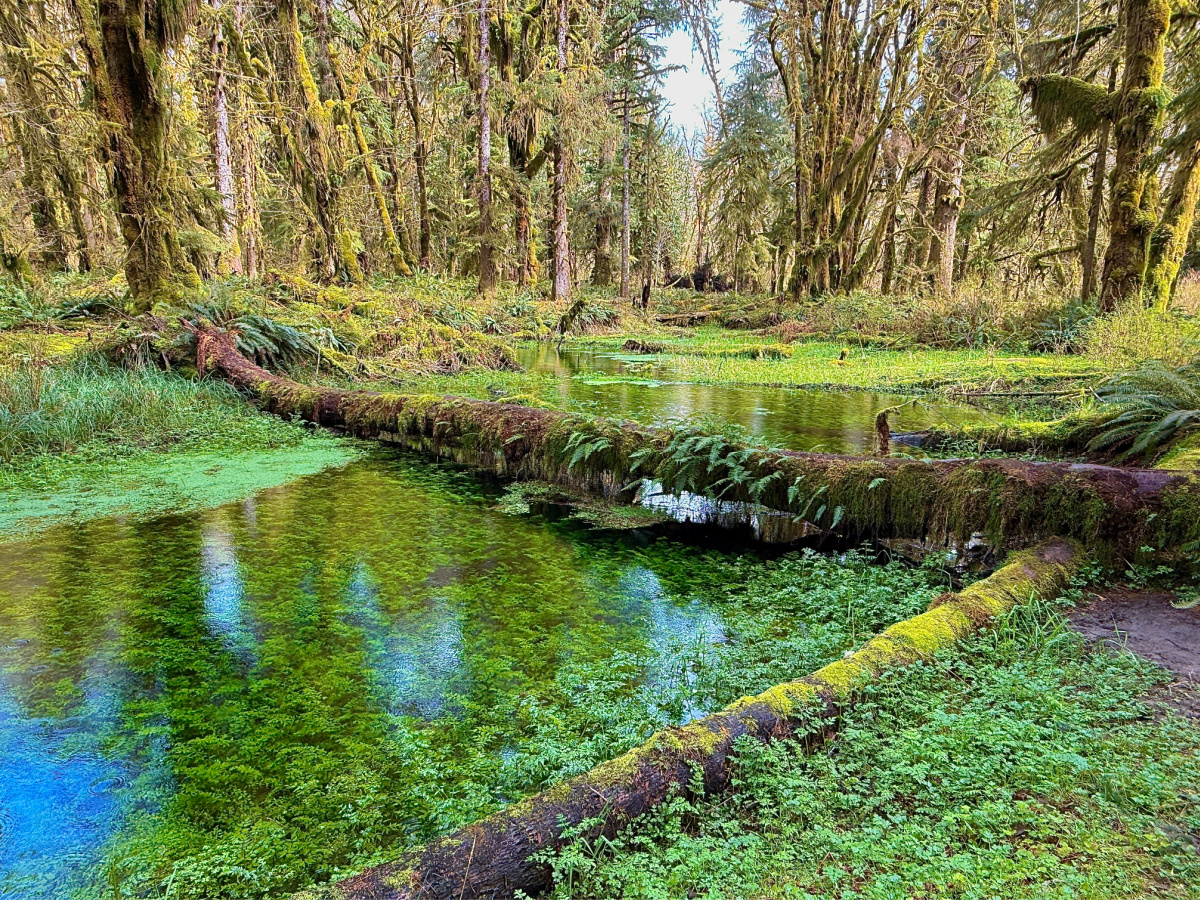
Best Time to Avoid Crowds
September and early October are excellent. That being said, when we visited during spring break it seemed like we almost had the park to ourselves.
Best Time for Families
July and August are easiest for first-time family trips.
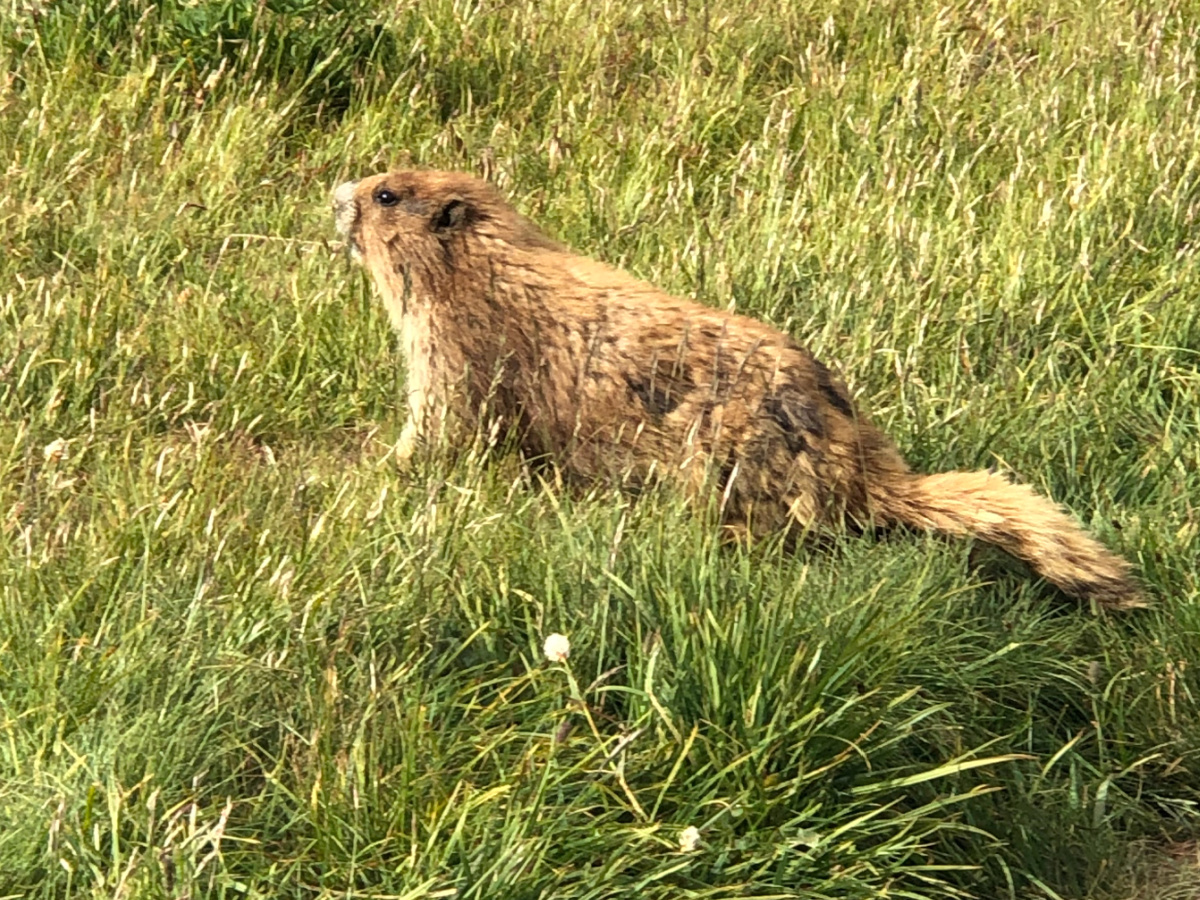
Best Time for Wildlife Viewing
Summer and early fall are generally best for wildlife spotting.
When I Would Personally Visit Again
If I were planning another Olympic National Park trip tomorrow, here is what I would choose depending on the goal of the trip.
For a first-time family trip:
- Late July or August
Quieter adult-focused trip:
- September
For photography and waterfalls:
- April or May
If you want storm watching and cozy cabin vibes:
- Winter along the coast
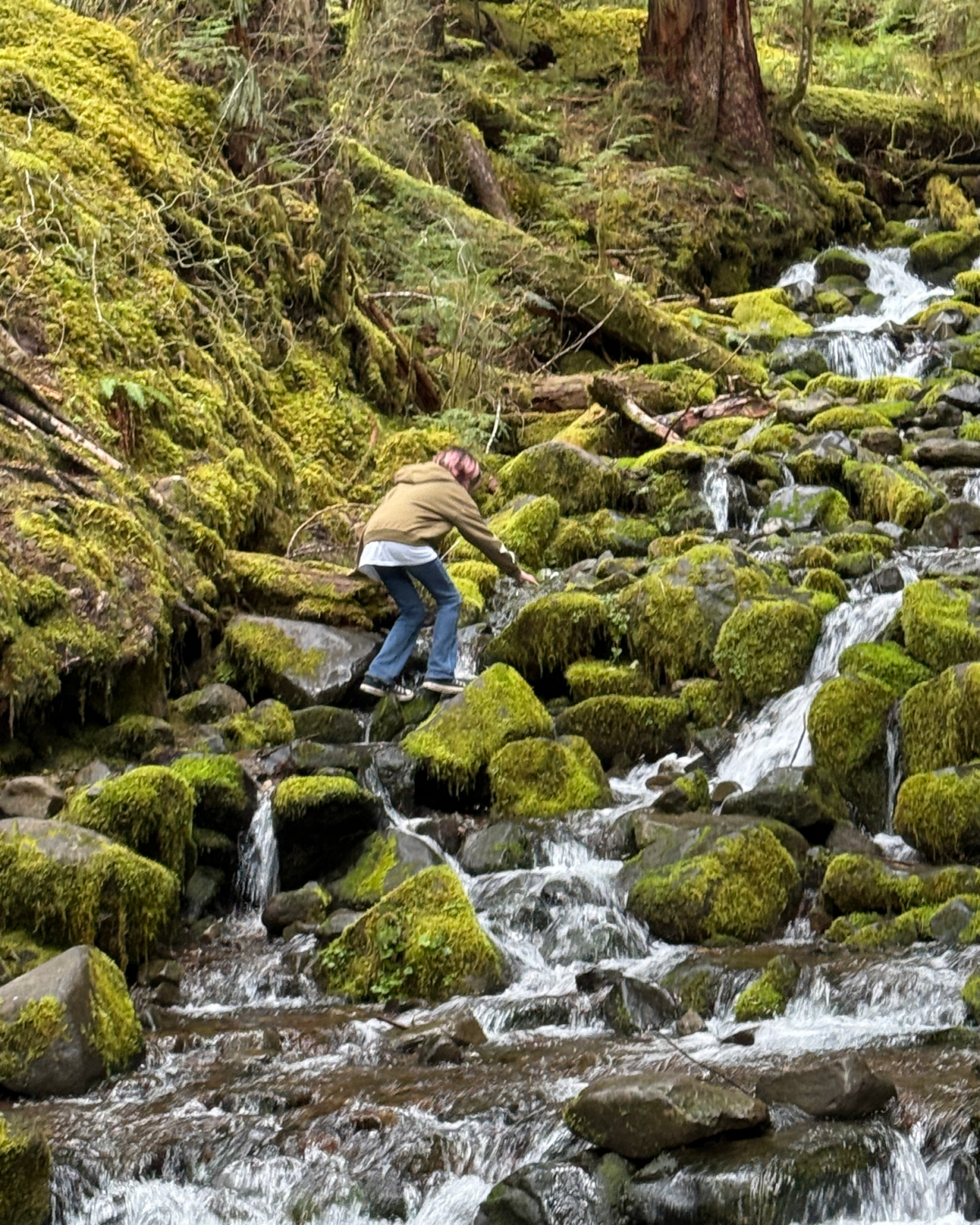
Honestly, one of the reasons Olympic National Park ranks so highly for me personally is because it feels completely different depending on when you visit.
Few national parks change moods as dramatically as Olympic does.
Oh, and yes… this is an excellent choice for a Spring Break trip if you have school-aged kids!
FAQ About the Best Time to Visit Olympic National Park
What is the rainiest month in Olympic National Park?
November and December are typically among the rainiest months.
Is Olympic National Park crowded in summer?
Yes, especially in July and August. However, it still generally feels less crowded than Yellowstone or Yosemite.
Is September a good time to visit Olympic National Park?
Yes. September is one of the best overall months thanks to lighter crowds and pleasant weather.
Can you visit Olympic National Park in winter?
Absolutely, especially the beaches and lower elevation areas. Just expect rain and possible mountain access limitations.
Is spring a good time to visit Olympic National Park?
Yes, particularly for waterfalls and rainforest scenery. But weather can be unpredictable.
Does it rain every day in Olympic National Park?
Not necessarily. Even during rainy seasons, weather often changes quickly throughout the day and across different areas of the park.
Final Thoughts
There is no perfect time to visit Olympic National Park because every season offers something different.
That said, most first-time visitors will probably have the best overall experience during summer or early fall when weather and accessibility are at their best.
But if you love dramatic scenery, misty forests, roaring waterfalls, and cozy Pacific Northwest vibes, spring and fall can feel even more magical.
No matter when you visit, Olympic National Park is one of the most unique and unforgettable national parks in the United States.