How to Enjoy Mount Rainier National Park Without Hardcore Hiking

Affiliate Disclosure: This post may contain affiliate links. If you make a purchase or booking through these links, I may earn a commission at no additional cost to you.
Wondering if you can enjoy Mount Rainier National Park without hardcore hiking? Discover scenic viewpoints, waterfalls, easy trails, and relaxed experiences for casual visitors.
Estimated reading time: 13 minutes
I think a lot of people accidentally talk themselves out of visiting Mount Rainier National Park.
Not because they don’t want to go. Usually it’s the opposite. They really want to see it. But somewhere along the way they start looking at hiking blogs, AllTrails reviews, YouTube backpacking videos, or Instagram reels from people climbing straight up snowfields with trekking poles and microspikes… and suddenly the whole trip starts to feel intimidating.
That almost happened to us too.
Before our first visit, I had this mental picture that Mount Rainier was basically:
- hardcore hikers
- mountaineers
- people training for Everest
- twenty-somethings casually hiking 12 miles before lunch
And yes, those people absolutely exist here.
But after actually visiting the park? I realized something important.
You can have an amazing Mount Rainier trip without doing anything remotely extreme.
Honestly, some of my favorite moments in the entire park happened less than ten minutes from a parking lot.
That’s one of the things that makes Rainier so special for regular travelers. The scenery is so dramatic that you don’t always have to work incredibly hard for the payoff.
You can:
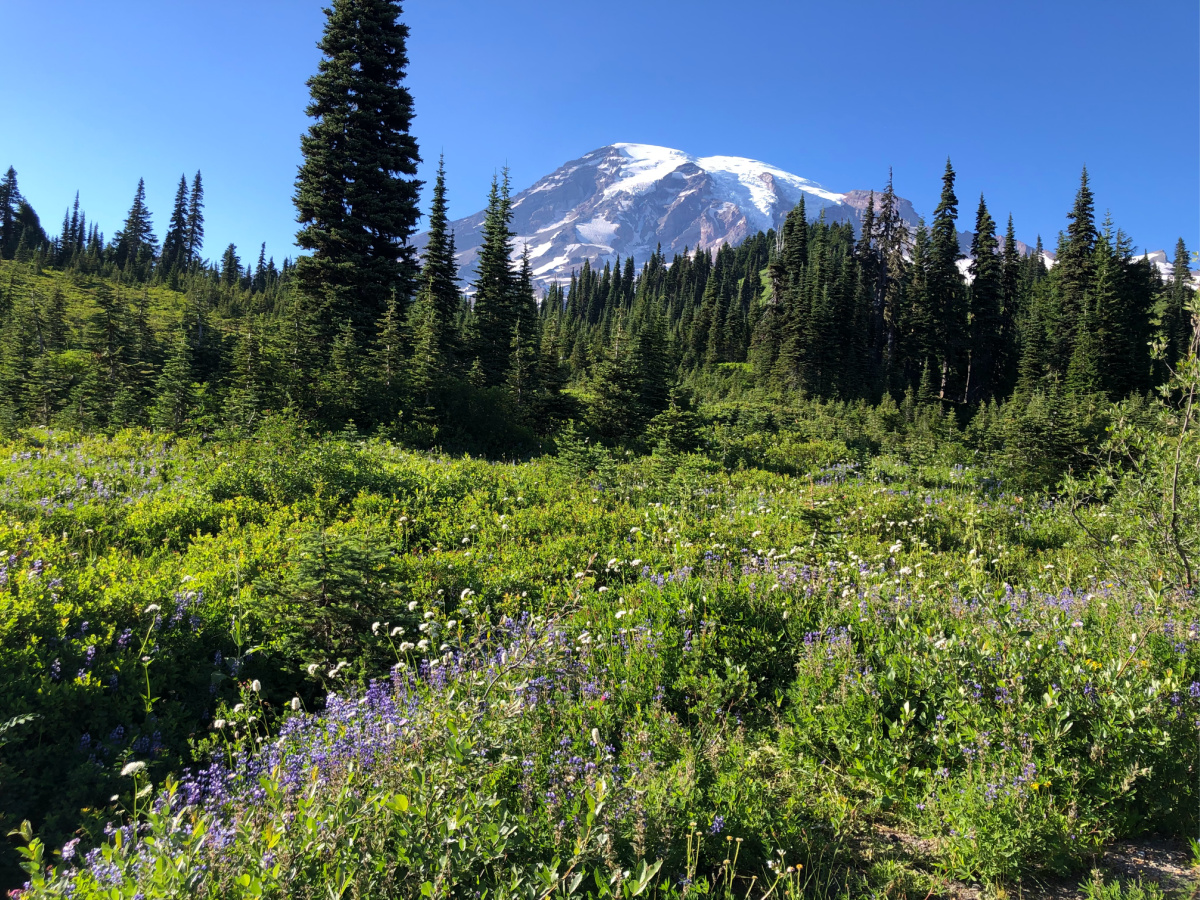
- walk through wildflower meadows
- stand beside roaring waterfalls
- see glaciers
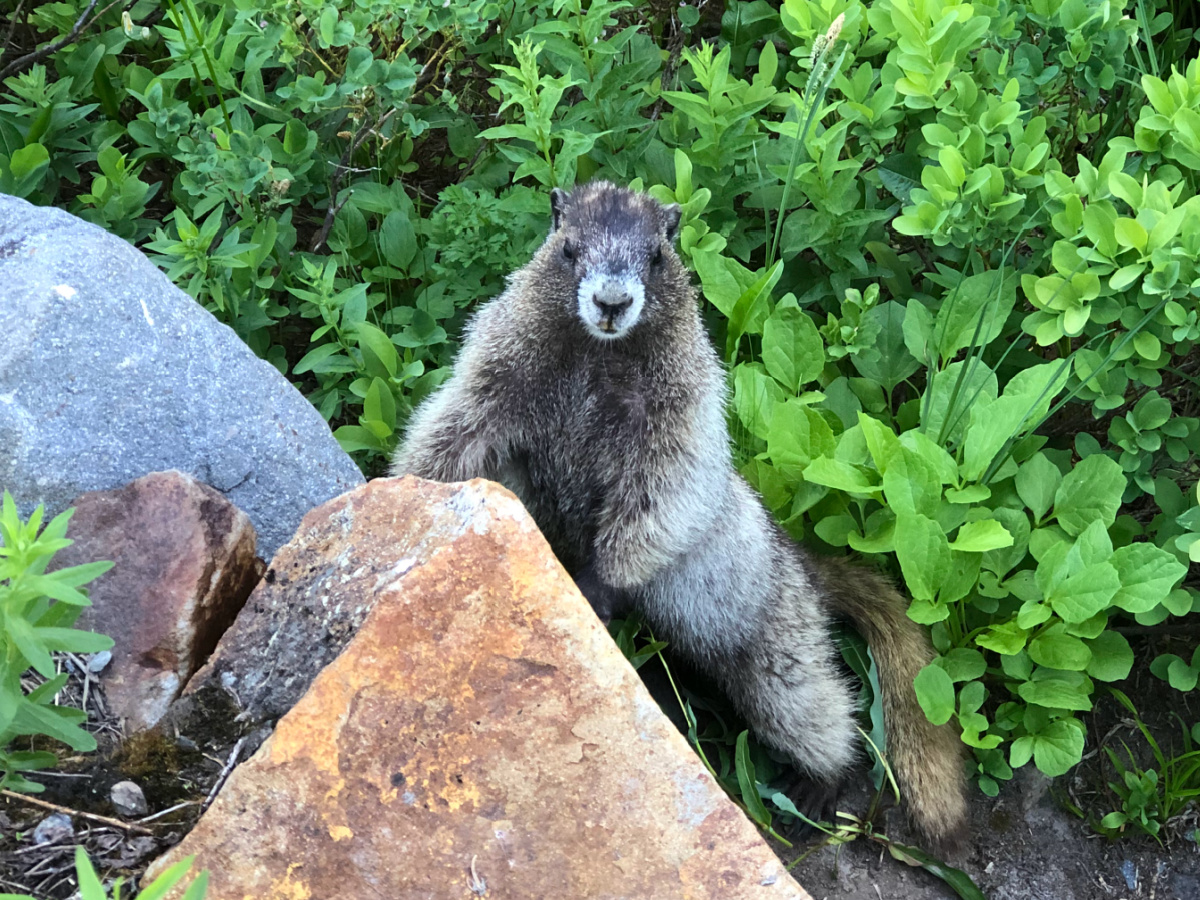
- spot mountain goats
- wander through giant old-growth forest
- photograph the mountain reflected in alpine lakes
…all without turning the trip into an athletic event.
So if you’re planning a trip and quietly wondering:
“Can I still enjoy Mount Rainier if I’m not a big hiker?”
The answer is absolutely yes.
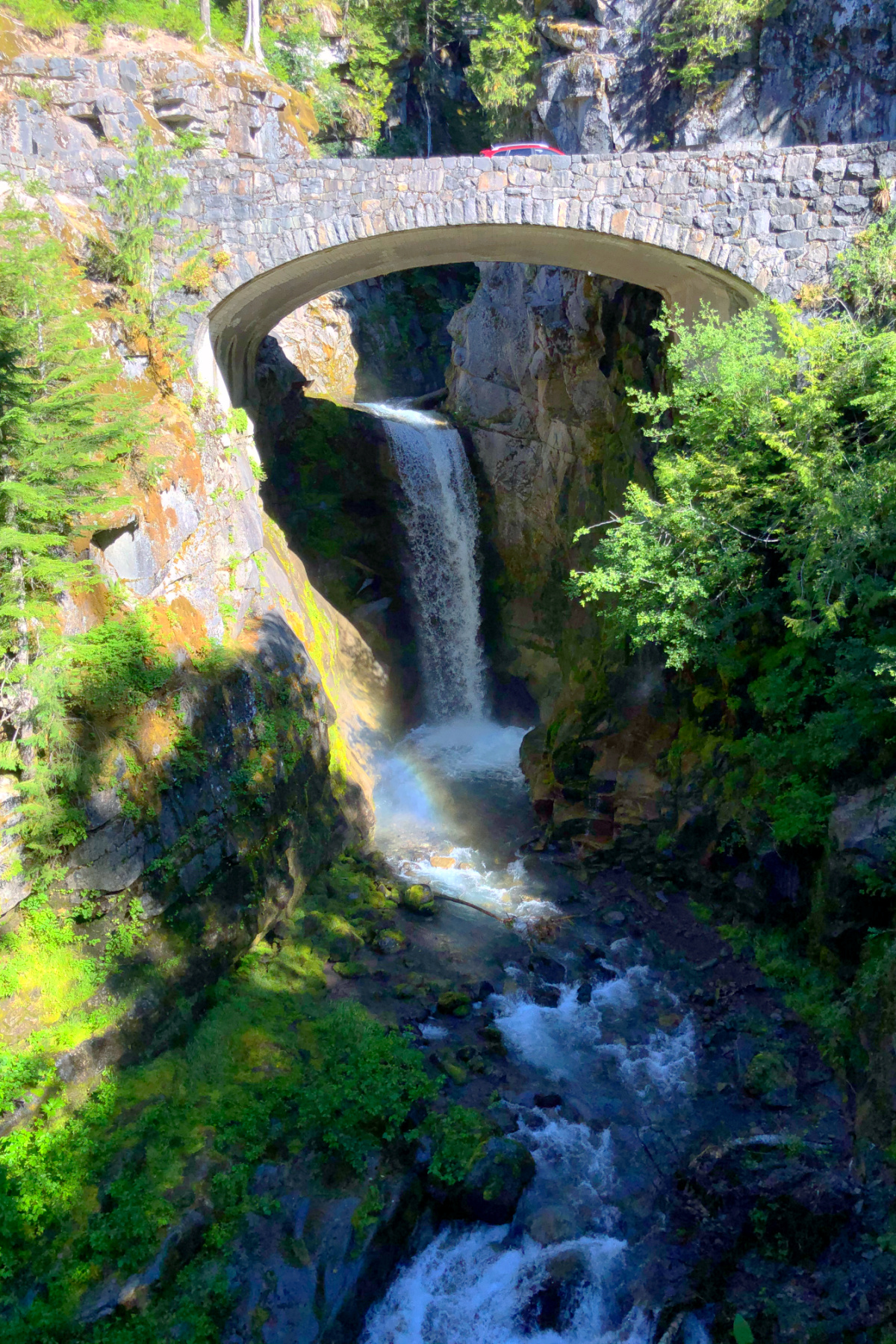
If waterfalls are high on your Mount Rainier wishlist, don’t miss my guide to the best waterfalls in Mount Rainier National Park, including easy-access favorites like Myrtle Falls, Narada Falls, and several scenic roadside stops throughout the park.
Quick Snapshot
Areas for Casual Travelers
- Paradise
- Sunrise
- Longmire
- Ohanapecosh
- Chinook Pass
Easy Experiences
- Myrtle Falls
- Reflection Lakes
- Tipsoo Lake
- Narada Falls
- Grove of the Patriarchs
- Sunrise viewpoints
Best Time to Visit
Late July through early September
Best Surprise About Mount Rainier
How many incredible views require very little hiking.
Looking for more short trails with huge scenery payoff? Check out my guide to the best easy hikes in Mount Rainier National Park, featuring waterfalls, alpine lakes, glacier views, and family-friendly trails throughout the park.
The Biggest Myth About Mount Rainier
I honestly think Mount Rainier gets marketed online as a much more physically demanding park than it actually is.
Part of that is because the hardcore hiking here is incredible. There are famous trails all over the park:
- Skyline Trail
- Burroughs Mountain
- Camp Muir
- Wonderland Trail
- Tolmie Peak
- Spray Park
So naturally, a lot of online content focuses on those bigger adventures.
But what doesn’t get talked about enough is how friendly this park can be for:
- families
- middle-aged travelers
- retirees
- photographers
- road trippers
- people with bad knees
- casual hikers
- anyone who simply wants beautiful scenery without a death march attached to it
And honestly? Rainier may actually be one of the best national parks for this style of travel.
Because unlike some parks where the best views require a huge commitment, Mount Rainier delivers scenery constantly.
You’ll be driving along and suddenly:
there’s a glacier.
Or a waterfall…. or a giant meadow exploding with wildflowers.
Mount Rainier just appears through the clouds and everybody in the car goes quiet for a second.
That happened to us multiple times.
If you love the idea of experiencing national parks without turning the trip into an endurance challenge, you’ll also enjoy my guide to Olympic National Park without hardcore hiking, including rainforest walks, beach scenery, waterfalls, and scenic mountain viewpoints.
Paradise Is Basically Built for Scenic Travelers
If you only visit one area of the park, it’ll probably be Paradise.
And honestly? That’s completely understandable.
The scenery here is ridiculous.
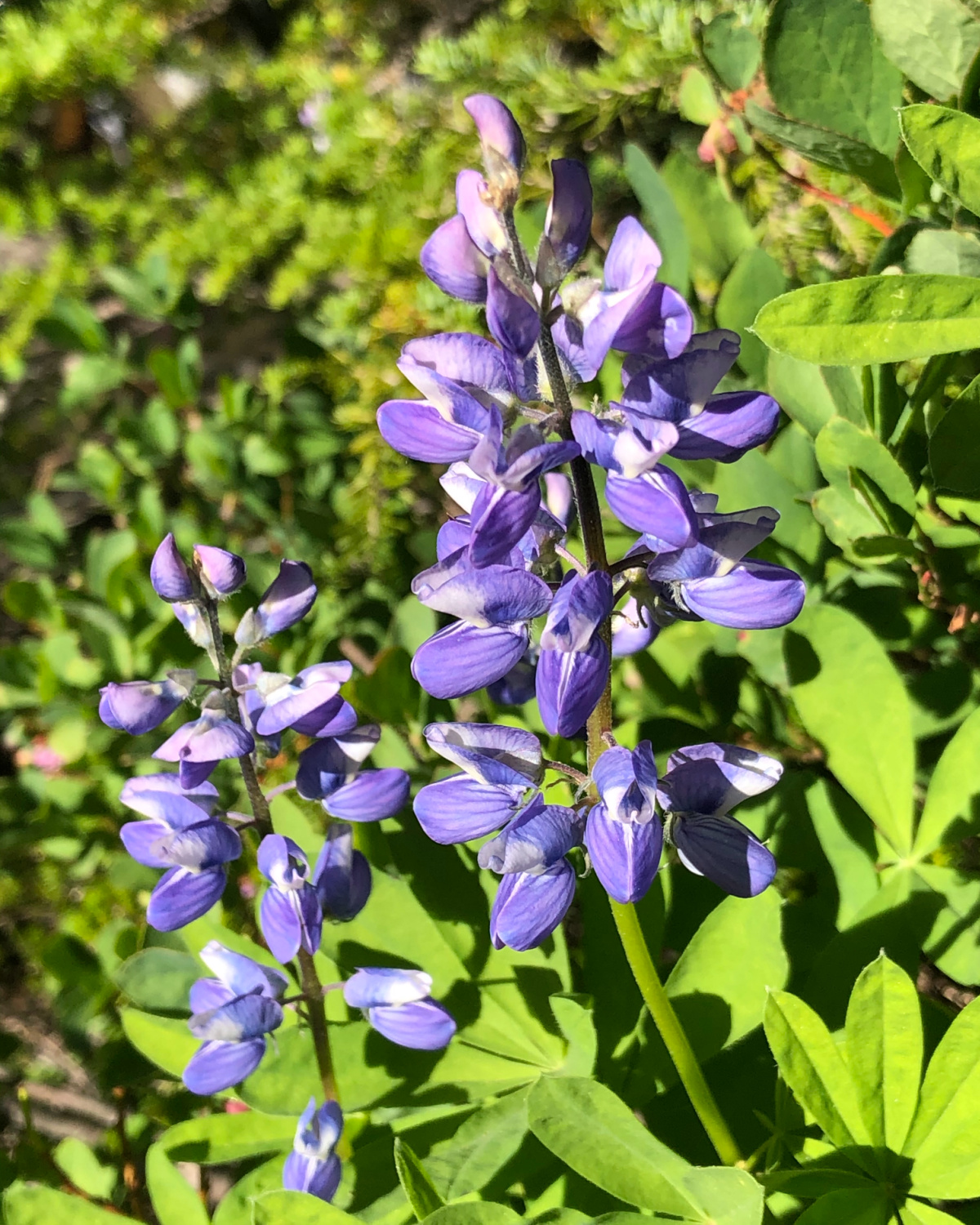
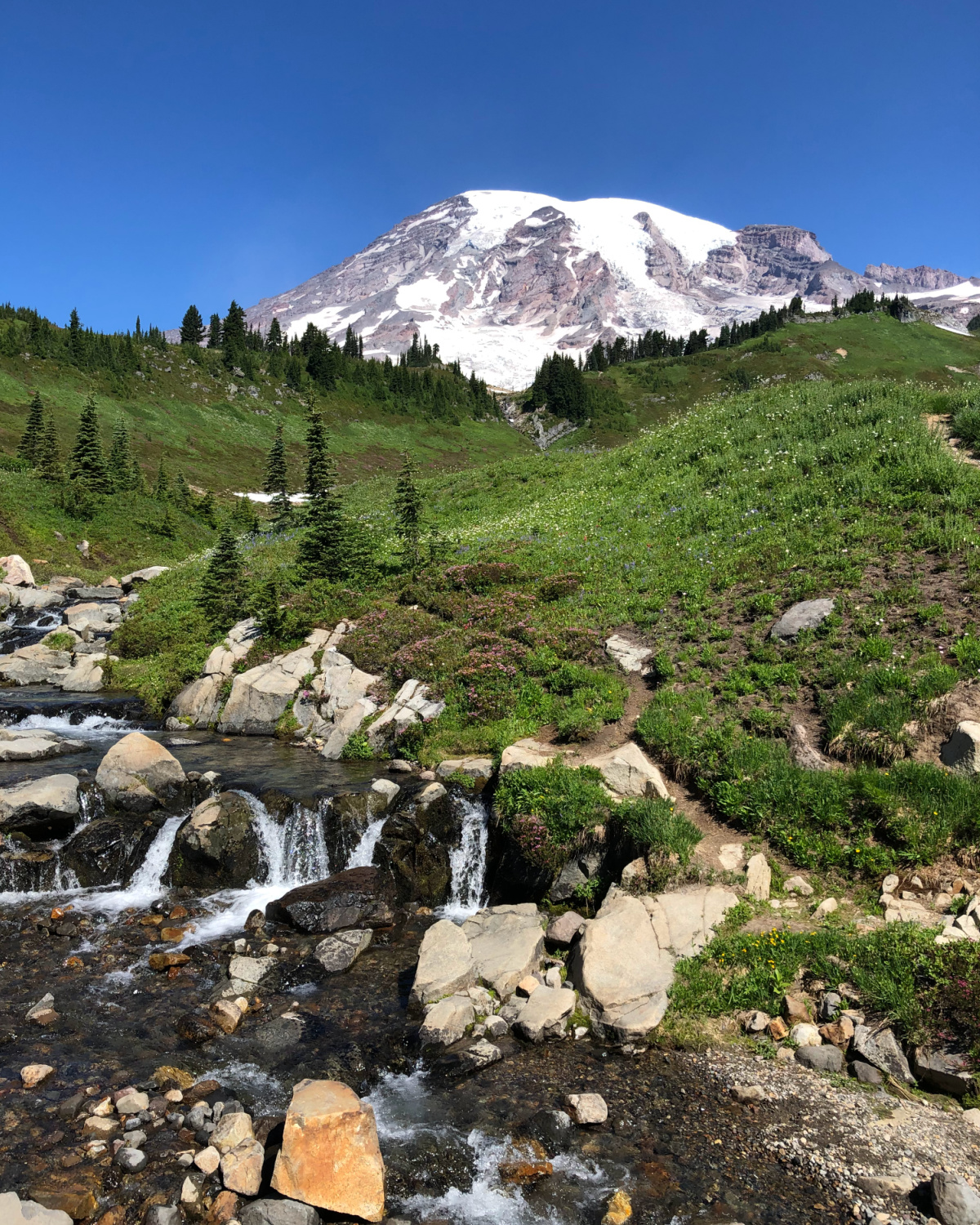
Paradise feels like the version of Mount Rainier most people picture in their heads:
- alpine meadows
- massive mountain views
- waterfalls
- snowfields
- wildflowers
- marmots
- glacier scenery
The best part is that you can experience a huge amount of this without doing strenuous hiking.
Even just walking around the visitor center area can feel spectacular on a clear day.
One thing I remember vividly is how the mountain somehow feels both enormous and close at the same time. Photos really struggle to capture the scale.
Planning a Southwest road trip too? My guide to Utah’s Mighty 5 without hardcore hiking covers the best scenic stops, easy trails, viewpoints, and unforgettable experiences across Zion, Bryce Canyon, Arches, Canyonlands, and Capitol Reef National Parks.
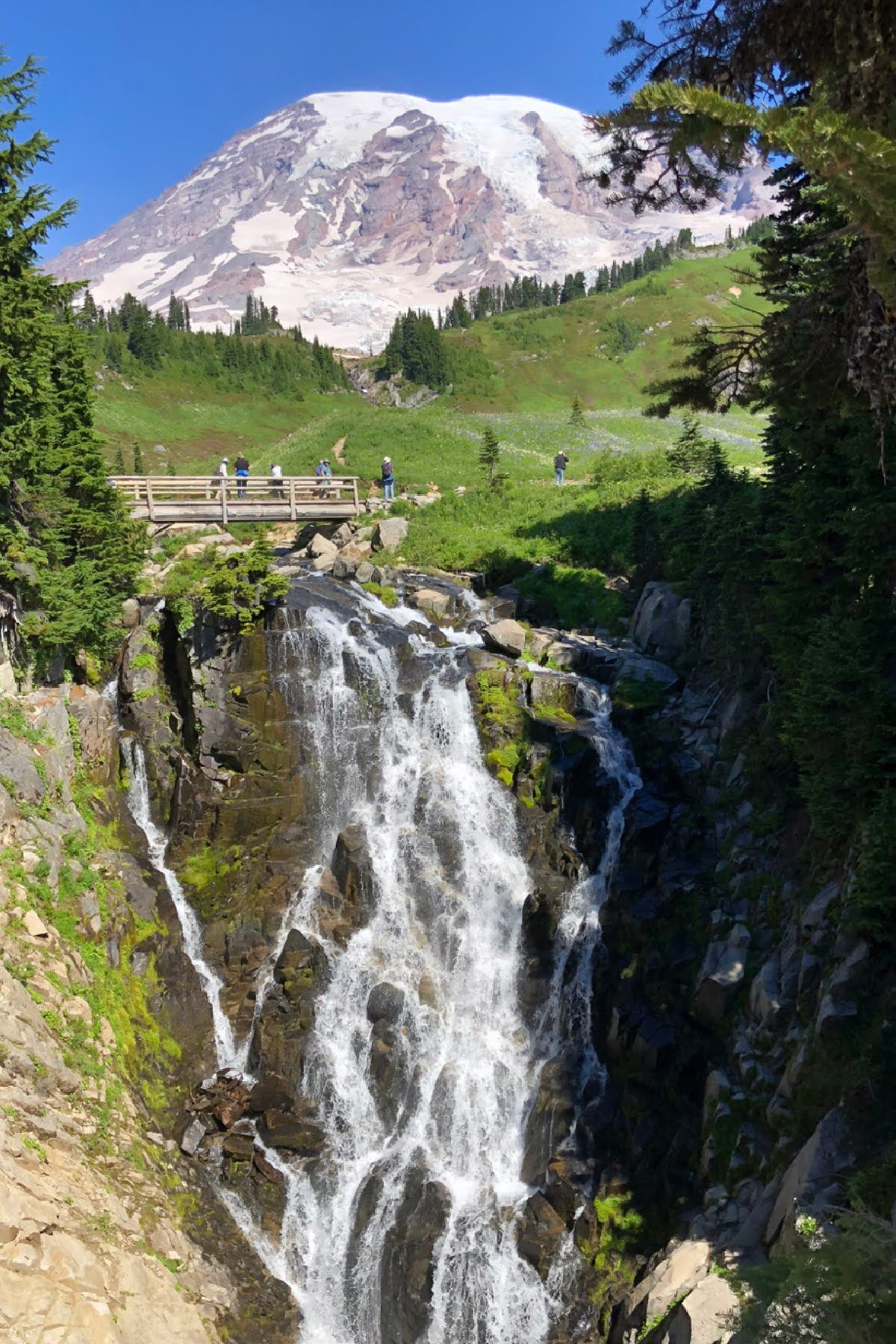
Myrtle Falls Is Worth the Hype
Myrtle Falls is probably the perfect example of what makes Mount Rainier so good for casual visitors.
The walk is short.
The trail is manageable.
And the payoff is enormous.
You get:
- waterfall views
- wildflower meadows
- dramatic mountain scenery
- classic Paradise atmosphere
…without needing to dedicate half your day to hiking.
And honestly, this is one of those places where almost everybody looks happy. Families. Older couples. Teenagers pretending not to care. Tired parents carrying snacks and water bottles. Everyone kind of has the same reaction when the view opens up.
“Oh wow.”
That’s pretty much the universal Mount Rainier response.
Reflection Lakes Feels Almost Unreal
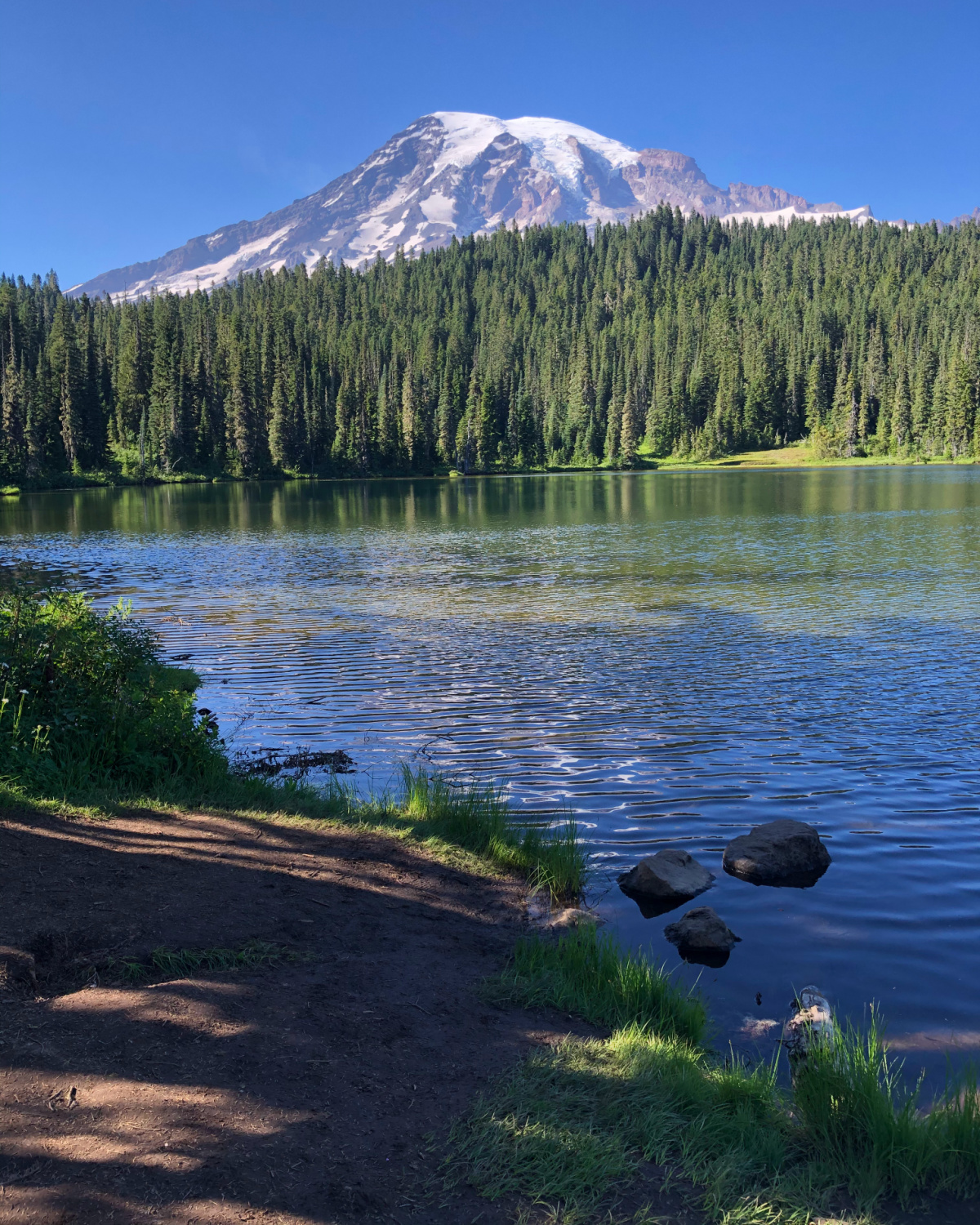
Reflection Lakes barely even counts as hiking, which is exactly why it belongs in this post.
This is one of the easiest iconic views in the entire park.
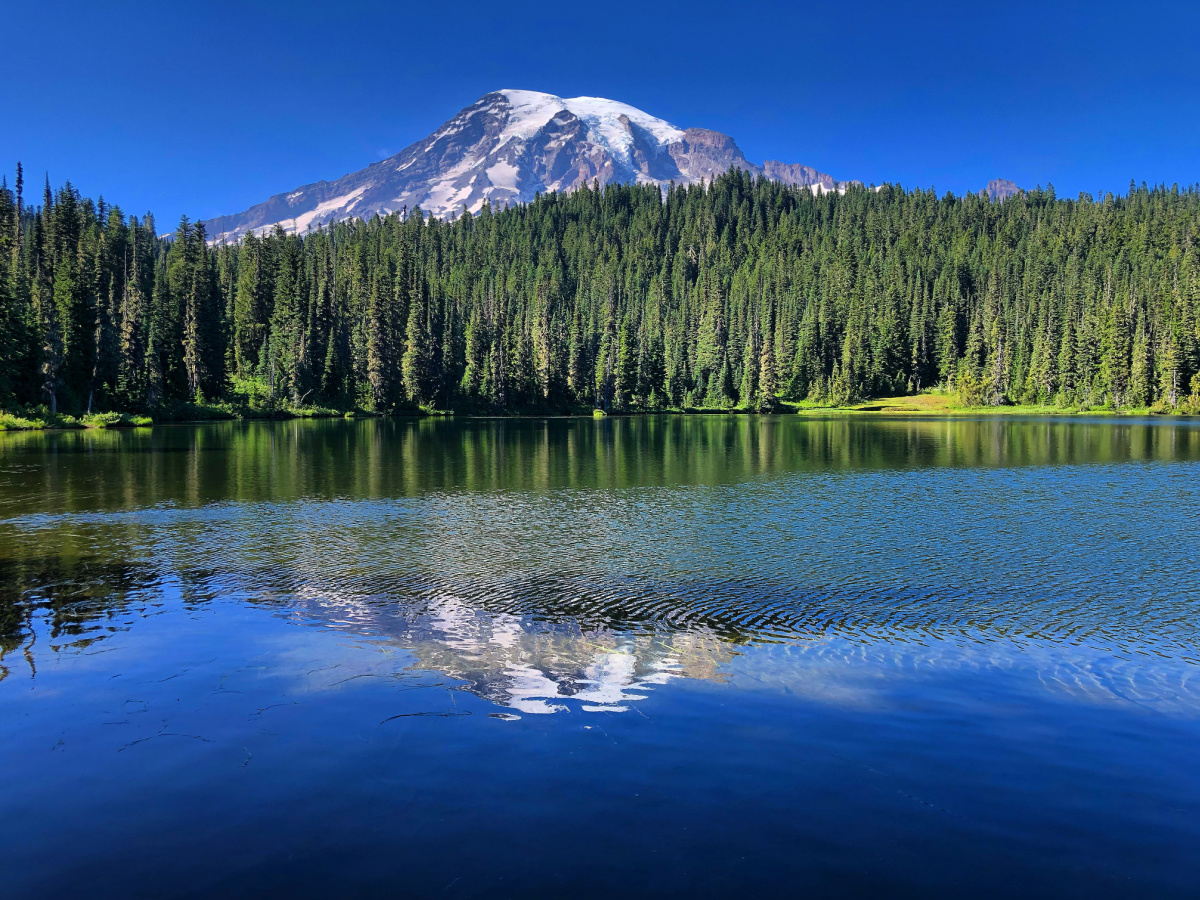
If the weather cooperates and the water is calm, you can see Mount Rainier reflected in the lake in a way that honestly looks photoshopped in real life.
Early morning is usually best for reflections.
We stopped here more than once because the conditions looked completely different throughout the day. In the morning it felt calm and glassy. Later it became windier and moodier and still beautiful in a totally different way.
That’s another thing I love about Mount Rainier:
the weather and lighting constantly change the personality of the landscape.
Sunrise Has Some of the Biggest Reward-for-Effort Views in the Park
The Sunrise Visitor Center area is where people suddenly realize just how high up they actually are.
The scenery here feels more alpine and rugged than Paradise.
And honestly, some of the best views are visible practically from the parking lot.
That’s why I think Sunrise works so well for people who want the experience of being “up in the mountains” without committing to a difficult hike.
You can:
- wander short trails
- stop at viewpoints
- watch marmots
- look for mountain goats
- photograph wildflowers
- just sit and stare at the mountain for a while
And that alone can feel like a fantastic day.
One thing to know though:
Sunrise opens later seasonally because of snowpack. Even in summer, snow can linger here much longer than people expect.
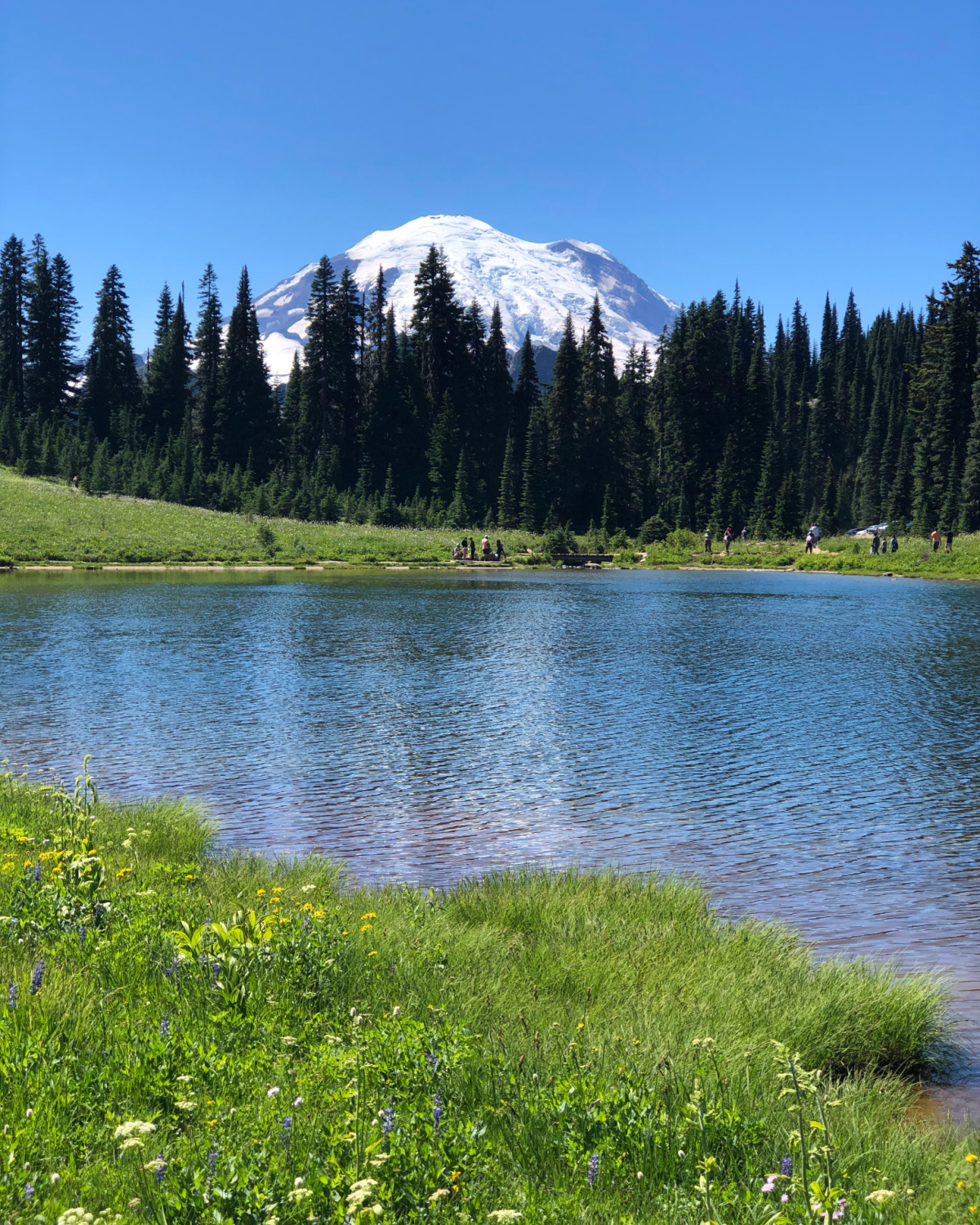
Tipsoo Lake Is One of the Most Photogenic Spots in the Park
Tipsoo Lake feels like one of those places that belongs on a postcard.
The short trail around the lake is easy enough for most visitors, but the scenery feels surprisingly grand for such a small walk.
This area is especially beautiful in late July and August when the wildflowers peak.
I also think Tipsoo works really well for travelers who may not want a long day. You can spend an hour here and still feel like you experienced something memorable.
That’s actually one of the strengths of Mount Rainier in general. You don’t always need a packed itinerary.
Sometimes one beautiful stop is enough.
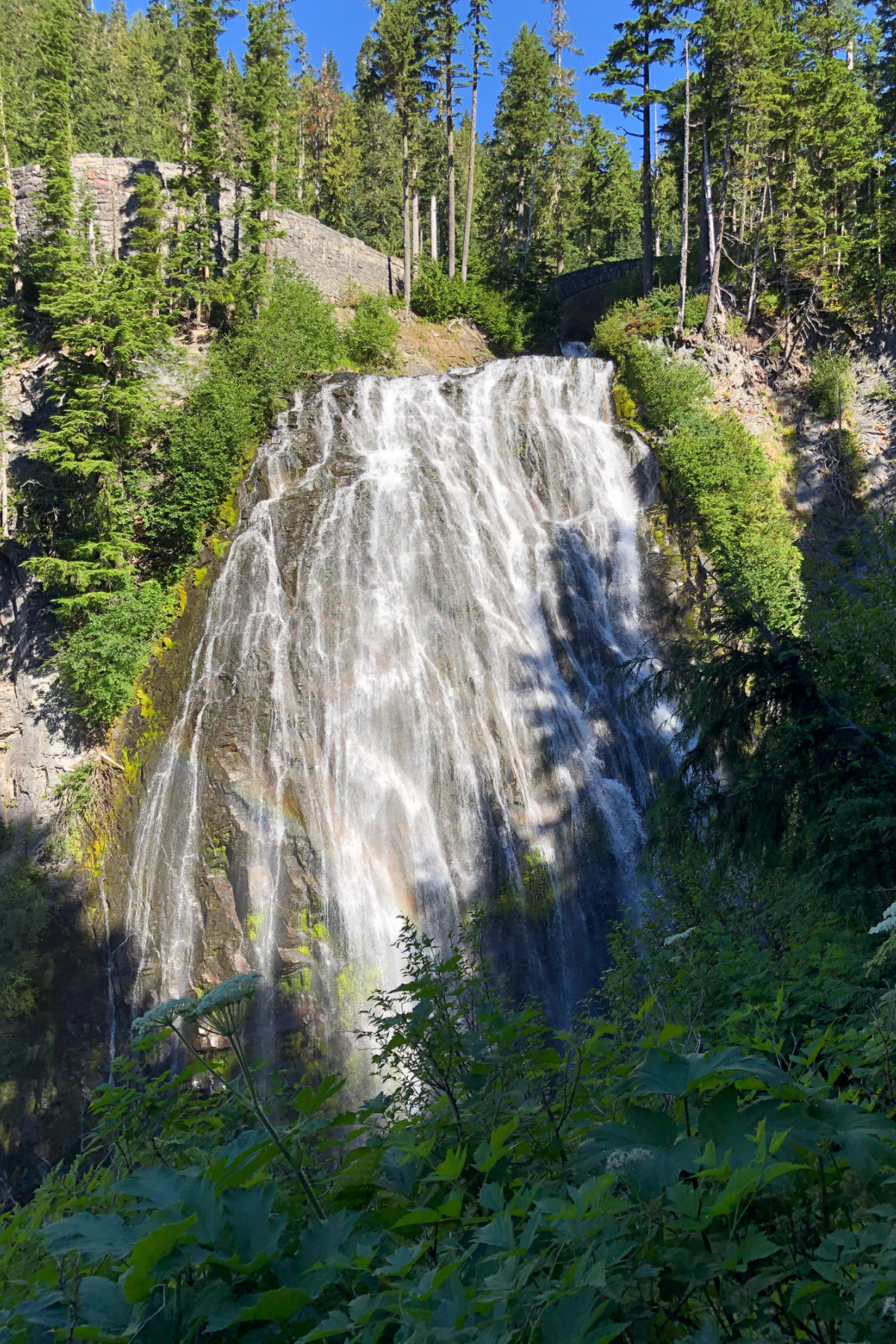
Narada Falls Delivers a Lot of Drama Very Quickly
Narada Falls is one of the easiest ways to experience a huge waterfall in the park.
Now, I will say this:
the walk is steeper than some people expect from photos.
But it’s still short, and the payoff comes fast.
When the snowmelt is strong, the sound alone is impressive. You can hear the waterfall before you fully see it.
This is also one of those great “add-on” stops because it’s easy to combine with Paradise and Reflection Lakes.
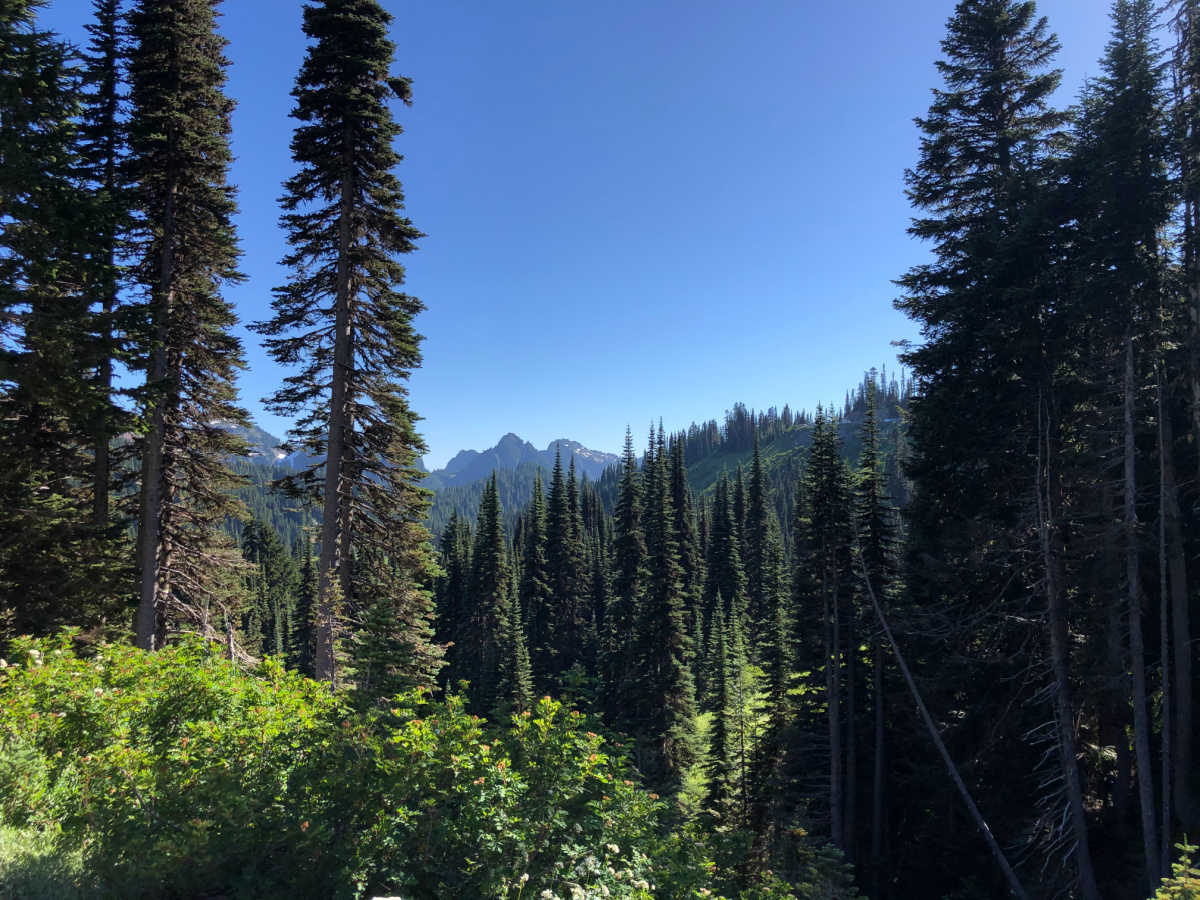
Longmire Feels Slower in the Best Possible Way
Longmire has a very different atmosphere from Paradise and Sunrise.
It feels:
- quieter
- greener
- more historic
- less chaotic
- more relaxed
And honestly, I think that balance is important.
Not every national park moment needs to be dramatic.
Sometimes it’s nice to slow down and walk through giant trees while listening to a river instead of sprinting between viewpoints.
Trail of the Shadows Is Great for a Relaxed Day
This easy trail near Longmire is one of the best “take it slow” experiences in the park.
You’re not hiking this trail for giant panoramic views.
You’re hiking it because:
- the forest smells amazing
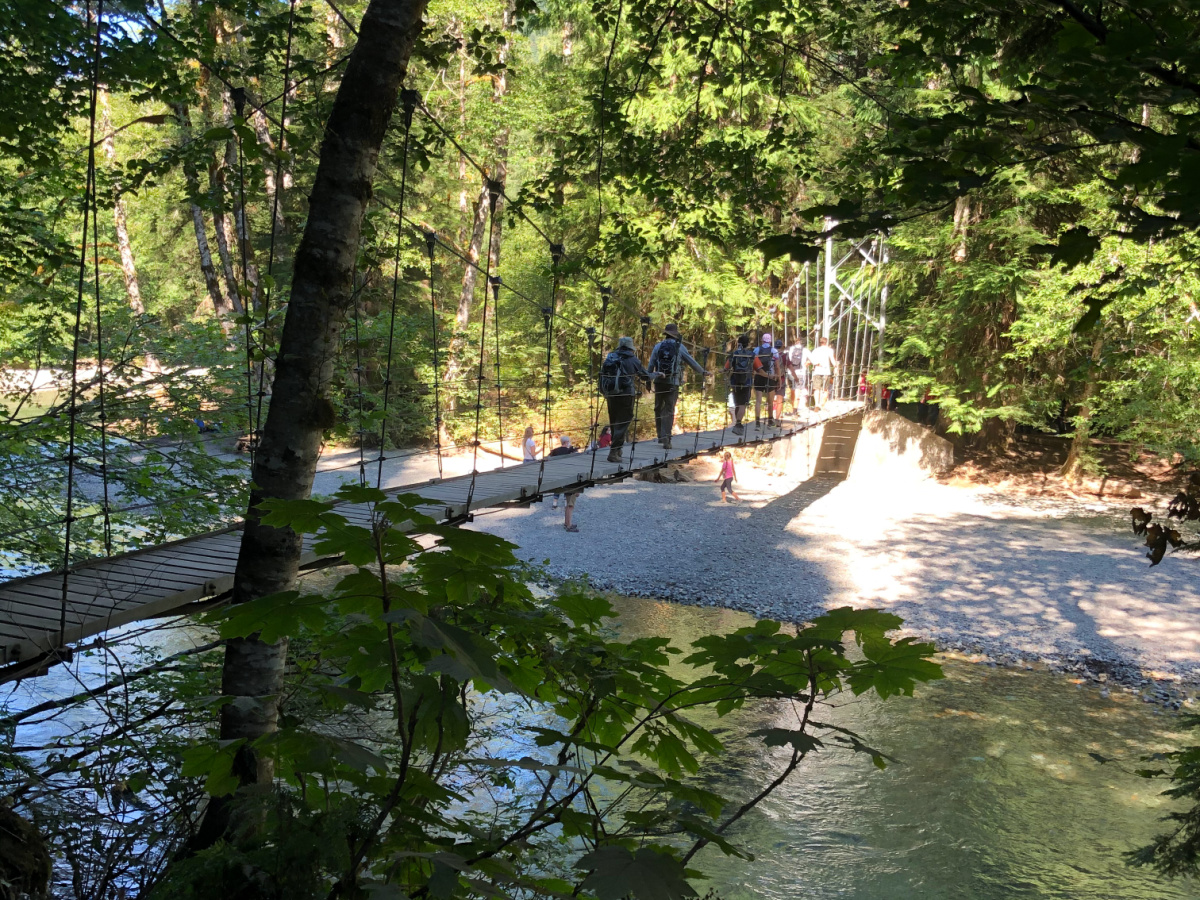
- the bridges are charming
- the pace feels peaceful
- it’s shady on hot days
- it works well for almost all ages
Honestly, this is the kind of trail where people tend to linger instead of rushing.
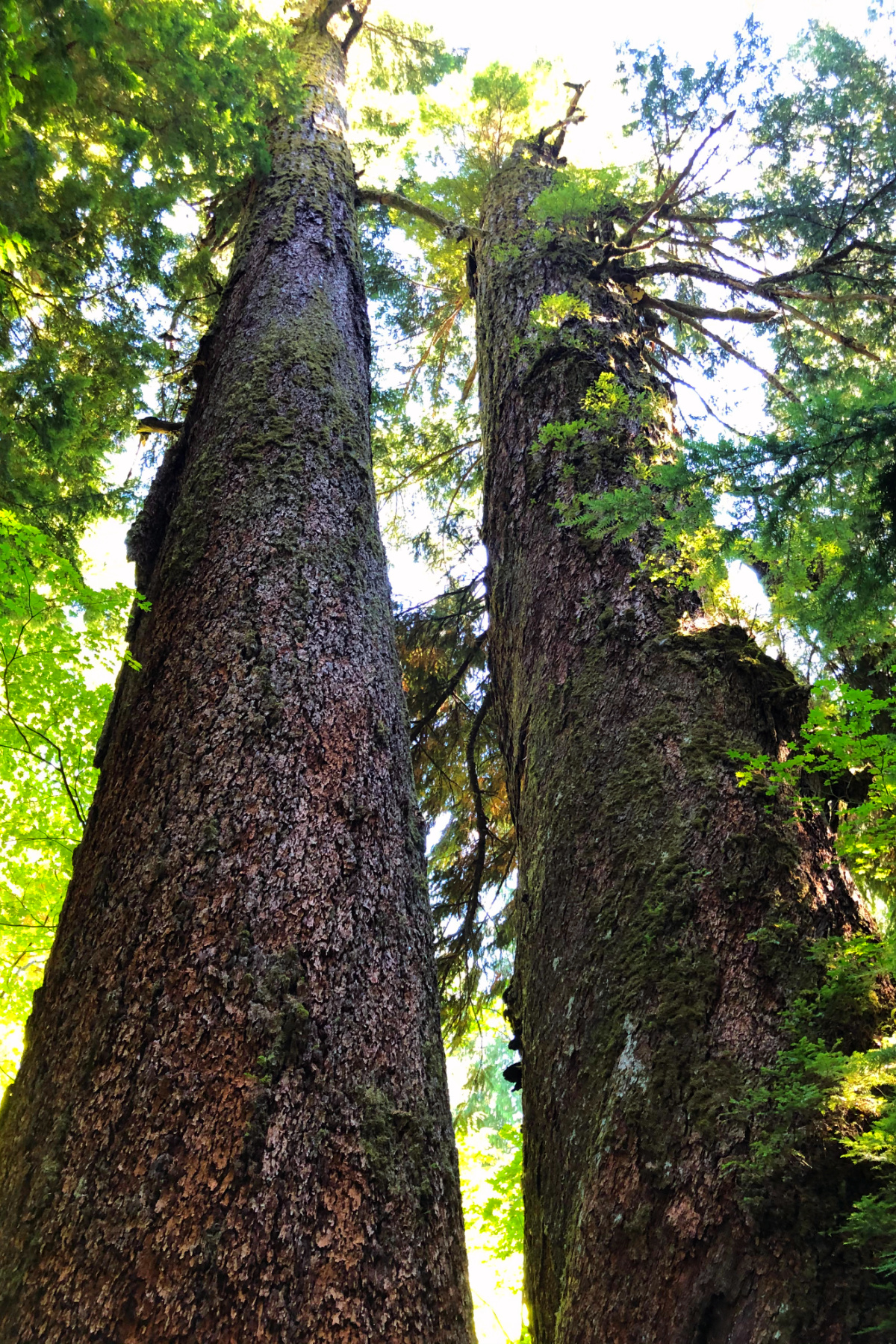
Grove of the Patriarchs Feels Like a Different World
Grove of the Patriarchs almost feels disconnected from the alpine side of Mount Rainier.
Instead of big mountain scenery, you get:
- giant trees
- moss
- river sounds
- deep forest
- cooler temperatures
The whole area feels very Pacific Northwest.
And I think this stop is especially valuable because it adds variety to your trip. If every stop is just “mountain viewpoint after mountain viewpoint,” things can start blending together.
This area gives the park a completely different personality.
Scenic Driving Is a Huge Part of the Experience
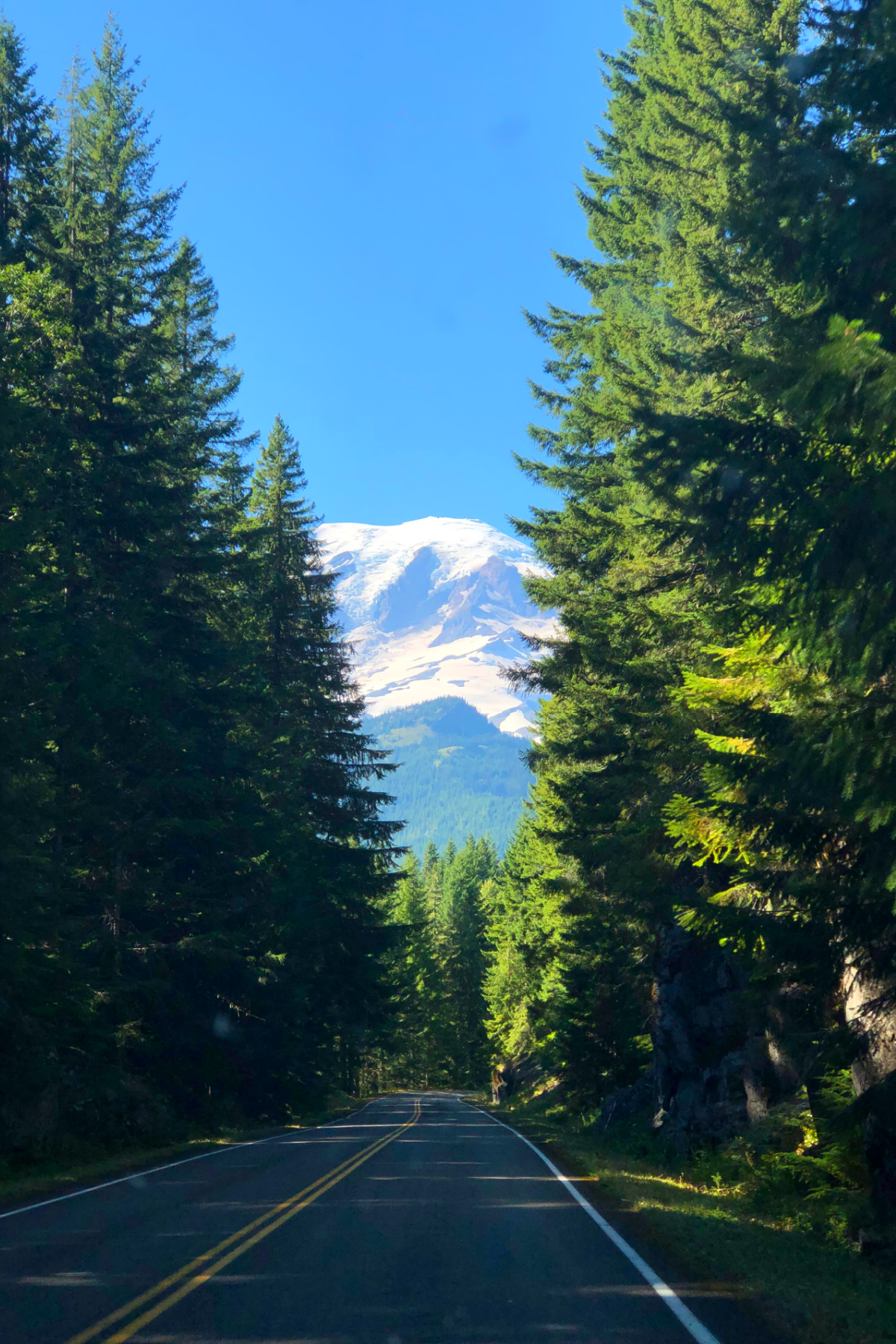
I honestly think people underestimate how much of the Mount Rainier experience happens from the car.
And I mean that in a good way.
The drives themselves are beautiful.
You round corners and suddenly the mountain appears again from a different angle.
There are waterfalls right beside the road.
You pull into random overlooks and end up staying twenty minutes because the view is so good.
Especially for:
- families
- retirees
- travelers with mobility limitations
- people pacing themselves
…the scenic drives are a major part of why this park works so well without hardcore hiking.
You Don’t Need to “Earn” the Experience
This might honestly be my biggest takeaway from Mount Rainier.
You don’t have to prove yourself to enjoy this park.
Absolutely, you do not need:
- mountaineering gear
- backpacking experience
- twelve-mile hikes
- extreme fitness
- camping skills
- expensive outdoor equipment
You just need time to slow down and notice the scenery.
And honestly, some of my favorite moments here weren’t even technically hikes.
They were:
- standing quietly beside Reflection Lakes
- pulling over for unexpected mountain views
- watching clouds move across the summit
- wandering wildflower meadows near Paradise
- sitting on a bench near Sunrise just staring at the landscape
That’s the kind of national park experience I think more people are looking for these days.
A Relaxed Mount Rainier Day Plan
If I were planning a low-stress, non-hardcore hiking day in Mount Rainier, I’d probably do something like this:
Morning
- Arrive early at Paradise
- Walk to Myrtle Falls
- Explore the visitor center area
- Stop at Narada Falls
Midday
- Reflection Lakes
- Scenic driving and overlooks
- Picnic lunch
Afternoon
Choose ONE:
- Sunrise area and Tipsoo Lake
- Longmire and Trail of the Shadows
- Ohanapecosh and Grove of the Patriarchs
The biggest mistake people make here is trying to do too much.
Mount Rainier is better when you leave breathing room in the schedule.
Best Time to Visit for Casual Travelers
For most visitors, late July through early September is the sweet spot.
That’s when:
- roads are fully open
- wildflowers peak
- snow has melted from many easy trails
- higher elevations become accessible
Before that, snow conditions can dramatically affect what’s open.
And honestly, this catches people off guard all the time.
Mount Rainier holds onto winter much longer than people expect.
FAQ
Can you enjoy Mount Rainier without hiking?
Absolutely. Some of the park’s best scenery is accessible through short walks, scenic pull-offs, and easy trails.
Is Mount Rainier good for older travelers?
Yes. In fact, I think it’s one of the better national parks for slower-paced scenic travel.
What is the easiest iconic view in the park?
Reflection Lakes is probably the easiest huge-payoff stop.
Is Paradise worth visiting if you don’t hike much?
Definitely. Even short walks around Paradise can be spectacular.
Do you need hiking boots?
For easy hikes in summer, sturdy walking shoes are usually enough.
Final Thoughts
Before visiting Mount Rainier, I honestly thought it might feel a little too intense for casual travelers.
Instead, I found the opposite.
Yes, there are hardcore hikes here. Plenty of them.
But there are also countless moments where the park simply hands you extraordinary scenery without demanding much in return.
A short walk to Myrtle Falls.
A quiet reflection at Tipsoo Lake.
A roadside stop where the mountain suddenly appears through the clouds.
A peaceful forest trail beneath giant trees.
That’s what surprised me most about Mount Rainier National Park. You don’t have to conquer the mountain to fall in love with it.