Olympic National Park Road Trip Guide for First-Time Visitors

Affiliate Disclosure: This post may contain affiliate links. If you make a purchase or booking through these links, I may earn a commission at no additional cost to you.
Planning an Olympic National Park road trip? This first-time visitor guide covers the best route, itinerary ideas, where to stay, beaches, rainforests, scenic drives, and realistic travel tips for families and casual travelers.
Estimated reading time: 15 minutes
Planning an Olympic National Park road trip can feel surprisingly overwhelming the first time you look at a map.
Unlike many national parks, Olympic is not built around one central scenic drive or one main hub. The park is spread across a massive section of Washington’s Olympic Peninsula, with rugged Pacific beaches, temperate rainforests, alpine mountain scenery, lakes, waterfalls, and coastal towns all scattered hours apart from each other.
That is exactly why a road trip is the best way to experience Olympic National Park.
But it also means that where you stay, how you structure your route, and how many days you allow can completely shape your experience.
This guide is designed for realistic travelers — families, first-time visitors, photographers, retirees, and casual adventurers who want an amazing Olympic National Park road trip without spending the entire vacation exhausted in the car or doing intense hikes every day.
If you plan your route well, Olympic becomes one of the most beautiful and rewarding road trips in the United States.
If you are still in the early planning stages, my full Olympic National Park First-Time Visitor Guide breaks down exactly how the park is laid out, what to prioritize, and how to avoid common planning mistakes.
Olympic National Park Road Trip Quick Guide
| Category | Details |
|---|---|
| Best Trip Length | 3–7 days |
| Best Starting Point | Seattle |
| Best Route Direction | Counterclockwise |
| Best For | Families, photographers, first-time visitors |
| Driving Difficulty | Easy roads but longer drive times |
| Best Season | Late June through September |
| Biggest Mistake | Underestimating distances between areas |
| Best Style of Trip | Multi-stop road trip with 2–3 lodging bases |
This Road Trip Is Best For:
- Families with kids
- Casual hikers
- Photographers
- Nature lovers
- Retirees
- Travelers wanting variety
- First-time visitors to Washington State
This May Not Be Ideal For:
- Travelers wanting to stay in one hotel the entire trip
- Visitors expecting shuttle systems like Zion
- People wanting mostly urban attractions
- Travelers trying to “see it all” in one or two days
If you want a more detailed day-by-day version of this guide, check out my 3–4 Day Olympic National Park Itinerary for a realistic pacing strategy.
Understanding Olympic National Park’s Layout Before You Go
This is probably the single most important thing to understand before planning your trip.
Olympic National Park is huge.
And unlike parks like Yellowstone or Yosemite, the main attractions are not clustered together.
Instead, the park wraps around much of the Olympic Peninsula. The beaches, rainforests, mountain areas, and lakes are separated by forests, highways, and long stretches of driving.
For example:
- Hurricane Ridge and Rialto Beach are roughly 2 hours apart
- Hoh Rainforest and Port Angeles are much farther than many people expect
- You cannot drive directly through the center of the park
This catches a lot of first-time visitors off guard.
Many people assume they can stay in Seattle and simply “day trip” Olympic National Park. Technically you can visit a small portion of the park that way, but you will spend a huge amount of time driving and miss much of what makes Olympic special.
The best Olympic road trips usually involve:
- moving around the peninsula
- staying in multiple lodging areas
- slowing down enough to enjoy the scenery
- accepting that Olympic is more about the overall experience than checking attractions off a list
And honestly, that is part of the magic.
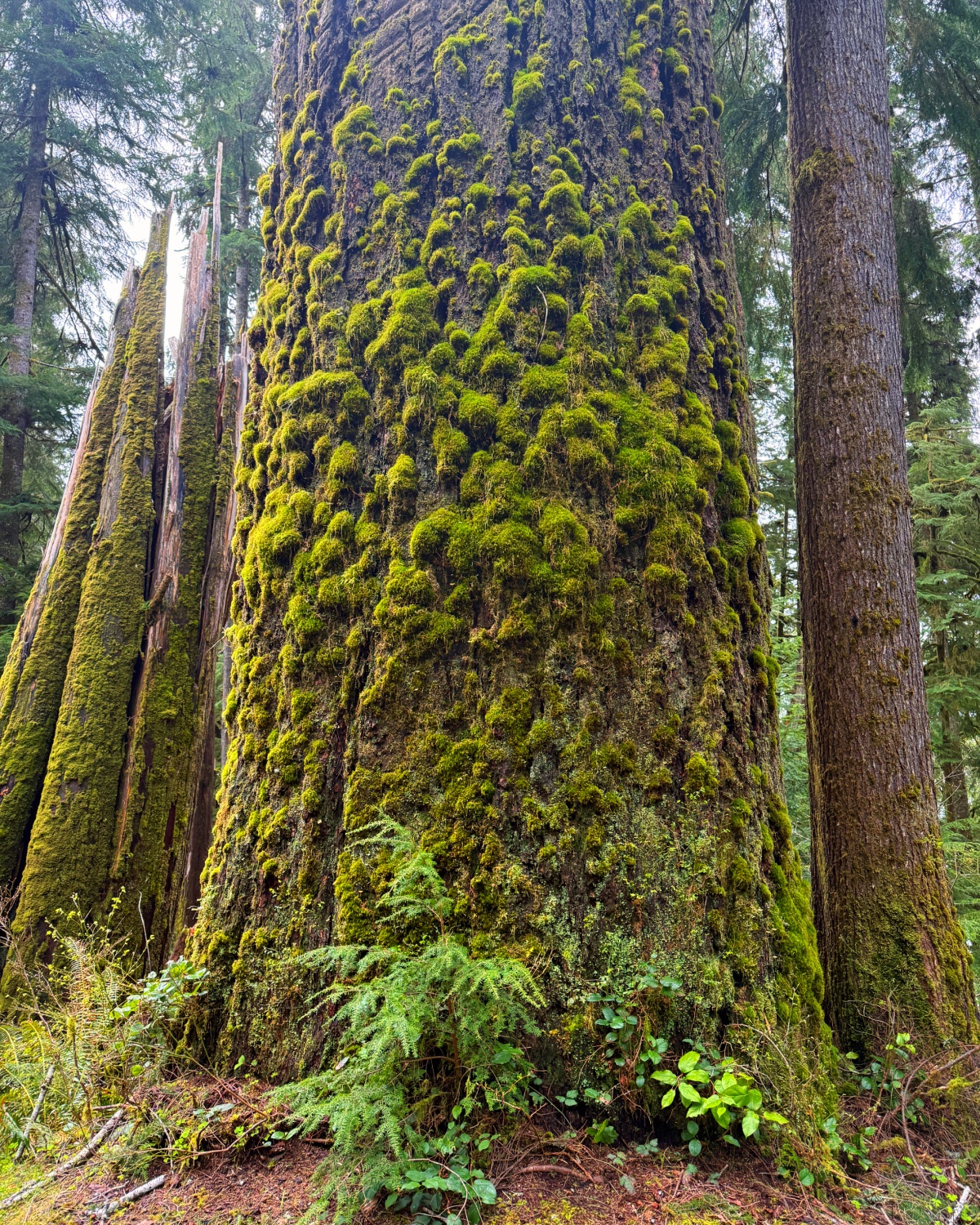
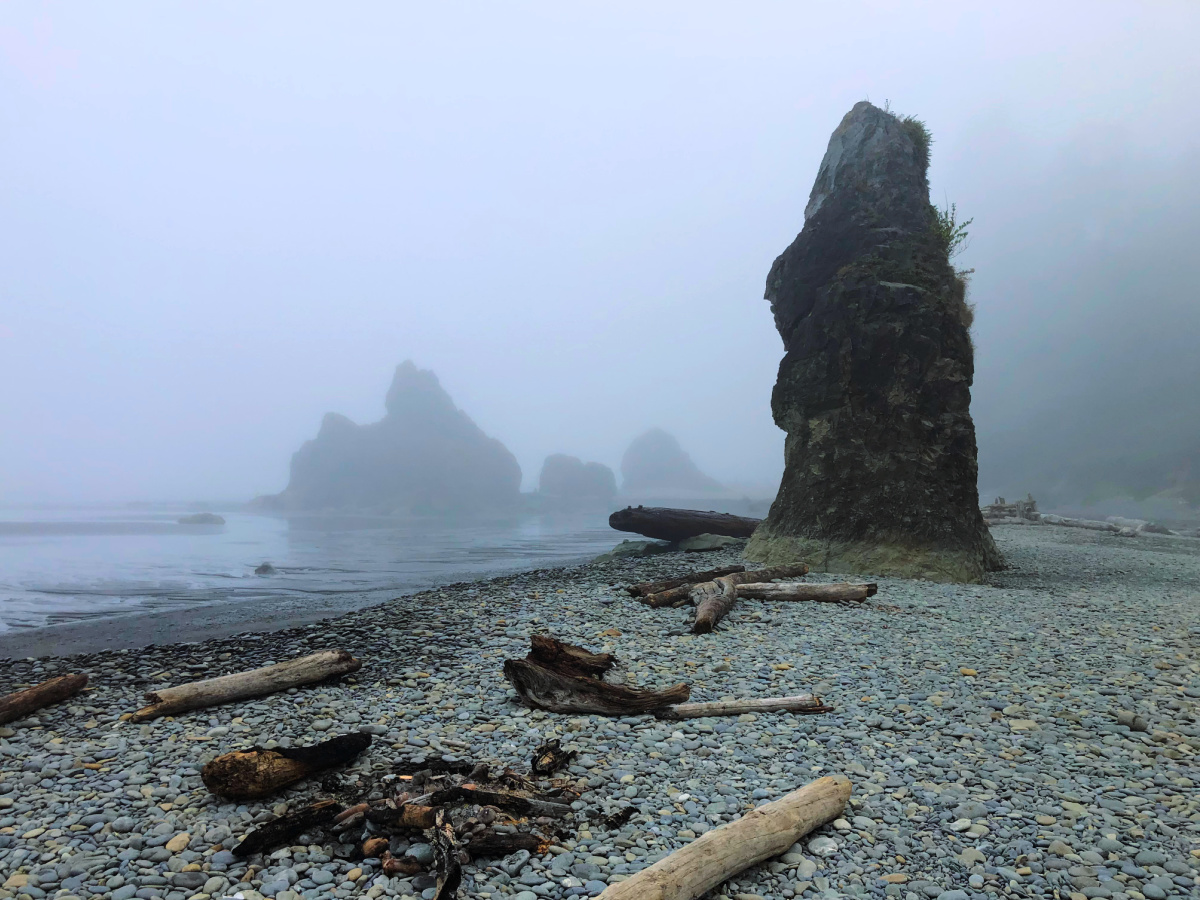
One day you are standing on a foggy Pacific beach surrounded by sea stacks and driftwood. The next day you are walking through a rainforest filled with moss-covered trees. A few hours later you are high in the mountains looking out across alpine ridges.
Very few national parks offer that kind of diversity in one trip.
Choosing where to stay can completely shape your trip, so make sure to read my guide to the best places to stay in Olympic National Park before booking lodging.
Best Olympic National Park Road Trip Route
For most first-time visitors, I strongly recommend driving the peninsula in a counterclockwise loop.
Why counterclockwise?
Because it creates a smoother flow, gradually builds toward the dramatic coastal scenery, and usually positions your driving and daylight better for sightseeing and photography.
Here is the classic route I recommend.
Classic Olympic National Park Loop (Best for First-Time Visitors)
Seattle
→ Port Angeles
→ Lake Crescent
→ Sol Duc
→ Forks
→ Rialto Beach
→ Hoh Rainforest
→ Ruby Beach
→ Kalaloch
→ Lake Quinault
→ back toward Seattle
This route works beautifully because it combines:
- mountains
- lakes
- waterfalls
- rainforests
- beaches
- wildlife
- scenic drives
without constantly backtracking.
Typical Timing
| Stop | Recommended Time |
|---|---|
| Port Angeles/Hurricane Ridge | 1 day |
| Lake Crescent + Sol Duc | 1 day |
| Forks + Beaches + Hoh | 1–2 days |
| Kalaloch + Quinault | 1 day |
For many travelers, 3–4 days is the sweet spot.
But if you want a slower pace or extra beach time, 5–7 days is even better.
Not sure which stops are truly worth prioritizing? My guide to the best things to do in Olympic National Park covers the top scenic areas, beaches, easy hikes, waterfalls, and must-see experiences across the park.
Best Stops on an Olympic National Park Road Trip
Hurricane Ridge
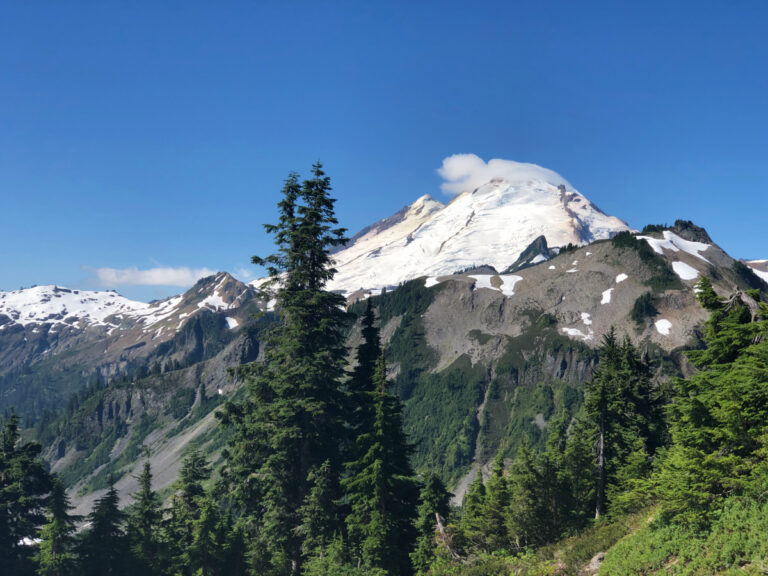
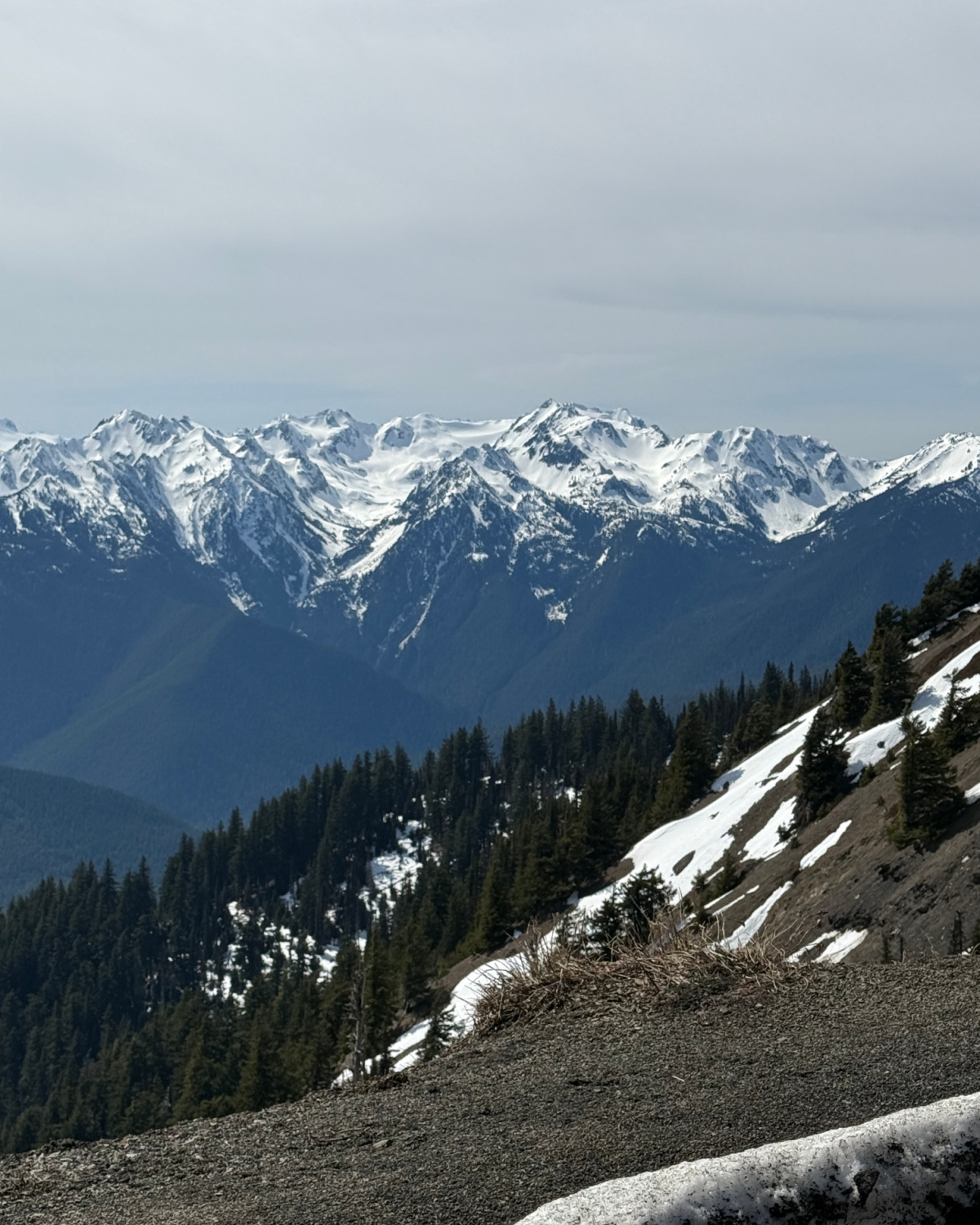
Hurricane Ridge is one of the most accessible mountain areas in the national park and often the first major stop for travelers entering from Port Angeles.
The views here are incredible on a clear day.
You can see:
- alpine ridges
- snow-capped peaks
- wildlife
- sweeping mountain scenery
without doing difficult hikes.
This is one of the best examples of why Olympic works so well for casual travelers and families.
Even simply walking around the visitor center area can feel spectacular.
Best For:
- First-time visitors
- Families
- Scenic drives
- Wildlife spotting
- Easy walks
Time Needed:
Half day to full day
If you are trying to decide when to plan your trip, my guide to the best time to visit Olympic National Park breaks down seasonal weather, crowds, road conditions, and what each time of year is actually like for beaches, rainforests, and mountain scenery.
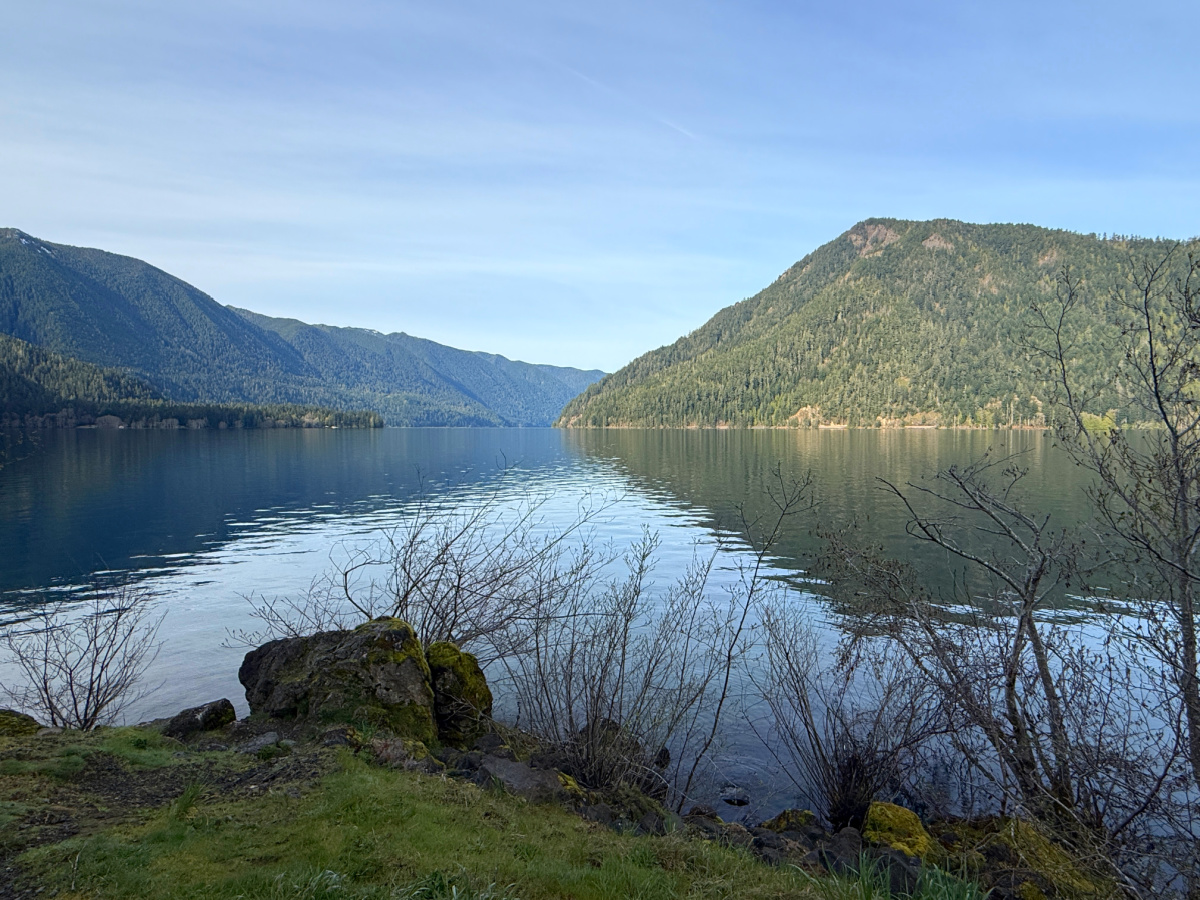
Lake Crescent
Lake Crescent feels completely different from Hurricane Ridge even though it is relatively nearby.
This deep blue glacial lake is surrounded by forested mountains and is one of the most peaceful parts of the park.
Some visitors stop briefly for photos, but I think it deserves more time than that.
The area offers:
- beautiful lakeshore views
- easy hiking
- kayaking
- relaxing lodge scenery
- family-friendly exploration
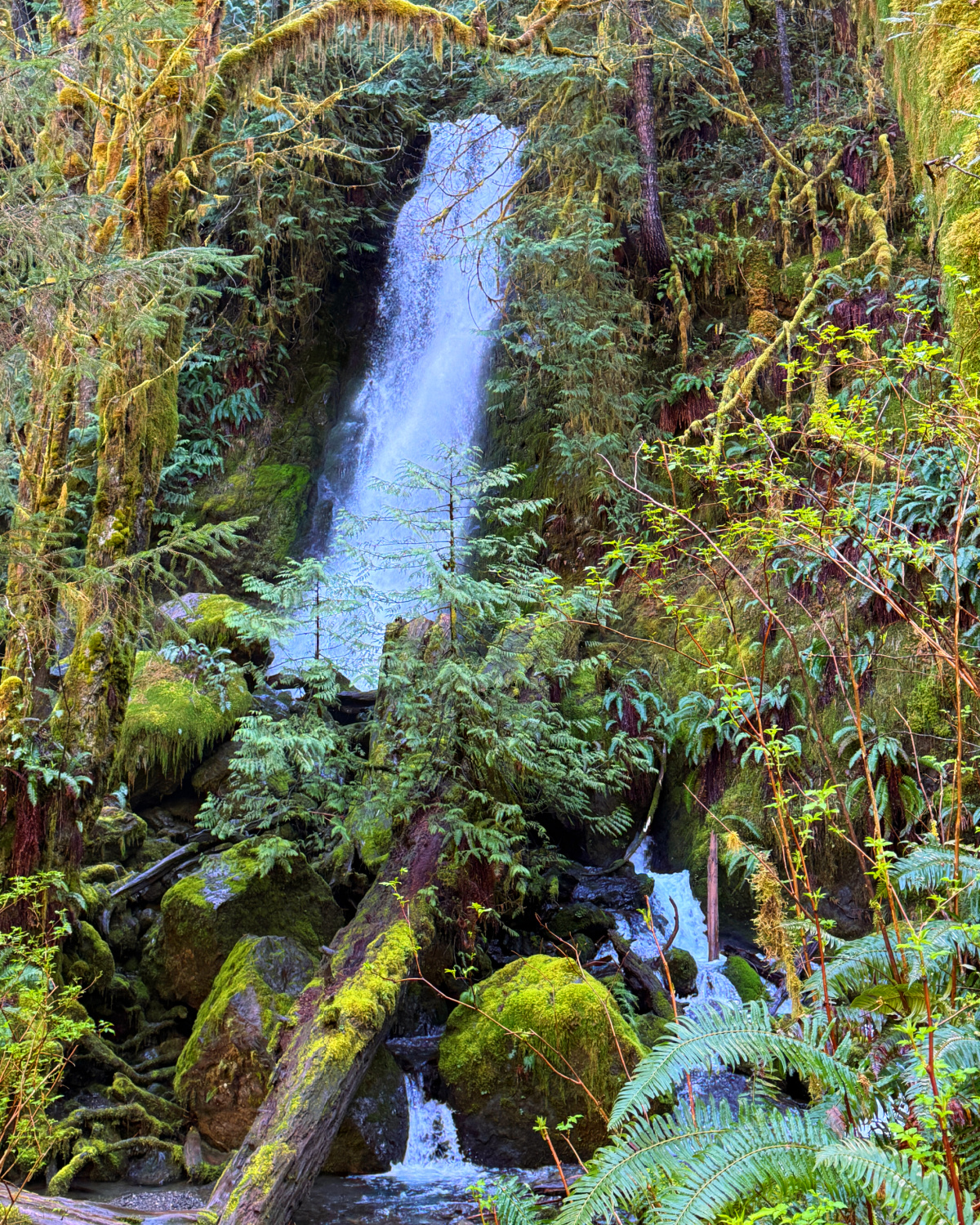
Marymere Falls is one of the best easy hikes nearby and works well for most visitors.
Sol Duc
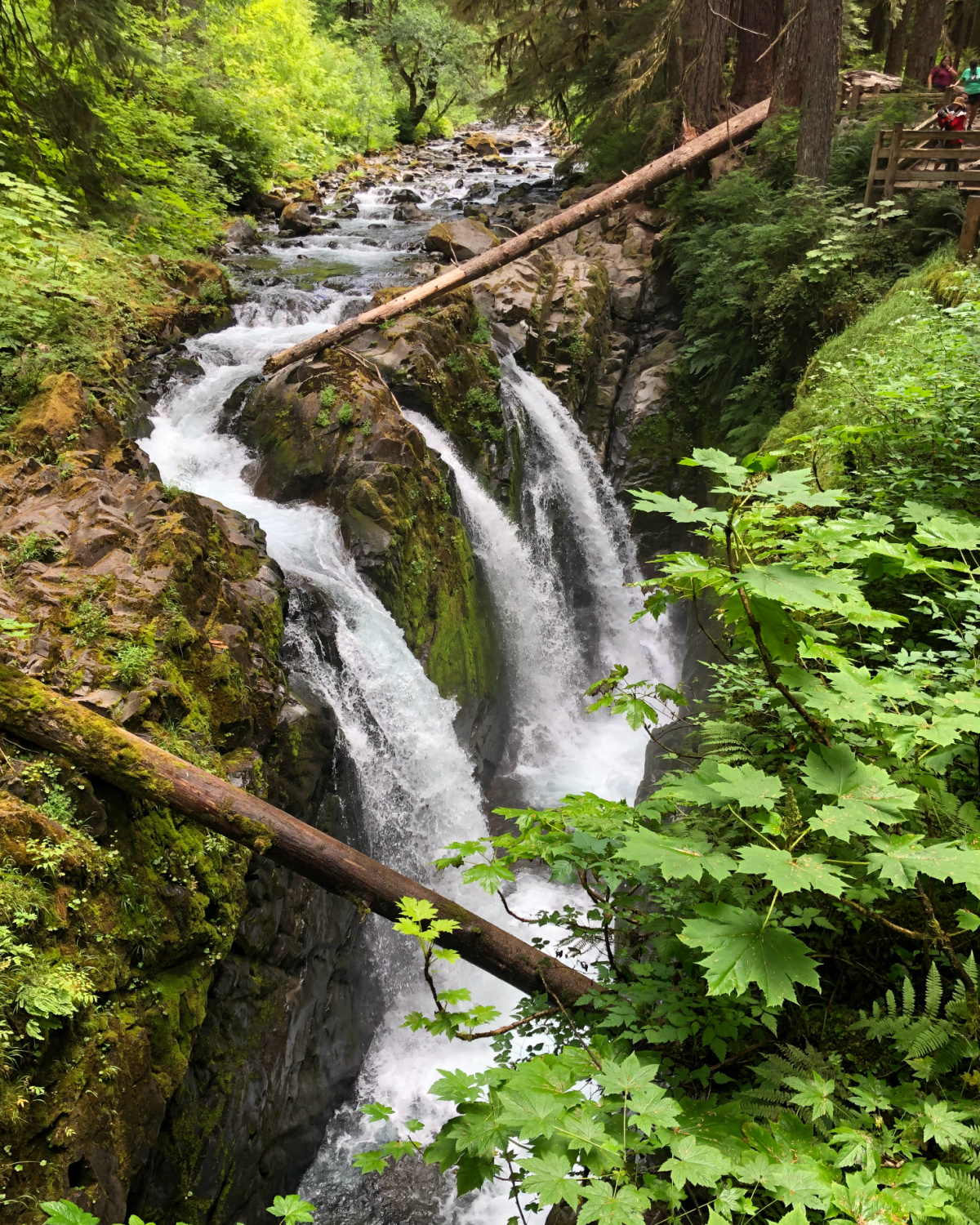
Sol Duc is one of my favorite areas in Olympic National Park.
The combination of forest scenery, waterfalls, rivers, and hot springs makes it feel incredibly relaxing.
The Sol Duc Falls trail is short, scenic, and very manageable for most visitors.
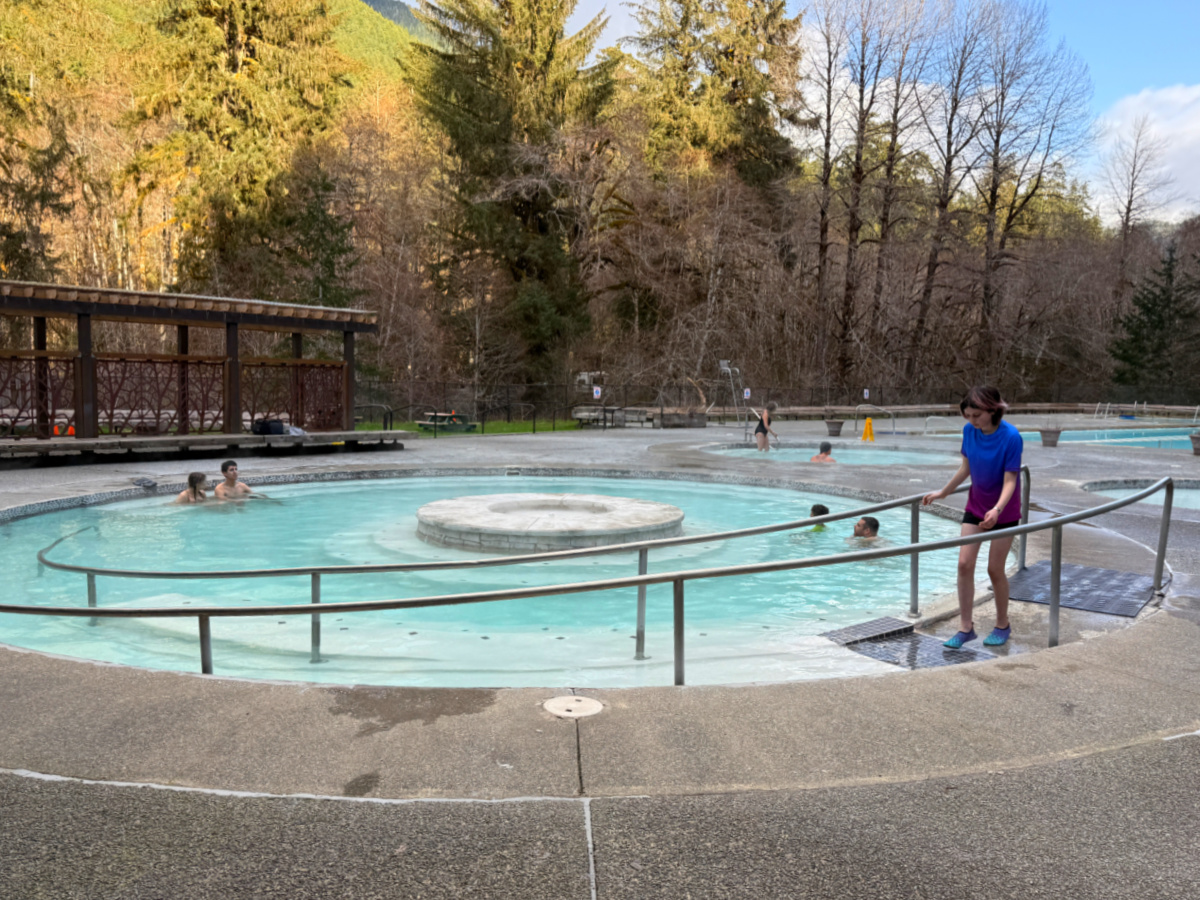
And honestly, staying at Sol Duc Hot Springs Resort can become one of the highlights of the trip for families.
The hot spring pools after a cool rainy day in Olympic just feel perfect.
Olympic has some beautiful easy-access waterfalls, and my Olympic National Park waterfalls guide covers the best ones worth adding to your road trip.
Hoh Rainforest
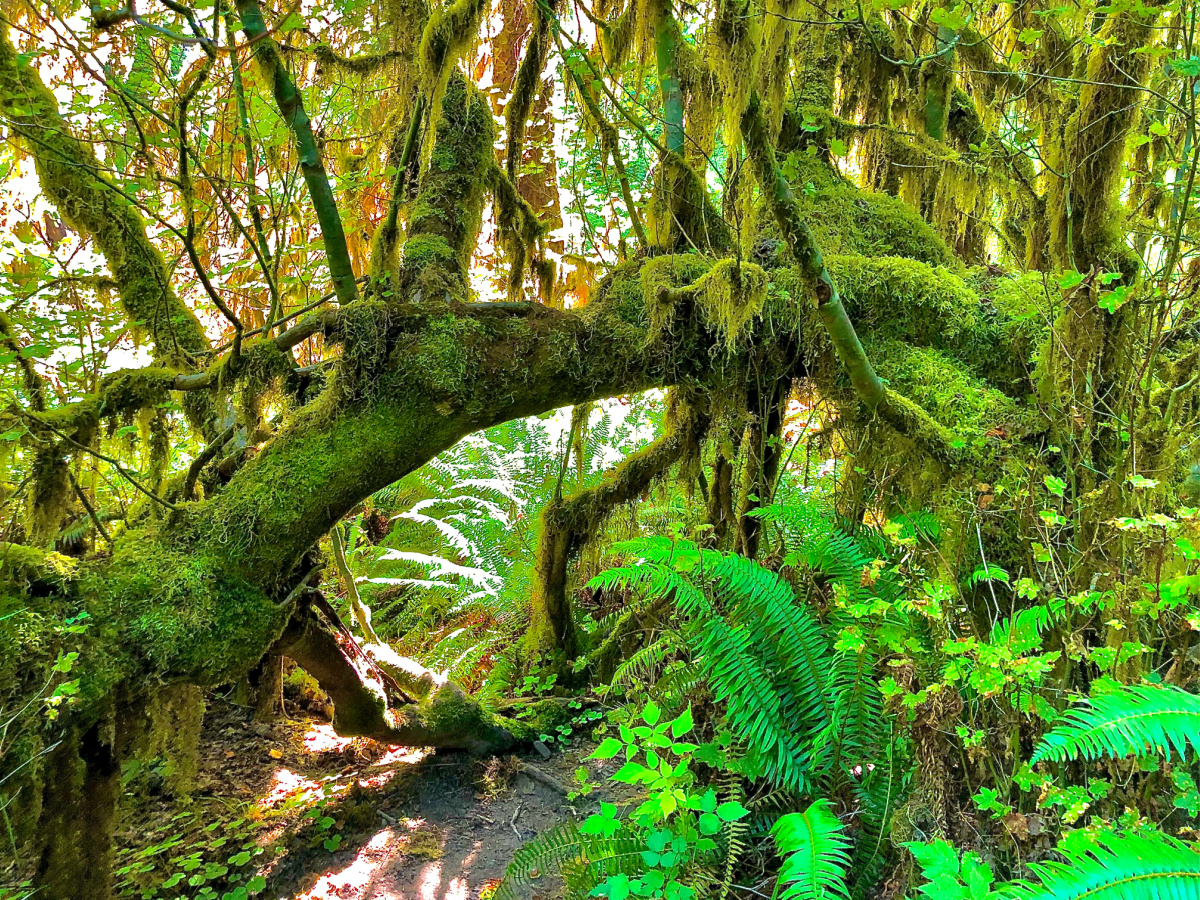
The Hoh Rainforest is one of the most iconic areas in Olympic National Park and absolutely deserves a place on your road trip.
This is the kind of place that feels almost unreal the first time you visit.
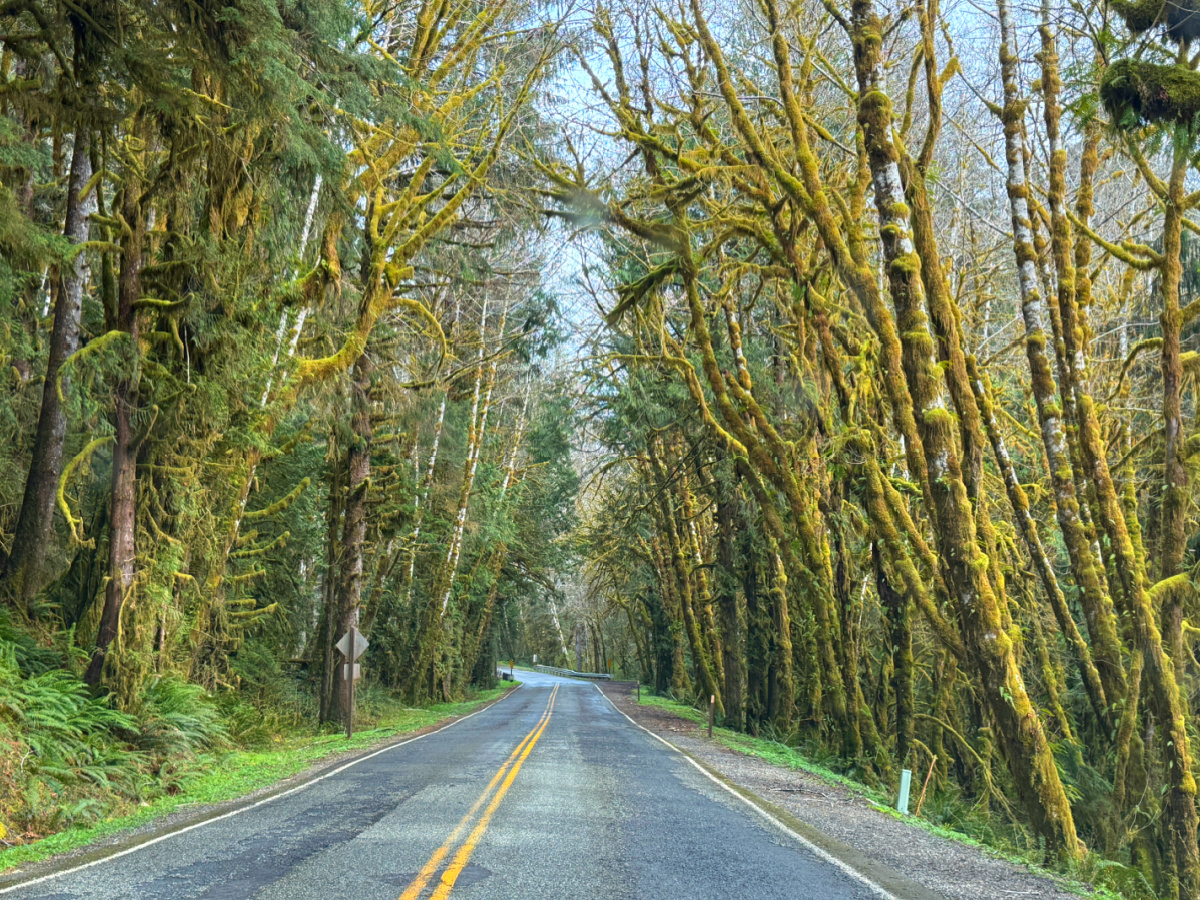
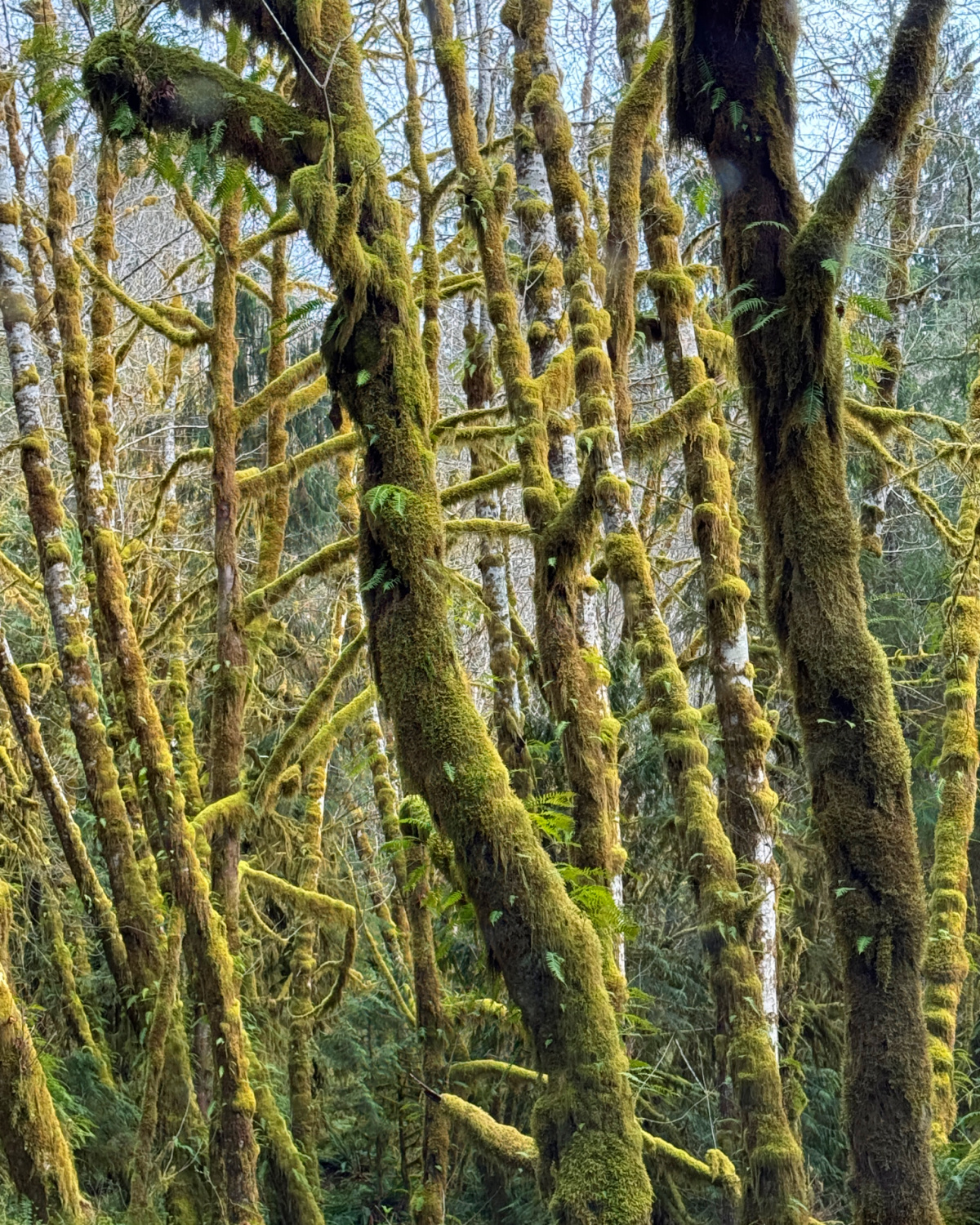
Massive moss-covered trees, ferns everywhere, dripping green forest scenery, and quiet walking trails make this one of the most unique ecosystems in the United States.
The Hall of Mosses Trail is short and easy, making it accessible for many visitors.
A few important things to know:
- arrive early if possible
- parking can fill up
- expect rain and mud even in summer
- bring waterproof layers
For more details about the moss-covered forests and best rainforest stops, check out my complete Olympic National Park rainforest guide.
Rialto Beach
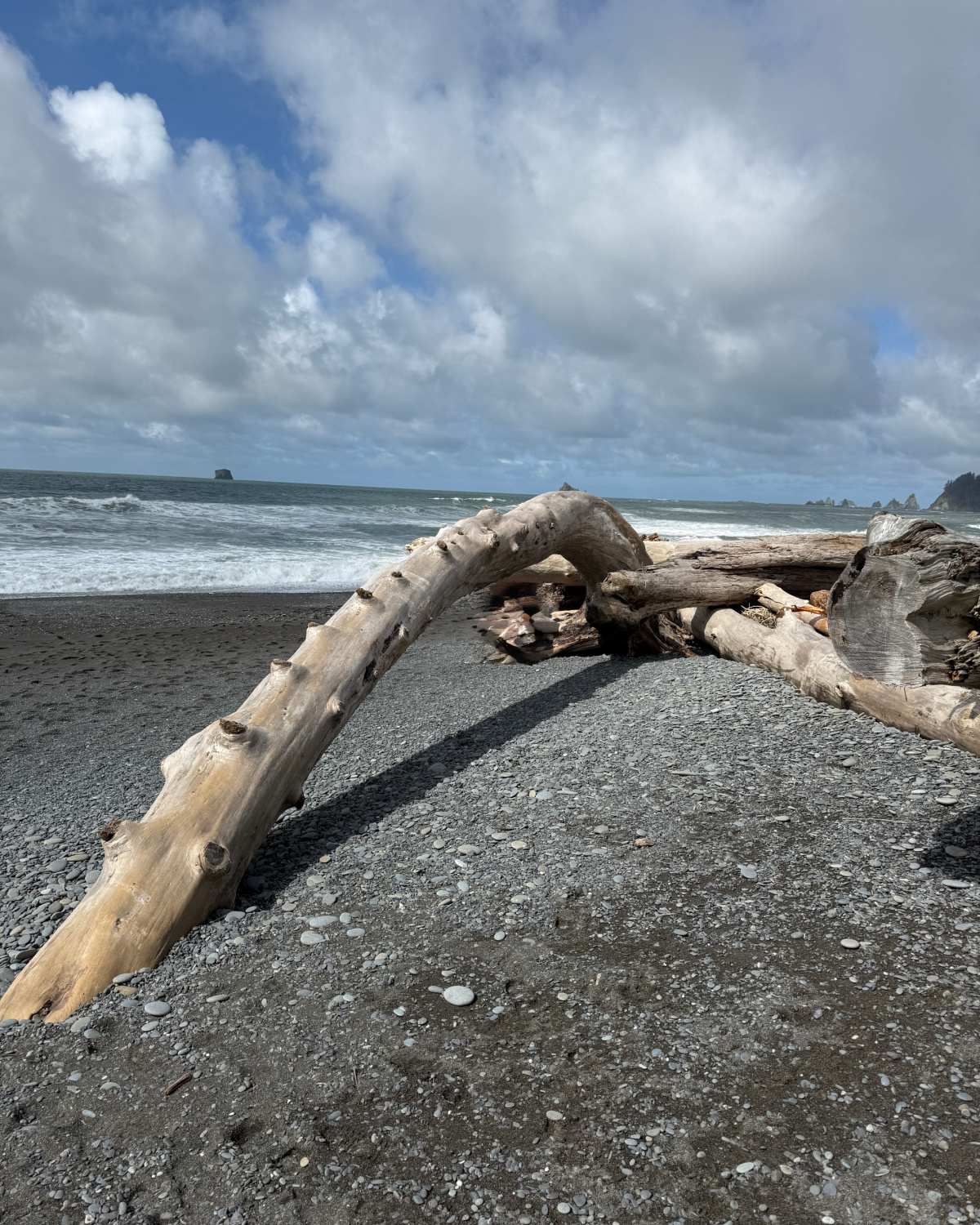
Rialto Beach is dramatic, rugged, and unforgettable.
This is the classic Pacific Northwest beach experience people imagine when they think about Olympic National Park.
You will see:
- massive driftwood
- sea stacks
- crashing waves
- bald eagles
- moody coastal scenery
Even visitors who are not “beach people” often love this area.
If tides cooperate, the Hole-in-the-Wall hike is worth doing.
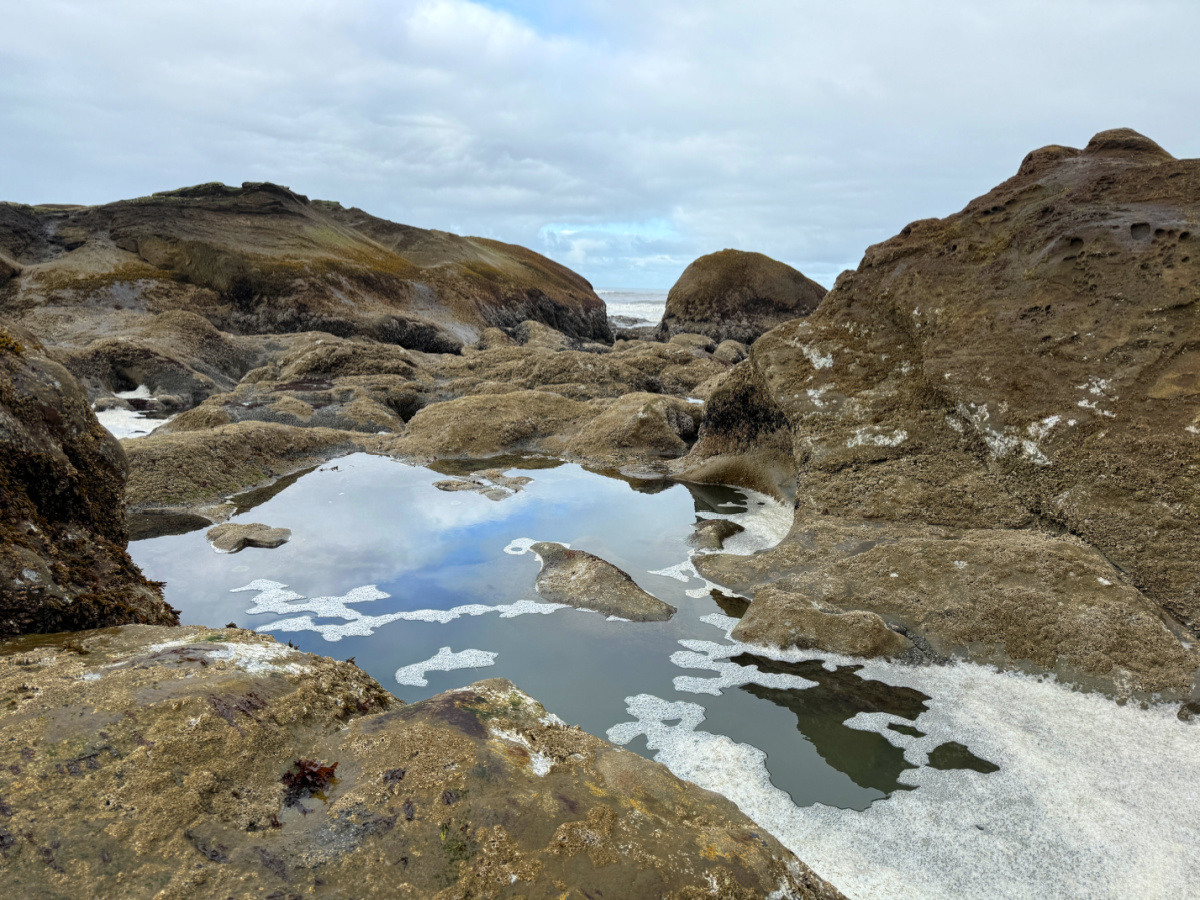
The beaches are one of the most unforgettable parts of the park, and my Olympic National Park beaches guide covers the best beach stops, tidepooling areas, and scenic viewpoints.
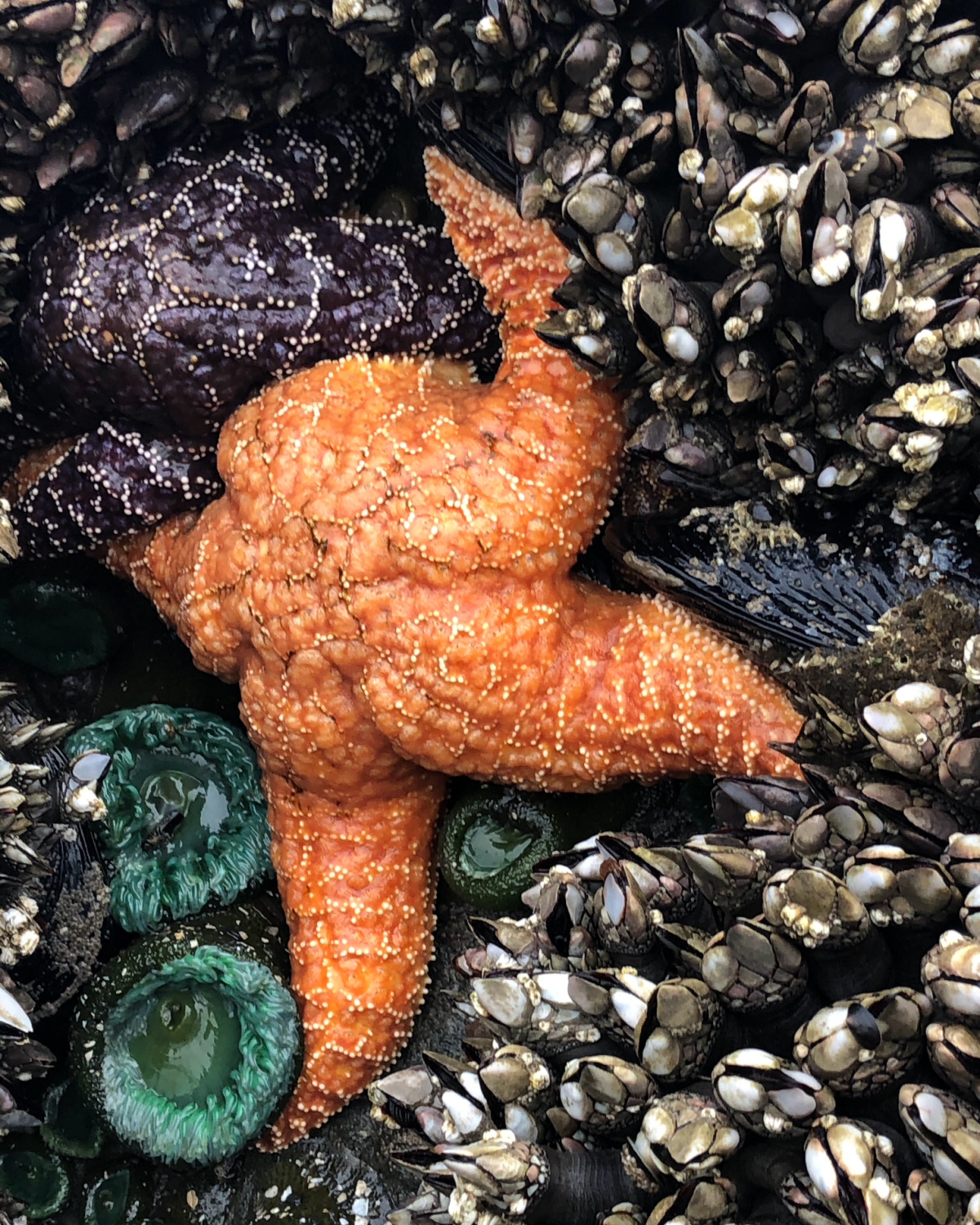
Ruby Beach
Ruby Beach is one of the most photographed locations in Olympic National Park for good reason.
The combination of:
- sea stacks
- tide pools
- driftwood
- fog
- sunsets
creates incredible scenery almost no matter the weather.
Low tide is the best time to visit.
Honestly, this is one of those places where many people end up staying far longer than planned.
Kalaloch
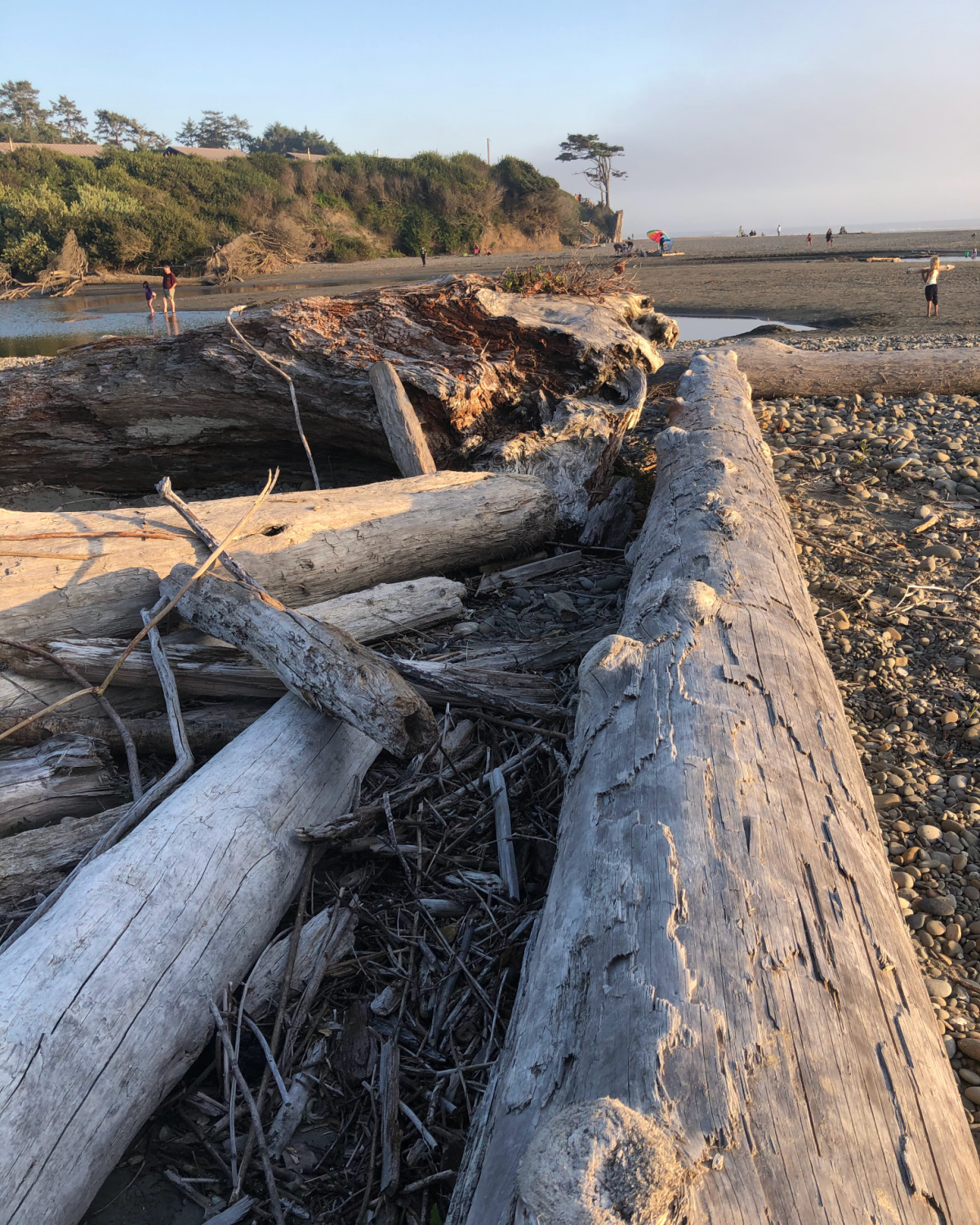
Kalaloch feels quieter and more relaxed than some of the busier beach areas.
This section of coastline is perfect for slowing down and soaking in the atmosphere of the Olympic Peninsula.
Kalaloch Lodge is one of the most iconic places to stay in the park and works especially well for:
- couples
- photographers
- families wanting beachfront scenery
- travelers wanting fewer crowds
Sunsets here can be incredible.
Lake Quinault
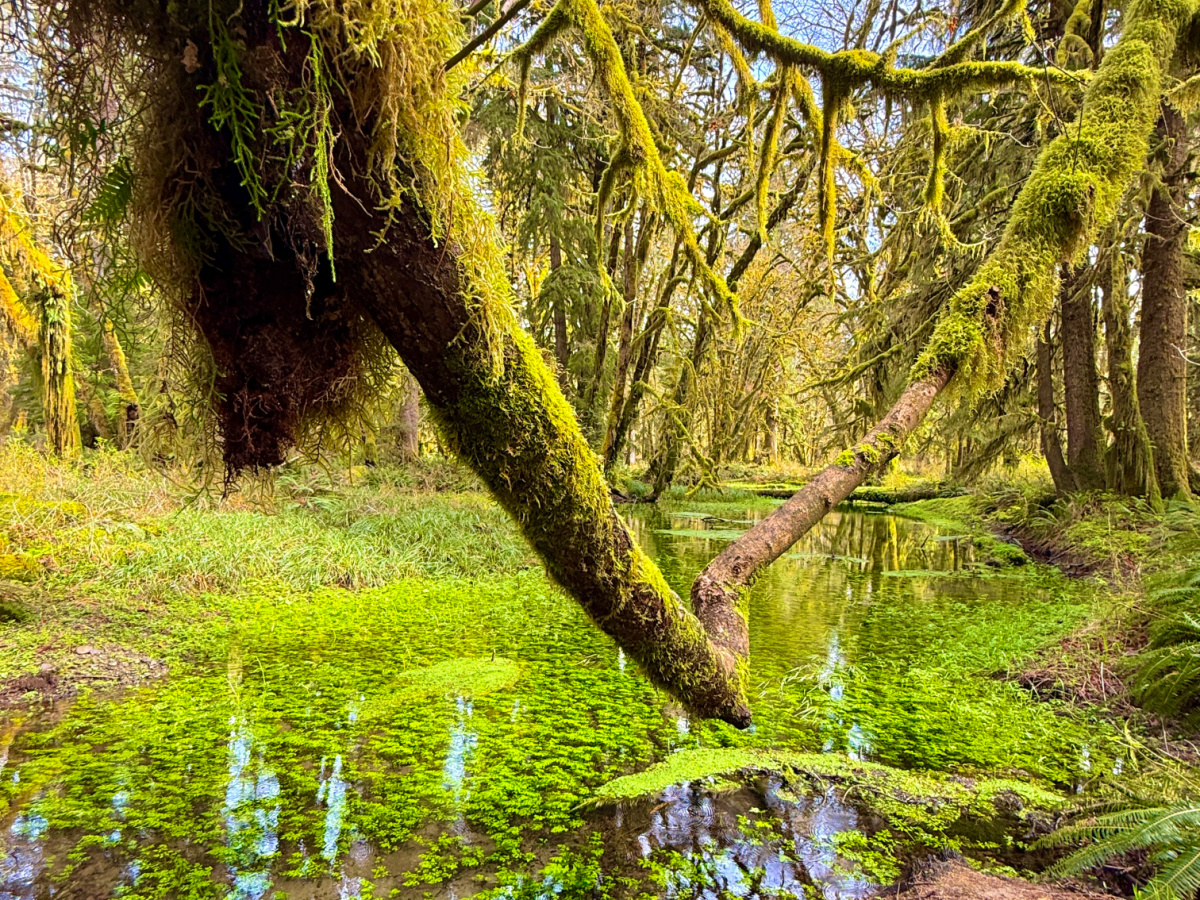
Lake Quinault is often overlooked by first-time visitors, but it makes a fantastic final stop on an Olympic road trip.
The area offers:
- rainforest scenery
- waterfalls
- historic lodge atmosphere
- easy scenic drives
- giant trees
It also tends to feel calmer and less crowded than some other parts of the park.
How Many Days Do You Need for an Olympic Road Trip?
1 Day
Honestly, one day is not enough to truly experience Olympic National Park.
You can see a few highlights, but it will feel rushed.
2 Days
Two days allows you to sample:
- mountains
- rainforest
- one or two beaches
But expect significant driving.
3–4 Days (Recommended)
This is the sweet spot for most visitors.
You can:
- experience all the major ecosystems
- avoid feeling constantly rushed
- enjoy beaches at a slower pace
- include several easy hikes
- stay in multiple areas
5–7 Days (Ideal)
If you love photography, slower travel, wildlife viewing, or relaxing road trips, a full week in Olympic can be amazing.
This allows:
- weather flexibility
- beach sunsets
- more tidepooling
- extra hikes
- relaxed pacing
Best Places to Stay on an Olympic Road Trip
One of the biggest mistakes people make is trying to use one hotel base for the entire park.
Olympic works much better when you split your lodging.
Best Lodging Hubs
| Area | Best For |
|---|---|
| Port Angeles | Hurricane Ridge and Lake Crescent |
| Forks | Beaches and Hoh Rainforest |
| Kalaloch | Coastal scenery and sunsets |
| Lake Quinault | Southern Olympic access |
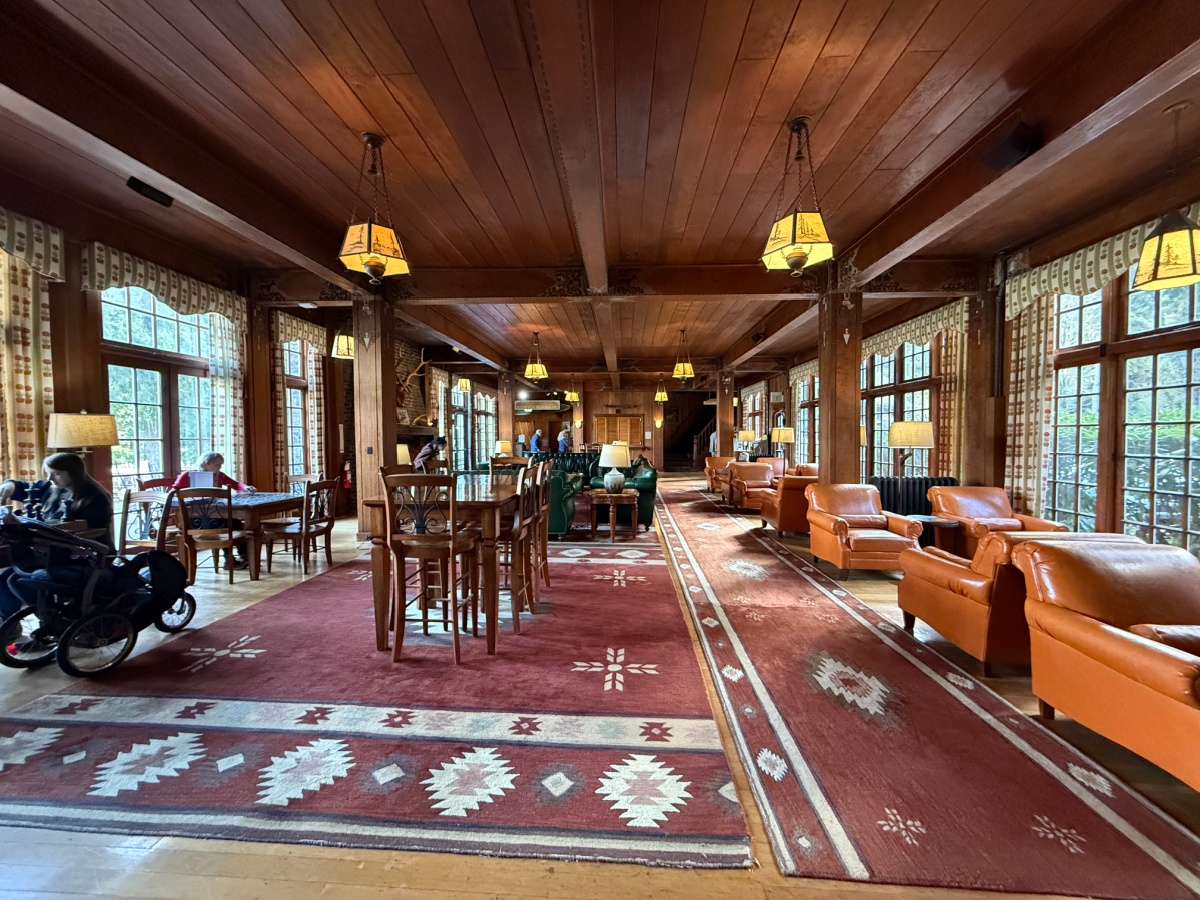
My Favorite Olympic Lodging Experiences
These places add atmosphere and character to the trip that chain hotels simply cannot replicate.
Biggest Olympic National Park Road Trip Mistakes
Trying to Day Trip from Seattle
Possible? Yes.
Ideal? Not really.
You lose a massive amount of time driving.
Underestimating Drive Times
This happens constantly.
Olympic looks smaller on the map than it feels in real life.
Trying to See Everything
You do not need to see every beach, every waterfall, and every trail.
Slow down and enjoy the experience.
Not Checking Tide Charts
Tides matter a lot for:
- tidepooling
- beach access
- Hole-in-the-Wall
- photography
Booking Lodging Too Late
Olympic lodging fills surprisingly early during summer.
Especially:
- Kalaloch
- Sol Duc
- Lake Crescent
- Port Angeles
Skipping the Beaches
Some visitors focus too heavily on mountains and rainforest.
But honestly, the beaches are one of the most unforgettable parts of Olympic National Park.
Best Time of Year for an Olympic National Park Road Trip
For most travelers, the best time to visit Olympic National Park is:
- late June
- July
- August
- early September
This generally offers:
- the driest weather
- best road conditions
- easiest hiking
- clearest mountain views
That said, Olympic’s moody weather is part of its charm.
Foggy beaches and misty rainforests can actually make the park feel even more magical.
One of the best things about Olympic is that you do not need to be a serious hiker to experience the scenery, and my Olympic National Park without hardcore hiking guide focuses on the best viewpoints, easy walks, scenic drives, and accessible experiences for casual travelers.
What to Pack for an Olympic Road Trip
Even in summer, layers are essential.
I would recommend:
- rain jacket
- fleece or light jacket
- waterproof shoes
- extra socks
- snacks
- refillable water bottles
- portable charger
- binoculars
- camera gear
- offline maps
And if you plan to explore beaches extensively:
- water shoes
- towels
- tide app
- extra clothes for kids
Olympic is surprisingly family friendly, and my Olympic National Park with kids guide includes the best beaches, easy hikes, wildlife stops, kid-friendly lodging, and realistic travel tips for families planning a trip to the Olympic Peninsula.
Road Trip Tips for Families
Olympic is surprisingly family friendly if you plan realistically.
A few things that help:
- mix scenic drives with shorter walks
- avoid overscheduling hikes
- let kids spend time exploring beaches
- build in downtime
- expect changing weather
- use beaches as natural “break” stops
Honestly, many kids end up loving:
- driftwood climbing
- tidepooling
- spotting bald eagles
- throwing rocks at the beach
- exploring mossy forests
more than long hikes.
And unlike some national parks, Olympic offers a lot of variety without needing extreme physical effort.
FAQ About Olympic National Park Road Trips
Can you drive all the way around Olympic National Park?
You can drive around most of the Olympic Peninsula, but you cannot drive directly through the center of the national park.
What is the best direction to drive Olympic National Park?
For most travelers, counterclockwise works best because it creates a smoother sightseeing flow.
Is Olympic National Park good for families?
Yes. Olympic is excellent for families because many of the best experiences involve scenic drives, beaches, easy hikes, and wildlife viewing.
Do you need AWD for Olympic National Park?
Not usually. Most major roads are paved and accessible with normal vehicles during summer.
Is Olympic National Park worth a road trip?
Absolutely.
In my opinion, Olympic National Park is one of the best road trip national parks in the United States because of the incredible diversity packed into one region.
Final Thoughts on Planning an Olympic National Park Road Trip
Olympic National Park can feel intimidating at first.
The geography is confusing. The drive times are longer than expected. The weather changes constantly.
But once you understand how the park flows, it becomes an incredible road trip destination.
Very few places combine:
- rugged Pacific beaches
- alpine mountain scenery
- temperate rainforests
- waterfalls
- lakes
- wildlife
all in one trip.
And the best part is that you do not need to be a hardcore hiker to experience the magic of Olympic.
If you slow down, build a realistic route, and embrace the changing scenery, an Olympic National Park road trip can easily become one of the most memorable vacations in the Pacific Northwest.