7- and 10-Day Northern California Itinerary: San Francisco, Monterey, and Yosemite

Plan the perfect 7-day Northern California itinerary with San Francisco, Monterey and the Central Coast, plus an optional Yosemite extension for 10 days.
Estimated reading time: 39 minutes
If you have one week to explore Northern California, you can fit an amazing amount into seven days without turning the trip into a race.
This itinerary combines three days in San Francisco, two full days on the Monterey Peninsula, and a scenic transition day along the California coast. If you have three more days, you can turn it into a 10-day California itinerary by adding Yosemite National Park at the end.
That makes this trip especially practical for a one-week vacation bookended by two weekends. You could fly into the Bay Area on a Friday evening, start exploring Saturday morning, and still have a full week of sightseeing before heading home the following weekend.
It is also very easy to customize.
Families with younger kids can lean toward science museums, aquariums, and hands-on attractions. Families with teens can spend more time exploring neighborhoods, historic sites, scenic overlooks, and the coast. And honestly, most of this itinerary works just as well for couples or adult travelers.
The goal is not to see every attraction in the Bay Area. It is to experience several very different sides of Northern California without spending the entire trip in the car.

7-Day California Bay Area Itinerary at a Glance
Here is the basic route:
Day 1: Classic San Francisco
Day 2: Golden Gate Bridge, Muir Woods, and Marin County
Day 3: Choose your own San Francisco adventure
Day 4: San Francisco to Monterey scenic transition day
Day 5: Monterey Peninsula
Day 6: Monterey Peninsula and the Central Coast
Day 7: Return to the Bay Area and fly home
If you are planning the 10-day version, Day 7 becomes your travel day to Yosemite. You will then have two full days in Yosemite before returning to the Bay Area on Day 10.
Day 1: See Classic San Francisco
For your first full day, concentrate on the San Francisco sights that immediately make you feel like you are actually in San Francisco.
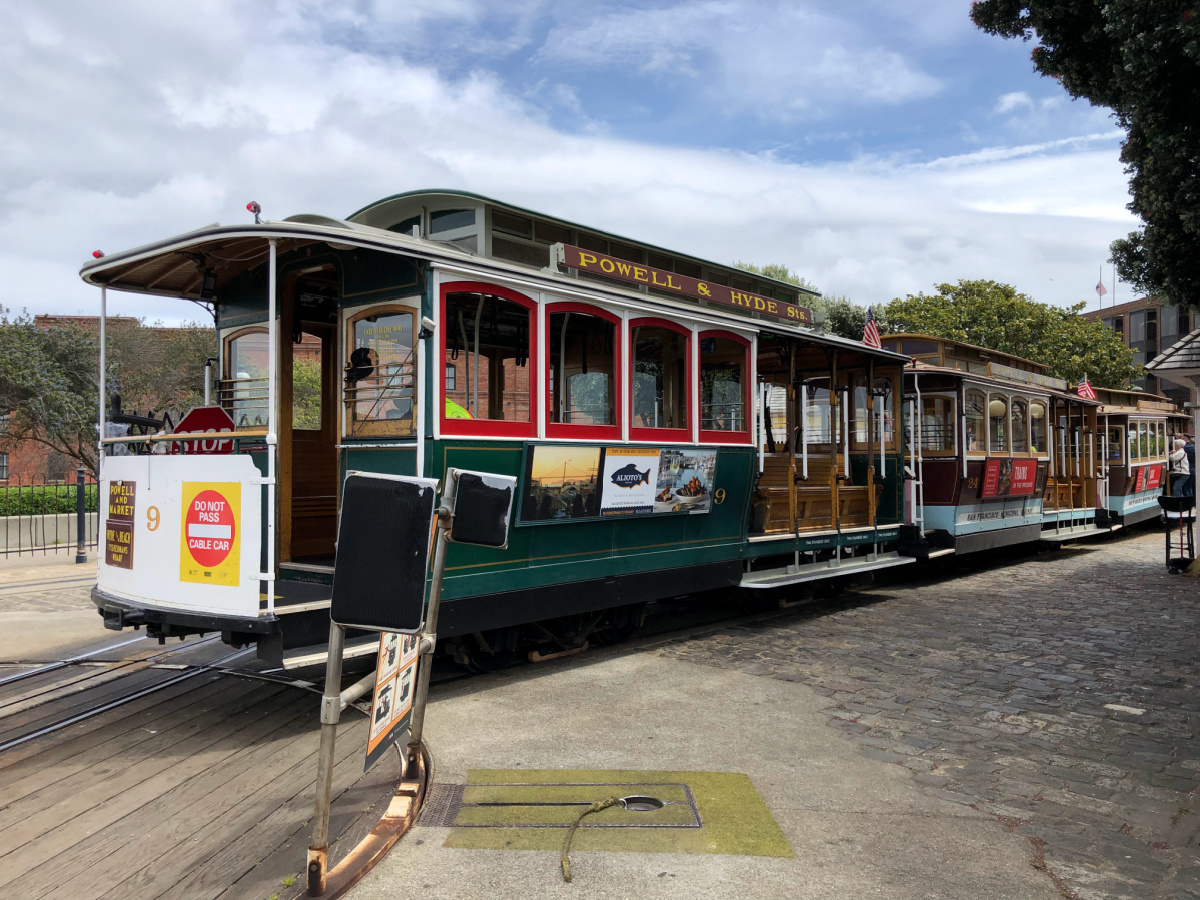
Ride a cable car. Walk around Fisherman’s Wharf and Pier 39. Stop at Ghirardelli Square. Explore Chinatown. See the Painted Ladies. And if visiting Alcatraz is high on your list, this is a good day to work it into the itinerary.
You could easily spend three or four days doing nothing but sightseeing in San Francisco, so I would not try to cram every famous landmark into one day. Pick the places that matter most to your family and leave yourself some breathing room.
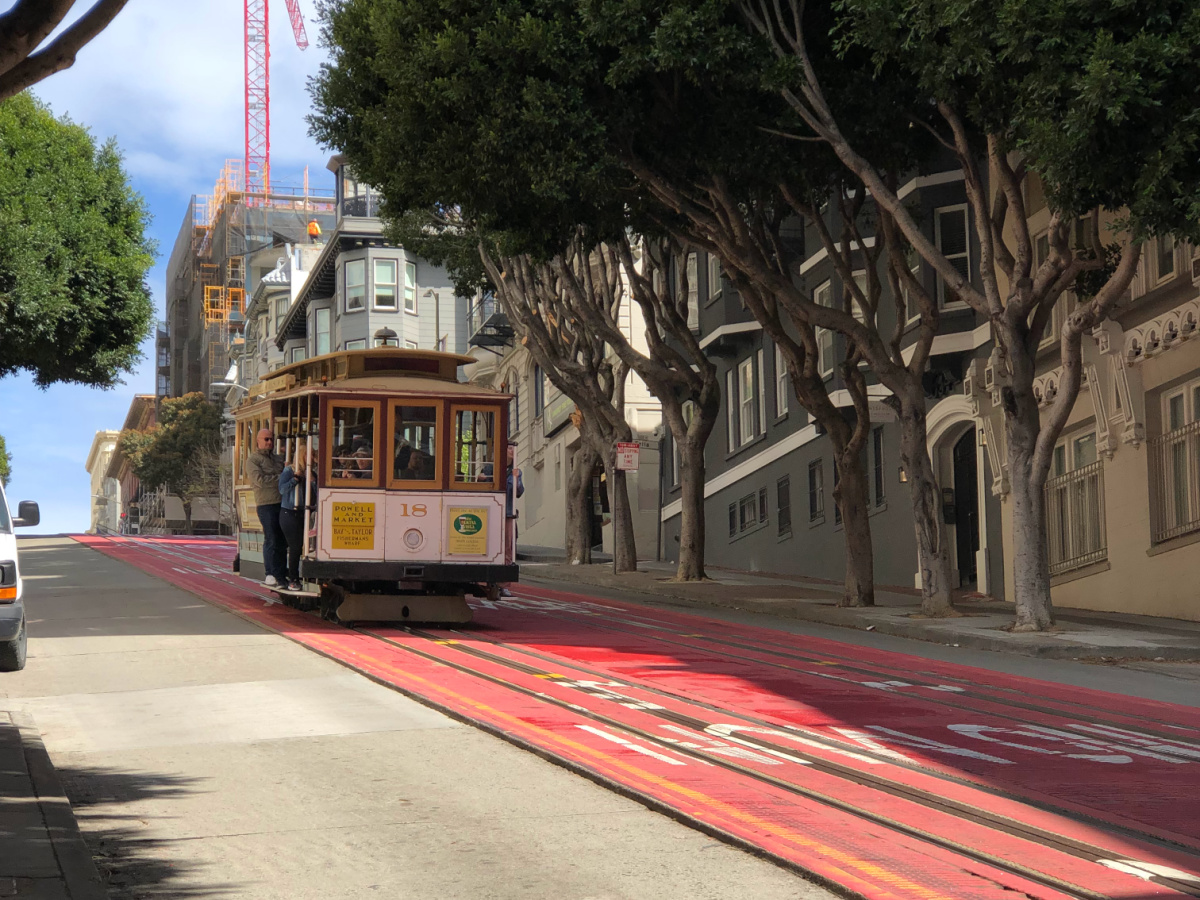
One of the fun things about San Francisco is that the transportation can become part of the sightseeing. Riding a cable car is not just a way to get from one place to another. Walking up a ridiculously steep hill and turning around to see the city below you is part of the experience too.
This is also a day when I would not worry about squeezing in one of the major museums. Save that for Day 3.
Fisherman’s Wharf and Pier 39
Fisherman’s Wharf is touristy. It is also one of those places that most first-time visitors are probably going to want to see anyway.
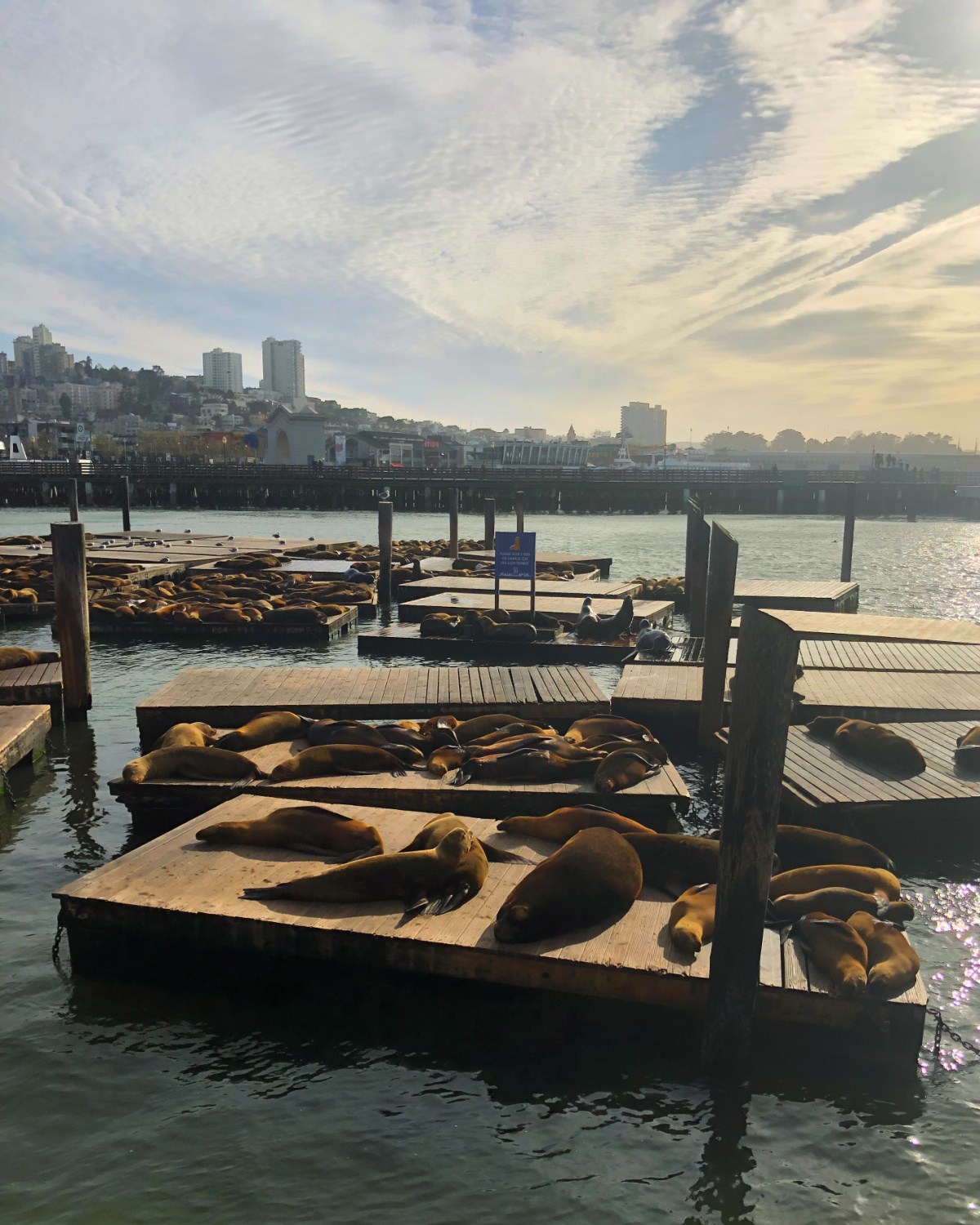
Pier 39 is especially fun with kids because there is always something going on, and the sea lions are practically an attraction by themselves. Even if you do not spend hours here, it is an easy place to wander, grab something to eat, and enjoy the waterfront.
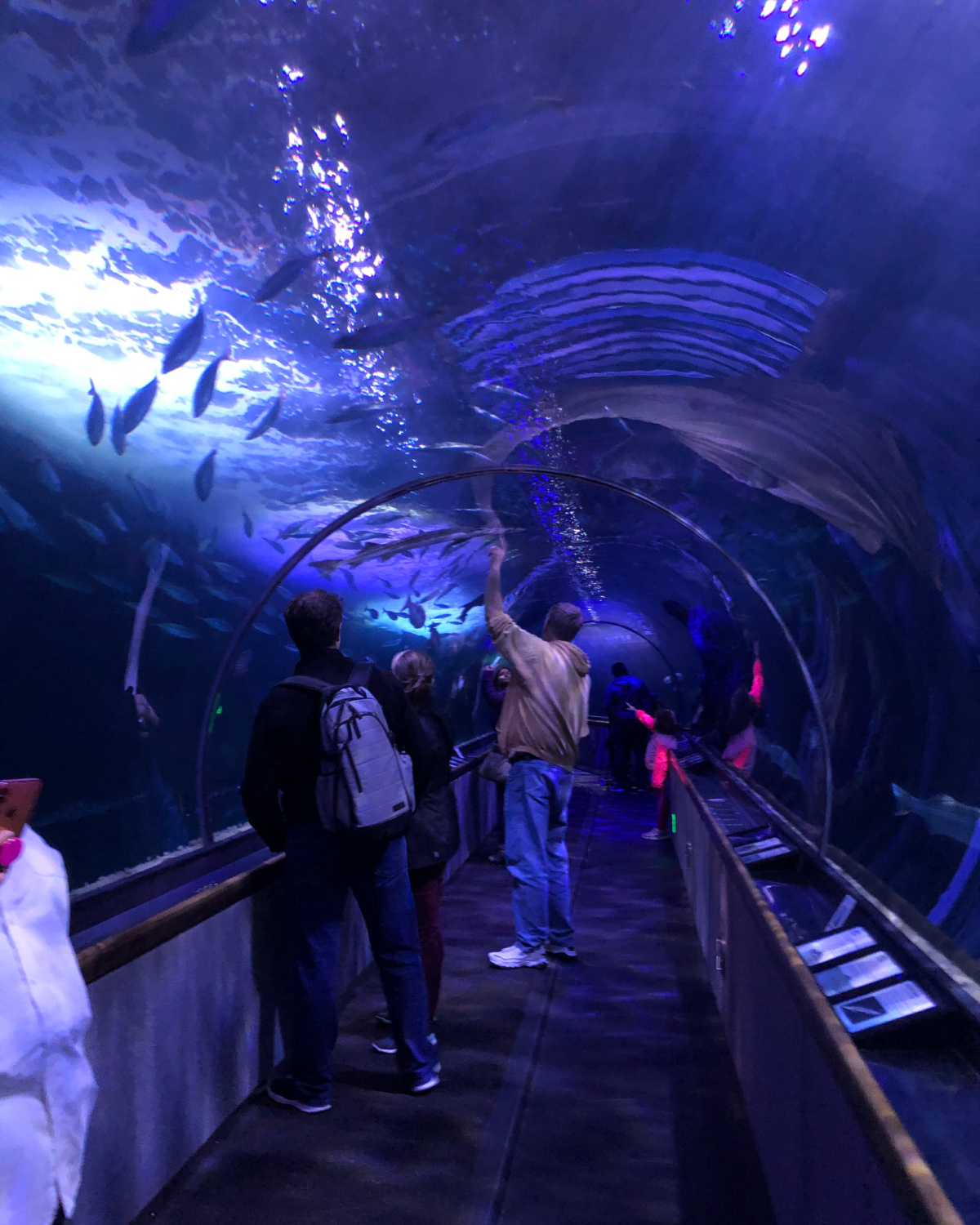
If you have extra time, the Aquarium of the Bay at Pier 39 is another easy family-friendly stop, especially for younger kids who want an up-close look at local marine life.
Ghirardelli Square is nearby and makes an easy addition to this part of your day.

Ride a Cable Car
Yes, it is iconic. Yes, tourists love it.
Do it anyway.
A cable car ride is one of those experiences that feels distinctly San Francisco, and it is especially fun if you are traveling with kids who have never seen anything like it before.
Chinatown
San Francisco’s Chinatown is another easy addition to your first day, especially if you want to break up the waterfront sightseeing.
Walk through the neighborhood, browse the shops, stop for food, and give yourself time to wander instead of treating it like a quick photo stop.
Alcatraz
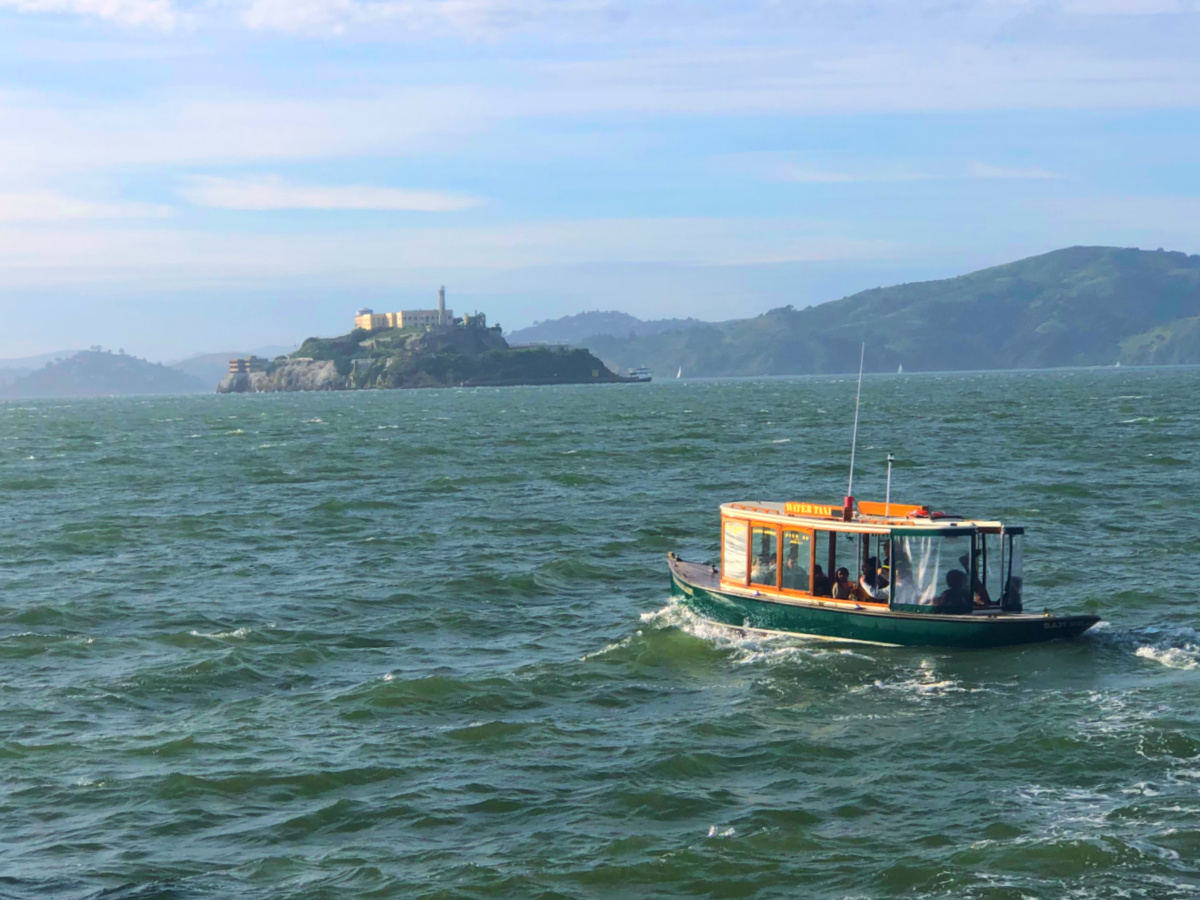
If you want to visit Alcatraz, plan around your ticket time rather than trying to squeeze it in at the last minute.
This is one of the attractions I would book ahead, especially during busy travel periods.
Alcatraz also works particularly well for families with older kids and teenagers because it gives the day something completely different from cable cars and waterfront sightseeing.
Painted Ladies and Other Classic San Francisco Stops
If you grew up watching Full House, you are probably going to want your Painted Ladies photo.
This is also the day to work in any of those classic San Francisco stops that are personally important to you. Maybe that is Lombard Street. Maybe it is Coit Tower. Maybe you just want to see several neighborhoods and soak up the city.
Do not feel like you have failed the itinerary if you skip something famous.
San Francisco is much more enjoyable when you are not constantly checking the clock.
Day 2: Golden Gate Bridge, Muir Woods, and Marin County
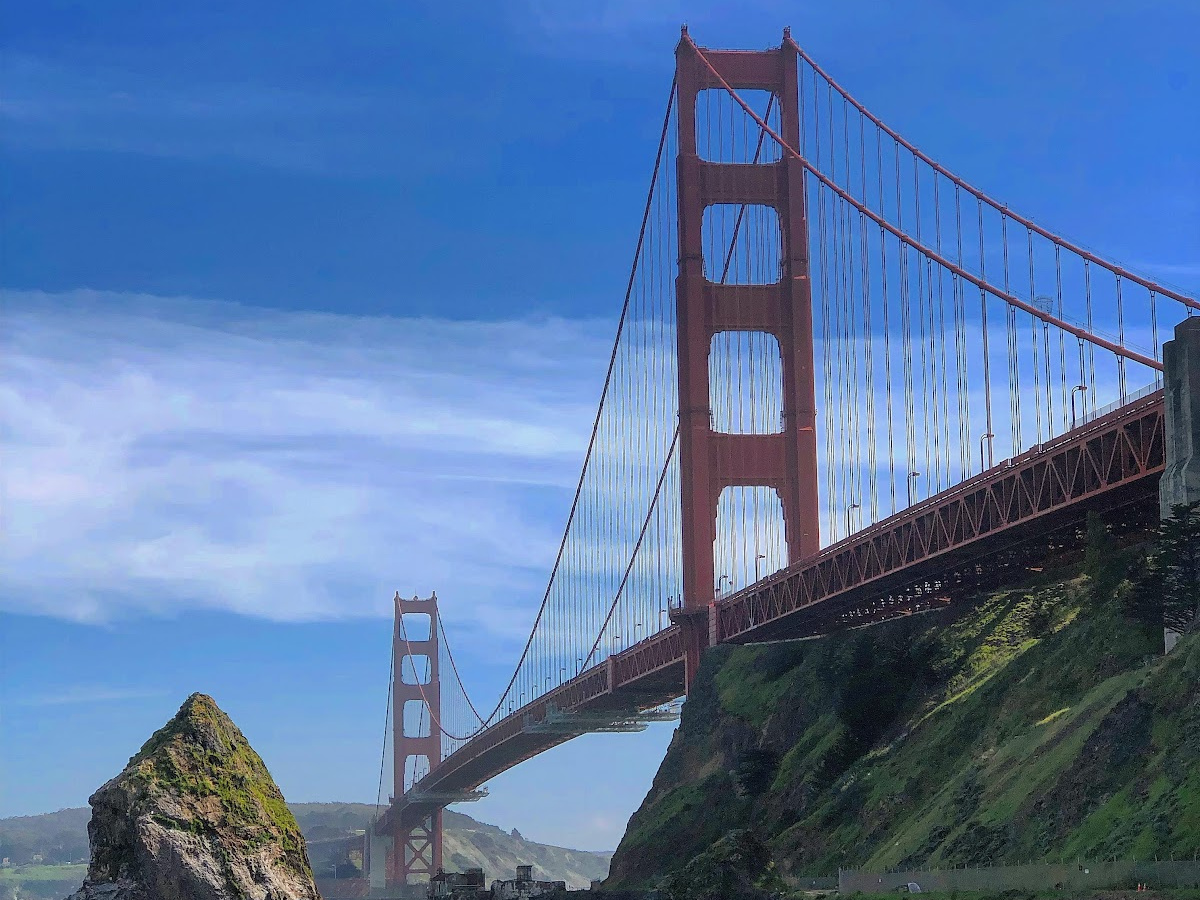
Day 2 gets you out of downtown San Francisco and across the Golden Gate Bridge.
This is one of my favorite combinations because the day feels completely different from Day 1. You go from dense city sightseeing to redwoods, coastal scenery, and the much quieter communities north of the bridge.
Your basic route is:
Muir Woods → Sausalito/Bay Area Discovery Museum/Marin Headlands → Golden Gate Bridge
After Muir Woods, choose the afternoon that best fits your group.
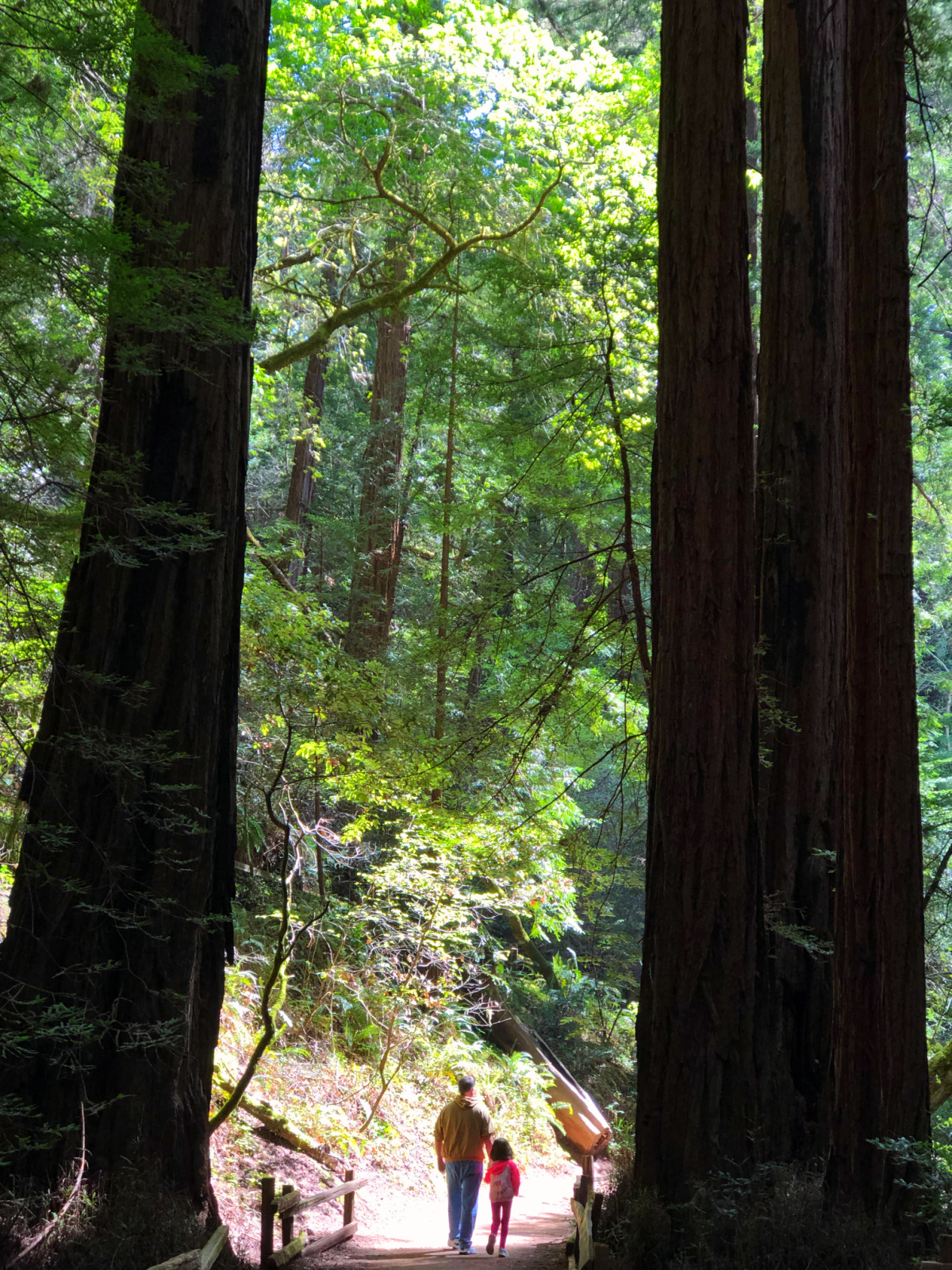
Families with younger children can spend time at the Bay Area Discovery Museum. Families with teens or adults may prefer Sausalito, the Marin Headlands, or the historic military sites overlooking the Golden Gate.

Golden Gate Bridge
You obviously need to see the Golden Gate Bridge while you are in San Francisco.
But do not limit yourself to seeing it from one viewpoint.
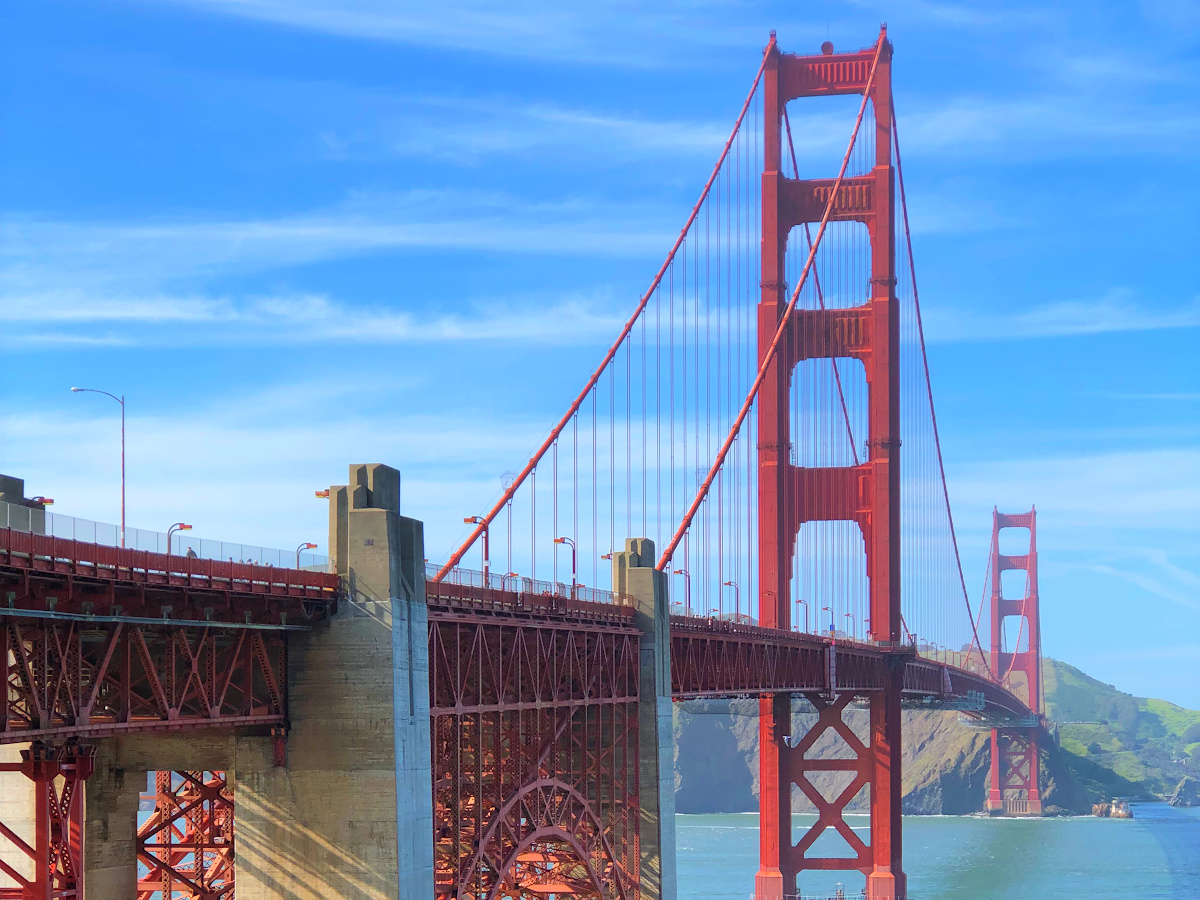
The views from the Marin side can be spectacular, and crossing the bridge also gives you a completely different perspective on San Francisco Bay.
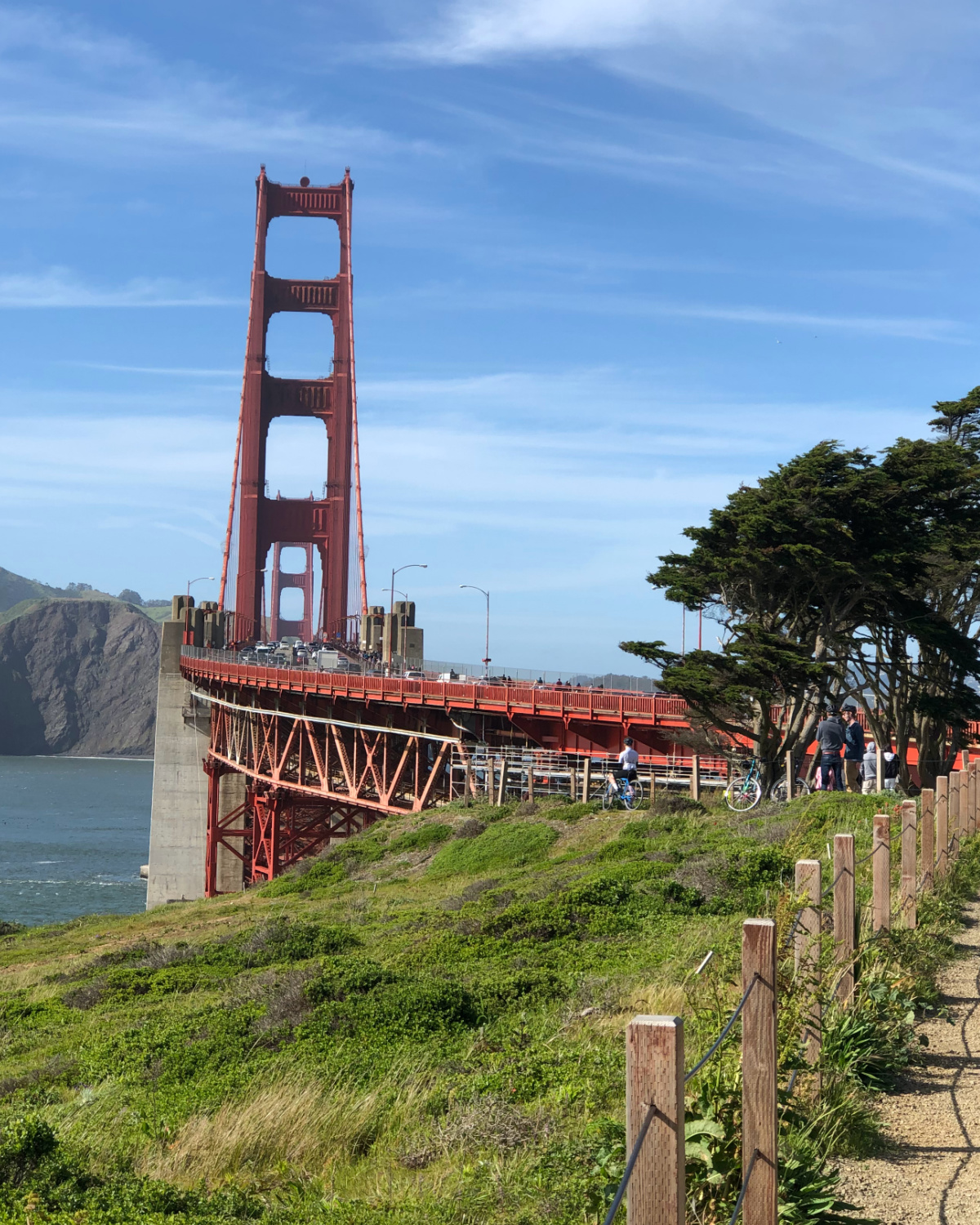
Sometimes you get clear blue skies and enormous views. Other times, San Francisco’s famous fog rolls in and completely changes the scene.
Either way, it is San Francisco.
Muir Woods National Monument
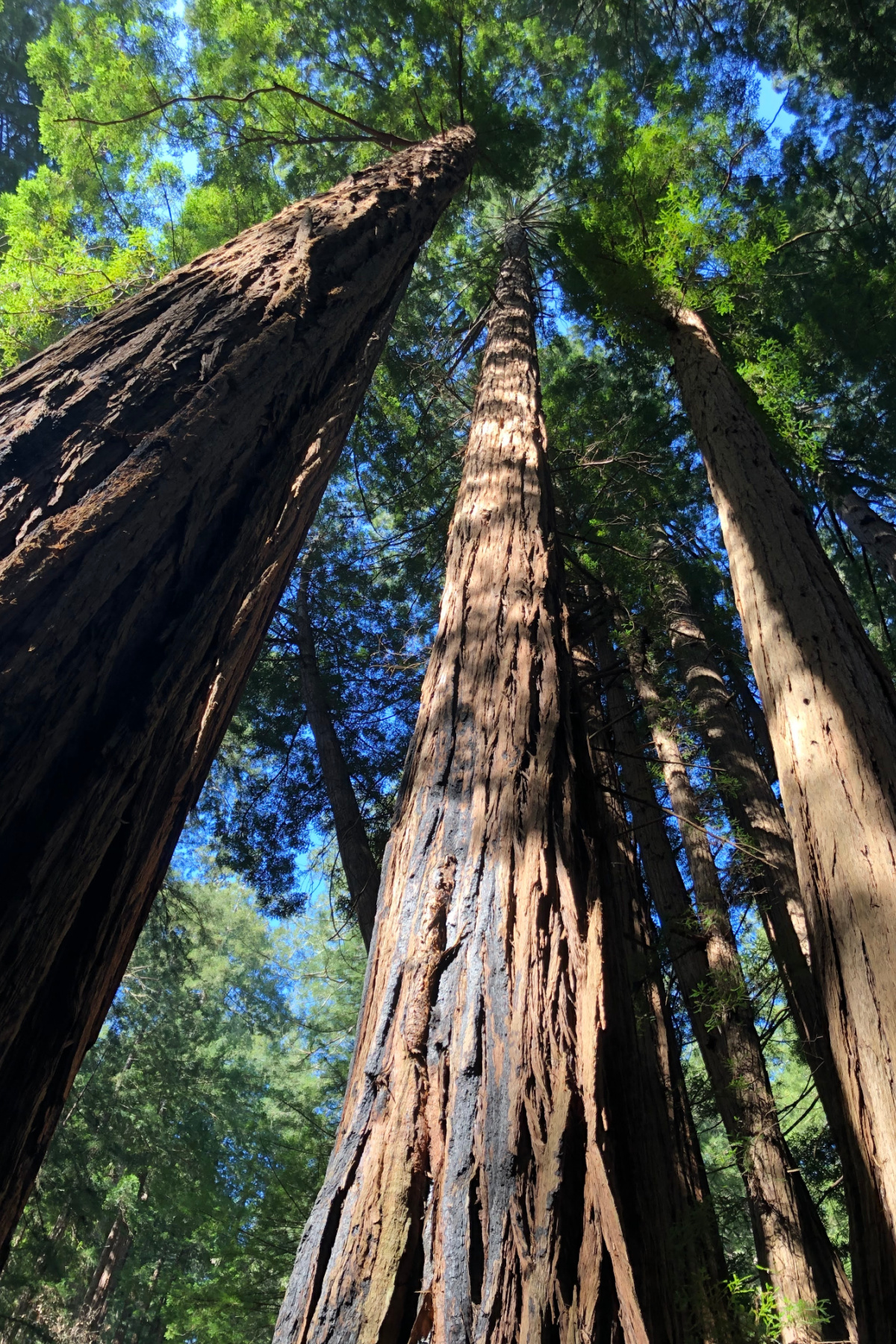
Muir Woods is one of the easiest ways to add a redwood experience to a San Francisco trip.
You do not need to be a serious hiker to enjoy it. The main trails through the grove are approachable for casual travelers, and even a relatively short visit gives you the experience of walking beneath enormous coastal redwoods.
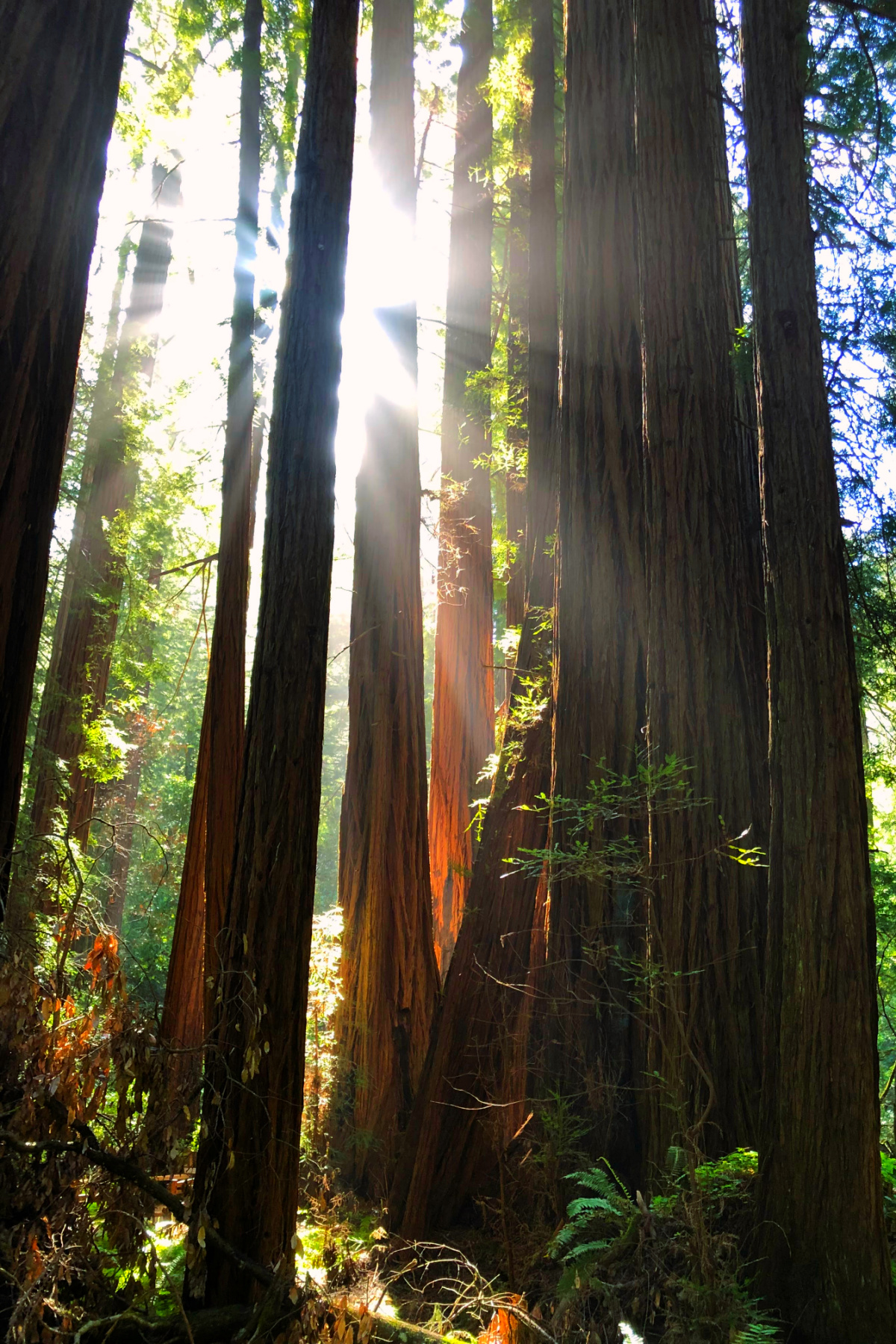
This is one of the reasons I like including Muir Woods in a Bay Area itinerary. You can spend the morning surrounded by redwoods and be back near the Golden Gate Bridge later the same day.
Plan this part of the day ahead rather than assuming you can simply show up whenever you want.
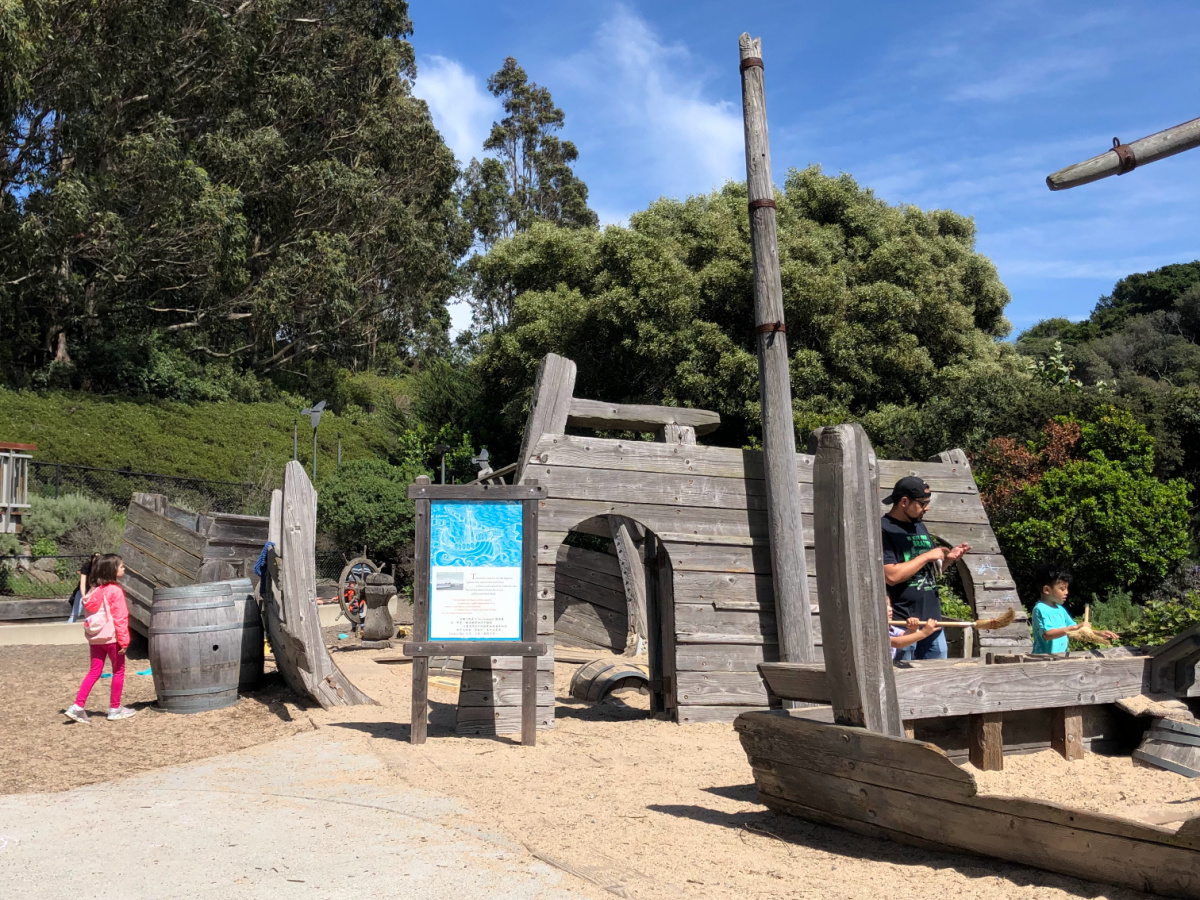
Option 1: Bay Area Discovery Museum
If you are traveling with younger kids, the Bay Area Discovery Museum is a very natural addition to this day.

It sits in one of those locations where the setting itself feels like part of the attraction. You are right near the Golden Gate Bridge, and it gives younger children a chance to play and explore after a morning that has been more focused on sightseeing.
I would especially consider this option for preschool and early elementary-age kids.
Option 2: Sausalito
For older kids, teens, couples, or adult travelers, Sausalito is an easy afternoon alternative.
Walk along the waterfront, browse the shops, grab lunch or dessert, and enjoy the views across the bay.
This is a good choice if you want Day 2 to stay relaxed rather than packing in another major attraction.
Option 3: Marin Headlands and Historic Military Sites
Another option is to spend more time in the Marin Headlands.
The scenery alone makes this worthwhile, but there are also former military installations and historic defensive sites scattered throughout the area.
This is especially good for families with teens who enjoy history, photography, or dramatic coastal scenery more than children’s museums.
You can also combine a little of Sausalito with the Headlands rather than committing the entire afternoon to one place.
Day 3: Choose Your Own San Francisco Adventure
After two fairly structured days, Day 3 is where I would let your family choose.
San Francisco has several excellent attractions that can easily fill most of a day, and there is no reason to try to visit all of them on the same trip.
My three favorite options for this itinerary are:
California Academy of Sciences
Exploratorium
San Francisco Zoo
And although these are all very family-friendly attractions, I would not automatically classify them as “just for kids.”
I am in my 50s, I still like animals, and I still enjoy a really good science museum.
Pick the one that sounds most interesting to your group and enjoy it instead of rushing through two or three of them.
California Academy of Sciences
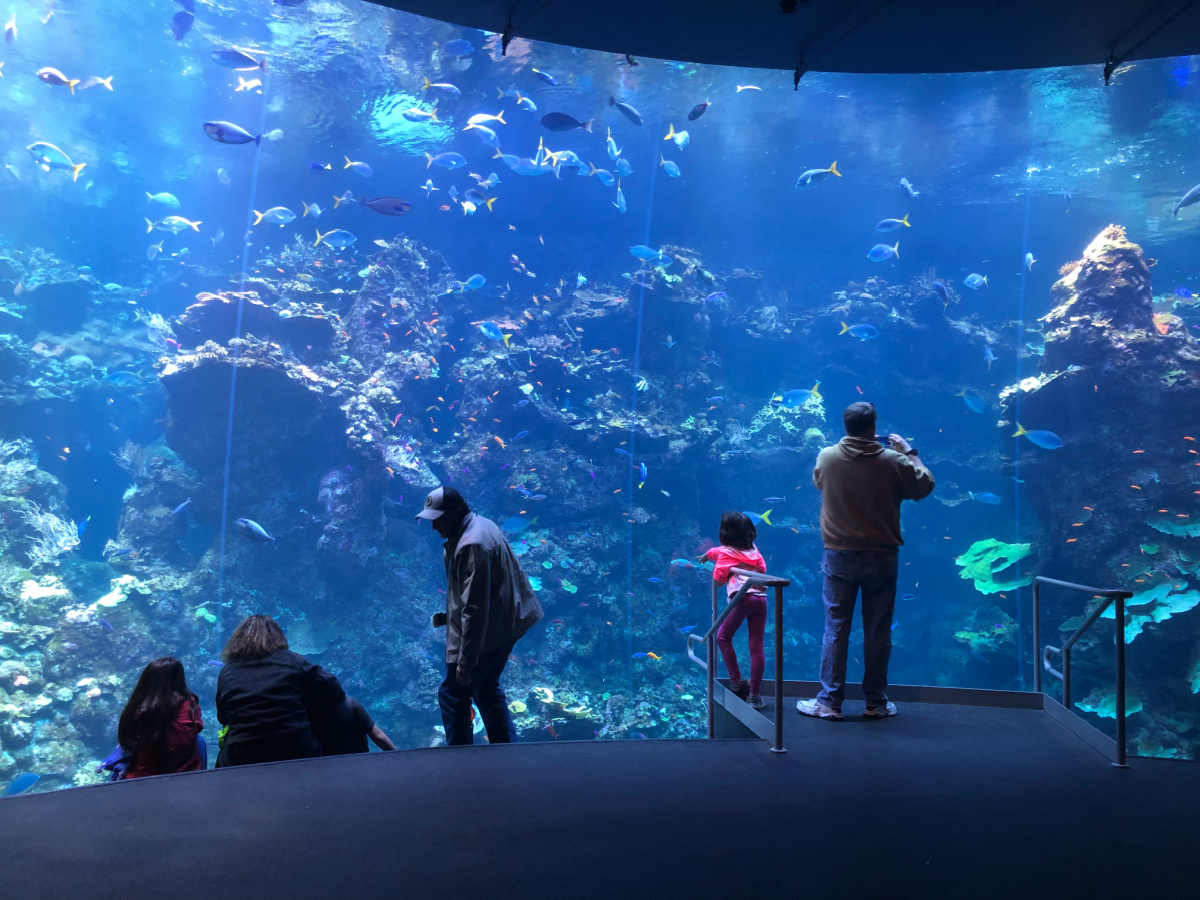
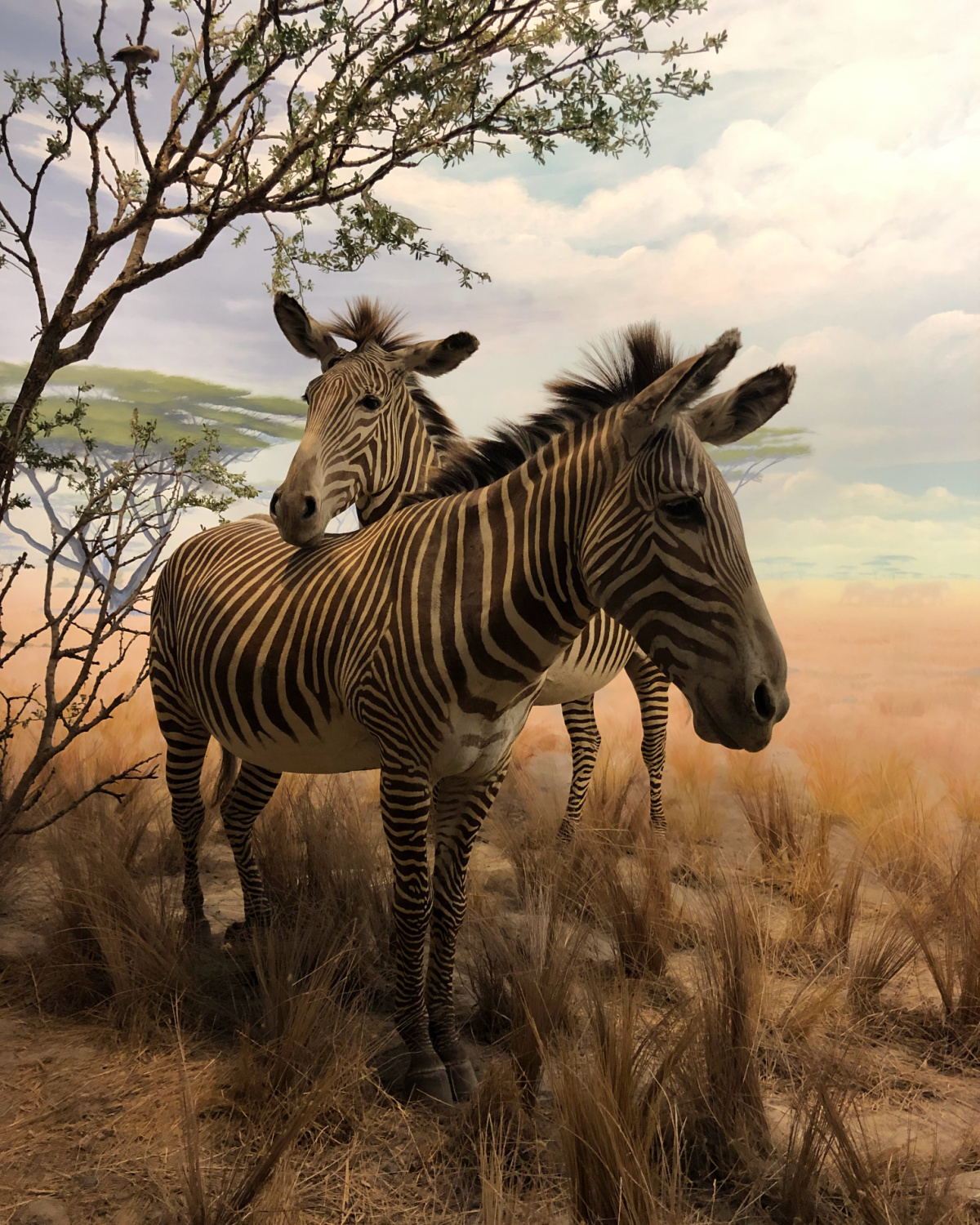
The California Academy of Sciences is a great choice if your family likes a little bit of everything.
You get an aquarium, natural history exhibits, a planetarium, and a rainforest environment in one place.
It also puts you in Golden Gate Park, so you can combine the museum with time outside if everyone still has energy afterward.
This is probably the most all-purpose option of the three.
Exploratorium
If your family loves hands-on science, choose the Exploratorium.
This is the kind of museum where touching things is the entire point.

It works especially well for school-age kids, teenagers, and adults who actually enjoy experimenting with exhibits instead of simply reading signs.
We loved it.
And because it is located along the waterfront, you can still pair the museum with additional San Francisco sightseeing before or after your visit.
San Francisco Zoo
The San Francisco Zoo is the best choice if your family would rather spend the day with animals than inside a science museum.
It also gives you a change of pace after two days of classic city sightseeing.
This is another place where I would simply commit to the attraction rather than trying to race through it so you can check something else off the list.
By the end of Day 3, you have seen three very different sides of San Francisco: the iconic city, the Golden Gate and redwoods, and one major attraction chosen specifically for your family.
And now it is time to head south.
Next: Drive the California Coast to Monterey
Day 4 is not just a transportation day.
The drive between San Francisco and the Monterey Peninsula can be one of the prettiest parts of the trip if you give yourself time to enjoy it.
Instead of rushing straight to Monterey, I would turn the drive itself into your itinerary.
That means Pacifica, coastal overlooks, farm stands, possibly Santa Cruz, or even a stop in San Jose if your family would rather spend a few hours at The Tech Interactive than drive the scenic route.
Day 4: Drive from San Francisco to Monterey
One of the easiest mistakes to make on a California itinerary is treating the drive between San Francisco and Monterey like wasted time.
It does not have to be.
You can absolutely drive straight from San Francisco to Monterey. But if you have the time, I would make Day 4 part of the vacation and choose between a scenic coastal route or a more inland route through San Jose.
Both work well. They just give you very different experiences.
Option 1: Take the Scenic Coastal Route
If you want ocean views, cliffs, beaches, and that classic California coast feeling, take the scenic route south.
This is the route I would choose if the weather is good.
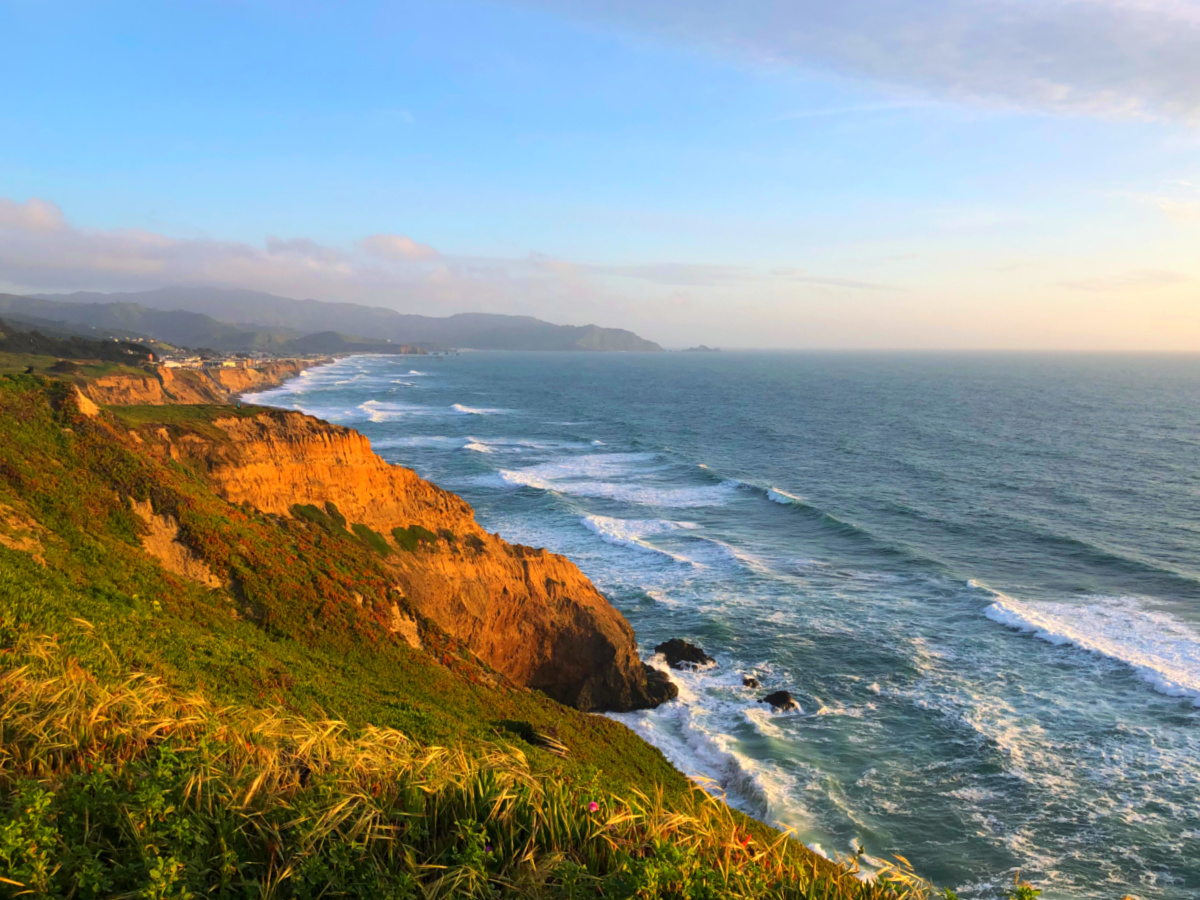
One of my favorite places to stop is Pacifica.
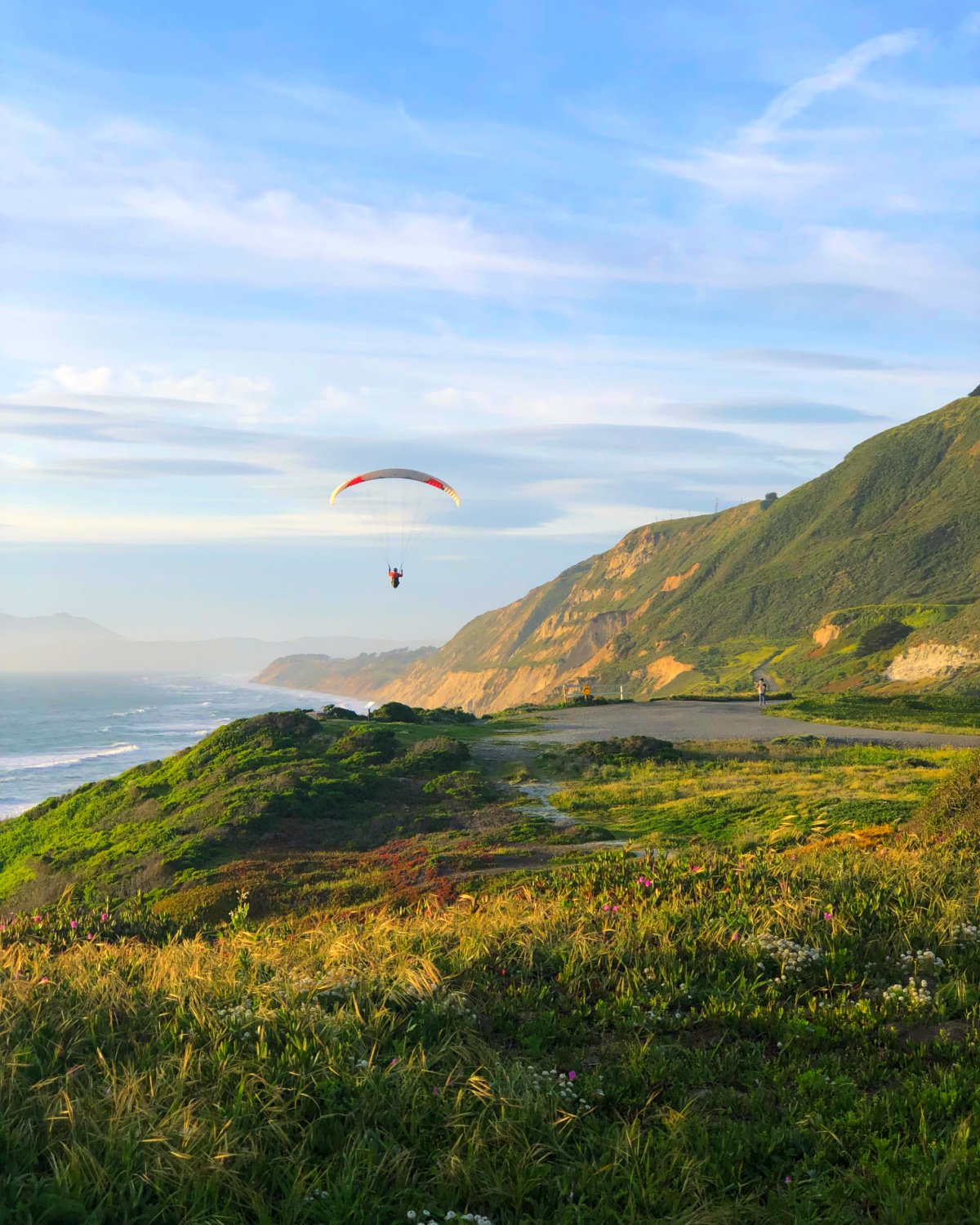
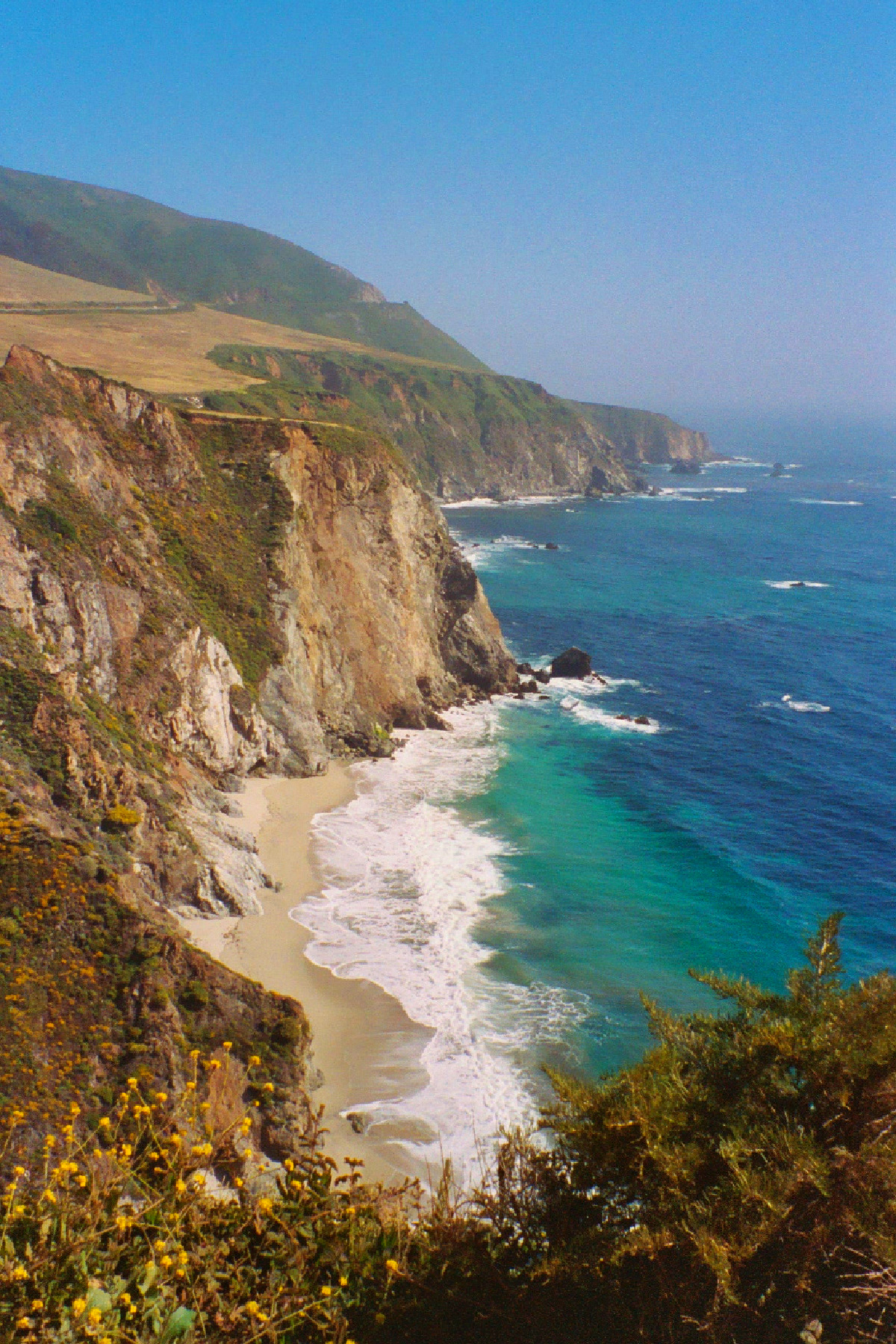
Pacifica is close enough to San Francisco that it is not a major detour, but the scenery changes quickly. You go from city and suburbs to dramatic coastal cliffs and wide-open views of the Pacific.
This is not a stop that needs an itinerary all its own. Pull over somewhere scenic, walk for a bit, take in the view, and keep heading south.
We have stopped along the coast here before, and this is exactly the kind of place where I think California is at its best. The cliffs glow in the late-day light, the surf is rolling in below, and you may even see paragliders or hang gliders taking advantage of the coastal winds.
You are not really “doing” anything.
You are just on the California coast.
And that is enough.
Stop in Santa Cruz If You Have Time
If you want a bigger stop on the way to Monterey, Santa Cruz is an obvious option.
The Santa Cruz Beach Boardwalk is especially fun for families because it gives kids something completely different from the museums and sightseeing in San Francisco.
You can ride a few rides, play in the arcade, walk along the beach, grab some food, and then keep going.
I would not try to make this an entire theme park day unless Santa Cruz is one of the main reasons for your trip. Think of it as a fun stop on the way south.
If roller coasters and arcades are not your thing, you can also simply enjoy the beach and continue down the coast.
Leave Time for Random Stops
This is one of those days when I would not schedule every minute.
There are scenic pullouts, beaches, small towns, and places where you may simply decide to stop because something looks pretty.
Let yourself do that.
One of the reasons I like driving in this part of California is that the in-between places can be just as memorable as the major attractions.
Watch for Farm Stands
As you get farther south toward the Monterey Bay area, keep an eye out for roadside farm stands.
This part of California is incredibly agricultural, and depending on the season you may see strawberries, cherries, artichokes, berries, or other local produce.
When I was dating my husband, I used to drive between the Monterey Peninsula and San Jose fairly often. I would stop at farm stands along the way and buy fruit to eat in the car.
I still remember buying big containers of cherries that were some of the sweetest cherries I have ever eaten.
So if you see a farm stand piled high with whatever happens to be in season, stop.
This is one of those tiny travel experiences that may not show up on a “top ten things to do in California” list, but it is part of what makes a road trip through this area so much fun.
Option 2: Stop in San Jose
If your family loves science museums more than scenic drives, you can also head through San Jose.
The Tech Interactive is a good option for families who enjoy hands-on science and technology exhibits.

This can work especially well if the weather along the coast is not cooperating, or if you already know that your kids would much rather spend a few hours building, experimenting, and pushing buttons than staring at another ocean overlook.
Spend a few hours at The Tech, grab lunch in San Jose, and then continue toward Monterey.
This is also a good route if you want to make a stop near Gilroy.
Gilroy is famous for garlic, and yes, sometimes you can actually smell it.
If you love garlic, this is not necessarily a bad thing.
The important point for Day 4 is that you have choices. You do not need to race from one hotel to the next. Pick the route that sounds more fun for your family and let the transition day feel like part of the trip.
Where to Stay on the Monterey Peninsula
For Days 4 through 6, I would stay somewhere on the Monterey Peninsula rather than driving back and forth from the Bay Area.
Monterey is the most obvious choice because it gives you easy access to Cannery Row, the aquarium, the waterfront, and restaurants.
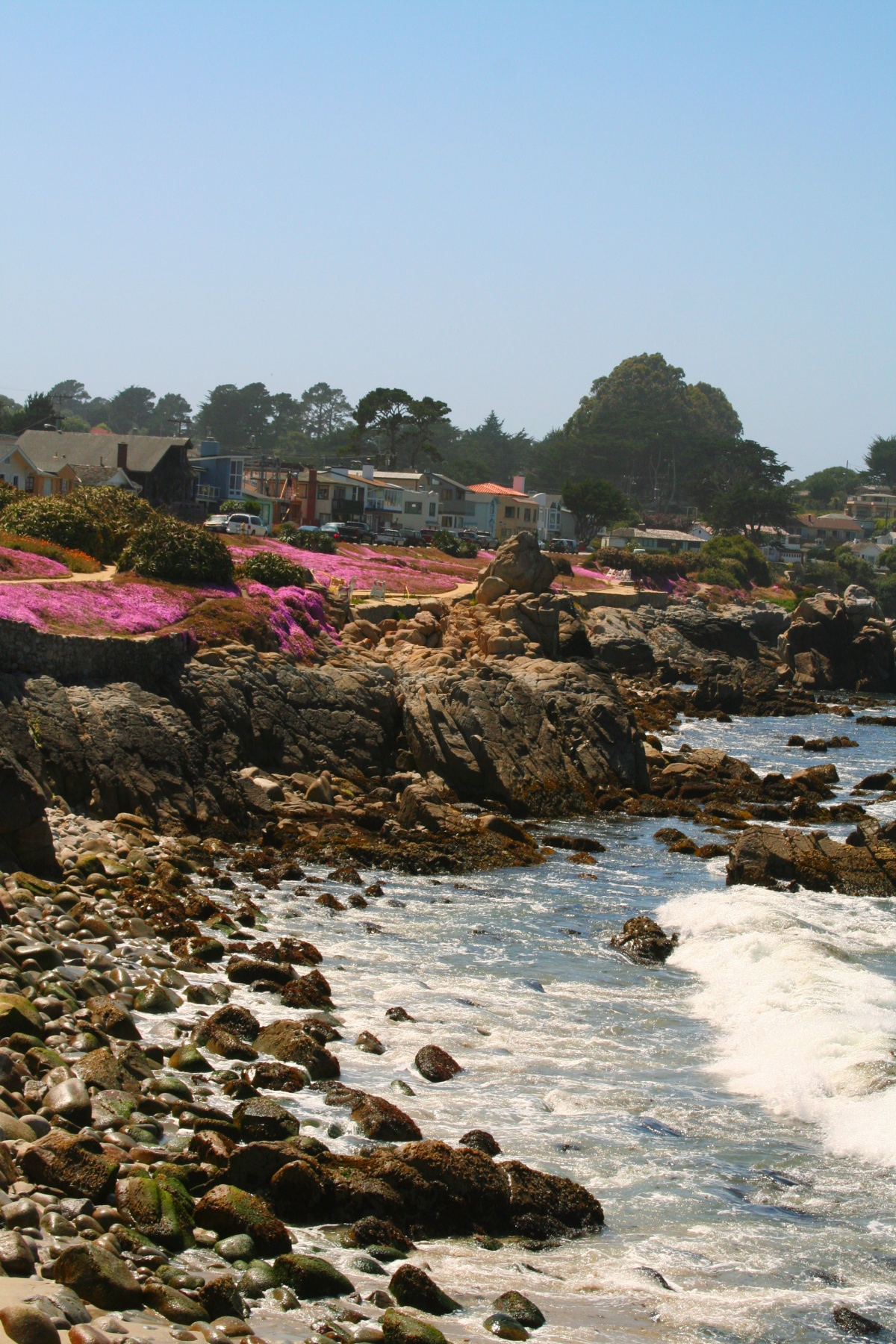
Pacific Grove is another excellent option and tends to feel a little quieter.
Carmel-by-the-Sea is charming and beautiful, although it can be more expensive depending on when you visit.
The important thing is to put yourself close enough to everything that you can spend the next two days enjoying the peninsula instead of sitting in traffic.
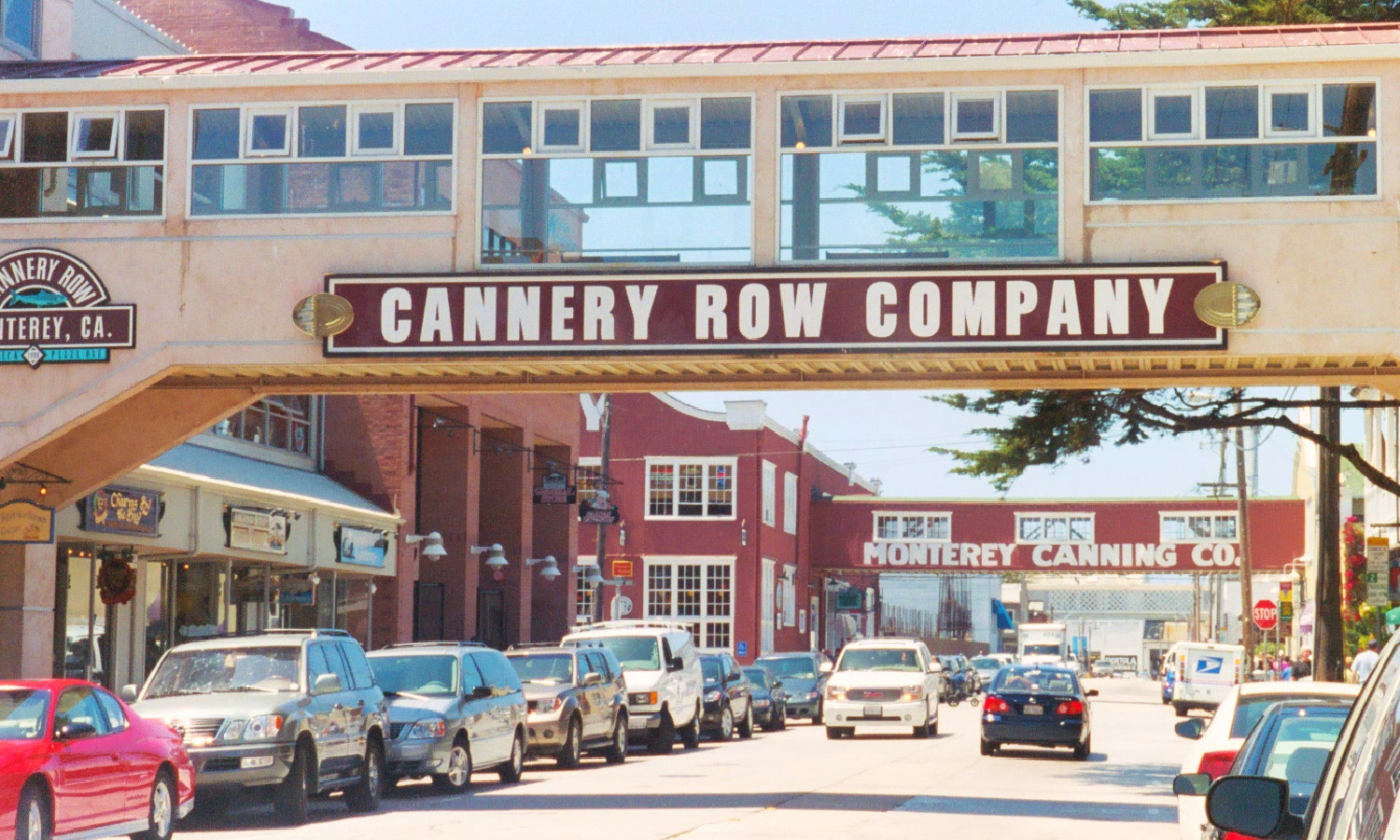
Day 5: Monterey Bay Aquarium and Cannery Row
For your first full day in Monterey, I would build the day around the Monterey Bay Aquarium.
Do not try to squeeze it into a two-hour window.
This is one of the best aquariums in the country, and it deserves time.
The aquarium sits directly on Monterey Bay, which is part of what makes it so special. You are not just looking at exhibits about California marine life. You can look out the windows and see the actual bay where many of those animals live.
Plan on spending a substantial portion of the day here.
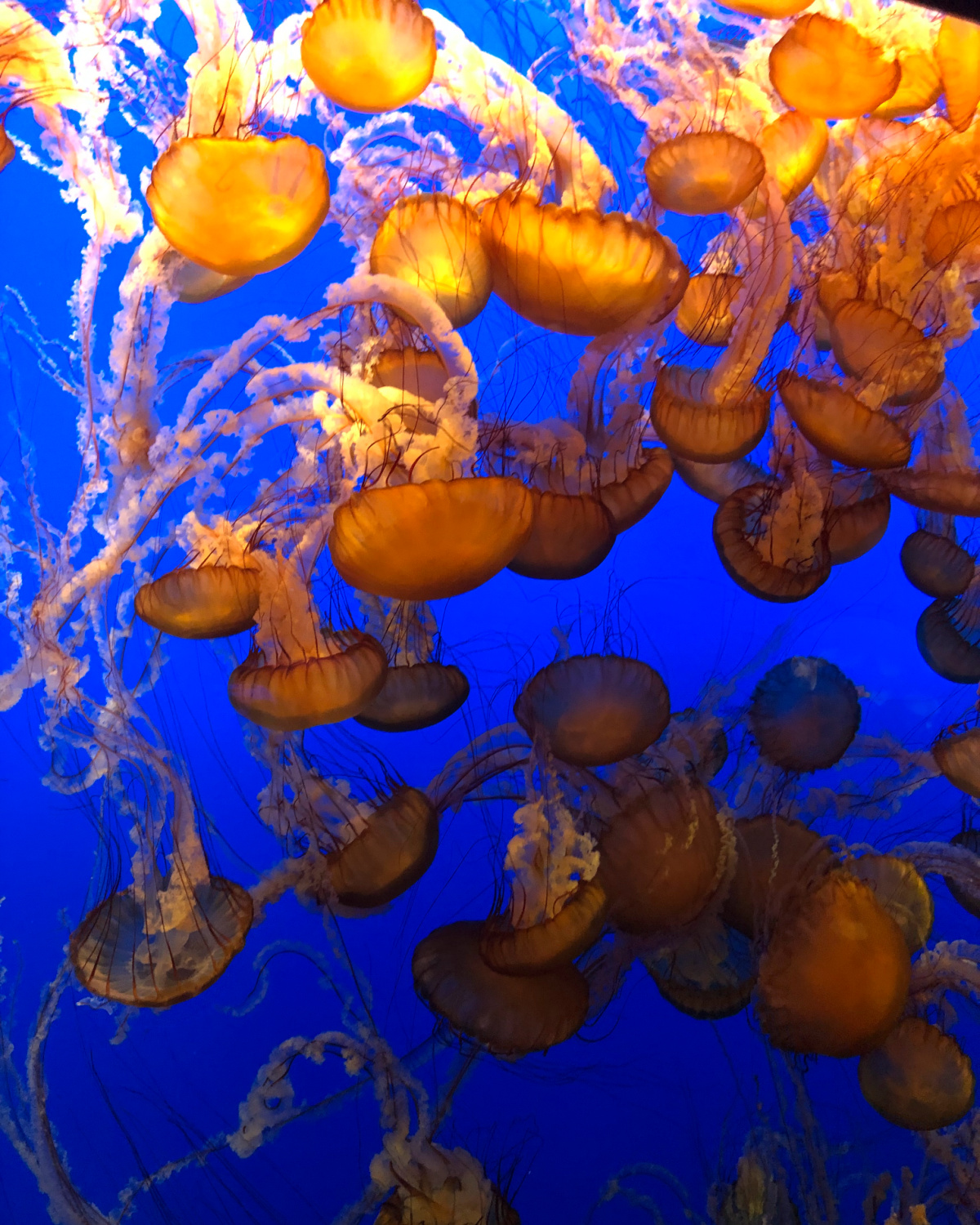
Monterey Bay Aquarium
The Monterey Bay Aquarium works for almost every age group.
Younger kids will love the animals and interactive areas. Older kids and teenagers can appreciate the exhibits on ocean ecosystems and conservation. Adults are not going to feel like they have been dragged to a children’s attraction.
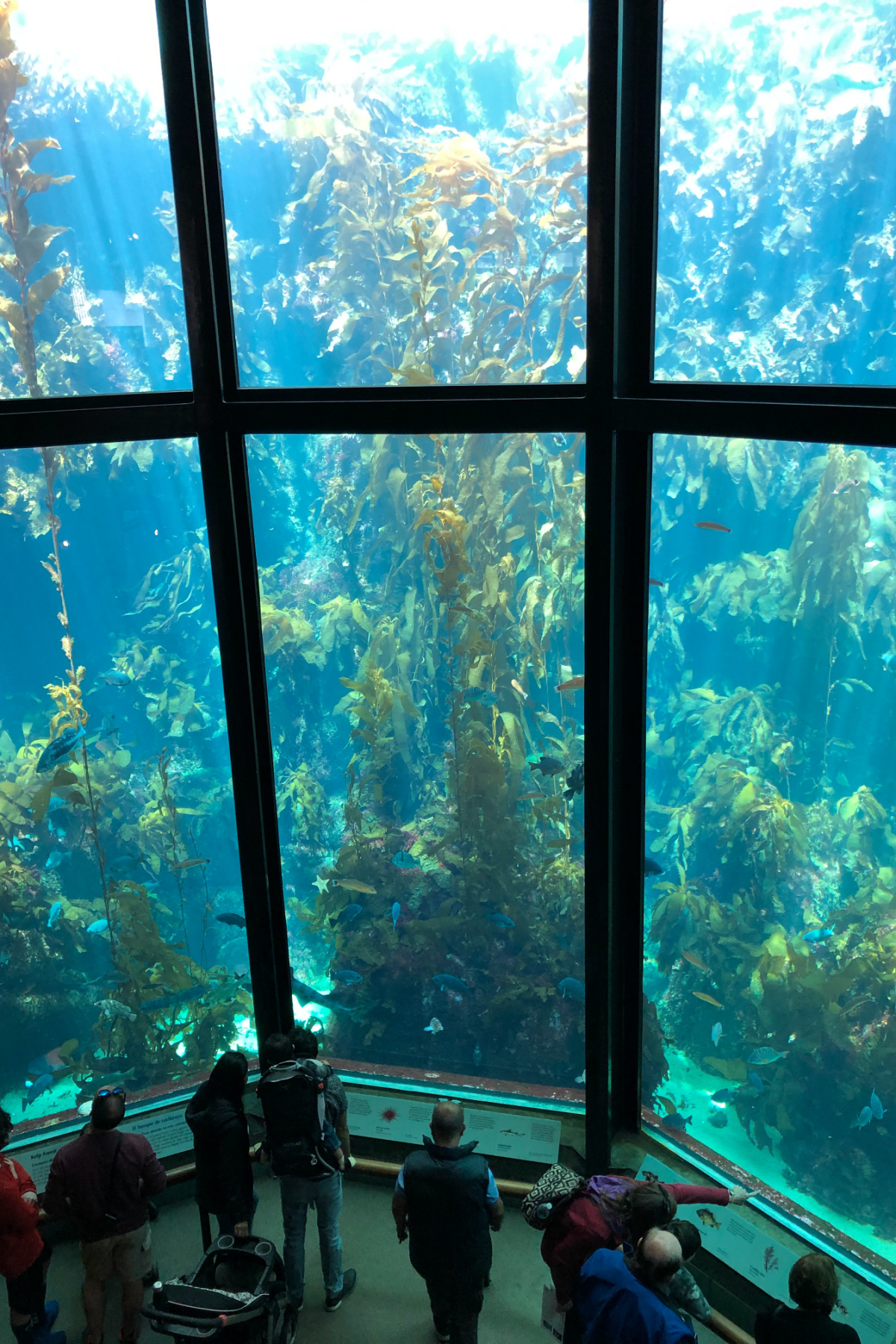
There are several areas where I would slow down rather than rushing through.
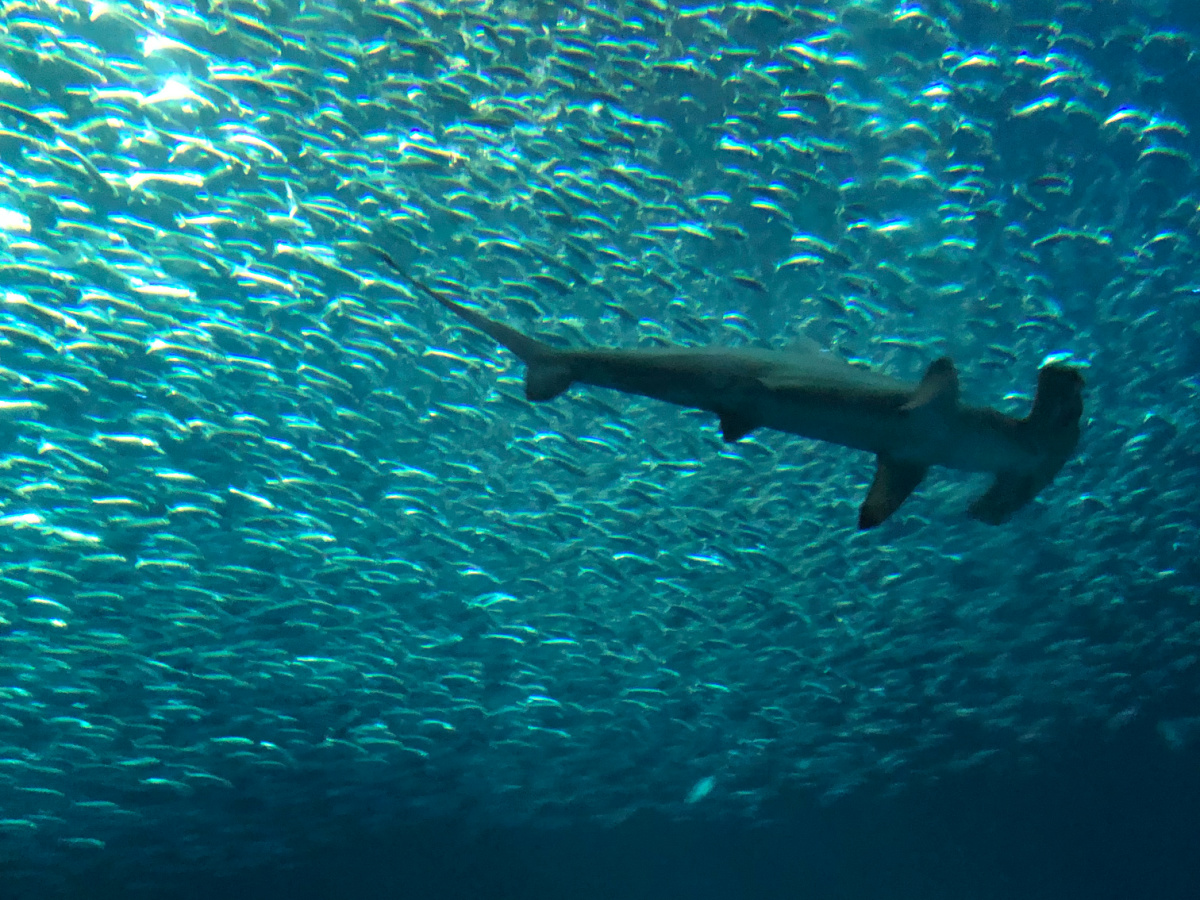
The kelp forest is one of the aquarium’s signature exhibits. The Open Sea galleries are also spectacular, and the jellyfish displays are the kind of thing I can stand and watch for a ridiculously long time.
And if you have never seen sea otters up close, this is a very good place to fix that.
One of my favorite things about the aquarium is that it feels connected to the Monterey Bay environment instead of separated from it.
Take time to look outside too.
Walk Cannery Row
After the aquarium, spend some time walking along Cannery Row.

Cannery Row is touristy, but this is one of those places where that is not necessarily a problem.
There are shops, restaurants, waterfront views, and enough to look at that you can simply wander for a while.
You can also learn more about the area’s sardine-canning history and its connection to John Steinbeck.
I would not schedule another major attraction for this day.
Aquarium plus Cannery Row is plenty.
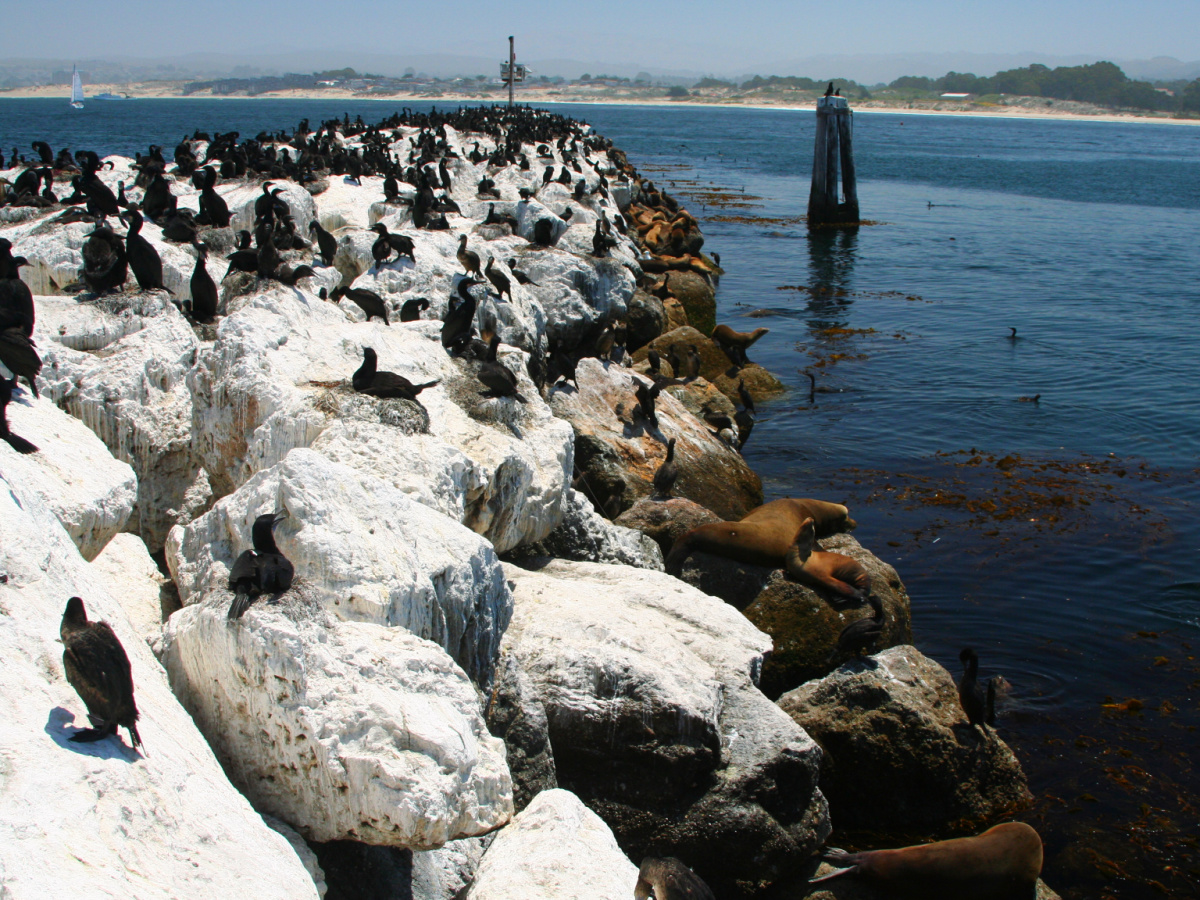
Look for Sea Lions, Seals, and Otters
Do not assume all of the wildlife is inside the aquarium.
The Monterey waterfront is one of those places where you may spot marine life simply by paying attention.
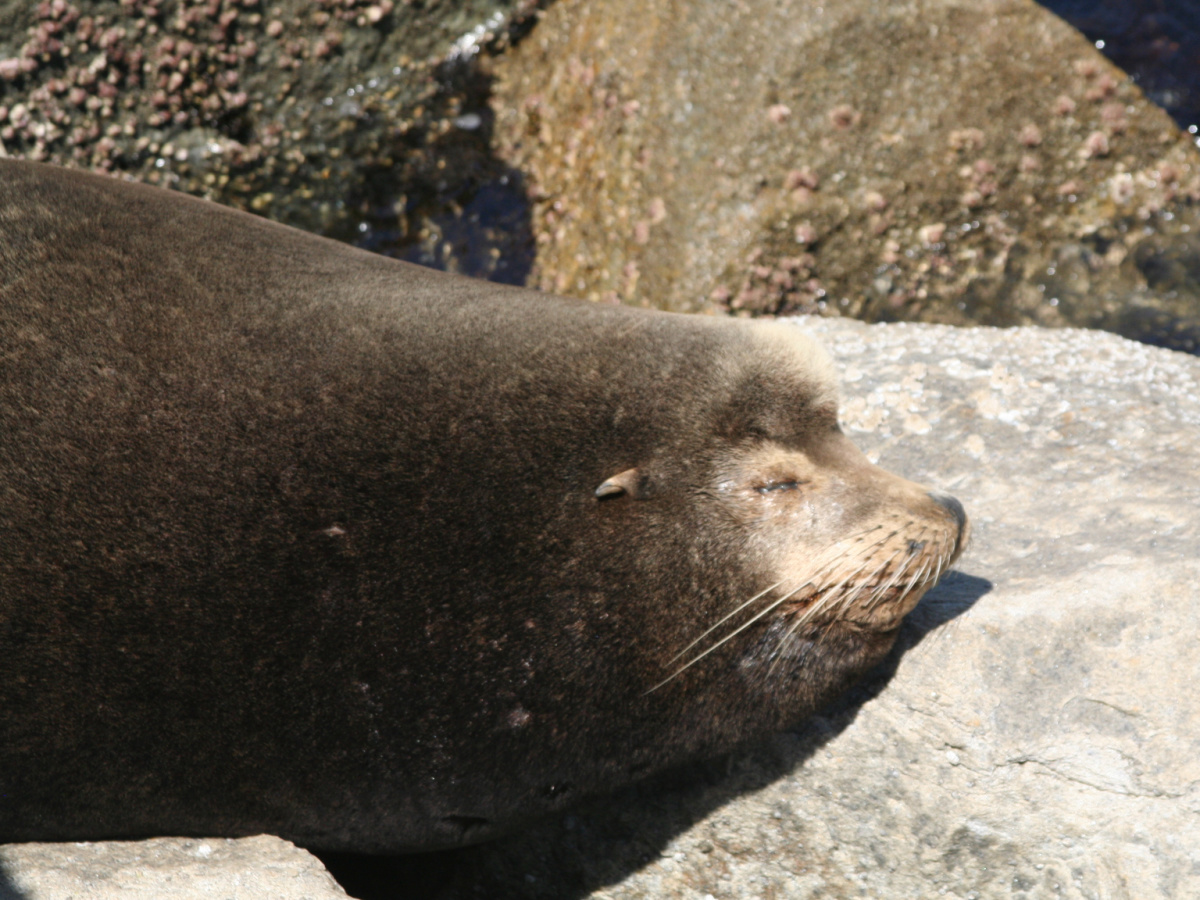
Sea lions are fairly common around the harbor and waterfront. You may also see harbor seals or sea otters farther out in the water.
Bring binoculars if you have them.
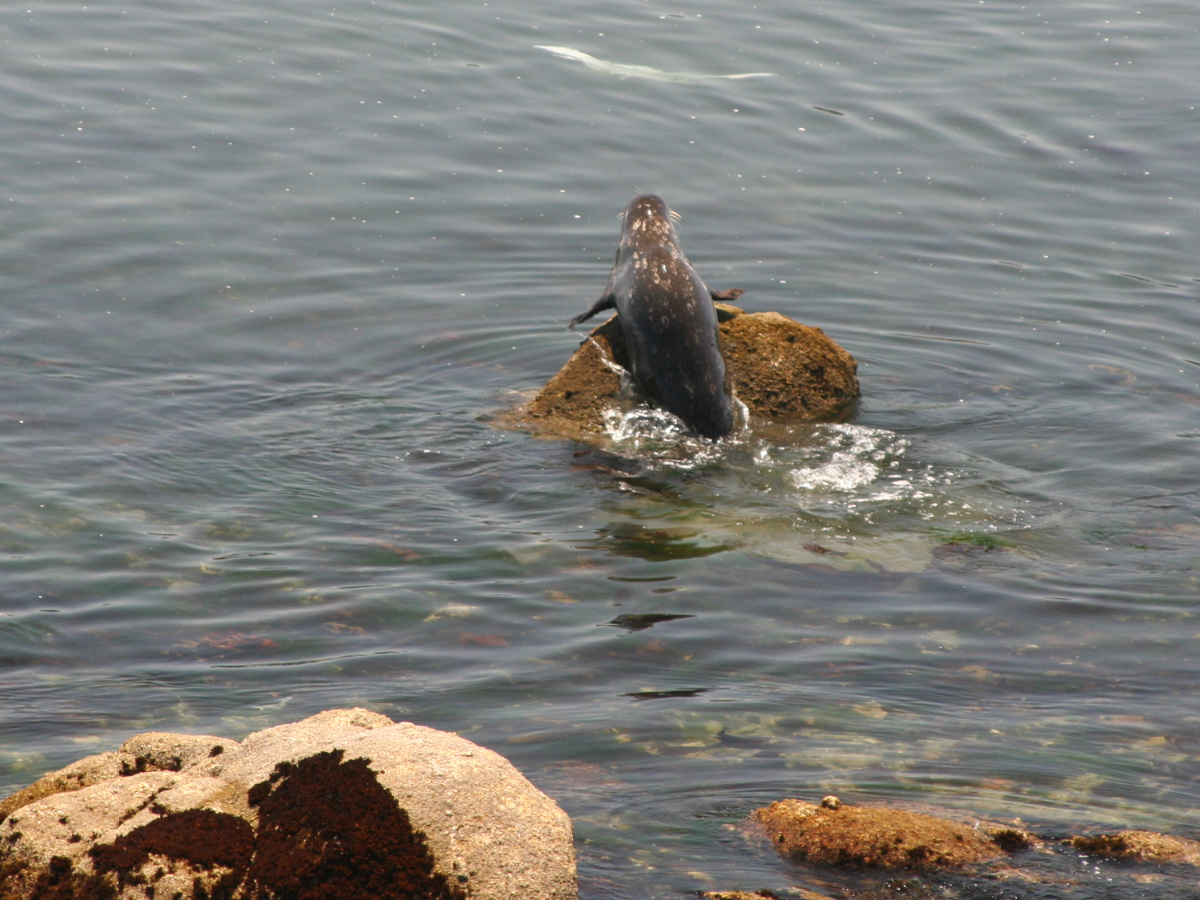
This is one of the reasons I would not rush through Monterey. The wildlife sightings are often spontaneous, and you need a little time to notice them.
Dinner in Monterey or Pacific Grove
End the day with dinner somewhere in Monterey or Pacific Grove.
After a full day at the aquarium, I would not make dinner complicated.
Find somewhere good, take your time, and get some sleep because Day 6 is your big scenic day.
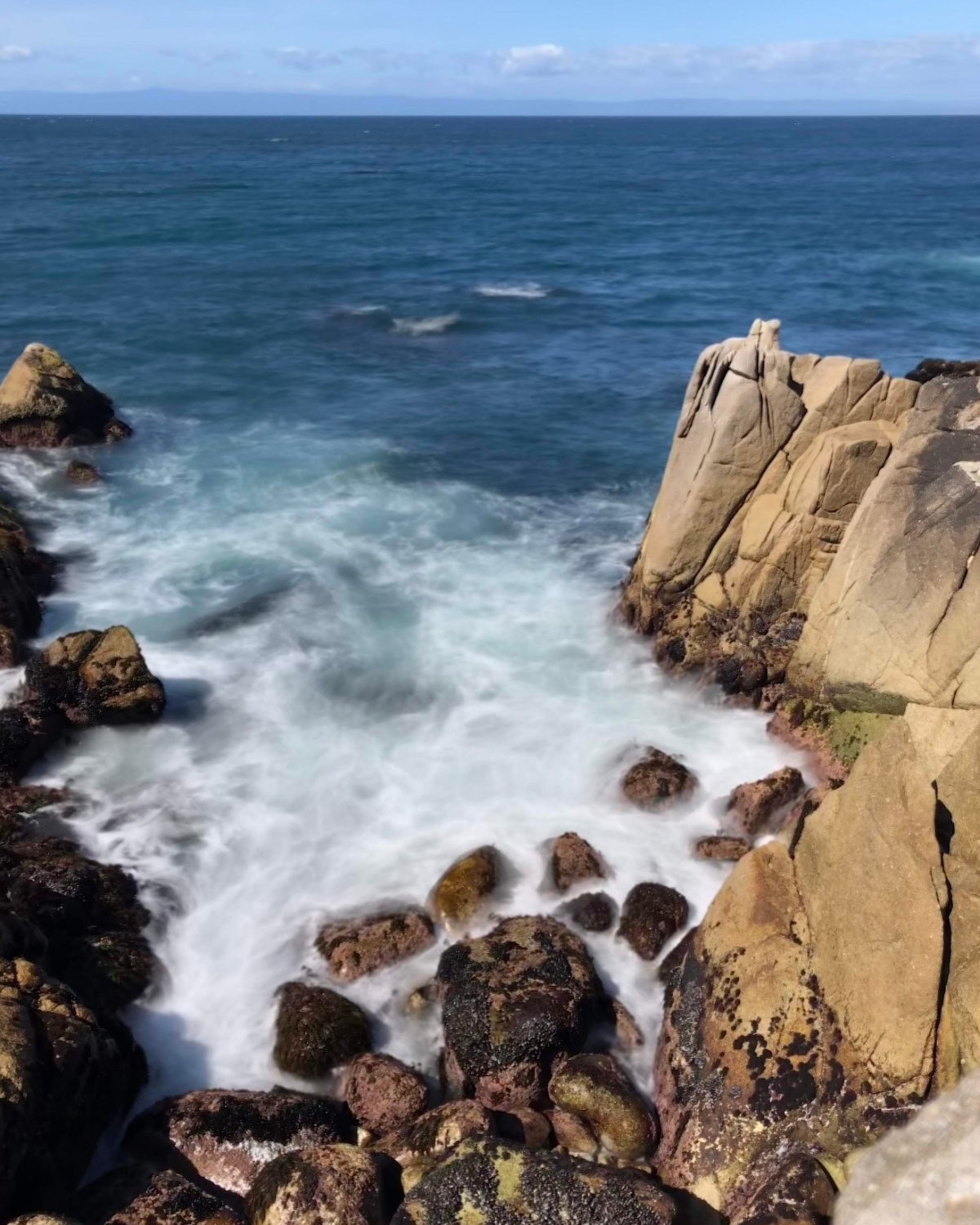
Day 6: 17-Mile Drive, Carmel, and the Monterey Coast
Day 6 is when you really explore the Monterey Peninsula.
This is the day for coastal views, scenic stops, Carmel, beaches, and wildlife.
You could spend the entire day driving relatively short distances and still feel like you saw a completely different landscape every hour.
Drive 17-Mile Drive
Start with 17-Mile Drive.
This famous scenic route winds through the Pebble Beach area with stops overlooking rocky shoreline, beaches, cypress trees, and the Pacific Ocean.
Do not think of this as a road you simply drive from beginning to end.
The whole point is to stop.
Get out of the car. Look for wildlife. Walk a little. Take pictures. Let the kids scramble around where it is safe.
The Lone Cypress is probably the most famous stop, but it is not the only reason to do the drive.
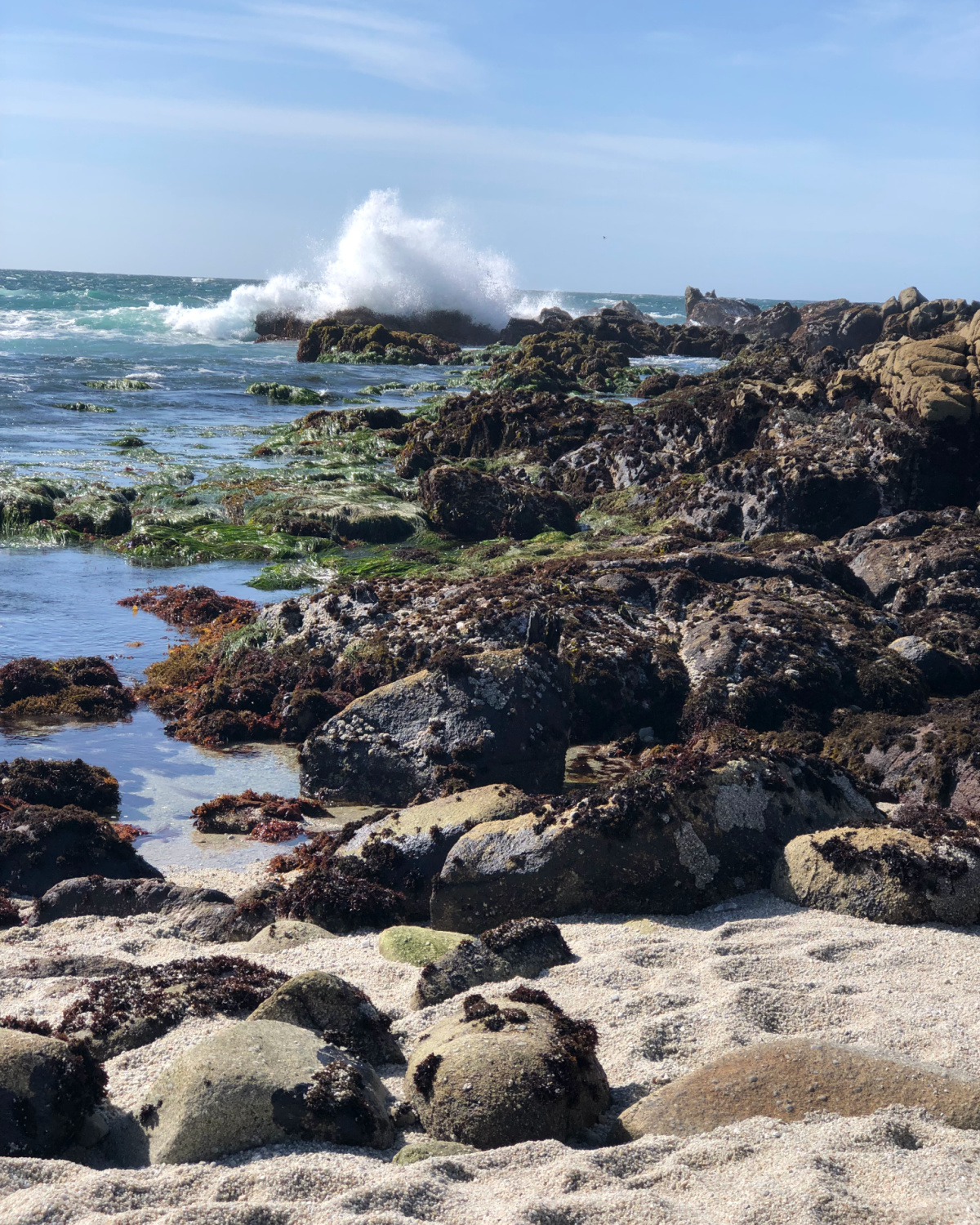
Some of my favorite parts of the Monterey Peninsula are simply the places where the water crashes against the rocks and you can stand there watching it for a while.
Look for Wildlife Along the Coast
Keep your eyes open throughout the day.
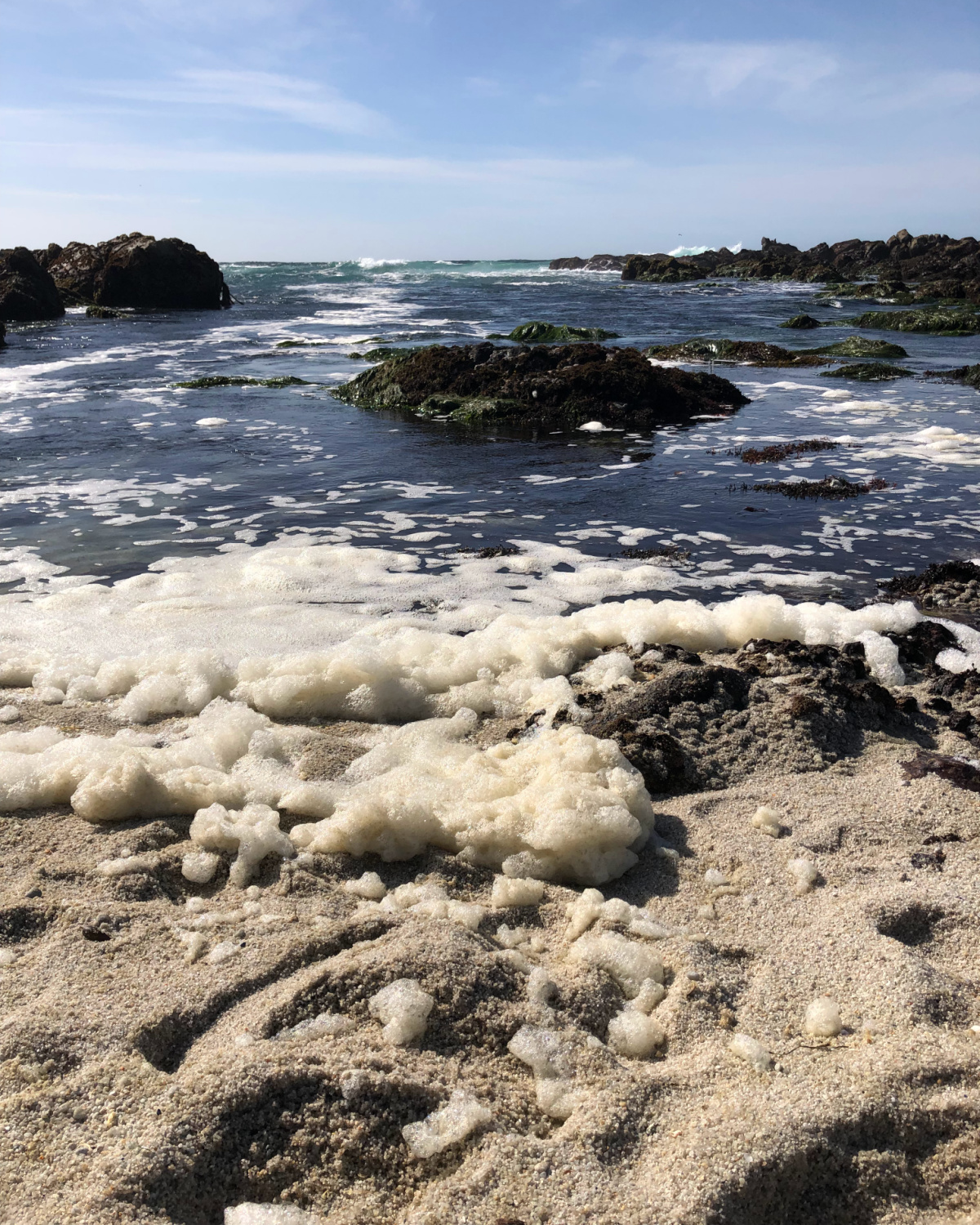
This entire area is good for seeing marine mammals and coastal wildlife.
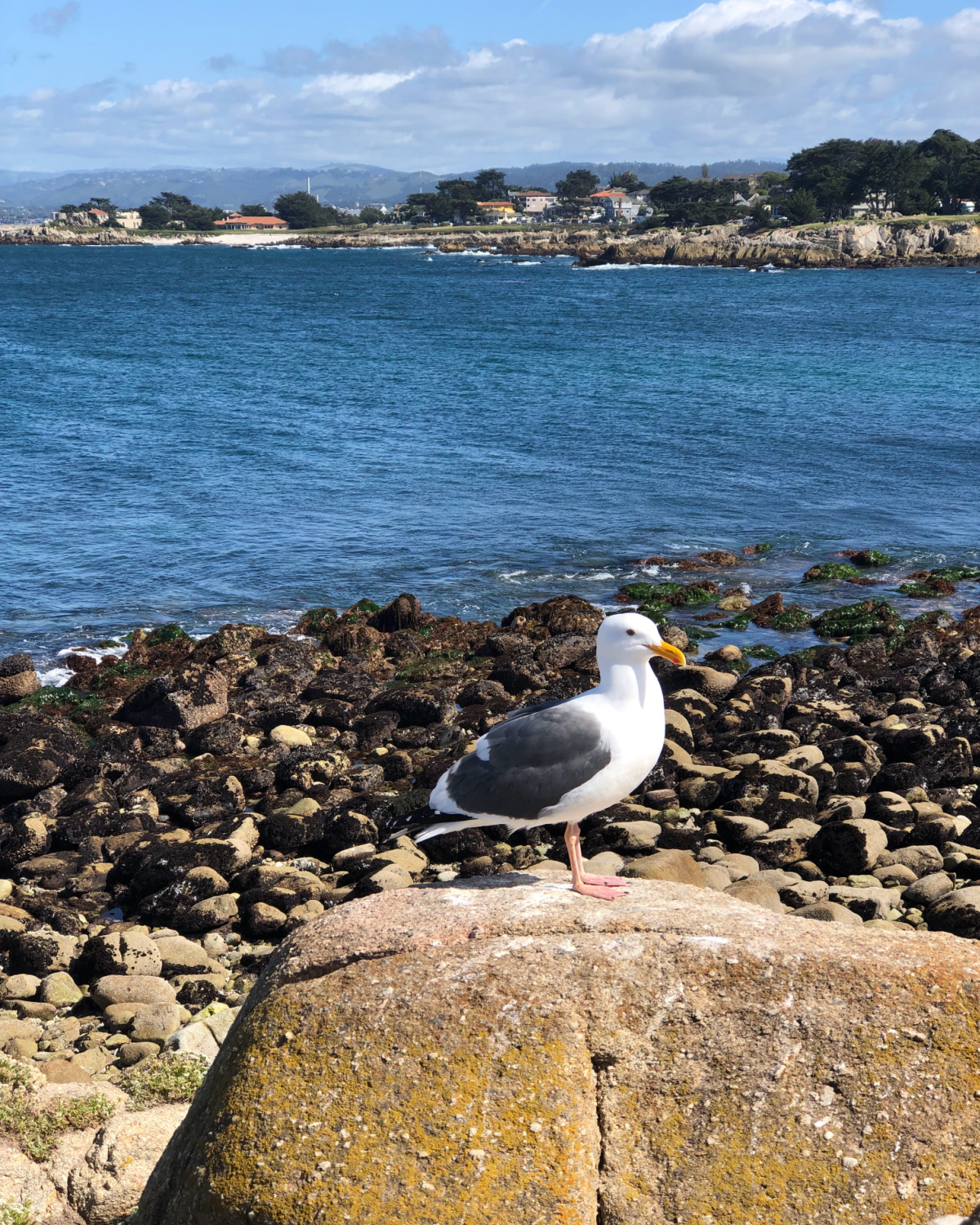
Depending on the season and where you stop, you may see sea otters, harbor seals, sea lions, seabirds, or even whales offshore.
Again, this is where binoculars are worth bringing.
You do not need to turn the day into a formal wildlife tour to see wildlife here.
Explore Carmel-by-the-Sea
After 17-Mile Drive, spend some time in Carmel-by-the-Sea.
Carmel feels very different from Monterey.
The downtown is walkable, with shops, galleries, restaurants, courtyards, and storybook-style buildings tucked into a relatively small area.
You can wander without much of an agenda.
This is a good place for lunch or an afternoon treat.
If the weather is nice, walk down to Carmel Beach afterward.
The beach is beautiful, and even if it is too cold to swim, it is worth seeing.
And yes, the water may be too cold to swim.
Northern California beaches do not necessarily behave the way people imagine “California beaches” will behave.
Bring a layer.
Actually, bring several layers.
Point Lobos State Natural Reserve
If your family likes short walks and coastal scenery, Point Lobos is another excellent addition to this day.
This is one of those places where you can choose how ambitious you want to be.
You do not need to spend the whole day hiking.
Stop at a few viewpoints, take a shorter trail, look for seals or sea otters, and enjoy the coastline.
Point Lobos is particularly good if you want dramatic scenery without needing to commit to a strenuous hike.
For a casual family itinerary, that is exactly what I am looking for.
Optional: Continue Down Highway 1
If you still have time and energy, you can continue farther south along Highway 1.
This is where your itinerary becomes even more flexible.
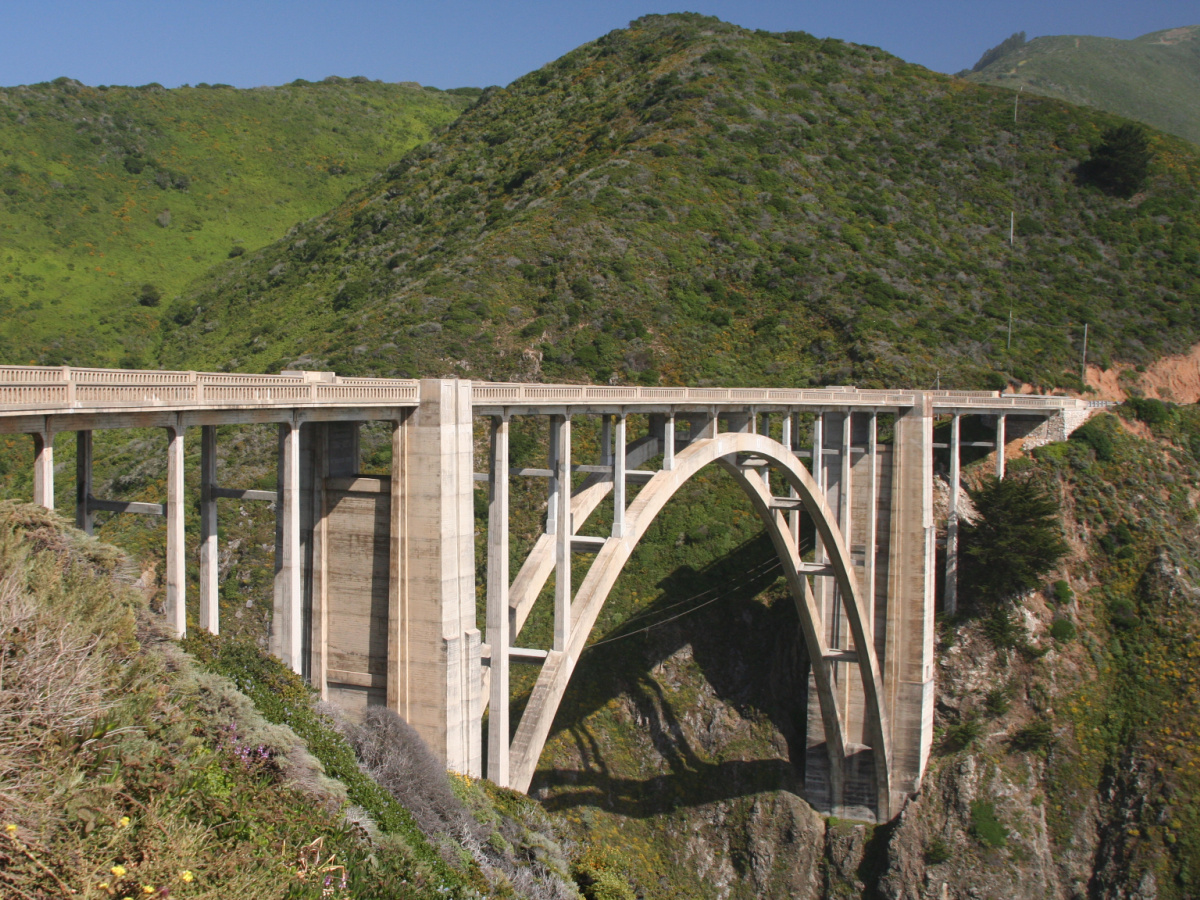
Maybe you drive far enough to see Bixby Creek Bridge.
Maybe you explore a little more of the Big Sur coastline.
Maybe everyone is tired and you decide to head back to the hotel and get dinner.
All of those are reasonable choices.
Do not ruin a beautiful day by forcing yourself to keep going because something else is on a checklist.
The Monterey Peninsula itself is already worth the day.
Day 7: Return to the Bay Area and Fly Home
If you are doing the seven-day version of this California itinerary, Day 7 is your return day.
Depending on your flight time, you may have a little time for one last stop on the way back toward San Jose or San Francisco.
This is another reason I like keeping the itinerary modular.
If there was something you skipped on Day 4, you may be able to add it here.
Stop at a farm stand. Have lunch in San Jose. Take one last walk along the coast.
Or simply head to the airport without trying to cram one more attraction into the trip.
By this point, you have already had three days in San Francisco, two full days around Monterey, and a scenic California road-trip day connecting them.
That is a very full week.
But if you have three more days?
Keep the rental car.
You are going to Yosemite.
10-Day California Itinerary: Add Three Days in Yosemite
If you can stretch this trip from seven days to ten, Yosemite National Park is the add-on I would choose.
It fits naturally with the rest of the itinerary because you have already spent several days in San Francisco and along the Monterey coast. Yosemite gives you a completely different landscape for the end of the trip: granite cliffs, waterfalls, giant trees, meadows, and mountain scenery.
And because you are adding it after the Bay Area and Monterey portion, you do not have to restructure the entire trip.
The first six days stay exactly the same.
Days 1–3: San Francisco
Day 4: San Francisco to Monterey transition day
Days 5–6: Monterey Peninsula
Day 7: Drive to Yosemite
Days 8–9: Yosemite National Park
Day 10: Return to the Bay Area and fly home
That is one of the reasons I like this itinerary so much. The Yosemite portion feels like a true extension instead of something you have to wedge into the middle.
Day 7: Drive from Monterey to Yosemite
Day 7 becomes your transition day from the coast to the mountains.
This is a longer driving day than the San Francisco-to-Monterey transition, so I would not plan a major attraction for this day.
Leave Monterey in the morning, stop for lunch along the way, and give yourself enough time to reach Yosemite before evening.
If you are staying inside the park, even better.
There is something special about finishing a road-trip day by actually arriving in Yosemite rather than staying outside the park and making another long drive the next morning.
If you reach the park with a little daylight left, resist the temptation to immediately start racing around trying to see everything.
Check into your lodging.
Take a walk.
Look around.
Let Yosemite introduce itself.
You have two full days coming.
Where to Stay in Yosemite
If your budget allows it, I strongly prefer staying inside Yosemite National Park for a short visit.
You only have two full sightseeing days, so location matters.
Staying inside the park means you are not spending a large chunk of every morning and evening driving in and out.
Yosemite Valley is the most convenient base for many first-time visitors because so many of the classic sights are concentrated there.
There are also lodging options outside the valley and outside the park, but I would weigh the savings against how much extra driving you are adding.
For a two-day Yosemite visit, convenience has real value.
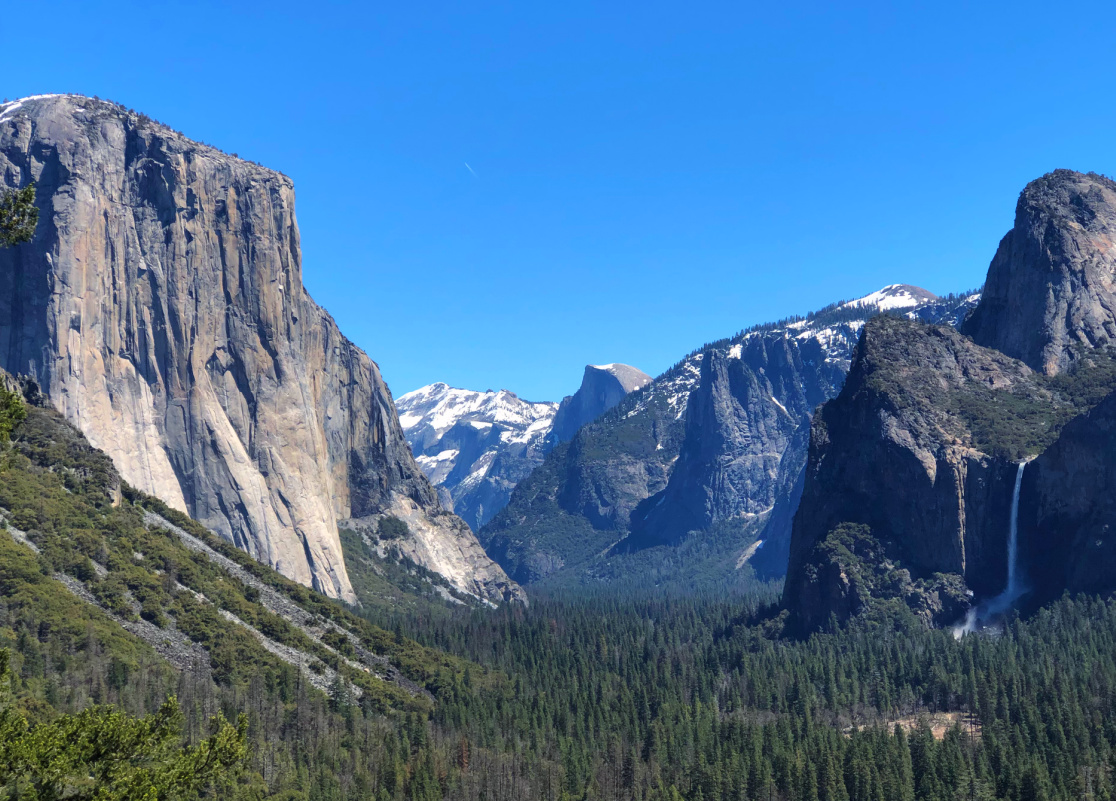
Day 8: Yosemite Valley
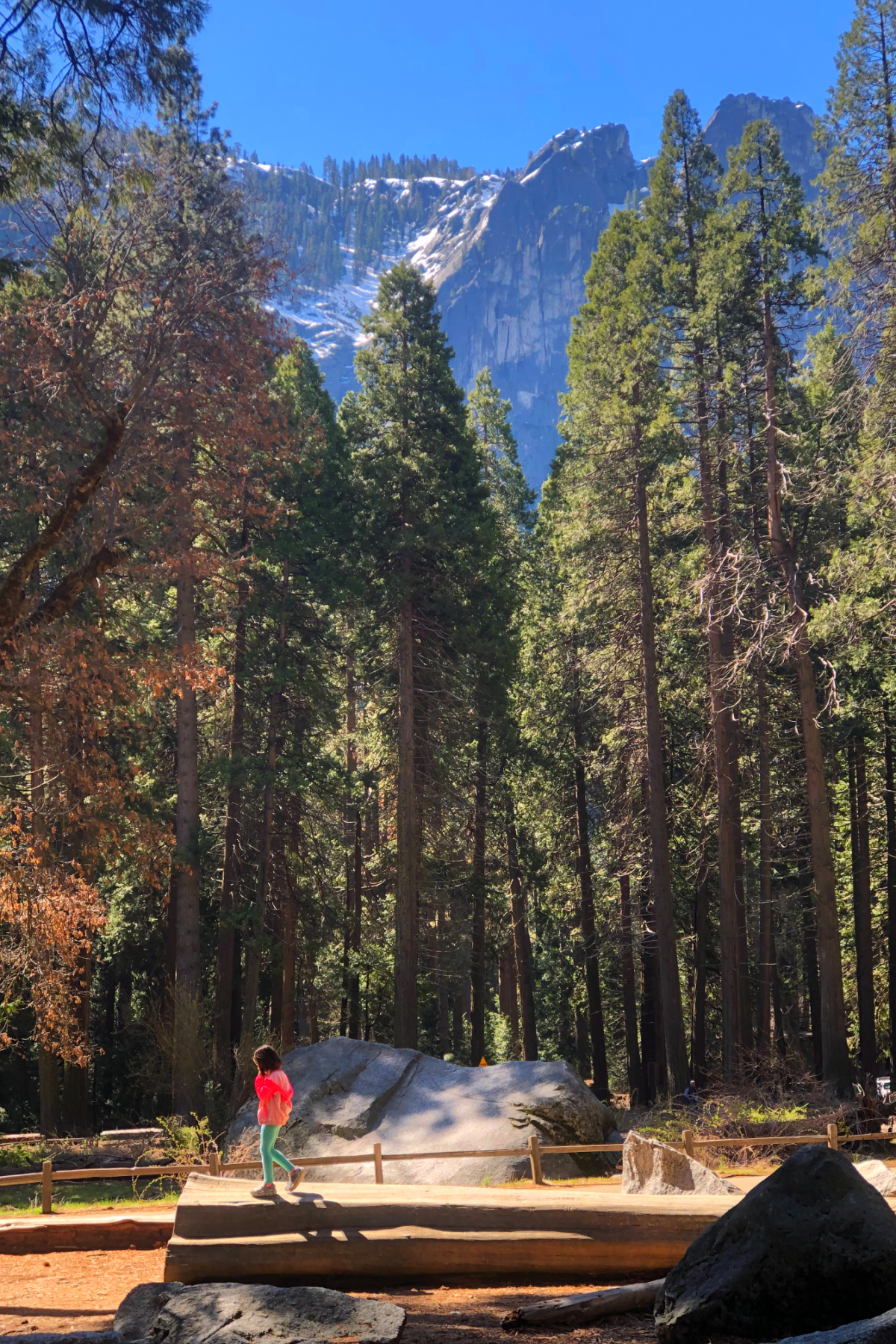
For your first full day in Yosemite, concentrate on Yosemite Valley.
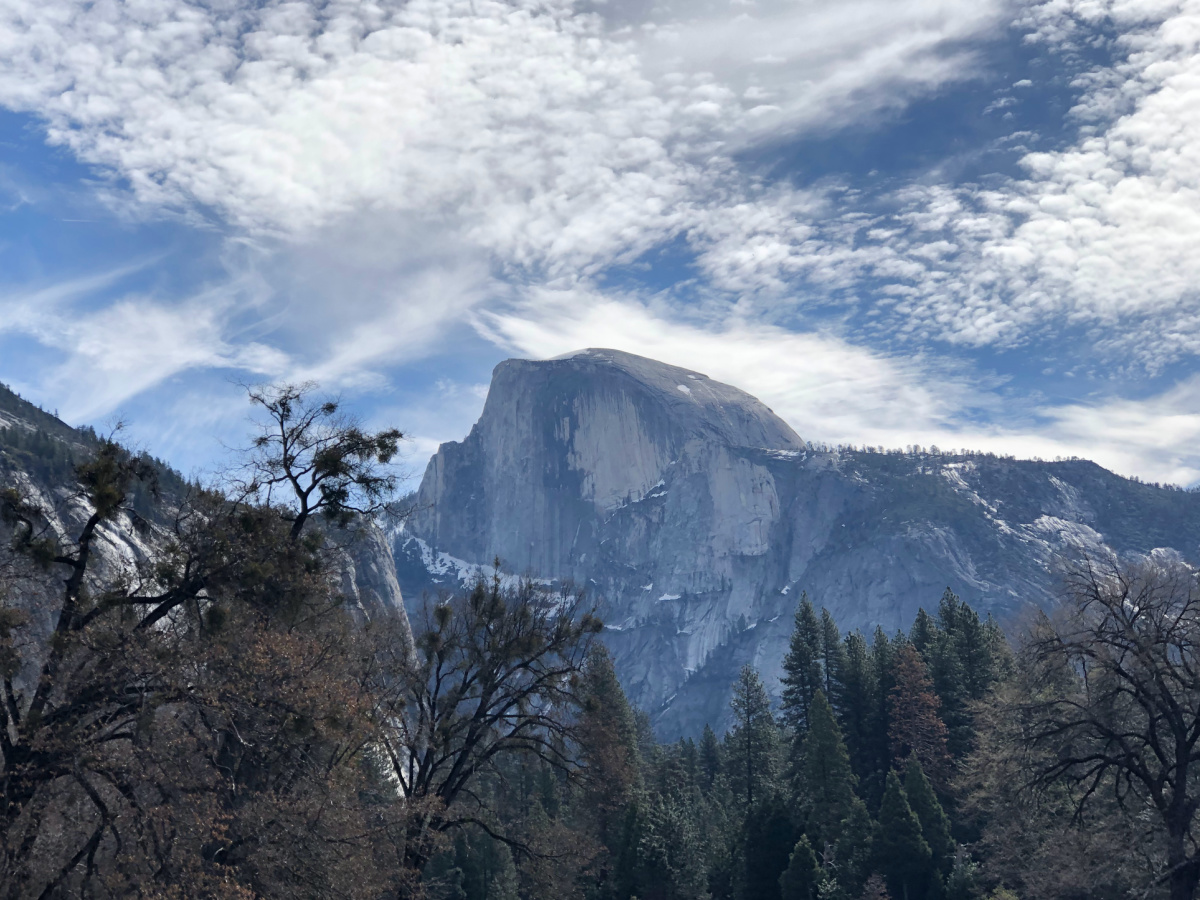
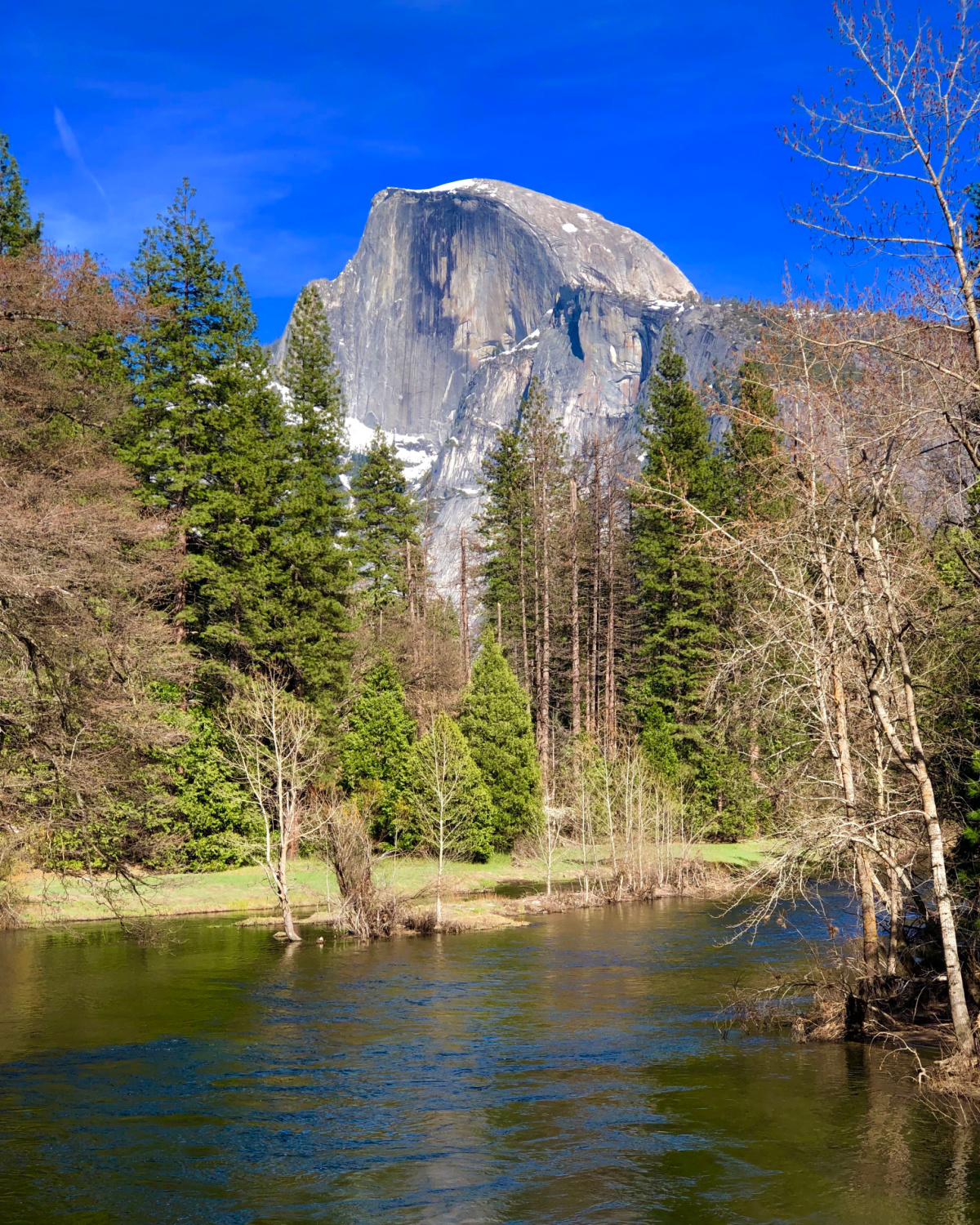
This is where you will find many of the sights people picture when they think of Yosemite: El Capitan, Half Dome, Yosemite Falls, Bridalveil Fall, and the enormous granite walls surrounding the valley floor.
And the good news is that you do not need to be a hardcore hiker to have an incredible day here.
That is one of the reasons Yosemite works so well in this itinerary.
You can see an enormous amount through scenic overlooks, short walks, and relatively easy trails.
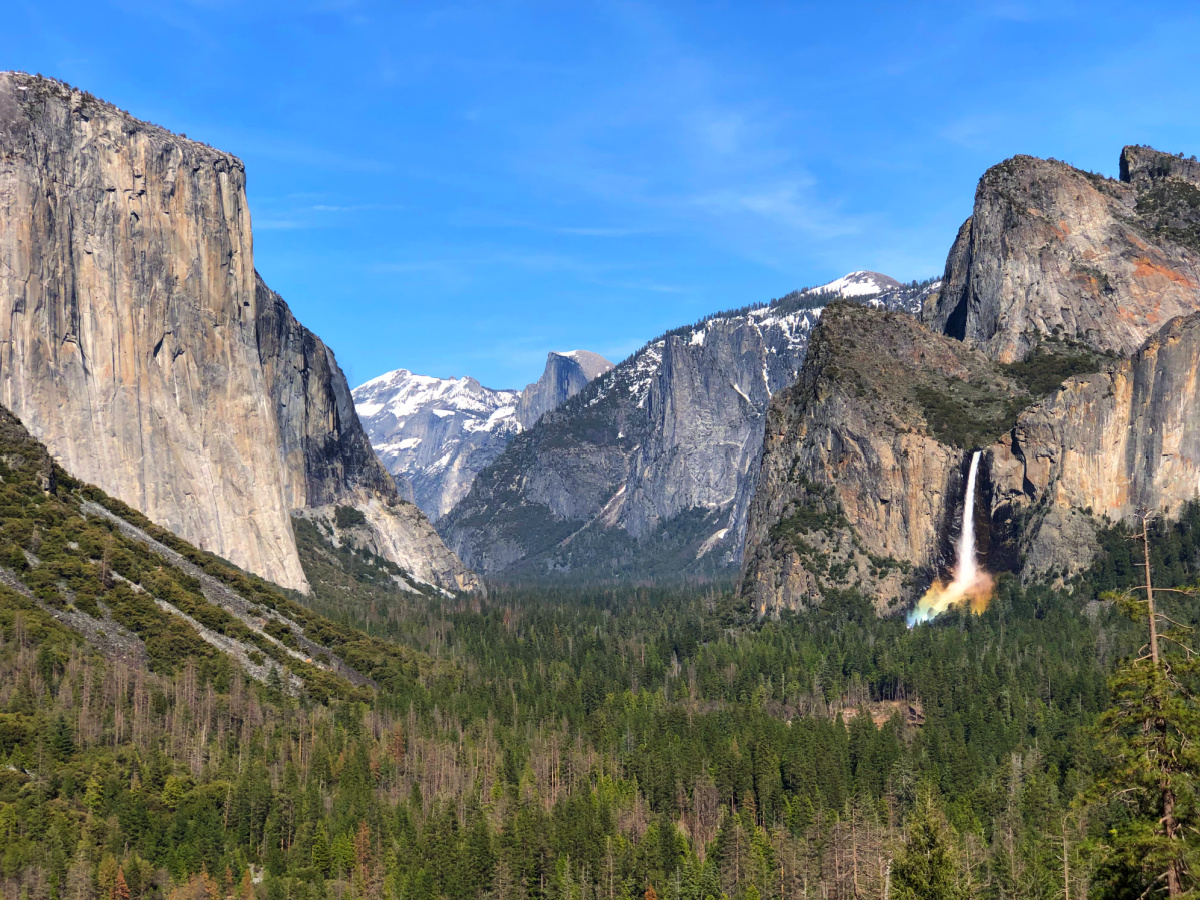
Tunnel View
If road conditions and your route allow, Tunnel View is one of the classic introductions to Yosemite Valley.
You get that sweeping view of El Capitan, Half Dome, Bridalveil Fall, and the valley all at once.
It is famous for a reason.
Even if you have seen the photograph a hundred times, standing there in person is different.
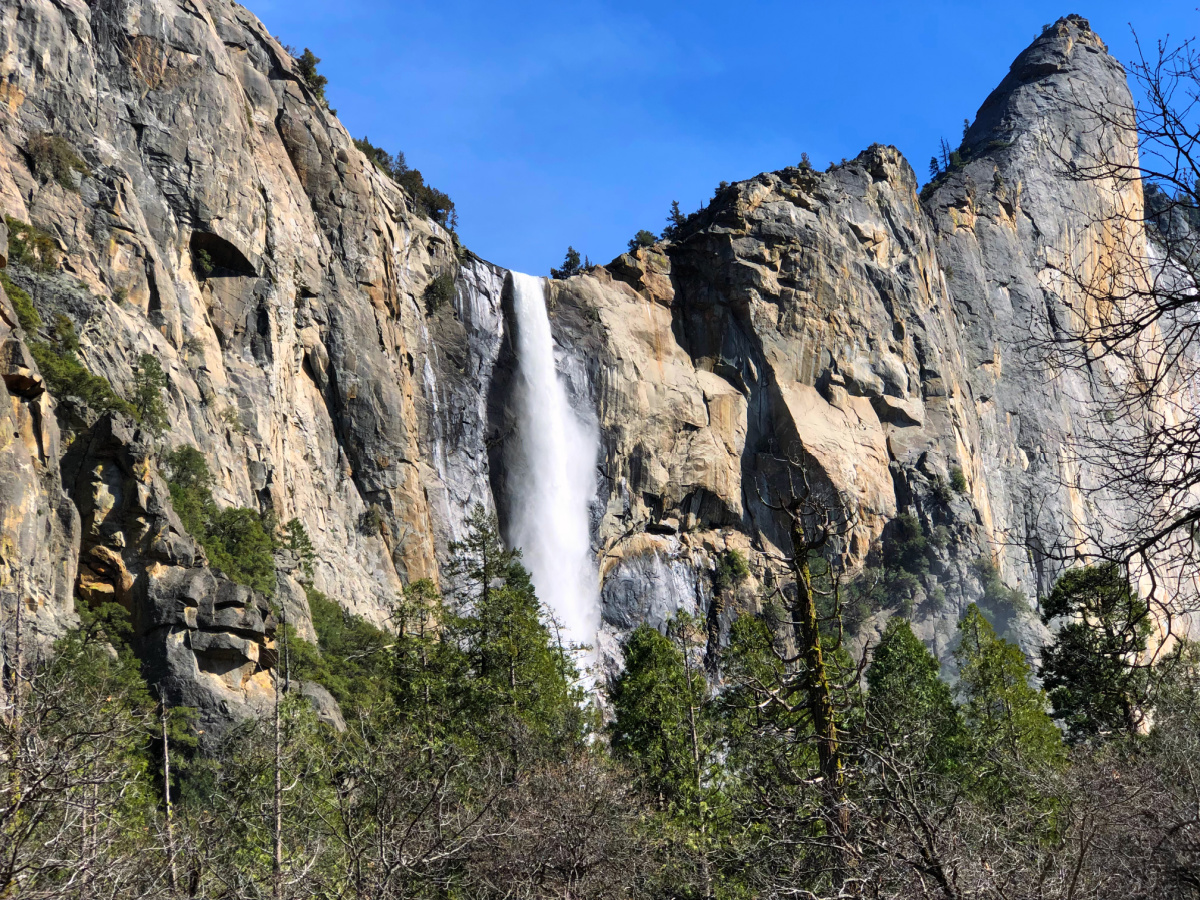
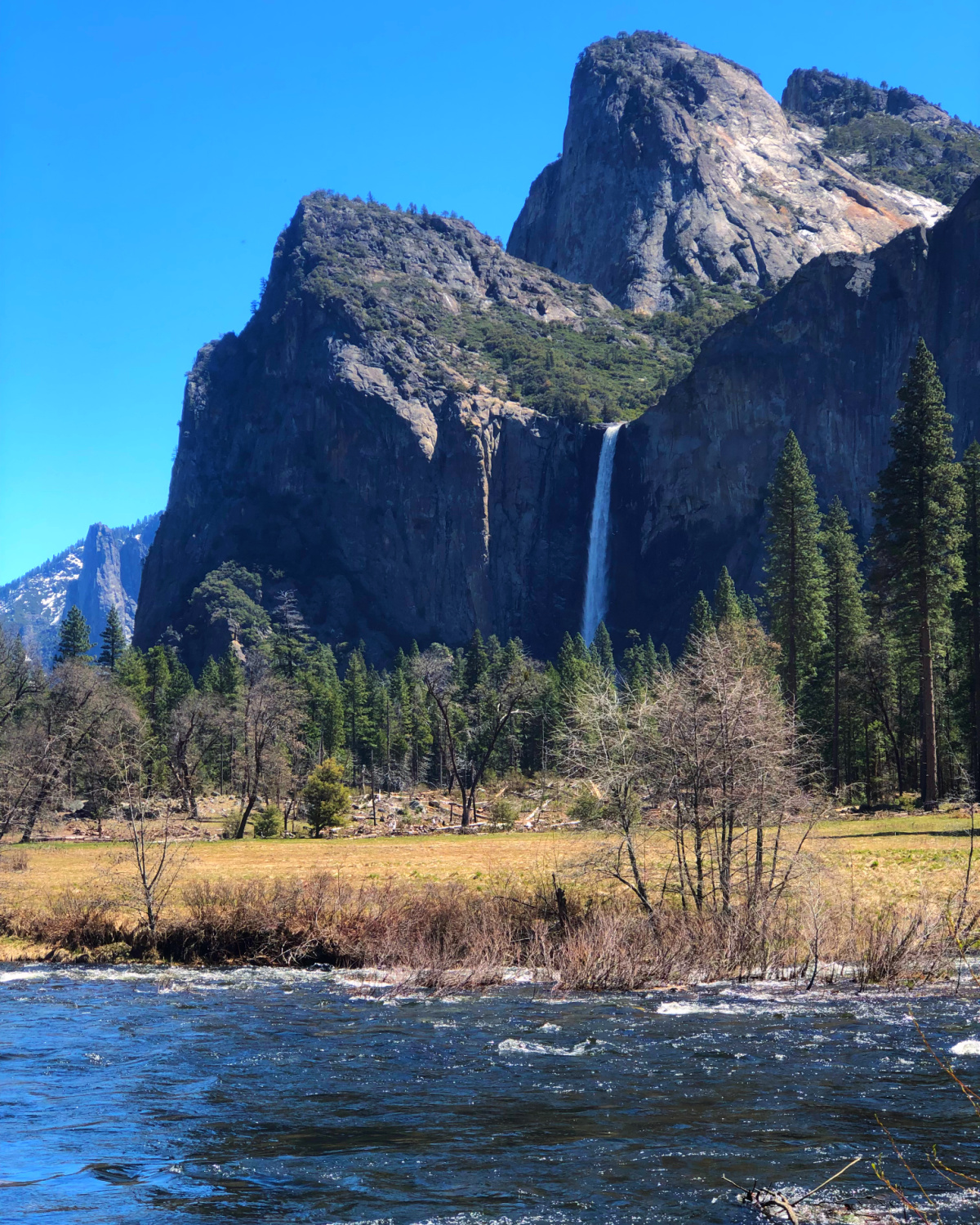
Bridalveil Fall
Bridalveil Fall is another easy first-day stop.
Water levels vary dramatically depending on the time of year, so spring and early summer can feel very different from late summer or fall.
Even when the waterfall is running lower, the surrounding valley scenery is still worth the stop.
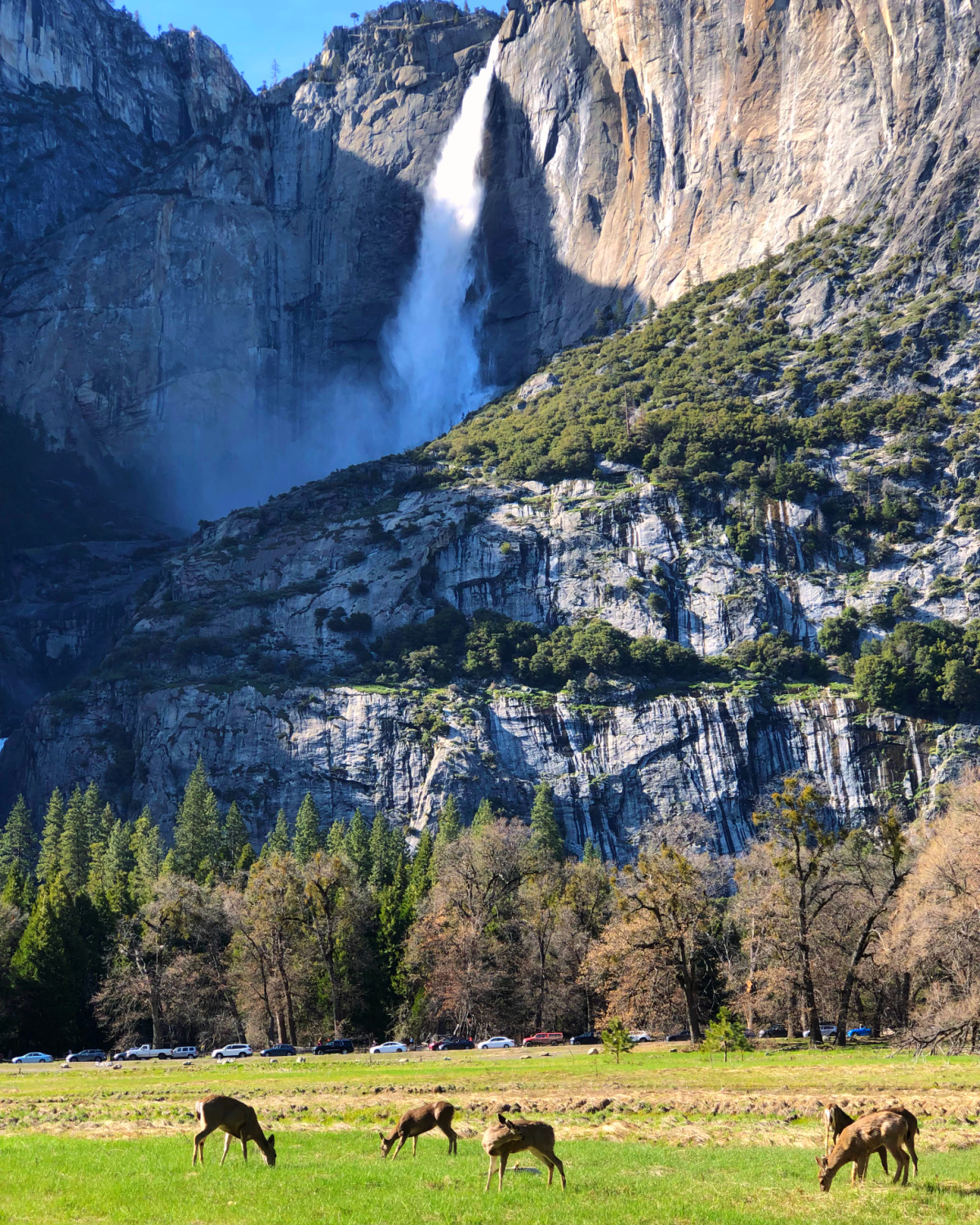
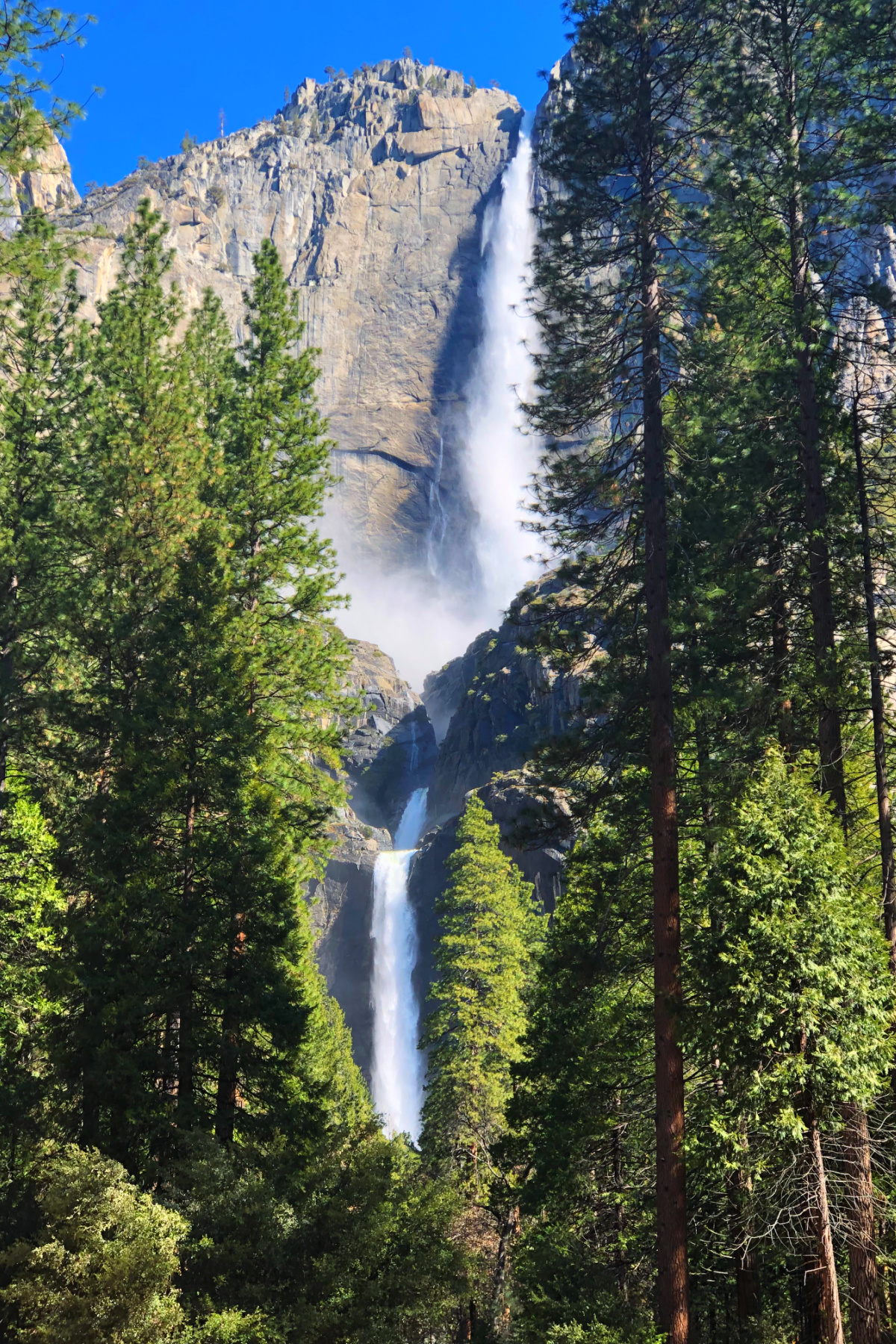
Yosemite Falls
Yosemite Falls is another obvious Day 8 destination.
The lower falls area is accessible for many casual visitors and gives you a close look without requiring a major hike.
Again, season matters.
Spring is when Yosemite’s waterfalls are usually at their most dramatic. Later in the year, water levels can drop significantly.
This is one of those trips where timing changes the scenery but does not necessarily make the trip bad.
You just get a different Yosemite.
El Capitan and the Valley Floor
Spend some time simply exploring the valley.
Stop at viewpoints.
Walk sections of the valley floor.
Look for climbers on El Capitan if conditions are good.
Sit near the Merced River.
One of the biggest mistakes you can make in Yosemite is treating every stop like a race to the next one.
The scale of the valley is part of the experience.
Give yourself time to look up.
Easy Walks in Yosemite Valley
If your family likes walking but does not want a strenuous hike, there are several easy options in the valley.
You can walk portions of the Valley Loop Trail, explore around Cook’s Meadow, or take shorter walks near the major waterfalls.
This is exactly the kind of sightseeing I like for a family itinerary because you can adjust it based on energy level.
If everybody feels great, walk more.
If everyone is tired, shorten it.
You will still see Yosemite.
Day 9: Choose Your Yosemite Adventure
Your second full day in Yosemite depends heavily on season and road access.
This is another place where I would deliberately make the itinerary flexible.
If the high country is open, you can explore Glacier Point or Tioga Road.
If those roads are still closed, you can spend more time in Yosemite Valley or visit Mariposa Grove.
You do not need to force the exact same itinerary in April that you would use in August.
Yosemite does not work that way.
Option 1: Glacier Point
When Glacier Point Road is open, Glacier Point is one of the best scenic destinations in the park.
The views down into Yosemite Valley and across toward Half Dome are spectacular.
And because you can drive most of the way there, it gives casual travelers access to big mountain scenery without requiring a long hike.
There are shorter walks and viewpoints in the area if you want to spend more time there.
This would be one of my first choices for Day 9 when the road is open.
Option 2: Tioga Road and the High Country
If Tioga Road is open, you can use your second day to explore a completely different part of Yosemite.
Tenaya Lake, Olmsted Point, Tuolumne Meadows, and the high country feel very different from Yosemite Valley.
The landscape opens up.
You get alpine lakes, granite domes, meadows, and fewer of the enclosed valley walls.
But this is absolutely seasonal.
Tioga Road can stay closed well into late spring or early summer depending on snow conditions.
Do not build your entire Yosemite itinerary around it without checking road status first.
Option 3: Mariposa Grove of Giant Sequoias
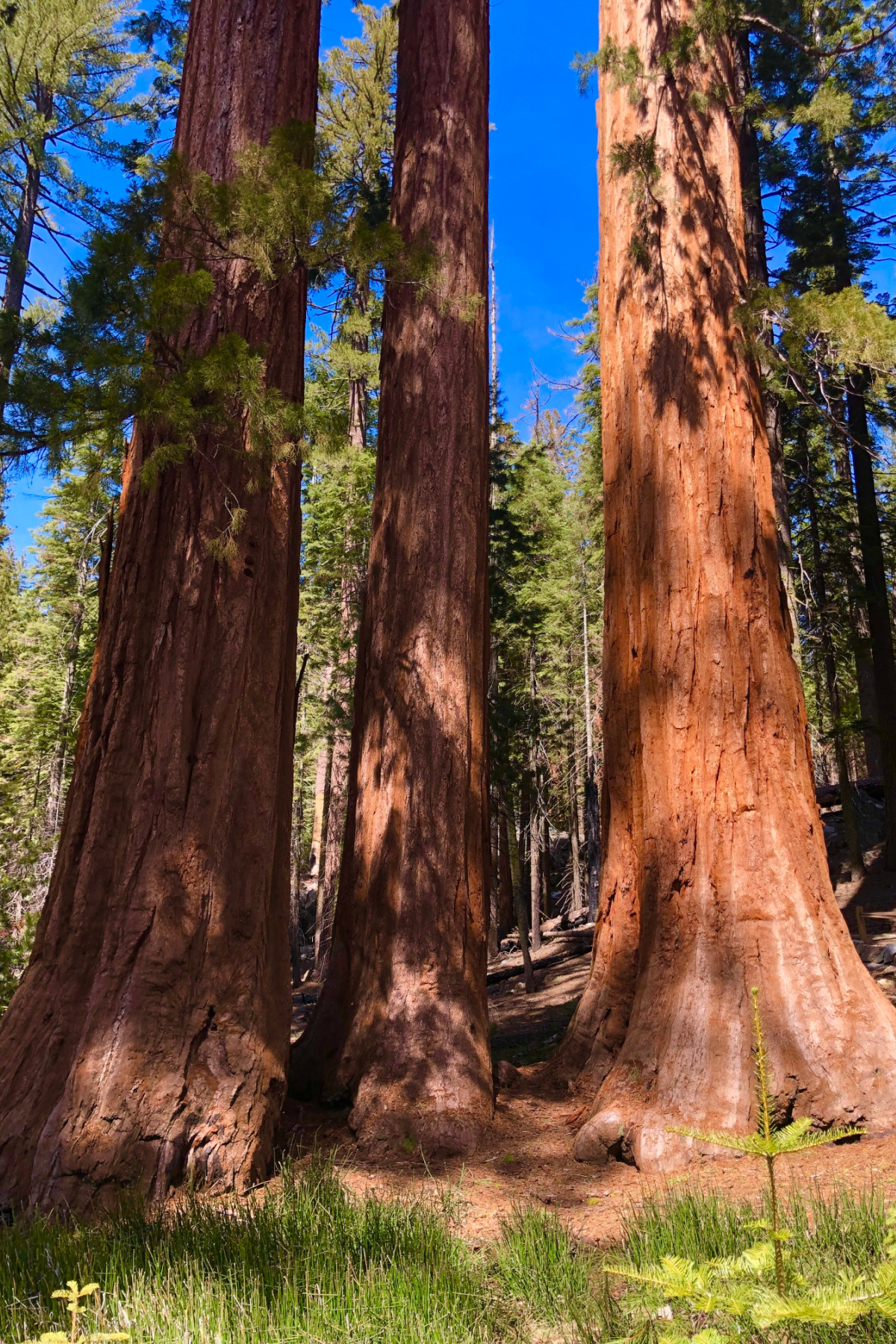
Mariposa Grove is another excellent choice, especially if you want to see giant sequoias.
These are not the same trees you saw at Muir Woods.
Muir Woods protects coast redwoods.
Mariposa Grove contains giant sequoias.
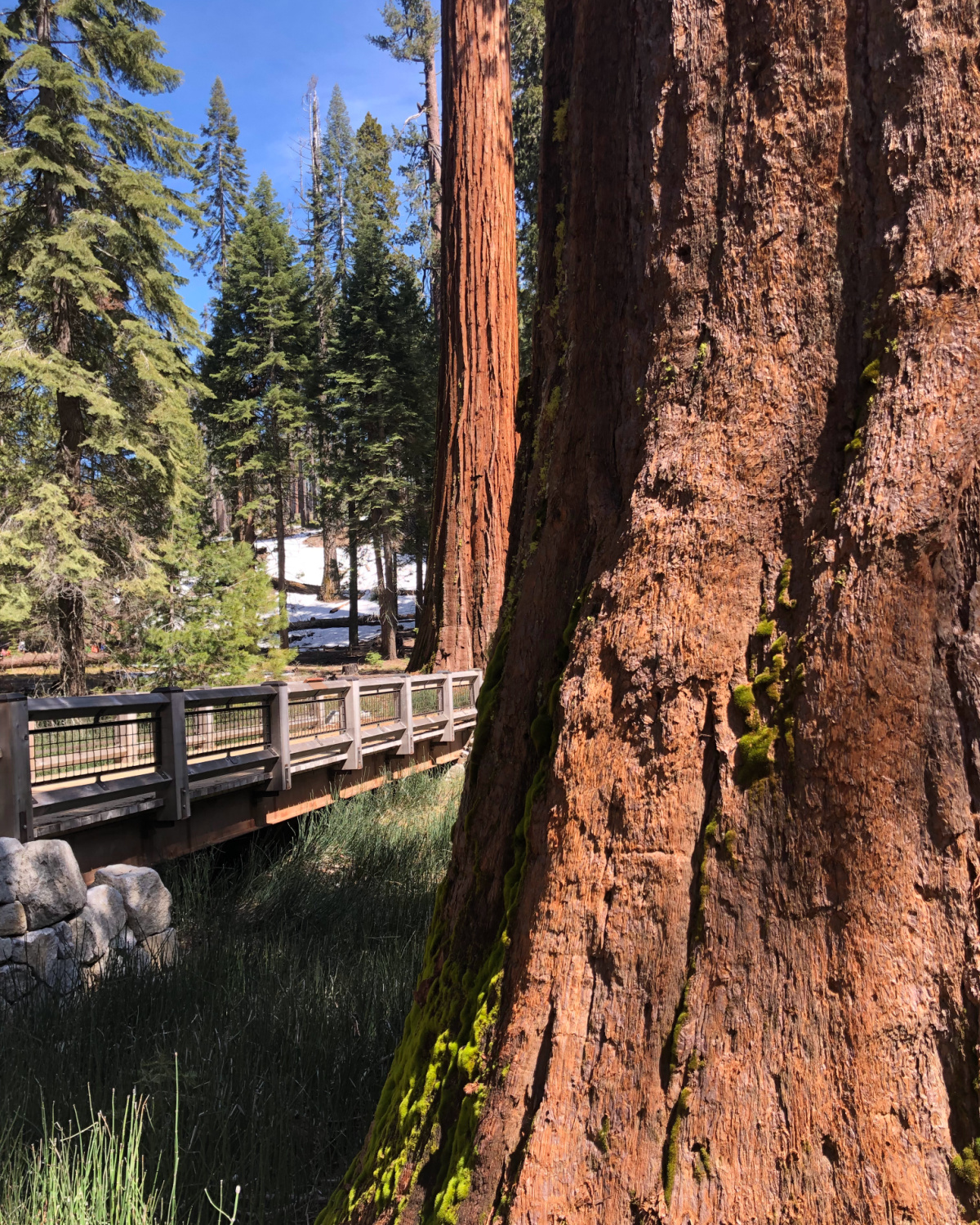
Both are enormous trees, but they are different species and very different experiences.
The grove is home to hundreds of mature giant sequoias, including some truly massive trees.
This is a good option for families because you can choose how far you want to walk instead of committing to an all-day hike.
One thing to keep in mind is that shuttle access to Mariposa Grove is seasonal. Depending on when you visit, you may need to walk farther just to reach the main grove area.
Check current access before you go.
What If Roads Are Closed?
This is the Yosemite question that matters most for spring trips.
If Glacier Point Road, Tioga Road, or Mariposa Grove shuttle service is unavailable, do not panic.
You can easily spend another full day in Yosemite Valley.
Explore areas you skipped on Day 8.
Walk farther along the Valley Loop.
Spend more time near the Merced River.
Visit viewpoints at different times of day.
Take photographs.
Watch climbers.
Have a picnic.
You are not getting a lesser Yosemite trip just because one seasonal road is closed.
In some ways, spring can be one of the most beautiful times to visit because the waterfalls are running so strongly.
Day 10: Yosemite to the Airport
Day 10 is your travel day back to the Bay Area.
And this is where I would be conservative.
Do not schedule a morning hike in Yosemite and then book a flight you absolutely cannot miss a few hours later.
Mountain roads, traffic, weather, construction, and park congestion can all affect your driving time.
Give yourself breathing room.
Depending on your flight schedule, you may decide to leave Yosemite very early and fly home later that day.
Another option is to drive back toward the Bay Area on the evening of Day 9 and stay closer to the airport.
That is less romantic, but it can make Day 10 significantly less stressful.
If you have an early flight, I would strongly consider it.
Should You Fly Through San Francisco or San Jose?
Either airport can work for this itinerary.
San Francisco International Airport makes obvious sense if you are starting with several days in San Francisco.
San Jose can be very convenient for the Monterey portion of the trip and may be worth checking for your return flight.
This is one trip where I would compare both airports rather than automatically booking a round trip through SFO.
You may even find that flying into one airport and out of another makes sense depending on rental-car prices and flight schedules.
Just check the one-way rental-car cost before assuming that will save time or money.
When Is the Best Time to Take This California Trip?
This itinerary can work during much of the year, but every season has tradeoffs.
Spring
Spring may be my favorite time for the 10-day version because Yosemite’s waterfalls can be spectacular.
The tradeoff is that some of Yosemite’s higher-elevation roads may still be closed by snow.
Along the coast, weather can also be cool and unpredictable.
Bring layers.
Summer
Summer gives you the best chance of having all of Yosemite’s major seasonal roads open.
It is also the busiest time.
Expect crowds in San Francisco’s biggest attractions, Monterey, and especially Yosemite.
Book lodging and popular attractions early.
Fall
Fall can be beautiful along the coast and in Yosemite.
Crowds may ease after summer, although Yosemite waterfalls are generally much smaller by then.
This can be a great season if dramatic waterfalls are not your main priority.
Winter
I would treat winter as a different version of this itinerary.
San Francisco and Monterey can still work beautifully, but Yosemite travel may involve snow, tire-chain requirements, road closures, and more limited access.
It can be gorgeous.
It just requires more flexibility.
How Much Driving Is Involved?
This itinerary includes several driving days, but I do not think it feels like a road-trip marathon.
That is partly because the trip is broken into distinct sections.
You spend three nights focused on San Francisco.
Then you move to Monterey and stay there.
Then, on the 10-day version, you move to Yosemite.
You are not packing your suitcase every single morning.
That makes a huge difference.
I would rather spend a little longer driving on Day 4 and Day 7 and then have multiple nights in each location than move hotels every day.
Do You Need a Rental Car?
For the entire itinerary, yes.
But I would not necessarily pick up the rental car the moment you land in San Francisco.
If you are staying in the city for three days, a car can be more trouble than help because of parking costs, traffic, and the fact that much of your sightseeing can be done with public transportation, rideshares, or tours.
One option is to explore San Francisco without a rental car and pick one up when you are ready to head toward Monterey.
The exception is Day 2.
If you want to visit Muir Woods, Marin County, Sausalito, and the Headlands on your own schedule, having a car is very useful.
So this is another place where you can customize the trip.
You could rent a car for the entire trip, or rely on other transportation for part of San Francisco and pick up the car when you need it.
Just compare the costs.
San Francisco hotel parking can make a seemingly cheap rental car much less cheap.
A Few Practical Tips for This California Itinerary
California is one of those places where the weather forecast can be misleading if you are moving between microclimates.
Bring layers.
You may be warm and sunny in one place and cold, foggy, and windy an hour later.
This is particularly true around San Francisco and the coast.
Also, make reservations early for the things that really matter to you.
That may include Alcatraz tickets, Muir Woods parking or shuttle reservations, popular Yosemite lodging, and some major attractions during peak travel periods.
At the same time, do not over-schedule the entire trip.
Some of the best moments on this itinerary are the unplanned ones.
Stopping at a farm stand.
Watching waves crash below a Pacifica overlook.
Finding sea otters off the Monterey coast.
Pulling over because the light on the cliffs suddenly looks incredible.
Sitting in Yosemite Valley and realizing everyone is perfectly happy doing absolutely nothing for twenty minutes.
Leave room for those moments.
7 Days or 10 Days: Which Version Should You Choose?
If you only have one week, I would happily take the seven-day trip.
Three days in San Francisco plus three days moving through Monterey and the Central Coast gives you a substantial Northern California vacation.
You will not leave feeling like you only saw San Francisco.
But if you can add three days, Yosemite is absolutely worth it.
The 10-day itinerary gives you three dramatically different California experiences in one vacation:
San Francisco gives you the city.
Monterey and the Central Coast give you the ocean.
Yosemite gives you the mountains.
And that is a pretty spectacular way to spend ten days in California.
More Family Road Trip Itineraries
If you are still deciding where to go next, these are some of my favorite family-friendly itineraries for first-time visitors. They are designed to help you see a lot without turning the trip into an exhausting race.
Canadian Rockies Itinerary: Perfect 7- to 10-Day Road Trip for First-Time Visitors
A great choice if you want mountain scenery, turquoise lakes, wildlife, and an easy-to-follow route through Banff and Jasper.
The Ultimate 5-Day Washington, D.C. Itinerary for First-Time Visitors
Perfect for families who want a city-based trip packed with museums, monuments, history, and plenty of free attractions.
Utah Mighty Five Itinerary: 10-Day Realistic Family-Friendly Road Trip
This one covers all five Utah national parks at a pace that still leaves room to enjoy the scenery instead of just driving from park to park.
The Ultimate 14-Day Yellowstone, Grand Teton & Glacier National Park Road Trip
If you have two weeks, this is the big one: geothermal features, wildlife, mountain scenery, and three spectacular national parks.
Epic 7-Day Yellowstone and Grand Teton Itinerary
A shorter alternative that still gives you enough time to experience both parks without rushing through them.
The Ultimate 7- and 10-Day Alaska Summer Road Trip
A family-friendly summer itinerary with dramatic scenery, wildlife, and some of Alaska’s most accessible highlights.
Washington National Parks Road Trip: How to Visit Olympic, Mount Rainier & North Cascades
A fantastic option if you want three very different national parks in one trip, from rugged coastline and rainforest to glaciers and alpine scenery.