Best Things to Do in Yosemite Valley: Waterfalls, Scenic Views, and Easy Walks

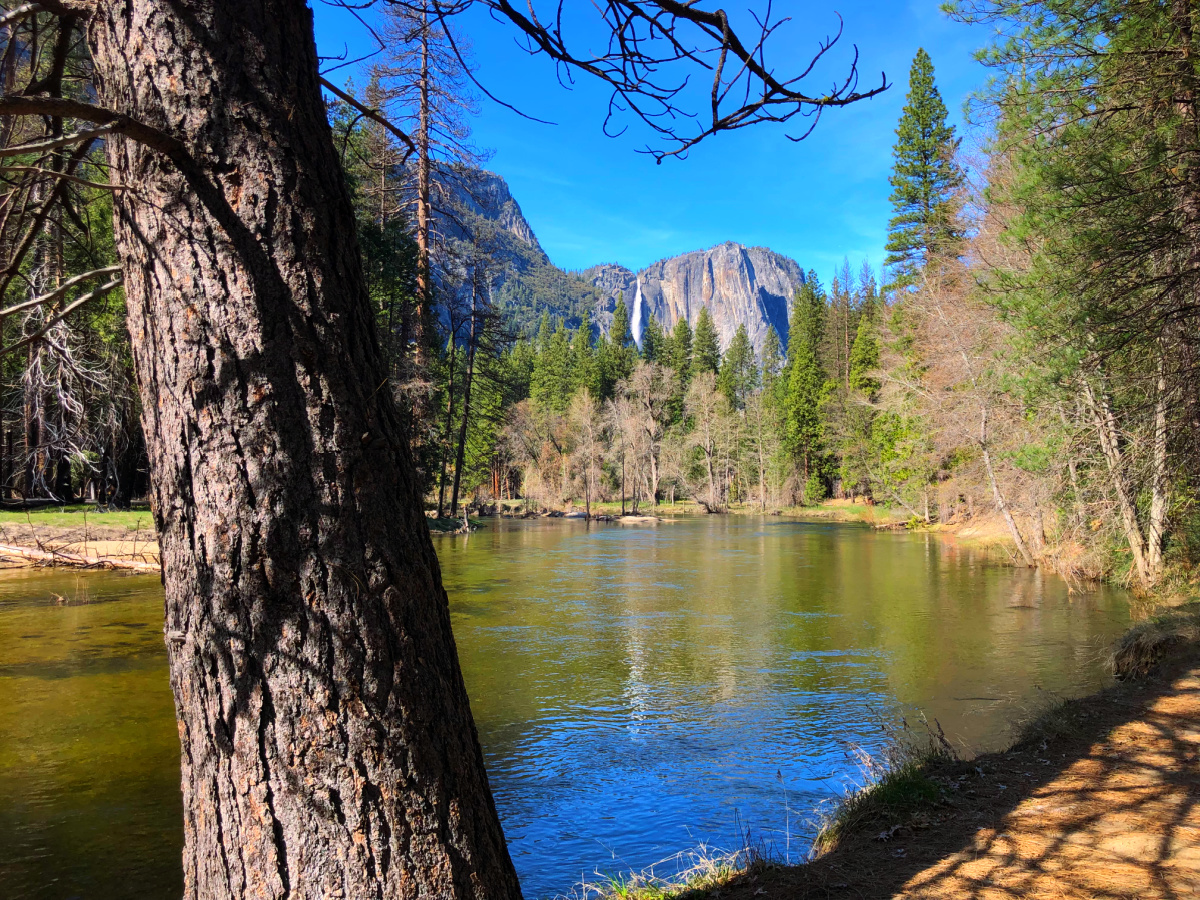
Discover the best things to do in Yosemite Valley, from famous waterfalls and scenic viewpoints to easy walks, historic stops, and beautiful Merced River views.
Estimated reading time: 38 minutes
Yosemite Valley is the heart of Yosemite National Park, and for good reason. This is where you’ll find many of the park’s most famous landmarks, including Half Dome, El Capitan, Yosemite Falls, and Bridalveil Fall. The granite cliffs are enormous, the waterfalls are spectacular, and the Merced River winds through some of the prettiest scenery in California.
And the best part? You don’t have to be an experienced hiker to enjoy most of it.
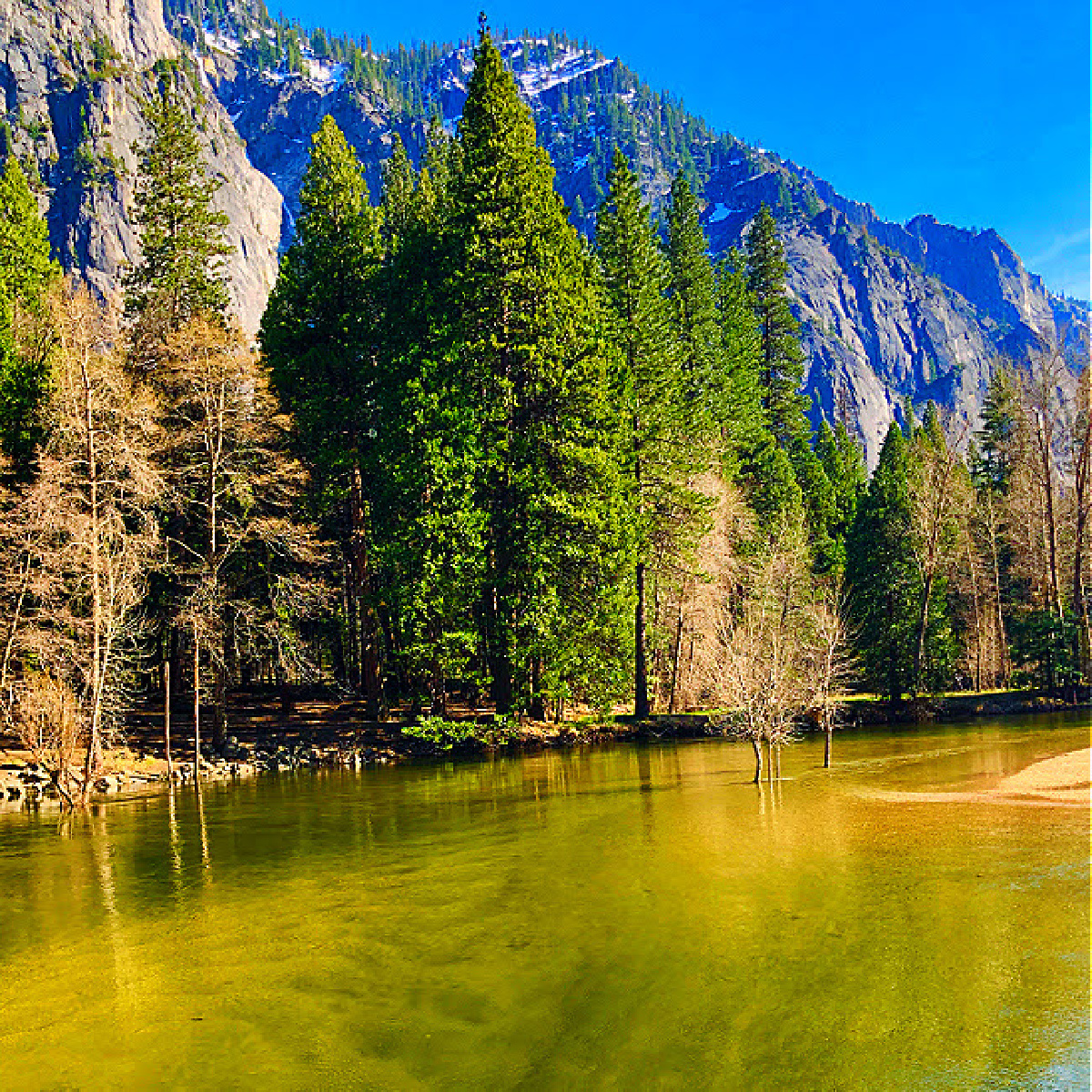
We visited Yosemite in April, and I was absolutely blown away by how beautiful the valley was in spring. The waterfalls were flowing, the meadows were green, and the Merced River was this almost unbelievable emerald color. I expected the granite cliffs and waterfalls to be impressive, but I hadn’t anticipated how much I would love the river itself.
One of my favorite memories is simply driving through Yosemite Valley. El Capitan was towering above us on one side of the road, while Bridalveil Fall was cascading down the cliffs on the other. There were so many places where I wanted to stop and take photographs that it was almost impossible to make any progress!
If this is your first visit to Yosemite National Park, I would recommend spending at least one full day exploring Yosemite Valley, although two days would be even better. There are plenty of easy walks, scenic viewpoints, picnic areas, and historic landmarks to keep you busy without attempting any of the park’s strenuous hikes.
Here are my favorite things to do in Yosemite Valley, along with a few additional stops worth considering if you have extra time.
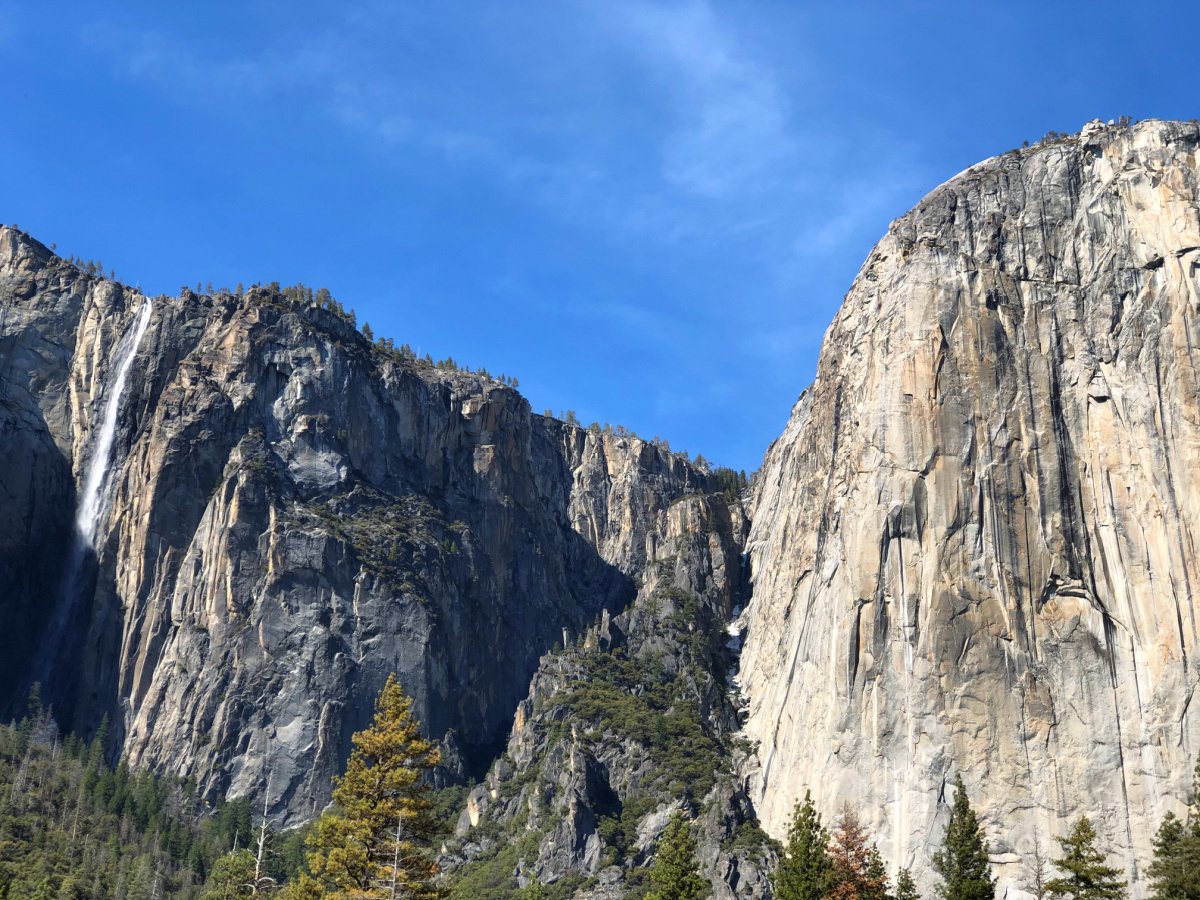
1. See Yosemite Falls (Upper and Lower Yosemite Falls)
Yosemite Falls is one of the most famous waterfalls in the United States, and it’s absolutely worth seeing when you’re visiting Yosemite Valley. The waterfall plunges a combined 2,425 feet down the granite cliffs, making it one of the tallest waterfalls in North America.
What you might not realize is that Yosemite Falls is actually made up of three separate sections: Upper Yosemite Fall, the middle cascades, and Lower Yosemite Fall. From some viewpoints in the valley, you can see nearly the entire waterfall. From others, particularly near the base, you’ll only see the lower section.
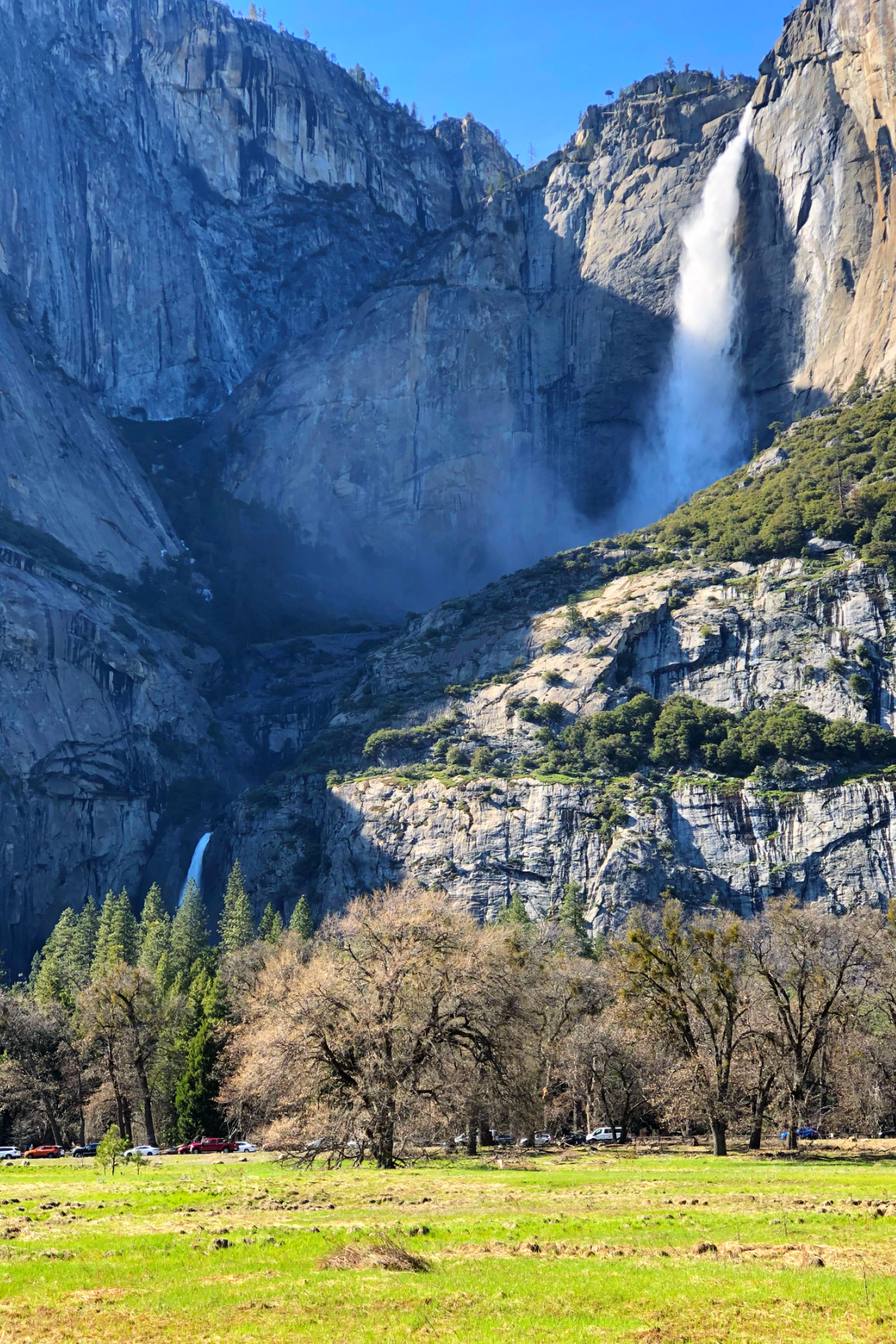
If you’re visiting in spring, you’re in for a treat. Yosemite Falls is primarily fed by melting snow, and the water typically reaches its peak flow in May or early June. We visited in April, and seeing the waterfalls flowing down the cliffs was one of the highlights of our trip.
However, Yosemite Falls is very seasonal. By late summer, the waterfall can slow dramatically, and in some years it stops flowing entirely. So if seeing Yosemite’s famous waterfalls is a priority, spring and early summer are generally the best times to visit.
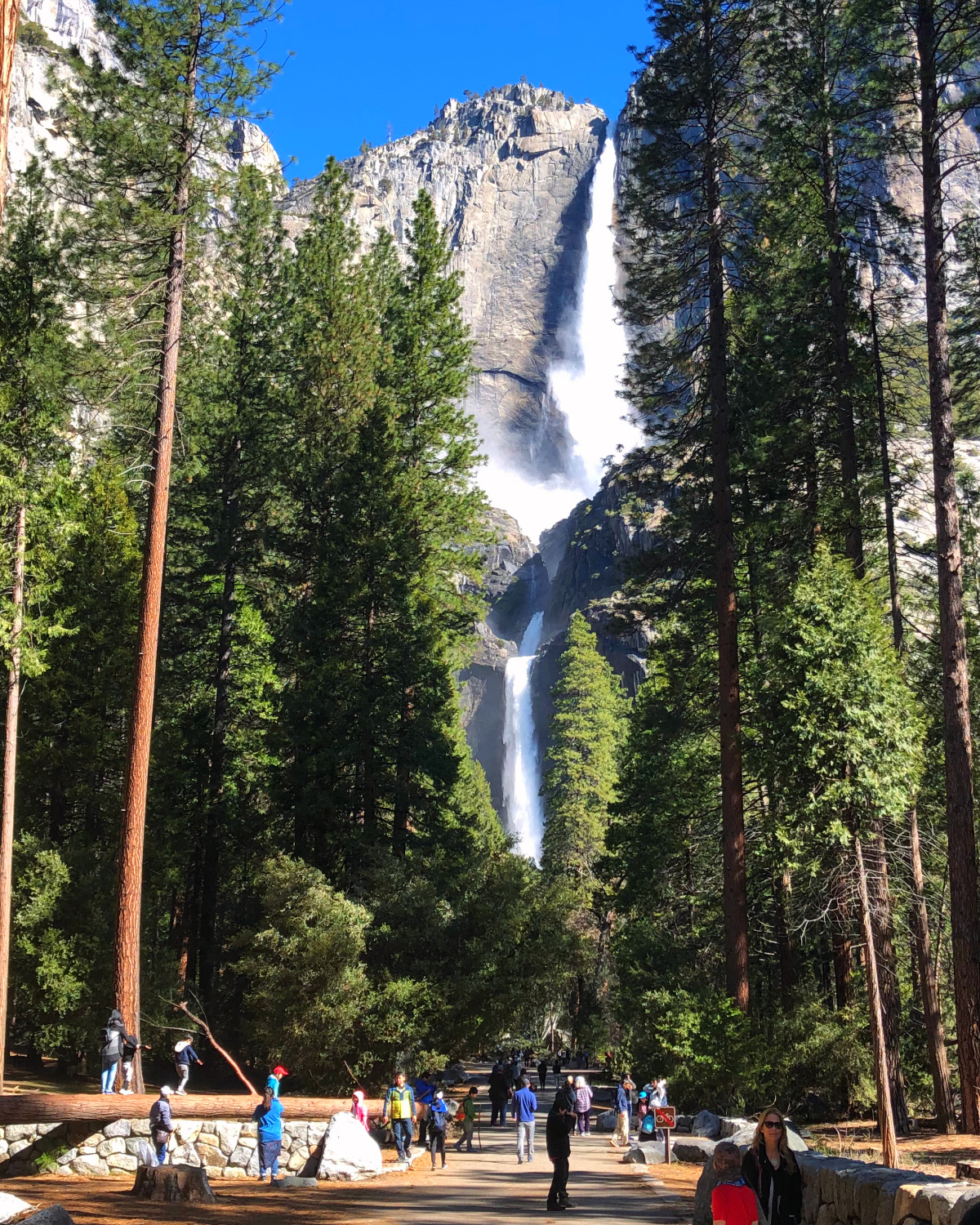
Walk the Lower Yosemite Fall Trail
The Lower Yosemite Fall Trail is one of the easiest and most rewarding walks in Yosemite Valley. The paved loop is approximately one mile long, with very little elevation gain, and takes you through a forested area to a viewpoint near the base of the waterfall.
When the waterfall is flowing strongly, you can hear the water crashing down the cliffs as you approach. Depending on the wind and water levels, you may even feel the spray.
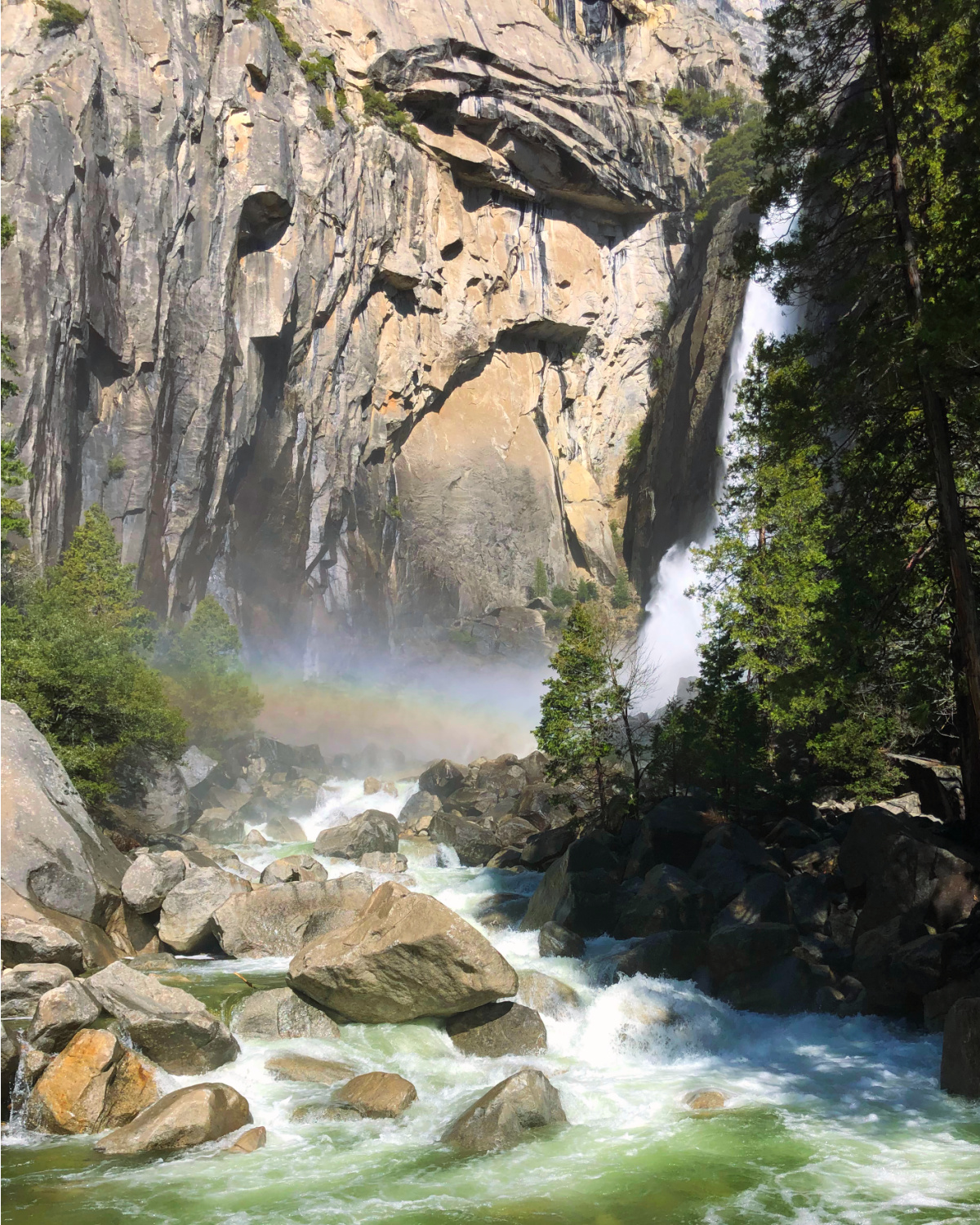
This is a particularly good walk for families with young children because it’s short, relatively flat, and doesn’t require any special hiking equipment. The eastern portion of the loop is also wheelchair accessible under suitable conditions.
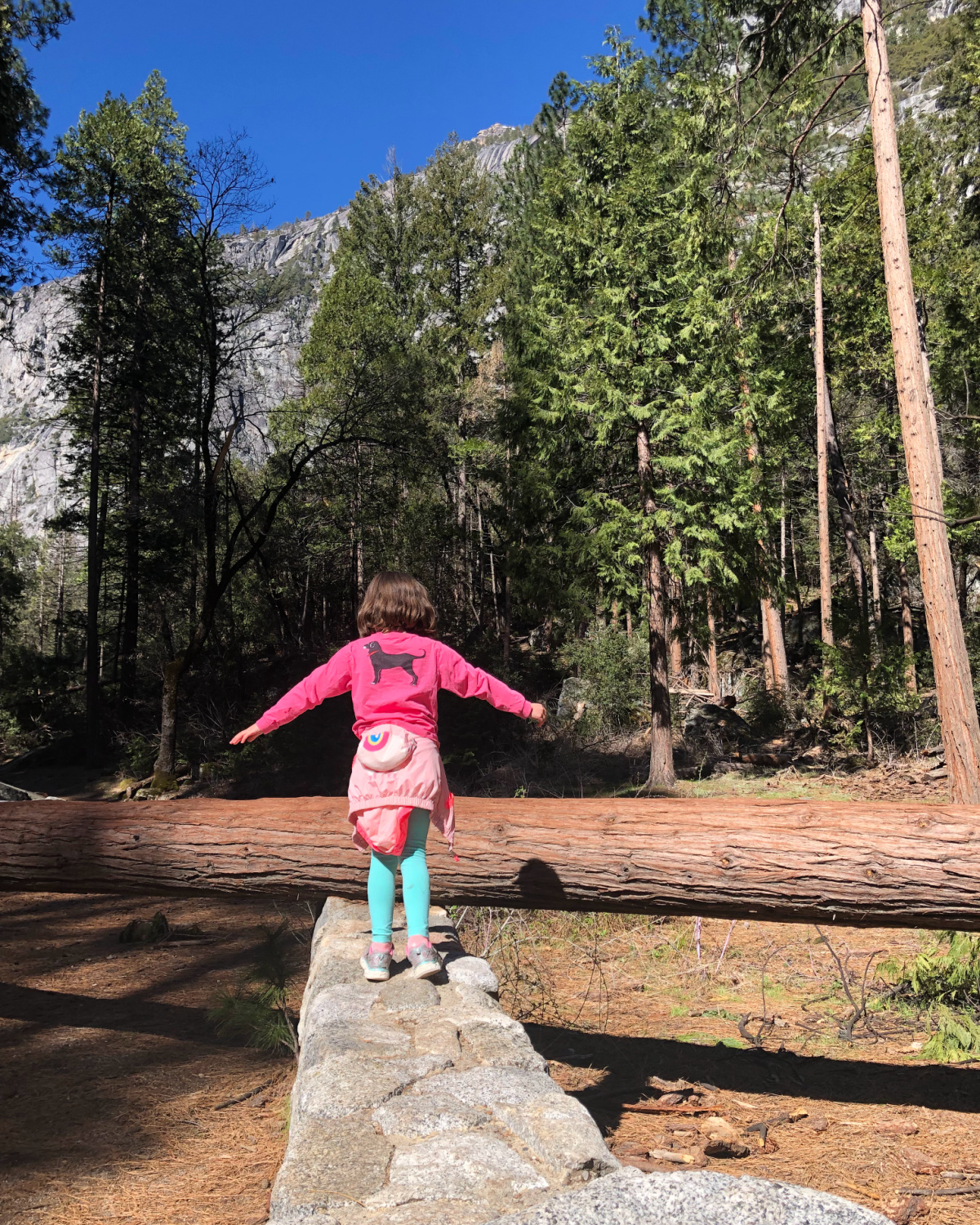
You don’t necessarily have to complete the entire loop, either. If you’re short on time or traveling with someone who has difficulty walking longer distances, you can approach the main viewing area from the eastern trailhead and return the same way.
One thing I would recommend is enjoying Yosemite Falls from more than one location. The view from the base is impressive, but you’re so close to the granite cliffs that it’s difficult to appreciate the waterfall’s full height. From Cook’s Meadow, however, you can see Yosemite Falls rising above the trees, which gives you a much better perspective of just how enormous it is.
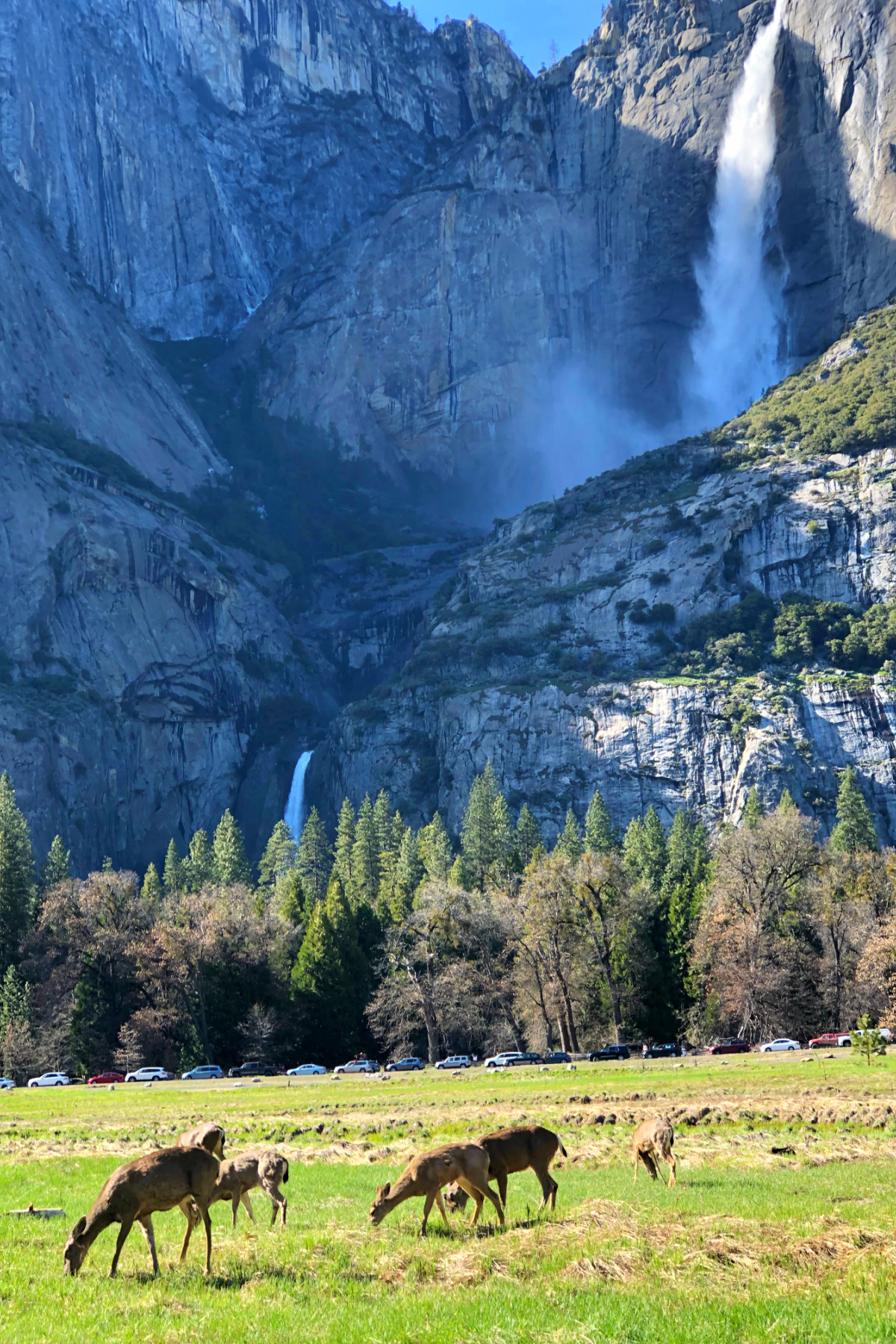
And don’t confuse this easy walk with the Upper Yosemite Fall Trail! Hiking to the top of Yosemite Falls is a strenuous adventure with thousands of feet of elevation gain. It’s a completely different experience from the short walk to the lower waterfall.
Helpful tip: The Lower Yosemite Fall Trail is one of the most popular walks in the park, so expect crowds during busy periods. Visiting earlier in the morning can make the experience considerably more pleasant.
2. Photograph Half Dome from Sentinel Bridge
Sentinel Bridge is one of the easiest places in Yosemite Valley to get a beautiful view of Half Dome, and it’s a stop I would absolutely recommend making.
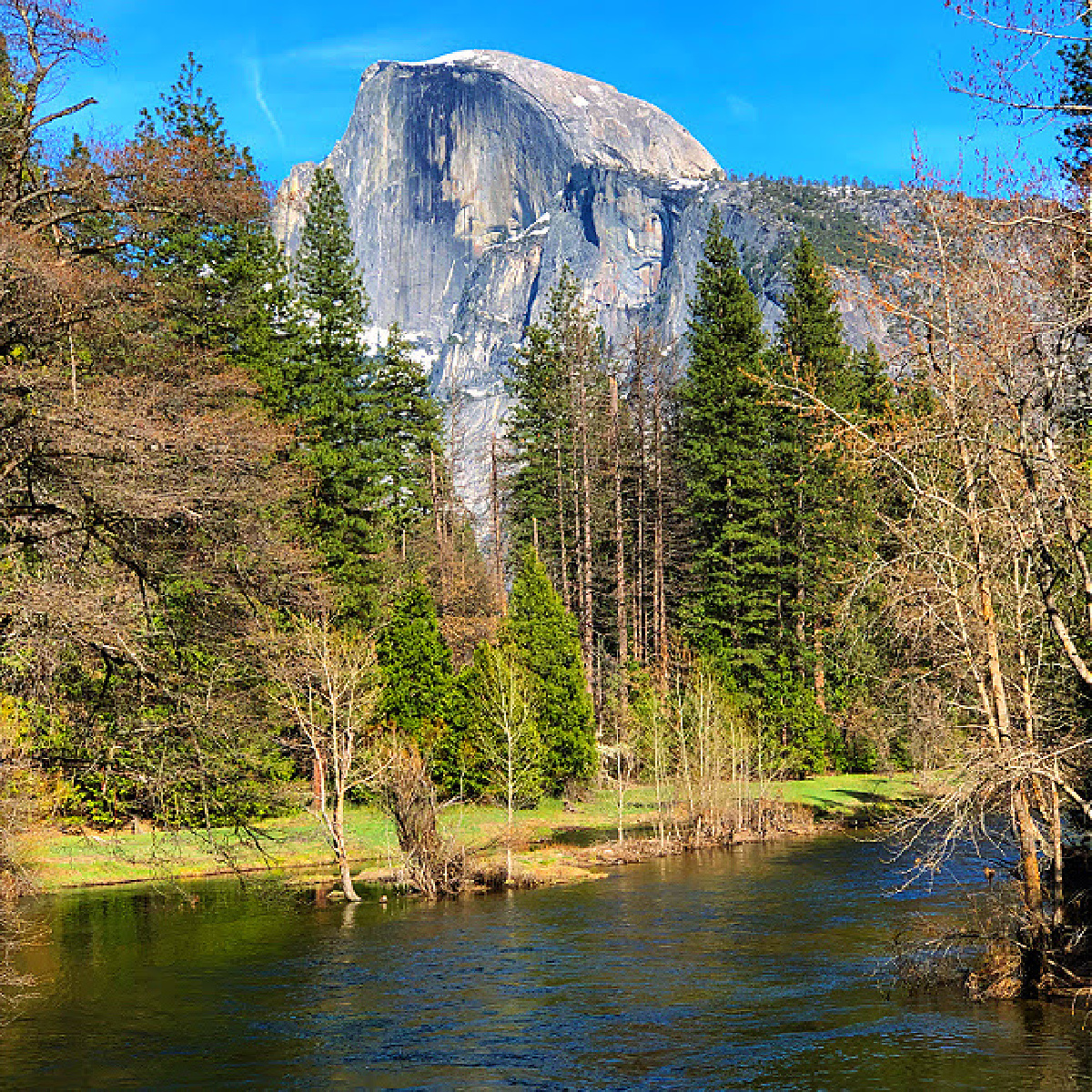
The bridge crosses the Merced River near Yosemite Village, with a classic view looking east toward Half Dome. On a clear day, the enormous granite formation rises above the trees, with the river creating a beautiful foreground for photographs.
If the water is calm, you may even be able to capture a reflection of Half Dome on the surface of the Merced River.
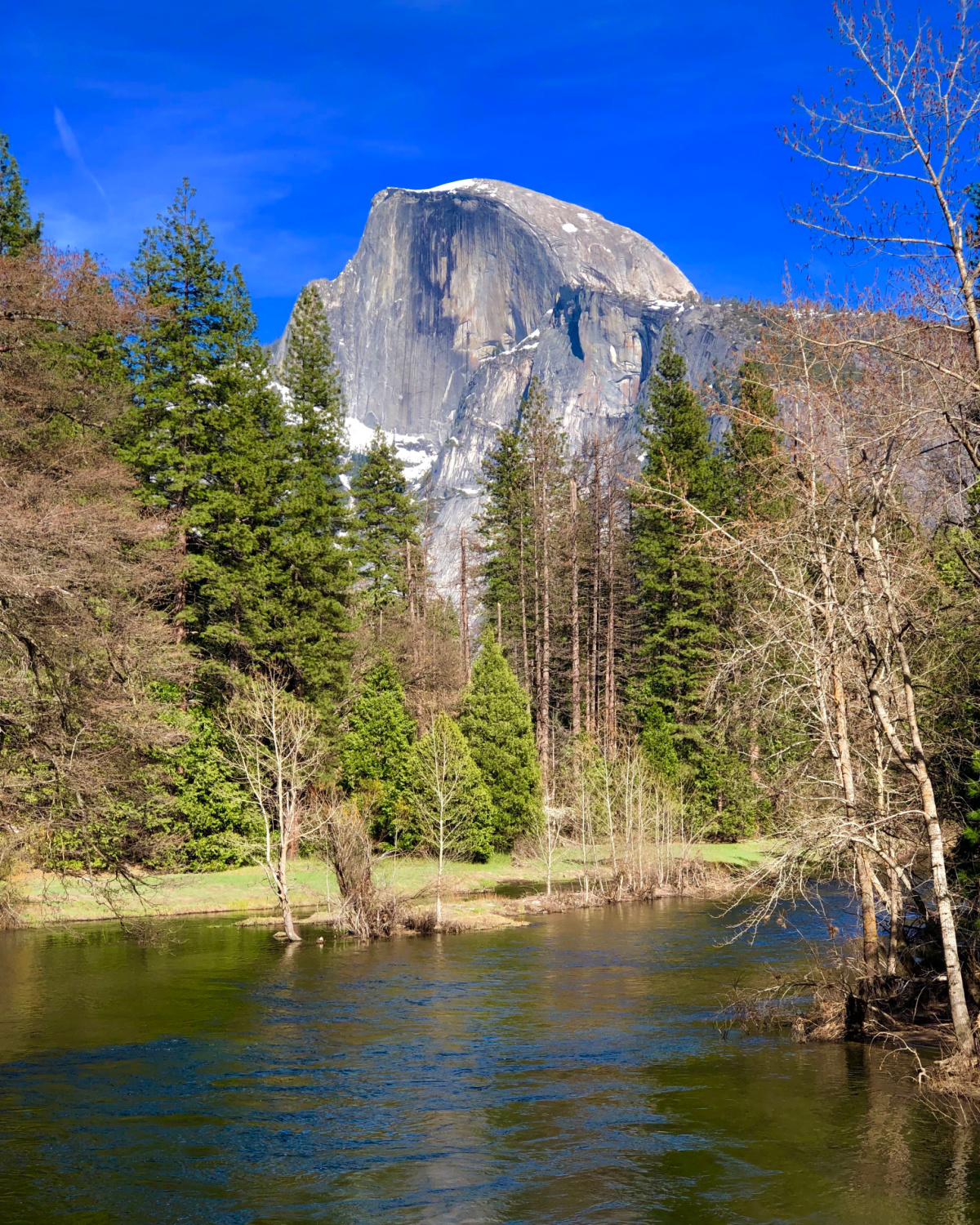
I particularly loved this area during our April visit because of the color of the water. The Merced River was such a vivid shade of green that I kept wanting to stop and photograph it. Combined with the granite cliffs and surrounding trees, it was one of the prettiest scenes we encountered in the valley.
Of course, spring snowmelt also means the river can be running high and fast. While that makes the water beautiful to watch, it isn’t necessarily ideal for those mirror-like reflections you see in some Yosemite photographs.
You don’t need to spend a lot of time at Sentinel Bridge unless you’re interested in photography. Most visitors can enjoy the view in about 10–15 minutes, although it’s worth lingering if the lighting is particularly nice.
The bridge is conveniently located near several other popular Yosemite Valley attractions, including Cook’s Meadow and Yosemite Village, so it’s easy to include while exploring this part of the park.
One important thing to remember is that Sentinel Bridge is open to vehicle traffic. Be sure to stay in the pedestrian areas while taking photographs.
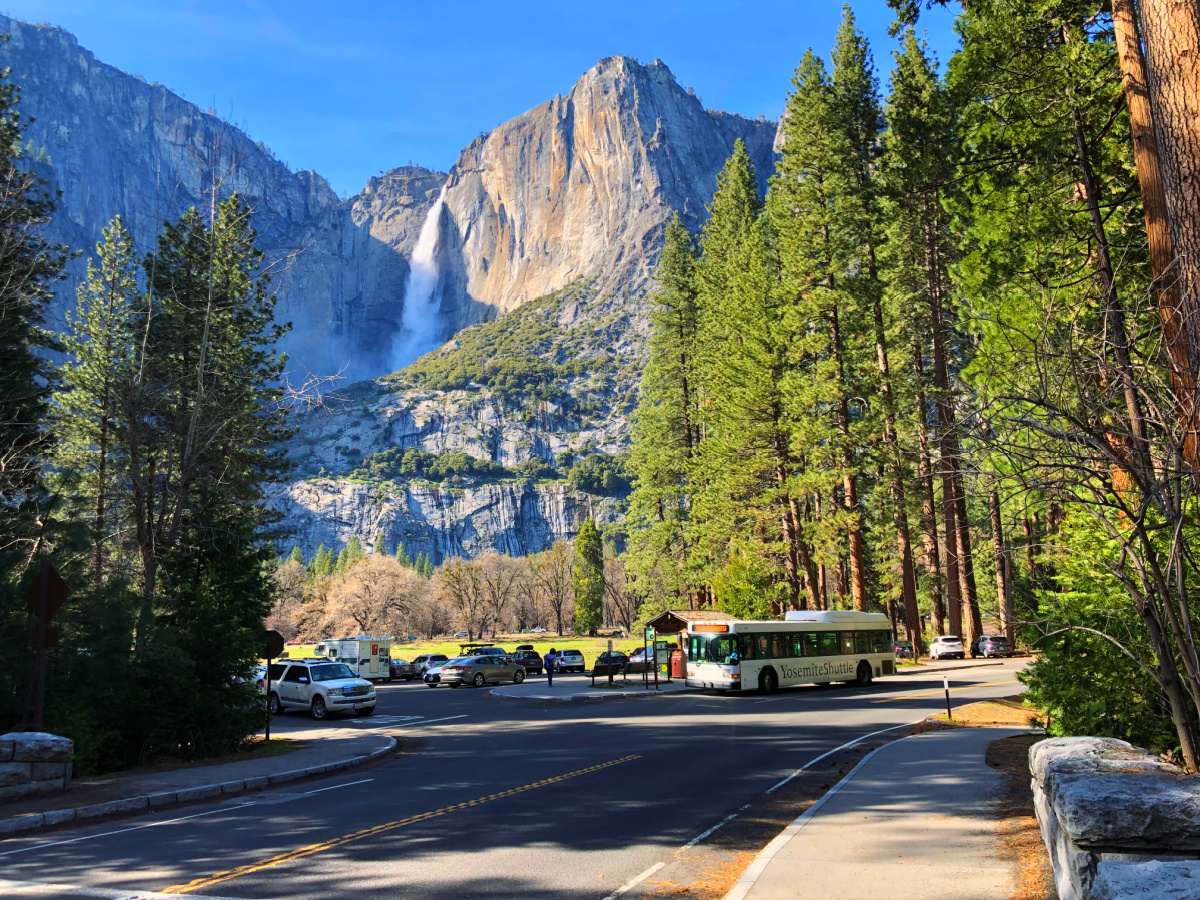
Photography tip: If you’re hoping for reflections of Half Dome, look for a time when the river is relatively calm. Early morning can sometimes provide beautiful lighting, but the surrounding cliffs create changing shadows throughout the day.
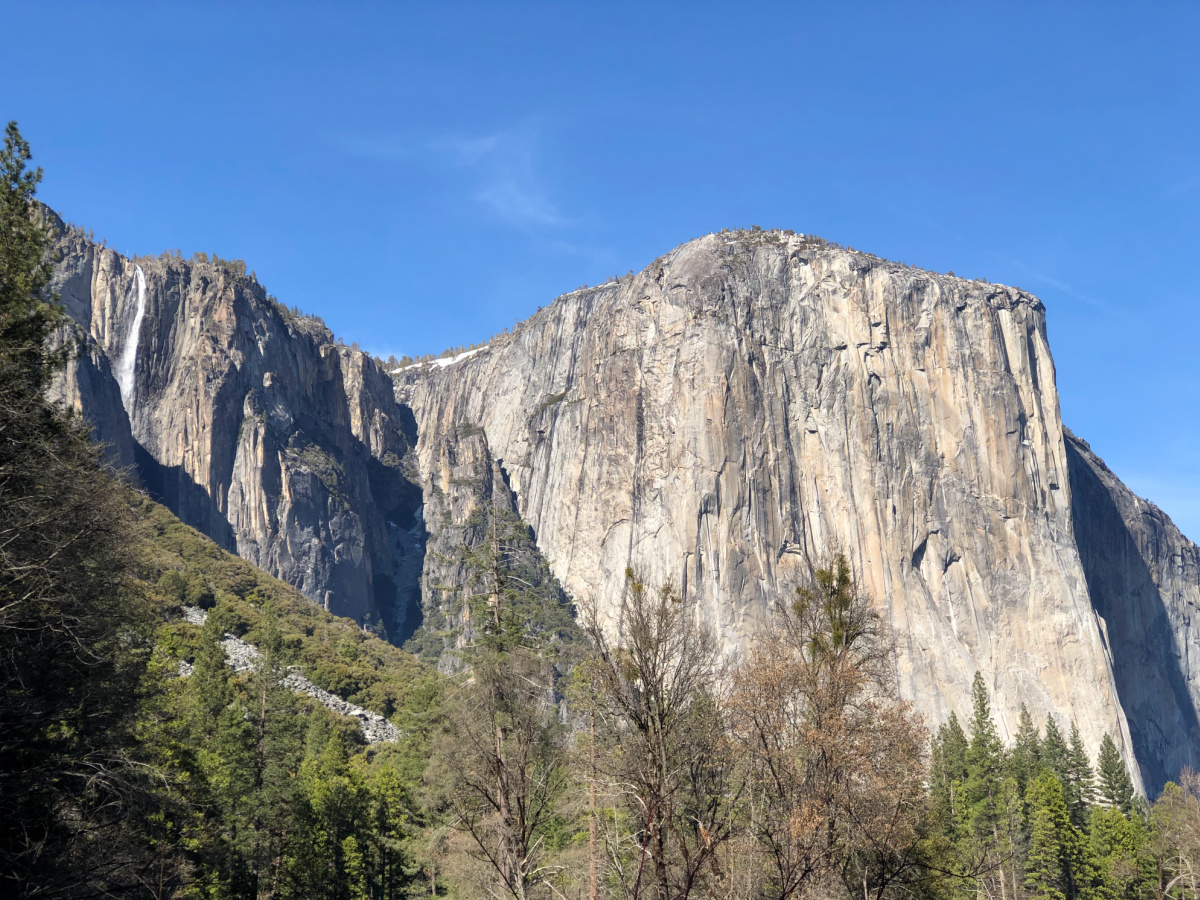
3. Marvel at El Capitan and El Capitan Meadow
There are some landmarks that photographs simply cannot do justice, and El Capitan is definitely one of them.
This enormous granite formation rises approximately 3,000 feet above Yosemite Valley, and it’s difficult to comprehend its size until you’re standing somewhere near the base. It’s one of the most recognizable rock formations in the world, particularly among rock climbers.
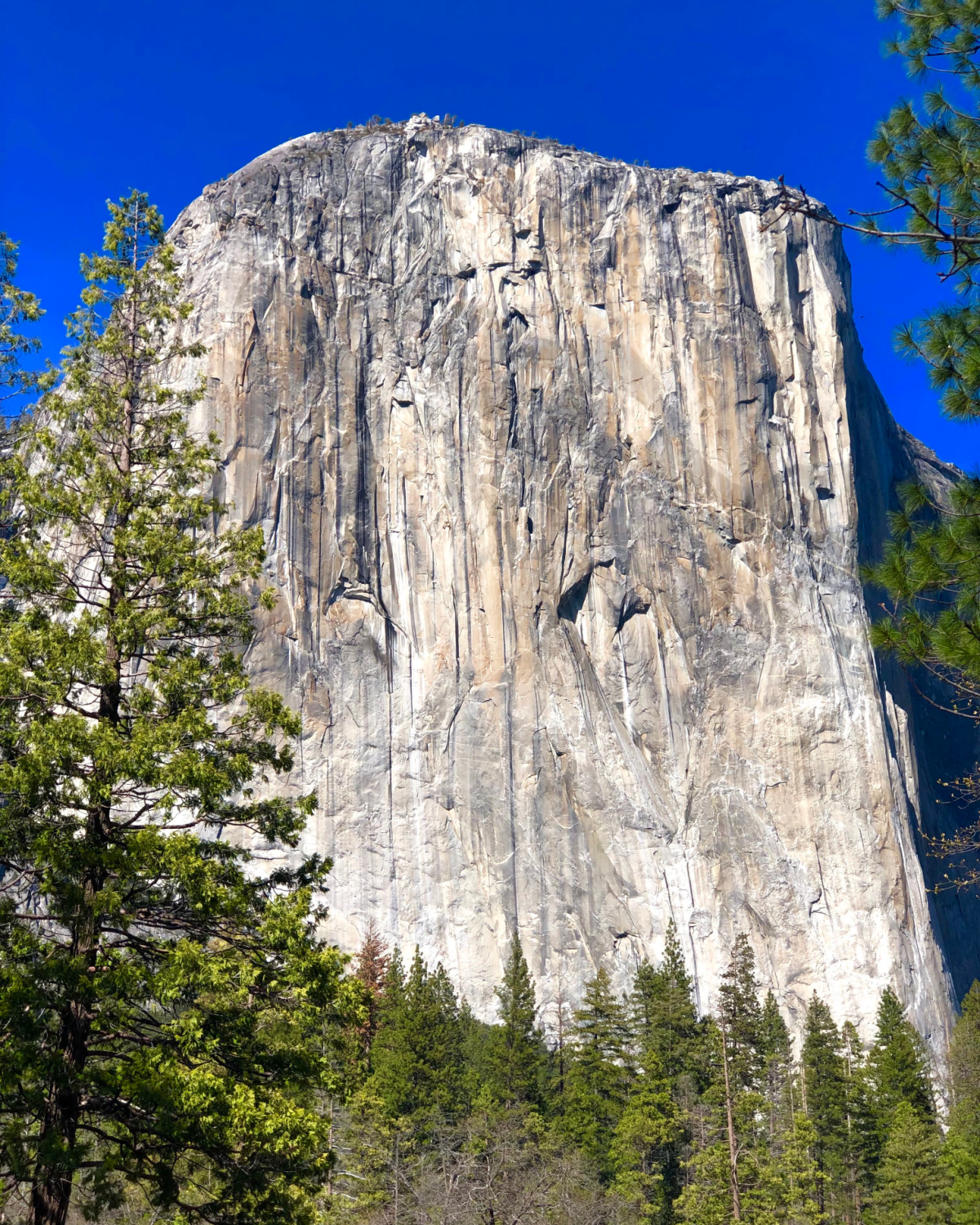
El Capitan is famous for its challenging climbing routes, and some climbers spend several days making their way up the granite wall. But even if you have absolutely no interest in rock climbing, it’s still one of the most impressive sights in Yosemite National Park.
One of the things that surprised me about Yosemite Valley was how close you can get to some of these famous landmarks without hiking. You can literally drive through the valley with El Capitan towering above you, which is pretty incredible when you consider how enormous it is.
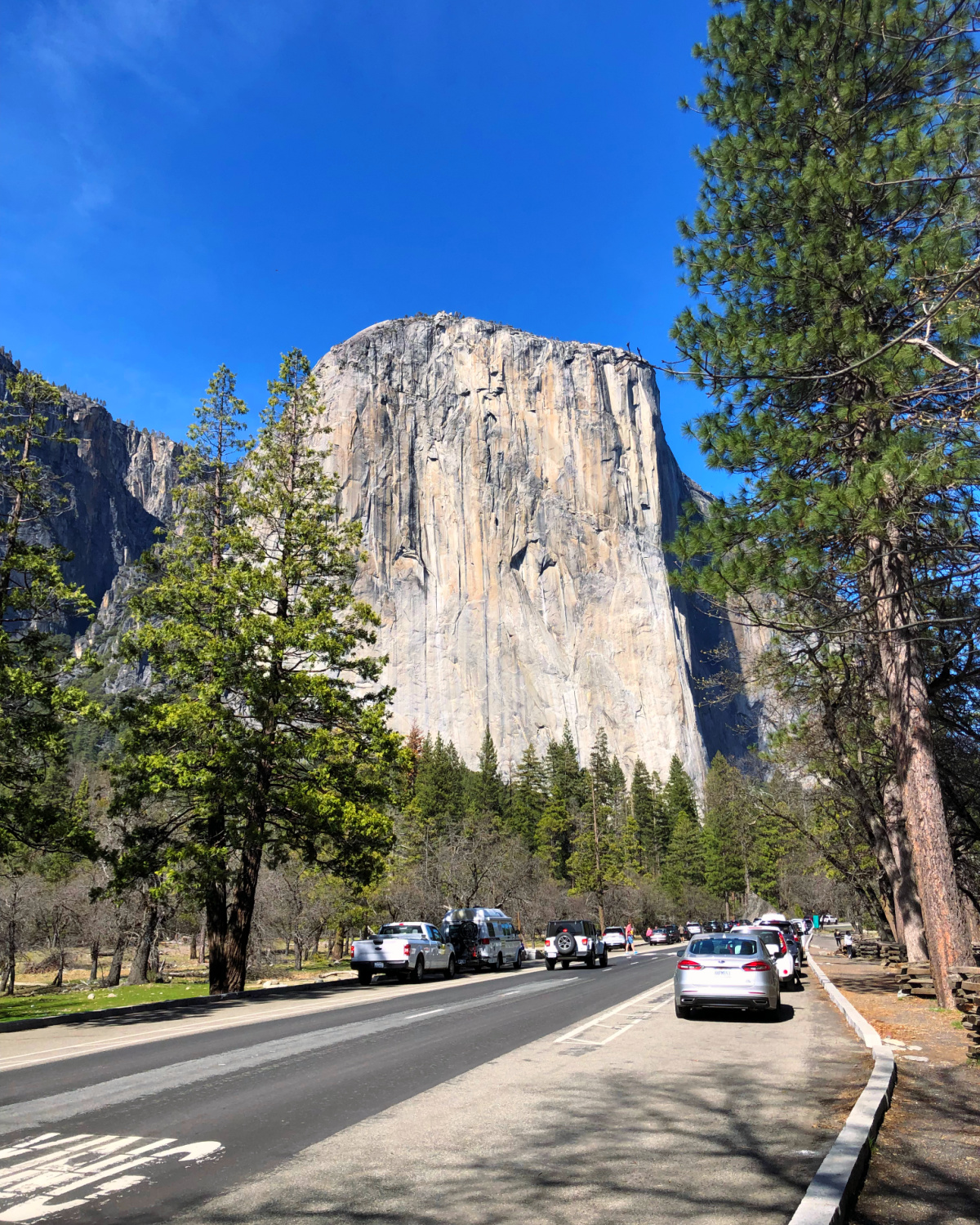
Stop at El Capitan Meadow
El Capitan Meadow is one of the best places to stop and appreciate the sheer size of El Capitan. Located along Northside Drive, the meadow provides a wide, unobstructed view of the granite wall, with grasses and trees in the foreground.
It’s a beautiful photography location, especially in spring when the meadow is green.
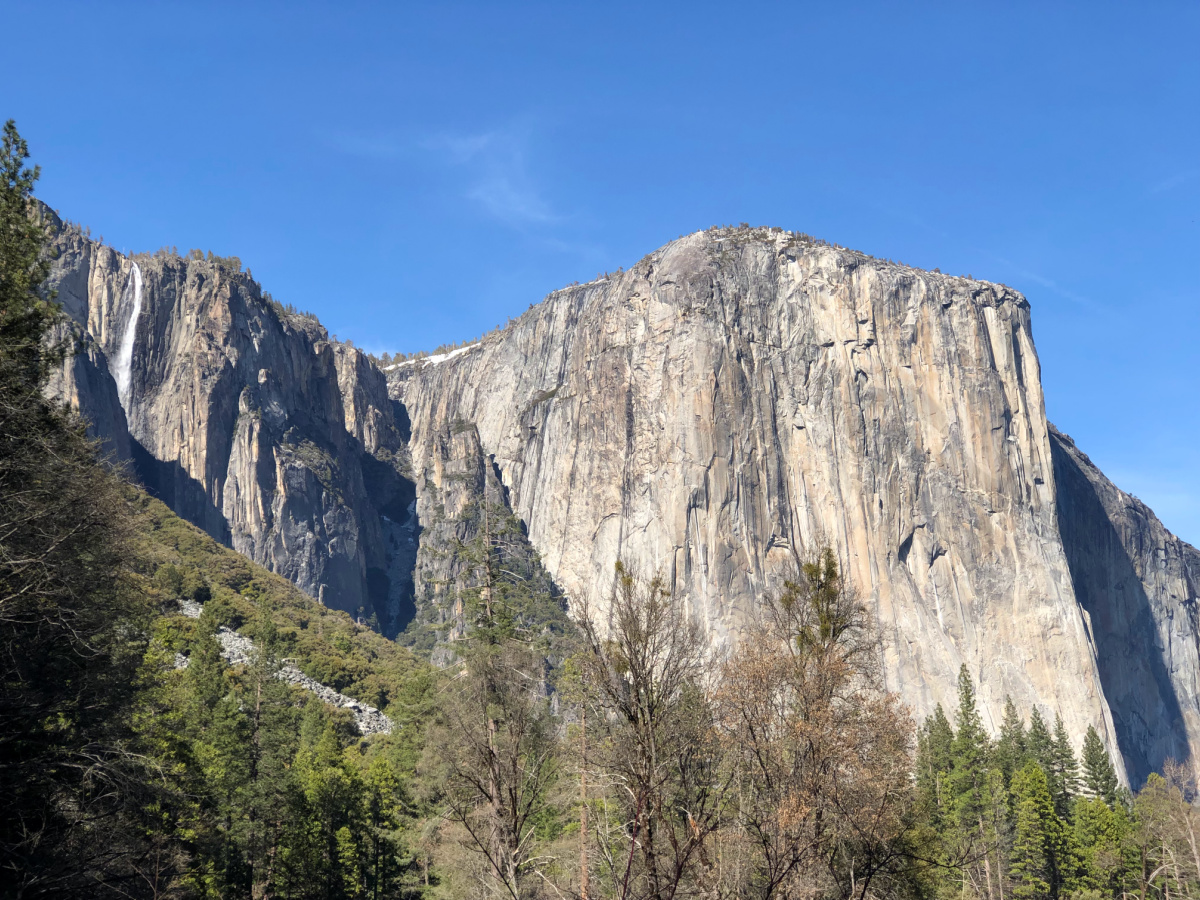
If you bring binoculars, you might even be able to spot rock climbers making their way up El Capitan. From the valley floor, they look like tiny specks against the granite, and it can be surprisingly difficult to find them.
For families traveling with kids, this can be a fun little activity. See if you can spot any climbers, and then imagine what it must be like to spend several days hanging off the side of a cliff!
You don’t need a great deal of time at El Capitan Meadow. Fifteen or twenty minutes is probably enough for most visitors, although photographers may want to stay longer.
Just remember that Yosemite’s meadows are protected environments, so stay on established paths and designated viewing areas rather than walking through the vegetation.
Look for Ribbon Fall Near El Capitan
If you’re visiting Yosemite in spring, there’s another waterfall worth looking for near El Capitan.
Ribbon Fall is located just west of the famous granite formation and drops approximately 1,612 feet from the cliffs above Yosemite Valley. It’s one of the tallest single-drop waterfalls in North America, although it doesn’t receive nearly as much attention as Yosemite Falls or Bridalveil Fall.
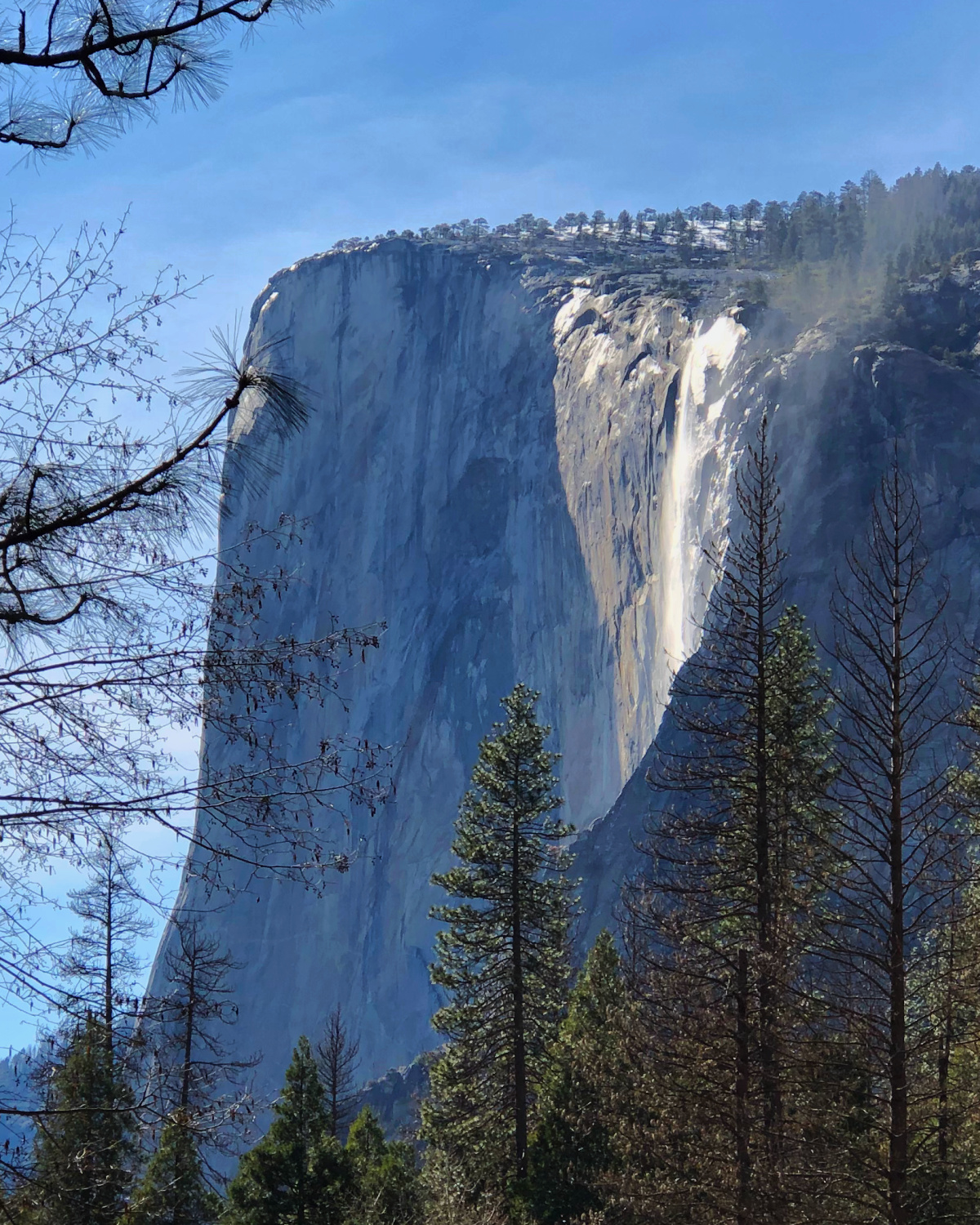
That’s partly because Ribbon Fall is highly seasonal.
The waterfall is primarily fed by melting snow, so spring is generally the best time to see it. By summer, Ribbon Fall often disappears entirely, particularly during drier years.
There isn’t a developed viewing trail comparable to the Lower Yosemite Fall Trail, so the best approach is to look for the waterfall from suitable viewpoints along the valley floor.
If you’re visiting in April or May, keep an eye on the cliffs west of El Capitan. Depending on the year’s snowpack, Ribbon Fall can be quite impressive.
And while you’re exploring this part of Yosemite Valley, don’t forget to look across the road. With El Capitan towering above one side of the valley, Bridalveil Fall cascading down the other, and the Merced River winding through the middle, this is one of the most spectacular stretches of scenery in Yosemite National Park.
4. Bridalveil Fall: One of Yosemite Valley’s Most Beautiful Waterfalls
Bridalveil Fall is one of the first major waterfalls you’ll see when entering Yosemite Valley from the west, and it’s a pretty spectacular introduction to the park.
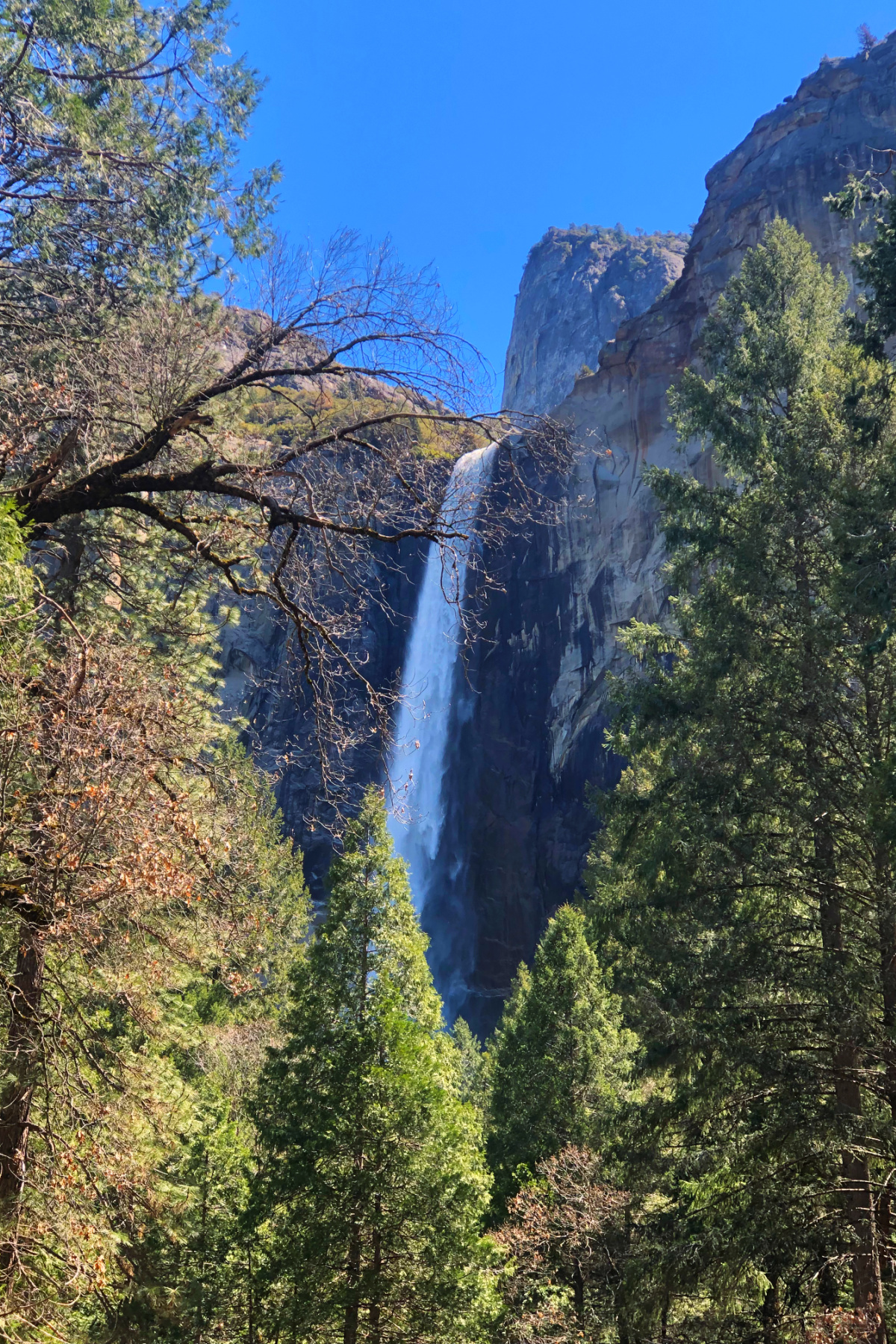
The waterfall drops 620 feet from a granite cliff near the western end of the valley. Unlike Yosemite Falls, which can dry up completely by late summer, Bridalveil Fall generally flows throughout the year, although the amount of water varies considerably with the seasons.
We visited in April, when the waterfalls were especially beautiful. One of the things I remember about driving through Yosemite Valley was seeing El Capitan towering above one side of the road and Bridalveil Fall cascading down the cliffs on the other. It was almost ridiculous how much beautiful scenery was packed into one stretch of road.
And Bridalveil Fall is particularly photogenic because you can appreciate it from several different perspectives. You don’t necessarily have to walk to the base to enjoy the waterfall.
Walk to the Bridalveil Fall Viewpoint
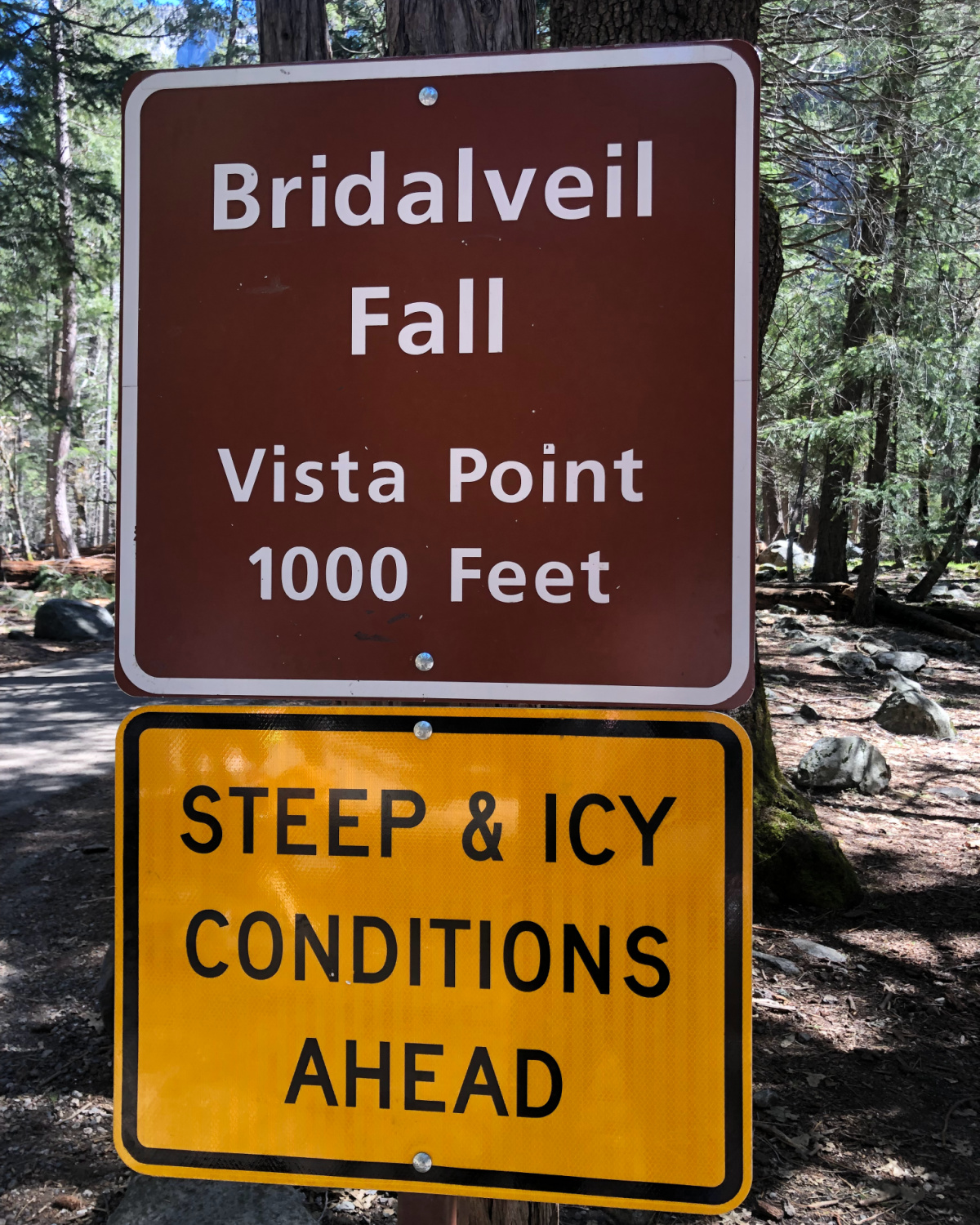
If you want a closer look, the Bridalveil Fall Trail is a short, paved walk from the parking area to the waterfall viewing area.
The main trail is approximately half a mile round trip, although the exact distance depends on where you park and which approach you use. There is some uphill walking, so don’t assume that paved automatically means completely flat.
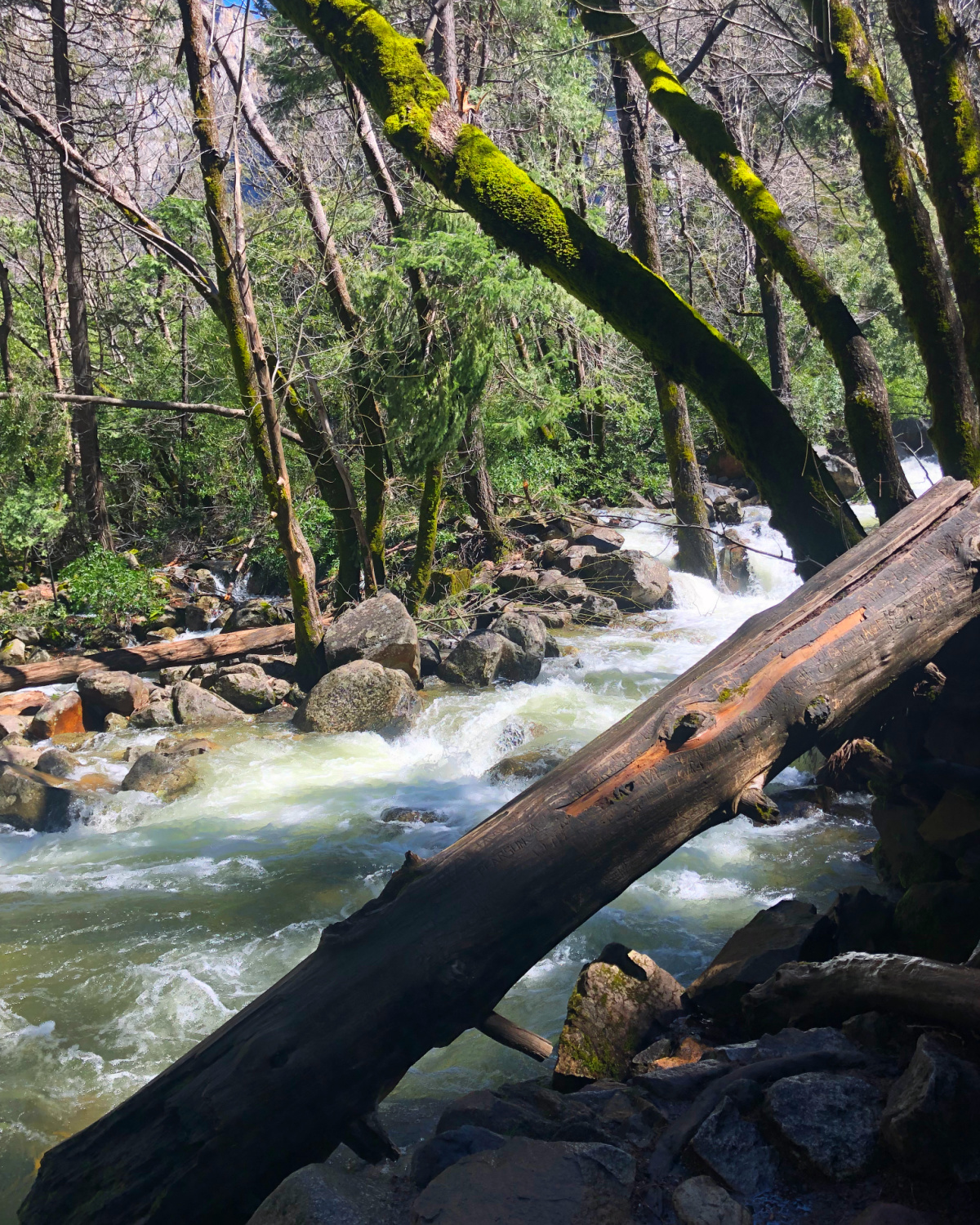
During spring runoff, Bridalveil Fall can produce an enormous amount of mist. Depending on the wind, you might get surprisingly wet near the viewing area. The rocks around the waterfall can also be slippery, so stay on the designated trail rather than scrambling closer to the water.
If you’re visiting with younger children, this is an especially good place to remind everyone that the best view isn’t necessarily the closest one.
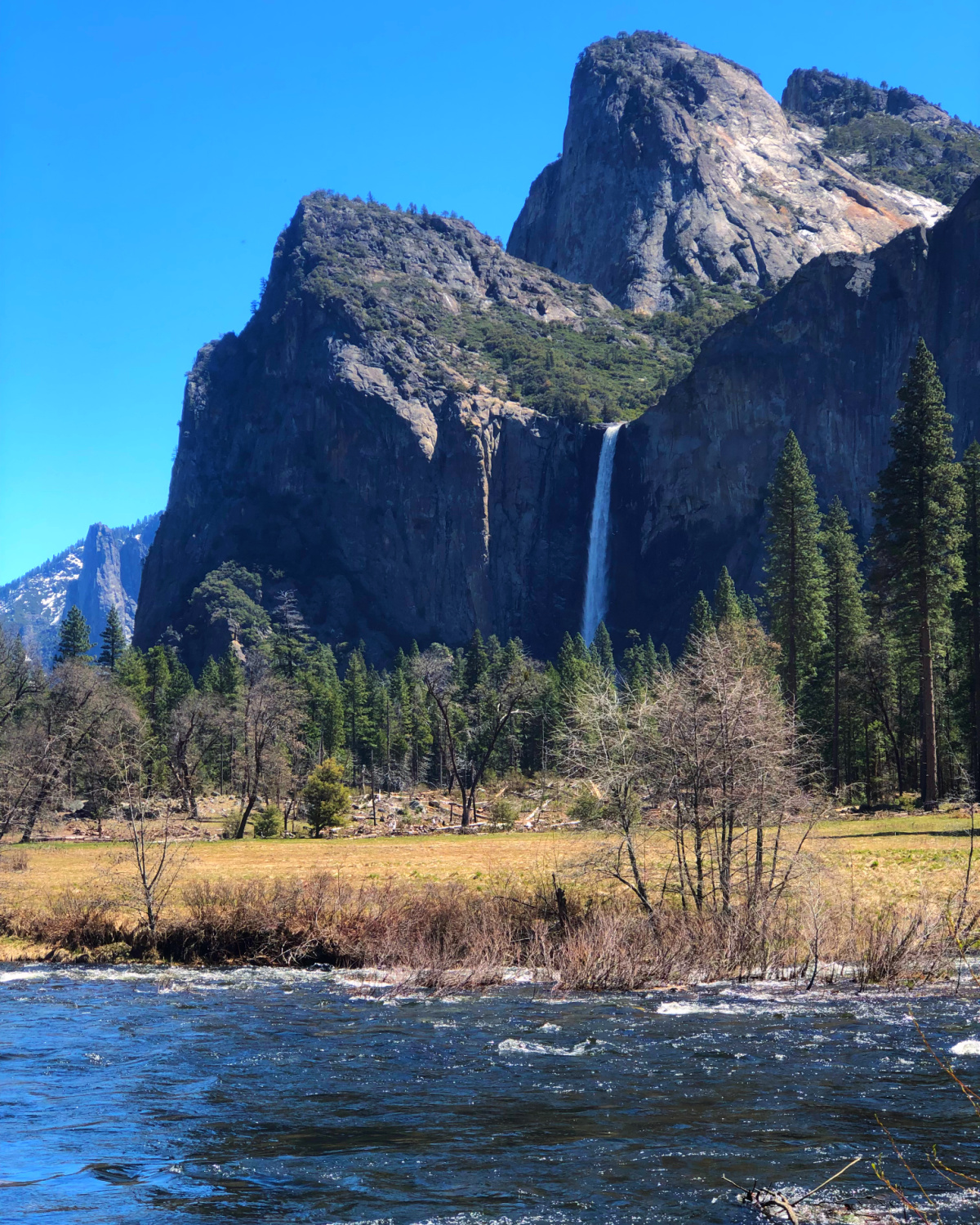
Bridalveil Fall is also visible from Tunnel View, Valley View, and several roadside locations around the western end of Yosemite Valley. In fact, some of my favorite perspectives of the waterfall include the surrounding granite cliffs and forest rather than focusing exclusively on the falling water.
Helpful tip: Bridalveil Fall is a particularly good waterfall to include if you’re visiting Yosemite outside the peak spring waterfall season. The flow may be much lighter in late summer or fall, but you’re still more likely to see water here than at Yosemite Falls.
5. Tunnel View: Yosemite’s Most Famous Scenic Overlook
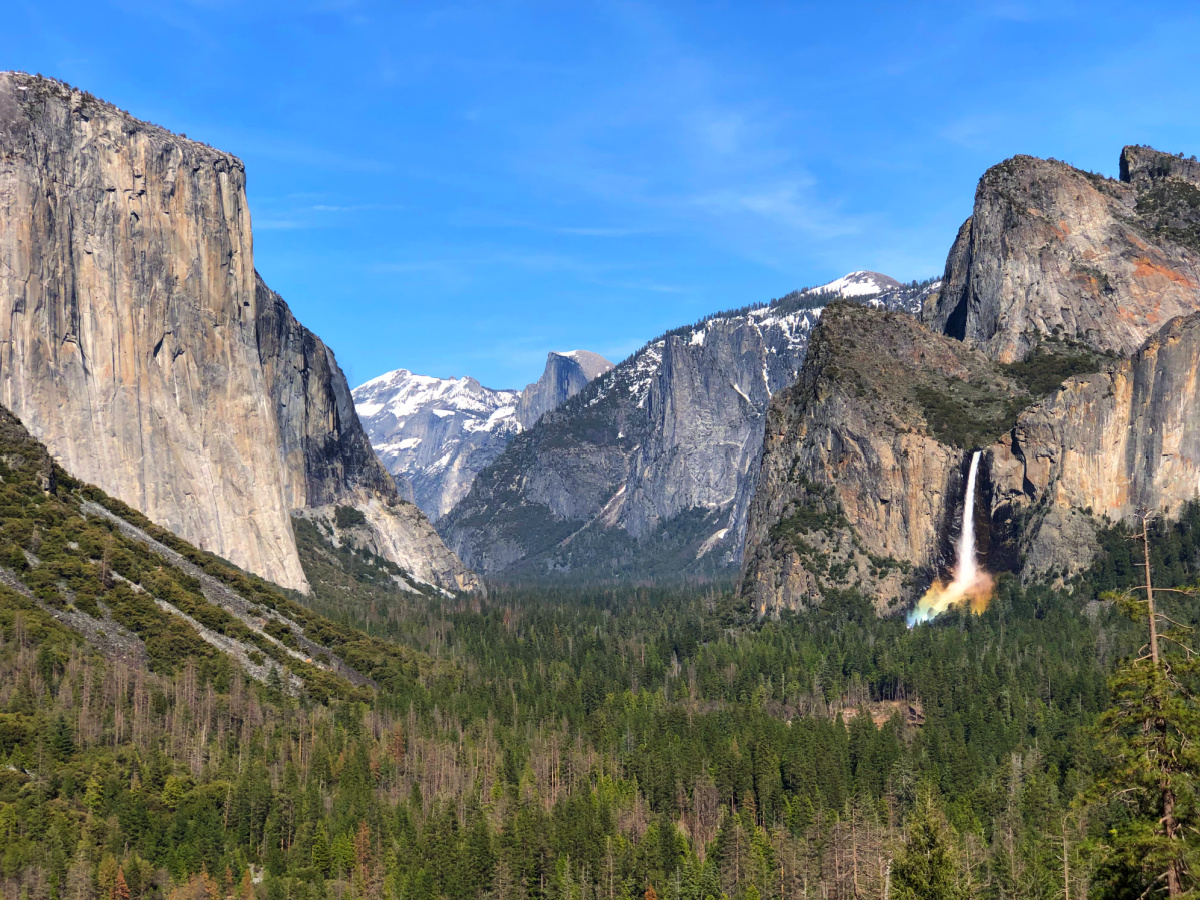
If you’ve ever seen a classic photograph of Yosemite Valley with El Capitan on the left, Bridalveil Fall on the right, and Half Dome in the distance, there’s a good chance it was taken from Tunnel View.
This is probably the most recognizable viewpoint in Yosemite National Park, and it’s one of those places that deserves its popularity.
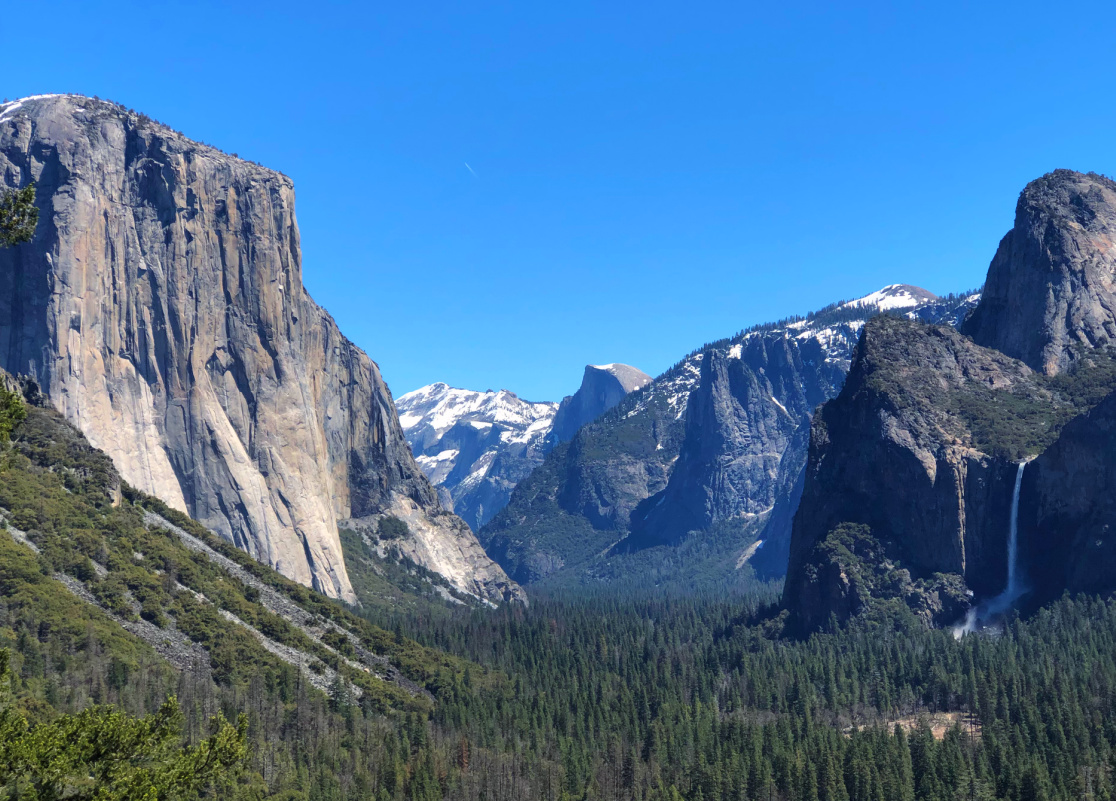
The overlook is located along Wawona Road, just outside the Wawona Tunnel. Technically, it’s above the western end of Yosemite Valley rather than on the valley floor, but I wouldn’t dream of leaving it out of a guide to the best things to see in Yosemite Valley.
The view is extraordinary.
From one location, you can see several of Yosemite’s most famous landmarks, along with the forested valley stretching toward Half Dome. It’s also a wonderful place to appreciate the scale of Yosemite’s granite cliffs because you’re looking across the entire landscape rather than standing directly underneath them.
What You’ll See from Tunnel View
The three most recognizable landmarks are El Capitan, Bridalveil Fall, and Half Dome.
El Capitan dominates the left side of the valley, while Bridalveil Fall tumbles down the cliffs on the right. Half Dome is visible farther in the distance, framed by the surrounding mountains.
During spring, when Bridalveil Fall is flowing strongly and the trees are beginning to turn green, the scene is particularly beautiful.
But Tunnel View is worth visiting in almost any season. Fall brings colorful foliage to parts of the valley, winter can transform the cliffs and trees with snow, and summer offers long days and generally easier access.
The weather can change the view dramatically, too. Clouds sometimes obscure Half Dome or settle into the valley, while clearing storms can produce some of Yosemite’s most dramatic scenery.
Tips for Visiting Tunnel View
One of the biggest advantages of Tunnel View is that you don’t need to hike to reach it. The overlook is right beside the parking areas, making it accessible to a wide range of visitors.
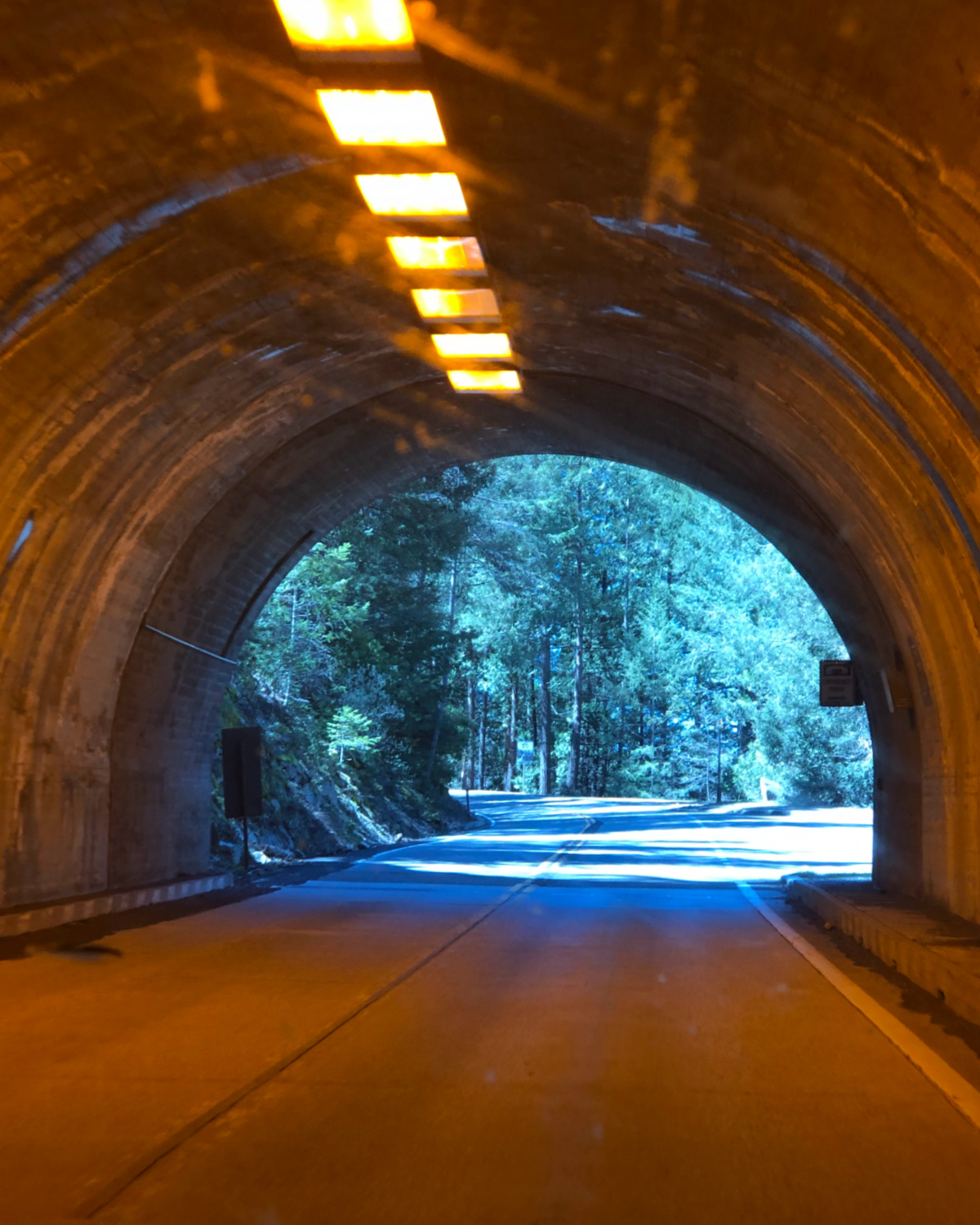
However, parking can be challenging during busy periods. There are parking areas near the tunnel entrance, but they fill quickly, particularly during popular photography hours.
If you’re entering Yosemite Valley from the south on Wawona Road, Tunnel View makes a natural first stop. You’ll emerge from the tunnel and find the overlook immediately nearby.
Just be prepared for traffic and watch carefully for pedestrians moving around the parking areas.
I would allow at least 15–20 minutes here, although photographers could easily spend much longer waiting for the light to change.
My recommendation: Don’t skip Tunnel View just because you’ve already seen photographs of it. The panoramic view is much more impressive in person, and it’s one of the easiest places in Yosemite to appreciate the entire valley landscape.
6. Valley View: A Beautiful View of the Merced River and El Capitan
Valley View is another wonderful Yosemite Valley viewpoint, but it offers a completely different perspective from Tunnel View.
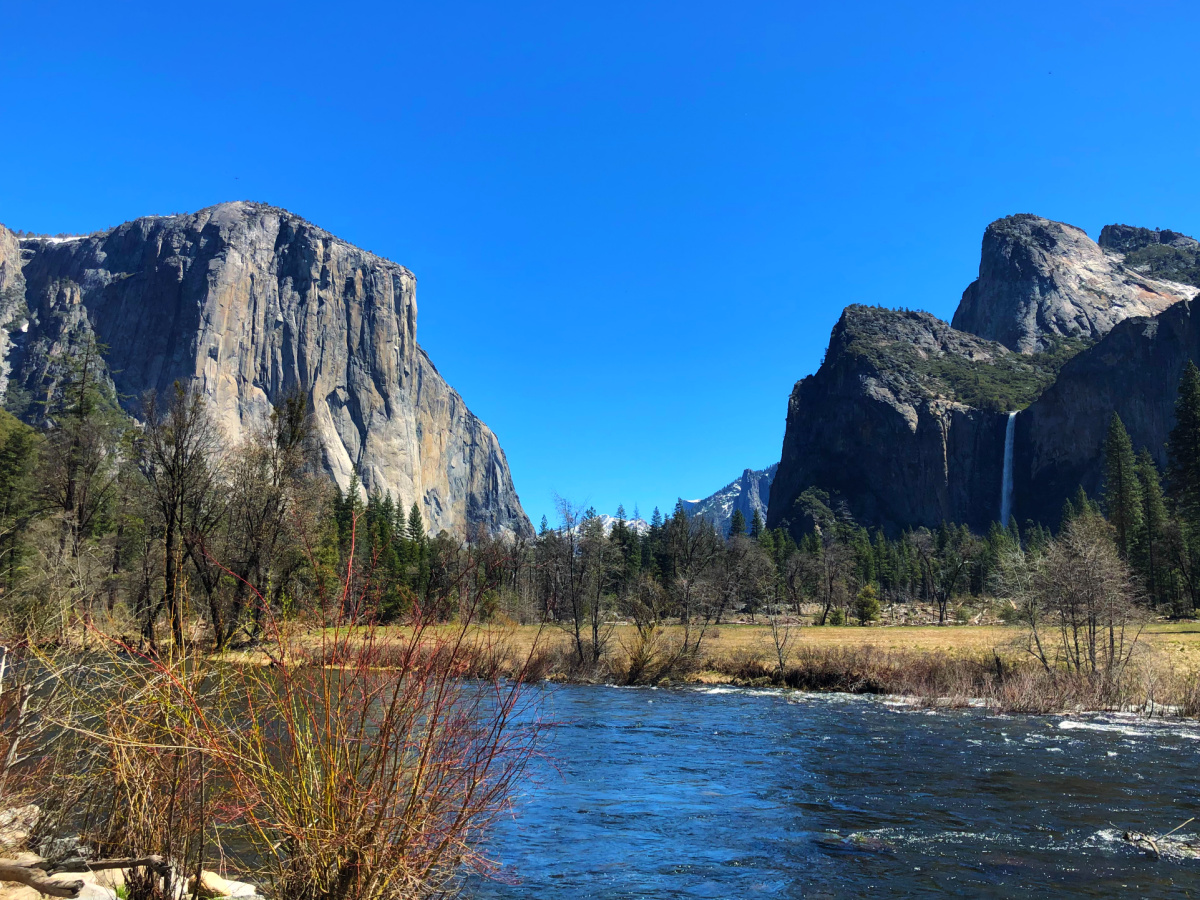
Instead of looking down into the valley from above, you’re standing near the Merced River, with El Capitan rising above the trees and Bridalveil Fall visible across the valley.
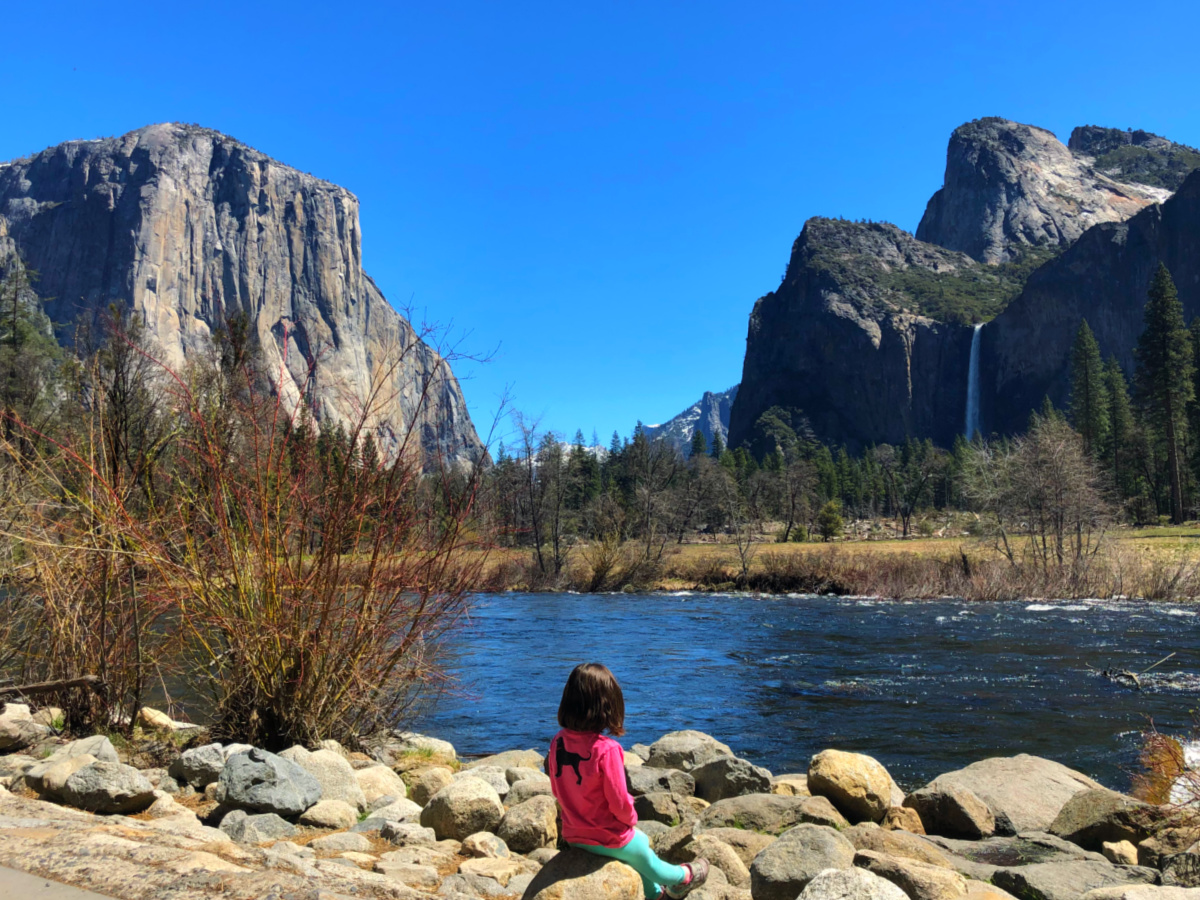
The river is an important part of what makes this viewpoint so beautiful. Depending on the season and water conditions, you may see reflections of the granite cliffs and surrounding trees.
And if you’ve been following along with our April Yosemite experience, you already know how much I loved the Merced River!
I was fascinated by its color during our visit. The water was an incredibly vivid green in some places, and I kept finding myself drawn to the river even when there were enormous granite cliffs and waterfalls competing for my attention.
Valley View is a particularly good place to appreciate how all those features come together.
Why Valley View Is Worth a Stop
Valley View is located along Northside Drive near the western end of Yosemite Valley. Because Northside Drive is part of the valley’s one-way road system, it’s generally easiest to visit as you’re making your way out of the valley.
The viewpoint is right beside the road, so there’s no significant hike required. You can park in the designated area and walk a short distance to enjoy the scenery.
For photographers, the combination of the river, granite cliffs, and trees creates a beautiful composition. When the water is calm, reflections can make the scene even more impressive.
Spring brings stronger river flow and waterfalls, while fall may offer calmer water and colorful foliage. Both seasons have their advantages.
One thing to keep in mind is that the Merced River can be extremely cold and fast-moving, particularly during spring snowmelt. Enjoy the scenery from safe viewing areas and don’t venture onto slippery rocks near the water.
I would plan approximately 10–20 minutes for Valley View, depending on how much time you want to spend taking photographs.
Helpful tip: Because Valley View is near the western end of the valley, it’s a lovely final scenic stop before leaving Yosemite Valley. Just make sure you don’t miss the pullout as you drive along Northside Drive.
7. Enjoy the Merced River: Scenic Stops, Picnic Areas, and Beautiful Views
The Merced River doesn’t always receive the same attention as Yosemite’s famous waterfalls and granite cliffs, but I think it deserves a place on any list of the best things to do in Yosemite Valley.
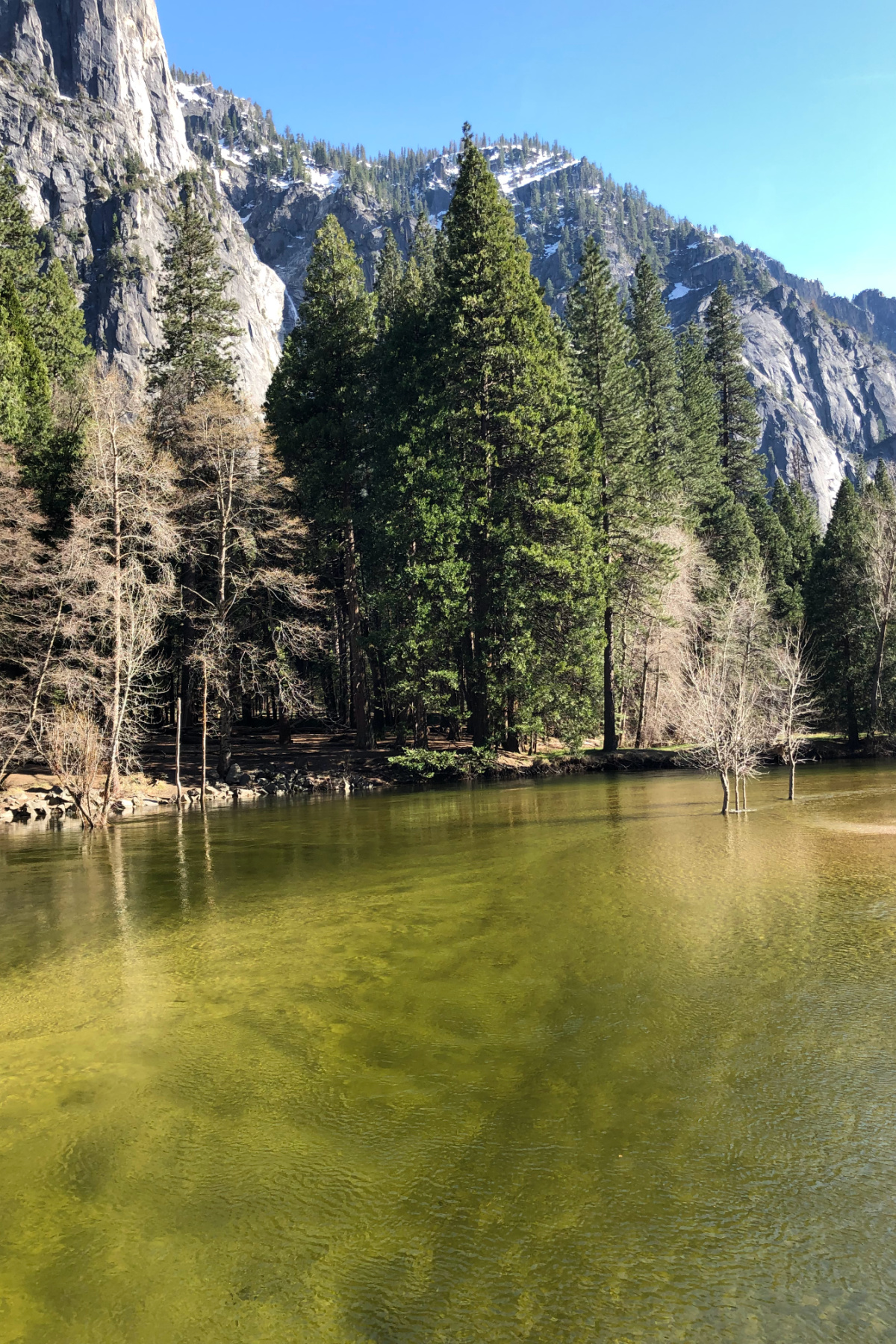
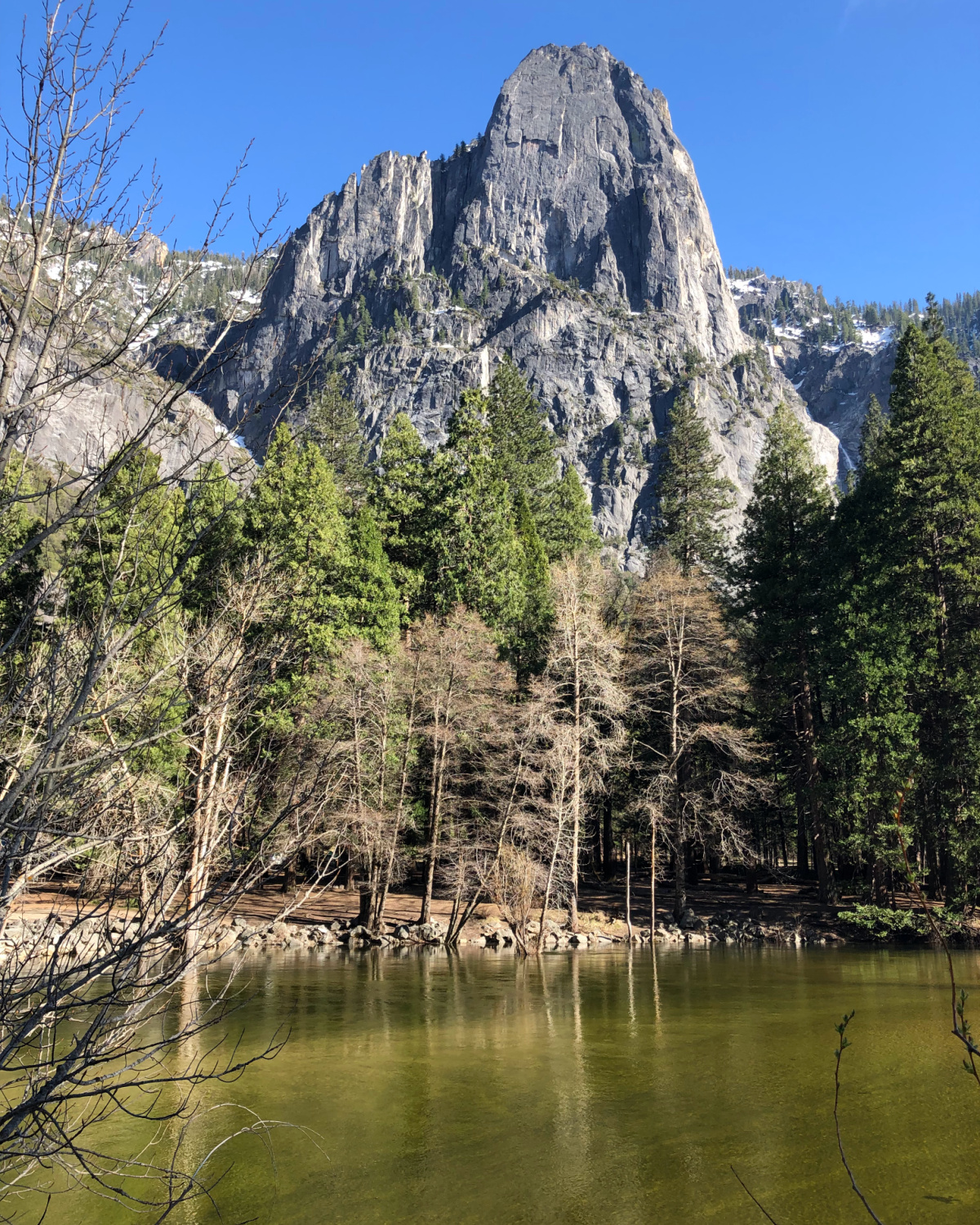
The river flows through the valley beneath towering granite walls, passing wooded areas, open meadows, bridges, and scenic picnic spots. In some places, the water moves quickly over rocks. In others, it spreads into calmer sections where you can enjoy beautiful reflections of the surrounding landscape.
During our April visit, the river was one of my favorite parts of Yosemite.
I’ve mentioned the color several times already, but it really was that memorable. The vivid green water was beautiful against the granite cliffs, and I loved seeing how the river changed as we explored different parts of the valley.
You don’t need to plan a major activity around the Merced River. Sometimes the best experience is simply finding a safe place to stop, enjoying the scenery, and taking a few photographs.
Where to Enjoy the Merced River in Yosemite Valley
Several of Yosemite Valley’s most popular attractions also happen to be excellent places to enjoy the river.
Sentinel Bridge offers that classic Half Dome view, while Valley View is especially beautiful for its combination of water, cliffs, and trees.
Swinging Bridge is another lovely location, with views toward Yosemite Falls and the surrounding valley scenery. I’ll cover that area in more detail later in this guide.
You can also enjoy the river near several of Yosemite Valley’s designated picnic areas, including Cathedral Beach and Sentinel Beach. These areas provide a more relaxed setting for a picnic or a break from sightseeing, although seasonal access and parking can vary.
If you’re traveling with children, having a picnic beside the Merced River can be a wonderful way to slow down after visiting several busy attractions.
Just remember that the Merced River isn’t always safe for swimming or wading. Spring runoff can create powerful currents, and even water that appears calm near the shore can be dangerously cold.
For families visiting in spring, I would treat the river primarily as a scenic attraction rather than a place to play in the water.
Take Your Time Along the River
One of the things I appreciate about Yosemite Valley is that you don’t have to rush from one famous attraction to the next to have a wonderful experience.
Yes, you absolutely should see Yosemite Falls, El Capitan, and Half Dome. Those landmarks are famous for a reason.
But there is something equally appealing about finding a quiet stretch of the Merced River, sitting for a few minutes, and enjoying the scenery without feeling like you need to check another attraction off your list.
If you’re spending two days in Yosemite Valley, I would definitely build in some time for that.
And even if you only have one day, consider stopping at one of the river viewpoints rather than trying to squeeze in another strenuous hike. Yosemite’s scenery is spectacular enough that sometimes simply enjoying where you are is the best activity of all.
8. Walk Through Cook’s Meadow for Fantastic Views of Yosemite Falls
There are a lot of places to see Yosemite Falls, but Cook’s Meadow gives you something a little different. Instead of standing at the base of the waterfall and craning your neck to look up, you can see the falls spilling down the granite cliffs with a wide expanse of meadow in the foreground.
It’s a particularly pretty scene in spring, when Yosemite Falls is flowing and the grasses are beginning to turn green.
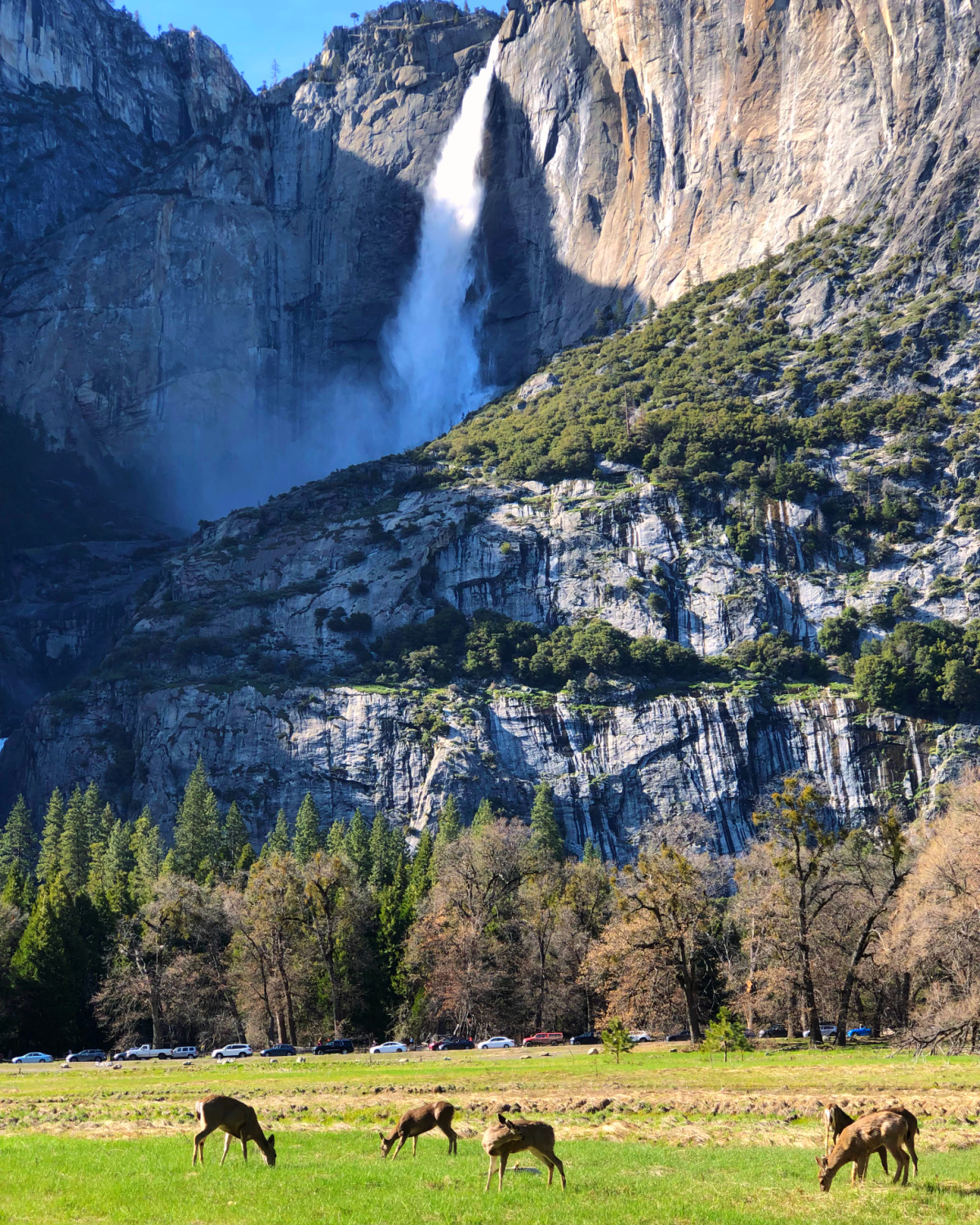
Cook’s Meadow is also conveniently located near Sentinel Bridge and the Lower Yosemite Fall Trail. If you’re exploring this section of Yosemite Valley, you can easily visit all three without moving your car.
The Cook’s Meadow Loop is approximately one mile long, following paved paths and boardwalks through the open meadow. There isn’t much elevation gain, so this is a good choice for families with younger children or anyone who wants to enjoy the scenery without a challenging hike.
And you don’t have to walk the entire loop. Even a short section of the trail offers lovely views of the surrounding cliffs.
What You’ll See Along the Cook’s Meadow Loop
Yosemite Falls is the main attraction here, especially during spring runoff. From different points along the loop, you’ll see the waterfall framed by trees, open meadow, and the granite cliffs.
Half Dome is also visible from parts of the route, although the view changes as you move around the meadow.
The boardwalks are an important part of the experience. Yosemite’s meadows are sensitive environments, and the designated paths allow visitors to enjoy the scenery without trampling the grasses and other vegetation.
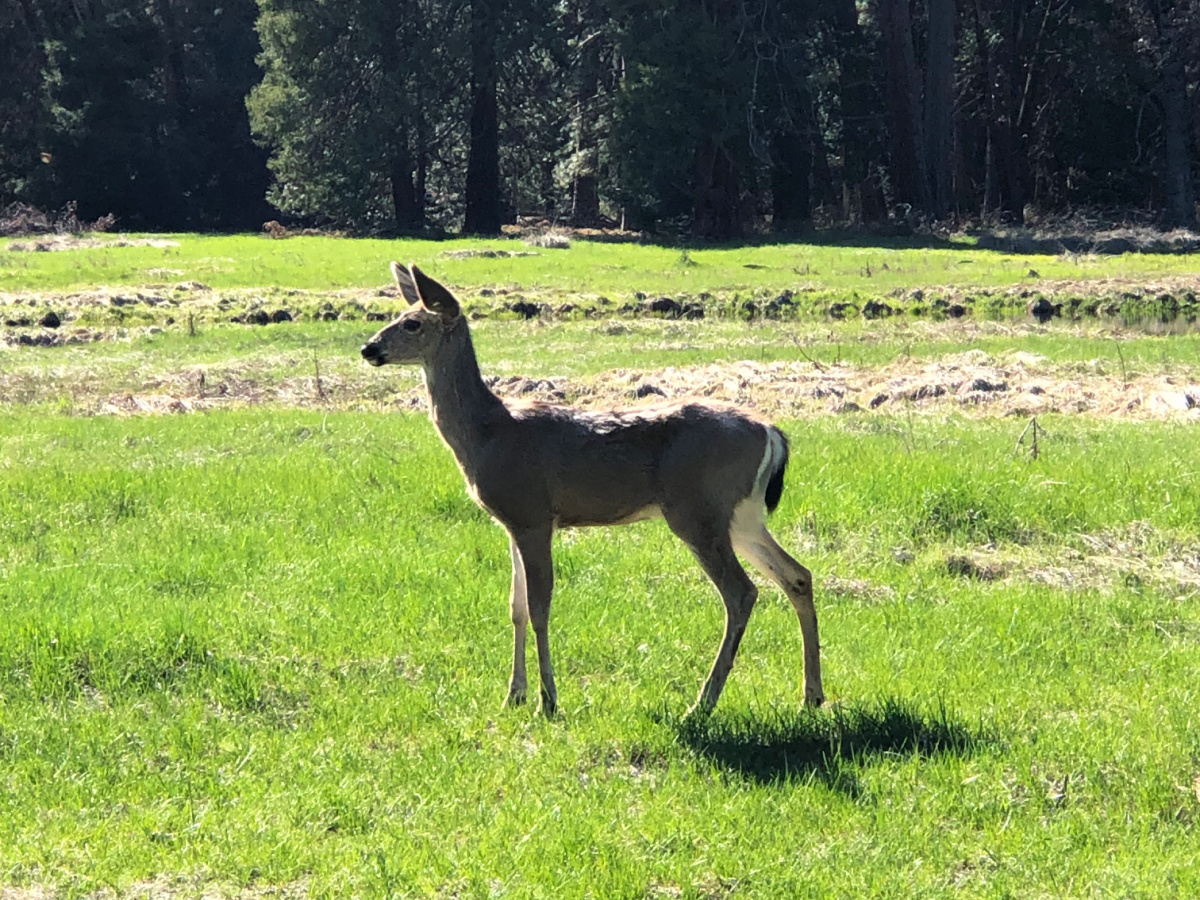
If you’re planning to walk the entire loop, allow about 30–45 minutes, especially if you want to stop for photographs.
One thing to keep in mind is that the meadow is relatively exposed. On a warm summer afternoon, you’ll want water and sun protection, even though the walk itself isn’t particularly difficult.
My recommendation: If you’re already planning to see Lower Yosemite Fall and Sentinel Bridge, add Cook’s Meadow to the same outing. It’s an easy way to enjoy several of Yosemite Valley’s most famous views without spending additional time driving.
9. Explore Sentinel Meadow and See Historic Yosemite Chapel
Sentinel Meadow is another open area near the center of Yosemite Valley, with walking paths and views of the surrounding granite cliffs.
It’s close to Cook’s Meadow and Sentinel Bridge, so you don’t need to treat it as a separate excursion. Instead, consider it an extension of your walk through this part of the valley.
The meadow scenery is beautiful, particularly in spring and fall, but there’s also an interesting historic landmark nearby that deserves a mention.
Yosemite Chapel
Yosemite Chapel was built in 1879 and is the oldest building still standing in Yosemite Valley.
It’s a small wooden church with a steep roof and a simple design that looks particularly striking against the enormous granite cliffs behind it. The chapel is still used for weddings and religious services, so it isn’t just a historic building preserved for tourists.
We didn’t spend time exploring Yosemite Chapel on our April visit, but it’s worth knowing about if you enjoy historic architecture or want to see something beyond Yosemite’s natural attractions.
You can admire the exterior during a brief stop, although visitors should be respectful of any services or private events taking place.
I wouldn’t necessarily prioritize Sentinel Meadow and Yosemite Chapel if you only have a few hours in Yosemite Valley. However, they’re convenient additions if you’re already walking around Cook’s Meadow and Sentinel Bridge.
10. Visit Swinging Bridge for a Beautiful View of the Merced River
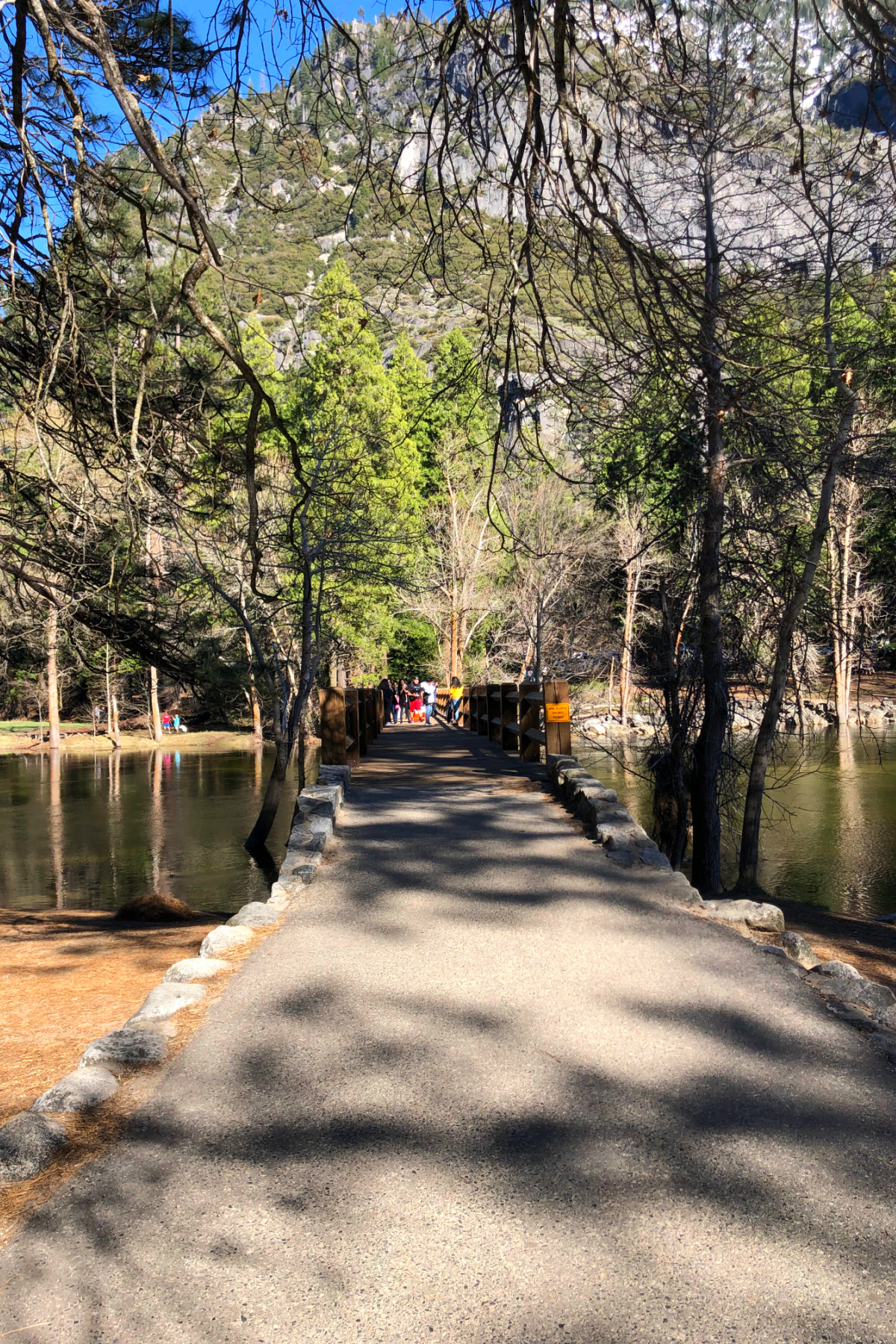
Swinging Bridge is a scenic pedestrian bridge across the Merced River, with views toward Yosemite Falls and the surrounding granite cliffs.
And despite its name, it doesn’t actually swing!
The bridge provides a nice vantage point for photographing the river, especially when Yosemite Falls is flowing strongly in spring. Trees line the banks, the granite cliffs rise above the valley, and the water changes considerably depending on the season.
During our April visit, I was particularly taken with the emerald-green color of the Merced River. Swinging Bridge is another location where visitors can enjoy the river scenery, although I wouldn’t assume the water will look the same at every time of year.
You can reach the bridge with a short walk from the nearby parking area, making it an easy stop if you’re driving through Yosemite Valley.
Most visitors probably won’t need more than 15–20 minutes unless they’re planning to have a picnic or spend extra time taking photographs.
Swinging Bridge Picnic Area
There’s a picnic area near the bridge, which makes this a convenient place to stop for lunch.
If you’re spending a full day exploring Yosemite Valley, packing a picnic is worth considering. You can enjoy lunch surrounded by the park’s scenery rather than spending part of your sightseeing time waiting for a table.
Just remember that Yosemite is bear country, so keep food attended and follow the park’s food-storage requirements.
Also, don’t underestimate the Merced River during spring runoff. The water can be extremely cold, and currents are often much stronger than they appear from shore.
Helpful tip: Swinging Bridge is a good choice if you want a scenic Merced River stop with Yosemite Falls in the background, particularly during spring and early summer.
11. Have a Riverside Picnic at Cathedral Beach or Sentinel Beach
Cathedral Beach and Sentinel Beach are two picnic areas along the Merced River that are worth considering if you have extra time in Yosemite Valley.
We didn’t visit either picnic area during our April trip, so I can’t give you a firsthand comparison. However, both offer riverfront settings and views of the surrounding granite cliffs, and they can be useful places to take a break from sightseeing.
They’re also not attractions I would prioritize over Yosemite Falls, El Capitan, or Tunnel View if you only have one day in the park.
Cathedral Beach
Cathedral Beach is located along Southside Drive, with picnic tables among the trees and views toward El Capitan.
During periods of lower river flow, sandy areas along the bank become more accessible. It’s a pretty setting for a picnic, particularly if you’re visiting during summer or early fall.
Cathedral Beach is generally a seasonal picnic area, so check whether vehicle access and facilities are available before including it in your plans.
Sentinel Beach
Sentinel Beach is another designated picnic area along the Merced River, with views of the surrounding cliffs and forest.
Like Cathedral Beach, it’s primarily a place to enjoy lunch or relax near the water rather than a major sightseeing destination.
Access can be seasonal, and conditions along the river change throughout the year.
If you’re traveling with children, be especially careful around the water. The Merced River can have dangerous currents, submerged hazards, and very cold temperatures, even when it looks relatively calm.
Which Picnic Area Is Better?
Since we didn’t visit either location, I’m not going to pretend I can tell you which one has the better atmosphere or picnic experience.
Based on their locations and facilities, either could work for a riverside lunch. I would choose whichever is open and more convenient for your route through Yosemite Valley.
And if you’re visiting during spring, when access to these areas may be limited, the Swinging Bridge Picnic Area is another possibility.
You certainly don’t need to visit both beaches to have a complete Yosemite Valley experience. But if you’re spending two days in the valley and want a relaxing lunch stop, they’re worth keeping on your list.
12. Explore Yosemite Village and the Yosemite Valley Welcome Center
Yosemite Village is the place to go when you need a break from waterfalls and scenic overlooks. It’s where you’ll find the park’s main general store, the Yosemite Valley Welcome Center, several dining options, and a few interesting places to learn about Yosemite’s history.
It’s also close enough to Cook’s Meadow, Sentinel Bridge, and Lower Yosemite Fall that you can easily work a stop into your sightseeing plans.
The Village Store is particularly handy if you’re staying in the park. You can pick up groceries, picnic supplies, snacks, and souvenirs without driving all the way out of Yosemite Valley. And if you’ve forgotten something important, like sunscreen or an extra layer of clothing, this is one of the first places I’d check.
But there’s more to Yosemite Village than shopping and grabbing lunch.
Yosemite Valley Welcome Center
The Yosemite Valley Welcome Center is a good place to get your bearings, particularly if you’re visiting Yosemite for the first time.
You can get information about current trail conditions, ranger-led activities, and seasonal road closures. This is especially helpful during spring, when the weather in Yosemite Valley might be perfectly pleasant even though roads leading into the higher elevations are still closed because of snow.
We didn’t visit the Welcome Center during our April trip, but I would keep it in mind if you need help adjusting your sightseeing plans.
One thing I would recommend is checking the National Park Service website before arriving. Yosemite is a large park, and the conditions in Yosemite Valley can be dramatically different from those at Glacier Point or along Tioga Road.
Yosemite Museum and Indian Village of the Ahwahnee
If you’re interested in Yosemite’s history, consider spending some time at the Yosemite Museum.
The museum focuses on the Native American communities whose ancestral homelands include Yosemite Valley. Its cultural exhibits include traditional baskets and other objects that help tell the story of the people who have lived in this region for generations.
Just outside the museum, the Indian Village of the Ahwahnee features reconstructed traditional structures.
These exhibits provide a different perspective on Yosemite, particularly if most of your visit has been focused on the landscape. Yosemite has a long human history, and learning about the people who lived in the valley before it became a national park adds important context.
This could also be a good stop for families traveling with older children who enjoy history.
I’d allow roughly 30 minutes to an hour for Yosemite Village if you’re primarily stopping for supplies or lunch. Give yourself additional time if you want to explore the museum or participate in a ranger program.
13. Visit the Historic Ahwahnee Hotel
The Ahwahnee is one of those hotels that’s worth knowing about even if you have no intention of staying there.
Opened in 1927, this historic hotel was designed to offer upscale accommodations in the middle of Yosemite National Park. Its massive stone walls, timber beams, and enormous windows were meant to complement the granite cliffs surrounding Yosemite Valley.
The result is a building that’s become a landmark in its own right.
We didn’t visit the Ahwahnee during our April trip, although it’s somewhere I’d like to see on a future visit. I enjoy historic national park lodges, and the Ahwahnee has an architectural style that sets it apart from the more rustic accommodations found in many parks.
What Can You See at the Ahwahnee?
The hotel’s public spaces are its main attraction for visitors who aren’t staying overnight.
The Great Lounge has tall ceilings, large fireplaces, exposed wooden beams, and windows overlooking the surrounding scenery. It’s an impressive space, particularly if you enjoy historic architecture.
The Ahwahnee Dining Room is another highlight. Its enormous windows and high, timbered ceiling make it one of the most recognizable dining rooms in the national park system.
If you’re interested in having a meal here, you’ll want to check the current dining schedule and reservation requirements. The Ahwahnee has also undergone restoration work, which can affect access to parts of the property.
I wouldn’t put the Ahwahnee ahead of Yosemite Falls, El Capitan, or Tunnel View on a first-time visit. Those natural landmarks are the main reason to come to Yosemite.
But if you have a second day in the valley, or you particularly enjoy historic hotels, it’s an interesting place to add to your plans. You don’t have to book an expensive room to appreciate the architecture.
14. Stay at Yosemite Valley Lodge
We stayed at Yosemite Valley Lodge during our April visit, and I’m glad we decided to stay inside the national park.
The location was the biggest advantage. Yosemite Valley Lodge sits near the base of Yosemite Falls, and the Lower Yosemite Fall Trail is within walking distance.
Being able to explore Yosemite without driving in and out of the park every day made the trip considerably easier.
That’s particularly important at Yosemite, where entrance traffic and crowded parking areas can take up a surprising amount of time during busy periods.
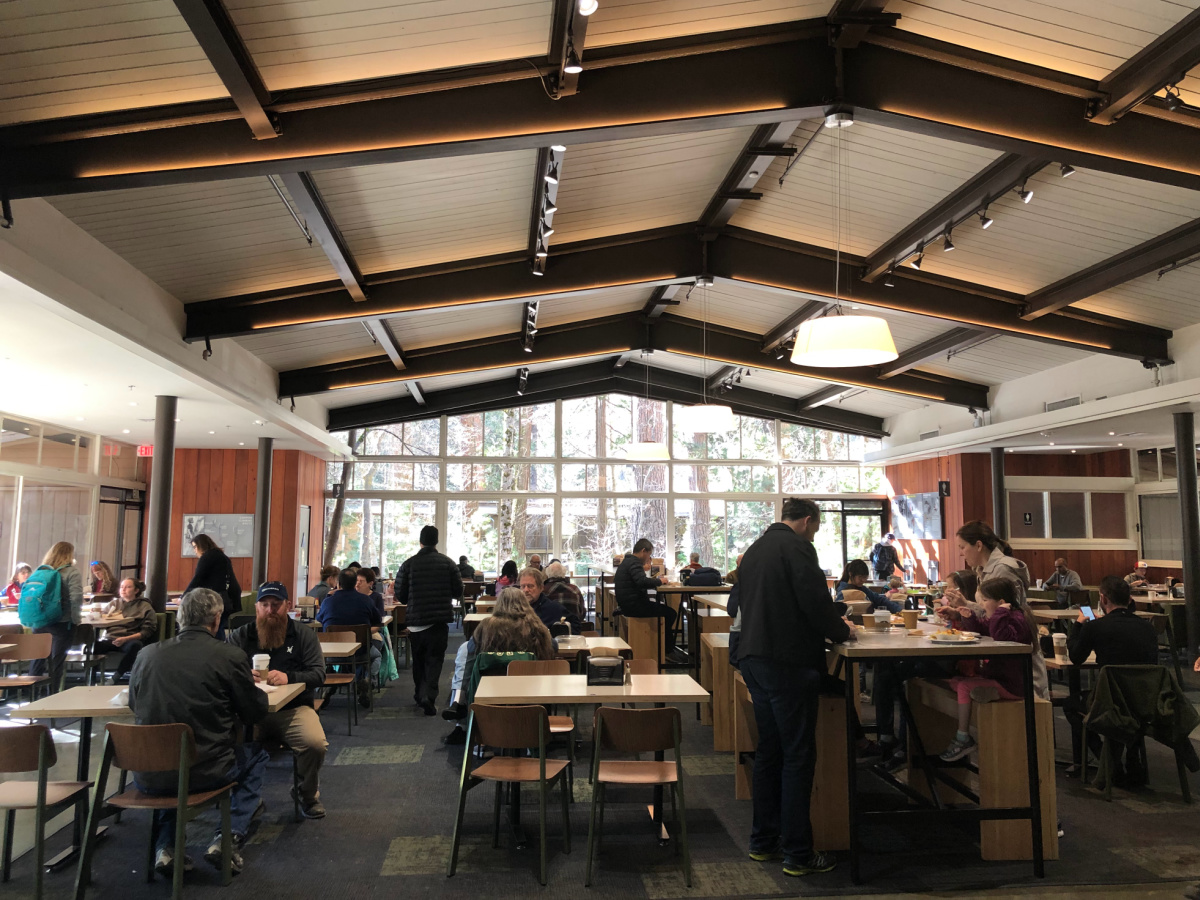
What to Expect at Yosemite Valley Lodge
Yosemite Valley Lodge is a fairly traditional national park lodge, with guest rooms spread among several buildings surrounded by trees.
It’s not a luxury hotel like the Ahwahnee. The accommodations are more straightforward, and you shouldn’t expect all the amenities you’d find at a full-service resort.
But you’re staying right in Yosemite Valley.
I think that’s an important distinction when you’re comparing prices. A hotel outside the park might have a more spacious room or cost considerably less, but you’ll need to account for the time it takes to reach the attractions each day.
Staying at Yosemite Valley Lodge also gives you the flexibility to return to your room between activities. That’s a nice advantage if you’re visiting with younger children, traveling with grandparents, or simply prefer a slower pace.
And because you’re already near Yosemite Falls, you can visit the waterfall early in the morning or later in the evening without making a separate drive.
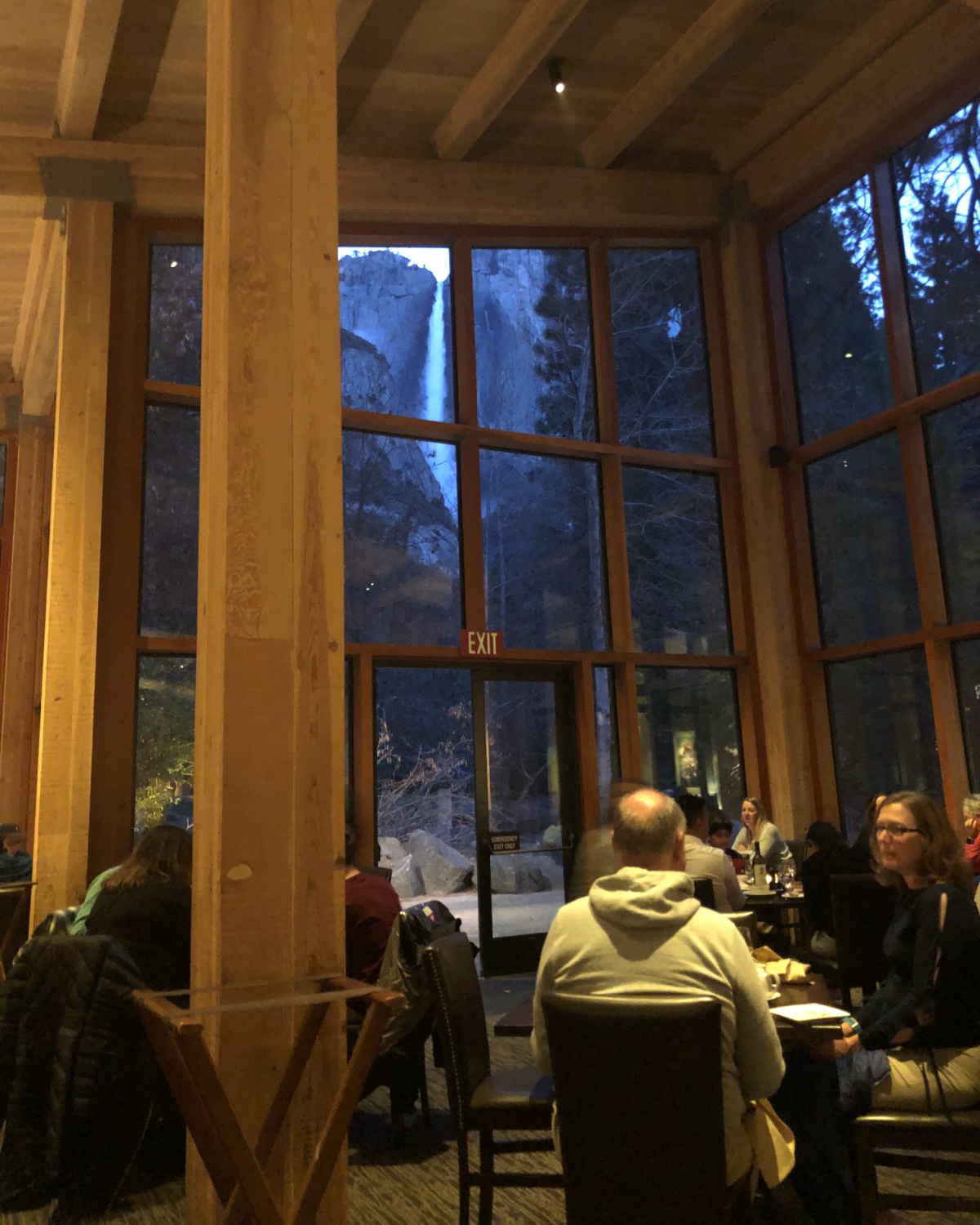
Dining at Yosemite Valley Lodge
We also enjoyed dining at Yosemite Valley Lodge.
It’s convenient to have a sit-down restaurant available after spending the day exploring Yosemite, particularly when there aren’t many dining options elsewhere in the valley.
The lodge’s Mountain Room Restaurant offers a more traditional dining experience, while other food-service areas provide casual meals.
Check the operating hours and reservation requirements before your visit, since restaurants and services can vary by season.
If you’re planning to spend several nights inside the park, I’d also consider bringing breakfast supplies and snacks. Having a few things available in your room can save time in the mornings, especially when you’re hoping to get an early start.
Is Yosemite Valley Lodge Worth It?
For our trip, yes.
I wouldn’t necessarily recommend it to someone who is visiting Yosemite for only a few hours and plans to continue driving to another destination. But if you’re spending two or three days exploring Yosemite Valley, the location is worth considering.
It’s especially convenient for visitors who want to enjoy the waterfalls, scenic overlooks, and shorter walking trails without spending hours in the car.
Rooms can book up well in advance, particularly during summer and other popular travel periods. If you know your dates, check availability early.
I’ll share more about our stay in a separate Yosemite Valley Lodge review, including the accommodations, dining, and what to consider before booking.
Practical Tips for Visiting Yosemite Valley
Yosemite Valley looks fairly compact on a map, but don’t underestimate how much time you’ll spend here. Between parking, walking to viewpoints, and stopping to take photographs, even a relatively short sightseeing route can fill an entire day.
Here are a few things I’d keep in mind when planning your visit.
Plan at Least One Full Day
You can drive through Yosemite Valley in a few hours, but that doesn’t give you much time to explore.
For a first visit, I would plan one full day at a minimum. That gives you enough time to see the major waterfalls, visit Tunnel View and Valley View, and enjoy some of the shorter walks.
Two days would be better if you want to add the meadow walks, visit Yosemite Village, and spend more time along the Merced River.
There’s no need to rush through every attraction. Some of the prettiest areas in Yosemite Valley are worth enjoying without a strict schedule.
Understand the One-Way Roads
Yosemite Valley has a one-way road system that can be confusing the first time you visit.
Southside Drive generally carries traffic east into the valley, while Northside Drive takes visitors west toward the exits. There are connecting roads, but you can’t always turn around and go directly back to a stop you missed.
This is especially important for roadside viewpoints.
Tunnel View is located on Wawona Road, before you descend into Yosemite Valley if you’re entering from the south. Valley View, on the other hand, is along Northside Drive as you’re heading out of the valley.
Knowing that ahead of time can save you from having to drive around the loop again.
If you’re planning to visit several attractions in the central valley, consider parking and using the free Yosemite Valley shuttle. It’s also possible to walk between several nearby stops, including Cook’s Meadow, Sentinel Bridge, and Yosemite Village.
Just remember that the shuttle doesn’t serve every scenic viewpoint.
Visit in Spring for the Waterfalls
If seeing Yosemite’s famous waterfalls is a priority, spring is a wonderful time to visit.
We were there in April, and the waterfalls were flowing beautifully. The meadows were green, and the Merced River was an incredible shade of emerald.
Waterfall flow generally increases as the mountain snow begins to melt, often reaching its peak in May or early June. The exact timing depends on the winter snowpack and spring temperatures.
By late summer and fall, some waterfalls may be reduced to a trickle or completely dry.
Spring does have limitations, though. Tioga Road and Glacier Point Road may still be closed for winter, even when the valley floor is accessible.
If you’re planning a spring trip, my guide to visiting Yosemite in April covers what we experienced and some of the seasonal conditions to consider.
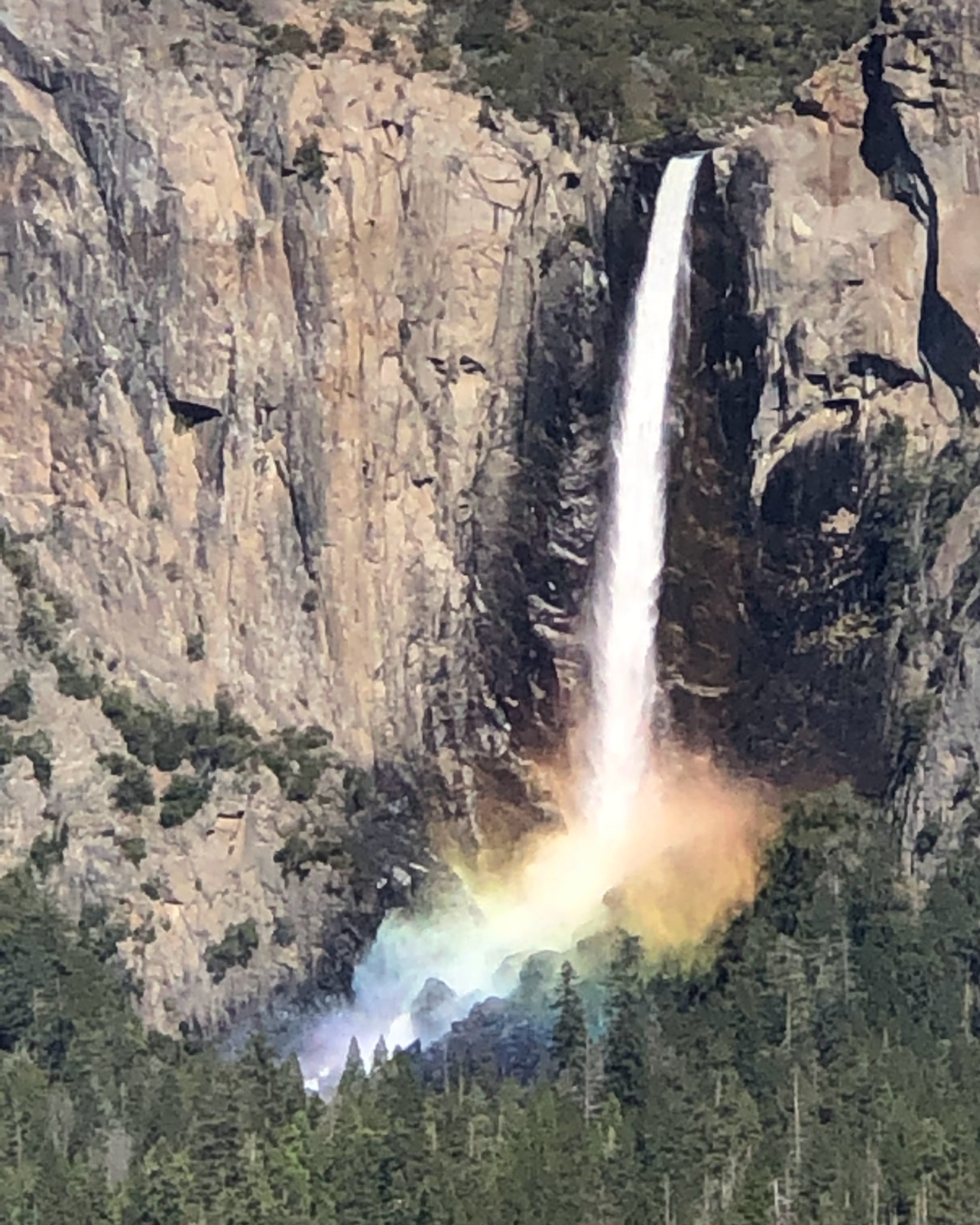
Take Water Safety Seriously
The Merced River is beautiful, particularly in spring, but high water levels and strong currents can be dangerous.
Don’t assume a calm-looking section of water is safe for swimming. Snowmelt makes the river extremely cold, and currents can be stronger than they appear from the bank.
Use similar caution around waterfalls, where wet rocks and fast-moving water create hazards. Stay on designated trails and respect any posted closures.
Check Park Conditions Before You Arrive
Yosemite’s roads, trails, shuttle routes, and visitor services can change with the seasons.
Before your trip, check the National Park Service website for current conditions and any entrance reservation requirements.
It’s also worth downloading an offline map. Cell reception can be unreliable, and having the valley’s roads and viewpoints saved ahead of time makes getting around easier.
Finally, bring layers, comfortable walking shoes, drinking water, and snacks. Even if you’re planning to stick to easy trails and scenic viewpoints, you’ll probably do more walking than you expect.
Final Thoughts on Visiting Yosemite Valley
I’ve visited Yosemite at different times over the years, and our April trip reminded me how much the season changes the experience.
Yosemite Falls and Bridalveil Fall were spectacular with so much water coming over the cliffs. I loved the green meadows and the views of Half Dome and El Capitan. But one of the things that really stayed with me was the color of the Merced River.
That beautiful emerald water was something else.
I also appreciate how much of Yosemite Valley you can enjoy without taking on a strenuous hike. There are plenty of opportunities for challenging adventures elsewhere in the park. But you don’t need to do any of them to appreciate the scenery here.
If you’re visiting Yosemite for the first time, start with the waterfalls, Tunnel View, El Capitan, and the Merced River. Add a few meadow walks if you have time. Consider staying overnight so you can enjoy the valley without rushing.
There’s plenty to keep you busy, even if you never venture far from the valley floor.
Explore More Yosemite National Park
- Best Easy Hikes in Yosemite National Park – Beautiful trails and scenic walks that don’t require strenuous hiking.
- Visiting Yosemite in April – What to expect from spring weather, waterfalls, road closures, and seasonal conditions.
- Best Waterfalls in Yosemite National Park – A guide to Yosemite’s most spectacular waterfalls and how to see them.
Explore More National Parks
- Yellowstone Grand Loop Road – A scenic driving route connecting Yellowstone’s famous geysers, waterfalls, hot springs, and wildlife-viewing areas.
- Best Photo Spots in Grand Teton National Park – Iconic mountain views, beautiful lakes, and scenic overlooks that are easy to access.
- Going-to-the-Sun Road in Glacier National Park – A spectacular mountain drive with incredible viewpoints, waterfalls, and short scenic stops.