Two- and Three-Day Yosemite Itinerary: The Perfect First Trip

Planning a Yosemite 3 day itinerary? See how to spend two or three days in Yosemite with giant sequoias, Yosemite Valley, Glacier Point, Vernal Fall, and more.
Estimated reading time: 25 minutes
If you can give Yosemite National Park three days, do it.
Two days is absolutely worth the trip. You can see the giant sequoias, spend a full day exploring Yosemite Valley, visit Glacier Point when the road is open, and leave feeling like you actually experienced Yosemite instead of just driving through it.
But if this is your first visit, I think two nights and three days is the sweet spot.
There is an important catch, though.
When I say “two days in Yosemite,” I’m not necessarily talking about two full days inside the park. And when I say “three days,” I’m probably not talking about three full days either.
Unless Yosemite is just one stop on a much longer road trip and you’re already nearby, you’re probably going to spend part of your first day getting there.
So realistically:
A two-day, one-night Yosemite trip is probably closer to a day and a half in the park.
A three-day, two-night Yosemite trip is probably closer to two and a half days.
And that’s completely fine.
In fact, I think planning around that reality makes for a much better Yosemite itinerary.
Instead of getting up at 5:30 in the morning and racing to the park like I recommend in my one-day Yosemite itinerary, you can have a normal morning, make the drive, and arrive sometime after lunch.
Then use that first afternoon strategically.
Don’t immediately rush into Yosemite Valley and start trying to check things off a list.
Go see the giant sequoias.
Is Two or Three Days Enough for Yosemite National Park?
Yes.
You’re still not going to see everything.
Yosemite is enormous, and there are entire sections of the park that you can easily devote a day or more to exploring. There are also hikes that can consume most of a day all by themselves.
But that’s not really the goal of this itinerary.
For a first visit, I want you to come away having experienced several completely different sides of Yosemite.
I want you to stand underneath giant sequoias.
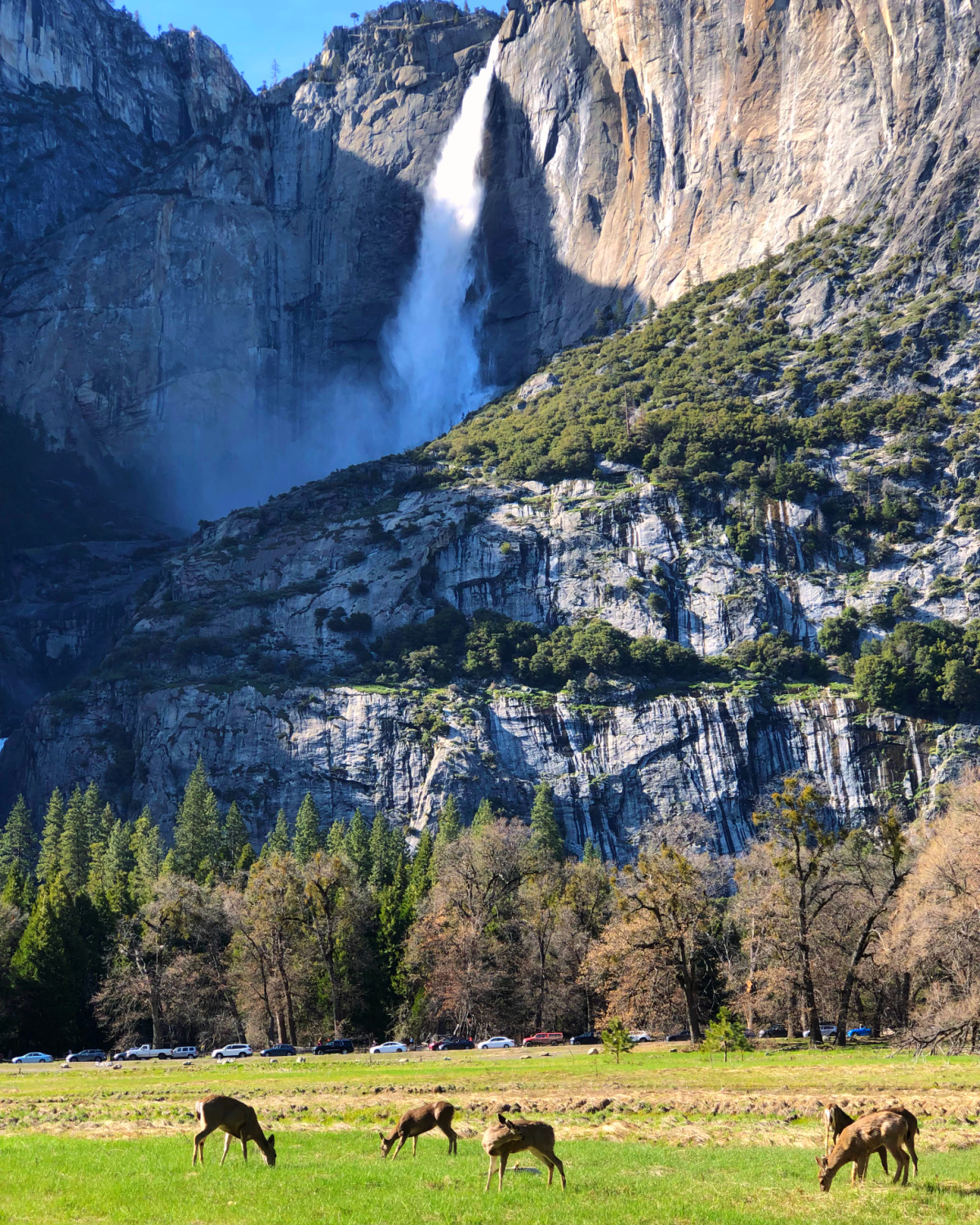
See Yosemite Falls and Bridalveil Fall.
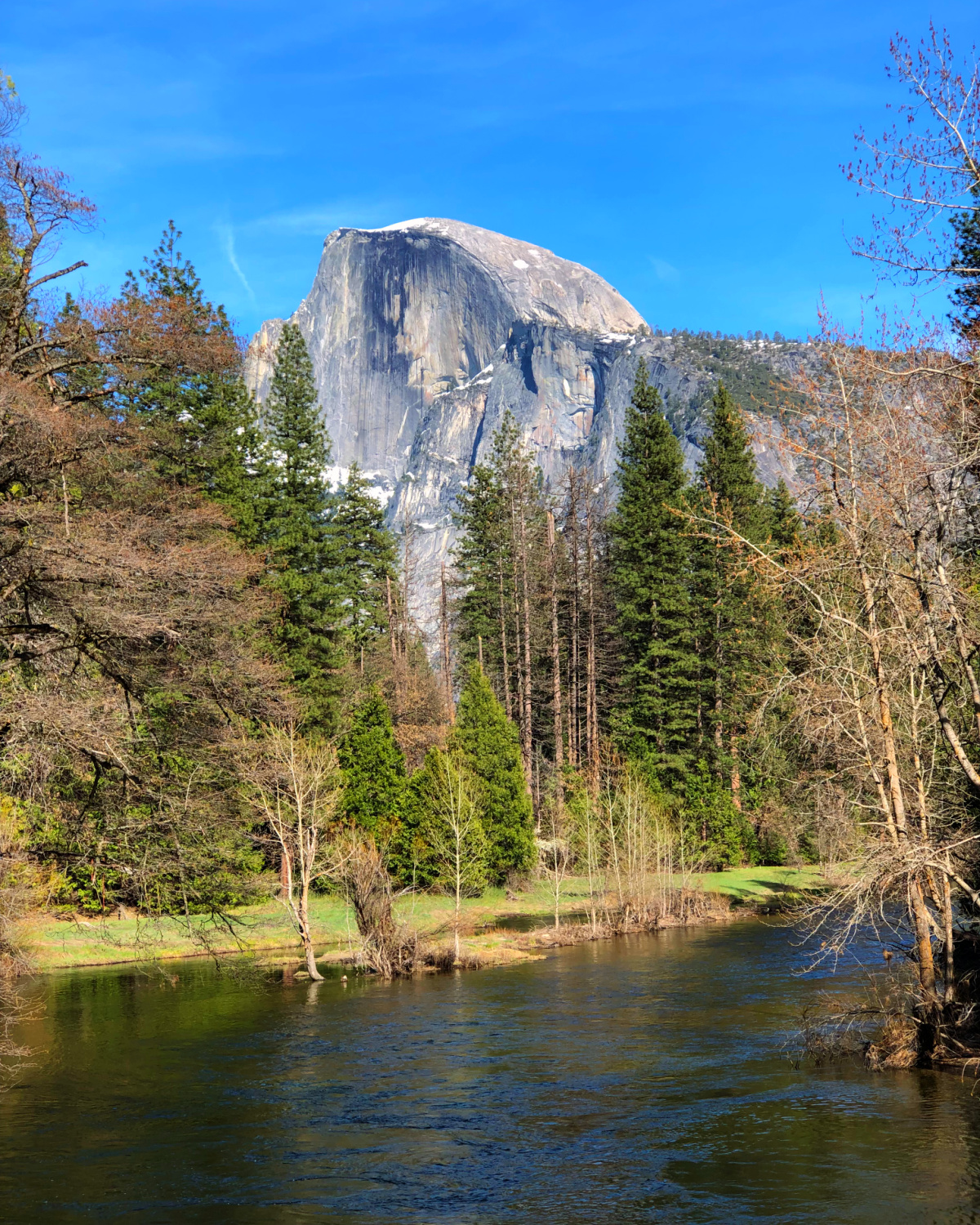
I want you to walk through Yosemite Valley with Half Dome and El Capitan towering above you.
And see the Valley from above at Glacier Point if the road is open.
And if you have that third day, I want you to have enough time for either a real Yosemite hike or a trip into the high country.
You can do all of that without turning your vacation into an endurance event.
Two Days vs. Three Days in Yosemite: Which Should You Choose?
If two days is what you have, go.
I would never tell someone to skip Yosemite because they can’t stay for three or four nights.
A two-day Yosemite itinerary gives you enough time for the major first-time highlights, especially if you’re willing to make the most of your arrival afternoon.
But if you’re deciding between one night and two?
Take the second night.
That additional day completely changes the trip.
With two days, you’re still working with a fairly tight schedule. You’ll spend your arrival afternoon visiting the giant sequoias, then dedicate your full day to Yosemite Valley, waterfalls, Glacier Point, and scenic overlooks.
With three days, you get all of that plus time for something bigger.
That might mean hiking toward Vernal Fall.
It might mean spending a quieter morning at Mirror Lake.
Or, when Tioga Road is open, it might mean leaving Yosemite Valley behind and spending part of your final day exploring Tuolumne Meadows and Yosemite’s high country.
That’s why three days is my favorite choice for a first Yosemite trip.
You get the iconic sights without having to cram every single thing into one exhausting day.
Where Should You Stay for a Two- or Three-Day Yosemite Trip?
For this itinerary, I’m assuming one of two things.
Either you’re staying inside Yosemite National Park, whether that’s at Yosemite Valley Lodge, another park hotel, or a campground.
Or you’re staying just outside the park in one of the gateway communities.
You can make this itinerary work either way.
But staying inside Yosemite definitely gives you an advantage.
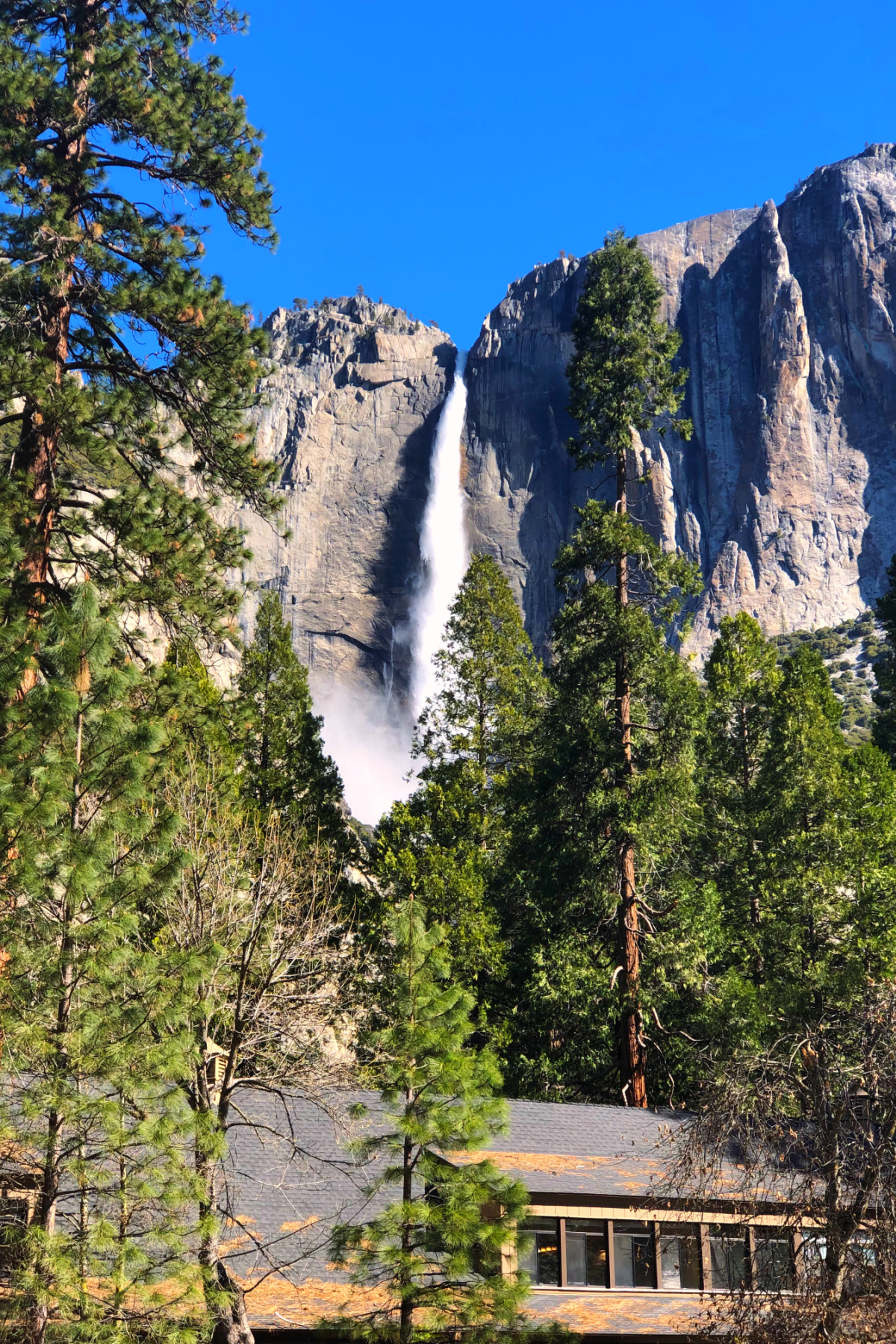
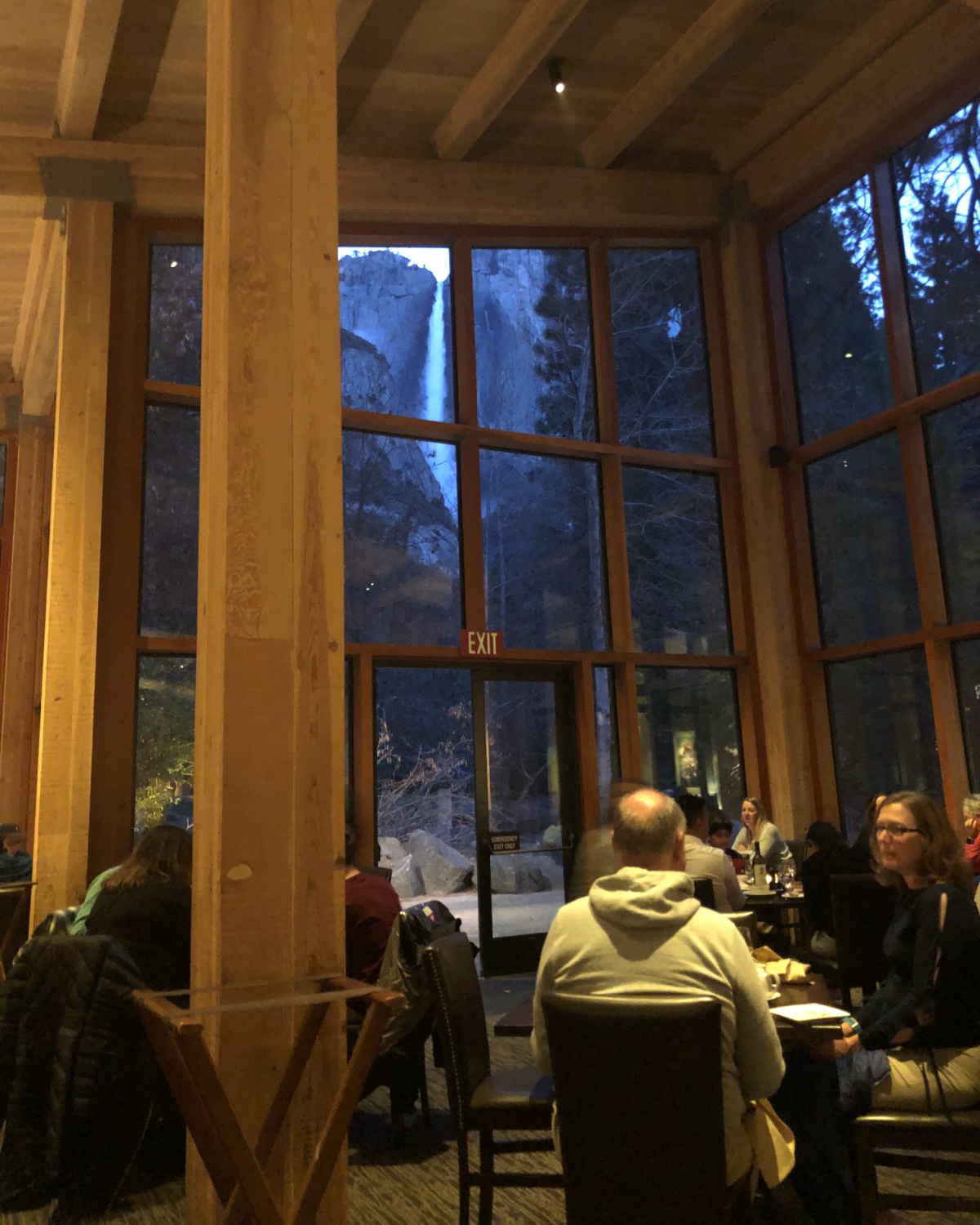
We stayed at Yosemite Valley Lodge, and being right in the Valley makes those early mornings and evenings so much easier. You can walk outside and already be surrounded by Yosemite instead of beginning and ending every day with another drive.
That becomes especially valuable on a short trip.
If you’re staying outside the park, don’t worry. You can still follow this itinerary. You’ll just want to pay more attention to your drive time and get an earlier start on your full Yosemite days.
Day 1: Arrive in Yosemite After Lunch
Your first day does not need to start at sunrise.
That is one of the biggest advantages of staying overnight.
If you’re coming from somewhere within a few hours of Yosemite, have a normal morning. Eat breakfast. Get everybody into the car. Make the drive.
I would aim to arrive in the Yosemite area sometime shortly after lunch.
Yes, the park may still be busy.
But that’s okay.
Some of the day-trip crowd will begin leaving later in the afternoon, and we’re not trying to tackle the busiest Yosemite Valley attractions today anyway.
We’re going somewhere else.
Day 1 Afternoon: Visit Mariposa Grove
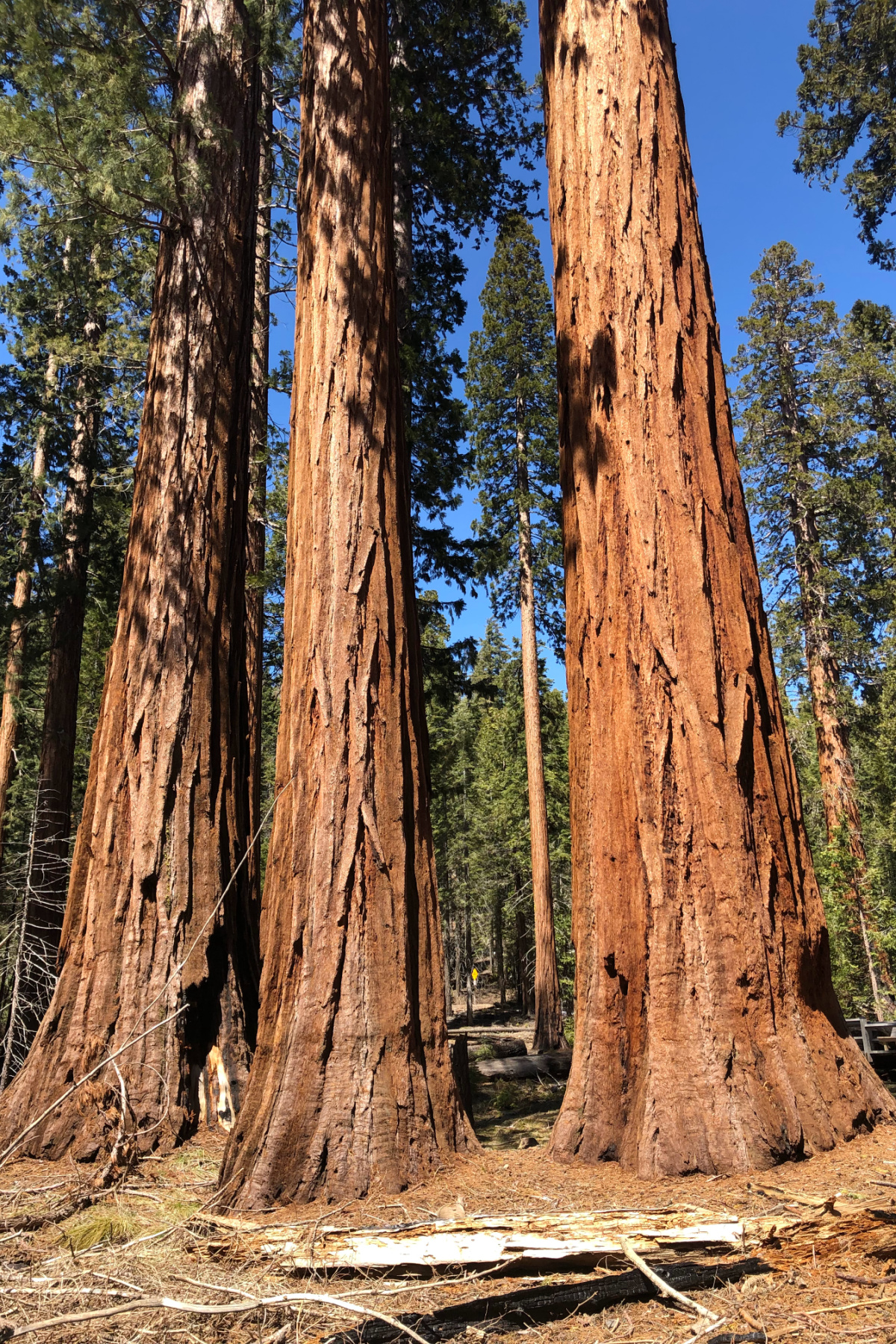
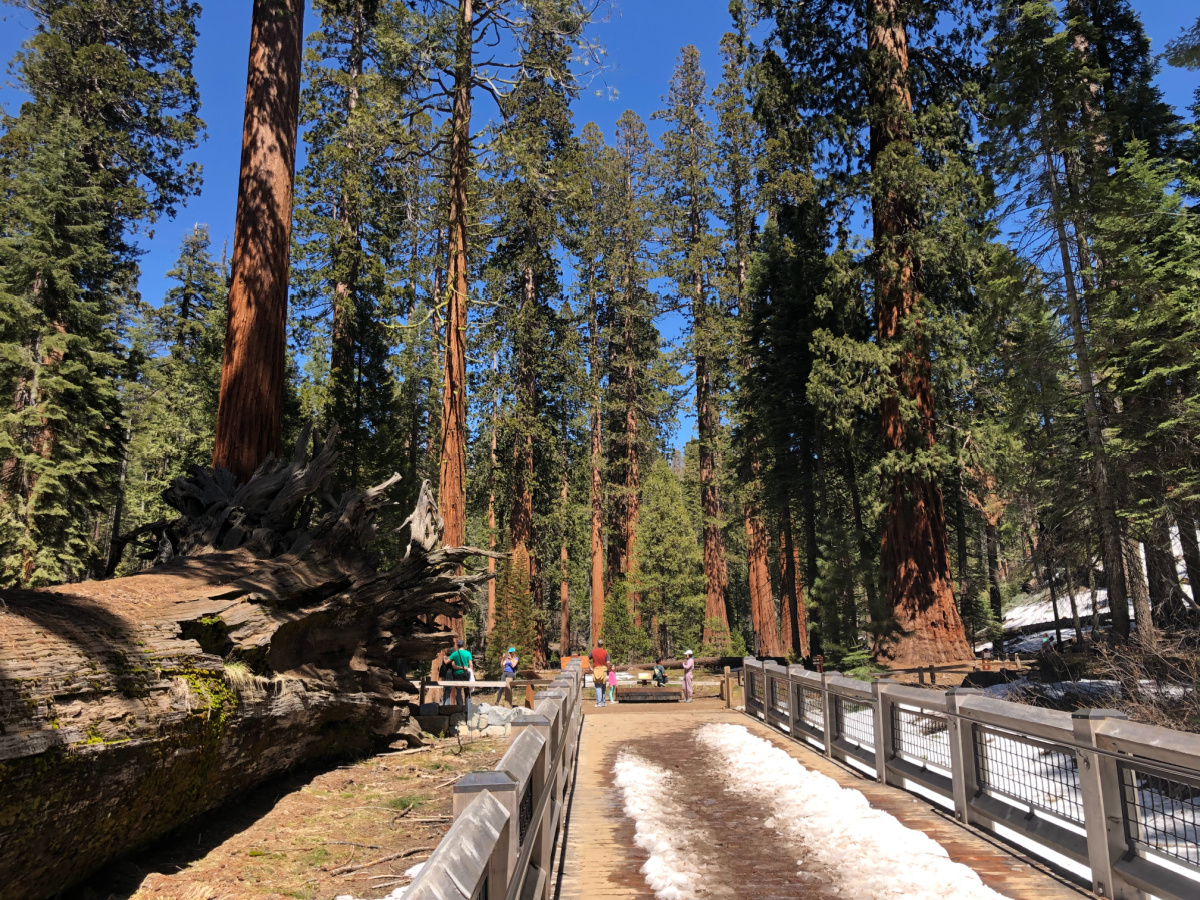
For most first-time Yosemite visitors, I would make Mariposa Grove of Giant Sequoias the main attraction on your arrival day.
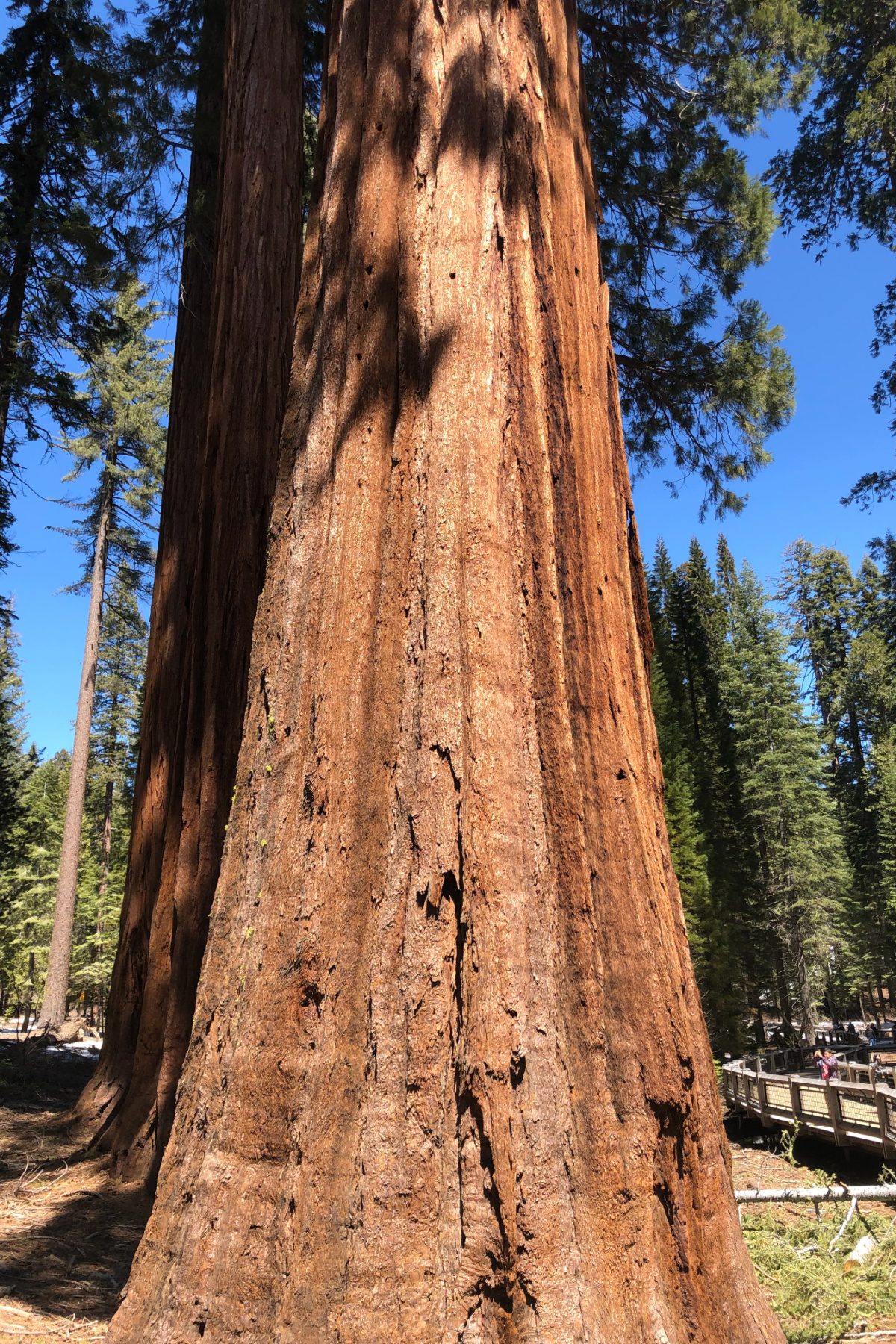
This is the largest giant sequoia grove in Yosemite National Park, and it gives you an experience that feels completely different from Yosemite Valley.
Instead of waterfalls and sheer granite cliffs, you’re walking through a forest filled with enormous ancient trees.
And because Mariposa Grove is located away from Yosemite Valley, I think it makes much more sense to give it its own block of time instead of trying to squeeze it into your main Valley sightseeing day.
You have several options depending on how much energy you have after the drive.
Keep It Easy With the Big Trees Loop
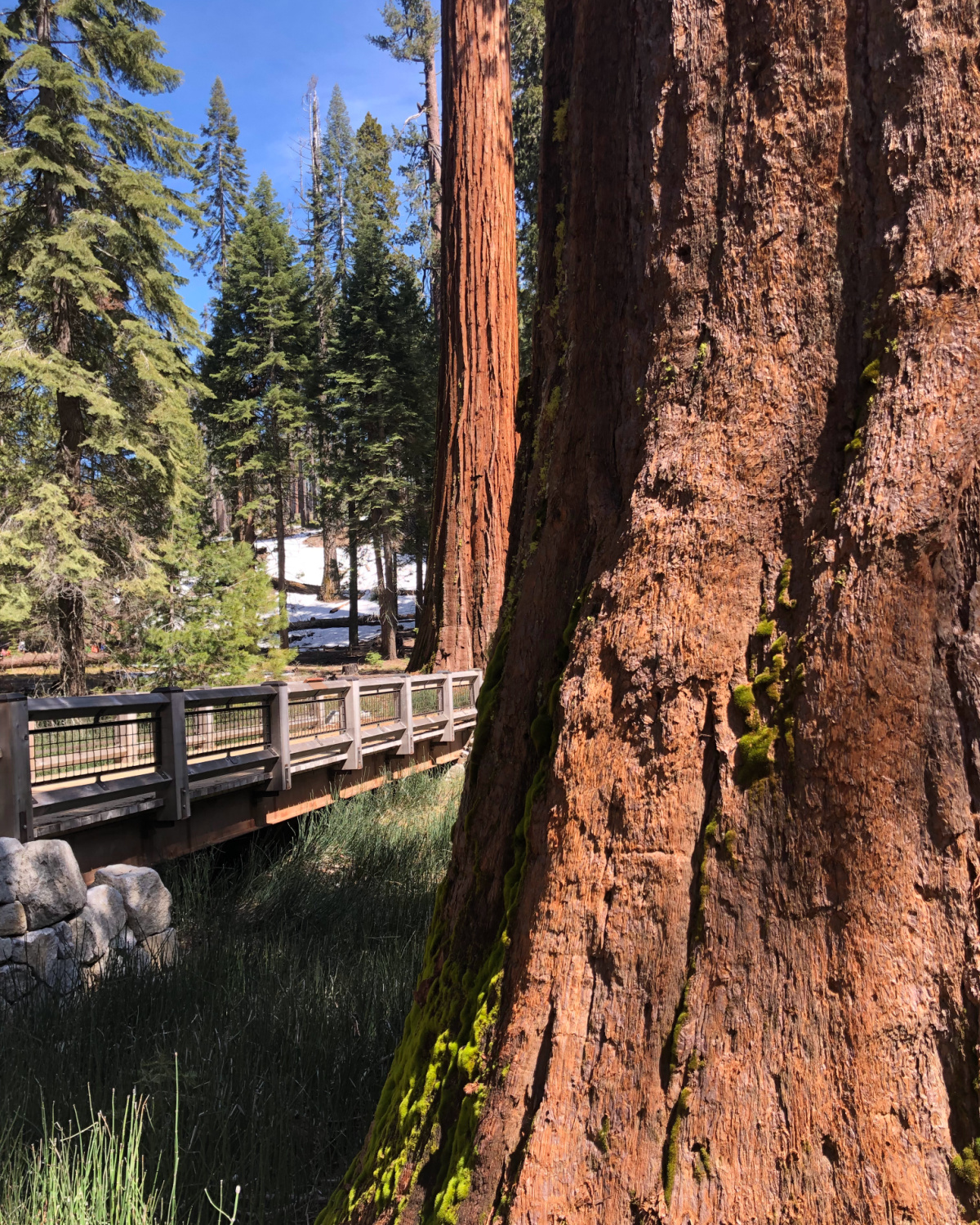
If everybody is tired and you mostly want to stretch your legs after spending several hours in the car, keep this visit simple.
Walk among the giant sequoias.
Take your time.
Look up.
This does not need to become a major hiking day.
Remember, you just arrived. You still have another full day—or two—of Yosemite ahead of you.
There’s nothing wrong with letting your first afternoon be easy.
Add the Grizzly Giant Loop if You Want More of a Hike
If you’ve arrived with plenty of daylight and everybody is feeling good, I would absolutely consider extending your visit toward the Grizzly Giant.
This gives you more time inside the grove and lets you see some of Mariposa Grove’s most famous giant sequoias.
I think this is a great option for someone who wants the first day to feel a little more substantial without committing to one of Yosemite’s harder hikes.
And honestly, this is exactly why I like putting Mariposa Grove on the arrival day.
You can adjust it.
Tired family?
Take an easier walk.
Everybody climbed out of the car ready to go?
Do more.
Either way, you’ve already checked off one major Yosemite experience before you even begin your main Yosemite Valley day.
Could You Visit Merced Grove Instead?
Absolutely.
Mariposa Grove would be my first choice for most first-time visitors because it gives you the biggest giant sequoia experience.
But it’s not your only option.
Merced Grove is smaller and quieter, and depending on the direction you’re coming from, it may fit your route better.
So if Mariposa Grove doesn’t make sense logistically, don’t feel like you’re doing Yosemite wrong.
The goal for this first afternoon is simply to use the time wisely without trying to cram yourself immediately into the busiest part of Yosemite Valley.
Choose the grove that makes the most sense for your trip.
Then go check into your lodging.
Day 1 Evening: Check In, Eat Dinner, and Enjoy Yosemite
After the sequoias, you’re done with scheduled sightseeing for the day.
Check into your hotel or campground.
Unpack.
Have dinner.
And then, if you still have some daylight and you’re staying in or near Yosemite Valley, go back outside.
Don’t plan a hike.
Don’t create another itinerary.
Just walk around.
If you’re staying at Yosemite Valley Lodge, this is exactly the kind of evening when I would wander out into the Valley and enjoy the fact that I’m already there.
Walk toward the Merced River.
Look for El Capitan.
Walk through the meadow.
Or head toward Sentinel Bridge and watch the light change around Half Dome.
This is one of the advantages overnight visitors have over people trying to see Yosemite as a day trip.
You don’t have to leave.
As the afternoon crowds begin thinning and the light starts to soften, you’re still there.
Take advantage of it.
You have a full Yosemite day waiting for you tomorrow.
Day 2 Morning: Start Early With Bridalveil Fall
I would still get up reasonably early.
You do not need the 5:30 AM alarm from the one-day itinerary, but I also would not waste the advantage of already being in or near the park.
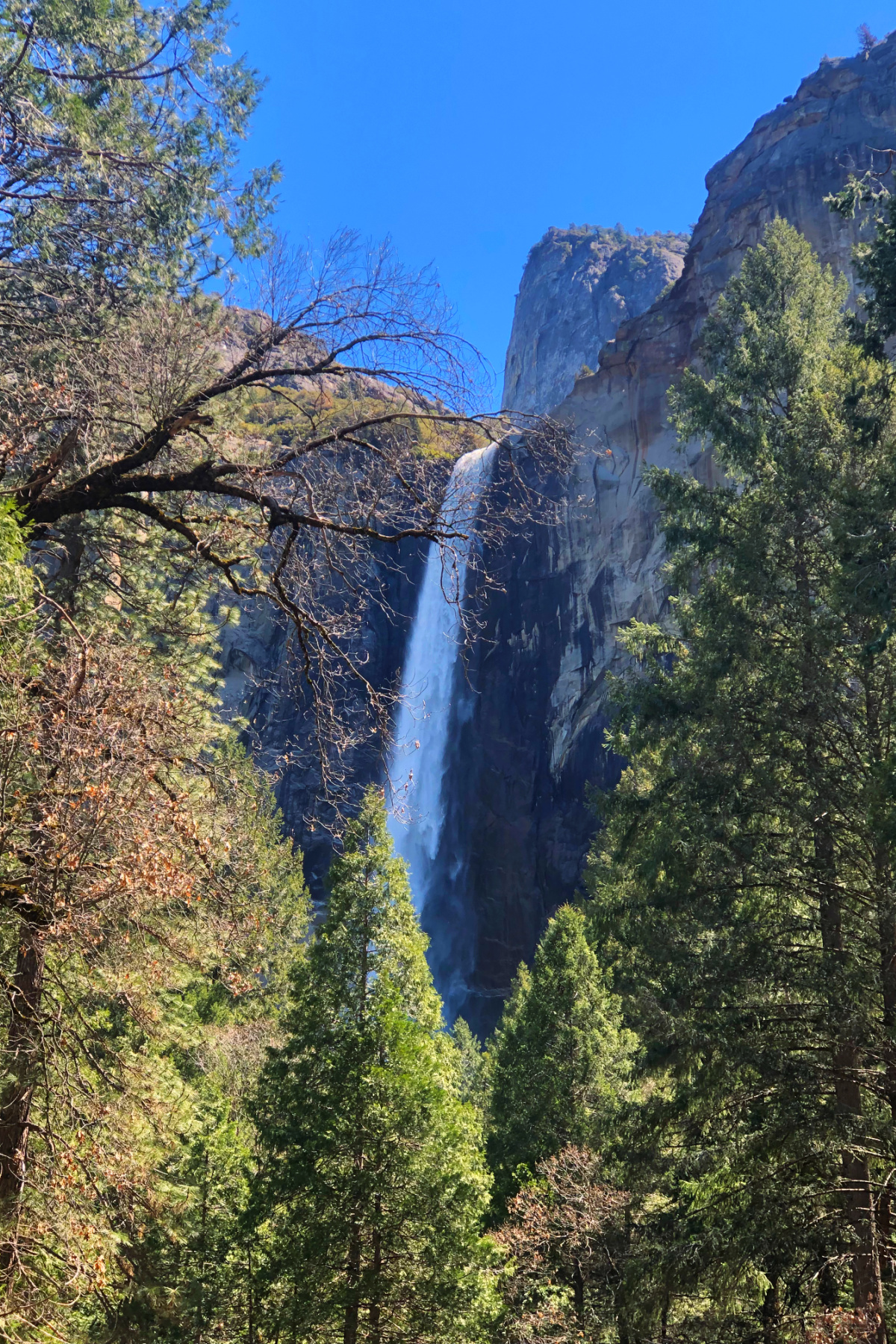
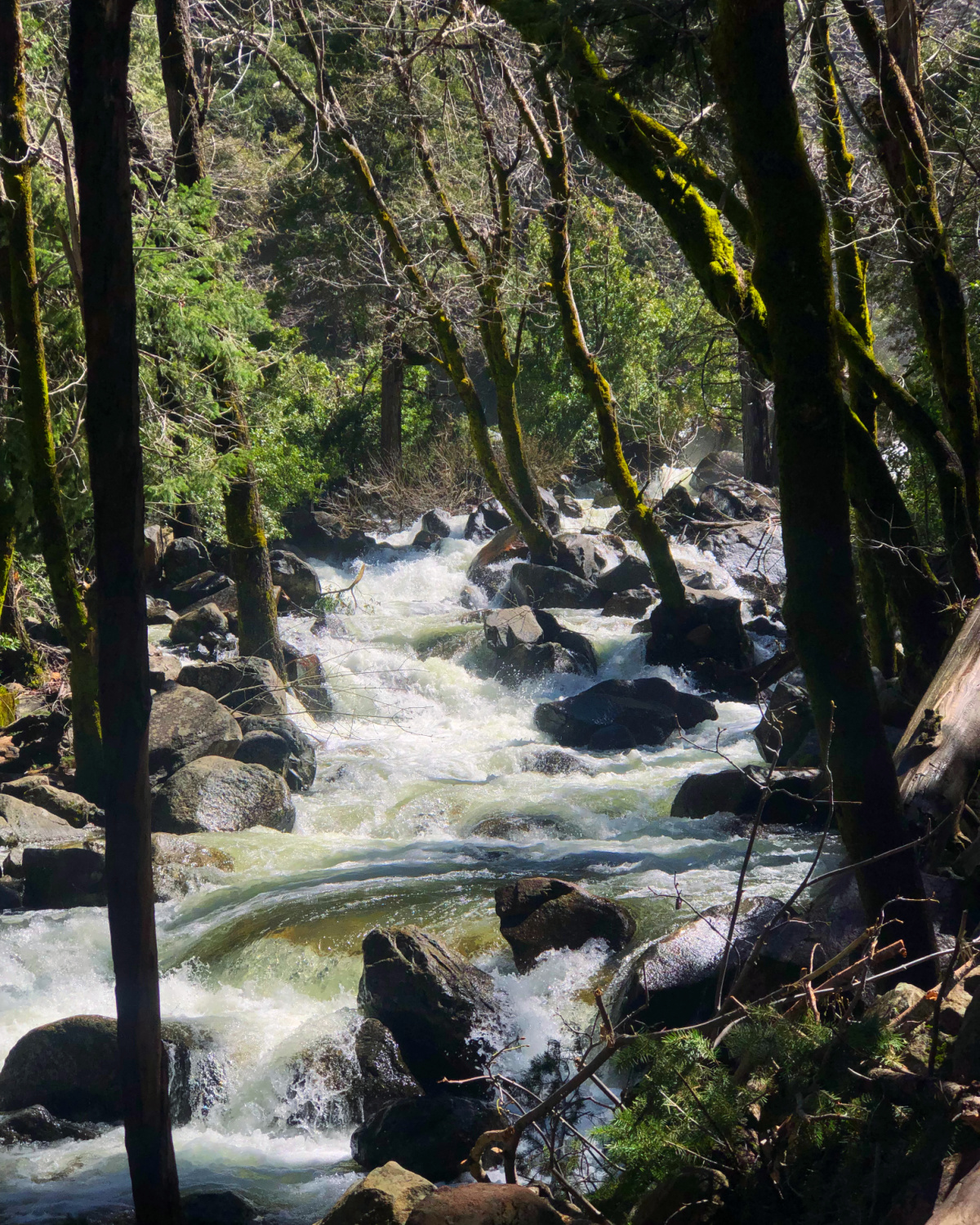
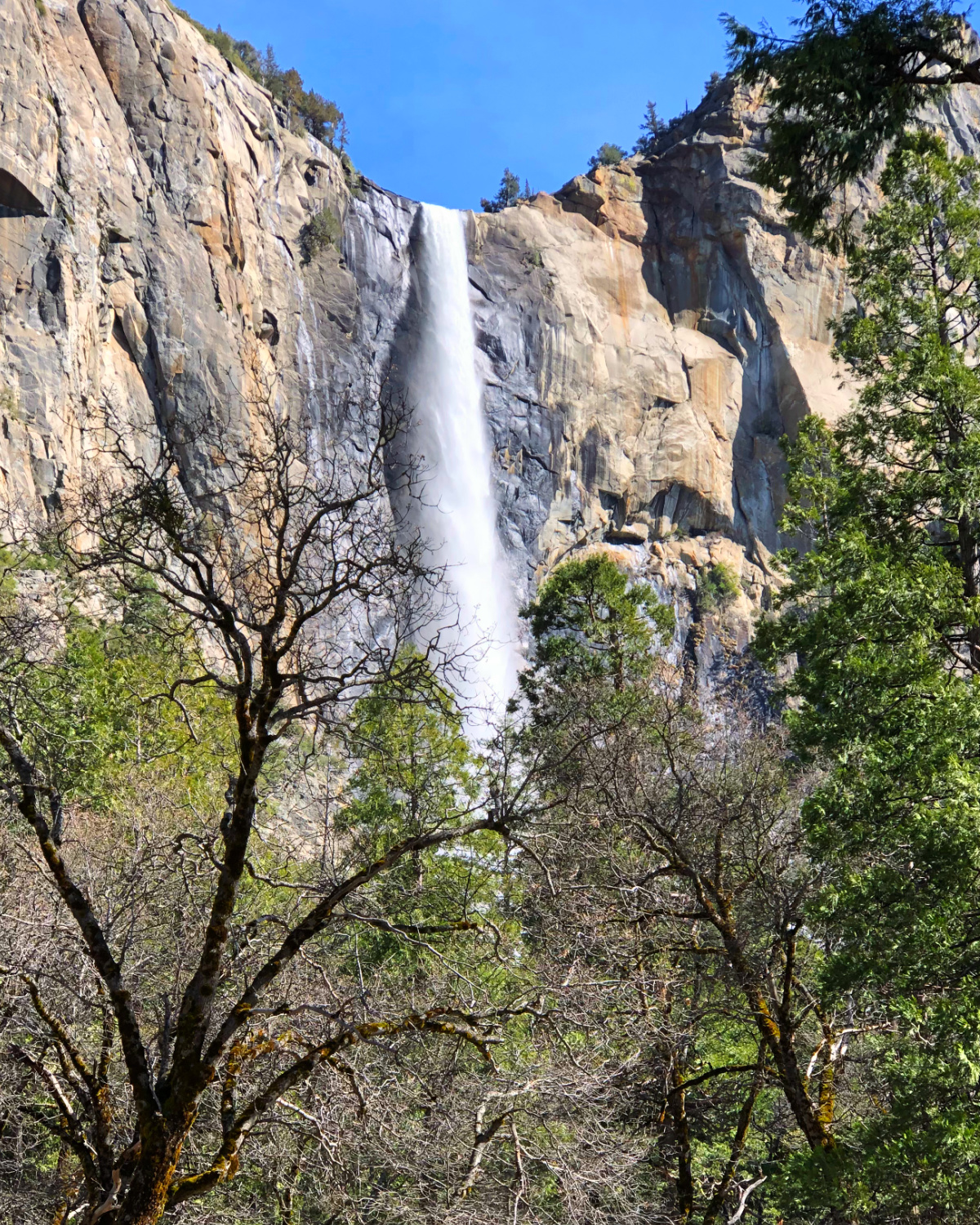
Eat breakfast, grab your day bag, and head first to Bridalveil Fall.
This is one of those places that is much easier to enjoy before the Valley gets really busy.
The walk is short, and if the waterfall is flowing strongly, especially in spring, this is a spectacular way to begin the day.
I would keep this stop fairly tight.
You do not need to spend an hour here.
Walk the trail, enjoy the waterfall, take your photos, and keep going.
Next: Lower Yosemite Fall
After Bridalveil Fall, head into Yosemite Valley and park.
If you are staying at Yosemite Valley Lodge, this is where your lodging choice really pays off.
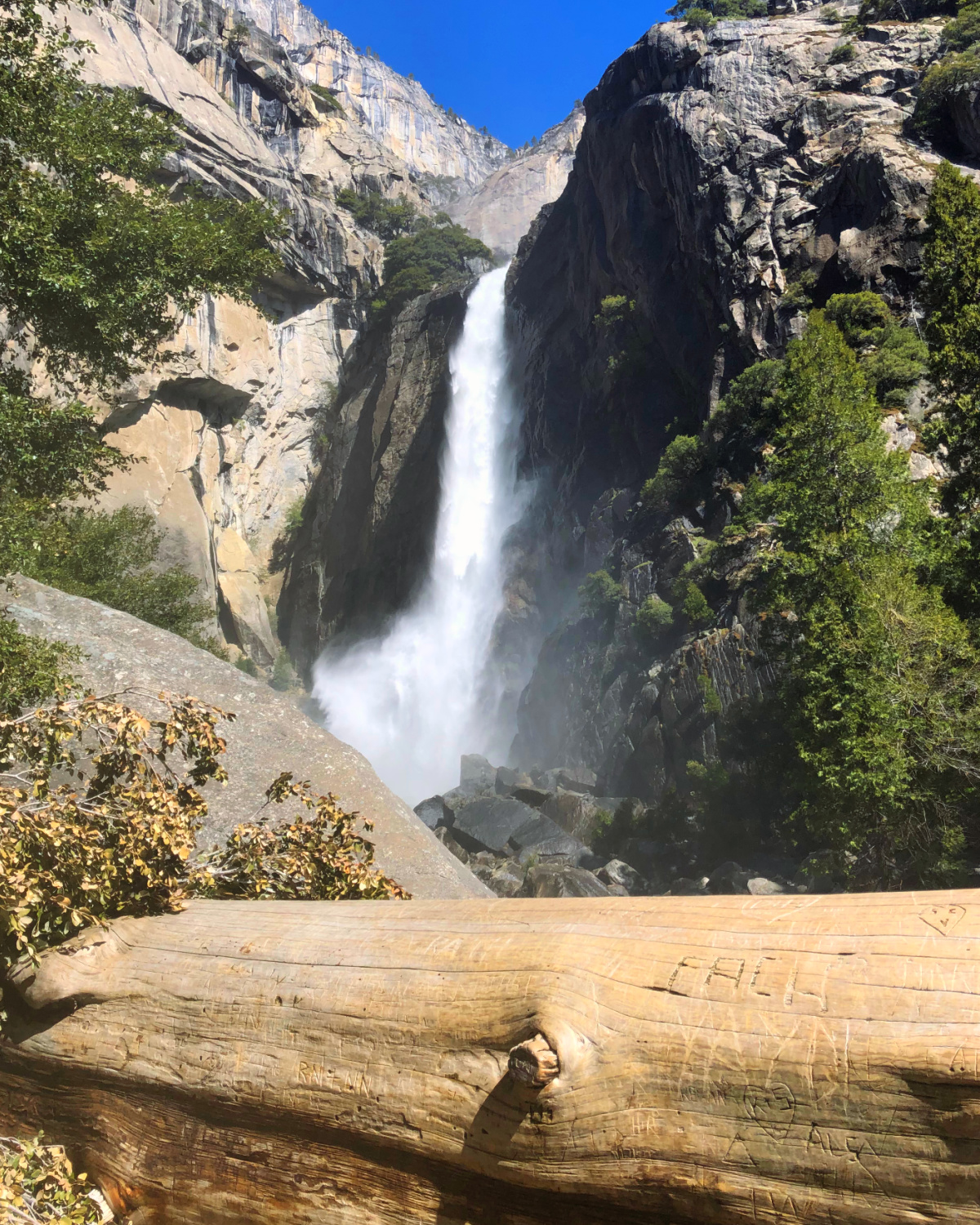
Honestly, if I were staying there, I might reverse the order depending on the morning.
One morning, I would walk out early and go straight to Lower Yosemite Fall before the crowds build.
The other morning, I would use the car to do Bridalveil Fall first.
The exact order matters less than one simple goal:
See both of these waterfalls early.
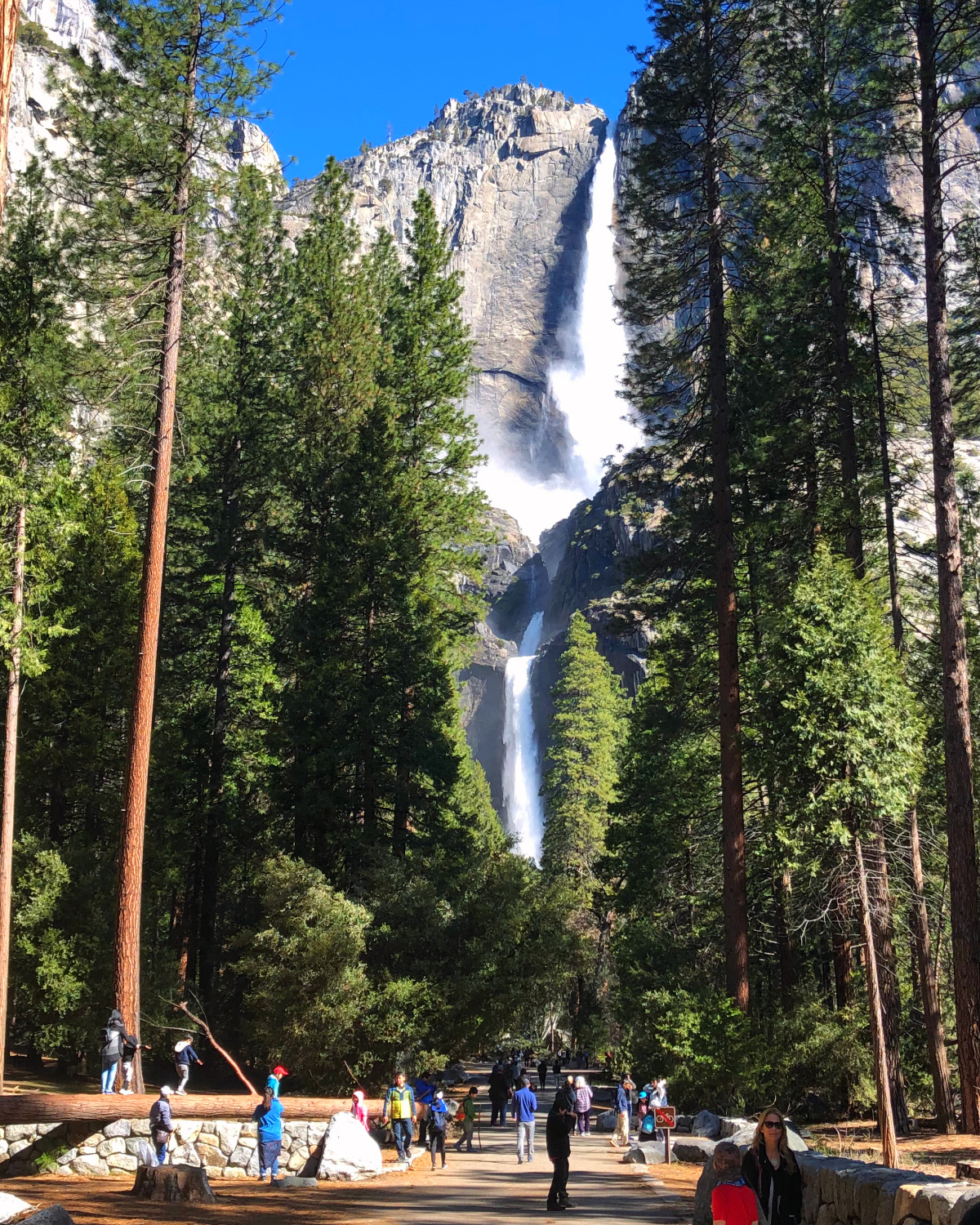
Lower Yosemite Fall is one of the easiest iconic Yosemite experiences, and it deserves a place on every first-time itinerary.
You do not need to hike to Upper Yosemite Fall.
That is a completely different commitment.
For this trip, the Lower Yosemite Fall loop gives you plenty.
Walk Through Cook’s Meadow
From Lower Yosemite Fall, I would stay on foot.
Walk through Cook’s Meadow and let yourself slow down.
This is one of the best places to take in Yosemite Valley as a whole.
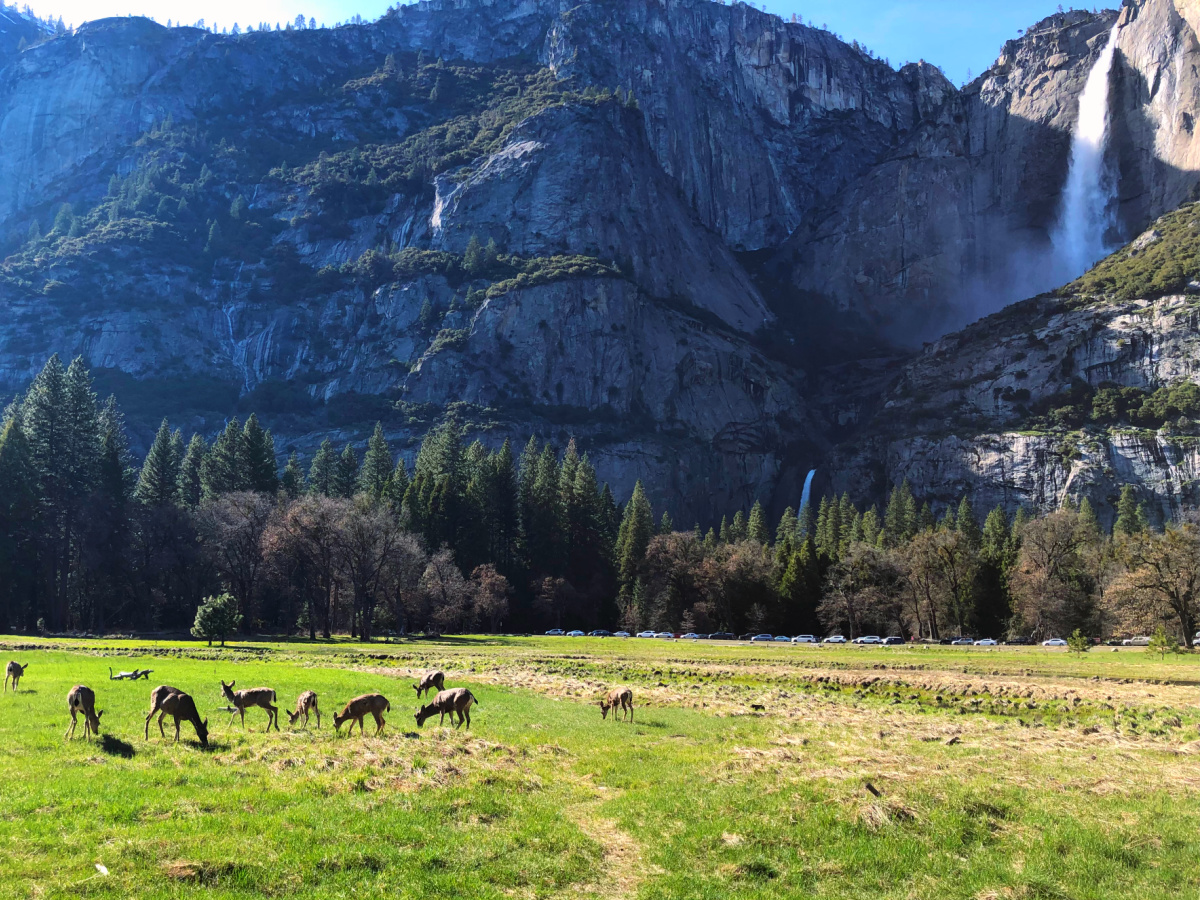
You are no longer standing underneath one specific waterfall or viewpoint.
You are looking around and seeing how all the pieces fit together.
Yosemite Falls behind you.
Half Dome in the distance.
The granite walls rising on both sides.
The meadow stretching out in front of you.
This is the kind of Yosemite experience that doesn’t need a big plan.
Just walk.
Stop at Sentinel Bridge
From Cook’s Meadow, continue toward Sentinel Bridge.
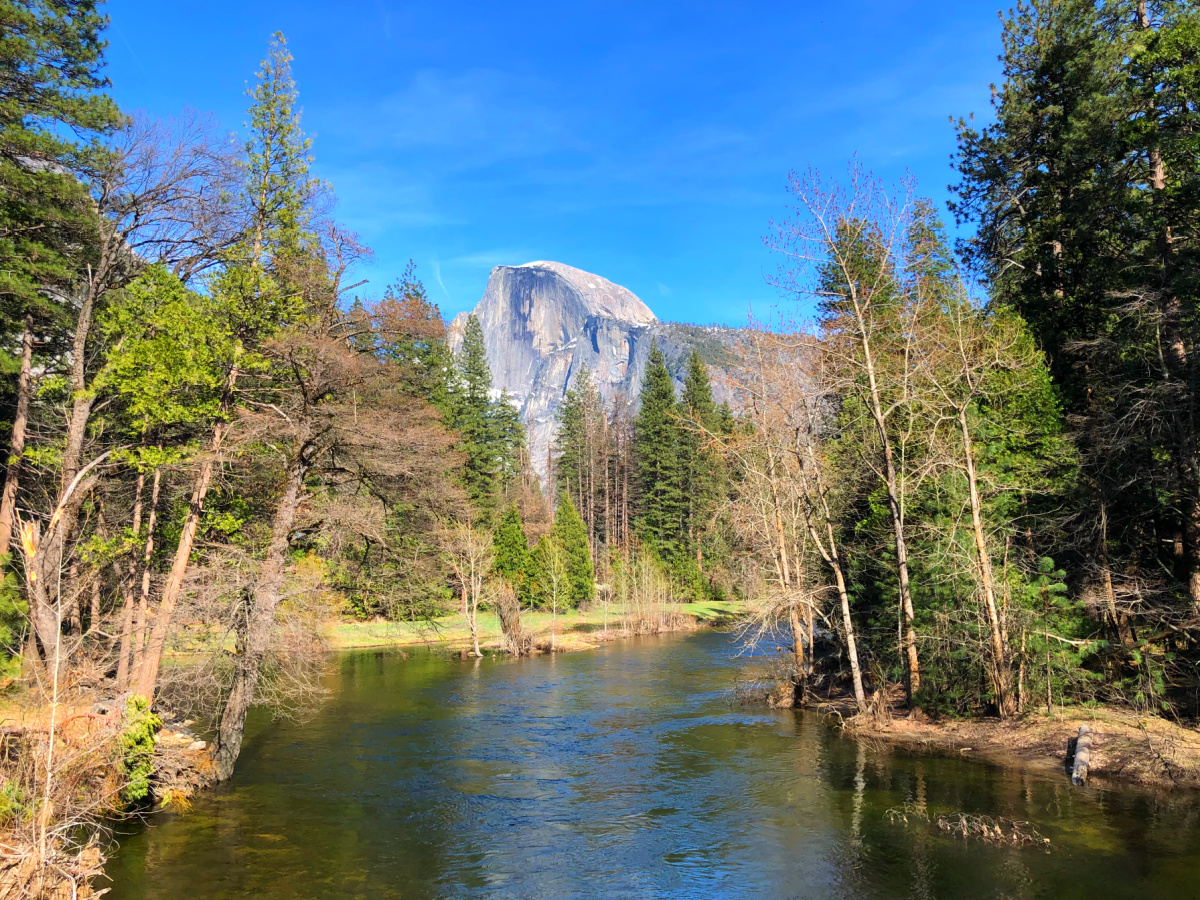
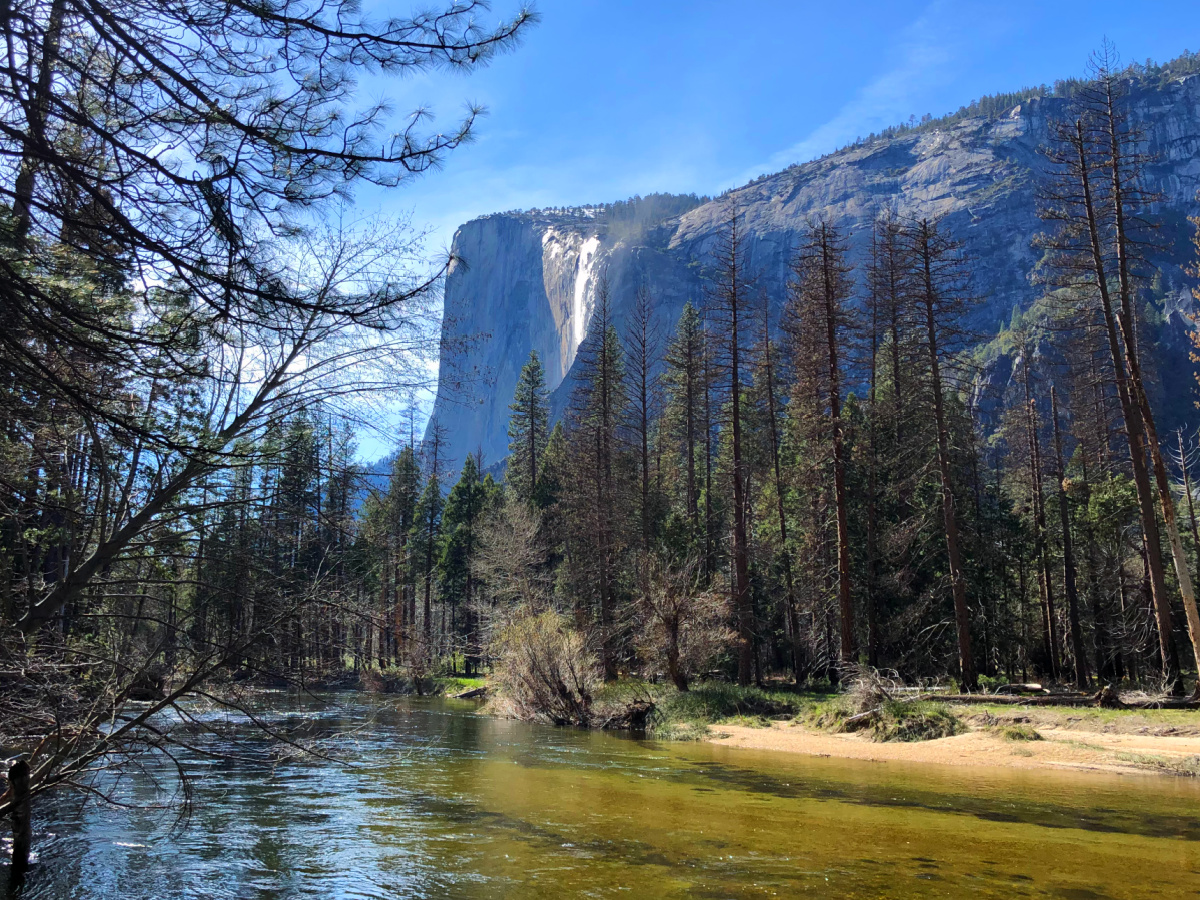
This is one of the easiest places to get a classic view of Half Dome with the Merced River in the foreground.
It is also a great place to pause before lunch.
If you were here the night before, you may already have seen it in softer evening light.
That is fine.
Yosemite is one of those places where the same view feels different depending on the time of day.
Have a Picnic Lunch in Yosemite Valley
I would still bring lunch.
Even with a two- or three-day itinerary, I do not love the idea of burning part of the best sightseeing day sitting inside a restaurant.
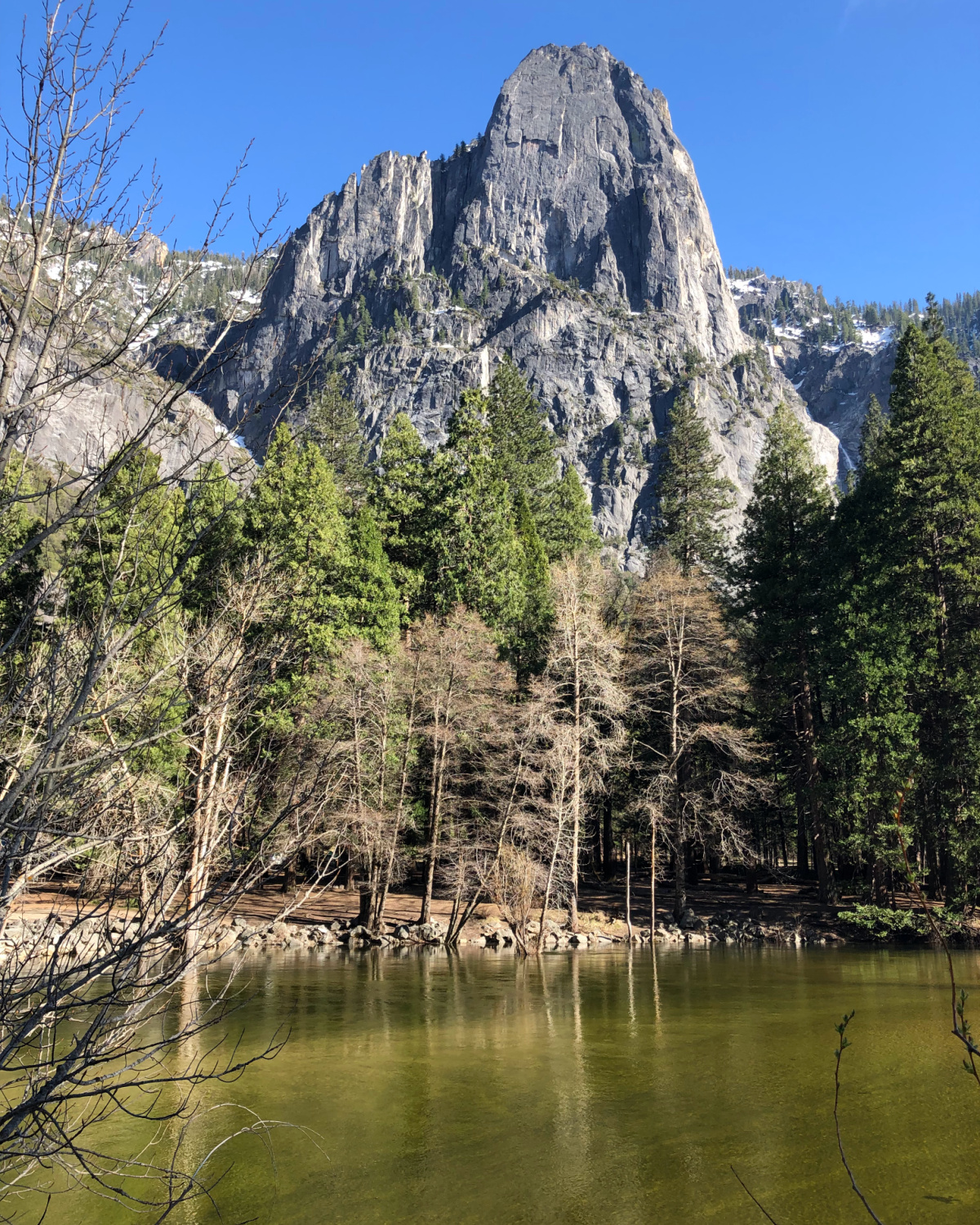
Find a picnic area or a good legal spot near the Merced River.
Eat.
Rest your feet.
Drink some water.
Take your time.
You have a bigger afternoon ahead.
Day 2 Afternoon: Drive to Glacier Point
If Glacier Point Road is open, this is where I would get back in the car.
And unlike some other parts of Yosemite, I would not hesitate.
Glacier Point is worth the drive.
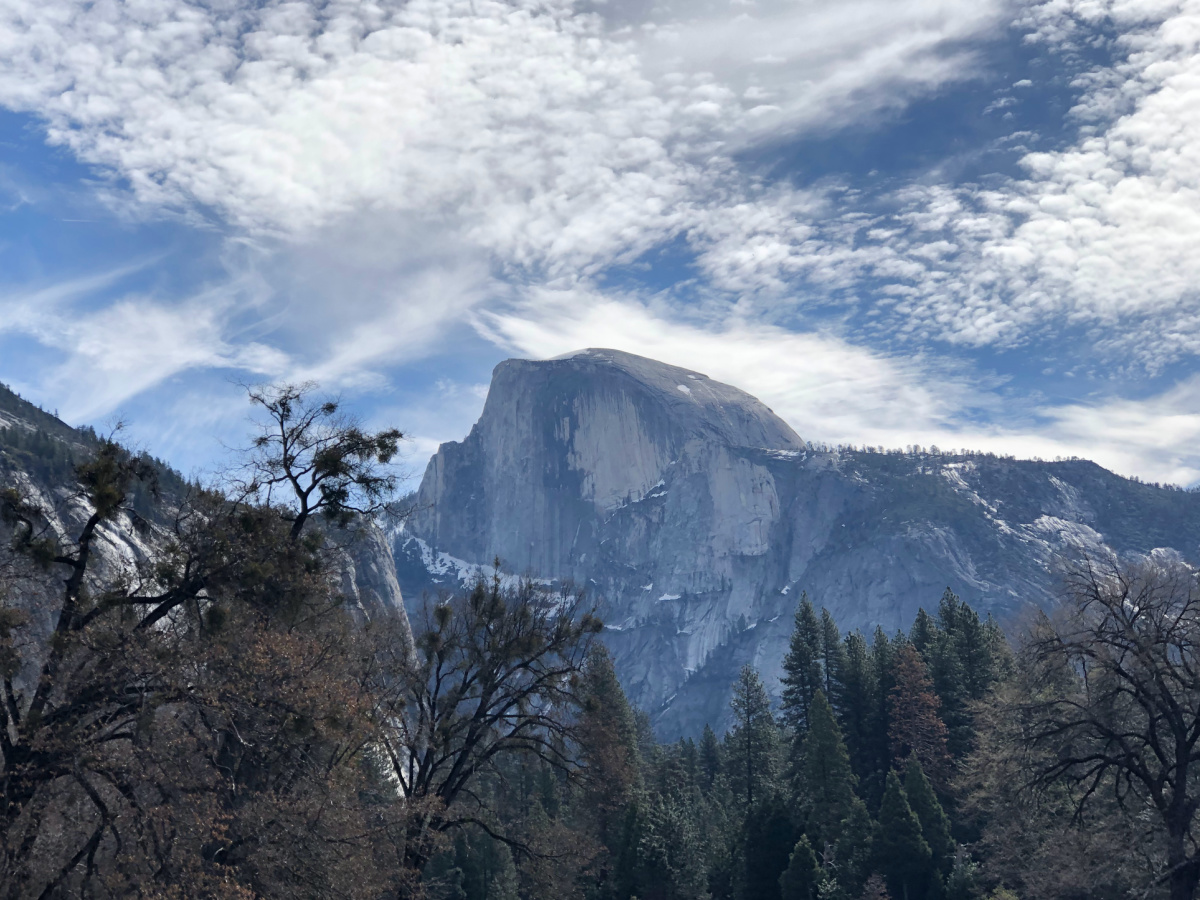
This is one of the best first-time Yosemite experiences because it gives you a completely different perspective from what you have spent the morning seeing in the Valley.
Down below, you are surrounded by granite walls.
Up at Glacier Point, you are looking across and down into the landscape.
Half Dome dominates the view.
The high country opens up behind it.
Depending on the season, you may also see waterfalls from above.
And the best part is that you get all of this without needing to commit to another major hike.
I would give Glacier Point a generous block of time.
Drive up.
Park.
Walk to the viewpoints.
Stay long enough to actually enjoy it.
Then start making your way back down.
Stop at Tunnel View
On the way back toward Yosemite Valley, stop at Tunnel View.
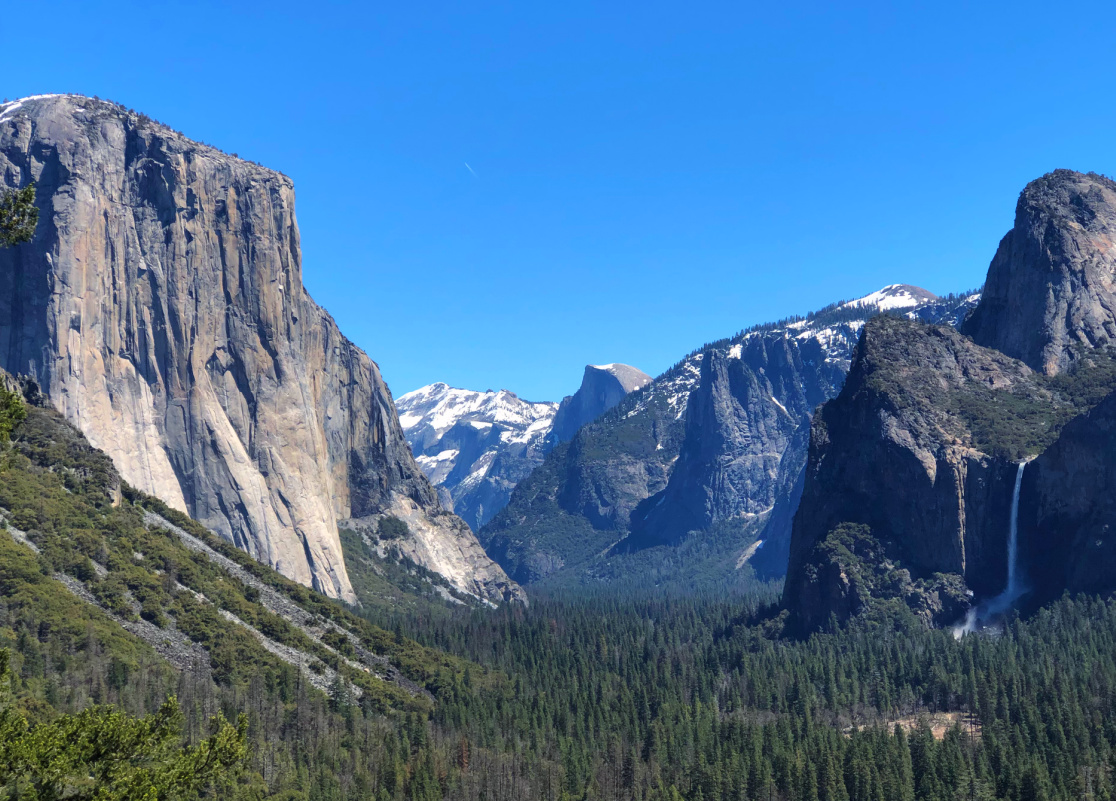
This is one of Yosemite’s most famous viewpoints, and for good reason.
From here, you get that broad, dramatic view into Yosemite Valley with El Capitan on one side, Bridalveil Fall on the other, and Half Dome in the distance.
After spending the morning inside the Valley and the afternoon looking down from Glacier Point, Tunnel View helps connect the entire landscape.
I would absolutely include it.
What About Valley View?
If you are leaving the park that afternoon or evening, Valley View makes a beautiful final stop.
If you are staying another night because you have a third day, I would not force it.
You can always save Valley View for your final departure.
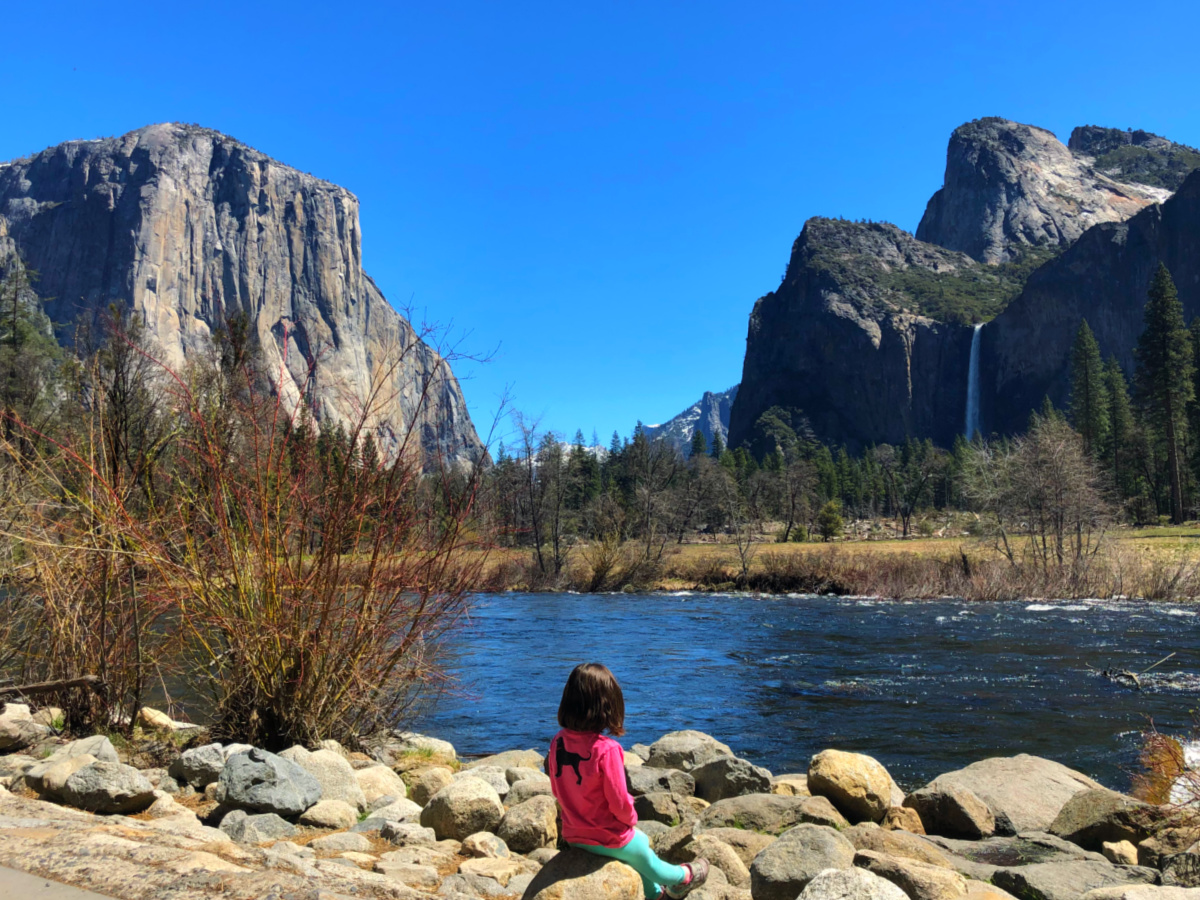
That is one of the nice things about the three-day version of this trip.
You do not need to squeeze every scenic overlook into one afternoon.
If Glacier Point Road Is Closed
If you are visiting in spring and Glacier Point Road is not open yet, I would keep the afternoon in Yosemite Valley.
This is where Mirror Lake fits beautifully.
Spring is one of the best times to visit Mirror Lake because there is much more likely to be water.
It is a quieter, easier experience than Glacier Point, but it gives you another very different Yosemite setting.
And because you are not spending hours driving to Glacier Point and back, you can also slow the day down.
Spend more time in the Valley.
Visit the welcome center.
Walk along the Merced River.
Take the shuttle somewhere you skipped earlier.
Spring visitors may lose Glacier Point, but they often gain some of the best waterfall conditions of the year.
That is not a bad trade.
Dinner and Evening
By the end of Day 2, you have done a lot.
Have dinner.
If you are only staying one night and this is your departure day, you may be heading out after the scenic viewpoints.
If you are staying a second night, do not feel like you need to add anything else.
Go back to your lodging.
Sit outside.
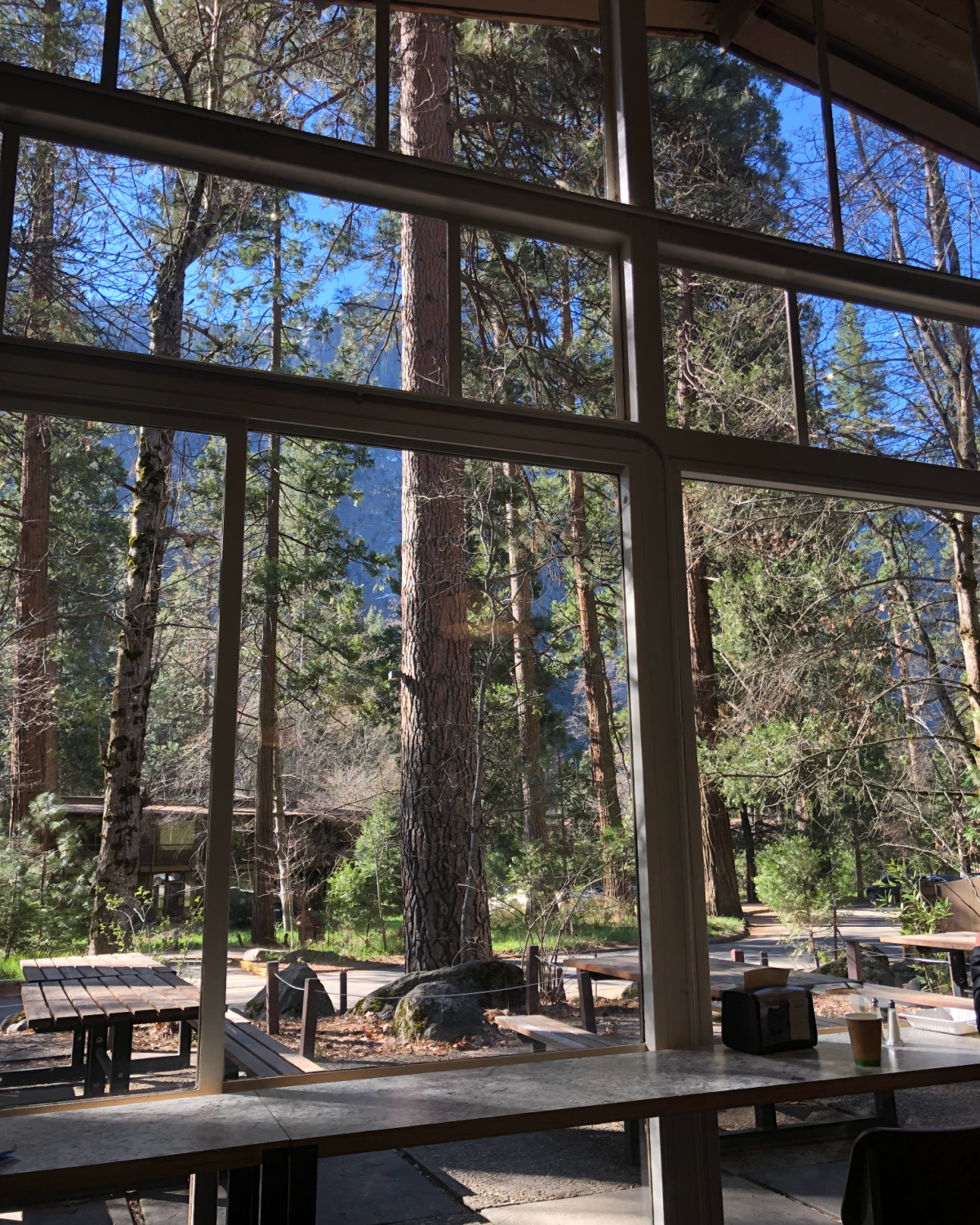
Take another evening walk.
Watch the light change.
Tomorrow is where the three-day itinerary gets more flexible.
And that extra flexibility is exactly why I think three days is the sweet spot for a first Yosemite visit.
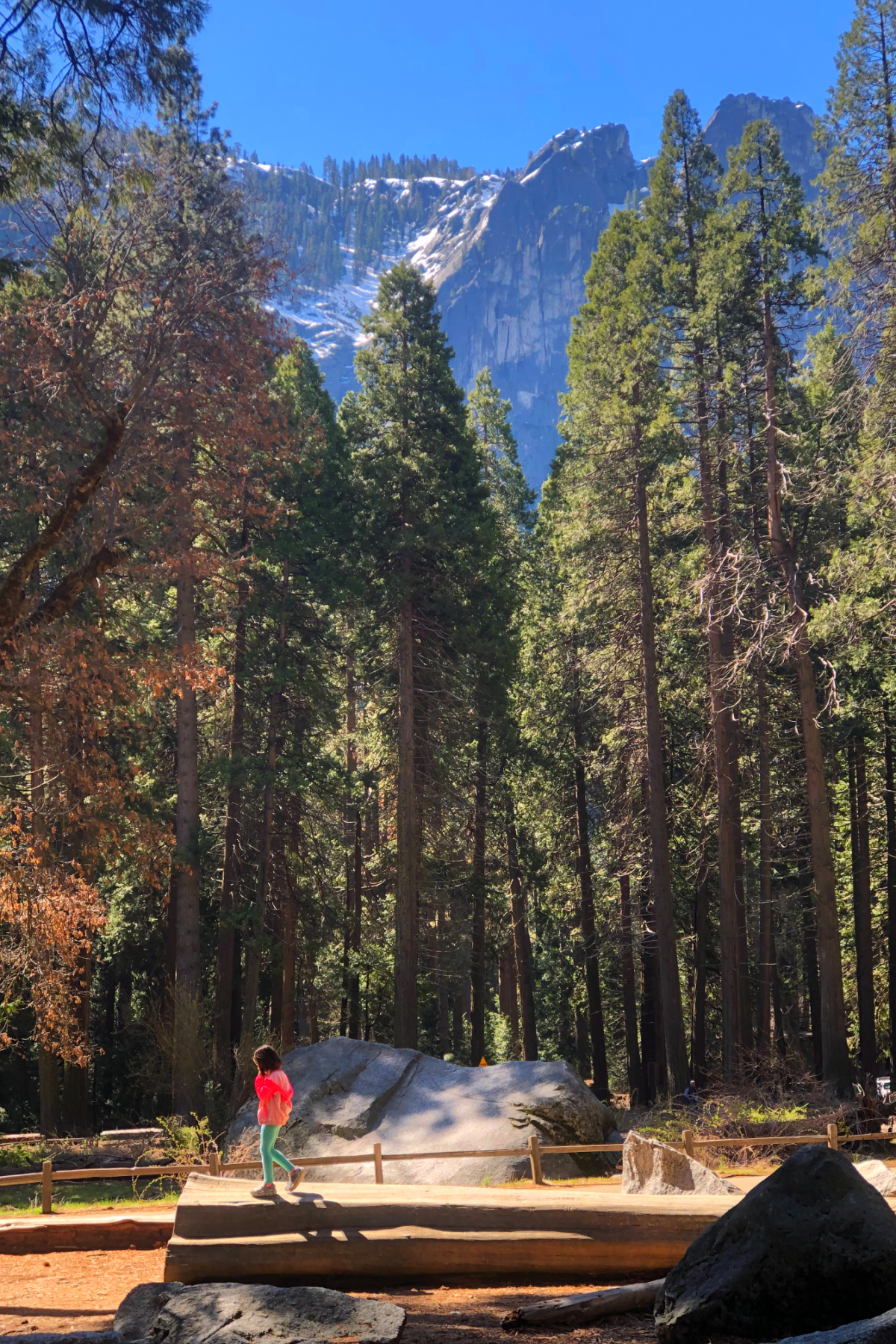
Day 3: Choose Your Yosemite Adventure
If you have a third day, this is where the trip stops feeling rushed.
You have already seen the giant sequoias.
And spent a full day in Yosemite Valley.
You have already seen Bridalveil Fall, Yosemite Falls, Half Dome, Cook’s Meadow, Glacier Point if the road was open, and some of the park’s best viewpoints.
So Day 3 does not need to be another greatest-hits sprint.
This is the day when I would choose one bigger experience.
And for most first-time visitors who are comfortable with a moderate hike, I would make that Vernal Fall.
Option 1: Hike to Vernal Fall
Get up early.
If you need to check out of your lodging, do that first, but keep your day bag with you and leave the rest of your luggage secured.
Then head toward the trailhead before the day gets hot and before the trail gets crowded.
The hike toward Vernal Fall is more challenging than anything else in this itinerary so far, but it is also one of those classic Yosemite experiences that feels worth the effort.
You do not need to turn this into an all-day hike.
Because you are not trying to continue all the way to Nevada Fall.
And you don’t need to prove anything.
The goal is simply to experience one of Yosemite’s more substantial hikes without sacrificing the entire day.
For many visitors, the footbridge viewpoint is enough.
If you have more energy and trail conditions are good, you can continue farther toward Vernal Fall.
Either way, start early.
That gives you cooler temperatures, fewer people, and plenty of time to finish the trip without feeling rushed.
Why I Like Vernal Fall for the Third Day
This hike adds something the first two days do not.
You have already done easy walks.
… and the scenic overlooks.
You have already done giant sequoias.
Now you get one hike that feels like a real Yosemite hike.
That makes the three-day trip feel more complete.
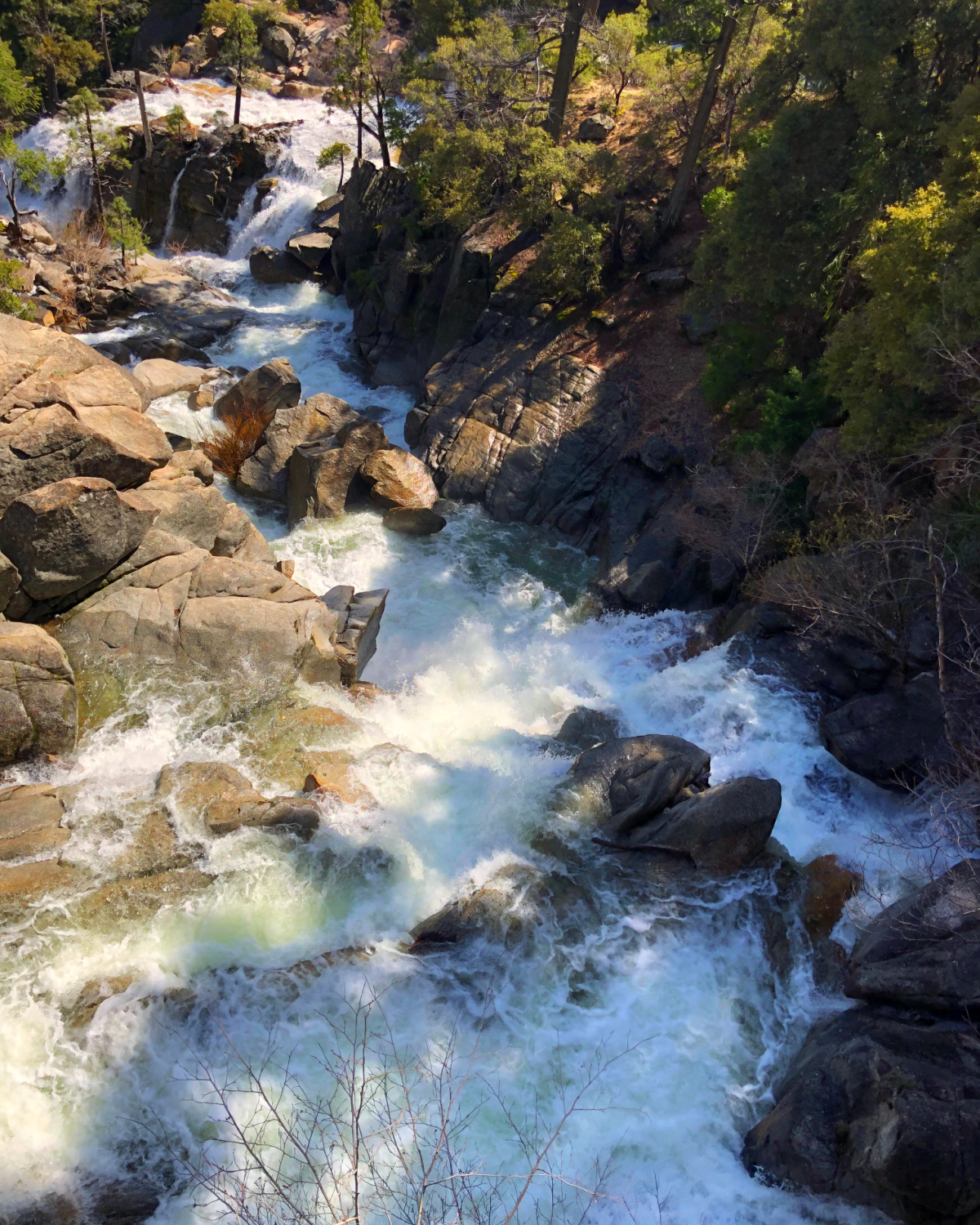
And if you are visiting during spring or early summer, the waterfall can be especially impressive.
Option 2: Mirror Lake for an Easier Final Morning
Not everyone wants a moderate hike on the final day.
That is completely fine.
If you want something easier, Mirror Lake is a great choice.
This is especially true in spring and early summer when the water level is higher.
The walk is relatively easy, the setting is beautiful, and it gives you another close-up look at the eastern end of Yosemite Valley beneath Half Dome.
This is also a nice option if somebody in your group is tired from the previous two days.
You still get another Yosemite experience without turning the morning into a workout.
Option 3: Tuolumne Meadows and Tioga Road
If Tioga Road is open and you would rather see Yosemite’s high country than hike Vernal Fall, use Day 3 for that instead.
This is where Tuolumne Meadows belongs in the itinerary.
Not squeezed onto the end of your Glacier Point afternoon.
Not rushed between Valley stops.
Give it its own time.
The drive itself is part of the experience.
You climb away from Yosemite Valley into a completely different landscape of granite domes, lakes, meadows, and high-elevation scenery.
Tuolumne Meadows feels very different from Yosemite Valley.
And that is exactly why it makes such a good final-day option.
If you choose this route, I would make the high country the main event.
Do not try to combine it with Vernal Fall.
Pick one.
That is one of the biggest advantages of having three days instead of two.
You finally have enough time to choose rather than cram.
What I Would Still Skip
Even with three days, I would still resist the urge to add everything.
You do not need to hike Upper Yosemite Fall.
Gosh, you really do not need to do the entire Mist Trail to Nevada Fall.
You do not need to visit every grove, every viewpoint, and every trail.
Three days gives you breathing room, but it does not magically make Yosemite small.
Save something for next time.
Before You Leave: Visit the Welcome Center and Gift Shop
Whether you are doing the two-day or three-day itinerary, I would save the visitor center and gift shop for the end of the trip.
That way, they are never competing with your best sightseeing hours.
Stop in.
Pick up a map or book.
Ask any last ranger questions.
Browse the gift shop.
Use the restroom.
Buy whatever souvenir you have been thinking about since Day 1.
This is also a nice way to wind down before the drive home.
You have already done the important stuff.
Now you can linger a little.
Make Valley View Your Final Goodbye
If it works with your route out of the park, stop at Valley View one last time.
This is one of my favorite departure stops because it feels like a proper goodbye to Yosemite Valley.
The Merced River is in the foreground.
El Capitan rises above the Valley.
Bridalveil Fall may be visible across the way.
And by this point, you recognize the landscape.
You are not looking at a postcard anymore.
I mean, you know where those places are.
You have walked underneath them.
Driven above them.
Spent a couple of days inside them.
That makes the view feel different.
Is Three Days Enough for Yosemite?
For a first trip?
I think so.
Would I stay longer if I could?
Absolutely.
But three days gives you enough time to see Yosemite without feeling like you are running a race.
You can see the giant sequoias.
And spend a full day in Yosemite Valley.
You can visit Glacier Point when the road is open.
See Tunnel View and Valley View.
You can hike toward Vernal Fall or spend time at Mirror Lake.
And if Tioga Road is open, you can choose to explore Tuolumne Meadows and Yosemite’s high country.
That is a very satisfying first visit.
Two Days or Three Days in Yosemite: My Recommendation
If you only have one night, go anyway.
A two-day trip is still worth it.
But if you are deciding between one night and two?
Choose two.
That extra day is what takes the trip from “we saw Yosemite” to “we really experienced Yosemite.”
Two days lets you hit the highlights.
Three days gives you room to breathe.
And for a first visit, that is exactly what I would want.
More Yosemite National Park Planning Guides
If you’re planning a two- or three-day Yosemite trip, these guides can help you dig deeper into the places and experiences included in this itinerary.
First-Time Visitor’s Guide to Yosemite National Park
Start here if this is your first Yosemite trip and you want a broader overview of what to know before you go.
One Day in Yosemite National Park
Only have a single day? This itinerary shows you how to prioritize Yosemite Valley, Glacier Point when it’s open, and the park’s most important scenic stops without trying to do too much.
Best Things to Do in Yosemite Valley
Use this guide to explore Yosemite Valley in more depth, including waterfalls, scenic views, easy walks, and some of the park’s most iconic landmarks.
Scenic Viewpoints in Yosemite National Park
From Glacier Point and Tunnel View to Valley View and quieter overlooks, these are the viewpoints worth working into your Yosemite trip.
Easy Hikes in Yosemite National Park
Looking for something easier than the Mist Trail or Upper Yosemite Fall? These hikes and walks offer waterfalls, lakes, meadows, forests, and beautiful views without requiring an all-day trek.
Best Waterfalls in Yosemite National Park
Yosemite’s waterfalls are especially dramatic in spring and early summer. This guide can help you decide which ones to prioritize during your visit.
Yosemite Falls Guide
Everything you need to know about seeing Yosemite Falls, including Lower Yosemite Fall, viewpoints, seasonal flow, and what to expect.
Bridalveil Fall Guide
This guide covers the short trail, parking, seasonal conditions, and some of the best ways to see Bridalveil Fall.
Mariposa Grove of Giant Sequoias Guide
Planning to visit the giant sequoias on your arrival day? This guide covers what to see, how much time to allow, and how to choose between an easier walk and a longer hike.
Yosemite Valley Lodge Review
Thinking about staying inside the park? Here’s what our stay at Yosemite Valley Lodge was like and why the location is especially useful on a short Yosemite trip.
Visiting Yosemite National Park in April
Spring can mean roaring waterfalls, snow in the high country, and seasonal road closures. This guide covers what our April Yosemite trip was really like.
Yosemite With Kids Guide
Planning a family trip? This guide focuses on ways to experience Yosemite with kids without building the entire visit around strenuous hikes.
More 2–4 Day National Park Itineraries
If you enjoy planning national park trips around a few well-used days instead of rushing through everything at once, these itineraries can help you plan your next trip.
Jasper in Three Days
A three-day Jasper itinerary gives you enough time for scenic drives, lakes, waterfalls, wildlife, and some of the Canadian Rockies’ most memorable viewpoints.
Banff in Three Days
Use this itinerary to balance Banff’s famous lakes, scenic drives, mountain viewpoints, and easy outdoor experiences over three days.
North Cascades National Park Itinerary: Two to Three Days
This itinerary focuses on scenic overlooks, lakes, easy hikes, and the dramatic mountain scenery along the North Cascades Highway.
Two Days in Mount Rainier National Park
Two days gives you time to experience both the famous Paradise area and more of Mount Rainier’s waterfalls, forests, and scenic drives.
Olympic National Park: The Perfect Three- to Four-Day Road Trip Itinerary
Olympic is incredibly diverse, and this road trip itinerary helps you combine mountains, rainforest, lakes, and the Pacific coast without spending the entire trip in the car.
Glacier National Park Itinerary: How to Spend Three to Four Days
Plan several days around Going-to-the-Sun Road, glacier-carved valleys, lakes, wildlife, and some of Glacier’s best scenic stops.
Grand Teton National Park Itinerary: How to Spend Three Days in the Park
Three days gives you time for scenic drives, iconic viewpoints, lakes, wildlife watching, and a few easy or moderate outdoor adventures.
Yellowstone National Park Itinerary: How to Spend Two, Three, or Four Days
Yellowstone is enormous, so this itinerary breaks down how to prioritize geysers, waterfalls, wildlife areas, and scenic drives based on how many days you have.
Denali National Park: The Ultimate Three- to Four-Day Itinerary
Use this itinerary to plan a few days around Denali’s dramatic landscapes, wildlife, park-road experiences, and Alaska scenery.
Three Days in Kenai Fjords National Park
This itinerary combines the Exit Glacier area with coastal scenery, wildlife, and the boat-trip experiences that make Kenai Fjords so different from most other national parks.
Three Days in Wrangell–St. Elias National Park
This itinerary helps you make the most of a few days in America’s largest national park, with scenic drives, historic sites, mountain views, and accessible ways to experience the park without needing a backcountry expedition.