Utah Mighty 5 for First-Time Visitors: 25 Things I Wish I Knew Before I Went

Affiliate Disclosure: This post may contain affiliate links. If you make a purchase or booking through these links, I may earn a commission at no additional cost to you.

Utah Mighty 5 first time visitors can avoid common mistakes with these 25 practical tips. Learn what I wish I knew before visiting Zion, Bryce Canyon, Arches, Capitol Reef, and Canyonlands.
Estimated reading time: 24 minutes
I thought I was prepared.
Before our family visited Utah’s Mighty 5 National Parks, I had spent months researching the trip.
I read blog posts and watched YouTube videos.
Like a great travel planner I studied maps.
I built spreadsheets.
I knew where we were staying, where we were eating, which hikes we planned to do, and approximately how many miles we would drive each day.
And yet, there were still things that surprised me once we actually arrived.
Some of those surprises were wonderful.
Others would have saved me time, stress, and a few rookie mistakes if I had known them beforehand.
If you’re planning your first Utah Mighty 5 road trip, this article is for you.
These aren’t hiking tips from someone sleeping in a tent or backpacking into the wilderness.
These are lessons learned by a normal family taking a classic Utah road trip while staying in hotels, eating at restaurants, and focusing on the experiences that most first-time visitors actually want.
So before you pack your suitcase and head for Zion, here are 25 things I wish I knew before visiting Utah’s Mighty 5 National Parks.
Before You Go
1. The Parks Are More Different Than You Think
Before our trip, I assumed all five parks would feel fairly similar.
After all, they’re all located in southern Utah.
They’re all famous for red rocks.
They’re all part of the same road trip.
How different could they really be?
Very different, as it turns out.
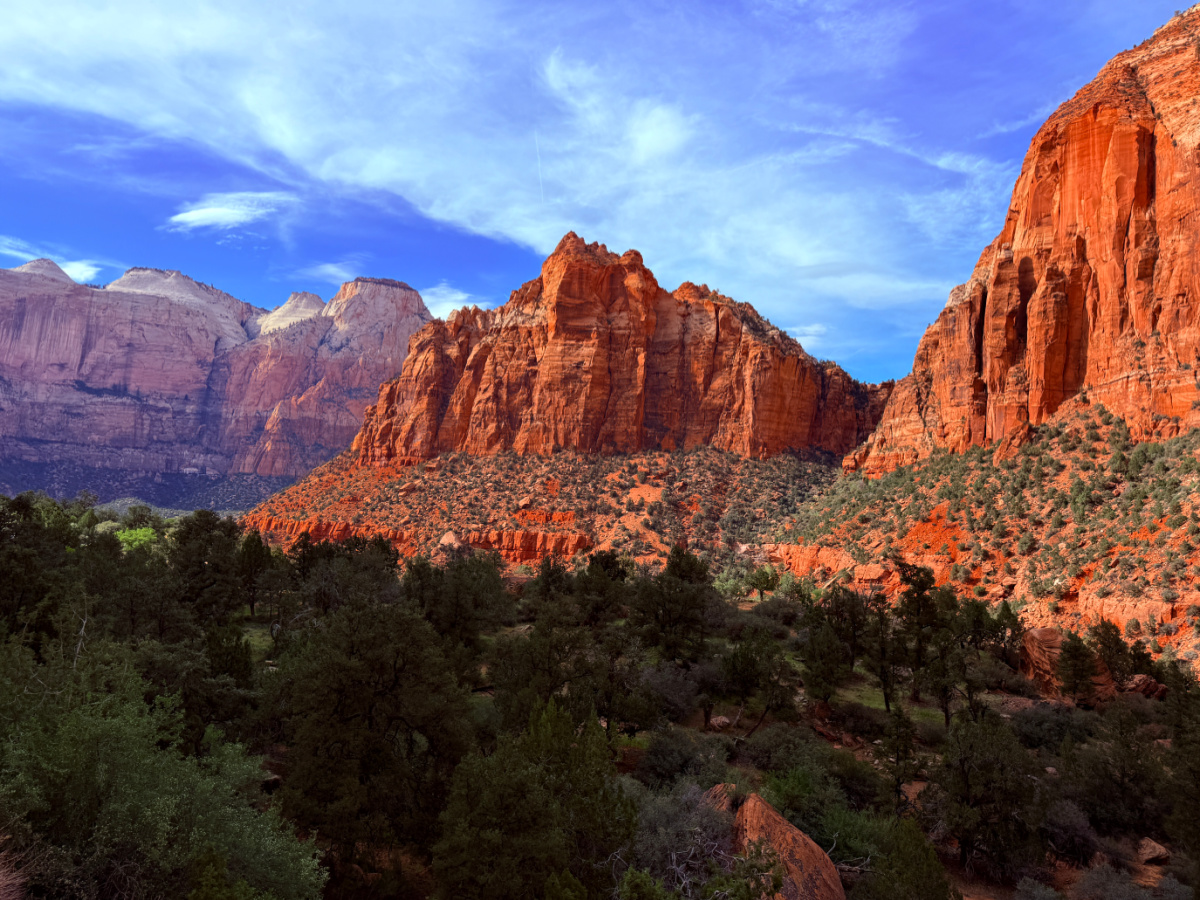
Zion feels like you’re standing at the bottom of a massive cathedral carved by nature.
Bryce Canyon looks like another planet filled with thousands of orange and pink stone spires.
Capitol Reef feels peaceful and uncrowded, with orchards and pioneer history mixed into the scenery.
Arches is filled with iconic rock formations you’ve probably seen in photographs for years.
And Canyonlands is all about scale. The views stretch so far into the distance that photographs struggle to capture them.
One of the reasons the Utah Mighty 5 is such an incredible road trip is that every park feels completely different from the last.
You never get that feeling of “Didn’t we already see this yesterday?”

2. One Week Feels More Rushed Than Most People Expect
Can you visit all five parks in seven days?
Absolutely.
Would I choose seven days if I had the option of taking longer?
Probably not.
When people first start planning the Utah Mighty 5, they often focus on drive times.
The problem is that national parks aren’t destinations where you simply arrive, look around for ten minutes, and leave.
You stop constantly, pull over for viewpoints, and discover unexpected overlooks.
Sometimes you spend longer at trails than anticipated.
A great sunset beckons you to slow down and savor it.
You find a restaurant everyone recommends.
Those little moments add up.
Our family spent ten days exploring the Mighty 5, and honestly, that felt like the sweet spot for a first trip.
We never felt rushed, but we also never felt like we were running out of things to do.

3. Distances Take Longer Than Google Maps Suggests
This is probably the biggest planning mistake I see first-time visitors make.
Google Maps might tell you that today’s drive is three hours.
That’s technically true.
But Utah is one of the most scenic places I’ve ever visited.
Nobody drives three hours without stopping.
You’ll stop for photos, stop at viewpoints.
Eat lunch at some point.
You’ll stop because someone in the car says, “Wait… what is THAT?”
A drive that looks simple on paper often becomes a full day of sightseeing.
Build extra time into your schedule.
You’ll be happier if you do.

4. You Don’t Need a Giant SUV or Specialized Vehicle
When I first started researching the trip, I saw so many articles discussing four-wheel-drive roads, backcountry routes, and off-road adventures that I briefly wondered whether we’d rented the wrong vehicle.
We hadn’t.
For a typical first-time Utah Mighty 5 road trip, a standard rental car is perfectly adequate.
Every major attraction we visited was easily accessible.
Hotels were quite easy to reach.
And every scenic drive we planned to do worked perfectly with a regular vehicle.
If you’re intentionally seeking out backcountry adventures, that’s a different conversation.
But for most first-time visitors?
Save your money.

5. Hotel Location Matters More Than Hotel Luxury
I’ve become increasingly convinced of this after visiting national parks all over the country.
Give me a decent hotel five minutes from the park over a luxury hotel an hour away almost every time.
The closer you stay, the easier everything becomes.
Sunrise is easier.
Sunset is easier.
Midday breaks become possible.
You spend less time driving and more time actually enjoying the destination.
This is one reason we loved staying in places like Springdale, Torrey, Moab, and Bryce Canyon City.
Being close to the parks made a huge difference.

What Surprised Me Most
6. Bryce Canyon Is Much Colder Than Zion
This one caught me completely off guard.
When people think about southern Utah, they usually picture desert heat.
And in Zion?
That’s often accurate.
Bryce Canyon is a different story.
Because Bryce sits above 8,000 feet, temperatures can be dramatically cooler than nearby parks.
During our trip, the difference was immediately noticeable.
If you’re packing for a Utah road trip, don’t assume one wardrobe works everywhere.
Bring layers.
Even if you’re visiting during summer.
You’ll probably use them.

7. Capitol Reef Might End Up Being Your Favorite Park
Before our trip, Capitol Reef was probably the park I knew the least about.
Nobody seems to talk about Capitol Reef the way they talk about Zion or Arches.
It often gets treated like the park you drive through on the way to somewhere else.
That turned out to be completely unfair.
Capitol Reef ended up being one of my favorite stops on the entire trip.
Part of that was the scenery.
Part of it was the lack of crowds.
But mostly it was the atmosphere.
Everything felt calmer.
Slower.
More relaxed.
After the intensity of Zion and before the energy of Moab, Capitol Reef felt like a breath of fresh air.
If you’re building your itinerary, don’t shortchange this park.
Give it the time it deserves.

8. Yes, Everyone Is Right About the Pie
You knew this tip was coming.
If you’ve done even five minutes of Capitol Reef research, you’ve probably heard someone mention the pies at Gifford House.
I am here to confirm that the internet is correct.
The pie is excellent.
More importantly, stopping for pie becomes part of the Capitol Reef experience.
It’s one of those simple travel moments that somehow becomes a favorite memory.
Sometimes the hype is deserved.
This is one of those times.

9. Springdale Is More Than Just a Place to Sleep
When I first planned our trip, I viewed Springdale as a gateway town.
A convenient place to stay near Zion.
Once we arrived, I realized it was much more than that.
The scenery is gorgeous.
The restaurants are excellent.
The entire town feels immersed in the landscape.
We found ourselves enjoying Springdale almost as much as some of our time inside the park itself.
If your schedule allows, leave some time to simply enjoy the town.
You won’t regret it.

10. Kanab Deserves a Spot on Your Itinerary
Kanab wasn’t originally one of the destinations I was most excited about.
That changed quickly.
By the end of our trip, Kanab had become one of my favorite towns in southern Utah.
The location is fantastic.
You can easily visit:
- Zion National Park
- Bryce Canyon National Park
- Coral Pink Sand Dunes
- Best Friends Animal Sanctuary
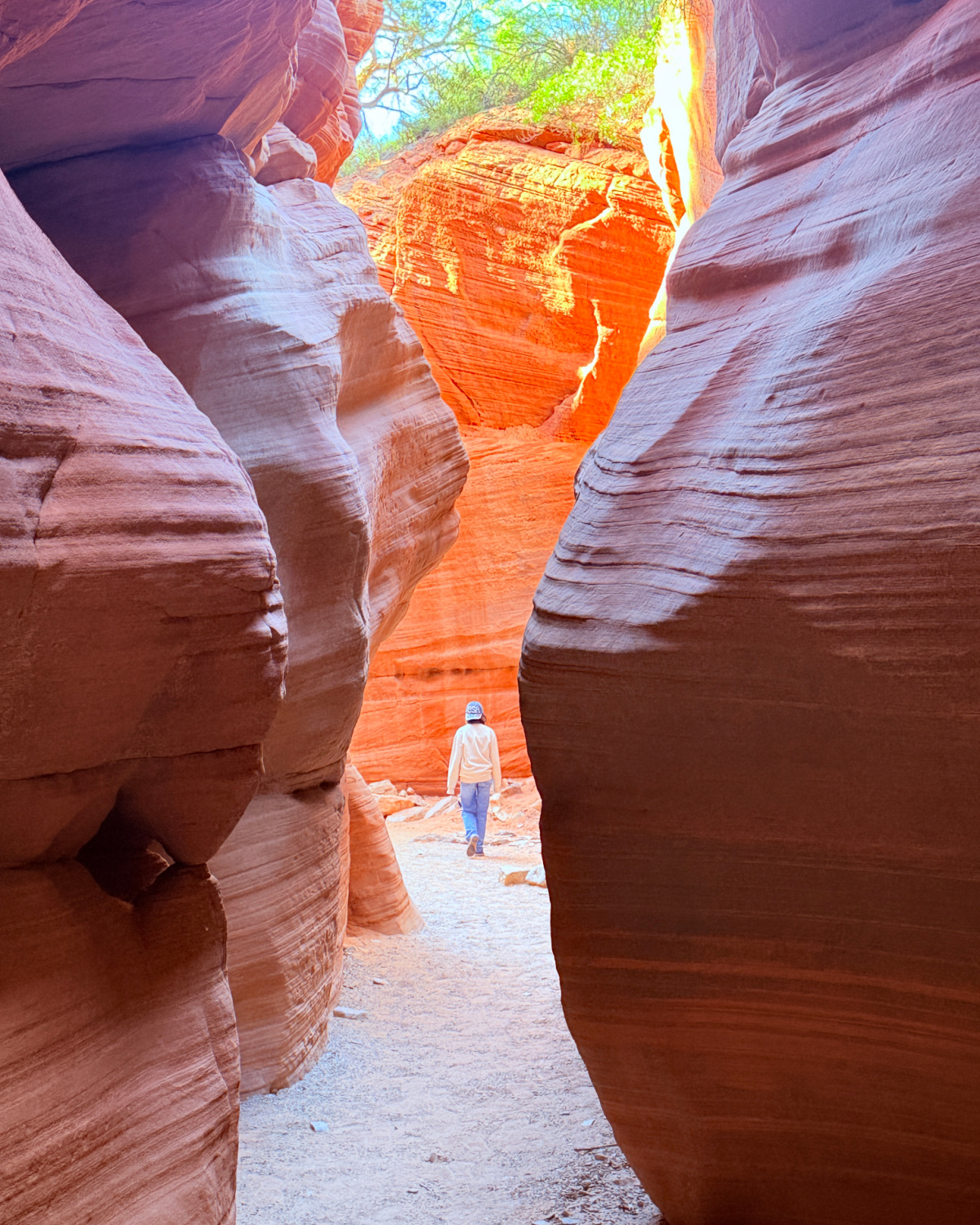
- Peekaboo Slot Canyon
- Horseshoe Bend
- Antelope Canyon
It’s also charming, less crowded than some of the larger tourism hubs, and filled with surprisingly good restaurants.
If you have flexibility in your schedule, consider adding a night or two in Kanab.
You may end up loving it as much as we did.
Things I Wish I’d Known About the Parks
11. Zion Is More Crowded Than You Expect
I knew Zion was popular.
Everyone knows Zion is popular.
But knowing something intellectually and experiencing it firsthand are two very different things.
Zion was by far the busiest park we visited during our Utah Mighty 5 road trip.
Parking fills early.
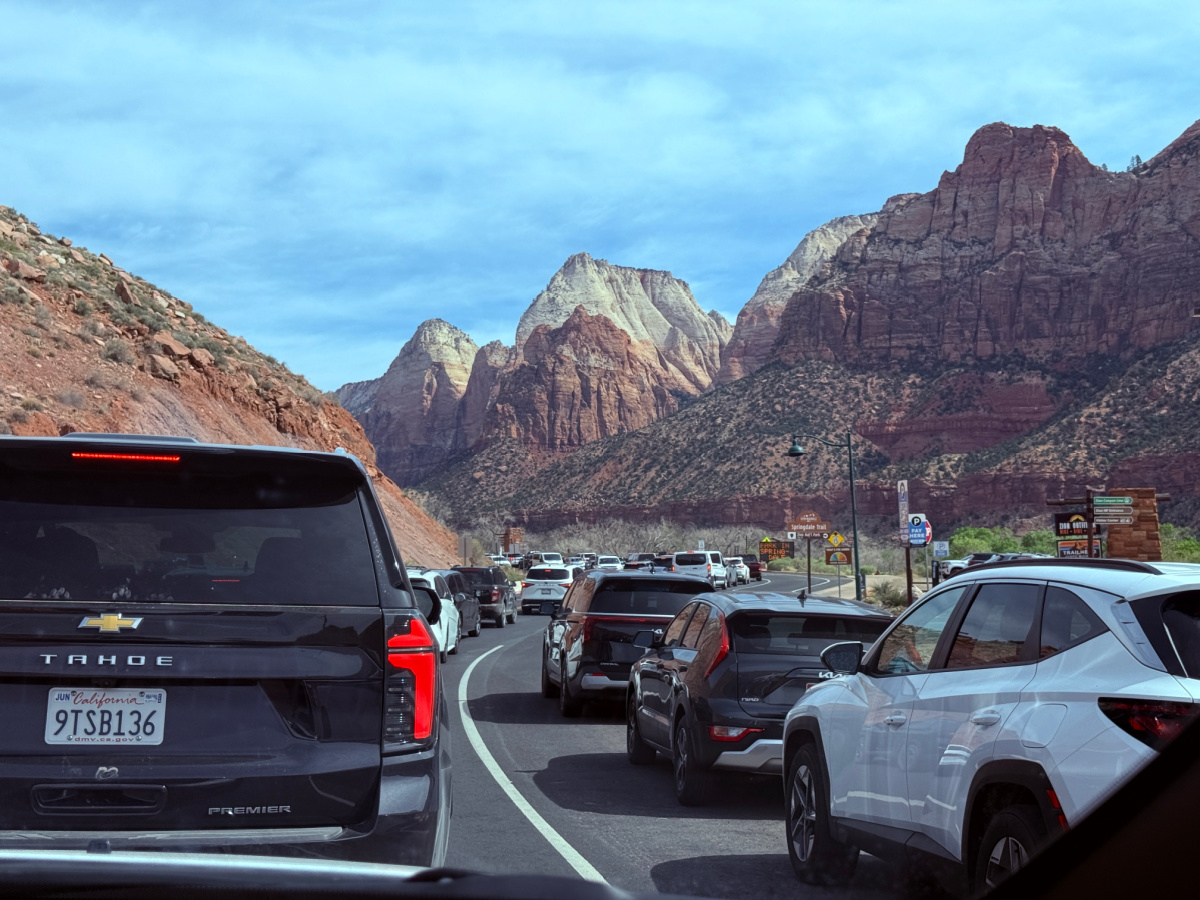
Shuttle lines can get long.
Popular trails attract huge crowds.
And yet, despite all of that, Zion absolutely lives up to the hype.
The key is adjusting your expectations.
Don’t arrive expecting solitude.
Arrive expecting one of America’s most beloved national parks.
If you can start early, you’ll have a much better experience. Not only are the temperatures cooler, but you’ll often beat the largest crowds.
And honestly, some of Zion’s most beautiful moments happen first thing in the morning anyway.

12. Bryce Canyon at Sunset Is Every Bit as Incredible as You’ve Heard
Before our trip, I had seen countless photos of Bryce Canyon.
I knew the hoodoos would be impressive.
I expected the viewpoints to be beautiful.
What I didn’t expect was just how dramatic the landscape would look as the sun began to set.
The changing light completely transforms the canyon. The orange, pink, and red rock formations seem to glow, and the shadows add incredible depth to the amphitheater.
We spent time enjoying the views from several overlooks, and sunset ended up being one of my favorite experiences in the entire park.
Could sunrise be equally spectacular? Probably.
But since I didn’t experience Bryce at sunrise myself, I can confidently say this: if you’re able to be in Bryce Canyon for sunset, make it happen.
It’s one of those moments that sticks with you long after the trip is over.

13. Arches Requires More Planning Than Most People Realize
Many first-time visitors assume Arches works like most national parks.
You show up, pay your entrance fee.
And you drive in.
Simple.
Not always.
Because of its popularity, Arches often uses a timed-entry reservation system during peak seasons.
The exact requirements can change from year to year, which means it’s important to verify current rules before your trip.
The last thing you want is to drive all the way to Moab and discover you can’t enter the park when you planned.
A little advance planning can save a lot of frustration.
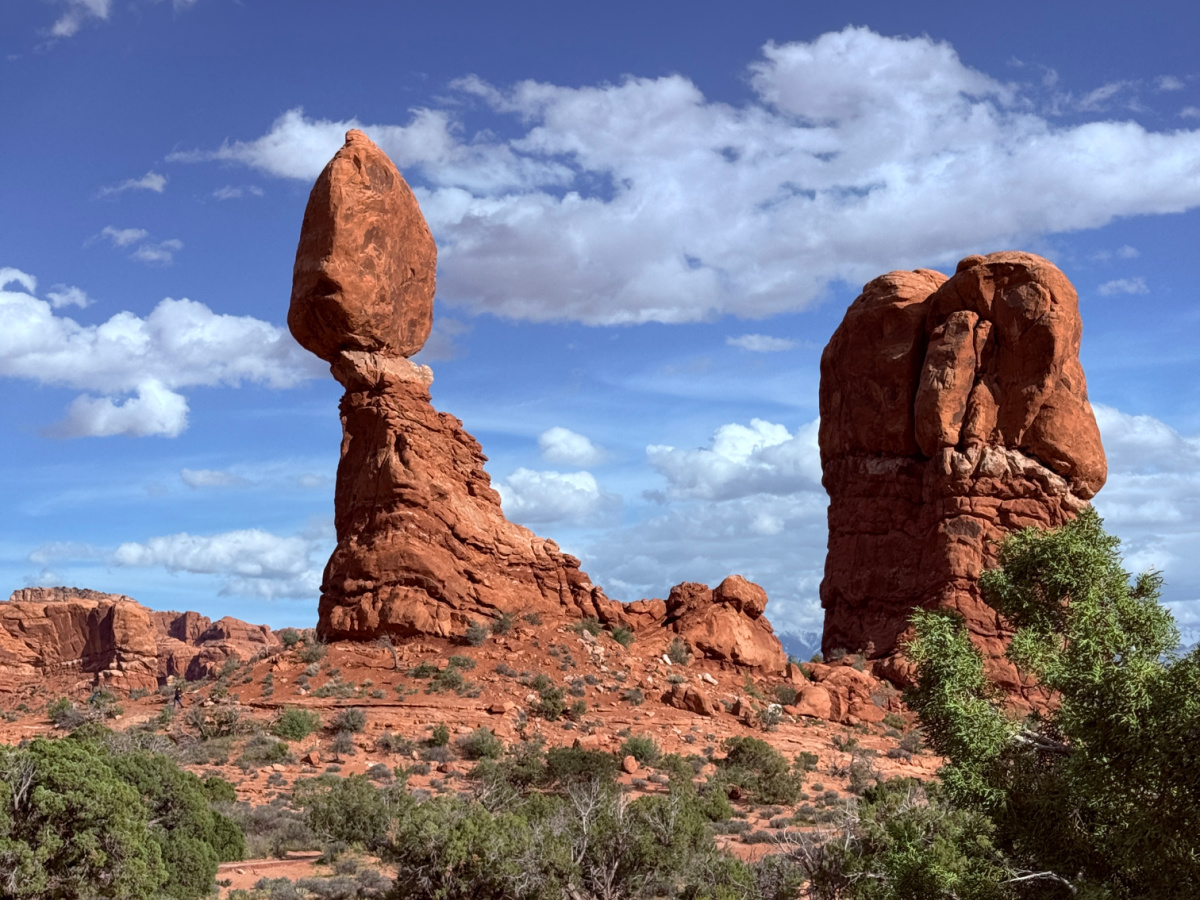
14. Delicate Arch Is Not a Casual Walk
This surprised me.
Before visiting, I had seen Delicate Arch in photos for years.
For some reason, I imagined it was a quick walk from a parking lot.
It isn’t.
The hike isn’t technical, but it requires effort.
There’s elevation gain.
Limited shade.
And during summer, significant heat.
None of this means you shouldn’t do it.
It simply means you should prepare appropriately.
Bring water.
Start early if possible.
And don’t assume it’s a five-minute stroll.
The payoff is incredible, but you’ll earn it.

15. The Windows Section Is One of the Best Areas in Arches
If someone gave me only a few hours in Arches National Park, I’d head straight to the Windows Section.
You get an incredible concentration of scenery with relatively little effort.
Double Arch.
North Window.
South Window.
Turret Arch.
Everything feels close together.
Everything feels iconic.
And you don’t need to spend half the day hiking to enjoy it.
For first-time visitors, it’s one of the best returns on investment in the entire park.

16. Canyonlands Deserves More Time Than Most Visitors Give It
Poor Canyonlands.
It often feels like the forgotten member of the Utah Mighty 5.
Many travelers spend multiple days in Arches and then squeeze Canyonlands into whatever time remains.
I understand why.
Arches gets more attention.
But Canyonlands absolutely deserves its own time in your itinerary.
The overlooks are extraordinary.
The scale is difficult to describe.
Standing at Grand View Point or Green River Overlook feels like standing on the edge of an entirely different world.
Even if you only dedicate half a day, make sure Canyonlands is more than an afterthought.

17. Moab Is Much Busier Than You Expect
After spending time in Torrey and Bryce Canyon City, arriving in Moab felt like entering a completely different universe.
Moab is a real tourism hub.
Adventure outfitters.
Mountain bikers.
Off-road enthusiasts.
National park visitors.
The town has energy.
Lots of it.
That’s not a criticism.
We loved Moab.
But the contrast surprised me.
Capitol Reef felt peaceful and quiet.
Moab felt alive and bustling.
Knowing that difference ahead of time helps set expectations.

Desert Reality Check
18. You Will Drink More Water Than You Think
And then you’ll probably need even more.
The desert is sneaky.
You may not feel sweaty.
You may not realize how much moisture you’re losing.
But dehydration can happen quickly.
Especially if you’re coming from a more humid climate.
Water became one of those things we never left the hotel without.
Extra water in the car.
And in our backpacks.
Extra water everywhere.
Trust me on this one.
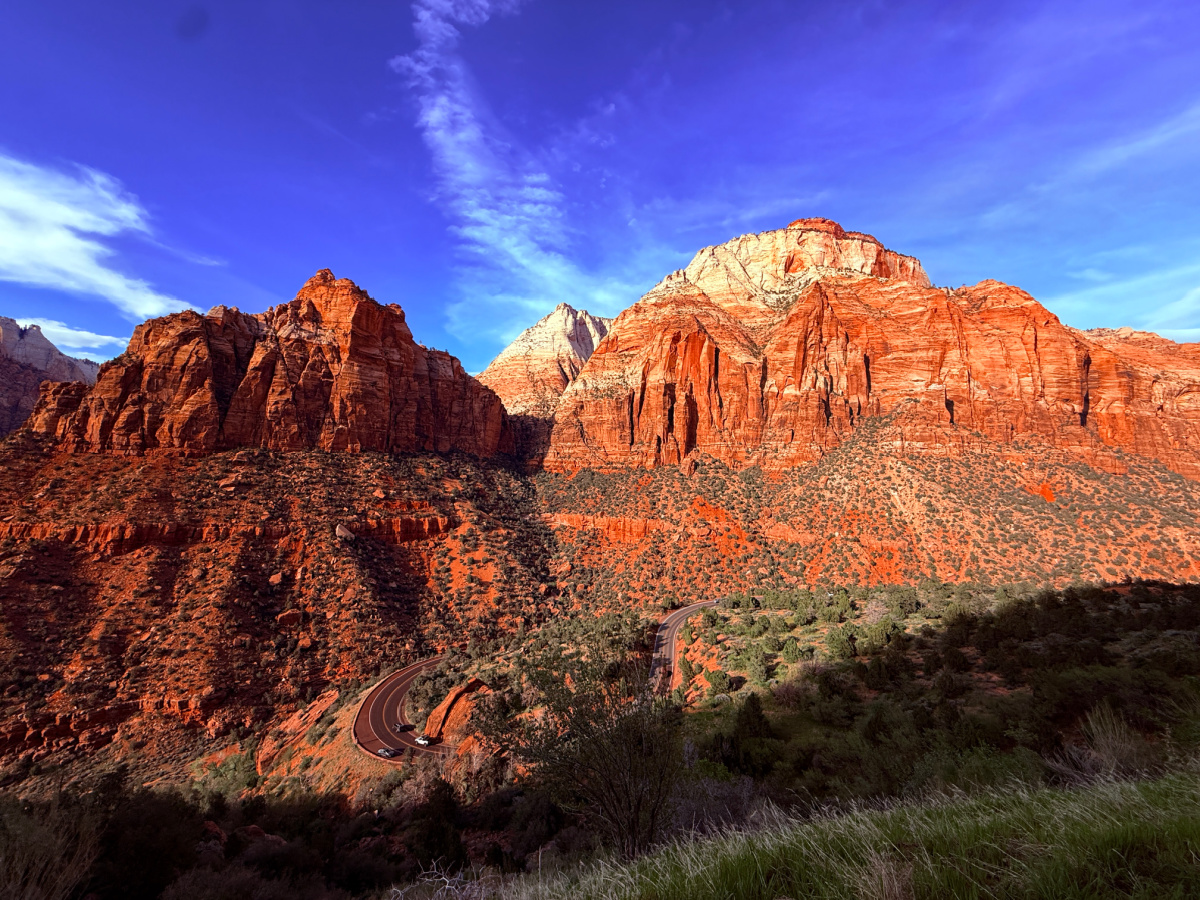
19. The Sun Is Stronger Than You Expect
I don’t care how many national parks you’ve visited.
The Utah sun hits differently.
The combination of elevation, dry air, and long hours outdoors can catch people off guard.
I saw visitors with bright red sunburns everywhere we went.
Apply sunscreen.
Then reapply it.
And maybe wear a hat too.
Your future self will appreciate the effort.

20. Chapstick and Lotion Are Not Optional
Nobody warned me about this.
I expected to need sunscreen.
I didn’t expect my lips and skin to feel like they’d been left in a dehydrator.
The dry climate is wonderful for scenery.
It’s less wonderful for your skin.
Throw these items in your suitcase:
- Lip balm
- Lotion
- Hand cream
You’ll probably use them every day.

21. Cell Service Is More Unreliable Than You Think
We’re all accustomed to having internet access everywhere.
Southern Utah occasionally reminds you that nature doesn’t care about your cell signal.
There were multiple times when service became spotty or disappeared entirely.
Fortunately, that’s easy to prepare for.
Download:
- Google Maps offline maps
- Hotel confirmations
- Reservation information
- Important addresses
before leaving town.
You’ll thank yourself later.
22. Gas Stations Are Farther Apart Than You’re Used To
This isn’t a huge issue.
It just requires a small mindset adjustment.
When you’re driving through remote parts of southern Utah, you can’t always assume another gas station is five minutes away.
Whenever our tank dropped below half, we started paying attention.
That simple habit eliminated any stress about fuel during the trip.
Good News for Normal Travelers
23. You Do Not Need to Be a Hardcore Hiker
This might be my favorite tip in the entire article.
Because I think it’s one of the biggest misconceptions about the Utah Mighty 5.
Spend enough time online and you’ll start to think every visitor is:
- Backpacking
- Canyoneering
- Scaling cliffs
- Hiking 15 miles a day
That’s simply not reality for most travelers.
Some of our favorite experiences involved:
- Scenic drives
- Viewpoints
- Easy trails
- Shuttle rides
- Overlooks
- Photography stops
You can have an absolutely incredible Utah road trip without attempting a single strenuous hike.
That’s one reason I created an entire guide focused on visiting the Utah Mighty 5 without hardcore hiking.
The scenery is accessible to far more people than many travelers realize.

24. Some of the Best Views Happen Right After a Storm
One afternoon, a torrential downpour rolled through and I assumed our sightseeing plans were finished for the day.
Instead, the storm passed surprisingly quickly.
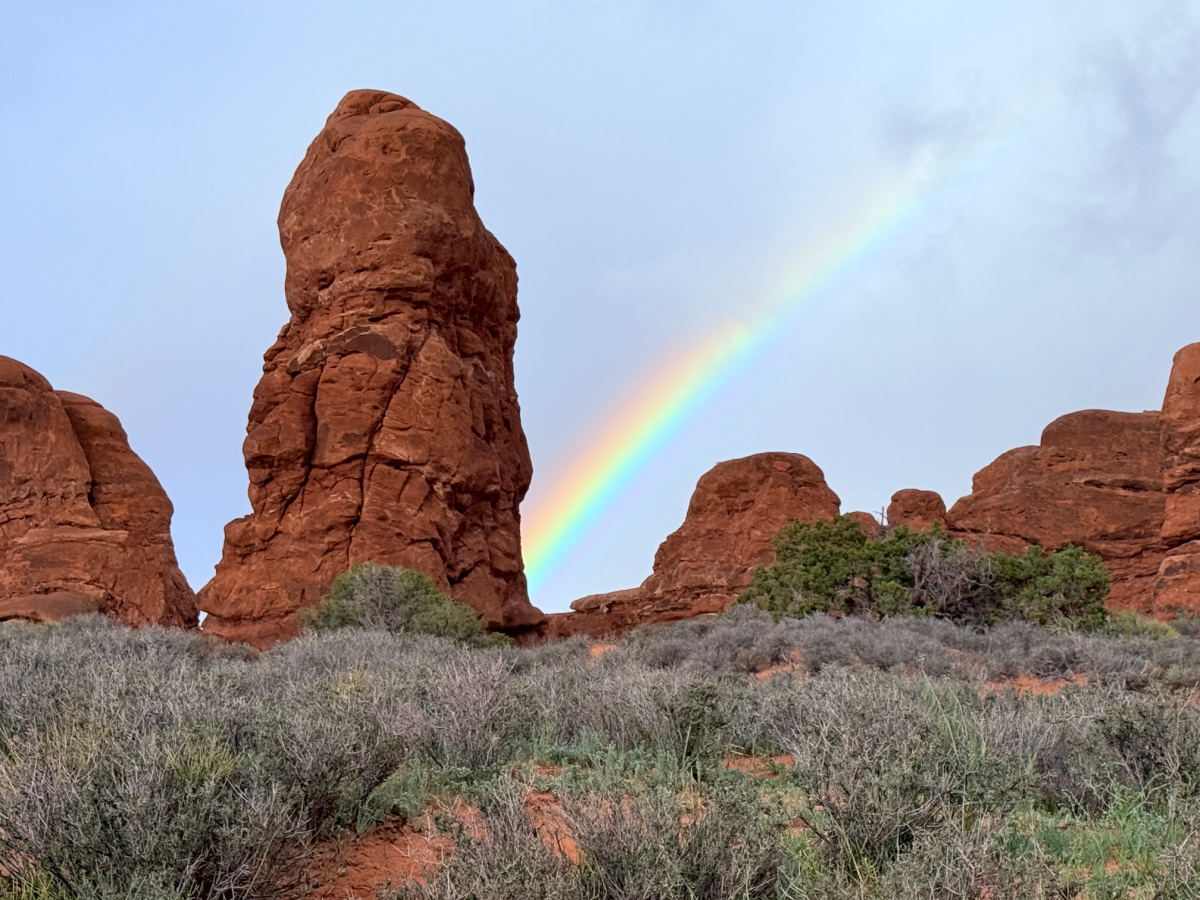
Within a short time, the clouds began breaking apart, sunlight returned, and the landscape absolutely exploded with color. The red rocks looked richer, the air felt fresh, and we were even rewarded with a beautiful rainbow.
It was a great reminder that weather in southern Utah can change quickly.
Don’t automatically write off a day because rain appears in the forecast. While safety should always come first, some of the most spectacular scenery happens immediately after a storm moves through.
25. You’ll Already Be Planning Your Return Trip
I genuinely thought this would be a one-time trip.
We’d visit the Mighty 5.
Check it off the bucket list.
Move on to the next destination.
Instead, I found myself making a mental list of return-trip ideas before we’d even finished the vacation.
More time in Zion.
Additional hikes in Capitol Reef.
Longer stays in Moab.
Exploring more around Kanab.
Seeing Bryce Canyon in a different season.
The Utah Mighty 5 has a way of doing that.
Your first trip introduces you to these incredible parks.
Your second trip lets you dive deeper.
And once you’ve seen them in person, it’s very hard not to start thinking about when you’ll come back.
Planning Your First Utah Mighty 5 Road Trip?
If all of this sounds exciting—but also a little overwhelming—you’re not alone.
Planning our own Utah Mighty 5 adventure involved researching hotels, comparing routes, tracking reservations, building itineraries, figuring out driving distances, and deciding how much time to spend in each park.
After completing our trip, I created the Ultimate Utah Mighty 5 Travel Planner to make that process easier for other travelers.
Inside you’ll find:
- A complete 10-day Utah Mighty 5 itinerary
- Lodging recommendations throughout the route
- Restaurant recommendations
- Family-friendly travel tips
The planner is designed specifically for first-time visitors who want a realistic, enjoyable trip—not an exhausting race from one park to the next.
Whether you’re flying into Las Vegas, considering a stop in Kanab, debating whether to add Page and Horseshoe Bend, or simply trying to keep all your reservations organized, it can save you hours of research.
Worthwhile Stops Beyond Utah’s Mighty 5 National Parks
One of the best things about a Utah Mighty 5 road trip is that the adventure doesn’t have to begin and end at the national park boundaries.
Southern Utah and northern Arizona are packed with incredible destinations that can easily be added to your itinerary. Some only require a couple of hours, while others are worth a full day of exploration.
If you have extra time, consider adding one or more of these stops to your road trip.
Goblin Valley State Park
Goblin Valley State Park looks like something straight out of a science fiction movie. Thousands of unusual rock formations—nicknamed “goblins”—cover the valley floor, creating a landscape unlike anything else in Utah. It’s also one of the most family-friendly stops in the region because visitors are encouraged to wander, explore, and climb among the formations.

Dead Horse Point State Park
Located near Moab, Dead Horse Point State Park offers one of the most spectacular overlooks in the American Southwest. The views of the Colorado River winding through the canyon below are every bit as impressive as many of the viewpoints inside Canyonlands National Park. If you’re already visiting Moab, this is an easy addition that rewards visitors with incredible scenery and relatively little effort.
Coral Pink Sand Dunes State Park
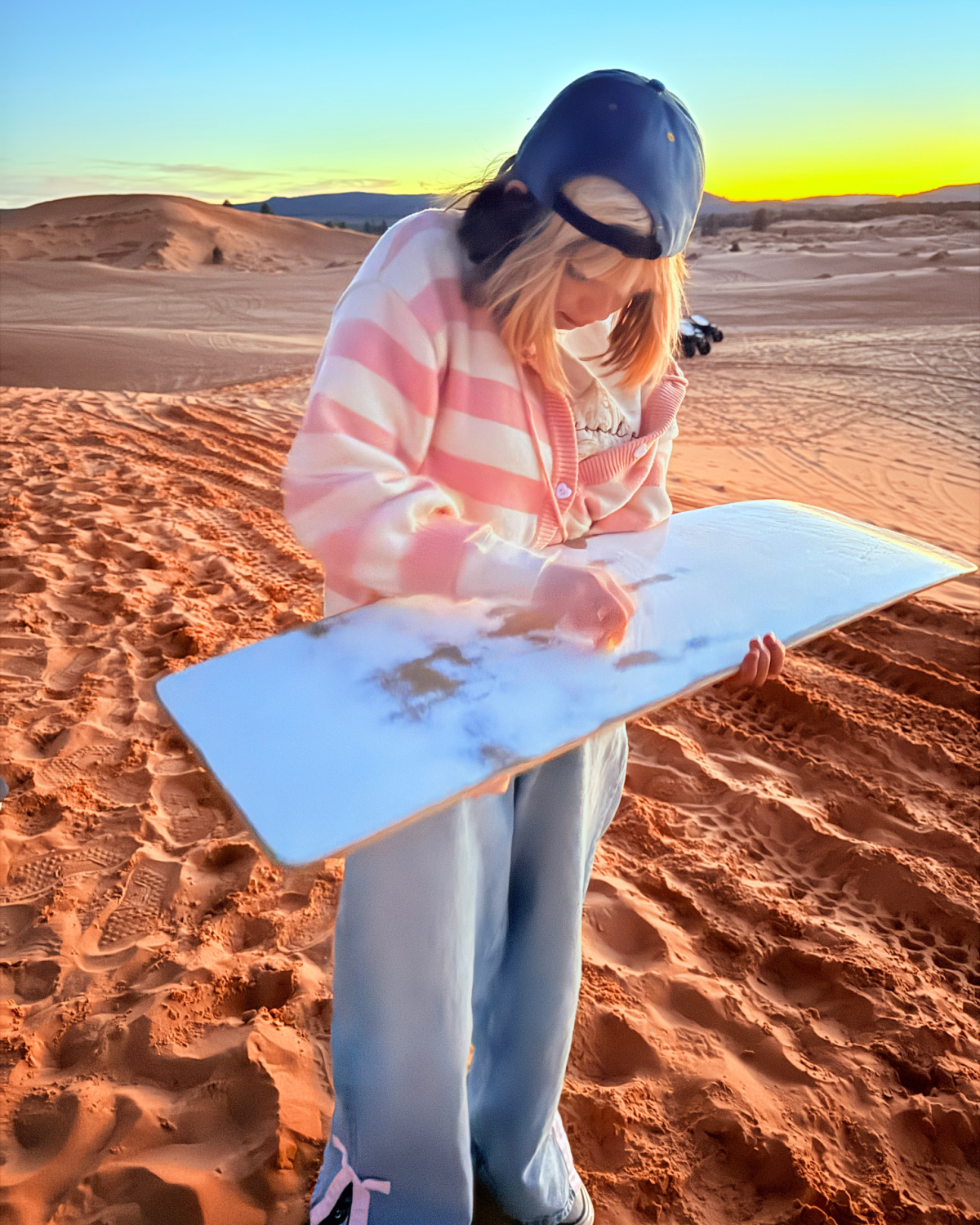
Just outside Kanab, Coral Pink Sand Dunes State Park feels completely different from the surrounding red rock landscapes. The soft pink sand dunes create a stunning contrast against the desert backdrop, and visitors can hike, photograph the dunes, or even rent ATVs and sandboards. It’s a fun stop for families and one of the most unique state parks in Utah.
Best Friends Animal Sanctuary
Animal lovers should strongly consider a visit to Best Friends Animal Sanctuary near Kanab. The largest no-kill animal sanctuary in the United States provides a home for thousands of rescued animals and offers tours, volunteer opportunities, and beautiful scenic drives through the property. Even if you’re not planning to adopt a pet, it’s a surprisingly moving and memorable experience.

Horseshoe Bend
Located near Page, Arizona, Horseshoe Bend is one of the most photographed viewpoints in the Southwest. A relatively short walk leads to a dramatic overlook where the Colorado River makes a nearly perfect horseshoe-shaped curve through the canyon below. It’s an easy stop to combine with Antelope Canyon or as part of a longer Utah road trip.

Antelope Canyon
Antelope Canyon is famous for its swirling sandstone walls, narrow passageways, and incredible light beams that appear during certain times of the year. Because it’s located on Navajo land, visitors must join a guided tour, but the experience is well worth the effort. It’s one of the most photographed slot canyons in the world and a popular extension for travelers visiting southern Utah.

Valley of Fire State Park
If you’re flying into or out of Las Vegas, Valley of Fire State Park is an excellent addition to your itinerary. Located about an hour from the city, the park features brilliant red sandstone formations, scenic drives, ancient petroglyphs, and some of the most colorful desert scenery in the Southwest. It’s often overlooked by Utah visitors, but it can easily become one of the highlights of the trip.

Final Thoughts
The Utah Mighty 5 is one of those rare trips that somehow manages to exceed expectations.
The photos are stunning.
Videos are impressive.
The hype is enormous.
And somehow, the real thing is even better.
You’ll stand on overlooks that seem impossible.
… drive roads that feel like movie sets.
Probably discover favorite parks you never expected to love.
And if your experience is anything like mine, you’ll leave southern Utah already dreaming about your next visit.
For first-time visitors, that’s probably the biggest thing I wish I’d known.
The Utah Mighty 5 isn’t just a road trip.
It’s the kind of place that keeps calling you back.
More First-Time National Park Guides You’ll Love
If you’re planning more national park adventures, these beginner-friendly guides can help you avoid common mistakes and make the most of your trip.
Yellowstone National Park for First-Time Visitors
Yellowstone is enormous, and first-time visitors often underestimate how much driving is involved. This guide covers the biggest planning mistakes, must-see attractions, and practical tips for visiting America’s first national park.
Grand Teton National Park Travel Guide
From the best viewpoints to easy hikes and wildlife watching opportunities, this guide helps first-time visitors experience the highlights of Grand Teton National Park without feeling overwhelmed.
Glacier National Park for First-Time Visitors
Glacier National Park is one of the most beautiful places in North America, but planning a trip can feel overwhelming. This guide covers Going-to-the-Sun Road, reservation requirements, easy hikes, scenic viewpoints, and practical tips for first-time visitors.
Olympic National Park Travel Guide
Olympic surprises many visitors because it contains beaches, rainforests, mountains, waterfalls, and lakes all within one park. Learn what to prioritize and how to plan a realistic first visit.
North Cascades National Park for First-Time Visitors
One of America’s least-visited national parks is also one of its most beautiful. Discover the scenic overlooks, easy hikes, and can’t-miss stops that make North Cascades worth the trip.
Mount Rainier National Park Travel Guide
Learn the best viewpoints, easiest hikes, seasonal considerations, and planning tips for visiting Washington’s iconic volcano.
Summer in Alaska: The Ultimate Travel Guide
If you love dramatic scenery, wildlife, and unforgettable road trips, Alaska should be high on your travel bucket list. This guide covers everything you need to know to start planning.