Best Things to Do in Capitol Reef National Park (Easy + Must-See Stops for 1–2 Days)

Affiliate Disclosure: This post may contain affiliate links. If you make a purchase or booking through these links, I may earn a commission at no additional cost to you.

Planning a trip to Capitol Reef? Discover the best things to do, including scenic drives, easy hikes, pie stops, and must-see viewpoints you can explore in 1–2 days.
Capitol Reef National Park is one of those places that completely surprised me.
It doesn’t have the instant wow-factor reputation of Zion National Park or Bryce Canyon National Park… but once you’re there, it quietly becomes one of your favorite stops in southern Utah.
And here’s the best part:
You don’t need multiple days or hardcore hiking to enjoy it.
In fact, most of the best things to do in Capitol Reef National Park are:
- right off the main road
- short walks or easy hikes
- quick stops with a big payoff
If you’ve got one full day (or even half a day), you can see a lot.
And honestly? That’s part of what makes Capitol Reef such a great stop on a Utah road trip. It fits perfectly between bigger, busier parks and gives you a chance to slow down a little without feeling like you’re missing anything.
Let’s walk through the best stops—in actual driving order—so you can plan a smooth, low-stress visit.
If you’re planning a full southern Utah road trip, this park fits perfectly into a bigger loop—here’s exactly how to connect it with the others in my Utah Mighty 5 itinerary.

If you want all of this mapped out day-by-day (including timing, driving routes, and realistic pacing), my Utah Mighty 5 travel planner pulls everything together into one simple plan.
Start at the Capitol Reef Visitor Center (Don’t Skip This)
The Capitol Reef Visitor Center is your first stop—and it’s worth 15–20 minutes.
This is where you:
- check current road conditions (especially dirt roads like Notom-Bullfrog Road or Cathedral Valley Loop)
- ask a park ranger about flash floods, especially for Grand Wash or Capitol Gorge
- grab a map (because service is unreliable in remote areas)

Right outside, you’ll notice:
- the Fruita area along the Fremont River
- picnic tables and a peaceful starting point
This area is the heart of Capitol Reef National Park, and it’s where most of your day will begin.
If you’re trying to time your day well, this is also a good place to ask about weather conditions and the best time to visit certain spots—especially if you’re dealing with summer heat or changing conditions.

If you want a more structured plan for your day, I break this down step-by-step in my Capitol Reef National Park itinerary.
Walk Through History: Fruita + Gifford Homestead (Yes, the Pie)
Just a minute down the main road, you’ll reach Fruita Valley.
This is where Capitol Reef feels different from other national parks. Instead of just rock formations, you’ll find a preserved slice of history:
- historic buildings from early Mormon settlers
- a one-room schoolhouse
- a blacksmith shop

These early settlers figured out how to farm this desert landscape using the Fremont River, and the orchards you see today are part of that legacy.
And then there’s the famous Gifford Homestead.
This is where you’ll find:
- fresh fruit pie
- ice cream
- simple snacks

It’s an easy stop—but it’s also one of those small moments that really sticks with you.
If you’re visiting in season, you can also pick fresh fruit in the orchards (cherries, peaches, apples depending on timing). It’s a fun break from hiking and a surprisingly great way to connect with the history of the area.

If you’re continuing your road trip toward Moab, don’t miss my Arches National Park itinerary, which focuses on the best arches you can see without long hikes.
Fremont Petroglyphs (Quick Stop, Big Impact)
A few minutes farther down the scenic road, pull over for the Fremont Petroglyphs.
This is a super short walk—more of an easy walk than a hike—and you’ll see:
- ancient carvings created by the Fremont culture
- figures etched directly into the canyon walls
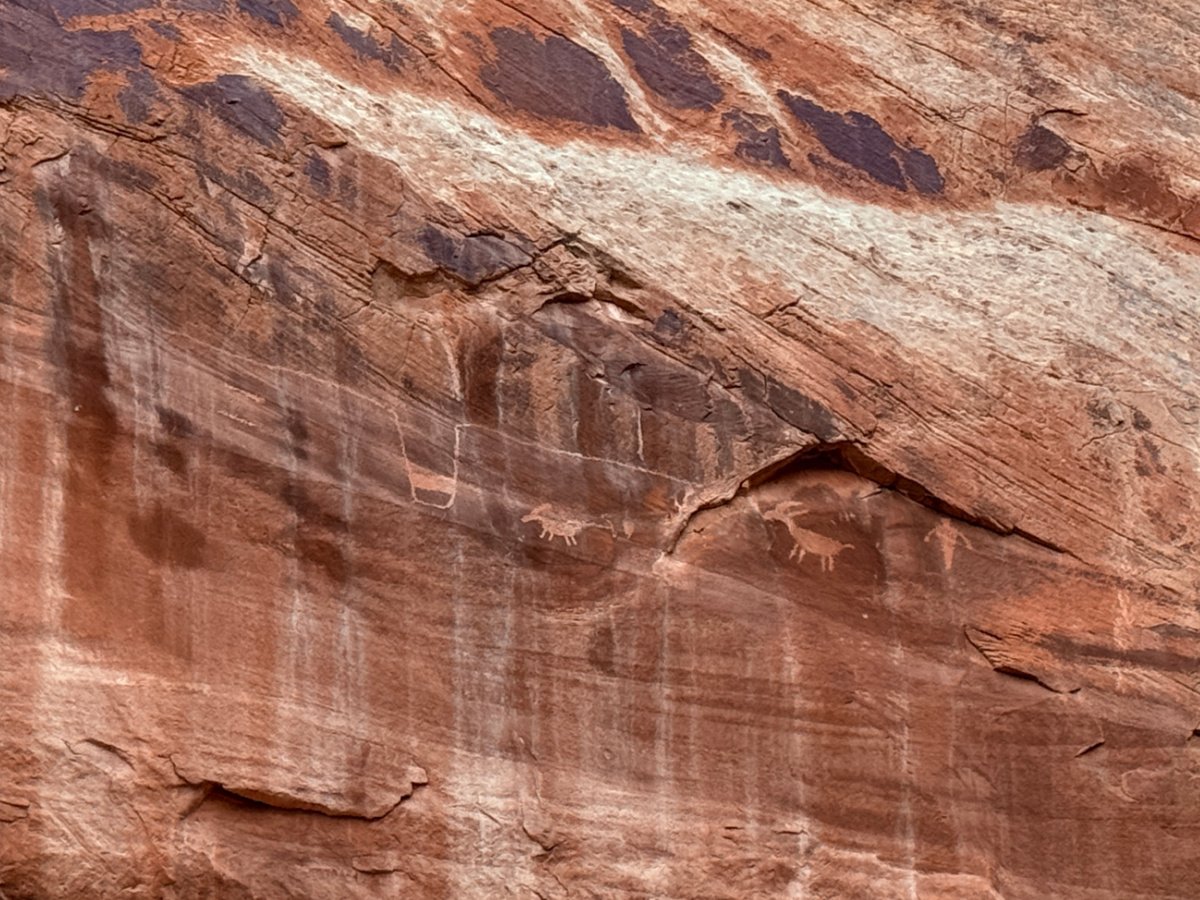
It’s worth slowing down here for a few minutes. Once you start looking closely, you’ll notice more detail than you expect.
This is one of those stops that adds depth to your visit—it’s not just about scenery, but about the people who lived here long before it became a national park.

Right next to Arches, Canyonlands National Park is another easy add-on. Here’s how to see the highlights quickly in my Canyonlands itinerary.
Hickman Bridge Trail (Best Short Hike in the Park)
If you’re only doing one hike, make it the Hickman Bridge Trail.
- about 2 miles round-trip
- moderate but manageable
- one of the best hikes for effort vs. payoff
The natural bridge at the end is impressive, but honestly, the entire trail is what makes this special—layered rock formations, views of the Fremont River, and wide-open desert scenery.
A couple quick tips:
- the parking area is small, so go early morning if possible
- expect warmer temperatures midday, especially in summer
- bring more water than you think you need
This is a great example of what Capitol Reef does really well: short hikes with big scenery and fewer crowds than other parks.

If you’re trying to keep things simple (no intense hikes or overwhelming plans), you’ll love my guide to the Utah Mighty 5 without hardcore hiking.
Grand Wash + Capitol Gorge (Choose Your Adventure)
This is where things start to feel a little more adventurous—but still very doable.
Option 1: Grand Wash Trail
Start from the Scenic Drive side and walk into a wide canyon:
- flat, sandy trail
- towering canyon walls
- great easy hike for families
If you only go partway in and turn around, it’s still worth it.

Option 2: Capitol Gorge Road + Pioneer Register
Drive the dirt road (weather permitting) to:
- the Pioneer Register, where early settlers carved their names
- a narrow canyon walk that feels almost like a slot canyon
Important notes:
- always check for flash floods
- avoid after rain or unstable weather conditions
- some sections may require careful driving depending on road conditions
This is one of the few spots in the park where you start to feel like you’re getting off the main tourist path.

If you’re adding a fun stop near Kanab, our experience at Coral Pink Sand Dunes State Park (including sandboarding and UTVs) was one of the highlights of the trip.
Capitol Reef Scenic Drive (The Backbone of Your Visit)
The Capitol Reef Scenic Drive is one of the main attractions and a great way to experience the park.
This drive follows part of the Waterpocket Fold, which is the massive geologic feature that defines Capitol Reef.
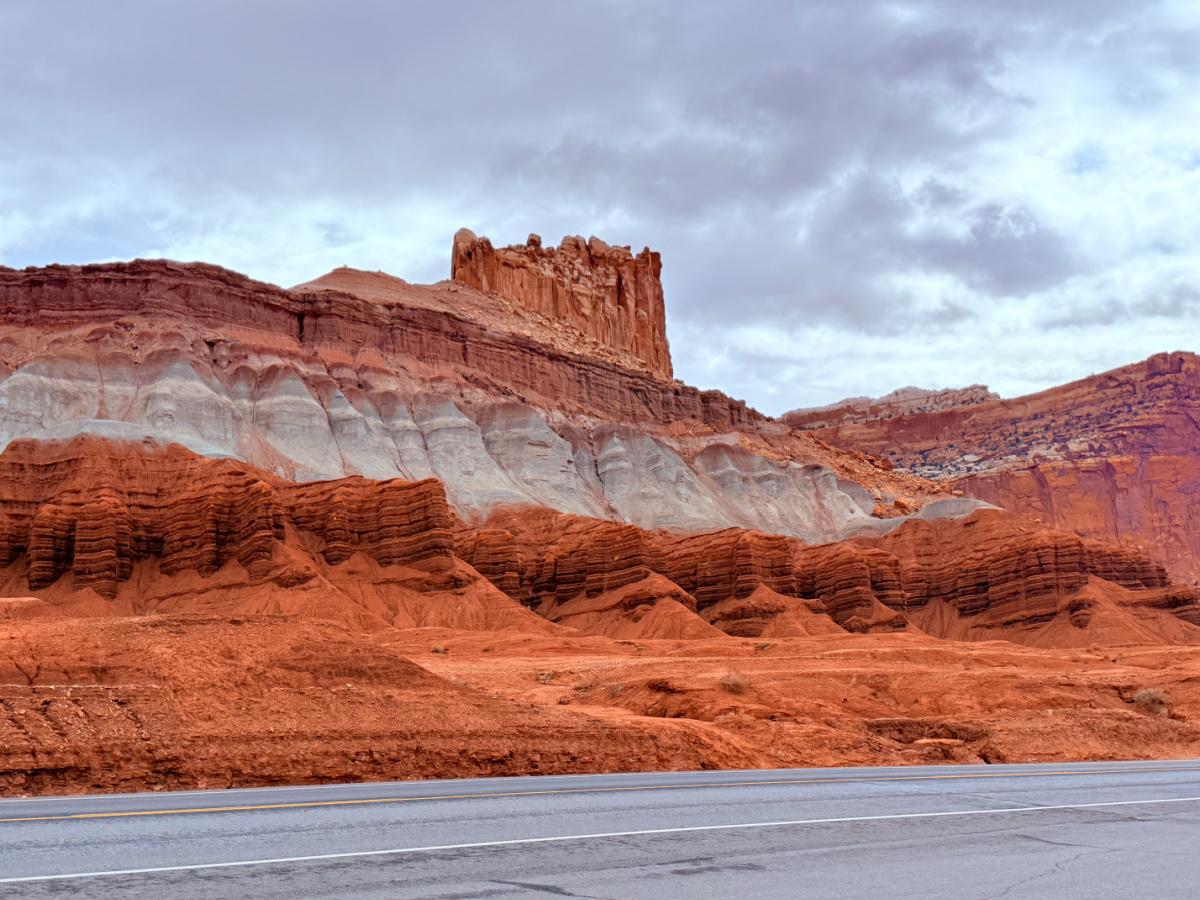
If you’re wondering what that actually means—it’s basically a giant wrinkle in the earth’s crust that runs for nearly 100 miles through southern Utah. That’s what creates the cliffs, domes, and layered rock formations you see throughout the park.
Along the drive, expect:
- colorful rock layers
- towering canyon walls
- multiple pullouts for photos and short walks
Even if you’re not doing many hikes, this scenic road gives you a really complete feel for the park.

Goosenecks Overlook, Panorama Point & Sunset Point
At the end (or near the end) of your drive, don’t miss these stops—they’re some of the best views in the park with almost no effort.
Goosenecks Overlook
- short walk from the parking lot
- dramatic canyon curves far below
- one of the most impressive viewpoints in Capitol Reef

Panorama Point
- quick stop
- wide, sweeping views of the surrounding landscape

Sunset Point
- short uphill walk
- one of the best spots for golden hour
If you time it right, this is a great place to end your day. The colors really start to glow as the sun drops lower, and it’s a much quieter experience than sunset in parks like Zion.
Optional: Moderate and More Adventurous Hikes
If you have more time (or more energy), there are a few standout hiking trails worth considering:
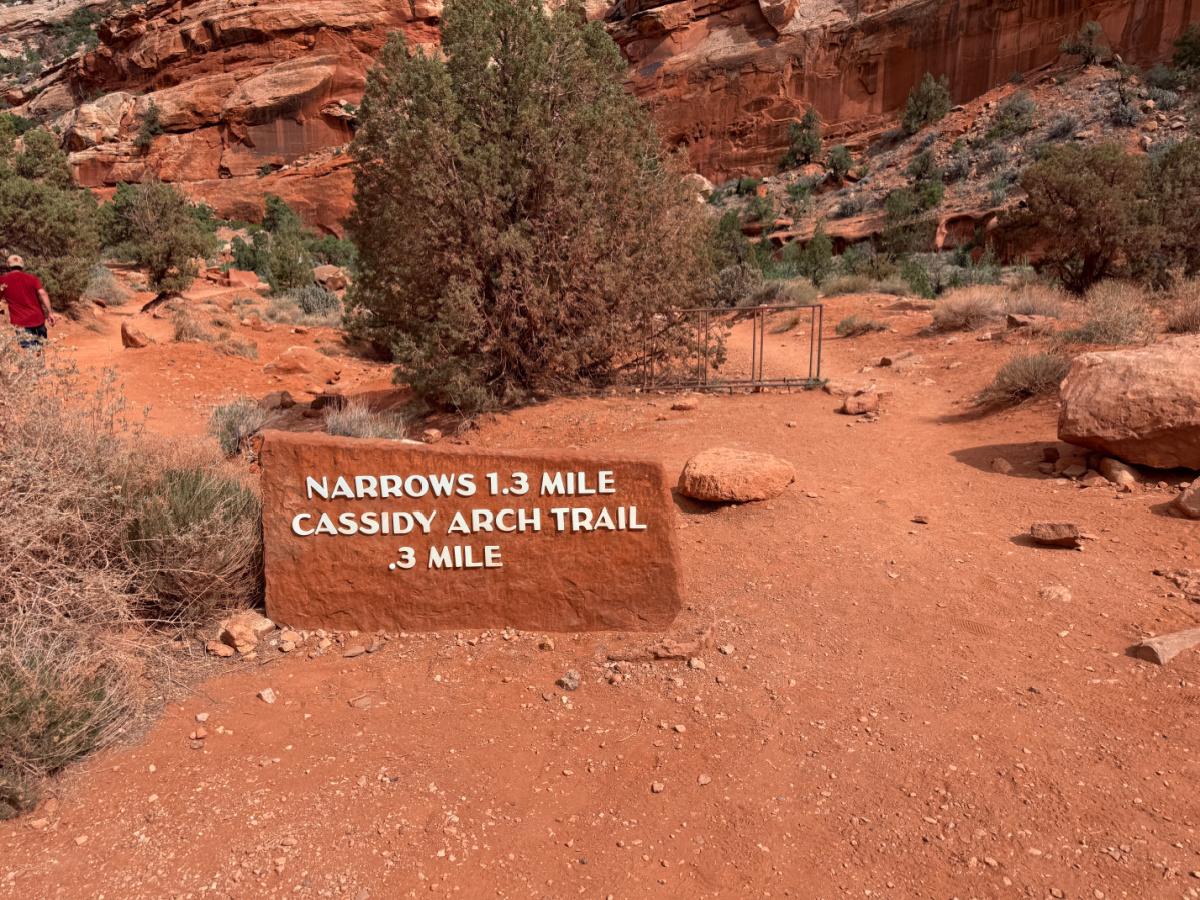
- Cassidy Arch Trail
→ longer hike, but you can actually walk on top of the arch - Cohab Canyon Trail
→ great views above the Fruita area with a moderate climb - Sulphur Creek
→ a more adventurous hike through water (conditions matter a lot)
These aren’t must-do hikes for a first visit—but they’re great options if you’re staying longer or want something a little more active.
A Few Things People Miss (But Shouldn’t)
- Fruit picking in season → one of the most unique experiences in the park
- Pioneer Register in Capitol Gorge → simple, but surprisingly interesting
- Night skies → this is a certified dark sky park, and the Milky Way can be incredible
- Nearby stops like Goblin Valley State Park or Grand Staircase-Escalante National Monument
Bottom Line: Is Capitol Reef Worth Visiting?
Yes—100%.
Capitol Reef is:
- less crowded than other Utah national parks
- easy to explore in a day
- packed with unique experiences
It’s one of those places that doesn’t scream for attention… but ends up being one of your favorite stops on a southern Utah road trip.

If You’re Planning Your Utah Road Trip
Capitol Reef fits perfectly between:
And it’s a great place to slow down a little:
- fewer crowds
- easier logistics
- a nice balance between scenic drives and short hikes