Animal Kingdom Lightning Lane Multi Pass Strategy Guide (2026)


Learn the best Animal Kingdom Lightning Lane Multi Pass strategy for 2026, including top ride priorities, Flight of Passage tips, park hopping strategy, and whether Multi Pass is worth it.
How to Use Lightning Lane Multi Pass at Animal Kingdom Without Wasting Time, Money, or Your Best Ride Windows
When it comes to using Lightning Lane Multi Pass at Disney’s Animal Kingdom, this is the park where your strategy matters… but not in the way you might expect.
At Magic Kingdom, you can use Lightning Lane Multi Pass to dramatically increase your ride count.
And at Disney’s Hollywood Studios, you often need it just to keep up with higher wait times at the most popular attractions.
Then, at EPCOT, it helps you navigate a handful of key bottlenecks and spread out your day.
But at Animal Kingdom?
👉 This is the only park where the value of Lightning Lane Multi Pass is not immediately obvious.
And that’s exactly why people get it wrong.
Some people skip it entirely and then feel like their day lacked structure. Others buy it expecting Magic Kingdom-level value and end up wondering why they didn’t get as much out of it.
👉 The truth lives in the middle.
Animal Kingdom is not about maximizing ride count. It is about flow, timing, and energy management.
And if you use Lightning Lane Multi Pass with that mindset?
👉 It can quietly become one of the smartest decisions you make all week.

Quick Snapshot: Animal Kingdom Multi Pass Strategy
If you just want the high-level strategy:
- Do you need Multi Pass? → No
- Is it useful? → Yes, in specific scenarios
- Best use case: Park hopping + convenience
- Number of major attractions: Limited (3–4 with higher wait times)
- Lightning Lane tiers? → None
- Typical price range: Lowest of all parks (~$15–$25)
Top Lightning Lane Multi Pass Priorities
- Na’vi River Journey
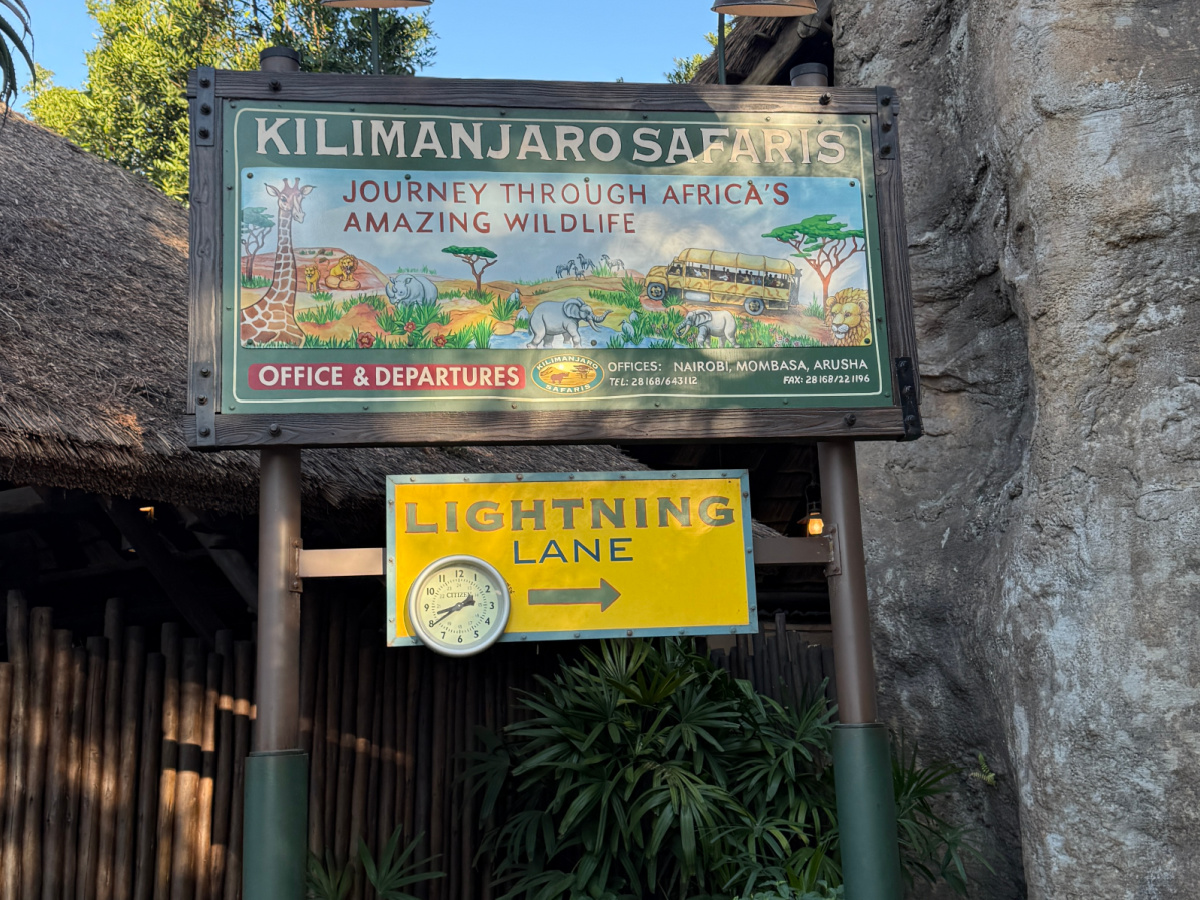
- Kilimanjaro Safaris
- Expedition Everest
Lightning Lane Single Pass Attractions
- Avatar Flight of Passage
👉 Bottom line:
This is a nice-to-have park, not a must-have park.
Related: Check out our ranking of all the rides at Animal Kingdom
Quick Refresher: How Lightning Lane Multi Pass Works
I’m not going to repeat the entire complete guide here — go read that if you need it.
But for context at Animal Kingdom:
- You can make advance reservations for 3 Lightning Lane attractions
- You select arrival windows, not exact times
- After you tap into your first ride, you can continue booking same-day availability
- Everything runs through the My Disney Experience app
👉 And this matters:
This system is less critical at Animal Kingdom because there simply are not enough rides with consistently long wait times to force a rigid plan.
The Lay of the Land: Why Animal Kingdom Is Different
Before we talk strategy, you have to understand the park.
Animal Kingdom is not built like the other Walt Disney World theme parks.
It is:
- more spread out
- less ride-dense
- more experience-driven
And that changes everything.

Related: And here are all the shows and non-ride attractions at Animal Kingdom
What Multi Pass Actually Covers
The available attractions in Lightning Lane Multi Pass include:
- Kilimanjaro Safaris
- Expedition Everest
- Kali River Rapids
- Na’vi River Journey
- Festival of the Lion King
- Finding Nemo: The Big Blue… and Beyond
- Feathered Friends in Flight
- Zootopia: Better Zoogether
👉 Notice something?
There are only a few true ride priorities.
In other words, most of the real strategy is concentrated in just a few rides, while the rest of the lineup is mostly about convenience.
What It Does NOT Cover
And this is just as important:
- Animal trails (Gorilla Falls, Maharajah Jungle Trek)
- Rafiki’s Planet Watch (soon to be Bluey’s Wild World)
- Character interactions (Kevin, Mickey and Minnie, Nick and Judy Hopps)
- Walkthrough experiences
- Street entertainment
👉 A huge portion of Animal Kingdom has no standby waits at all.
That’s why this park feels so different.

Related: Yak & Yeti is a fantastic table service option at Animal Kingdom
The Only Rides That Actually Drive Strategy
Let’s simplify this.
These are the only rides that really matter for Lightning Lane strategy.
Na’vi River Journey (Your #1 Priority)
This is the ride that causes the most friction in this park.
Why it matters
- Consistently longer standby waits
- Lower capacity
- One of the first to lose same-day availability
- Appeals to all ages
This is not the biggest thrill ride.
But it is one of the most inconvenient standby lines in Animal Kingdom.
Strategy
- Book this first
- Aim for earlier or mid-day return times
- Don’t rely on standby unless you rope drop or go late
👉 Bottom line:
If you only use Multi Pass for one ride… this is it.

Related: Tusker House is a great character buffet you can book at Animal Kingdom
Kilimanjaro Safaris (Timing Matters More Than the Line)
This is one of the most misunderstood rides in terms of strategy.
Most people think:
👉 “Skip the long line”
But the real strategy is:
👉 Get an early morning return time.
Why Morning Matters
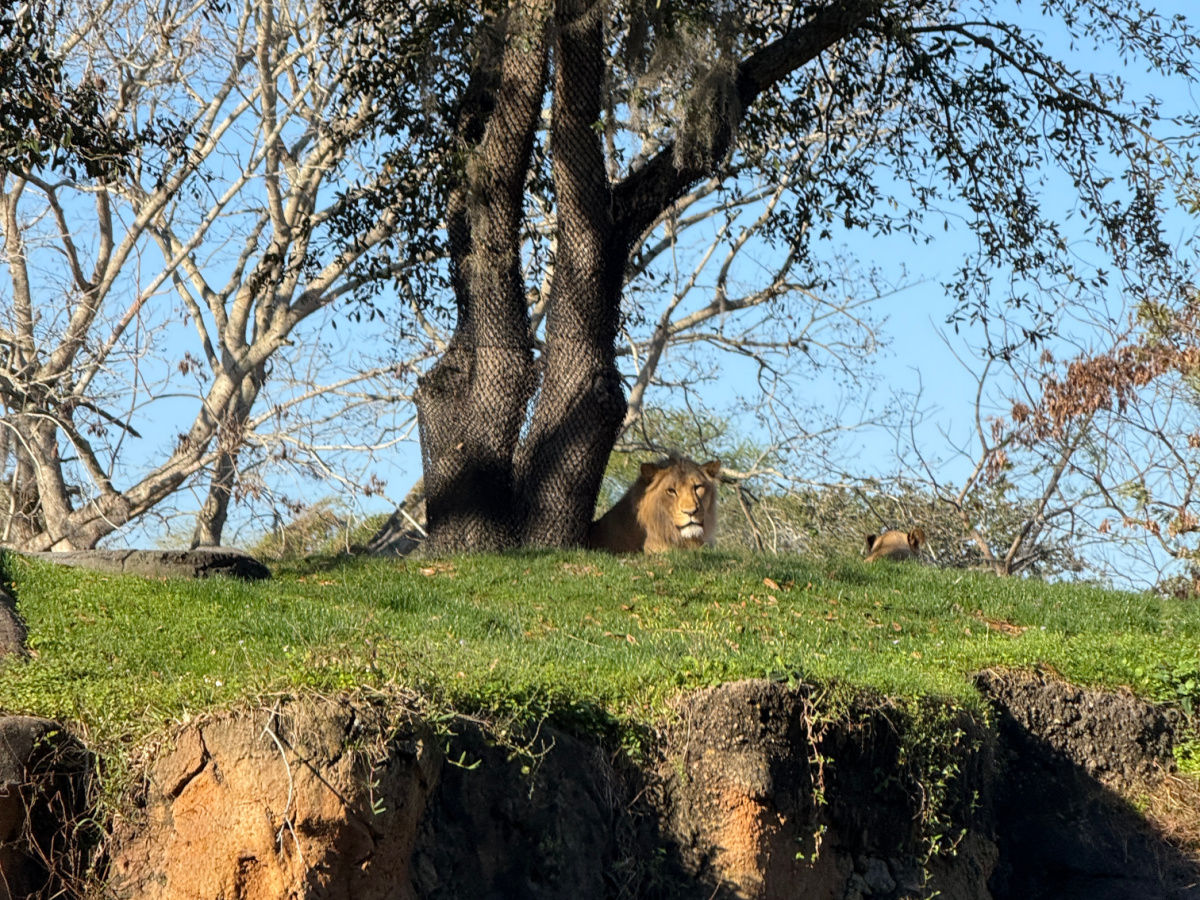
- Animals are more active
- Cooler temperatures
- Closer to feeding rhythms
- Less mid-day “resting” behavior
Yes — wait times build quickly.
But honestly?
👉 The quality of the experience is just as important as the wait.
Strategy
- Prioritize earlier return times
- Combine with early park arrival if possible
- Avoid pushing this too late into the day
👉 Bottom line:
This is about optimizing the ride experience, not just the wait.

Expedition Everest (Useful, But Not Essential)
This is your main roller coaster.
- 44” height requirement
- Single rider line available
- Wait times fluctuate
Why Multi Pass Is Optional Here
- Single rider line is a strong alternative
- Waits often drop near park close
- Easier to fit into your day than other major attractions
Strategy
- Use Multi Pass if convenient
- Otherwise:
- ride at night
- or use single rider
- ride at night
👉 Bottom line:
Nice to have… but not critical.

The Single Pass Decision: Flight of Passage
This is the one major attraction not included in Multi Pass.
👉 Avatar Flight of Passage
My Honest Take
I like buying the Single Pass here.
Not because you have to ride it…
But because that standby line?
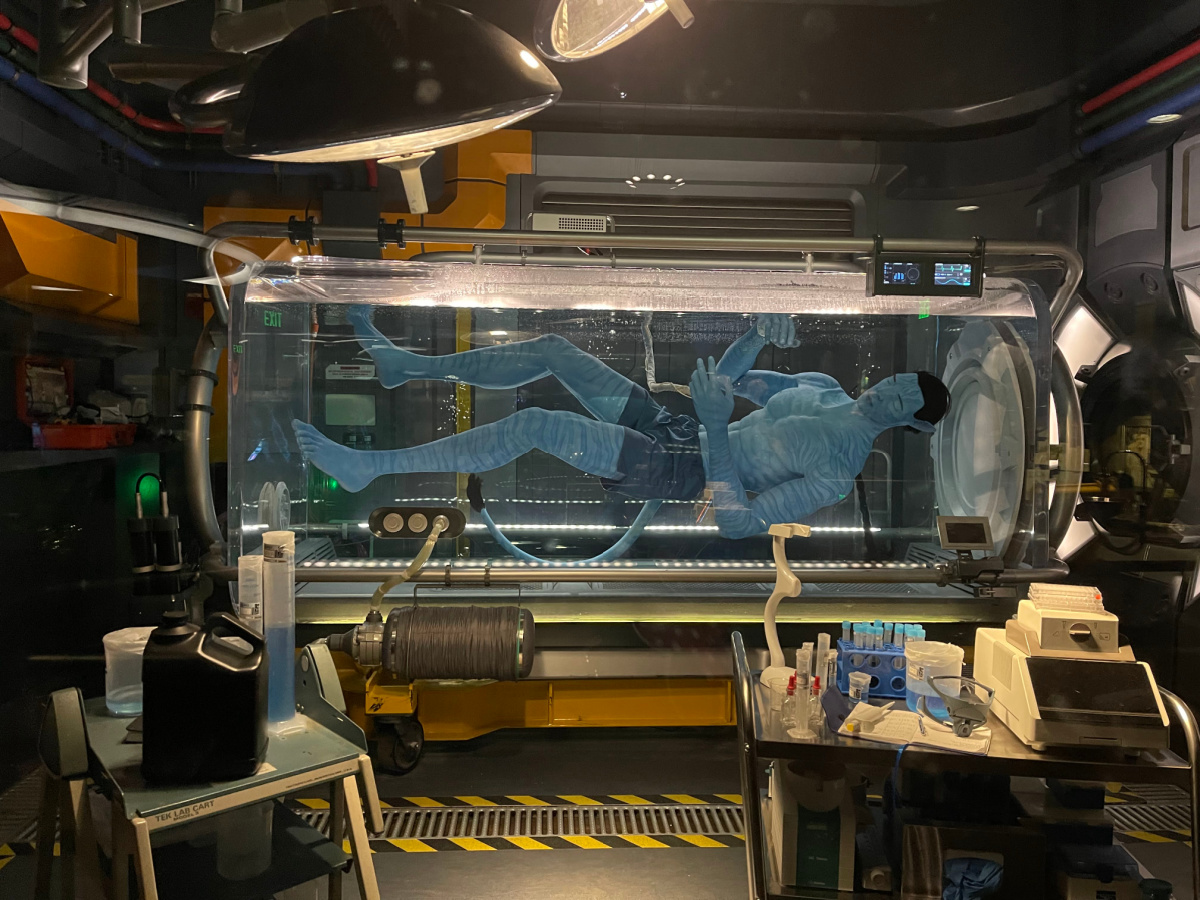
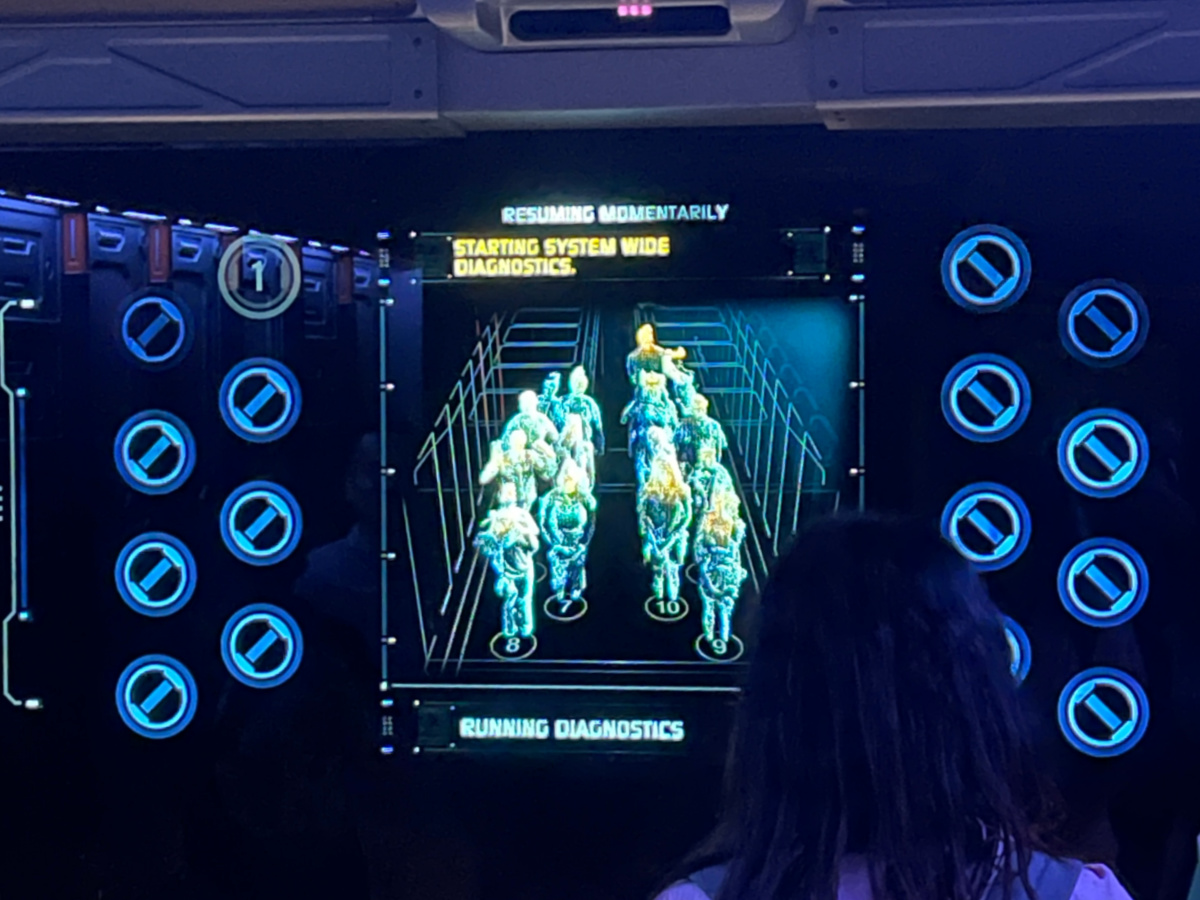
👉 It is one of the most physically draining lines in Disney.
What That Line Is Actually Like
- Long (often 75–120 minutes)
- Slow-moving
- Hard concrete floors
- Very few places to sit
- Indoor queue that loses its charm quickly
- Yes — there is a restroom halfway through
At first, it feels immersive.
Then about 10–15 minutes in…
👉 It becomes a commitment.
Your Strategy Options
Option 1: Buy the Single Pass
This is the best comfort option. It saves time, saves energy, and avoids one of the most physically draining standby waits in Disney.
Option 2: Early Entry or Rope Drop
This is the best free option if you are willing to start early.
Option 3: End of Day
- Often shorter waits
- Still not guaranteed
Here’s the extra piece most people don’t think about:
👉 At Disney, you can get in line for any ride up to 1 minute before park close and you will still be allowed to ride.
So if Animal Kingdom closes at 7:00 p.m., you can get in line at 6:59 p.m. and still experience Avatar Flight of Passage.
That makes late evening one of the best free strategies in the park.
Now… does everyone else know this too?
Yes.
So it is not always a walk-on.
But the crowd naturally thins out toward the end of the day as families leave early, head to dinner, or park hop elsewhere.
👉 Which means:
- wait times often drop
- the line moves faster
- and mentally, it’s easier to tolerate at the end of your day than the middle
👉 Bottom line:
If you skip the Single Pass, this is your best fallback strategy.
Do You Actually Need Multi Pass at Animal Kingdom?
Let’s say it clearly again:
👉 No — you do not need Multi Pass here.
But there is one important forward-looking note.
Animal Kingdom is also in a bit of a transition season right now, and that matters for future strategy.
Disney has announced major expansion plans for the park, including the Tropical Americas land expected in 2027+, which will bring multiple new attractions, including an Encanto-themed ride and an Indiana Jones attraction.
👉 When that expansion opens, the equation will likely change.
More rides = more demand = more pressure on standby lines = more value for Lightning Lane Multi Pass.
But for now?
👉 This is still the least ride-heavy park — and the least essential place to buy Multi Pass.

So Why Would You Get It?
This is where Animal Kingdom Multi Pass starts making more sense.
Reason #1: It’s a Low-Stress Day Button
This is where Multi Pass actually shines for a lot of families.
Instead of:
- checking wait times constantly
- zig-zagging across the park
- trying to optimize every move
You can:
👉 follow your Lightning Lane reservations and let the day unfold naturally.
And at Animal Kingdom, that matters more than you might think.
Why This Matters More at Animal Kingdom
This is the largest park in Walt Disney World in terms of physical size.
And you feel it.
- The walking distances are longer
- The pathways wind and curve
- There are fewer direct shortcuts
And somehow… I swear this is true…
👉 It always feels like you are walking slightly uphill.
Add in:
- heat
- humidity
- less shade in certain areas
And suddenly…
👉 Backtracking becomes exhausting.
How Multi Pass Helps
Lightning Lane helps you:
- move in a more logical direction
- avoid unnecessary crisscrossing
- keep a smoother pace
- reduce physical fatigue over the day
Instead of:
👉 “Let’s run back across the park before this wait gets worse”
You get:
👉 “We’ll hit this when our arrival window opens.”
Bottom line:
At Animal Kingdom, Multi Pass is less about saving time…
👉 and more about saving energy.
Reason #2: It’s the Cheapest Buy-In
Animal Kingdom is usually the lowest-priced Lightning Lane Multi Pass park.
That matters on its own, but it matters even more if you have the park hopper option. Because then you can buy in at the lower Animal Kingdom price and still get much better value later in a more expensive park.
That is the sneaky part.
You are not just buying Multi Pass for Animal Kingdom. You are buying in cheap and then using it hard somewhere else.
Reason #3: The Park Hopping Advantage
This is the part most people miss, and it is where Animal Kingdom gets unexpectedly strategic.
Why Animal Kingdom Is the Perfect Starting Park
Most regular operating days:
- Animal Kingdom opens → 8:00 a.m.
- Hollywood Studios / EPCOT → 9:00 a.m.
And while Magic Kingdom sometimes opens at 8:00 a.m. during busy seasons…
👉 Animal Kingdom is still one of the most consistent early-opening parks.
The Critical Rule
You cannot tap into Lightning Lane rides during early entry.
But you can tap in right at official park opening.
What That Unlocks
At 8:00 a.m.:
- You tap into your first Lightning Lane
- That triggers your ability to book your next reservation, including all Tier 1 attractions in other parks
And here’s the advantage:
👉 You are now booking rides in other parks before those parks even open.
Why This Is a Big Deal
At 9:00 a.m.:
- Everyone entering Hollywood Studios is trying to book Slinky Dog Dash
- Everyone entering EPCOT is trying to book Remy or Test Track
But you?
👉 You’re already in the system.
Real Strategy Flow
A strong day might look like:
- 8:00 a.m. → Tap into first Animal Kingdom ride
- 8:05 a.m. → Book a major attraction at your next park. Rinse and repeat. You could easily ride 2 or more Animal Kingdom rides before 9am.
- Late morning → Finish Animal Kingdom
- Afternoon → Park hop
- Evening → Use stacked Lightning Lanes
When This Works Best
- Moderate crowd levels
- Non-holiday weeks
- Guests staying on-site
- Flexible schedules
When It Gets Harder
- Peak season
- Limited same-day availability
- High demand rides already gone early
👉 Bottom line:
You are not really buying Animal Kingdom Multi Pass for Animal Kingdom.
👉 You are buying an early access advantage for the rest of your day.
Related: The best rides at Hollywood Studios
Combining Early Entry and Multi Pass for Extreme Efficiency
Early entry still matters here. Just not in the way people often describe it.
You are not using early entry to tap into a Lightning Lane before park open. You are using early entry to position yourself so that the moment official opening hits, your day starts firing on all cylinders.
Maybe you use early entry to get yourself into Pandora. Or perhaps you rope drop something else. And maybe you just put yourself in a better physical position to keep the morning moving.
Then at 8:00 a.m., you tap into your first Lightning Lane. Once that happens, you can start working the system.
That is the key.

Related: The best rides at Magic Kingdom
Attractions I Would Not Prioritize with Multi Pass
I would not buy Multi Pass mainly for the shows.
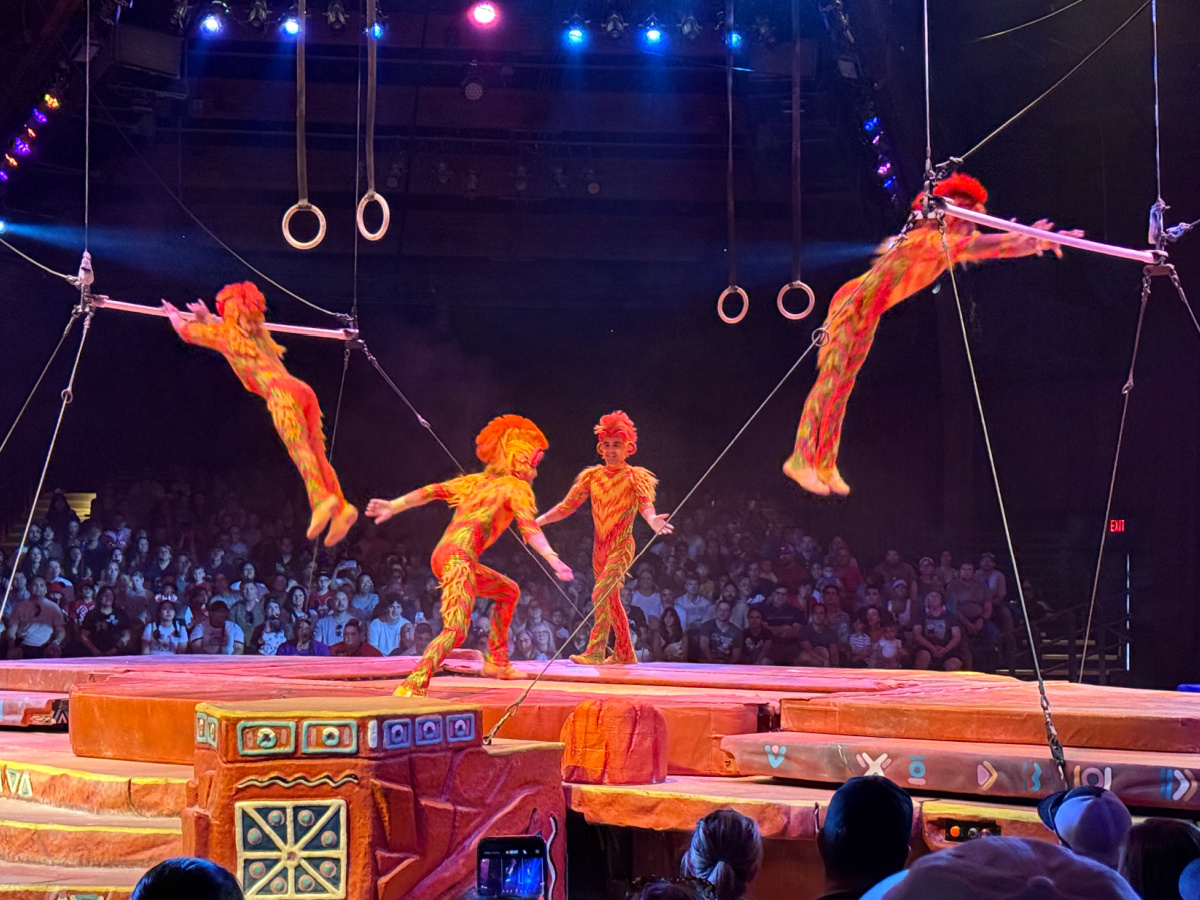
Festival of the Lion King is excellent. Finding Nemo is excellent. Feathered Friends in Flight is fun. Better Zoogether may matter more now because it is a new experience and curiosity can drive demand.
But in general, if you are buying Multi Pass for Animal Kingdom, the shows should be your filler reservations, not your reason.
These can be helpful if you want guaranteed seating or you want to lock in a cleaner schedule. But they are not the core value.
I also would not stress too much about booking Expedition Everest through Multi Pass if you are willing to use single rider or ride close to park close.
And a note on Kali River Rapids. Yes.. it’s a ride. It’s a ride I kind of don’t like, because there isn’t much to it and you will get super soaker wet. This could be fun if it’s August in Florida. But unless you have brought a change of clothes.. buyer beware. I personally would never use a lightning lane for this attraction. But that’s just me.

When Lightning Lanes Sell Out
Typical day:
- Na’vi River Journey → first to go
- Everything else → flexible
Peak days:
- Na’vi goes earlier
- Safaris can tighten
👉 Still one of the most forgiving parks.
Case Studies (Real Strategy in Action)
This is the part most people care about—what this actually looks like in real life. Let’s walk through a few real park days and how the strategy played out.
Case Study #1: Animal Kingdom → Magic Kingdom
This is one of my favorite real-world examples of how this strategy plays out.
Because on paper, starting your day at Animal Kingdom and ending at Magic Kingdom might not seem like the obvious choice.
Most people instinctively want to start at Magic Kingdom.
But when you flip that approach?
👉 You get a massive strategic advantage.
In my full Magic Kingdom guide, I walk through this entire day step-by-step. But here’s the key takeaway version of what happened.
What happened
- Started at Animal Kingdom instead of Magic Kingdom
- Tapped into that first Lightning Lane as early as possible
- Did everything.. and I mean everything at Animal Kingdom. We even stayed for extended evening hours.
- Began booking Magic Kingdom rides in the late afternoon to stack for an evening park arrival.
Why it worked
- We didn’t rush Animal Kingdom—we actually enjoyed it
- We saved our “ride push” for later in the day
- Even showing up to Magic Kingdom at 9 p.m., we still rode TRON and saw the parade
👉 Takeaway:
You can have a slow, full Animal Kingdom day and still pull off a high-value night at another park. That’s the real power of this strategy.

Case Study #2: Hollywood Studios → Animal Kingdom
This is the flip side of the strategy — and just as important to understand.
Because while Animal Kingdom is an excellent starting park…
👉 It is also one of the easiest parks to finish your day.
In my Hollywood Studios guide, I break this down in detail through my friend’s experience. But the short version is this:
What happened
- Started the day at Hollywood Studios, where Lightning Lane pressure is much higher
- Used the more reservation-intensive park first
- Park hopped to Animal Kingdom later and rode most of what mattered without much stress
Why it worked
- Animal Kingdom usually softens later in the day
- The park empties earlier than Magic Kingdom or EPCOT
- There are fewer major attraction bottlenecks competing for attention
Takeaway
Animal Kingdom is flexible on both ends. It can help you get ahead at the start of the day, or it can be the easy, low-pressure finish after a harder first park.
Related: Want to stay at Animal Kingdom Lodge? Check out this full review
Case Study #3: Real Day (Crowded + Late Start)
This is the one that really matters.
Because it is easy to create a perfect ideal strategy day on paper.
It is much harder to show how this actually works on a messy, real-world park day.
The Context
- January 21st
- Supposed to be a lower crowd day
- Ended up being one of the busiest Animal Kingdom days I’ve seen
- Walkways were packed
- Lines were long
- It was hard to move in certain areas
And…
👉 We didn’t even enter the park until 11:31 a.m.
So this is not a rope drop success story.
This is a “we’re already behind and it’s crowded” kind of day.
Step 1: Don’t Panic — Ease Into the Park
11:31 a.m. — Entered park
Instead of rushing to a major attraction with a long standby line…
👉 We started with Discovery Island Trails.
Why?
- No wait
- Immediate value
- Let the crowd move ahead of us
- Set a calmer tone for the day
👉 This is a very Animal Kingdom move.
Step 2: Use Standby Where It Makes Sense
11:43 a.m. — It’s Tough to Be a Bug (standby.. and now replaced with Zootopia: Better Zoogether)
- Short wait
- Easy win
- No need to waste a Lightning Lane
👉 This is exactly how you stretch Multi Pass value.
Step 3: First Strategic Lightning Lane
12:11 p.m. — Kilimanjaro Safaris (LL #1)
On a slammed day:
- Safaris can have higher wait times
- Midday standby can feel long and hot
Using Lightning Lane here:
- avoided a long wait
- kept momentum going
- gave us a great experience without stress
Step 4: Lean Into What Animal Kingdom Does Best
From here, we shifted away from rides and into experiences:
- Gorilla Falls Exploration Trail
- Train to Rafiki’s Planet Watch
- Animation Experience (2:13 p.m.)
👉 Zero wait
👉 High value
👉 No Lightning Lane needed
This is where people who over-prioritize rides miss the point of this park.
Step 5: Midday Reset (Food + Flexibility)
2:51 p.m. — Lunch at Harambe Market
Then:
- Maharajah Jungle Trek (3:07 p.m.)
- Ice cream stop (3:30 p.m.)
👉 This is not lost time.
This is:
- pacing
- energy management
- enjoying the park
Step 6: Second Lightning Lane — Right Timing
3:59 p.m. — Expedition Everest (LL #2)
Did we need Lightning Lane here?
No.
But it fit perfectly into our flow.
👉 That’s the key.
Step 7: Shows Become Valuable on Busy Days
5:10 p.m. — Festival of the Lion King (LL #4)
This is where Multi Pass quietly shines.
On a crowded day:
- show lines build
- seating fills
- timing matters
Lightning Lane gave us:
- guaranteed entry
- better timing
- less stress
- And a preferred (relatively speaking) seat
Step 8: Save the Most Annoying Line for Lightning Lane
6:00 p.m. — Na’vi River Journey (LL #3)
Perfect use.
- This ride gets long waits
- Not worth a 60+ minute standby line for most people
Step 9: End Strong
6:23 p.m. — Dinner at Satuli Canteen
6:45 p.m. — Flight of Passage (Single Pass)
And this is where that earlier decision paid off.
👉 No exhausting standby line
👉 Finished the day on a high note
Why This Day Worked (Even When It Was Packed)
- Didn’t try to win the park
- Used Lightning Lane for the right rides
- Let low-wait experiences fill the gaps
- Managed energy, not just time
👉 Final Takeaway from This Case Study:
Even on one of the busiest days…
Even with a late start…
👉 You can still have a full, relaxed, high-value day at Animal Kingdom.
That’s what good strategy actually looks like.
Related: Have you thought about doing the Wild Africa Trek? Check out our experience!
FAQ
Is Lightning Lane Multi Pass worth it at Animal Kingdom?
Usually not as a necessity. Yes as a convenience purchase or as part of a larger park hopping strategy.
If you are doing a single day at Animal Kingdom and you are comfortable with early entry, rope drop, standby waits, and a flexible pace, you can absolutely skip it. But if you want a cleaner schedule or want to use Animal Kingdom as your early starting park before hopping, it becomes much more interesting.
What are the most important attractions to book first?
Na’vi River Journey, Kilimanjaro Safaris, and Expedition Everest.
If I had to rank them, I would usually start with Na’vi River Journey because same-day availability can disappear sooner, then Safaris because timing matters so much, then Everest because it is useful but also easier to work around.
Do I need the Single Pass for Flight of Passage?
Need? No. Like? Yes.
If your feet, back, patience, or general tolerance for long indoor concrete queues is limited, this is one of the better Single Pass purchases in Walt Disney World. Rope drop and end-of-night standby are both valid alternatives, but the separate Lightning Lane for Flight of Passage is a very understandable splurge.
Are the shows worth reserving?
Only after you have secured the rides that matter more.
Festival of the Lion King and Finding Nemo are both terrific, and Better Zoogether may stay popular as a new show, but I would treat those as nice filler picks, not core value.
Does Animal Kingdom have Lightning Lane tiers?
No. Animal Kingdom does not use lightning lane tiers for Multi Pass, which means you can choose the rides you actually want rather than being boxed into one high-demand pick plus lower-value extras.
What tends to sell out first?
Usually Na’vi River Journey. On busier days, Kilimanjaro Safaris can also get tighter, especially earlier return windows.
Is this a good park for first-time visitors to buy Multi Pass?
Only if they understand what they are buying. If a first visit family thinks they are getting Magic Kingdom-style value here, they may be disappointed. If they understand that this is about comfort, timing, and potentially a stronger park hopper day, then yes, it can still make sense.

Related: You can chill out with some great eats at Nomad Lounge
Final Thoughts: My Honest Bottom Line
If all you care about is whether Lightning Lane Multi Pass is necessary at Animal Kingdom, the answer is no.
If all you care about is whether it can still be useful, the answer is yes.
This is the least essential Multi Pass purchase in Walt Disney World. There simply are not enough rides with punishing waits to make it feel mandatory, and Animal Kingdom is a park that rewards wandering, exploring, snacking, and enjoying the details.
But that does not make it a bad buy.
It can be a very smart buy for the right person. If you want to reduce friction, lock in your timing, avoid a few longer waits, and protect your energy, there is real value here. And if you want to buy in at a lower price and then use that early Animal Kingdom opening to start stacking another park, the strategy gets even better.
So my recommendation is simple: if you are doing Animal Kingdom as a single park day and want to save money, skip it. Use early entry or rope drop, buy the Flight of Passage Single Pass only if that line sounds miserable to you, and enjoy the park.
But if you are doing a park hopper day, especially one that starts at Animal Kingdom and ends at Magic Kingdom, EPCOT, or Disney’s Hollywood Studios, this is where Multi Pass gets really interesting.
That is the sweet spot.