
How Many Days Do You Need at the Grand Canyon?

Affiliate Disclosure: This post may contain affiliate links. If you make a purchase or booking through these links, I may earn a commission at no additional cost to you.
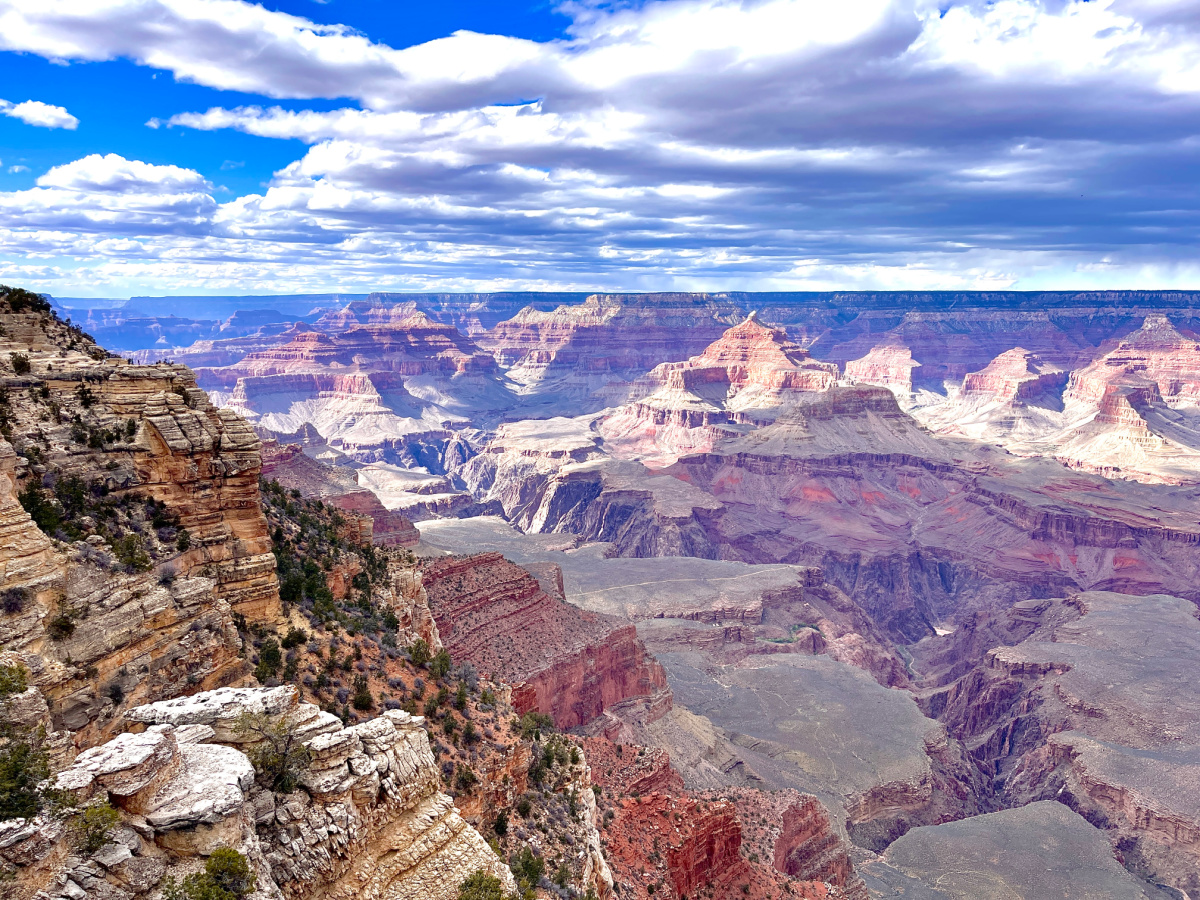
Wondering how many days you need at the Grand Canyon? See what you can realistically do in 1, 2, 3, or more days at the South Rim.
Estimated reading time: 17 minutes
If you are planning your first trip to the Grand Canyon, one of the biggest questions is probably this:
How many days do you actually need?
For most visitors to the South Rim, I think two full days is the sweet spot.
One day is absolutely enough to have a really good visit. You can see iconic viewpoints, explore the Visitor Center area, choose either a short hike below the rim or the Hermit Road viewpoints, and watch the sunset.
But two full days gives you something even better.
Time.
Time to slow down at the viewpoints.
Time to hike without constantly checking your watch.
Time to explore both Hermit Road and Desert View.
Time to see the canyon at sunrise and sunset from different places.
And time to add something fun like a helicopter tour, mule ride, guided bike tour, or sightseeing excursion without sacrificing the rest of your trip.
If you are not planning a serious backpacking trip or a long hike below the rim, I would plan on two days at the Grand Canyon South Rim.
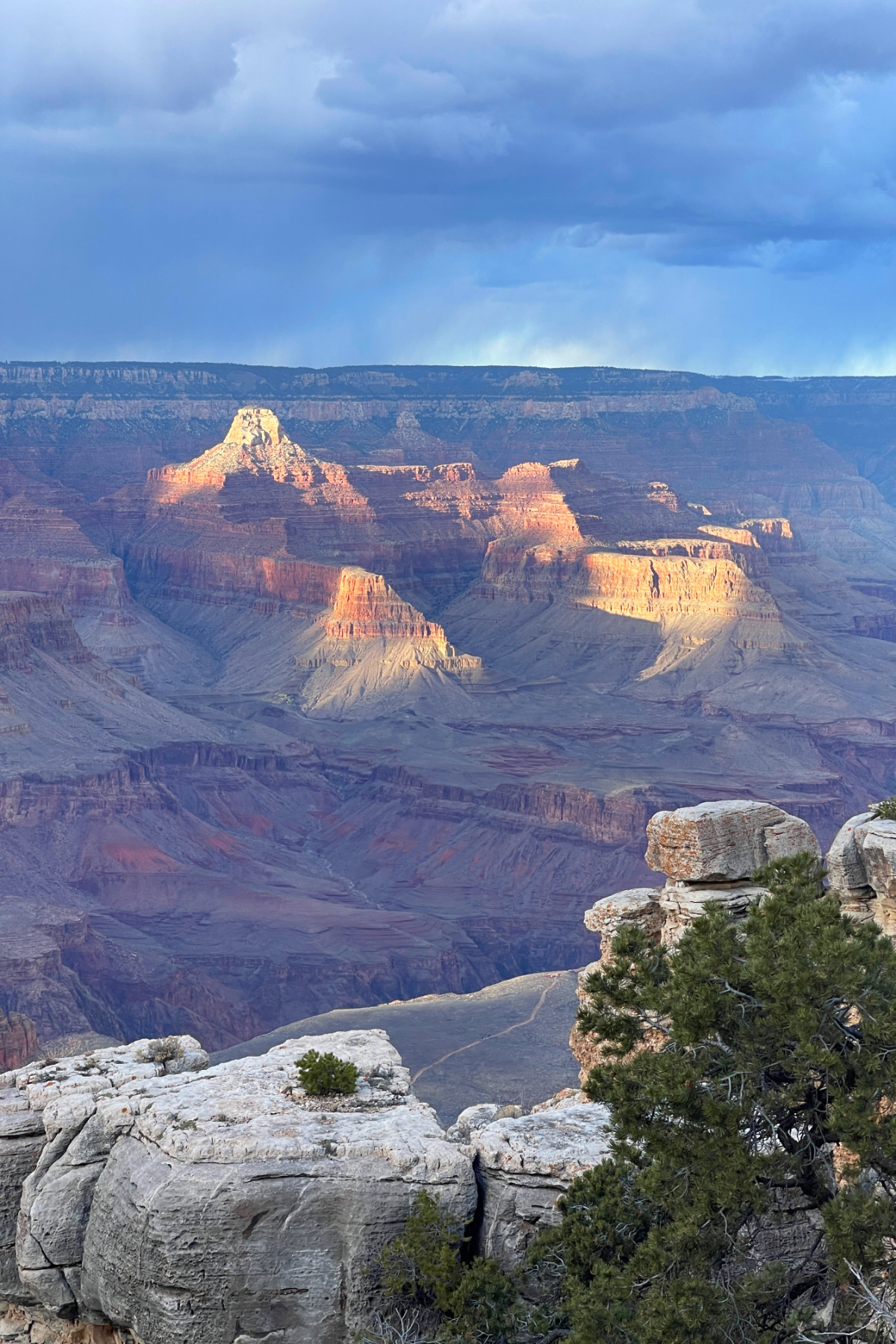
Quick Answer: How Many Days Should You Spend at the Grand Canyon?
Here is the simple version.
A few hours: Enough to see the canyon, but it will feel more like a stop than a trip.
One full day: Enough for a very good Grand Canyon experience.
Two full days: Ideal for most first-time visitors.
Three days: Great if you want a slower pace, more hiking, or an extra tour or excursion.
Four days or more: Usually best for serious hikers, backpackers, photographers, or travelers who intentionally want a very slow Grand Canyon vacation.
For most families and casual travelers, I would choose two full days.
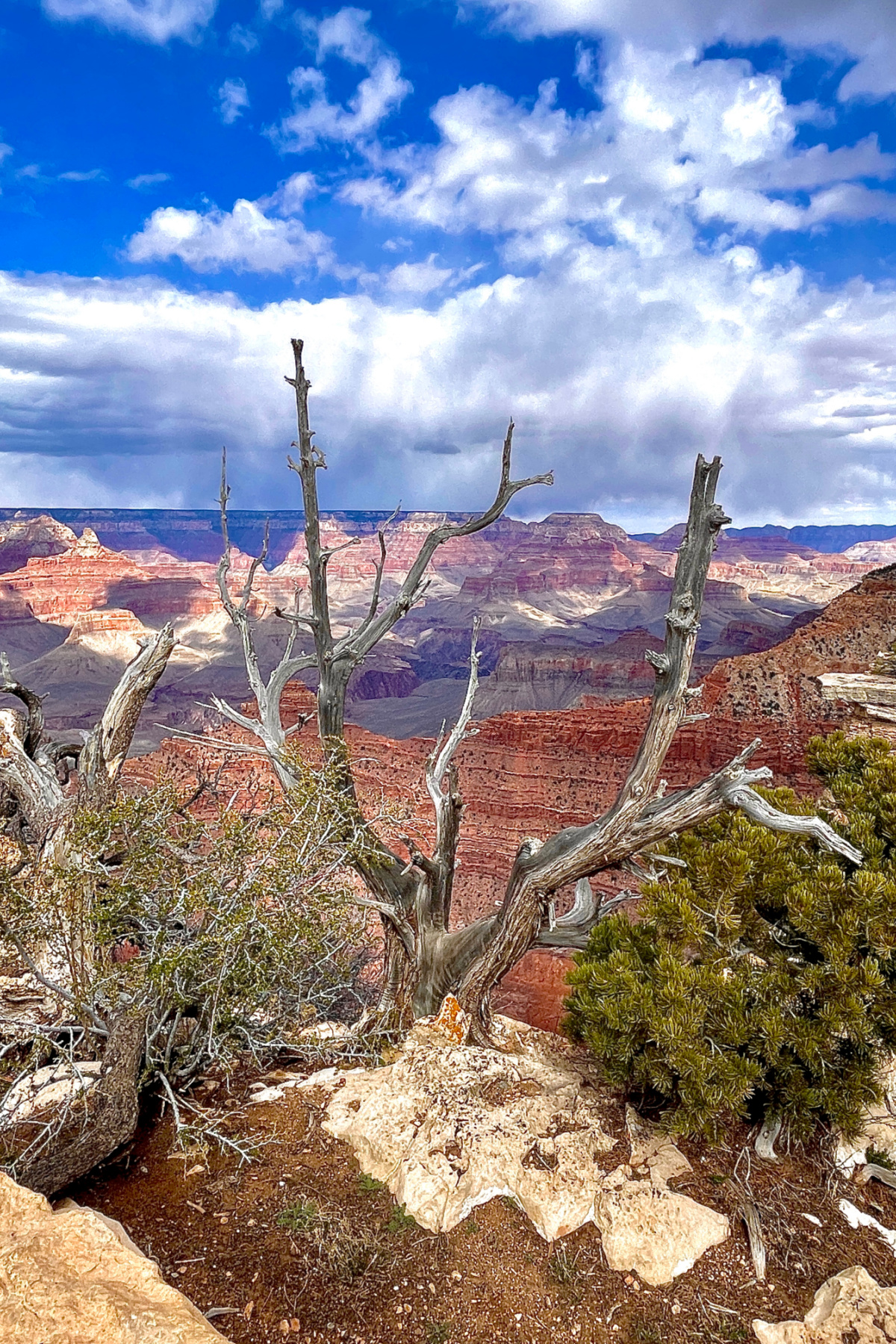
Can You Visit the Grand Canyon in Just a Few Hours?
Yes.
But I would only do this if your schedule absolutely requires it.
If you have just a few hours at the South Rim, you can still see some incredible scenery.
You could stop at Mather Point, visit the Grand Canyon Visitor Center, walk a short section of the Rim Trail, and maybe grab a quick meal before continuing your road trip.
You will absolutely understand why the Grand Canyon is famous.
But you will not really have time to experience much beyond that first impression.
A short visit works if the Grand Canyon is a stop between destinations.
It is not what I would recommend if the Grand Canyon is one of the main reasons for your trip.
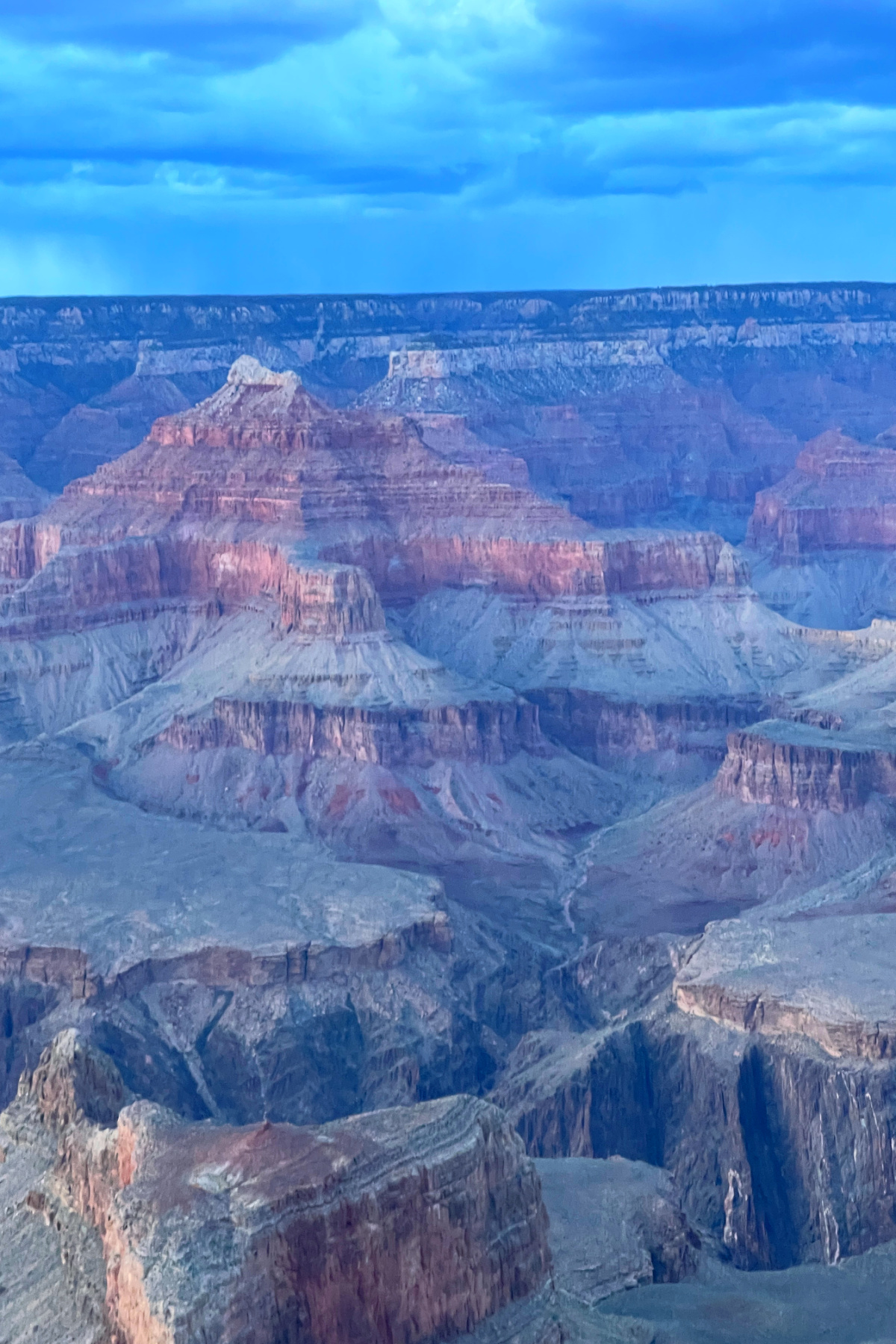
Is One Day Enough at the Grand Canyon?
Yes.
One full day at the Grand Canyon can be excellent.
If one day is all you have, I would still go without hesitation.
You can see Mather Point and the Visitor Center, choose one major experience like the South Kaibab Trail to Ooh Aah Point or the Hermit Road viewpoints, and still have time for sunset and dinner.
Depending on when you arrive and where you stay, you may even be able to catch sunrise the next morning.
I have an entire guide to spending one day at the Grand Canyon South Rim, including two different ways to structure your visit depending on whether you arrive that morning or the afternoon before.
That is the guide I would use if you are working with a true one-day itinerary.
The important thing is to accept that one day requires choices.
You probably will not have time to hike to Ooh Aah Point, explore all of Hermit Road, drive Desert View Drive, take a helicopter tour, see sunset, and leisurely explore Grand Canyon Village.
And that is okay.
You do not need to see everything to have an amazing Grand Canyon trip.
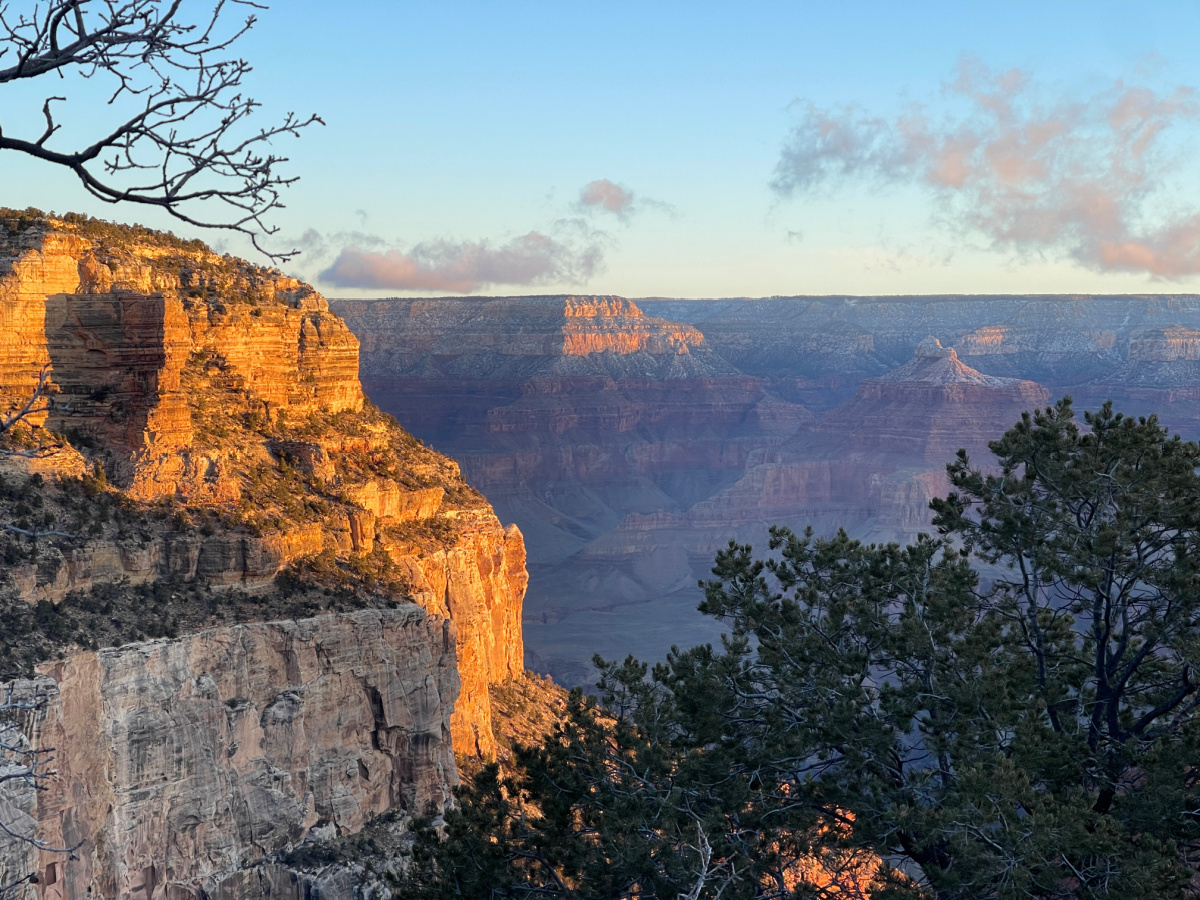
Why Two Full Days Is the Sweet Spot
Two days changes the entire feel of the trip.
Instead of trying to squeeze the major areas of the South Rim into one long day, you can divide them naturally.
You can spend part of one day hiking below the rim.
You can spend a few hours exploring Hermit Road.
You can drive Desert View Drive and actually stop at the viewpoints instead of racing toward the end.
You can see sunrise and sunset from different locations.
You can have a nice meal without feeling like you are sacrificing sightseeing time.
And you still have room for one extra experience.
That is why I think two full days is ideal for most first-time visitors.
It gives you enough time to experience the Grand Canyon without turning the trip into a marathon.
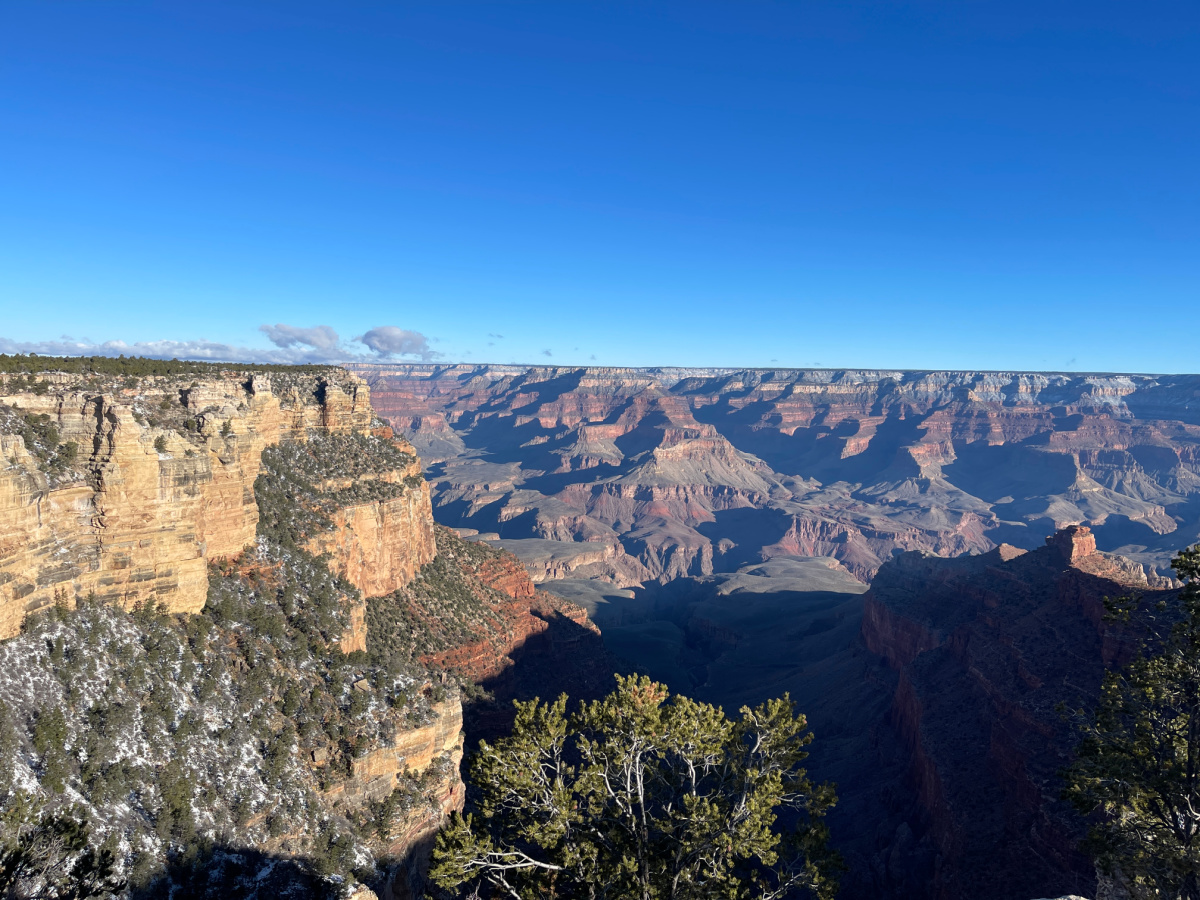
What Can You Do With Two Days at the Grand Canyon?
With two full days, you can realistically fit in all of the major South Rim experiences that most casual visitors will care about.
That includes:
- Mather Point and the Grand Canyon Visitor Center
- Grand Canyon Village
- A hike to Ooh Aah Point on the South Kaibab Trail
- The Hermit Road viewpoints
- Desert View Drive
- Desert View
- At least one sunrise
- At least one sunset
- A nice dinner at El Tovar
- One optional excursion or tour
And the biggest difference is that you do not have to rush through any of them.
If you love a viewpoint, you can stay.
If your hike takes longer than expected, that is fine.
If you want to sit along the rim for half an hour and do absolutely nothing, you can.
That is the luxury of having two days.
You have enough time to see the major highlights while still leaving room to actually enjoy where you are.
Sample Two-Day Grand Canyon Itinerary
There are a lot of ways you could divide two days at the South Rim, but this is the basic structure I would recommend for most first-time visitors.
The goal is to give each major area enough time without turning the entire trip into a race.
Day 1: Mather Point, Ooh Aah Point, Grand Canyon Village, and Sunset
Start your first morning around the Grand Canyon Visitor Center.
Visit Mather Point, get oriented, and spend some time taking in that first huge canyon view.
Then head toward the South Kaibab Trail.
Late Morning: Hike to Ooh Aah Point
If the weather is appropriate and you are comfortable with a moderate hike, spend the late morning hiking to Ooh Aah Point.
This is one of the best ways to experience the Grand Canyon from below the rim without committing to an all-day hike.
You get a completely different perspective once you descend into the canyon.
Just remember that the easy part comes first.
You hike downhill on the way out and then climb back up to the rim.
Give yourself plenty of time, carry water, and do not underestimate the return climb.
Lunch and a Break
After the hike, stop for lunch.
This is also a good time to take a break.
You do not need to fill every hour.
If you are staying inside the park, you could even head back to your hotel for a little while before going out again.
Afternoon: Grand Canyon Village
Spend the afternoon exploring Grand Canyon Village.
Walk along the rim.
See the historic lodge area.
Browse the shops.
Visit some of the viewpoints nearby.
And if you are planning a nicer dinner, this is a good day to eat at El Tovar.
Sunset
End the day with sunset.
You could stay near Grand Canyon Village or take the shuttle toward Hopi Point or another Hermit Road viewpoint.
The exact location matters less than giving yourself enough time to arrive before sunset and stay through twilight.
Do not treat sunset like a five-minute stop.
The light changes before and after the sun goes down, and that is part of the experience.
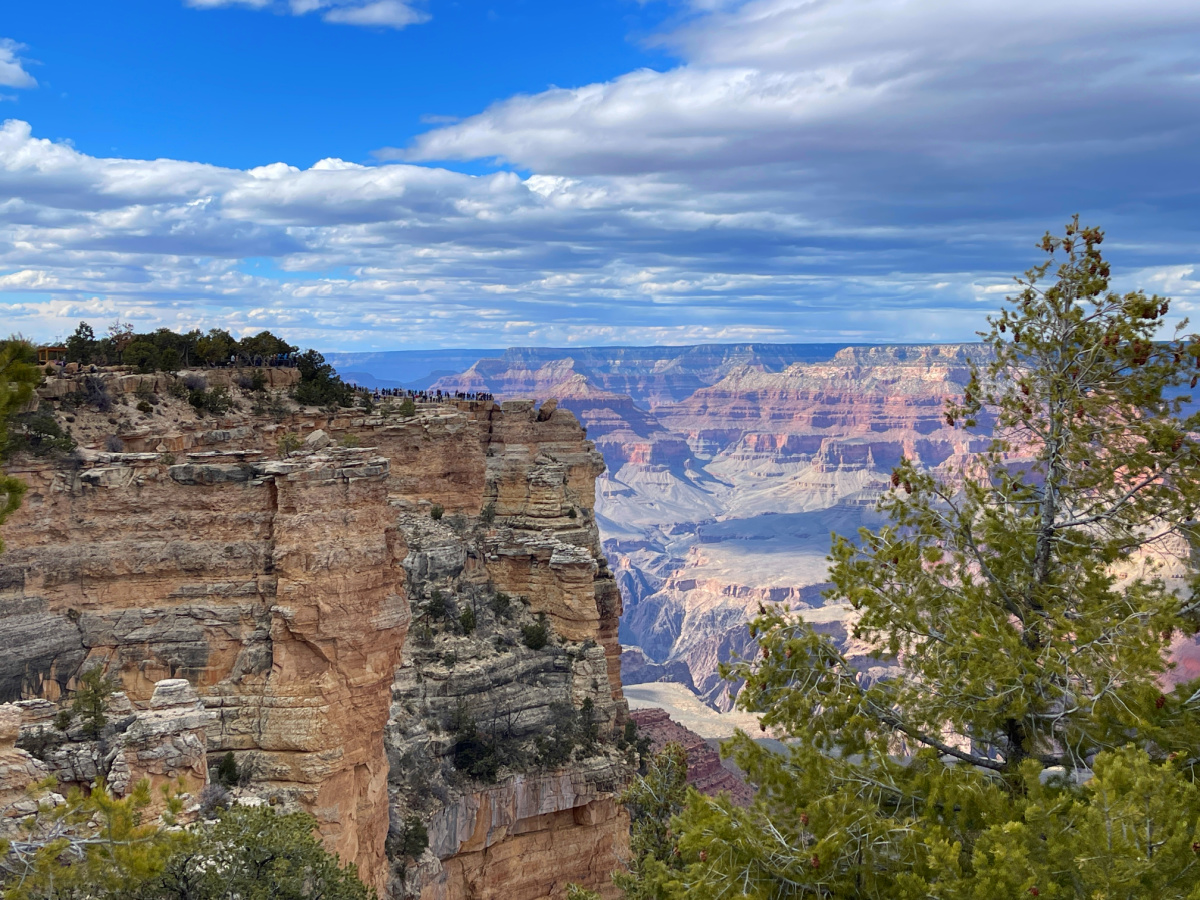
Day 2: Sunrise, Hermit Road, Desert View, and an Extra Experience
Start your second day with sunrise.
Choose a different location from the previous evening if you can.
That way you get to see how different the canyon looks depending on the direction and quality of the light.
Then have breakfast and start the main sightseeing portion of your second day.
Morning: Hermit Road
Spend the morning exploring the viewpoints along Hermit Road.
This is one of the areas that really benefits from having a second day.
You are not trying to squeeze it in after a hike or rush through several overlooks before dinner.
You can ride the shuttle, stop at the viewpoints that interest you most, and walk short sections of the Rim Trail if you feel like it.
There is no prize for visiting every overlook.
Pick the ones you enjoy and give yourself time to actually look at the canyon.
Lunch
Head back toward Grand Canyon Village for lunch or grab something casual before continuing east.
Afternoon: Desert View Drive
Spend the afternoon driving Desert View Drive.
This part of the South Rim has a completely different feel from Hermit Road.
You have the flexibility of your own car, and there are several scenic stops along the way.
Take your time.
Stop at the viewpoints that interest you.
Then continue all the way to Desert View.
This is exactly the kind of area that is easy to skip when you only have one day.
With two days, you can actually include it without sacrificing everything else.
Where Does a Helicopter Tour Fit?
If you want to add a helicopter tour, I would build it around the rest of the itinerary instead of trying to squeeze it into whatever time is left over.
A late-afternoon tour can work well on either day.
You could also substitute it for part of the Desert View afternoon if that is a bigger priority for you.
The key is to treat it like a real activity, not a 30-minute add-on.
You need time to travel to the tour location, check in, take the flight, and return.
What Other Excursions Can You Add?
A helicopter tour is probably the most famous Grand Canyon splurge, but it is not the only option.
You could also add:
- A mule or horseback ride
- A guided bike tour
- A guided sightseeing tour
- A guided easy hike or educational nature experience
These are exactly the kinds of extras that become much easier when you have two or three days instead of one.
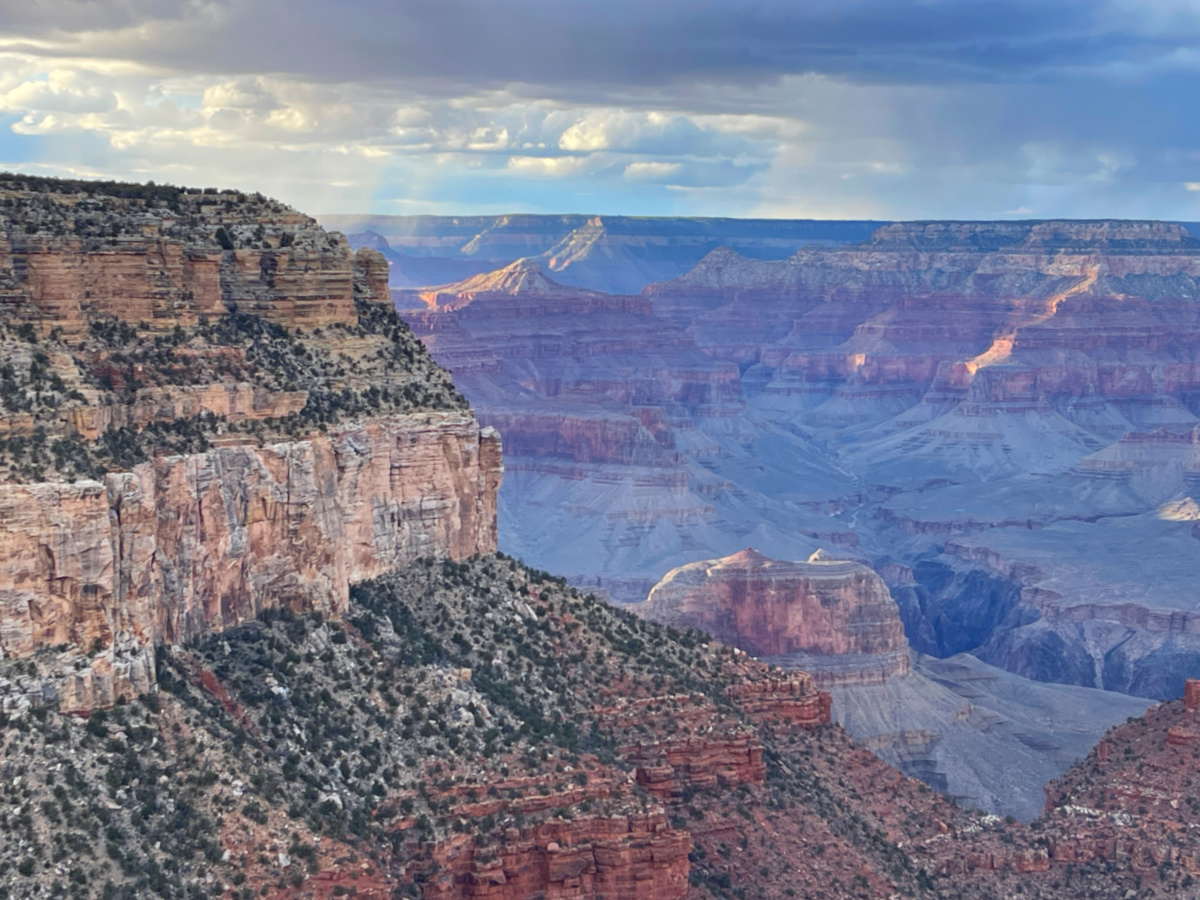
Is Three Days Too Much at the Grand Canyon?
Not at all.
Three days is a great choice if you want a more relaxed trip.
The difference is that I do not think most casual visitors necessarily need three full days to see the major South Rim highlights.
Two days is enough for that.
A third day gives you room to slow down even more or add something substantial.
You could spend the third day doing a longer hike.
You could take a bike tour.
You could do a mule ride.
You could schedule a helicopter tour without giving up anything else.
You could spend more time walking the Rim Trail.
Or you could simply build in more downtime.
That can be especially nice if you are traveling with kids, older relatives, or anyone who gets tired after a full day of sightseeing.
Who Should Plan Three Days?
I would choose three days if:
- You really enjoy hiking
- You want to do more than one organized tour
- You want multiple sunrise and sunset opportunities
- You prefer a slower travel pace
- You want time for long lunches, hotel breaks, or leisurely evenings
- You are visiting during a season when weather may disrupt your plans
That last one matters.
The Grand Canyon can be affected by snow, heat, wind, storms, and road closures.
An extra day gives you more flexibility if the weather does not cooperate.
What About Four Days or More?
For most casual visitors, four full days at the South Rim is probably more time than you need.
That changes if you have a specific reason to stay longer.
Serious hikers and backpackers may need several days.
Photographers may want multiple mornings and evenings.
Travelers taking longer guided experiences may want more time.
And some people simply like staying in one place and exploring slowly.
There is nothing wrong with that.
But if you are building a larger Arizona or Southwest road trip, I would usually put those extra days somewhere else rather than automatically adding a fourth or fifth day at the South Rim.
That is one of the reasons two days works so well.
You get a complete Grand Canyon experience without using up a huge portion of your trip.
A Note About the North Rim
Everything in this guide is based on visiting the South Rim.
That distinction matters.
The South Rim and North Rim are not two sections of the park that you can casually bounce between in the same afternoon.
They are far apart by road, and the North Rim is also much more seasonal.
So if your goal is to visit both rims, you need to think of that as a completely different trip.
For a first Grand Canyon visit, I would usually focus on the South Rim and do it well.
There is more than enough to fill one, two, or three days without trying to add another rim into the mix.
Does the Time of Year Change How Many Days You Need?
It can.
The number of days I recommend does not change dramatically, but the way you use those days definitely can.
Spring
Spring can be a little unpredictable.
You may have beautiful weather.
You may also have cold temperatures, snow, wind, or temporary road closures.
If you are visiting in March or early spring, I especially like the idea of having two full days because it gives you a little flexibility if the weather disrupts part of your plan.
I have an entire guide to visiting the Grand Canyon in March because our own trip taught us very quickly that spring weather at the South Rim can be much colder and more complicated than you might expect.
Summer
Summer gives you long days, which can be wonderful for sightseeing.
But heat changes your hiking plans.
If you want to hike below the rim, you need to be much more thoughtful about timing.
This is another reason I like two days.
You can do more strenuous activities early in the morning and save scenic drives, shuttle viewpoints, museums, restaurants, and easier activities for later in the day.
You also have more time to work around late sunsets.
Fall
Fall is a fantastic time for a two-day visit.
The weather is often more comfortable for hiking, and the earlier sunsets can make the evenings feel a little easier to manage.
You can watch sunset and still have dinner at a reasonable hour.
Winter
Winter can be beautiful.
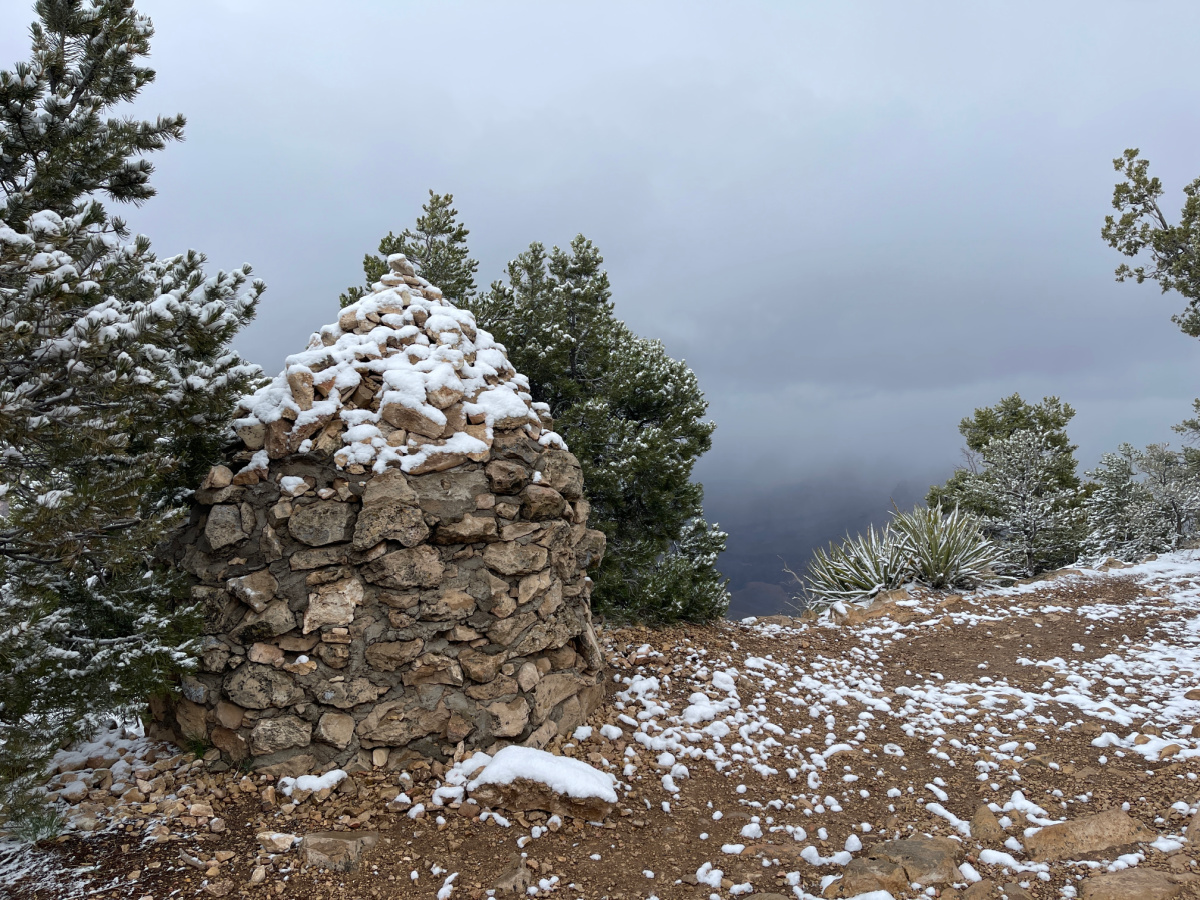
It can also mean snow, ice, cold temperatures, and changing road conditions.
If you are visiting in winter, I would avoid overplanning every hour.
Two days gives you a much better chance of seeing what you want to see even if the weather forces you to adjust.
How Many Nights Should You Stay?
If you want two full sightseeing days, I would usually plan on three nights.
That gives you:
- Arrival evening
- Full Day 1
- Full Day 2
- Departure morning
You could technically do it in two nights, but that often means one of your “full” days gets eaten up by driving.
Three nights gives the trip breathing room.
If you only want one full day, two nights works beautifully.
Arrive the afternoon before.
Spend the evening enjoying sunset and dinner.
Use the next day for your main sightseeing.
Then leave the following morning after sunrise or breakfast.
That is one of my favorite ways to structure a shorter Grand Canyon trip.
So, How Many Days Do You Really Need?
Here is how I would decide.
Choose One Day If:
- The Grand Canyon is one stop on a larger road trip
- You are comfortable choosing only one major activity
- You mainly want the iconic South Rim experience
- You are okay skipping Desert View or some of Hermit Road
- You have another destination you want to prioritize
One day can still be excellent.
Use my complete One Day at the Grand Canyon South Rim itinerary to decide how to structure it.
Choose Two Days If:
- This is your first visit
- You want to see the major South Rim areas
- You want to hike to Ooh Aah Point
- You want to explore Hermit Road
- You want to drive Desert View Drive
- You want both sunrise and sunset opportunities
- You want time for one extra tour or excursion
- You do not want to feel rushed
This is the option I recommend for most people.
Choose Three Days If:
- You want a slower pace
- You want more hiking
- You want more than one excursion
- You enjoy photography
- You want more flexibility for weather
- You want downtime built into the trip
Three days gives you a very relaxed visit.
Choose Four Days or More If:
- You are backpacking
- You are doing serious below-the-rim hiking
- You are planning multiple guided experiences
- You are visiting specifically for photography
- You intentionally want a slow vacation centered around the Grand Canyon
At that point, your trip is less about seeing the highlights and more about spending meaningful time in the park.
My Recommendation
For most first-time visitors, two full days at the Grand Canyon South Rim is ideal.
One day is enough.
Two days is better.
Three days is wonderful if you have the time.
But two days gives you the best balance.
You can hike.
You can explore the viewpoints.
You can drive Desert View.
You can see sunrise and sunset.
You can add one special experience.
And you still have time to sit at the edge of the canyon and do absolutely nothing for a while.
That last part matters.
The Grand Canyon is not a place you need to conquer.
It is a place you need to look at long enough for your brain to finally understand what you are seeing.
And two full days gives you enough time to do that.
More Grand Canyon Planning Tips
If you are planning a Grand Canyon trip, these guides can help you decide what to prioritize and how to make the most of your time at the South Rim.
Best Grand Canyon Viewpoints Without Hardcore Hiking
Grand Canyon Sunrise and Sunset Guide
One Day at the Grand Canyon South Rim
More National Park Itineraries for 2–4 Day Trips
If you are trying to figure out how much time you need in other national parks, these itineraries can help you plan a realistic trip without overstuffing every day.
2 and 3 Day Yosemite National Park Itinerary
3 Days in Jasper National Park
2–3 Days in North Cascades National Park
2 Days in Mount Rainier National Park
Olympic National Park 3–4 Day Road Trip Itinerary
Arches National Park 1–2 Day Itinerary
Glacier National Park 3–4 Day Itinerary


