2 Days in Mount Rainier National Park: A Realistic Itinerary for First-Time Visitors

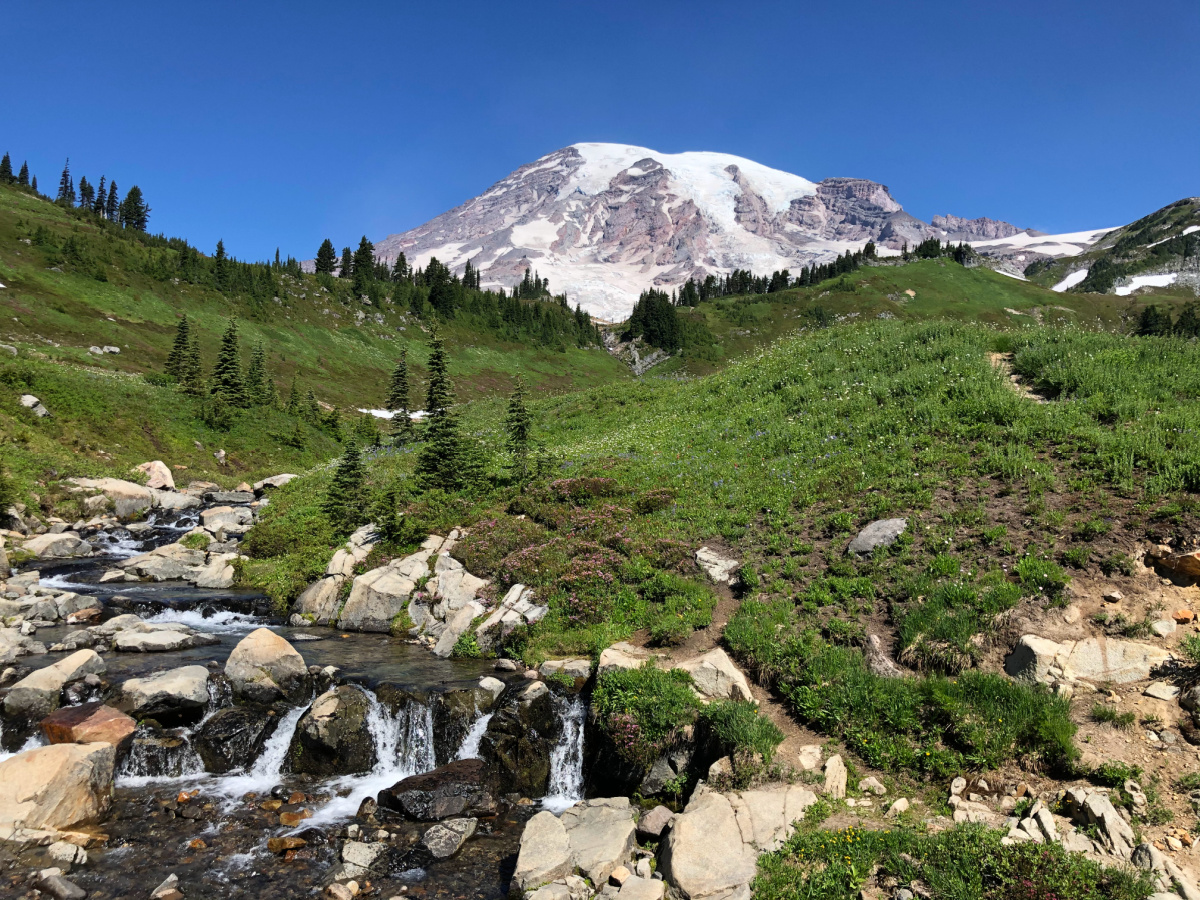
If you’re planning 2 days in Mount Rainier National Park, the good news is that you can experience a surprising amount of the park without feeling rushed or exhausted.
Estimated reading time: 13 minutes
One of the biggest surprises for me when planning our Mount Rainier trip was realizing that this park is both smaller and slower than I expected at the same time.
Smaller in the sense that you can realistically experience many of the highlights in a couple of days.
But slower because mountain driving, parking, weather, and scenic stops all take more time than they look like they should on paper.
And honestly, that’s where I think some first-time visitors accidentally make mistakes with their itinerary.
They either:
- try to cram everything into one exhausting day
or - assume they need a full week to enjoy the park.
For most casual travelers and families, I actually think 2 days in Mount Rainier National Park is the sweet spot.
That gives you enough time to:
- visit both Paradise and Sunrise
- see waterfalls
- do several easy hikes
- enjoy scenic drives
- experience different parts of the park
- and still have time to slow down occasionally and actually enjoy being there
Because honestly, Mount Rainier is one of those parks that feels best when you leave a little room for spontaneity.
Sometimes the best moments happen because:
- the clouds suddenly clear
- you spot wildlife
- you stop at an unplanned viewpoint
- or your family ends up spending thirty unexpected minutes throwing snowballs in July.
This 2-day Mount Rainier itinerary is designed for:
- first-time visitors
- families
- casual hikers
- photographers
- and travelers who want beautiful scenery without turning the trip into an endurance competition.
Quick Snapshot: 2 Days at Mount Rainier
| Category | Recommendation |
|---|---|
| Ideal Trip Length | 2 full days |
| Best Time to Visit | Mid-July through September |
| Best Base Town | Packwood or Ashford |
| Main Areas Covered | Paradise + Sunrise |
| Hiking Difficulty | Mostly easy to moderate |
| Family Friendly? | Very |
| Hardcore Hiking Required? | No |
| Biggest Planning Tip | Start early |
Is 2 Days Enough for Mount Rainier?
Yes — for most people, absolutely.
Now, could you spend longer here?
Of course.
But for a first trip, two days gives you enough time to experience the park without feeling like you’re constantly racing the clock.
You can:
- see the major highlights
- visit the most scenic areas
- do several easy hikes
- enjoy waterfalls
- and experience the mountain in different lighting and weather conditions
And honestly, Mount Rainier works especially well for shorter trips because many of the scenic rewards are accessible without huge hikes.
That’s one of the reasons I think this park is so underrated for families and casual travelers.
Before You Start: A Few Important Things to Know
Weather Changes Constantly
This is probably the single biggest Mount Rainier reality check.
You may wake up to:
- thick fog
- total cloud cover
- drizzle
- or completely hidden mountain views
…and then suddenly have gorgeous visibility later in the day.
Flexibility matters here.
Parking Gets Busy Fast
Especially at Paradise.
Do not underestimate this.
During peak summer weekends, parking lots can fill surprisingly early.
Earlier starts make the entire experience calmer and easier.
Driving Takes Longer Than Expected
The park looks manageable on a map, but roads are winding and slower than many visitors expect.
Build extra time into your plans.
Where to Stay for This Itinerary
Best Overall Base: Packwood
For this itinerary, I actually think Packwood works best overall.
Why?
Because it gives you relatively good access to:
- Paradise
- Ohanapecosh
- Sunrise
- and multiple scenic corridors
You’ll also find:
- restaurants
- grocery stores
- coffee shops
- and lodging variety
That flexibility helps a lot.
Best for Paradise Access: Ashford
If you’re primarily focused on Paradise and want the shortest drive possible, Ashford is another great option.
This area has:
- cabins
- lodges
- inns
- and vacation rentals
It’s especially convenient for shorter trips.
Day 1: Paradise, Waterfalls, and Classic Mount Rainier Views
Day 1 focuses on the iconic side of Mount Rainier National Park.
This is the day where you get:
- huge mountain scenery
- waterfalls
- meadows
- easy hiking
- and that classic “wow” feeling most people associate with Rainier.
Morning: Enter Through Nisqually Entrance
Try to start early.
And by early, I don’t necessarily mean sunrise hiking madness.
I just mean:
don’t casually roll into Paradise at noon during peak summer season expecting stress-free parking.
Earlier mornings help with:
- parking
- cooler temperatures
- calmer trails
- and better visibility
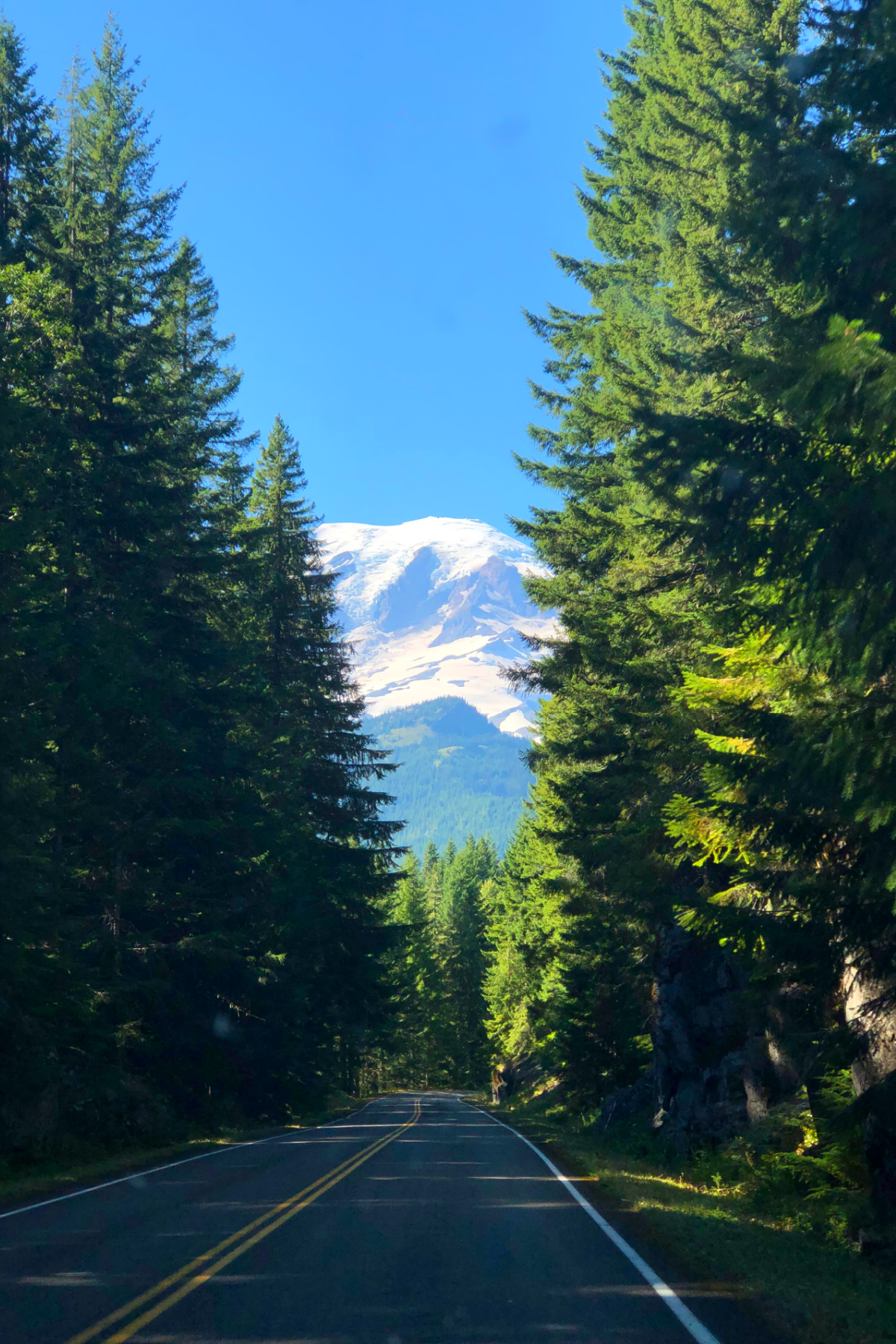
The drive itself is beautiful, especially as the mountain starts appearing through the trees.
If you love scenic waterfall stops without huge hiking commitments, don’t miss my guide to the best waterfalls in Mount Rainier National Park, including Myrtle Falls, Narada Falls, Christine Falls, and other easy-to-access spots throughout the park.
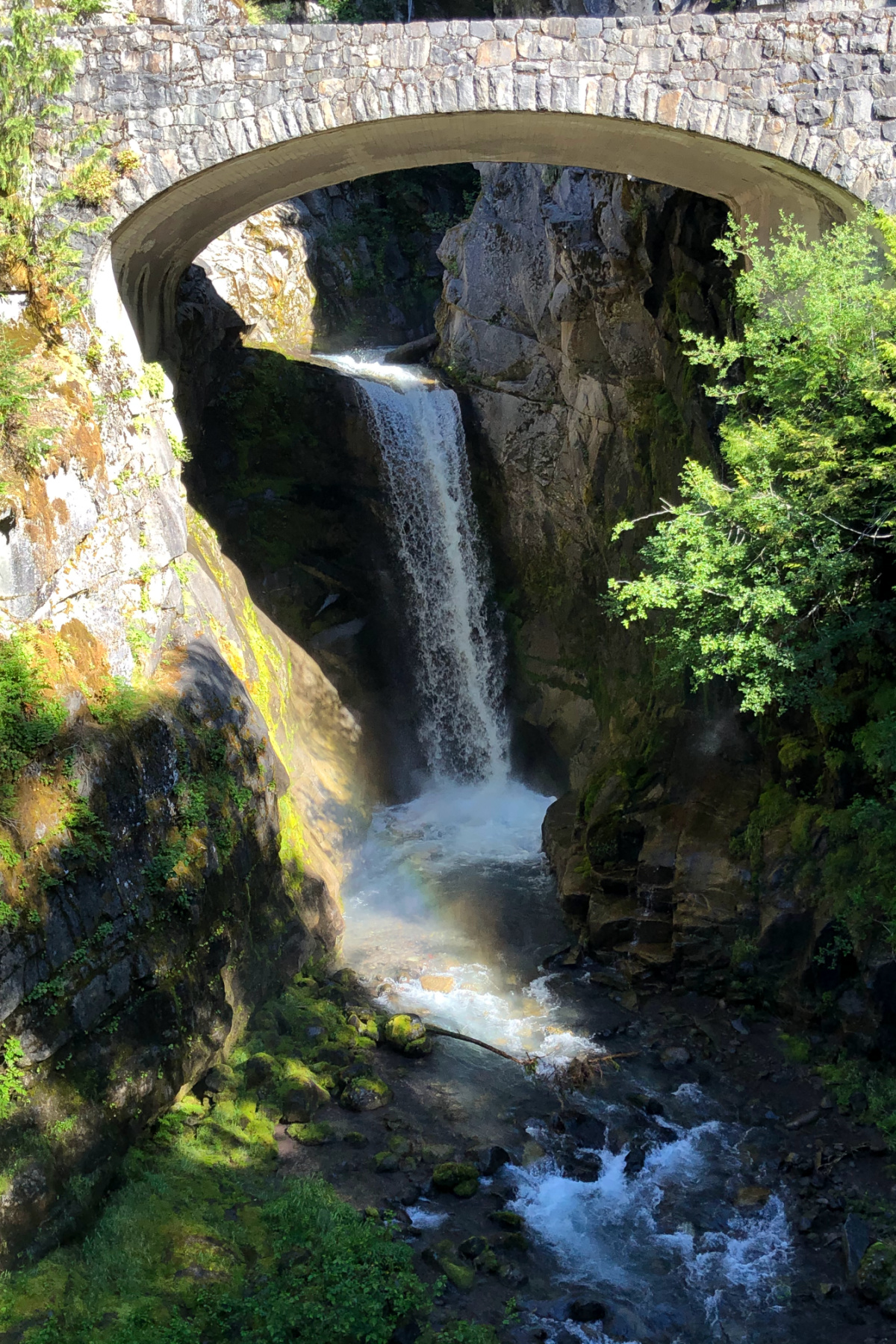
Stop at Christine Falls
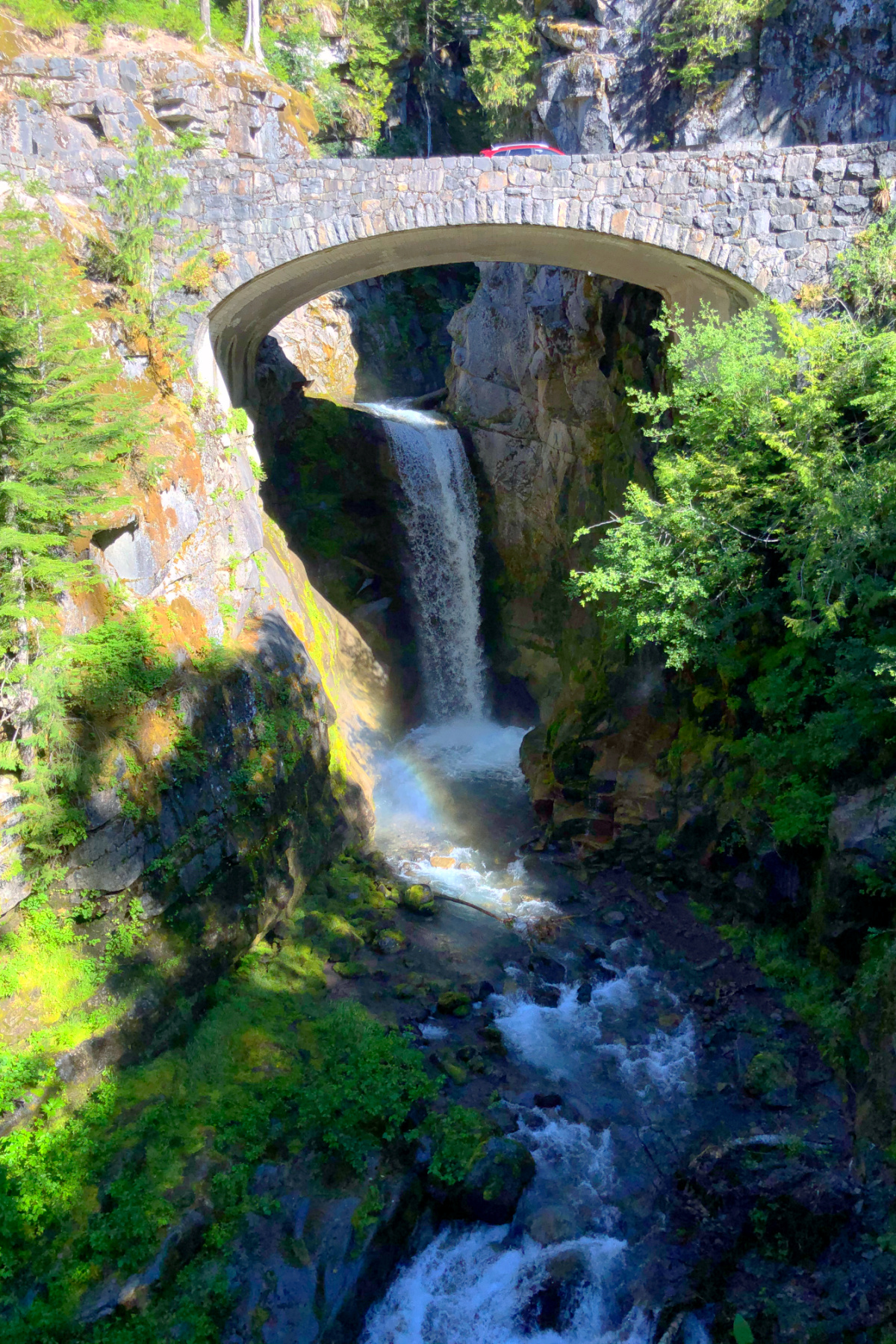
Christine Falls is one of the easiest waterfall stops in the park.
And honestly, it’s worth pulling over even though it doesn’t require much effort.
The stone bridge above the waterfall makes it especially photogenic.
This is a quick stop, but it helps break up the drive nicely.
Stop at Narada Falls
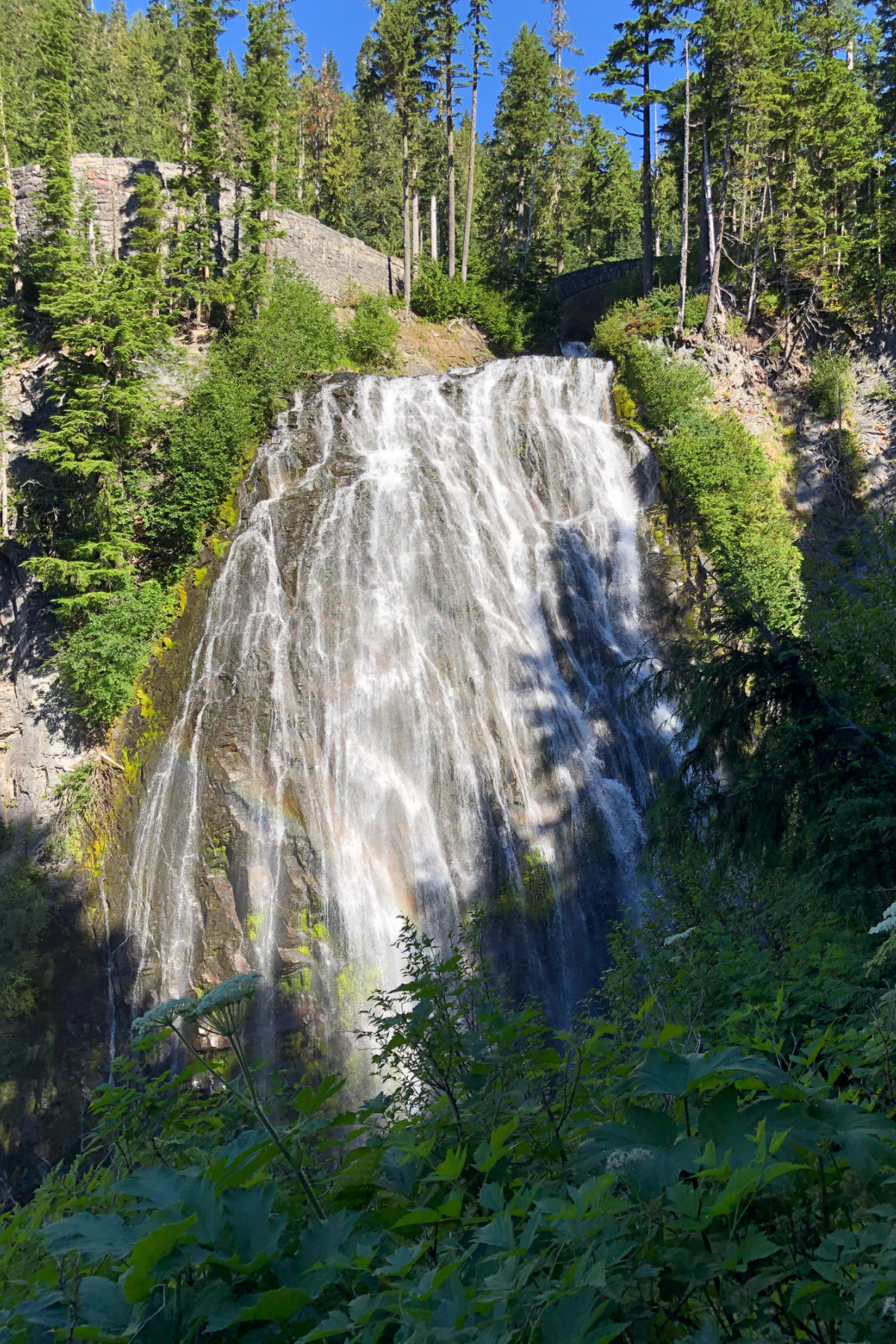
Narada Falls is one of the most impressive waterfalls in Mount Rainier National Park.
You can enjoy great views without committing to a major hike.
The waterfall itself feels powerful and dramatic, especially earlier in the summer when water flow is stronger.
Kids usually enjoy this stop because the scenery payoff is immediate.
Explore Paradise
Paradise is the emotional centerpiece of the park for many first-time visitors.
This area has:
- iconic mountain views
- meadows
- waterfalls
- visitor facilities
- and some of the best scenery in the park
And honestly, even standing near the parking lot can feel impressive on clear days.
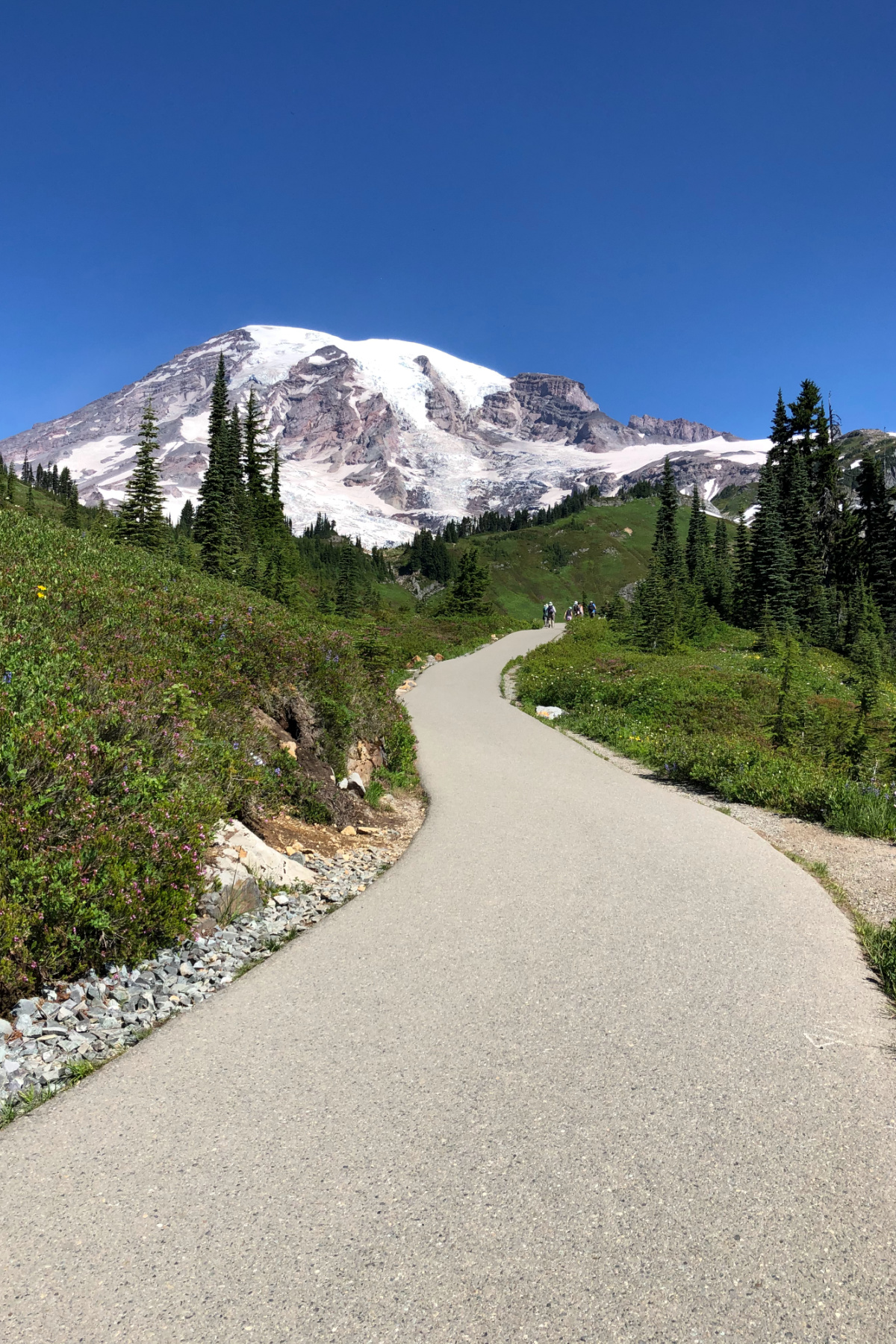
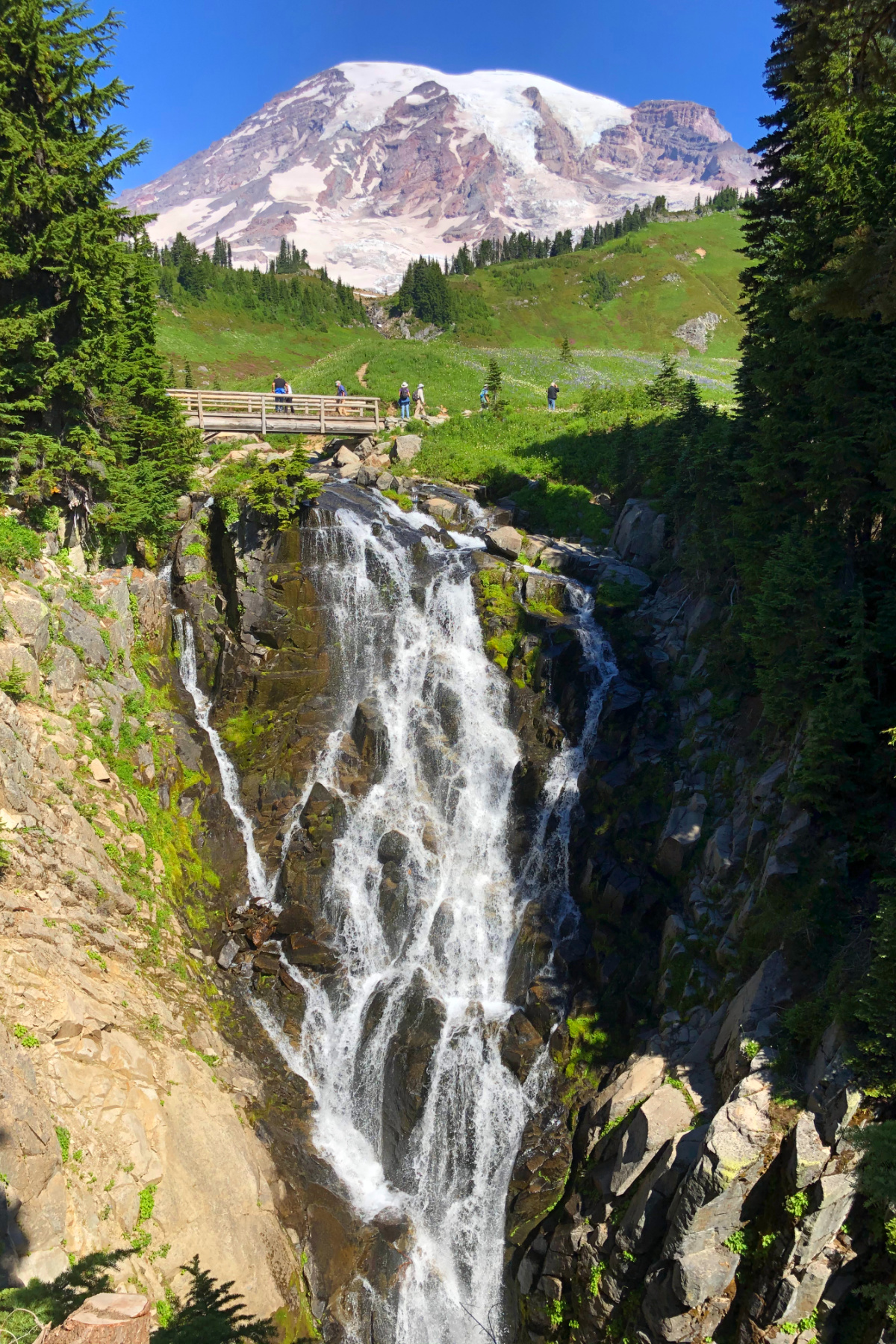
Walk to Myrtle Falls
If you only do one easy hike at Mount Rainier, Myrtle Falls is probably the safest recommendation.
The scenery-to-effort ratio here is incredible.
You get:
- waterfalls
- mountain views
- meadows
- and classic Rainier scenery
…without needing an intense hike.
This is one of the most family-friendly walks in the park.
Optional: Nisqually Vista Trail
If your group still has energy, Nisqually Vista is another great easy trail.
The loop offers:
- glacier views
- meadow scenery
- and different perspectives on the mountain
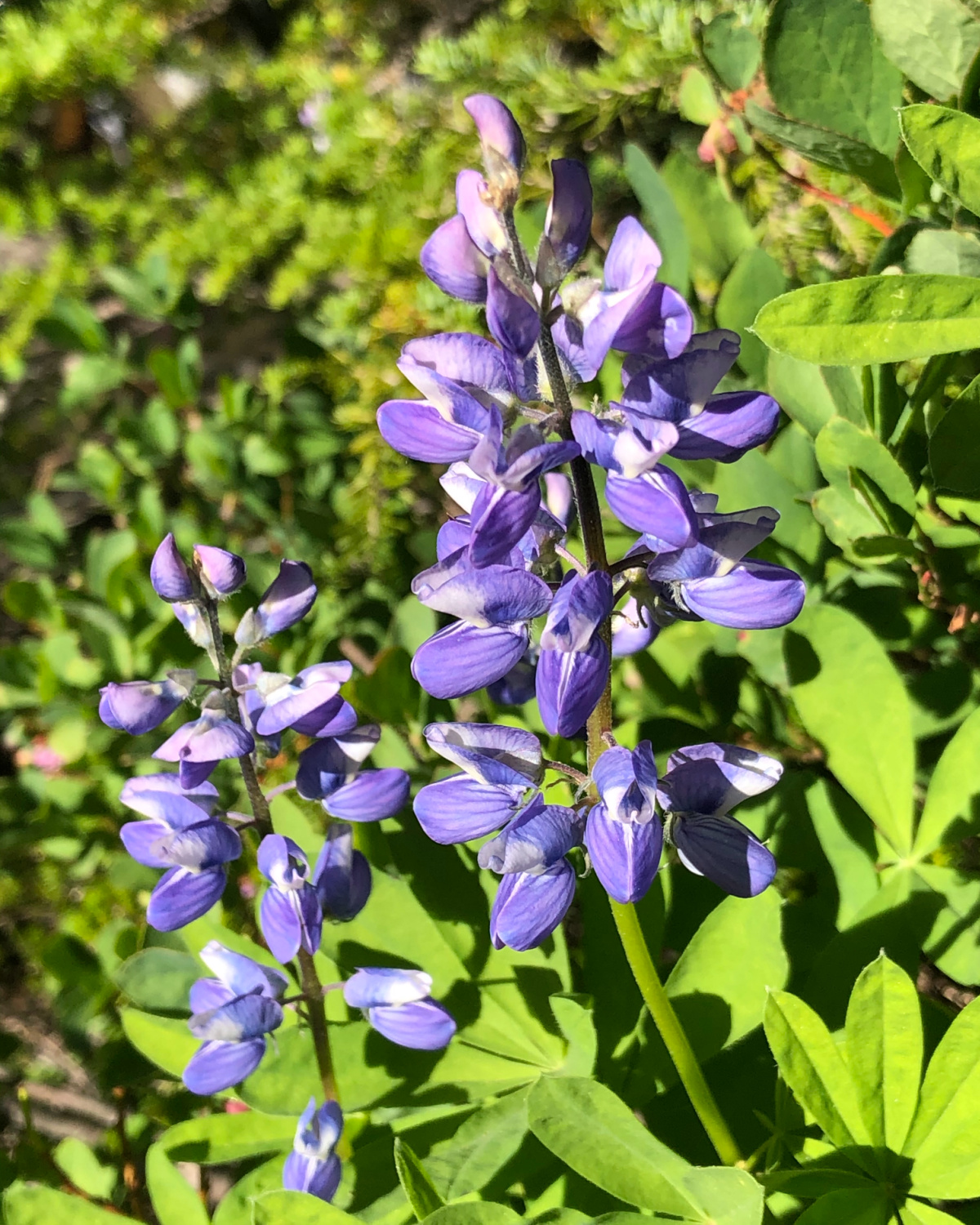
It’s especially nice during wildflower season.
Lunch Options
Honestly, I’d strongly recommend bringing picnic supplies and snacks into the park.
Food options are somewhat limited and can become crowded during summer.
Plus, picnic lunches with Rainier views are hard to beat.
Afternoon: Reflection Lake
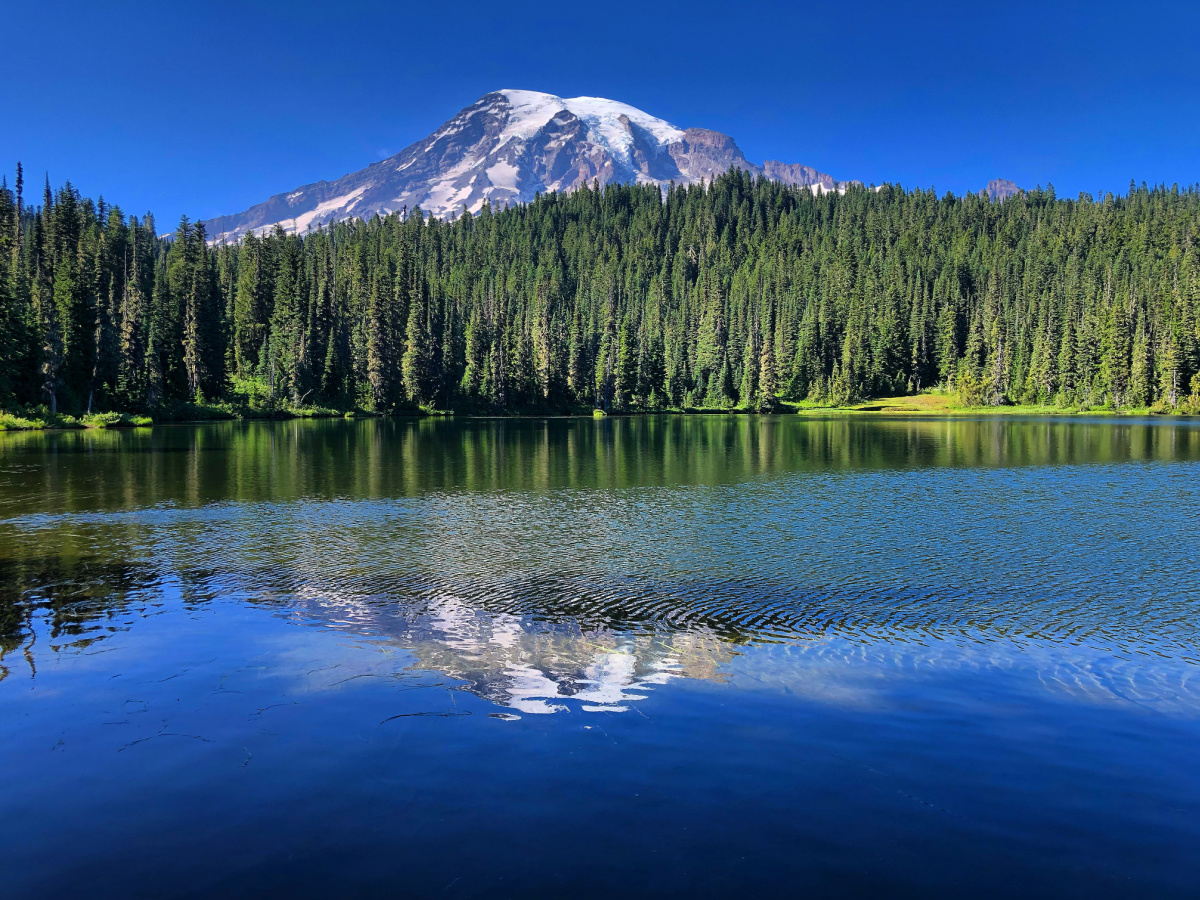
Reflection Lake is absolutely worth including in a 2-day itinerary.
And even when reflections aren’t perfect, it’s still one of the most scenic and relaxing stops in the park.
This is a great place to:
- take photos
- relax a little
- snack
- and slow the pace of the day down
Which honestly helps a lot during national park trips.
Evening: Relax in Packwood or Ashford
After a full Paradise day, I’d keep the evening relaxed.
Mount Rainier days are deceptively tiring because:
- elevation
- mountain driving
- walking
- and constant visual stimulation
…wear people out faster than expected.
Grab dinner, enjoy a slower evening, and rest up for Day 2.
Day 2: Sunrise, Tipsoo Lake, and Alpine Scenery
Day 2 gives you a completely different side of Mount Rainier.
Sunrise feels:
- more rugged
- more alpine
- windier
- and more expansive than Paradise
The contrast between the two areas is one reason I strongly recommend spending two days instead of trying to cram everything into one.
Traveling with children? My guide to the best things to do in Mount Rainier National Park with kids includes family-friendly hikes, waterfalls, scenic stops, snow play areas, and practical tips for visiting the park with younger travelers.
Morning: Drive to Sunrise
Sunrise sits at higher elevation than Paradise and usually opens later in the season because of snow.
Always check current road conditions before your trip.
The drive itself is beautiful and increasingly scenic as you climb higher.
Explore the Sunrise Area
The views from Sunrise are enormous.
This area feels wide open and dramatic in a very different way than Paradise.
Even casual visitors can enjoy incredible scenery without needing difficult hikes.
One thing I liked about Sunrise is that it feels slightly less crowded and chaotic than Paradise, even though it’s still very popular.
Optional Short Hikes
Depending on energy levels, there are several shorter trail options near Sunrise.
You do not need to commit to a huge hike to enjoy this area.
Even short walks here deliver impressive scenery.
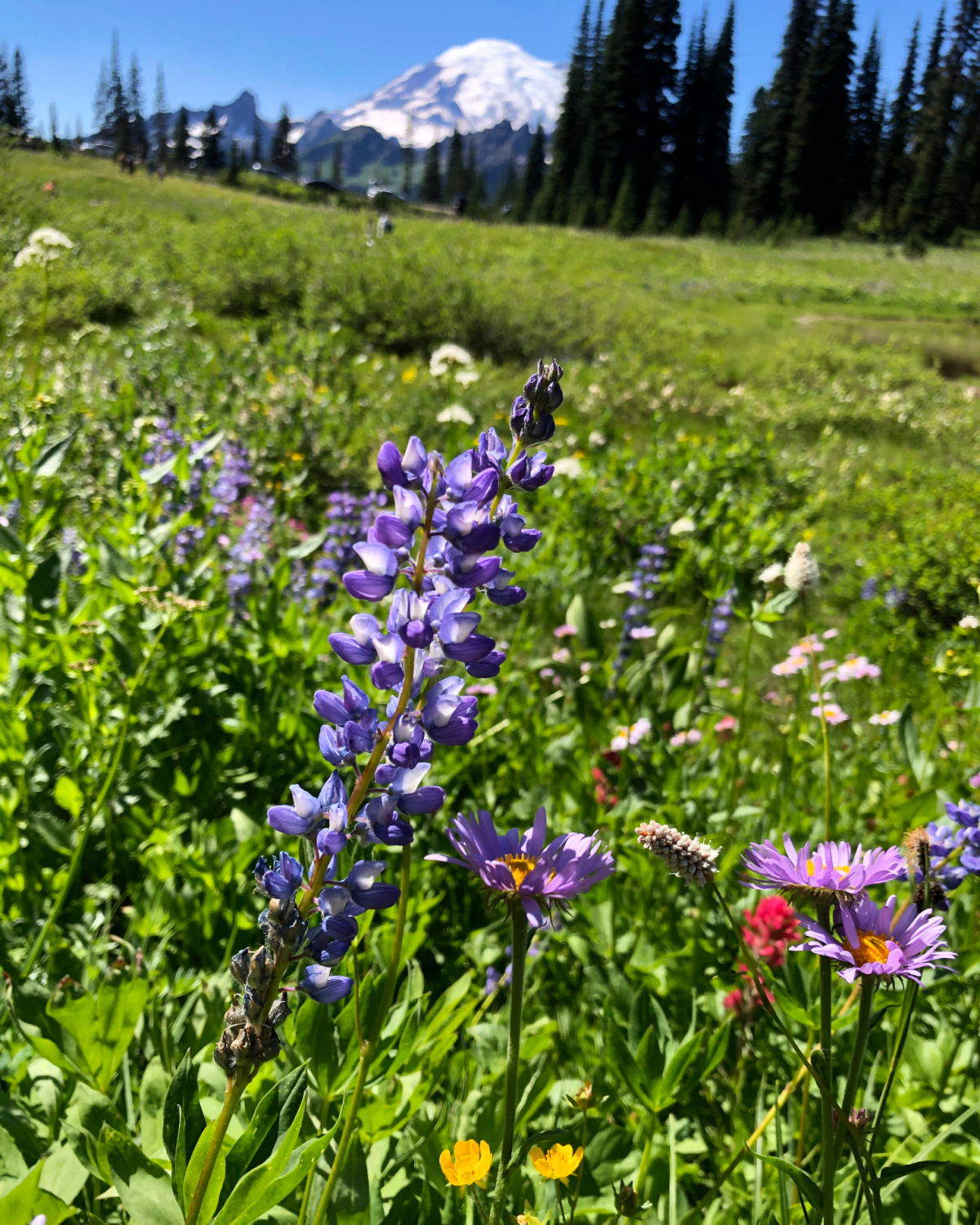
Looking for scenic trails without exhausting all-day hikes? Check out my guide to the best easy hikes in Mount Rainier National Park for family-friendly walks, waterfalls, alpine lakes, and incredible mountain views.
Midday: Tipsoo Lake
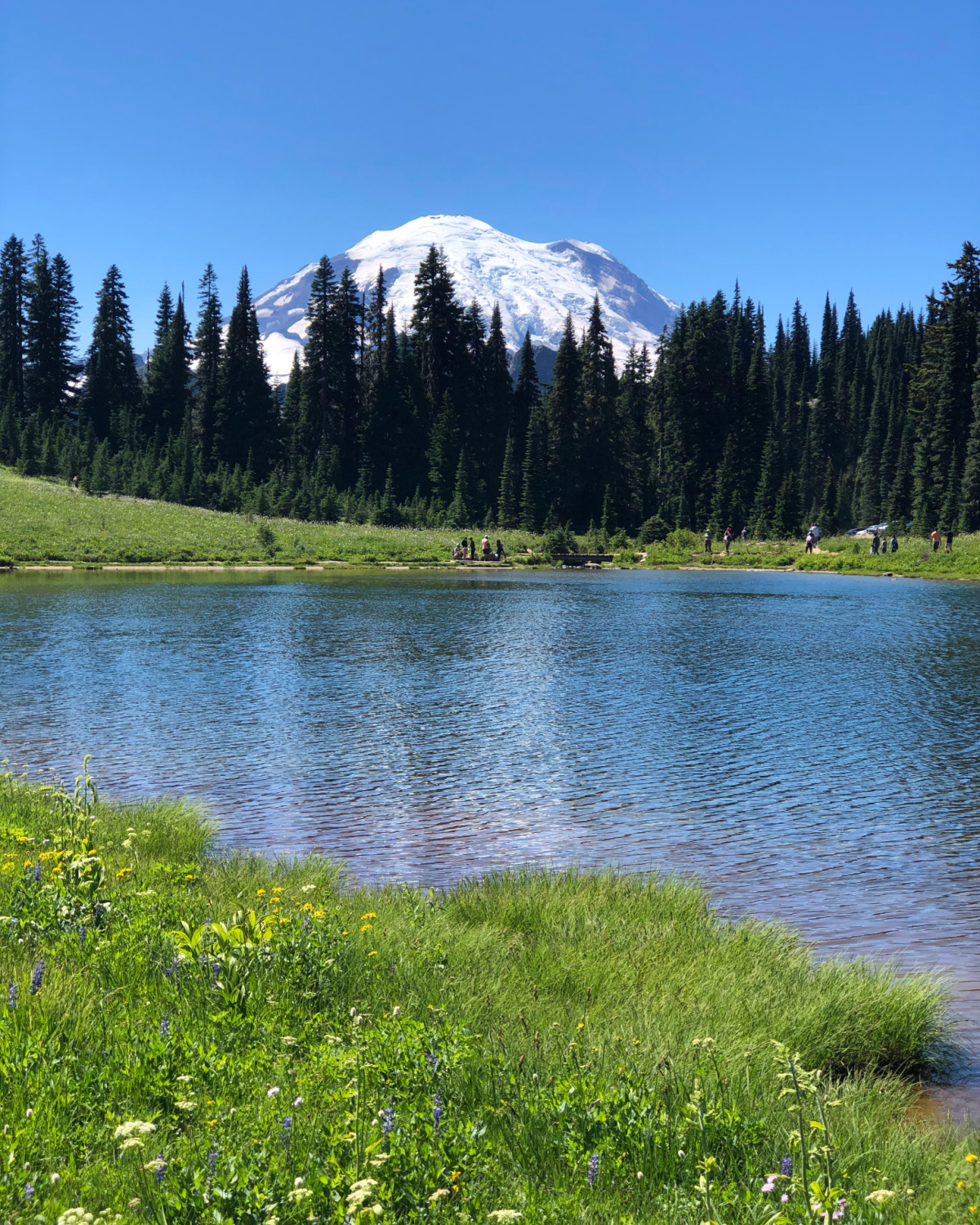
Tipsoo Lake is one of the easiest “high reward” stops in the entire park.
And honestly, it’s one of the places that feels almost unfairly photogenic.
The short nature trail loop offers:
- mountain reflections
- wildflowers
- alpine scenery
- and easy walking terrain
This is an especially good stop for families and casual hikers.
Picnic or Scenic Lunch Stop
This is another day where I’d strongly recommend packing picnic supplies.
One of the best parts of Mount Rainier is simply spending time surrounded by the scenery.
And honestly, some of the best travel memories happen during unplanned quiet moments rather than heavily scheduled activities.
Optional Additions for Day 2
Depending on your pace and energy levels, you could also add:
- Grove of the Patriarchs
- Silver Falls
- additional scenic pullouts
- longer Sunrise hikes
- or extra photography stops
This itinerary works best when treated as flexible rather than rigid.
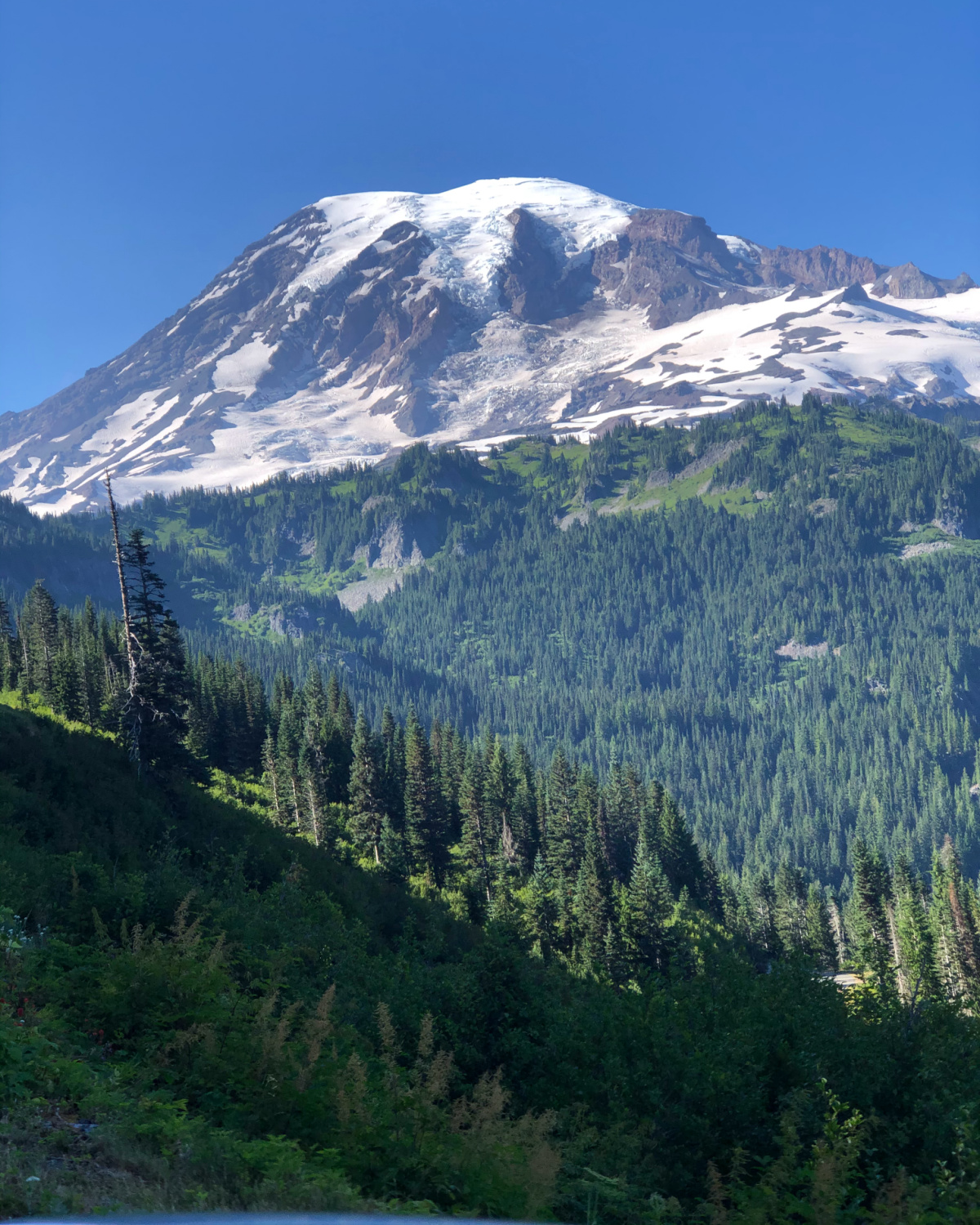
One of the best things about Mount Rainier is that you can experience so much incredible scenery without difficult hiking. My Mount Rainier without hardcore hiking guide covers the best viewpoints, scenic drives, waterfalls, and easy trails for casual visitors.
What If the Mountain Is Hidden by Clouds?
This happens.
A lot.
And honestly, it’s one of the hardest things emotionally for first-time visitors because you can plan everything perfectly and still get weather that refuses to cooperate.
My advice?
Stay flexible.
Sometimes visibility improves later in the day.
And sometimes one side of the park is clearer than another.
If you are really lucky, sometimes the clouds suddenly disappear for twenty magical minutes.
Do not assume the day is ruined if the mountain is hidden early.
Best Easy Hikes for This Itinerary
| Trail | Difficulty | Best For |
|---|---|---|
| Myrtle Falls | Easy | Families and first-timers |
| Tipsoo Lake Nature Trail | Easy | Wildflowers and reflections |
| Nisqually Vista Trail | Easy | Glacier and meadow views |
| Grove of the Patriarchs | Easy | Giant trees |
| Silver Falls Trail | Moderate Easy | Waterfall scenery |
What to Pack for 2 Days at Mount Rainier
Even in summer, I’d strongly recommend bringing:
- layers
- rain jackets
- sturdy shoes
- sunscreen
- water
- sunglasses
- and more snacks than you think you need
Mountain weather changes quickly.
And mornings can feel surprisingly cold even in August.
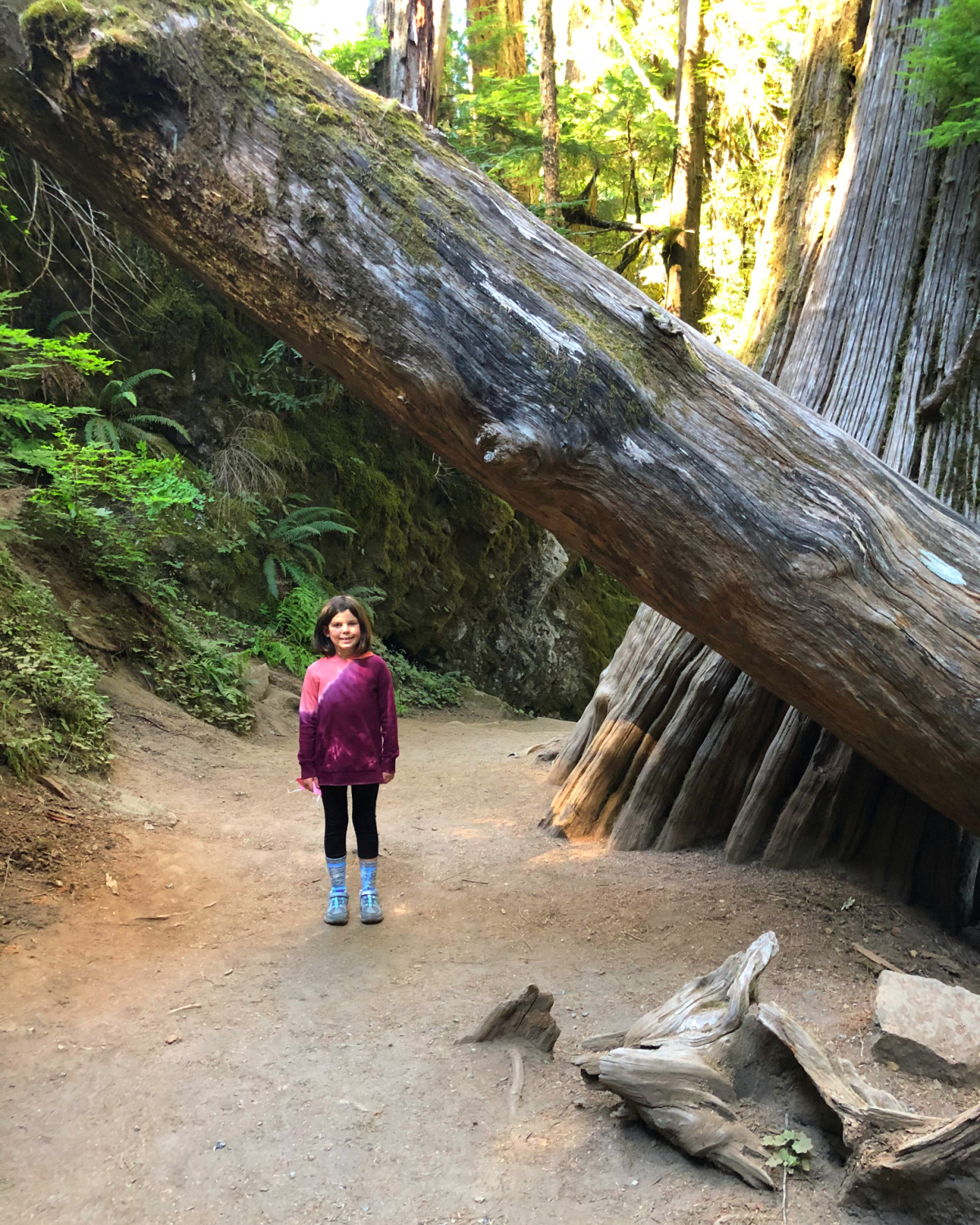
If this is your first visit to the park, my Mount Rainier National Park first-timer guide covers everything you need to know about Paradise, Sunrise, where to stay, weather, easy hikes, and planning a realistic trip.
Is 2 Days at Mount Rainier Worth It?
Absolutely.
In fact, I think two days is probably the ideal first trip length for most visitors.
You get enough time to:
- experience both Paradise and Sunrise
- enjoy easy hikes
- see waterfalls
- slow down occasionally
- and appreciate how different parts of the park feel
…without turning the trip into an exhausting marathon.
And honestly, Mount Rainier is one of those places where the smaller moments tend to stick with people afterward.
Not just the giant views.
Sometimes it’s:
- hearing waterfalls
- seeing snow in July
- spotting marmots
- watching clouds clear from the mountain
- or eating lunch beside a lake while Rainier towers in the distance.
That’s the kind of atmosphere this park does really well.
More National Park Itinerary Guides
Planning additional national park trips? These detailed guides can help you build realistic, family-friendly itineraries for some of the most beautiful parks in the United States.
- Olympic National Park for First-Time Visitors — beaches, rainforests, waterfalls, scenic drives, and practical planning tips for Washington’s Olympic Peninsula
- Yellowstone National Park First-Timer Guide — wildlife viewing, geysers, scenic drives, lodging advice, and realistic planning tips for Yellowstone
- Glacier National Park First-Timer Guide — Going-to-the-Sun Road, easy hikes, scenic viewpoints, waterfalls, and what to expect before visiting Glacier
- Grand Teton National Park First-Timer Guide — scenic drives, wildlife viewing, photography spots, easy hikes, and family-friendly travel advice
- Utah Mighty 5 Without Hardcore Hiking — the best viewpoints, scenic drives, and easy hikes across all five Utah national parks