Guide to Ruby Beach in Olympic National Park (Best Tide Pools + Low Tide Tips)

Planning a visit to Ruby Beach in Olympic National Park? Learn the best time to visit, tidepooling tips, what to expect, and why this iconic Washington beach is perfect for families and casual travelers.
Estimated reading time: 17 minutes
I wasn’t expecting Ruby Beach to become my favorite beach in Olympic National Park.
Honestly, I thought it would be one of those quick scenic stops. You know the kind. Walk down, take a few photos of the sea stacks, maybe spend half an hour wandering around, and then move on to the next thing.
That is not what happened.
The first time we visited, we showed up ridiculously early because the tide charts lined up with sunrise. At the time, I mostly cared about the tidepooling. I had heard Ruby Beach was one of the better beaches in Olympic National Park for marine life during low tide, and since my daughter loves anything involving tiny sea creatures, we decided it was worth dragging ourselves out of bed.
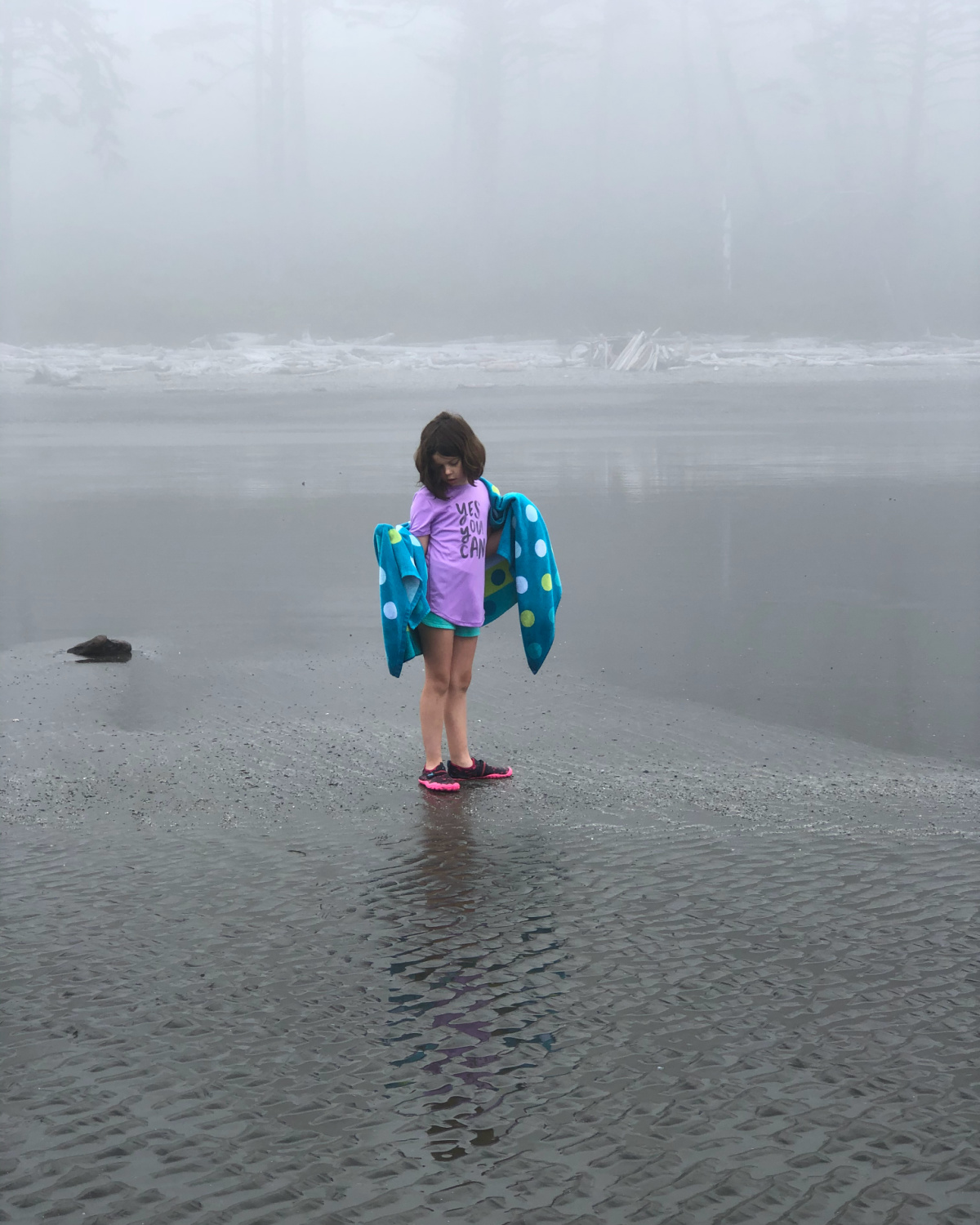
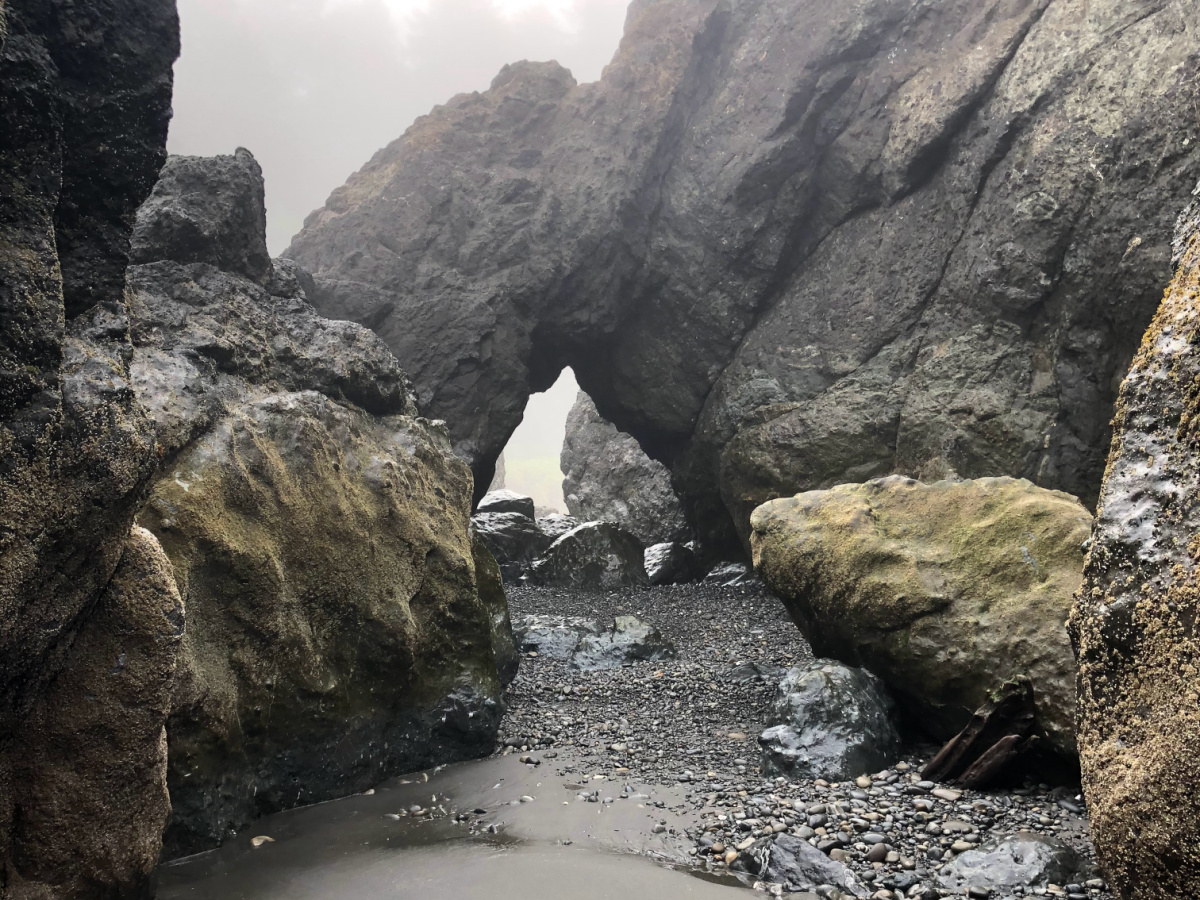
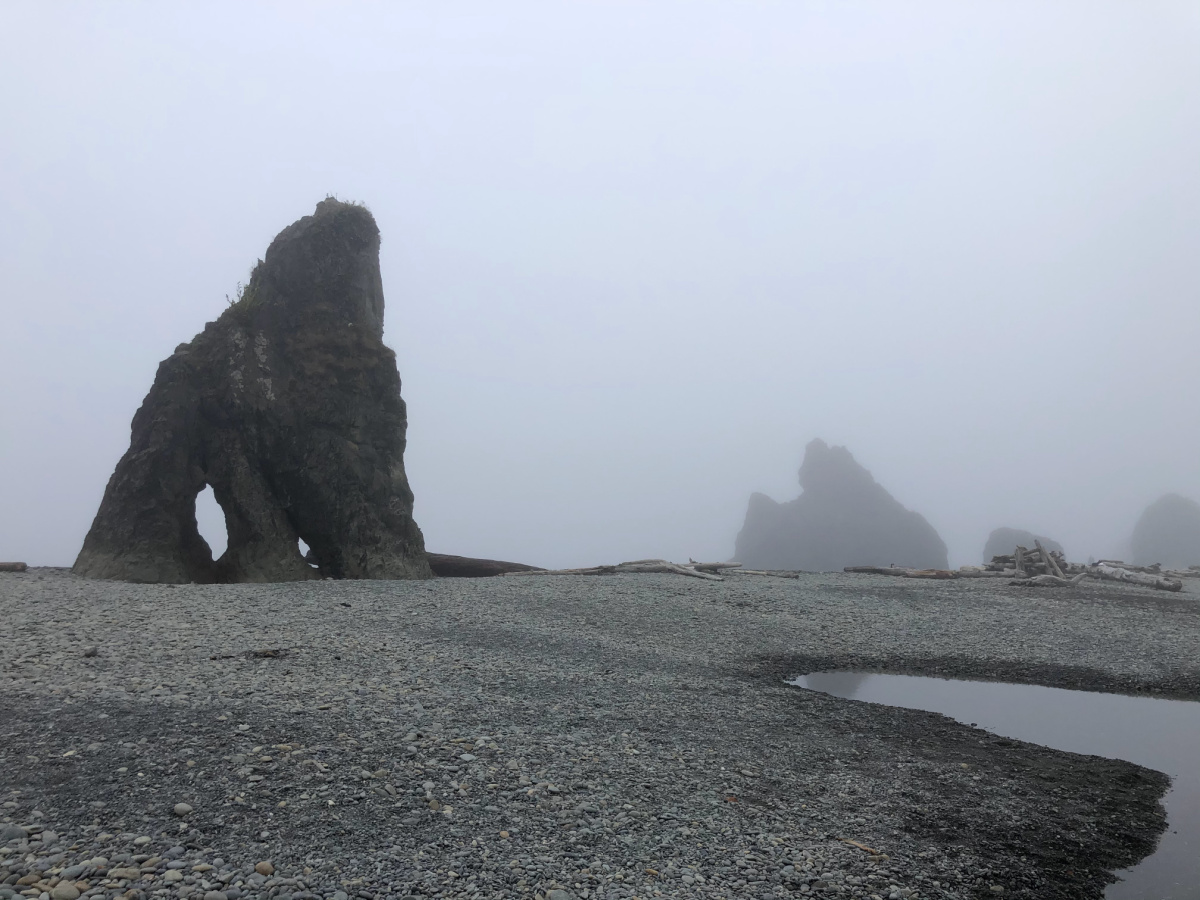
When we arrived, the fog was so thick it barely looked real.
Not “cute misty morning” fog.
I mean thick, heavy gray fog where you could hear the ocean but not actually see much of it.
The entire beach felt eerie and quiet and strangely enormous.
There were hardly any people there. Maybe a few scattered photographers and one older couple walking slowly along the shoreline. Otherwise it felt empty.
And honestly? That emptiness is part of what made Ruby Beach unforgettable.
Olympic National Park gets busy in summer. The parking lots fill up. Popular overlooks get crowded. You start sharing viewpoints with dozens of other people.
But that morning at Ruby Beach felt personal somehow.
Like we had stumbled into this hidden little corner of the Pacific coast before the rest of the world woke up.
If you love dramatic natural scenery like Ruby Beach, you might also enjoy my detailed 7-day Yellowstone and Grand Teton itinerary, which covers waterfalls, wildlife, scenic drives, easy walks, and family-friendly stops throughout two of America’s most iconic national parks.
The Pacific Coast Came Alive
At one point another visitor casually mentioned there were sea stars farther down near a rocky outcropping. We had no map. No exact location. We just started wandering.
A few minutes later we found them.
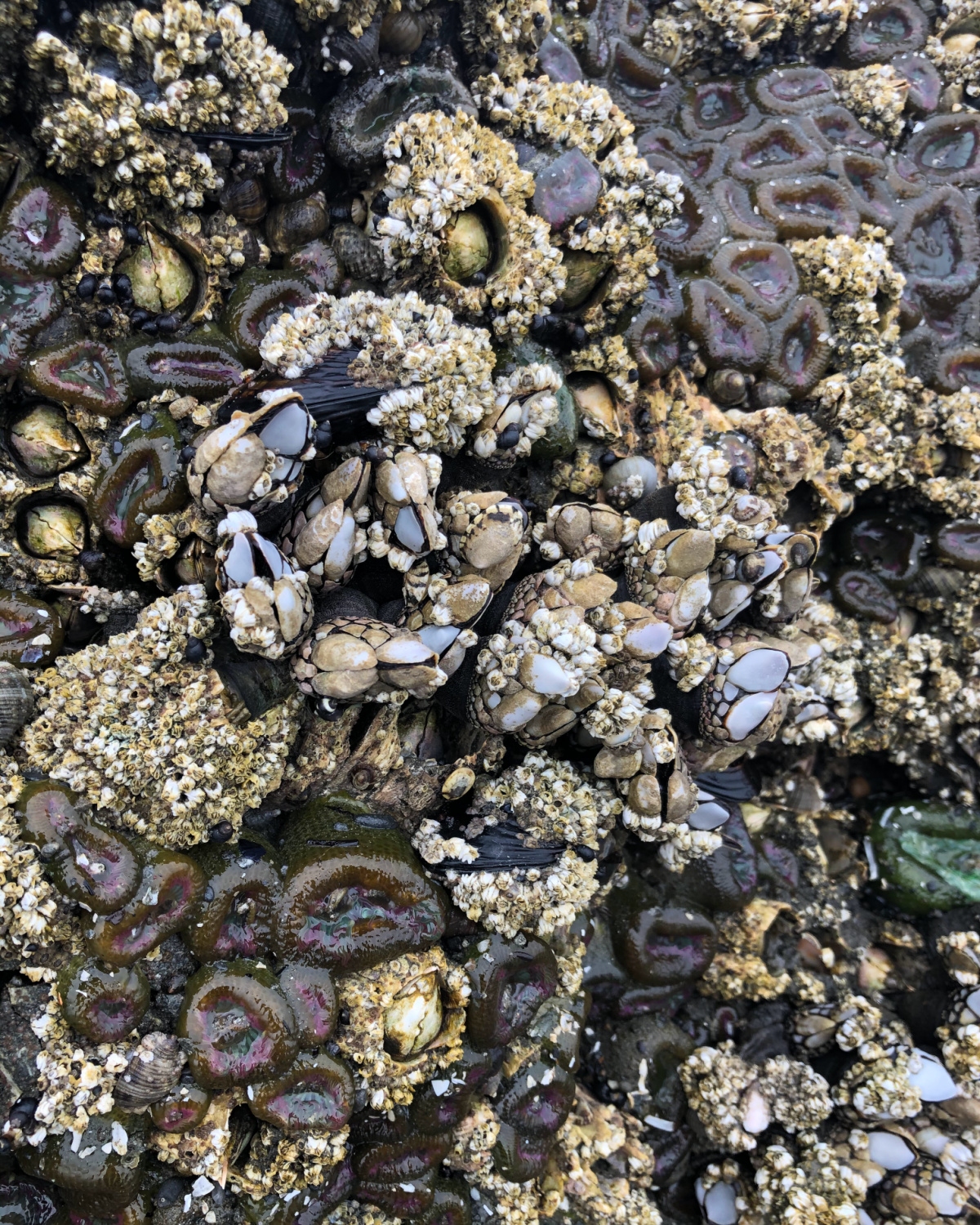
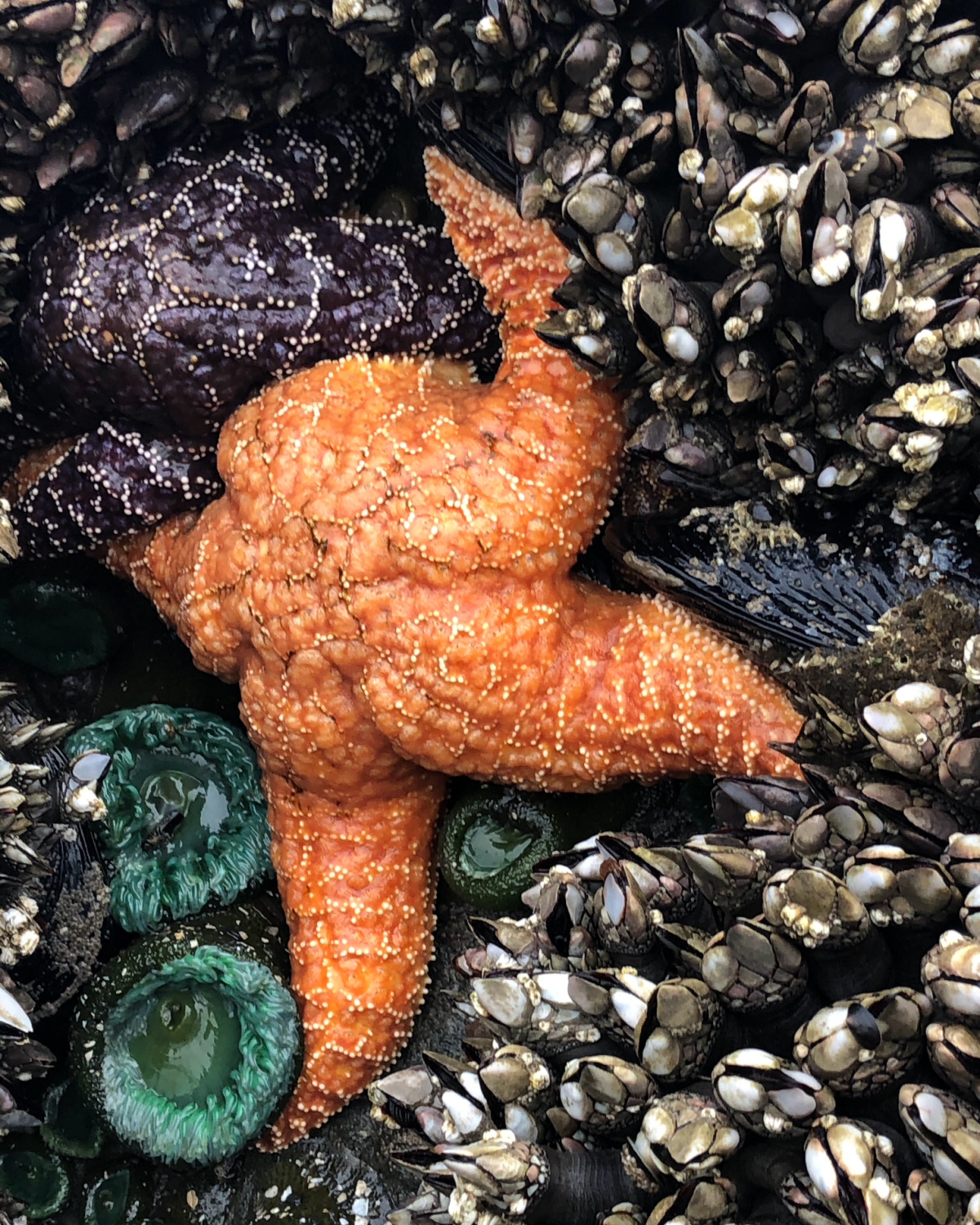
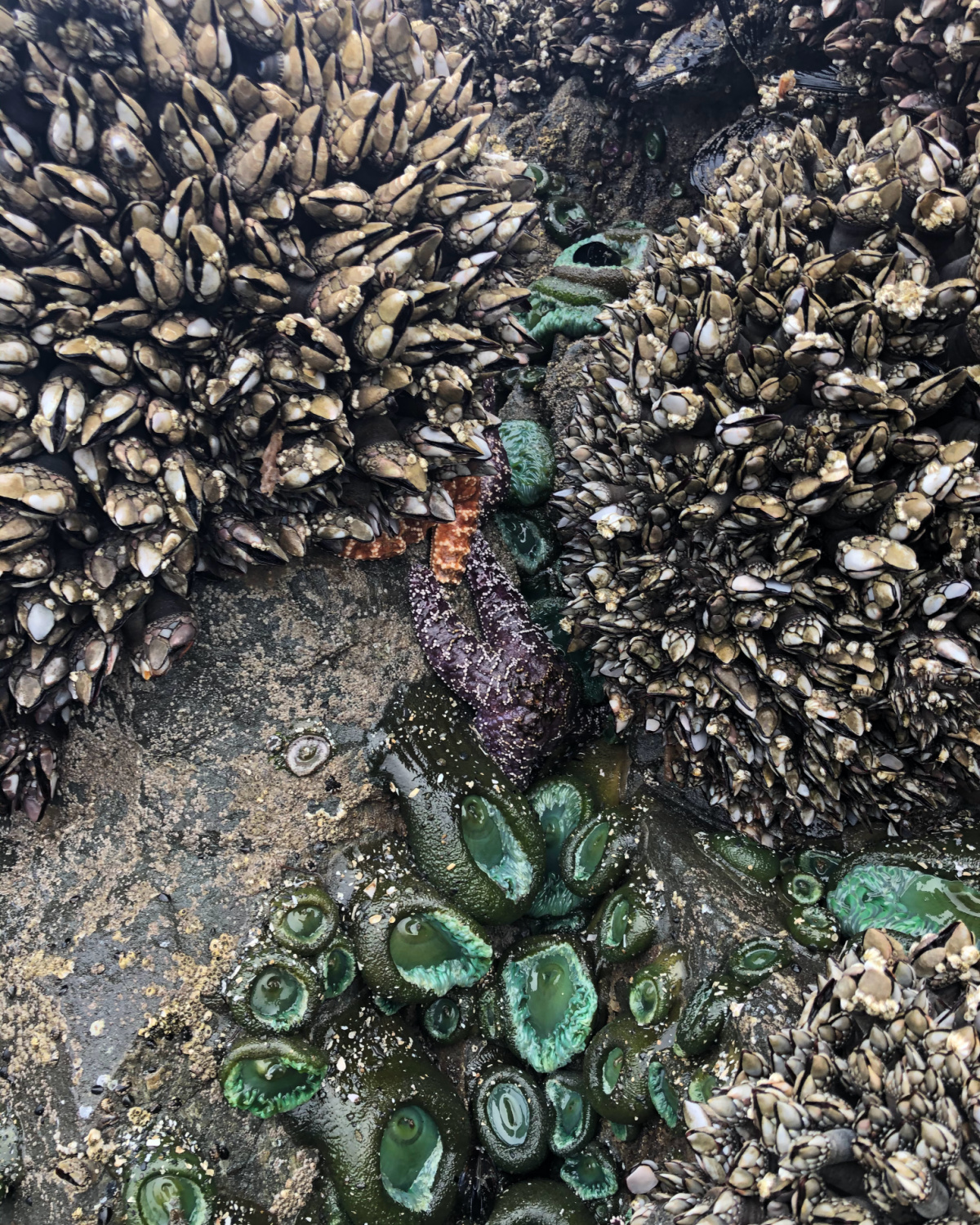
Bright orange sea stars.
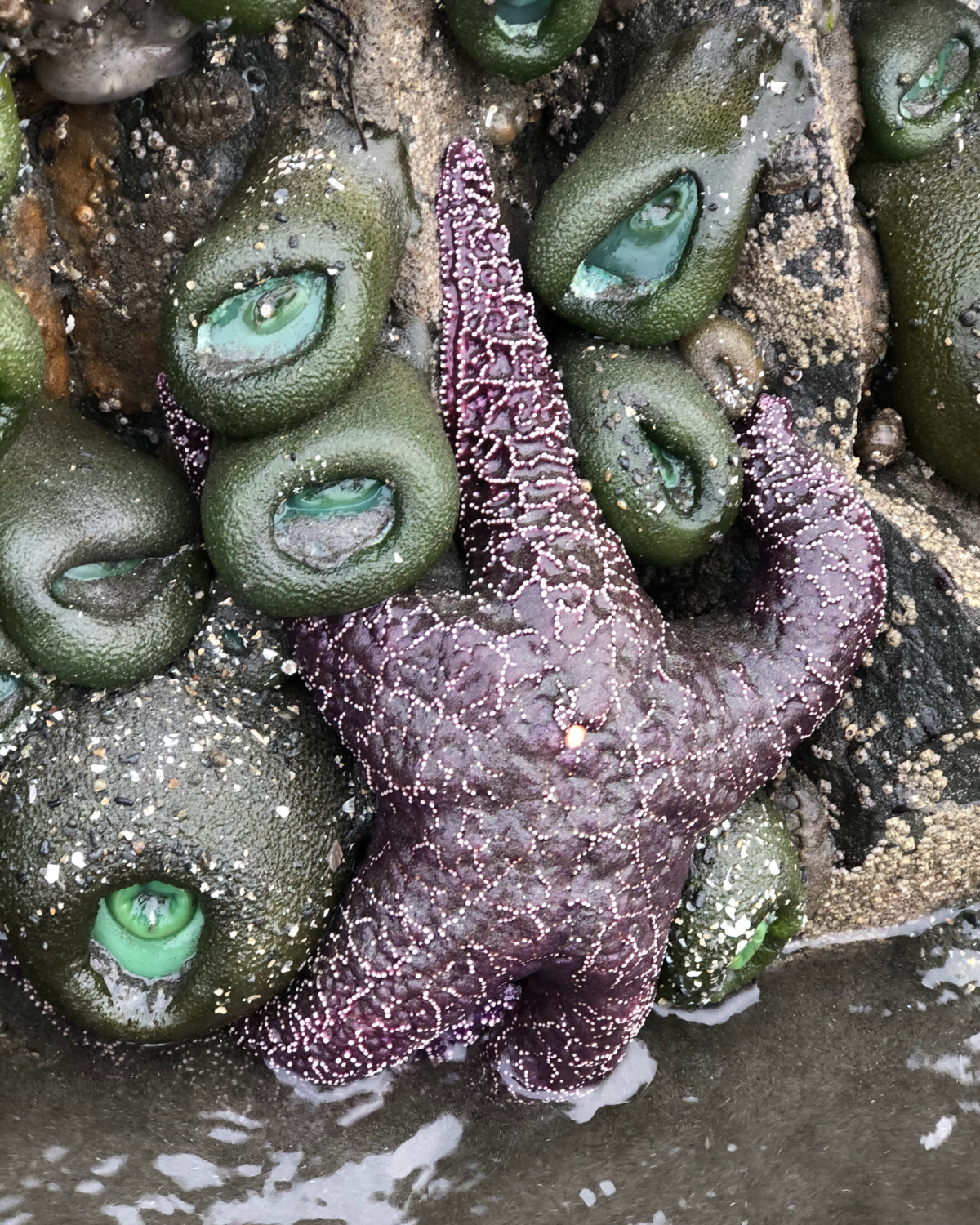
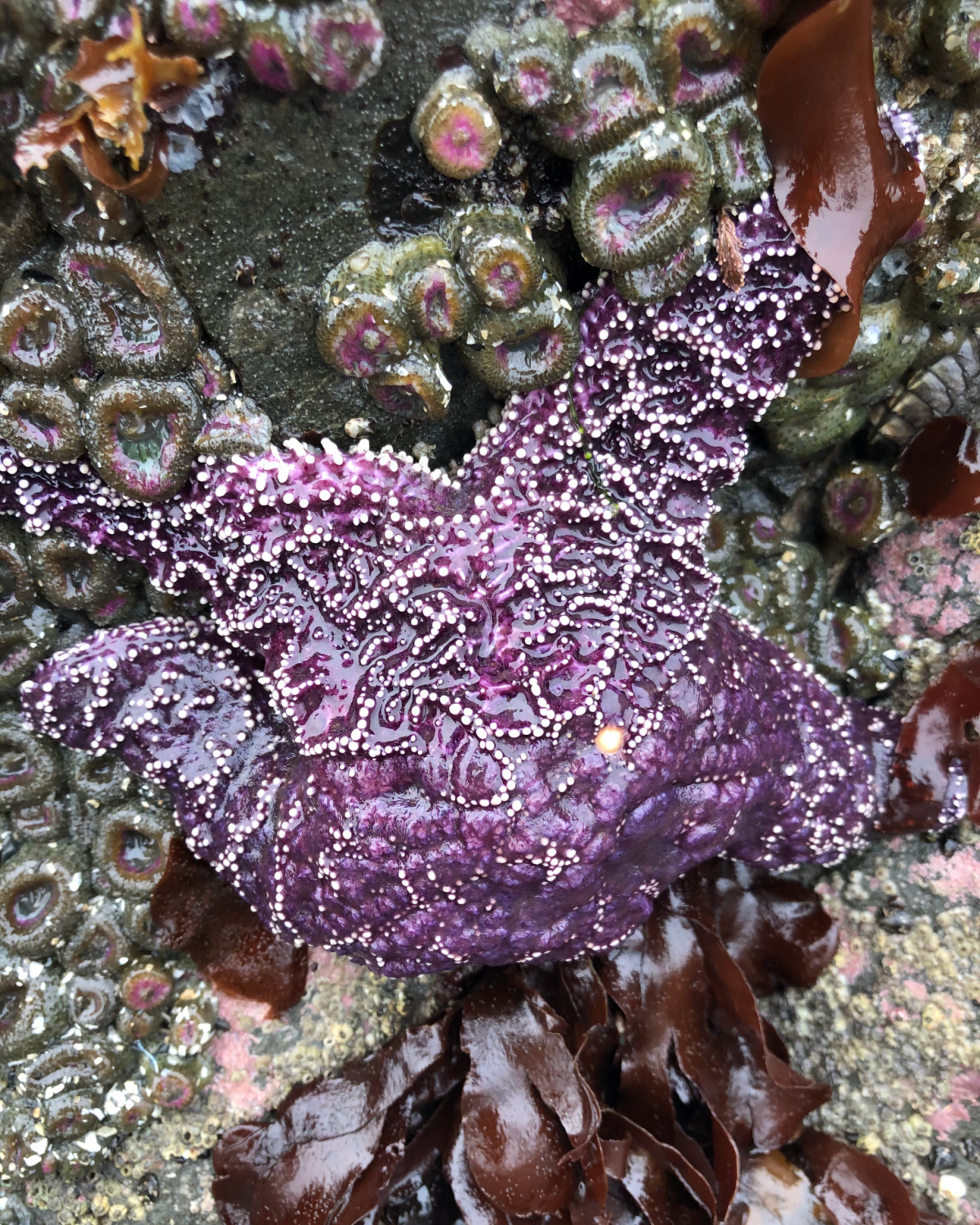
Purple sea stars.
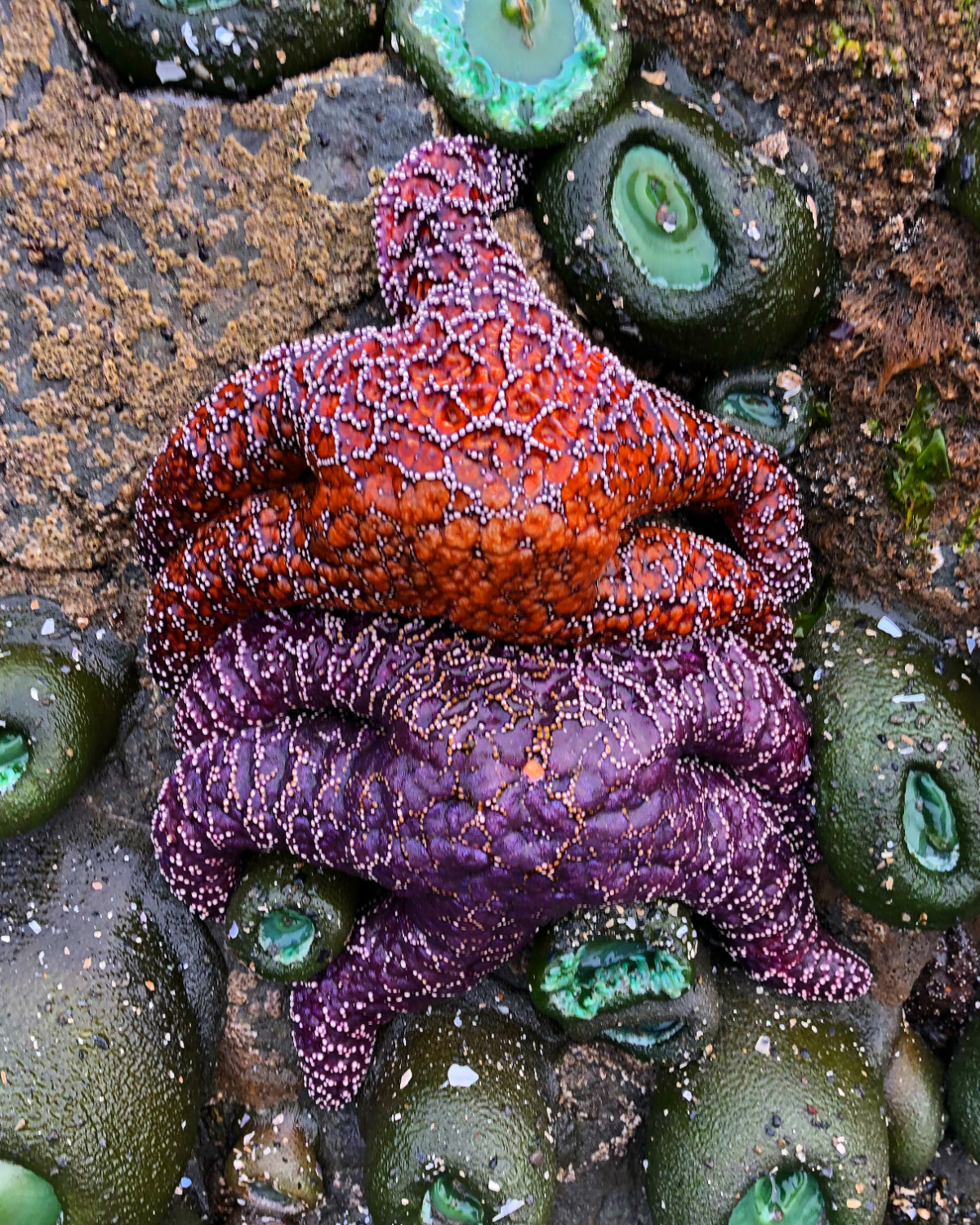
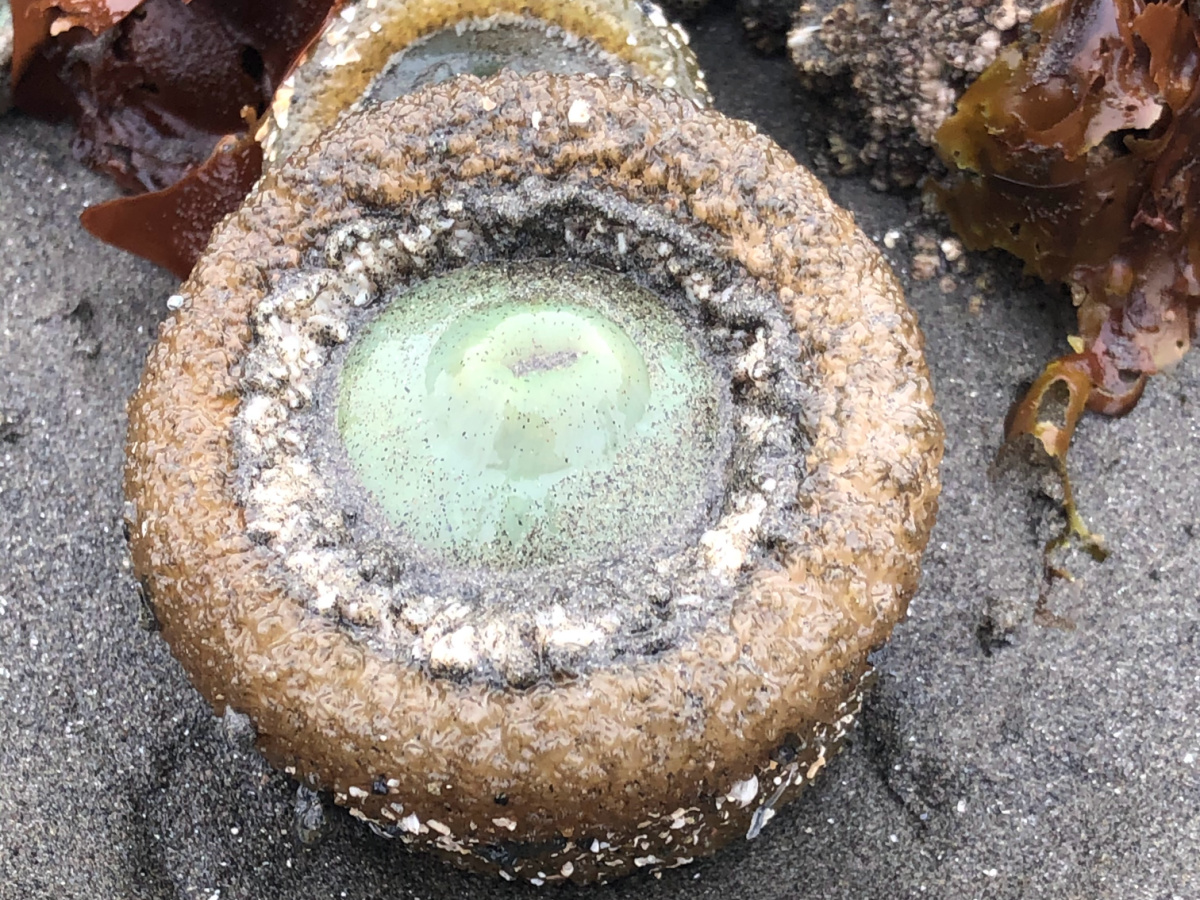
Green sea anemones tucked into little tide pools.
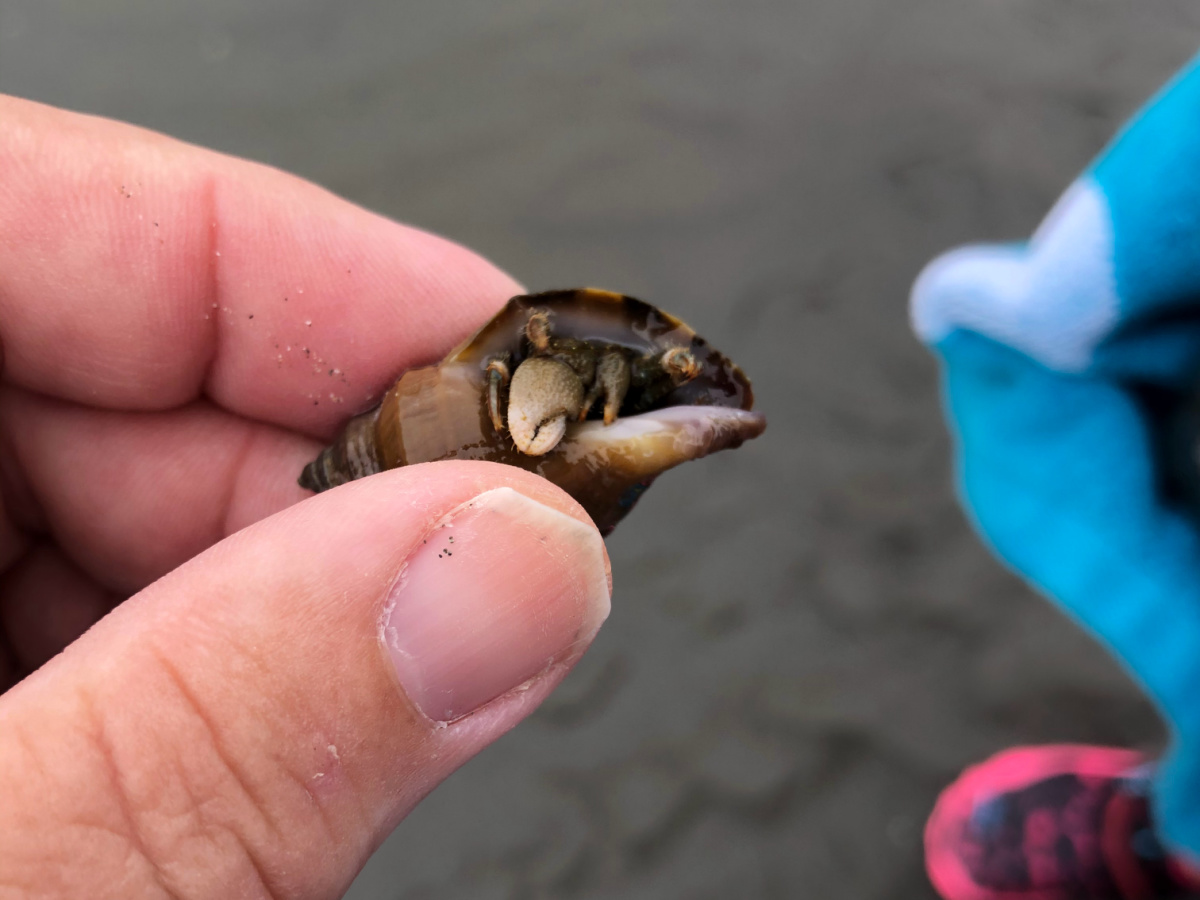
Tiny crabs darting across the rocks.
Barnacles covering almost every surface.
Sea cucumbers hidden in cracks between rocks.
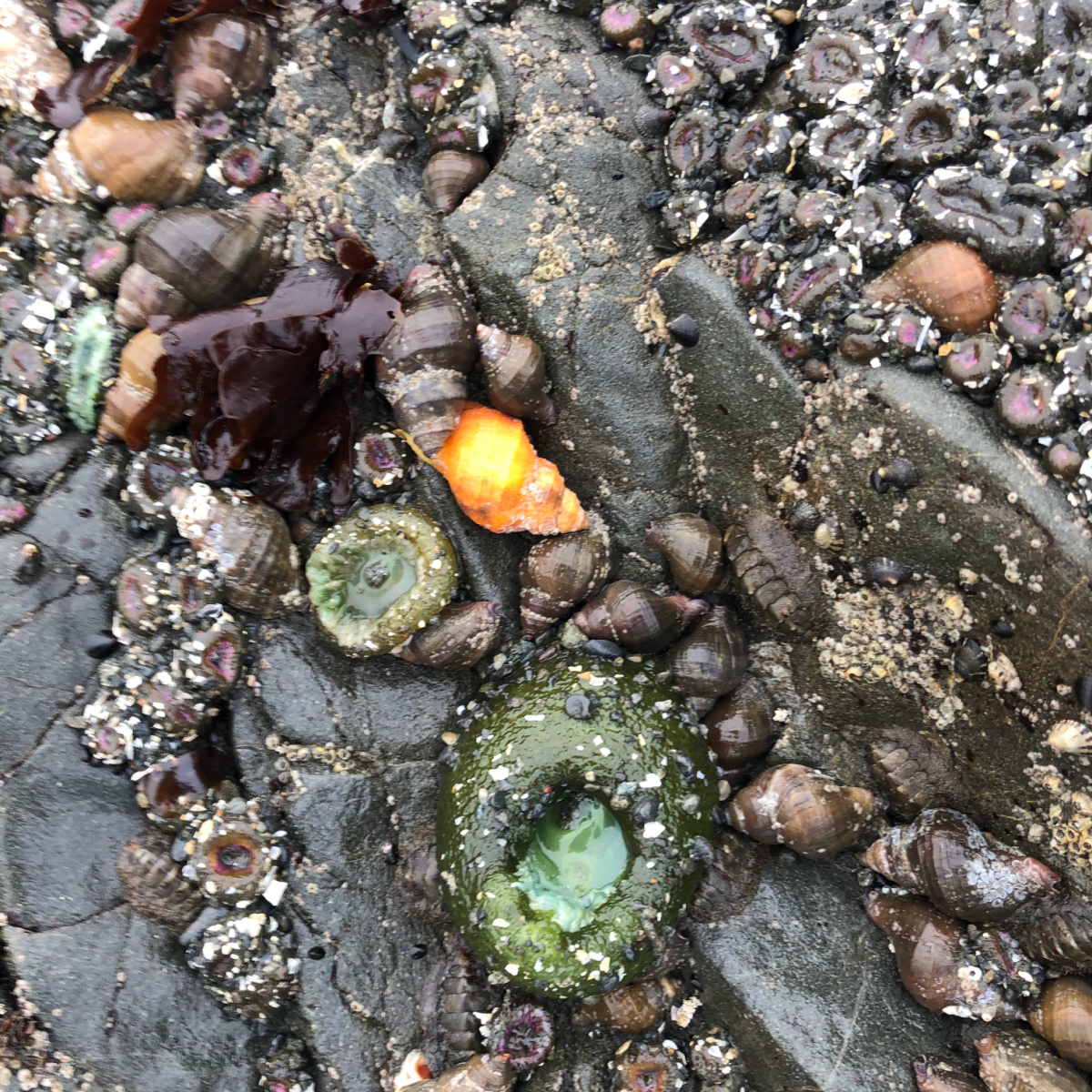
It felt less like visiting a beach and more like wandering through a living aquarium.
My daughter immediately dropped into full explorer mode.
Every few feet she would yell, “Mom! Look at THIS one!”
And every single time I thought I had already seen the coolest thing there, we would discover something else.
That ended up becoming one of my favorite mornings from all of our Olympic National Park trips.
Not because we did anything dramatic.
No epic hike.
No once-in-a-lifetime adventure tour.
We just wandered around tide pools in the fog before breakfast.
And somehow it was perfect.
Photographers who enjoy capturing the sea stacks and moody coastline at Ruby Beach should also check out these 25 iconic photo spots in Glacier National Park, one of the most visually stunning parks in the country.
Quick Snapshot: Ruby Beach at a Glance
| Category | Details |
|---|---|
| Location | Olympic National Park near Forks, Washington |
| Best For | Families, photographers, casual travelers, tidepooling |
| Famous For | Sea stacks, driftwood, marine life, tide pools |
| Difficulty | Easy short walk to the beach |
| Best Time to Visit | Low tide |
| Kid Friendly? | Yes |
| Typical Visit Length | 1–3 hours |
| Restrooms | Vault toilets near parking lot |
| Worth Visiting? | Definitely |
Where Is Ruby Beach?
Ruby Beach sits along Highway 101 on the western side of Olympic National Park, roughly south of Forks.
It’s one of the easiest beaches in the park to access, which is probably part of why it has become so popular.
And honestly, I think that accessibility matters more than people sometimes realize.
Not everybody visiting national parks wants a 10-mile hike.
A lot of travelers just want beautiful scenery, a little adventure, and the feeling of experiencing someplace wild without needing trekking poles and backcountry permits.
That’s exactly where Ruby Beach shines.
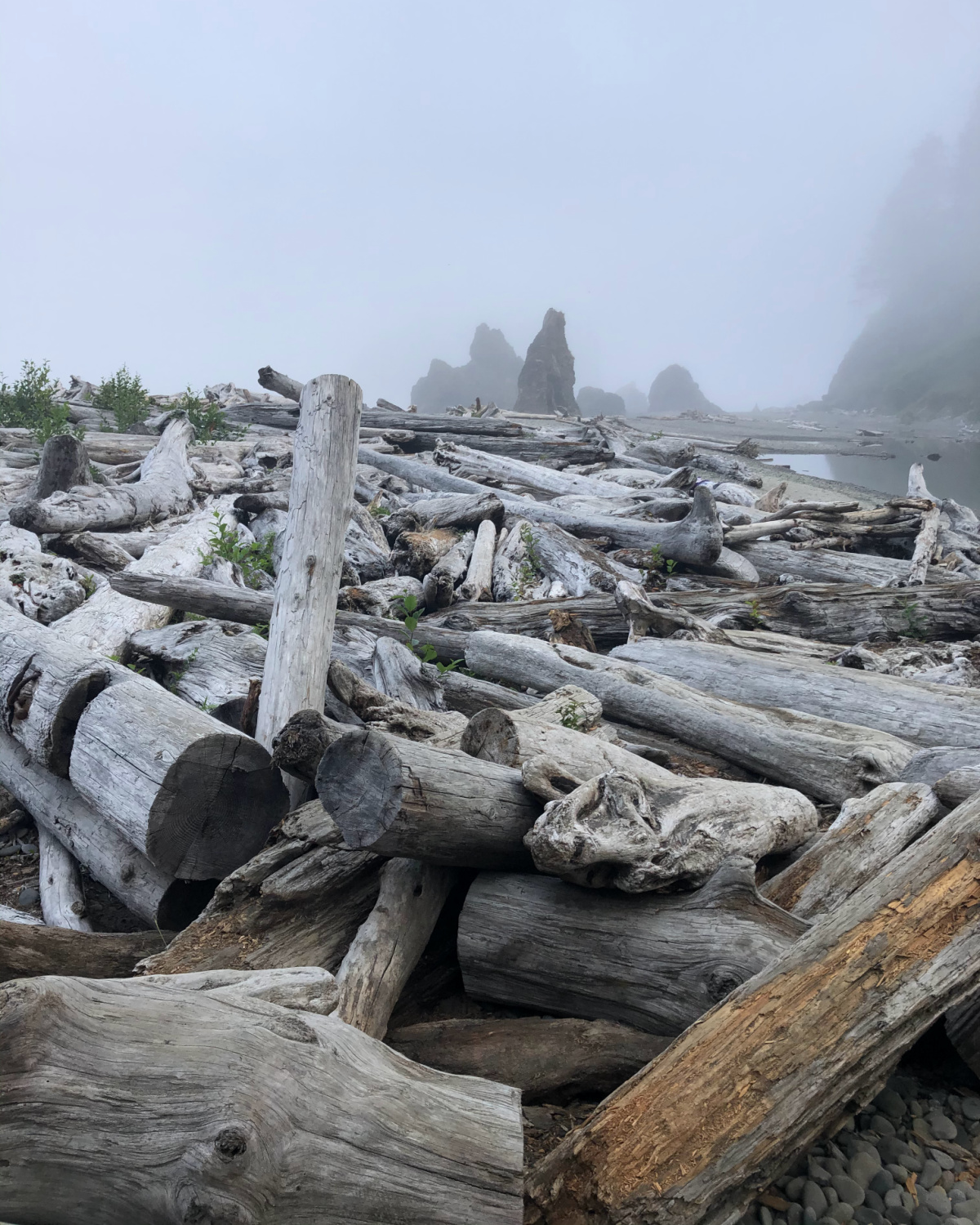
You park, walk a relatively short trail, head down toward the coast, and suddenly you are standing in front of giant sea stacks with driftwood scattered everywhere.
It feels dramatic almost immediately.
Planning more bucket-list national park adventures? My guide to the best summer activities and experiences in Alaska covers glaciers, wildlife cruises, scenic drives, and unforgettable experiences for travelers who love beautiful scenery without necessarily wanting hardcore backcountry adventures.
Why Ruby Beach Feels So Different
There are a lot of beautiful beaches along the Olympic coast.
But Ruby Beach feels unusually interactive.
Some scenic beaches are mostly about the overlook.
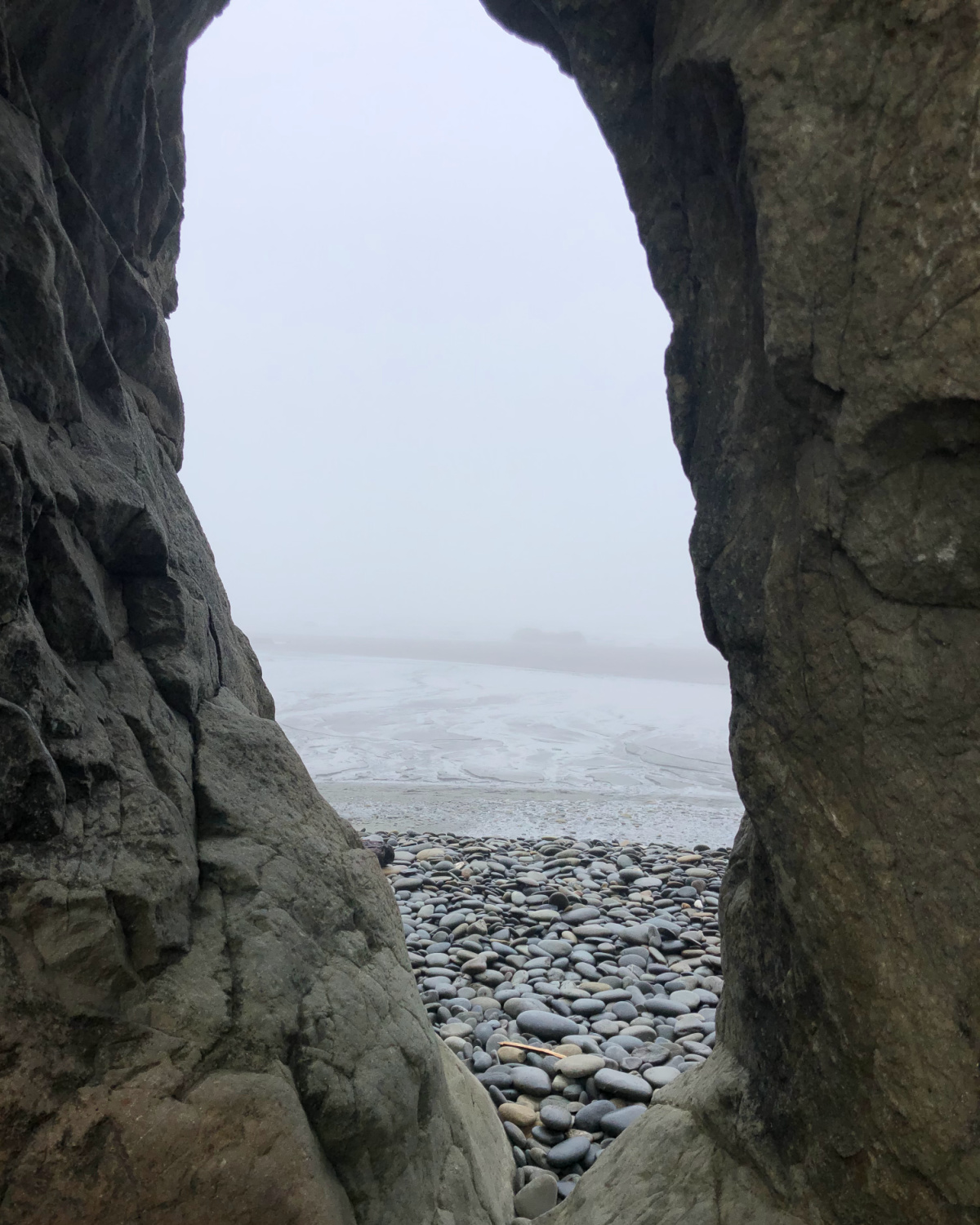
Ruby Beach invites you to wander.
You climb over driftwood, squeeze around rocks.
… poke around tide pools.
Kids start scrambling across boulders five minutes after arriving.
Even adults end up wandering farther and farther down the beach because every section looks a little different.
And then there’s the atmosphere.
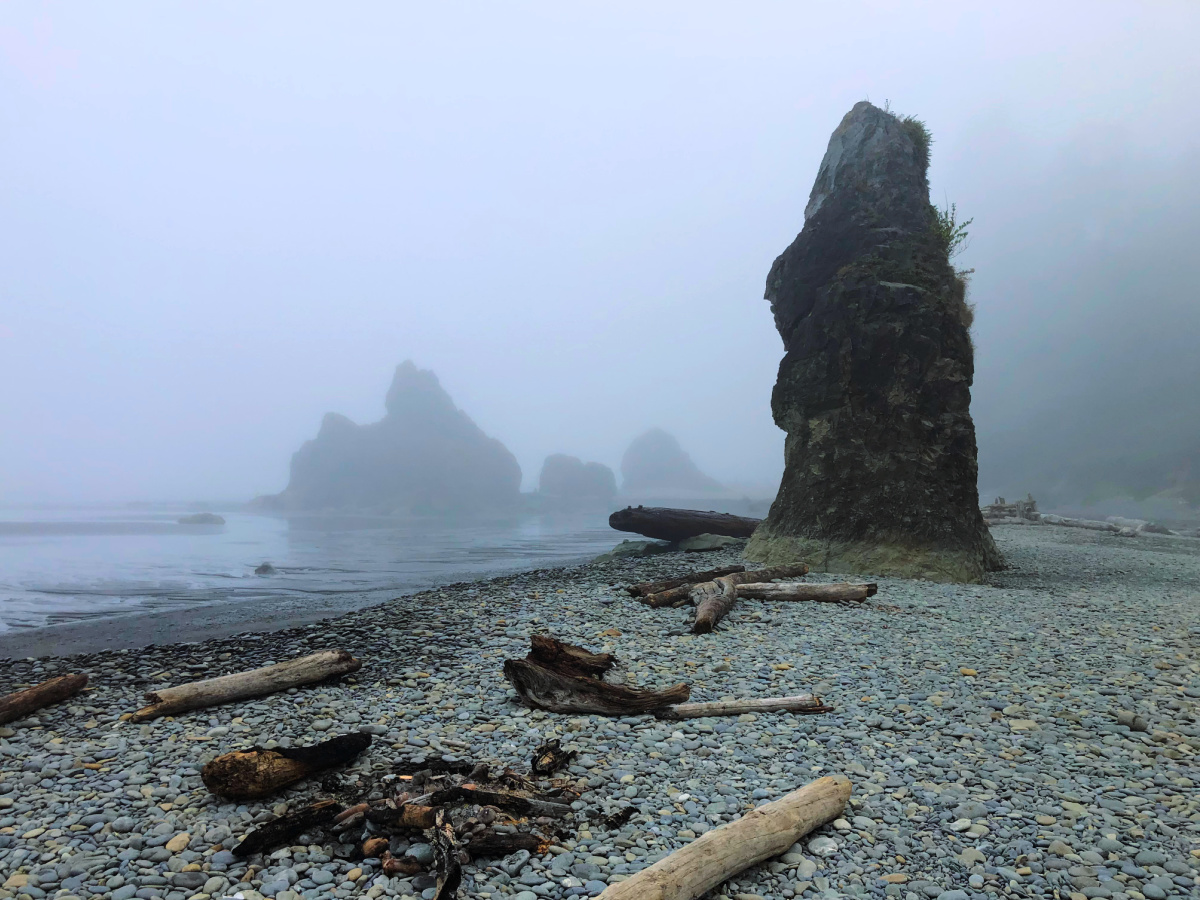
The Olympic coast has this moody, rugged feeling that almost feels cinematic.
Fog rolls across the shoreline.
The sea stacks appear and disappear depending on the light.
Everything smells like saltwater and wet driftwood.
Even on cloudy days, Ruby Beach somehow still feels beautiful.
Actually… maybe especially on cloudy days.
One thing I love about Ruby Beach is that it delivers an incredible national park experience without requiring a strenuous hike, which is exactly why I also put together this guide to visiting Utah’s Mighty 5 without hardcore hiking.
The Biggest Mistake People Make at Ruby Beach
Showing up at high tide.
Seriously.
If you take nothing else from this guide, check the tide charts before you go.
At high tide, a lot of what makes Ruby Beach special becomes harder or impossible to access.
The tide pools disappear underwater.
Parts of the beach narrow dramatically.
The rocky outcroppings become harder to explore.
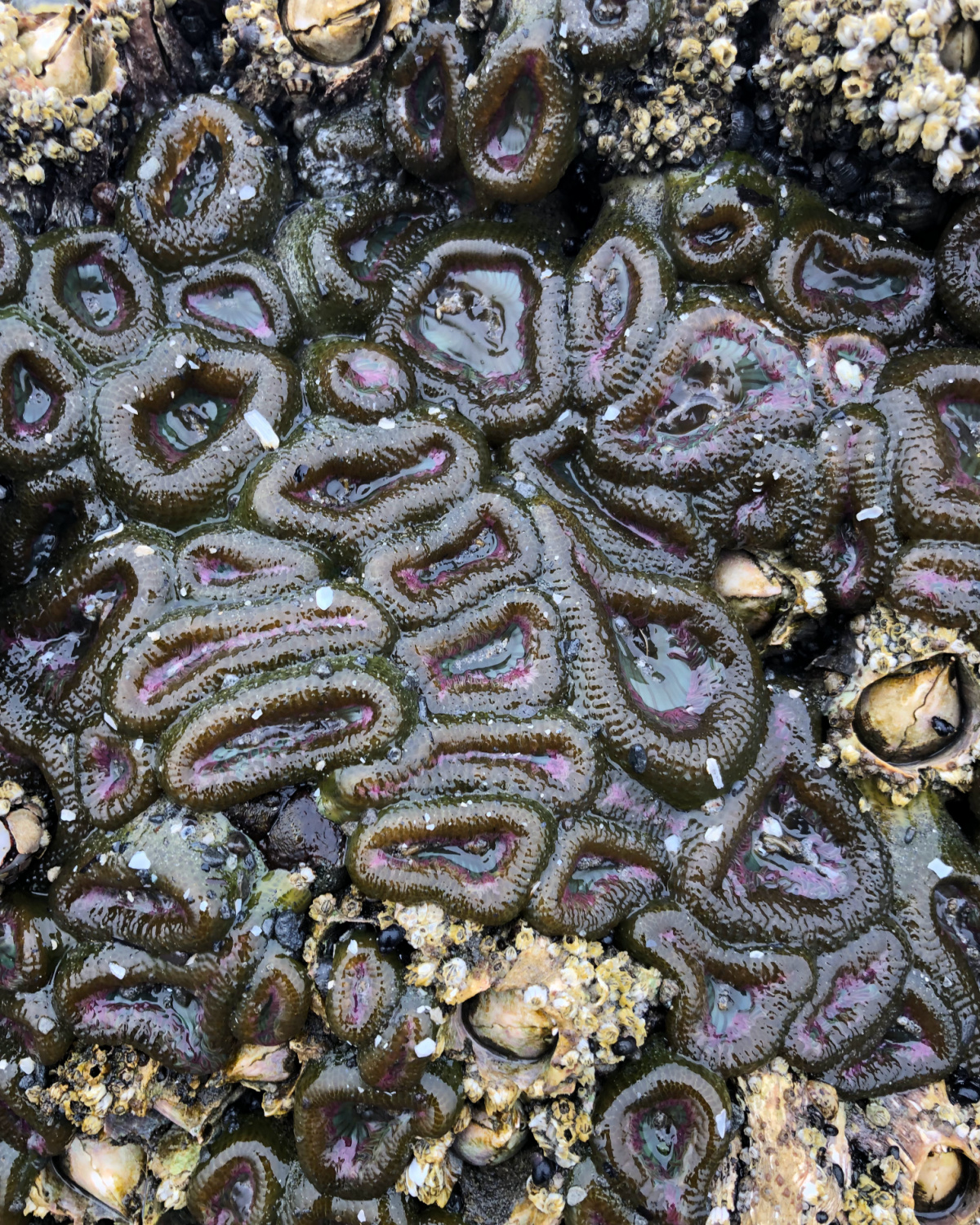
But during low tide, the beach completely changes.
The shoreline opens up.
Marine life becomes visible.
You can wander farther.
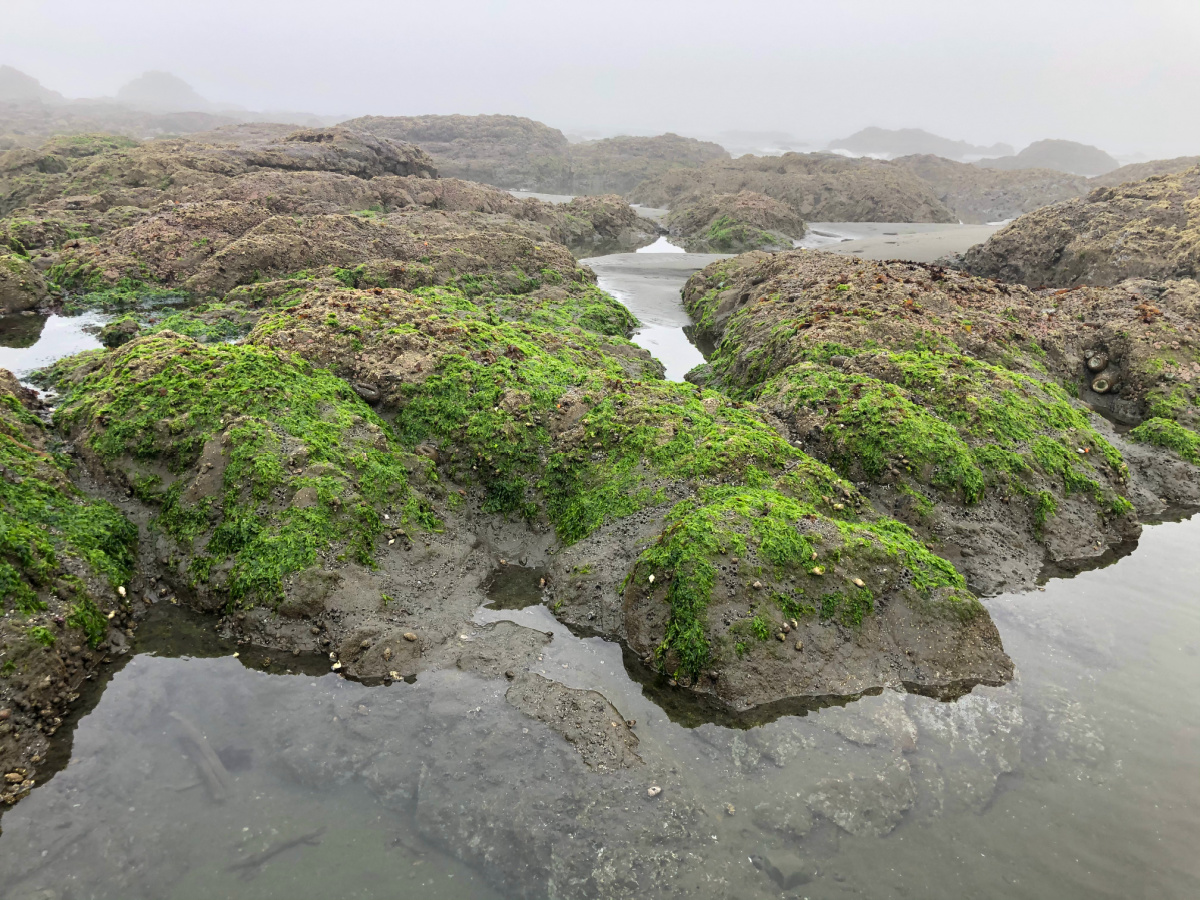
Tiny pools appear everywhere between the rocks.
The entire place becomes more interesting.
I genuinely think visiting Ruby Beach at low tide versus high tide creates two completely different experiences.
If possible, try to arrive within an hour or two of low tide.
And if low tide happens to line up with early morning? Even better.
If you enjoy the quieter, moodier side of national parks like foggy mornings at Ruby Beach, you may also love visiting Yosemite in April, when waterfalls are roaring and spring crowds are still relatively manageable.
Tidepooling at Ruby Beach
I knew there would be tide pools.
I did not expect them to be THAT good.
The colors alone surprised me.
The sea stars looked almost unreal against the darker rocks. Bright orange. Deep purple. Some had incredible texture when viewed up close.
The green sea anemones were maybe my daughter’s favorite part though.
There were entire sections of rock covered in them.
Some were tiny. Some were surprisingly large.
And because the water reflected the cloudy sky above them, parts of the tide pools almost looked neon green.
We spent a ridiculous amount of time just slowly moving from one pool to another.
That’s one thing I loved about Ruby Beach.
Nobody seemed rushed.
People were crouched over rocks pointing things out to their kids. Photographers were lying on the ground trying to capture reflections in tide pools. Everyone kind of naturally slowed down.
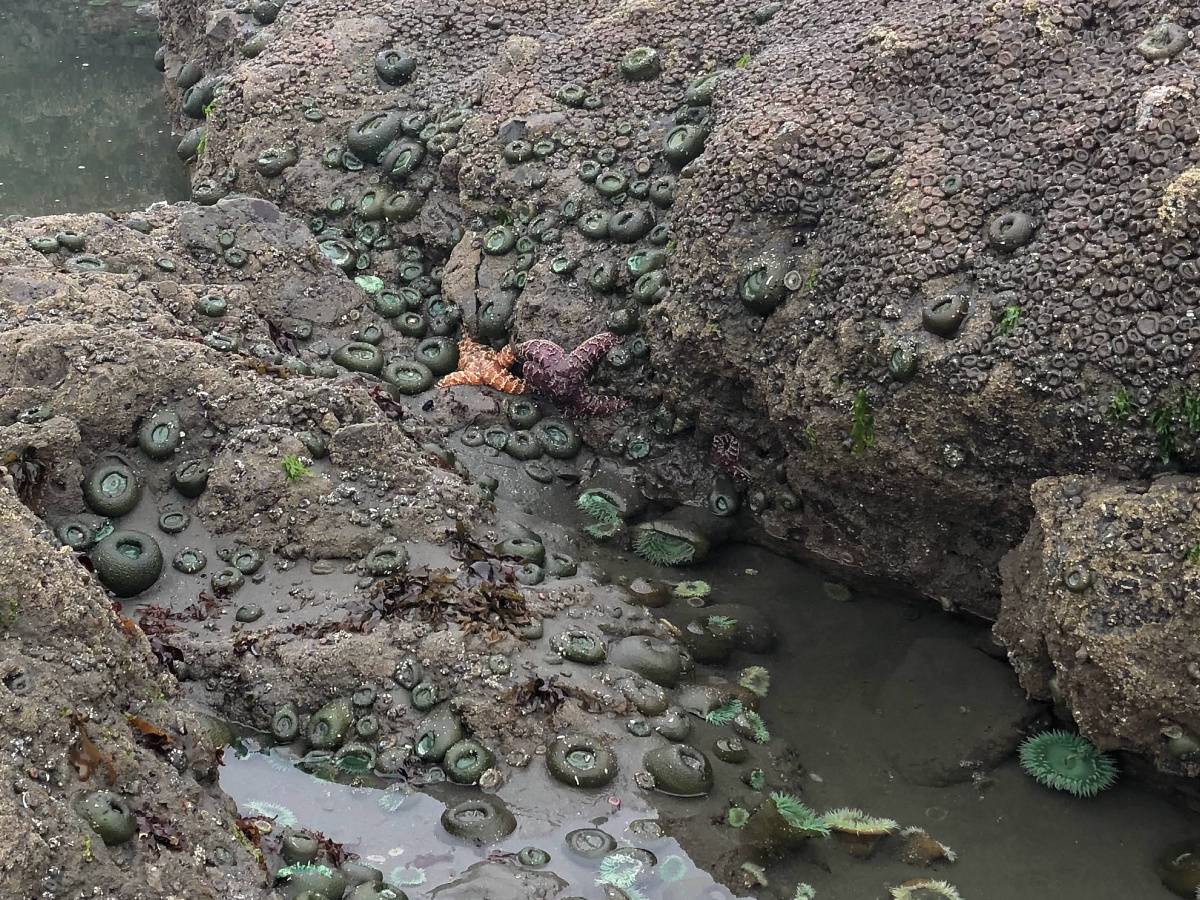
A few things you may spot during low tide include:
- Sea stars
- Sea anemones
- Crabs
- Barnacles
- Mussels
- Sea cucumbers
- Snails
- Limpets
Please be respectful while exploring.
Try not to step directly into delicate pools if possible, and avoid touching or moving creatures around.
The marine life here is one of the coolest parts of Ruby Beach.
The Walk Down to the Beach
The walk itself is short.
But I also don’t want to oversell how “easy” it is because some travel blogs make it sound like you practically step out of your car onto the sand.
That’s not really true.
There are stairs.
There’s uneven terrain.
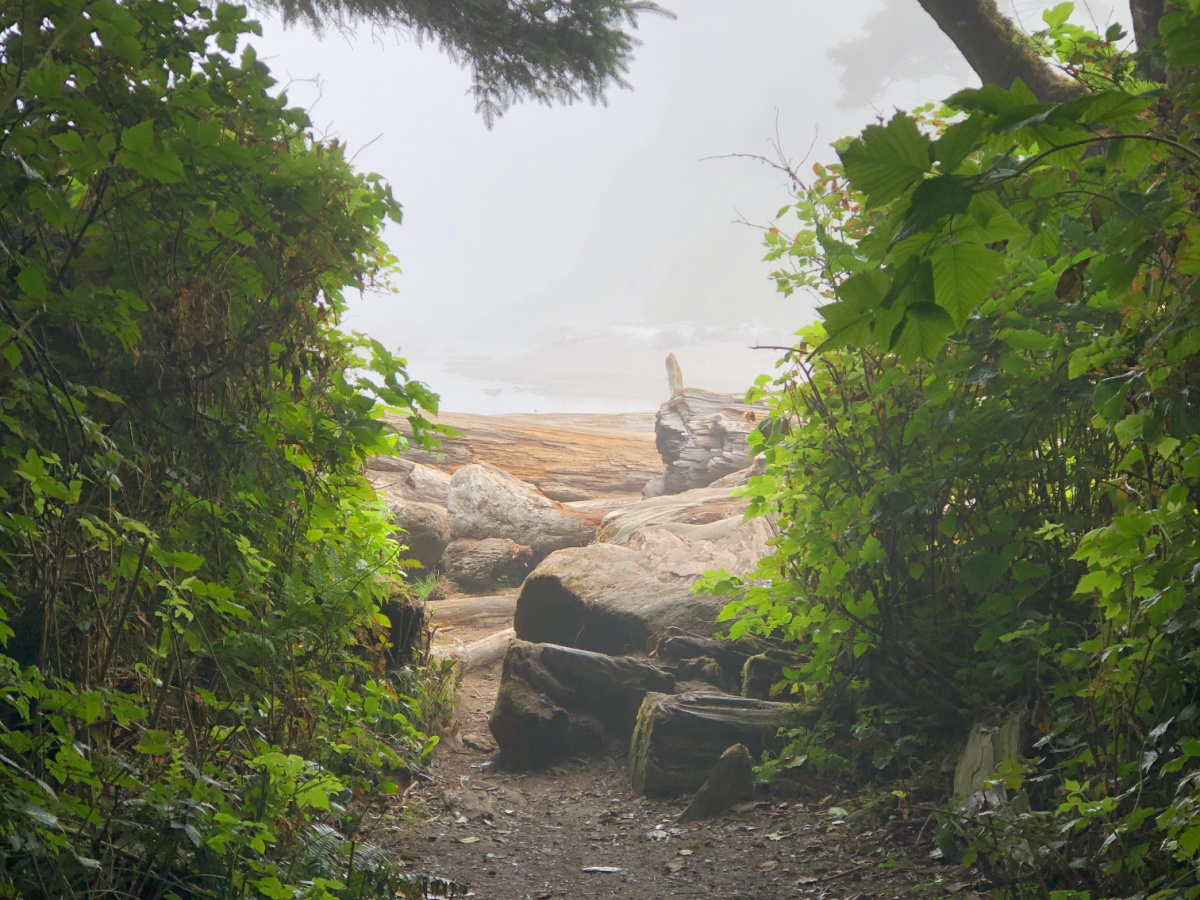
And depending on conditions, portions can feel a little slippery.
Most visitors should be perfectly fine.
But if you have mobility concerns, bad knees, or are carrying lots of beach gear and camera equipment, just know there is a bit of effort involved.
Still absolutely worth it.
Driftwood, Driftwood, and More Driftwood
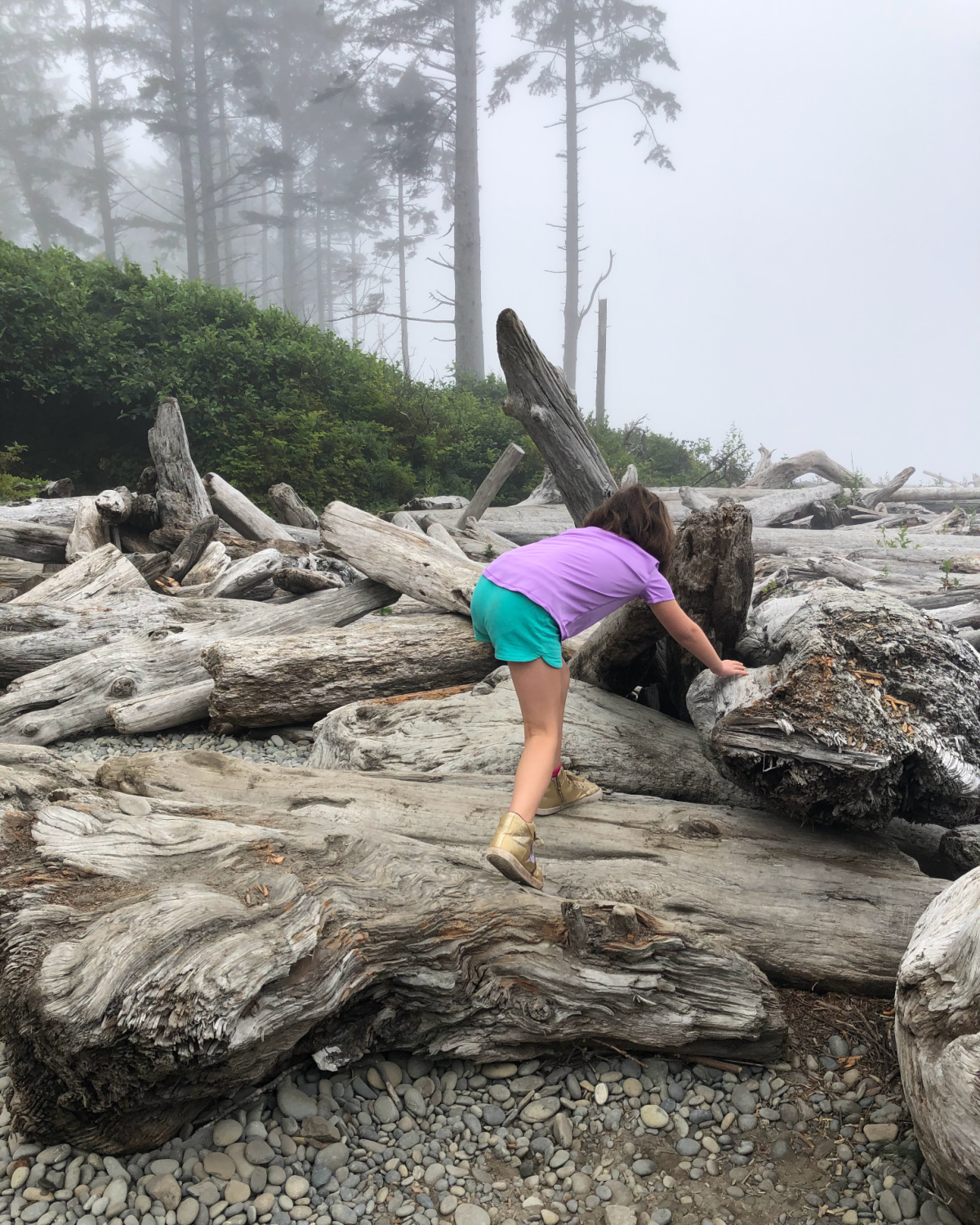
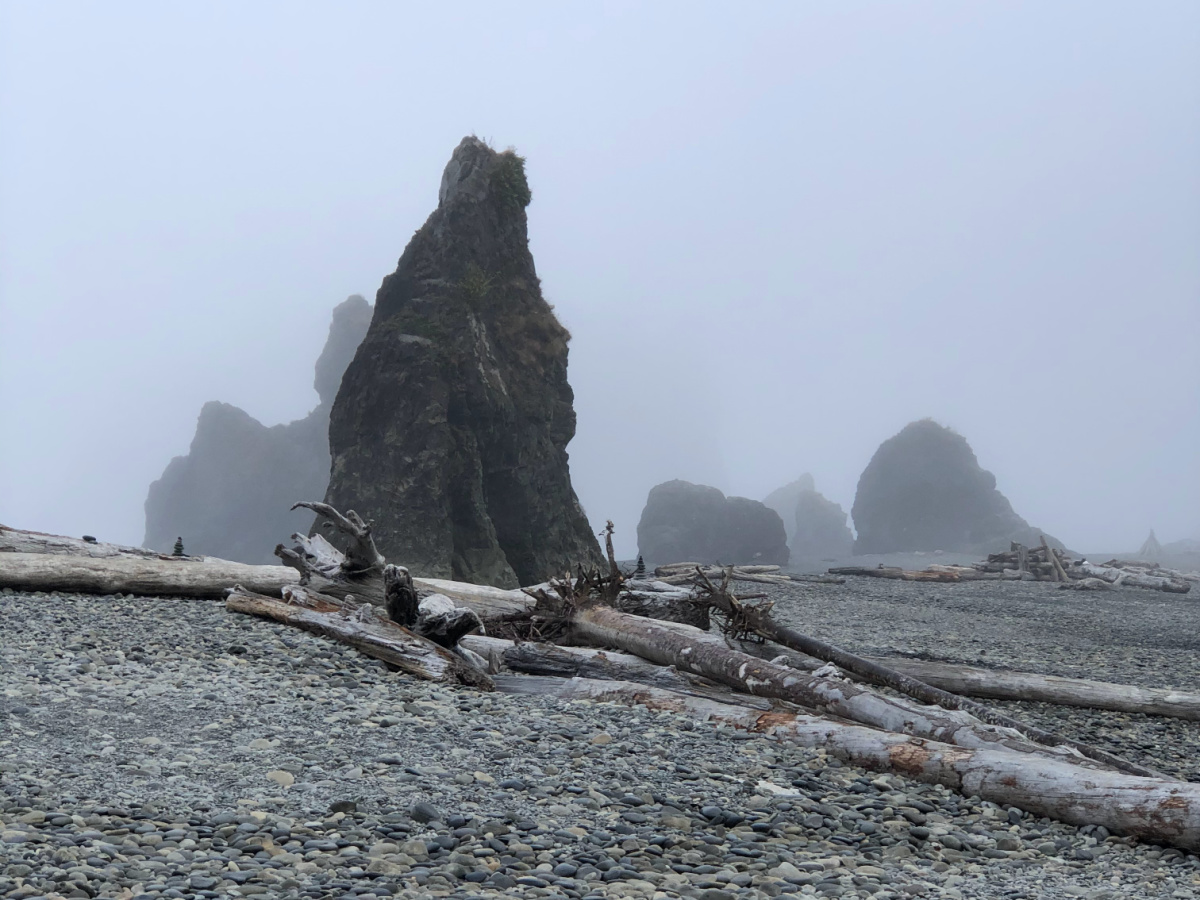
One thing that surprised my daughter the second time we visited Ruby Beach was the sheer amount of driftwood.
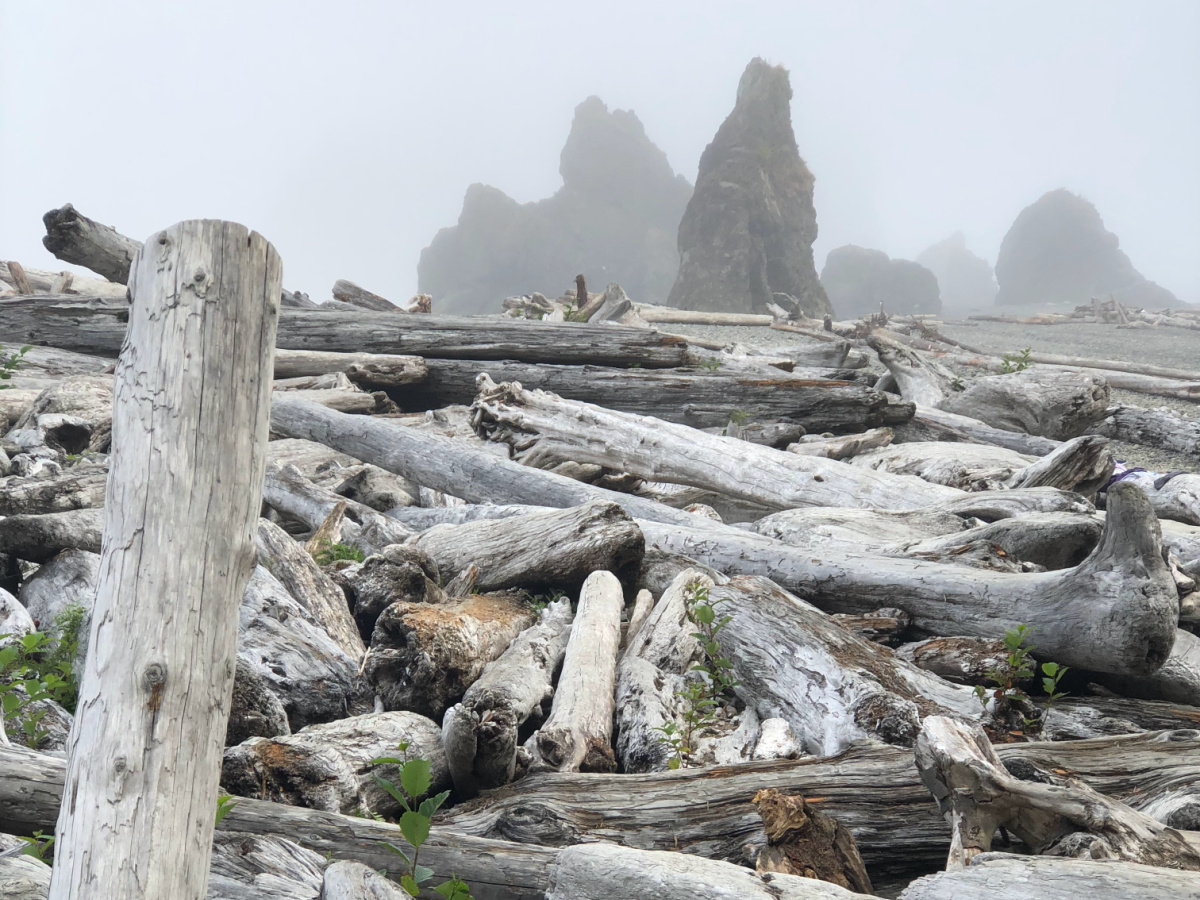
Huge logs cover sections of the beach.
Not cute little pieces either.
Entire tree trunks.
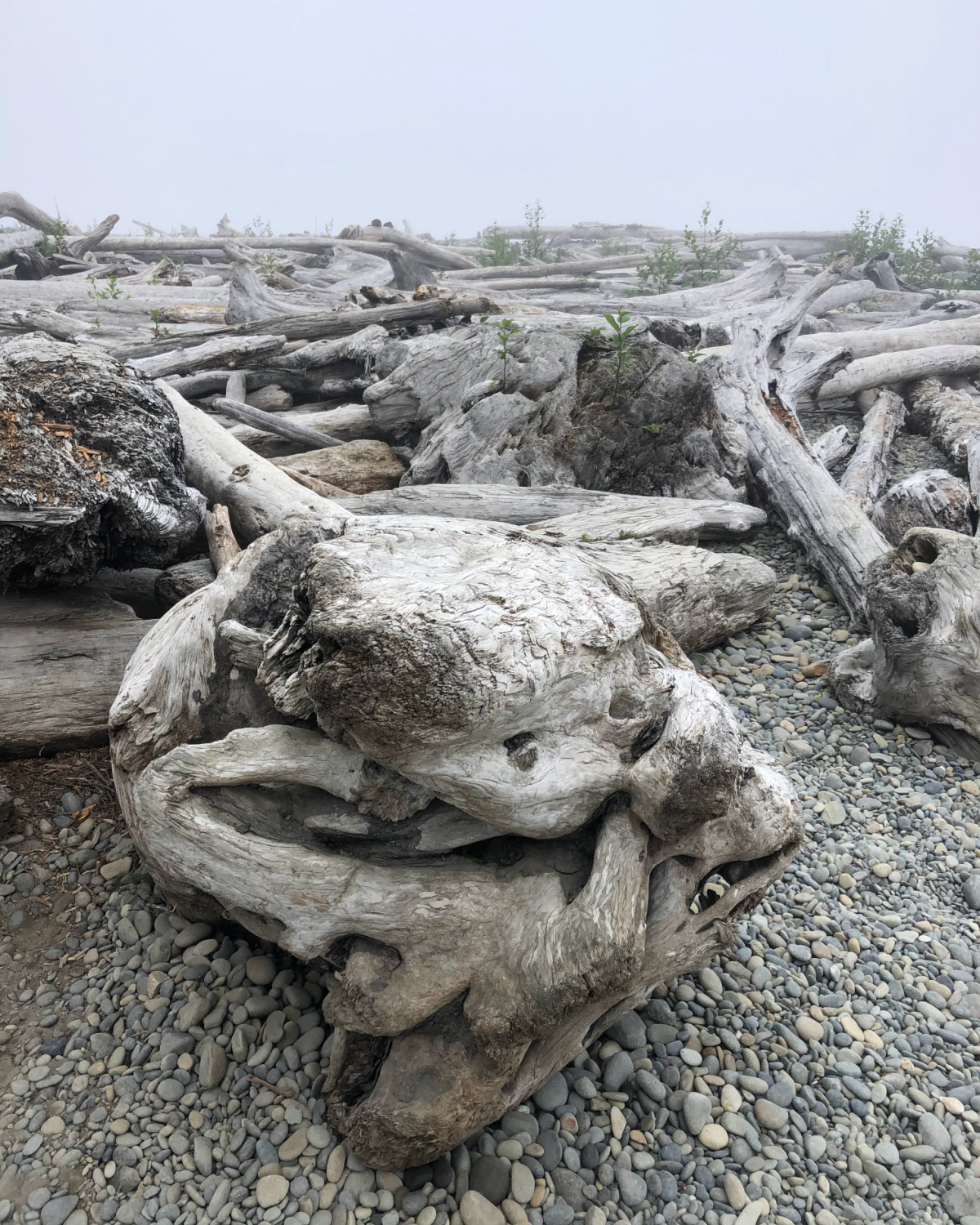
Some looked like they had been tossed around by the ocean for decades.
Naturally my daughter immediately turned them into climbing structures.
I think she could have entertained herself for hours just hopping from log to log.
For adults, the driftwood adds so much character to the scenery.
Without it, Ruby Beach would still be gorgeous. But the weathered logs help create that unmistakable Pacific Northwest coastal look.
That said, use common sense around them.
Some logs are slippery. Some shift slightly. And after storms, driftwood can become genuinely dangerous.
Exploring the Rocks and Sea Stacks
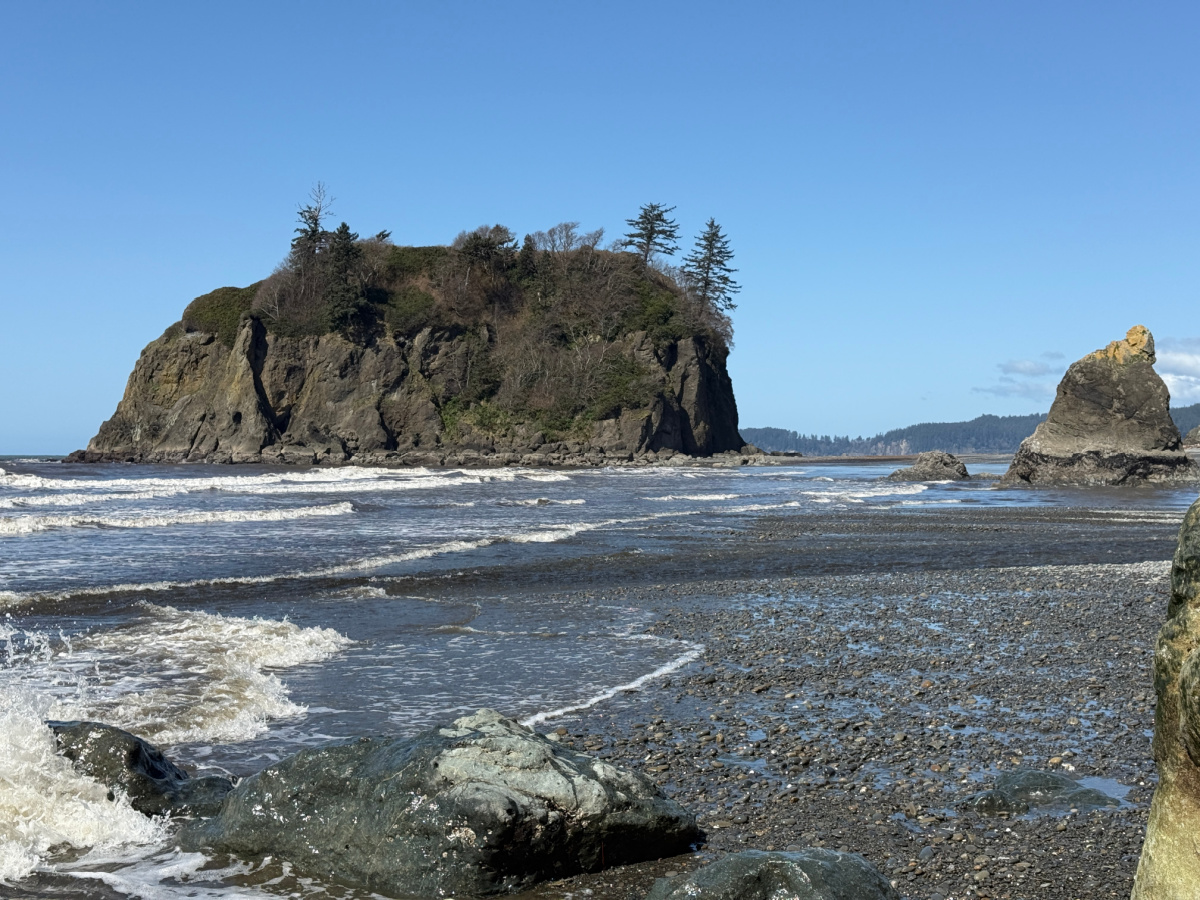
The sea stacks at Ruby Beach are stunning in person.
Photos honestly don’t quite capture how massive they feel standing beside them.
During low tide you can explore around many of the rocky areas farther down the shoreline.
That ended up being one of our favorite parts of the visit.
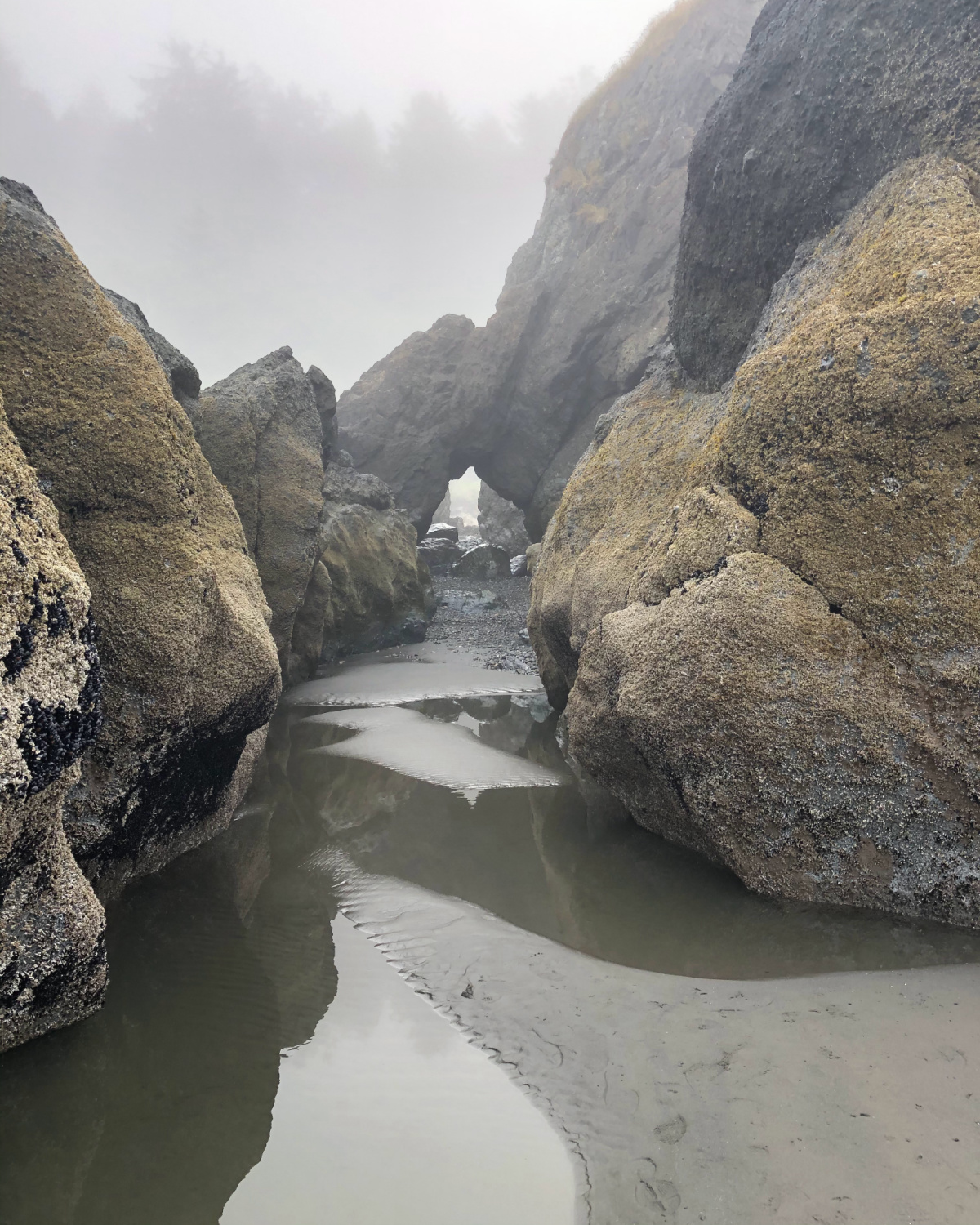
My daughter kept disappearing around corners looking for “secret passages” between rocks.
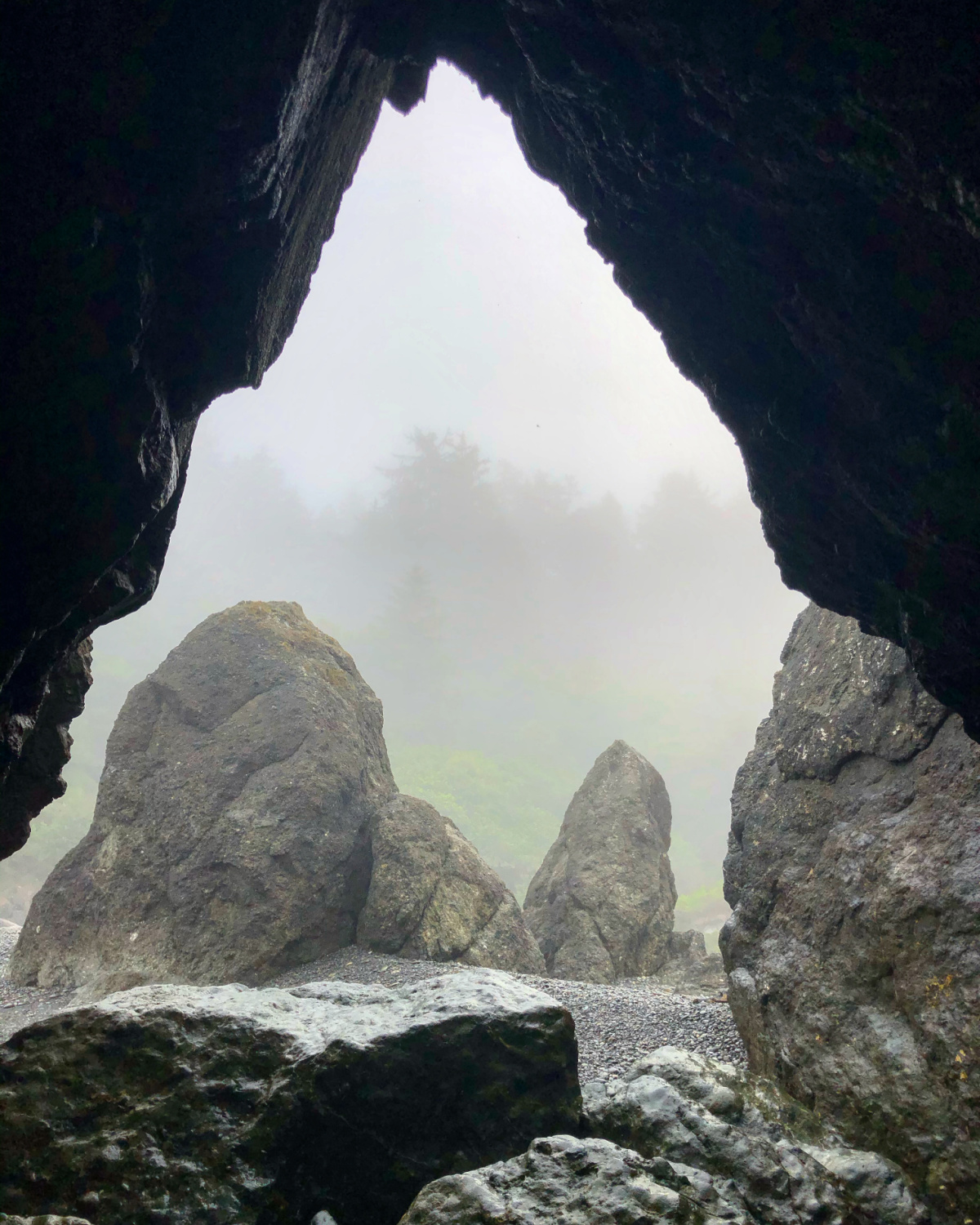
Some areas opened into little rocky alcoves.
Others had shallow pools full of tiny marine life.
There were moments where the fog would suddenly shift and reveal giant sea stacks looming farther out in the water.
It felt dramatic in the best possible way.
And unlike some national park experiences that require a huge physical effort to feel adventurous, Ruby Beach manages to feel exciting while still being accessible for average travelers.
What the Weather Is Really Like
If you are expecting warm swimming beach weather, this is probably not that.
Even during summer, the Olympic coast often feels cool and damp.
Fog is common.
Wind is common.
Overcast skies are common.
Honestly, I think visitors who embrace that mood tend to enjoy the experience the most.
Ruby Beach is not really about laying out in the sun.
It’s about atmosphere.
The foggy conditions during our first visit made everything feel almost prehistoric.
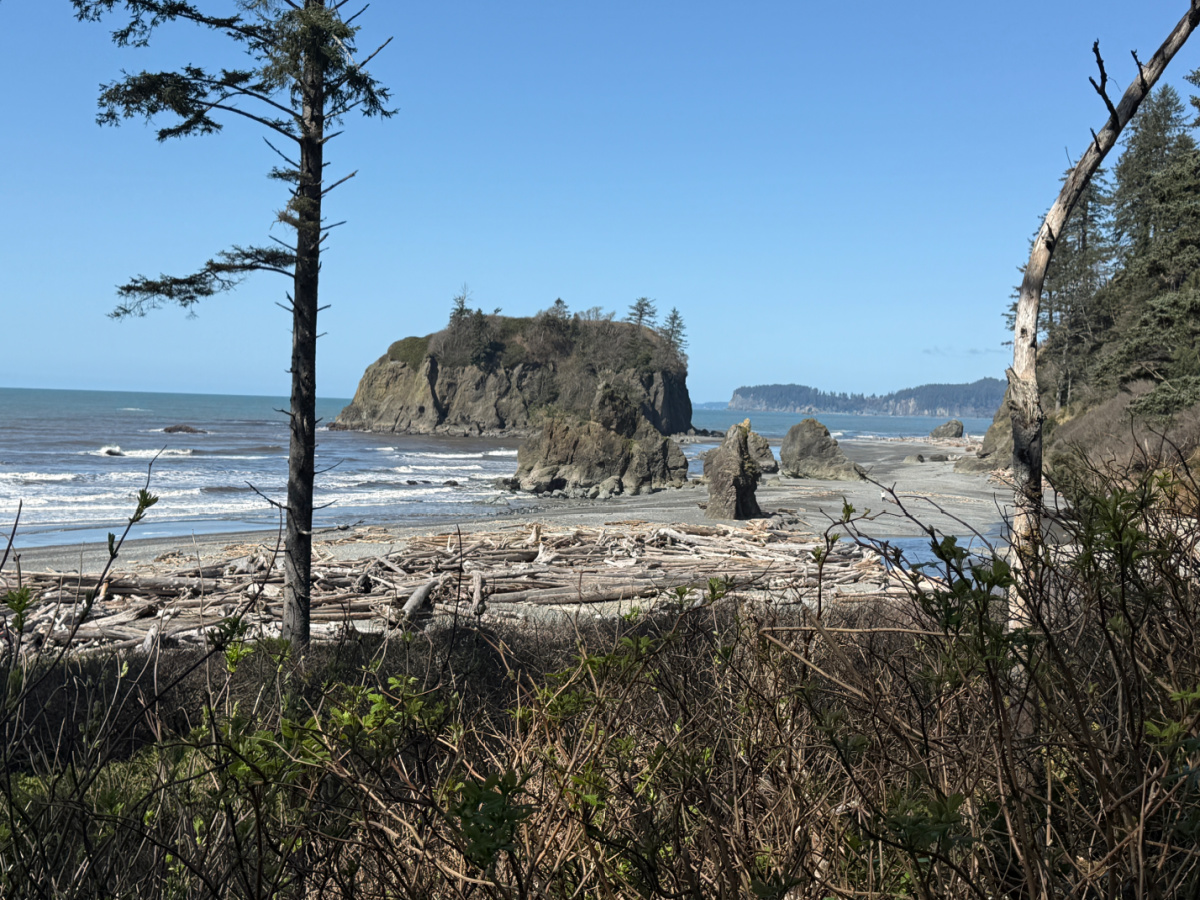
Even the sunny visit still felt rugged rather than tropical.
Bring layers.
Bring shoes you don’t mind getting wet.
And if you have kids tidepooling, there is about a 95% chance somebody ends up with damp socks.
Is Ruby Beach Good for Families?
Absolutely.
Actually, I think it may be one of the best beaches in Olympic National Park for families because there are so many different ways kids can interact with the environment.
There’s always something happening.
One minute kids are staring into tide pools.
The next they are climbing driftwood or balancing across rocks.
And because the main beach area is wide and open, it generally feels easier to explore than some beaches with rougher access.
You still need to stay alert near waves and slippery rocks, obviously.
But overall Ruby Beach strikes a really nice balance between adventure and accessibility.
Best Time of Day to Visit Ruby Beach
Every time of day changes the feel of the beach.
Early Morning
This is still my favorite.
The fog can be incredible. Crowds are lighter. Wildlife viewing tends to be better.
And there’s something special about hearing waves through the mist before most people are awake.
Midday
Brighter conditions and easier visibility.
This is usually when the beach feels busiest though.
Sunset
Ruby Beach is gorgeous at sunset when the sea stacks silhouette against the sky.
That said, if I had to choose between perfect sunset lighting and perfect low tide timing, I would personally choose low tide.
How Long Should You Spend at Ruby Beach?
Longer than you probably think.
I could easily see people stopping for 30–45 minutes if they are road-tripping through Olympic National Park quickly.
But if you enjoy photography, tidepooling, wandering beaches, or traveling with kids, it is very easy to spend multiple hours here.
Ruby Beach feels like one of those places where the best moments happen while wandering slowly with no particular agenda.

Pro Tips for Visiting Ruby Beach
Check Tide Charts Before Anything Else
Low tide completely changes the experience.
Go Early If Possible
The beach feels dramatically more peaceful in the morning.
Wear Shoes With Good Grip
Wet rocks and driftwood can be slippery.
Don’t Rush Past the Tide Pools
Some of the coolest marine life is easy to miss.
Let Kids Explore
Honestly, the unstructured wandering is half the fun here.
FAQ About Ruby Beach
Is Ruby Beach worth visiting?
Yes. Completely.
If somebody asked me for one easy-access Olympic National Park beach recommendation, Ruby Beach would probably be near the top of my list.
Can you swim at Ruby Beach?
Technically yes, but the Pacific Ocean here is very cold and conditions can be rough.
Most visitors are exploring rather than swimming.
Is Ruby Beach crowded?
It definitely can be midday during peak summer.
Mornings feel much quieter.
Are the tide pools really that impressive?
Honestly yes.
The tidepooling ended up being one of the highlights of our entire Olympic National Park trip.
Is Ruby Beach difficult to access?
Not really.
The walk down includes stairs and uneven terrain, but compared to many national park hikes, it is relatively easy.
Final Thoughts on Ruby Beach
Ruby Beach feels like the kind of place that reminds people why they love national parks in the first place.
You don’t need a huge itinerary or expensive gear. Ruby Beach doesn’t require a 10-mile hike.
You just show up, slow down, and start exploring.
Maybe that’s why it stayed with me so much.
It felt adventurous without feeling exhausting.
Wild without feeling inaccessible.
And somehow both visits — the foggy eerie morning and the brighter sunny afternoon — ended up being memorable for completely different reasons.
If you are planning a trip to Olympic National Park and want one beach that combines scenery, tidepooling, family-friendly exploring, and classic Pacific Northwest atmosphere, Ruby Beach absolutely deserves a spot on your itinerary.