
Titan Missile Museum Review: One of the Coolest Cold War Attractions in Arizona

Affiliate Disclosure: This post may contain affiliate links. If you make a purchase or booking through these links, I may earn a commission at no additional cost to you.
Planning a visit to the Titan Missile Museum in Arizona? Here’s what the underground tour is like, what you’ll see, and whether it’s worth visiting.
Estimated reading time: 19 minutes
If you are anywhere in southern Arizona and you have even a passing interest in history, military stuff, the Cold War, or giant things hidden underground, the Titan Missile Museum is such a cool side quest.
And I say side quest because this is not necessarily the place most people are building an Arizona vacation around. You are probably going to Tucson for something else. Or maybe you are driving down from Phoenix. Or you are combining this with some of the other really cool attractions in southern Arizona.
But if you are anywhere remotely close? I would absolutely make time for it.
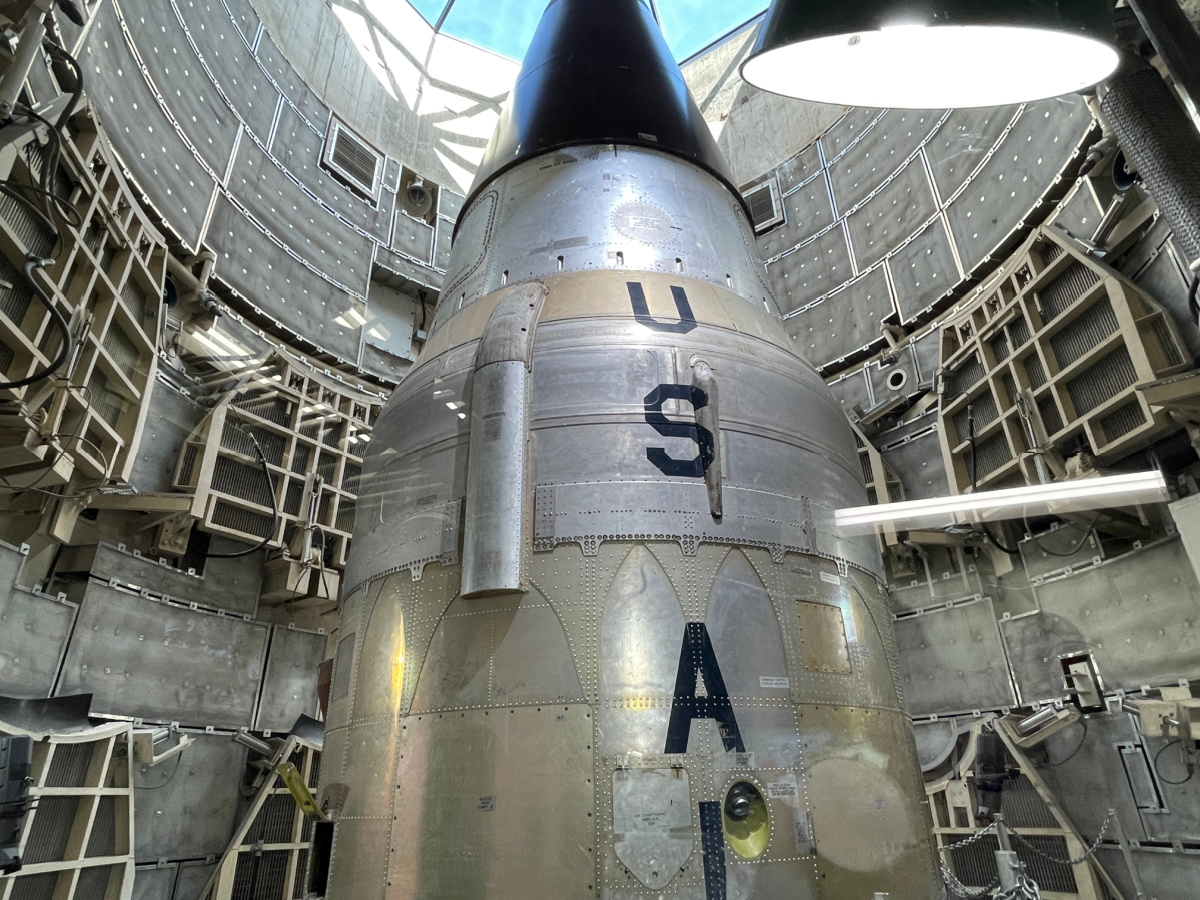
The Titan Missile Museum is an actual former Cold War missile site where you can go underground, walk through the old command center, see where the Air Force crews worked, and stand next to a Titan II missile still sitting inside its silo.
And it is enormous.
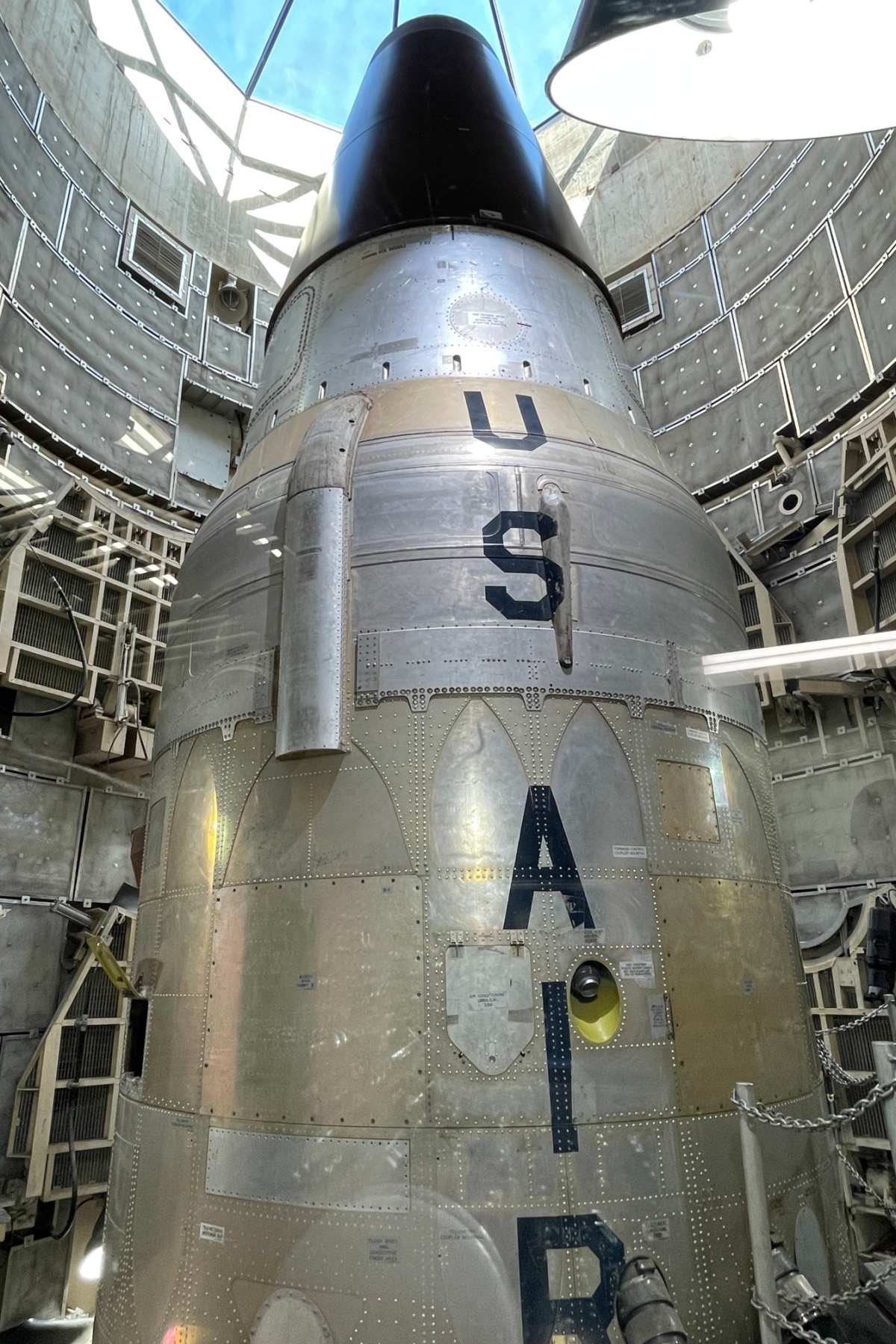
Like, intellectually, you understand that an intercontinental ballistic missile is going to be big. Then you actually stand next to one and look up.
Oh.
Okay.
That is REALLY big.
A Very Gen X Cold War Experience
I feel like this museum hits a little differently if you grew up in the 1970s or 1980s.
The Cold War was just sort of there all the time.
The United States and the Soviet Union had enough nuclear weapons pointed at each other to destroy basically everything, and somehow mutually assured destruction was supposed to make all of us feel better about the situation.
Totally normal childhood stuff.
And if you are Gen X, you probably also remember WarGames.
There is that opening scene where the missile crew gets what they think is the order to launch, and one of the guys cannot bring himself to turn the key. Then, because apparently the problem was that humans had too many feelings about starting World War III, they decided to automate the whole thing.
And then Matthew Broderick almost accidentally destroys civilization.
Again. Totally normal childhood entertainment.
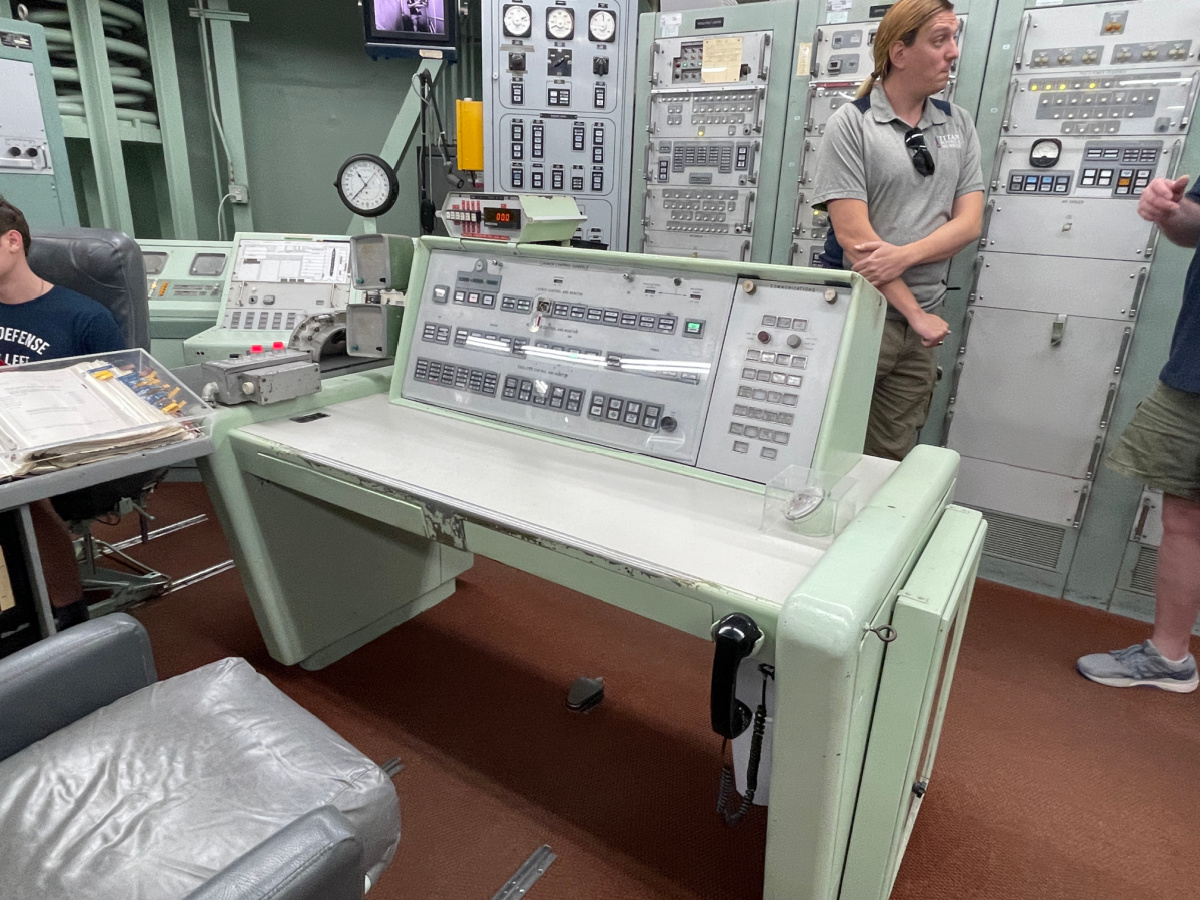
So walking into an actual missile control center and seeing all the switches, keys, lights, consoles, and enormous blast doors feels a little surreal.
This is the real-world version of something we saw in movies and heard about on the news growing up.
Except this wasn’t a movie set.
People actually worked down here.
And the missile sitting in the silo was part of America’s nuclear deterrence system.
What Is the Titan Missile Museum?
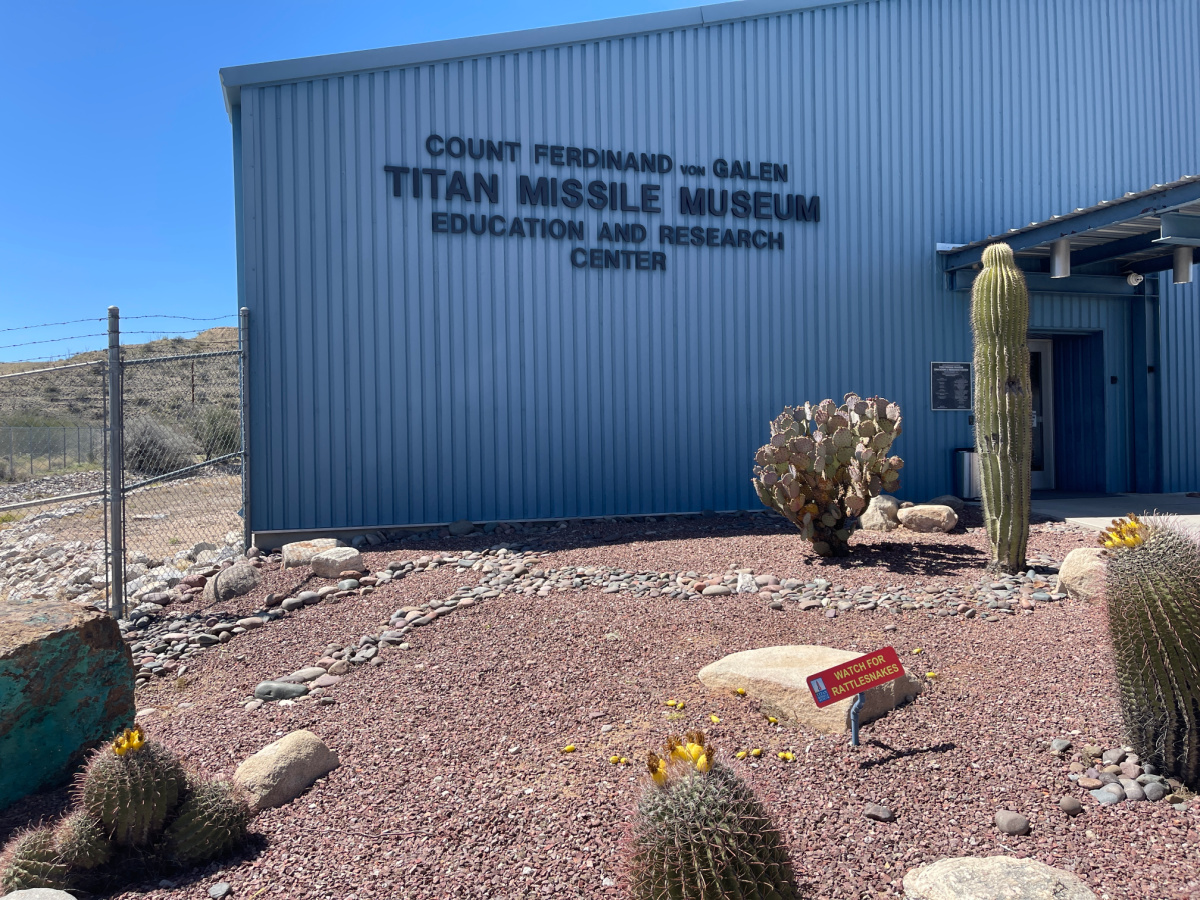
The Titan Missile Museum is located south of Tucson in Green Valley, Arizona.
The site was once one of a group of Titan II missile complexes surrounding Tucson during the Cold War.
Today, it has been preserved so visitors can actually see what one of these missile sites looked like and how it operated.
And that is what makes this place so interesting.
You are not walking through a building filled with arcades and amusement attractions.
Nope. You are actually going underground into the missile complex.
You walk through the same tunnels, see the giant blast doors, and even go inside the launch control center. And eventually you see the Titan II missile itself still standing in the silo.
Obviously, the nuclear warhead is no longer sitting on top of it waiting to ruin everyone’s day.
But the missile and the facility are still incredibly impressive.
I had actually visited another missile site before this one — the Minuteman Missile National Historic Site in South Dakota — and years ago I also toured a similar military facility in Utah for work.
So I already knew this kind of tour was going to be interesting.
But the Titan Missile Museum is especially good because you get to see so much of the actual underground complex.
Before Your Tour: The Small Museum and Gift Shop
When you first arrive, you check in inside the visitor center.
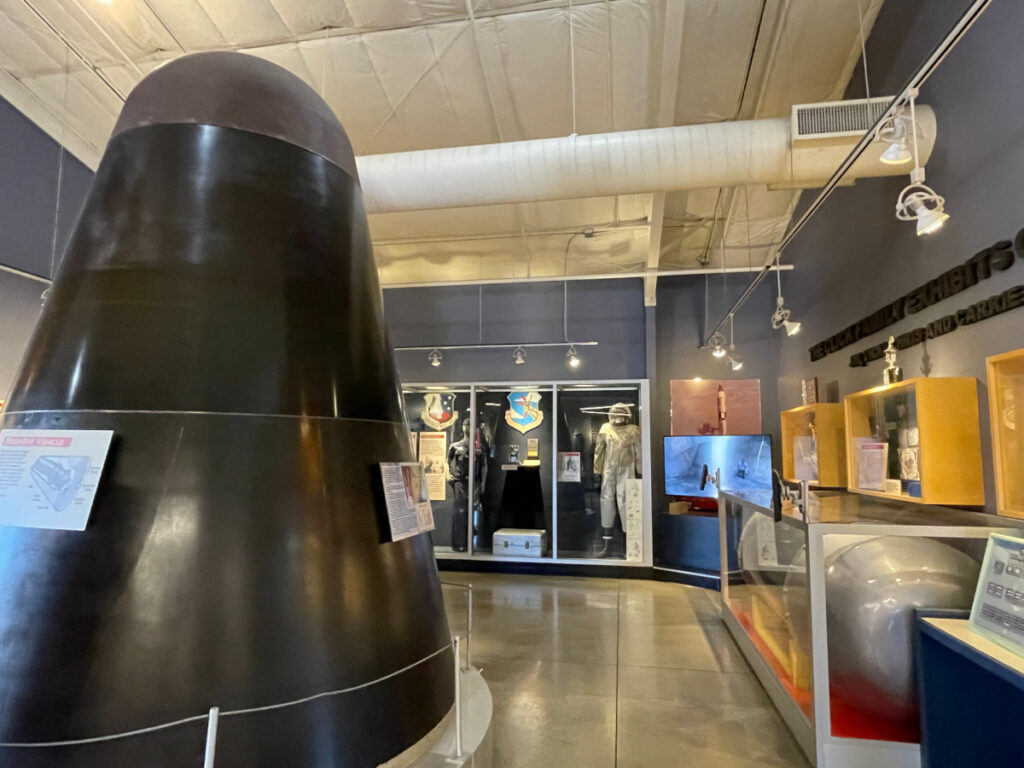
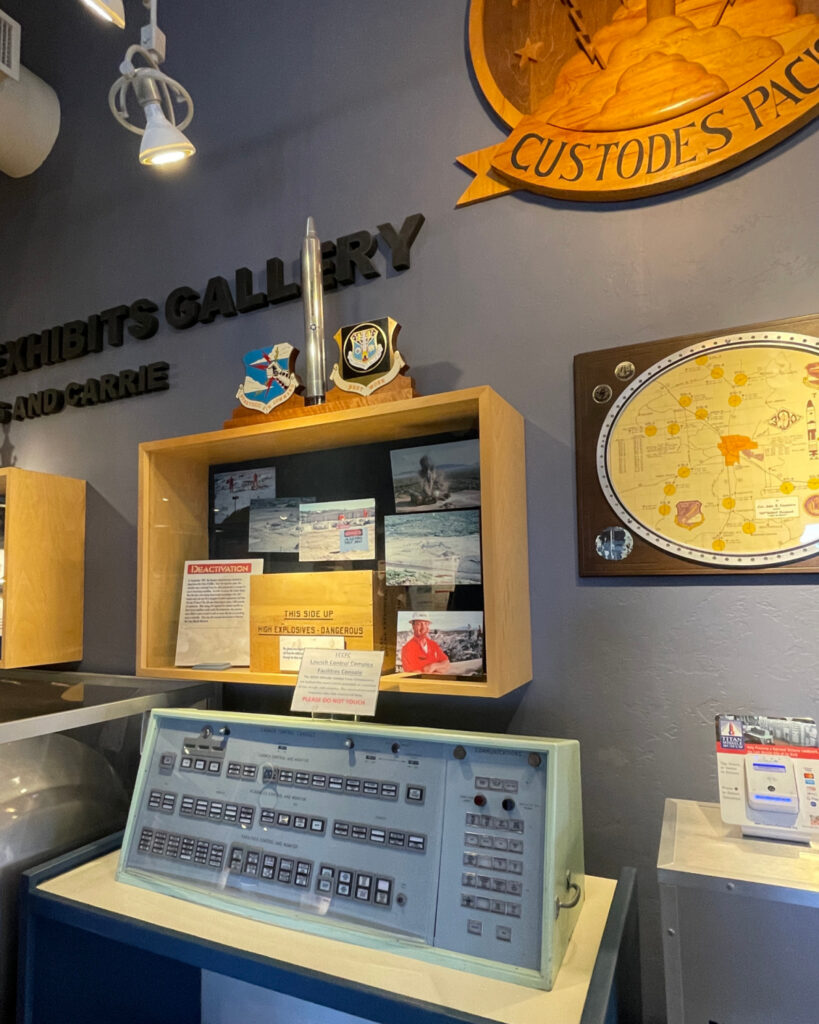
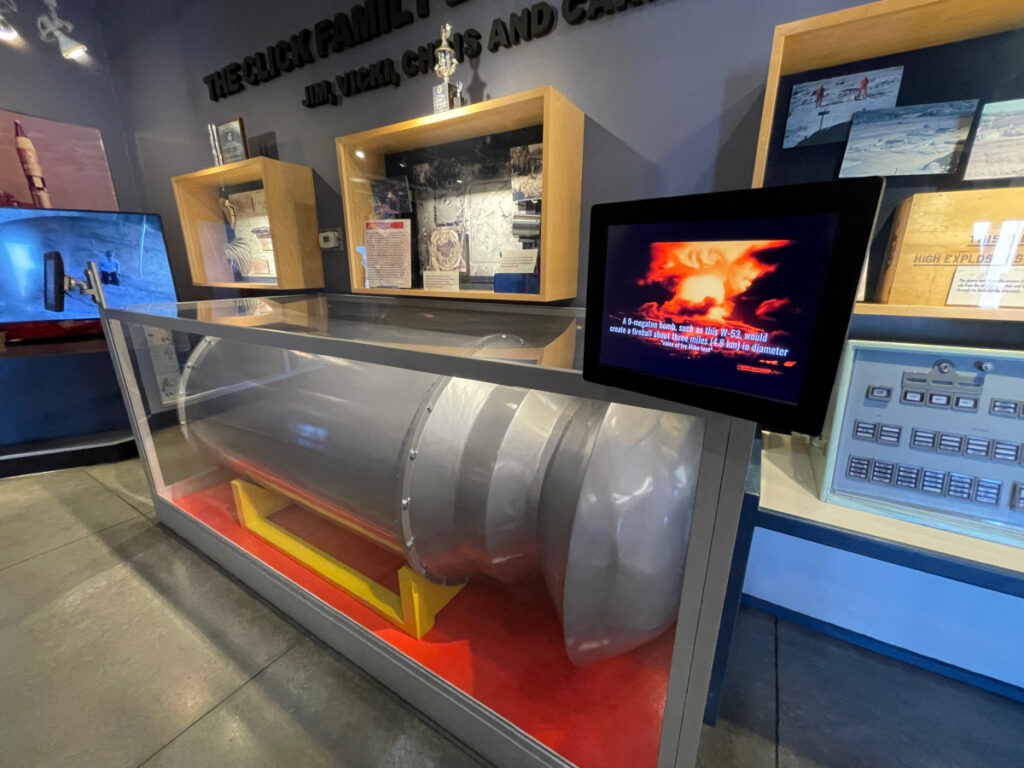
There is a small museum area with Cold War artifacts, missile equipment, old photographs, Air Force memorabilia, and exhibits explaining the history of the Titan II program.
And when I say small, I mean small.
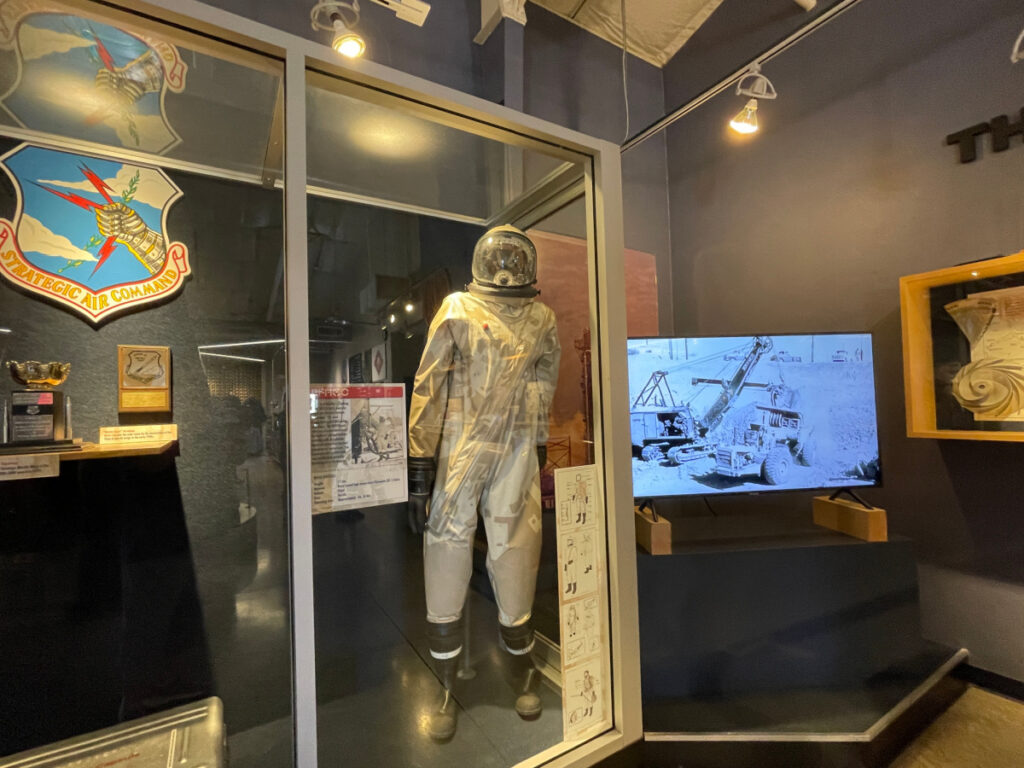
If you stopped and carefully read every single panel, you could probably spend a little while in here.
But realistically?
This is maybe a 15-minute museum.
The underground tour is the reason you are coming.
Still, it is worth arriving early enough to look around before your tour starts.
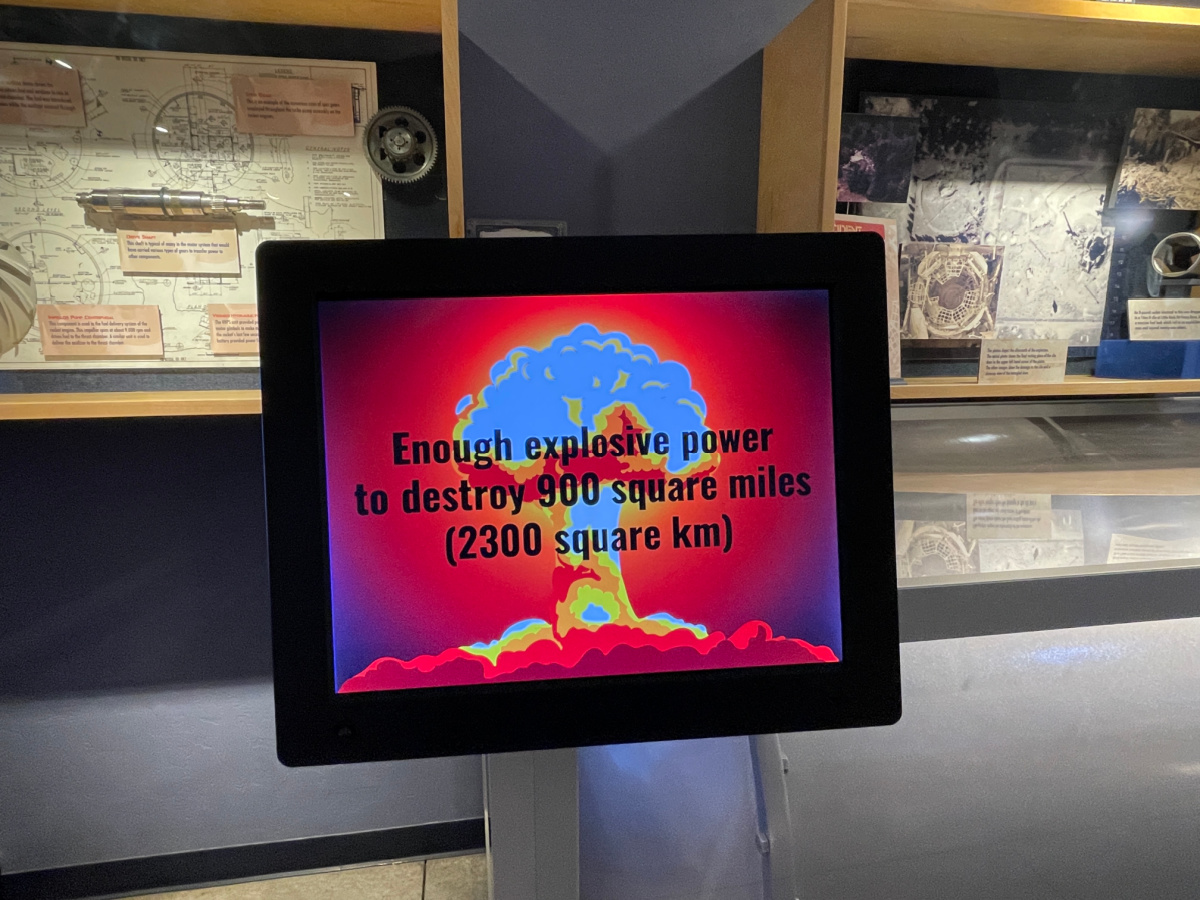
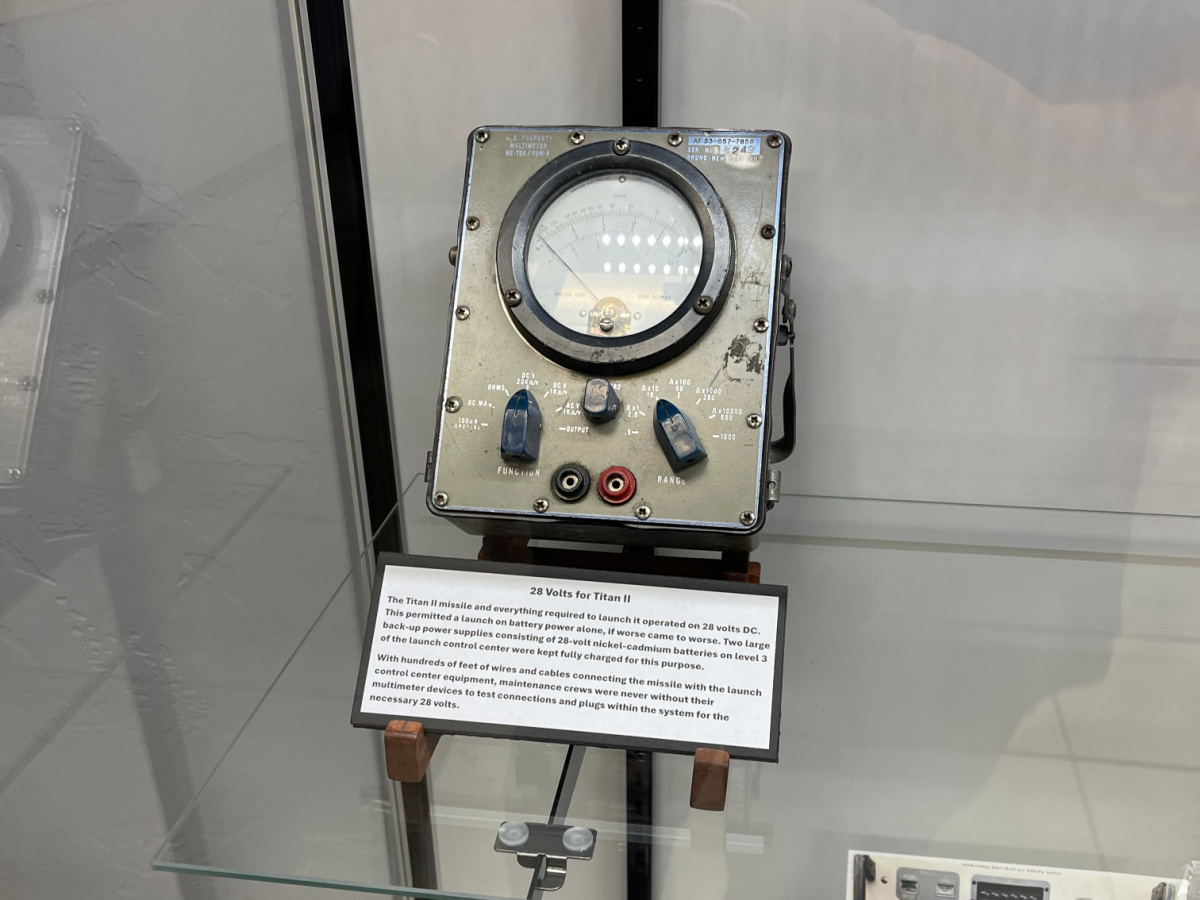
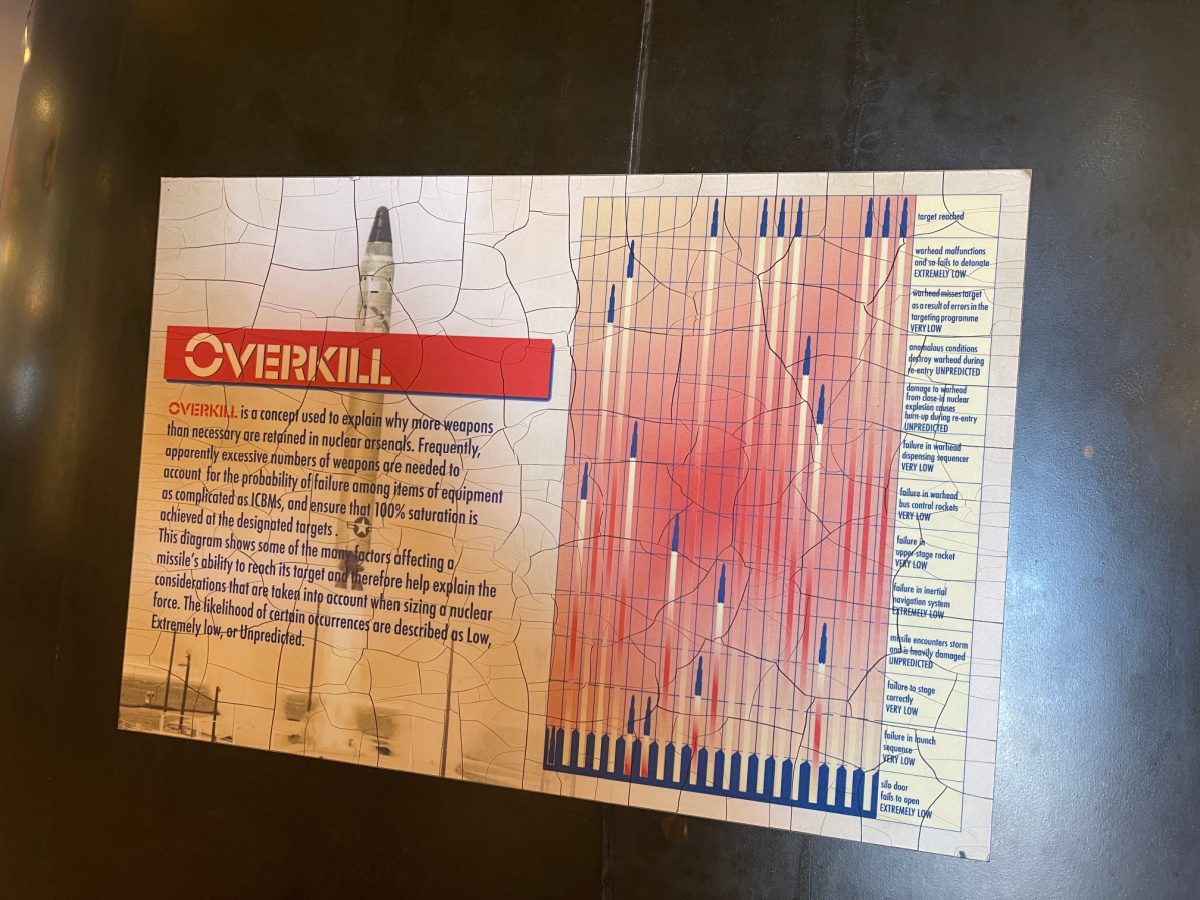
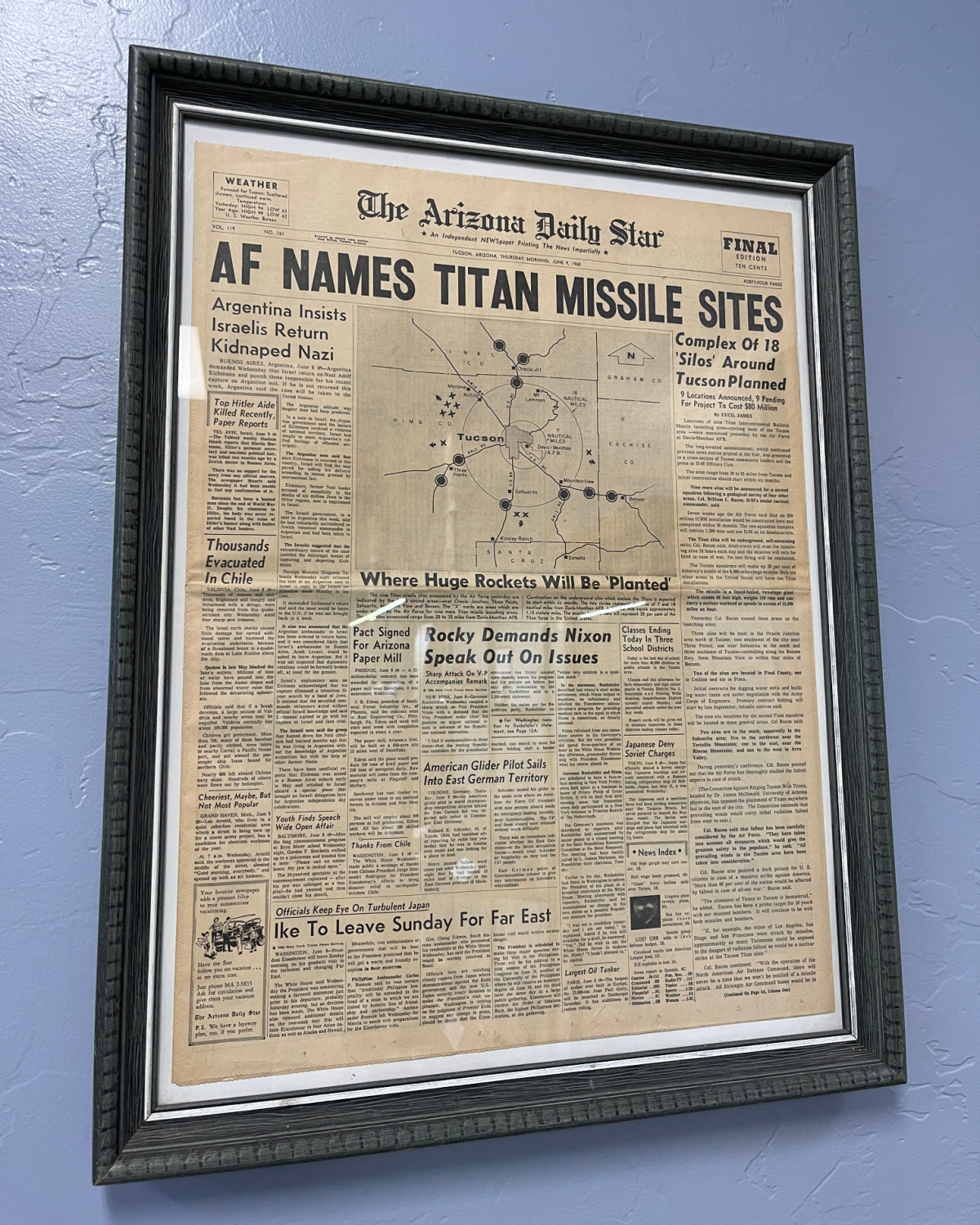
There are some really interesting artifacts, including equipment used at the missile sites, old launch control components, protective gear, historical newspaper clippings, and information about how powerful these weapons actually were.
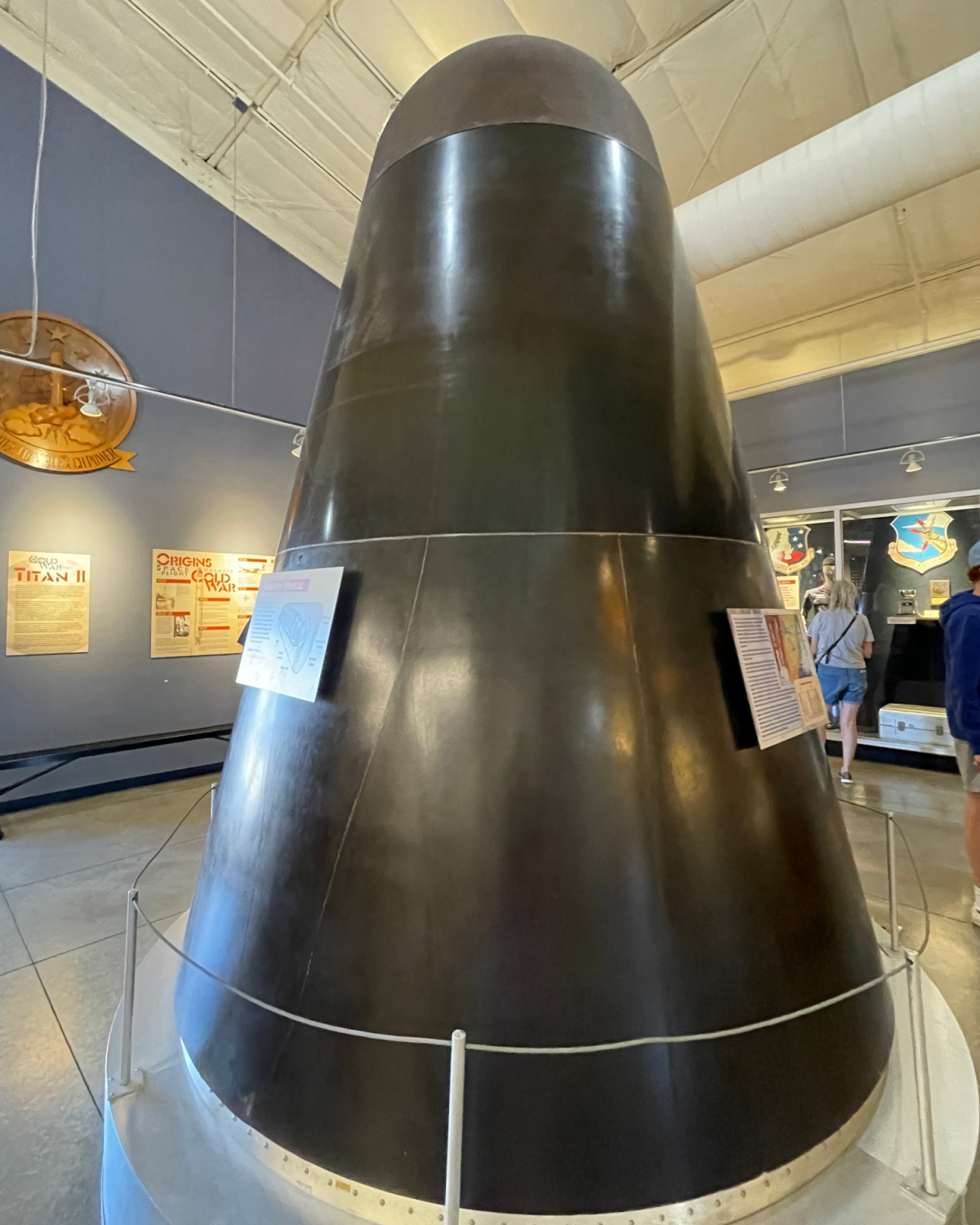
There is also an enormous warhead-shaped display in the museum, which immediately gives you some perspective on the scale of everything.
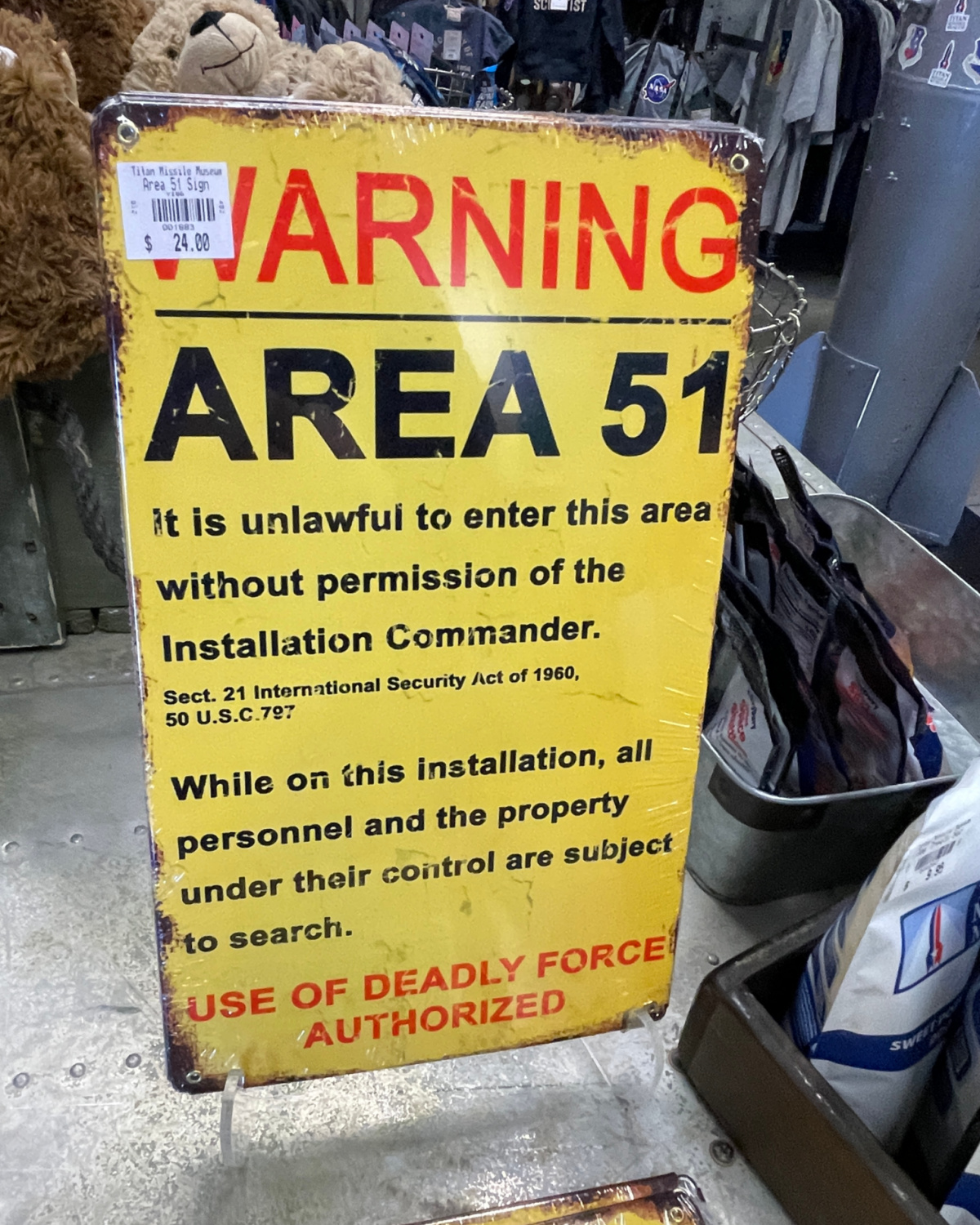
And then, because every terrifying Cold War relic apparently needs a gift shop, you can also buy missile plushies, space bears, freeze-dried ice cream, T-shirts, and various other nuclear-adjacent souvenirs.
Naturally.

Make a Reservation for the Underground Tour
This is one place where I would absolutely reserve your tour time ahead of your visit.
Could you potentially show up and get onto a tour?
Maybe.
Especially if it is not very busy.
But the whole reason you are driving out here is to go underground.
I would hate to drive all the way to the museum and then discover that the tours were full.
You can choose a tour time in advance, and when you check in, you receive a card with your scheduled time.
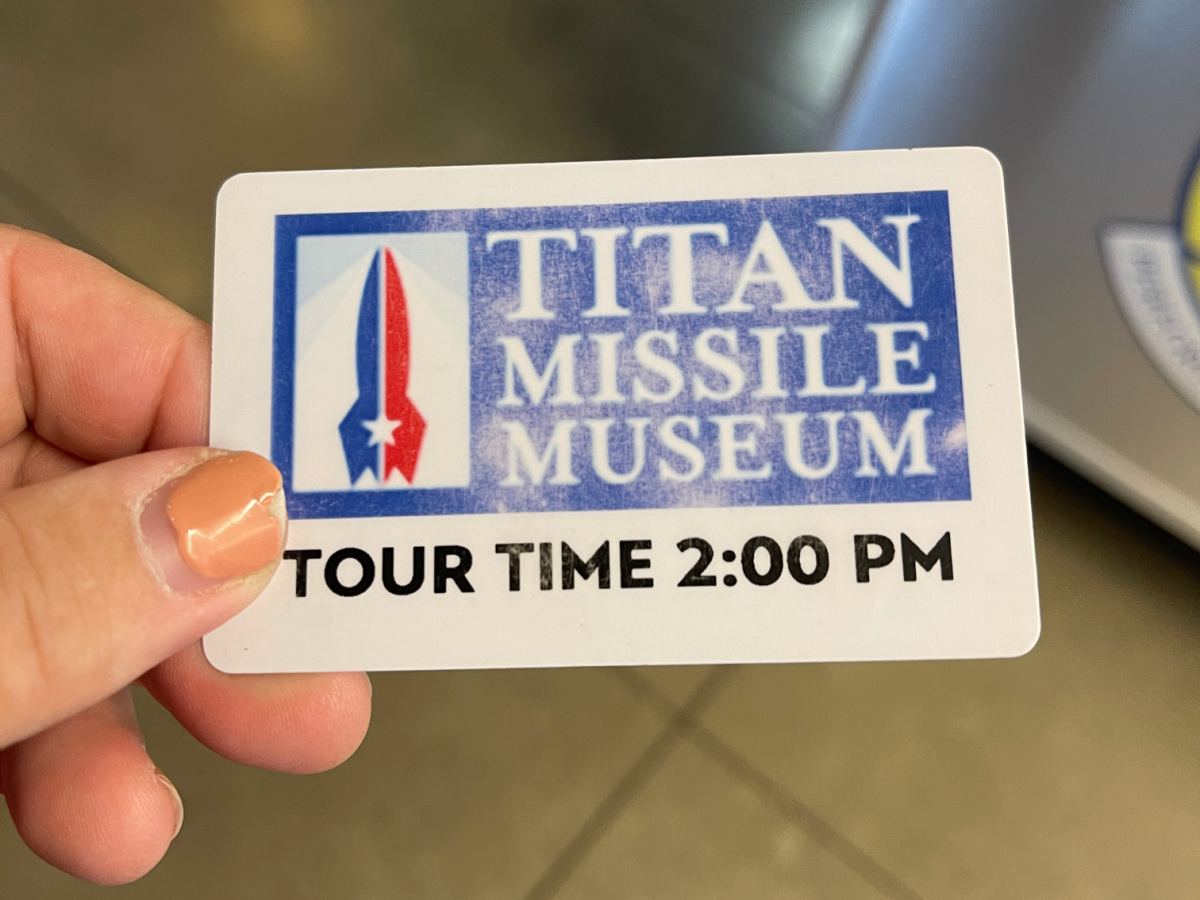
We had a 2 PM tour.
Then you can use whatever time you have before the tour starts to explore the little museum, check out the gift shop, and mentally prepare yourself to head underground into a former nuclear missile complex.
Which, honestly, is not a sentence I get to write very often.
What the Titan Missile Museum Tour Is Like
So once it is time for your tour, you actually get to go down into the missile complex and see where the Air Force crews lived and worked.
And this is really the whole reason you are here.
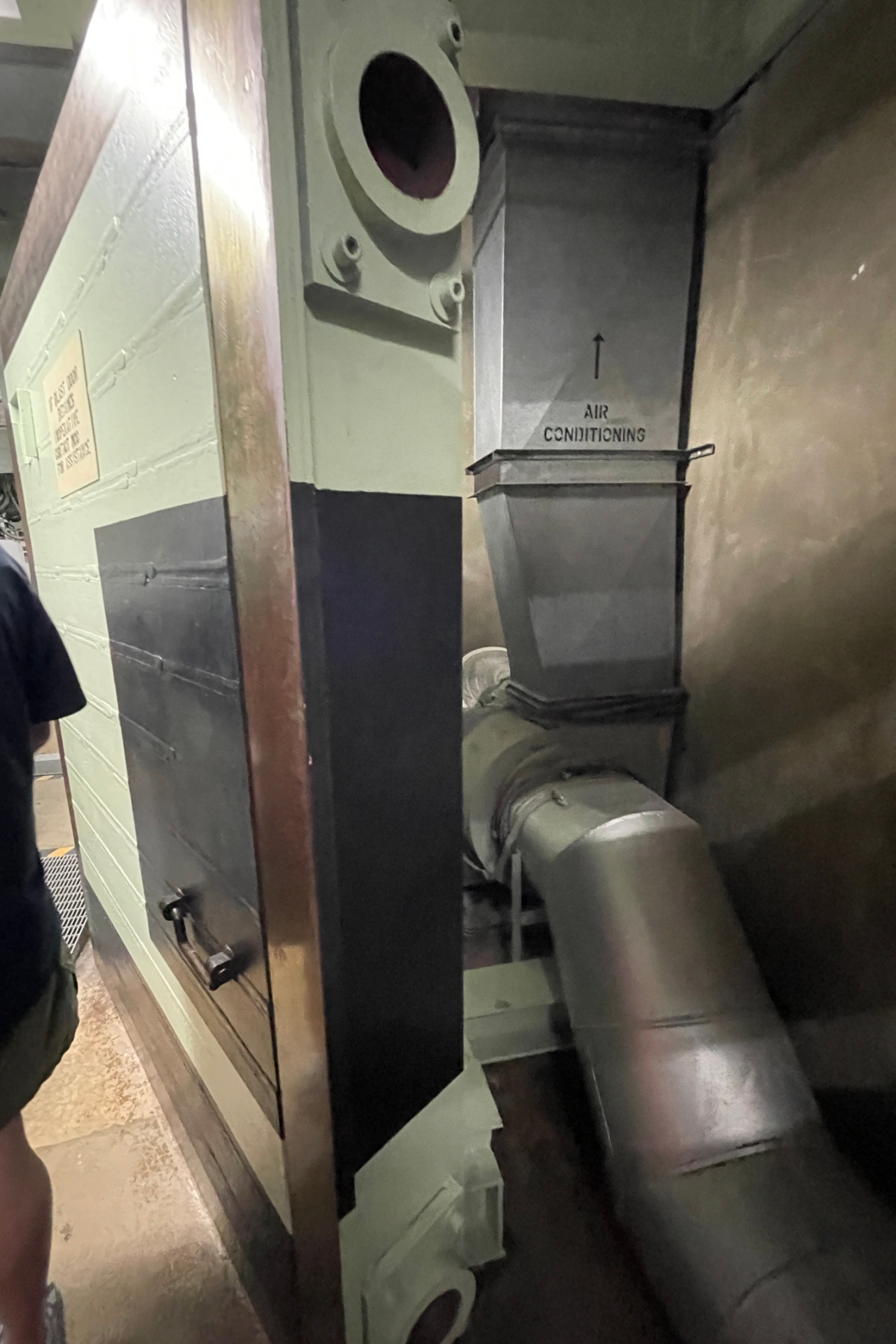
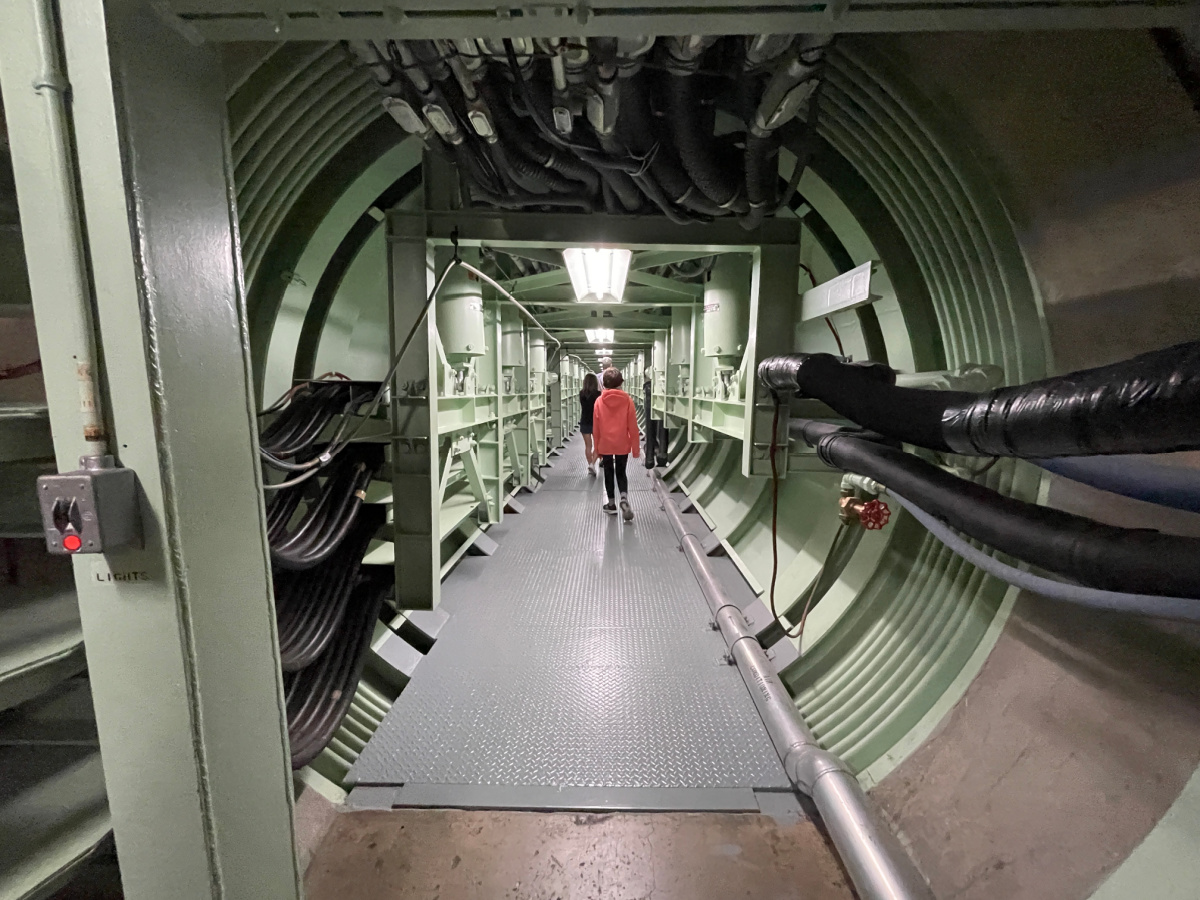
You walk through these underground passageways with pipes and cables and all of this old equipment, and then you get to these giant blast doors.
I mean, obviously you expect a missile silo to have serious doors.
But these are serious doors.
They are huge.
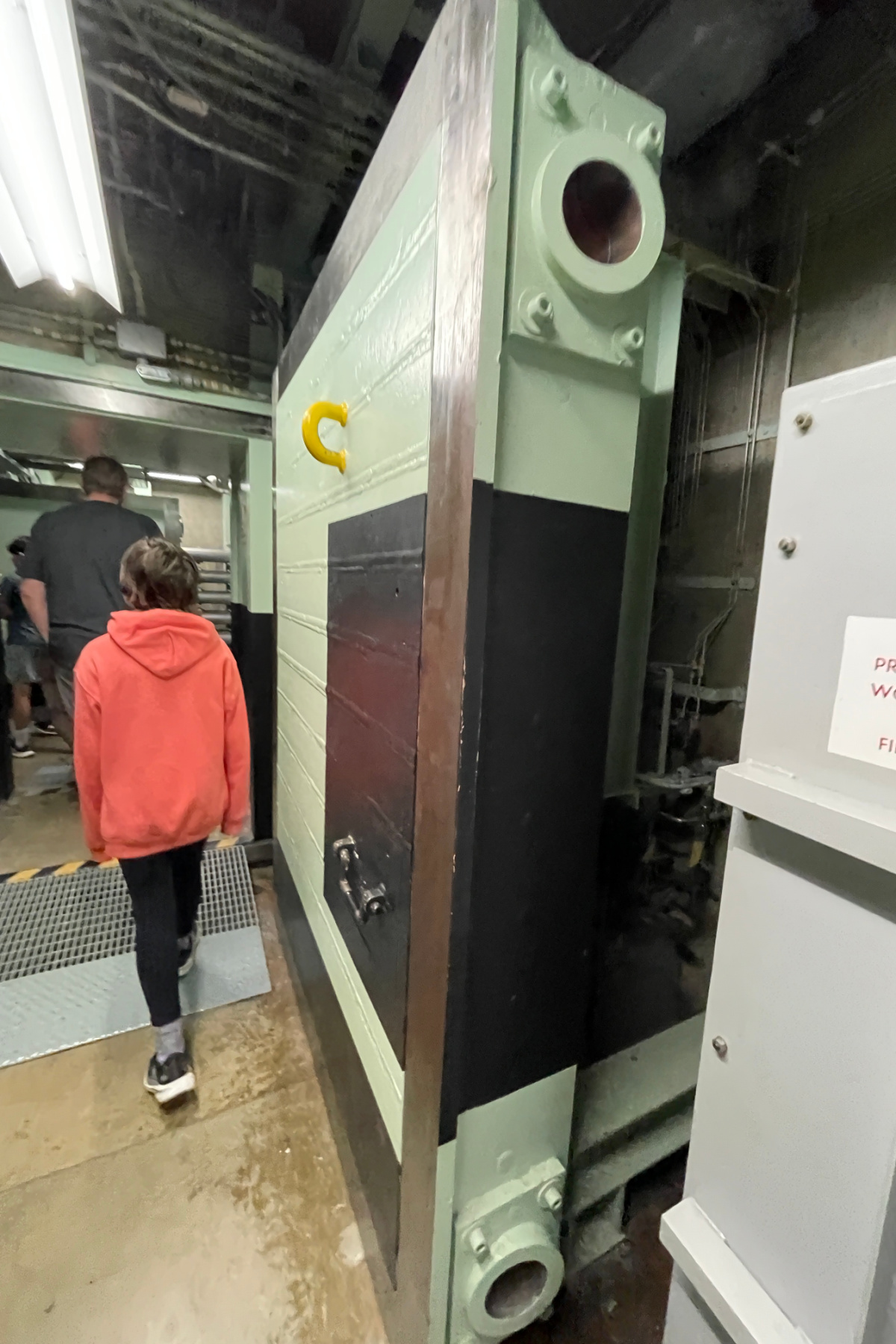
There are still signs and instructions on some of them, including what to do if one of the blast doors becomes inoperable, which I thought was really interesting because it makes you remember that this was an actual working military facility.
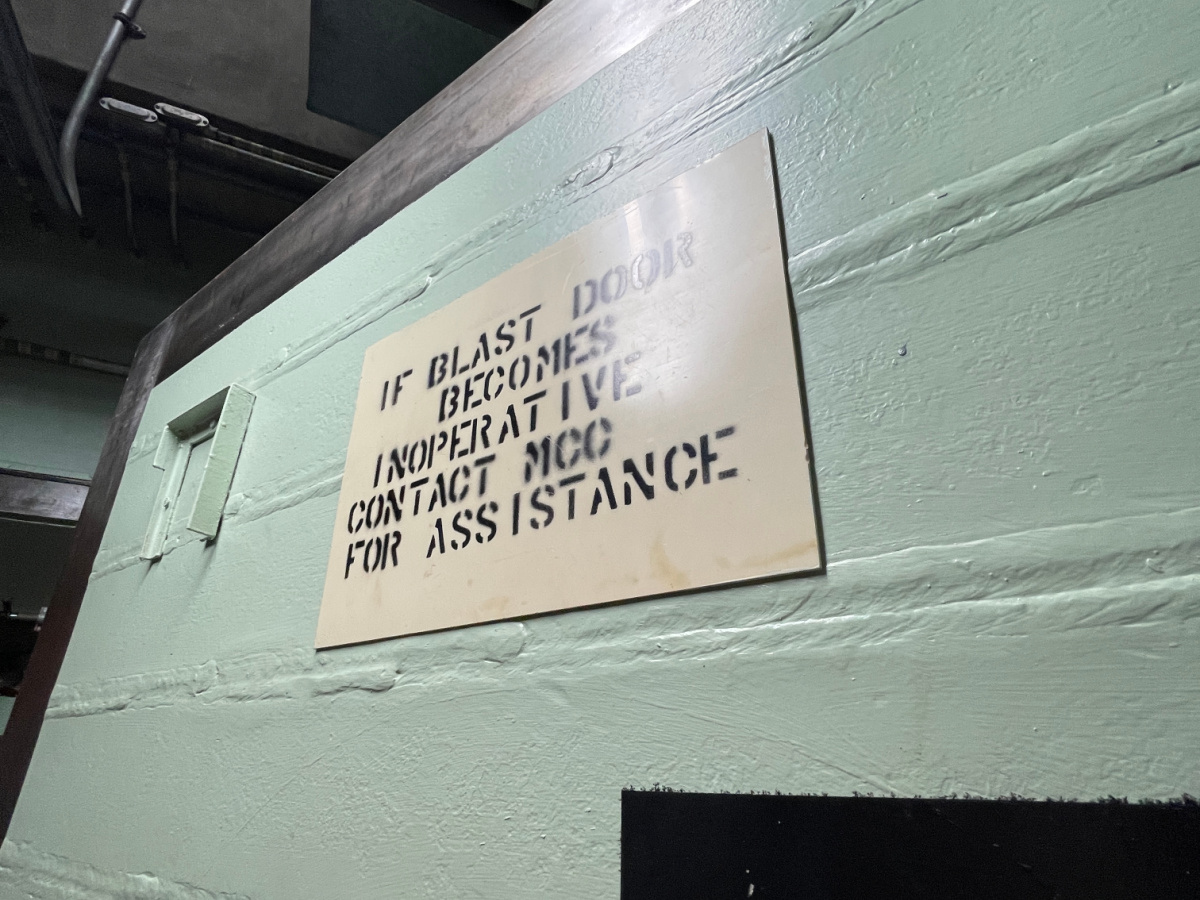
People really worked down here.
They had procedures for everything.
You also get to see some of the gear they used, including these really big protective suits, helmets, uniforms, old phones, all kinds of equipment.
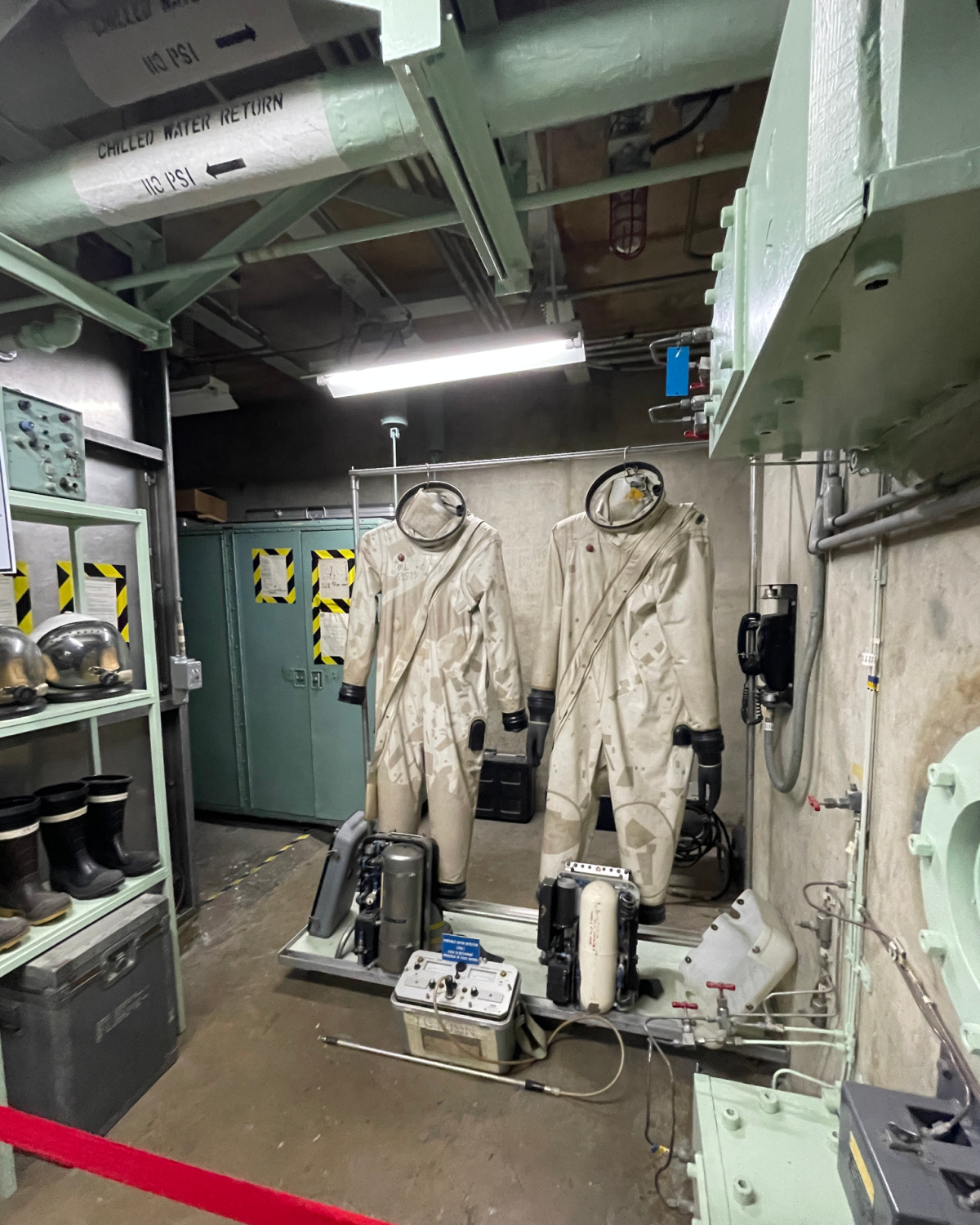
It is all very Cold War.
And then eventually you get to the Mission Control Center.
Or launch control center.
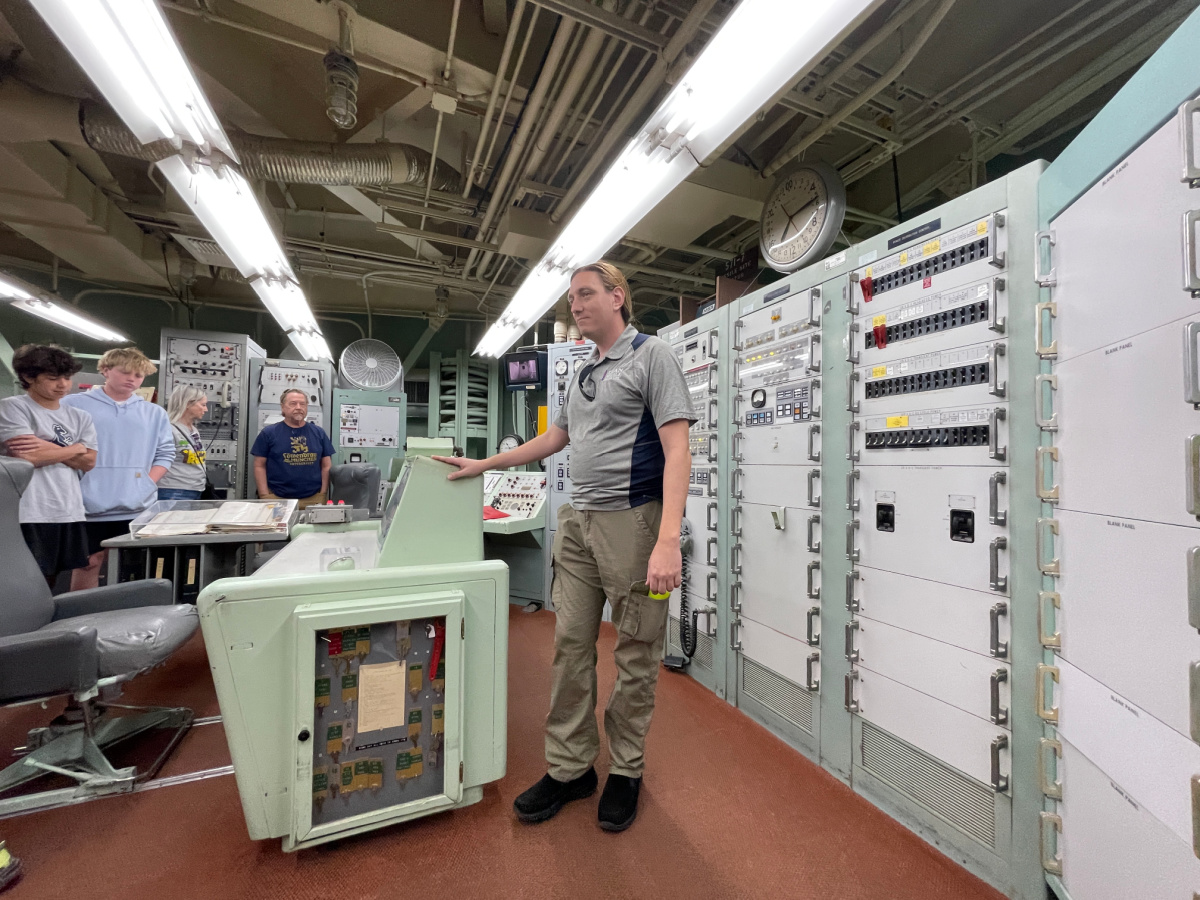
Whatever the technically correct name is.
Basically, the room from WarGames.
Not literally the room from WarGames, obviously.
But if you are Gen X and you saw that movie growing up, you know exactly what I mean.
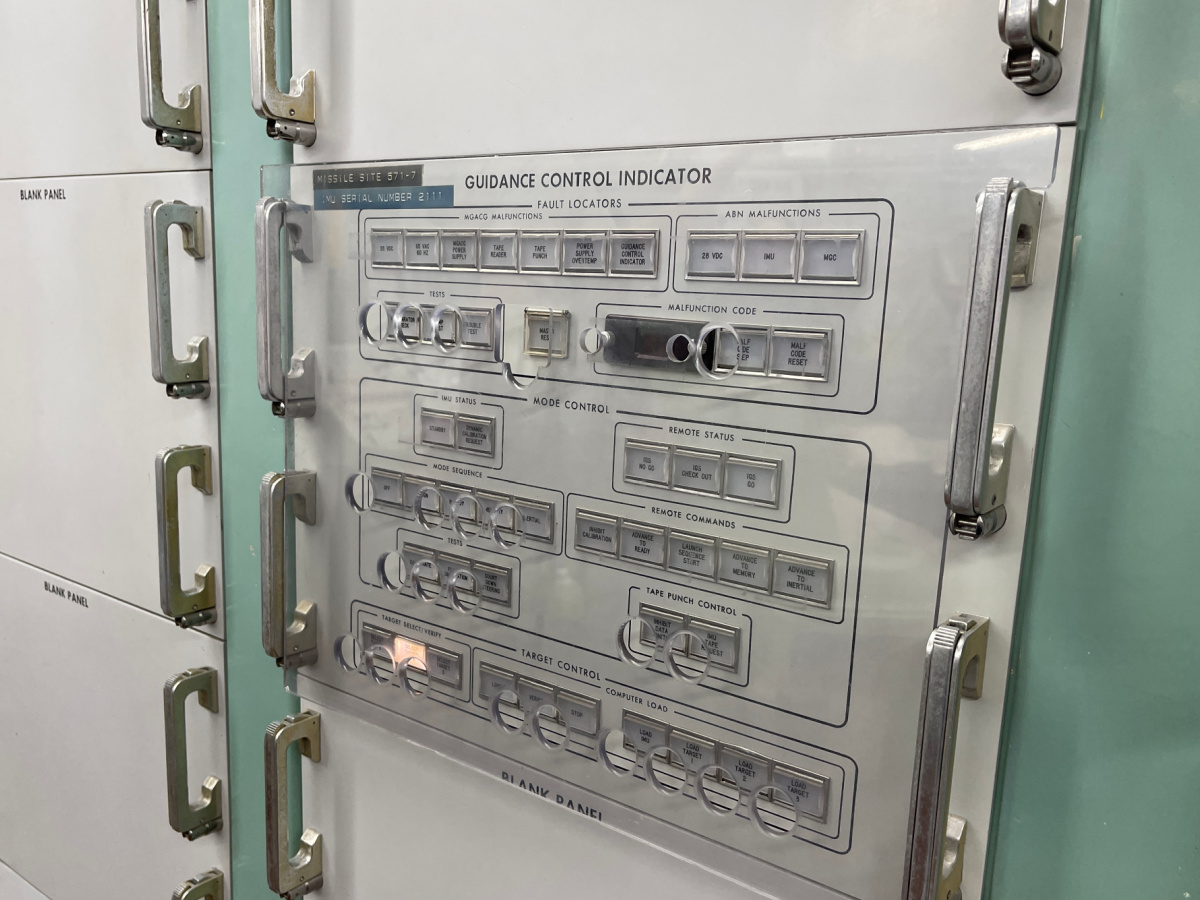
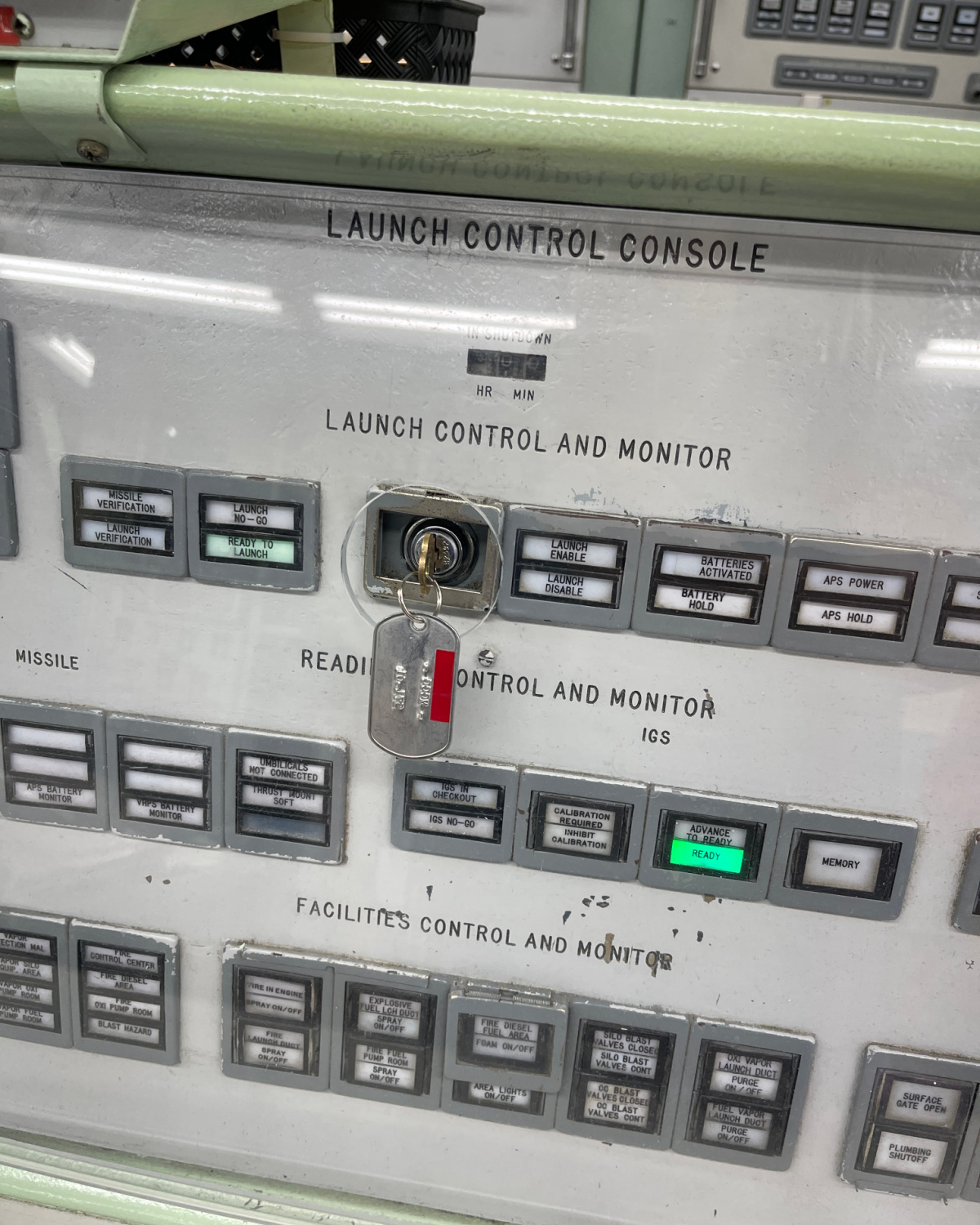
There are all these switches and lights and consoles and keys and old electronics everywhere.
And it is kind of crazy because now it all looks so old.
But this was what they were using to control a nuclear missile.
The guide explains how everything worked and what the crews would have done if they ever actually got the order to launch.
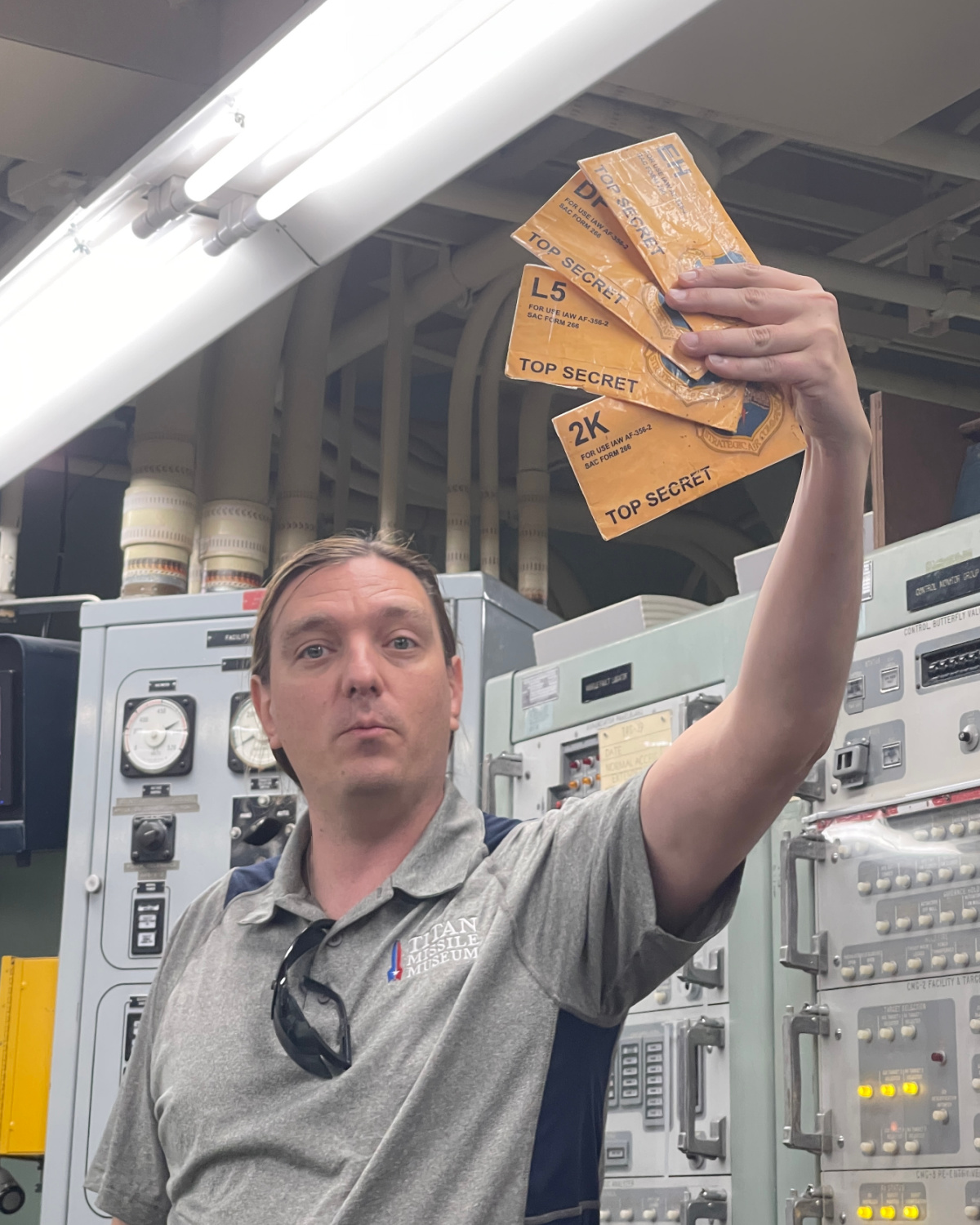
And then they do a simulation.
This is where I have a tip.
If you have a kid with you and you want your kid to be the one who gets picked to help with the launch simulation, ask.
They may say no.
They may already have somebody picked.
There is obviously no guarantee.
But you can ask.
We did.
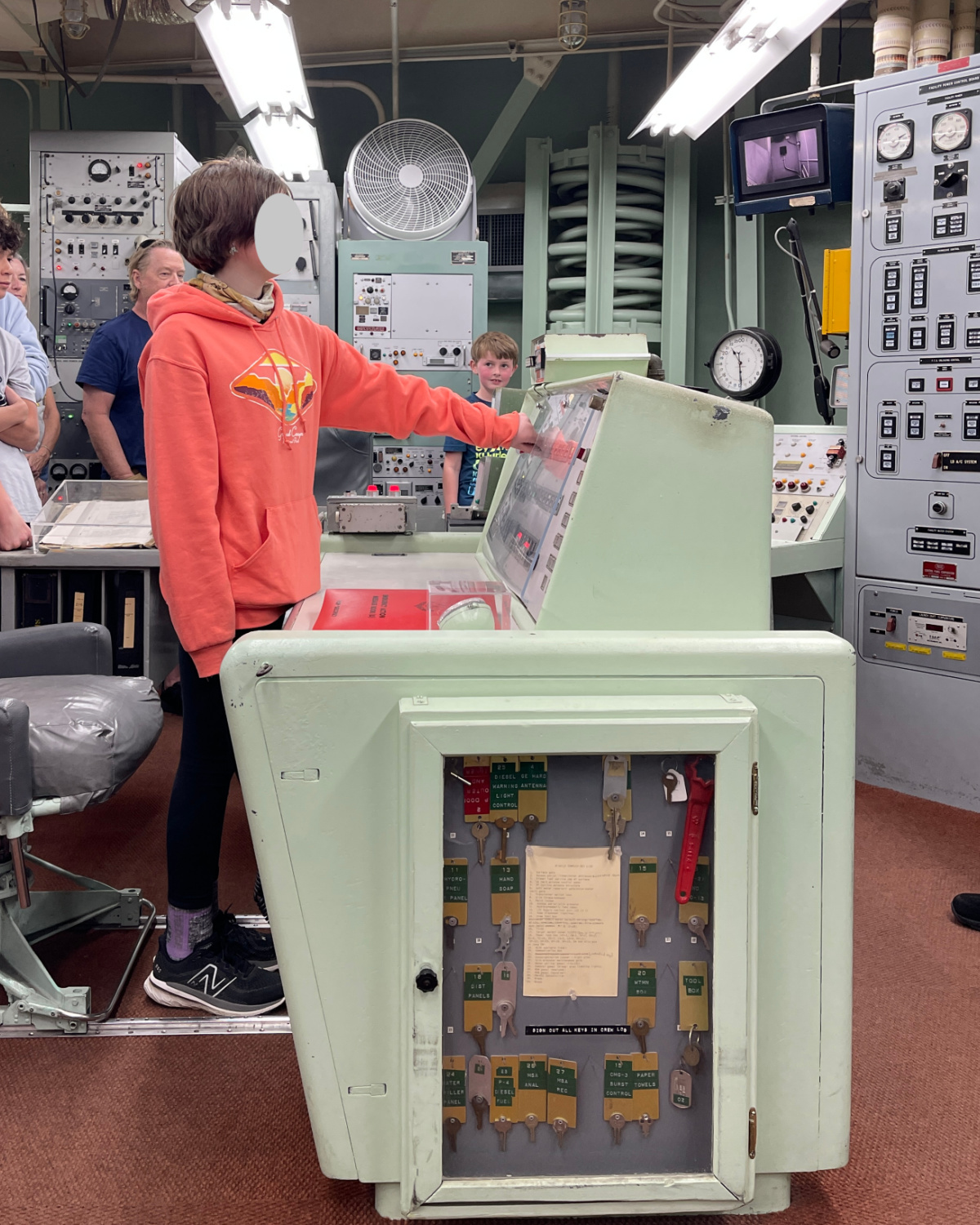
And our daughter got picked.
She was 11.
Was she amused that we volunteered her?
No.
She was not amused.
But she did it.
So we have photographic evidence.
She got to stand at the console and turn the launch key, and afterward they gave her this little card that says, “I Turned the Launch Key.”
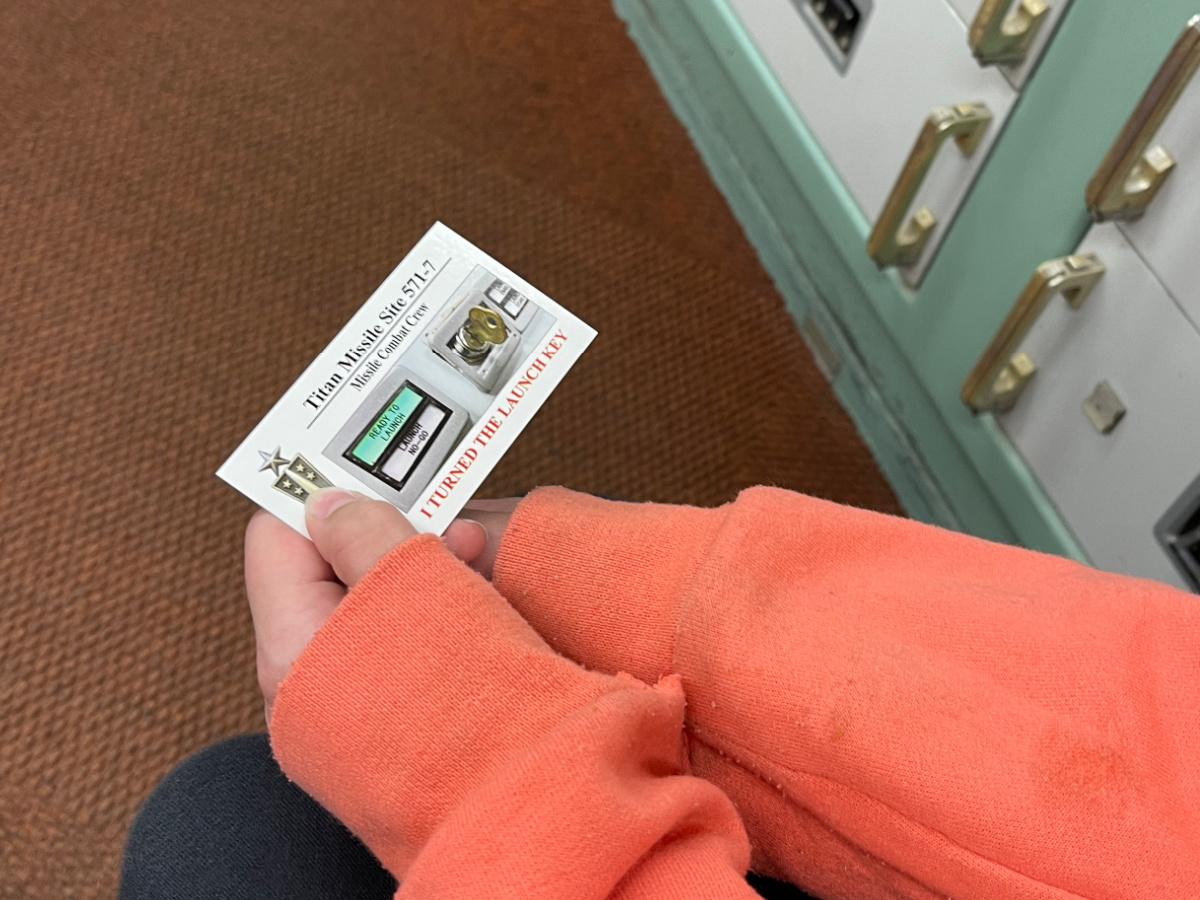
Which I thought was really cool.
She probably thought we were being annoying.
But whatever.
She did it.
And honestly, it is such a fun memory from the tour.
Of course, the whole thing is also a little weird when you stop and think about what they are simulating.
Because the people who worked down here really were sitting here waiting for an order that hopefully would never come.
If they got that order, they were supposed to launch the missile.
And if we were launching missiles at the Soviet Union, presumably they were launching missiles at us.
Mutually assured destruction.
That was the whole idea.
Nobody launches because everybody knows what happens next.
Growing up during the Cold War, this was just kind of always there in the background.
We were scared to death of the Soviet Union and the idea of nuclear war.
We knew there were missiles somewhere.
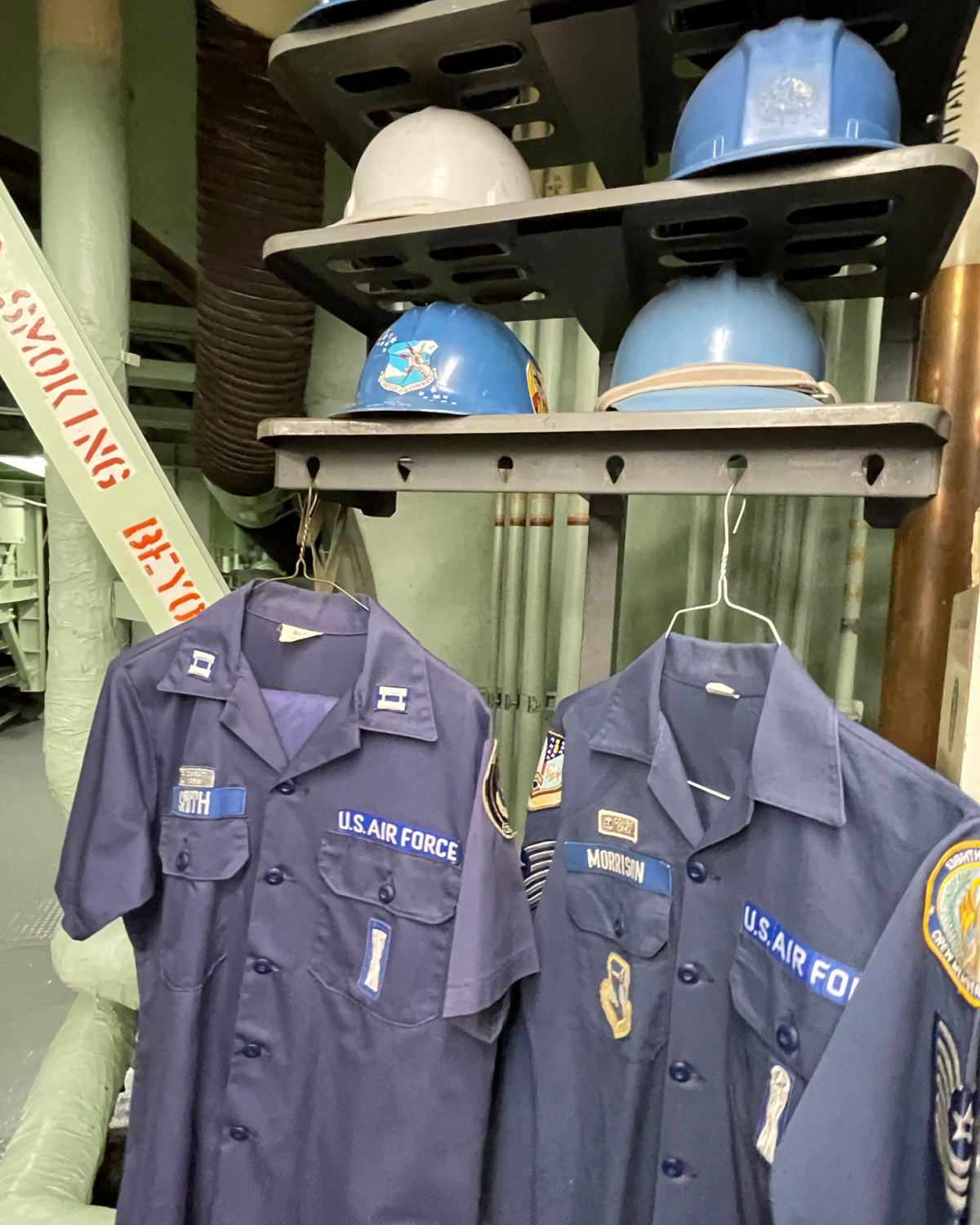
But standing in the actual control room where people were prepared to launch one makes it feel a little more real.
And after you finish in the control room, you get to go see the actual missile.
Well, not the explosive part.
That is gone.
But the missile body is still sitting there in the silo.
And that is really cool.
Seeing the Titan II Missile
And then you get to the missile.
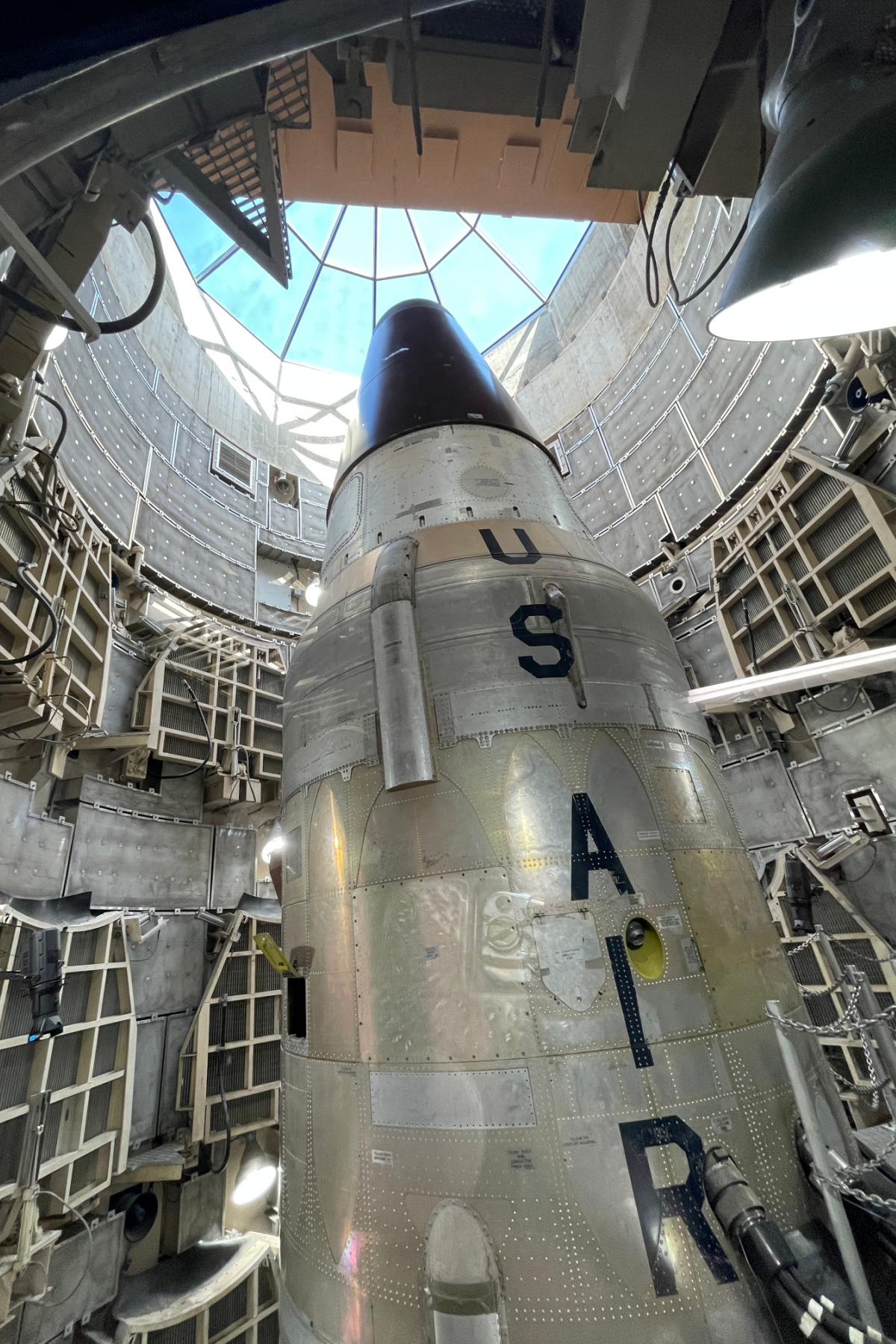
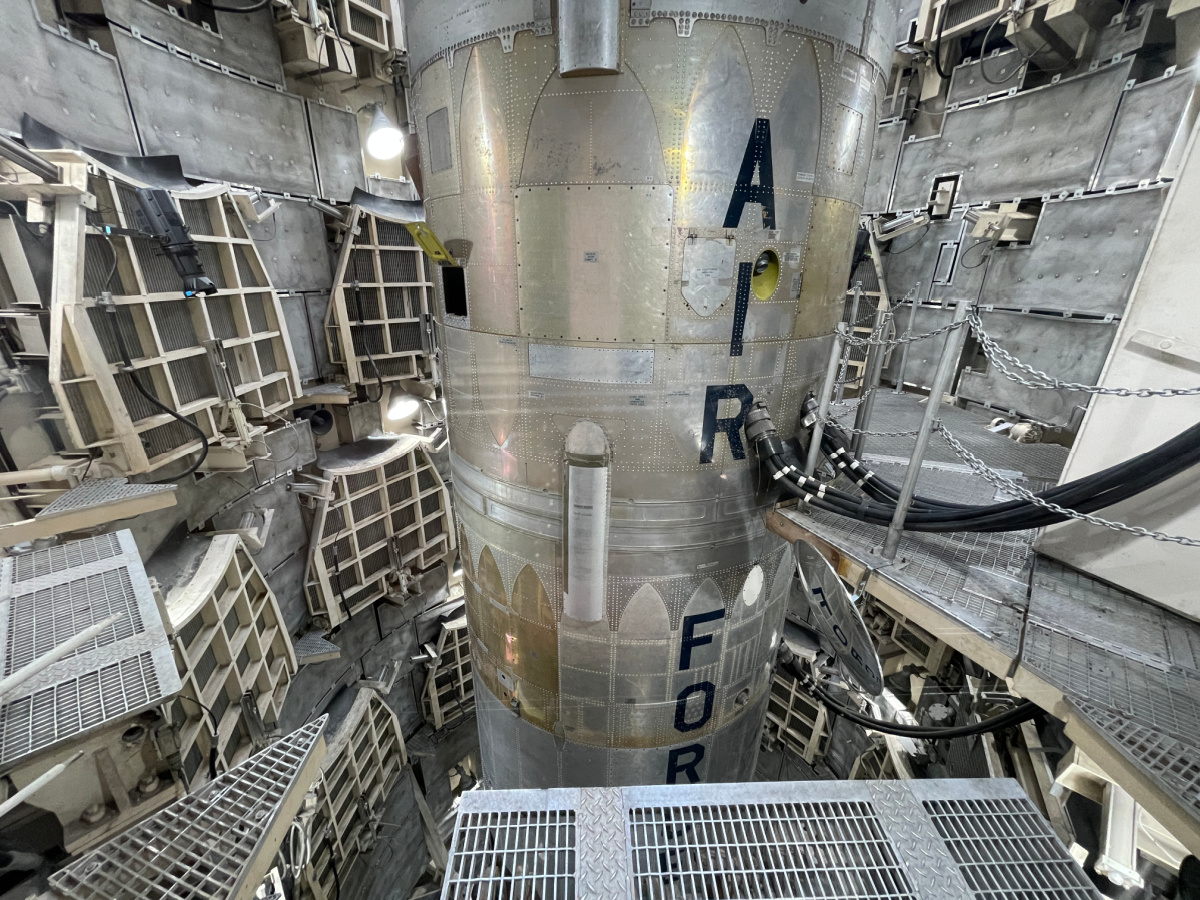
This is the part where you really understand how huge the Titan II was.
You can see pictures of it ahead of time, obviously. And clearly you can read the dimensions. Intellectually, you know that this was a giant intercontinental ballistic missile.
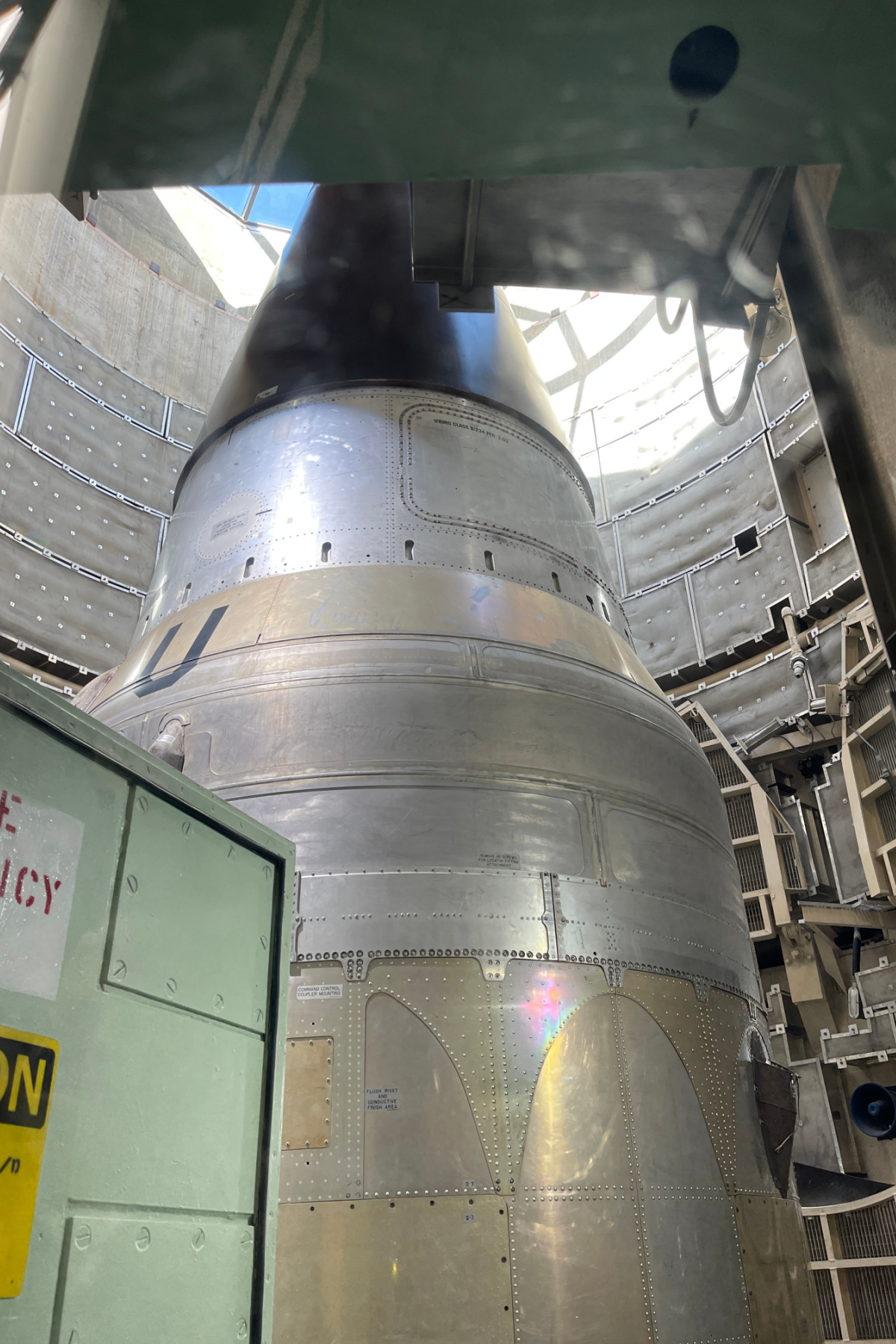
But then you are standing there next to it.
And it is enormous.
The actual explosive part is not there anymore, of course. The warhead is gone.
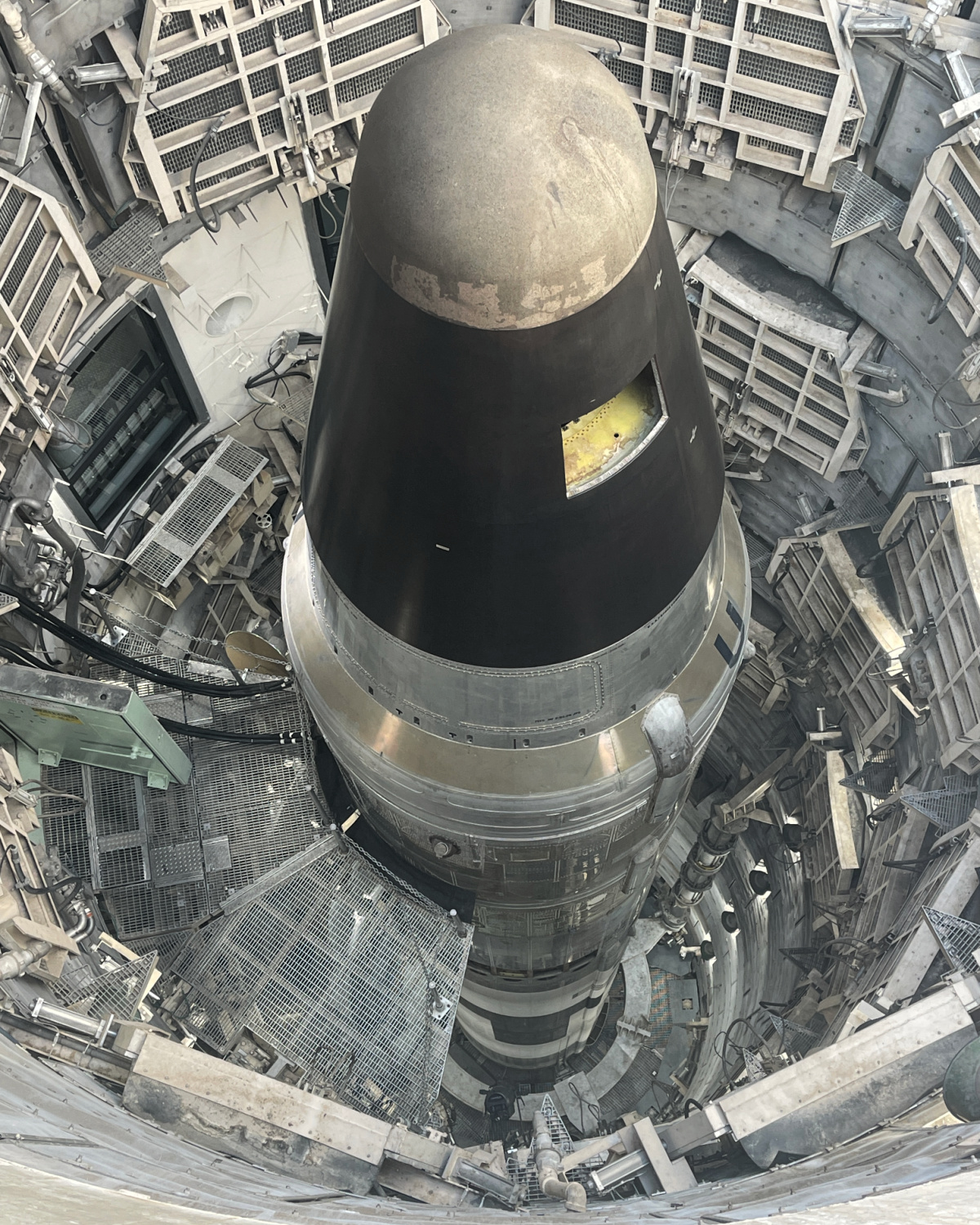
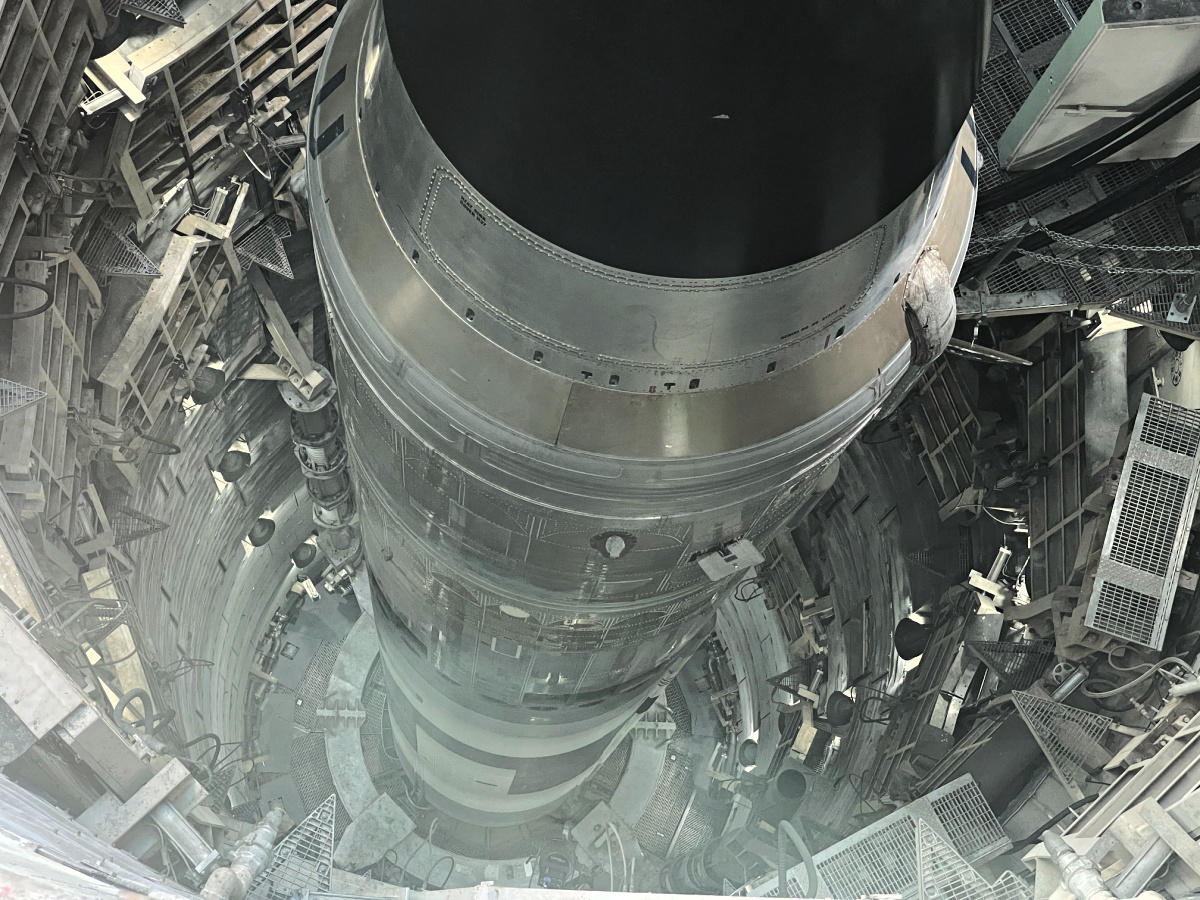
But the missile body is still sitting in the silo, and you can see just how massive the whole thing was.
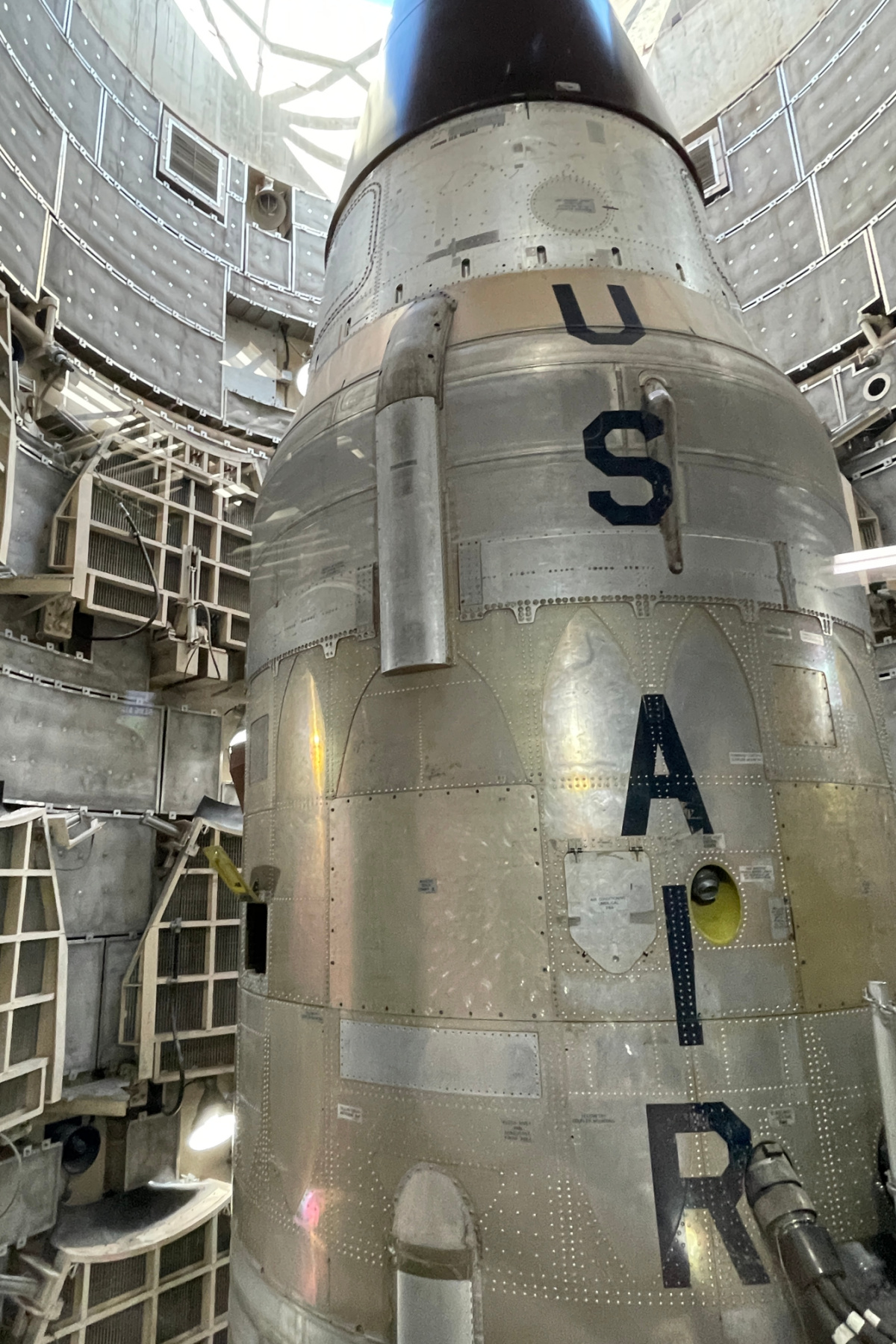
You get views of it from below, which is probably the most dramatic way to see it because you are basically looking up the length of the missile inside the silo.
And then later you can also see it from above through the glass enclosure.
That view is really cool too because it gives you a totally different perspective.
You are standing at ground level looking down into the silo at this giant missile that used to be part of the United States nuclear deterrent system.
That is not something you get to do every day.
Exploring the Site Above Ground
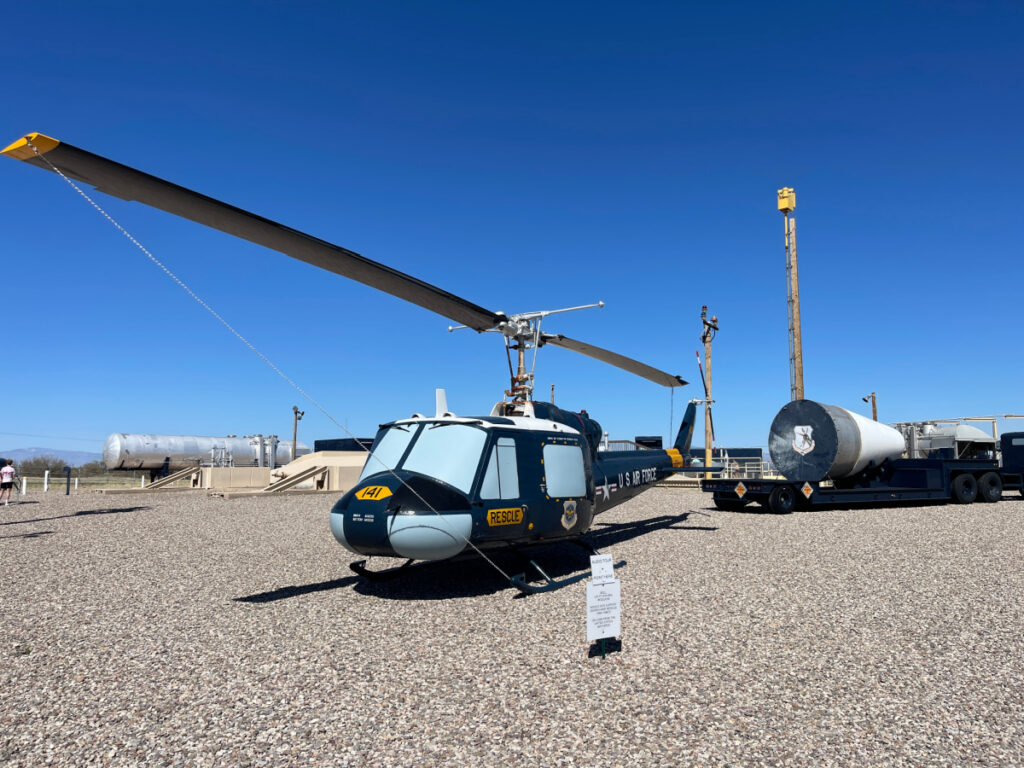
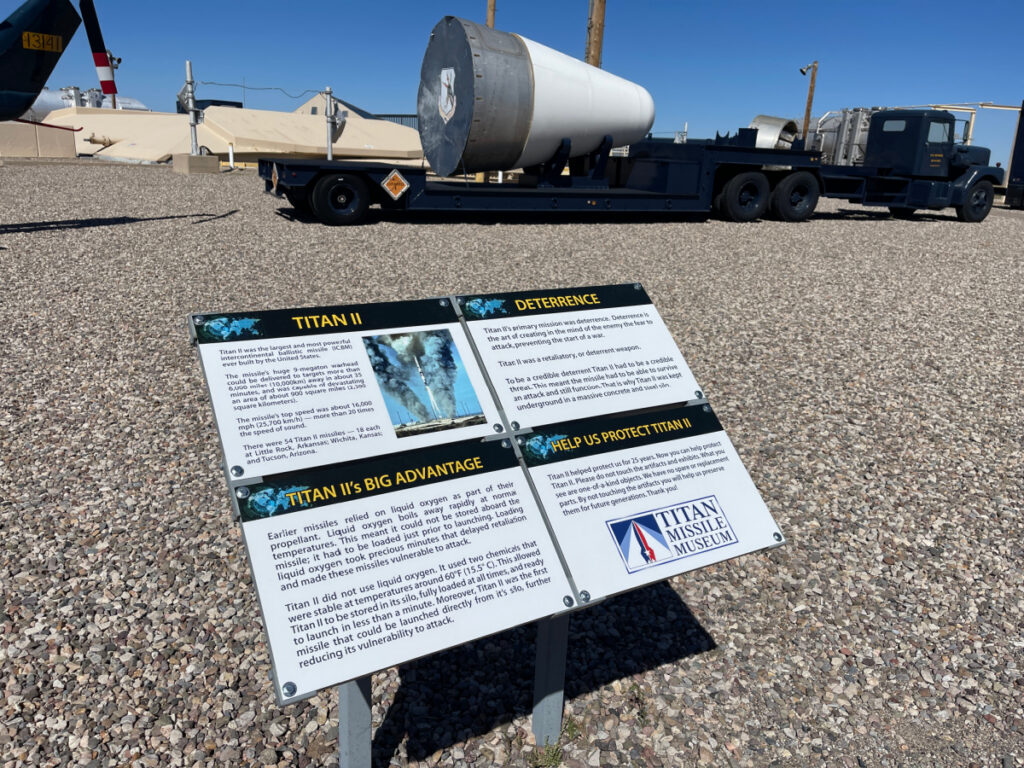
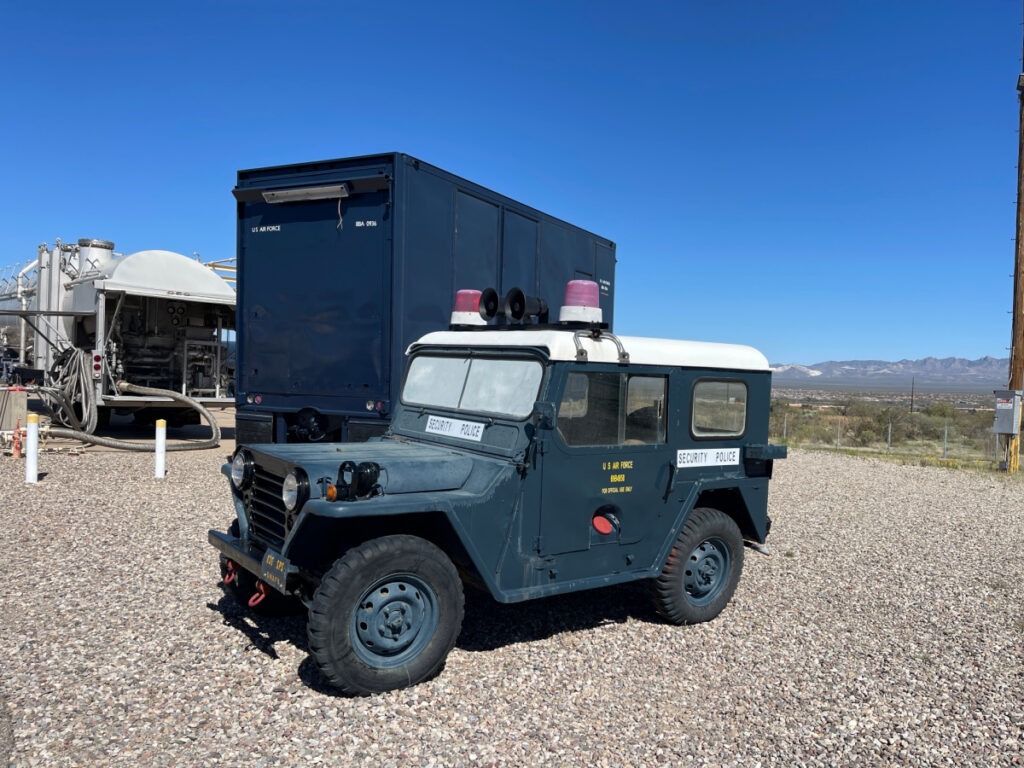
After the underground part of the tour, there are a few things to look at outside too.
There are military vehicles and equipment around the site, including a helicopter and some of the security vehicles that would have been used around the missile complex.
And honestly, by this point you have already seen the main event.
The underground tour is absolutely the reason to come.
But the outside displays are still fun to walk around and look at before you leave.
Especially if you have kids who like military vehicles or aircraft.
Is the Titan Missile Museum Kid-Friendly?
I would say yes.
Especially for older kids.
Our daughter was 11 when we went, and even though she was not exactly thrilled about being volunteered to turn the launch key, there was plenty here to keep her interested.
You are moving around, going underground and through underground tunnels.
You are seeing giant doors and old equipment and an enormous missile.
So this is not one of those history museums where you are asking your kid to patiently read 40 exhibit panels.
There is enough going on that I think a lot of kids would think it was pretty cool.
Obviously, every kid is different.
If your child has zero interest in military history or anything remotely mechanical, maybe this is not going to be their favorite stop in Arizona.
But I would still say it is much more kid-friendly than it sounds.
Is the Titan Missile Museum Accessible?
This is one place where I would definitely check the current accessibility information before you go.
The underground tour involves stairs.
There are also narrow passages and some spaces that are very clearly part of an old military facility and were not built with modern accessibility standards in mind.
So if anyone in your group has mobility limitations, I would not assume the standard underground tour will work for you.
Definitely check ahead.
How Much Time Do You Need?
I would give yourself a couple of hours total.
The little museum area at the beginning does not take very long.
Like I said, you could probably see most of it in about 15 minutes unless you are stopping to read every single thing.
The guided tour is the main event.
Then you will probably want a little time afterward to look at the missile from above, walk around the outdoor displays, and hit the gift shop.
So this is not an all-day attraction.
Which is another reason I think it works really well as a southern Arizona side trip.
Is the Titan Missile Museum Worth It?
Yes.
Absolutely.
I think this is one of those places that is much cooler than people expect it to be.
If you are already going to be in Tucson or anywhere in southern Arizona, I would definitely put it on your list.
And if you are a Gen X person who grew up during the Cold War and watched WarGames approximately a million times?
Even better.
There is something really surreal about standing inside an actual missile control center and seeing the equipment people really used when the United States and Soviet Union were basically staring each other down for decades.
It is interesting, a little creepy, and very cool.
And it is definitely one of the more unusual things you can do in Arizona.
More Arizona Adventures
If you are planning a bigger Arizona road trip, there are plenty of other really interesting stops to add to your itinerary.
Meteor Crater is another great choice if you like science, engineering, or just seeing something completely different. You can also ride the Verde Canyon Railroad, visit the Glen Canyon Dam and Visitor Center in Page, see Horseshoe Bend, or spend a few days exploring Page and the Grand Canyon.
More Air, Space, and Military Museums
If the Titan Missile Museum is your kind of place, you might also enjoy some of these other air, space, and military museums.
The National Air and Space Museum in Washington, DC is an obvious one, but the College Park Aviation Museum and Patuxent River Naval Air Museum are also really fun stops, especially if you enjoy aviation history.
And I have a lot more coming in this category, including the Pima Air & Space Museum, the National Museum of the U.S. Air Force in Dayton, the Udvar-Hazy Center, and more Cold War and military sites.


