Best Scenic Viewpoints in Yosemite National Park

Discover the best scenic viewpoints in Yosemite National Park, from Tunnel View and Glacier Point to beautiful, easy-to-reach spots in Yosemite Valley.
Estimated reading time: 25 minutes
Yosemite is one of those places where the scenery almost feels excessive.
You don’t have to hike ten miles into the backcountry to find an incredible view. And you don’t have to climb Half Dome. Scaling the face of El Capitan is not a prerequisite for enjoying Yosemite National Park.
Sometimes you just need to walk across a bridge, wander through a meadow, pull over beside the road, or look up.
Some of my favorite views in Yosemite National Park are incredibly easy to reach, especially in Yosemite Valley. And while places like Tunnel View and Glacier Point deserve every bit of their fame, some of the views I remember most clearly are the ones we found while simply walking along the Merced River or looking across the valley floor.
These are the Yosemite viewpoints I would prioritize if you want spectacular scenery without building your entire day around a strenuous hike.
Sentinel Bridge
Sentinel Bridge will always be one of my favorite places in Yosemite.
Part of that is admittedly personal. This is where my husband proposed to me in October 2002, so I have more than two decades of memories wrapped up in this particular view.
But even without the sentimental attachment, it is beautiful.
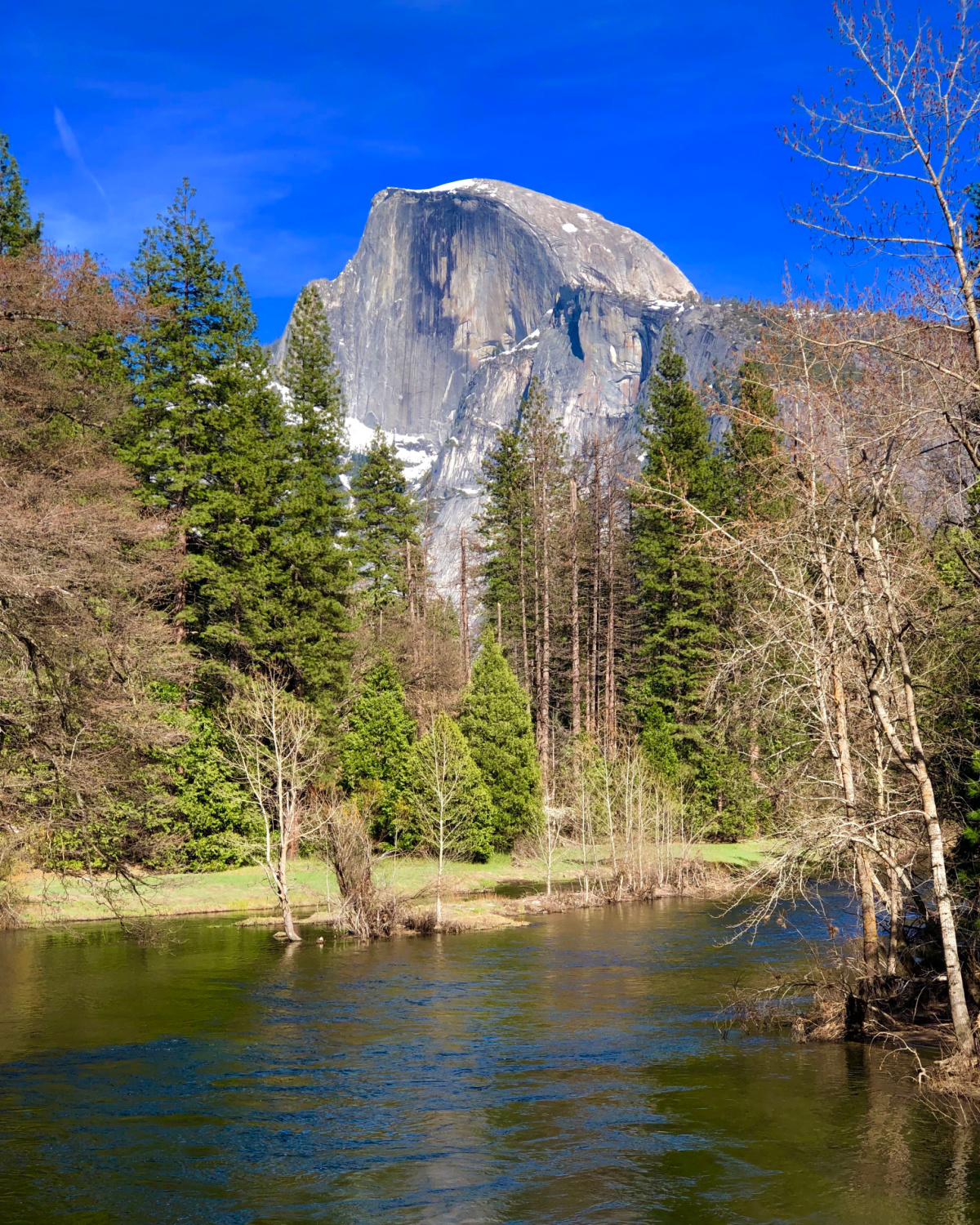
From the bridge, you get one of Yosemite Valley’s classic views of Half Dome rising above the Merced River. Depending on the season and the water level, you may also catch Half Dome reflected in the river.
And this isn’t one of those viewpoints that only works under perfect conditions. I’ve been here during different seasons and different times of day, and the setting is always gorgeous.
That said, sunset is especially beautiful.
As the light changes on Half Dome and the cliffs around Yosemite Valley, the whole scene becomes softer and warmer. You aren’t standing on some remote mountaintop watching the sun disappear over the horizon. You’re right in the middle of Yosemite Valley, looking across the river at one of the most recognizable landscapes in the national park system.
Sentinel Bridge is also wonderfully easy to reach, which makes it a great place to stop more than once during a Yosemite trip.
If you’re staying in Yosemite Valley, don’t think of this as a place you need to “check off.” Walk over when you’re nearby. Come back later if the light looks interesting. Yosemite changes constantly throughout the day.
The Merced River
Honestly, some of the best Yosemite viewpoints aren’t official viewpoints at all.
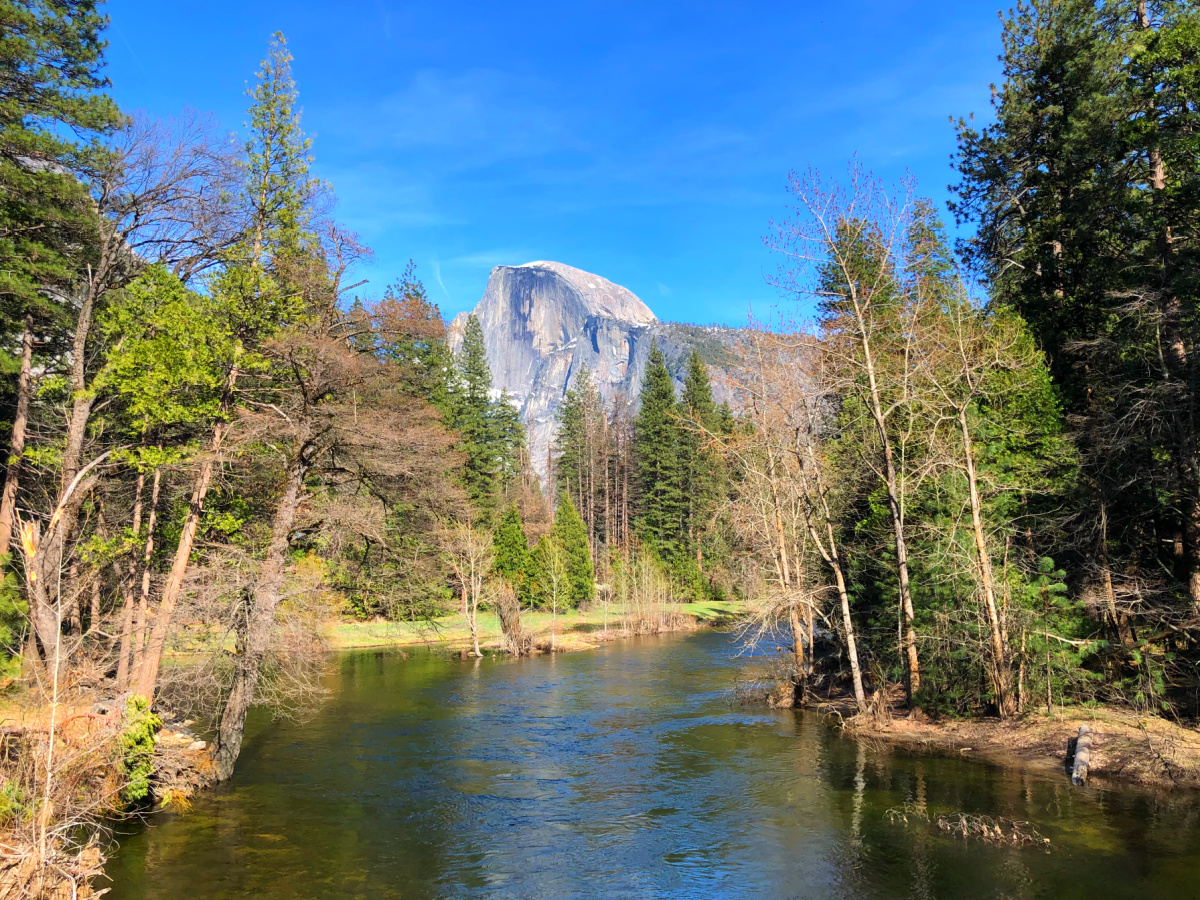
Just walk along the Merced River.
There are places all through Yosemite Valley where you can look across the water and suddenly find yourself staring at El Capitan, Half Dome, Yosemite Falls, or another enormous wall of granite.
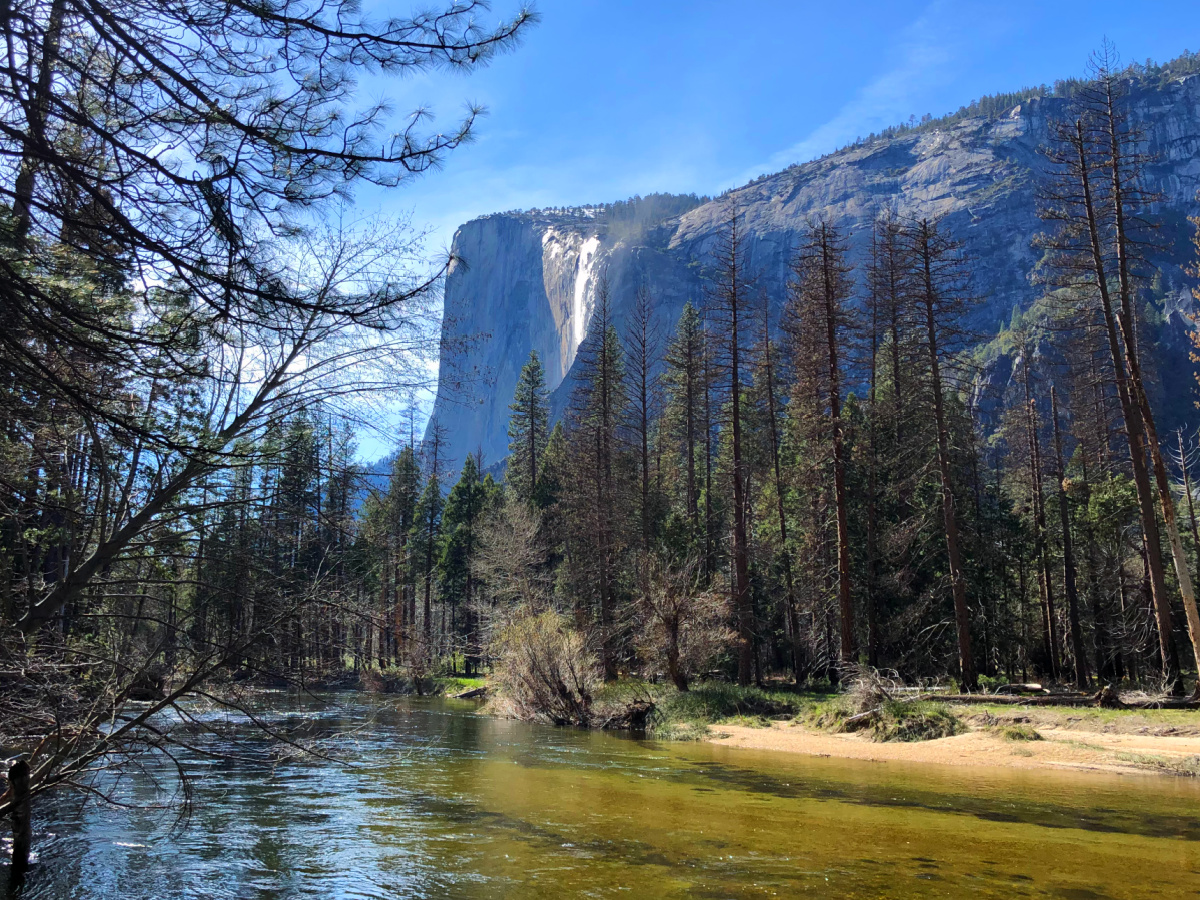
And because you’re down on the valley floor, you get something that the panoramic overlooks can’t give you: scale.
The cliffs don’t look distant from here.
They look enormous.
I especially love the views toward El Capitan from along the river. You can see the entire granite face towering above the valley, and it gives you a much better sense of how unbelievably big it actually is.
You may also find beautiful reflections in calmer stretches of the Merced River, particularly early or late in the day when the light isn’t as harsh.
One of the things I love about Yosemite is that you don’t necessarily need to know the name of every pullout or riverbank before your trip. Give yourself enough time to wander.
If you see a pretty stretch of river, stop.
And if the light on El Capitan looks amazing, stop.
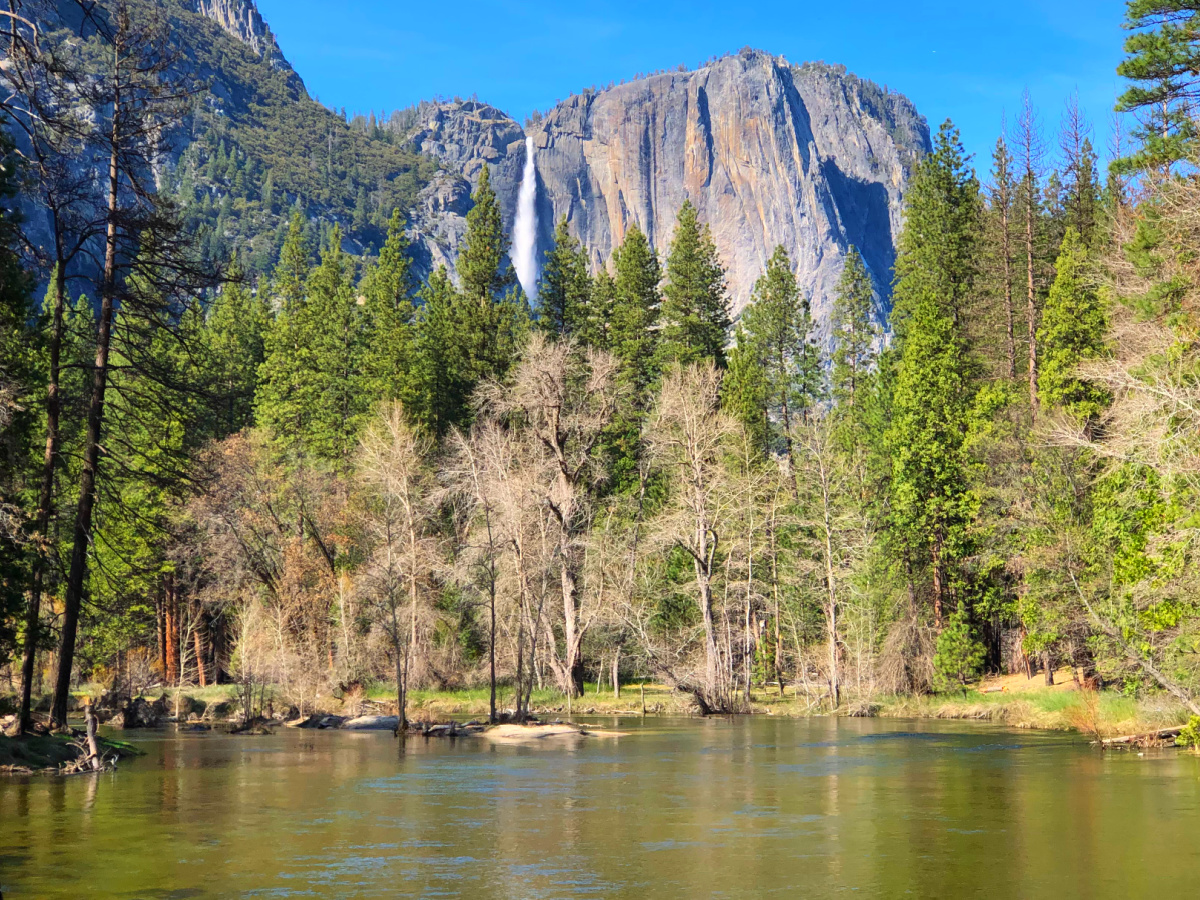
If you suddenly notice Yosemite Falls framed between the trees, stop.
Some of the best moments in Yosemite happen because you weren’t in a hurry to get to the next thing.
El Capitan From the Valley Floor
You absolutely do not need to climb El Capitan to appreciate El Capitan.
I am perfectly happy appreciating it from the safety of the ground.
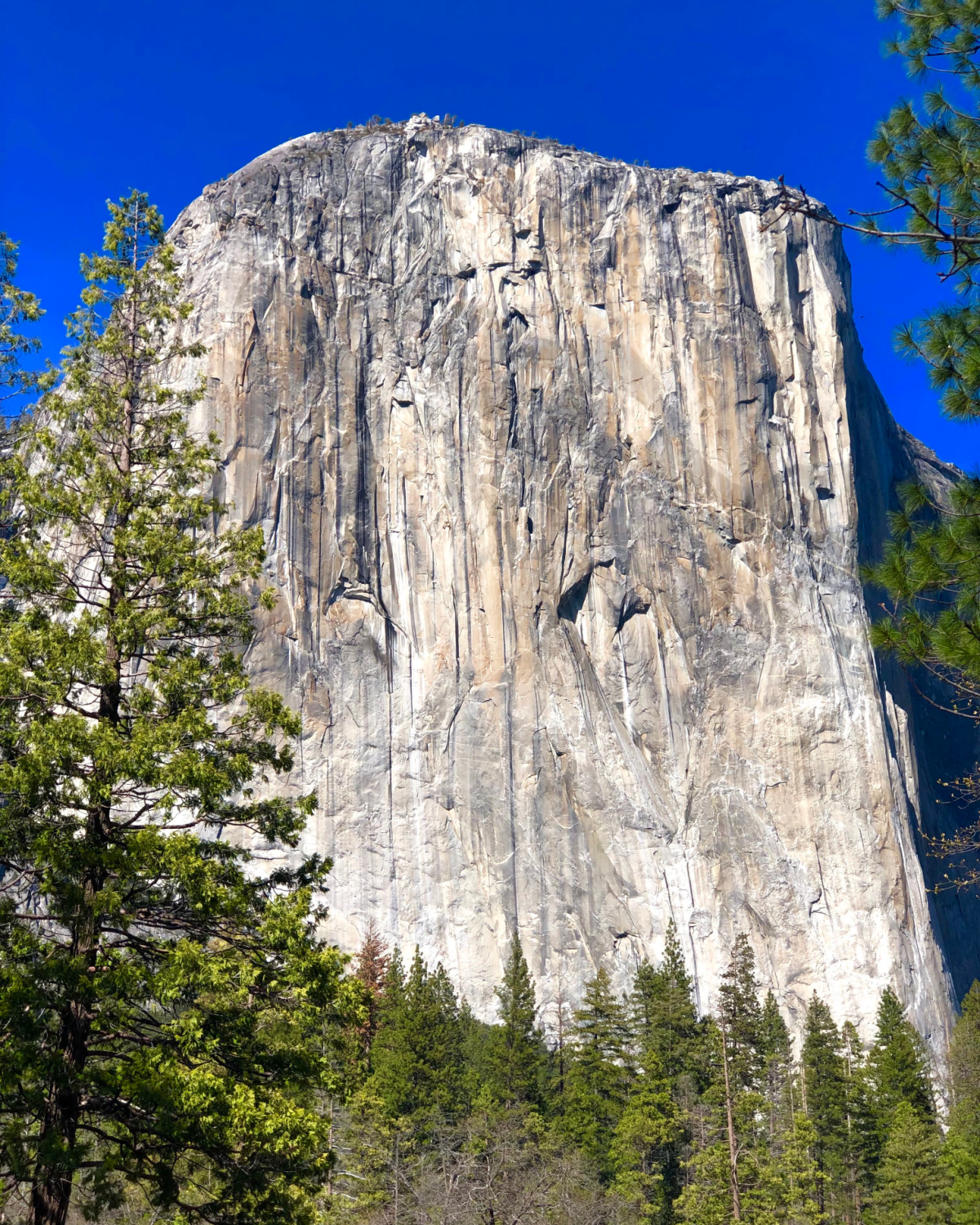
Seeing El Capitan from Yosemite Valley gives you an incredible sense of its sheer size. Photos don’t completely communicate what it’s like to stand beneath a nearly vertical wall of granite that rises thousands of feet above you.
And then you realize there are people climbing it.
Bring binoculars.
Seriously.
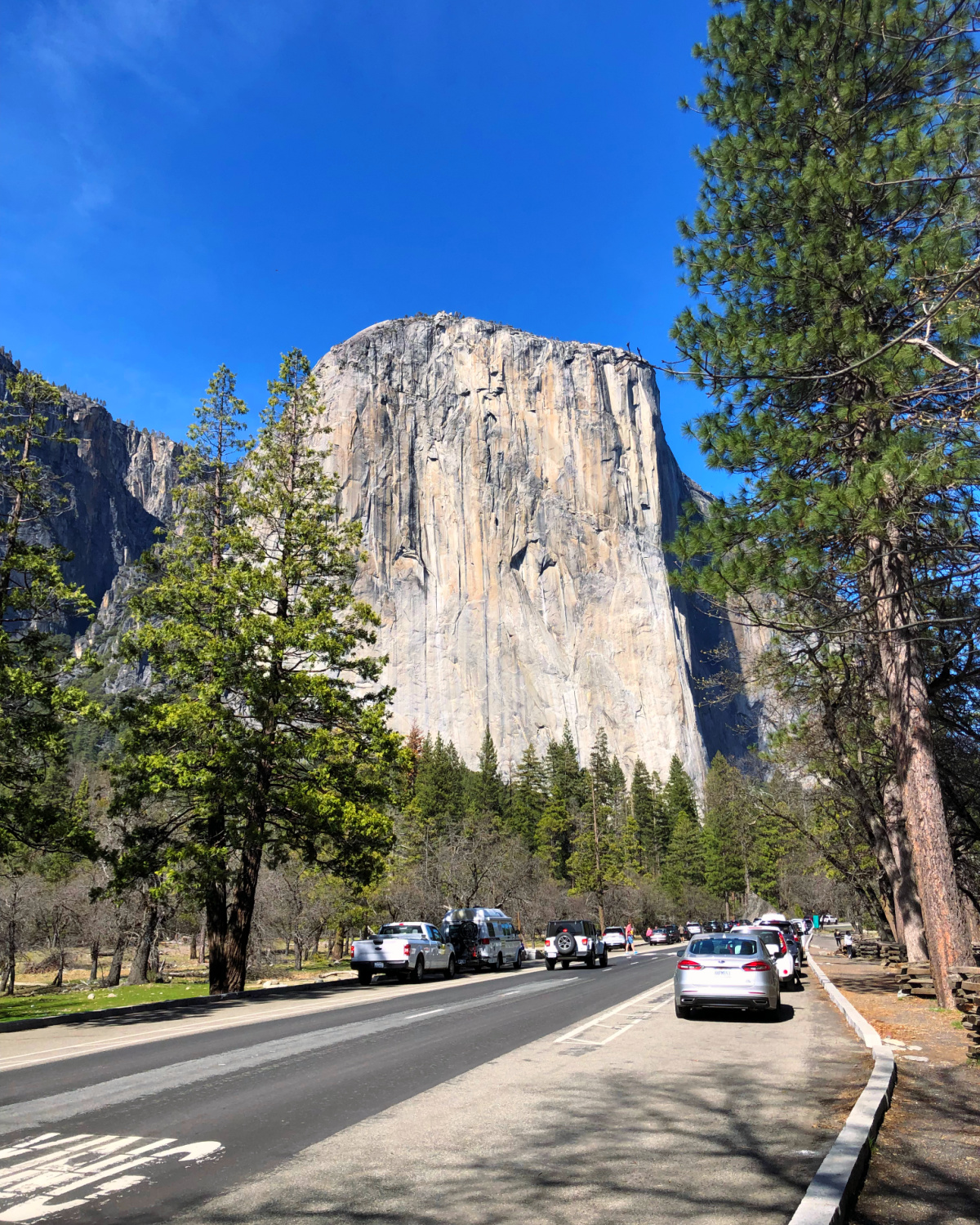
If climbers are on the wall, binoculars let you scan the face of El Capitan and suddenly spot tiny people making their way up the rock. It is one of the best ways to understand the scale of the cliff because the climbers look almost impossibly small.
You can get great views of El Capitan from several places around Yosemite Valley, including along the Merced River and around El Capitan Meadow.
You don’t need a complicated plan for this one. Find a safe place to stop, get out of the car, and spend a few minutes looking up.
Yosemite Falls From the Meadow
The approach to Yosemite Falls is one of those places where the walk itself is part of the experience.
You don’t have to wait until you reach the base of Lower Yosemite Fall for the scenery to get good.
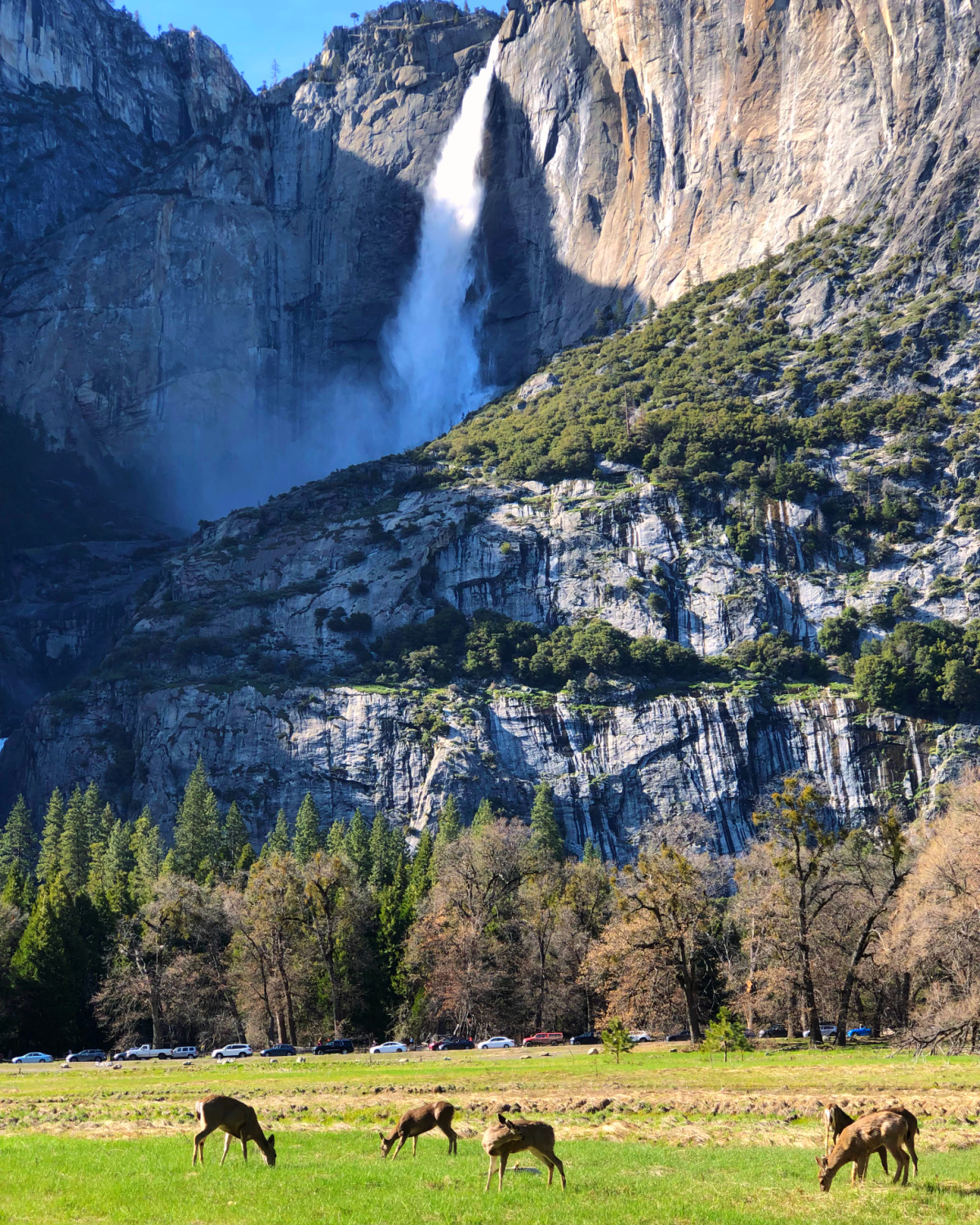
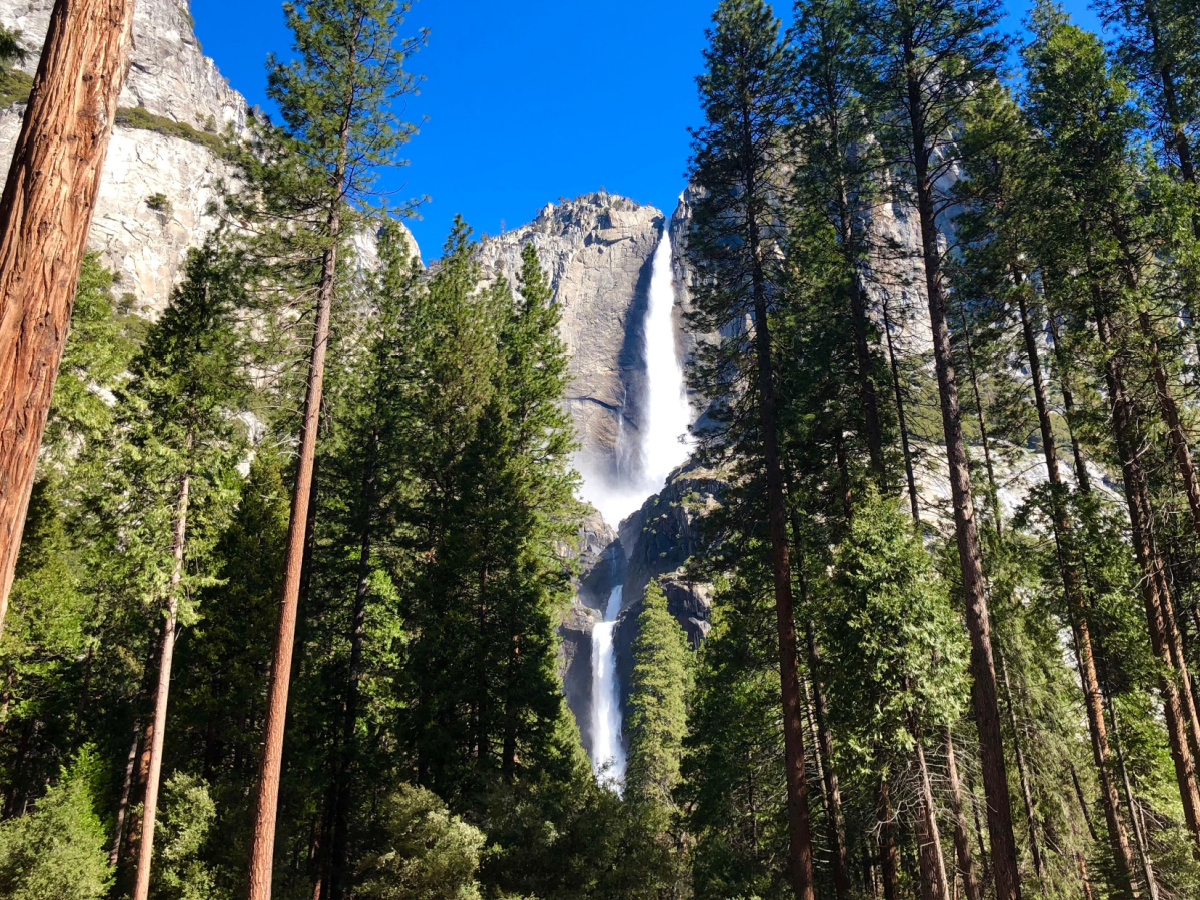
The wide paved path leading toward the falls gives you beautiful views across the meadow, with Upper and Lower Yosemite Falls dropping down the cliffs in front of you.
When the waterfalls are flowing strongly, especially during spring and early summer, the entire scene is dramatic.
But I also love this area because it feels quintessentially Yosemite: meadow, trees, huge granite cliffs, and waterfalls all layered together in one view.
Take your time walking this section.
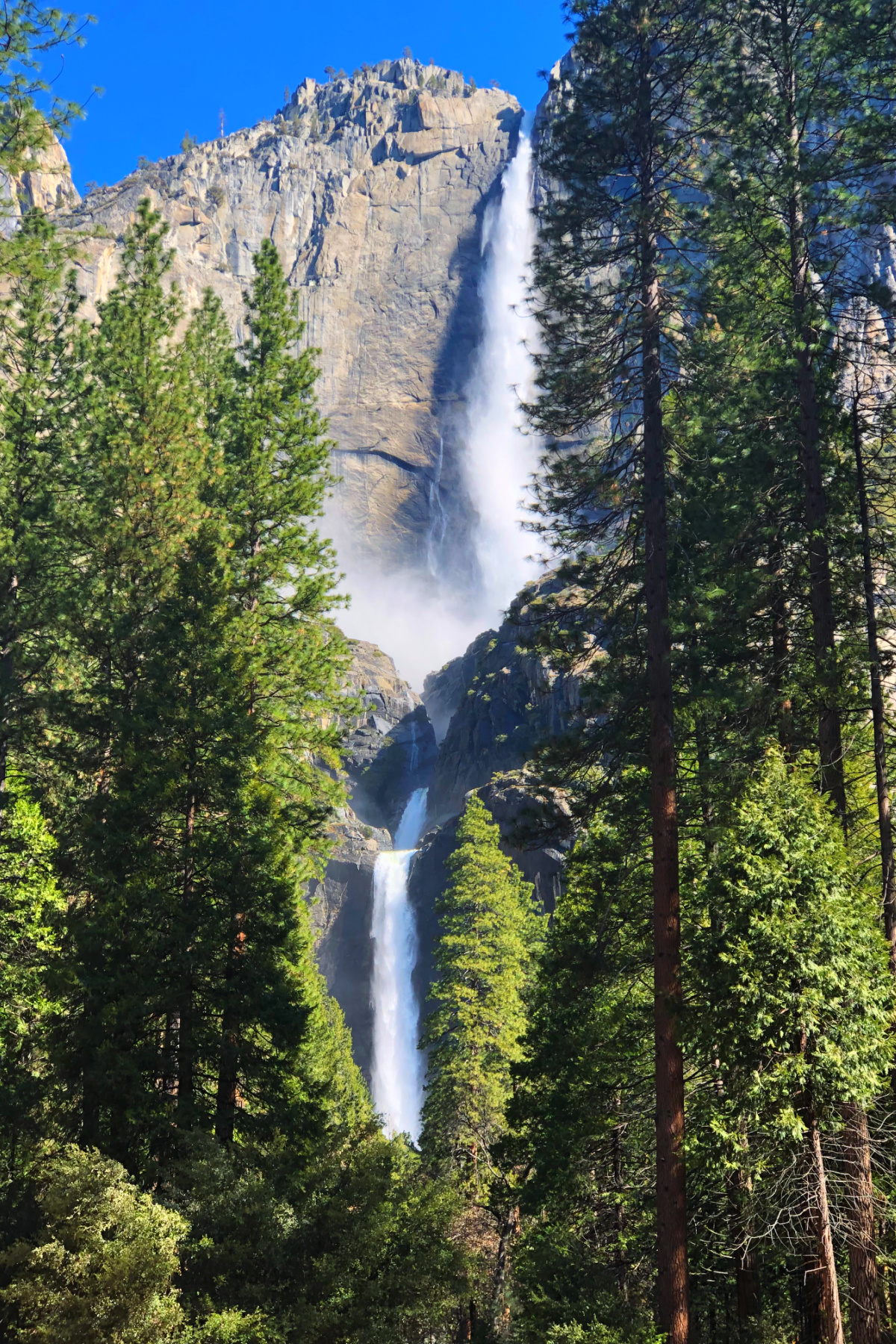
It’s easy to become focused on reaching the Lower Yosemite Fall trail, but some of my favorite photographs from this area are from farther back, where you can see more of the surrounding landscape.
This is also one of the easiest big-payoff views in Yosemite Valley. You can see an enormous amount of scenery without committing to a difficult hike.
And if Yosemite Falls is really roaring?
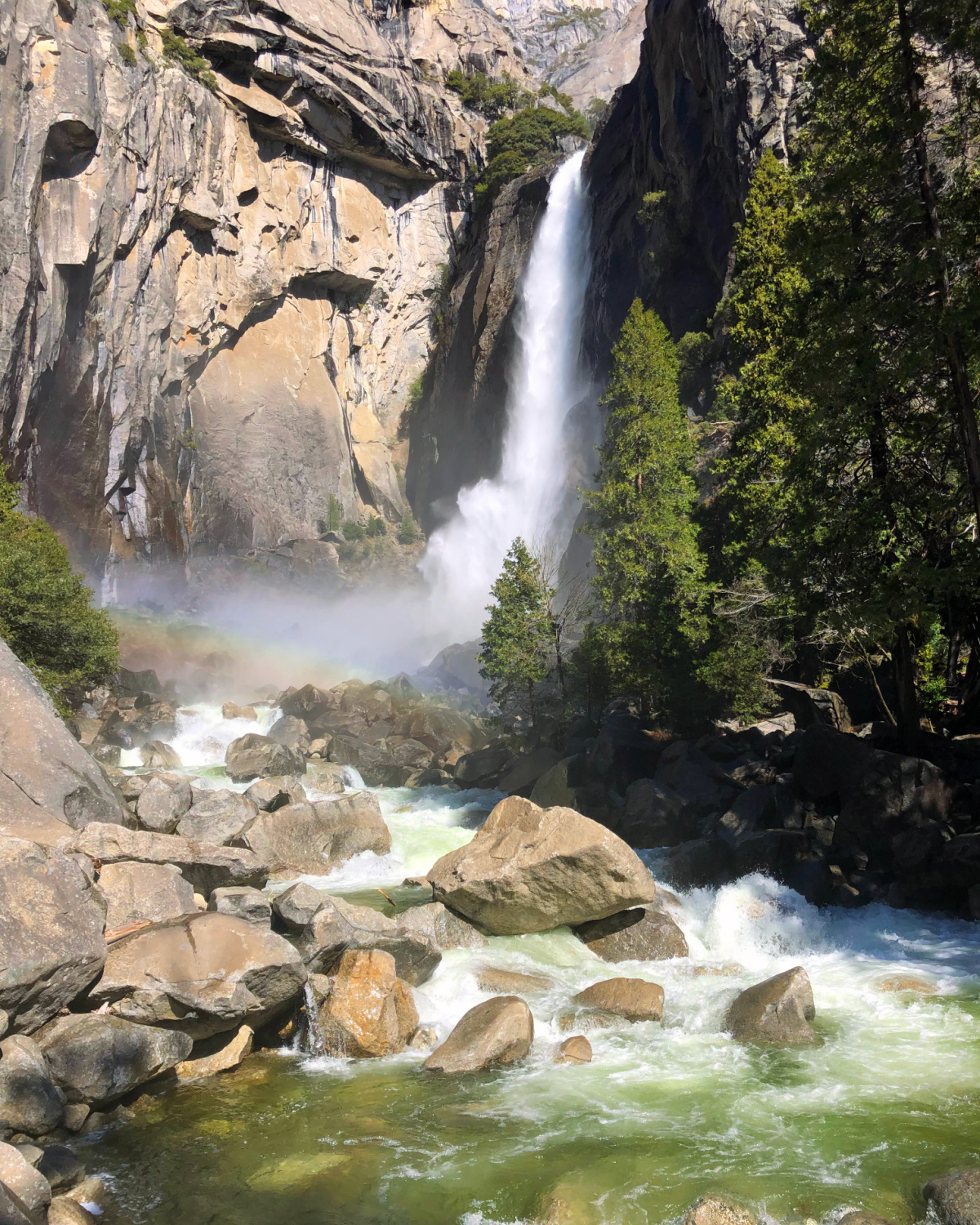
You are going to hear it long before you reach it.
Valley View
Valley View is one of those Yosemite viewpoints that almost doesn’t seem real.
Seriously. It looks like someone took all the best parts of Yosemite Valley and arranged them into one perfect photograph.
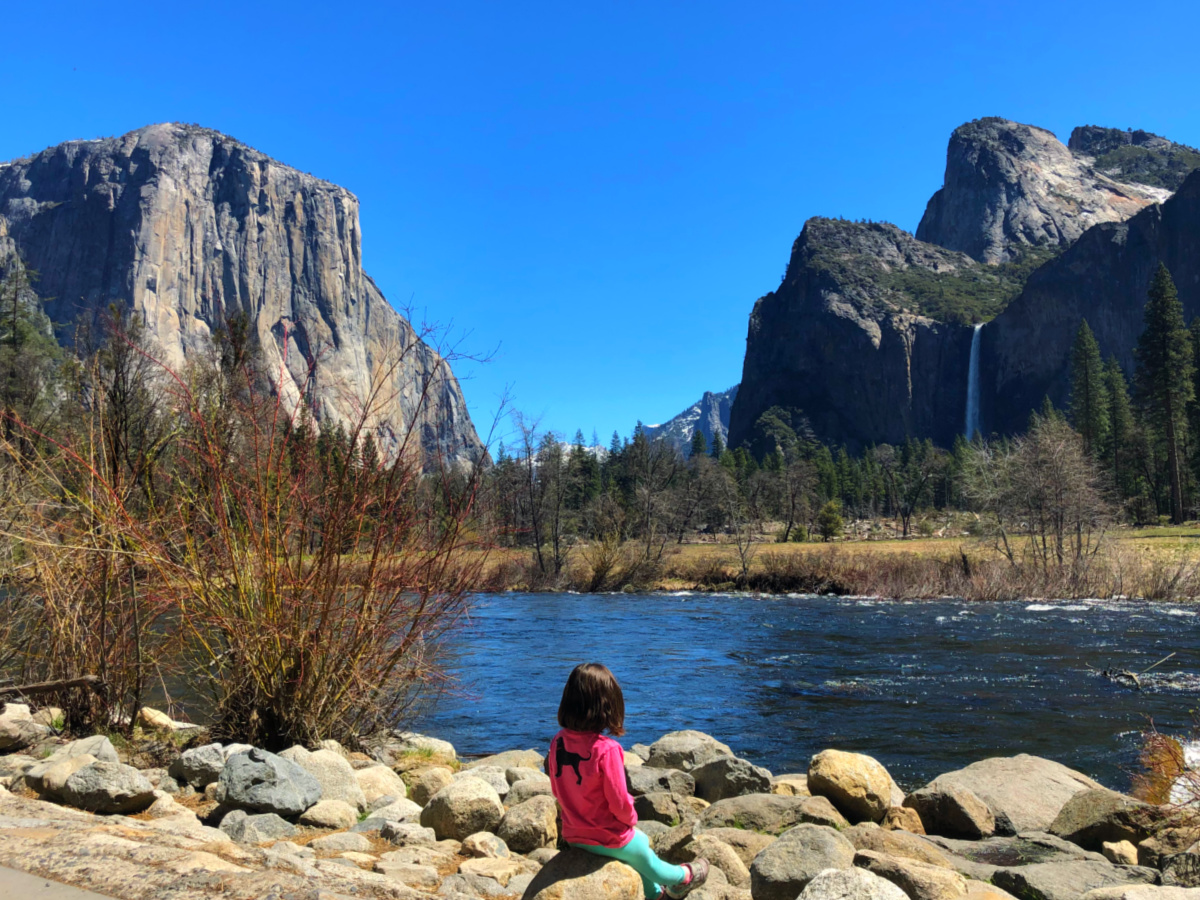
You have El Capitan towering over the valley on one side, Cathedral Rocks on the other, and the Merced River flowing through the foreground. Depending on the season and water conditions, you might also get beautiful reflections of the cliffs in the river.
It’s stunning.
And the best part? You barely have to walk anywhere to see it.
Valley View is located along Northside Drive, near the western end of Yosemite Valley. It’s an easy roadside stop, especially when you’re heading out of the valley.
But I wouldn’t save it exclusively for your drive out.
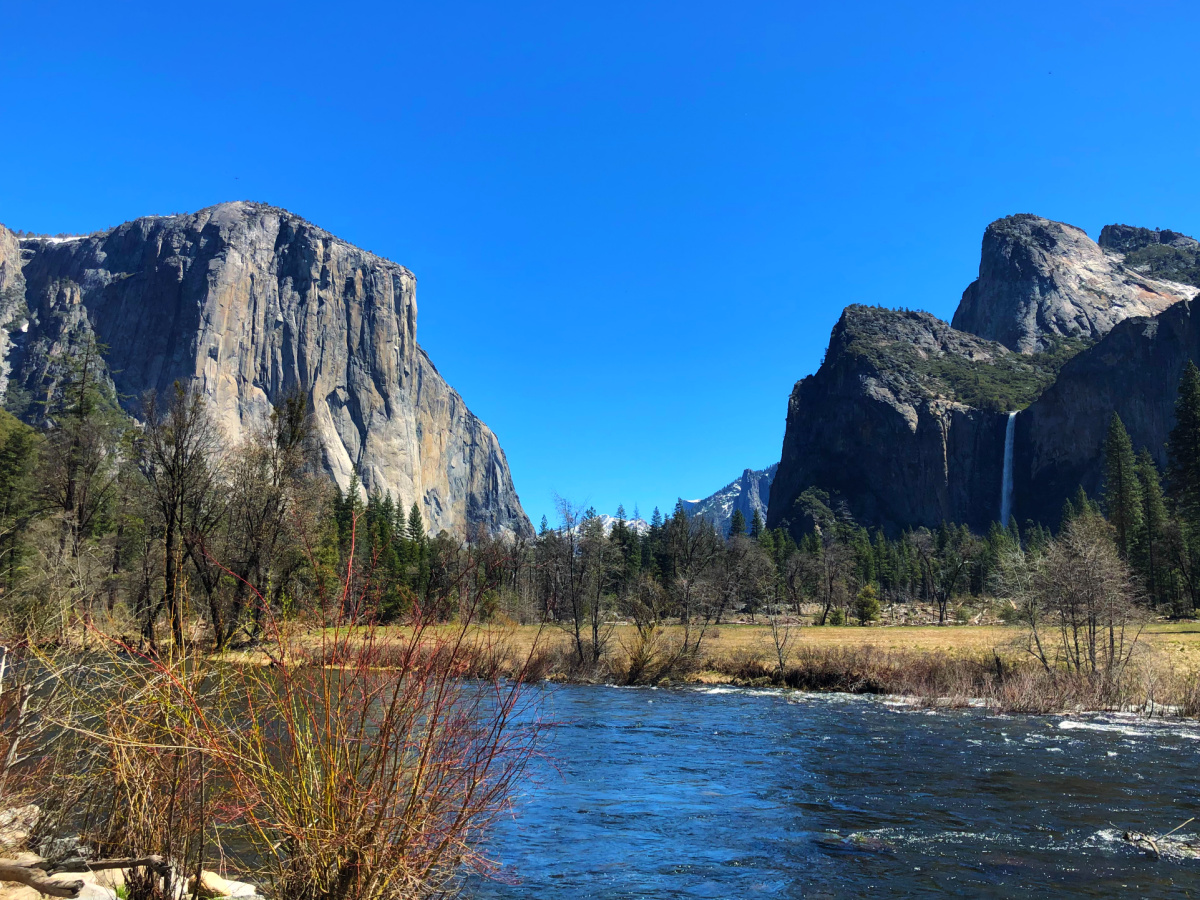
The scenery changes throughout the day, and the light can make a huge difference in how the cliffs and river look. Early morning can be especially beautiful when the water is calm, while later in the day brings different lighting across the granite walls.
One of my favorite things about Valley View is how much scenery you can enjoy from such a small area. You don’t need to hike to an overlook or climb hundreds of feet to get the classic Yosemite experience.
You’re standing right beside the Merced River, looking straight into Yosemite Valley.
It’s hard to imagine a prettier place to spend a few minutes.
Although, honestly, you might end up staying a lot longer.
Tunnel View
If you’ve ever seen a photograph of Yosemite National Park, there’s a pretty good chance you’ve seen the view from Tunnel View.
And yes, it really is that spectacular.
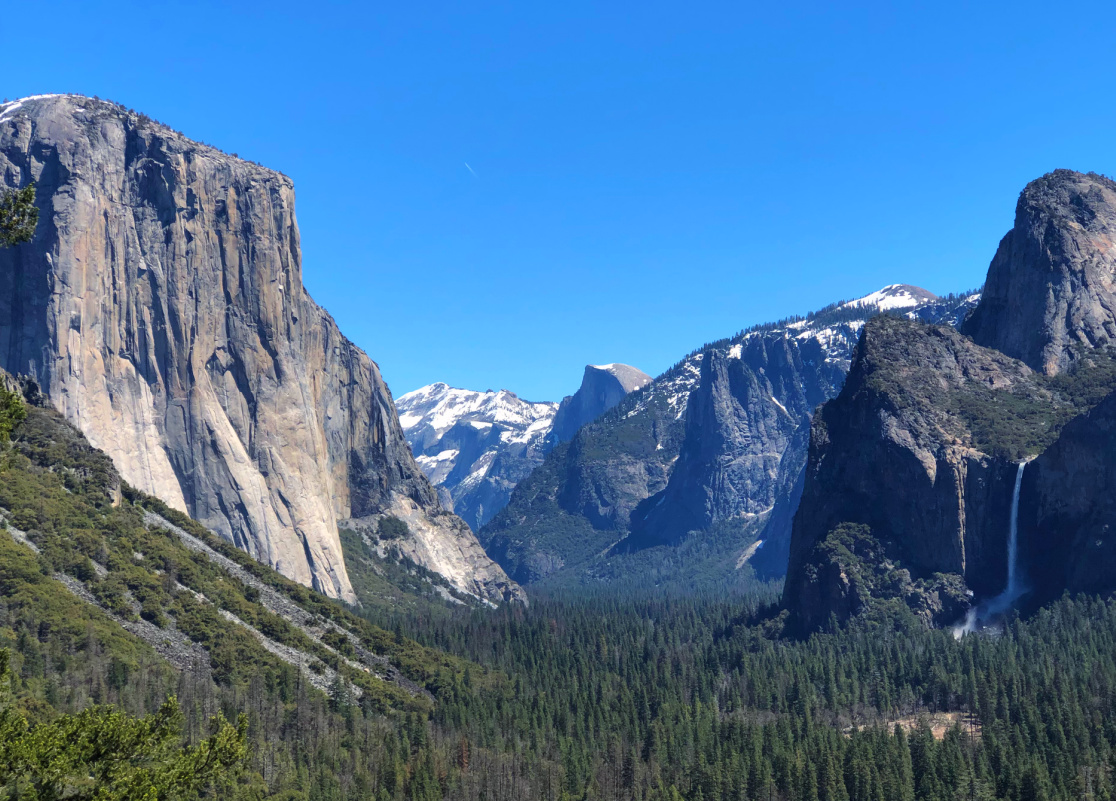
This is the famous panoramic viewpoint where you can see El Capitan on the left, Bridalveil Fall on the right, and Half Dome rising in the distance. The entire Yosemite Valley stretches out beneath you, surrounded by enormous granite cliffs.
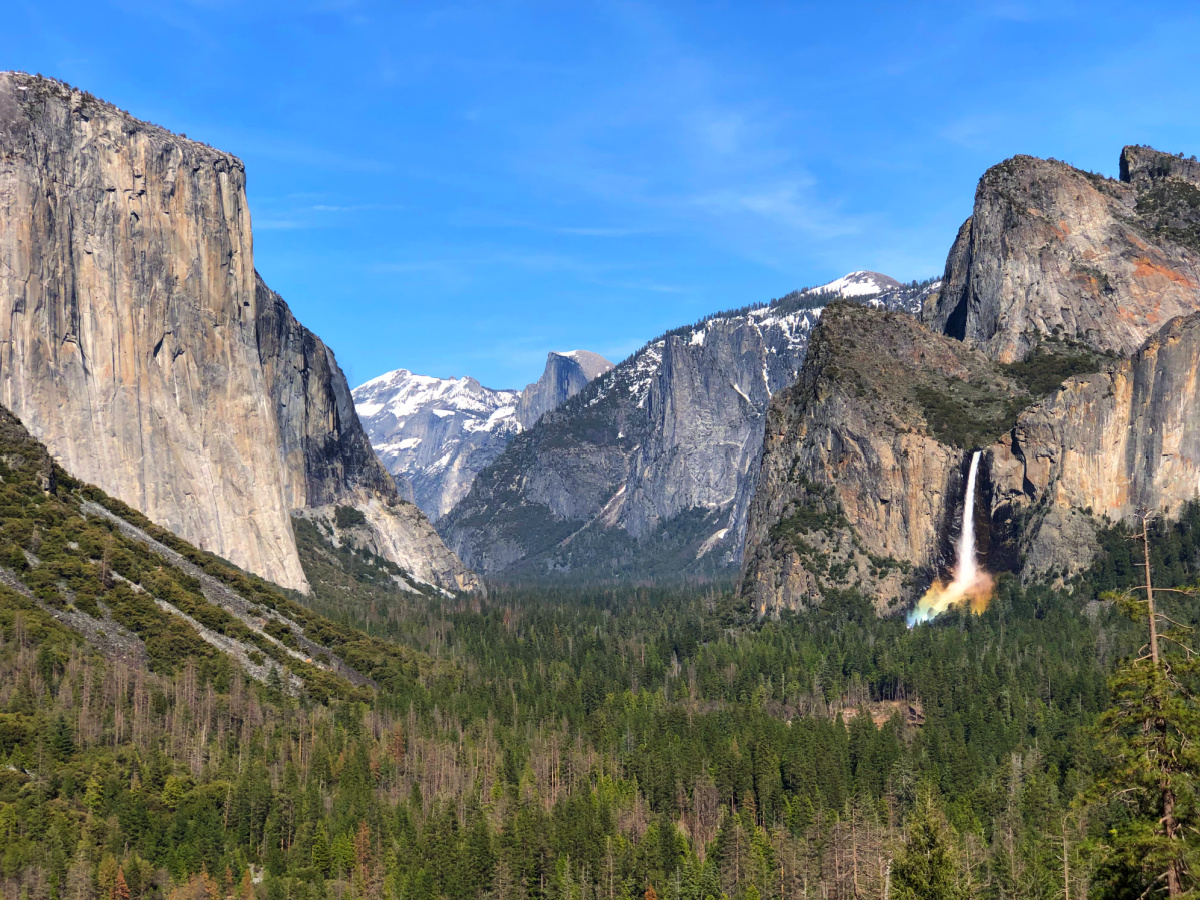
It’s one of the most recognizable views in the entire national park system.
And unlike some famous viewpoints that look better in professional photographs than they do in person, Tunnel View absolutely lives up to the hype.
There is something incredible about seeing so much of Yosemite in one sweeping view.
If you’re entering Yosemite Valley from Wawona Road, you’ll reach Tunnel View just outside the eastern entrance to the Wawona Tunnel. There are parking areas near the viewpoint, and you can enjoy the scenery without taking a hike.
It’s a particularly memorable introduction to Yosemite Valley if this is your first visit.
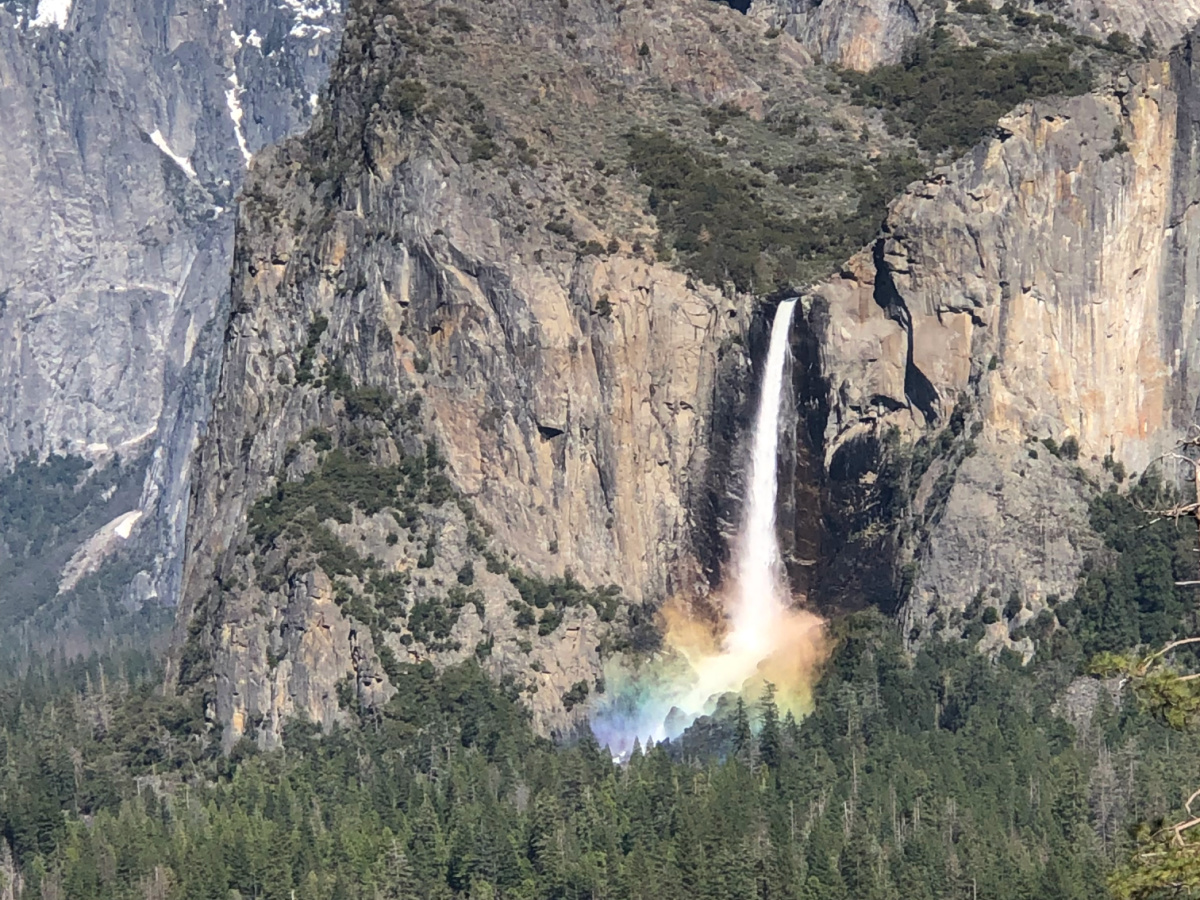
But even if you’ve visited Yosemite before, I would still make time for Tunnel View.
In fact, this is another viewpoint worth seeing at different times of day.
The lighting changes dramatically as the sun moves across the valley. Sometimes the granite cliffs are brightly illuminated. Other times, shadows stretch across the valley floor and the distant mountains take on a softer appearance.
And when Bridalveil Fall is flowing strongly, especially in spring, it adds another beautiful element to the landscape.
One practical tip: Tunnel View can get extremely crowded, particularly during busy travel seasons and around sunset. The parking areas aren’t enormous, and people tend to linger because the scenery is so beautiful.
If you arrive and parking is completely full, don’t stop in the roadway or squeeze into an unsafe spot. You can always try again later.
And I really would try again.
Tunnel View is famous for a reason.
Glacier Point and the Views Along Glacier Point Road
If Yosemite Valley is spectacular from the ground, imagine what it looks like from thousands of feet above.
That’s what makes Glacier Point so special.
From this famous overlook, you can look across Yosemite Valley toward Half Dome, with sweeping views of the surrounding Sierra Nevada mountains. You can also see Yosemite Falls and parts of Yosemite’s high country.
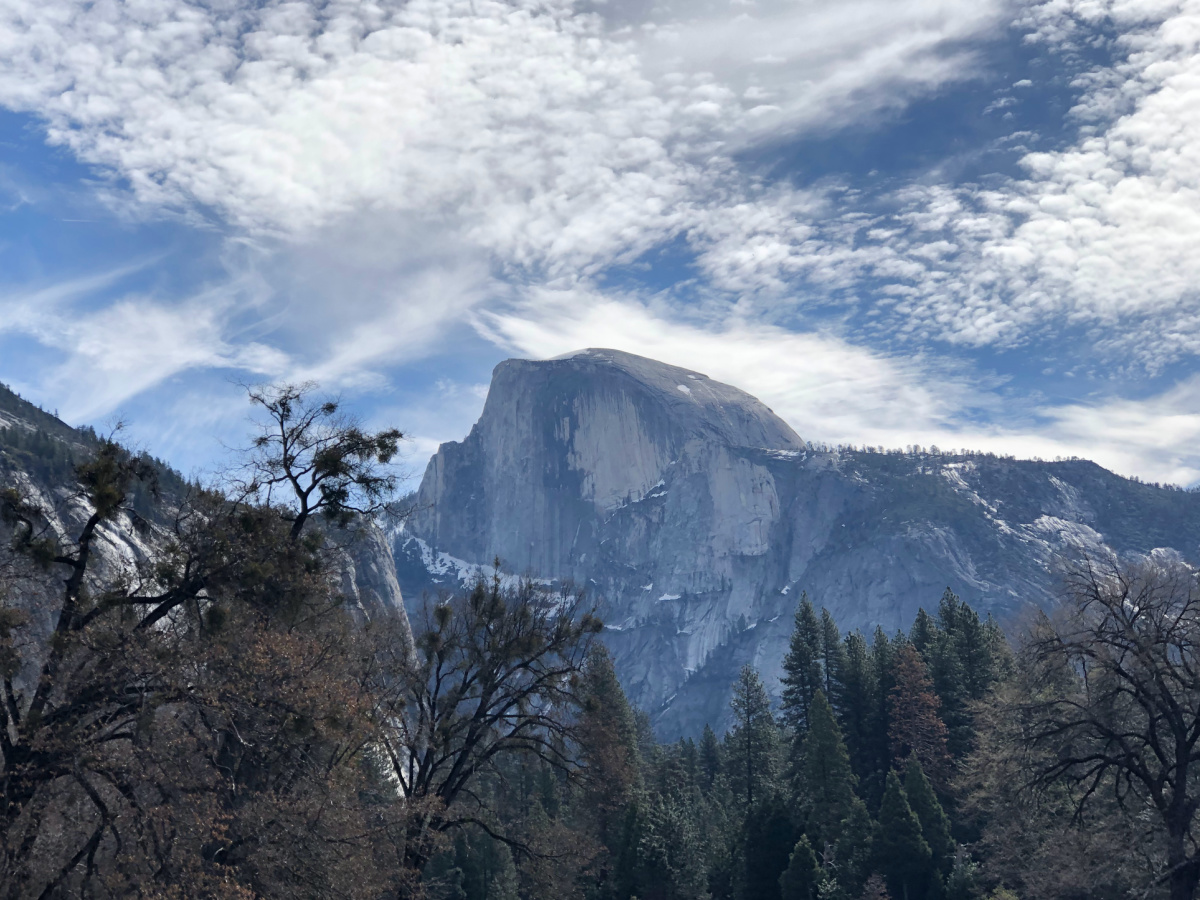
It’s an entirely different perspective from what you get along the valley floor.
And you don’t have to make a strenuous hike to enjoy it.
When Glacier Point Road is open, you can drive almost all the way to the overlook. From the parking area, a relatively short paved trail leads to the viewpoint.
But don’t spend the entire drive focused on reaching Glacier Point.
One of the things I remember about driving up into this part of Yosemite was how beautiful the scenery was along the way, especially the views of Half Dome.
There’s something about seeing that enormous granite formation from a different elevation and angle that makes you appreciate Yosemite all over again.
Washburn Point is another excellent overlook along Glacier Point Road, just before you reach Glacier Point itself. From here, you can see Half Dome, the surrounding mountains, and even Vernal and Nevada Falls in the distance.
I don’t have the same extensive photo collection from this part of Yosemite that I have from the valley floor, but the scenery certainly made an impression.
One important thing to know is that Glacier Point Road is seasonal. Snow typically closes the road sometime in November, and it generally doesn’t reopen until late May or early June.
If you’re visiting Yosemite in April, for example, you probably won’t be able to drive to Glacier Point. Check the current Yosemite road conditions before making plans.
But if the road is open during your visit, I would absolutely make time for this drive.
Mariposa Grove of Giant Sequoias
Not every spectacular viewpoint in Yosemite involves a towering granite cliff or a waterfall.
Sometimes you need to look straight up.
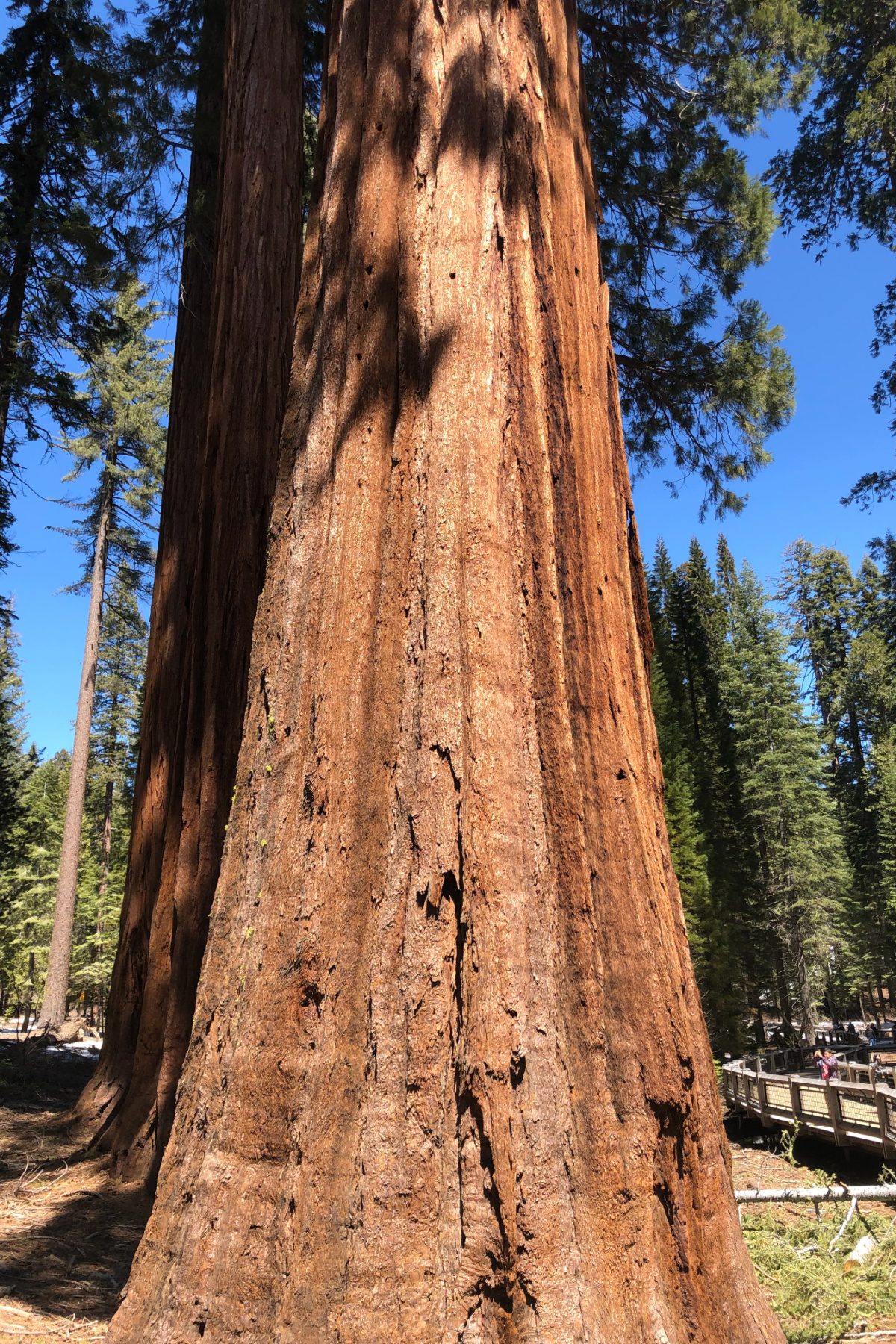
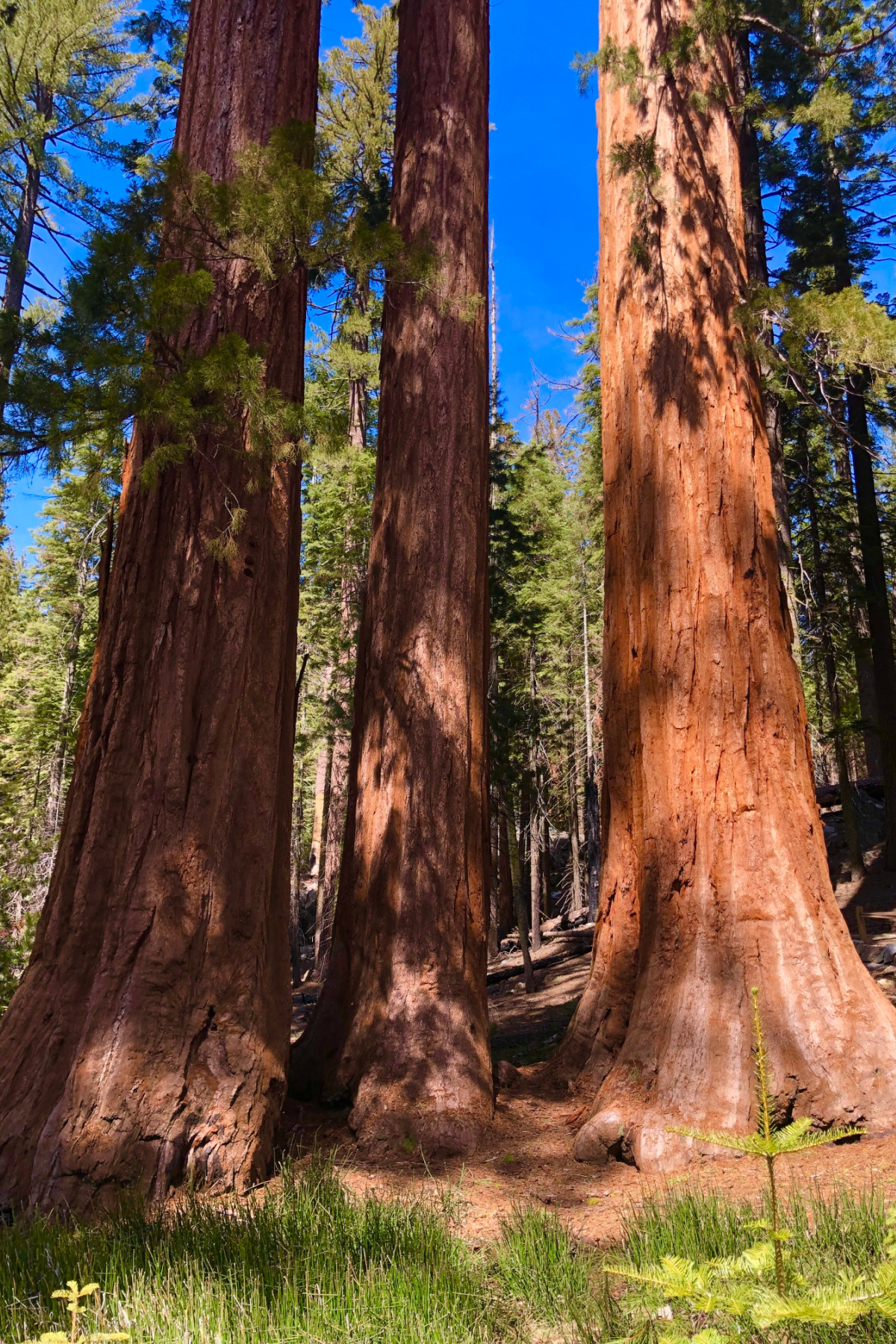
Mariposa Grove is home to hundreds of mature giant sequoias, some of the largest trees on Earth. And while Yosemite is famous for places like Half Dome and El Capitan, these enormous trees deserve some attention, too.
There’s something almost ridiculous about standing beside a giant sequoia and trying to comprehend just how big it is.
You can photograph the trunk. Or try to fit the entire tree into your picture. You can even have someone stand beside it for perspective.
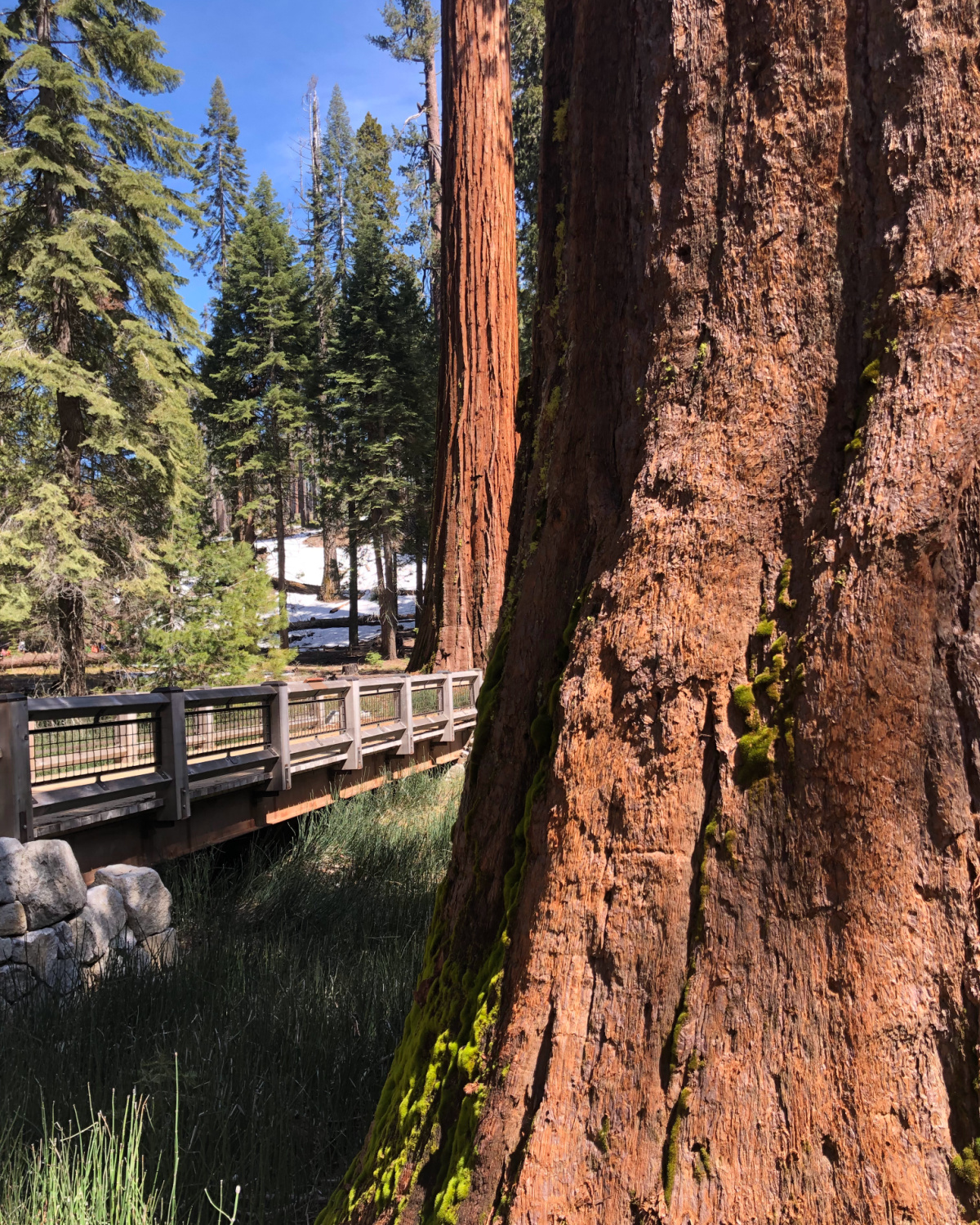
But somehow, the photographs still don’t quite capture the scale.
Mariposa Grove is located near Yosemite’s South Entrance, making it a wonderful stop if you’re entering the park from the direction of Oakhurst.
One of the most famous trees here is the Grizzly Giant, an enormous sequoia estimated to be nearly 3,000 years old. Another favorite is the California Tunnel Tree, which has a passage cut through its trunk.
And unlike the sweeping panoramas at Tunnel View or Glacier Point, the scenery here is much more intimate.
You’re walking through a forest of trees that have been growing for thousands of years.
It’s a completely different Yosemite experience.
If you’re short on time, the Big Trees Loop Trail is an excellent option. It’s a relatively flat, 0.3-mile loop where you can see giant sequoias without committing to a long hike.
If you have a little more time and energy, the 2-mile Grizzly Giant Loop takes you past some of the grove’s most famous trees, including the Grizzly Giant and California Tunnel Tree.
One important thing to know before visiting: you generally can’t drive your own car directly into Mariposa Grove. During the shuttle season, visitors park at the Mariposa Grove Welcome Plaza and take a free shuttle to the trailhead. When the shuttle isn’t running, reaching the grove requires an additional two-mile walk each way. Vehicles displaying valid disability placards have special access when the road is open.
Check the National Park Service’s Mariposa Grove information before your trip, particularly if you’re visiting in spring or late fall.
And don’t forget to look up while you’re walking through the grove.
Because some of Yosemite’s most incredible scenery isn’t spread across an enormous mountain landscape.
It’s growing right above your head.
Scenic Roadside Pullouts on the Drive Into Yosemite
Here’s one more scenic viewpoint recommendation that might sound a little strange.
I can’t give you one specific GPS location for it.
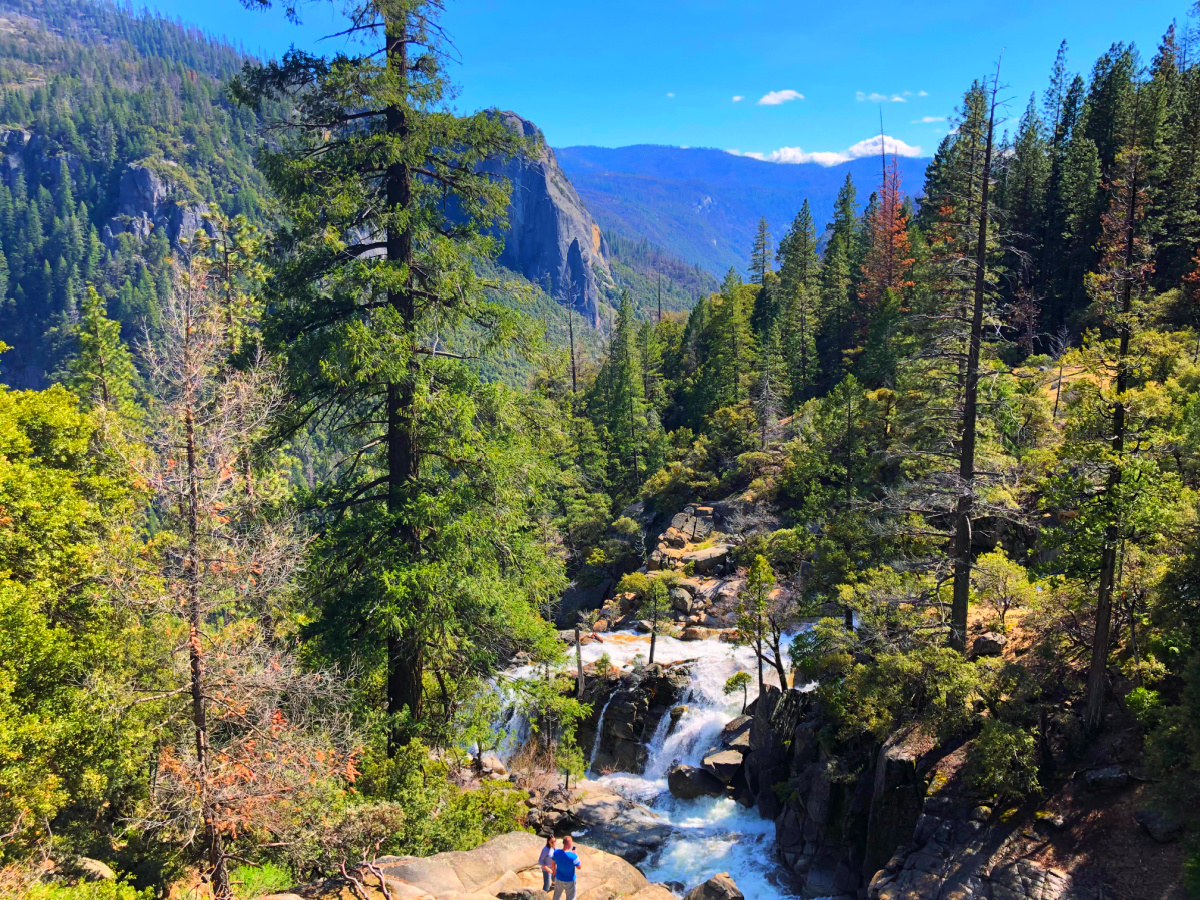
Because honestly, some of the most beautiful views in Yosemite happen when you’re driving through the park and suddenly notice something spectacular outside your window.
This is especially true when you’re approaching Yosemite Valley from the western entrances.
The scenery is gorgeous.
You might round a bend and see a huge granite cliff rising above the trees. Or catch a glimpse of the Merced River winding through the landscape. Or notice the sunlight hitting a mountainside in a way that practically begs you to stop and take a photograph.
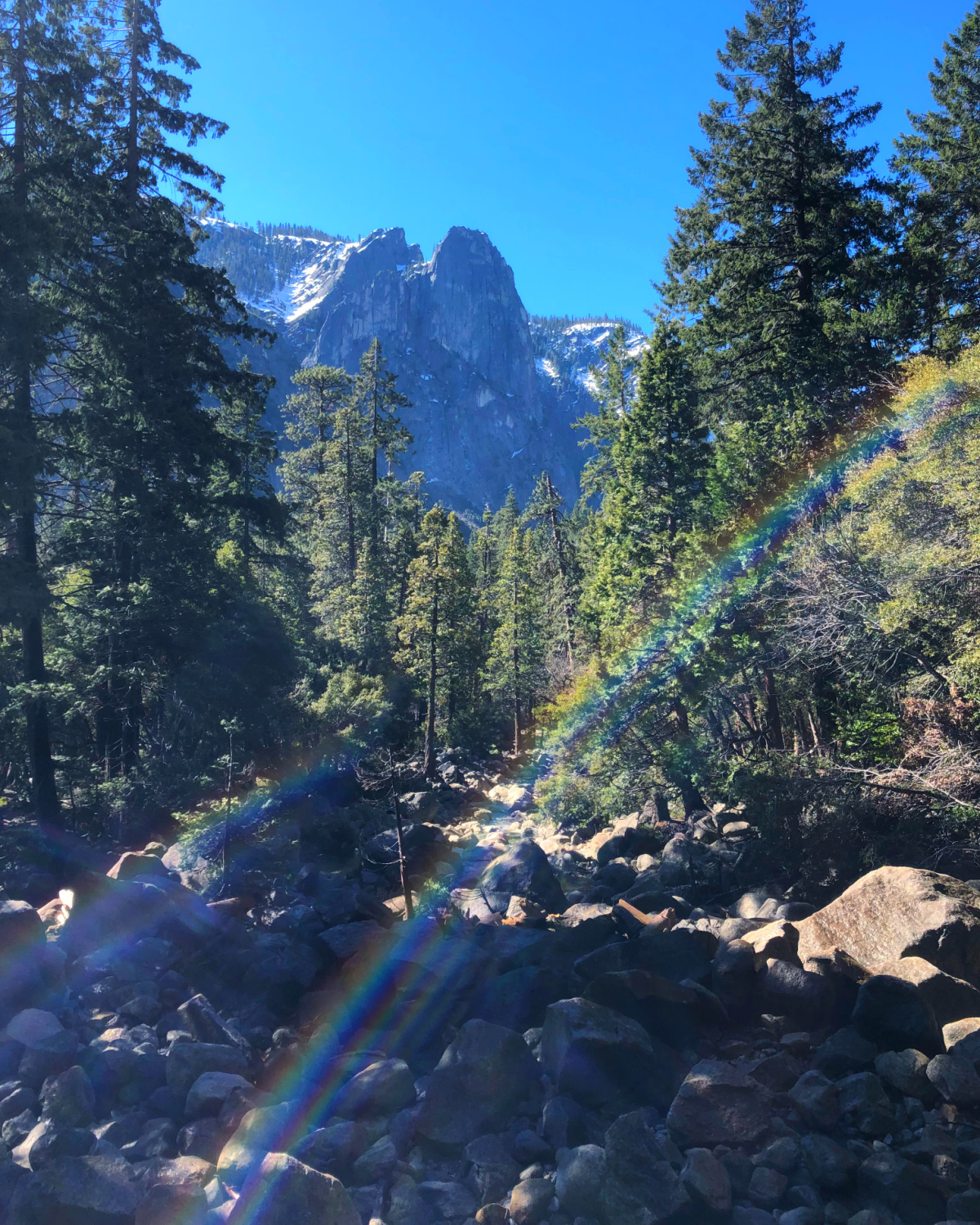
And sometimes you don’t even know exactly what you’re looking at.
It’s just beautiful.
One of my favorite things about driving through Yosemite is that there are so many opportunities to enjoy the scenery without following a carefully planned itinerary.
Of course, you need to be smart about where you stop. Yosemite’s roads can be narrow and winding, and not every shoulder is a safe place to pull over.
Use designated pullouts and parking areas, and never stop in the middle of the road because you’ve spotted something pretty.
But when you find a safe place to park?
Get out of the car.
Look around.
Take the photograph.
Or just enjoy the view for a few minutes.
I think sometimes when people visit famous national parks, they get so focused on reaching the iconic attractions that they forget how beautiful the scenery is between those attractions.
Yosemite is definitely a place where the journey can be every bit as memorable as the destination.
Best Time of Day for Scenic Views in Yosemite
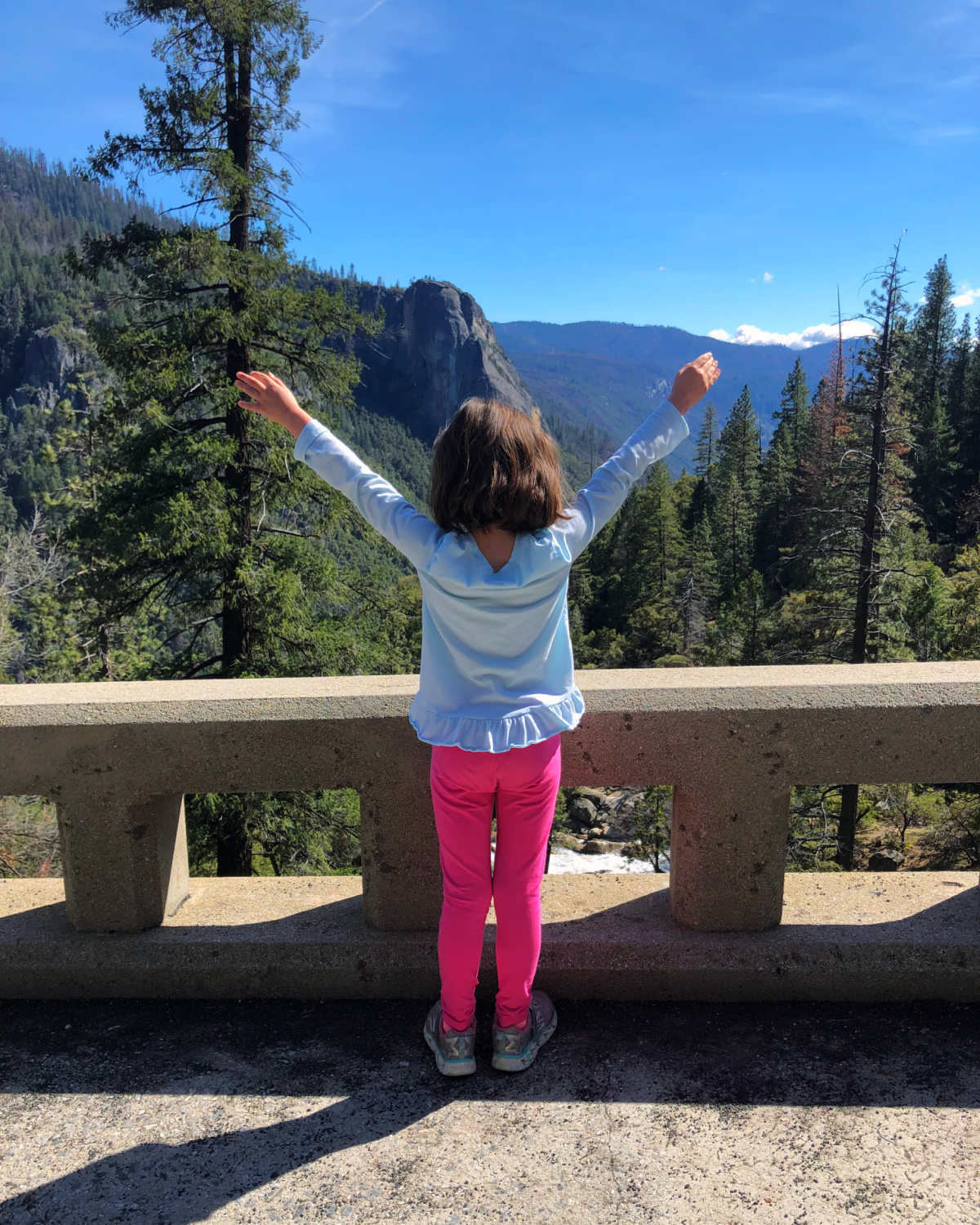
One of the things I love about Yosemite is how much the scenery changes throughout the day.
You can stand in the exact same spot in the morning and again in the evening and feel like you’re looking at two completely different landscapes.
The granite cliffs change color as the sunlight moves across the valley. Shadows creep across the meadows. And the Merced River can look completely different depending on the light and how much water is flowing.
That’s one reason I wouldn’t necessarily try to visit every Yosemite viewpoint in one marathon sightseeing session.
If you’re staying in Yosemite Valley for a few days, give yourself the opportunity to revisit a favorite spot.
Early morning can be particularly beautiful along the Merced River and at Valley View. The light is softer, and if the water is calm, you might catch some gorgeous reflections.
Morning is also a wonderful time to walk through Yosemite Valley before the busiest crowds arrive.
Midday is perfectly fine for sightseeing, too. You might not get the softest lighting for photography, but the scenery is still spectacular. This is a great time to visit places like El Capitan Meadow, where you can really appreciate the sheer size of the granite cliffs.
Late afternoon and sunset are some of my favorite times in Yosemite.
I especially love Sentinel Bridge later in the day. Watching the light change on Half Dome while standing above the Merced River is pretty hard to beat.
Tunnel View is also incredibly beautiful as the afternoon light and shadows move across the valley.
Of course, you don’t need to become a professional landscape photographer to enjoy any of these places.
Sometimes the best time to visit a Yosemite viewpoint is simply whenever you happen to be there.
Best Seasons for Yosemite Scenic Viewpoints
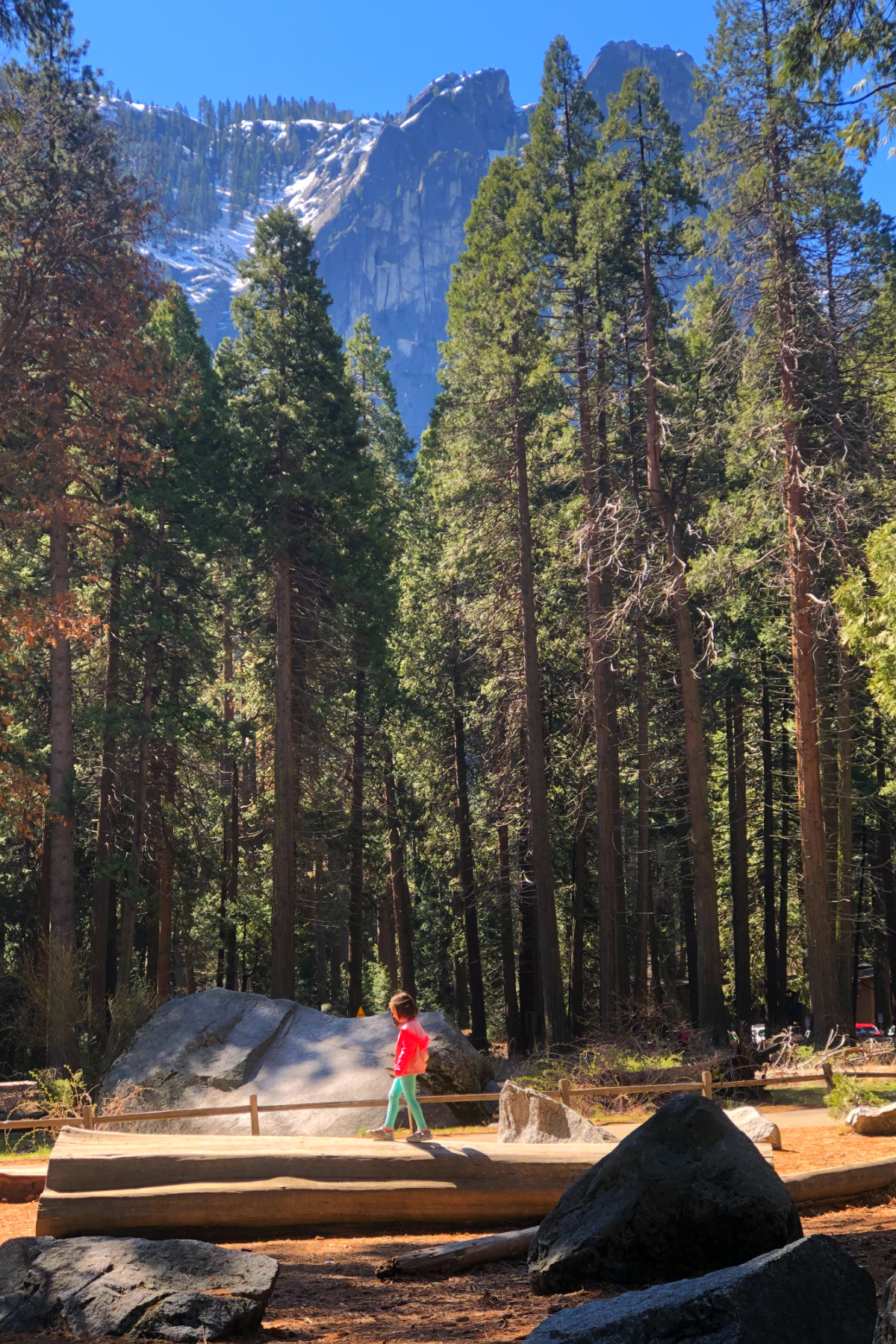
Yosemite is beautiful year-round, but the scenery can be dramatically different depending on when you visit.
And this is especially important if you’re hoping to photograph waterfalls.
Spring: Waterfalls and Green Meadows
If your dream Yosemite photograph includes enormous waterfalls pouring down granite cliffs, spring is usually your best bet.
I’ve visited Yosemite in April, and the waterfalls were absolutely one of the highlights.
Yosemite Falls is especially impressive when the snowmelt gets going, and Bridalveil Fall can be beautiful from viewpoints like Tunnel View.
The meadows are also starting to turn green, and the Merced River is often flowing strongly.
The one downside is that the higher-elevation roads, particularly Glacier Point Road and Tioga Road, are frequently still closed because of snow.
But for Yosemite Valley viewpoints?
Spring is fantastic.
Mariposa Grove is another place where you’ll want to pay attention to seasonal access. The free shuttle into the grove typically resumes in spring, but the exact opening date depends on snow and road conditions. If you’re visiting before the shuttle starts operating, you’ll need to walk approximately two miles each way just to reach the grove entrance, in addition to whatever walking you plan to do among the sequoias.
Summer: Long Days and High-Country Views
Summer gives you the greatest opportunity to explore viewpoints throughout the park.
Once the seasonal roads open, you can drive to Glacier Point and enjoy scenery that may have been inaccessible just a few weeks earlier.
The longer daylight hours also give you more flexibility for sightseeing.
However, summer is Yosemite’s busiest season, and places like Tunnel View can get extremely crowded.
Waterfall flows also typically decrease as the summer progresses, especially during drier years.
If seeing Yosemite Falls at its most dramatic is important to you, don’t automatically assume a July or August visit will deliver the same scenery you’d see in May.
Fall: Beautiful Light and Fewer Waterfalls
Fall has a completely different atmosphere.
My husband proposed to me at Sentinel Bridge in October 2002, so I have a pretty strong sentimental attachment to Yosemite during this season.
The waterfalls are often much smaller by fall, and some may be completely dry.
But that doesn’t mean the scenic viewpoints are any less beautiful.
The granite cliffs are still enormous. Half Dome still towers over the valley. And the changing light, cooler temperatures, and occasional fall color can make wandering around Yosemite Valley especially enjoyable.
Just don’t plan an October trip expecting the waterfalls to look like they do during peak snowmelt.
Winter: Snow and Dramatic Scenery
Winter can turn Yosemite Valley into something that looks straight out of a postcard.
Snow on the valley floor isn’t guaranteed, but when it happens, the contrast between the white landscape and the enormous granite cliffs is incredible.
Tunnel View, Valley View, and Sentinel Bridge can all be beautiful in winter.
The biggest limitation is access.
Glacier Point Road and Tioga Road are generally closed for the winter season, and snow or icy conditions can affect other roads and walking paths.
Mariposa Grove is also accessible on foot in winter, although the shuttle doesn’t operate and snow or ice can make visiting considerably more challenging.
If you’re visiting during winter, keep your plans flexible and check current conditions before heading out.
Tips for Visiting Yosemite’s Scenic Viewpoints
One of the best things about the viewpoints in this guide is that most of them don’t require much physical effort.
But there are a few things worth knowing before you start exploring.
Give yourself more time than you think you’ll need. Yosemite is not a place where I would recommend rushing from viewpoint to viewpoint just to check everything off a list. Some of my favorite memories are from places where we simply stopped and enjoyed the scenery.
Bring binoculars. This is especially fun around El Capitan, where you may be able to spot rock climbers high above the valley floor. It gives you an entirely new appreciation for just how enormous that granite wall really is.
Don’t overlook the easy walks. The paths around Yosemite Falls, Sentinel Bridge, and the Merced River offer incredible views without requiring a strenuous hike. You don’t have to tackle one of Yosemite’s famous trails to experience some of its best scenery.
Pay attention to seasonal road closures. Glacier Point is spectacular, but it’s not accessible by car year-round. If you’re visiting in spring or late fall, check whether Glacier Point Road is open before including it in your plans.
Be patient with parking. Tunnel View, Valley View, and other popular stops can fill up quickly. Never block traffic or park outside designated areas. Sometimes it’s better to continue exploring and return later.
Keep your camera handy. Some of my favorite Yosemite photographs aren’t from the famous overlooks at all. They’re from the river, the meadows, and places we happened to notice while driving through the park.
And finally, look up.
I know that sounds ridiculously obvious.
But Yosemite is one of those places where it’s easy to become so focused on getting to the next attraction that you forget to appreciate what’s surrounding you.
Sometimes the best view is the one you’re already standing in front of.
Final Thoughts on the Best Scenic Viewpoints in Yosemite National Park
If you’re planning your first trip to Yosemite, I would absolutely put Tunnel View, Valley View, Sentinel Bridge, and Glacier Point near the top of your sightseeing list.
They’re famous for good reason.
But I would also encourage you to spend plenty of time simply exploring Yosemite Valley.
Walk beside the Merced River. Wander through the meadow toward Yosemite Falls. Stand beneath El Capitan and try to comprehend how enormous it is.
And don’t feel like you’re somehow missing out if you’re not interested in climbing Half Dome or tackling an all-day hike.
Some of Yosemite’s most spectacular scenery is accessible from a parking area, a bridge, or an easy walking path.
For me, Sentinel Bridge will probably always be the most special viewpoint in the park. It’s where my husband proposed, and I can’t imagine visiting Yosemite without stopping there.
But that’s also one of the wonderful things about Yosemite.
You might arrive with a list of famous viewpoints you can’t wait to see and leave with a completely different favorite.
Maybe it’s the view from Tunnel View as you enter the valley for the first time.
Maybe it’s watching the climbers on El Capitan.
Or maybe it’s a quiet stretch of the Merced River where you stopped for a few minutes and ended up staying much longer.
Whatever your favorite turns out to be, I can practically guarantee one thing.
You’re going to take a ridiculous number of photographs.
Plan More of Your Yosemite National Park Adventure
The scenic viewpoints are just one reason Yosemite is such an incredible national park to explore. And the best part is that you can combine many of these stops with easy hikes, waterfall walks, and other attractions around Yosemite Valley.
If you’re planning your trip, these guides will help you make the most of your time in the park.
- Visiting Yosemite National Park in April: Spring is one of my favorite times to visit Yosemite, especially when the waterfalls are roaring. Here’s what to expect from the weather, road closures, and sightseeing during an April visit.
- Best Things to Do in Yosemite Valley: From famous waterfalls and beautiful meadows to historic landmarks and easy walks, Yosemite Valley has an incredible amount to explore without venturing into the backcountry.
- Best Easy Hikes in Yosemite National Park: You don’t have to tackle Half Dome to enjoy Yosemite’s spectacular scenery. These easy hikes offer gorgeous views without exhausting yourself in the process.
- Best Waterfalls in Yosemite National Park: Yosemite is famous for its waterfalls, and for good reason! Discover which waterfalls to prioritize, where to see them, and when they’re flowing at their best.
More Incredible Scenic Drives and Photography Spots in National Parks
If you love Yosemite’s sweeping mountain views, dramatic landscapes, and gorgeous roadside overlooks, there are plenty of other national parks where the scenery is just as much a part of the adventure as the attractions themselves.
Here are a few more of my favorite guides for finding spectacular views without necessarily committing to an all-day hike.
- Icefields Parkway Guide: Planning the Most Scenic Drive in the Canadian Rockies: This spectacular drive between Banff and Jasper is packed with turquoise lakes, glaciers, waterfalls, and mountain scenery. Honestly, it’s hard to know where to stop because practically the entire drive is gorgeous.
- Driving the North Cascades Highway: Best Stops, Viewpoints, and Scenic Pullouts: One of Washington’s most beautiful scenic drives, with incredible mountain views, overlooks, and plenty of opportunities to pull over and appreciate the scenery.
- Best Photo Spots in Yellowstone National Park: Where to Capture the Park’s Natural Wonders: Yellowstone offers a completely different kind of scenery, from colorful hot springs and geysers to waterfalls, canyons, and wildlife-filled valleys.
- 25+ Iconic Photo Spots in Glacier National Park (Best Views, Hidden Gems & Can’t-Miss Locations): Between Going-to-the-Sun Road, gorgeous alpine lakes, and dramatic mountain peaks, Glacier is practically made for scenic photography.
- The Most Iconic Photo Spots in Grand Teton National Park: If you love photographing enormous mountains rising above lakes and rivers, Grand Teton delivers some of the most spectacular scenery in the national park system.