Animal Kingdom Animal Trails Guide: Where to Find Gorillas, Tigers, Otters, and More

Explore the animal trails at Disney’s Animal Kingdom, including Gorilla Falls, Maharajah Jungle Trek, Discovery Island and The Oasis, plus the animals you’ll see.
Estimated reading time: 26 minutes
One of the biggest mistakes you can make at Disney’s Animal Kingdom is thinking all the animals are on Kilimanjaro Safaris.
Don’t get me wrong.
Kilimanjaro Safaris is fantastic.
But Animal Kingdom has several enormous walking trails and smaller animal habitats where you can see everything from gorillas and tigers to hippos, zebras, bats, otters, lemurs and tortoises.
And these experiences are completely different from the Safari.
You’re not sitting in a vehicle that’s going to keep moving whether or not the gorilla is doing something interesting.
You can stop.
You can watch.
You can take pictures.
You can talk to the animal-care Cast Members.
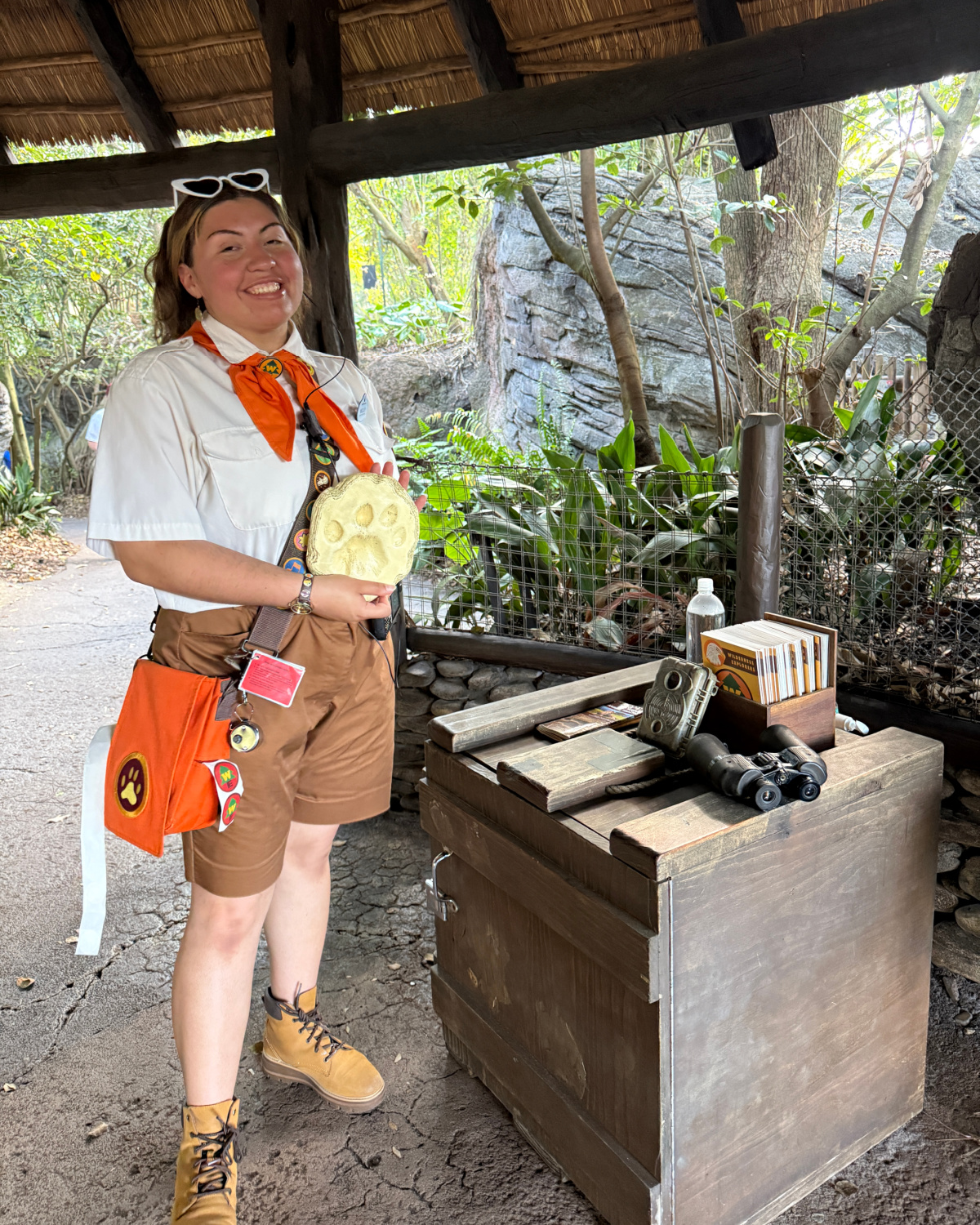
And if an animal decides to do something particularly adorable, you can stand there for 20 minutes like the rest of us. 😂
For this guide, I’m focusing on the three major areas where you can explore Animal Kingdom’s animals on foot:
- Gorilla Falls Exploration Trail in Africa
- Maharajah Jungle Trek in Asia
- Discovery Island Trails and The Oasis near the front and center of the park
Technically, Discovery Island Trails and The Oasis are separate experiences. But from a practical touring standpoint, I think of them together. They have a similar wander-around-and-see-what-you-find vibe, and together they create one large collection of animal experiences around the entrance and Tree of Life.
So let’s start with the gorillas.
Gorilla Falls Exploration Trail
Location: Africa, near Kilimanjaro Safaris
Headline animal: Western lowland gorillas
Other notable animals: Hippos, Grévy’s zebras, meerkats, birds and other African species
Best for: Gorillas, close animal viewing and pairing with Kilimanjaro Safaris
Gorilla Falls Exploration Trail is probably the easiest of Animal Kingdom’s major animal trails to overlook.
Why?
Because Kilimanjaro Safaris is right there.
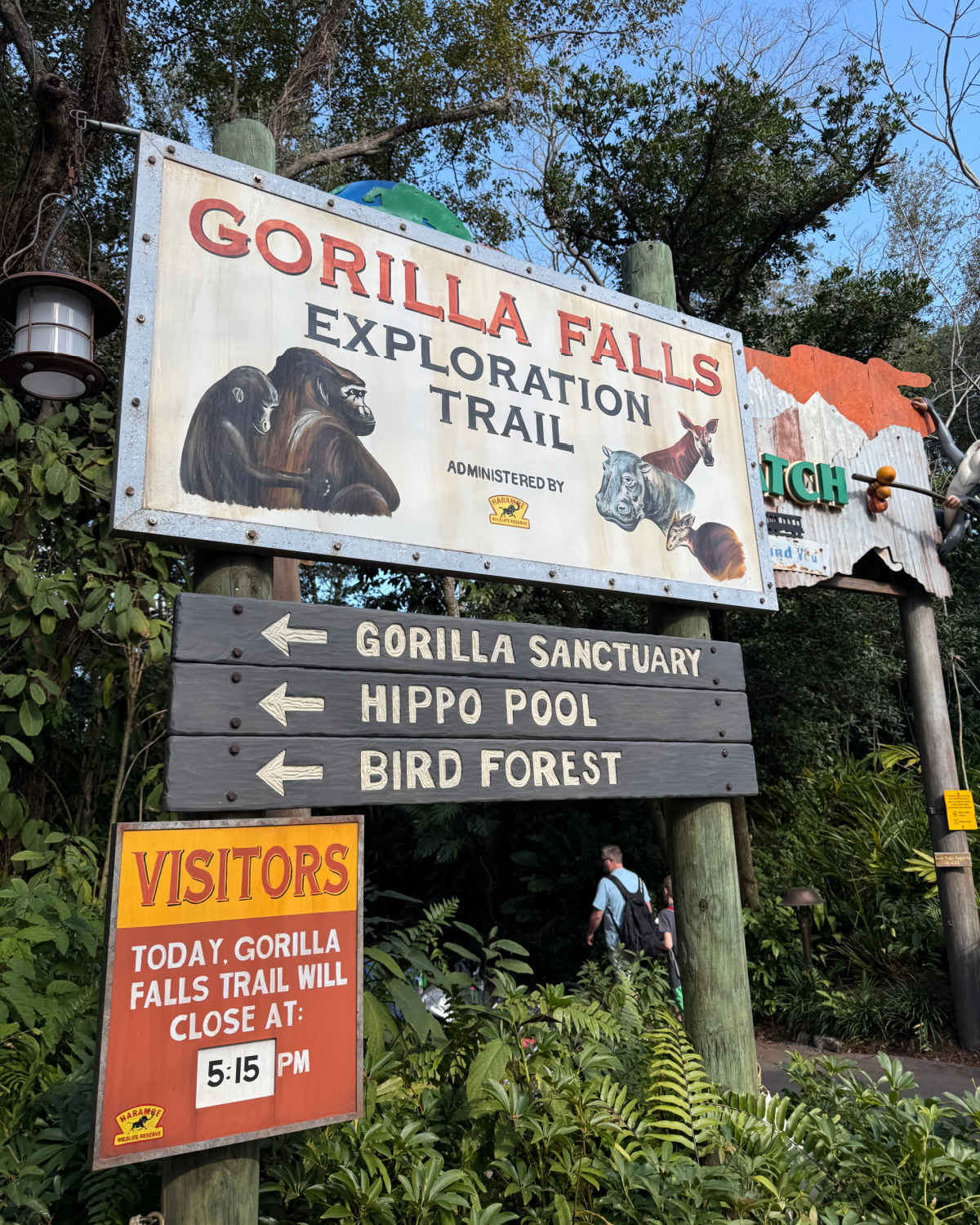
People ride the Safari, see an enormous number of animals and then immediately move on to whatever is next on their touring plan.
Don’t.
Or at least don’t do that every time.
Gorilla Falls is not just an extension of Kilimanjaro Safaris.
The Safari gives you this incredible overview of enormous habitats from a moving vehicle.
Gorilla Falls lets you slow down and observe individual animals much more closely.
And yes.
There are gorillas.
The Gorillas Are the Stars
No surprise here.
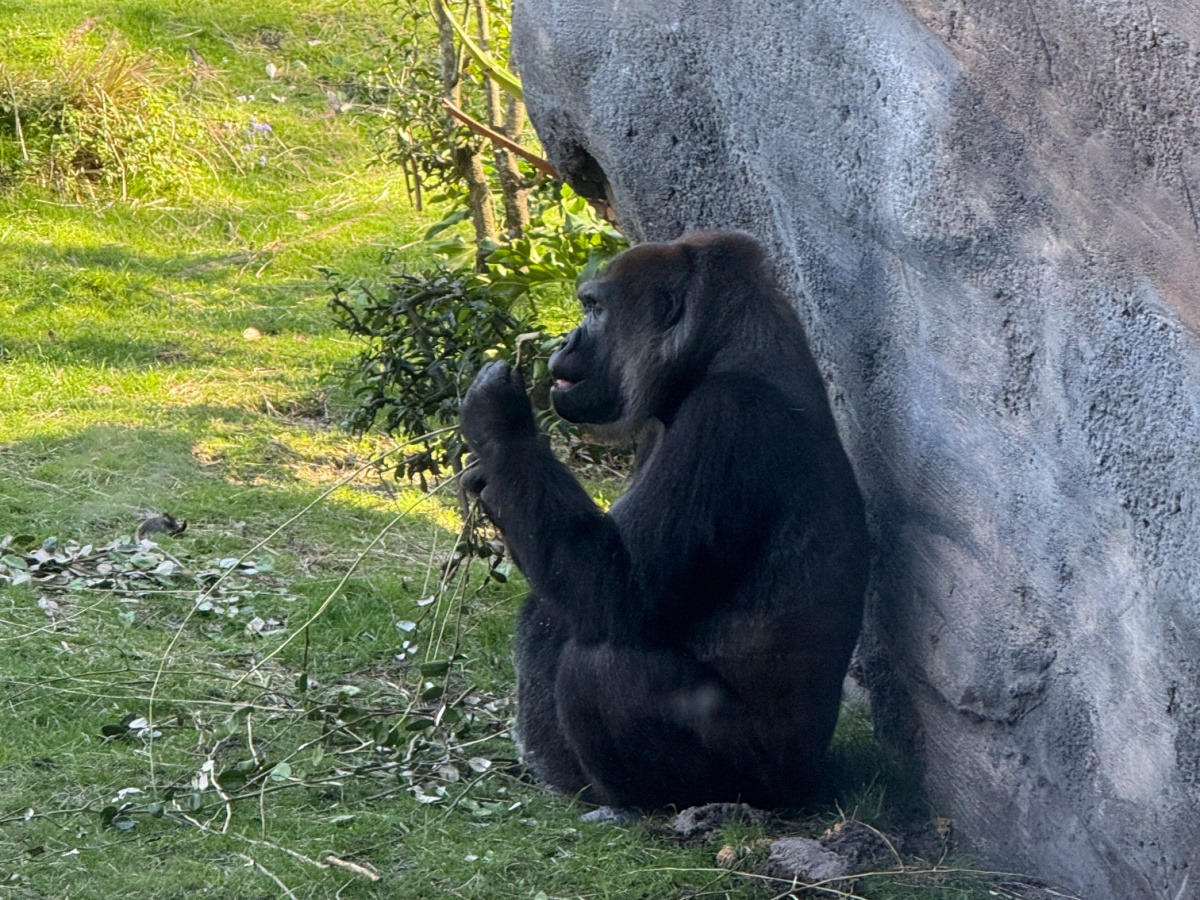
The western lowland gorillas are the headline animals on Gorilla Falls Exploration Trail, and when they’re active, this can be one of the best animal experiences in the entire park.
The habitat is large and beautifully landscaped, with several places where you can stop and watch.
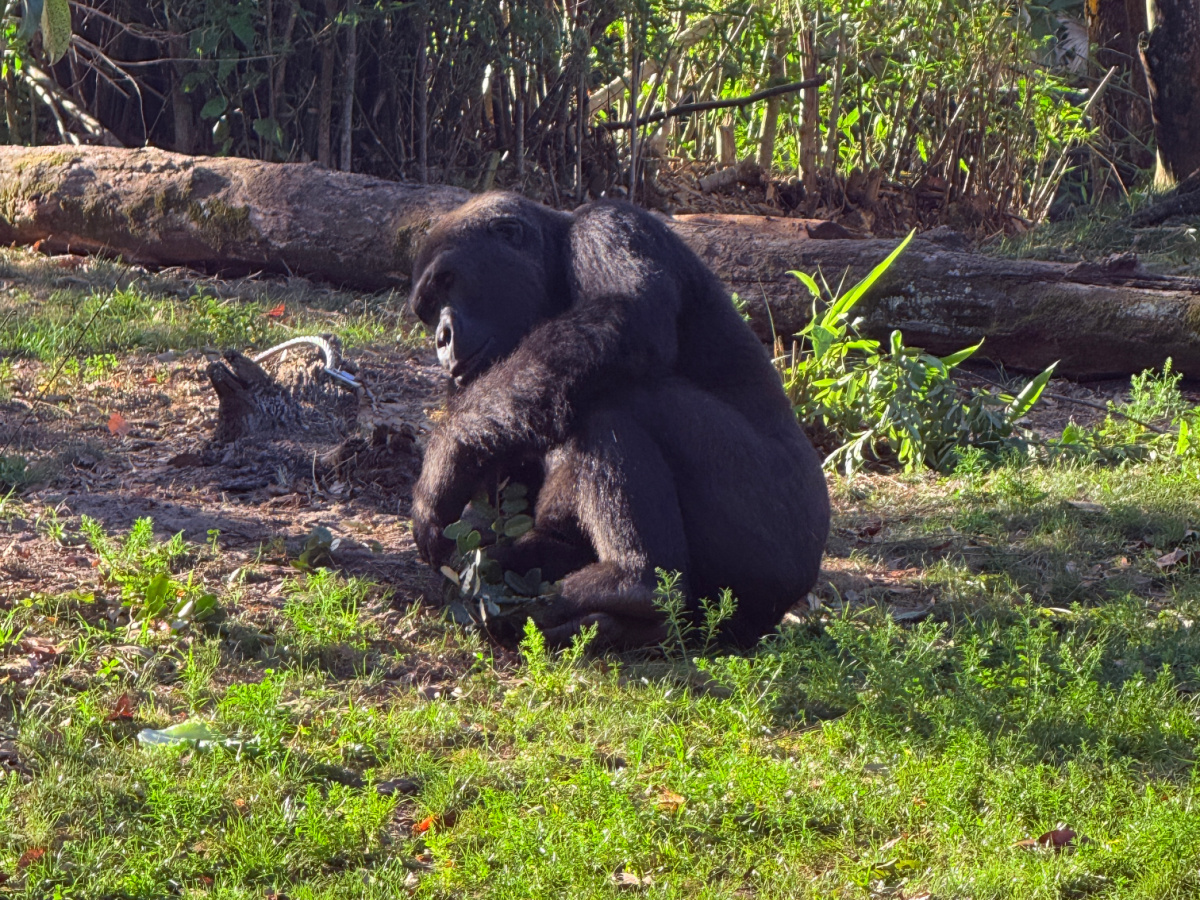
Sometimes the gorillas are relatively far away.
Sometimes they’re doing absolutely nothing because, again, they’re gorillas and they did not consult your My Disney Experience itinerary. 😂
And sometimes you get one of those spectacular Animal Kingdom moments where they’re moving around, interacting or hanging out surprisingly close to where you’re standing.
That’s why I love the walking trails.
If something interesting is happening, you don’t have to leave.
There isn’t a safari vehicle behind you waiting to move forward.
Stay.
Watch.
See what happens.
Don’t Miss the Hippos
The hippos are another reason I really like Gorilla Falls.
You can see hippos on Kilimanjaro Safaris, but this is a very different viewing experience.

The trail includes an underwater viewing area, which gives you the possibility of seeing these enormous animals from a completely different perspective.
And hippos underwater are fascinating.
They look almost graceful.
Which is hilarious considering what an absolute unit a hippopotamus is. 😂
As with every animal experience at Animal Kingdom, exactly what you’ll see depends on what the animals are doing when you visit.
But this is precisely why I wouldn’t assume you’ve “already seen the hippos” just because you rode the Safari.
Yes, There Are Zebras Here
If you want to see zebras at Animal Kingdom, Gorilla Falls is one of the places to look for them.
The zebras here are Grévy’s zebras, and this is actually an important distinction because Animal Kingdom has housed multiple zebra species in different parts of the resort over the years.
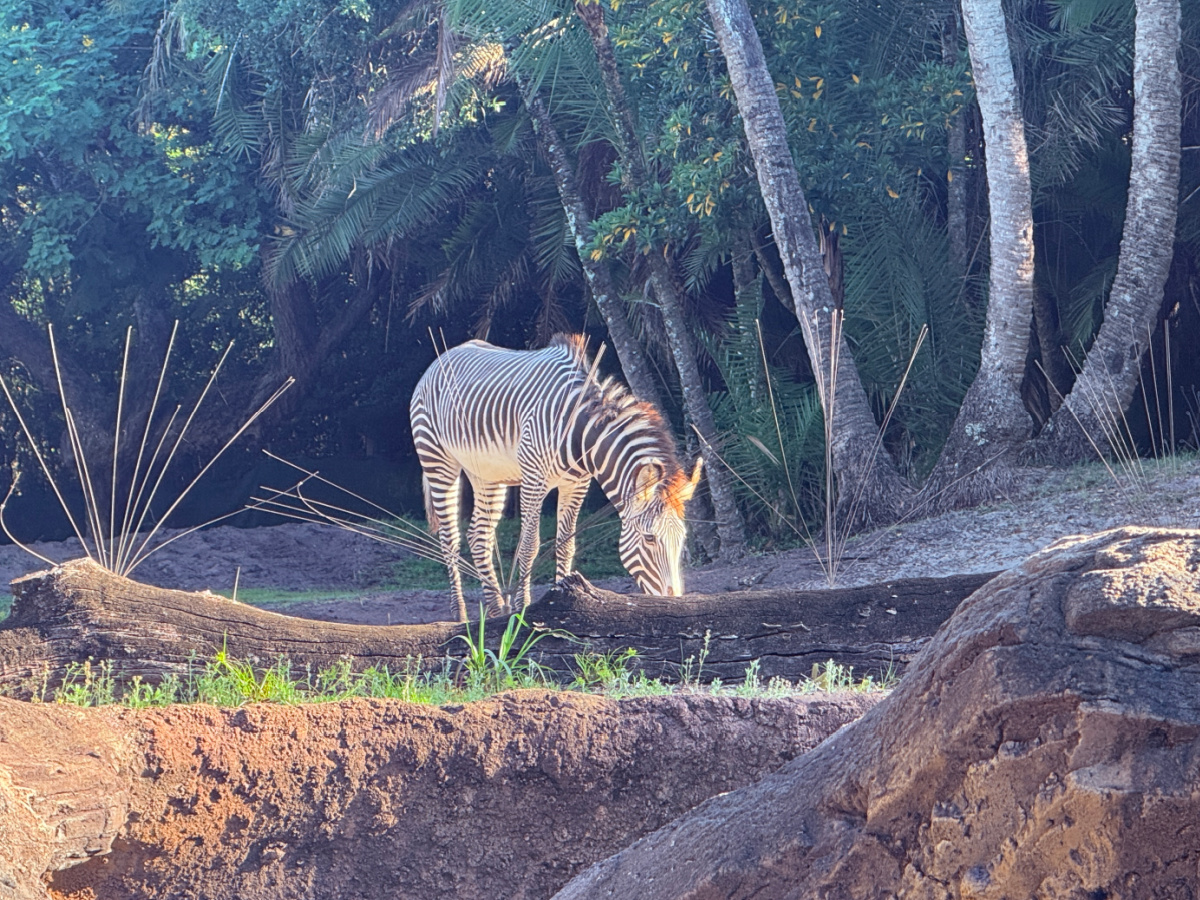
You don’t need to know your entire Disney zebra taxonomy to enjoy them. 😂
But if you’re specifically hoping for a good zebra encounter, don’t assume Kilimanjaro Safaris is your only opportunity.
Gorilla Falls gives you another chance.
And Those Aren’t Prairie Dogs
Meerkats!
They’re meerkats.
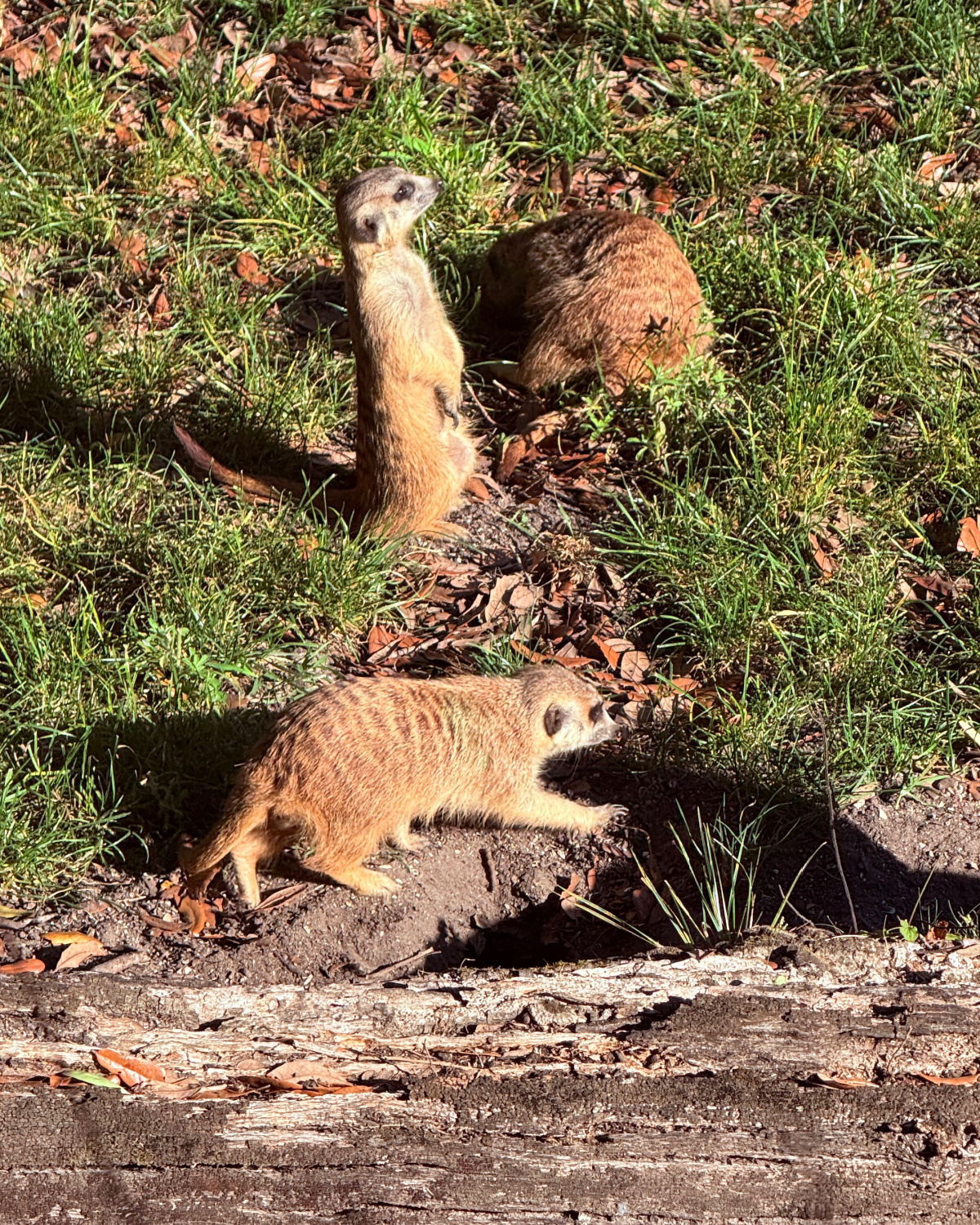
I have absolutely looked at these little guys standing upright and mentally filed them under prairie-dog-looking things, so I’m putting this here for everybody else whose zoology degree comes primarily from Disney movies. 😂
The meerkats are one of the smaller animal encounters along Gorilla Falls, but they’re fun to watch.
And this is another reason not to race through the trail just to get to the gorillas.
Some of the smaller habitats can be every bit as entertaining as the headliners.
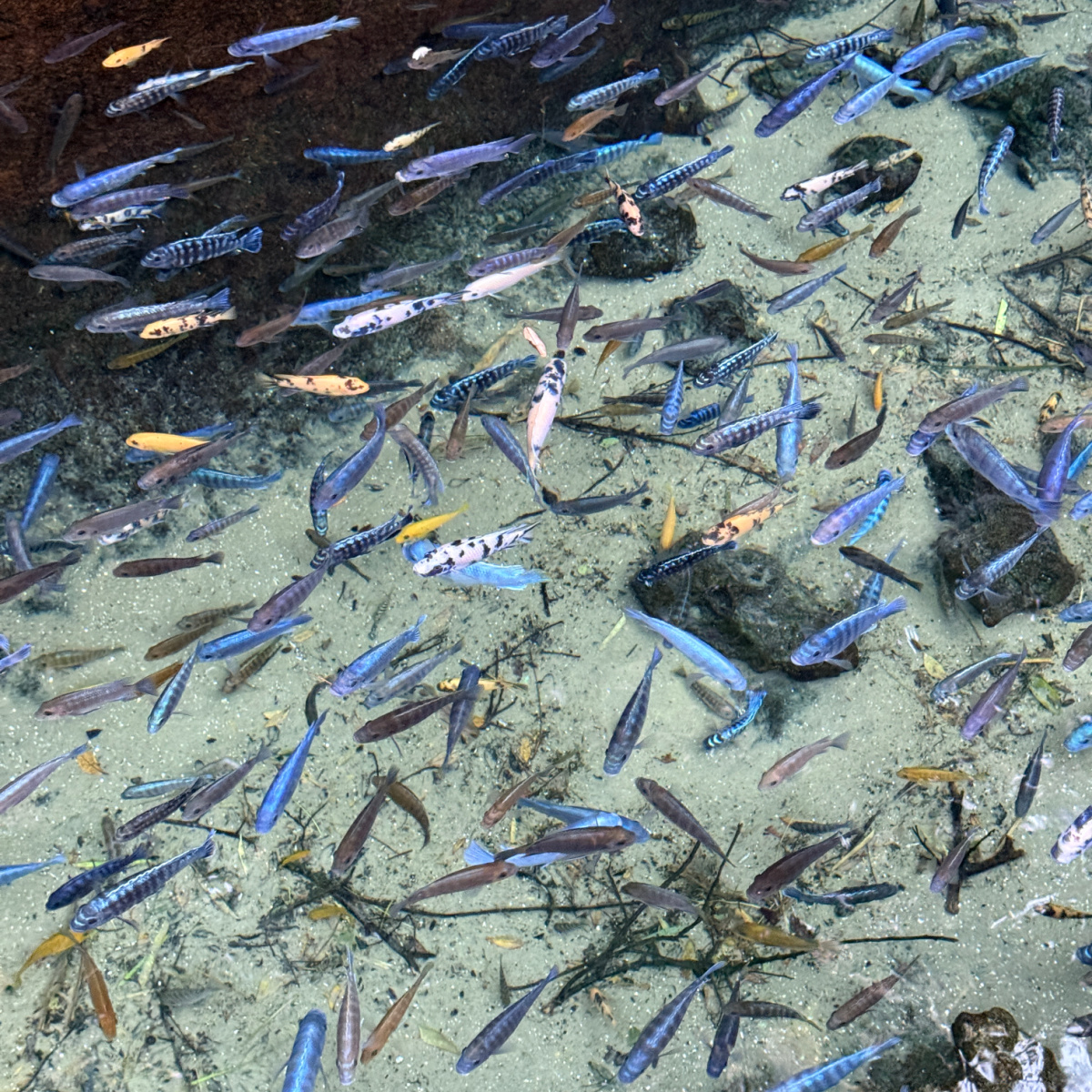
Walk Through the Aviary
Gorilla Falls also includes a large bird area.
I’m not personally going to pretend that every bird has the same drawing power as a gorilla.
It does not. 😂
But the aviary adds another completely different environment to the trail, and if you actually stop and look around rather than marching straight through, there can be quite a bit to see.
This is also where Animal Kingdom starts to feel much more like the enormous zoological park it actually is.
You’re not just looking at three marquee African animals.
You’re moving through different ecosystems and encountering animals at your own pace.
Don’t Rush Through Gorilla Falls
If I have one piece of advice for Gorilla Falls, it’s this:
Don’t treat it like a checklist.
You don’t need to spend exactly four minutes at the hippos, six minutes with the zebras and eleven minutes with the gorillas.
Some days the gorillas are going to be the entire show.
Other days something completely unexpected will be happening somewhere else.
Let the animals determine where you spend your time.
That’s the advantage of doing a walking trail in the first place.
Pair Gorilla Falls With Kilimanjaro Safaris
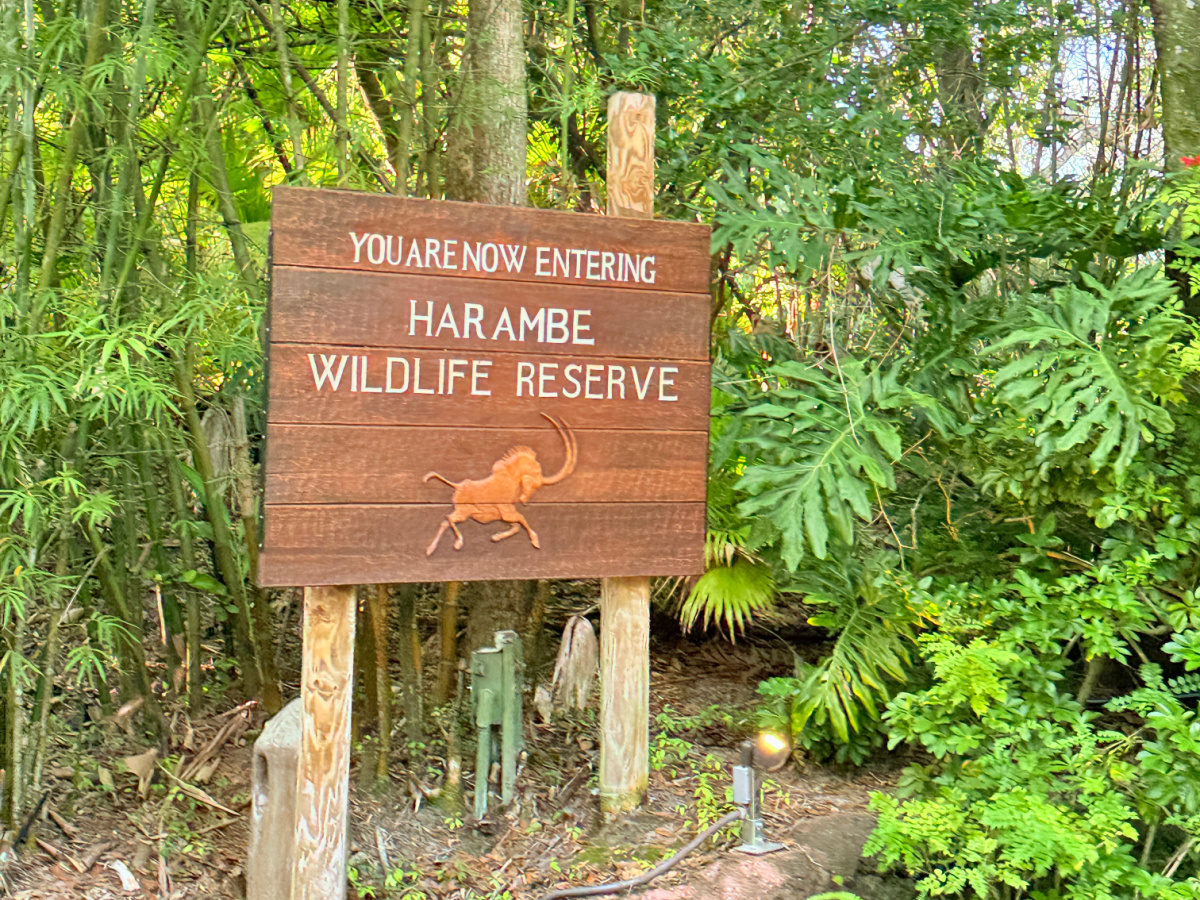
Even though this guide is specifically about Animal Kingdom’s walking trails, Gorilla Falls naturally pairs with Kilimanjaro Safaris.
They’re both in Africa.
They’re right near each other.
And they give you two completely different ways to experience animals.
If animals are one of your priorities at Animal Kingdom, I would absolutely consider doing both while you’re already in this part of the park.
Just don’t make the mistake of assuming one replaces the other.
It doesn’t.
Use Wilderness Explorers on the Animal Trails
Before we move over to Asia, I want to talk about something that applies to all three of the animal areas in this guide.
Don’t overlook Wilderness Explorers.
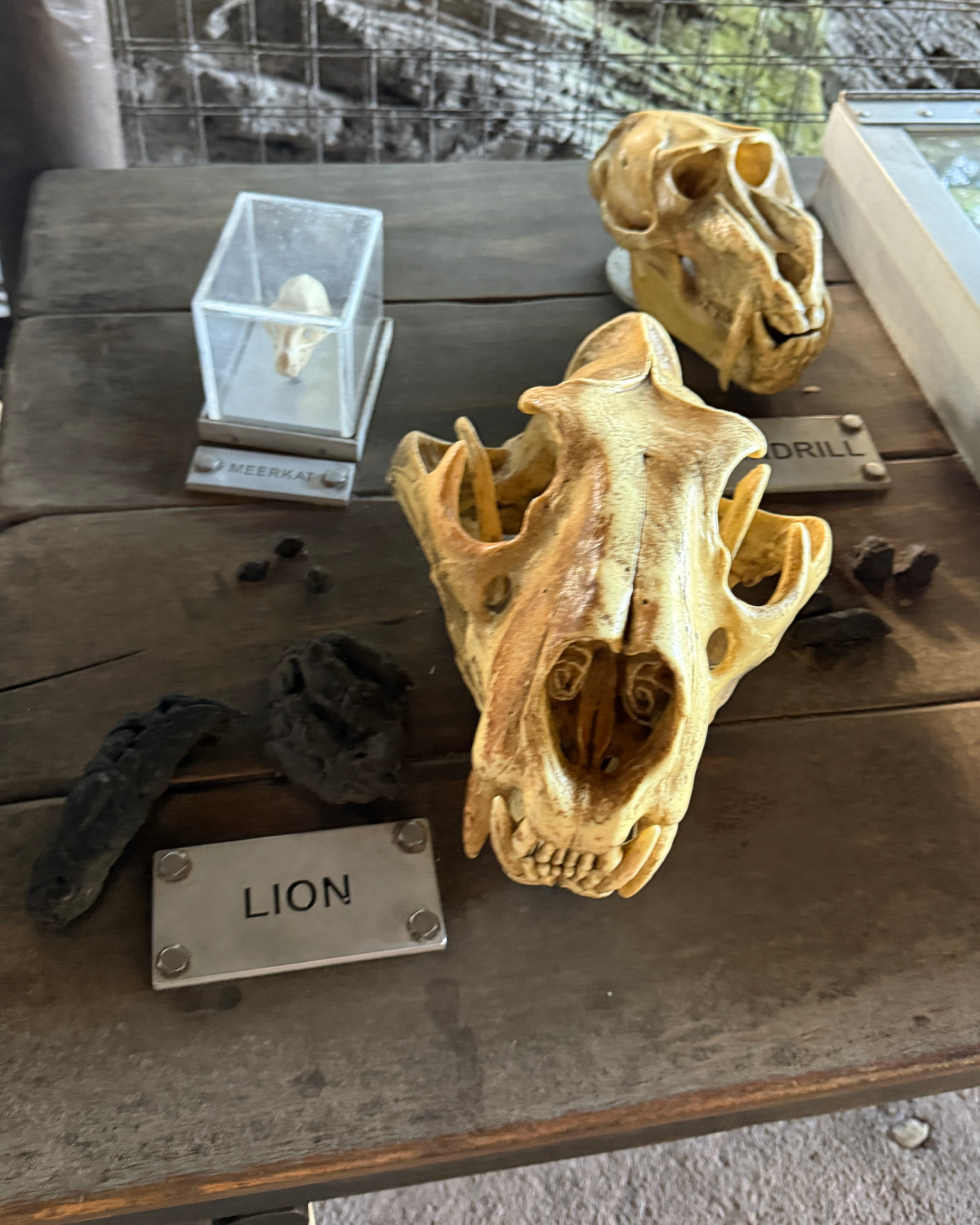
You’ll find Wilderness Explorer stations throughout Animal Kingdom, including stations connected to the animal areas and trails.
Yes, kids can complete activities and earn badges.
But the part I really like is that these stations encourage you to actually engage with what you’re seeing.
Depending on the station and what is being offered when you visit, you may get to examine animal-related objects, learn about adaptations, look at skulls or other biological materials, talk about conservation, and generally get much more context than you would by simply walking past an animal and taking a picture.
And sometimes you get to investigate poop.
Because apparently no educational activity involving children is truly complete until somebody brings out poop. 😂
Honestly, though, this is exactly the kind of thing Animal Kingdom does extremely well.
If you have a kid who loves animals, do the Wilderness Explorer activities while you’re exploring the trails rather than treating them as two completely separate experiences.
It turns the whole park into a giant interactive animal adventure.
Maharajah Jungle Trek
Location: Asia, in Anandapur near Kali River Rapids
Headline animal: Sumatran tigers
Other notable animals: Komodo dragons, Malayan flying foxes, Eld’s deer, blackbuck, water buffalo, birds and more
Best for: Tigers, photography and spectacular theming
Okay.
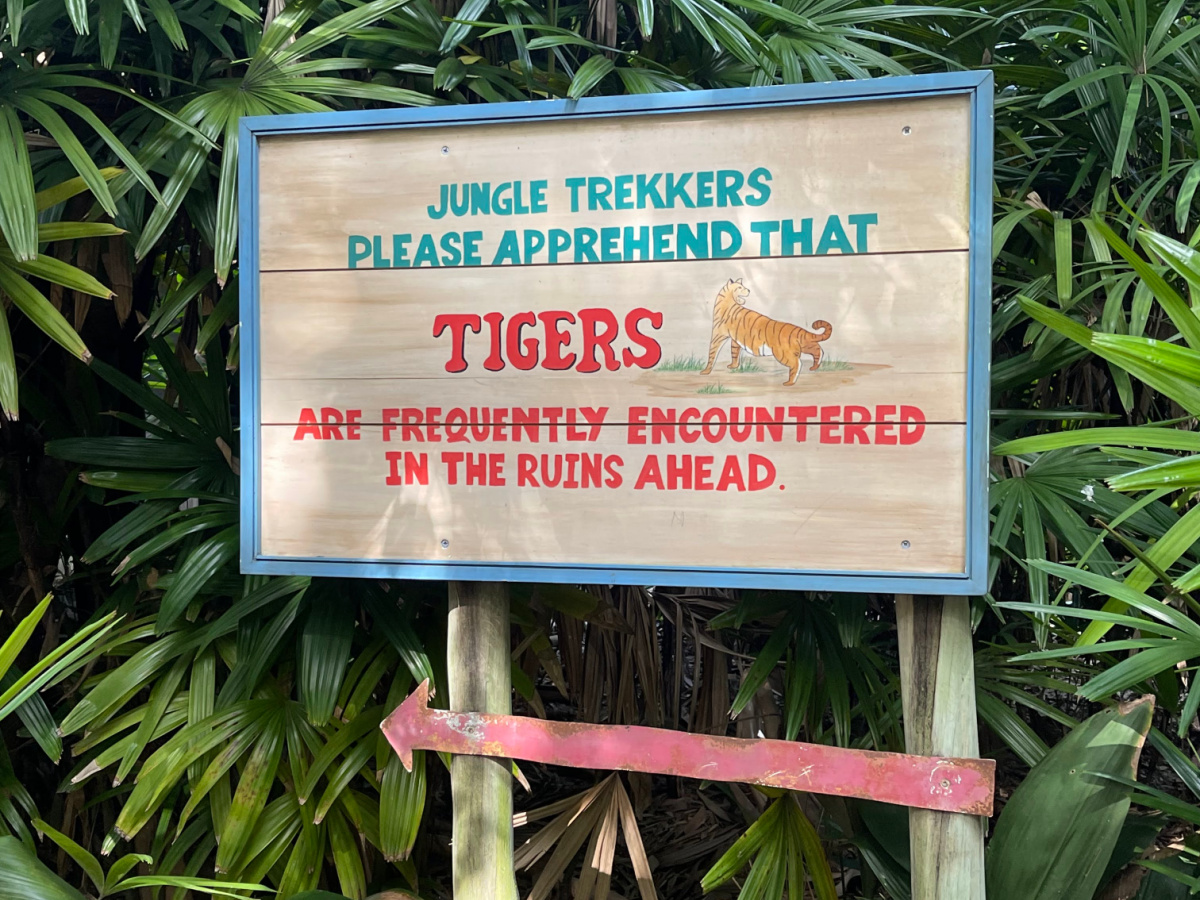
Tigers, tigers, tigers, tigers, tigers.
😂
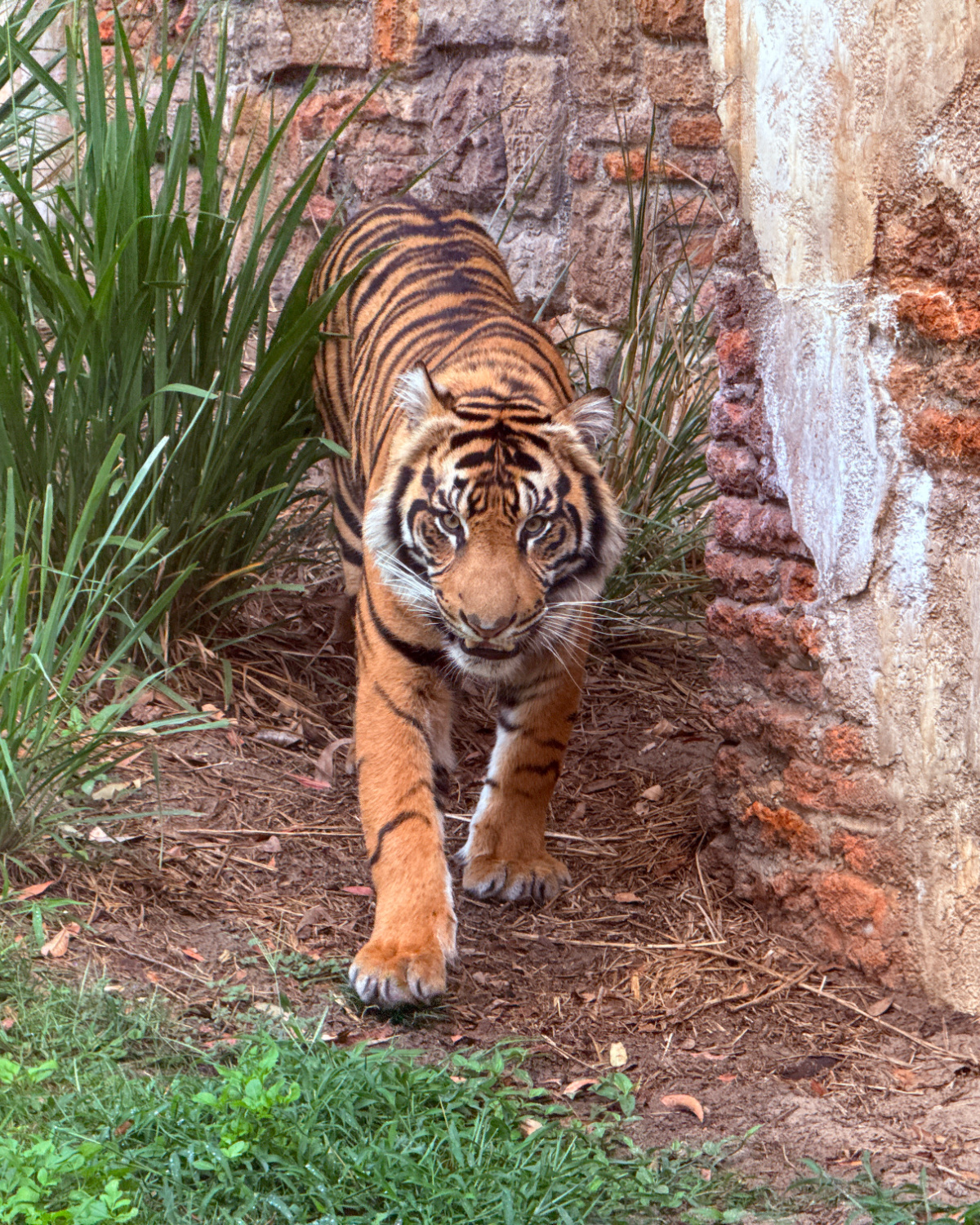
Maharajah Jungle Trek is probably my favorite of Animal Kingdom’s walking trails.
And yes, the tigers have a lot to do with that.
But it’s also because the trail itself is gorgeous.
This doesn’t feel like Disney built a path connecting a bunch of animal habitats.
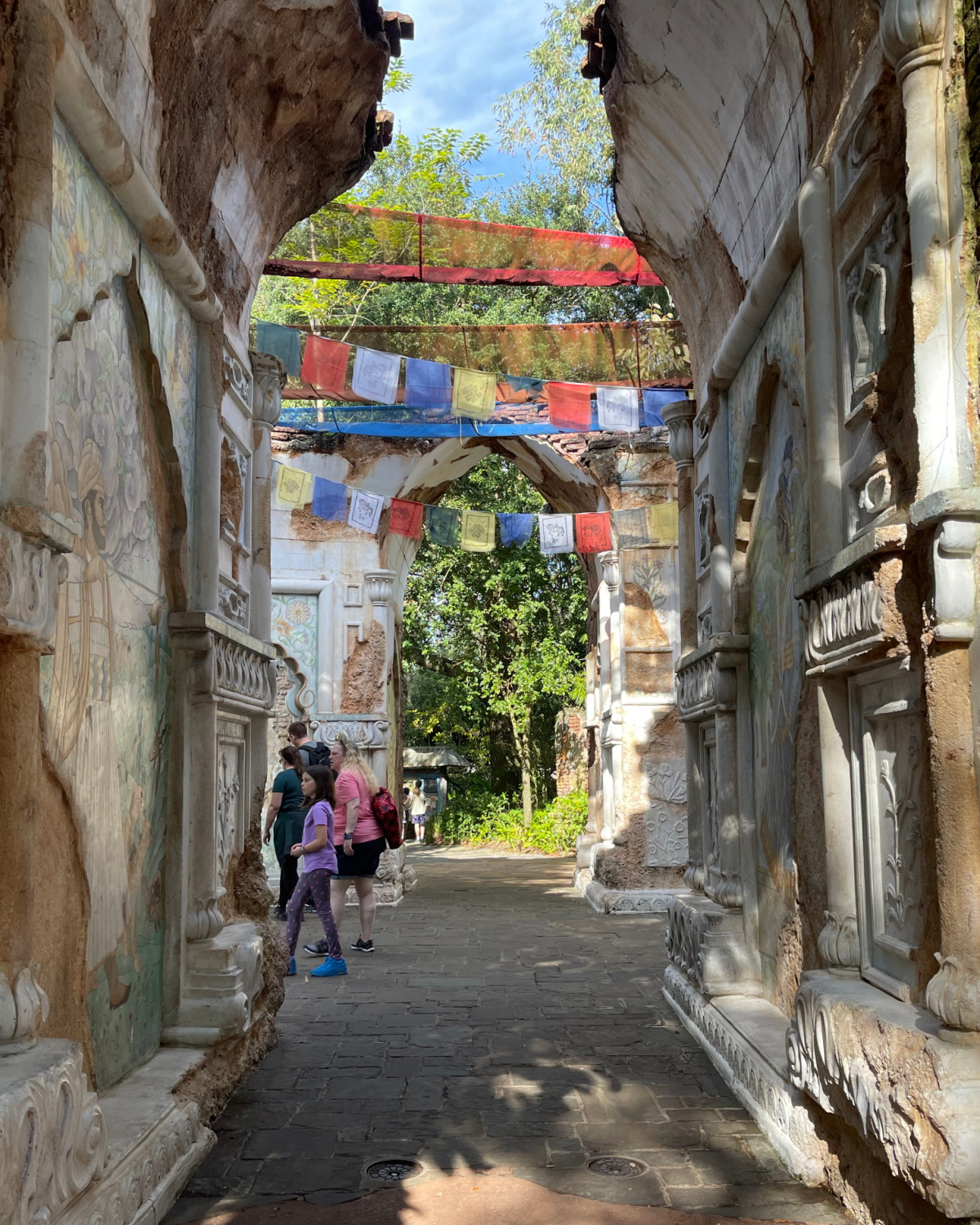
It feels like you’re wandering through the ruins of an elaborate old palace complex that has slowly been reclaimed by the jungle.
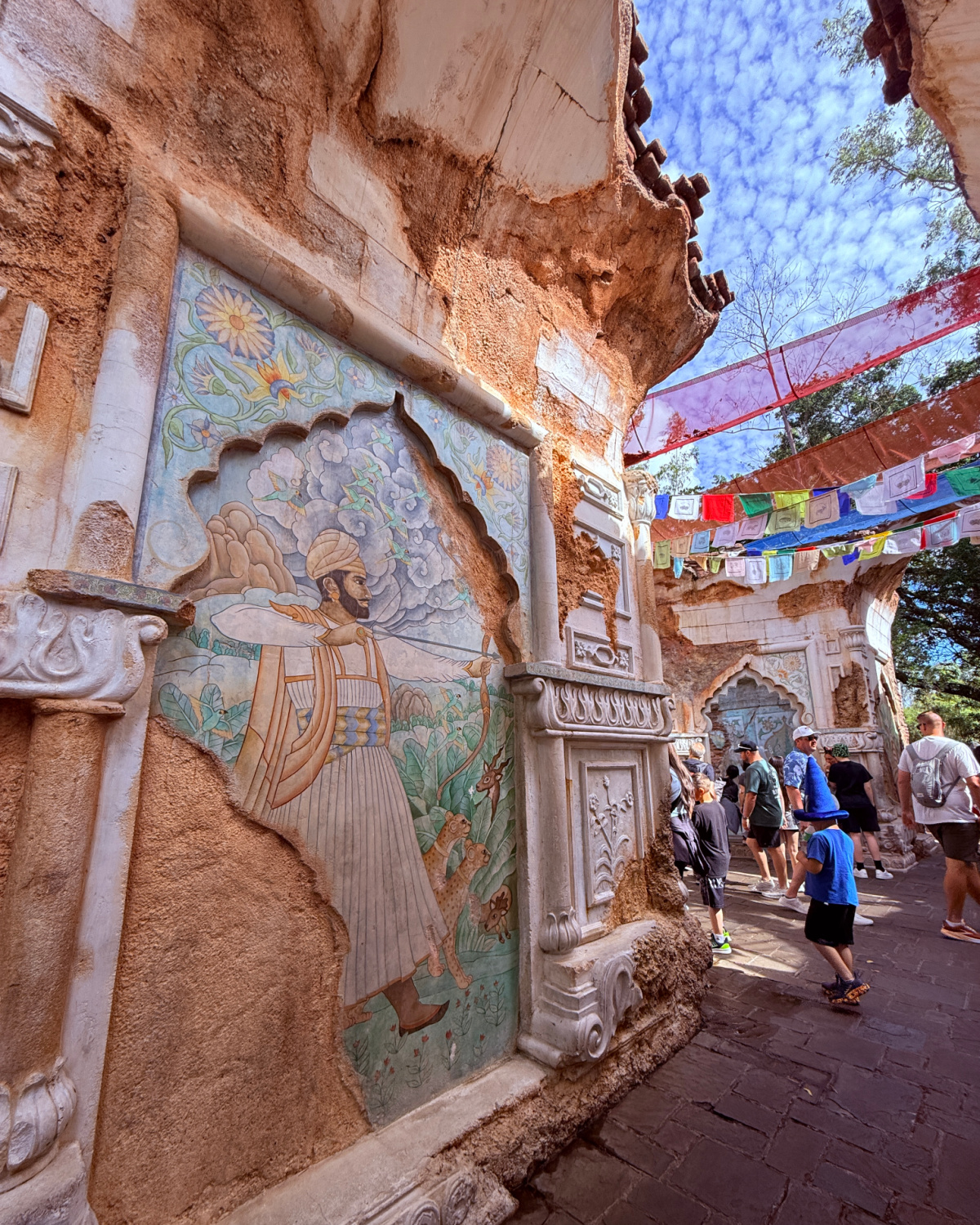
There are murals.
Carvings.
Ruins.
Gardens.
Water.
Animals.
And plants growing into and around the architecture.
It’s sumptuous.
There’s that word again.
But it fits Asia at Animal Kingdom so perfectly.
The Sumatran Tigers Are Incredible
The Sumatran tigers are absolutely the stars of Maharajah Jungle Trek.
There are multiple viewing areas along the trail, which gives you several opportunities to see them.
And I’ve had some incredible tiger encounters here.
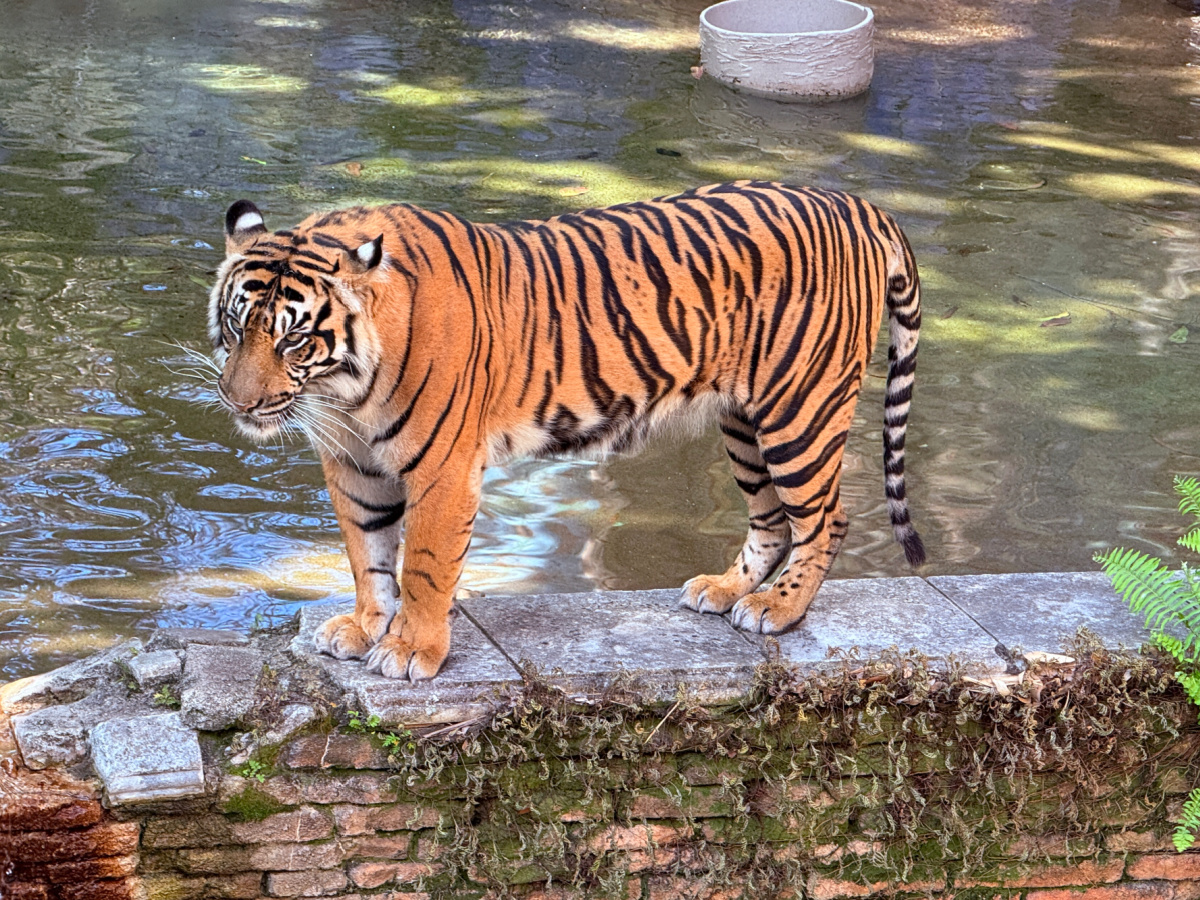
Like really close.
Obviously, I can’t promise that for your visit.
These are living animals. Sometimes they’re active. Sometimes they’re resting. Sometimes they’re somewhere in the habitat where you can’t get the photograph you desperately want.
That’s how this works.
But compared with some zoos where I’ve had to squint into the distance trying to figure out whether that orange blob is actually a tiger, I’ve had some spectacular views at Animal Kingdom.
When a tiger walks right past one of the viewing areas?
Stop.
You’re not late for anything.
This is the attraction.
Look for the Other Animals Too
It would be very easy to turn Maharajah Jungle Trek into:
Where are the tigers?
Saw tiger.
Excellent.
Leave.
😂
Don’t.
There are quite a few other animals throughout the trail.
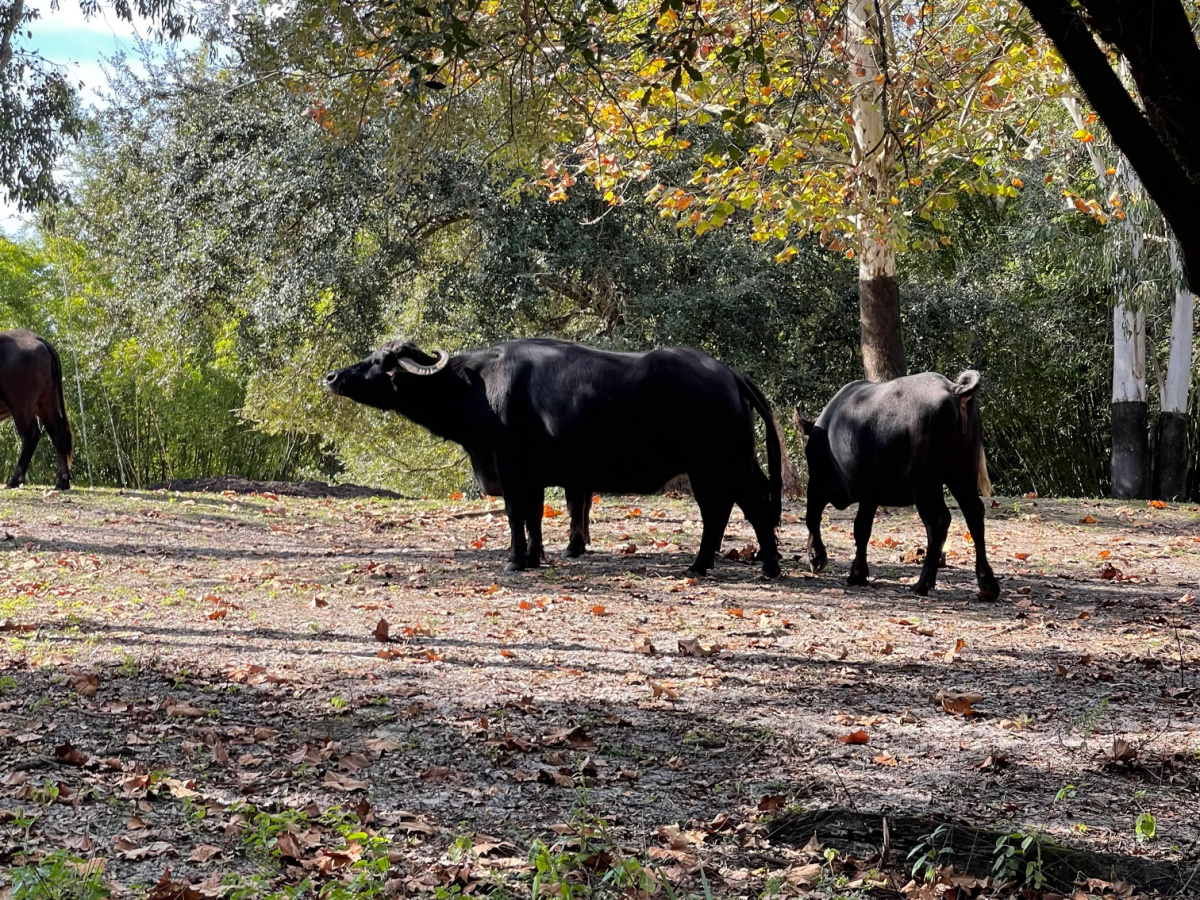
You’ll find species including Eld’s deer, blackbuck and water buffalo.
Those are some of the vaguely deer/cattle-looking animals that can be harder to identify if you’re not already familiar with them.
There are also Komodo dragons, which deserve considerably more attention than they sometimes get because, hello, giant lizard.
And then there are the bats.
Yes, Those Bats Are Huge
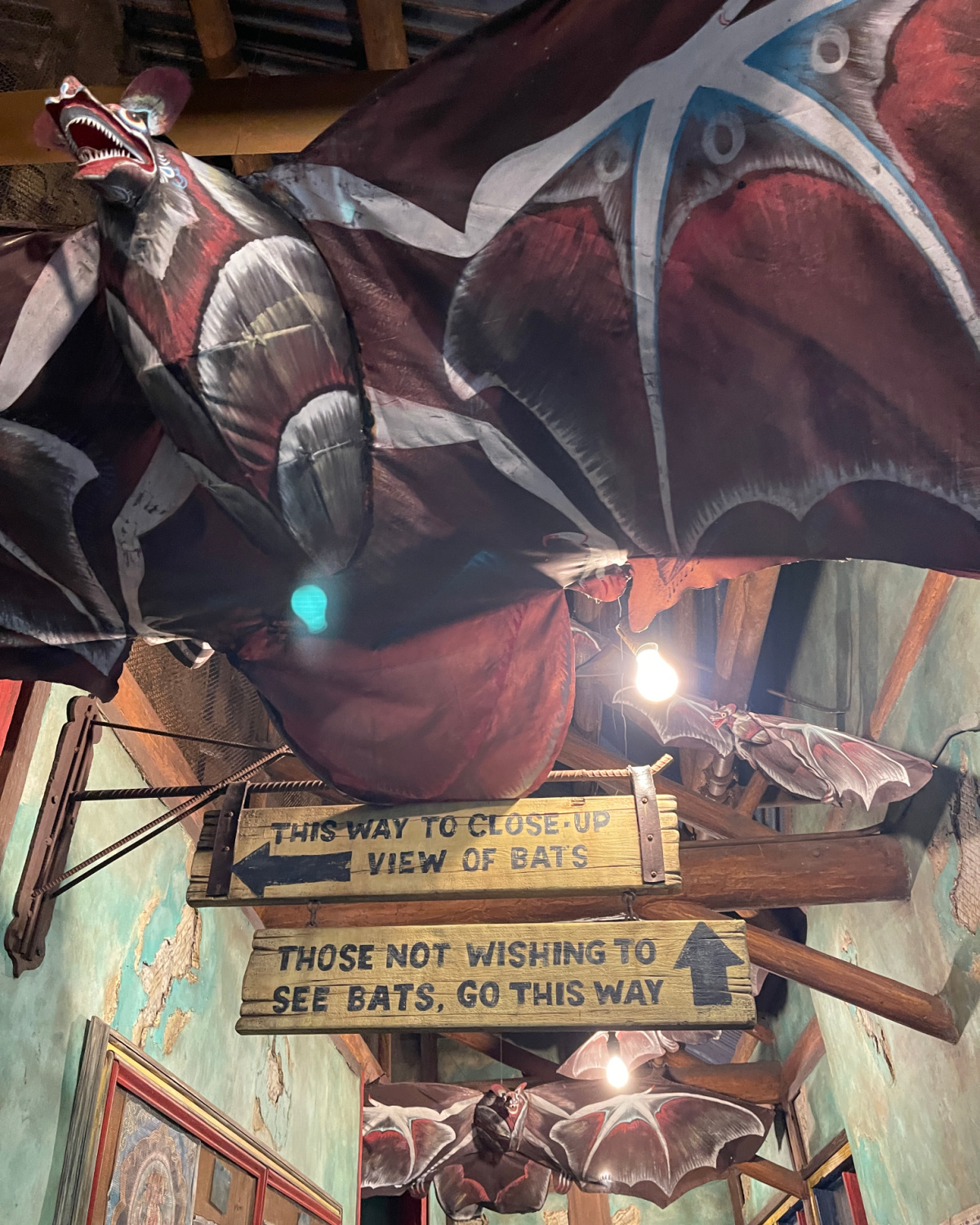
The Malayan flying foxes are not tiny little bats fluttering around somewhere in the darkness.
These things are enormous.
They’re fruit bats, and seeing them hanging around in the habitat is one of the more unusual animal encounters on Maharajah Jungle Trek.
This is also a good example of why I wouldn’t skip the trail just because you’ve already seen the tigers.
There are animals here that you aren’t necessarily encountering elsewhere in Animal Kingdom.
Walk Through the Bird Sanctuary
Maharajah also has an extensive aviary filled with dozens of bird species.
And once again, this is one of those places where the experience depends partly on how much attention you’re willing to give it.
You can walk through relatively quickly.
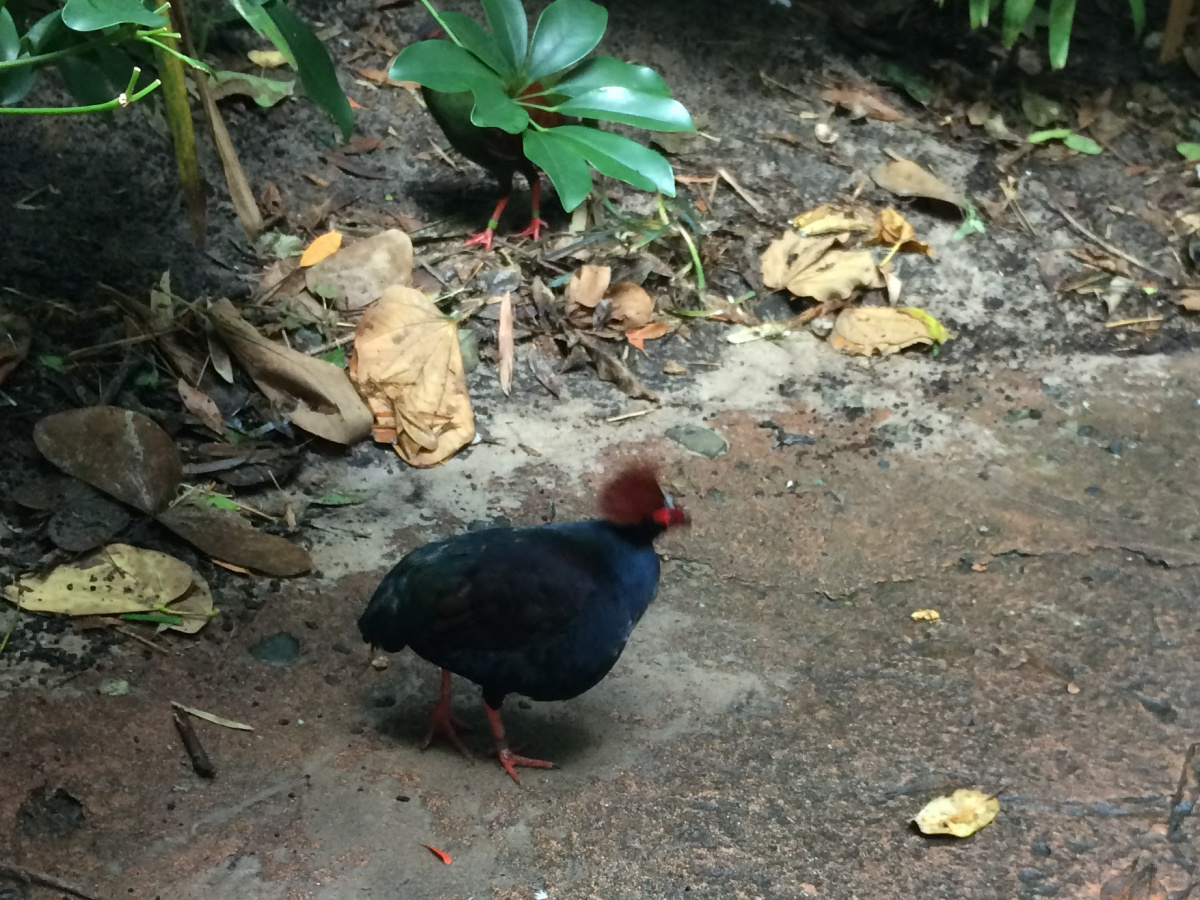
Or you can stop, look around and realize there are birds everywhere.
The environment itself is gorgeous, which helps.
Even if you are not somebody who can identify 50 different species of birds on sight—and hello, neither can I—it’s a beautiful section of the trail.
Don’t Miss the Gibbons and Siamangs Nearby
And then we need to talk about the monkeys that aren’t actually monkeys.
😂
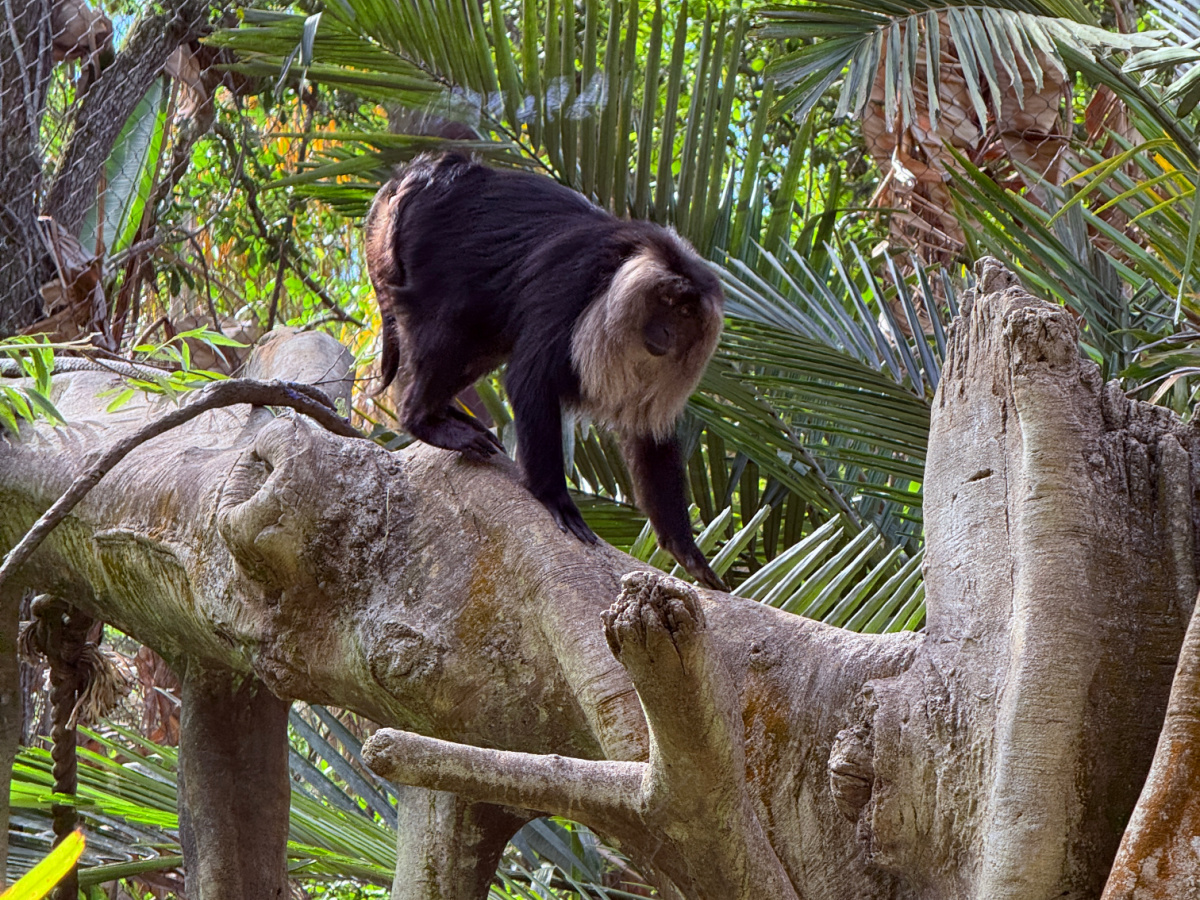
Disney has both siamangs and white-cheeked gibbons in this part of Asia.

Siamangs are actually a type of gibbon, and these apes live in prominent habitats around the area near Kali River Rapids and Maharajah Jungle Trek.
They’re not all technically part of the Maharajah Jungle Trek itself, so I don’t want to shove them onto the official trail map where they don’t belong.
But if you’re already here?
Look for them.
The siamang island habitat in particular is incredibly easy to walk past when you’re heading toward Kali River Rapids or Expedition Everest.

And they’re fascinating animals.
They’re active.
They’re acrobatic.
And when they decide to start calling?
You will know. 😂
So I consider them part of the broader animal experience of Asia, even if we’re being precise about the boundaries of Maharajah Jungle Trek.
And that leaves us with the third major animal area.
The one almost everybody walks through…
…and a shocking number of people barely notice.
Discovery Island and The Oasis.
Discovery Island Trails and The Oasis
Location: Discovery Island and the entrance of Animal Kingdom
Headline animal: There really isn’t one
Other notable animals: Otters, ring-tailed lemurs, Galápagos tortoises, flamingos, macaws, kangaroos, porcupines, storks, cranes, vultures, giant anteaters, babirusas and more
Best for: Variety, easy animal encounters, the Tree of Life and exploring at your own pace
Discovery Island Trails and The Oasis are technically separate animal areas.
For the purposes of this guide?
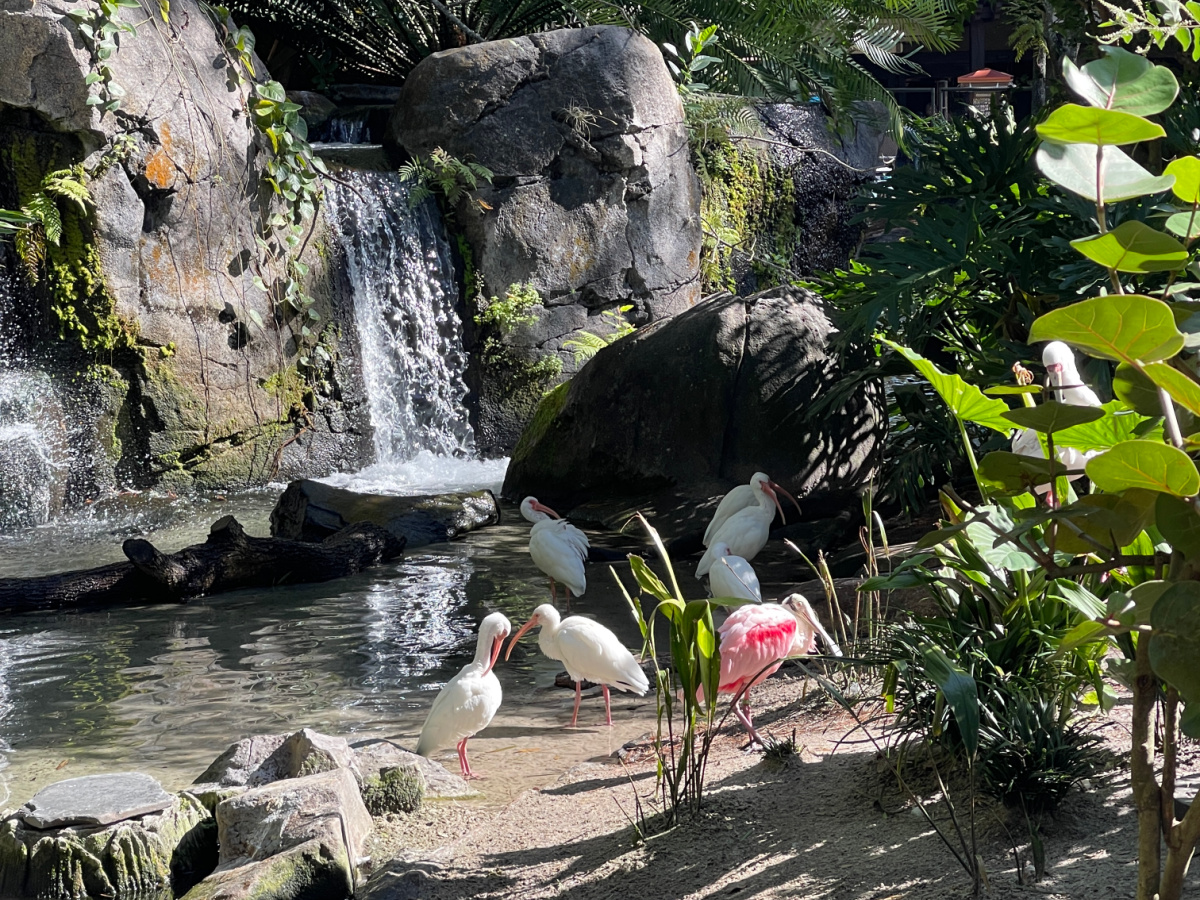
I’m putting them together.
They have a very similar vibe, and they’re both incredibly easy to overlook.
The Oasis is the first area you enter after walking through the Animal Kingdom gates. Then Discovery Island surrounds the Tree of Life at the center of the park.
Most people walk through both.
Far fewer people actually explore them.
And that’s a shame because there are animals everywhere.
The Oasis Is Your First Animal Trail
You don’t have to wait until you reach Africa or Asia to start seeing animals.
You’re essentially walking into an animal experience almost immediately after entering Animal Kingdom.
The Oasis has winding paths, lush vegetation, waterfalls and animal habitats tucked throughout the landscape.
And because everyone has somewhere to be at rope drop, this may be one of the most aggressively ignored parts of the entire park. 😂
People are trying to get to Flight of Passage.
Or Kilimanjaro Safaris.
Or Expedition Everest.
Meanwhile, Disney is like:
Here are some animals.
And everybody just keeps walking.
If you’re not in a mad dash toward Early Entry, take a look around.
Among the animals you may encounter in The Oasis are unusual species like giant anteaters and babirusas, along with birds and other animals.
And if you don’t know what a babirusa is?
Excellent.
Now you have something to look for. 😂
Discovery Island Has Animals Everywhere
Once you reach Discovery Island, the number of animals expands considerably.
This is the part of Animal Kingdom that most guests probably spend the most time walking through and the least time actually exploring.
Discovery Island is essentially the park’s hub.
Africa is one direction.
Asia is another.
Pandora branches off from here.
So everybody passes through Discovery Island repeatedly.
But if you’re only using it as an extremely elaborate traffic circle, you’re missing the point.
There are animal habitats tucked throughout the area around the Tree of Life.
And unlike Gorilla Falls and Maharajah Jungle Trek, you don’t necessarily have to commit to doing one complete trail.
You can explore a little now.
See something else later.
Take another path when you’re passing through again.
It’s very easy to work these animals into your day.
Look for the Otters
The Asian small-clawed otters are one of my favorite animals to look for around Discovery Island.
Because…
Otters.
Do I really need a more sophisticated argument than that? 😂
They’re fun to watch when they’re active, and they’re exactly the kind of animal encounter people miss when they’re moving too quickly through the park.
This is also why I love the Discovery Island trails.
You don’t need to block out an enormous chunk of your touring plan.
If the otters are doing something interesting, stop.
If they’re not?
Keep exploring.
Find the Ring-Tailed Lemurs
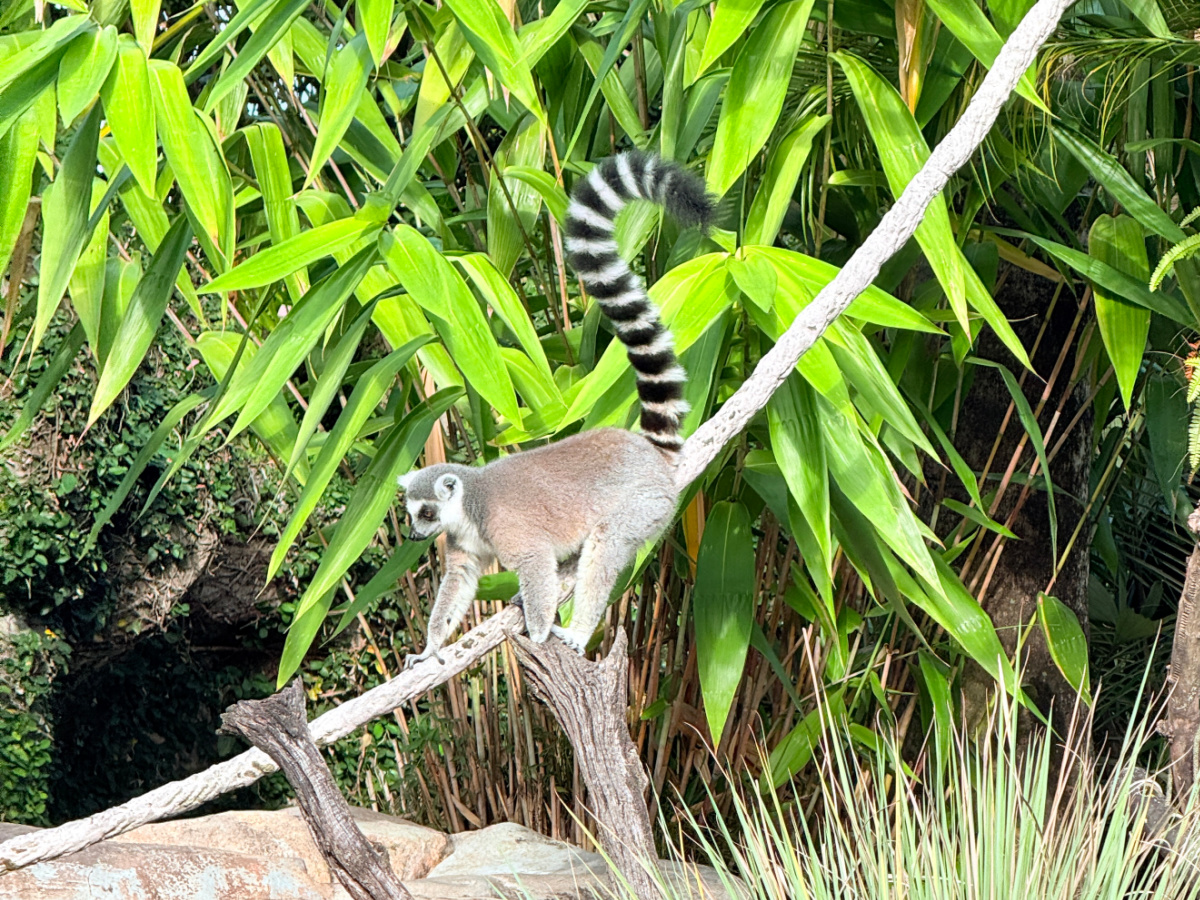
You’ll also find ring-tailed lemurs around Discovery Island.
These are another great example of an animal that doesn’t necessarily get marquee billing at Animal Kingdom.
Nobody is standing outside the park at 7:30 in the morning strategizing about how they’re going to rope drop the lemurs. 😂
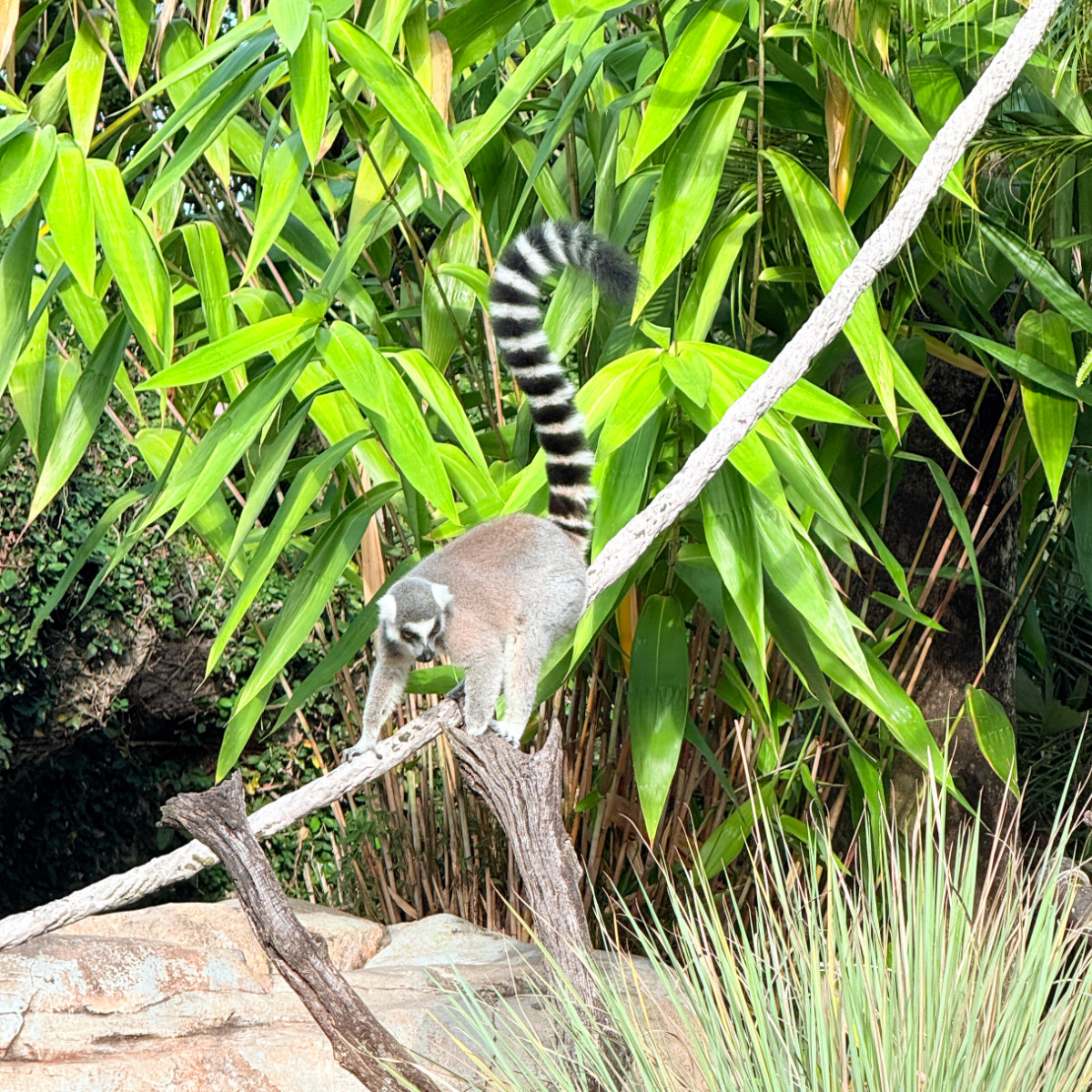
But they’re really fun to see.
And once you start deliberately exploring Discovery Island instead of simply crossing it, you realize how many of these smaller animal encounters are tucked throughout the area.
Visit the Galápagos Tortoises
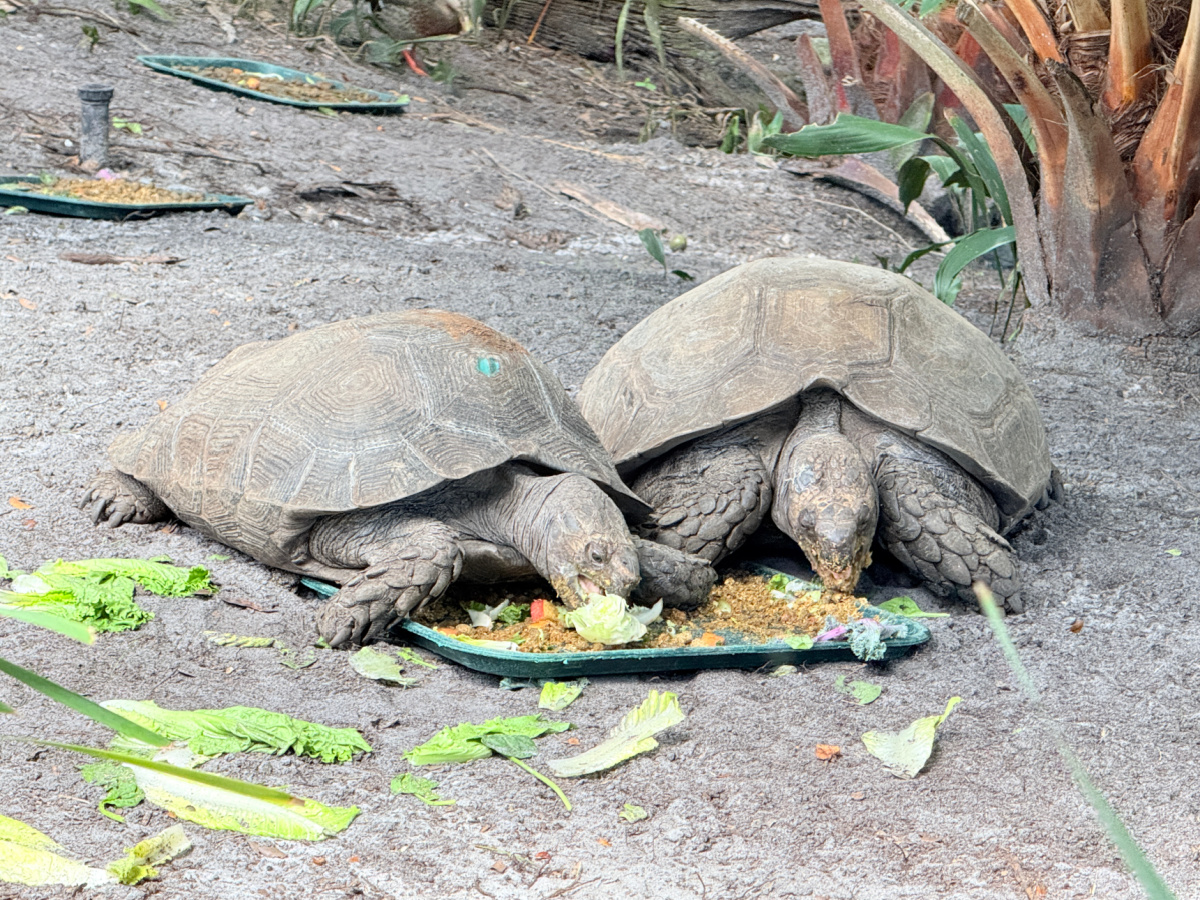
Then there are the Galápagos tortoises.
These enormous tortoises are another animal experience that works particularly well with the slower pace of Discovery Island.
You’re not watching them from a moving vehicle.
You’re not trying to catch them during a show.
They’re just there.
Being tortoises.
Which, admittedly, is not an activity known for its breakneck pace. 😂
But that’s kind of perfect for Animal Kingdom.
Stop for a few minutes.
Look at them.
Then keep going.
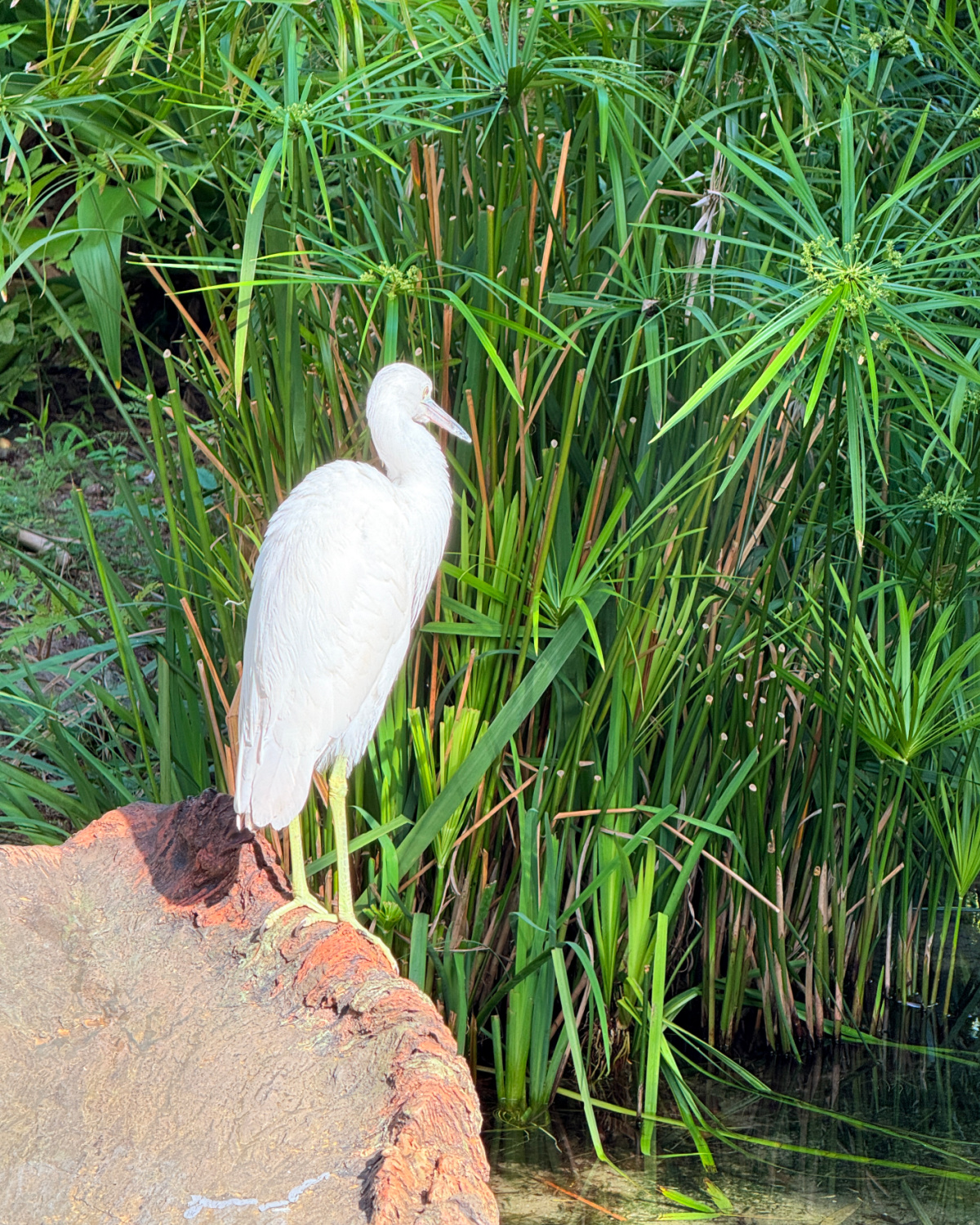
Look for Flamingos and Other Birds
Animal Kingdom has an enormous variety of birds, and Discovery Island is one of the places where you’ll encounter quite a few of them.
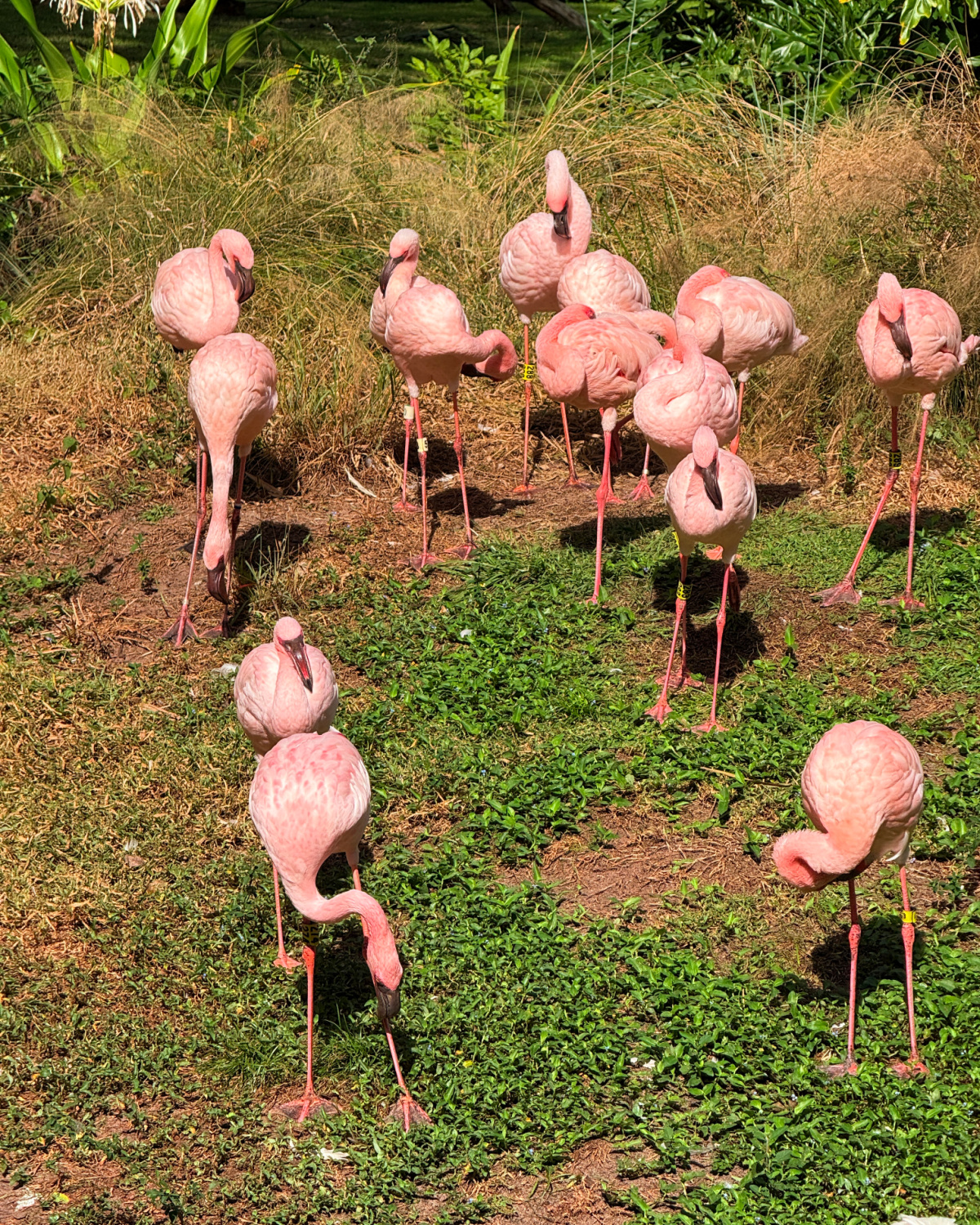
Depending on the habitats and current animal population when you visit, you may see lesser flamingos, macaws, crowned cranes, storks, vultures and other species.
And this is where I’m going to make the same confession I made about the aviaries.
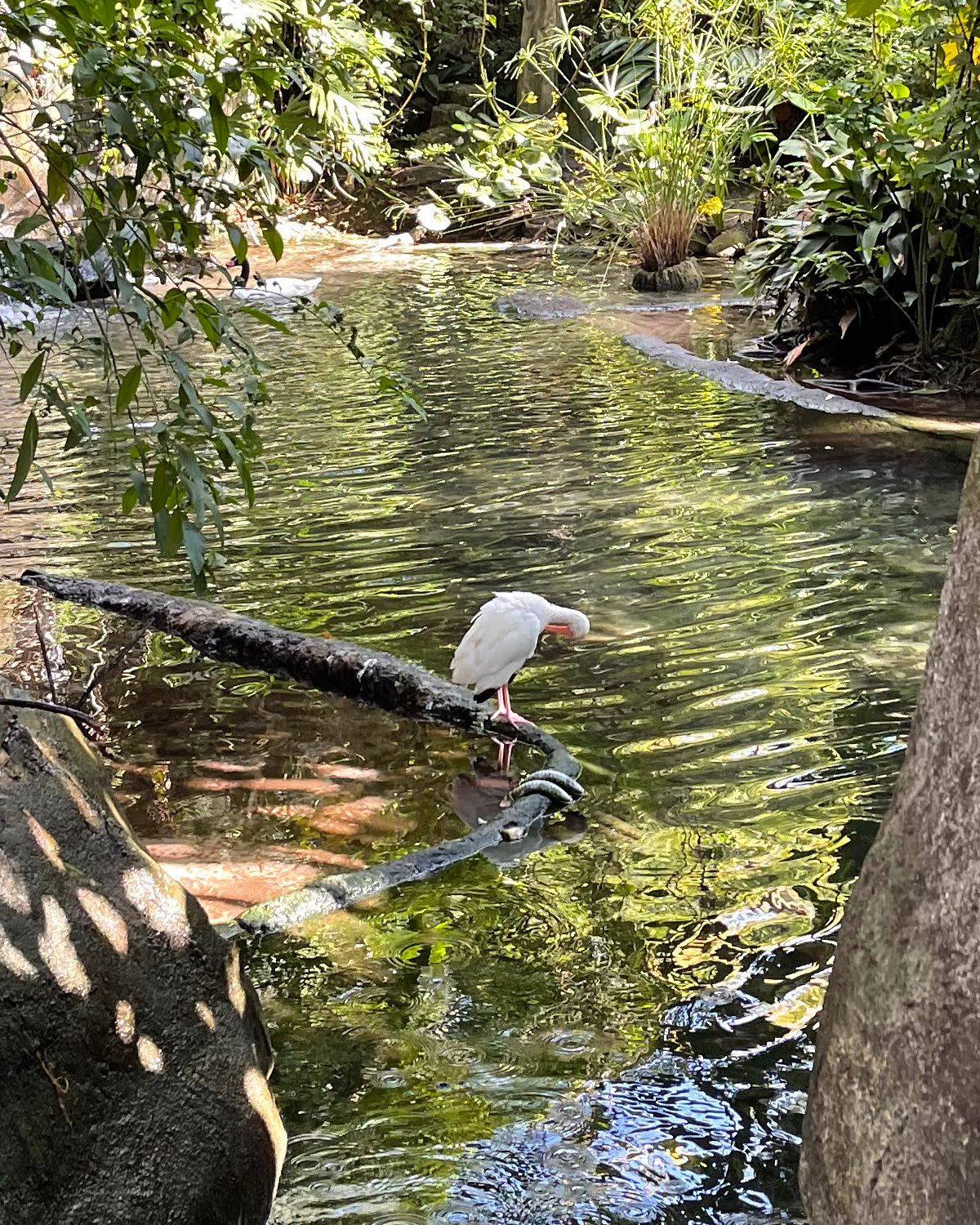
I am not going to identify every bird I see at Animal Kingdom without help. 😂
But you don’t need to be an expert birder to appreciate them.
Some of these birds are spectacular.
And when you start adding the birds here to the aviaries at Gorilla Falls and Maharajah Jungle Trek, you begin to understand just how extensive Animal Kingdom’s animal collection actually is.
There Are More Animals Than You Think
Discovery Island also has animals including red kangaroos and African crested porcupines.
And that’s what makes this area different from Gorilla Falls and Maharajah Jungle Trek.
Gorilla Falls has an obvious star.
Gorillas.
Maharajah has an obvious star.
Tigers.
Discovery Island doesn’t really have that.
Instead, its strength is variety.
You turn a corner and there’s an otter.
Take another path and there are lemurs.
Tortoises.
Birds.
Kangaroos.
Porcupines.
It’s a collection of smaller animal encounters scattered through one of the most beautiful parts of the park.
Don’t Forget to Look at the Tree of Life
And while you’re exploring Discovery Island, don’t forget that there are hundreds more animals directly in front of you.
They’re just not alive. 😂
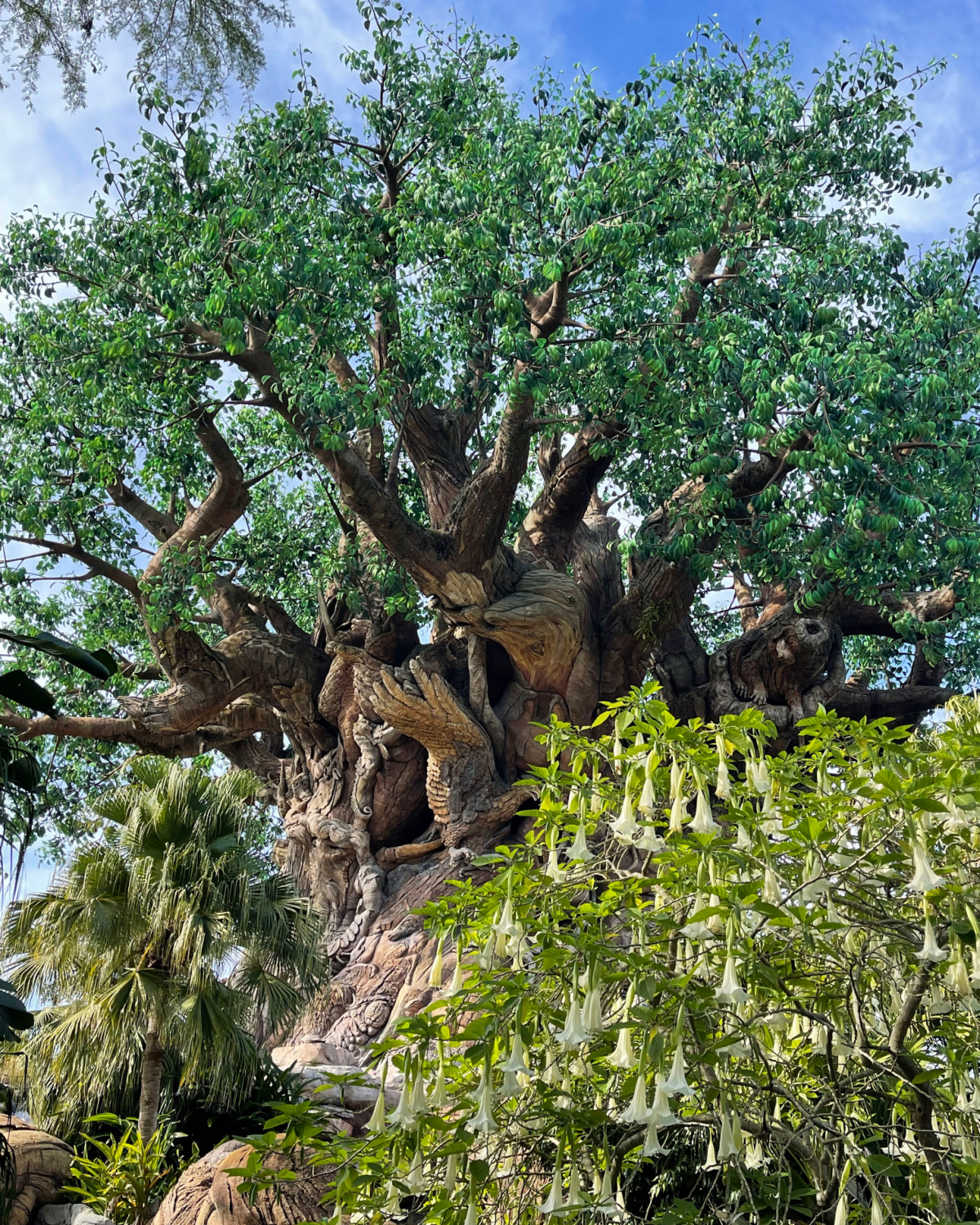
The Tree of Life has more than 300 animal carvings worked into its trunk, roots and branches.
This isn’t technically an animal habitat.
Obviously.
But I absolutely consider looking for the Tree of Life animals part of exploring Discovery Island.
The closer you get, the more you see.
There are animals carved into other animals.
Shapes emerge from roots.
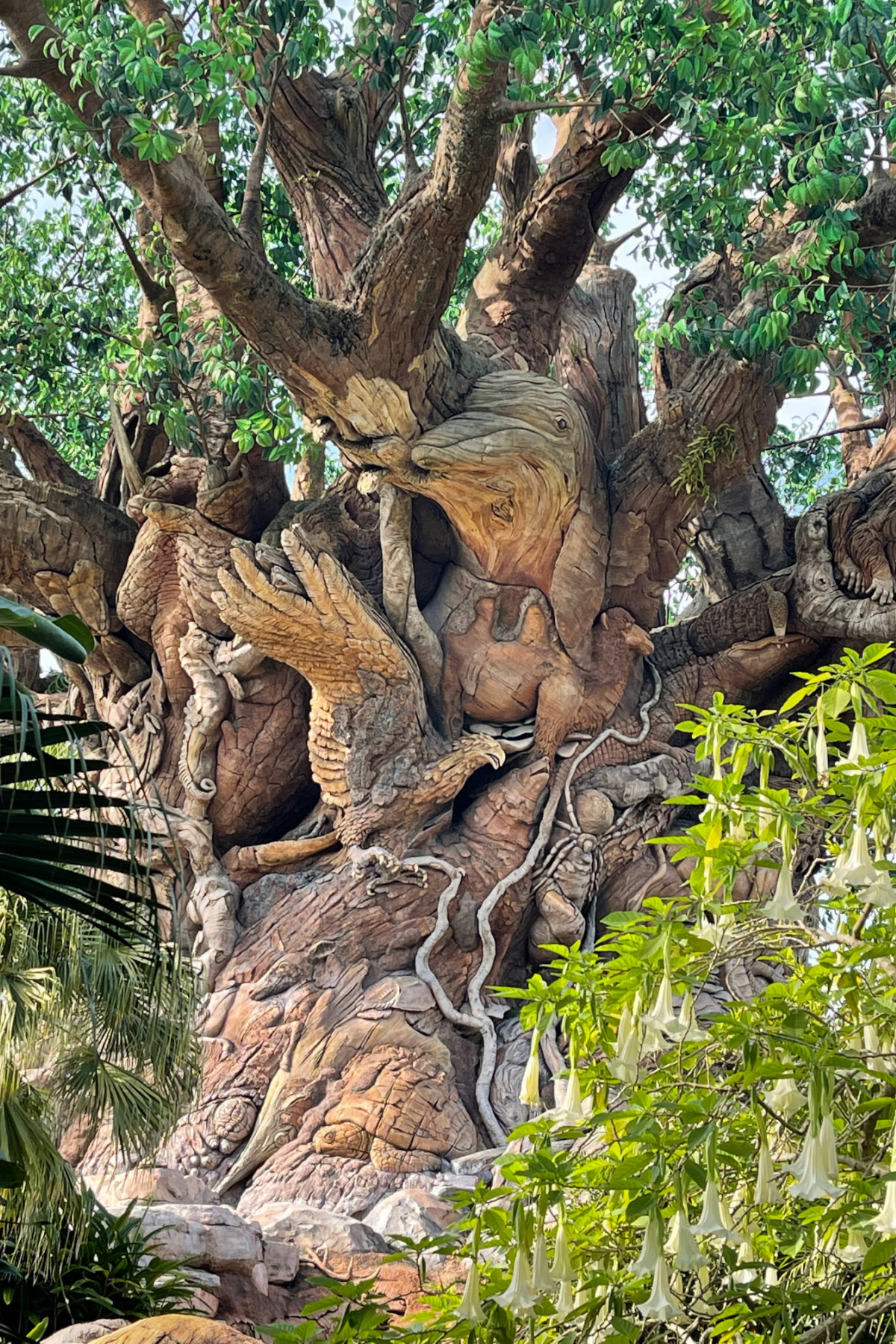
Different viewing angles reveal carvings you couldn’t see from somewhere else.
You could easily stand in front of the Tree, take the obligatory photograph and leave.
Or you can walk underneath and around it and actually look.
Discovery Island is the part of Animal Kingdom where the attraction is paying attention.
Which Animal Trail Is Best at Animal Kingdom?
Okay.
So what if you don’t have time to do all three?
This depends entirely on what you want to see.
Best for Gorillas: Gorilla Falls Exploration Trail
No contest.
If gorillas are your priority, go to Gorilla Falls.
You also get hippos, zebras, meerkats, birds and other African animals, so this is a very strong all-around trail.
It’s particularly easy to pair with Kilimanjaro Safaris.
Best for Tigers: Maharajah Jungle Trek
Again.
No contest.
Tigers, tigers, tigers, tigers, tigers. 😂
If you love big cats, this is your trail.
Best Theming: Maharajah Jungle Trek
Maharajah wins this one too.
Gorilla Falls is beautiful, but Maharajah is something else.
The ruins, murals, carvings, gardens and animal habitats all blend together into one incredibly immersive environment.
It doesn’t feel like Disney built some animal habitats and decorated the spaces between them.
The whole trail feels like one experience.
Best for Variety: Discovery Island and The Oasis
If you want lots of smaller animal encounters, Discovery Island and The Oasis win.
Otters.
Lemurs.
Tortoises.
Kangaroos.
Porcupines.
Birds.
Anteaters.
Babirusas.
And you can explore them in little pieces throughout your day.
Easiest to Fit Into Your Day: Discovery Island and The Oasis
This is another Discovery Island win.
You’re going to walk through here anyway.
Probably multiple times.
You don’t necessarily need to announce:
IT IS NOW DISCOVERY ISLAND TRAIL TIME.
😂
Take a detour.
Look for the otters.
Walk another path around the Tree of Life.
Check out an animal habitat on your way toward Africa.
It’s incredibly easy to weave these animals into the rest of your Animal Kingdom day.
Best to Pair With Another Major Attraction: Gorilla Falls
If you’re already doing Kilimanjaro Safaris, Gorilla Falls is an obvious pairing.
They’re both in Africa, and together they give you two very different ways to experience the animals.
Just remember that Gorilla Falls isn’t redundant because you already rode the Safari.
Best for Photography: Maharajah Jungle Trek
For me?
Maharajah.
Because…
TIGERS.
😂
But beyond the tigers, the actual environment is spectacular.
You have ornate architecture, ruins, vegetation, water, birds and animals all working together.
It’s one of the most photogenic areas in Animal Kingdom.
Best With Young Kids: Honestly, It Depends
I could make a case for all three.
Gorilla Falls has some very recognizable animals and pairs easily with the Safari.
Maharajah has tigers, which can be an enormous hit with kids.
But Discovery Island may actually be the easiest with toddlers and preschoolers because you can experience it in small doses.
A three-year-old doesn’t need to “complete” an animal trail.
If they want to watch an otter for 12 minutes?
Watch the otter.
Then put them back in the stroller and keep moving. 😂
How Long Do You Need for the Animal Trails?
This is one of those questions where I don’t think there’s a particularly useful universal answer.
You can walk through any of these trails relatively quickly.
But why?
The entire point is that you’re able to stop and watch the animals.
If nothing is happening at one habitat, keep moving.
If a tiger is walking directly in front of you?
Stay.
If the gorillas are active?
Stay.
If you happen upon an animal-care Cast Member doing something interesting or a Wilderness Explorer station where your kid is completely engaged?
Stay.
I would much rather spend 45 minutes on a trail because something amazing was happening than rush through it in 20 minutes because that’s what a touring plan told me to do.
What Is the Best Time to Visit the Animal Trails?
There’s another reason I don’t love rigid animal-trail schedules.
Animals are unpredictable.
Temperature, weather, feeding schedules, animal-care routines and the animals’ own preferences can all affect what you see.
Earlier and cooler parts of the day can sometimes be excellent for animal activity, but there is no magical time when Disney flips the Tiger Activity Switch to ON. 😂
If seeing a particular animal matters enormously to you, ask a Cast Member.
They often know what’s happening in the habitats that day and may be able to give you much better information than a generic internet touring strategy.
Are the Animal Trails Worth It?
Absolutely.
And this is where I come back to my larger argument about Animal Kingdom.
People sometimes say Animal Kingdom doesn’t have enough attractions because they’re counting rides.
That’s the wrong way to count this park.
Think about what we’ve covered in this guide alone.
Gorillas.
Hippos.
Zebras.
Meerkats.
Tigers.
Bats.
Komodo dragons.
Deer.
Blackbuck.
Water buffalo.
Gibbons.
Siamangs.
Otters.
Lemurs.
Tortoises.
Kangaroos.
Porcupines.
Anteaters.
Birds upon birds upon birds.
And we haven’t even counted the animals on Kilimanjaro Safaris.
We haven’t gone out to Conservation Station.
We haven’t added all the smaller animal experiences elsewhere around the park.
Once you put all of that together, Animal Kingdom is an absolutely enormous zoological park that also happens to have Flight of Passage, Expedition Everest, Festival of the Lion King and some of the best food at Walt Disney World.
The ride count is only part of the story.
Final Thoughts on Animal Kingdom’s Animal Trails
If you only visit Animal Kingdom to ride Flight of Passage, Kilimanjaro Safaris and Expedition Everest, you’re missing a huge part of what makes this park special.
You don’t need to do every inch of every trail on every visit.
But do something.
Walk Gorilla Falls after the Safari.
Go look for the tigers on Maharajah Jungle Trek.
Take a different path around the Tree of Life and see what animals you find.
Stop at a Wilderness Explorer station.
Talk to an animal-care Cast Member.
And most importantly?
When something interesting is happening, don’t worry about where you’re supposed to be next.
Stay.
Watch the gorilla.
Watch the tiger.
Watch the otter.
Because at Animal Kingdom, that isn’t what you do between attractions.
That is the attraction.
More Animal Kingdom Guides to Help Plan Your Day
If the animal trails are one of your favorite parts of Animal Kingdom, these guides can help you explore even more of the park beyond the headliner rides:
- Best Non-Ride Things to Do at Animal Kingdom — The animal trails are just the beginning. Discover the best shows, characters, live entertainment, food, photography spots, and other things to do without riding anything.
- Animal Kingdom With Kids 5 and Under — Animal trails are especially great with toddlers and preschoolers because you can explore at their pace. Find more animals, shows, characters, gentle attractions, and little-kid-friendly experiences throughout the park.
- Africa at Animal Kingdom Guide — Go deeper into Harambe, including Gorilla Falls Exploration Trail, Kilimanjaro Safaris, Festival of the Lion King, food, live entertainment, and animal experiences.
- Asia at Animal Kingdom Guide — Explore Maharajah Jungle Trek, the siamang and gibbon habitats, Feathered Friends in Flight!, Anandapur, food, and everything else worth slowing down for in Asia.
- Discovery Island and The Oasis Guide — Find the smaller animal habitats around the Tree of Life and park entrance, plus characters, shows, food, Tree of Life carvings, and other easy-to-miss experiences.
- Animal Kingdom Shows and Entertainment Guide — Take a break from animal spotting for Festival of the Lion King, Finding Nemo, Feathered Friends in Flight!, live music, and other entertainment throughout the park.